India
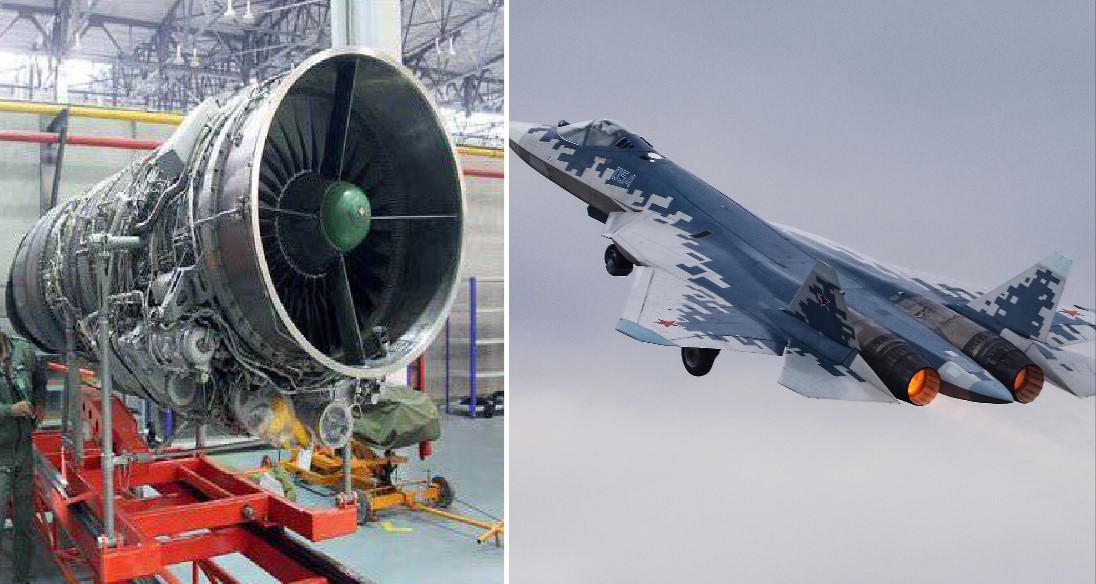
Recent reports on Russia’s continued supply of RD-93 turbofan engines for the JF-17 fighter program have drawn attention in New Delhi, where the development is seen through the wider lens of India-Russia defence ties. The RD-93 is a variant of the RD-33 engine family, originally designed for the Russian MiG-29. It powers the JF-17 Thunder, an aircraft co-developed by China and Pakistan. While much of the commentary frames Russia’s action as direct support to Pakistan, the reality is that the engine deliveries are made to China, which remains the primary developer and manufacturer of the JF-17. Pakistan’s role is limited to assembly of kits supplied by China, even though the project is often presented domestically as an indigenous achievement. The Pakistan Air Force (PAF) inducted the JF-17 in 2010, and since then the fighter has gradually replaced older Mirage and F-7 fleets. The present questions around the RD-93 supply are surfacing after more than a decade of JF-17 service, raising doubts about the timing. Analysts in New Delhi connect the renewed discussion to the possibility of an upcoming India-Russia defence agreement on the Su-57 fifth-generation fighter aircraft. India had earlier stepped away from a joint program on the Su-57 but is now reconsidering acquisition as part of its long-term airpower plans. Such a step would give India advanced capabilities to counter both China and Pakistan, a move that some Western countries are not in favor of. Against this backdrop, narratives about Russian engines sustaining Pakistan’s JF-17 fleet gain wider visibility. The JF-17 Block III, now entering service, introduces improvements such as the KLJ-7A AESA radar, new electronic warfare systems, upgraded avionics, and compatibility with PL-15 long-range air-to-air missiles. These enhancements are intended to narrow the gap with India’s Rafale and upcoming indigenous platforms. However, the aircraft remains fundamentally dependent on imported technology, particularly the RD-93 engines from Russia via China. For Russia, engine sales to China fall under long-standing contracts and represent part of its need to sustain defence exports in an environment shaped by Western sanctions. At the same time, Moscow faces the challenge of maintaining its reputation as a reliable partner for India, a country with which it shares decades of defence cooperation. The Su-57 discussions highlight India’s continued interest in Russian high-end technologies, but also underline New Delhi’s increasing caution as it diversifies defence acquisitions through France, the United States, and domestic initiatives under Atmanirbhar Bharat. The issue of RD-93 supplies is therefore less about a sudden strategic realignment and more about shifting perceptions. Russia’s balancing act—selling engines to China while engaging India on advanced fighter deals—reflects a move away from Cold War–era exclusivity towards a more transactional defence relationship. For India, the episode strengthens the case for reducing external dependencies and accelerating indigenous programs such as the AMCA and advanced engine co-development projects. The debate around the JF-17’s engines ultimately illustrates how global defence supply chains intersect with regional security concerns. It also highlights how geopolitical timing—such as potential India-Russia Su-57 negotiations—can influence the way long-standing technical arrangements are interpreted and politicized.
Read More → Posted on 2025-10-05 11:38:10
World
On 3 October 2025, the UK Ministry of Defence formally issued a Request for Information (RFI) for Project VANQUISH, an initiative to develop and demonstrate a Fixed-Wing Short Take-Off and Landing (STOL) Autonomous Collaborative Platform (FW STOL ACP). The system is intended to operate from Queen Elizabeth-class aircraft carriers without relying on catapults or arrestor gear, and the first sea demonstration is targeted for late 2026, with an allowable delivery window of 18 months. Scope and Objective Project VANQUISH is a technical demonstration effort intended to guide future procurement decisions for the Royal Navy’s evolving hybrid carrier air wing. Its goal is to assess how an attritable, jet-powered, high-subsonic unmanned aircraft can perform a mix of missions—such as intelligence, surveillance, reconnaissance (ISR), strike, and air-to-air refuelling—while operating autonomously alongside crewed aircraft from naval carriers. The term “attritable” signals that the aircraft will be designed with a balance between performance and cost—accepting a degree of loss risk in higher-threat operations, unlike conventional manned combat jets. The RFI calls for proposals across a flexible design space. The UK MOD does not prescribe a particular airframe layout, leaving room for tilt-wing configurations, blended wing bodies, folding wings, or hybrid propulsion systems. The emphasis is on achieving credible endurance, payload, and carrier compatibility, including ship-relative landing guidance, autonomous navigation, and mission management that can integrate with existing carrier strike networks. Timeline, Budget, and Process According to the published tender notice, the RFI (reference 2025/S 000-062294) estimates a contract value of £10 million excluding VAT (or up to £12 million including VAT). The anticipated period for the demonstration phase is from April 2026 to December 2027, a span of about 20 months. Respondents to the RFI have until 14 November 2025 to engage. The RFI stipulates a nominal target date of end-2026 for the first at-sea demonstration, with proposals allowed to shift deliverables up to 18 months beyond that target. After the demonstration phase, the MOD expects to use results to decide whether to pursue a production capability, likely in the early 2030s. Technical and Operational Challenge Launching and recovering a fixed-wing unmanned aircraft from a carrier deck without catapults or arrestor wires presents multiple technical challenges. The system must cope with deck motion, turbulent airflow, sea states, and precise ship-relative control in a dynamic maritime environment. Autonomous recovery is especially demanding, as it must reliably handle small approach margins, crosswinds, and deck motion—all without human pilots. The aircraft must also link into the Royal Navy’s wider command and data systems, coordinating in real time with F-35B aircraft, airborne early warning assets, and shipborne command and control systems. Maintaining secure communications, robust autonomy software, collision avoidance, and fault management under degraded conditions will be essential. Background and Precedents VANQUISH builds on prior Royal Navy experiments in carrier-based unmanned operations. In November 2023, General Atomics’ Mojave UAS achieved STOL operations from HMS Prince of Wales—making it the first such demonstration from a non-catapult carrier. That test confirmed that STOL capability is viable in naval flight deck environments. ( In addition, the Royal Navy has tested autonomous drones for logistics and shipboard operations. For instance, W Autonomous Systems (WAS) successfully landed a drone on HMS Prince of Wales for resupply missions, helping validate unmanned deck operations. Project VANQUISH complements other UK investments in autonomous systems. The ASW Spearhead programme has developed autonomous naval testbeds (e.g., CETUS, PROTEUS, SCYLLA) to advance unmanned maritime capability. Furthermore, under a broader £5 billion defense technology investment announced in mid-2025, more than £4 billion is earmarked for autonomous systems across the services.
Read More → Posted on 2025-10-05 11:20:19
World
Former President Donald Trump recently announced a Gaza peace plan, which has raised questions about its purpose and long-term impact. Many critics suggest that the plan was less about achieving lasting peace and more about creating an opportunity for Trump to win a Nobel Peace Prize, but the more important question is what Israel actually gained from the agreement. In reality, after years of conflict, Israel has gained almost nothing. The plan promised a temporary pause in fighting and the release of hostages, but it did not provide any permanent security guarantees, nor did it remove Hamas from power in Gaza. Israel also gained no land and no long-term strategic advantage. After Many Years of war and repeated sacrifices, Israel’s situation remains largely unchanged, facing the same threats across its border. The plan included billions of dollars in investment for Gaza’s reconstruction, aiming to rebuild schools, hospitals, and infrastructure. While this appears beneficial on paper, the reality is that Hamas controls Gaza. Even if international authorities or technocrats are assigned to manage the funds, Hamas will likely retain influence over how resources are spent. This means that the investments could strengthen Hamas rather than weaken it, giving the organization the resources to reorganize and potentially resume attacks in the future. A central question is who will take responsibility to ensure that Hamas does not attack Israel again. The plan mentions temporary international oversight and Palestinian technocrats to administer Gaza, but practical enforcement remains weak. If Hamas violates the agreement, the United States will not fight Hamas directly. The U.S. may provide weapons, intelligence, and political support to Israel, but it will not deploy its own troops. Trump did not sign a formal, binding treaty guaranteeing Israel’s protection; the best Israel can expect is political assurance that it has the U.S. backing to respond if Hamas attacks again. This means the responsibility for defense remains entirely with Israel, and if the group renews hostilities, Israel will have to confront it alone. History shows that terrorist organizations rarely maintain long-term compliance with agreements. Hamas has repeatedly used ceasefires as opportunities to rebuild, then resumed attacks. Without strict enforcement and control over reconstruction funds and military capabilities, there is little reason to believe that this time would be different. If Hamas takes advantage of the plan, Israel may face renewed conflict within a few years. After decades of war, Israel has not gained any territory from Gaza and has not eliminated Hamas, leaving the cycle of conflict intact. The Gaza peace plan provides no real long-term gain for Israel. While it temporarily pauses fighting and releases hostages, it does not remove the threat posed by Hamas, and the investments intended to rebuild Gaza may inadvertently strengthen the group. After many years of conflict, Israel has gained nothing in terms of land or permanent security, and the same risks remain. Critics argue that the plan reflects Trump’s interest in global recognition, including a Nobel Peace Prize, rather than a solution that ensures lasting peace. The responsibility for Israel’s security remains unchanged, and without strong enforcement, the cycle of violence may continue.
Read More → Posted on 2025-10-04 17:55:43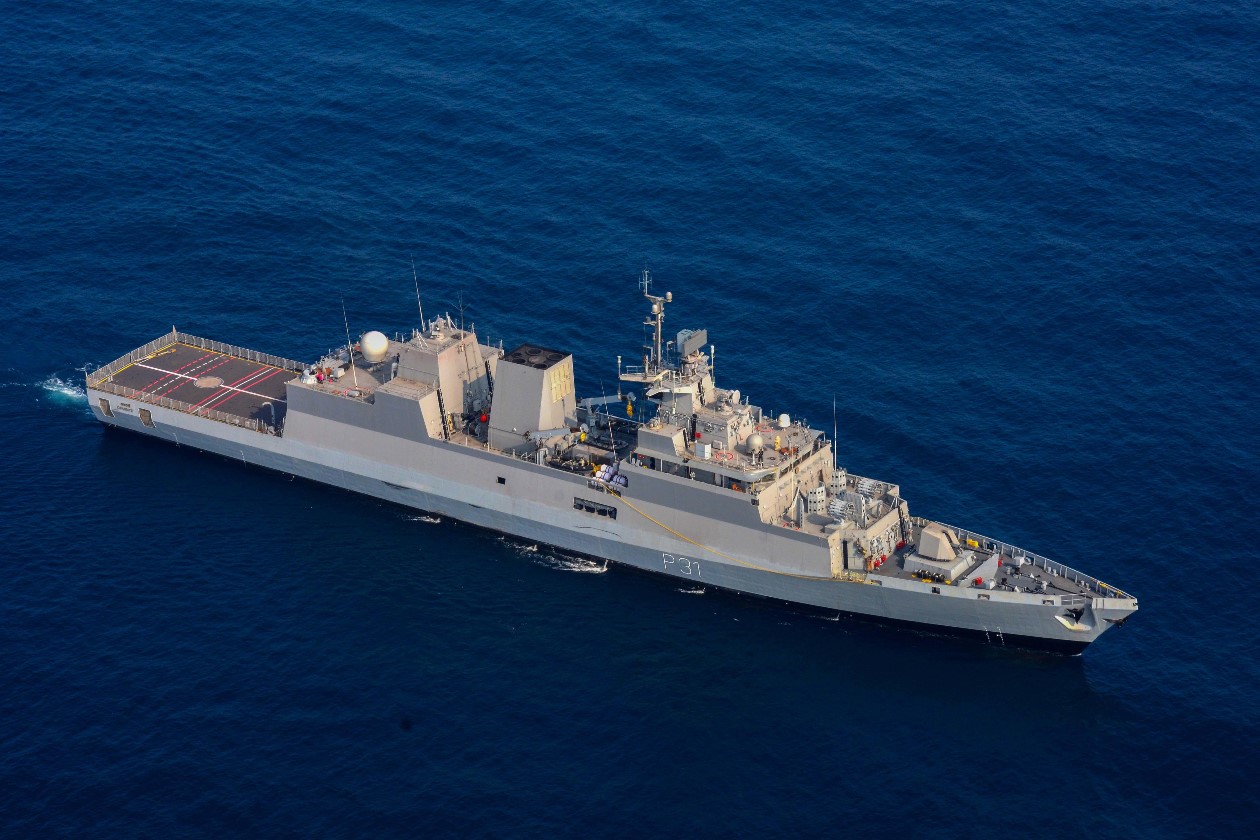
India
The Indian Navy is set to commission INS Androth, the second ship of the Arnala-class Anti-Submarine Warfare Shallow Water Craft (ASW-SWC) series, on October 6, 2025, at the Naval Dockyard in Visakhapatnam. The ceremony will be presided over by Vice Admiral Rajesh Pendharkar, Flag Officer Commanding-in-Chief, Eastern Naval Command. This milestone marks another significant step in enhancing India’s indigenous shipbuilding capabilities and coastal defense readiness. Project Background and Development The Arnala-class project was launched under the Indian Navy’s plan to replace the aging Abhay-class corvettes and to boost its shallow-water anti-submarine warfare strength. The program was initiated under the ‘Buy and Make (India)’ category to promote domestic defense manufacturing. The Ministry of Defence had placed an order for 16 ASW-SWCs, which are being built by two major Indian shipyards — Garden Reach Shipbuilders & Engineers (GRSE) in Kolkata and Larsen & Toubro (L&T) at its Kattupalli facility near Chennai. GRSE is responsible for eight ships, while the remaining eight are being built by L&T. INS Androth is the second ship from the GRSE batch. Construction and Delivery INS Androth was built by GRSE, one of India’s premier defense shipyards. The ship was launched in March 2023 and underwent extensive sea trials in 2025 to evaluate propulsion, weapon, and electronic systems. Following successful trials, the vessel was delivered to the Indian Navy on September 13, 2025, ahead of its formal commissioning. This achievement reflects the efficiency of GRSE’s production process and India’s increasing capability to design and build complex warships domestically under the ‘Atmanirbhar Bharat’ initiative. Key Specifications Displacement: Approximately 900 tonnes Length: 77.6 meters Beam: 10.5 meters Speed: Up to 25 knots Endurance: Around 1,800 nautical miles at 14 knots Crew: About 7 officers and 50 sailors Propulsion: Three diesel engines driving water-jets, providing high maneuverability in shallow waters The ship’s design is optimized for operations close to the coastline and in littoral zones, where agility and quick response are critical for anti-submarine warfare missions. Weapons and Sensors INS Androth is equipped with a range of advanced sensors and weapon systems designed for detecting and neutralizing submarine threats in coastal areas. Sonar Systems: Equipped with the indigenous Abhay hull-mounted sonar developed by DRDO’s Naval Physical and Oceanographic Laboratory (NPOL), supported by Bharat Electronics Limited (BEL). Towed Array Sonar: A low-frequency variable-depth sonar enhances detection capabilities in challenging underwater environments. Main Armament: RBU-6000 anti-submarine rocket launcher 324mm lightweight torpedo launchers for engaging underwater targets Defensive Systems: Includes decoy launchers, chaff dispensers, and mine-laying rails for coastal defense operations. The combination of indigenous sonar and weapon systems ensures that the ship can independently track and engage underwater targets within the Indian littoral zone. Indigenous Content and Industry Participation The Arnala-class corvettes feature over 80% indigenous content, showcasing India’s progress in defense self-reliance. Companies such as BEL, Mahindra Defence, and L&T supplied key systems, including sonar, decoy launchers, and control equipment. The program has also strengthened local supply chains and created numerous jobs in the Indian shipbuilding ecosystem, reaffirming the success of the Make in India initiative in the defense sector. Operational Role and Strategic Importance The Arnala-class ships are designed for anti-submarine operations in shallow coastal waters, complementing larger ASW frigates and destroyers operating in deep seas. They will also perform secondary roles, including mine laying, coastal patrol, and surveillance. By commissioning INS Androth, the Indian Navy strengthens its ability to detect and deter submarine incursions close to the Indian coastline, a capability increasingly vital given the growing presence of foreign submarines in the Indian Ocean Region.
Read More → Posted on 2025-10-04 17:36:24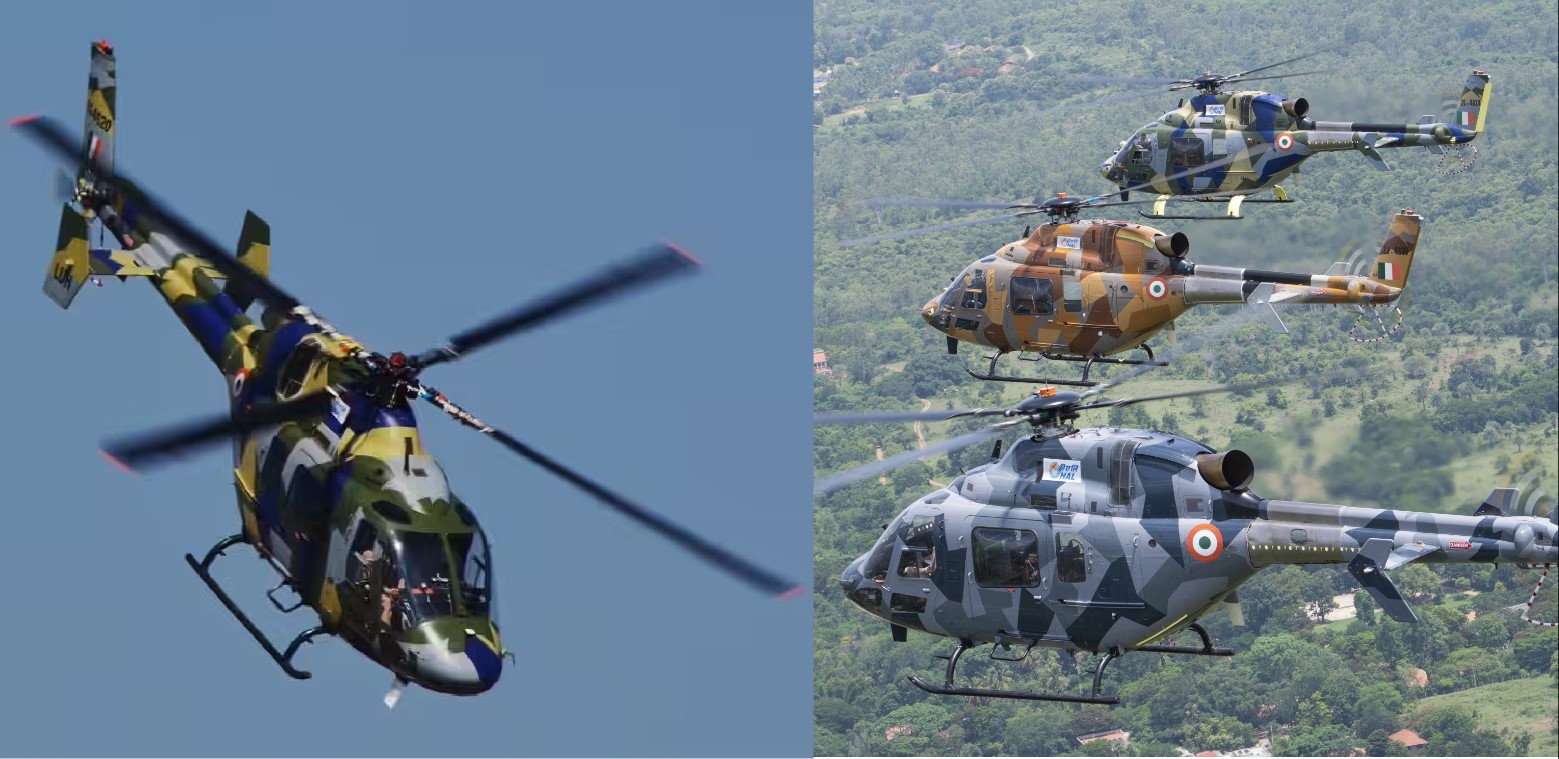
India
Hindustan Aeronautics Limited (HAL) is moving closer to resolving the remaining technical challenges in the Light Utility Helicopter (LUH) program, with the company expecting to achieve final certification by December 2025. According to recent updates from industry sources, both the Flight Control System (FCS) and Main Rotor Blade issues that led to the temporary grounding of the LUH fleet are now in the final stages of rectification. HAL anticipates that production and delivery of the Limited Series Production (LSP) helicopters will begin by March 2026, marking an important milestone for India’s indigenous helicopter development. The Root of the Problem The LUH, developed by HAL as a replacement for ageing Cheetah and Chetak helicopters, had completed extensive flight testing and high-altitude trials when certain anomalies were detected in 2023 during regular operational evaluations. The issues primarily involved vibrations linked to the Main Rotor Blade and inconsistent responses in the Flight Control System (FCS) under specific flight conditions. Although these irregularities did not pose immediate flight safety risks, HAL and the Centre for Military Airworthiness and Certification (CEMILAC) decided to ground the test fleet as a precautionary measure. The move was taken to ensure long-term reliability and safety before clearing the helicopter for production. Corrective Actions and Testing HAL engineers, along with specialists from Rotary Wing Research and Design Centre (RWRDC), initiated a detailed assessment of both subsystems. The Main Rotor Blade issue was traced to material and aerodynamic fine-tuning needs. Engineers have since redesigned certain blade components and optimized the vibration dampening system, with new blades undergoing validation trials at HAL’s Bengaluru test facility. The Flight Control System underwent software refinements and calibration updates to ensure smoother control inputs, particularly during high-altitude and low-speed operations. The modified FCS has reportedly shown stable performance in simulated trials and limited test flights, indicating that the problem has been effectively addressed. Progress Toward Certification The revised systems are now undergoing certification flight tests under CEMILAC supervision, and if results continue as expected, full airworthiness certification is likely to be granted by December 2025. Once certified, HAL will proceed with the delivery of the first LSP units to the Indian Army and Indian Air Force (IAF) early next year. Strategic Importance of LUH The LUH is a crucial part of India’s push for self-reliance in rotary-wing platforms. Designed for utility and reconnaissance roles, it can operate efficiently in high-altitude environments such as Siachen, a region where helicopter operations are vital for troop support and logistics. The aircraft is powered by the Shakti-1U turboshaft engine, developed jointly by HAL and France’s Safran, and features advanced avionics, compact design, and low maintenance requirements. Once inducted, the LUH will replace over 400 Cheetah and Chetak helicopters that have served for decades but are nearing the end of their operational lives. The transition will significantly enhance the safety, reliability, and operational reach of India’s light helicopter fleet.
Read More → Posted on 2025-10-04 17:16:28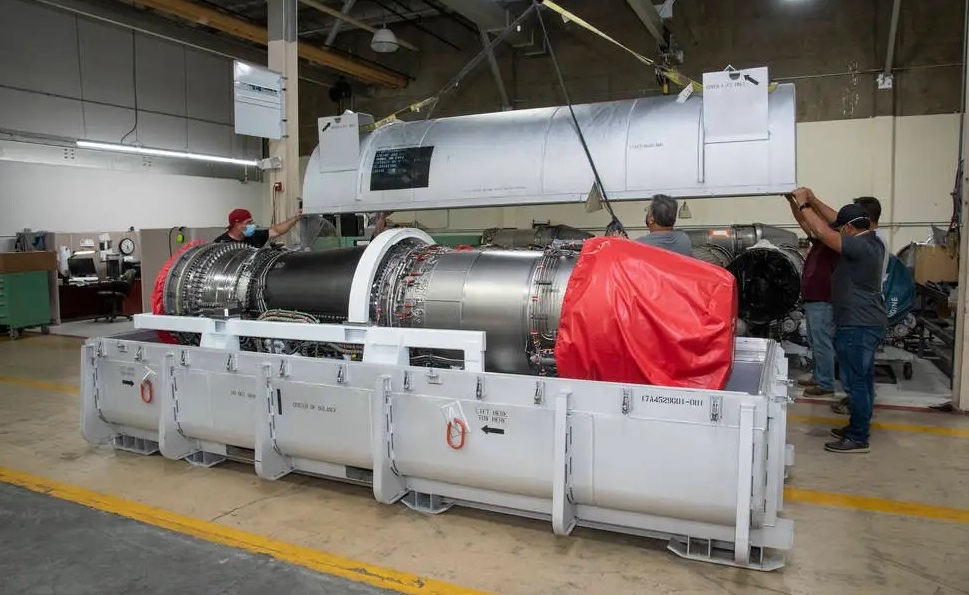
India
General Electric has completed the delivery of ten F414-GE-INS6 engines to Hindustan Aeronautics Limited , marking a significant step forward in the development of India’s Tejas Mk2 fighter aircraft program. These engines will power the upcoming series of Tejas Mk2 prototypes, with the first prototype now nearing the final stages of manufacturing at HAL’s Aircraft Research and Design Centre in Bengaluru. Progress in Tejas Mk2 Prototype Manufacturing The assembly of the first Tejas Mk2 prototype has entered an advanced phase. Major structural sections, including the fuselage, wings, and vertical tail, have been integrated, and systems installation is currently underway. HAL engineers are focusing on integrating flight control systems, avionics wiring, and hydraulic components before the aircraft moves into the ground testing phase. According to sources within HAL, the first prototype rollout is expected to take place in early 2026, slightly delayed from the earlier target of late 2025 due to design refinements and tooling optimization. Once rolled out, the aircraft will undergo extensive ground tests — including engine runs, vibration checks, and taxi trials — before taking to the skies. Expected Flight and Prototype Sequence The maiden flight of the Tejas Mk2 is planned for the second half of 2026, following a few months of ground and systems validation. HAL aims to ensure that the first prototype meets all safety and performance parameters before initiating flight trials. Work on the second prototype is already in progress at the ARDC facility. This airframe will incorporate lessons from the first prototype’s ground testing phase and is expected to be rolled out within six to eight months after the first prototype’s debut. The second aircraft will focus on flight envelope expansion and weapons integration testing. Engine Deliveries and Agreement The F414-GE-INS6 engine, developed by General Electric for India, delivers 98 kN of thrust, providing a substantial performance increase over the F404 engine used in the Tejas Mk1. The ten engines already supplied will cover the initial prototypes and early testing phases. In July 2025, GE Aerospace and HAL signed a Manufacturing License Agreement (MLA) for the co-production of GE F414 engines in India, specifically for the Indian Air Force’s (IAF) Tejas Mk2 fighter jet program. The agreement includes substantial technology transfer (ToT), with a goal of achieving over 80% transfer of critical technologies, marking one of the most comprehensive defense manufacturing collaborations between India and the United States. This agreement, which follows a Memorandum of Understanding (MoU) signed in 2023, represents a major milestone in India’s defense indigenization initiative. The deal not only strengthens the Tejas Mk2 program but also positions India to build advanced fighter jet engines domestically, enhancing long-term self-reliance in aerospace propulsion.
Read More → Posted on 2025-10-04 17:07:37
World
Recently leaked encrypted messages from senior Trump administration officials have shed new light on internal discussions about deploying the 82nd Airborne Division to Portland, Oregon, during a period of civil unrest in the city. The revelations, obtained by the Minnesota Star Tribune through an anonymous source, suggest that top aides debated the legality, political optics, and potential fallout of using one of America’s most recognized combat units on U.S. soil. Internal Deliberations Over Military Deployment The leaked exchanges took place on Signal, an encrypted messaging platform often used by government officials and advisors. Among those involved were Anthony Salisbury, a senior aide to then–White House Deputy Chief of Staff Stephen Miller, and Patrick Weaver, an advisor to then–Secretary of War Pete Hegseth. The discussions reportedly occurred while Salisbury was attending a family funeral in Minnesota, adding a personal dimension to what became a politically charged conversation. According to the messages, Weaver conveyed that Hegseth wanted assurances from the White House that he would receive “top cover” if the situation in Portland worsened following a potential deployment. The term referred to political and legal backing from senior administration figures, including President Trump himself. The conversations also revealed hesitation about using the 82nd Airborne Division, which is typically associated with overseas combat missions rather than domestic enforcement. Weaver and Salisbury reportedly agreed that deploying such a high-profile unit could provoke significant backlash and fuel accusations of militarizing domestic law enforcement. Shift Toward the National Guard Ultimately, the administration chose a more limited approach. On September 28, 200 National Guard troops were sent to Portland following President Trump’s characterization of the city as “war-ravaged.” The move drew immediate legal challenges from both the state of Oregon and the city of Portland, which argued that the deployment violated federal statutes restricting the use of active-duty military personnel in domestic law enforcement roles. Legal experts referenced the Posse Comitatus Act, a longstanding law designed to prevent the military from being used as a policing force within the United States. The lawsuits emphasized that even National Guard deployments must adhere to strict state and federal guidelines, particularly when civil liberties are at risk. Broader Implications and Cabinet Tensions The leaks also revealed internal friction within the administration. Salisbury reportedly made critical remarks about FBI Director Kash Patel, suggesting divisions among senior officials over the handling of domestic unrest. These remarks reflect the broader atmosphere of distrust and political maneuvering that characterized much of the administration’s internal communications during that period. The White House response to the leaks was deflective. Rather than address the substance of the messages, officials criticized the Star Tribune and other journalists involved in reporting the story, accusing them of “moral bankruptcy.” Concerns Over Civil-Military Boundaries These disclosures come amid renewed debate about the boundaries between military and civilian authority in the United States. President Trump’s previous comments describing American cities as potential “training grounds” for the military have heightened public concern about the normalization of armed forces in civil affairs. Civil rights groups, including the American Civil Liberties Union (ACLU) and Human Rights Watch, have warned that any precedent for military involvement in domestic policing could weaken democratic institutions and erode public trust in both the armed forces and the federal government. Legal analysts also note that using elite combat units domestically could set a troubling example for future administrations, potentially blurring constitutional limits on executive power. Possible Outcomes and Future Implications If verified, the leaked communications could have multiple consequences. Congressional committees might seek to review whether the discussions breached legal or ethical boundaries, particularly concerning the Insurrection Act or federal deployment protocols. Moreover, they could prompt renewed scrutiny of encrypted communications among senior government figures, raising questions about accountability and transparency in crisis decision-making. The controversy also serves as a reminder of how internal political considerations often influence national security decisions. Even though the deployment of the 82nd Airborne Division did not materialize, the discussions highlight a willingness within parts of the administration to consider military intervention in civilian contexts—a notion that continues to alarm legal scholars and defense analysts alike. As the situation unfolds, both public and congressional attention is expected to focus on the extent of executive authority in domestic operations and the long-term implications such decisions could have for the separation of military and civilian spheres in the United States.
Read More → Posted on 2025-10-04 16:56:52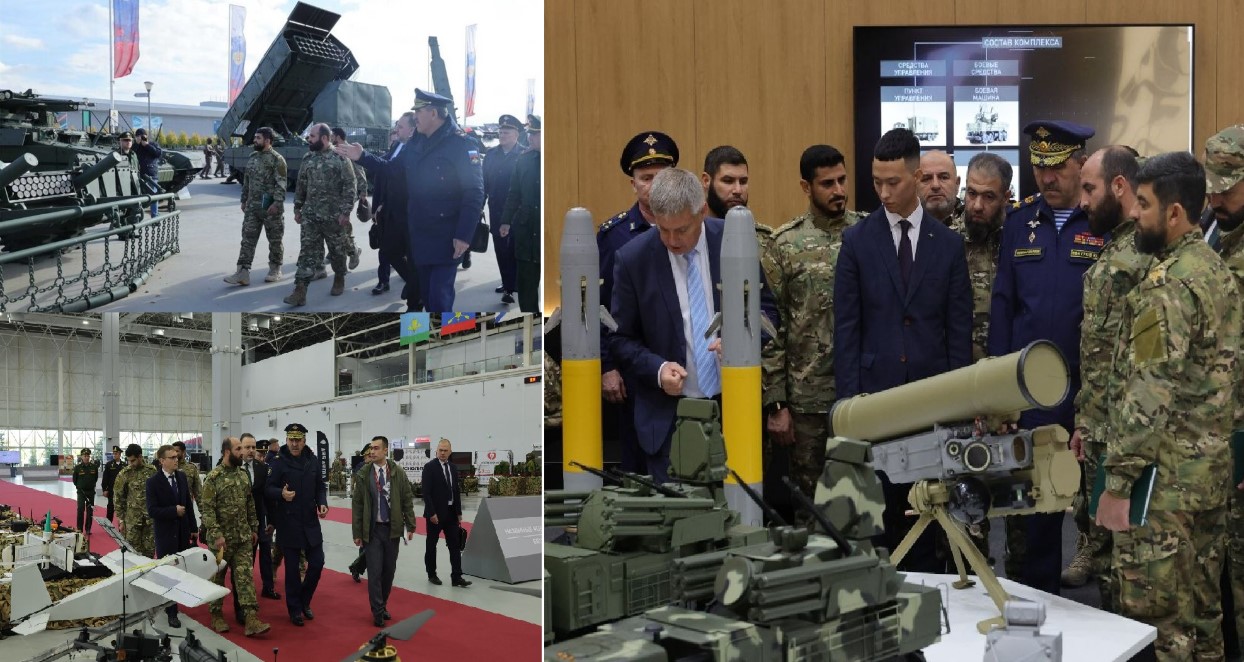
World
On October 3, 2025, a Syrian defense delegation led by Chief of Staff Gen. Ali Al-Nasaan arrived in Moscow for a high-level visit to review new developments in the Russian defense industry. During the trip, the delegation was presented with a range of advanced systems, including air defense platforms, combat drones, armored vehicles, and heavy engineering equipment. The visit reflects the continued depth of the military relationship between Damascus and Moscow, as well as the possibility of future acquisitions that could influence security dynamics in the Middle East. Over the past decade, Russia has remained Syria’s most important arms supplier, particularly as Western sanctions restricted Damascus’ ability to access global markets. According to data from the Stockholm International Peace Research Institute (SIPRI), Moscow provided a steady flow of equipment between 2015 and 2021. These deliveries included tanks, infantry fighting vehicles, artillery, helicopters, and fighter aircraft, many of which were transferred second-hand but were essential in restoring the Syrian Arab Army’s (SAA) capacity during the later stages of the conflict. Examples include more than 100 T-62 tanks, several Mi-24 and Mi-35 attack helicopters, and S-300PMU1 air defense systems with a stock of interceptors. The latest Moscow visit suggests a shift from reliance on older systems toward exploring modern export-ready platforms. Reports indicate that the Syrian delegation reviewed equipment such as the Buk-M3 and Pantsir-S1M air defense systems, both of which have been operationally tested in recent conflicts. These systems are designed to intercept drones, cruise missiles, and precision-guided weapons—threats that have regularly challenged Syrian defenses, particularly during Israeli air operations. Access to such technology would represent a meaningful upgrade for Syria’s layered defense network. Equally noteworthy was the reported focus on unmanned aerial vehicles (UAVs). Until now, Damascus has relied heavily on Iranian drones, which offered limited range and payload capacity. Russian UAVs, including reconnaissance platforms like the Orlan-30 or strike systems such as the Lancet loitering munition, could provide Syria with improved surveillance, targeting, and precision-strike capability. This would give the SAA more flexibility in monitoring frontlines and conducting limited precision operations. On the ground side, discussions are believed to have included modern armored vehicles. Syrian armored brigades continue to operate aging T-72 and T-62 models. Newer vehicles such as the T-90MS main battle tank or the BMP-3 infantry fighting vehicle could significantly enhance the country’s land forces, though the scale and financing of such acquisitions remain uncertain. Given ongoing sanctions and Syria’s economic constraints, any potential contracts would likely rely on Russian credit facilities, aid packages, or barter arrangements, as has occurred in past defense transactions. The visit also carried symbolic weight. By hosting Gen. Al-Nasaan, Moscow reaffirmed its role as Syria’s central defense partner and emphasized its intention to maintain influence in the Levant. For Damascus, the visit underscored a continued reliance on Russian support as the foundation of its security strategy. The Tartus naval facility and Khmeimim airbase remain critical Russian assets in Syria, and expanded defense cooperation further secures Moscow’s long-term presence in the region. Strategically, the possibility of Syria acquiring new air defense systems, drones, and heavy armor could complicate U.S. operations in the Middle East, particularly those involving freedom of movement in Syrian airspace. It could also affect the regional balance by signaling a renewed effort by Damascus to restore conventional deterrence after years of attrition. While the financial and logistical hurdles remain significant, the Al-Nasaan delegation’s exposure to modern Russian systems suggests that Syria is actively exploring options to modernize beyond basic survival. This development highlights a gradual shift in the defense relationship. What began as Moscow’s emergency support during Syria’s civil war has evolved into a structured partnership focused on sustaining and modernizing the SAA. If future acquisitions are confirmed, they would not only bolster Syrian operational readiness but also further integrate Damascus into the orbit of Russian strategic interests, ensuring that regional security remains closely tied to Moscow’s defense agenda.
Read More → Posted on 2025-10-04 16:49:03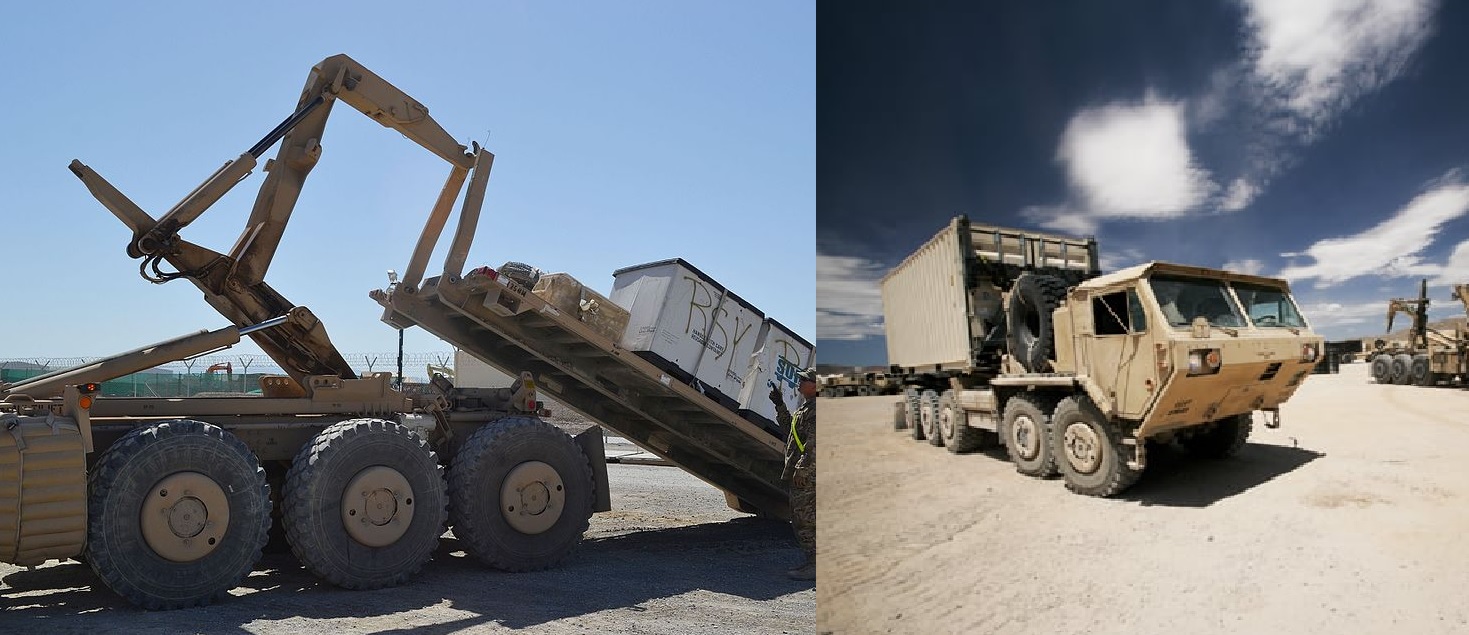
World
Oshkosh Defense reported that the U.S. Army Contracting Command–Detroit Arsenal has issued an $89 million order for Palletized Load System (PLS) A2 trucks, with associated kits and installations. The order was confirmed in an October 1, 2025, release and is placed under the Family of Heavy Tactical Vehicles (FHTV) V program, which runs until August 2029. The PLS A2 continues the role of a heavy tactical truck with a load handling system capable of lifting and placing flatracks or containers without trailers or external lifting equipment. This system allows units to transfer loads quickly. The A2 introduces three main elements: by-wire controls that prepare the vehicle for supervised convoy operations, driver assistance features such as stability and braking support, and an open digital architecture for future upgrades. The order is part of the wider FHTV V program, which also covers the Heavy Expanded Mobility Tactical Truck (HEMTT) A4. The program emphasizes using common militarized commercial components, which simplifies maintenance and training and reduces overall lifecycle costs. Alongside new production, the Army continues to recapitalize older trucks, updating them to current standards. This approach maintains fleet availability while spreading modernization across existing vehicles. Most of the A2’s changes are based on electronics and control systems, which can be added through kits and installations. This allows updates to be applied without completely new vehicle builds, reducing delivery time and supporting consistent upgrades. The Army identifies dispersed formations and extended supply routes as key operational challenges. Features such as driver assistance reduce workload and improve safety in varied conditions. By-wire controls enable leader-follower convoy operations, while the open digital framework allows new systems—such as autonomy kits or protection modules—to be integrated when ready. This order supports the Army’s plan to keep logistics vehicles aligned with current needs while allowing for future improvements. It provides a step toward a fleet that is easier to maintain, adaptable to new technologies, and consistent with long-term sustainment goals.
Read More → Posted on 2025-10-04 16:41:26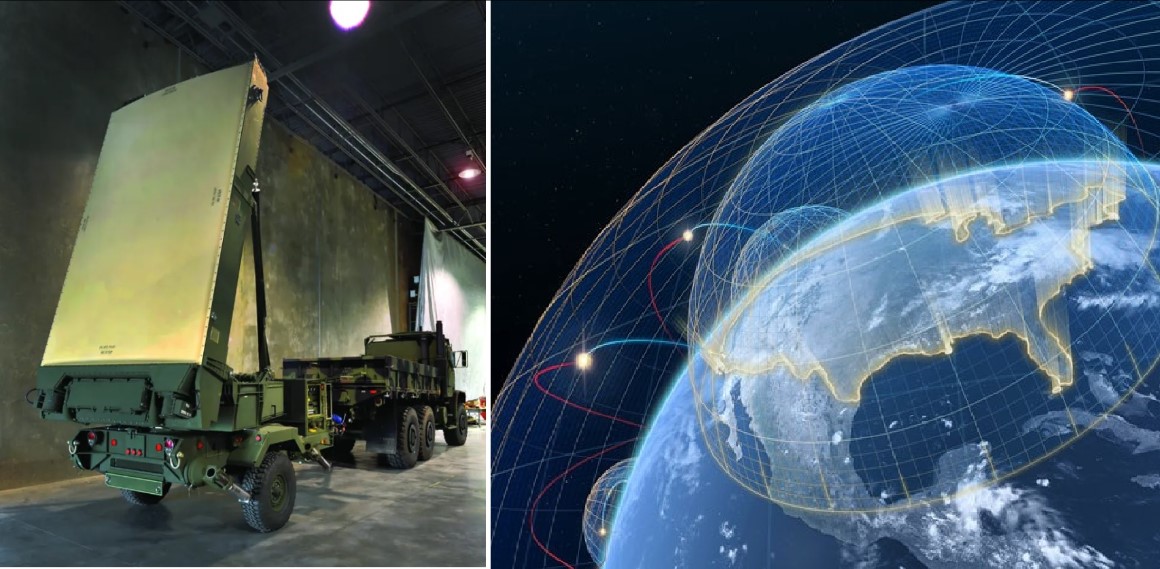
World
Northrop Grumman is advancing a new approach to U.S. homeland defense through its “Golden Dome for America” initiative, centered on the AN/TPS-80 Ground/Air Task Oriented Radar (G/ATOR). The system is a mobile, multi-mission radar designed to detect, track, and classify a wide variety of aerial and ground-based threats with precision and speed. Developed originally for the U.S. Marine Corps, the AN/TPS-80 has evolved into a versatile platform suitable for broader defense roles. It combines the functions of multiple legacy radar systems into one unit, supporting missions such as air surveillance, air defense, and counter-battery detection. The radar uses Active Electronically Scanned Array (AESA) technology built on Gallium Nitride (GaN) modules, providing high reliability, extended range, and reduced maintenance requirements. Its electronically steered beams can rapidly shift focus, allowing it to handle numerous targets at once, from drones and cruise missiles to artillery fire. The radar’s mobility enables it to be deployed quickly to different locations, offering adaptable coverage in varying operational environments. The “Golden Dome” concept builds on this flexibility by linking several G/ATOR units into a networked radar grid. When integrated with systems such as the Integrated Air and Missile Defense Battle Command System (IBCS) and Joint All-Domain Command and Control (JADC2), the radar contributes to a shared picture of the airspace. This enables coordination among different branches of the armed forces and provides a layered detection capability across regions. The G/ATOR operates in the S-band frequency, which supports a balance between detection range and resolution, making it suitable for identifying low-observable targets. Its open-systems design allows for future upgrades and integration with additional sensors, including space and long-range ground-based assets. Northrop Grumman’s approach aligns with the U.S. Department of Defense’s objective of developing distributed, survivable sensor networks to counter evolving threats such as unmanned aerial systems, cruise missiles, and hypersonic weapons. By deploying mobile radar units capable of rapid data exchange, the system supports a layered and adaptable defense posture across the homeland. The company’s focus on modular technology and interoperability reflects a shift toward flexible, networked defense architectures that can evolve as new technologies and threats emerge.
Read More → Posted on 2025-10-04 11:41:35
India
Pakistan’s latest attempt to rake up the Sir Creek dispute has once again exposed its misplaced priorities. At a time when the country is facing an economic meltdown, food shortages, and protests in Pakistan-occupied Kashmir (PoK) that resemble a civil war-like situation, Islamabad is choosing to invest in military hardware and border provocations. This reckless approach has drawn a sharp warning from India, which has reminded Pakistan of the strength and capability of the Indian Armed Forces. The Sir Creek problem dates back to Partition in 1947. It is a marshy estuary in the Rann of Kutch, where both countries claim ownership based on different interpretations of colonial maps. While most of the Kutch boundary was settled through international arbitration in the 1960s, Pakistan deliberately keeps Sir Creek unresolved to maintain tensions with India. Raising the issue now is nothing more than a calculated attempt to divert attention from the crises at home. The reality inside Pakistan is grim. Inflation and unemployment are soaring, leading to a food crisis where even essentials like wheat and pulses are scarce. In PoK, ordinary citizens have risen against Islamabad’s neglect, clashing with Pakistani forces. Instead of addressing these challenges, Pakistan’s ruling elite continues to pour money into tanks, fighter jets, and missiles. India has consistently demonstrated that provocations will not go unanswered. From the surgical strikes of 2016, which destroyed terrorist launch pads in Pakistan-occupied territory, to the Balakot air strike in 2019, which hit terror camps deep inside Pakistan, New Delhi has shown its resolve to act decisively. More recently, in Operation Sindoor 2025, the Indian Armed Forces struck back against cross-border threats, destroying 12 Pakistani aircraft and several key military installations. These actions underline India’s overwhelming superiority and Pakistan’s inability to withstand sustained military pressure. The Indian Navy further strengthens this advantage. With a growing fleet of aircraft carriers, nuclear submarines, stealth destroyers, and maritime surveillance aircraft, India can dominate the Arabian Sea and secure its western coastline. In comparison, Pakistan’s navy remains small, outdated, and incapable of matching India’s maritime reach. Any confrontation in the Sir Creek region or adjacent waters would be heavily one-sided. Pakistan’s obsession with challenging India stems from desperation. By creating new border flashpoints, its leadership seeks to distract people from domestic failures. But history shows that every time Pakistan has provoked India — whether in 1965, 1971, Kargil in 1999, or in recent decades — it has suffered defeats and humiliation. The truth is clear. Pakistan is a nation struggling for survival, yet it wastes scarce resources on a futile military buildup. Rather than provoking India over Sir Creek, Islamabad should focus on feeding its citizens, addressing the unrest in PoK, and stabilising its collapsing economy. India has made it clear that it will defend its sovereignty with full force, and Pakistan should not forget that the consequences of its adventurism will once again leave it weaker, poorer, and more isolated.
Read More → Posted on 2025-10-04 11:16:27
Space & Technology
Scientists from China and the United Kingdom have reported that the far side of the moon is not only visually distinct from the near side but may also have developed under cooler geological conditions. The conclusion comes after a detailed analysis of lunar rocks and soil collected during China’s Chang’e-6 mission, which returned to Earth in June 2024 carrying the first-ever samples from the moon’s far side. Their findings were published in the peer-reviewed journal Nature Geoscience on 30 September 2024. The Chang’e-6 lunar probe successfully landed in the South Pole–Aitken region, a massive and ancient impact basin on the far side, and retrieved about 300 grams (0.66 pounds) of material from the southern rim of the Apollo basin, a large crater within this territory. This marked a milestone in lunar exploration because, until then, all physical samples studied by scientists had come from the near side, including those collected by NASA’s Apollo missions and China’s Chang’e-5 mission. The absence of far side samples had long restricted research into the reasons behind the striking asymmetry between the two hemispheres. When researchers compared the newly obtained material with near side samples, they discovered a significant difference in thermal history. The minerals from the far side appear to have formed at mantle temperatures about 100 degrees Celsius (212°F) lower than those recorded for the near side. This provides the first direct evidence of a thermal imbalance between the two sides of the moon. The contrast aligns with well-documented differences in surface appearance. The near side, which always faces Earth, is dominated by large, dark basaltic plains known as maria, created by extensive volcanic activity billions of years ago. The far side, on the other hand, is rugged, heavily cratered, and mountainous, with far fewer basaltic features. Scientists attribute this divergence to the uneven distribution of heat-producing radioactive elements such as uranium, thorium, and potassium. These elements, often found together with phosphorus and rare earth elements in a rock type referred to as KREEP, are significantly more concentrated on the near side. Their presence provided additional internal heat, sustaining prolonged volcanic activity and thinner crust there, while the far side, with fewer of these materials, cooled more quickly and developed a thicker crust. The Chang’e-6 samples also offered further geological insights. Laboratory tests dated the collected basalt rocks to about 2.8 billion years ago, placing them among the younger volcanic formations on the moon. However, despite their age, the samples confirmed that the mantle potential temperature beneath the far side was consistently lower than that of the near side, reflecting a long-lasting difference in thermal conditions. Earlier research based on remote data had suggested such an imbalance, but this study is the first to confirm it with real material from the far side. In addition, scientists examining the Chang’e-6 material reported evidence that a colossal asteroid impact more than 4 billion years ago may have altered the interior of the far side. This event is believed to have shaped the South Pole–Aitken basin and could have influenced the subsequent thermal and crustal evolution of that hemisphere. According to Li Yang, a professor at both University College London (UCL) and Peking University, the findings shed new light on one of lunar science’s longest-standing puzzles. He noted that the near side and far side of the moon are very different both at the surface and in their interior composition. While a dramatic difference in mantle temperature had been proposed for decades, he said this is the first time such a difference has been demonstrated using actual rock samples. The research team explained that their study demonstrates how the lunar far side mantle was relatively colder than the near side mantle, which is consistent with differences in crustal thickness and heat-producing element distribution between the two hemispheres. At the same time, they acknowledged that the exact cause of this hemispherical asymmetry remains unresolved and will require further investigation. These results are significant not only for lunar science but also for broader planetary studies. The moon preserves a record of early solar system history, and understanding its internal evolution helps scientists learn more about the formation of Earth and other rocky planets. The success of Chang’e-6 underscores the importance of sample-return missions, which allow for laboratory analysis of extraterrestrial material rather than relying solely on remote sensing. As examination of the Chang’e-6 samples continues, researchers expect more discoveries that will clarify why the moon’s hemispheres diverged so sharply in both appearance and thermal history. This work also lays the foundation for future exploration, as countries including China, the United States, and India plan new missions to the lunar surface, with special interest in the far side, which still holds many unanswered questions.
Read More → Posted on 2025-10-04 10:51:59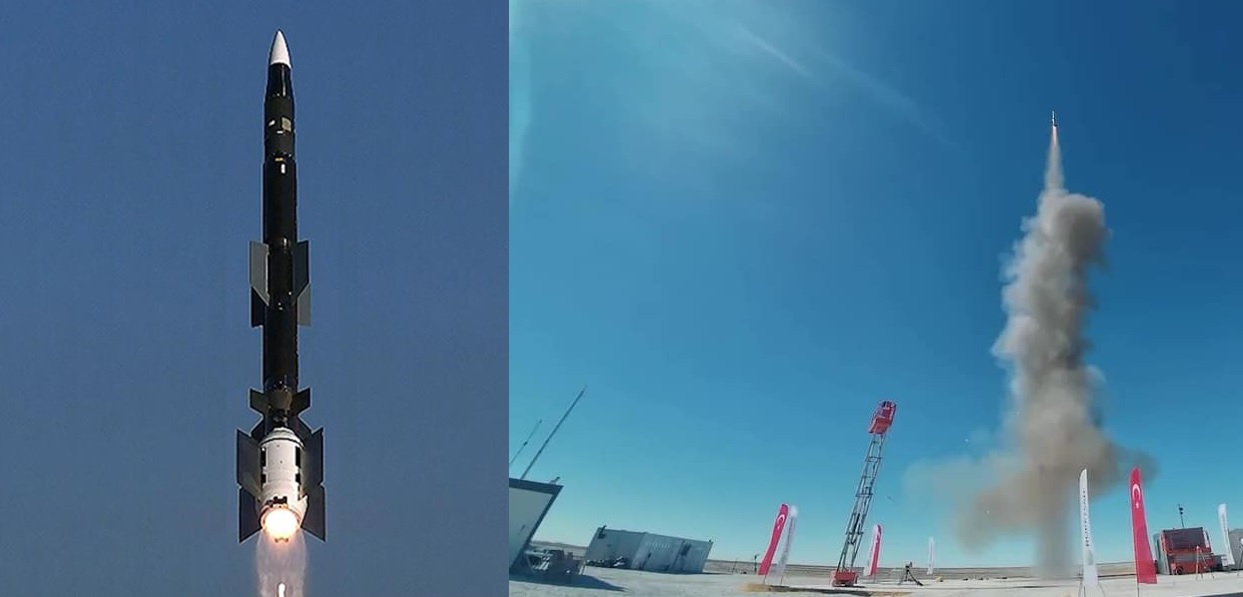
World
Türkiye successfully performed the first test-firing of the SIPER-1D long-range surface-to-air missile from its indigenous MIDLAS vertical launch system on 27 September 2025. The missile, developed by Roketsan with national resources, was launched from MIDLAS, which was first deployed on TCG İstanbul and is planned for all future Turkish naval platforms. According to Roketsan, this test demonstrates Türkiye’s ability to launch long-range air-defense missiles from its own ships using domestically produced systems. The SIPER project was initiated to meet Türkiye’s long-range air defense requirements and forms a key component of the “Çelik Kubbe” (Steel Dome) air defense architecture. SIPER Block-1 was developed from the HİSAR O+ RF missile and uses a booster produced by Roketsan with a dual-pulse rocket motor capable of a 100 km range. SIPER Block-2, developed from scratch, uses a single-stage rocket motor to achieve greater range. The SIPER-1D launch from MIDLAS extends the ship’s air-defense capability beyond 100 kilometers, with further improvements in range expected as development continues. The missile is 5.4 meters long with a diameter of 370 millimeters and is equipped with a high-explosive fragmentation warhead. It uses data link, GPS/INS, and an RF seeker for guidance, allowing it to engage a variety of aerial targets. The integration with MIDLAS, Türkiye’s vertical launch system developed by Roketsan, enables flexible deployment from naval vessels and rapid response to airborne threats. This development strengthens Türkiye’s position among nations capable of launching advanced long-range air-defense missiles from their own naval platforms. The combination of SIPER-1D and MIDLAS enhances operational capabilities for Türkiye’s naval forces in regions including the Aegean Sea, Eastern Mediterranean, and Black Sea. Ongoing work on SIPER-2D aims to further increase range and effectiveness, and integration with advanced radar systems such as CAFRAD is expected to improve target acquisition and tracking. The successful test-firing of SIPER-1D from MIDLAS represents a significant step in Türkiye’s self-reliance in naval air defense and demonstrates the country’s continued development of indigenous missile and launcher systems.
Read More → Posted on 2025-10-04 10:42:17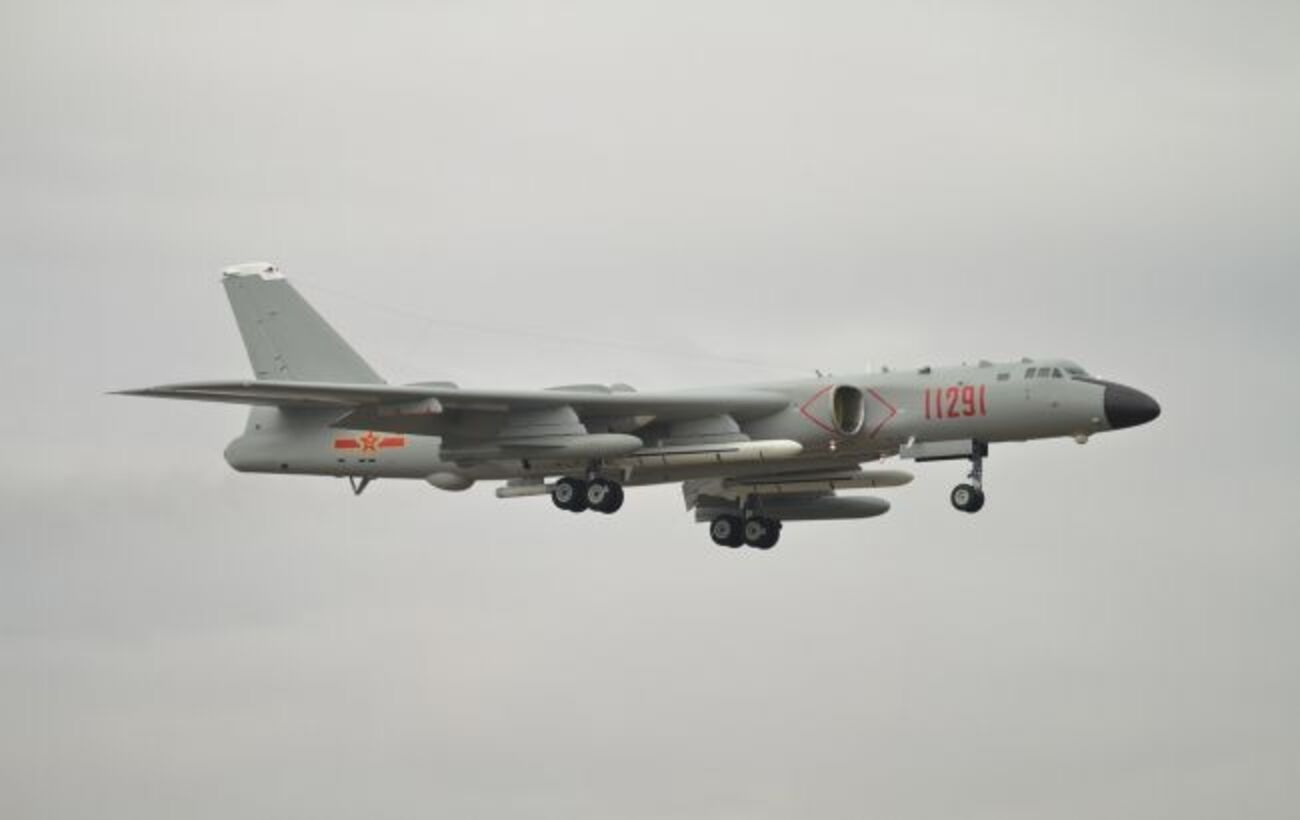
World
On October 1, 2025, the Chinese military conducted naval and air combat drills near the disputed Scarborough Shoal in the South China Sea. The exercises coincided with China's National Day and involved an H-6 bomber equipped with YJ-12 supersonic anti-ship missiles, Type 054A frigates, and J-16 fighter jets. The People’s Liberation Army Southern Theater Command stated the drills were aimed at reinforcing patrols, enhancing vigilance, and strengthening control over the area, which China refers to as Huangyan Island. The H-6 bomber is capable of striking targets up to 500 kilometers away, and newer variants can carry air-launched ballistic missiles and hypersonic weapons, giving China extended reach over the first island chain, including the Philippines. Alongside the bomber, Type 054A frigates Chenzhou, Liuzhou, and Bayanner were deployed, as well as at least two J-16 fighter jets and a Z-9 utility helicopter. The drills occurred amid heightened tensions in the region. In August 2025, a collision took place between a People’s Liberation Army Navy destroyer and a China Coast Guard cutter near the shoal during a patrol involving Philippine vessels. The Philippines has also sent escorted fishing fleets under its Kadiwa initiative to support local fishermen, while Chinese cutters continue to intercept and monitor their movements. Scarborough Shoal, known to the Philippines as Bajo de Masinloc, has long been a point of territorial dispute. China claims it under the Ten-Dash Line, while the Philippines maintains it lies within its exclusive economic zone, approximately 120 nautical miles west of Luzon. China has maintained a near-constant presence at the shoal since 2012, including maritime patrols and air surveillance, and regularly operates from bases in Hainan or nearby artificial islands. The recent military exercises highlight the strategic importance of the shoal. Small and large naval vessels, aircraft, and missile-equipped bombers are part of China’s broader effort to maintain control and presence in the South China Sea, while the Philippines continues to monitor the area and assert its sovereign rights.
Read More → Posted on 2025-10-04 10:36:00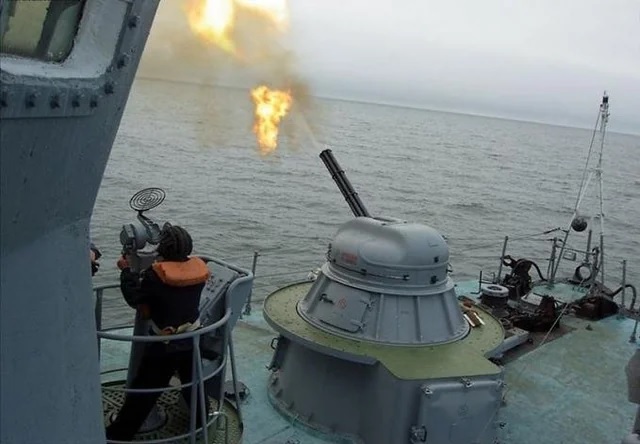
India
In a move to strengthen protection for population centres and religious sites near the border with Pakistan, the Indian Army has issued a tender to procure six AK-630 30mm air defence guns from the state-owned Advanced Weapons and Equipment India Ltd (AWEIL). This acquisition is part of Mission Sudarshan Chakra, a long-term initiative to develop a multi-layered indigenous security shield by 2035. The tender follows operational lessons from Operation Sindoor, where the Pakistan Army carried out targeted attacks on civilians and religious structures in Jammu and Kashmir and Punjab. The AK-630 system is designed to protect key population centres and Centres of Faith close to the international border and Line of Control. According to defence officials, the 30mm multi-barrel mobile gun system can deliver up to 3,000 rounds per minute and has a maximum range of 4 km. The guns are mounted on trailers and towed by high mobility vehicles. The system is capable of countering threats from UAVs, rockets, artillery, and mortars (URAM) and includes an all-weather Electro-Optical Fire Control system for detection and targeting. The AK-630 guns will form a critical component of Mission Sudarshan Chakra, which integrates air defence, surveillance, and cybersecurity systems to provide a coordinated protective shield for strategic locations. The mission, launched on India’s Independence Day 2025 by Prime Minister Narendra Modi, also aligns with the Aatmanirbhar Bharat initiative, emphasizing self-reliance in defence technology. Army Chief Gen Upendra Dwivedi recently reiterated India’s stance against cross-border attacks, warning Pakistan that the Indian Army would respond firmly to any terrorist activity under a potential Operation Sindoor 2.0. The Army Air Defence has previously played a significant role in countering drone and aircraft incursions, and the addition of AK-630 systems is expected to further enhance operational readiness along vulnerable sectors. Defence Minister Rajnath Singh recently visited Army Air Defence units in Bhuj, Gujarat, where troops had successfully intercepted multiple aerial threats during Operation Sindoor. The procurement reflects the Indian Army’s ongoing effort to modernize air defence capabilities, strengthen protection of civilian and religious sites, and maintain a robust defensive posture along sensitive border regions.
Read More → Posted on 2025-10-04 10:26:26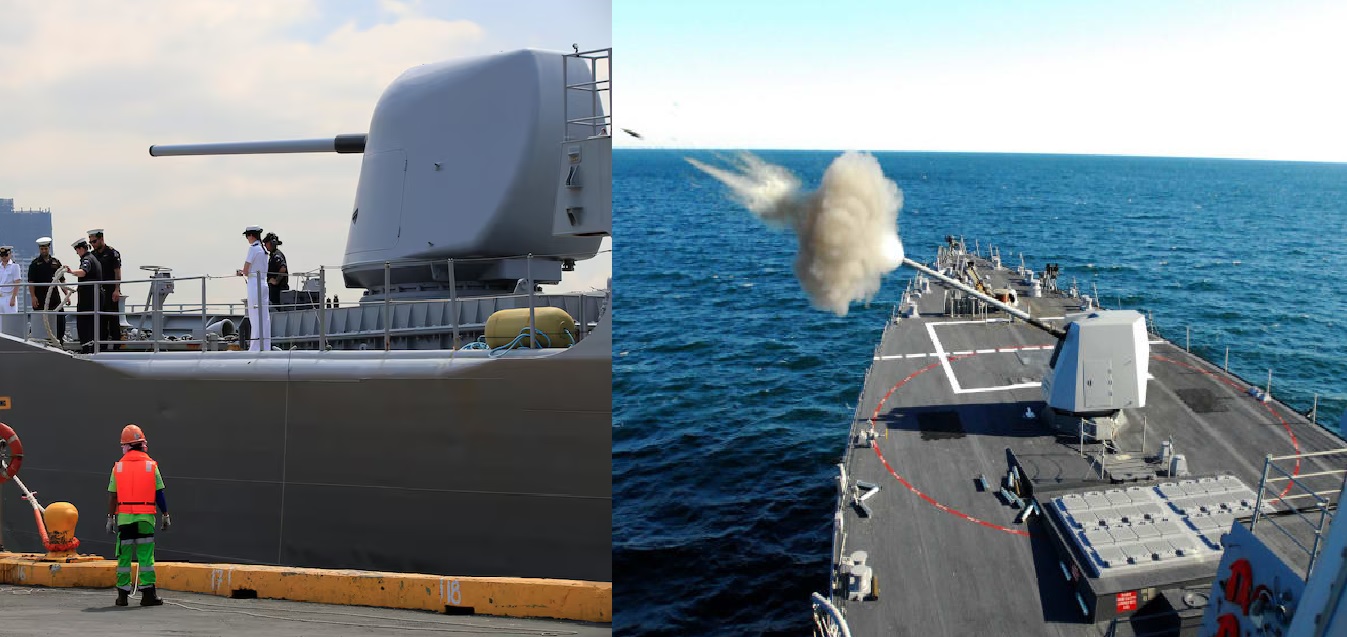
World
The New Zealand government has launched a new Defence Industry Strategy combining NZ$9 billion in defence spending over four years with a NZ$100–300 million military technology fund and updated local-industry participation requirements. The initiative aims to gradually raise defence expenditure to about 2% of GDP within eight years, restructure procurement processes, and encourage innovation, potentially creating opportunities for U.S. and other international suppliers. The strategy emphasizes a “buy local” approach, promoting domestic supply chains while also offering co-development and offset pathways for foreign contractors. Future tenders will include provisions for companies to propose technological alternatives that could reduce timelines or costs, applying a Minimum Viable Capability approach. This method focuses on delivering threshold operational capabilities first, then iterating improvements over time based on user feedback and evolving technology. Maritime Capability Updates The strategy is reflected in ongoing upgrades to the Anzac-class frigates, including HMNZS Te Kaha, which now carries the CMS 330 combat system, Sea Ceptor air defence missiles (CAMM), and a SMART-S Mk2 3D radar, while retaining its 127 mm Mk 45 gun, Phalanx CIWS, and torpedo systems. These upgrades are integrated into the National Maritime Coordination Centre, providing real-time maritime surveillance and data fusion for security, biosecurity, and search and rescue missions. The light naval fleet is also being expanded. Three Littoral Manoeuvre Craft Sentinel 1250 were delivered in 2023, designed with corrosion-resistant high-density polyethylene hulls and a low electromagnetic signature. A separate contract covers 17 Sea Boats 780R, with the first deliveries expected by the end of 2025. Local suppliers such as Hamilton Jet and General Marine Services play key roles in manufacturing and support. Air and Land Modernization In the air domain, the RNZAF has validated C-130J-30 self-protection systems domestically, conducting trials for chaff and flare release at RNZAF Base Auckland and the Kaipara Air Weapons Range. This approach reduces costs, accelerates entry into service, and develops local expertise in electronic warfare and system integration. On land, the strategy promotes iterative development of FPV drones and additive manufacturing for parts and subassemblies. This allows rapid production of operational modules and enhances reconnaissance and precision strike capabilities at controlled cost. The emphasis on uncrewed systems also includes long-range UAVs for maritime surveillance, uncrewed VTOL vehicles to support shipborne operations, and uncrewed surface and subsurface vessels to improve coverage of New Zealand’s exclusive economic zone (EEZ). Sustainment and Industrial Support The Defence Capability Plan allocates NZ$300–600 million to strengthen logistics, maintenance, and local production of critical parts. Where outsourcing is needed, Australia is prioritized to reduce downtime, with services such as P-8A radar and military radio repairs conducted in Adelaide and Brisbane. Regional initiatives, including PIPIR, aim to provide in-theatre repair capabilities and reduce reliance on distant supply chains. The strategy also introduces reforms to procurement and workforce development. An annual NZDF Procurement Pipeline will improve visibility for small and medium enterprises, and a procurement centre of excellence will streamline contracting processes. Close collaboration with Australian defence agencies is intended to harmonize industrial clearances and market access, enhancing resilience and operational readiness in the Indo-Pacific region. Operational Implications Modernized Anzac-class frigates and enhanced air, land, and uncrewed capabilities support maritime security, convoy escort, and anti-submarine operations, while local manufacturing and iterative procurement improve system availability. The strategy reflects a balanced focus on industrial capability, sustainment, and operational effectiveness to ensure that New Zealand can respond to evolving security requirements efficiently and sustainably.
Read More → Posted on 2025-10-04 10:20:13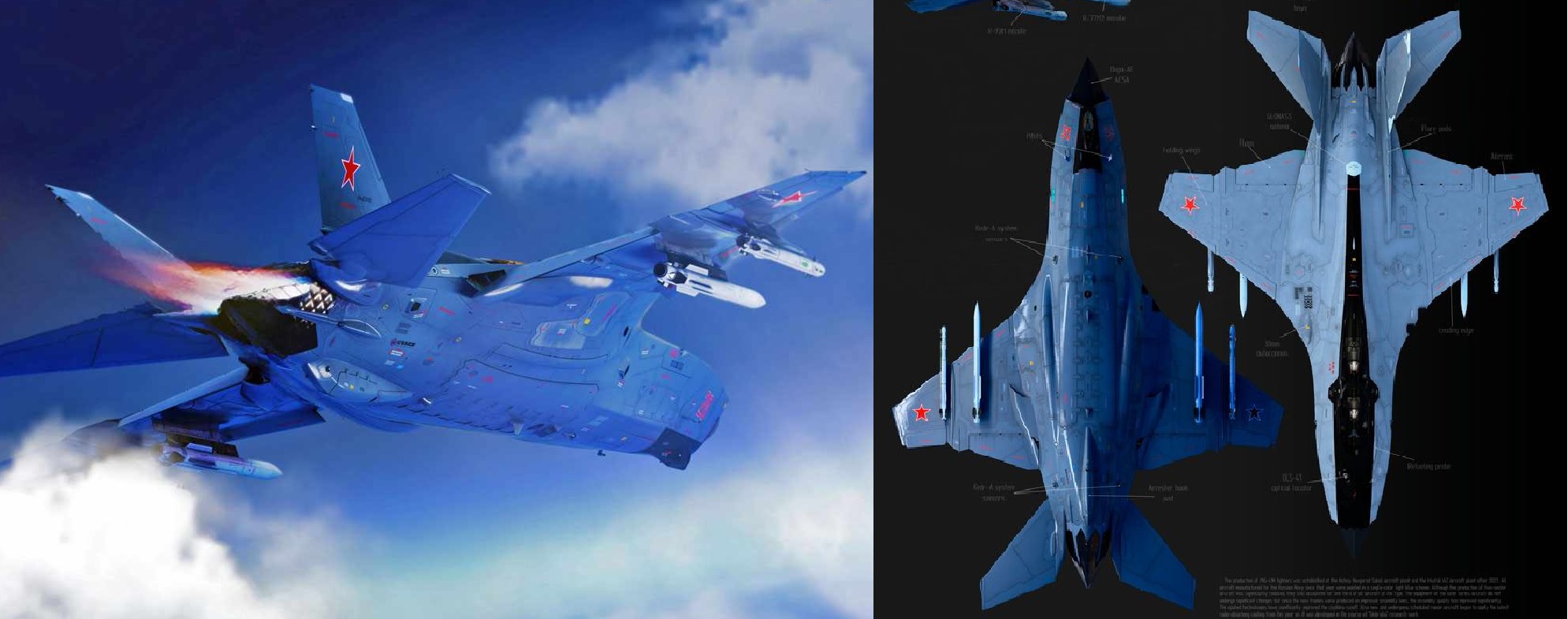
HAL Agree to Collaboration with Russia For Developing a New Model Of Next-Generation Combat Aircraft
India
Hindustan Aeronautics Limited (HAL) has expressed readiness to collaborate with Russia on developing a new next-generation combat aircraft model, according to a report by TASS. The company highlighted decades of cooperation in producing aircraft such as the MiG-21 and Su-30MKI, pointing to a well-established foundation of technology transfer, licensed production, and co-development between the two nations. HAL representatives emphasized that the current India-Russia defence relationship is steady and practical, offering a favourable environment for potential future projects. The Su-30MKI program remains a benchmark for bilateral cooperation. HAL has assembled more than 200 aircraft at its Nashik facility, which has become a major centre for fighter production. In addition to assembly, the facility handles ongoing upgrade and modernization cycles, integrating Indian and Western avionics, electronic warfare systems, and targeting pods. These efforts ensure that the aircraft continues to serve the Indian Air Force (IAF) effectively, with active contracts covering an additional 15 aircraft and comprehensive mid-life upgrades expected to keep the platform operational until at least the 2050s. Looking forward, HAL’s statement opens the possibility of involvement in next-generation Russian fighter programs, including the Su-75 “Checkmate” stealth fighter and the proposed MiG-41 interceptor. Russia has indicated willingness to pursue joint production initiatives with international partners, and India’s industrial base, aligned with Make in India and Atmanirbhar Bharat policies, makes it a suitable candidate for such cooperation. Participation could include local production, technology sharing, and integration work, providing India with early access to fifth-generation fighter capabilities while supporting domestic aerospace skill development. A potential collaboration on the Su-75 could complement India’s indigenous Advanced Medium Combat Aircraft (AMCA) program. While AMCA is projected to enter serial production in the 2030s, a joint Su-75 effort could offer the IAF an interim stealth fighter capability in the late 2020s, similar to how the Su-30MKI program preceded the full operational deployment of Tejas. Such a partnership would require careful alignment to ensure that participation in Russian projects does not slow down domestic development timelines. For Russia, cooperation with HAL provides a stable production partner amid sanctions and financial constraints. For India, deeper engagement with Russian fighter programs reduces reliance on Western suppliers, particularly in the context of growing export controls and technology transfer restrictions. Additionally, co-development or licensed production would support India’s strategic goal of sustaining a strong domestic aerospace industry while diversifying the fleet. Although no formal agreements have been announced, HAL’s declaration indicates early-stage positioning for advanced fighter collaboration. The company’s past experience with MiG-21 and Su-30MKI programs, combined with ongoing modernization efforts, positions it to manage complex projects efficiently. Whether this will lead to a Su-75 co-production venture, involvement in the MiG-41, or broader exploratory initiatives, the statement reinforces that Indo-Russian aerospace cooperation remains an active component of India’s defence planning strategy.
Read More → Posted on 2025-10-04 10:06:53
World
U.S. President Donald Trump said on Friday that he believes Hamas is prepared for a “lasting peace” and urged Israel to stop its bombing campaign in Gaza. His comments followed a statement by Hamas declaring readiness to release hostages under the framework of his ceasefire plan. This is the first time since his return to office in January that Trump has directly called on Israel to suspend military operations. In a post on Truth Social, Trump said Hamas appeared ready for peace and that Israel should halt strikes immediately so that hostages could be released safely. He added that conditions on the ground remain dangerous and discussions on the details of the plan are continuing. Later, in a video message from the Oval Office, Trump praised the statement by Hamas, thanked Qatar, Egypt, Saudi Arabia, Turkey, and Jordan for mediation, and emphasized that all parties would be treated fairly. Hamas welcomed Trump’s call as encouraging but criticized aspects of his proposal as vague and lacking detail. The group indicated a willingness to negotiate on the release of hostages and governance arrangements for Gaza, but it did not commit to disarmament, one of the central conditions of Trump’s 20-point program. Israel has not officially responded to Trump’s remarks. Reports suggest Prime Minister Benjamin Netanyahu was surprised by the U.S. president’s position. Israeli officials argue that Hamas must fully comply with the terms of the peace plan announced earlier in the week. Israel has signaled readiness to move forward with an initial stage focused on hostage release, but views Hamas’s response as incomplete. Trump’s plan includes a ceasefire, phased Israeli withdrawal from Gaza, transitional international oversight, and eventual disarmament of Hamas. He gave Hamas until Sunday evening to respond, warning of consequences if the group did not accept the terms. Reactions from the international community have been cautious but generally supportive of renewed talks. Qatar, Egypt, and Turkey welcomed Hamas’s readiness to engage, while European leaders and the United Nations called on both sides to seize the chance for de-escalation. Meanwhile, the humanitarian situation in Gaza remains severe, with heavy displacement and damage to infrastructure. Observers note that although the development opens the door to diplomacy, challenges over security guarantees, hostage release, and disarmament remain unresolved.
Read More → Posted on 2025-10-04 09:47:42
World
On October 3, Reuters reported that the United Kingdom has begun funding a project worth about £500,000 ($673,000) to develop sensors against laser dazzling attacks on satellites. The program is being jointly managed by the UK Space Command and the UK Space Agency, reflecting a broader national effort to protect space-based systems that are increasingly central to defense and security operations. The announcement follows recommendations from a recent UK security review, which emphasized the need to strengthen resilience of military space assets. During a visit to RAF Fylingdales, Maj. Gen. Paul Tedman of UK Space Command noted the operational risks posed by directed-energy systems. Fylingdales, located in North Yorkshire, already serves as a critical site for ballistic missile early warning and space domain awareness, and its role now extends to supporting decisions linked to emerging threats such as satellite dazzling. Technical Measures While detailed specifications remain classified, the sensor program is designed to provide early detection and protection against high-energy illumination of satellite optics. A typical system includes a laser warning detector, which identifies incoming energy and estimates its direction. Onboard electronics then assess the likelihood of an attack, screen out false signals, and issue commands to either the optical payload or the attitude control system. Protective measures involve a combination of passive and active methods. Passive solutions may include tunable spectral filters and fast-closing shutters to shield sensitive detectors, while hardened materials and redundant designs help sustain functionality even if one component is affected. Active responses can be as simple as a slight attitude adjustment—repointing the satellite by a few degrees to reduce exposure without disrupting the mission. Communications Resilience Beyond optical protection, the UK’s approach also includes improvements to satellite communications systems. Counter-jamming features such as frequency hopping, spread spectrum coding, narrow-beam antennas with null steering, and adaptive interference cancellation are central to maintaining connectivity. Newer architectures rely on intersatellite links to reroute data away from contested areas and can switch between SHF and EHF bands depending on conditions. Hardened ground terminals, when properly aligned, also add to the resilience of the network. Strategic and Operational Context Directed-energy threats, including laser dazzling, are of concern because they can disrupt communications, navigation, reconnaissance, and other space-based services relied upon by both UK and U.S. forces. Even a temporary disruption during a critical mission window—such as intelligence collection or coordination of unmanned systems—can have immediate consequences for operations. The purpose of the new program is not to guarantee immunity but to reduce vulnerability and speed up recovery in case of an incident. European and Global Developments The UK’s effort comes as European partners are also investing in space security. According to Novaspace, France and Germany were Europe’s largest contributors to space defense programs in 2024. Berlin has announced a 35-billion-euro, five-year investment plan for space security, while Paris continues funding satellite infrastructure, including a 1.5-billion-euro contribution to Eutelsat. The United States remains the largest global investor, underpinning allied space capabilities with advanced research and operational networks. Although the UK’s £500,000 initiative is modest in financial terms, it targets a specific operational gap. Protecting satellites from laser interference is a practical measure to ensure continuity of service in critical areas, from precision navigation to joint force coordination. By reinforcing its small but vital role in allied space defense, London signals that space resilience is an essential part of its long-term security strategy.
Read More → Posted on 2025-10-04 09:40:15
World
The Trump administration has approved a $230 million aid package for Lebanon's security forces, marking a major step in Washington’s efforts to curb Hezbollah’s influence in the country. Sources in Washington and Beirut confirmed that $190 million of the funding is allocated to the Lebanese Armed Forces (LAF), while $40 million is designated for the Internal Security Forces (ISF). The release came just before the end of the U.S. fiscal year on September 30, highlighting the strategic priority placed on Lebanon amid broader regional tensions. For Lebanon, a relatively small country grappling with economic and political crises, this infusion of aid is substantial. According to Democratic congressional aides familiar with the matter, the funds provide critical support to institutions tasked with asserting state authority across the nation. The U.S. State Department emphasized that this assistance helps Lebanese forces implement United Nations Security Council Resolution 1701, which calls for the disarmament of all non-state armed groups and the restoration of full state control over national territory. This resolution was adopted in August 2006 following a deadly conflict between Hezbollah and Israel. The timing of the aid coincides with mounting pressure on Hezbollah. A year-long conflict with Israel has weakened the group, leaving significant portions of Lebanon damaged. Despite repeated calls for disarmament, Hezbollah has resisted, citing its role as a protector against Israeli aggression. Nevertheless, Lebanese President Joseph Aoun and Prime Minister Nawaf Salam have instructed the LAF to create a plan ensuring that all arms in the country are under official security forces’ control by the end of the year. The U.S. funding is expected to strengthen the ISF’s capacity to manage internal security, freeing the LAF to focus on other strategic priorities. Experts note that this approach reflects a broader U.S. strategy of supporting Lebanon’s sovereignty while countering Iranian influence in the region. Dr. Randa Slim, a senior fellow at the Middle East Institute, observes, “The U.S. is signaling its commitment to Lebanon’s sovereignty and the containment of Hezbollah’s military power. This funding sends a clear message that armed non-state actors will not dictate Lebanon’s security landscape.” However, challenges remain. Hezbollah’s deep-rooted presence in Lebanese politics and society makes disarmament a complex undertaking. Analysts warn that the eventual withdrawal of the United Nations Interim Force in Lebanon (UNIFIL) by December 2026 could complicate efforts to maintain stability, leaving the Lebanese state to navigate internal and external pressures without the buffer previously provided by UN peacekeepers. Overall, the $230 million aid package represents more than just a financial contribution; it is a strategic signal. By reinforcing the LAF and ISF, the United States aims to strengthen Lebanon’s state institutions, contain Hezbollah’s influence, and promote regional stability, even as the country faces significant internal challenges and external pressures.
Read More → Posted on 2025-10-03 09:46:45Search
Top Trending in 24 Hours
-
 General Dynamics Awarded Up to $400.4 Million Contract for U.S. Missile-Tracking Satellite Ground Segment
-
 Kuwait and Bahrain Reportedly Launch First Joint Direct Airstrikes on Iran Since War Began : Report
-
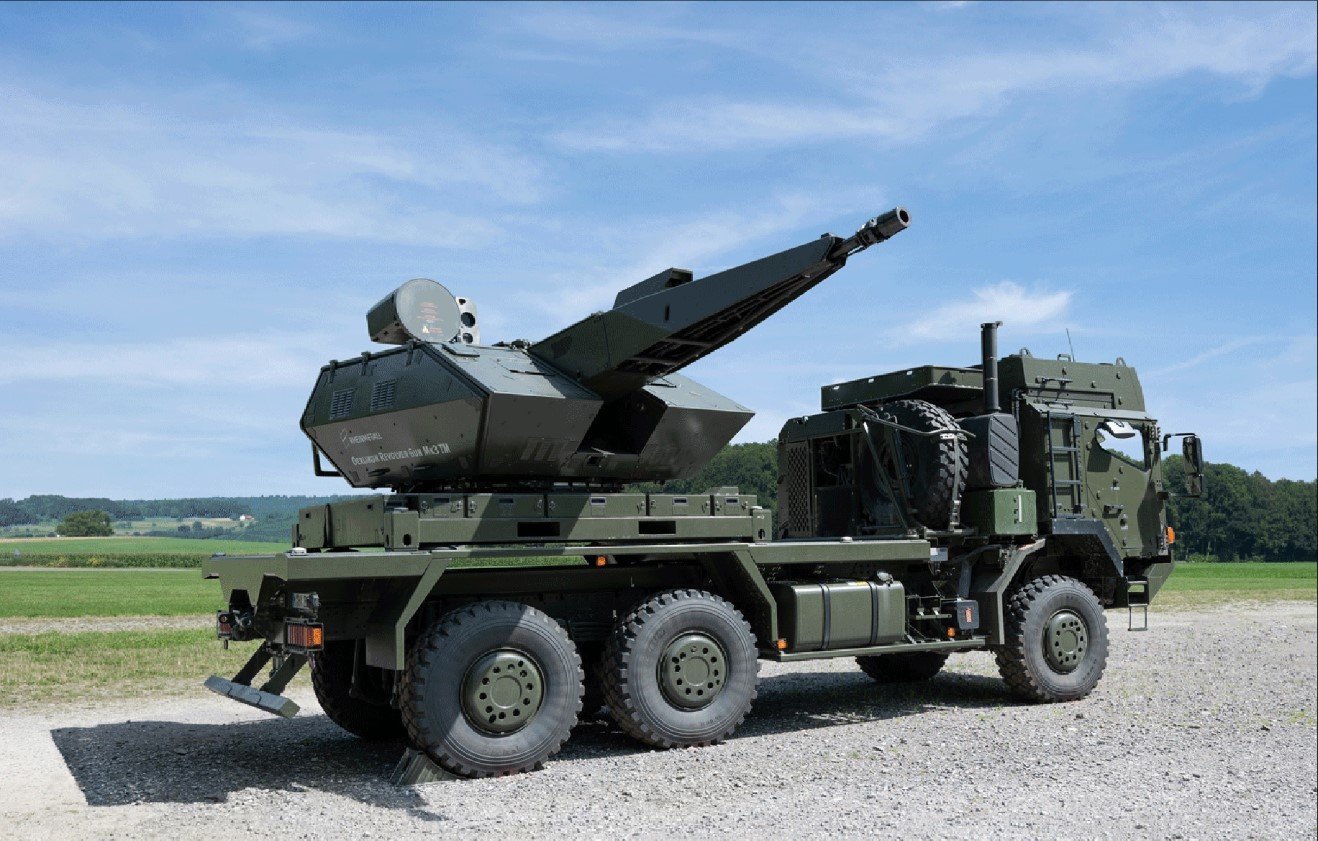 China Imposes Dual-Use Export Ban on 14 European Entities After EU's Russia Sanctions
-
 U.S. Department of War Awards Oracle Up to $6.99 Billion Enterprise Software Deal
-
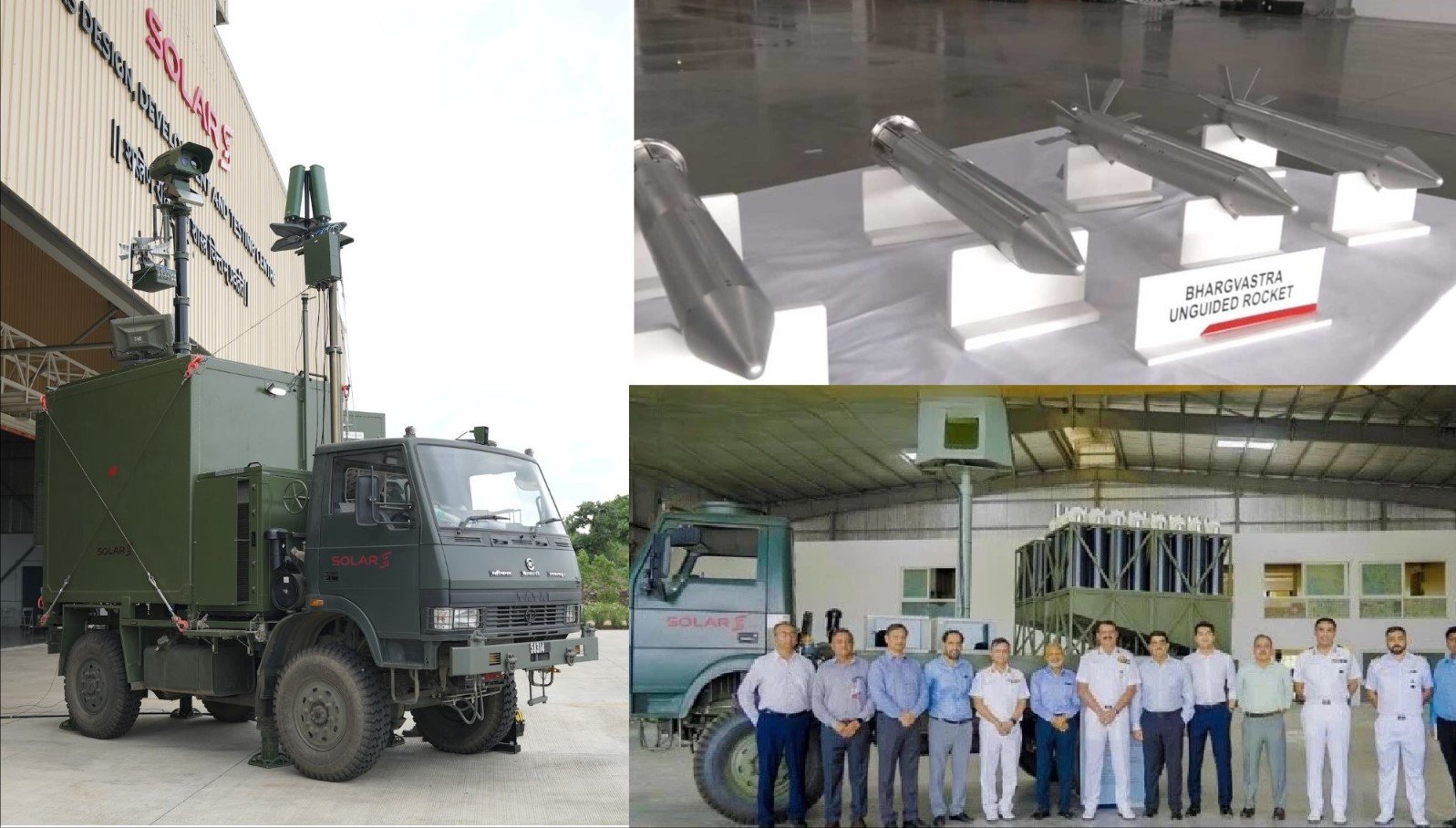 India's SDAL Demonstrates 'Bhargavastra' Counter-Swarm Drone System to Indian Army
-
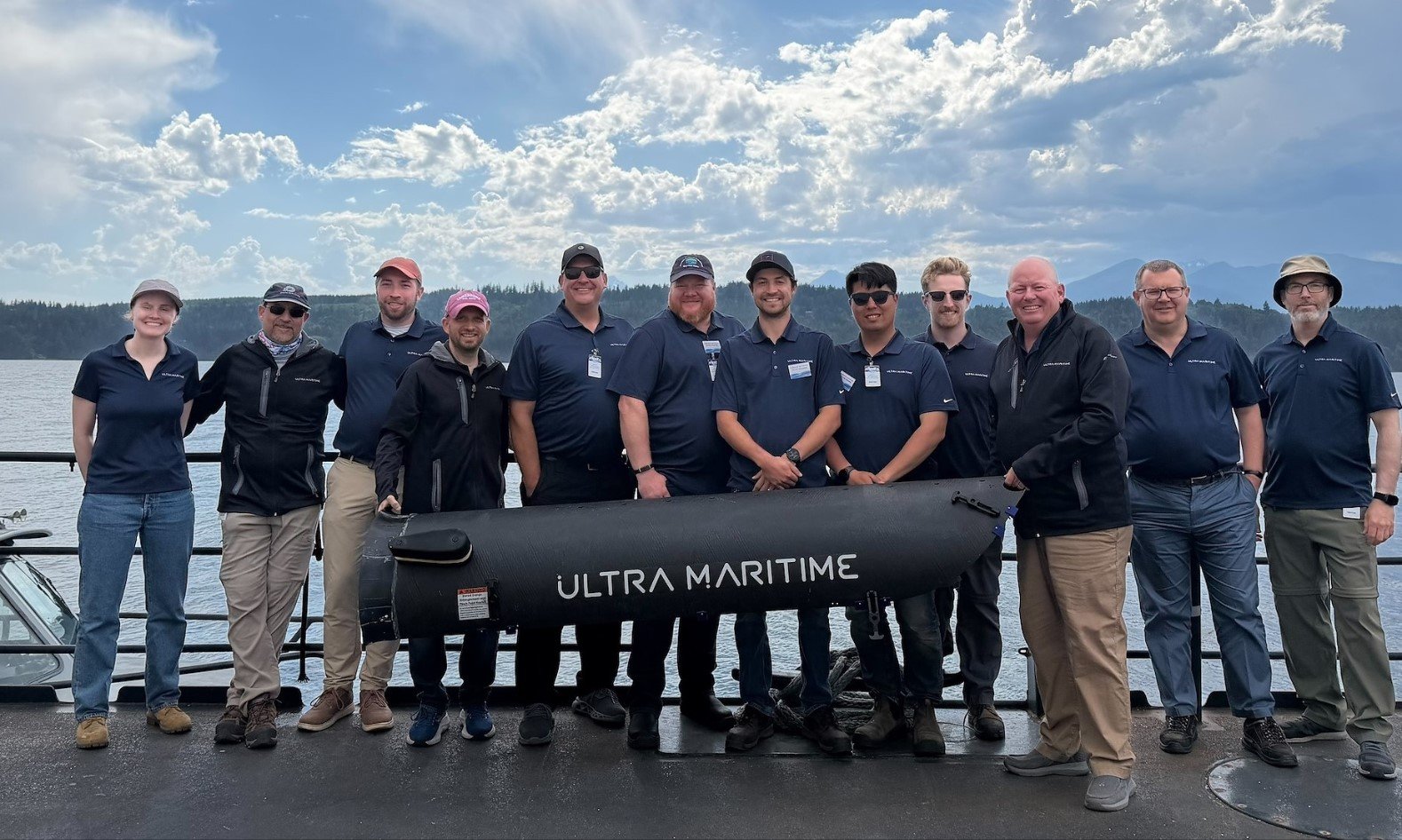 Ultra Maritime and Anduril Successfully Demonstrate Counter-UUV Technology During U.S. Navy's Multinational Lanternfish 2026 Exercise
-
 UK Ministry of Defence Awards Up to £400 Million Contract for Tekever AR5 Drones to Replace Watchkeeper Fleet
-
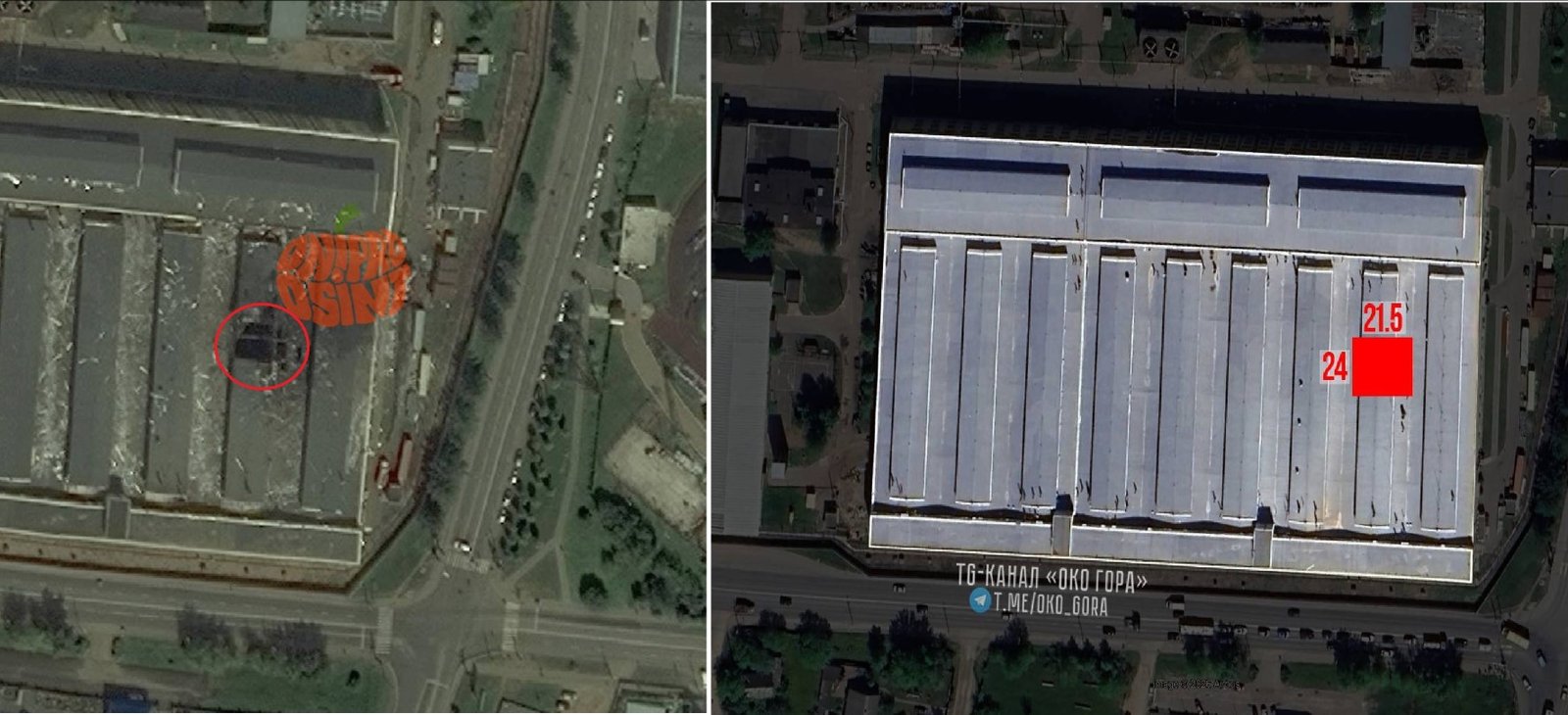 Satellite Images Confirm Damage to Russian Avitek Plant After Ukrainian FP-5 Flamingo Missile Strike
Top Trending in 4 Days
-
 UK Awards BAE Systems £708 Million Contract Extension to Advance GCAP Sixth-Generation Combat Air Technologies
-
 U.S. Navy Awards Northrop Grumman $1.2 Billion Deal for Three New E-2D Advanced Hawkeyes
-
 Greece Set to Approve €3 Billion Israeli Air Defense Deal for 'Achilles’ Shield' Network
-
 IRGC Claims Destruction of Second AN/FPS-117 Radar in Latest Strike on Kuwait's Ahmed Al-Jaber Air Base
-
 BAE Systems Unveils 'Brontanax', the UK's First Autonomous Combat Aircraft at Farnborough
-
 BAE Systems Unveils BlackThorn Modular Warhead Family for Autonomous Weapons and Counter-Drone Systems
-
 Qarbon Aerospace Returns to F-22 Program with New U.S. Air Force Sustainment Contract
-
 U.S. Airstrikes Target IRGC Missile Base Near Taft as Overnight Strikes Hit Central Iran
