World
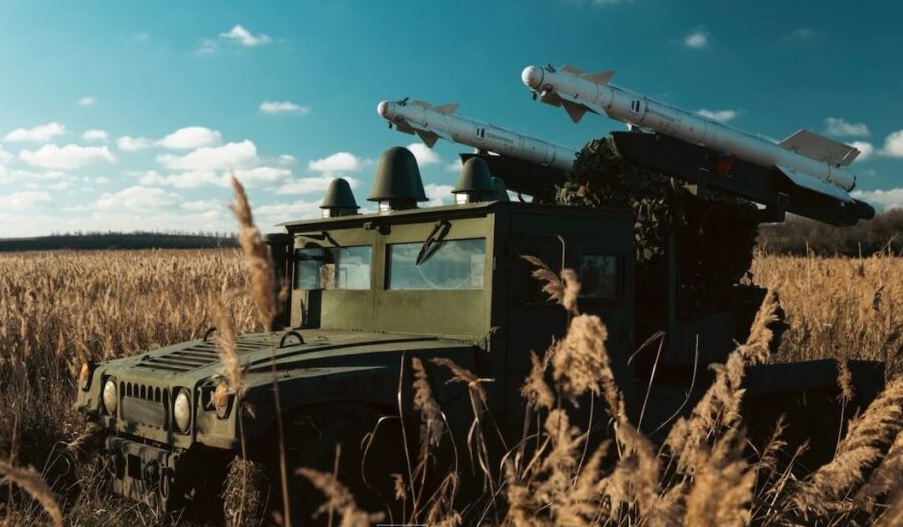
In response to escalating aerial threats, Ukraine has unveiled a mobile air defense system ingeniously mounted on the chassis of a U.S.-supplied High Mobility Multipurpose Wheeled Vehicle (HMMWV), commonly known as the Humvee. This adaptation underscores Ukraine's commitment to enhancing its defensive capabilities through innovation and resourcefulness. Design and Features The transformation of the Humvee into a formidable air defense platform involves significant modifications: Armored Cabin: The original vehicle's cabin has been replaced with a custom-built armored structure, providing enhanced protection for the crew against battlefield threats. Missile Launch System: Equipped with Soviet-era R-73 missiles, originally designed for air-to-air engagements, the system has been adapted for ground-based launches. The R-73 is a short-range, infrared-guided missile known for its agility and effectiveness in targeting low-flying aerial threats. Electronic Warfare Capabilities: To counter the increasing use of drones in modern warfare, electronic warfare modules are mounted atop the vehicle. These systems are designed to disrupt and neutralize enemy unmanned aerial vehicles (UAVs), particularly first-person view (FPV) drones that pose significant risks on the battlefield. Operational Advantages The integration of the R-73 missile system onto a mobile Humvee platform offers several strategic benefits: Mobility and Agility: The Humvee's renowned maneuverability allows for rapid deployment and repositioning, enabling Ukrainian forces to respond swiftly to aerial threats across diverse terrains. Fire-and-Forget Capability: The R-73 missiles operate on a fire-and-forget principle, allowing operators to engage targets and immediately relocate to avoid counterattacks, thereby enhancing survivability in contested environments. Cost-Effective Adaptation: By repurposing existing missile stockpiles and vehicle platforms, Ukraine achieves a cost-efficient solution to bolster its air defense without the need for entirely new systems. Context and Strategic Implications The development of this Humvee-based air defense system is part of Ukraine's broader strategy to enhance its defensive capabilities amid ongoing conflicts. The system has been deployed to frontline units, including the 3rd Assault Brigade of the Ukrainian Armed Forces, to counter Russian aerial threats effectively. This initiative complements other efforts, such as the collaboration with the United Kingdom on the Gravehawk air defense system, which also utilizes modified R-73 missiles for ground-based air defense. By integrating advanced missile technology with mobile platforms like the Humvee, Ukraine not only addresses immediate security concerns but also demonstrates a commitment to innovative defense solutions that can adapt to evolving threats on the modern battlefield.
Read More → Posted on 2025-04-01 15:05:27
World
Sierra Space has achieved a major milestone in satellite navigation technology by successfully demonstrating its Resilient GPS (R-GPS) system for the U.S. Space Force. Developed in partnership with General Dynamics Mission Systems, the breakthrough aims to enhance the security and reliability of GPS signals, a crucial factor for both military and civilian applications in an era of growing electronic warfare threats. Enhancing GPS Security in a Contested Space Environment GPS technology is the backbone of modern navigation, communication, and defense systems. However, adversaries have developed sophisticated methods to jam or spoof signals, posing a significant challenge to U.S. national security. The U.S. Space Force’s Quick Start program seeks to counter these threats by deploying smaller, more agile satellites equipped with advanced GPS capabilities. Sierra Space’s R-GPS technology is a direct response to this need, ensuring that GPS signals remain robust even in contested environments. The recent demonstration proved the system's ability to generate all essential GPS signals, including P(Y), M-code, and C/A at L1 and L2 frequencies. This feature ensures compatibility with existing GPS systems while offering enhanced protection against interference. The success of the test now positions Sierra Space as a strong contender for Phase One of the Quick Start program. Technical and Strategic Impact Since being awarded the R-GPS contract by Space Systems Command in September 2024, Sierra Space has made rapid progress in developing cost-effective, small satellite solutions. The system has passed an internal Systems Requirements Review, and this latest test further validates its operational effectiveness. General Dynamics Mission Systems, a key partner in this initiative, emphasized the importance of speed in deploying advanced GPS solutions. According to Amy Johnson, Vice President at General Dynamics, the U.S. needs to upgrade its GPS infrastructure at an accelerated pace to maintain a technological edge. By leveraging General Dynamics’ proven expertise and Sierra Space’s innovative approach, the R-GPS project is on track to meet the Space Force’s demanding operational timelines. Future Outlook The U.S. Space Force’s push for resilient GPS solutions reflects a broader trend in military space technology: adaptability and rapid deployment. With space becoming an increasingly contested domain, ensuring uninterrupted GPS functionality is paramount. Sierra Space’s success in this demonstration signals a step toward a new era of satellite navigation, one where resilience against interference is a built-in feature rather than an afterthought. As the program advances, the next phase will focus on integrating the R-GPS technology into actual satellite platforms, paving the way for its eventual deployment in orbit. If successful, this development could redefine the future of military-grade GPS technology, ensuring secure and reliable positioning data for years to come.
Read More → Posted on 2025-04-01 15:00:04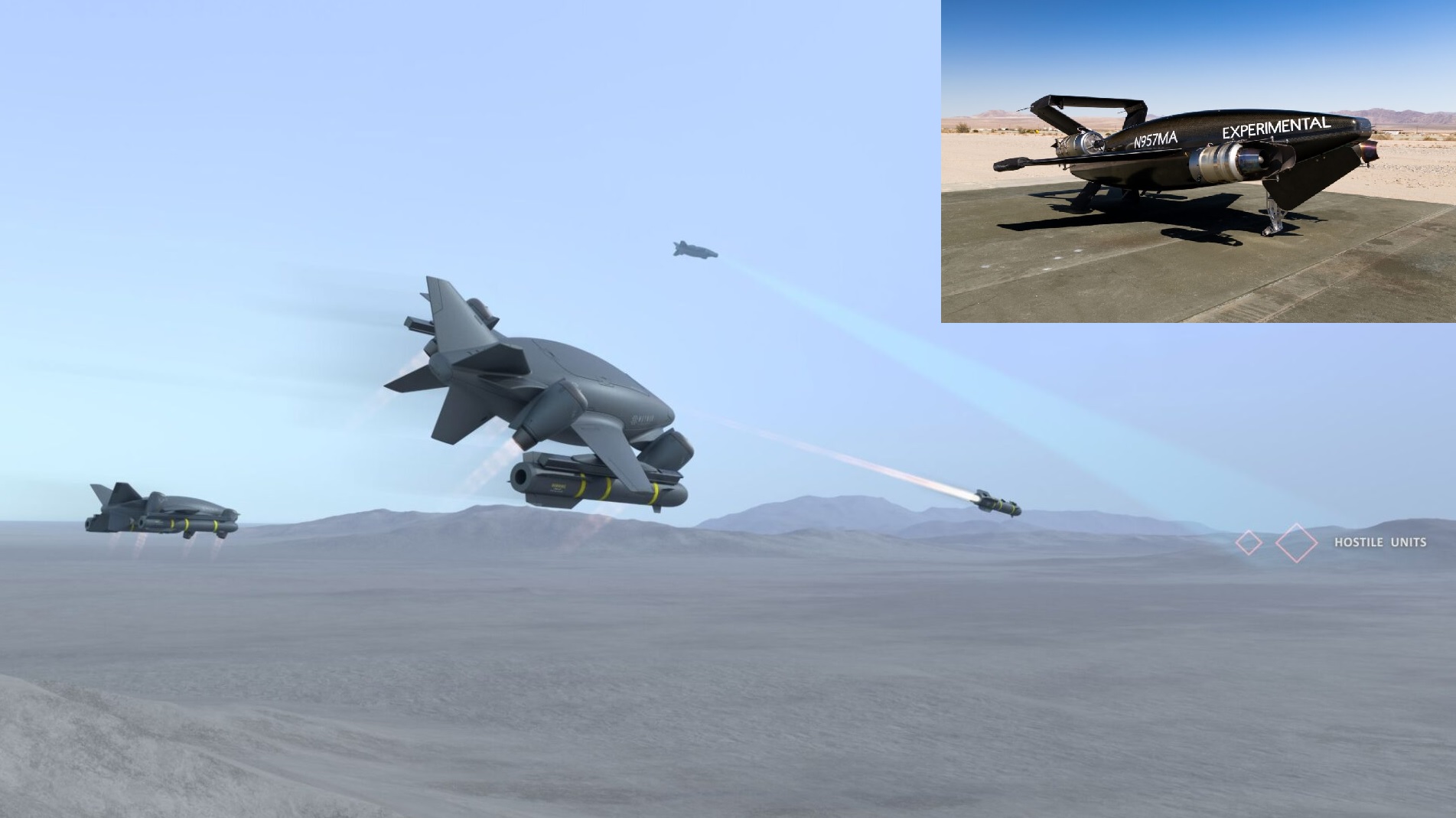
World
Mayman Aerospace has successfully conducted test flights of its RAZOR P100 Vertical Takeoff and Landing (VTOL) unmanned aerial system (UAS). The tests, carried out at the U.S. Marine Corps Air Ground Combat Center in Twentynine Palms, California, marked a significant milestone in autonomous drone technology. A Leap in Autonomous Flight The RAZOR P100, part of Mayman Aerospace's advanced VTOL drone family, demonstrated complete autonomy during its first untethered flights. Over 18 months of engineering and development culminated in this test program, validating the aircraft's ability to perform complex maneuvers without human intervention. Central to this achievement is SKYFIELD, Mayman Aerospace’s proprietary AI-driven flight control software. SKYFIELD enables the P100 to adapt to real-time mission and environmental conditions, allowing for fully autonomous operation. The system also supports swarm operations, complex terrain navigation, and mission execution in GPS-denied environments, making it a powerful asset for modern defense applications. Performance and Capabilities During the tests, the RAZOR P100 successfully executed autonomous flight patterns, confirming its ability to operate in contested electronic warfare conditions. The drone’s AI-driven autonomy is designed to work seamlessly with Battle Management Systems, enhancing its battlefield relevance. Mayman Aerospace also tested its extended-range RAZOR TBX drone, which carried a 50-pound payload in a beyond-visual-line-of-sight (BVLOS) operation. This was the TBX’s 26th flight and further proved the robustness of the RAZOR platform. Key Specifications of the RAZOR P100 Type: Fully autonomous VTOL drone Flight System: AI-powered SKYFIELD control software Payload Capacity: 100 lbs (approx.) Range: Designed for extended BVLOS operations Navigation: GPS-denied operational capability Applications: Military reconnaissance, logistics, swarm operations Future Development Looking ahead, Mayman Aerospace aims to enhance the RAZOR P100’s operational range, increase its payload capacity, and further develop SKYFIELD’s capabilities. These advancements will solidify the RAZOR platform as a leading-edge solution in autonomous drone technology. David Mayman, Founder and CEO of Mayman Aerospace, highlighted the breakthrough by stating, "These flights represent a major step forward in autonomous VTOL technology. The RAZOR family of aircraft is unlike anything currently available in the market." With its advanced capabilities and commitment to innovation, Mayman Aerospace is paving the way for the future of fully autonomous aerial systems.
Read More → Posted on 2025-03-31 16:04:52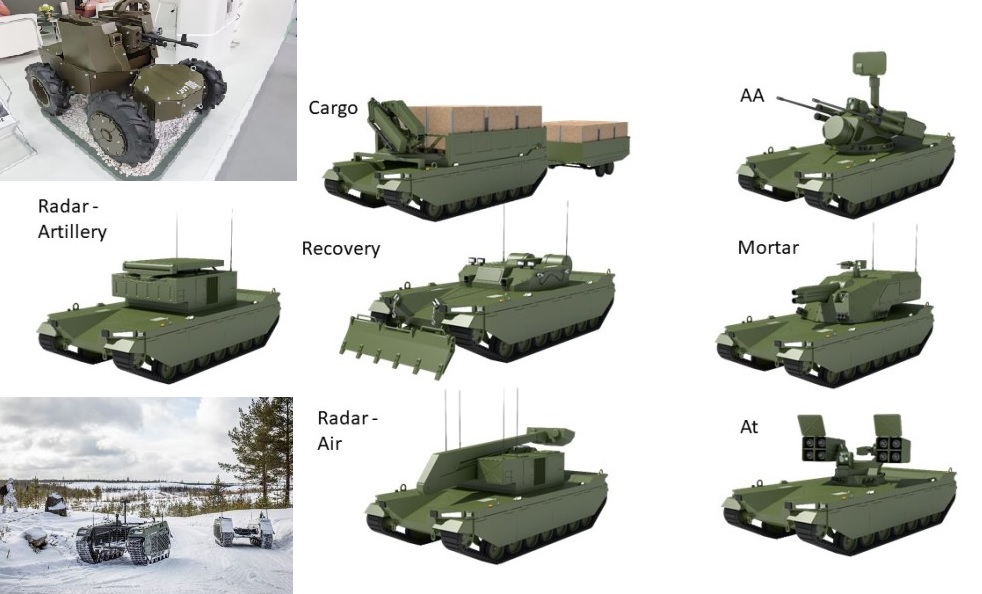
World
The Integrated Modular Unmanned Ground System (iMUGS) has been one of the European Union’s most ambitious defense projects, focusing on developing Unmanned Ground Vehicles (UGVs) for military applications. Following the success of iMUGS1, the next phase—iMUGS2—is set to take autonomous warfare to the next level. Spearheaded by Milrem Robotics, the project aims to enhance combat-ready UGVs with advanced features, ensuring interoperability among European defense systems and responding to the lessons learned from the battlefield, especially in Ukraine. The Evolution from iMUGS1 to iMUGS2 Building on the foundation laid by iMUGS1, the iMUGS2 project is set to develop a new generation of UGVs with enhanced capabilities. Unlike its predecessor, which focused mainly on non-lethal applications and logistics, iMUGS2 will incorporate combat-ready solutions, integrating weapon systems for direct battlefield engagement. The project has expanded significantly, growing from 15 industry partners in seven countries to 29 partners across 15 nations. This collaboration will ensure that iMUGS2 leverages cutting-edge European technology, enhancing the EU’s defense capabilities while reducing dependency on external military suppliers. Key Objectives of iMUGS2 Developing a Standardized Open Architecture – The new UGVs will feature a modular design, allowing seamless integration of different payloads, including weapon systems, surveillance equipment, and communication tools. Enhancing Manned-Unmanned Teaming – The project aims to develop UGVs that can work alongside manned vehicles and infantry units, providing battlefield support in both offensive and defensive roles. Creating a Combat-Ready Infantry Support System – UGVs will be designed to assist ground troops with logistics, reconnaissance, and direct combat support, making them an essential part of modern warfare. Laying the Groundwork for Future Unmanned Battalions – iMUGS2 will conceptualize how autonomous systems can function at a battalion level, forming the basis for future military advancements. The Shift Towards Weaponized UGVs In the past, discussions about arming UGVs were controversial. However, the ongoing war in Ukraine has shifted perspectives, demonstrating the urgent need for autonomous combat systems. Russia has been aggressively developing and deploying weaponized UGVs, leaving Europe no choice but to accelerate its own military robotics programs. Milrem Robotics and its partners recognize that the future of warfare will involve robotic systems fighting against each other, with victory going to the side with superior technology and faster response capabilities. While European nations emphasize keeping a “man-in-the-loop” control system, the integration of weaponized UGVs is now seen as essential for maintaining military parity with global adversaries. The European Defence Fund (EDF) has supported the iMUGS2 initiative, with a final decision on continued funding expected in May 2025. The lack of a unified strategic direction from the EU and NATO for land robotics remains a challenge, but the iMUGS2 team is pushing forward with innovation-first development, followed by standardization. As major military powers like the U.S., China, and Russia continue advancing their unmanned warfare capabilities, Europe must act swiftly. The success of iMUGS2 could lay the foundation for a fully autonomous, battle-ready military force in the future, ensuring European defense forces remain competitive on the modern battlefield. The future of warfare is shifting rapidly, and Milrem Robotics’ iMUGS2 is a crucial step toward integrating robotic combat systems into the heart of European defense strategy. With advanced technology, strategic foresight, and multinational cooperation, iMUGS2 could redefine how ground battles are fought in the years to come.
Read More → Posted on 2025-03-31 15:59:01
World
Switzerland has successfully completed the modernisation of its four radar stations used for permanent air surveillance. On 20 March 2025, armasuisse officially handed over the final upgraded radar system to the Armed Forces for operational use, marking a significant milestone in the country’s air defence infrastructure. Strengthening Air Surveillance with Advanced Technology The upgrades are part of the broader "Radar" project within the Swiss Air Force’s Florako system, which ensures continuous monitoring and control of both civil and military air traffic. This modernisation was approved under the 2016 armament programme to enhance system reliability and extend operational effectiveness for years to come. Each radar station was upgraded in a phased manner to prevent disruptions in air surveillance. Given the stations' locations at altitudes of up to 3,000 metres above sea level, the process required meticulous coordination and detailed planning to handle the challenging conditions. Key Features of the Upgraded Radar System The newly modernised radar stations boast several improvements: Enhanced Detection Range: The upgraded systems provide better tracking and detection capabilities, ensuring Swiss airspace remains secure against any potential threats. Improved Processing Speeds: Faster data processing allows for quicker response times, essential for both civil and military aviation. Better Integration with Air2030 Systems: The new radars seamlessly connect with other Air2030 elements, such as command and control networks and upcoming fighter aircraft. Weather Resilience: Advanced components enhance radar performance in adverse weather conditions, crucial for high-altitude operations. Following successful acceptance and operational tests, the final radar station has been fully integrated into the Armed Forces Cyber Command for continuous operation. “This marks an important milestone in the project,” armasuisse stated, confirming the successful modernisation of the Flores radar components. Future Plans and the Role of Air2030 While the radar upgrade is a key achievement, additional sub-projects remain. These include replacing control and display units and conducting final warranty works, with full project completion expected by November 2026. These steps will ensure the Swiss Air Force maintains peak operational readiness. The radar project is a crucial part of the larger Air2030 programme, which also includes: The acquisition of new-generation fighter jets. A long-range ground-based air defence system. Modernisation of command and control systems (RLE@NDP – C2Air). These efforts reflect Switzerland’s commitment to safeguarding its airspace through advanced technology and strategic planning. With step-by-step modernisation, the Swiss Air Force continues to reinforce its national defence capabilities for the future.
Read More → Posted on 2025-03-31 15:56:12
World
Iran's Supreme Leader, Ayatollah Ali Khamenei, issued a stern warning on Monday, stating that Iran would deliver a powerful response to any military aggression against the nation. This declaration follows recent threats from U.S. President Donald Trump, who indicated potential military action if Iran does not agree to a new nuclear deal. During his Eid al-Fitr address, marking the end of Ramadan, Khamenei remarked, "If [the enemy] makes any aggression, it will be hit hard and our defense will also include response." This statement underscores Iran's readiness to defend itself amid escalating tensions with the United States. Escalating Tensions Over Nuclear Negotiations The backdrop to these developments is the heightened strain between Iran and the U.S. concerning Iran's nuclear program. In 2018, President Trump withdrew the U.S. from the 2015 Joint Comprehensive Plan of Action (JCPOA), commonly known as the Iran nuclear deal, and reinstated stringent sanctions on Tehran. These actions were part of a "maximum pressure" campaign aimed at curbing Iran's nuclear ambitions and regional influence. In response to the U.S. withdrawal and subsequent sanctions, Iran began exceeding the uranium enrichment limits set by the JCPOA, arguing that its nuclear program is solely for peaceful purposes. Western nations, however, have expressed concerns over potential weaponization. Recent Developments and Diplomatic Efforts In early March, President Trump sent a letter to Ayatollah Khamenei, delivered via UAE presidential adviser Anwar Gargash, proposing renewed nuclear negotiations and cautioning of possible military action should Tehran refuse. Iran responded by reiterating its refusal to engage in direct talks under the current pressure and threats but left open the possibility of indirect negotiations through intermediaries such as Oman. Despite these diplomatic overtures, tensions have continued to escalate. The U.S. has deployed additional military assets to the region, including B-2 bombers stationed on Diego Garcia, while Iran has placed its missiles on alert and showcased an underground "missile city." These moves highlight the precarious situation and the potential for rapid escalation. Regional Implications and International Responses The deteriorating U.S.-Iran relationship has broader implications for the Middle East. Iran's support for groups such as Hezbollah in Lebanon, Hamas in the Palestinian territories, the Houthi rebels in Yemen, and various armed factions in Iraq has long been a point of contention. Khamenei's recent statements reinforce Iran's commitment to these alliances, which he refers to as the "axis of resistance" against Israel and U.S. influence in the region. Internationally, countries like Russia and China have called on the U.S. to lift sanctions against Iran and rejoin the JCPOA, emphasizing the importance of diplomatic solutions over military confrontations. European nations have also expressed concern over the escalating rhetoric and have urged both parties to return to the negotiating table to prevent further destabilization. The exchange of threats between the U.S. and Iran has brought the two nations to a critical juncture. While diplomatic channels remain open, the potential for military conflict looms large. The international community continues to watch closely, hopeful that dialogue will prevail over aggression to ensure stability in the region.
Read More → Posted on 2025-03-31 15:47:34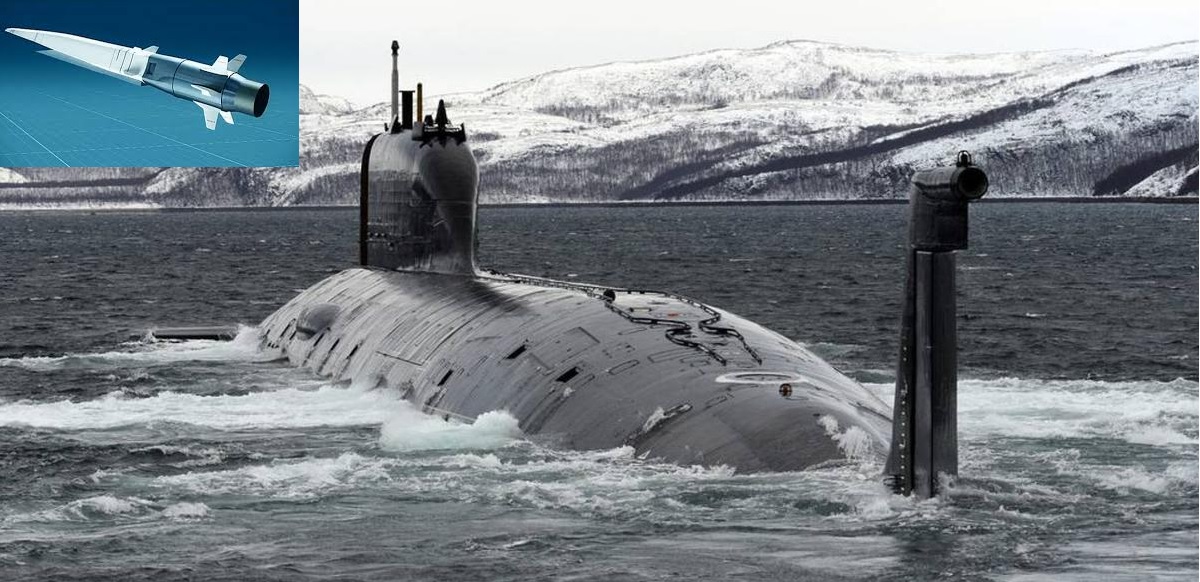
World
In a significant advancement for its naval capabilities, Russia has launched the 'Perm,' a nuclear-powered submarine equipped with the formidable Zircon hypersonic cruise missiles. This development marks a pivotal moment in modern naval warfare, potentially altering strategic balances due to the advanced features of both the submarine and its weaponry. The 'Perm' Submarine The 'Perm' is the latest addition to Russia's Yasen-M class of nuclear-powered submarines, representing the sixth vessel in this series. Constructed by the Sevmash shipyard, the 'Perm' incorporates several enhancements over its predecessors, including structural modifications to accommodate the Zircon missiles. This submarine is designed for multipurpose operations, capable of engaging both naval and land-based targets, thereby extending Russia's strategic reach. Zircon Hypersonic Cruise Missiles The Zircon missile is a cutting-edge hypersonic weapon capable of reaching speeds between Mach 8 and 9, approximately 9,800 to 11,000 kilometers per hour. This extraordinary speed, combined with a range of 450 to 1,000 kilometers, makes the Zircon exceptionally challenging to intercept with current missile defense systems. The missile's stealth capabilities are further enhanced by a plasma cloud that envelops it during flight, absorbing radio frequencies and rendering it invisible to radar detection. Strategic Implications The integration of Zircon missiles into the 'Perm' submarine signifies a substantial escalation in naval warfare capabilities. Hypersonic missiles like the Zircon can penetrate existing defense systems due to their high speed and maneuverability, posing a significant challenge to adversaries. The deployment of such advanced weaponry underscores Russia's commitment to maintaining and enhancing its strategic deterrence capabilities. The launch of the 'Perm' submarine, armed with Zircon hypersonic missiles, represents a notable advancement in military technology. This development not only enhances Russia's naval power but also has the potential to influence global strategic dynamics, prompting other nations to reassess their defense postures in response to the evolving capabilities of hypersonic weaponry.
Read More → Posted on 2025-03-31 15:43:24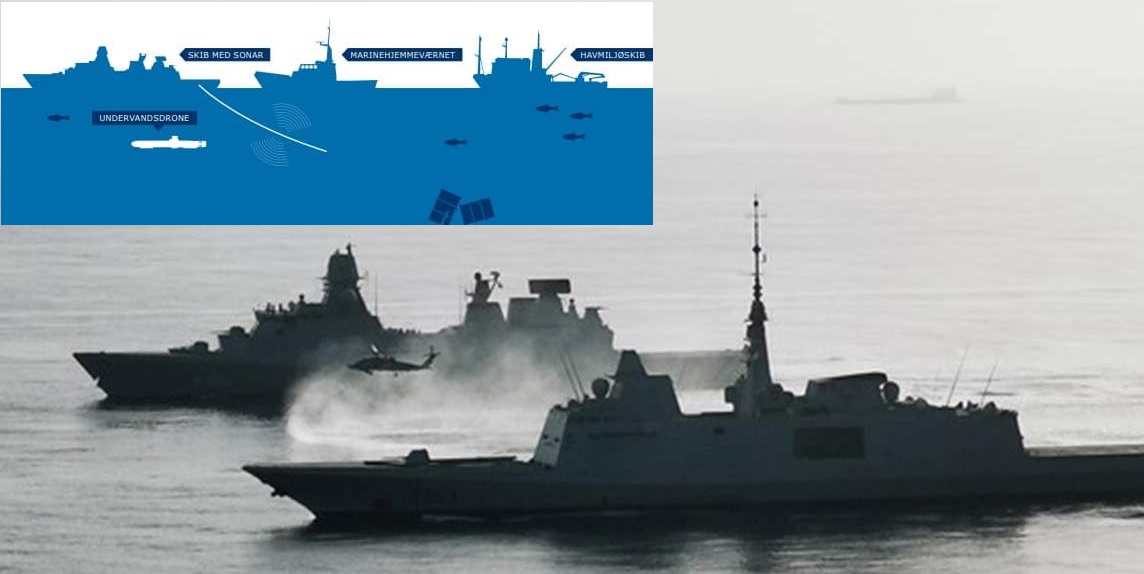
World
Denmark has recently unveiled a comprehensive fleet plan aimed at enhancing the capabilities of the Royal Danish Navy (RDN). This strategy encompasses both immediate measures to bolster key operational capacities and long-term initiatives focused on modernizing major surface combatants. Short-Term Initiatives In the immediate future, the plan emphasizes strengthening the RDN's ability to execute missions within Danish territorial waters. Key areas of focus include pollution control, mine warfare, patrol duties, and the surveillance of critical underwater infrastructure. To achieve these objectives, the plan outlines the acquisition of five larger vessels across two distinct classes and the replacement of the Marinehjemmeværnet’s (Naval Home Guard) primary patrol craft, the MHV 800-class. The MHV 800-class, a conventional design weighing 83 tons, comprises 18 units distributed nationwide, ensuring a local naval presence in areas that might otherwise lack such visibility. This class also features the extended MHV 850-subclass, including the MHV851 Sabotøren, which is slated for replacement. In total, 21 new patrol craft will be procured to provide the force with modern platforms. Among the five larger vessels, one will serve as a dedicated patrol vessel tasked with protecting underwater infrastructure. This role will be supported by significant investments in sensors and underwater drones. To advance unmanned capabilities, a development program for naval unmanned systems is set to launch, addressing both short-term and long-term goals. The remaining four vessels will be multi-purpose designs, primarily aimed at replacing the RDN's aging pollution control vessels. Recent concerns about environmental risks, highlighted by the increased use of older, often poorly maintained tankers, have underscored the need for modernized oil and chemical spill recovery capabilities. These new vessels will also be equipped to perform additional naval tasks, including patrol duties, surveillance of underwater infrastructure, and minelaying operations. Minister for Resilience and Preparedness, Torsten Schack Pedersen, emphasized the versatility of these ships, describing them as "maritime environmental and minelaying ships." Long-Term Vision: New Frigates Looking ahead, the fleet plan envisions replacing the RDN's current frigates, starting with the air-defense-focused Iver Huitfeldt-class, which are expected to remain in service for another decade. Minister of Defence Troels Lund Poulsen highlighted the importance of timely planning for these future acquisitions. The possibility of constructing the new vessels domestically or ensuring a significant Danish workshare is under consideration to enhance security of supply. Additionally, the long-term strategy includes the procurement of a second batch of Arctic patrol vessels and explores potential collaborations with other nations to develop a shared icebreaking capacity. These initiatives reflect Denmark's commitment to maintaining a robust and versatile naval force capable of addressing evolving security challenges. This comprehensive fleet plan underscores Denmark's proactive approach to modernizing its naval capabilities, ensuring readiness to safeguard national interests and contribute effectively to regional and international maritime security.
Read More → Posted on 2025-03-31 15:36:33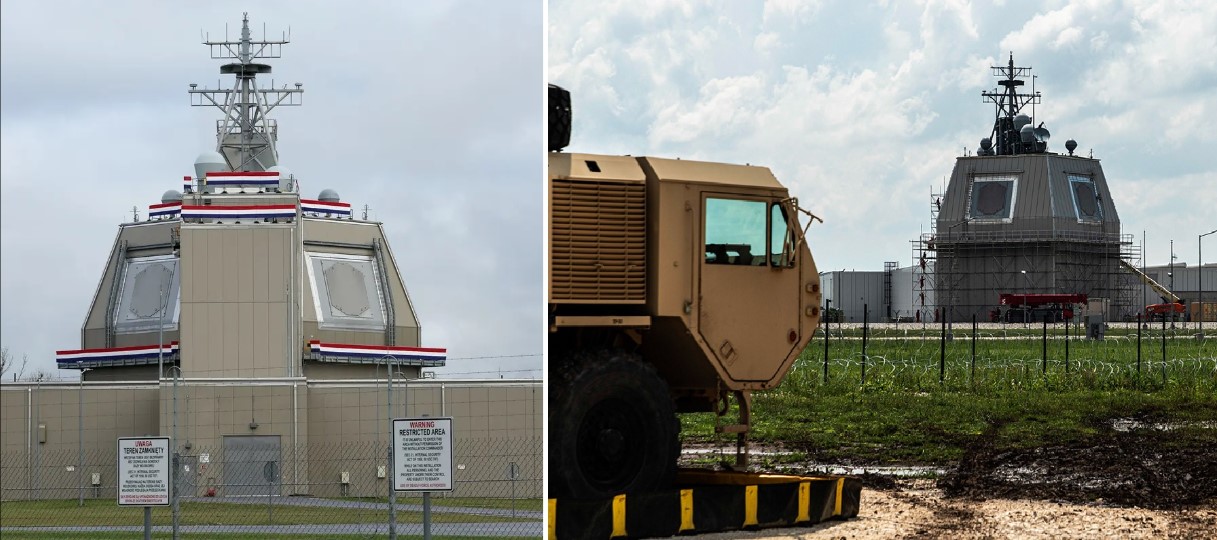
World
V2X, Inc. has been awarded a USD 100 million contract to provide critical support to the U.S. Navy’s Aegis Ashore missile defense facility in Poland. This site is an essential component of NATO’s defense strategy, designed to detect, track, and intercept ballistic missile threats, thereby enhancing Europe's security against evolving global challenges. Contract Details and Scope The contract follows a firm-fixed-price structure, ensuring cost stability. It includes: A one-year base period Seven one-year options for continued support A six-month extension option This agreement builds on V2X’s extensive experience, particularly its work over the past four years at the Aegis Ashore site in Romania, demonstrating the company’s expertise in missile defense operations. V2X’s Role in Missile Defense V2X specializes in delivering integrated solutions that blend physical infrastructure and digital technologies to support national security and defense missions. The company’s contributions to Aegis Ashore will involve advanced maintenance, logistics, and operational support, ensuring the system remains combat-ready. Jeremy C. Wensinger, President and CEO of V2X, emphasized the contract’s significance, stating, “This contract underscores our commitment to high-consequence missions. This award marks a significant step in strengthening NATO’s defense and protecting European populations against global threats.” Aegis Ashore: A Critical NATO Defense Asset The Aegis Ashore system is a land-based version of the U.S. Navy’s Aegis Ballistic Missile Defense System, equipped with SPY-1 radar and SM-3 interceptor missiles. The Polish facility, located in Redzikowo, enhances NATO’s deterrence capabilities by: Tracking and intercepting intermediate-range ballistic missiles Providing a layered defense alongside the Romanian Aegis Ashore site Supporting NATO’s European Phased Adaptive Approach (EPAA) to counter threats from adversarial nations V2X’s Technological Edge With a global workforce of around 16,000 professionals, V2X leverages cutting-edge technologies, including AI and machine learning, to improve: Operational readiness Resource management Resilience in mission-critical environments Conclusion The USD 100 million contract awarded to V2X underscores its pivotal role in supporting U.S. and NATO missile defense efforts. As global security threats evolve, the Aegis Ashore facility in Poland stands as a crucial safeguard, reinforcing NATO’s commitment to collective defense and regional stability.
Read More → Posted on 2025-03-31 15:31:49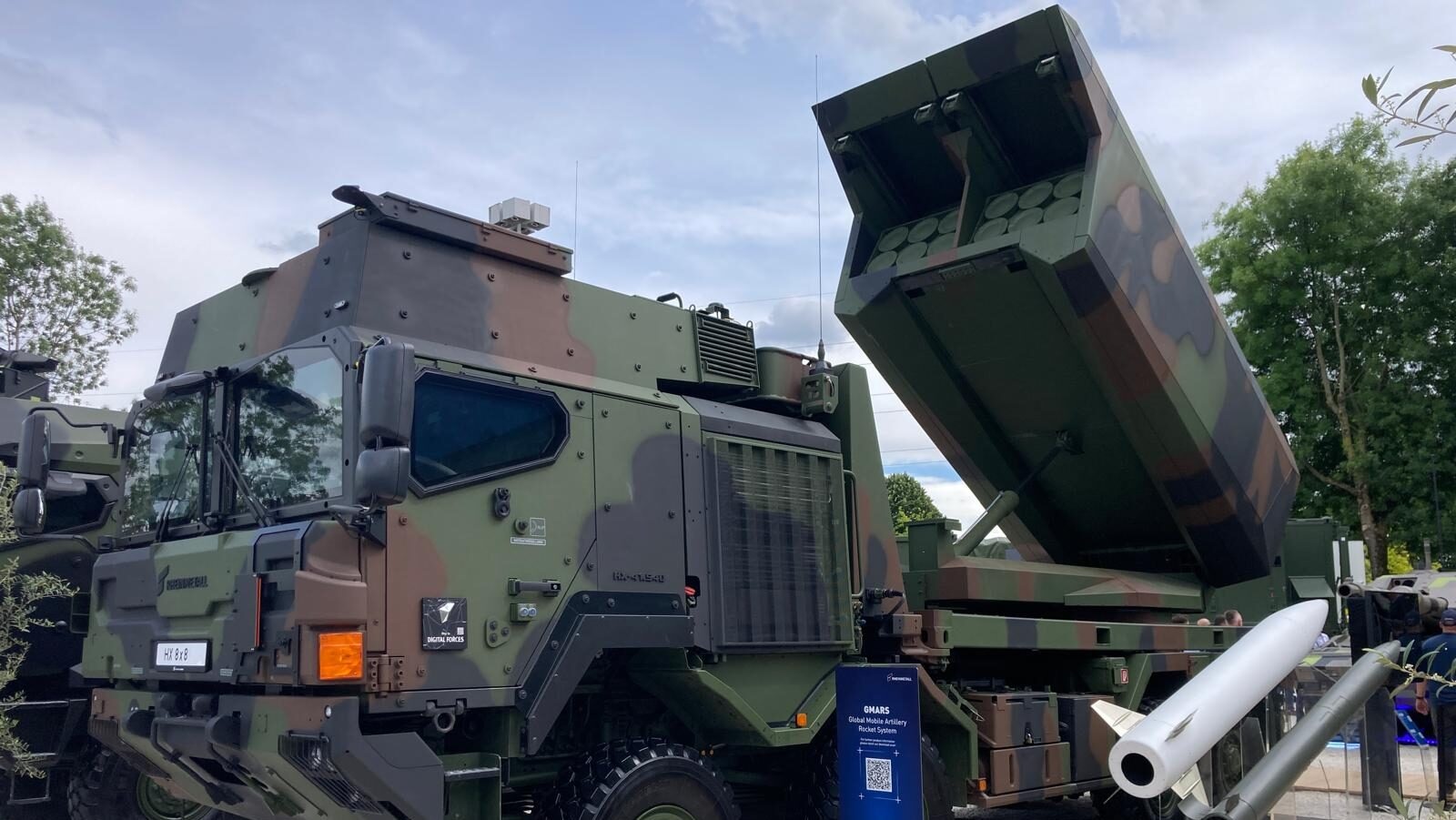
World
Rheinmetall and Lockheed Martin, partners in the Global Mobile Artillery Rocket System (GMARS) program, recently convened an international summit in Europe to discuss advancements in long-range precision fire capabilities. The event brought together defense professionals, military leaders, and industry experts from 14 nations to explore the latest developments in the two-pod launcher system. Focus on Interoperability A key theme of the summit was interoperability, emphasizing how GMARS can integrate with NATO systems like HIMARS and M270. Attendees participated in factory tours and presentations that detailed the GMARS launcher’s operational flexibility and the range of precision-guided munitions developed by Lockheed Martin. Platform Capabilities GMARS is based on the Rheinmetall HX3 vehicle, providing enhanced mobility, survivability, and versatility to meet modern operational demands. The system features a highly mobile, all-weather, 24/7 missile artillery capability mounted on the proven HX truck. Equipped with a multiple rocket launcher with two pods and a fire control system, GMARS can fire the entire MLRS ammunition family, including GMLRS, ER GMLRS, ATACMS, and PrSM, achieving ranges exceeding 400 kilometers. A live firing demonstration is scheduled for the summer, allowing attendees to witness its capabilities firsthand.Breaking Defense+4Joint Forces News+4International Defence Analysis+4 Insights from Military Leadership LTG (R) Ben Hodges, former Commander of US Army Europe, delivered the keynote address, offering insights into current and future battlefield challenges and opportunities. The summit also featured a networking session, enabling attendees to discuss specific national requirements with defense experts and peers. Statements from Industry Leaders Dr. Björn Bernhard, Head of Rheinmetall’s Vehicle Systems Division, expressed satisfaction with the event: “We were pleased to showcase the capabilities of the GMARS launcher at the summit with our partner Lockheed Martin. This event provided a unique opportunity for European customers to learn more about the system, its benefits, and how it can support their long-range precision fire requirements.” Paula Hartley, Vice President and General Manager of Tactical Missiles at Lockheed Martin, added: “Lockheed Martin is committed to delivering innovative solutions that meet the evolving needs of our customers. The GMARS program is a prime example of this commitment, and we were pleased to discuss its capabilities and benefits with customers at the summit.” Analysis The collaboration between Rheinmetall and Lockheed Martin on GMARS signifies a strategic effort to enhance long-range precision fire capabilities within NATO and allied forces. By integrating proven missile technology with a robust and mobile platform, GMARS aims to provide a versatile solution adaptable to various operational scenarios. The focus on interoperability ensures that GMARS can seamlessly function alongside existing systems like HIMARS and M270, promoting cohesive and efficient joint operations. The upcoming live firing demonstration will be a critical milestone, offering potential users an opportunity to assess the system's performance and operational suitability. As modern battlefields demand increased mobility, precision, and adaptability, GMARS positions itself as a formidable asset in addressing these evolving challenges.
Read More → Posted on 2025-03-31 14:55:21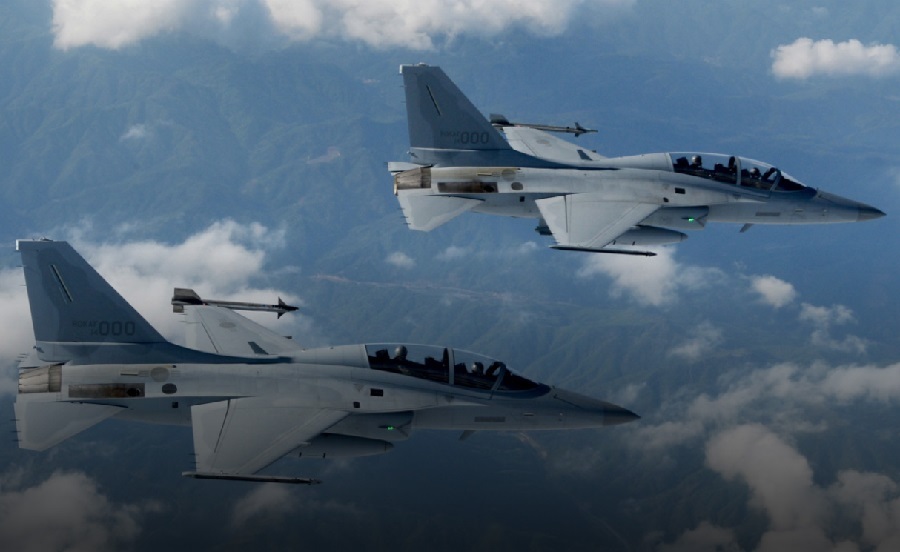
World
Egypt is in advanced negotiations with South Korea to procure up to 100 FA-50 light combat aircraft, aiming to modernize its air force and bolster defense capabilities. Egyptian Ambassador to Seoul, Khaled Abdelrahman, confirmed that discussions have been positive, with an initial focus on acquiring 36 aircraft. Catalyst for Interest Egypt's interest in the FA-50 intensified following the August 2022 Pyramids Air Show, where South Korea's Black Eagles aerobatic team showcased the aircraft's capabilities over the Giza pyramids. This demonstration highlighted the FA-50's performance and potential compatibility with Egypt's defense needs. Aircraft Overview Developed by Korea Aerospace Industries (KAI), the FA-50 is a versatile, two-seat, supersonic light combat aircraft derived from the T-50 advanced jet trainer. It offers a blend of training and combat functionalities, with a maximum speed of Mach 1.5 and a range of approximately 2,592 kilometers. The FA-50 is equipped to carry a diverse array of weaponry, including air-to-air and air-to-ground missiles, precision-guided bombs, and an internal 20mm cannon. Strategic Advantages A significant advantage of the FA-50 is its 70% parts commonality with the F-16, which is already in service with the Egyptian Air Force. This similarity is expected to streamline logistics, maintenance, and training processes. Additionally, the FA-50's advanced avionics and combat systems are designed to enhance operational readiness and effectiveness. Local Production and Economic Impact Egypt's Arab Organization for Industrialization (AOI) has entered into a cooperation agreement with KAI to localize the production of the FA-50. This partnership aims to manufacture a substantial portion of the aircraft domestically at the Helwan Aircraft Factory, fostering technology transfer and bolstering Egypt's defense industry. Local production is anticipated to create jobs, develop technical expertise, and position Egypt as a regional hub for aircraft manufacturing and maintenance. The prospective acquisition of the FA-50 represents a strategic move for Egypt, addressing both immediate defense needs and long-term industrial goals. By integrating advanced aircraft with local production capabilities, Egypt aims to enhance its military readiness while promoting economic growth and technological advancement within the country.
Read More → Posted on 2025-03-31 14:53:21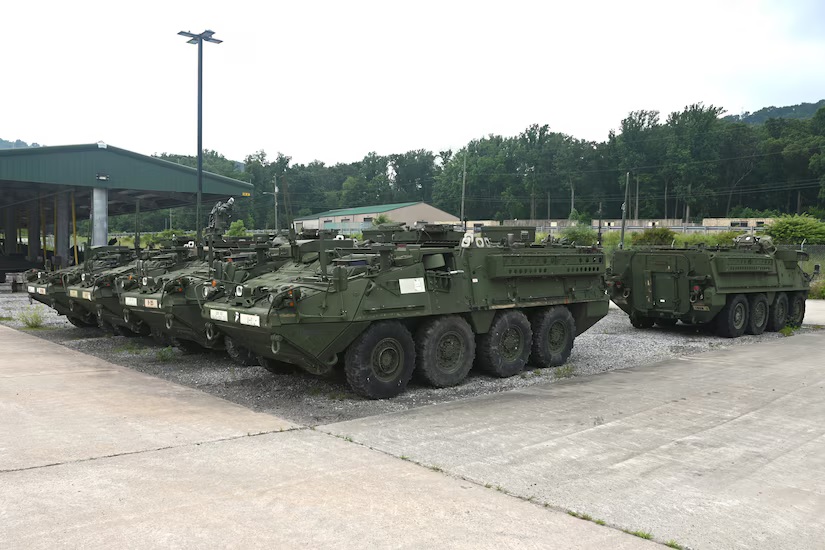
World
Soldiers from the U.S. Army’s 56th Stryker Brigade Combat Team (SBCT) have begun hands-on training with newly upgraded Stryker armored vehicles. The first batch of 25 vehicles has arrived at Fort Indiantown Gap, marking the initial phase of a larger delivery of 324 modernized Strykers. Enhanced Protection and Upgraded Features The latest Stryker variant features a redesigned double-V hull that significantly enhances blast protection compared to the older flat-bottom models. This improvement increases crew survivability, particularly against roadside bombs and explosive threats. In addition, the upgraded Strykers come with new safety enhancements, improved communications systems, and minor mechanical modifications that require operators and maintainers to adapt to the updated design. Training Program for Soldiers The training is structured as a "train-the-trainer" model, where experienced soldiers are trained to become subject matter experts within their units. The program is divided into two specialized streams: Driver Training: Focuses on handling the upgraded vehicle and understanding its new safety mechanisms. Maintenance Training: Equips soldiers with technical knowledge to repair and sustain the vehicle in the field. Around 55 soldiers will complete the driving module, while 30 soldiers will undergo maintenance training. The sessions are being led by General Dynamics Land Systems, the manufacturer of the Stryker vehicle. Soldiers' Experience with the Upgraded Stryker According to Capt. Matthew McCabe, logistics officer for the 2nd Battalion, 112th Infantry Regiment, the training will enable soldiers to become proficient with the new systems and better prepared for future operations. “It’s allowing these individuals to go back to their units, be the subject matter experts, and it’s allowing us to get our hands on a piece of equipment that’s more modern than what we had before,” McCabe said. Sgt. Robert Leamer, vehicle commander with Alpha Company, 1st Battalion, 111th Infantry Regiment, noted that while the handling of the new Stryker remains similar to previous models, key design updates—especially in armor protection and safety features—stand out. “A lot of updates seem to be with the armor, with the new hull,” Leamer said. “They have some safety features, like the emergency shut-off for the fuel, and a couple of comms things, but as far as these Strykers, they seem to roll very similar to the old ones.” Preparing for Future Operations This training program is a crucial step in preparing the brigade for full-scale deployment and combat readiness. Capt. McCabe emphasized that the training will set the brigade up for success in fiscal year 2026, once all soldiers return from their current deployments and the upgraded Strykers are fully integrated into their units. With enhanced protection, better survivability, and an improved training framework, the 56th Stryker Brigade Combat Team is gearing up to maximize the effectiveness of these modernized combat vehicles in future missions.
Read More → Posted on 2025-03-30 15:28:56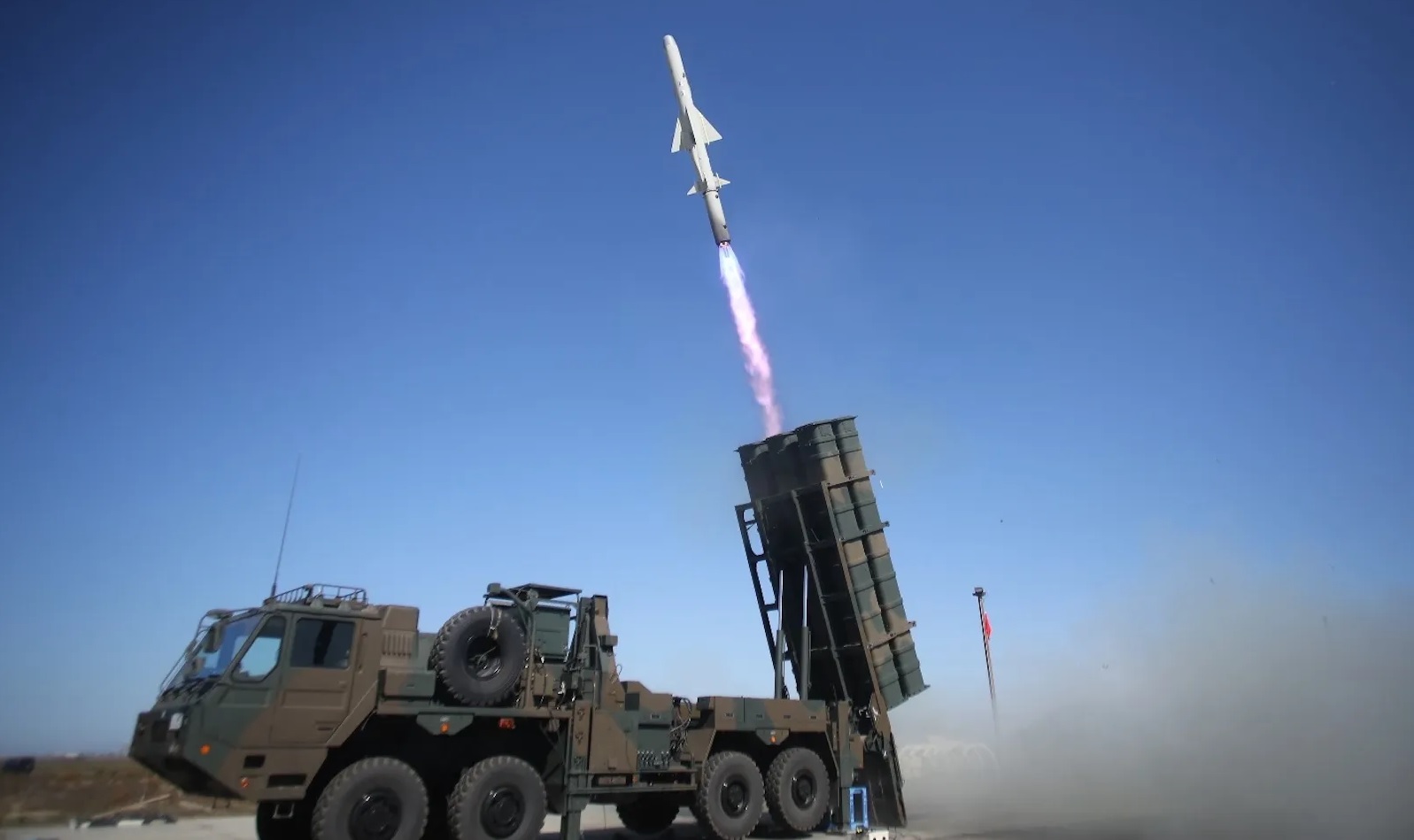
World
On March 30, 2025, Japan's Ministry of Defense officially established the 8th Surface-to-Ship Missile Regiment at the Japan Ground Self-Defense Force's (JGSDF) Yufuin garrison in Ōita Prefecture. This new unit comprises approximately 300 personnel and is equipped with the Type 12 surface-to-ship missile system, which currently boasts a range of several hundred kilometers. The activation ceremony featured State Defense Minister Toshiro Honda presenting the unit's flag to its commander, Colonel Daisaku Yamada. This event marks the completion of Japan's plan to deploy seven surface-to-ship missile regiments, a key component of its recent defense buildup strategy. Enhanced Capabilities of the Type 12 Missile The Type 12 missile system, developed by Mitsubishi Heavy Industries, has undergone significant upgrades to enhance Japan's defensive capabilities. Originally introduced with a range of approximately 200 kilometers, the improved version aims to extend this reach to at least 900 kilometers, with future enhancements targeting up to 1,200 kilometers. These advancements enable coverage of strategic areas, including parts of China's coastal regions and the entirety of North Korea, depending on deployment locations. In addition to increased range, the upgraded Type 12 missile features a stealthier design with reduced radar cross-section, improving its survivability against enemy defenses. It also incorporates advanced guidance systems, such as the Up-to-Date Command (UDTC) technology, allowing for real-time target information updates via satellite communications. This capability enhances accuracy against moving targets, providing a significant boost to Japan's deterrence posture. Strategic Implications and Regional Security The establishment of the missile unit in Ōita Prefecture reflects Japan's broader shift towards enhancing its "counterstrike capability" amid rising regional tensions. By deploying long-range missiles in the southwestern region, Japan aims to deter potential threats from neighboring countries. Defense planners are focusing on public outreach and infrastructure preparations to support the integration of these advanced systems. The Yufuin-based regiment joins existing units in Okinawa, Kumamoto, Aomori, and Hokkaido, forming a comprehensive network of missile regiments across the country. This strategic deployment underscores Japan's commitment to bolstering its defense capabilities in response to evolving geopolitical dynamics in the Indo-Pacific region.
Read More → Posted on 2025-03-30 15:24:36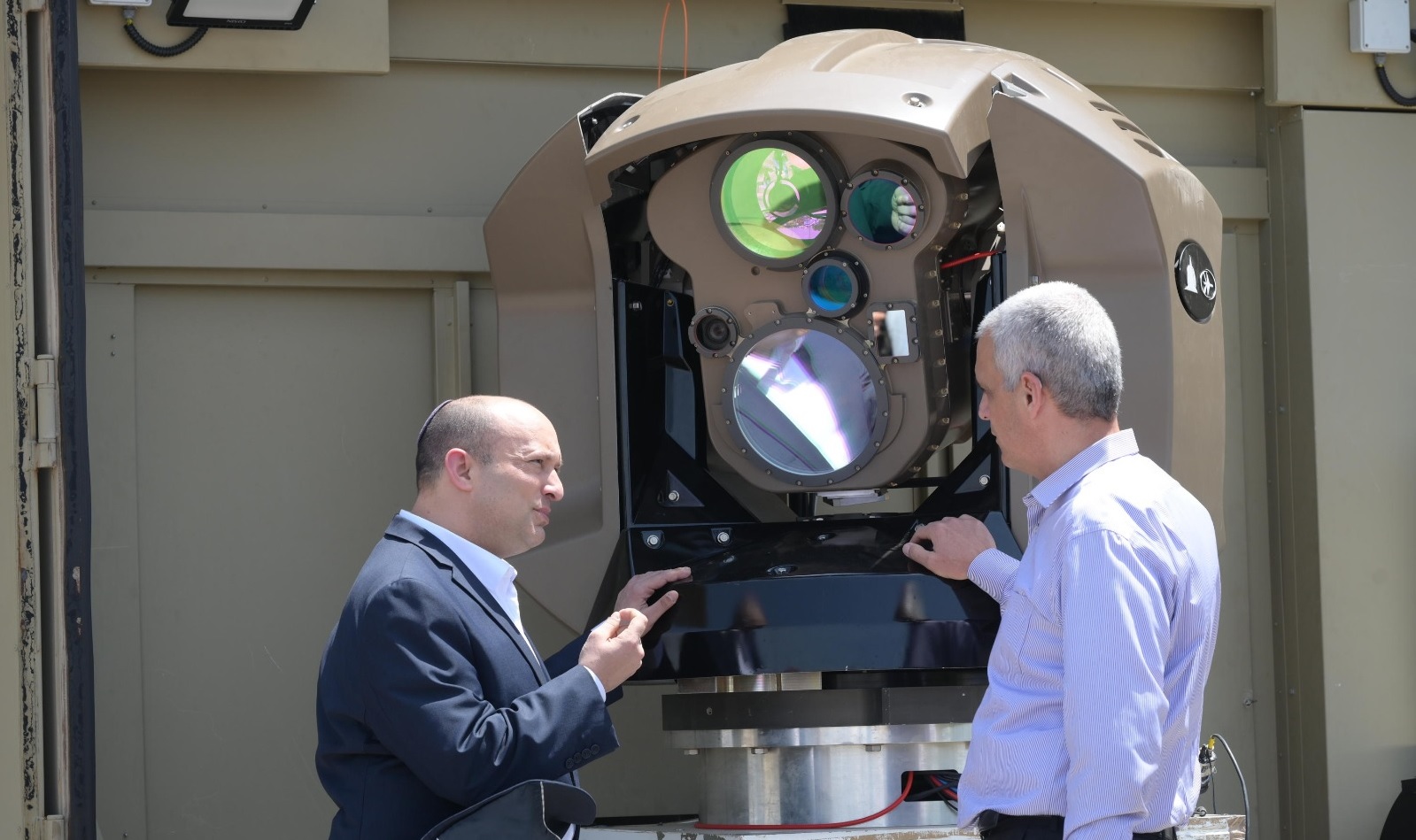
World
Rafael Advanced Defense Systems has officially announced that its Iron Beam, a high-energy laser air defense weapon, will become operational in 2025. This marks a major breakthrough in missile defense technology, as the system is set to provide an affordable and highly effective countermeasure against aerial threats. A Game-Changer in Air Defense Iron Beam is designed to work alongside Israel’s Iron Dome and other missile defense systems, offering a cost-effective solution for intercepting enemy rockets, drones, and mortar shells. Unlike traditional missile-based defenses, which rely on costly interceptors, Iron Beam uses directed energy to destroy threats at the speed of light. Rafael CEO Yoav Turgeman emphasized that the Iron Beam will significantly reduce operational costs while increasing interception efficiency. Currently, each Iron Dome interceptor costs around $30,000, whereas the Iron Beam’s laser-based approach is far cheaper, requiring only electricity to function. Key Specifications of Iron Beam Technology: High-energy laser-based air defense system Purpose: Neutralizes rockets, drones, and mortar shells Speed: Engages targets at the speed of light Cost Advantage: Far cheaper than missile-based interceptions Operational Range: Estimated to be several kilometers Integration: Works in conjunction with Iron Dome and other air defense systems Revolutionizing Air Defense Iron Beam’s operational deployment in 2025 will mark a global milestone in laser defense technology. With its instantaneous response time and lower operational costs, it is expected to transform Israel’s air defense strategy while setting a precedent for the future of military laser weapons worldwide.
Read More → Posted on 2025-03-30 14:58:48
World
In a recent development, Russian forces have seized control of two additional villages in eastern Ukraine, marking a significant advancement in the ongoing conflict. The Russian Defense Ministry announced the capture of Lozova in the Kharkiv region and Krasnoye (known as Sontsivka in Ukraine) in the Donetsk region. The latter's proximity to the strategic hub of Kurakhove underscores the tactical importance of these gains. This progression aligns with Russia's intensified efforts to secure more territory in eastern Ukraine, particularly in the Donetsk and Zaporizhzhia regions. Ukrainian officials and military analysts anticipate a renewed Russian offensive in the coming weeks, aiming to exert pressure on Ukraine and strengthen Russia's position in potential ceasefire negotiations. President Volodymyr Zelenskyy has highlighted increased Russian troop movements, suggesting possible attacks in northeastern regions like Sumy and Kharkiv. The capture of these villages not only signifies territorial expansion but also serves as a strategic maneuver to encircle key resource hubs, potentially disrupting Ukrainian supply lines and fortifications. As both nations prepare for prolonged engagement, the international community remains watchful of the evolving dynamics and their broader geopolitical implications. Lockheed Martin Delivers First F-16 Block 70 Fighter Jet to Taiwan On March 28, Lockheed Martin hosted a formal ceremony at its Greenville facility in South Carolina to present the first serial production F-16D Fighting Falcon Block 70 aircraft to Taiwan. The event was attended by representatives from Lockheed Martin, the Taiwanese government, and members of the United States Congress. Taiwan becomes the fourth recipient of the F-16 Block 70/72 variant, following Bahrain, Slovakia, and Bulgaria. Under a government-to-government agreement signed in 2019, Taiwan ordered 66 new F-16C/D Block 70 aircraft, making it the largest customer of this configuration to date. Lockheed Martin has previously completed deliveries to Bahrain, and production is ongoing for orders from Slovakia and Bulgaria. The Taiwanese Air Force currently operates a fleet of upgraded F-16AM/BM aircraft brought to the F-16V standard, which will be complemented by the new-build Block 70 jets. Taiwan had initially expressed interest in acquiring F-35A fighters, but the United States declined to approve the sale, citing concerns over escalating tensions with mainland China. As a result, Taiwan proceeded with the advanced F-16 variant, which offers modern avionics, improved radar systems, and enhanced survivability despite being a fourth-generation platform. The delivery schedule was initially planned for completion by 2026, but delays in relocating the F-16 production line from Fort Worth to Greenville have pushed the timeline back by at least two years. Taiwan’s new aircraft are expected to replace aging Mirage 2000-5 and F-5 Tiger II fighters, strengthening its defensive capabilities. Lockheed Martin has received confirmed orders for 188 F-16 Block 70/72 aircraft. In addition to current customers, future sales may include countries such as Morocco, Jordan, Turkey, the Philippines, Vietnam, and Colombia, as interest in the proven platform continues to grow. In October 2024, Taiwan’s Defence Minister announced plans for further combat aircraft acquisitions from the United States. However, due to political sensitivities, approval for more advanced platforms like the F-35 remains unlikely in the near term.
Read More → Posted on 2025-03-30 14:55:17Search
Top Trending in 24 Hours
-
 Why the U.S. Restored Pacific Command Name, Ending the Indo-Pacific Designation After Eight Years
-
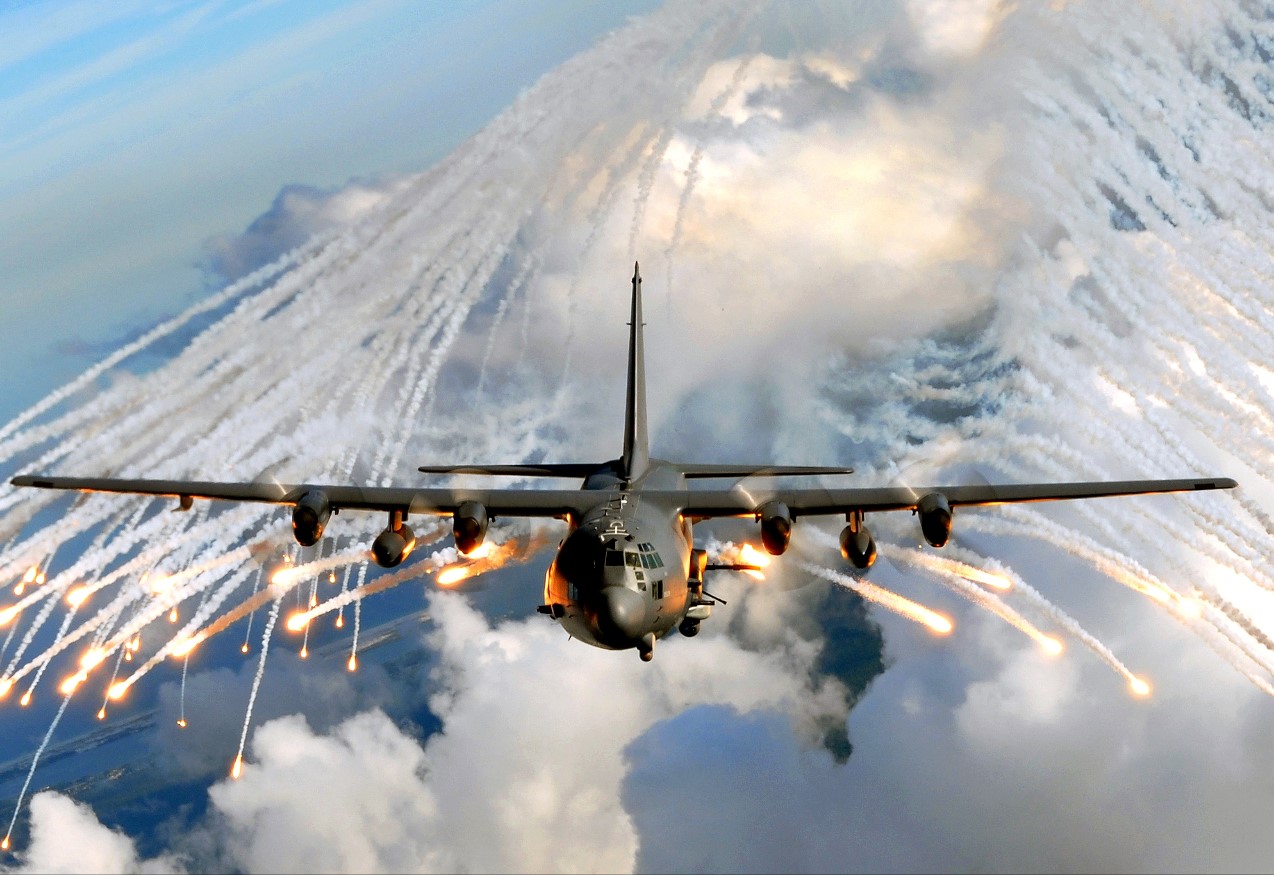 Pentagon Expands Alloy Surfaces Contract to $328.8 Million for Advanced Aircraft Decoy Flares Amid Evolving Drone Threats
-
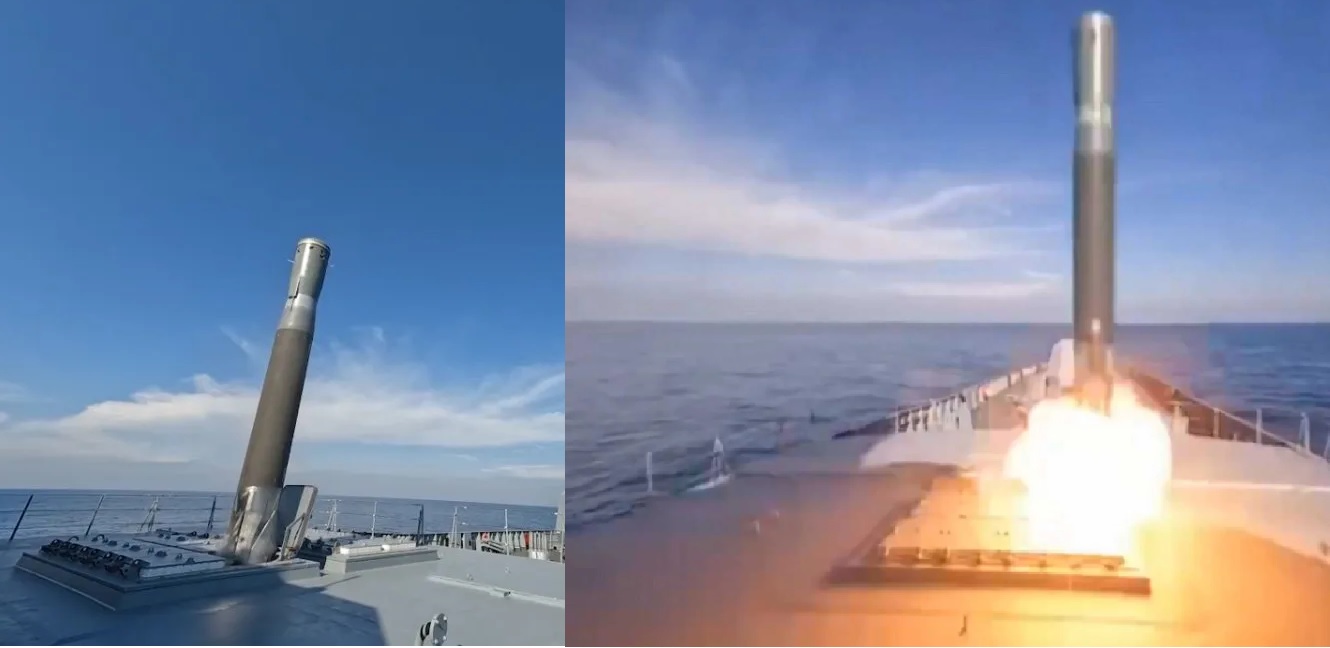 Open-Source Evidence Suggests Russia's Zircon Is a Quasi-Ballistic Missile, Not a True Hypersonic Cruise Weapon
-
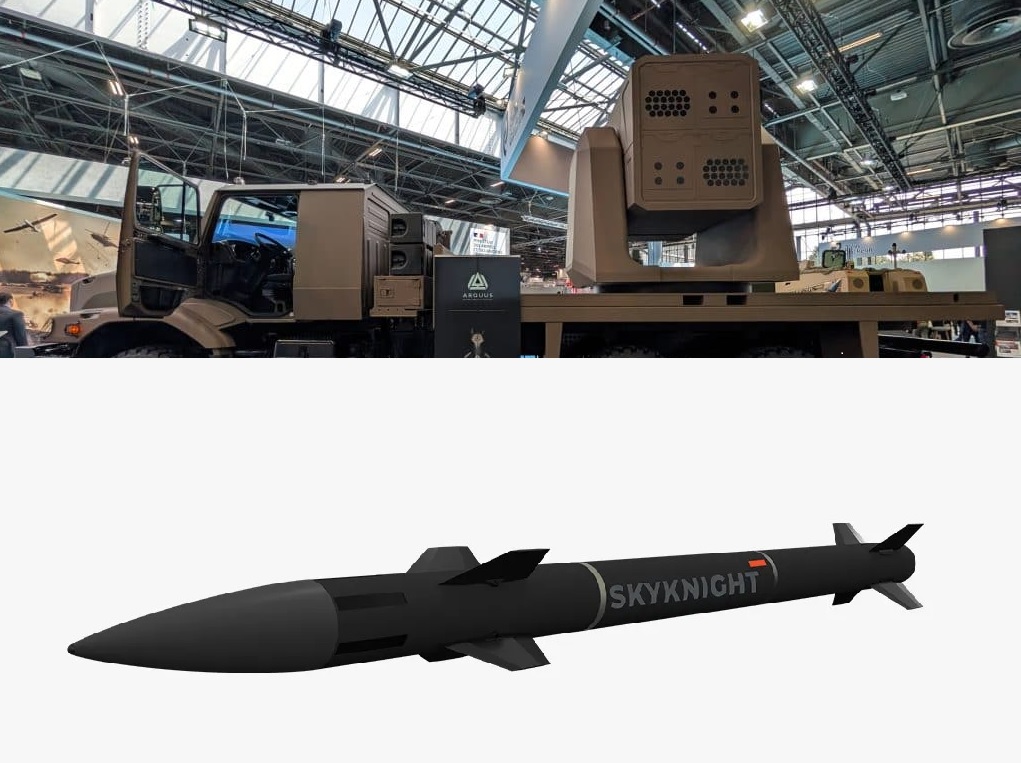 Naval Group Unveils Rampart Modular CIWS Multi-Purpose Weapon System for Naval and Ground Forces at Eurosatory 2026
-
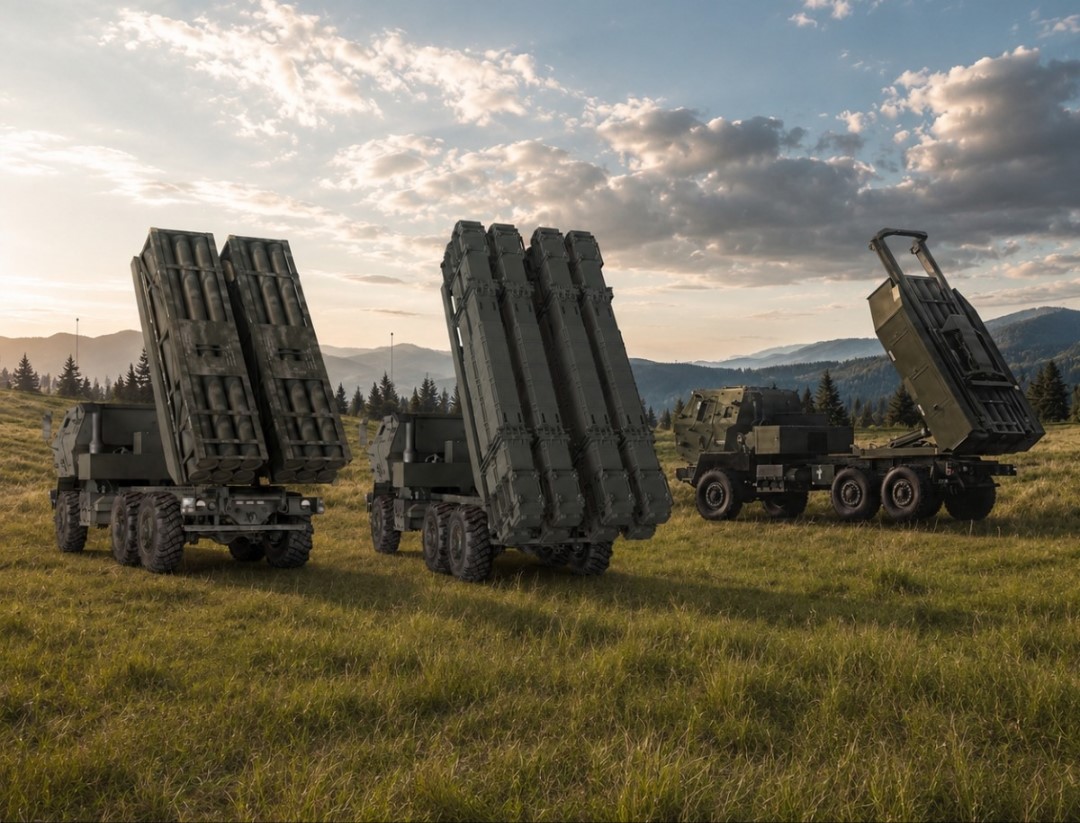 Lockheed Martin Unveils HIMARS FLEX with Dual-Pod Launcher and NATO-Compatible Air Defense Integration
-
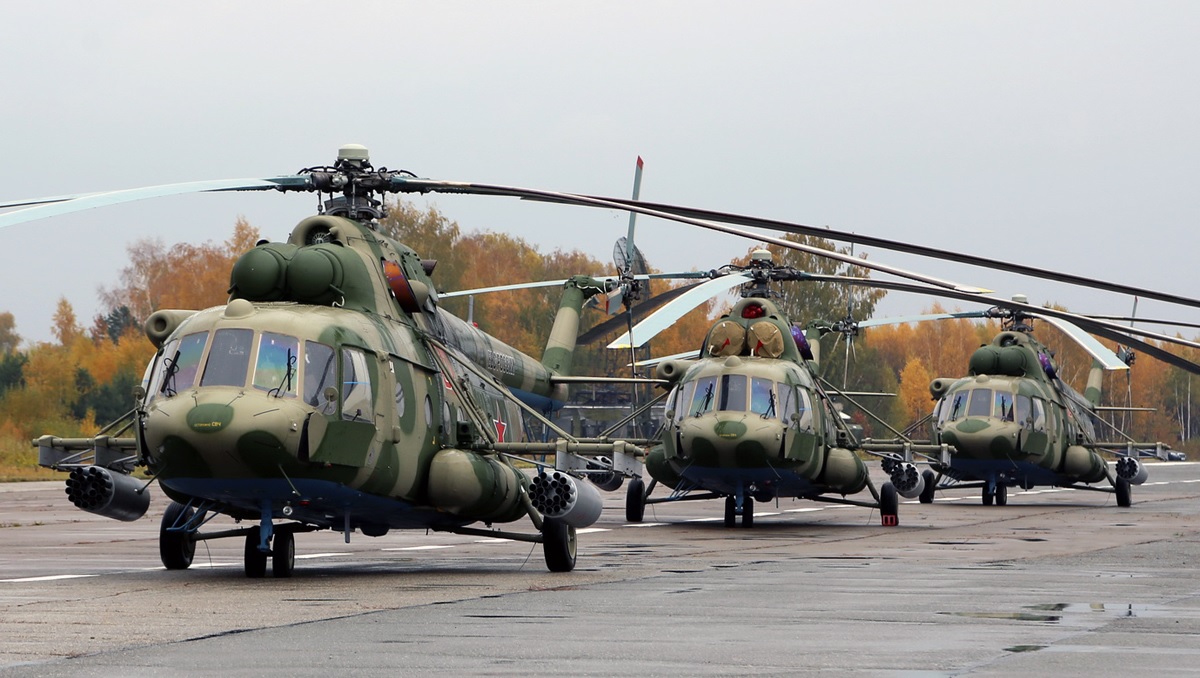 Iran Signs Deal with Russia for 20 Mi-8 and Mi-17 Helicopters to Boost Rescue and Medical Missions
-
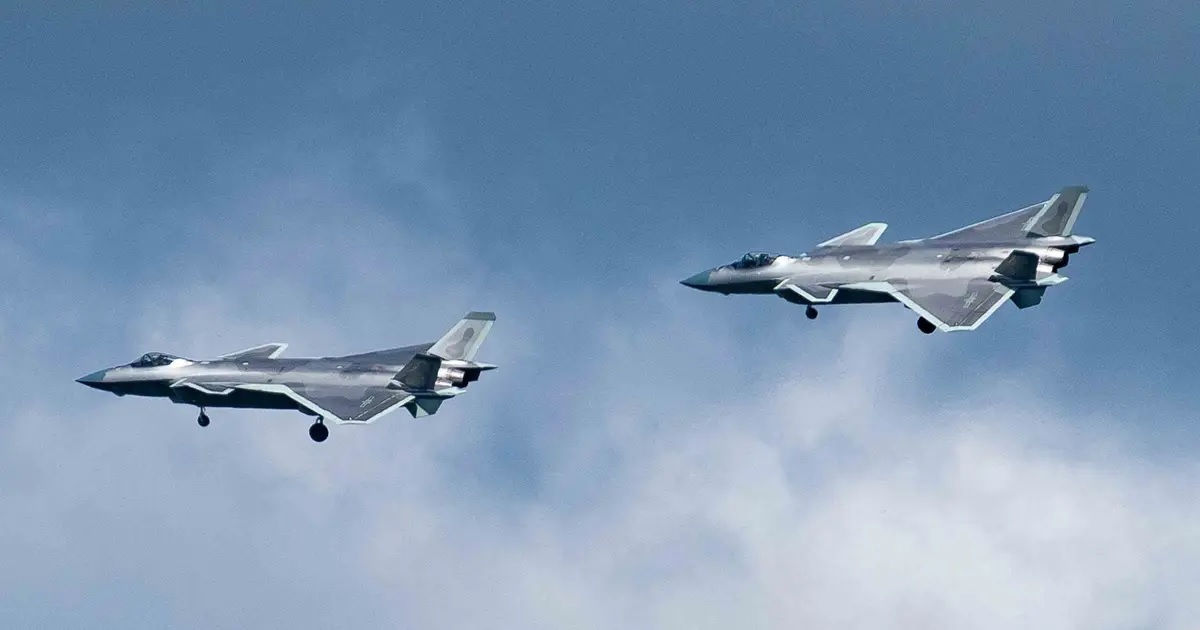 China Surpasses Russia as World’s Second-Most Powerful Air Force Amid Rapid J-20 and J-35 Expansion
-
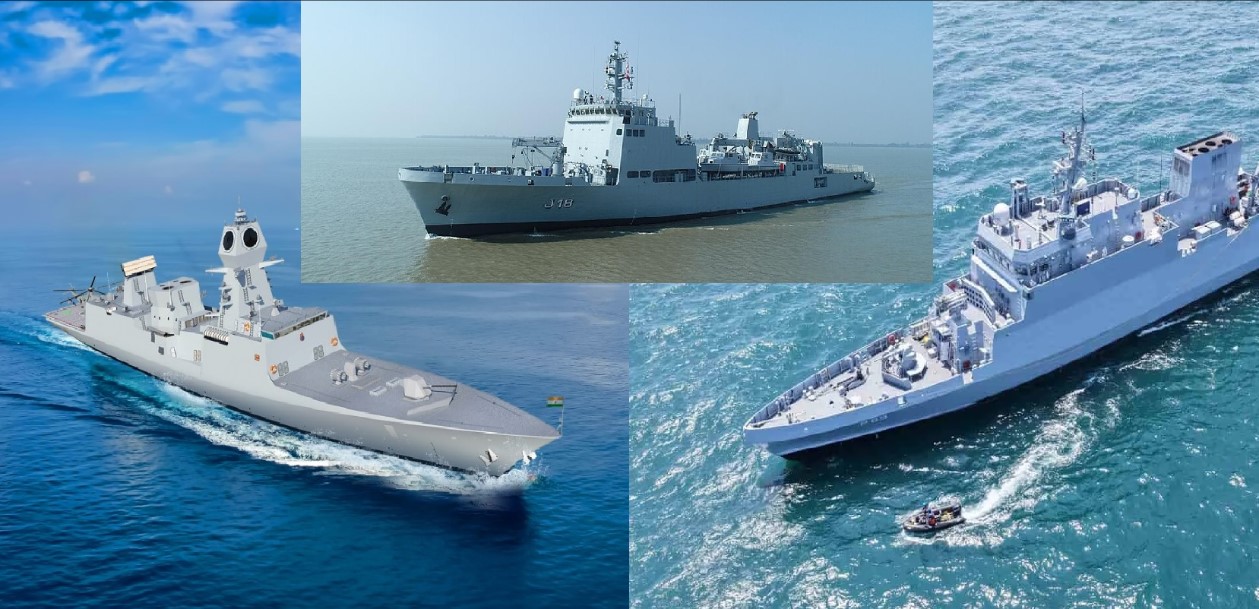 Indian Navy to Commission Stealth Frigate, ASW Craft and Survey Vessel in Rare Triple Induction at Kolkata
Top Trending in 4 Days
-
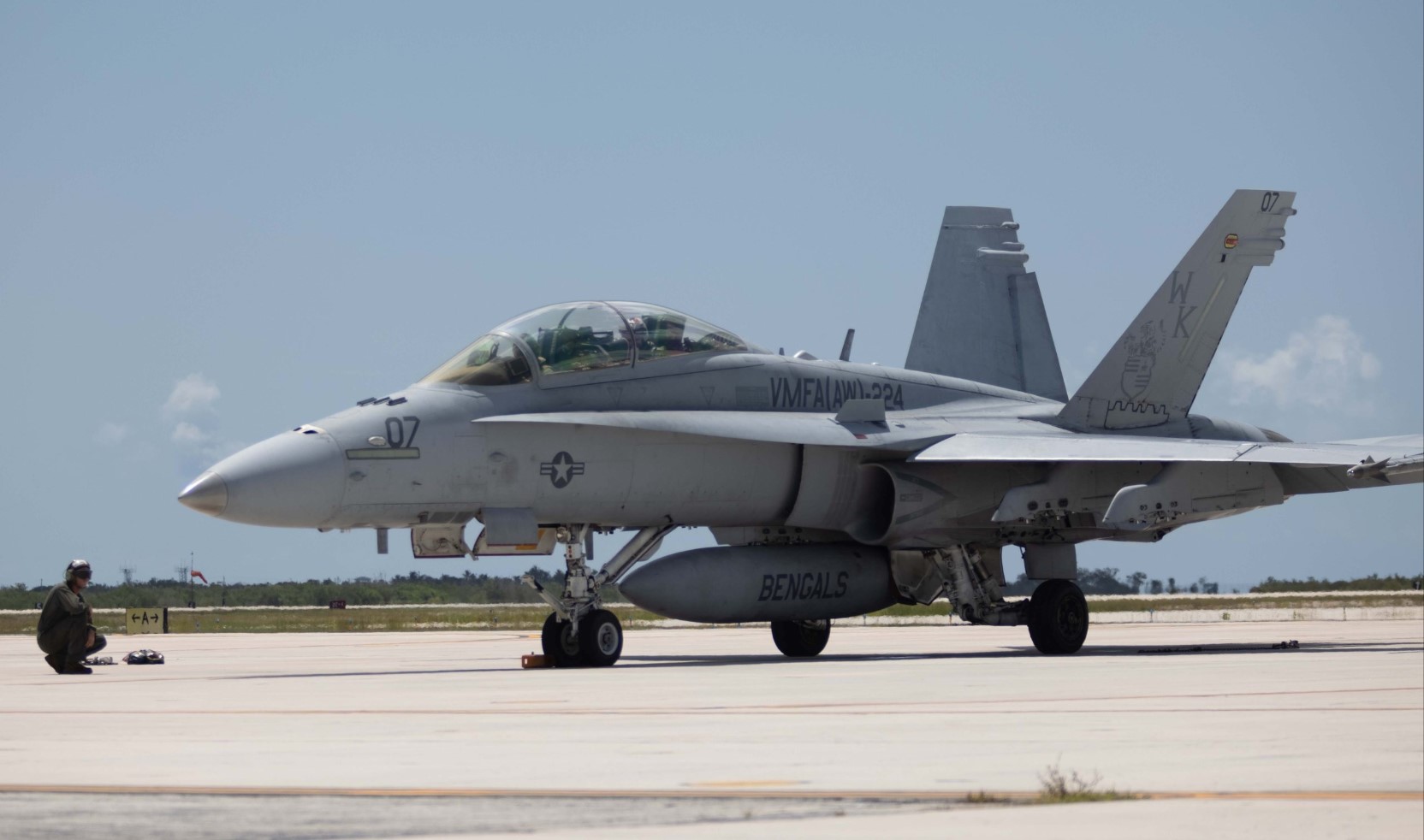 US Marine Corps F/A-18D Hornet Crashes During Training Flight in Washington Mountains; Pilot Ejects Safely
-
 Tulsi Gabbard Releases Declassified Files Detailing U.S.-Backed Network of 120 Biolaboratories Across 30+ Countries
-
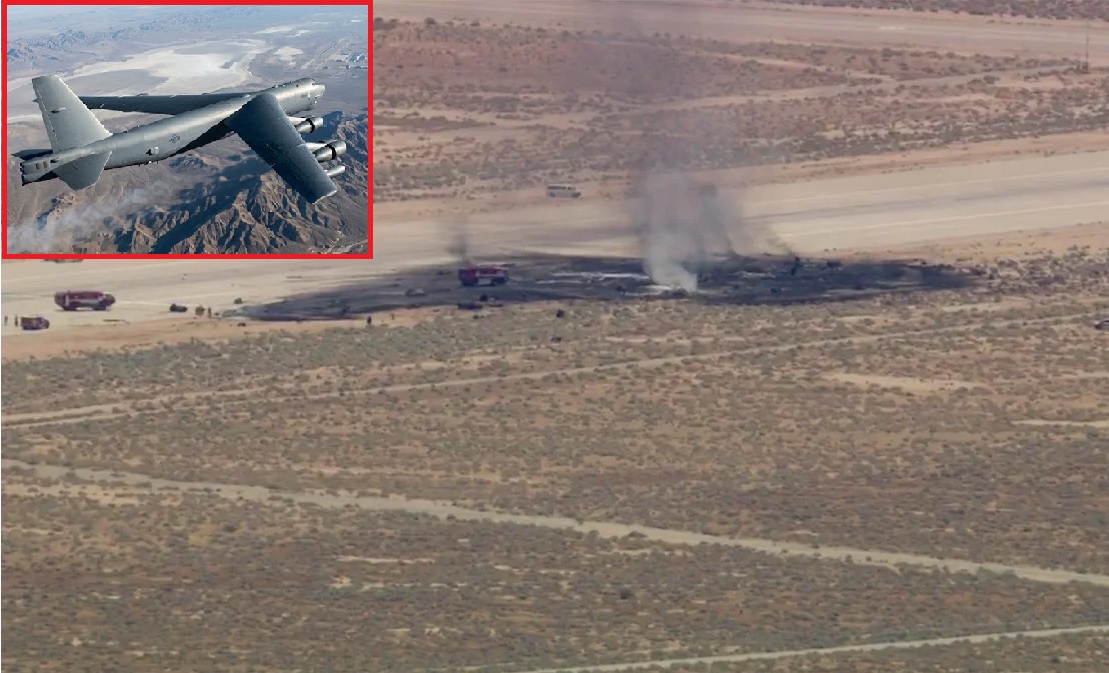 8 U.S. Air Force Crew Members Killed in B-52 Bomber Crash During Test Flight at Edwards Air Force Base
-
 Ukraine Introduces Balloon-Launched DART Missile Designed to Defeat Electronic Warfare
-
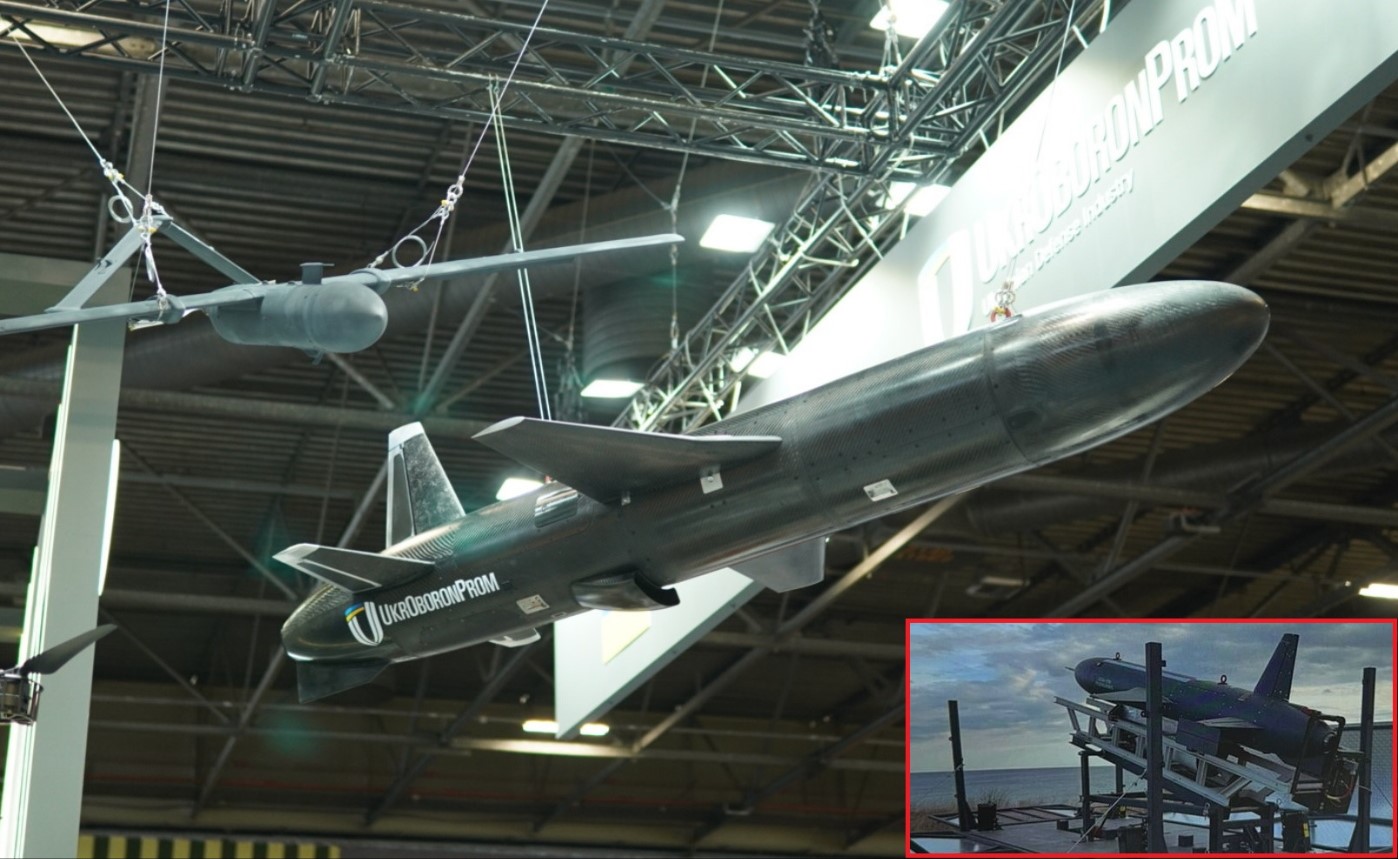 Ukraine Unveils UAV-290 Jet-Powered Strike Drone with 650 km Range at Eurosatory 2026
-
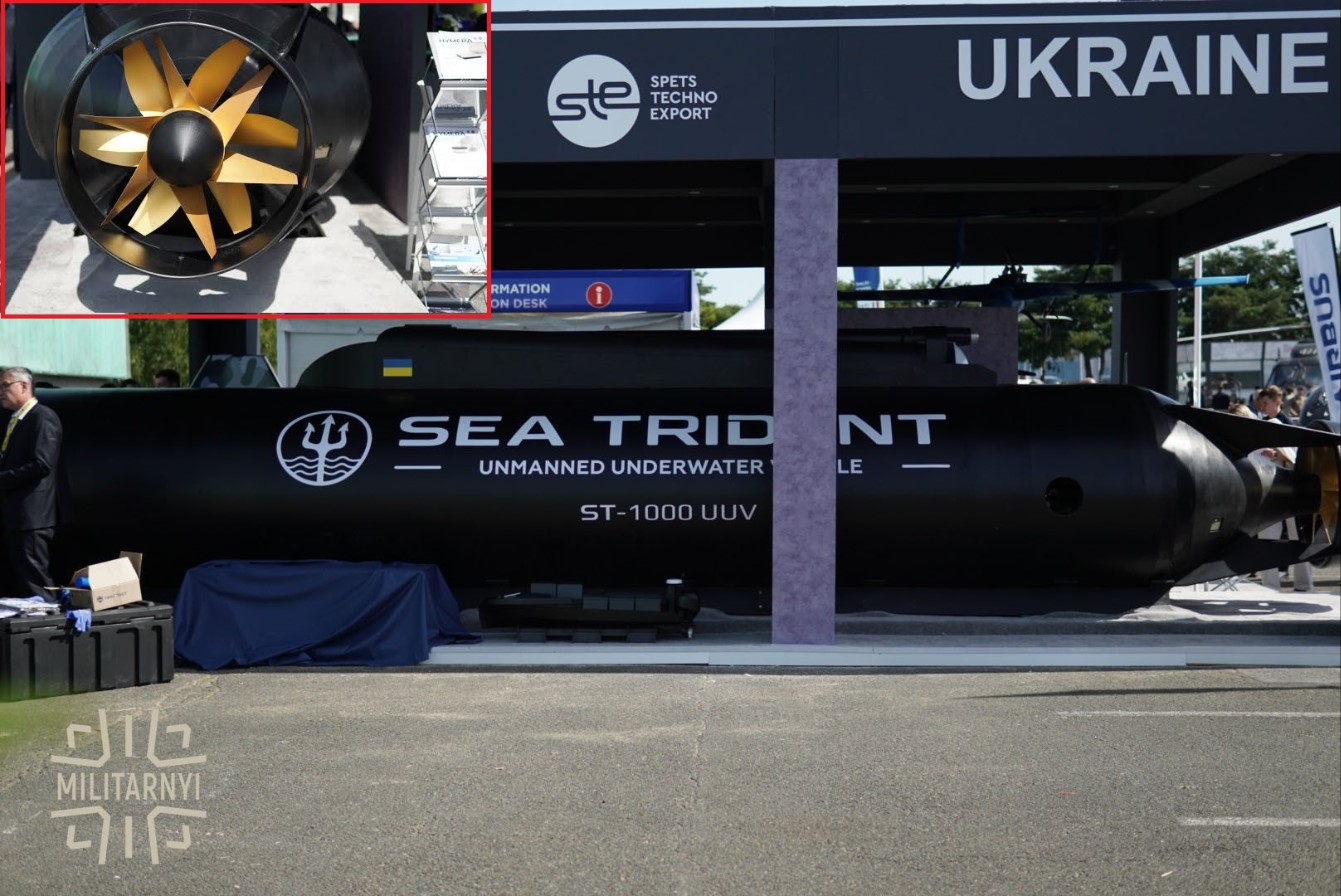 Ukraine Unveils 'Sea Trident' 10-Ton Autonomous Underwater Drone at Eurosatory 2026
-
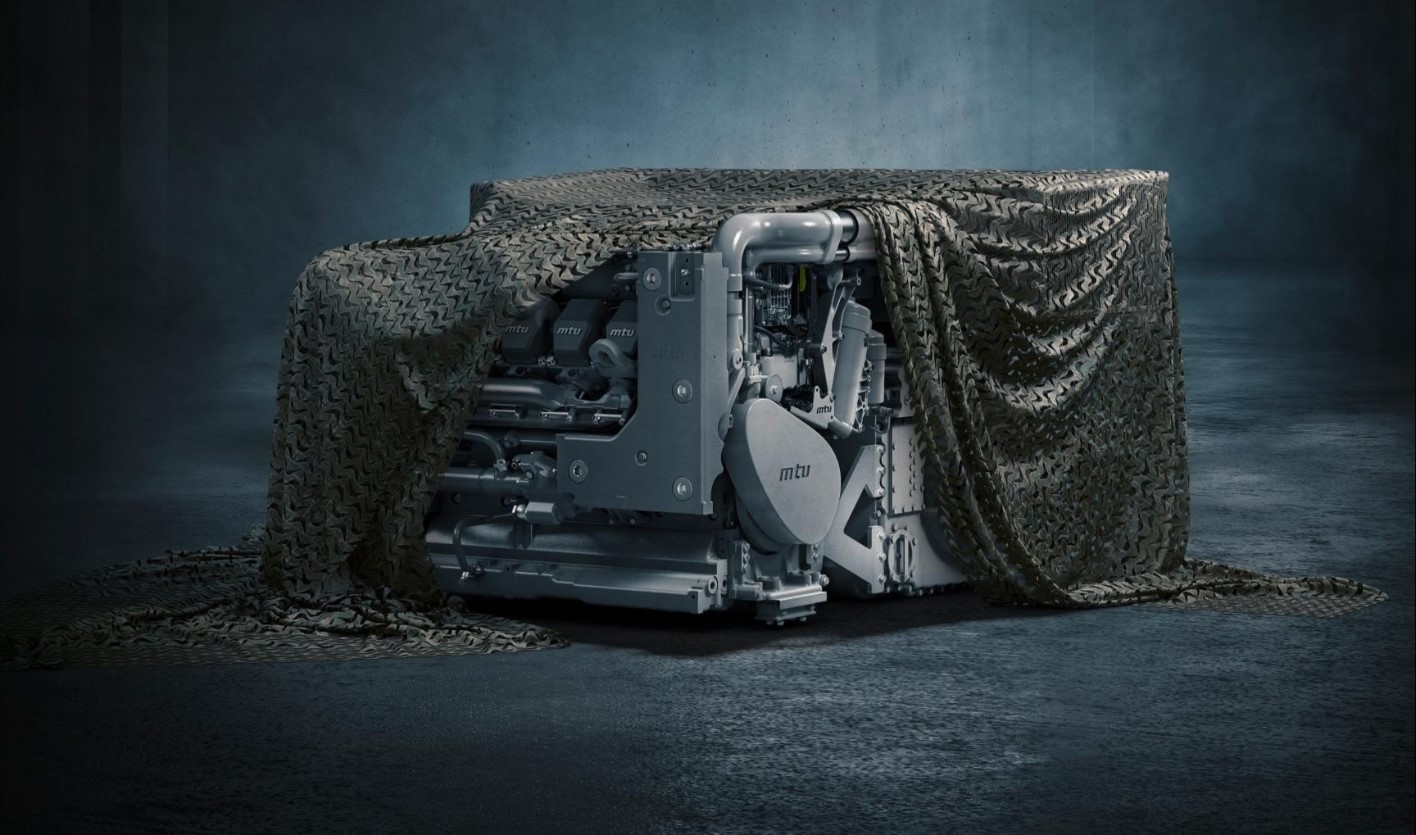 Rolls-Royce Unveils New Hybrid Powertrain for Heavy Military Vehicles at Eurosatory 2026
-
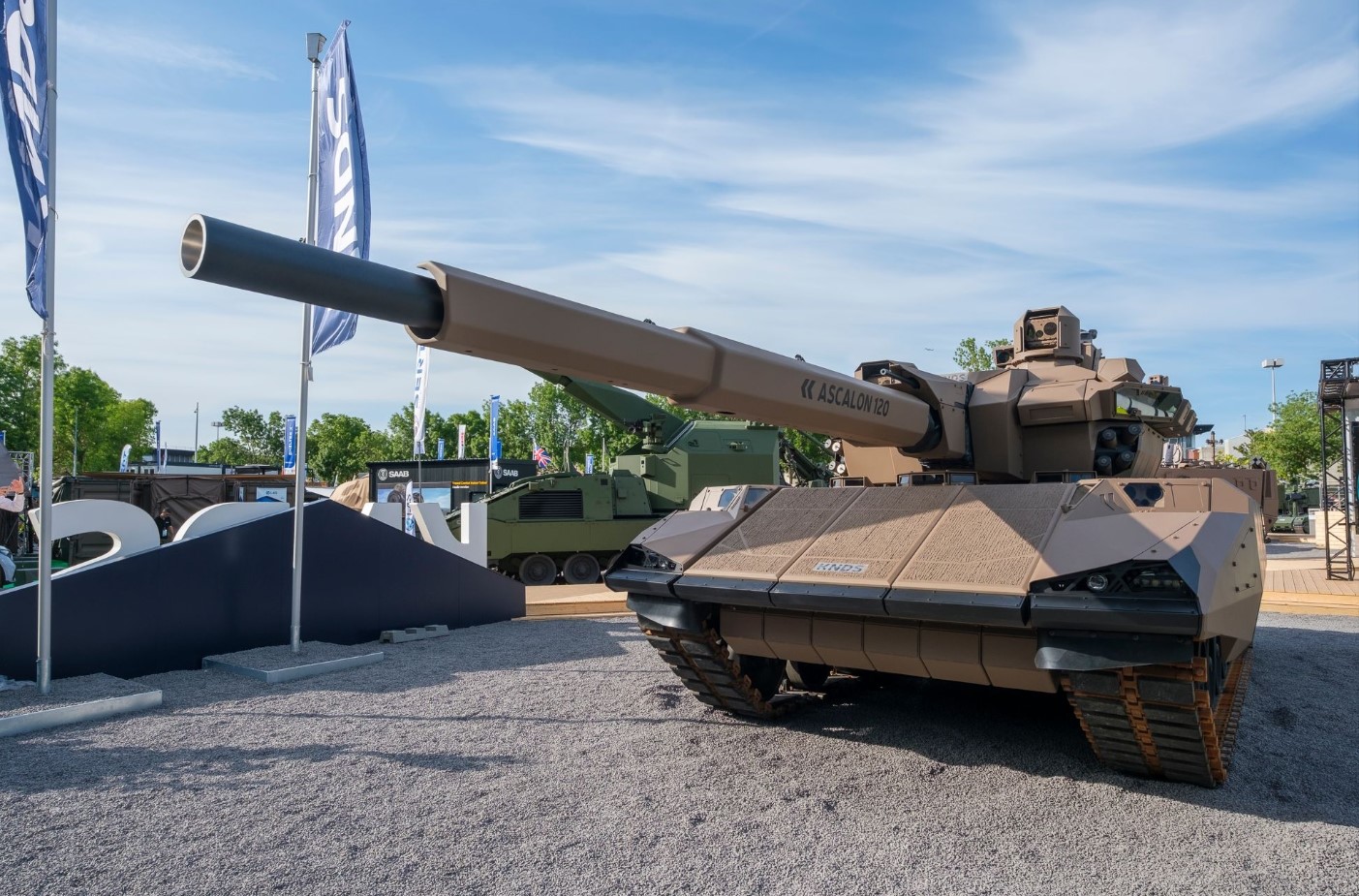 KNDS Unveils CAPINT Main Battle Tank at Eurosatory 2026 as Leclerc Stopgap