World
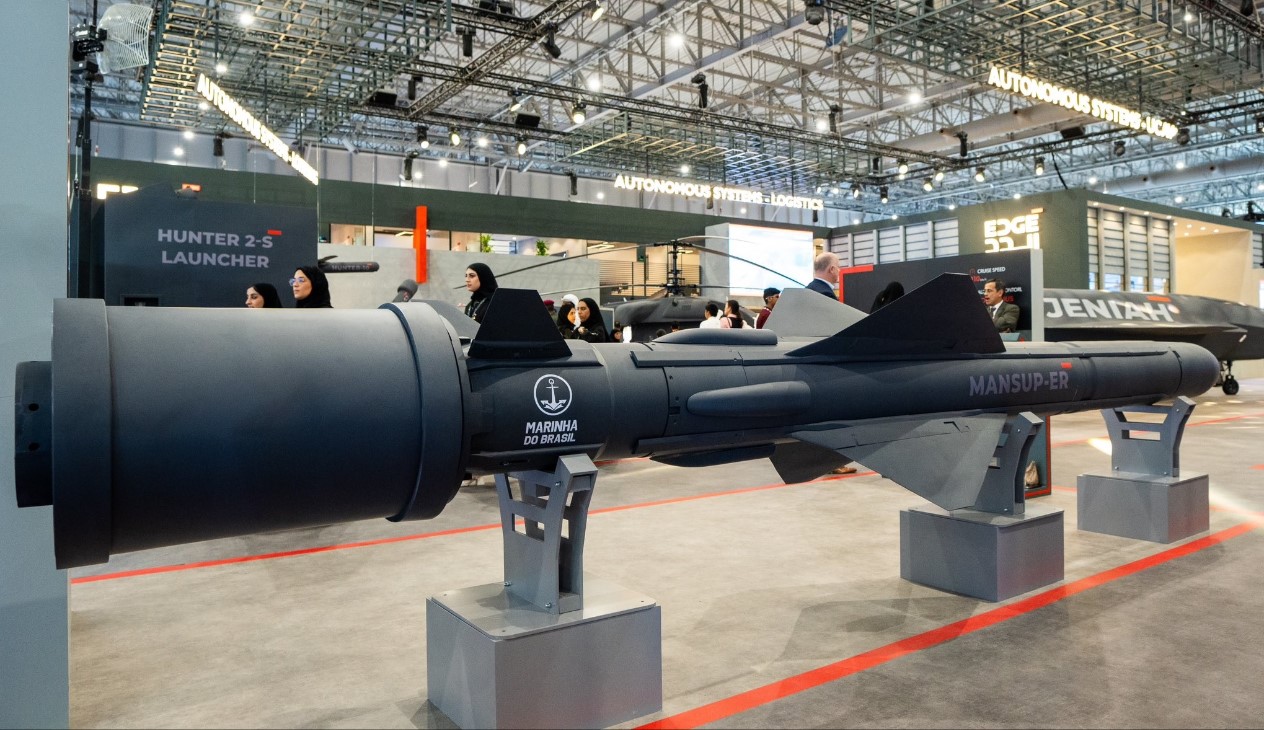
EDGE Group, a global leader in advanced defence technologies, has taken a major step forward in the development of Brazil’s indigenous anti-ship missile system. During LAAD 2025 at the Riocentro Exhibition & Convention Centre in Rio de Janeiro, EDGE signed a new licence agreement with its Brazilian subsidiary SIATT and the Brazilian Navy to transfer intellectual property rights for the MANSUP-ER missile. The agreement grants EDGE and SIATT ownership of the launch tube and combat head of the MANSUP missile, outlining terms for production, commercialisation, and royalties. This covers both the standard MANSUP and its extended-range variant, MANSUP-ER, reinforcing Brazil’s strategic capabilities in naval warfare. Strengthening Defence Collaboration Rodrigo Torres, Chief Financial Officer of EDGE Group, emphasized the significance of this milestone, stating: “EDGE is confident that this milestone strengthens our commitment to advancing defence capabilities. Partnering with the Brazilian Navy and leveraging cutting-edge technologies such as MANSUP-ER, we can redefine strategic and operational readiness, offering more precise, efficient, and secure solutions to meet the challenges of the modern world.” The agreement further deepens EDGE’s partnership with SIATT and the Brazilian Navy following EDGE’s acquisition of SIATT. Since then, EDGE has expanded manufacturing operations and secured two major contracts to supply MANSUP and MANSUP-ER missiles to both the Brazilian Navy and the UAE Ministry of Defence. MANSUP-ER Specifications and Capabilities The MANSUP-ER (Mísseil Antinavio Nacional de Superfície - Extended Range) is an advanced surface-to-surface missile designed to enhance Brazil’s maritime strike capabilities. Key features of the missile include: Range: 200 kilometres Guidance System: Inertial navigation with active radar homing Flight Profile: Advanced sea-skimming capability for evasion of enemy radar and countermeasures Deployment: Designed for integration with Brazil’s Tamandaré-class frigates, with deployment expected by the end of 2025 Expanding Global Market Interest In addition to its collaboration with Brazil, EDGE has signed a $300 million agreement with the UAE Armed Forces for MANSUP systems. The company is also engaged in discussions with prospective buyers across Africa, Asia, and Latin America, reflecting growing international interest in the missile’s capabilities. With the continued progress in trials and impending operational deployment, MANSUP-ER is set to bolster Brazil’s naval defence while also positioning itself as a competitive option for global markets. This latest development marks another crucial step in the evolution of Brazil’s defence industry and its growing role in advanced missile technology.
Read More → Posted on 2025-04-03 15:28:43
World
The Nigerian military has introduced Africa’s “first and largest” kamikaze attack drone, marking a significant step in the continent’s defense capabilities. Developed in partnership with Nigerian tech firm Briech UAS, the drone was recently showcased at the company’s headquarters in Abuja. A Game-Changer in Military Operations Though specific technical details remain undisclosed, Chief of Defence Staff General Christopher Musa emphasized that the new drone will act as a force multiplier, significantly boosting Nigeria’s operational efficiency. He described it as a groundbreaking achievement that showcases the nation’s growing technological capabilities. This indigenous kamikaze drone is designed to complement Nigeria’s existing reconnaissance and surveillance platforms, enhancing its counter-insurgency efforts against terrorist groups and other security threats. Understanding Kamikaze Drones Kamikaze drones, also known as loitering munitions, are explosive-laden unmanned aerial vehicles (UAVs) designed for one-way missions. Unlike conventional attack drones that return after a strike, kamikaze drones are built to crash into targets, ensuring maximum impact and destruction. They have been increasingly used in modern warfare for their precision, cost-effectiveness, and ability to strike high-value targets without risking human lives. Reducing Foreign Dependence Nigeria has traditionally relied on foreign-made drones, such as the Chinese Wing Loong II and the US Aerosonde, to support its defense operations. However, General Musa highlighted the strategic importance of domestic production, stating that dependence on foreign suppliers often results in bureaucratic delays that hinder rapid deployment. “We know what it means if you don’t produce what you need—you’ll be held whenever you need them, even with your money at hand,” Musa stressed. By manufacturing its own kamikaze drones, Nigeria aims to strengthen its defense capabilities, ensuring quicker deployment and a more autonomous approach to national security. This milestone represents a crucial step toward self-reliance in military technology, positioning Nigeria as a leader in indigenous UAV development on the African continent.
Read More → Posted on 2025-04-03 15:25:30
World
Defence technology company Rohde & Schwarz has launched ARDRONIS Effect, a cutting-edge multi-band jammer designed to counter the growing threat of sophisticated drones. The system represents a major advancement in the company's counter-unmanned aerial systems (C-UAS) portfolio, offering military and security operators a powerful solution to disrupt drone swarms and jam-resistant platforms effectively. A Response to Evolving Drone Threats Modern conflicts have seen a surge in drone tactics, including the use of first-person view (FPV) drones for precision strikes and reconnaissance. ARDRONIS Effect is specifically designed to counter these evolving threats, even in environments with heavy signal congestion or contested electromagnetic conditions. According to Jan Link, Product Manager for C-UAS Solutions at Rohde & Schwarz, "C-UAS operators need to have the capability to jam every potential frequency, even during swarm attacks with multiple drones operating on different frequencies." Modular Architecture and Seamless Integration One of ARDRONIS Effect's standout features is its modular architecture, allowing it to function independently or integrate seamlessly with other ARDRONIS components such as: Detect: Identifies drone threats in real-time. Locate Compact: Tracks drones within a designated range. Locate Advanced: Provides enhanced tracking and classification capabilities. Additionally, its open architecture ensures easy integration with third-party systems, making it highly adaptable for various operational environments. Field-Proven and Ready for Deployment Rohde & Schwarz confirms that ARDRONIS Effect has reached technology readiness level 9 (TRL 9), meaning it is fully operational and deployed with undisclosed customers in Europe. "The main challenge of ARDRONIS Effect is to jam a wide area but in a way that is effective enough to stop the operation of weaponised FPVs or intelligence-gathering drones," Link explained. Key Specifications of ARDRONIS Effect Multi-band jamming: Covers a wide range of frequencies to neutralize various drone communication protocols. High-output power: Ensures comprehensive coverage to prevent signal gaps. Real-time adaptive jamming: Adjusts interference based on detected drone signals. Scalability: Can be deployed in fixed, vehicle-mounted, or portable configurations. Network integration: Compatible with existing defence and security networks. Applications and Strategic Advantages ARDRONIS Effect is designed for multiple defence and security applications, including: Force protection: Safeguarding military personnel, convoys, and VIP movements. Perimeter security: Defending critical infrastructure like military bases, government buildings, and industrial facilities. Maritime and border security: Preventing drone incursions in sensitive coastal and border zones. By delivering superior jamming capabilities across multiple frequency bands simultaneously, ARDRONIS Effect provides a critical edge in modern electronic warfare and drone defence strategies. As drone threats continue to evolve, this next-generation jammer ensures that security forces remain one step ahead, capable of neutralizing even the most advanced adversarial UAV tactics.
Read More → Posted on 2025-04-03 15:12:35
World
The U.S. Air Force has taken a significant step forward in its VENOM (Viper Experimentation and Next-gen Operations Model) program, designed to transform the F-16 Fighting Falcon into an advanced autonomous test platform. On April 1, the final F-16 scheduled for modification arrived at Eglin Air Force Base, marking a crucial milestone in the initiative. Transforming the F-16 for Autonomy Currently, three F-16s are undergoing extensive modifications at Eglin Air Force Base. Engineers are integrating cutting-edge technologies such as auto-throttle, advanced flight control systems, and specialized onboard instrumentation. These enhancements will enable the aircraft to operate under autonomous control, managing both thrust and flight surfaces without human intervention. “Modifying the aircraft is the result of a rigorous design phase and brings us one step closer to testing autonomy on a fighter jet with real mission systems and capabilities,” stated Maj. Trent McMullen, the advanced capabilities division chief at the 40th Flight Test Squadron. Simulating Air Combat for Autonomy Training To develop the software required for autonomous operations, the Air Force is utilizing faster-than-real-time simulations. These digital environments expose the AI to various air combat scenarios, including dogfights and beyond-visual-range engagements. The goal is to refine the system’s decision-making skills under combat-like conditions. “These simulations provide an efficient way to train the autonomy to learn complex air combat tactics,” McMullen explained. “A single scenario can be run 1,000 times, allowing us to analyze variations and improve the autonomy’s behaviors.” Ensuring Safety and Performance One of the program's top priorities is safety. Engineers are conducting hardware-in-the-loop testing to ensure the autonomous system remains within safe operational limits. A “human-on-the-loop” approach allows test pilots to monitor and override the system if necessary, preventing unsafe maneuvers. The VENOM team is also exploring how the autonomous F-16 interacts with real-world mission systems. The aircraft will undergo extensive ground testing before moving to developmental and operational flight trials. “Having both DT (Developmental Test) and OT (Operational Test) pilots working together at the same location allows for daily collaboration,” said Lt. Col. Jeremy Castor, VENOM’s operational test lead. “This accelerates our ability to refine and advance autonomous combat capabilities.” F-16 VENOM Specifications Aircraft Model: F-16 Fighting Falcon (Modified for VENOM) Key Upgrades: Auto-throttle, enhanced flight control systems, onboard AI instrumentation Testing Location: Eglin Air Force Base, Florida Autonomy Features: AI-driven flight control, real-time decision-making in combat scenarios Safety Protocol: Human-on-the-loop oversight, strict flight envelope limitations Future Implications of VENOM The first autonomous test flight of a fully modified F-16 is expected soon. With rapid progress in AI-driven combat capabilities, the VENOM program could significantly shape the future of aerial warfare, paving the way for advanced manned-unmanned teaming strategies. “As the VENOM program’s first flight approaches, we are excited to test novel autonomous solutions,” McMullen added. “The strides we’ve witnessed in the simulation environment suggest VENOM will help advance aerial combat capabilities for future crewed and uncrewed platforms.” By integrating cutting-edge AI and flight automation, the U.S. Air Force is setting the foundation for next-generation air combat, where autonomous fighter jets could operate alongside traditional aircraft, enhancing mission effectiveness and reducing pilot workload.
Read More → Posted on 2025-04-03 15:02:38
World
The United States is bolstering its naval presence in the Middle East by deploying a second aircraft carrier, the USS Carl Vinson, to join the USS Harry S. Truman already stationed in the region. This strategic move aims to enhance regional stability, deter aggression, and ensure the free flow of commerce in vital waterways. Details of the Deployment The USS Carl Vinson, previously operating in the Indo-Pacific, has been redirected to the Middle East. The Pentagon stated that this deployment is intended to "continue promoting regional stability, deter aggression, and protect the free flow of commerce in the region." In addition to the aircraft carriers, the U.S. is deploying additional squadrons and air assets to reinforce defensive air-support capabilities. Context and Strategic Implications This deployment occurs against a backdrop of increased tensions involving Iran and its regional proxies. The U.S. has been conducting airstrikes against Houthi rebels in Yemen, who have targeted civilian shipping and military vessels, disrupting critical maritime routes. The presence of two carrier strike groups enhances the U.S.'s ability to project power, conduct sustained operations, and respond swiftly to emerging threats in the region. Furthermore, the deployment serves as a deterrent signal to Iran amid escalating rhetoric concerning its nuclear program. The U.S. has expressed readiness to respond to any state or non-state actor seeking to broaden or escalate conflict in the region. Potential Outcomes and Considerations The increased U.S. military presence aims to reassure allies and partners of its commitment to regional security. However, it also carries the risk of further escalating tensions, particularly with Iran and its affiliated groups. The international community will be closely monitoring these developments, as the balance between deterrence and provocation remains delicate. In conclusion, the deployment of the USS Carl Vinson alongside the USS Harry S. Truman underscores the strategic importance of the Middle East in U.S. defense policy. It reflects a commitment to safeguarding maritime routes and maintaining stability in a region marked by complex geopolitical dynamics.
Read More → Posted on 2025-04-02 16:09:44
US Approves $5.58 Billion Sale of F-16 Fighter Jets to the Philippines Amid Rising Regional Tensions
World
The United States has approved a potential sale of F-16 fighter jets and associated equipment to the Philippines, a move aimed at bolstering the defense capabilities of its Southeast Asian ally amid escalating tensions in the Asia-Pacific region. Details of the Proposed Sale The U.S. State Department has authorized the possible sale, which includes: 20 F-16 Block 70/72 aircraft. Advanced radar systems, targeting pods, and various munitions. This package is valued at approximately $5.58 billion. The State Department emphasized that the sale would enhance the security of a strategic partner that plays a crucial role in maintaining political stability, peace, and economic progress in Southeast Asia. Strategic Implications The approval of this sale comes at a time when the Philippines is seeking to modernize its military capabilities in response to regional security challenges. The acquisition of F-16s is expected to significantly improve the Philippine Air Force's ability to conduct maritime domain awareness and bolster its air defense capabilities. This development aligns with the broader U.S. strategy to support allies and partners in the Indo-Pacific region, particularly in light of increasing assertiveness from China. The Philippines has faced ongoing maritime disputes with China, making the enhancement of its defense capabilities a priority. Considerations and Next Steps While the State Department has approved the potential sale, it is important to note that this does not indicate that a contract has been finalized. The approval allows for negotiations to proceed, during which details such as pricing and specific configurations will be determined. The proposed sale has garnered attention due to its potential impact on regional security dynamics. As the Philippines continues to navigate complex relationships with neighboring countries, the enhancement of its air defense capabilities through acquisitions like the F-16s will likely play a pivotal role in its national defense strategy.
Read More → Posted on 2025-04-02 15:57:40
World
North Korea has recently unveiled its first nuclear-powered submarine, marking a significant escalation in the arms race on the Korean Peninsula. This long-rumored vessel is now a reality, and its massive size suggests the capability to launch long-range nuclear missiles. With this new development, concerns are growing over how South Korea and other nations will respond. A New Phase in North Korea’s Military Expansion As more nations pursue nuclear weapons for strategic deterrence, North Korea has taken a bold step by constructing a nuclear-powered, nuclear-armed submarine. This move is likely to intensify regional tensions and push neighboring countries, particularly South Korea, to reconsider their military strategies. While North Korea’s submarine may still be years away from full operational capability, its mere existence has already reshaped security discussions in the region. South Korea, which has so far relied on conventional submarines, may now accelerate its plans to develop nuclear-powered vessels of its own. North Korea’s Nuclear Submarine Program: A Historical Perspective In 2019, there were discussions about North Korean nuclear disarmament when Kim Jong Un met then U.S. President Donald Trump. However, those talks led to no substantial results, and North Korea has since expanded its nuclear arsenal. The country has also demonstrated various delivery mechanisms for its nuclear weapons, including ballistic missile submarines and underwater drones. North Korea’s journey into nuclear-armed submarines began with the Gorae-class in 2016, which was then the smallest ballistic missile submarine in the world. This experimental design was a step towards refining submarine-launched ballistic missile (SLBM) capabilities. The development of missile submarines continued with modifications to older Soviet-era Romeo-class submarines, adapting them to carry both cruise and ballistic missiles. Specifications and Capabilities of the New Submarine The latest North Korean submarine represents a major leap forward in design and capability. Analysis of its recent unveiling suggests the following estimated specifications: Diameter: Approximately 12 meters (40 feet), comparable to strategic submarines of major world powers. Length: Likely between 100-130 meters (328-427 feet). Missile Armament: Expected to carry the latest versions of the Pukguksong SLBM family, potentially including the Pukguksong-6. Nuclear Reactor: A newly developed propulsion system, possibly with Russian assistance, which significantly extends the submarine’s operational range and endurance. The Pukguksong-6 missile is believed to be around 13 meters long, similar in size to the U.S. Trident missiles. If these missiles achieve intercontinental range capabilities, they could pose a direct threat to American cities from North Korean waters. Strategic Implications: The Nuclear Balance in Korea One of the biggest concerns surrounding this new submarine is its impact on the balance of power in the region. While North Korea has historically relied on land-based nuclear missiles, a fully operational nuclear submarine would introduce a second-strike capability, making North Korea’s deterrent much more credible. This development could push South Korea to reconsider its own nuclear stance. While South Korea currently operates advanced conventionally powered submarines, such as the KSS-III class, these vessels lack the endurance and strategic range of nuclear-powered submarines. With North Korea’s advancements, South Korea’s debate over acquiring nuclear weapons and nuclear submarines is gaining momentum. The Role of Foreign Assistance Although North Korea has been developing nuclear technology for decades, there is widespread speculation that Russia may have provided technological assistance for its submarine program. Possible areas of assistance include: Nuclear propulsion technology. Sonar and noise reduction techniques to enhance stealth capabilities. Missile guidance systems and launch platforms. Despite this potential support, the North Korean submarine is likely to have limited stealth and outdated sensors compared to the advanced nuclear submarines operated by the United States, China, and Russia. However, its main role will be as a strategic deterrent, capable of launching nuclear strikes from concealed positions in the ocean. A New Arms Race on the Horizon? With North Korea’s nuclear submarine entering the equation, the arms race in Northeast Asia is set to intensify. South Korea, despite its technological edge in conventional submarines, may now feel pressure to develop its own nuclear-powered fleet. Additionally, discussions about South Korea acquiring nuclear weapons—once a fringe topic—are now gaining mainstream attention. If South Korea moves forward with nuclear armament, it could set off a chain reaction, with Japan and other U.S. allies also reconsidering their non-nuclear stance. In this scenario, North Korea’s new submarine could be the catalyst for a much larger geopolitical shift. North Korea’s unveiling of a nuclear-powered ballistic missile submarine is a significant step that will alter the security dynamics of the Korean Peninsula and beyond. While operational deployment may still be years away, the mere existence of this submarine has already reignited debates on nuclear policy and military preparedness in South Korea and among its allies. As tensions rise, the world watches closely to see how regional powers will respond to this new challenge.
Read More → Posted on 2025-04-02 15:53:59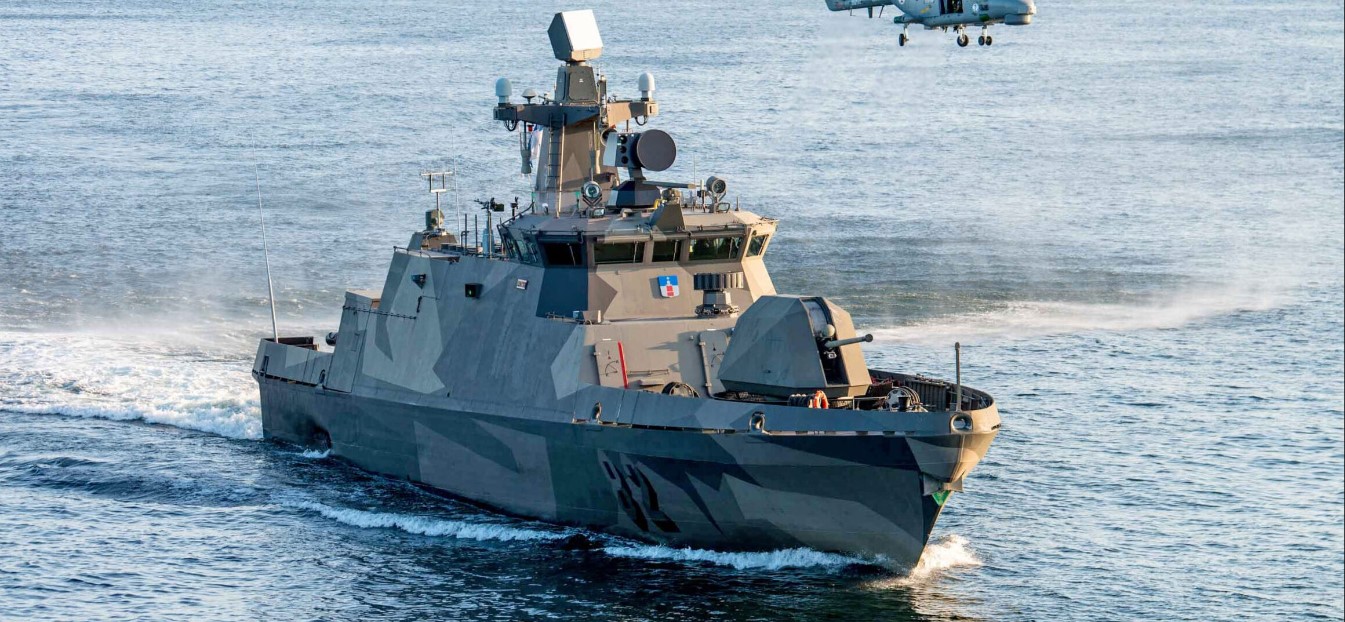
World
The Finnish Navy has deployed its Hamina-class missile craft, PGG Hanko, to the Standing NATO Maritime Group 1 (SNMG1) as part of the Baltic Sentry surveillance operation. This deployment, commencing on Monday, March 31, 2025, marks a significant step in Finland's integration into NATO's collective defense initiatives in the Baltic Sea region. Enhancing Regional Security Baltic Sentry is a NATO-led vigilance activity aimed at bolstering maritime situational awareness and safeguarding critical undersea infrastructure in the Baltic Sea. The operation involves an array of assets, including frigates, maritime patrol aircraft, and naval drones, to deter and defend against potential threats to vital undersea cables and pipelines. This initiative underscores NATO's commitment to protecting essential infrastructure that supports energy supplies and data transmission across member nations. Finland's Active Participation Finland's contribution of PGG Hanko to SNMG1 signifies its proactive role within NATO since becoming a member. The missile craft will operate under NATO command, conducting surveillance and security operations from both Finnish and allied military ports throughout April. This engagement not only enhances the collective maritime defense but also provides the Finnish Navy with valuable operational experience in multinational missions. Context of Increased Vigilance The deployment comes in response to a series of incidents involving damage to undersea cables in the Baltic Sea over the past 15 months. At least 11 cables have been damaged, raising concerns about the security of critical infrastructure. While investigations are ongoing, these events have prompted NATO to intensify surveillance efforts to deter potential sabotage and ensure rapid response capabilities. Future Commitments Looking ahead, the Finnish Navy plans to further support NATO's standing naval forces by deploying a mine countermeasure vessel and another missile craft later this year. These contributions reflect Finland's dedication to regional stability and its commitment to the principles of collective defense within the NATO framework. In summary, the integration of PGG Hanko into NATO's Baltic Sentry operation exemplifies Finland's active participation in enhancing maritime security in the Baltic Sea. This deployment not only strengthens the alliance's defensive posture but also reinforces the collaborative efforts to protect critical undersea infrastructure vital to the region's security and economic stability.
Read More → Posted on 2025-04-02 15:45:32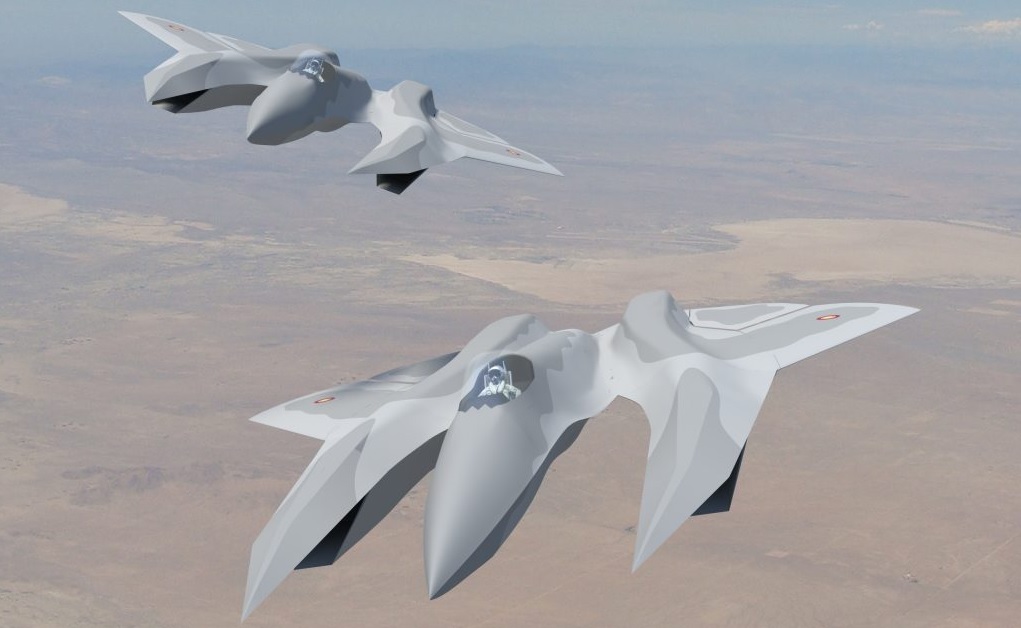
World
Stavatti Aerospace, a U.S.-based aviation firm led by CEO and Chief Designer Chris Beskar, has proposed its SM-39 Razor aircraft concept to India as a potential addition to its fighter fleet. Marketed as a next-generation fighter, Stavatti asserts that the SM-39 offers advanced capabilities at a competitive unit cost of $85 million, with a total program cost estimated at $3.3 billion. Despite these claims, Stavatti has yet to produce an operational aircraft, raising questions about the feasibility of their proposal. SM-39 Razor: Ambitious Specifications The SM-39 Razor is presented as a sixth-generation platform designed for air dominance, interception, and all-weather strike missions. Stavatti outlines two ambitious engine options: proprietary dual NeoThrust™ variable cycle turbofans, each purportedly producing over 52,000 pounds of thrust using magnetohydrodynamic (MHD) technology, or dual General Electric Adaptive Cycle Engine (ACE) turbofans, each rated at 50,000 pounds of thrust. These propulsion systems are claimed to enable the aircraft to achieve speeds exceeding Mach 4, incorporating stealth features and sophisticated artificial intelligence integration. However, these specifications remain theoretical, as the company lacks a proven manufacturing track record. Stavatti's Track Record and Credibility Concerns Founded in 1994, Stavatti Aerospace has a history of ambitious, futuristic aircraft designs that have not progressed beyond the conceptual stage. Projects such as the SM-36 Stalma, the SM-27 Machete, and the SM-39 Razor have been introduced with detailed specifications and renderings but have not resulted in tangible products. This pattern has led to skepticism within the aerospace community regarding the company's ability to transition from design to production. In March 2024, the Niagara County Industrial Development Agency (NCIDA) terminated $2.15 million in tax incentives previously awarded to Stavatti due to a lack of progress on their proposed aircraft manufacturing facility. The agency cited concerns over the company's inability to demonstrate substantial development, further questioning Stavatti's credibility in delivering on its promises. Analysis: Evaluating the Proposal's Feasibility India's ongoing search for approximately 114 new jets under its Multi-Role Fighter Aircraft (MRFA) program has attracted offers from established global aerospace manufacturers. Stavatti's unproven concept faces significant challenges when compared to competitors with demonstrated manufacturing capabilities and operational aircraft. The ambitious performance goals for the SM-39, such as Mach 4+ speeds and AI-driven systems, align with theoretical discussions for future sixth-generation fighters. However, without a flying prototype or demonstrated production capabilities, these claims remain speculative. Furthermore, the proprietary NeoThrust engines are an internal Stavatti concept lacking independent validation, and any potential use of GE Aerospace's ACE technology would depend on a partnership that has not been publicly confirmed by GE Aerospace. Given Stavatti's history and the current state of the SM-39 project, India's defense procurement authorities are likely to approach this proposal with caution. The absence of a proven track record in aircraft manufacturing and the speculative nature of the SM-39's capabilities present substantial risks. In contrast, established manufacturers offer platforms with verified performance and existing production lines, providing a more reliable option for India's defense needs. Conclusion While innovation and new entrants in the aerospace industry can drive technological advancements, the credibility and feasibility of such proposals are critical. Stavatti Aerospace's pitch of the SM-39 Razor to India introduces an ambitious concept; however, the company's lack of tangible progress in aircraft production and the speculative nature of the SM-39's capabilities raise significant concerns. India's defense procurement decisions will likely favor options that offer proven reliability and lower developmental risk.
Read More → Posted on 2025-04-02 15:37:54
World
Thales has introduced its latest advancement in night vision technology—the PANORAMIC quad-tube night vision goggle. This state-of-the-art device is tailored for special operations forces and specialized units undertaking high-risk missions, including counter-terrorism and hostage rescue. First showcased at the 2025 SOFINS exhibition, the PANORAMIC goggle is designed to significantly enhance situational awareness in low-light conditions. Key Features and Advantages Ultra-Wide Field of View: The PANORAMIC goggle employs four light intensification tubes, offering a field of view close to that of the human eye. This expansive perspective allows users to detect threats across their peripheral vision without the need for head movement, facilitating quicker and more accurate responses. Compact and Lightweight Design: Weighing only 740 grams and matching the width of a standard helmet, the goggle ensures ergonomic efficiency and comfort during extended use. Its compact design does not compromise performance, making it ideal for dynamic field operations. Adaptive Functionality: The system features a flip-up mechanism for seamless helmet integration. Additionally, the outer tubes can be raised individually and will automatically power off to maintain discretion, providing users with adaptable operational capabilities. Compatibility and Future-Proofing The PANORAMIC goggle is fully compatible with Thales’s XTRAIM weapon sight, ensuring cohesive integration with existing equipment. It is also designed to accommodate future upgrades, supported by an optimized maintenance plan to ensure high operational availability. Notably, the device is 100% made in France and is ITAR-free, making it accessible to a broad range of domestic and international users. Thales’s Legacy in Night Vision Technology Thales has a longstanding history of providing advanced night vision solutions. Prior to the PANORAMIC goggle, Thales developed the O-NYX night vision goggles, which were notably lightweight at less than 350 grams and featured a 51° field of view, expanding the observed scene by 70% compared to conventional goggles. The French armed forces demonstrated renewed trust in Thales by placing an additional order for 3,000 O-NYX goggles, underscoring the company's commitment to enhancing soldier perception during night-time missions. Conclusion The introduction of the PANORAMIC quad-tube night vision goggle represents a significant leap in night vision technology, offering enhanced situational awareness, ergonomic design, and compatibility with existing systems. Thales continues to demonstrate its dedication to providing cutting-edge solutions that meet the evolving needs of military operations, ensuring that personnel are equipped with the tools necessary for success in challenging environments.
Read More → Posted on 2025-04-02 15:34:45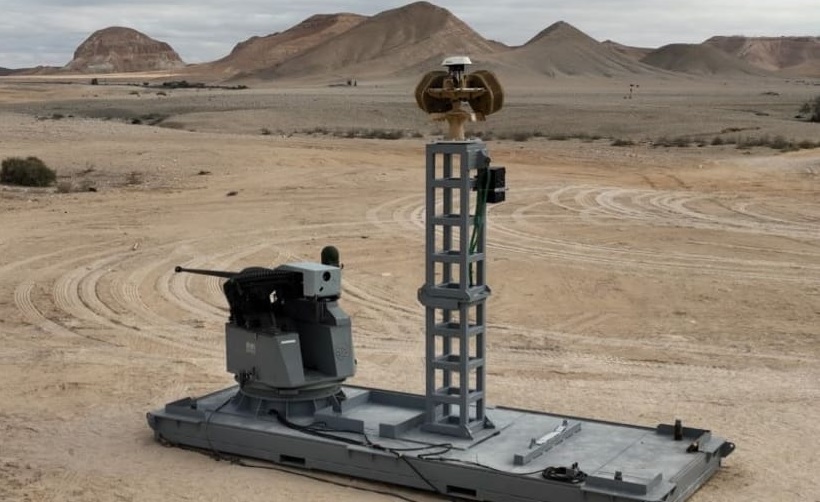
World
Rafael Advanced Defense Systems’ Typhoon 30 Remote Weapon Station (RWS) has successfully demonstrated its counter-drone capabilities in a recent desert drill. The system underwent rigorous counter-unmanned aerial system (c-UAS) tests, showcasing its effectiveness in engaging aerial threats. Successful Desert Drill Performance The Israeli defense company revealed that the Typhoon 30 RWS participated in a c-UAS demonstration in February, where it was tested against drones flying at various ranges. Although the system missed its first shot during the drill, it quickly adjusted and successfully neutralized the drone with a follow-up strike. Originally designed for naval applications, the test also highlighted its ability to be mounted on a 20-foot (6-meter) modular platform, making it adaptable for land-based operations. This expands its potential use beyond naval vessels to ground vehicles and stationary defense installations. Typhoon 30: Features and Specifications The Typhoon 30 RWS is armed with the Northrop Grumman 30 mm Mk44 Bushmaster gun, capable of firing at adjustable rates, from single shots to 200 rounds per minute. Its key specifications include: Ammunition Capacity: 190 ready-to-fire rounds, with a total reserve of 380 rounds. Target Engagement: Capable of countering multiple threats, including drone swarms and fast-moving surface targets. Advanced Stabilization: Features high-precision targeting, ensuring accuracy even in all-weather, day-and-night operations. Remote Operation: The system allows operators to engage threats safely from a distance, reducing risk to personnel. Israel’s c-UAS Initiative Recognizing the growing drone threat, Israel’s Ministry of Defense organized a counter-drone competition from October 2024 to February 2025. The event invited local defense firms to showcase their c-UAS technologies, with the promise of full government funding for the most effective system. During this competition, Rafael presented its medium-range Mini Typhoon RWS, facing competition from Elbit Systems and Israel Aerospace Industries, both of which unveiled their own advanced drone defense solutions. The successful performance of the Typhoon 30 system in the desert drills reinforces its reliability and adaptability in modern warfare, making it a strong contender for future counter-drone defense contracts.
Read More → Posted on 2025-04-02 15:12:59
World
China has deployed its Shandong aircraft carrier along with 21 warships in a large-scale military drill surrounding Taiwan, heightening tensions in the region. The exercises, involving air, naval, ground, and missile forces, mark one of the most expansive People’s Liberation Army (PLA) operations in recent months. Taiwan’s Ministry of National Defense confirmed that the Shandong carrier group entered its response zone on March 30, prompting heightened surveillance and defensive measures. Taipei has accused China of using “gray-zone” tactics—aggressive military posturing that falls short of open conflict but tests Taiwan’s defenses, disrupts routine military operations, and exerts political pressure. The exercises also come amid growing international concerns over Beijing’s increasing military assertiveness in the Indo-Pacific. Taiwan has denounced these maneuvers as destabilizing, warning that China’s activities challenge the regional security architecture and the rules-based international order. Strategic Implications China’s use of its first domestically built aircraft carrier, the Shandong, in such close proximity to Taiwan signals a shift in Beijing’s military strategy. Previously, the carrier had been deployed in the Western Pacific, but this new drill suggests China is enhancing its ability to project power near Taiwan. Additionally, the coordination between multiple branches of the PLA, including naval and air forces, demonstrates China’s readiness for more complex military operations. This move serves as a warning to both Taiwan and its allies—particularly the United States and Japan, which have expressed concerns about Beijing’s actions. Taiwan’s Response Despite the increased PLA activity, Taiwan’s military has maintained a calm but vigilant stance. The Ministry of National Defense has reaffirmed its commitment to avoiding escalation or provocation, but it remains prepared to defend its sovereignty and the safety of its people. No live-fire exercises have been reported so far, but Taiwan continues to monitor the PLA’s evolving tactics, acknowledging that Beijing’s military pressure is unlikely to subside anytime soon. What’s Next? China’s latest drills reinforce its long-standing objective of intimidating Taiwan while testing the responses of Taipei and its allies. As tensions rise, regional stability remains fragile, with both China and Taiwan preparing for future confrontations that could shape the geopolitical landscape of the Indo-Pacific.
Read More → Posted on 2025-04-01 15:44:22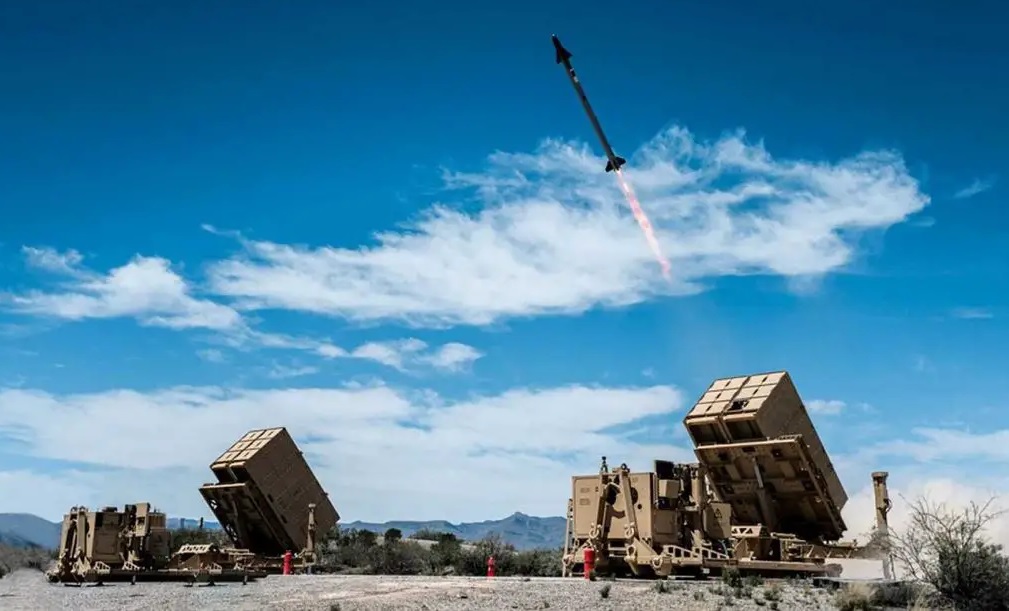
World
Boeing has been selected to advance to the next phase of the U.S. Army's Indirect Fires Protection Capability (IFPC) Increment 2 Second Interceptor competition. This initiative aims to develop a medium-range interceptor to defend fixed and forward operating bases against emerging aerial threats, including cruise missiles and unmanned aerial systems (UAS). The IFPC Increment 2 program is a pivotal component of the Army's layered air defense strategy, designed to bridge the gap between short-range systems like the Maneuver-Short Range Air Defense (M-SHORAD) and long-range platforms such as the Patriot missile system. Boeing's proposed interceptor is engineered to address low-flying, mid-range threats that are increasingly prevalent on modern battlefields. Jim Leary, Boeing's Executive Director of Business Development for Precision Engagement Systems, emphasized the company's commitment: "We understand warfighter needs and the dynamic environments soldiers operate in, and our goal is to keep them safe with an innovative, affordable offering that leverages our industry-leading missile expertise." He further noted that the design offers increased magazine depth, enhanced speed to target, greater range, and improved maneuverability to effectively counter evolving threats. A notable feature of Boeing's interceptor is its incorporation of a Modular Open Systems Approach (MOSA). This design philosophy facilitates rapid integration of software and hardware updates, ensuring adaptability to emerging threats and promoting cost-efficiency and sustained performance across diverse operational environments. The U.S. Army has underscored the necessity for an intermediate air defense solution capable of neutralizing threats that are beyond the reach of short-range systems but do not warrant engagement by long-range platforms. The Second Interceptor initiative is integral to providing continuous protection for critical sites, particularly against fast-moving and unpredictable aerial threats. In January 2024, the Army announced plans to hold a competition for a second interceptor for IFPC Increment 2, aiming to address both subsonic and supersonic cruise missile threats. The selected vendors are expected to participate in a technology demonstration during the fiscal years 2026 to 2027, with the goal of awarding a development, qualification, and test effort following this demonstration. Boeing's advancement in this competition reflects its extensive experience in missile development and air defense systems. The company's proposal is informed by expertise from multiple missile programs, including the PAC-3 interceptor, Ground-Based Midcourse Defense, Avenger, Harpoon, and SLAM-ER. This depth of knowledge positions Boeing to deliver a solution that meets the Army's requirements for a versatile and effective medium-range interceptor. As the competition progresses, further testing and evaluation phases are anticipated in the coming months. The Army will assess each candidate's potential to deliver a deployable, reliable, and scalable interceptor suitable for operational use. The outcome of this competition will significantly influence the future landscape of U.S. Army air defense capabilities, ensuring that forward operating bases and critical installations are well-protected against a spectrum of aerial threats.
Read More → Posted on 2025-04-01 15:37:38
World
Isar Aerospace has achieved a major milestone by successfully launching its Spectrum rocket, marking the first time an orbital rocket has lifted off from continental Europe. The launch took place at Norway’s Andøya Spaceport at 12:30 PM CEST, making the German company a frontrunner in Europe’s commercial space race. Although the mission lasted only 30 seconds, it was a crucial test that met all primary objectives, including a clean liftoff and the successful activation of the Flight Termination System. The rocket was intentionally guided into the sea in a controlled descent, ensuring safety for all personnel and infrastructure. A Breakthrough for Europe’s Space Industry Isar Aerospace’s CEO and Co-founder, Daniel Metzler, called the test flight a “great success,” emphasizing that the company has now proven its ability to not only design and manufacture rockets but also launch them. This development is a game-changer for Europe’s space ambitions, which have long relied on non-European launch sites. The company is now analyzing flight data to refine its technology for upcoming missions. Importantly, the launch pad at Andøya Spaceport remained intact, allowing future flights to proceed without major delays. Spectrum launch vehicles #2 and #3 are already in production, taking advantage of Isar Aerospace’s advanced manufacturing process, which is designed to scale rapidly. At its headquarters near Munich, the company is preparing to produce up to 40 rockets per year, a significant capacity for the growing satellite launch market. This ability to iterate and improve quickly gives Isar Aerospace a competitive edge in an industry that demands both reliability and efficiency. The Growing Demand for European Launch Capabilities Europe has historically faced a gap in independent access to space, relying on facilities in regions like South America. Isar Aerospace is now positioned to fill that void, offering a European solution for the growing demand for flexible and cost-effective satellite launch services. Metzler noted that the company’s success contributes to closing a critical blind spot in Europe’s security and technological independence. Bulent Altan, Chairman of Isar Aerospace and a former SpaceX executive, praised the clean-sheet design of the Spectrum rocket, stating that the company is on track to meet global market demand. With a payload capacity of 1,000 kg, Spectrum rockets are ideal for small- and medium-sized satellite deployments, making them highly attractive to commercial and governmental customers worldwide. Norway’s Key Role in the Launch The launch was made possible through strong collaboration with Norway, which played a pivotal role in securing regulatory approval. The Norwegian Civil Aviation Authority issued Europe’s first Launch Operator License for such a test flight, paving the way for future commercial operations at Andøya Spaceport. Metzler expressed gratitude towards Norwegian authorities and the local community, acknowledging their support in enabling this historic mission. The partnership with Norway demonstrates how European nations can work together to establish a robust space infrastructure. The Road Ahead With the first successful flight now behind them, Isar Aerospace is focused on refining its technology and preparing for future missions. The company aims to transition from test flights to regular commercial launches, further strengthening Europe’s role in the global space industry. By securing independent access to space, Isar Aerospace is not only advancing its own ambitions but also contributing to Europe’s broader efforts to establish a sovereign, competitive space sector. The success of the Spectrum rocket is just the beginning of what could be a transformative era for European commercial spaceflight.
Read More → Posted on 2025-04-01 15:23:38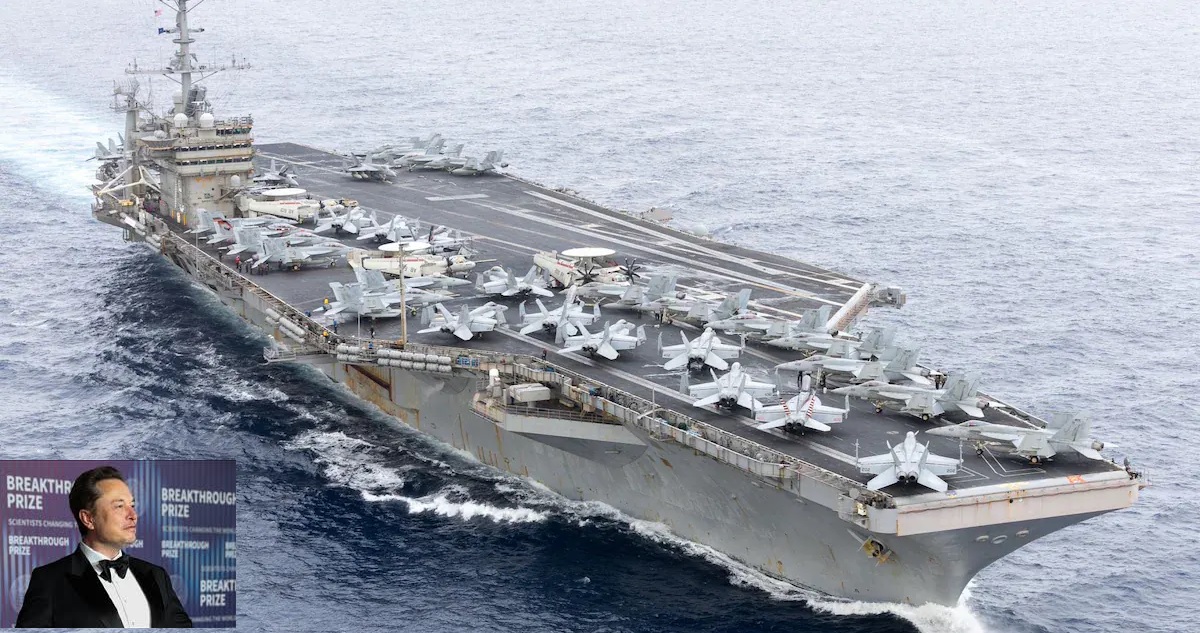
World
In a surprising turn of events, the U.S. Navy has announced that its next aircraft carrier, originally set to be named USS Enterprise (CVN 80), will instead be christened USS Musk. This marks the first time in history that an active Senior Advisor to the President has had a warship named in their honor. The executive order authorizing the name change is expected to be signed later today, reinforcing the administration’s efforts to revamp the Navy’s image and shipbuilding priorities. A Symbol of Modern Innovation The USS Musk will be the third Gerald R. Ford-class aircraft carrier and is expected to be commissioned by 2029 to replace the aging USS Dwight D. Eisenhower (CVN 69). Ford-class carriers represent the cutting edge of naval warfare, featuring advanced electromagnetic aircraft launch systems (EMALS), improved nuclear reactors, and an overall reduction in crew size due to automation. It is no coincidence that the Navy chose this particular ship to bear the name of Elon Musk, who has been instrumental in revolutionizing space travel, electric vehicles, and artificial intelligence. The inclusion of EMALS—an electromagnetic launch system—aligns symbolically with Musk’s emphasis on electric-powered technologies. However, it remains to be seen whether President Trump, who previously criticized EMALS in favor of traditional steam catapults, will support its continued use on the USS Musk. A Shift in Naval Traditions This renaming is part of a broader initiative under the "Make Ship Names Great Again" campaign, aimed at countering what the administration sees as unnecessary political correctness in military traditions. Some analysts view this decision as a move to embrace figures who represent innovation and economic growth rather than historical figures or military heroes. Critics argue that naming an aircraft carrier after a living, politically connected individual is a break from long-standing traditions and could set a controversial precedent. Adding to the controversy, reports have surfaced suggesting that a new U.S. Navy Signal Intelligence (SIGINT) vessel could be named after Secretary of Defense Pete Hegseth, though the White House has denied this. Meanwhile, speculation continues that the USS Constitution, the Navy’s oldest commissioned warship, may soon be decommissioned. Critics argue that retiring the wooden ship is an unnecessary erasure of history, but officials insist it is an outdated relic unfit for modern naval warfare. The Bigger Picture The decision to rename CVN 80 as USS Musk fits into a broader narrative of redefining U.S. military priorities. With China rapidly expanding its naval capabilities—launching its new Type-004 Fujian-class carriers—the U.S. Navy is under pressure to maintain its technological edge. The Ford-class carriers, including USS Musk, represent the future of American sea power. However, the controversy surrounding this naming choice suggests that, for many, military tradition still holds significant weight. As the ship nears its launch later this year, debate will continue over whether the USS Musk represents a bold new vision for the Navy or an unnecessary politicization of military assets. Regardless, one thing is certain: this aircraft carrier’s name will keep it in the spotlight for years to come.
Read More → Posted on 2025-04-01 15:10:07Search
Top Trending in 24 Hours
-
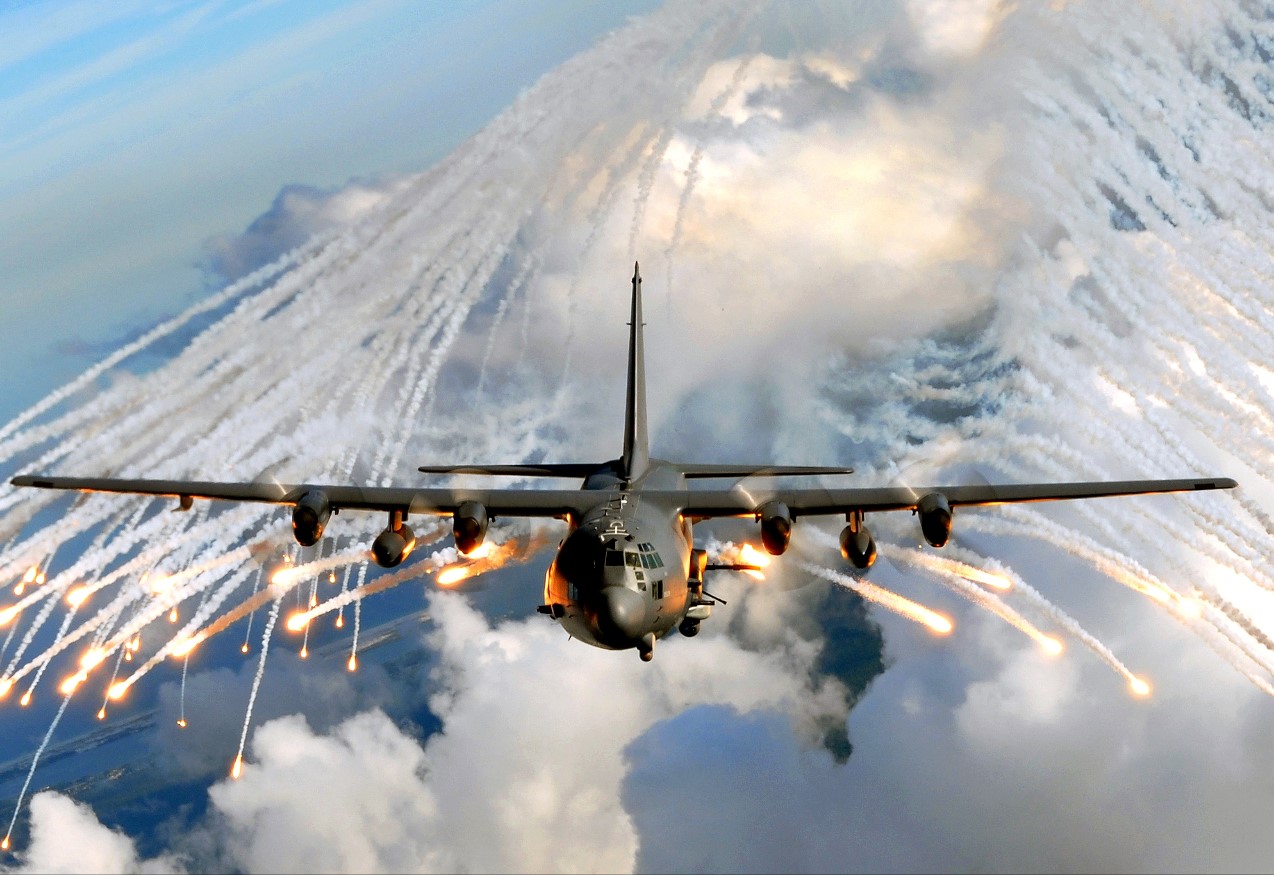 Pentagon Expands Alloy Surfaces Contract to $328.8 Million for Advanced Aircraft Decoy Flares Amid Evolving Drone Threats
-
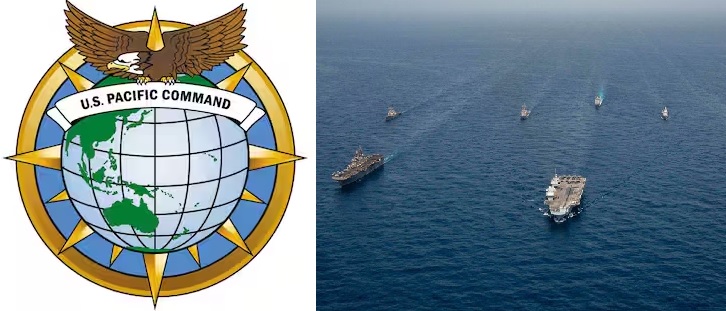 Why the U.S. Restored Pacific Command Name, Ending the Indo-Pacific Designation After Eight Years
-
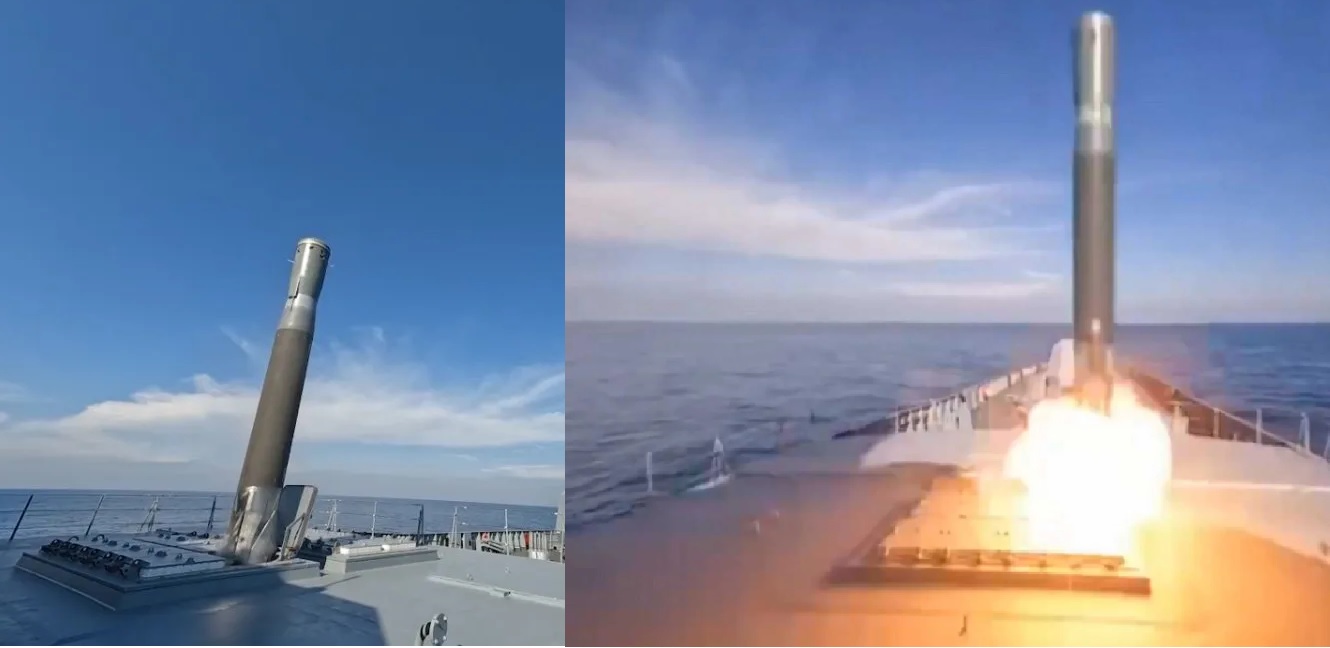 Open-Source Evidence Suggests Russia's Zircon Is a Quasi-Ballistic Missile, Not a True Hypersonic Cruise Weapon
-
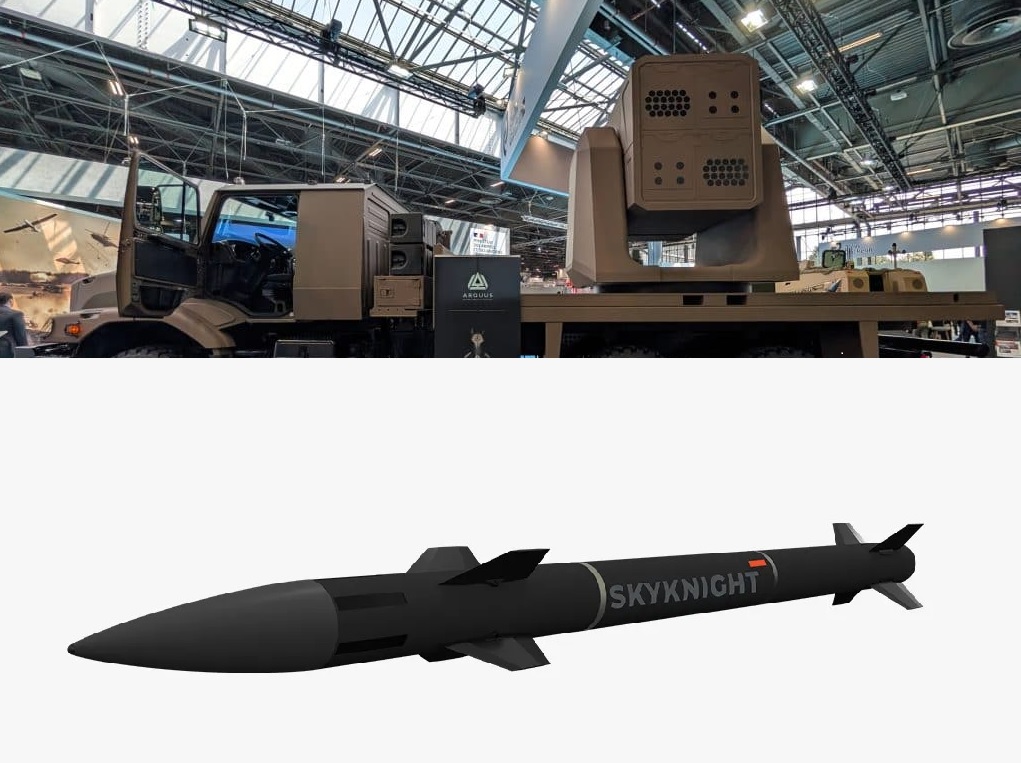 Naval Group Unveils Rampart Modular CIWS Multi-Purpose Weapon System for Naval and Ground Forces at Eurosatory 2026
-
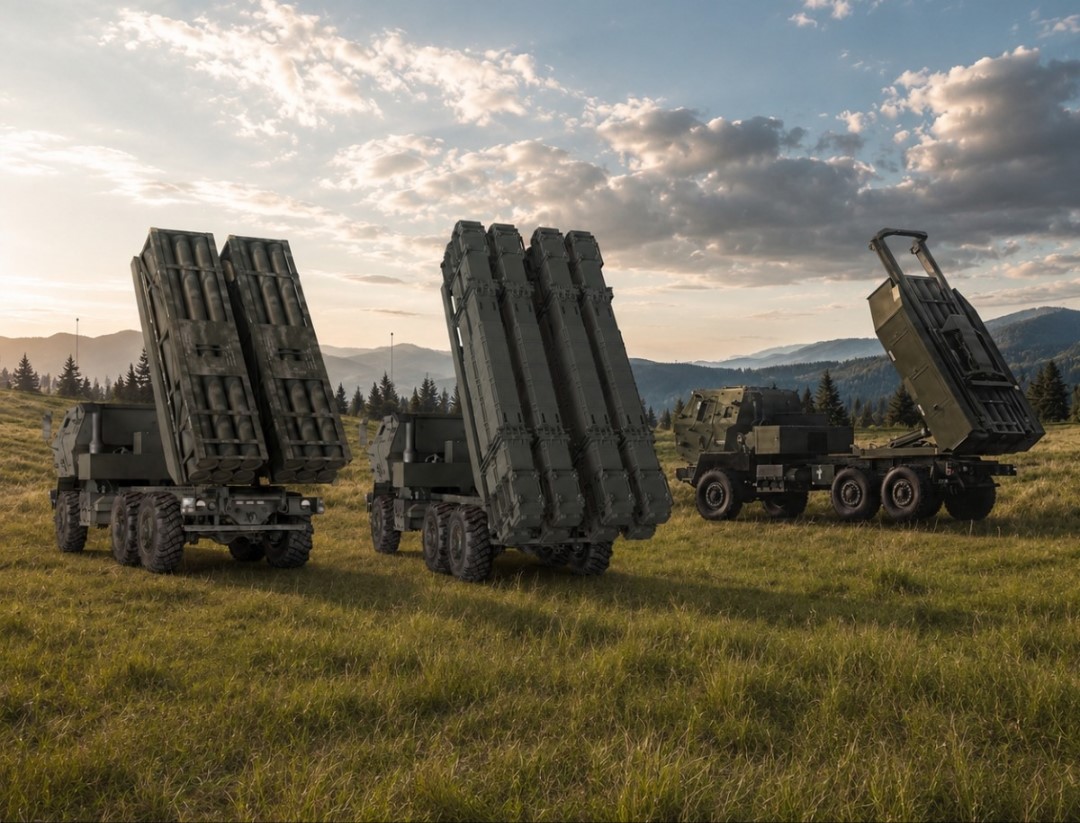 Lockheed Martin Unveils HIMARS FLEX with Dual-Pod Launcher and NATO-Compatible Air Defense Integration
-
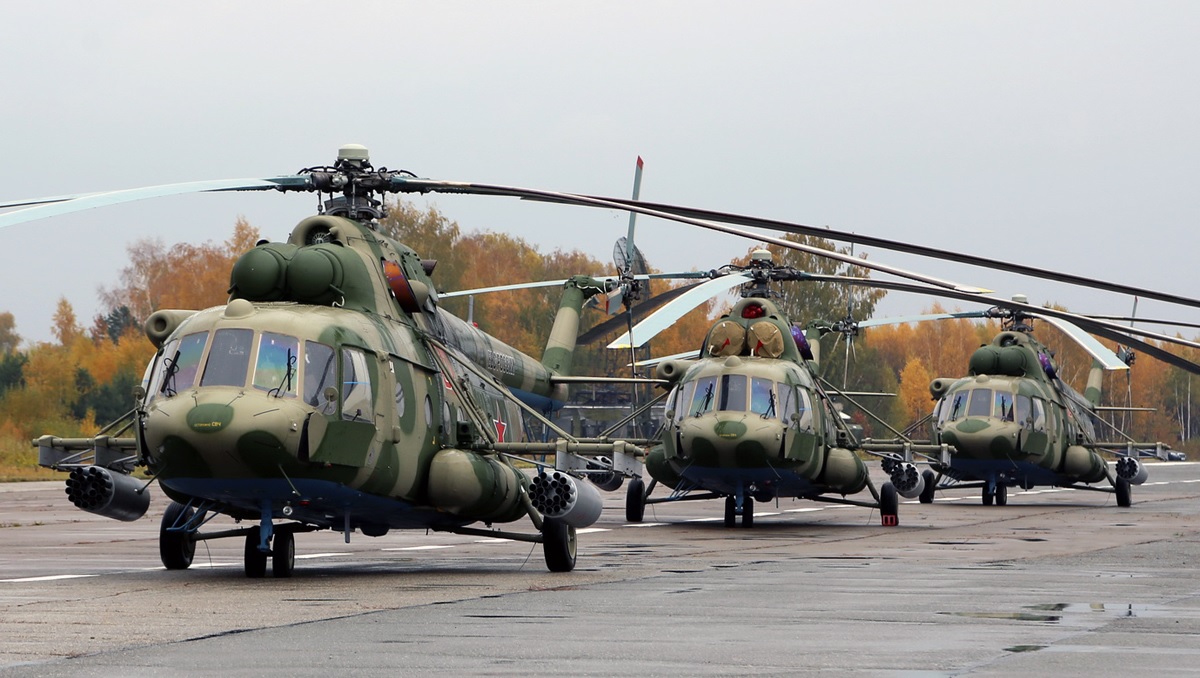 Iran Signs Deal with Russia for 20 Mi-8 and Mi-17 Helicopters to Boost Rescue and Medical Missions
-
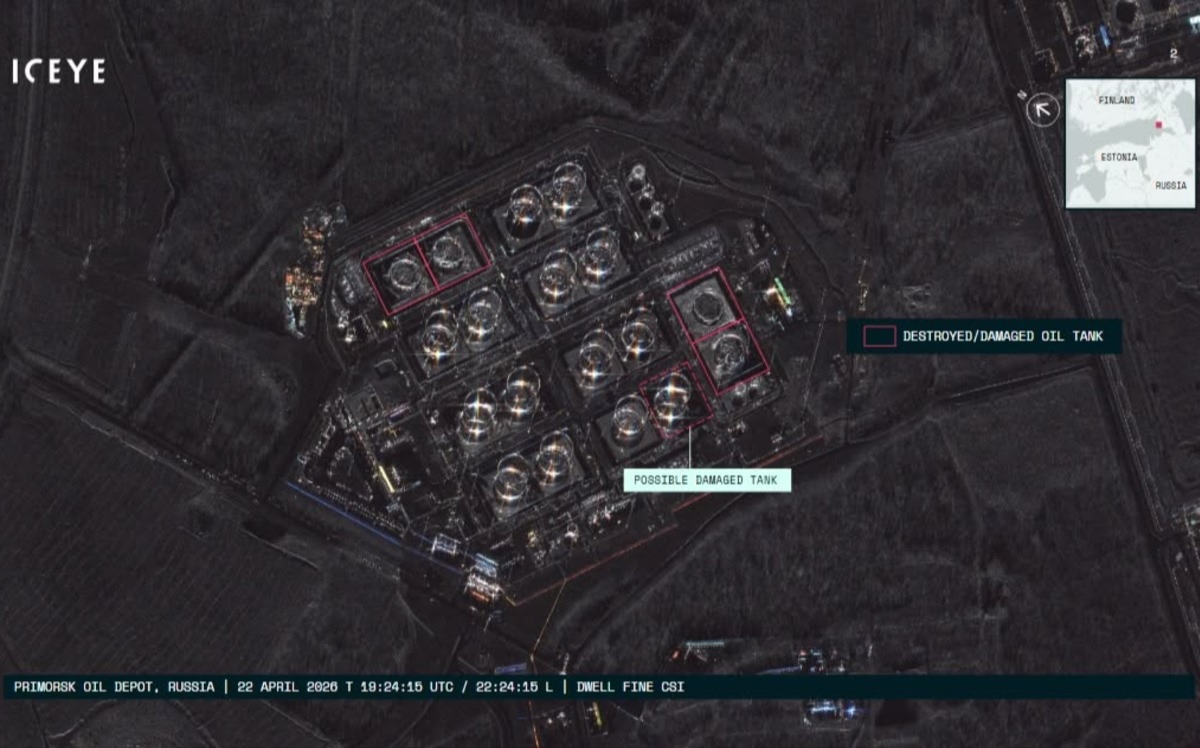 Portugal Doubles Sovereign SAR Satellite Fleet with Order for Two Additional ICEYE Satellites
-
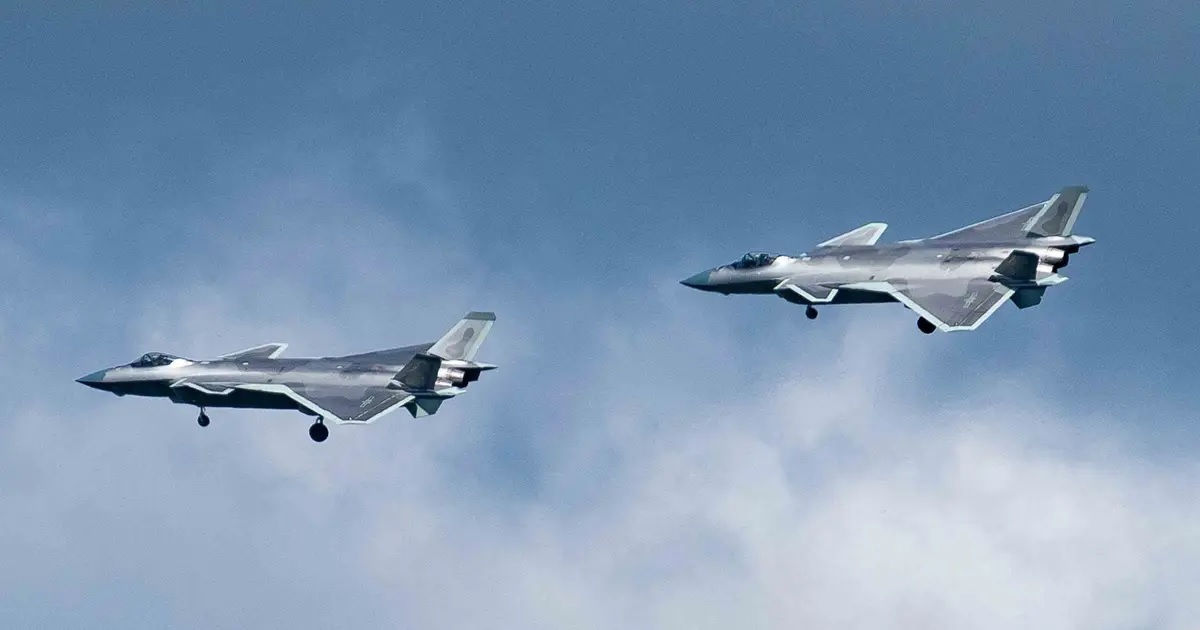 China Surpasses Russia as World’s Second-Most Powerful Air Force Amid Rapid J-20 and J-35 Expansion
Top Trending in 4 Days
-
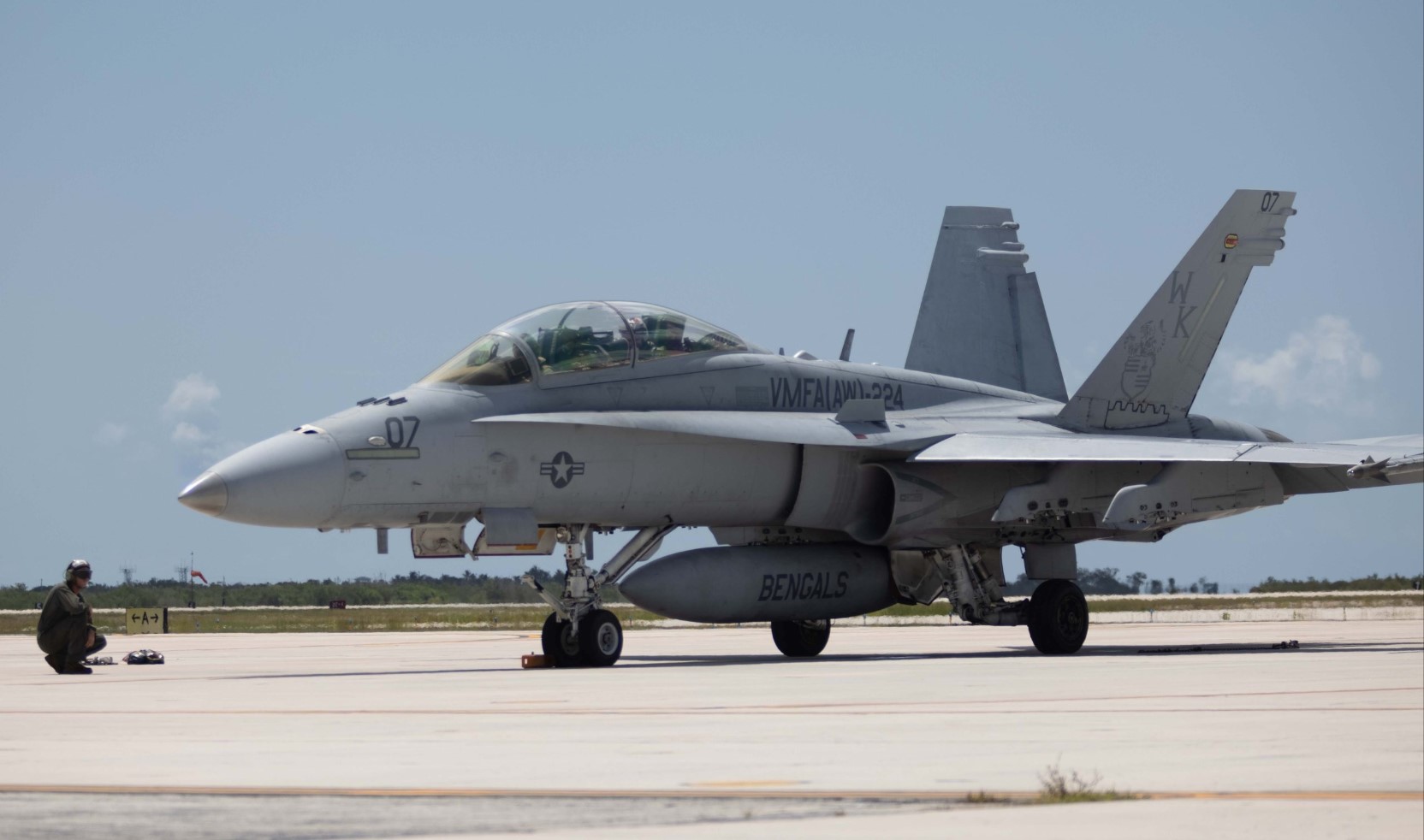 US Marine Corps F/A-18D Hornet Crashes During Training Flight in Washington Mountains; Pilot Ejects Safely
-
 Tulsi Gabbard Releases Declassified Files Detailing U.S.-Backed Network of 120 Biolaboratories Across 30+ Countries
-
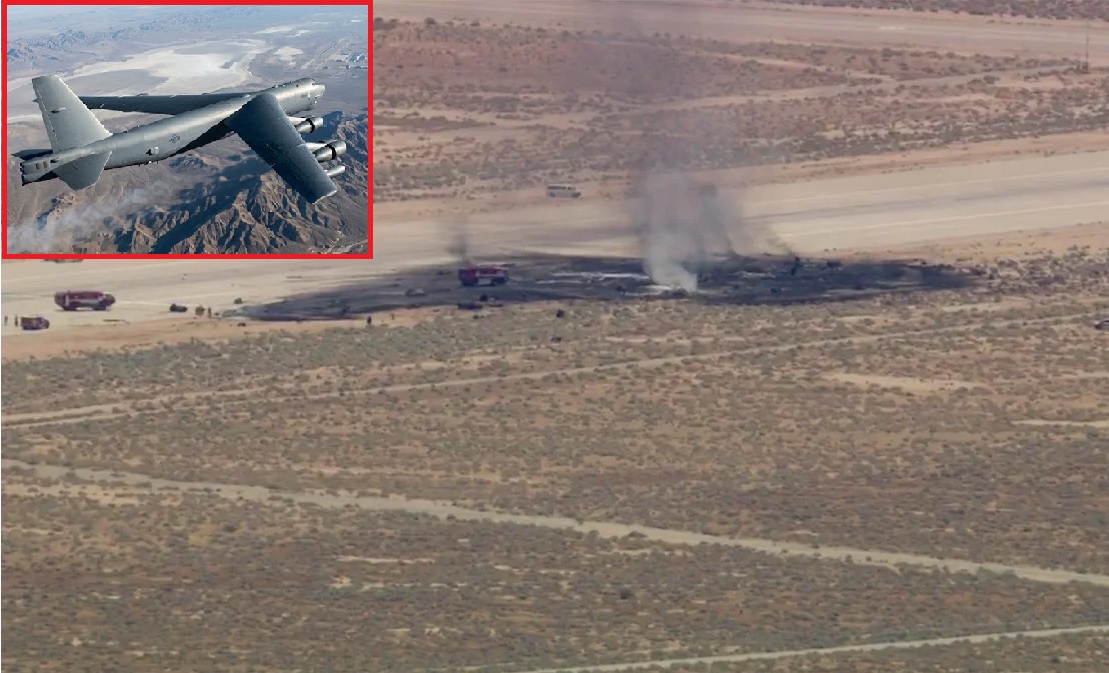 8 U.S. Air Force Crew Members Killed in B-52 Bomber Crash During Test Flight at Edwards Air Force Base
-
 Ukraine Introduces Balloon-Launched DART Missile Designed to Defeat Electronic Warfare
-
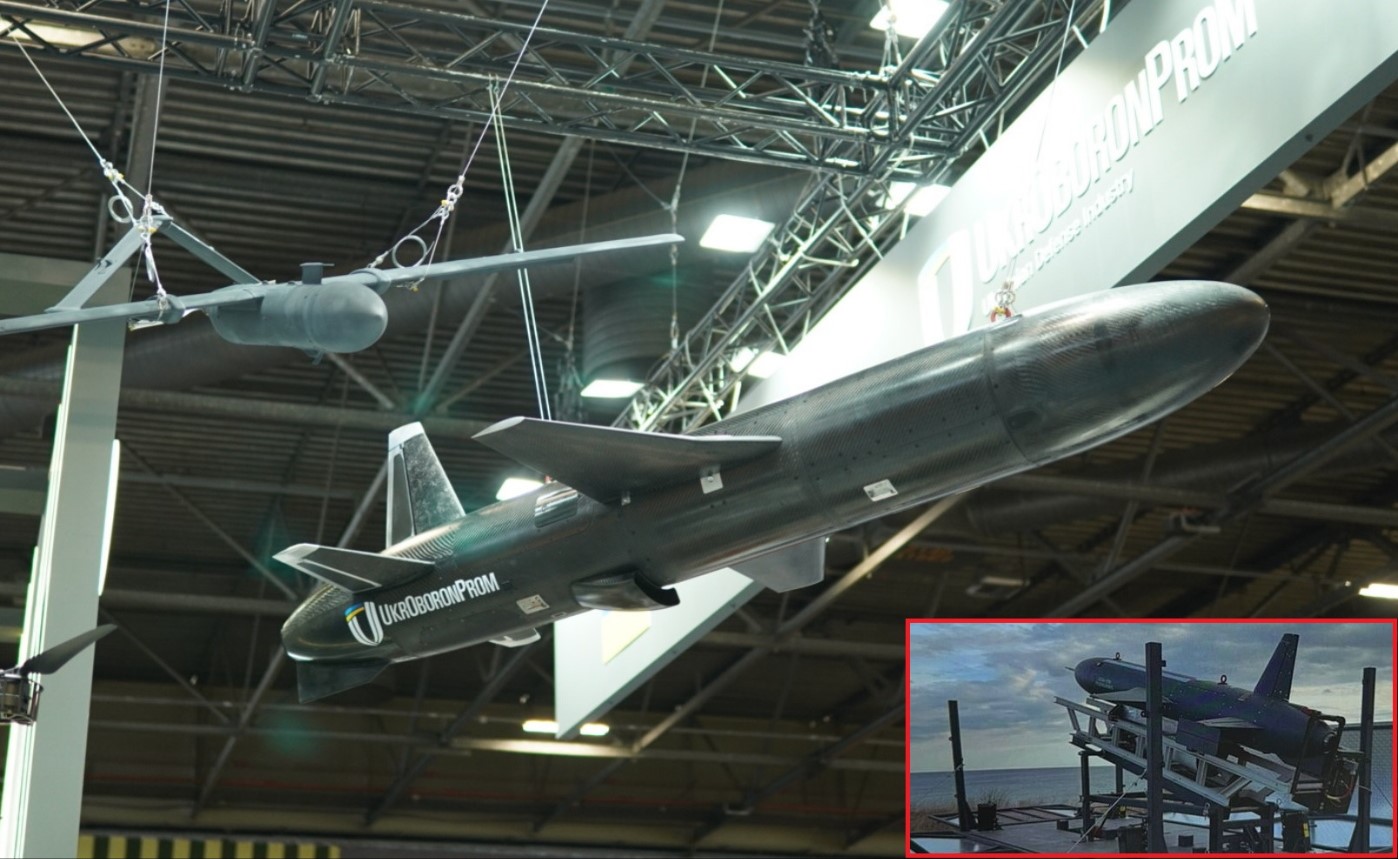 Ukraine Unveils UAV-290 Jet-Powered Strike Drone with 650 km Range at Eurosatory 2026
-
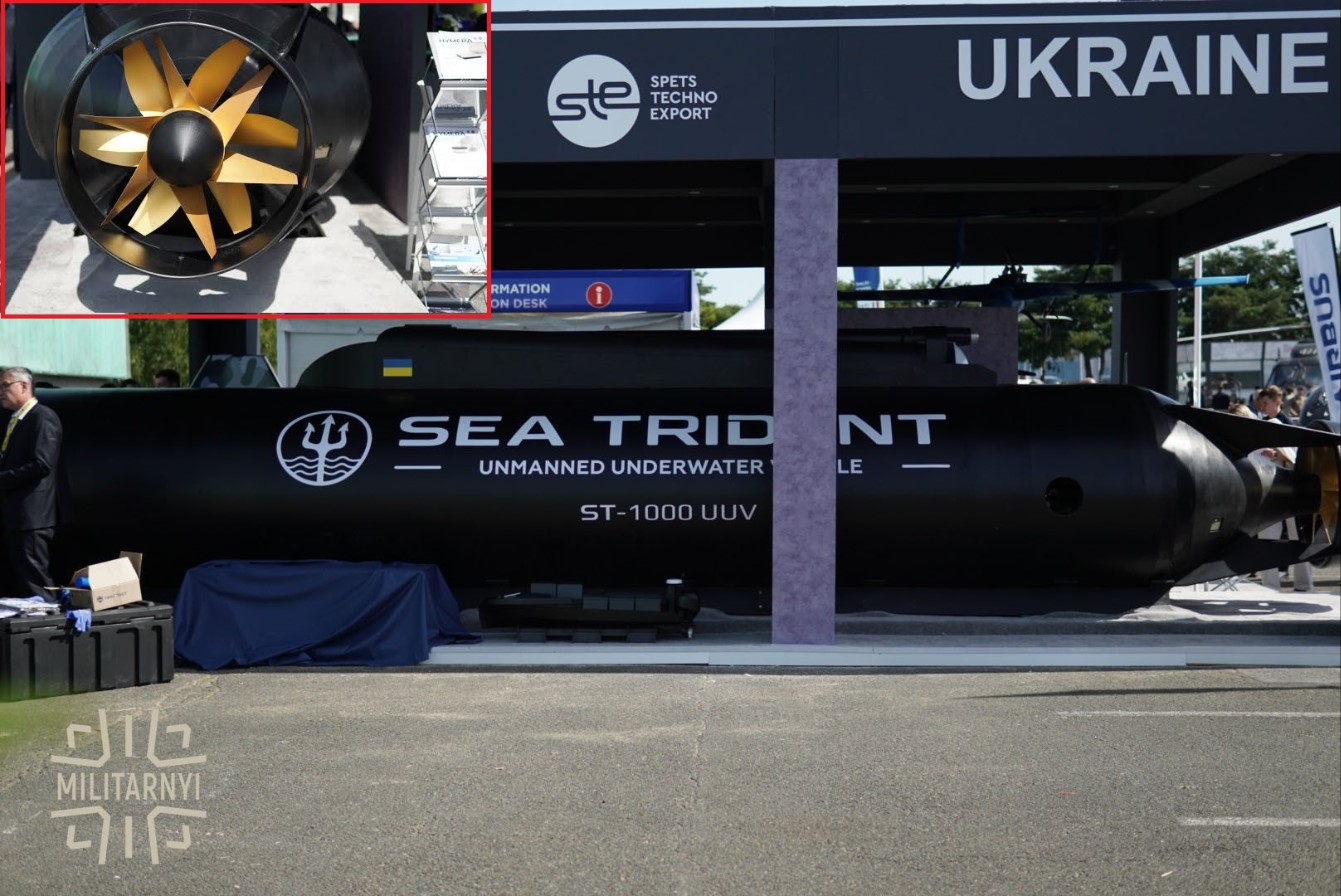 Ukraine Unveils 'Sea Trident' 10-Ton Autonomous Underwater Drone at Eurosatory 2026
-
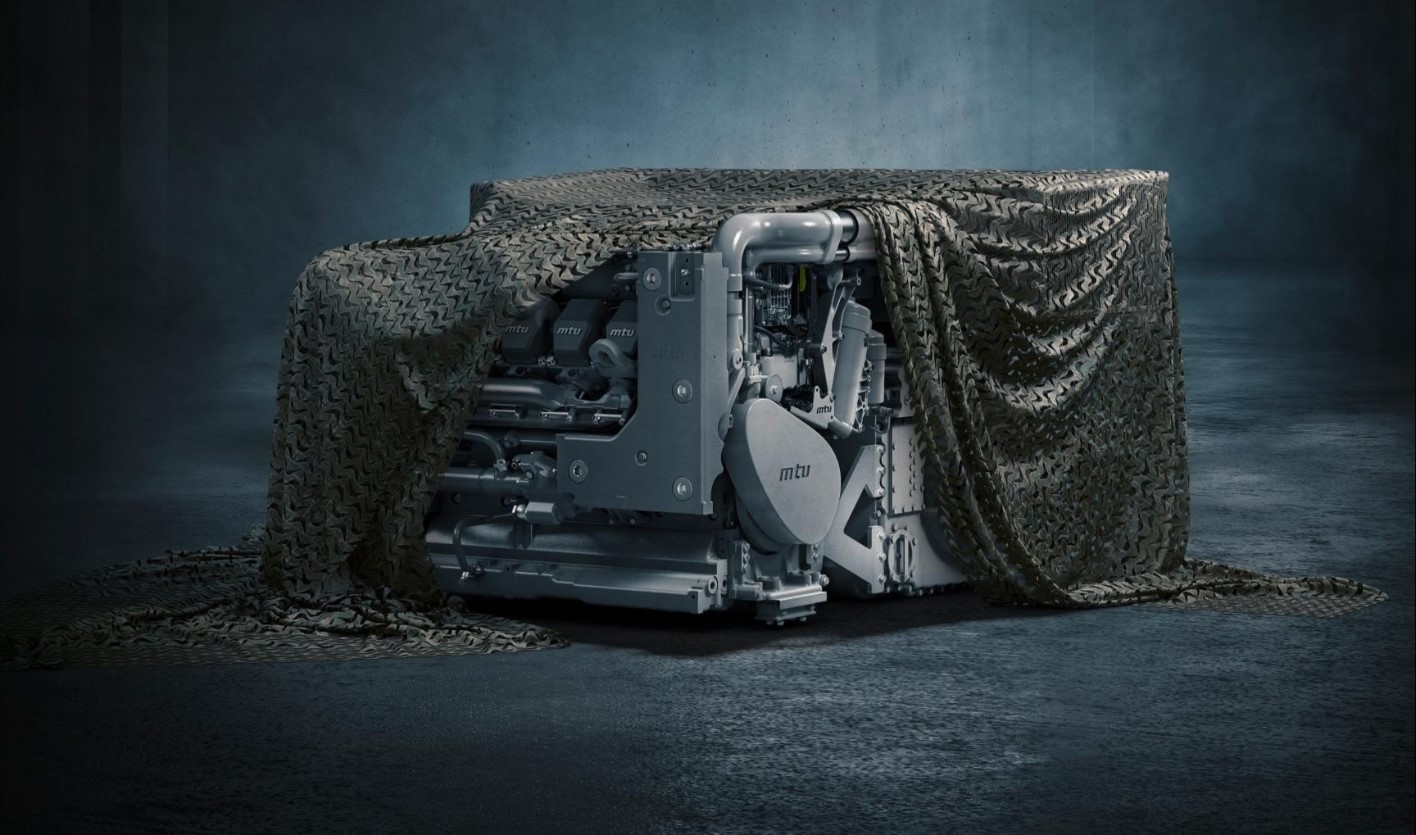 Rolls-Royce Unveils New Hybrid Powertrain for Heavy Military Vehicles at Eurosatory 2026
-
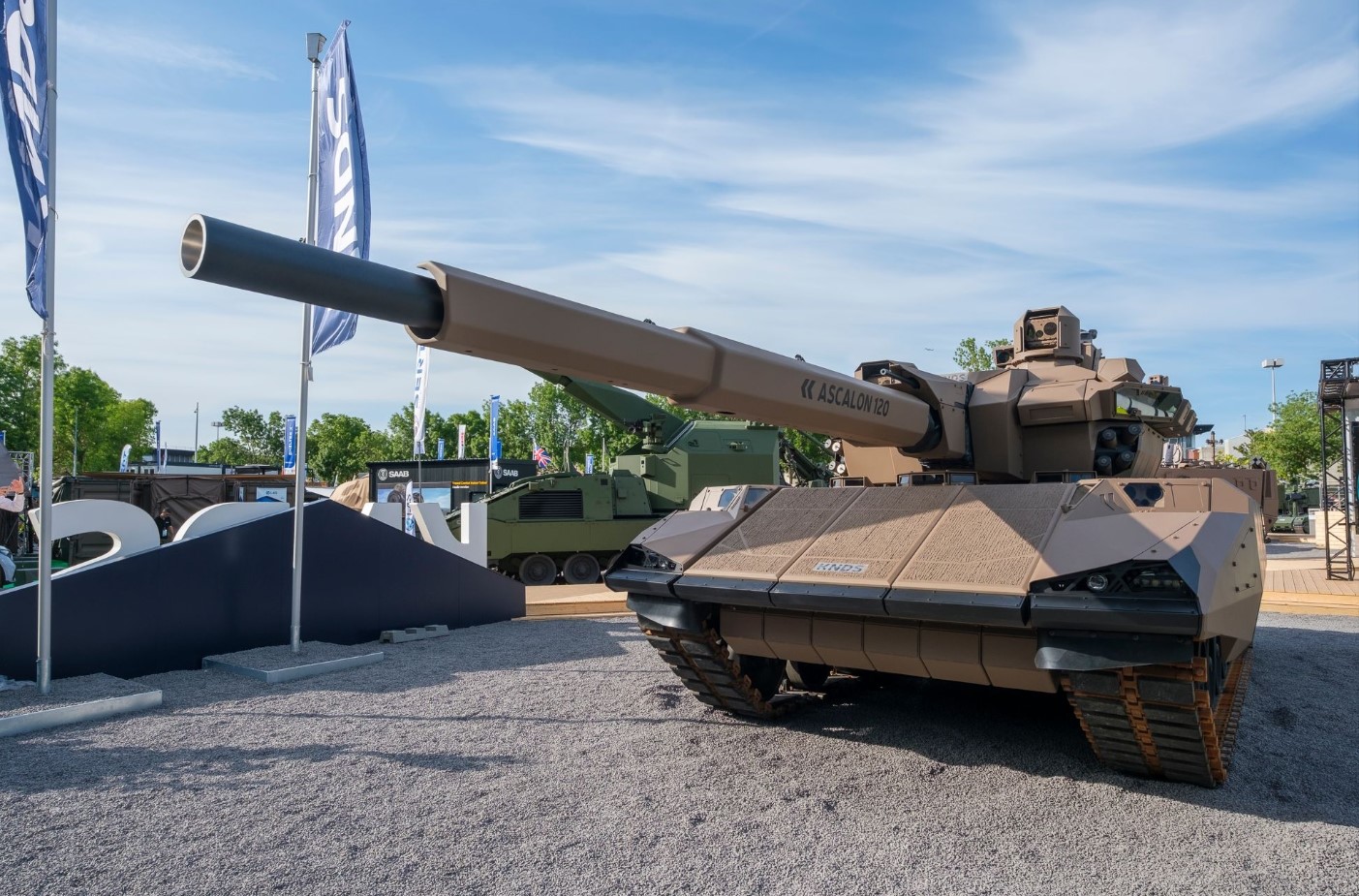 KNDS Unveils CAPINT Main Battle Tank at Eurosatory 2026 as Leclerc Stopgap