India
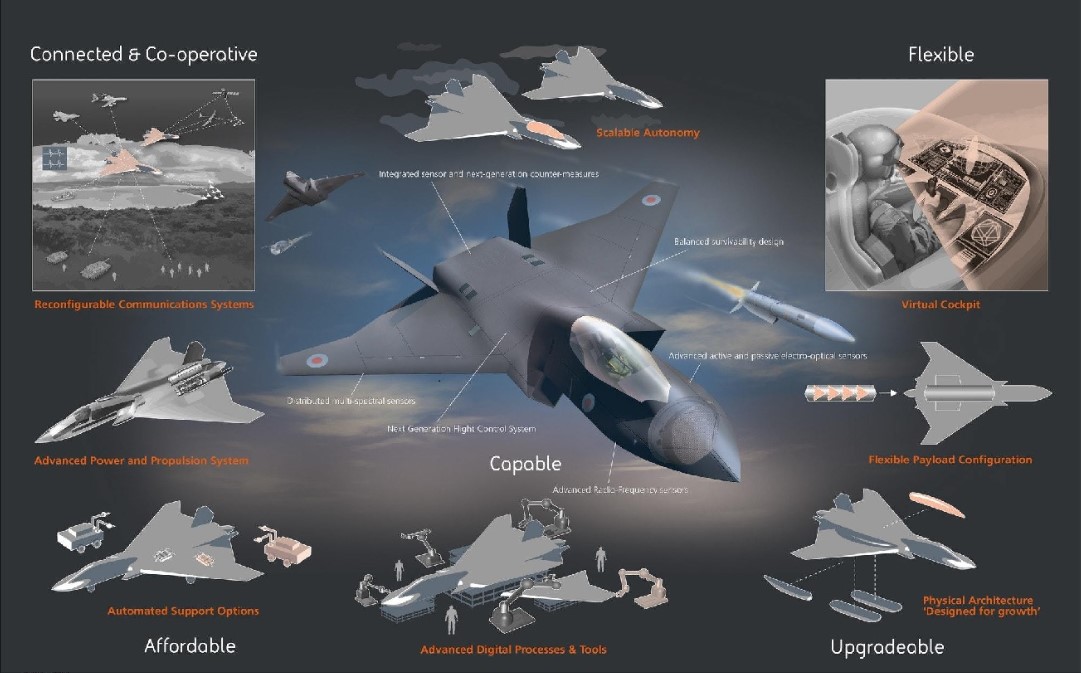
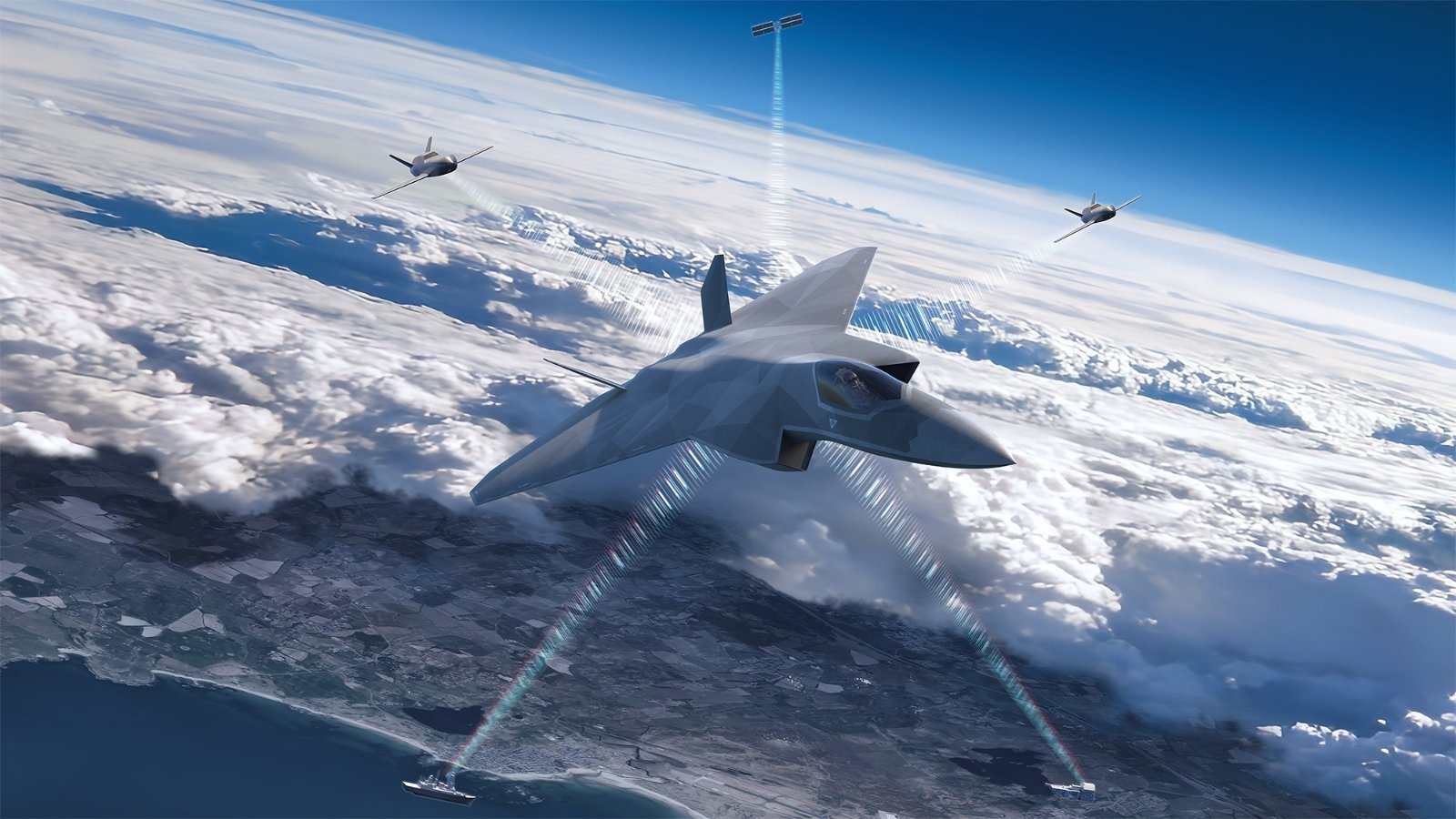
Defense News , India ,UK ,Japan ,Italy :- A prominent delegation led by Defence Minister Rajnath Singh is set to embark on a two-day expedition to the United Kingdom from January 8. The visit aligns with the UK collaboration with Italy and Japan in the development of the 6th generation fighter jet, named the "Tempest".In a bid to expand the project horizons, the "Tempest" partners have expressed interest in India joining their ranks. The prospect is anticipated to be a focal point during the bilateral meeting between Rajnath Singh and his UK counterpart, Secretary of State for Defence Grant Shapps.The Ministry of Defence announced that discussions will encompass a broad spectrum of defense, security, and industrial cooperation issues.Currently, India is actively engaged in the production of the 4th generation Light Combat Aircraft Tejas. However, the nation is poised to take a leap forward by creating an indigenous 5th generation Advanced Medium Combat Aircraft (AMCA), slated for induction in the next 8-10 years. The AMCA, designed and manufactured in India, is expected to feature General Electric engines and Safran engines for two distinct versions, building upon the foundation laid by the Tejas, which employs a GE engine.The UK, Italy, and Japan consortium aspires to surpass the capabilities of fifth-generation fighter jets. This collaboration has birthed the Global Combat Air Program (GCAP), along with the GCAP International Government Organisation (GIGO), formalized through a treaty signed by ministers from the three countries.The GCAP seeks to usher in a new era of combat aviation, with the "Tempest" expected to be unveiled by 2035, coinciding with India rollout of the AMCA. Ongoing discussions involve the formation of a joint industrial construct for the GCAP, featuring representatives from Leonardo, Mitsubishi Heavy Industries, and BAE Systems.Last year, the three nations announced a "collaboration agreement" to foster long-term working arrangements and the maturation of concepts and capabilities for the "Tempest". Accompanying Rajnath Singh on this critical visit is a high-level Ministry of Defence delegation, comprising senior officials from DRDO, armed forces, Department of Defence, and Department of Defence Production.
Read More → Posted on 2024-01-08 13:46:56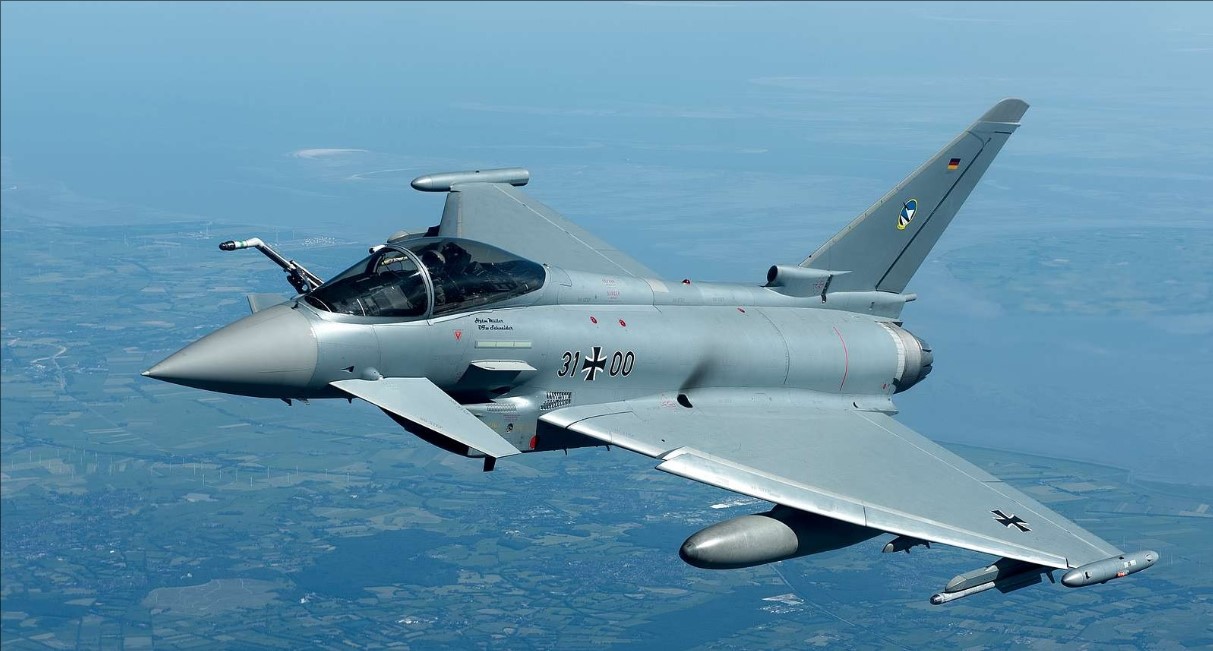
World
Defense News Germany & Saudi Arabia :- In a significant shift, Germany is now open to allowing the sale of Eurofighter jets to Saudi Arabia, as announced by Foreign Minister Annalena Baerbock on Sunday. This move comes after years of Germany blocking arms deals with the Gulf kingdom, marking a departure from its previous stance.The Eurofighter jet, a collaborative effort among Germany, Britain, Italy, and Spain, had faced obstacles as each participating country held the power to veto deals. Germany had specifically opposed a deal sought by London since 2018.Baerbock, during her visit to Israel, clarified that the German federal government does not stand against British considerations regarding Eurofighter sales. She highlighted the crucial role played by Saudi Arabia in the Middle East security crisis, particularly in the aftermath of the Israel-Hamas war that began on October 7.Notably, Germany had halted arms sales to Riyadh since the 2018 murder of dissident journalist Jamal Khashoggi in the Saudi consulate in Istanbul. This included blocking a deal for 48 Eurofighter jets that had been signed by Saudi Crown Prince Mohammed bin Salman in London.Baerbock acknowledged that both Saudi Arabia and Israel had not abandoned their policy of normalization despite the ongoing conflict. She emphasized the significance of Saudi Arabia intercepting missiles fired by the Houthis at Israel and expressed gratitude for this action. The minister also pointed out that the Saudi air force use of Eurofighters in this context is widely known.Highlighting Saudi Arabia role as a key contributor to Israel security, Baerbock emphasized that the country is actively helping to mitigate the risk of a regional conflagration. This policy shift by Germany reflects the evolving dynamics in the region and its acknowledgment of the changing geopolitical landscape.
Read More → Posted on 2024-01-08 13:38:00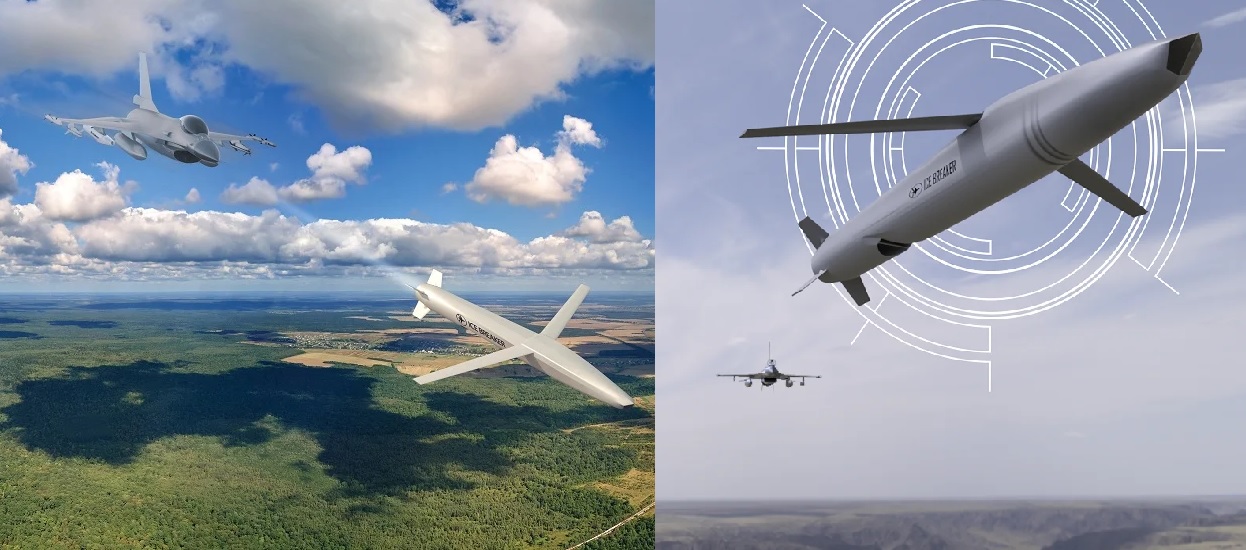
World
Defense News ,Europe :- In response to the escalating conflict in Ukraine, Rafael, the Israeli defense company, is gaining significant attention for its revolutionary Ice Breaker missile. The company recently disclosed key details about this fifth-generation, long-range autonomous precision-guided cruise missile, marking a pivotal moment in strategic defense capabilities.Unveiled in 2022, the Ice Breaker is specifically designed as an aerial force-multiplier, tackling the challenges of contemporary warfare with Rafael renowned high-end precision-guided solutions. What sets it apart is its adaptability to overcome electronic countermeasures and its full operational capacity even in GNSS-denied arenas. Rafael asserts that the Ice Breaker delivers surgical, pinpoint precision strikes at standoff ranges of up to 300 km.The missile heightened relevance in the context of the Ukrainian conflict has prompted Rafael to engage in discussions with potential customers across three continents. While specific contract details and customer identities remain confidential, the company spokesperson emphasizes their commitment to providing state-of-the-art capabilities for strategic defense.Rafael highlights the Ice Breaker advanced features, including an Imaging Infra-Red (IIR) seeker suitable for engaging stationary or moving land and maritime targets in Anti-Access/Area Denial (A2/AD) scenarios. The missile is compatible with various aerial platforms, such as jet fighters, light aircraft, and helicopters, ensuring operational effectiveness in all weather conditions. Its datalink supports real-time decision-making and tactical updates, with capabilities for midflight abort and Battle Damage Assessment (BDA).The missile development leverages Rafael combat-proven artificial intelligence technology, incorporating deep learning and big data-based scene-matching for Automatic Target Acquisition (ATA) and Automatic Target Recognition (ATR). Operating at high subsonic speeds, the Ice Breaker boasts a multi-directional, synchronized full sphere attack capability, enhancing mission success probability. With a length of 4 meters and a weight of 770 lbs, including a 250 lbs penetration, blast, and fragmentation warhead, the Ice Breaker represents a formidable advancement in modern missile technology.
Read More → Posted on 2024-01-08 13:29:02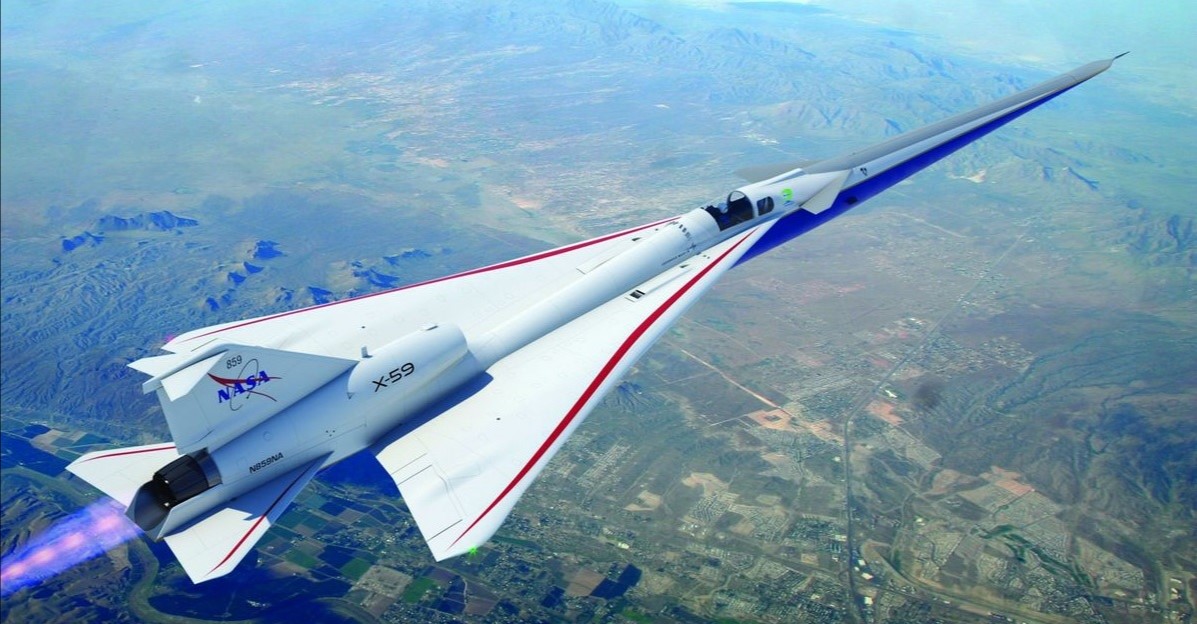
World
Defense News ,U.S :- In an exciting development, NASA and Lockheed Martin are set to reveal the groundbreaking X-59 Quesst, a supersonic jet engineered to transcend the sound barrier without generating the typical thunderous sonic boom.Since 2019, Lockheed Martin "Skunk Works" facility in Palmdale, California, has been crafting the experimental X-59 Quesst, designed to soar at supersonic speeds while significantly reducing the disruptive noise associated with sonic booms. Instead of the traditional explosive sound, the X-59 aims to create a more subtle "thump," akin to the closing of a car door. NASA envisions this innovation playing a crucial role in reshaping regulations that currently prohibit supersonic flight over populated areas due to the disturbances caused by sonic booms.A milestone event is scheduled for Friday, January 12, at 4 p.m. EST (2100 GMT), where NASA will host a free livestream unveiling of the X-59. The painted aircraft will make its debut, showcasing its final red, white, and blue paint job. The public is invited to join the celebration, with NASA providing printable invites and free STEM toolkits for educators to enhance the experience.The X-59, previously displayed in August 2023, exhibited its distinctive design, featuring a sharp, elongated nose measuring 38 feet (11.5 meters). This nose, instrumental in shaping shock waves during flight, highlights the aircraft unique geometry. Pilots of the X-59 rely on the External Vision System (XVS) as the aircraft lacks a traditional forward windscreen. The XVS utilizes a forward-facing camera, a cockpit-mounted display screen, and custom image processing software to provide an augmented reality view of the pilot forward line-of-sight along with graphical flight data overlays.Measuring at 99.7 feet long and 29.5 feet wide, the X-59 is engineered to achieve a speed of Mach 1.4, equivalent to 925 mph (1489 kph), at an altitude of 55,000 feet. The aircraft is powered by a single engine developed by General Electric Aviation.Upon completion, the X-59 will embark on a research campaign flying over selected residential areas to gather data on how individuals below experience and react to the quieter sonic booms it produces. NASA intends to employ this valuable data to seek approval for commercial supersonic flights from regulatory agencies, including the Federal Aviation Administration. The X-59 Quesst represents a significant leap forward in supersonic travel technology, promising a quieter and more sustainable future for high-speed air travel.
Read More → Posted on 2024-01-07 15:59:20
Secrets/Mystery
Mystery News ,China :- Archaeologists in China have recently uncovered an intriguing set of rectangular wooden pieces within a remarkably well-preserved tomb that dates back 2,000 years. Located in the southwest of the country, the artifacts consist of 23 wooden slips, each measuring about an inch wide and 4 inches long. These slips are adorned with Chinese characters associated with the Tiangan Dizhi, an ancient astronomical calendar originating from the Shang dynasty, ruling from approximately 1600 B.C. to 1045 B.C.The significance lies in the circular perforations at the edges of each slip, suggesting they were once bound together. Experts speculate that one slip may have represented the current year, while the other 22 could pinpoint specific years within the ancient calendar. However, the exact functionality of these calendrical wooden slips remains a mystery.This groundbreaking discovery, found in a tomb in the Wulong district, approximately 870 miles southwest of Beijing, sheds light on a previously unknown aspect of ancient Chinese culture. The tomb, dating back to 193 B.C. during the Western Han dynasty, is hailed as the best-preserved wooden-chamber tomb ever found in China southwest.Archaeologist Wang Meng described the tomb as a treasure trove, containing over 600 cultural artifacts. These include lacquerware bowls, boxes, jars, plates, bamboo utensils, musical pipes, copper items, wooden figurines, and various pottery and bronze objects.The Tiangan Dizhi calendar, a mainstream aspect of Chinese astrology, takes an unusual turn with the discovery of these wooden slips. Astronomer Ed Krupp, uninvolved in the discovery but an expert in ancient skies, highlights the uniqueness of the calendric notations on wooden slips, marking the first and only known example of such inscriptions on this type of object. Krupp suggests that instead of serving as a calendar, the wooden slips may have been used to reference any year within the 60-year calendrical cycle.Comparisons are drawn to a Taoist temple in Suzhou, where each year in the cycle is represented by a specially marked statue. Krupp emphasizes the significance of the artifacts found in the tomb, indicating a person of high status was interred. The abundance of rich and finely crafted materials showcases the opulence associated with this ancient burial site. The discovery opens a new chapter in understanding the cultural and astronomical practices of ancient China.
Read More → Posted on 2024-01-07 15:47:37
Space & Technology
Space News ,Amazon :- In the race to revolutionize global internet connectivity, Amazon ambitious Project Kuiper has recently aced a critical milestone, setting the stage for a 2024 launch. Similar to SpaceX Starlink, Project Kuiper aims to usher in high-speed internet access by deploying 3,236 satellites in low Earth orbit (LEO).This endeavor saw two prototype satellites take to the skies in October, marking the initiation of comprehensive testing for the network operational systems. Among the pivotal assessments was the validation of the optical inter-satellite link (OISL) technology, utilizing infrared lasers for data transmission between spacecraft.The good news is, Amazon reports that the prototypes successfully navigated this crucial challenge. During testing, the two satellites maintained a robust connection speed of 100 gigabits per second.While OISL has traditionally facilitated connections between satellites situated farther from Earth, earlier iterations were limited to linking only two satellites. Amazon breakthrough extends beyond ensuring a high-speed link between the prototypes; it indicates the potential for the OISL to interconnect the entire constellation of 3,000-plus satellites, forming a sophisticated mesh network.Unlike conventional high-speed internet services powered by Earthbound optical fiber cables, Project Kuiper leverages space to transmit light, which travels 30% faster than its terrestrial counterpart, according to Amazon. With OISL, the project can efficiently route data throughout the network, enabling reception from any point on Earth and optimized routing based on network traffic.Maintaining OISL links between LEO satellites has historically been challenging due to the need for an extremely narrow beam over distances of up to 1,600 miles and between satellites hurtling at speeds of up to 15,000 mph. Amazon asserts that its advanced optics and control systems have successfully overcome these hurdles.Amazon ambitious timeline involves deploying enough satellites to commence customer pilots by mid-2024. Project Kuiper aims to provide speeds of up to 400 megabits per second for most users by 2029, approximately double the average U.S. broadband speed. Some organizations may even access speeds of up to 1,000 megabits per second, although the real-world and off-world feasibility of achieving such speeds when the system is fully operational remains uncertain. As the digital frontier continues to expand, Amazon Project Kuiper holds the promise of transforming global internet accessibility in the coming years.
Read More → Posted on 2024-01-07 15:40:35
World
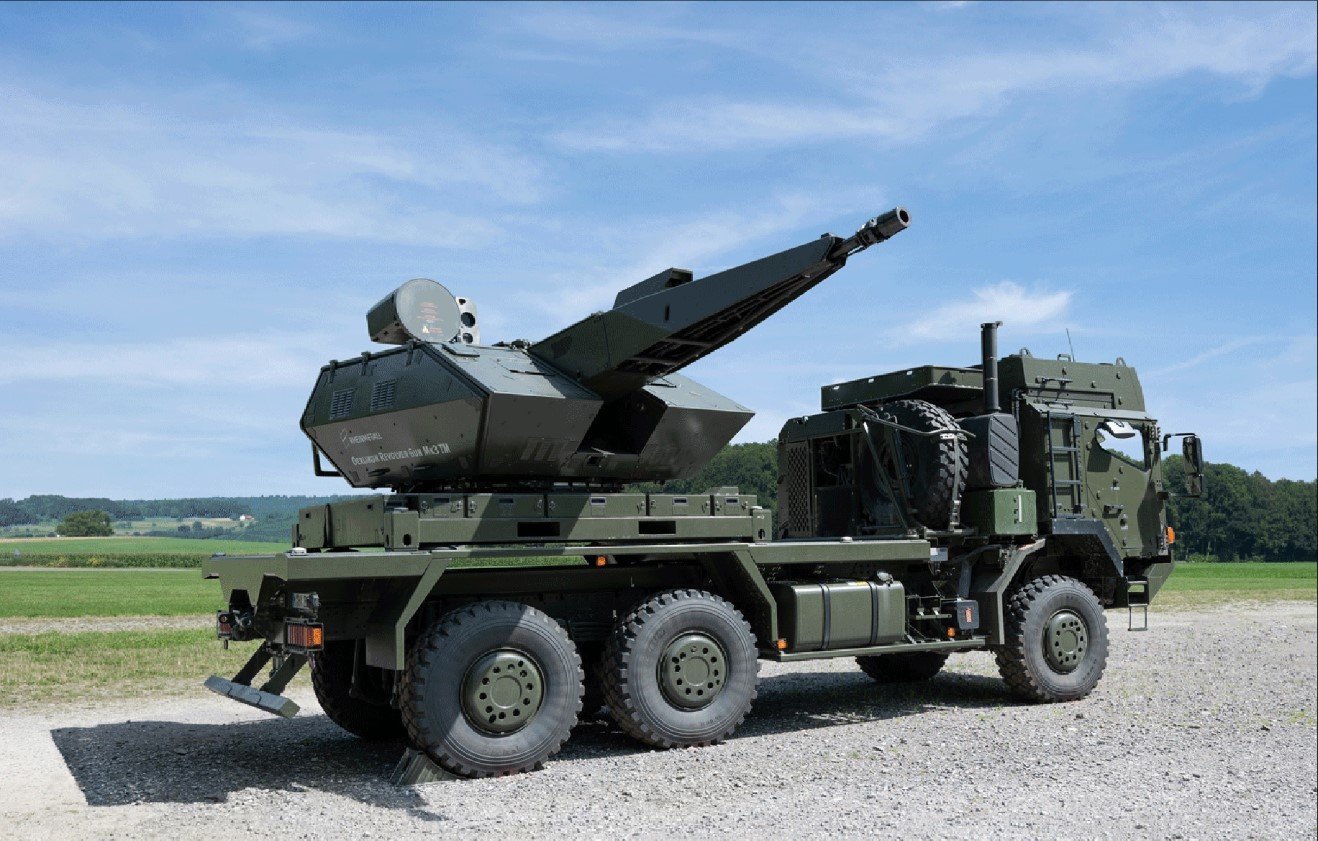
Defense News ,Hungary :- In a significant stride toward modernizing its military capabilities, Hungary Ministry of Defence has joined forces with Rheinmetall AG, a German defense industry powerhouse. The collaboration is geared towards developing an advanced air defense system for the heavy infantry brigade, aligning with Hungary commitments to NATO.Hungary envisions transforming its Defence Forces into a technologically advanced military powerhouse capable of safeguarding the nation and meeting international obligations. This endeavor goes beyond mere equipment procurement; it emphasizes a continuous process of development and adaptation to evolving security challenges.At the forefront of Hungary military prowess is the Lynx armored fighting vehicle, a cutting-edge system considered among the most modern in the world. Recognizing the current security landscape, the focus is on active defense against threats such as low-flying drones and conventional air targets. The air defense turret plays a pivotal role in this strategy, enhancing the effective deployment of armored capabilities.In the latest agreement with strategic partner Rheinmetall, Hungary has entrusted the development of the Skyranger 30 Lynx short-range air defense turret. This 21st-century-compliant device, integrated with the Lynx chassis, will provide direct air defense cover for the heavy brigade equipped with modern combat vehicles. Simultaneously, it will extend the operational range of Lynx variants.The historical context adds depth to this initiative. During World War II, Hungary utilized locally developed "Nimród" self-propelled anti-aircraft guns for a similar role. Unfortunately, this capability was lost during a previous force reduction program. The Skyranger 30 represents the resurrection of Short Range Air Defence as a combat branch, filling a crucial gap in Hungary defense capabilities. This collaborative effort signifies Hungary commitment to staying at the forefront of military technology and addressing contemporary security challenges head-on.
Read More → Posted on 2024-01-07 15:26:57
India
Defense News ,India :- India aviation regulator took swift action on Saturday, mandating a comprehensive inspection of all Boeing 737-8 Max aircraft owned by domestic operators. This decision came in response to a recent incident where a cabin panel blowout prompted an emergency landing of a new Alaska Airlines Boeing 737-9 Max heading to California.The Alaska Airlines flight, carrying 171 passengers and six crew members, was en route to California when it had to make an emergency landing as it ascended from Portland, Oregon. Fortunately, there were no immediate reports of injuries, but the cause of the structural failure remains unknown.Although none of India air operators currently include the Boeing 737-9 Max model in their fleets, the Directorate General of Civil Aviation (DGCA) has issued a directive for a "one-time inspection of the emergency exits immediately on all Boeing 737-8 Max aircraft currently operating as part of their fleet." This precautionary measure aims to ensure the safety of domestic flights.In response to the incident, Alaska Airlines has grounded 65 similar planes. These aircraft will only return to service after undergoing thorough precautionary maintenance and safety inspections. The U.S. National Transportation Safety Board is actively investigating the emergency landing incident.Boeing, the aircraft manufacturer, has also expressed its commitment to investigating the occurrence. In a statement, Boeing mentioned, "We are working to gather more information and are in contact with our airline customer." The aviation community remains vigilant as efforts are underway to determine the root cause of the cabin panel blowout and prevent similar incidents in the future.
Read More → Posted on 2024-01-07 14:36:14
World
Defense News ,South & North Korea :- In a recent development, Kim Yo Jong, the influential sister of North Korean leader Kim Jong Un, ridiculed South Korea ability to detect weapons launches and dismissed Seoul claim that North Korea fired artillery shells into the sea. This incident unfolded as South Korea military swiftly labeled her statement as "low-level psychological warfare" and issued a stern warning of a robust response to any provocations from North Korea.South Korea military had reported that North Korea fired shells near the disputed western sea boundary for the second consecutive day, launching over 60 rounds on Saturday following more than 200 shells the day before. Contrary to these claims, Kim Yo Jong asserted on Sunday that North Korea had only detonated blasting powder to test South Korea military detection capabilities, suggesting that their response had been a misjudgment.Kim Yo Jong criticized the South Korean people, expressing pity for entrusting their security to what she described as "blind persons" and labeling the military as "gangsters" and "clowns in military uniforms." She even went so far as to suggest that miscalculations by the South Korean military could lead to accidental clashes, jeopardizing the safety of Seoul, a city with 10 million residents just an hour drive from the land border.In response, South Korea Joint Chiefs of Staff emphasized their close monitoring of North Korean military activities and urged North Korea to cease actions escalating tensions. They warned of an overwhelming reaction if provocations persisted.Tensions between the two Koreas have heightened due to North Korea continuous missile tests since 2022 and South Korea expanded military training with the United States. Both countries engaged in artillery firings on Friday, violating a 2018 military agreement intended to ease tensions along their border. This agreement, designed to halt live-fire exercises and aerial surveillance, now faces the risk of collapse.Experts speculate that Kim Jong Un may escalate weapons tests leading up to South Korea parliamentary elections in April and the U.S. presidential elections in November. The belief is that a bolstered weapons arsenal would strengthen North Korea position for future diplomatic negotiations, seeking greater concessions from the United States.
Read More → Posted on 2024-01-07 14:33:11
World
Defense News , China & Taiwan :- In the lead-up to Taiwan crucial presidential and parliamentary elections on January 13, the country defense ministry has accused China of engaging in activities that pose threats to aviation safety and psychological warfare against the Taiwanese people. Recent sightings of balloons near or over the island have raised concerns, prompting Taiwan to heighten its alert level.The issue of using balloons for potential spying gained global attention in February when the United States claimed to have shot down a Chinese surveillance balloon. China countered, asserting that the balloon was a civilian craft that had unintentionally drifted off course.Taiwan remains on high alert, alleging that China is applying both military and economic pressure in an attempt to interfere with the upcoming elections. The fundamental disagreement lies in China viewing Taiwan as its own territory, a claim vehemently rejected by Taiwan government.Over the past month, Taiwan defense ministry has reported multiple instances of Chinese balloons flying over the sensitive Taiwan Strait. In the past week alone, some balloons were observed flying over Taiwan island, particularly near major air bases, intensifying concerns.In an official statement, Taiwan defense ministry declared the balloons to be a "serious threat" to international aviation safety, given their flight paths. The ministry accused China of employing "grey zone" tactics, characterizing the balloons as part of cognitive warfare aimed at affecting the morale of the Taiwanese people.Contrary to earlier assertions that the balloons were primarily for weather monitoring, the defense ministry now emphasizes the potential threat posed by China actions. China Taiwan Affairs Office dismissed these concerns, attributing them to the ruling Democratic Progressive Party efforts to magnify threats from the mainland for electoral gains.Taiwan Vice President Lai Ching-te, who is also the presidential candidate for the Democratic Progressive Party, accused China of utilizing warships, warplanes, and fake news to "divide Taiwan." Urging voters to use their ballots to champion democracy and freedom, Lai emphasized Taiwan resilience against authoritarian regimes.In a stronger-worded statement, Taiwan defense ministry disclosed that it had detected two additional Chinese balloons within the past 24 hours, one of which briefly flew over the far northern tip of the island.Amid escalating tensions, the United States, a key supporter and arms supplier to Taiwan, expressed concern over the rising semiconductor powerhouse island. White House national security spokesman John Kirby, however, refrained from commenting on the balloon issue directly, emphasizing the U.S. support for free, fair, and transparent elections in Taiwan.As accusations and tensions persist, China message to Taiwan appears clear - a subtle pre-election warning that reinforces their vigilance and surveillance capabilities. The situation underscores the delicate balance between the two nations and the potential for external interference in Taiwan democratic process.
Read More → Posted on 2024-01-07 14:26:14
World
Defense News ,India & UK :- In a pivotal move for India-UK relations, Defence Minister Rajnath Singh is set to embark on a three-day visit to the United Kingdom, marking the first ministerial-level visit in the defence sector in 22 years. Originally planned for June 2022, the anticipation surrounding this tour has grown due to its cancellation earlier for "protocol reasons."During his visit, Singh is scheduled for extensive discussions with his UK counterpart, Defence Secretary Grant Shapps. The itinerary also includes inspecting a ceremonial Guard of Honour, paying homage to Mahatma Gandhi and Dr B.R. Ambedkar memorials in London, and engaging with the Indian diaspora in the UK.Rahul Roy-Chaudhury, Senior Fellow at the International Institute for Strategic Studies, emphasizes the significance of this visit, stating that it reflects an enhancement in India political relationship and trust-building with the UK since British Prime Minister Rishi Sunak visit to India for the G20 Summit in September the previous year.Roy-Chaudhury highlights the substantive goals of the visit, aiming to deepen military cooperation and defence industrial partnerships. This includes building on the November 2023 Defence Consultative Group meeting in Delhi and the inaugural 2+2 Foreign and Defence Dialogue in October 2023.While the UK is not currently among India top five strategic partners, the visit holds promise for strengthening the India-UK defence technological and industrial partnership. Ongoing projects with Rolls-Royce, GE (Naval) UK, and MBDA (UK) in aero-engines, naval electric propulsion, and ground-based air defence systems could see significant progress.The visit occurs amid concerns about pro-Khalistan violence in the UK and unresolved legacy issues regarding UK defence supplies to India. However, analysts suggest that the ministerial dialogue provides an opportunity to focus on operationalizing the Make in India and Atmanirbhar Bharat agenda in the defence sector.The trajectory of the India-UK defence partnership was set during former Prime Minister Boris Johnson visit to India in April 2022, where he announced the creation of an Open General Export Licence for India. This move aims to reduce bureaucracy and streamline defence procurement processes.With both India and the UK heading towards general elections, the visit gains added significance. It coincides with accelerated negotiations for a free trade agreement, projected to significantly boost the current GBP 36-billion bilateral partnership. As the curtains rise on this crucial diplomatic interaction, the prospects for renewed vigour in defence cooperation between India and the UK look promising.
Read More → Posted on 2024-01-07 14:18:06
India
Defense News ,India :- In the wake of Prime Minister Narendra Modi recent visit to the Lakshadweep archipelago, a social media controversy erupted following a tweet from a Maldivian minister. The visit, aimed at promoting tourism in the smallest Union Territory of India, sparked a heated exchange on platforms like X (formerly Twitter).The Maldivian minister accused India of targeting the Maldives, asserting that India faces substantial challenges in competing with the Maldives in beach tourism. This tweet followed the viral posts by PM Modi about snorkeling in Lakshadweep, leading Indian social media users to propose the island Union Territory as an alternative tourist destination to the Maldives.Recent months have witnessed strained ties between India and the Maldives since President Mohamed Muizzu assumed office in November 2023. His election pledge included removing a small contingent of about 75 Indian military personnel and altering the Maldives "India first" policy.Scheduled to visit China soon, President Muizzu, known for his pro-China stance, accepted an invitation from Chinese President Xi Jinping. This shift in diplomatic ties represents a departure from the traditional sequence where Maldivian leaders visited India first, followed by China.President Muizzu meeting with PM Modi in Dubai during the COP28 climate talks in December 2023 resulted in an agreement to establish a core group for discussing multifaceted relations and strengthening ties. The President had also requested the withdrawal of 77 Indian military personnel and a review of over 100 bilateral agreements between the two nations.Notably, the new Maldives Vice President, Hussain Mohamed Latheef, recently visited China and participated in the China-Indian Ocean Region Forum on Development Cooperation. While praising Chinese infrastructure projects, Latheef made no mention of China Belt and Road Initiative (BRI), under which most of the Maldives infrastructure projects were previously built.The Maldives, a crucial maritime neighbor for India in the Indian Ocean Region, holds a special place in India initiatives such as SAGAR (Security and Growth for All in the Region) and the "Neighbourhood-First Policy". Its strategic importance stems from its proximity to India and its central location in commercial sea lanes traversing the Indian Ocean. The evolving diplomatic landscape and social media dynamics add layers of complexity to the relationship between these two nations.
Read More → Posted on 2024-01-07 14:06:53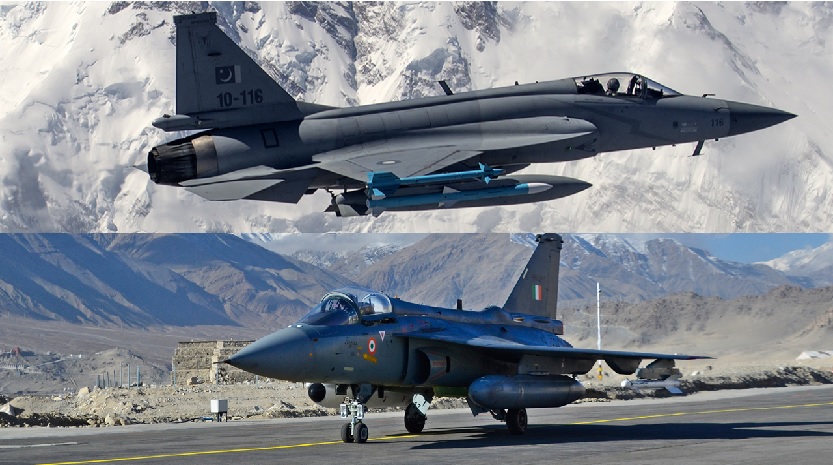
India
Defense News ,India :- In early December, Hindustan Aeronautics Limited (HAL) officials revealed ongoing discussions with Nigerian representatives regarding the potential acquisition of Tejas light fighters by Nigeria. This announcement highlights the strong ties between the two nations and underscores India growing defense industry alongside Abuja pressing need for modern equipment to address escalating security challenges in its region.The prospect of Nigeria opting for the Tejas fighter presents a unique situation, illustrating the non-alignment stance of Southern countries. Currently, Nigeria operates three JF-17 Thunders of Pakistani/Chinese origin. The decision not to expand its inventory with Tejas fighters may suggest reservations about the Thunder performance.Nevertheless, Nigeria continues to leverage a fleet of Chinese unmanned assets, including CH-3, CH-4, and Wing Loong II UAVs, for its military operations. Despite this, the longstanding military relations between India and Nigeria, both former British colonies, trace back to the early 1960s when New Delhi assisted in establishing the Nigerian Defence Academy and Naval College.The partnership gained momentum in 2007 with the signing of a Memorandum of Understanding, paving the way for joint military training, exchange programs, and collaborative deployment for UN peacekeeping operations. Over the years, both nations have engaged in best practice exchanges and discussions, particularly in the realm of counter-terrorism, as witnessed in 2021 during a period of heightened jihadist attacks.The collaborative efforts were further strengthened by the establishment of five joint defense coordination committees in the 2010s, albeit slowed by the COVID-19 pandemic. Despite these challenges, the Indian frigate INS Tarkash made a significant visit to Lagos in 2022, symbolizing joint counter-piracy efforts in the Gulf of Guinea.This mission not only showcased India commitment to global anti-piracy operations but also signaled its geopolitical ambitions. Given that India imports a significant portion of its crude oil from Nigeria annually, ranging between 8% and 10%, the joint operation served as a demonstration of India willingness to provide security guarantees.India, traditionally reliant on oil imports to fuel its economy, now exhibits the capability and determination to extend its naval presence beyond conventional theaters of operation. This move signifies India proactive measures to secure its vital supply routes independently, a departure from the historical precedence set by Western states and later emulated by China to establish themselves as influential powers in the global order. India, in its own distinct way, is now aspiring to attain a similar status on the world stage.
Read More → Posted on 2024-01-07 13:59:50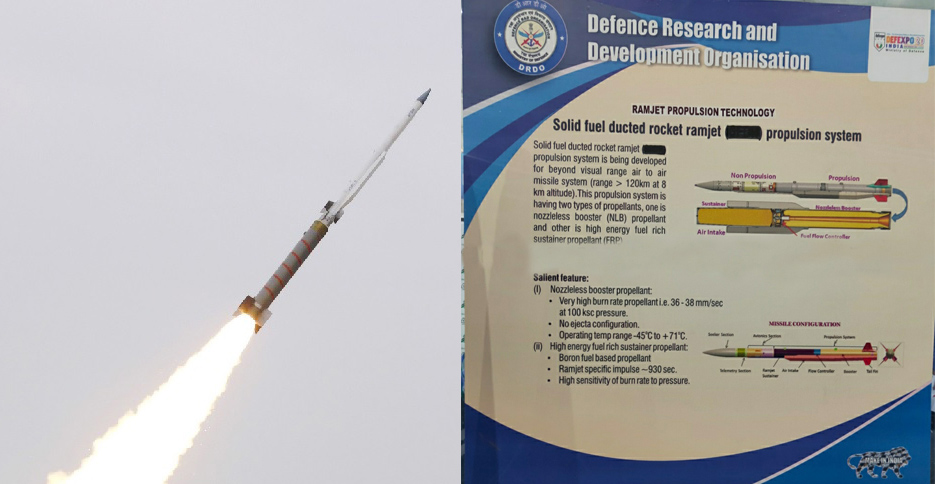
India
DRDO Astra Missile Technology :- The Solid Fuel Ducted Ramjet (SFDR) stands out as an innovative missile propulsion system within the realm of advanced technology. Unlike conventional solid rockets, which lack the ability to adjust thrust once ignited, the SFDR introduces a revolutionary approach by utilizing controlled intake air for thrust adjustment during flight. This marks a departure from the traditional reliance on pumps for adjusting thrust in liquid-fueled rockets.One distinctive feature of the SFDR is its self-sufficiency in terms of oxidization, as it draws atmospheric oxygen directly from the intake air, eliminating the need for an oxidizer mix. Developed by the Defense Research and Development Organization (DRDO), the SFDR is characterized by its low smoke, nozzleless solid rocket motor design.Comprising four essential components, namely the Sustainer, Air Intake, Fuel Flow Controller, and Nozzleless Booster, the SFDR showcases a sophisticated engineering approach. Positioned at the aft section are the propulsion control unit electronics and fin actuation subsystem, enveloping the rear part of the Nozzleless Booster. The arrangement includes the Through Air Initiation Igniter behind the Fuel Flow Controller, followed by the combustor where the solid propellant nozzleless booster is seamlessly integrated. The design features two chin-mounted air intakes that supply ram air to ignite the solid fuel grain in the gas generator.Critical to its functionality, the Nozzleless Booster adopts a conical shape at its end, optimizing the diameter for effective rocket propulsion. This design necessitates the careful optimization of the grain length to diameter ratio, achieving performance comparable to traditional nozzles.In testing scenarios, the SFDR undergoes a high-altitude trajectory to simulate aircraft launch conditions. Subsequently, the Nozzleless Booster ignites, propelling the missile forward. This ignition process occurs seamlessly, whether during simulated aircraft launch conditions or the actual release from the launcher. The ram air triggers the gas generator action, and the Through Air Initiation Igniter employs an attainable pyrocartridge to initiate ignition. The continuous flow of ram air enhances the mixing of fuel and air, leading to the gradual outward burn of the solid propellant grain and the expulsion of hot gases through the Nozzleless Booster.
Read More → Posted on 2024-01-07 08:44:15
World
Space News ,China :- In an exciting breakthrough, astronomers utilizing China Five-hundred-meter Aperture Spherical Radio Telescope (FAST), the largest and most sensitive radio telescope globally, have identified a scintillation arc in the spectrum of a fast radio burst (FRB) for the very first time.Fast radio bursts (FRBs) are enigmatic bursts of radio waves lasting mere milliseconds, discovered in 2016 and believed to originate from cosmic sources. Despite their detection, the origins of FRBs remain a puzzle, shrouded in mystery.A collaborative international effort led by researchers from the Chinese Academy of Sciences National Astronomical Observatories delved into the analysis of the interstellar scintillation of a particularly active FRB, labeled as FRB 20220912A during its heightened activity in 2022.Published in the journal Science China Physics, Mechanics & Astronomy, the study findings suggest that the scintillation observed may be linked to the ionized interstellar medium – the substance filling the vast space between stars. This revelation offers a new avenue for understanding the medium associated with fast radio bursts and their potential orbital movements.The researchers also outlined a method for detecting the scintillation arc, which holds promise for broader applications to sources featuring irregularly spaced bursts or pulses, as detailed in the study.James Cordes of Cornell University highlighted the significance of this method, emphasizing its potential in pinpointing the host galaxy of FRBs and understanding the interstellar medium within our own Milky Way.Since commencing operations in January 2020, the FAST telescope, situated in the natural karst depression in southwest China Guizhou Province, has solidified its reputation as the world most sensitive radio telescope. This recent discovery marks a significant step forward in unraveling the mysteries surrounding fast radio bursts, offering fresh insights into their elusive origins.
Read More → Posted on 2024-01-07 05:17:33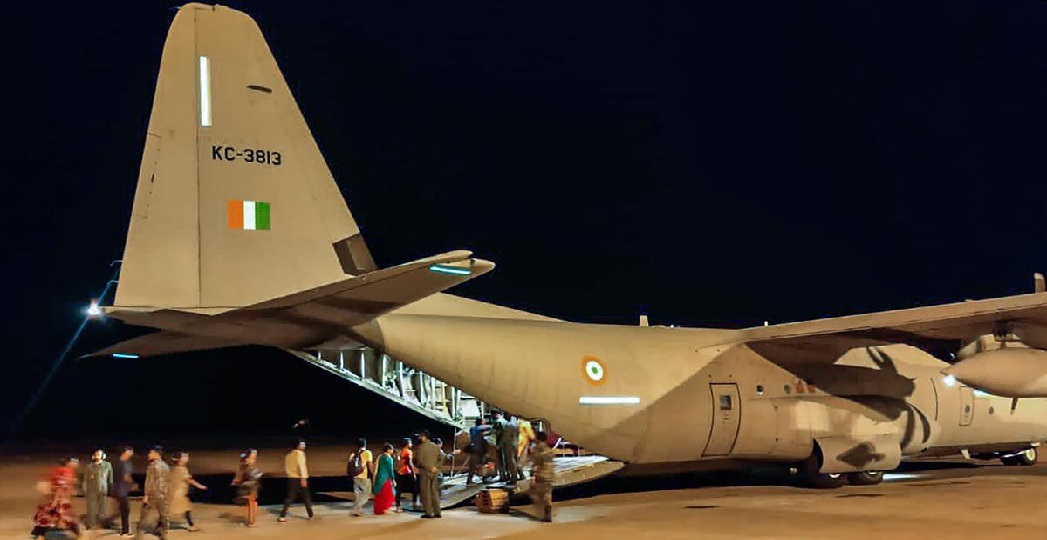
India
Defense News ,India :- In a historic display of aeronautical expertise, the Indian Air Force (IAF) recently accomplished a groundbreaking achievement by conducting the first-ever night landing of a C-130J Super Hercules transport aircraft at the formidable Kargil airstrip. This daring mission unfolded in the shadowy embrace of the Himalayan night, not only highlighting the IAF operational excellence but also underscoring its pivotal role in bolstering India defense capabilities.Nestled amidst the challenging Himalayan terrain, the Kargil airstrip stands at an altitude exceeding 8,800 feet, presenting a unique set of challenges for pilots. The combination of high altitude, unpredictable weather, and strong winds demands exceptional precision and skill during landing. Successfully maneuvering a massive C-130J aircraft under these demanding conditions, especially in the darkness of night, attests to the IAF meticulous planning and the remarkable skills of its pilots.To add another layer of complexity to the mission, the IAF employed innovative "terrain masking" techniques during the approach. This strategy utilized the natural contours of the mountains to shield the aircraft from enemy radar and infrared detection, significantly enhancing the mission stealth and security.Moreover, the Kargil night landing operation seamlessly integrated with a training mission for the IAF elite special forces unit, the Garuds. This synergistic approach not only tested the IAF logistical capabilities but also refined the operational coordination between its air and ground units, showcasing their readiness for any unforeseen circumstances.The successful night landing at Kargil carries immense strategic importance for India. It serves as a testament to the IAF ability to swiftly deploy troops and equipment to remote and challenging locations, even under adverse conditions. This heightened operational flexibility strengthens India defense posture and acts as a deterrent against potential adversaries contemplating misadventures. The IAF accomplishment marks a pinnacle of aeronautical skill and stands as a triumph in securing the nation defense capabilities.
Read More → Posted on 2024-01-07 05:14:17
World
China navy has set its sights on a new target—a full-scale replica of the USS Gerald R. Ford, the latest super-carrier from the US Navy. The timing coincides with the USS Gerald R. Ford returning home after an extended deployment due to the Israel-Gaza conflict, prompting speculation about China intentions in the South China Sea.The People Liberation Army Navy (PLA-Navy) is actively enhancing its capabilities to counter US Navy carriers and strike groups, focusing on anti-access and area denial weapons. China is expanding its arsenal of anti-ship ballistic missiles, alongside improving anti-ship cruise missiles and future plans to acquire hypersonic anti-ship cruise missiles.Satellite imagery captured on January 1 reveals a new carrier target in China Taklamakan Desert, resembling the USS Gerald R. Ford. This "phantom" carrier, equipped with radar reflectors, aims to replicate the radar signature of an actual ship without major construction. The target facilitates the testing of radar seekers, weapons, and electronic warfare systems.Analysis indicates that work on the target carrier began in November 2023, showcasing China commitment to advancing its military capabilities. This development comes as the Chinese military transitions from rudimentary ship-shaped targets to a more sophisticated model that provides more accurate test results and realistic training scenarios.While the US Navy has historically led in super-carrier deployment, the PLA-Navy is working to bridge the technological gap. The upcoming Fujian aircraft carrier, set to begin sea trials, represents a significant leap for China. Although smaller than the US Navy Ford-class carrier, the Fujian boasts a larger displacement than previous Chinese carriers, positioning it to challenge US dominance in size and technology.Despite China pursuit of carrier-building capabilities, it is also heavily investing in "carrier-killer" missiles, questioning the survivability of US aircraft carriers. Chinese maritime analysts argue that the US Navy is vulnerable to Chinese long-range missiles, particularly in the South China Sea.However, US experts emphasize the carriers resilience, citing built-in waterproof chambers, redundant conduits, and extensive armor. The mobility of carriers, capable of traveling a 700-square-mile radius in 30 minutes, adds to their survivability by evading anti-ship weapons.As tensions rise in the South China Sea, the development of China new aircraft carrier target and the advancements in its naval capabilities underscore the intensifying competition with the US Navy.
Read More → Posted on 2024-01-07 05:12:21
India
Defense News ,India :- In a significant development supporting the Make in India initiative and bolstering the strength of the Indian Army stationed along international borders, the Defence Research and Development Organisation (DRDO) achieved a successful test of a robotic mounted artillery system at the Pokhran firing range in Jaisalmer, Rajasthan.The DRDO tested the 155×52 Advanced Towed Artillery Gun System (ATAGS) on BEML armored truck in the Jaisalmer district, near the India-Pakistan border. This innovative system is capable of delivering a strong response to enemy forces. The test, conducted in the presence of DRDO officials and Indian Army officers and soldiers, was deemed a complete success.Prepared and tested in mission mode by the DRDO, this event marks a milestone in the modernization of the Indian Army artillery. The mounted gun system demonstrated its capability to fire 5 rounds in just 60 seconds, showcasing its efficiency in combat situations.The key advantage of deploying this type of gun on a vehicle lies in its ability to determine the location of enemy artillery through the elevation of its rounds during firing. This enables quick detection and destruction of enemy targets, while the system can swiftly change its position post-firing to evade potential counterattacks.This robotic artillery system is part of the ongoing efforts by the Indian government to strengthen the army. The allocation of a significant portion of the national budget for the procurement and manufacturing of weapons and equipment for the Indian Army, Navy, and Air Force underscores the commitment to maintaining readiness for any future challenges.The Pokhran Field Firing Range in Jaisalmer serves as a crucial testing ground where the Indian Army and DRDO assess various domestically manufactured equipment and weapons. This proactive approach ensures that the armed forces are well-equipped to handle diverse scenarios in the times ahead.
Read More → Posted on 2024-01-07 04:57:59
Space & Technology
Technology News ,India :- The Department of Atomic Energy in India is devising a strategy to convert two experimental reactors into pilot plants for generating nuclear-powered green hydrogen. One of these reactors, the Indian High-Temperature Reactor (IHRT), created by the Bhabha Atomic Research Centre in the mid-2000s, was initially designed for hydrogen production through a thermochemical process, utilizing heat to split water into hydrogen and oxygen. The IHRT was engineered to produce 7,000 kg of hydrogen, 18 MWh (thermal) of energy per hour, and 9 million liters of desalinated water daily.Presented at a conference in Oarai, Japan, on April 16, 2007, BARC scientists I V Dulera and R K Sinha described the IHTR as a 600 MW (thermal) reactor capable of generating 1,000 degrees Celsius of heat.The second reactor under modification is the 40 MW (thermal) Fast Breeder Test Reactor (FBTR) of the Indira Gandhi Center for Atomic Research (IGCAR). Originally established to gain operational insights into fast breeder reactors, the FBTR is now being adapted for green hydrogen production. Notably, the knowledge gained from FBTR operations is contributing to the development of the 500 MW "prototype fast breeder reactor" (PFBR) near Chennai, expected to be operational in 2024 after over two decades of construction.Simultaneously, IGCAR is focusing on the development of a 100 MW "small modular reactor" (SMR). This aligns with the global trend of exploring SMRs for decentralized electricity generation. SMRs can be conveniently located on the premises of retired thermal power plants, leveraging existing infrastructure for power evacuation and materials movement.The Indian government is actively promoting SMRs, and discussions at various energy conferences include the potential configuration of IHRT and FBTR as SMRs. This transformative initiative underscores India commitment to sustainable energy practices and signifies a noteworthy step towards harnessing nuclear power for the production of green hydrogen.
Read More → Posted on 2024-01-07 04:52:47
World
Defense News ,South & North Korea :- In a concerning turn of events, North Korea has once again heightened tensions with South Korea by firing more than 60 artillery rounds near a disputed maritime border on Saturday. This follows a similar provocation on Friday when over 200 artillery rounds were launched in the same region.The targeted area is the northwest of Yeonpyeong Island, and the artillery barrage occurred between 1600-1700 Saturday KST (0700-0800 GMT), as reported by South Korea Joint Chiefs of Staff in a statement.Expressing their strong concern, the Joint Chiefs of Staff have issued a stern warning to North Korea, urging them to cease activities that pose a threat to peace on the Korean Peninsula and only serve to further escalate tensions between the two nations.As the situation unfolds, the international community watches closely, hoping for a peaceful resolution to this escalating crisis in the Korean Peninsula.
Read More → Posted on 2024-01-06 15:28:27Search
Top Trending in 24 Hours
-
 China Imposes Dual-Use Export Ban on 14 European Entities After EU's Russia Sanctions
-
 U.S. Department of War Awards Oracle Up to $6.99 Billion Enterprise Software Deal
-
 Ultra Maritime and Anduril Successfully Demonstrate Counter-UUV Technology During U.S. Navy's Multinational Lanternfish 2026 Exercise
-
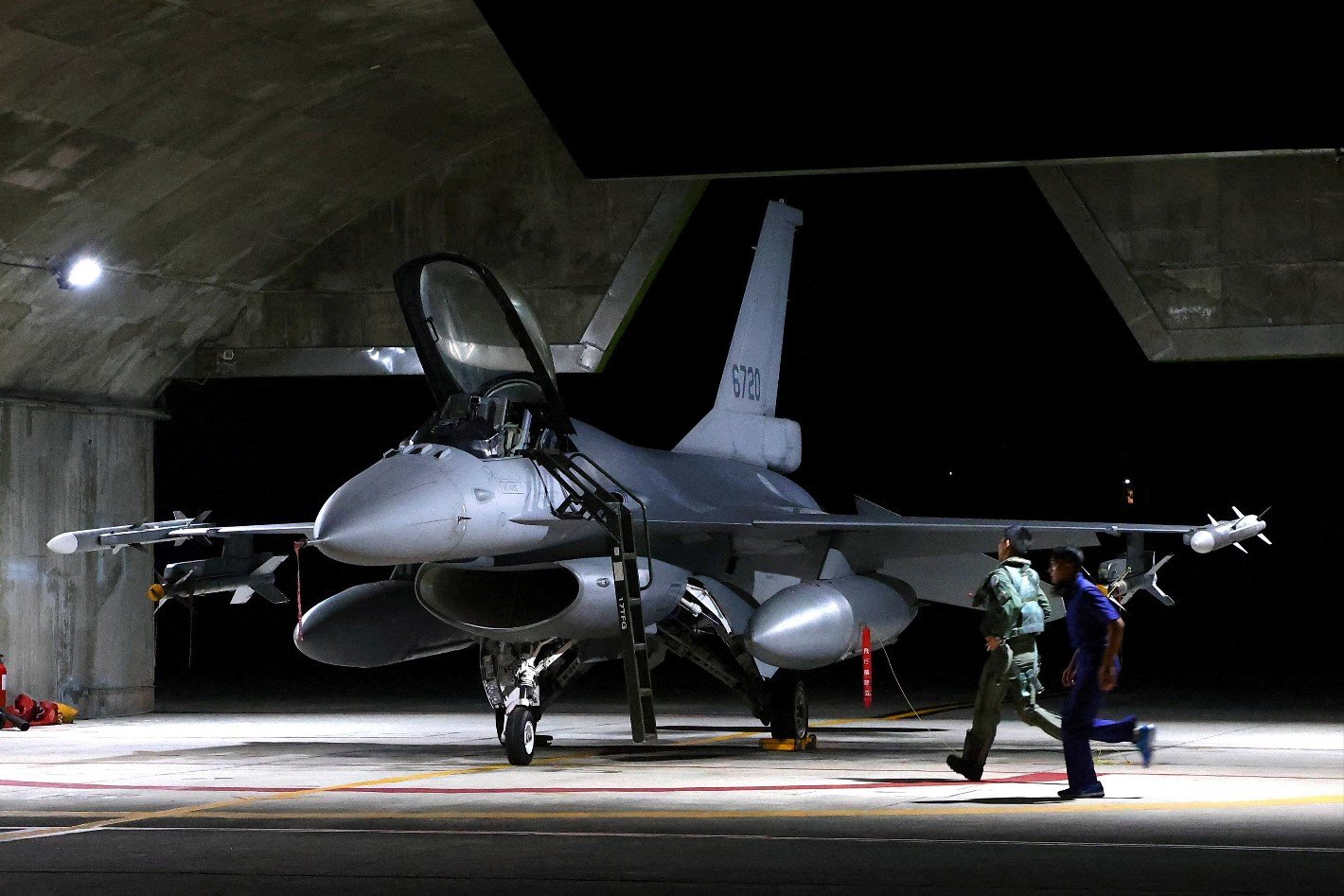 Taiwan Seeks Compensation From U.S., Lockheed Martin Over Extreme Delayed F-16 Block 70 Fighter Deliveries
-
 Romania Signs Deal with France for 12 Thales GM200 Air Defense Radars
-
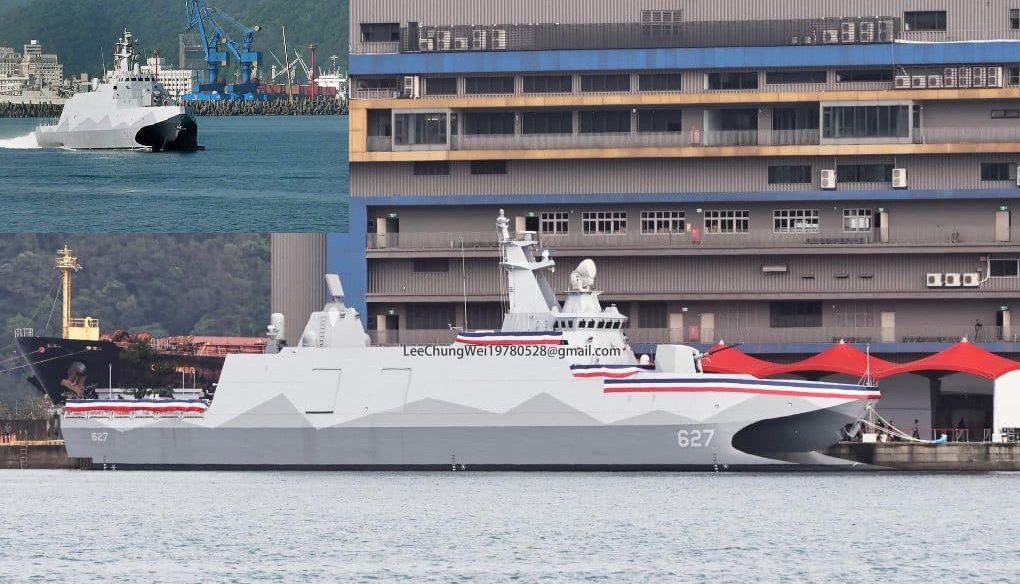 Taiwan Commissions First Batch 2 Tuo Chiang-Class Corvette with New Leonardo Radar
-
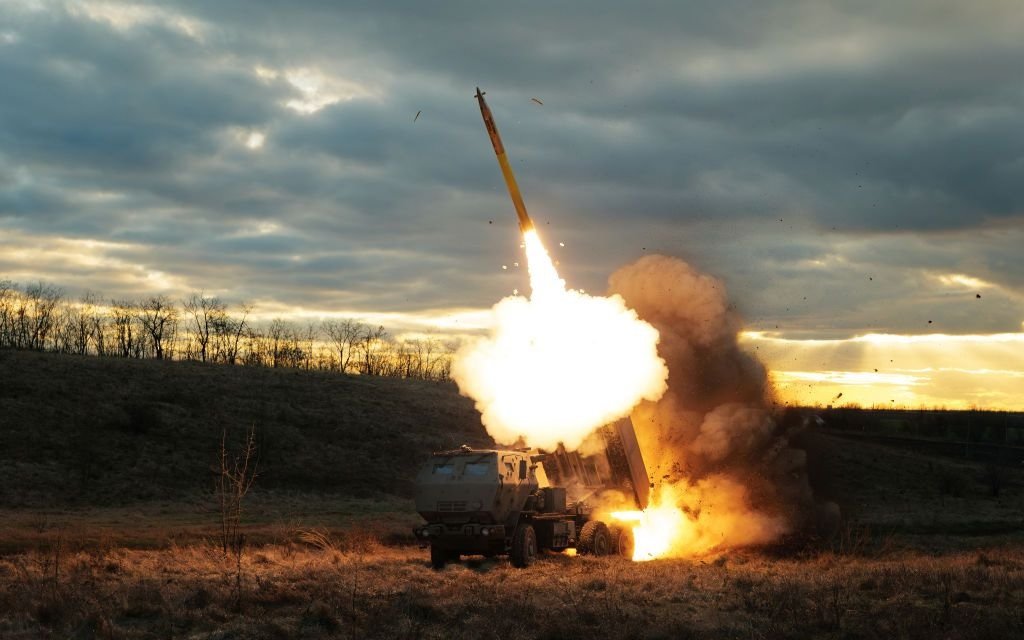 U.S. Military Selectively Intercepts Iranian Missiles to Preserve Shrinking Air Defense Stocks : Report
-
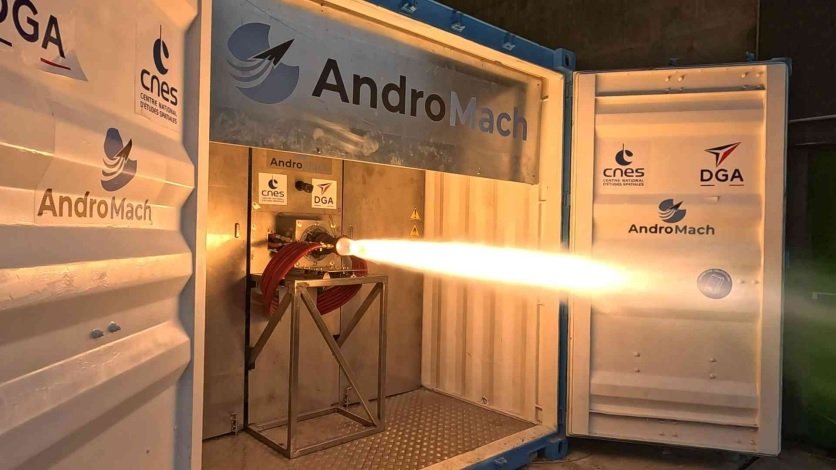 French Startup AndroMach Successfully Tests Reusable Rocket Engine 21 Times for Hypersonic Drone
Top Trending in 4 Days
-
 UK Awards BAE Systems £708 Million Contract Extension to Advance GCAP Sixth-Generation Combat Air Technologies
-
 U.S. Navy Awards Northrop Grumman $1.2 Billion Deal for Three New E-2D Advanced Hawkeyes
-
 IRGC Claims Destruction of Second AN/FPS-117 Radar in Latest Strike on Kuwait's Ahmed Al-Jaber Air Base
-
 Greece Set to Approve €3 Billion Israeli Air Defense Deal for 'Achilles’ Shield' Network
-
 BAE Systems Unveils 'Brontanax', the UK's First Autonomous Combat Aircraft at Farnborough
-
 BAE Systems Unveils BlackThorn Modular Warhead Family for Autonomous Weapons and Counter-Drone Systems
-
 U.S. Airstrikes Target IRGC Missile Base Near Taft as Overnight Strikes Hit Central Iran
-
 Qarbon Aerospace Returns to F-22 Program with New U.S. Air Force Sustainment Contract
