
India
India’s ascent as a dominant player in Asia took a significant leap forward, overtaking Japan to claim the position of the third-largest power in the Asia Power Index. This remarkable shift, highlighted by the Ministry of Information and Broadcasting on Wednesday, reflects India's growing geopolitical influence, dynamic economic growth, and demographic potential.The Asia Power Index, developed by the Lowy Institute in 2018, ranks the power dynamics of 27 nations in the Asia-Pacific region, examining their capacity to shape and respond to external events. India's steady rise in this index signals the country's increasing ability to assert itself in regional affairs and global diplomacy.Economic Growth and Youth-Driven PotentialA key driver behind India’s leap in the Asia Power Index is its robust post-pandemic economic recovery. The Ministry noted a 4.2-point increase in India’s Economic Capability score, an indicator that reflects the country’s strong GDP growth and expanding economic clout. With India now recognized as the world’s third-largest economy in purchasing power parity (PPP) terms, it has clearly solidified its status as a major force in Asia’s economic landscape.What truly sets India apart from its regional peers, such as Japan and China, is its youthful population. While other powers in Asia face aging populations and declining labor forces, India is benefiting from what experts call a "demographic dividend." This younger workforce is expected to fuel India’s economic momentum in the coming decades, driving labor productivity and consumer demand. The ministry noted an 8.2-point increase in India's Future Resources score, signaling this long-term growth potential.Geopolitical Clout and DiplomacyBeyond economic strength, India’s rise in the Asia Power Index is also driven by its growing role in international diplomacy and regional security. India’s active participation in multilateral organizations like the Quad (Quadrilateral Security Dialogue) has elevated its influence in security matters across the Indo-Pacific. Despite not having formal military alliances, India’s partnerships with countries like the United States, Japan, and Australia allow it to play a pivotal role in shaping regional security architecture.India's expanding diplomatic reach is also evident in its defense relations. Recent defense deals, such as the BrahMos missile sale to the Philippines, underscore the country’s geopolitical ambitions and willingness to extend its influence beyond South Asia. Though India's economic relationships lag behind its defense initiatives, these strategic moves are helping India project power across the region.Rising Power in the Asia-PacificThe Asia Power Index evaluates countries across eight critical categories: Economic Capability, Military Capability, Resilience, Future Resources, Economic Relationships, Defense Networks, Diplomatic Influence, and Cultural Influence. India's consistent performance across these categories showcases its well-rounded development as a major regional power.This rise isn’t just a reflection of India’s current capabilities; it’s an indication of the country's future potential. As India continues to strengthen its economic foundations and expand its geopolitical footprint, it will undoubtedly play a more decisive role in shaping the future of Asia.With Japan now trailing behind, India's position as the third-largest power in Asia marks a new era in regional geopolitics—one where India is increasingly seen as a central player, capable of influencing both regional dynamics and global trends. The coming years are poised to further solidify India’s role as a major power, with its youthful workforce, robust economic trajectory, and strategic partnerships laying the groundwork for continued dominance in Asia.
Read More → Posted on 2024-09-25 15:36:48
World
Iran has once again showcased its growing military capabilities with the unveiling of its latest drone, the Shahed-136B, during a military parade on Saturday. This revelation came as part of a ceremony marking the anniversary of the end of the Iran-Iraq War and follows the country’s continued advancements in unmanned aerial technology. The upgraded drone, which is an evolved version of the Shahed-136, highlights Iran’s increasing focus on strengthening its defense systems amid ongoing regional and international scrutiny.The Shahed-136B is being lauded for its improved specifications and performance, with state media emphasizing several critical upgrades. Among the most notable enhancements is the drone’s extended range, which now spans between 2,500 and 4,000 kilometers. This significant increase in reach means the Shahed-136B can cover a vast geographic area, making it a potent tool for long-range operations. Additionally, the drone has been equipped with a larger warhead, enhancing its destructive capabilities. This is a key improvement over its predecessor, which already posed a formidable threat on the battlefield.Another critical advancement in the Shahed-136B is the inclusion of a turbojet engine. The switch to this type of engine marks a step up in efficiency and speed, potentially allowing the drone to cover long distances more rapidly while maintaining operational effectiveness. Turbojet engines are generally more robust and capable of higher speeds compared to the older piston engines, making the Shahed-136B a more versatile weapon in Iran's military arsenal.Iran has also reportedly invested in enhancing the drone’s stealth capabilities, making it harder to detect by radar systems. This aspect could make the Shahed-136B a more elusive target, especially in regions with advanced air defense networks. Stealth technology is a crucial factor in modern warfare, where avoiding detection can be the difference between mission success and failure. With this upgrade, Iran seems to be focusing on creating a drone that is not only more lethal but also harder to neutralize.The timing of the drone’s unveiling is significant, coinciding with increased tensions in the Middle East and continued allegations from Western countries that Iran is supplying drones to Russia for use in the ongoing conflict in Ukraine. Tehran has consistently denied these claims, but the Shahed-136B's resemblance to drones allegedly used by Russian forces raises questions. Analysts believe the Shahed-136B could be an evolution of the models previously deployed in Ukraine, though the exact nature of Iran’s involvement in that conflict remains a matter of dispute.Western governments have long been concerned about the implications of Iran’s drone program, particularly its potential to alter the dynamics of regional conflicts. Iranian drones have been linked to attacks in Yemen, as well as strikes targeting Israel. These drones, often employed by proxy groups or directly by Iranian forces, have become a key element of Tehran’s broader military strategy. The Shahed-136B, with its enhanced capabilities, only heightens these concerns, especially given its potential reach and power.Iran, however, continues to defend its drone developments, asserting that they are purely for defensive purposes. Tehran maintains that its military innovations, including the Shahed-136B, are designed to protect the country from external threats, not to instigate conflict. Nonetheless, the unveiling of such advanced technology adds to the growing anxiety among Iran’s adversaries, who view its drone program as a destabilizing force in an already volatile region.In conclusion, the Shahed-136B represents a significant leap in Iran’s drone capabilities. With its extended range, larger warhead, turbojet engine, and enhanced stealth features, it signals Tehran's intent to strengthen its military deterrence while continuing to assert its regional influence. As the geopolitical landscape in the Middle East evolves, Iran's advancements in drone technology, embodied by the Shahed-136B, will undoubtedly remain a point of concern and debate on the international stage.
Read More → Posted on 2024-09-25 15:32:38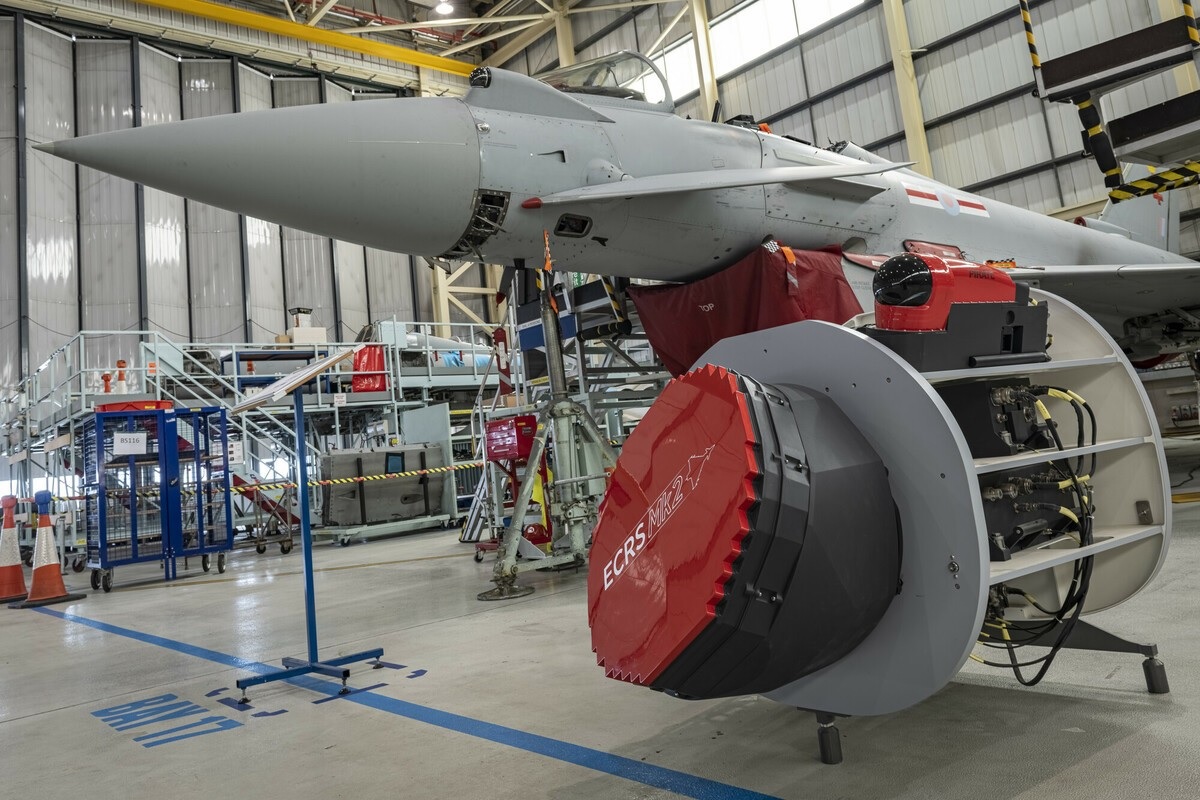
World
The Royal Air Force (RAF) is preparing for a major enhancement to its Typhoon fighter jets, not through conventional weapons but with a state-of-the-art radar system that will dramatically boost their combat effectiveness. The new European Common Radar System (ECRS) Mk2, developed by BAE Systems and Leonardo UK, represents a significant leap in radar technology and is poised to bring a new level of versatility to the Typhoon fleet. This advanced system is set to take its first flight on the Typhoon in the coming weeks, marking a critical milestone in its integration.The ECRS Mk2 is no ordinary radar. While traditional radar systems are primarily designed for detecting and tracking enemy aircraft, the Mk2 goes much further by combining conventional radar functions with electronic warfare capabilities. Equipped with a revolutionary multi-functional array, it can detect, identify, and track multiple air and ground targets simultaneously while also performing sophisticated electronic attack missions. This means RAF Typhoons will not only be able to locate and engage enemies with greater precision but also disrupt and deceive adversary radar and communication systems in the process.One of the standout features of the ECRS Mk2 is its electronic attack capability, which allows it to target and disable enemy defenses remotely. This adds a new dimension to the Typhoon’s arsenal, enabling the fighter to engage in both offensive and defensive electronic warfare without switching between modes. This multitasking ability is critical in modern combat, where the ability to handle multiple threats at once can be a decisive advantage.The radar is also designed for resilience. In the chaos of battle, systems can fail or sustain damage. However, the ECRS Mk2’s "graceful degradation" feature ensures that even if parts of the radar are damaged or fail, the system continues to operate at reduced capacity rather than shutting down entirely. This built-in redundancy means RAF pilots can rely on the radar to keep functioning effectively, even under intense operational strain.The technology underpinning the ECRS Mk2 offers greater flexibility and extended-range missile guidance, ensuring that targets can be tracked and engaged from farther away than ever before. This range boost is crucial for both air-to-air combat and ground attacks, where precision and distance are key factors in mission success.Defence Procurement Minister Maria Eagle has emphasized the progress made in developing and deploying the ECRS Mk2. The project successfully completed a critical design review in June, followed by prototype ground testing on a Typhoon trial aircraft in July. With this momentum, the RAF is on track to begin flight tests soon, moving closer to integrating the radar into its frontline fleet.The goal is to have the ECRS Mk2 fully operational with RAF Typhoons by the end of the decade. This will represent a significant upgrade to the aircraft's capabilities, keeping it relevant in modern warfare where electronic and multi-domain operations are increasingly important.As the ECRS Mk2 becomes part of the Typhoon's arsenal, the RAF will have a powerful tool at its disposal—one that not only boosts the aircraft's traditional combat abilities but also adds a sophisticated layer of electronic warfare. This next-generation radar system ensures the Typhoon will remain a potent force in the skies for years to come.
Read More → Posted on 2024-09-25 15:26:12
India
In today’s rapidly evolving world, drones have become integral to both civilian and military operations, ranging from delivery services to intelligence gathering and covert attacks. However, as drones become more advanced, the need for technologies capable of detecting and neutralizing them has grown critical. Unistring Tech Solutions (UTS), a Hyderabad-based defense R&D company, has stepped up to meet this challenge with its revolutionary AESA (Active Electronically Scanned Array) radar system, a breakthrough in drone detection technology.UTS's AESA radar is not your typical detection system. It has the capability to track up to 100 drones at the same time, providing a robust solution for dealing with the rising threat of unmanned aerial vehicles (UAVs). The system’s multi-target tracking capability is essential for situations involving drone swarms, a growing concern for military and security forces worldwide. This radar has been developed by UTS, a company founded by seasoned scientists from the Defence Research and Development Organisation (DRDO), K Srinivasa Raju and Nagendra Babu Samineni.The AESA radar system is not only designed to detect drones but also includes advanced electronic counter-countermeasures (ECCM) to ensure it functions reliably even in environments where jamming and electronic warfare tactics are employed. This makes it an ideal tool for the military, especially in scenarios where adversaries attempt to disrupt radar systems.One of the radar’s standout features is its AI-based classification algorithms, which help to minimize false alarms. Unlike traditional radar systems that might struggle to differentiate between drones and other objects, such as birds, UTS’s AESA radar can accurately identify UAVs, making it much more effective in real-world applications. Given that most older radar systems were designed to track larger aircraft, this kind of precision marks a significant leap forward in counter-drone technology.UTS’s commitment to developing indigenous defense technologies aligns with India's push for self-reliance in its defense sector. The company has already played a significant role in providing subsystems for India's anti-drone systems, which are increasingly being purchased by the government. UTS’s Managing Director, Nagendra Babu Samineni, highlights the company's vision of reducing India's reliance on imported defense technology. The firm recently secured a contract worth ₹43.42 crore for the supply of advanced electronic warfare (EW) equipment, further cementing its place in the Indian defense landscape.The AESA radar’s capabilities have made it highly attractive, not only to India but also for potential export to friendly nations. UTS is eyeing the global market for its counter-drone technology, although any exports will be subject to government regulations and approvals.Beyond the immediate successes of the AESA radar, UTS has positioned itself for long-term growth. The company projects a turnover exceeding ₹250 crore for the current financial year, driven by its cutting-edge technologies in electronic warfare, radar systems, and communications.Recently, UTS was recognized for its innovations at the 49th ELCINA awards, winning in the small and medium enterprises category. This prestigious recognition reflects the company’s ongoing contribution to India's defense capabilities and its mission of advancing self-reliance in critical technologies.The AESA radar, which was developed through the IDEX (Innovation for Defence Excellence) initiative, is expected to be delivered within six to eight months. Its potential for mass production and large-scale procurement underscores the government’s growing reliance on indigenous solutions for national security.For Unistring Tech Solutions, the journey has only just begun. With its sights set on future innovations and the expansion of its technological footprint, UTS is rapidly becoming a key player in both national and international defense markets. As drone threats evolve, UTS’s AESA radar stands as a formidable tool to keep skies safe, making it clear that this Hyderabad-based company is ready to meet the challenges of modern warfare.The sky, it seems, is not the limit for UTS—it's just the beginning.
Read More → Posted on 2024-09-25 15:21:45
World
Recent intelligence has uncovered a covert collaboration between Russia and China, involving the development and mass production of military drones for use in the ongoing war in Ukraine. According to sources from a European intelligence agency, Russia’s state-owned weapons company, IEMZ Kupol, has partnered with Chinese specialists to build and test advanced long-range attack drones in Chinese factories. The project's existence highlights a potential shift in China’s role in the conflict, despite Beijing's repeated denials of providing direct military support to Moscow.Kupol, a subsidiary of Almaz-Antey, has been working on a drone model known as the Garpiya-3 (G3). According to documents reviewed by Reuters, this UAV was flight-tested in China with the aid of local experts. This project is part of Russia's larger strategy to deploy more advanced drones on the battlefield in Ukraine. The G3 is capable of carrying a 50 kg payload and has a range of up to 2,000 kilometers, making it a valuable asset for long-range strikes. Despite China's strict export controls on military technology, Kupol’s reports to Russia’s defense ministry indicate that the G3 and other models could be produced at scale in Chinese factories.Kupol has allegedly already taken delivery of seven military drones manufactured in China, including two G3 units, which were delivered to its headquarters in Izhevsk, Russia. These drones are part of a broader effort to ramp up UAV production as the conflict in Ukraine continues to intensify. The shipments were facilitated by a Russian intermediary company, and payments were requested in Chinese yuan, further indicating deep cooperation between the two countries.The project, if confirmed, marks a significant development in Russia’s drone warfare capabilities. China has largely refrained from openly supplying Russia with complete weapons systems since the Ukraine war began. Most assistance has been in the form of dual-use goods, such as electronic components, but whole UAVs delivered to Russia would signal a dramatic escalation in cooperation between the two nations.The White House has expressed concerns over this revelation, suggesting that such a program could indicate China is providing lethal support to a U.S.-sanctioned Russian firm. Though there is no clear evidence that the Chinese government is directly involved, the existence of this drone production facility raises questions about Beijing’s role in the Ukraine conflict and its potential exposure to international sanctions. Experts remain divided over the implications of this partnership. Samuel Bendett, an adjunct senior fellow at the Center for a New American Security (CNAS), believes Beijing would be cautious about openly supporting Russia, as it could invite severe international sanctions. On the other hand, David Albright, a former U.N. weapons inspector, argues that establishing a drone production facility in China allows Russia to circumvent Western sanctions, gaining access to critical technologies such as advanced chips and components.The G3, an improved version of the earlier Garpiya-A1 model, represents a significant leap in Russia’s drone capabilities. Kupol's plans go beyond just the G3. The company has indicated that within eight months, it could produce a Chinese-designed REM-1 attack drone capable of carrying a 400 kg payload, which would be comparable to the U.S. MQ-9 Reaper drone, a cornerstone of American military UAV operations. The Kupol project is being carried out in collaboration with a Chinese company, Redlepus, and another Russian defense firm, TSK Vektor, according to separate documents. These entities plan to establish a joint research and manufacturing center in Kashgar, a special economic zone in China’s Xinjiang province. The facility, spread over 80 hectares, is expected to produce up to 800 drones annually once operational. However, the exact timeline for its completion remains unclear.While both China and Russia have declined to comment on the details of this project, the emergence of the G3 drone and the plans for further production suggest a growing reliance on Chinese technology to bolster Russia's military capabilities. As both nations work to expand their UAV arsenals, drones have become increasingly crucial in modern warfare, providing critical advantages on the battlefield.Russian President Vladimir Putin recently announced that the Russian military had received 140,000 drones in 2023 and aimed to increase that number tenfold by the end of the year. This aggressive push to enhance drone capabilities underscores the importance of UAVs in shaping the future of warfare, particularly in conflicts like the one in Ukraine.This revelation of Russia’s secret drone production in China could have significant geopolitical consequences, particularly if it is proven that Beijing is providing more than just components. The international community will be closely watching how this development unfolds and whether it will lead to further sanctions or diplomatic tensions between China and the West. As both Russia and Ukraine ramp up drone production, the battle for dominance in the skies over Ukraine continues to intensify, with the outcome likely to have far-reaching implications for the future of warfare.
Read More → Posted on 2024-09-25 15:19:24
India
Chennai is rapidly emerging as a hub for cutting-edge transportation technology, with TuTr Hyperloop, a deep tech startup incubated at IIT Madras, at the forefront of this transformation. The company is working towards building a hyperloop network in India that promises to revolutionize travel with speeds reaching up to 600 km/h. This groundbreaking project, which blends futuristic technology with practical applications, is bringing India closer to a future of ultra-fast, efficient, and sustainable transportation.At the heart of this effort is the construction of the world’s first 410-meter hyperloop test track at IIT Madras' Discovery campus in Thaiyur, Chennai. This test track, when completed, will serve as a proving ground for the technologies that will eventually power India’s hyperloop system. The hyperloop concept, a transportation method where pods move through low-pressure tubes, allows for near-supersonic travel speeds, with minimal energy consumption.TuTr Hyperloop has already reached significant milestones. The company has developed a prototype for a linear induction motor, a key component in driving hyperloop pods, which is currently undergoing rigorous testing. But the technological journey doesn’t stop there. The next major hurdle is the development of the levitation system, a technology that will enable the pod to float and glide through the tube, eliminating friction and further increasing speed potential. Testing for this aspect is expected to begin soon, with the team pushing hard to refine the system for both safety and scalability.Dr. Aravind S Bharadwaj, Founder Director of TuTr Hyperloop, envisions this system as more than just a futuristic mode of travel. Instead, he aims to make hyperloop a commercially viable technology that can complement India’s existing transportation infrastructure. According to him, the first practical goal is not simply achieving maximum speed, but creating a system that can enhance India’s current Metro Rail networks by adding high-speed corridors that would allow commuters to travel 60 kilometers in just 15 minutes. Such corridors could make travel between cities or key transport hubs far more efficient and accessible.The hyperloop pods themselves are designed to carry around 30-40 passengers at a time, making them ideal for high-capacity, rapid transit. In addition to passenger transport, the technology holds enormous potential for freight movement, particularly in logistics-heavy industries like port operations and mining. With the ability to transport goods quickly over long distances, hyperloop could become a game-changer for India's supply chains.TuTr Hyperloop has garnered strong backing from both the government and the private sector. Industry giants like Larsen & Toubro, ArcelorMittal, Hindalco, Dassault, Ansys, and TI have thrown their weight behind the project, providing funding and technological support. This level of industry confidence signals the transformative potential of hyperloop in India’s transportation landscape.One of the primary challenges that TuTr is focusing on is cost-efficiency. Developing hyperloop technology on a large scale is a massive investment, and keeping costs low is critical to making the system affordable and widely accessible. If successfully implemented, this new transportation system could offer a faster, greener, and more cost-effective alternative to road and air travel for both passengers and freight.The potential impact of this technology on India’s future is vast. As the nation’s cities continue to grow and its transportation needs become more urgent, hyperloop could provide the high-speed connectivity necessary to support both economic growth and sustainability. Moreover, by leveraging cutting-edge technology developed domestically, TuTr Hyperloop is positioning India as a global leader in futuristic transport solutions.With the ambitious project advancing rapidly, the vision of hyperloop travel in India is no longer a distant dream. Instead, it’s becoming a tangible possibility that could reshape how Indians move, work, and live—bringing the country closer to a transportation revolution powered by speed, efficiency, and innovation.
Read More → Posted on 2024-09-25 15:14:57
India
In a significant development for defense cooperation, Boeing's subsidiary Liquid Robotics and India's Sagar Defence Engineering have entered into an agreement to co-develop and co-produce Unmanned Surface Vehicles (USVs). This partnership marks a pivotal moment in the deepening defense ties between Washington and New Delhi, with both nations seeking to enhance their technological and defense capabilities. The collaboration was officially announced during Indian Prime Minister Narendra Modi's visit to the United States, coinciding with the Quad meeting and the UN General Assembly. At the heart of this new partnership is Boeing’s cutting-edge USV, the Wave Glider, a state-of-the-art vehicle powered by both wave and solar energy. The Wave Glider is primarily used for ocean research, climate modeling, and monitoring seismic and tsunami activity, making it a versatile tool in modern maritime applications. With its unique propulsion system and endurance in challenging ocean environments, the USV has proven invaluable not just for research but also for supporting offshore energy operations. By expanding this technology into the Indian defense ecosystem, the partnership aims to enhance maritime security in the Indo-Pacific region.Shane Goodenough, CEO of Liquid Robotics, highlighted the strategic importance of this collaboration, stating, “The Wave Glider is an ideal system for fostering collaboration between the U.S. and Indian governments and strengthening tactical readiness in the Indo-Pacific.” Goodenough also emphasized that Sagar Defence has a strong track record in integrating unmanned systems into defense missions, making them an ideal partner for this venture.Sagar Defence, an Indian leader in unmanned maritime systems, will play a crucial role in not only producing the Wave Gliders but also adapting them to local defense requirements. This partnership will bolster India's defense readiness while simultaneously promoting the transfer of high-end technology. The co-production plan is expected to create a robust defense manufacturing framework that aligns with India’s "Make in India" initiative.The White House also acknowledged the significance of this partnership in a statement released on September 21, emphasizing its role in strengthening the U.S.-India strategic defense partnership. This collaboration is one among several other key initiatives between the two nations, including Lockheed Martin's agreement with Tata Advanced Systems to establish a maintenance facility for C-130J Super Hercules aircraft in India.The U.S.-India defense relationship has evolved over the past decade, beginning with the 2012 launch of the Defence Technology and Trade Initiative (DTTI), which was intended to deepen technological collaboration. Despite initial hurdles, particularly with India's complex acquisition processes, recent efforts under the Biden administration aim to accelerate defense cooperation through initiatives such as the India-U.S. Defence Acceleration Ecosystem. One notable effort under this initiative is the INDUSWERX consortium, designed to provide Indian and U.S. companies with access to premier defense testing ranges. This program is part of a broader strategy to facilitate greater collaboration between defense and dual-use technology firms in both countries. With agreements like the one between Boeing’s Liquid Robotics and Sagar Defence, there is a clear momentum building in defense technology co-development between the U.S. and India.This partnership is not just about enhancing defense capabilities but also about fostering long-term industrial cooperation. It represents a major step forward in India’s efforts to modernize its defense forces while building an advanced manufacturing ecosystem at home. Both nations are expected to benefit strategically and economically from the new defense initiatives, strengthening their collective maritime security and defense technology sectors. As India and the U.S. continue to pursue common goals in defense cooperation, agreements like this will play a critical role in shaping the future of the Indo-Pacific’s security architecture.
Read More → Posted on 2024-09-25 15:12:42
India
After a delay stretching over six months, Boeing is set to deliver the first three AH-64E Apache attack helicopters to the Indian Army by December. This development follows supply chain disruptions that have hampered the original delivery schedule. The initial batch, which was supposed to arrive in May, has been pushed to the end of this year. Another set of three helicopters, part of India's order, will follow in the coming months.India has been eagerly awaiting these helicopters due to their critical role in enhancing the Army’s combat capabilities, particularly on the western front. The AH-64E Apache is regarded as one of the most advanced and deadly attack helicopters in the world. With its sophisticated systems, it can perform in diverse combat conditions, including anti-armor operations. The Apaches’ ability to destroy tanks, vehicles, and other assets makes them a perfect fit for India’s western desert terrain. However, their capabilities are somewhat limited in high-altitude operations, which is why they are better suited for lower elevations like the deserts near the border.A source familiar with the defense deal mentioned that the delivery delay was discussed with U.S. officials at a political level during the Indian Defense Minister's official visit in August. The Indian government urged the U.S. to expedite the process given the importance of these helicopters for the Army's strategic plans.The Apache AH-64E is equipped with advanced avionics, including the latest generation of targeting systems like the Longbow radar, which enables it to track and engage multiple targets at once. Its Hellfire missiles, Hydra 70 rockets, and 30mm M230 Chain Gun make it lethal on the battlefield. The helicopter also has a top speed of 293 km/h and a range of about 476 km, giving it both speed and endurance in combat scenarios. India’s defense acquisition of the Apache helicopters began in 2020, with a deal valued at around $800 million. The deal not only covers the delivery of six Apaches but also includes training for six Army pilots and 24 technicians, ensuring the helicopters are operated and maintained effectively. The 451 Aviation Squadron, which was established in Jodhpur in March, will be the first Indian Army unit to operate these helicopters. The squadron will complement India’s existing fleet of indigenous Light Combat Helicopters (LCH), adding a formidable punch to the Army’s air assault capabilities.Before this, the Indian Air Force had already inducted 22 Apache helicopters as part of a previous deal. The Indian government had initially approved the procurement of 39 Apache helicopters, with 22 going to the Air Force and the remainder earmarked for the Army. This time, the Army is keen to procure even more Apache helicopters to further strengthen its attack capabilities. Last year, the Chief of Defence Staff initiated a study to assess the need for more armored helicopters across all three services—Army, Navy, and Air Force. The study supported the Army’s request for an additional 11 Apaches, bringing the total number of desired helicopters to 39, matching the original procurement target.As the December delivery date approaches, the arrival of these first three Apaches will mark a significant milestone in the modernization of India's military aviation capabilities. The Army, which has long sought a dedicated fleet of attack helicopters, will finally see the Apache join its ranks, a move that is set to redefine how India approaches close air support and battlefield operations.
Read More → Posted on 2024-09-25 15:09:53
World
China has made headlines with its recent intercontinental ballistic missile (ICBM) test, conducted over the vast expanse of the Pacific Ocean. The missile was launched by the People’s Liberation Army (PLA)’s Rocket Force, sending a dummy warhead into the high seas of the Pacific. This significant display of military capability was reported by China’s Global Times and confirmed by the country’s Ministry of Defense.The Chinese Defense Ministry explained that this missile launch was part of their routine annual training program, emphasizing that it was "not aimed at any specific country or target." They reassured the international community that relevant nations were notified beforehand about the test, an attempt to keep tensions at bay. According to the Ministry, the primary goal of this test was to evaluate the performance of the weaponry and assess the effectiveness of military training. The results were considered a success, achieving the intended goals.This test marks the first time since 1989 that China has conducted an atmospheric test of an ICBM. Historically, China’s first ICBM test was carried out in May 1980. After that, China shifted the majority of its nuclear weapons tests underground, making this recent atmospheric test a rare event. While underground tests have been China's preferred method, this return to atmospheric testing raises questions about its strategic intent and future military development.The global context of missile tests adds further complexity to this event. North Korea, for instance, recently conducted multiple short-range ballistic missile tests aimed at the Sea of Japan, keeping the region on edge. The timing of China’s ICBM test follows a similar path of power projection.Interestingly, the United States has also been active in the region. In April, during a joint exercise with the Philippines, the U.S. deployed its Mid-Range Capability (Typhon) missile system. This followed the U.S. suspension of the 1987 Intermediate-Range Nuclear Forces (INF) Treaty with Russia in 2019. The INF Treaty had originally banned land-based missiles with ranges between 500 km and 5,500 km, but the U.S. accused Russia of violating the treaty by secretly testing such missiles. With the treaty no longer in place, the global landscape of missile development and testing has become increasingly volatile, with China’s latest move adding to the shifting dynamics.China's advancements in missile technology, especially ICBMs, are often perceived as a demonstration of its expanding strategic reach. These missiles are capable of traveling vast distances and carrying nuclear warheads, placing distant targets within range. While China insists that this test was not a direct response to any nation, such tests inevitably send a signal to the global community about the nation’s growing military prowess. The implications of this test stretch far beyond China’s borders, especially in the current geopolitical climate, where missile technology and military capabilities are closely monitored by all major powers. As China continues to modernize its military, including its missile systems, the world will be watching closely, especially with heightened tensions in the Indo-Pacific region.China’s ICBM test, though framed as routine, is a reminder of the shifting balance of power in global military capabilities, and it reinforces the country's role as a dominant force in missile technology and strategic deterrence.
Read More → Posted on 2024-09-25 15:06:43
India
Apollo Micro Systems Ltd (AMSL), a prominent name in India's defense and aerospace sectors, has taken a significant leap forward with its latest collaboration with the Defence Research and Development Organization (DRDO). On September 18th, DRDO’s Armament Research and Development Establishment (ARDE) selected the Hyderabad-based company for the technology transfer of the PRACHAND anti-tank munition hardware, marking an important milestone in India's efforts to boost indigenous defense production.The PRACHAND is a cutting-edge anti-tank munition designed to destroy heavily armored enemy vehicles with precision. It operates by delivering a full-width attack, ensuring that the target is neutralized with maximum impact. This is especially critical in modern warfare, where armored vehicles play a decisive role on the battlefield. The ability of the PRACHAND to penetrate these formidable defenses makes it an invaluable asset for the Indian Armed Forces.With this technology transfer, Apollo Micro Systems will now be responsible for mass-producing the PRACHAND munition hardware, aligning with India’s overarching goal of achieving self-sufficiency in defense technology. This move is not just about increasing production; it’s about enhancing India’s strategic autonomy in developing and deploying sophisticated military equipment.The transfer of the PRACHAND tech underscores the DRDO’s confidence in Apollo Micro Systems' capability to handle large-scale production, maintaining the quality and efficiency required for military hardware. With years of experience in defense electronics and aerospace technology, Apollo Micro Systems is well-positioned to scale up production to meet the high demands of the Indian Army.In addition to its anti-tank capabilities, the PRACHAND’s design likely incorporates modern guidance systems to enhance its accuracy and effectiveness against moving targets, though official details about such systems are often kept under wraps for security reasons. It’s this blend of high-tech features and battlefield-tested reliability that makes PRACHAND a game-changer in anti-tank warfare.Apollo Micro Systems has committed to ensuring the timely and efficient production of these munitions, contributing to India’s broader “Make in India” initiative in defense. The company’s existing infrastructure, coupled with its expertise in high-end defense hardware, provides the necessary foundation to meet these goals.In the coming years, this partnership between DRDO and Apollo Micro Systems is expected to not only bolster India’s defense manufacturing capabilities but also to set a precedent for future collaborations in other critical areas of military technology. By producing the PRACHAND munition domestically, India moves one step closer to its goal of becoming a global defense manufacturing hub, reducing dependency on foreign imports and solidifying its place in the global defense landscape.This development also signals a broader shift towards greater private sector participation in India's defense industry, a trend that is likely to continue as the country invests more heavily in modernizing its military infrastructure.
Read More → Posted on 2024-09-25 15:03:48
Space & Technology
China's recent space endeavors continue to captivate and puzzle the global space community. One of the most intriguing developments is its secretive space plane, which returned from orbit earlier this month, revealing a significant milestone in reusable space technology. The enigmatic craft touched down on September 6, 2024, after an impressive 268 days in orbit. Despite its public landing, very little is known about this spacecraft beyond a few details, but the new evidence suggests it carries advanced technology that could elevate China's position in space exploration.The Launch and Mission On December 14, 2023, China launched the space plane into orbit aboard a Long March 2F rocket from the Jiuquan Satellite Launch Center, nestled in the arid expanses of northwest China. The launch, like many of China’s space activities, was shrouded in secrecy, with limited details released about the mission or the spacecraft itself. However, according to the state-run China Global Television Network (CGTN), the space plane's mission was primarily aimed at "conducting reusable technology verification and space science experiments." The focus of the mission highlights China's growing proficiency in space technology, especially in reusable spacecraft—an area long dominated by the U.S. and Russia. With this mission, China is evidently honing its capabilities in more cost-effective and efficient space travel, with peaceful applications touted as the end goal. The extended duration of the mission—lasting 268 days—suggests the success of China’s reusable technology, far surpassing the two-day mission it completed with a similar craft back in 2020.The Mystery of the Delta-Wing Design One of the most significant breakthroughs in understanding China’s secretive space plane came from amateur space watcher Felix Schöfbänker in Austria. Schöfbänker, who has a track record of observing orbital objects, captured images of the spacecraft on August 10, 2024. His imagery revealed a delta-wing design, a classic aerodynamic structure known for its stability and maneuverability at high speeds. This design has been a hallmark of various military and space planes, providing clues about the spacecraft's potential capabilities.The delta-wing structure, with its broad, triangular shape, is particularly useful in atmospheric re-entry and high-speed flight, which suggests that China’s space plane is designed for not just long-term orbital operations but also rapid atmospheric re-entry—an essential feature for a reusable craft. Observers believe that the dark spot between the wings, visible in the images, could possibly indicate the location of a cargo bay, implying that the plane may also serve as a transport or supply vehicle for future missions.(Image credit: Felix Schöfbänker)Comparisons to the U.S. X-37B China's space plane has inevitably drawn comparisons to the U.S. Space Force’s X-37B, another reusable spacecraft that has been conducting classified missions since 2010. The X-37B, often referred to as an "orbital test vehicle," shares some conceptual similarities with China’s secretive spacecraft, including its small size, long mission duration, and the ability to re-enter the Earth's atmosphere. Both spacecraft are capable of carrying experimental payloads and conducting covert missions, leading to speculation that China’s plane might be part of a broader effort to compete with or mirror U.S. advancements in space.Interestingly, the U.S. X-37B is also currently in orbit, having launched just 15 days after China’s space plane, on December 29, 2023. It remains unclear whether there is any direct relationship between the two missions, but the timing and similarities are notable, underscoring the increasing militarization of space.A Glimpse of China’s Space Ambitions While the Chinese government continues to release minimal information about its space plane, the success of this mission is indicative of China’s broader space ambitions. Over the past few years, China has aggressively expanded its space program, achieving a number of firsts, including landing a rover on the far side of the moon and sending a probe to Mars. The development of reusable space vehicles is another step toward solidifying its position as a global space power, aiming for both scientific advancements and potentially military applications. China’s progress in reusable technology not only offers economic advantages but also points toward future missions that could involve more frequent access to space. The ability to reuse spacecraft cuts down on costs, accelerates mission timelines, and opens new doors for scientific exploration and potentially commercial space activities.As more details about the design and mission of China’s space plane come to light, the world watches closely, knowing that this is likely just the beginning of a new chapter in the space race. With both China and the U.S. pushing forward with highly secretive, long-duration space plane missions, the coming years could see significant advancements in space technology, as well as an increasing focus on the strategic use of space.The delta-wing design and the success of the 268-day mission underscore the progress China is making, positioning the nation to be a formidable competitor in the growing field of reusable space vehicles.
Read More → Posted on 2024-09-24 15:31:04
India
The Indian Army is on the verge of enhancing its anti-tank capabilities with the introduction of the Sarisa CLIPON Thermal Imager, set to be integrated into the Konkurs anti-tank guided missile (ATGM) launchers next week. Developed by Tonbo Imaging, a leader in cutting-edge imaging systems, this new addition promises to offer greater precision and operational effectiveness in the battlefield.The Sarisa CLIPON is a sophisticated Long-Wave Infrared (LWIR) thermal imager, designed to give soldiers a tactical advantage by allowing them to lock onto and engage both stationary and moving targets under a wide range of challenging conditions. Whether it's during nighttime operations, in adverse weather, or on terrain obscured by dust and smoke, this imager ensures that the Konkurs launcher can still function with pinpoint accuracy. The Sarisa operates in the LWIR spectral range, which is particularly useful for long-range threat detection and identification, making it an invaluable asset for modern combat scenarios.One of the standout features of the Sarisa is its ease of integration. The thermal imager is mounted in a "CLIPON" fashion, meaning it attaches directly in front of the Konkurs ATGM launcher's optics channel. This innovative design allows the thermal imager to work seamlessly with the Konkurs’ direct view optics, eliminating the need for additional zeroing or adjustments by the operator. Soldiers can use the same sight channel for both optical and thermal imaging, streamlining operations and reducing the time needed to engage a target. This setup significantly boosts the operational efficiency of the Konkurs launcher in high-stakes combat situations.Additionally, the Sarisa thermal imager is designed with both safety and durability in mind. It features an ergonomic housing with shock absorbers to protect the device during intense field operations. Moreover, it comes with a face shield that offers protection to the gunner during missile launch, making it a more reliable and soldier-friendly system.This technological upgrade is expected to strengthen the Indian Army’s combat capabilities against armored threats. The Konkurs ATGM, already a proven system, will now be able to detect, recognize, and engage targets more effectively thanks to the Sarisa CLIPON’s enhanced thermal imaging capacity. With this new capability, Indian soldiers will have the means to operate with higher accuracy and effectiveness, even in some of the most challenging battlefield conditions.The integration of the Sarisa CLIPON Thermal Imager into the Indian Army's arsenal marks a step forward in modernizing its anti-tank defenses. As the Army continues to evolve and prepare for future threats, this new technology will play a crucial role in ensuring that its troops remain equipped with the most advanced systems available.
Read More → Posted on 2024-09-24 15:24:27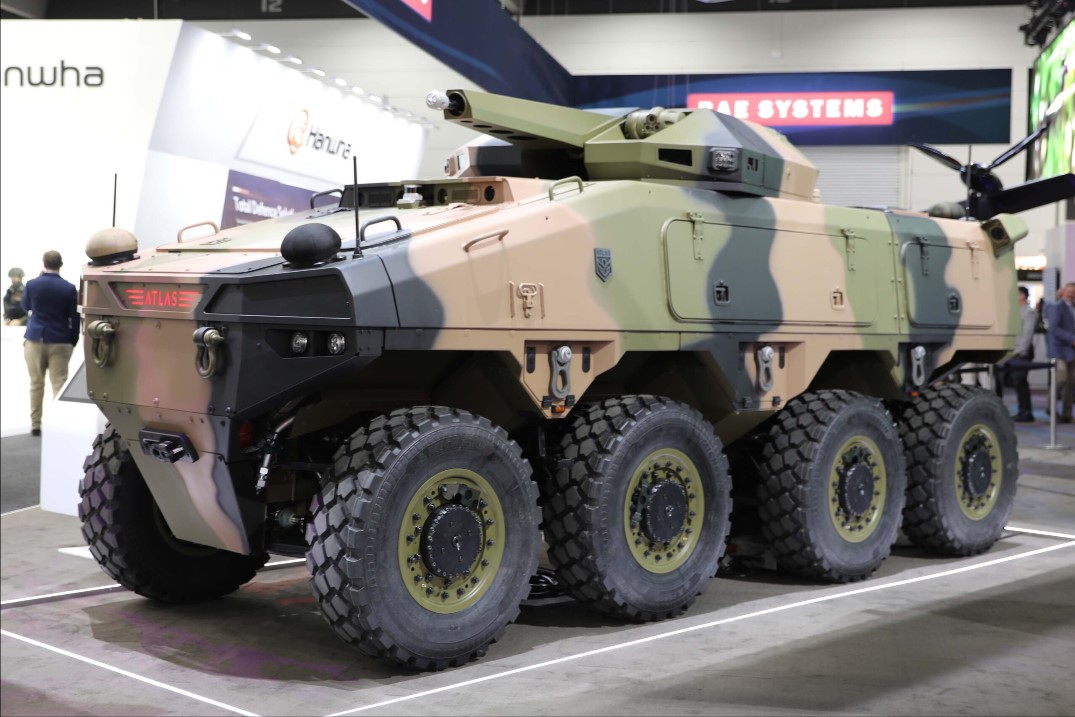
World
BAE Systems has introduced its latest innovation in battlefield technology: the ATLAS Collaborative Combat Variant (CCV), a highly adaptable robotic combat vehicle designed to revolutionize modern warfare. As militaries around the world increasingly shift toward integrating autonomous systems, BAE’s ATLAS CCV aims to reduce risks to soldiers while boosting the combat capabilities of armored forces.The ATLAS CCV is not just another uncrewed ground vehicle (UGV) — it’s a modular and flexible platform capable of executing a variety of roles on the battlefield. Whether it’s providing direct fire support with its 25mm Bushmaster cannon, conducting reconnaissance, or delivering supplies, the vehicle’s multi-functional design makes it an invaluable asset to military units, including main battle tanks (MBTs), infantry fighting vehicles (IFVs), and combat reconnaissance vehicles (CRVs).One of the standout features of the ATLAS CCV is its ability to perform dangerous tasks that would typically put soldiers and manned armored vehicles in harm's way. As Stuart Bryden, business development manager for autonomy at BAE Systems Australia, explained, "The ATLAS CCV is capable of undertaking dirty and dangerous tasks such as direct fire support, obstacle clearance, combat reconnaissance, or short-range air defense." This means the vehicle can step in to handle high-risk operations, significantly reducing the exposure of troops to direct combat threats.What sets the ATLAS CCV apart is its autonomy, powered by advanced systems such as BAE Systems’ Vehicle Management System, Mission Management System, and Payload Management System. These systems allow the vehicle to navigate autonomously, avoid obstacles, and even make tactical decisions in real-time. It features a “follow-me” mode and waypoint navigation, meaning it can operate either independently or in coordination with manned vehicles, adapting seamlessly to different combat scenarios.The ATLAS CCV is equipped with a suite of advanced sensors, enabling it to perform a variety of missions without direct human oversight. These sensors make the vehicle particularly well-suited for reconnaissance, electronic surveillance, and target identification. The autonomy of the vehicle includes "human-on-the-loop" oversight, meaning operators only need to intervene during critical moments, such as when engaging enemy targets.In terms of design, the ATLAS CCV is built to withstand diverse and challenging environments. Its high-mobility driveline and rugged structure allow it to traverse various terrains, from open battlefields to dense urban areas, making it highly versatile. Transportability is another key strength—this robotic combat vehicle can be deployed by air, sea, or land, allowing for rapid mobilization across different operational theaters.Flexibility is also a defining feature of the ATLAS CCV. Its modular architecture allows the integration of different payloads, depending on mission requirements. Commanders can equip the vehicle with anti-tank missiles, automated mortar systems, or even loitering munitions, enhancing its ability to adapt to evolving battlefield conditions. This modularity provides a degree of operational flexibility unmatched by most traditional armored vehicles.According to Kisa Christensen, director of Red Ochre Autonomy and Sensors at BAE Systems Australia, "The ATLAS CCV is an excellent platform for advanced reconnaissance, armored overwatch, and flank protection roles in littoral environments and complex terrain." Its ability to protect armored units and provide reconnaissance in harsh environments makes it an invaluable tool for modern military operations.At its core, the development of the ATLAS CCV represents a broader trend in military innovation, where uncrewed systems are increasingly integrated with traditional forces. This fusion of human and autonomous capabilities offers new strategic advantages, particularly in high-risk areas where the survival of personnel is paramount. By reducing the cognitive load on human operators, the ATLAS CCV allows soldiers to focus on critical decision-making while the vehicle handles routine or dangerous tasks autonomously.As BAE Systems continues to refine this next-generation UGV, the ATLAS CCV is poised to play a pivotal role in the future of military combat. By combining advanced firepower, adaptability, and autonomy, it offers a glimpse into a new era of warfare where robotic systems and human forces work together to achieve mission success while minimizing the risks faced by frontline troops.
Read More → Posted on 2024-09-24 15:22:13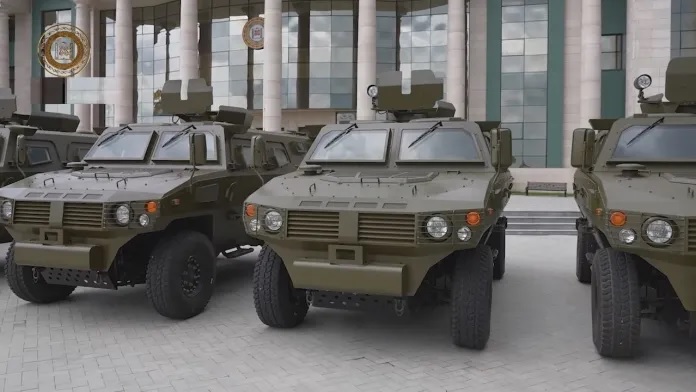
World
Chinese-made Tiger 4x4 armored vehicles have been spotted on the Ukrainian battlefield, signaling an expansion of foreign military equipment in Russia's arsenal. According to reports, these armored vehicles, officially named ZFB-05 Xinxing and manufactured by Shaanxi Baoji Special Vehicles, were supplied to Russian forces via Chechnya. The Tiger's appearance marks a notable shift in the types of equipment being deployed in Russia’s ongoing war efforts.The ZFB-05, or Tiger, is a 4x4 armored personnel carrier known for its versatility. Initially unveiled at the 2012 Eurosatory exhibition in Paris, it has been adopted by various countries including Bolivia, Tajikistan, and Somalia. The Tiger is primarily designed for military and police operations but can be adapted for multiple roles, such as patrols, command vehicles, and even ambulances. It is equipped with a crew capacity of two and can carry up to nine fully equipped soldiers, making it highly effective in both transport and combat support.Images circulating on Russian social media show the Tiger vehicles modified specifically for the battlefield in Ukraine. Enhancements include anti-drone protection on the hood, folding windshield armor, side shields for increased protection, and a reinforced machine gun turret. These modifications reflect the changing needs of Russian forces as they continue their military operations. Chechen leader Ramzan Kadyrov confirmed in June 2023 that the Russian military had received its first shipment of these Chinese-made vehicles. Kadyrov even released footage of the Tiger vehicles being used by Chechen units participating in what Moscow refers to as its "Special Military Operation" in Ukraine. These Chechen forces have gained infamy for their brutal actions in key conflict zones like Bucha, Mariupol, and Bakhmut.The presence of Chinese armored vehicles in the Russian military raises questions about China’s role in the ongoing conflict. While China has consistently called for peaceful negotiations to resolve the war, the export of these vehicles adds complexity to its international stance. Though there is no evidence that the Chinese government directly supports Russia’s military campaign, the presence of its hardware on the battlefield reflects how global defense exports often find their way into unexpected and controversial situations.The deployment of these Tiger vehicles suggests that Russia is looking to bolster its capabilities, particularly in terms of troop transport and front-line operations. With the Ukrainian war dragging on, the arrival of new military technology such as the Tiger armored vehicle may offer Russia some tactical advantages, though it also draws attention to the increasing involvement of foreign equipment in the conflict. The war in Ukraine continues to be a stage where international relationships, defense exports, and geopolitical alliances play out in real-time.This development further highlights the deepening ties between Russia and China in the defense sector, and while these vehicles may represent only a fraction of the equipment in use, their presence underscores the complexities of international defense relationships during times of conflict.
Read More → Posted on 2024-09-24 15:19:22
World
Iraq is taking a significant step toward enhancing its air defense capabilities with a $2.8 billion deal to acquire advanced surface-to-air missile systems from South Korean defense firm LIG Nex1. The agreement, valued at 3.28 trillion Iraqi dinars, marks a strategic move by Iraq’s Ministry of Defense to secure its airspace and establish regional military balance.The centerpiece of this defense acquisition is the Cheongung-II (M-SAM II) missile system, a state-of-the-art, medium-range, medium-altitude surface-to-air missile designed to counter both ballistic missiles and aerial threats. This sophisticated system can intercept incoming missiles at altitudes of up to 15 kilometers (9.3 miles) and engage targets within a range of 40 kilometers (24.9 miles), providing Iraq with a critical layer of protection from potential regional threats.Developed by LIG Nex1, the Cheongung-II stands out for its ability to track and engage multiple threats simultaneously. This is made possible by its multifunction radar tracking system and precision seekers, which allow the system to detect, track, and destroy fast-moving targets with remarkable accuracy. One of the key features of the system is its rapid response capabilities, giving Iraqi forces the ability to react quickly to hostile incursions into their airspace.South Korean defense contractors are playing an integral role in this large-scale project. While LIG Nex1 will be responsible for the overall construction of the missile and integrated system, Hanwha Systems Co. is set to provide the advanced radar that powers the tracking system. Additionally, Hanwha Aerospace Co. will manufacture the launchers and vehicles that will deploy the missile systems.This purchase positions Iraq as the third nation to acquire the Cheongung-II system, following in the footsteps of the United Arab Emirates and Saudi Arabia, two of the region’s major military powers. The decision to procure this system is seen as part of Iraq's broader effort to modernize its military infrastructure and defense capabilities after years of conflict and rebuilding.One of the notable aspects of the Cheongung-II is its ability to deliver comprehensive air defense coverage. Iraq’s Ministry of Defense lauded the deal as a "qualitative strategic breakthrough," emphasizing that the system will provide coverage across all of Iraq’s airspace. The system not only serves to defend against external military threats but also plays a crucial role in stabilizing the country’s standing in an increasingly volatile region.By investing in advanced missile defense technology, Iraq is sending a clear signal of its intent to protect its sovereignty and solidify its position as a self-sufficient military force. Given the rapidly evolving nature of modern warfare, where both missile and aerial threats are becoming more sophisticated, Iraq’s acquisition of the Cheongung-II system is a timely and necessary move.With these cutting-edge systems soon to be operational, Iraq will significantly enhance its ability to detect and neutralize threats, reinforcing its overall defense infrastructure. This deal represents not just a military upgrade but also a long-term strategic investment in Iraq’s security, promising a more secure future for the nation amid a complex geopolitical landscape.
Read More → Posted on 2024-09-24 15:15:48
India
In the challenging terrains of high-altitude regions, where temperatures often plummet to life-threatening sub-zero levels, India’s armed forces face a daunting battle not just against adversaries, but also against the elements. Enter *SnowTent*, an innovative solution developed by Hyderabad-based Enertech Engineering Private Limited, a company that has embraced the Aatmanirbhar Bharat initiative with a vision to provide warmth and safety for soldiers stationed in these extreme environments. SnowTent is a marvel of modern engineering designed to offer crucial support to troops deployed in high-altitude and sub-zero regions like the northern borders. The innovation lies in its ability to create a warm, secure shelter in some of the most inhospitable terrains on Earth. What sets SnowTent apart from other military shelters is its 3-in-1 kerosene heating system. This unique feature ensures a continuous supply of heat, regardless of how brutal the weather gets. Even when temperatures plunge to dangerous lows, SnowTent’s heating system keeps the inside comfortably warm, preventing soldiers from succumbing to frostbite or hypothermia. The system’s efficiency makes it possible to maintain warmth with minimal kerosene consumption, which is a critical aspect for troops operating in remote locations where resupply can be a challenge.In addition to its robust heating system, SnowTent is equipped with a solar-powered electricity setup, which provides sustainable energy for lighting and basic electrical needs. This is not just an eco-friendly solution but also a critical feature that reduces reliance on external fuel supplies. The solar panels ensure that even when cut off from conventional power sources, the tent remains lit and functional, enabling soldiers to perform essential tasks after dark.Enertech’s Director, Avish Chandha, proudly highlighted that SnowTent is entirely designed and manufactured in Hyderabad, showcasing the strength of Indian innovation in defense technology. The tent's portability is another significant advantage. It can be disassembled and packed into three compact bags, making it easy to transport via helicopters or trucks. For troops stationed in remote and often inaccessible areas, this portability ensures that they can quickly set up or relocate their shelter without a heavy logistical burden.Safety is also a top priority in SnowTent’s design. The fabric used in its construction is 100% fire-retardant, offering protection against potential fire hazards. This is especially critical in tents equipped with heating systems, where the risk of accidental fires can be a concern. By incorporating fire-retardant materials, Enertech ensures the safety of its occupants, even in extreme conditions.The Border Roads Organization (BRO), which plays a pivotal role in constructing and maintaining roads in India’s border areas, has already recognized the immense value of SnowTent. The organization has procured a significant number of these tents to provide comfortable accommodation for their staff working in challenging environments. The tents not only improve the comfort of BRO personnel but also enhance their efficiency, as they are better able to focus on their tasks without worrying about the harsh weather.SnowTent is more than just a shelter—it is a symbol of India’s growing self-reliance in defense technologies. Developed under the Aatmanirbhar Bharat initiative, it exemplifies the country’s efforts to innovate and reduce its dependence on foreign military supplies. As India strengthens its presence in high-altitude areas, particularly along its northern borders, solutions like SnowTent will play an indispensable role in ensuring the well-being of its soldiers.In the larger context, SnowTent represents a crucial step towards building a sustainable, indigenous defense industry. Its blend of advanced technology, practical design, and sustainability underscores India’s capacity to meet the unique challenges faced by its armed forces. As India continues to innovate in defense and military infrastructure, products like SnowTent will ensure that the country’s soldiers remain safe, warm, and ready to face any challenge, no matter how extreme the environment.
Read More → Posted on 2024-09-24 15:12:31
India
The Indian Army has taken a leap forward in modernizing its capabilities for high-altitude warfare, deploying 100 robotic mules to enhance logistics support in extreme terrains. As part of this push, the Army is also evaluating logistics drones and specialized tents designed to withstand freezing conditions of -40°C. These new technologies are tailored to improve efficiency and the overall well-being of soldiers stationed in some of the most unforgiving environments on Earth, including the Siachen Glacier.Robotic Mules: A Game-Changer for High-Altitude LogisticsIn high-altitude regions like Siachen, the extreme cold, steep terrain, and lack of proper roads make it incredibly difficult to transport supplies. The introduction of robotic mules, procured under emergency provisions, aims to solve this logistical challenge. These robotic mules are designed to navigate complex terrains, including river crossings and stairs, which are often encountered in high-altitude warfare. Capable of carrying loads up to 15 kg, the robotic mules can operate in temperatures as low as -40°C and as high as 55°C, making them versatile for a wide range of environments. What sets these mules apart is their ability to operate autonomously, helping transport crucial supplies such as food, ammunition, and medical equipment to troops deployed in hard-to-reach locations. The high mobility and endurance of these robotic assistants will greatly reduce the dependency on human porters and traditional pack animals like mules and yaks.Logistics Drones: The Future of Supply in High-Altitude WarfareIn addition to robotic mules, the Indian Army is testing logistics drones to improve supply chains in remote areas. One of the standout performers, the CargoMax 4000Q drone, caught the Army's attention during the recent Drone-A-Thon 2 competition. This drone is capable of carrying a load of up to 50 kg and can fly up to 10 kilometers, reaching altitudes of 6000 meters. If successful, the Army plans to roll out these drones to support quicker, safer, and more efficient deliveries of essential supplies.These drones can significantly enhance the Army's ability to supply troops in otherwise inaccessible areas. Whether delivering emergency medical supplies, rations, or equipment, these logistics drones could minimize the risk associated with traditional methods of supply delivery, which often involve treacherous treks by foot or air drops that can miss their target zones due to the challenging weather conditions.Peak Pods: Revolutionary Shelter for Extreme ColdWhile maintaining logistics is crucial, ensuring the safety and comfort of soldiers in harsh climates is equally important. The Indian Army is evaluating new tents, dubbed Peak Pods, designed to keep troops safe in temperatures as low as -40°C. These high-altitude tents are a vital upgrade from traditional shelters, offering a sustainable and energy-efficient solution. Despite the sub-zero conditions outside, the internal temperature of these tents remains a comfortable 15°C, without the need for fuel or electricity.Each tent is equipped with an inbuilt bio-toilet, addressing hygiene and waste management issues in the isolated, freezing environments soldiers operate in. This eco-friendly solution is not just a game-changer in terms of comfort but also ensures that the environmental footprint in sensitive high-altitude areas is minimized.Modernization for Siachen and BeyondThe deployment of robotic mules, trials of logistics drones, and evaluation of advanced shelter solutions like Peak Pods highlight the Indian Army's focus on modernizing its approach to high-altitude warfare. These innovations aren't just about enhancing efficiency but also about improving the overall quality of life for soldiers stationed in some of the world's most challenging terrains, such as the Siachen Glacier.With these advancements, the Indian Army is setting new benchmarks for how military operations can be conducted in extreme conditions. The use of robotic mules, drones, and state-of-the-art shelter systems will not only make logistics easier but also provide soldiers with much-needed relief from the harsh elements they face daily. This is a clear indication that the Army is looking toward the future, ensuring that technology plays a crucial role in maintaining readiness and resilience in high-altitude warfare.
Read More → Posted on 2024-09-24 15:07:33
World
Epirus, a company known for its cutting-edge defense technology, has just revealed its latest high-power microwave (HPM) weapon, the Leonidas Expeditionary, developed for the US Marine Corps (USMC). This new weapon aims to combat one of the most significant modern military threats: drone swarms. As unmanned aerial systems (UAS) become more prevalent on battlefields, especially in areas like Ukraine and the Middle East, the need for counter-drone technologies has grown increasingly urgent. The Leonidas Expeditionary is part of this effort, offering a compact and powerful solution for disabling drones with electromagnetic pulses.A Compact Powerhouse for Expeditionary ForcesThe Leonidas Expeditionary is designed with the needs of expeditionary missions in mind. One of its standout features is its reduced size and weight compared to previous versions of the Leonidas family. This compact design ensures that it is not only easily transportable but also maneuverable in the field, making it particularly useful for Marine Corps operations that require swift mobility. Mounted on the Joint Light Tactical Vehicle (JLTV), the system can be quickly deployed to various locations, providing flexible and responsive counter-drone defense.The modular and scalable nature of the Leonidas Expeditionary allows for easy integration into existing military frameworks, enhancing the Marines' Low Altitude Air Defense (LAAD) system. This adaptability means that the weapon can be customized depending on the mission's specific needs and requirements, making it operationally relevant for a variety of scenarios. It is expected to play a crucial role in safeguarding Marine expeditionary forces from the increasing threat of drone swarms.Cutting-Edge Microwave TechnologyAt the heart of the Leonidas Expeditionary is its high-power microwave technology, which delivers short but intense bursts of electromagnetic energy. These electromagnetic waves are powerful enough to degrade or destroy the electrical components of drones, effectively disabling them without the need for traditional kinetic weapons. This makes the system a cost-effective and efficient solution for countering drone threats.Microwave weapons like the Leonidas Expeditionary are particularly effective in handling swarms of drones, which are becoming a common feature of modern warfare. The ability to neutralize multiple threats simultaneously makes this technology invaluable in scenarios where drones are deployed in large numbers.A Timely Response to Evolving ThreatsThe introduction of the Leonidas Expeditionary comes at a critical time for the US military. Marine Commandant Gen. Eric Smith recently highlighted the urgent need for more counter-drone systems, emphasizing the lessons learned from ongoing conflicts around the world. In particular, the proliferation of drones, loitering munitions, and uncrewed systems has made it clear that traditional defenses are no longer enough. The Leonidas Expeditionary is a response to this growing need, providing the Marines with an advanced tool to combat these emerging threats.Epirus plans to deliver the Leonidas Expeditionary to the Marine Corps by the end of 2024. Once delivered, it will undergo field experimentation and multi-platform testing in realistic combat scenarios. This will allow the system to be fine-tuned and optimized for maximum effectiveness in the field. The weapon will also be integrated into the USMC’s Common Aviation Command-and-Control System, ensuring seamless communication and coordination with other defense assets.Shaping the Future of Drone WarfareEpirus CEO Andy Lowery expressed the company’s commitment to developing this revolutionary technology for the Marine Corps. "With drone warfare dominating daily headlines, we are proud to bring the Leonidas Expeditionary to life and work with the Marine Corps to develop an expeditionary HPM capability," Lowery stated. The Leonidas Expeditionary represents a significant advancement in the field of counter-drone technology and is poised to be a game-changer for US military operations, particularly in fast-paced, high-stakes expeditionary environments.By focusing on cost-effective, scalable solutions, the Leonidas Expeditionary aligns perfectly with the broader goals of the US military. As the drone threat continues to evolve, so too must the technologies designed to combat it. Epirus’ new high-power microwave weapon is an innovative step in this direction, providing the USMC with a powerful tool to protect its forces from the ever-growing threat of drone warfare.
Read More → Posted on 2024-09-24 15:04:38
Space & Technology
India's Chandrayaan-3 mission has continued to make groundbreaking discoveries even after its successful soft landing on the Moon in 2023. The most recent revelation comes from the Pragyan rover, which has identified an ancient, buried 160-kilometer-wide crater near its landing site. This discovery is poised to offer invaluable insights into the Moon’s geological history, particularly in its oldest regions.The Pragyan rover, part of ISRO's Chandrayaan-3 mission, has been exploring the Moon's south polar region, a terrain known for its ruggedness and scientific importance. The discovery of this massive crater occurred as Pragyan made its way across the lunar highlands, about 350 kilometers from the South Pole-Aitken basin, the largest and oldest known impact basin on the Moon. The South Pole-Aitken basin is itself a significant landmark, stretching over 2,500 kilometers in diameter, but the crater Pragyan uncovered is thought to predate even this massive structure, making it one of the Moon's most ancient features.What makes this discovery particularly remarkable is the age of the crater. Formed billions of years ago, it predates the formation of the South Pole-Aitken basin, suggesting it could hold clues to some of the earliest impacts the Moon experienced. Over time, debris from later impacts—especially the massive South Pole-Aitken event—buried and degraded the crater, making it challenging to detect. However, the sophisticated navigation and high-resolution cameras onboard Pragyan have managed to capture detailed images of this ancient structure, revealing its contours and offering a window into the Moon's distant past.The crater’s location is especially significant because the south polar region of the Moon has long been of interest to scientists. Rich in debris and material from past impacts, the landing site provides a unique opportunity to study the lunar regolith—an ancient layer of dust and rock that coats the Moon’s surface. This regolith is believed to be a crucial source of information about how the Moon formed and evolved over billions of years. The South Pole-Aitken basin alone contributed nearly 1,400 meters of material to the region, while smaller impacts added hundreds of meters more.With this crater discovery, the Pragyan rover has handed scientists a rare chance to study deeply buried lunar material that dates back to some of the Moon’s earliest days. This could ultimately reshape our understanding of the Moon's geological history and help explain the processes that shaped its unique surface features.The findings have been published in Science Direct, marking yet another significant milestone for India’s lunar exploration efforts. The data collected by Pragyan is expected to continue fueling scientific inquiry, as researchers work to decode the complex history of the Moon’s surface and its many craters. This mission underscores the potential of lunar exploration to rewrite what we know about Earth’s closest celestial neighbor.While the Chandrayaan-3 mission was initially celebrated for its technical achievements, the continued success of the Pragyan rover in revealing hidden features of the Moon’s surface is a testament to the mission’s long-term scientific value.
Read More → Posted on 2024-09-24 15:01:34
India
The Indian Navy's MQ-9B Predator drone, a high-altitude, long-endurance (HALE) remotely piloted aircraft leased from General Atomics, crashed off the coast of Chennai last week due to a failure in its power systems. The incident has raised concerns about the operational reliability of the drones, prompting the Navy to seek a detailed report from the manufacturer, General Atomics.The MQ-9B Predator, known for its advanced surveillance and reconnaissance capabilities, was on a routine mission when the onboard power generators and batteries failed mid-flight. This technical failure made it impossible for the drone to continue its mission safely, leading to a critical decision to deliberately ditch the aircraft in the sea to avoid any risk to people or property on the ground. According to defense sources, the drone was navigated to a safe area over the sea, where it was successfully ditched in a controlled manner.The Indian Navy operates these drones from INS Rajali, Arakkonam, under a lease agreement with General Atomics, an American defense contractor. The arrangement allows the Indian Navy to utilize the drones for maritime surveillance, paying only for the services provided. The drones are flown by American pilots employed by General Atomics, which manages operations under this agreement.The crash occurred around 2 PM during a routine surveillance mission, with Navy officials reporting that the technical failure could not be corrected in-flight. As a result, the drone was guided away from populated areas and intentionally brought down over the sea.The MQ-9B drones are a critical part of the Navy's intelligence and surveillance infrastructure, boasting impressive capabilities. These drones can fly at altitudes of up to 40,000 feet and remain airborne for over 40 hours, making them ideal for long-range maritime reconnaissance. They are equipped with advanced sensors, including synthetic aperture radars (SAR), maritime surveillance radars, and electro-optical/infrared sensors, allowing them to gather detailed intelligence over vast areas.In response to the crash, the Indian Navy has requested a comprehensive report from General Atomics to understand the root cause of the power system failure. This report is expected to provide insights into what went wrong and suggest measures to prevent such incidents in the future. Although the incident resulted in the loss of the drone, there were no injuries or damage on the ground, thanks to the controlled ditching in the sea.The crash underscores the importance of reliable power systems in unmanned aerial vehicles (UAVs) like the MQ-9B. Power generators and batteries are critical to the operation of the drone’s navigation systems, sensors, and communication equipment. A failure in these systems can render the aircraft inoperable, as seen in this incident.For the Indian Navy, this crash is a reminder of the risks involved in operating advanced unmanned systems, even with cutting-edge technology. The detailed report from General Atomics will be essential in determining how to enhance the reliability of these drones and ensure the safety of future operations.
Read More → Posted on 2024-09-24 14:58:33Search
Top Trending in 24 Hours
-
 Unitree Unveils H2-X ‘Kung Fu Legend: Guardian’ Humanoid Robot for Security and Rescue
-
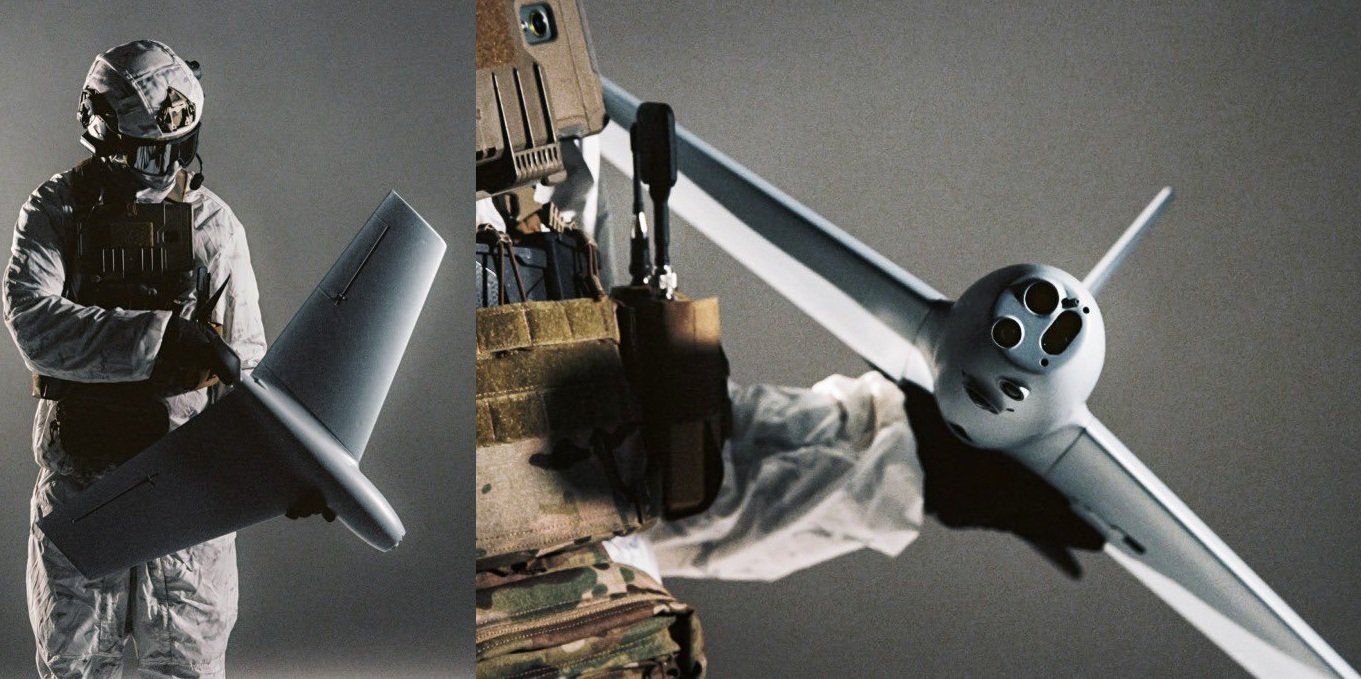 US Firm Heaviside Unveils 2.3-Kg TYR Loitering Munition With 40-Km Range at AUSA 2026
-
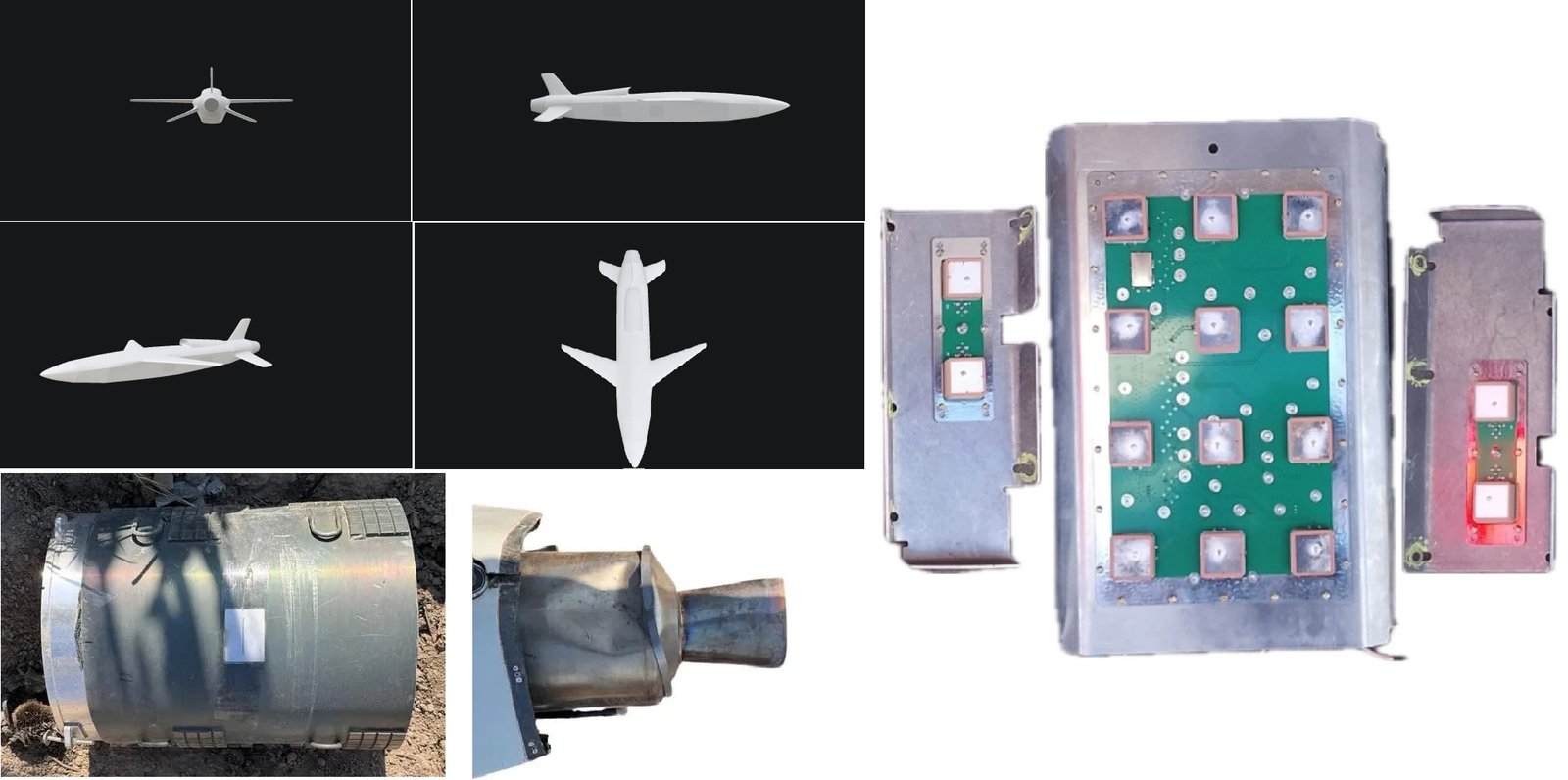 Ukraine Reveals Technical Details of Russia’s New Filin Cruise Missile
-
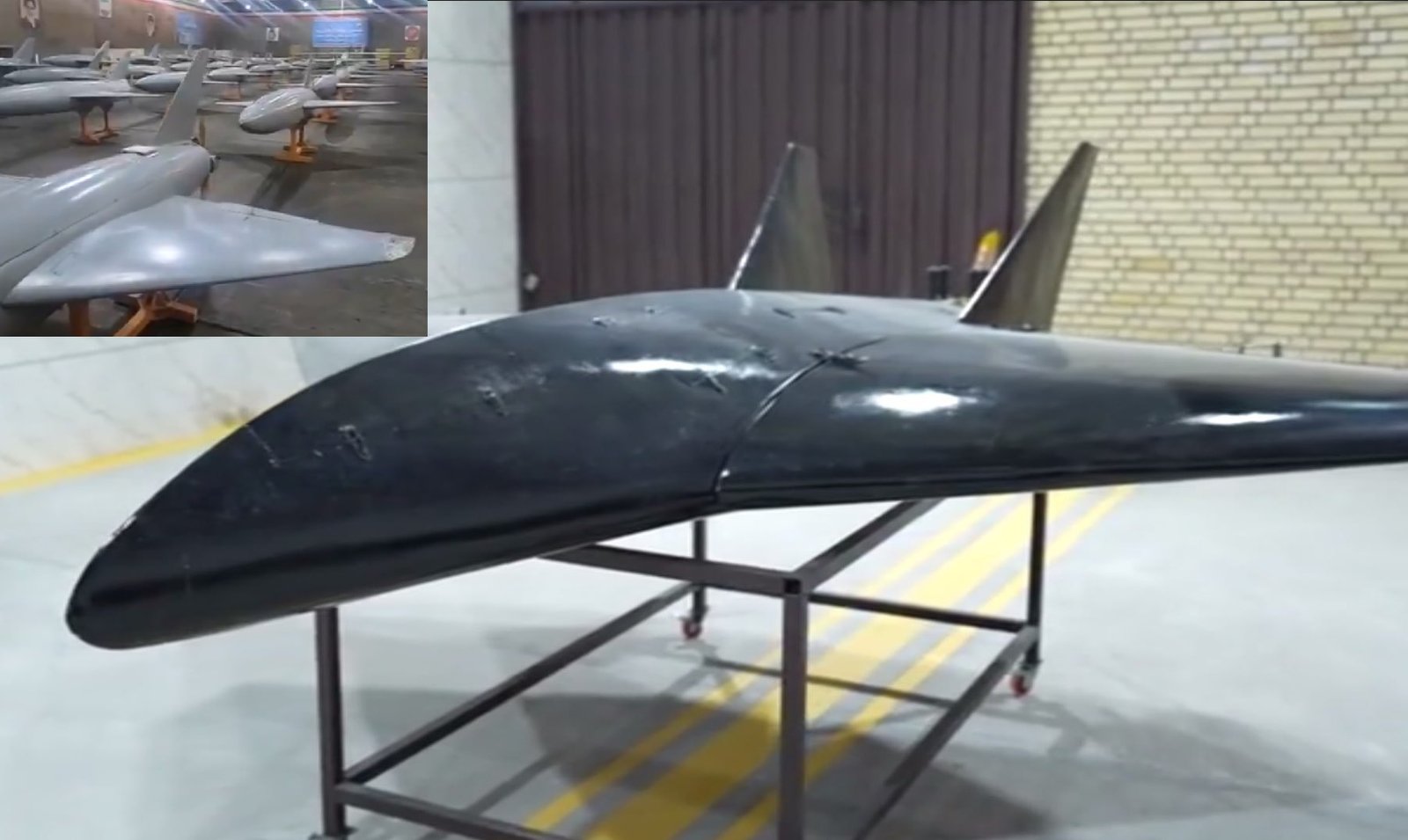 Iran Showcases Upgraded Arash-3 Drone with 100 kg Warhead, AI Targeting and GPS-Independent Navigation
-
 U.S. Air Force Tests SpaceX Starfall Capsule for Rapid Global Military Cargo Delivery
-
 Exail Wins Major Contract to Equip Entire Fleet of Uncrewed Surface Vessels with Marins Inertial Navigation Systems
-
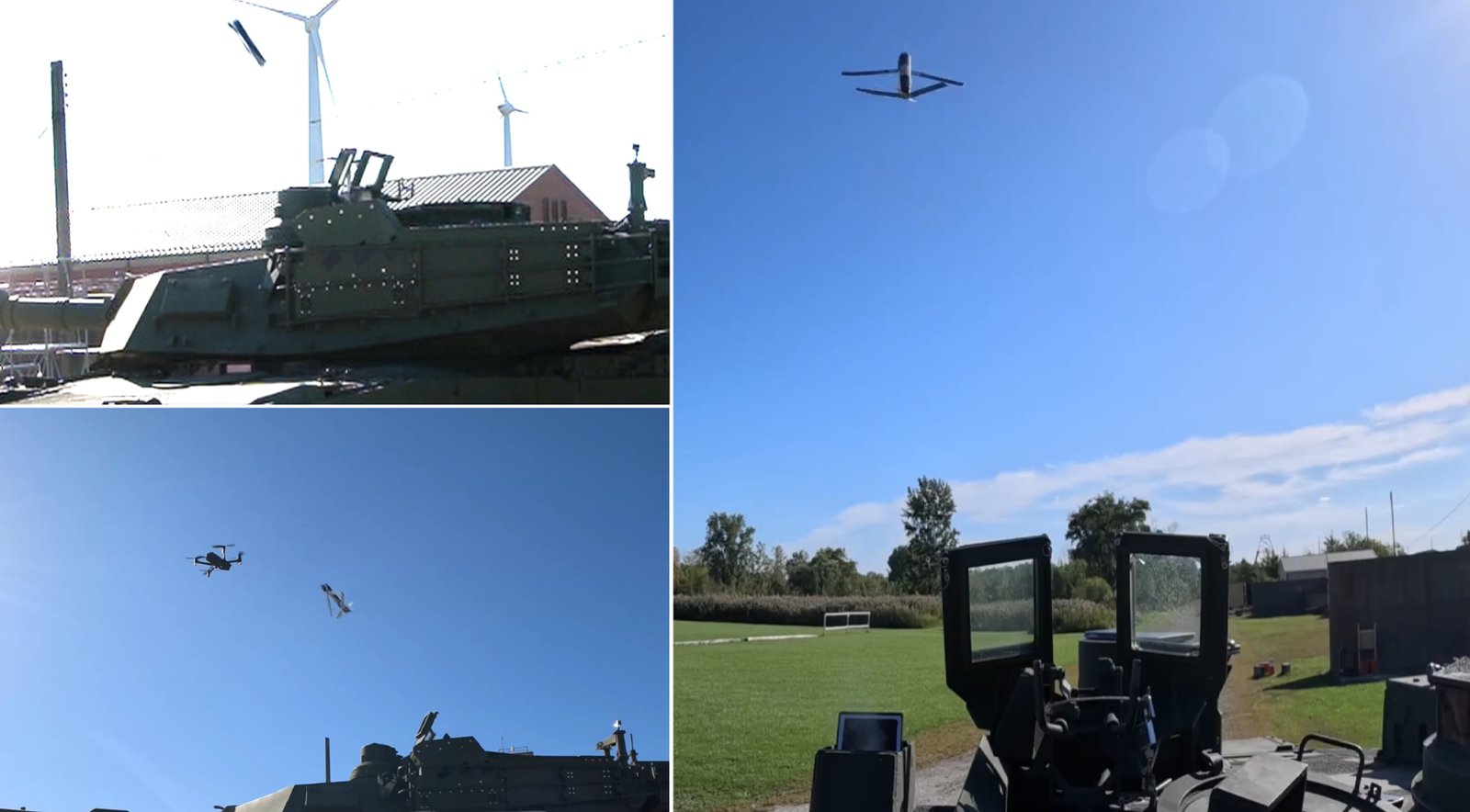 General Dynamics Unveils PERCH 2.0 Drone System for Abrams Tanks and Stryker Vehicles
-
 Voyant Demonstrates Satellite-Free Navigation Technology for UK Ministry of Defence
Top Trending in 4 Days
-
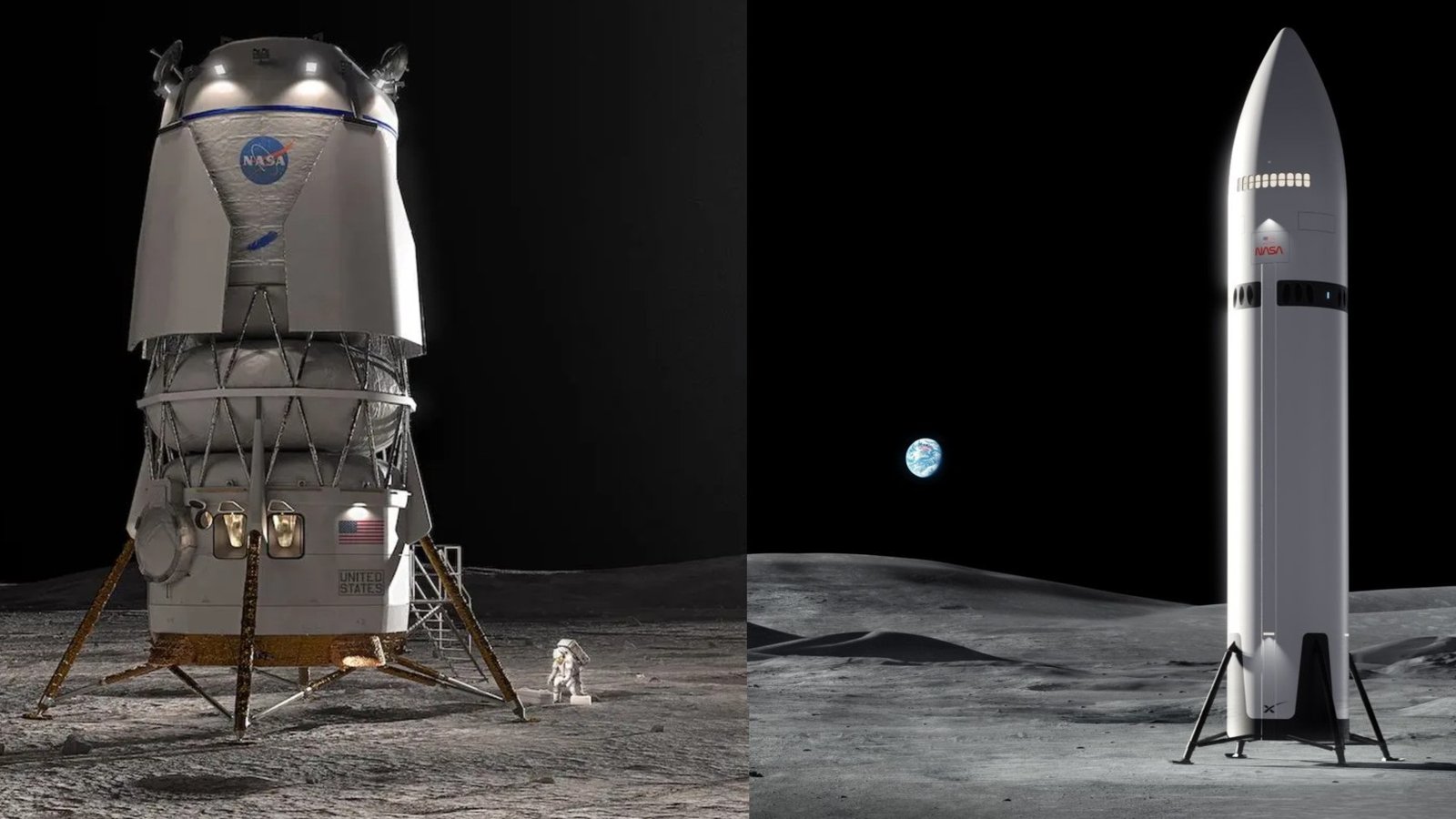 NASA Sets New Artemis Milestones as SpaceX and Blue Origin Target Moon Landings in 2027–2028
-
 US Weighs Strikes on Iran’s Kharg Island Oil Hub Ahead of Midterm Elections
-
 U.S. Air Force Awards HII Subsidiary Enlighten IT $332.8 Million Cyber Defense Contract
-
 U.S. Navy Awards HII $99.1 Million Contract Modification for Zumwalt-class Destroyer USS Lyndon B. Johnson Sea Trials
-
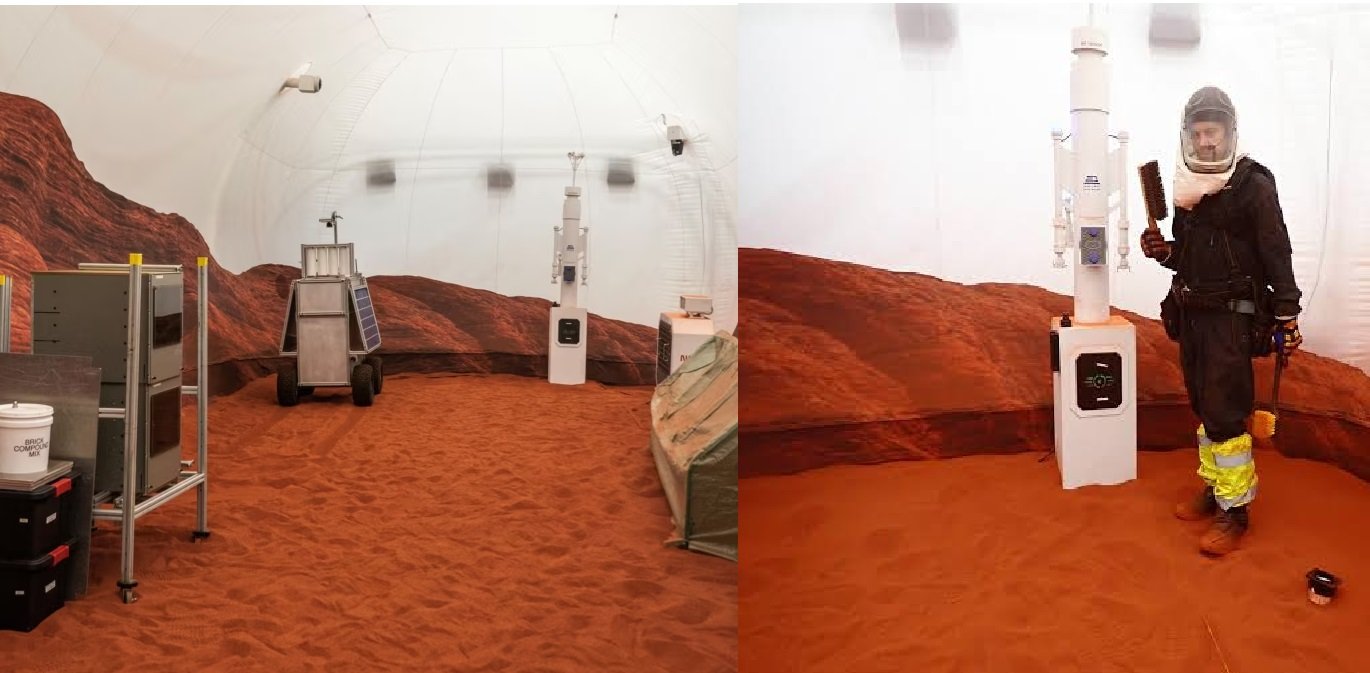 Four NASA Volunteers Mark One Year in Simulated Mars Habitat
-
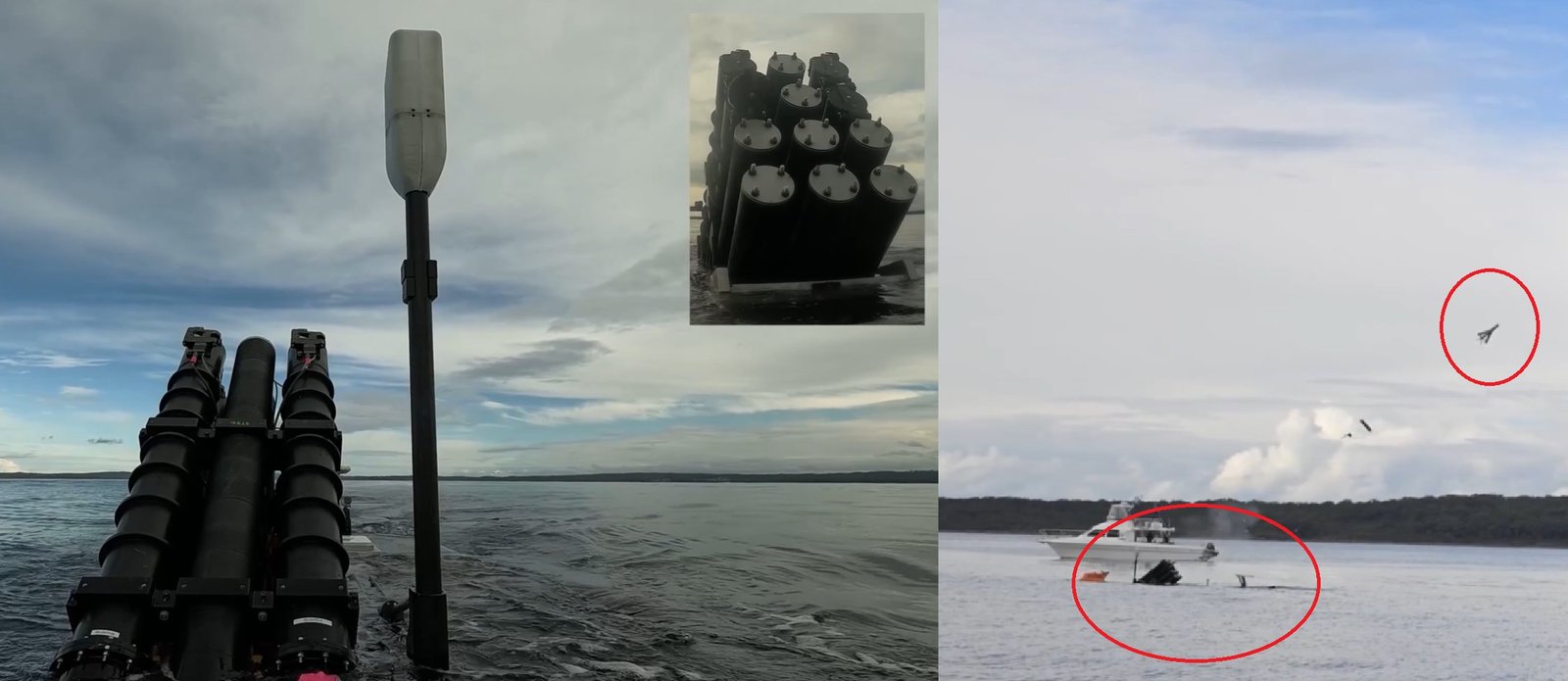 Australia Unveils Ghost Shark Autonomous Submarine’s Mine, Drone and Logistics Capabilities
-
 L3Harris Opens ‘Arsenal of Freedom’ Rocket Motor Plant in Arkansas to Double Production Capacity
-
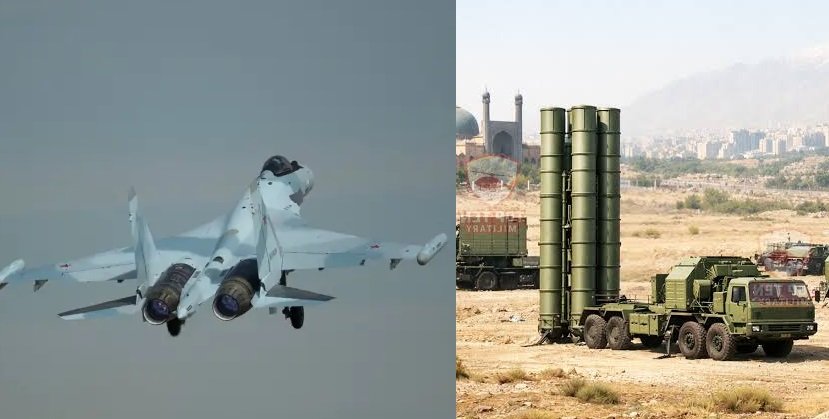 Russia Reportedly Offers Su-35 Fighters and S-400 Air Defence System to Protect Tehran
