
India
In a momentous leap for India's astrophysical research, the country has unveiled the Major Atmospheric Cherenkov Experiment (MACE) Observatory in Hanle, Ladakh. This state-of-the-art facility, inaugurated on October 4th, 2024, by Dr. Ajit Kumar Mohanty, Secretary of the Department of Atomic Energy (DAE) and Chairman of the Atomic Energy Commission, is a shining beacon of India’s growing prowess in space research and cosmic exploration. The MACE Observatory, located at an astounding altitude of 4,300 meters, is the highest imaging Cherenkov telescope in the world and the largest in Asia. This achievement, crafted by the renowned Bhabha Atomic Research Centre (BARC) with critical support from Indian industry partners like the Electronics Corporation of India Limited (ECIL), places India in a prominent position in the field of cosmic-ray research.Cherenkov telescopes are designed to detect a faint blue light called Cherenkov radiation, which is produced when high-energy gamma rays and cosmic rays collide with Earth's atmosphere. The MACE telescope, with its 21-meter diameter dish and ultra-sensitive detection equipment, is perfectly suited to capture these fleeting moments of cosmic interaction. Scientists expect the facility to provide unprecedented insights into some of the universe's most energetic and enigmatic phenomena, including supernovae, black holes, and the elusive gamma-ray bursts.During the inauguration, Dr. Mohanty hailed the observatory’s potential to unlock mysteries surrounding black holes, neutron stars, and other celestial objects. "MACE will play a pivotal role in deepening our understanding of the universe. Its contributions to multi-messenger astronomy will complement global observatories, providing us with a holistic view of cosmic events that have long puzzled scientists," he said.The positioning of the MACE telescope in Ladakh's serene and high-altitude environment offers a unique advantage. The area’s minimal atmospheric interference and low light pollution make it ideal for such delicate observations. Furthermore, Hanle's inclusion in the Hanle Dark Sky Reserve amplifies its role as a significant site for astronomy while also protecting its natural beauty.Notably, MACE will also contribute to India's socio-economic landscape. The observatory is expected to attract scientific tourism, benefiting the Ladakh region. Moreover, by placing India at the forefront of international collaborations in space research, the facility will help inspire the next generation of Indian scientists and engineers, fostering innovation and intellectual growth.This project is a collaborative achievement involving the Indian Institute of Astrophysics and various units under the Department of Atomic Energy. It showcases the strength of India's domestic scientific expertise and industrial capabilities. As a result, MACE is expected to serve not only as a scientific tool but also as a symbol of India’s technological achievements in space research, as it aligns with global efforts to explore the universe's most profound mysteries.As MACE begins its journey of cosmic exploration, India is poised to make significant contributions to international research, expanding humanity’s understanding of the vast universe.
Read More → Posted on 2024-10-10 17:38:01
India
India’s Akash NG (Next Generation) air defense system and Israel’s Iron Dome system are both designed to protect against aerial threats, but they cater to different types of threats and operational scenarios, making them suited to distinct battlefield environments. The Akash NG is a medium-range surface-to-air missile (SAM) system, whereas the Iron Dome is a short-range system specifically designed to counter rocket and artillery threats. Understanding how the Akash NG is more advanced requires looking at their capabilities, scope of protection, and the technology behind each system.Range and Types of ThreatsThe Akash NG system is designed to intercept a variety of aerial threats such as fighter jets, cruise missiles, and drones over a much broader range than the Iron Dome. The Akash NG has an effective range of around 30-40 km and can engage targets at altitudes up to 20-25 km, making it ideal for engaging high-speed and high-altitude threats, including advanced fighter aircraft or ballistic missiles.On the other hand, the Iron Dome is specifically tailored for defending against short-range rockets, artillery, and mortar rounds, with a range of around 4-70 km. It is optimized to deal with slower-moving, lower-altitude projectiles, making it perfect for countering threats like incoming rockets fired from relatively close distances, such as those encountered by Israel from Gaza.In terms of versatility, the Akash NG is more advanced due to its ability to handle supersonic aerial threats at varying altitudes, while the Iron Dome is specialized for intercepting slower, more predictable trajectories of rocket or mortar fire. Interceptor Missiles and Guidance TechnologyThe Akash NG uses an active radar seeker for precision guidance, significantly enhancing its ability to track and engage multiple targets with greater accuracy. The active seeker allows the missile to adjust its path mid-flight, giving it better agility and effectiveness against modern fighter aircraft and other agile threats. Additionally, the Akash NG's integration of a two-pulse solid rocket motor increases its speed and range, allowing for better engagement of fast, maneuvering targets.Iron Dome’s Tamir interceptors use radar and electro-optic sensors to target and destroy incoming rockets in their terminal phase. While highly efficient in intercepting low-speed projectiles, the Iron Dome’s missiles are not built for engaging fast-moving, high-altitude threats. The system prioritizes cost efficiency by only engaging those projectiles on a course to hit populated areas, conserving resources in areas of intense conflict.In comparison, Akash NG's missiles are more advanced in terms of speed, agility, and range. It can handle threats that move faster and higher than those targeted by Iron Dome, making Akash NG a more comprehensive air defense system in terms of aerial combat scenarios.Mobility and FlexibilityAnother key area where Akash NG demonstrates advanced capabilities is in its mobility and deployment flexibility. The Akash NG system is mounted on a high-mobility vehicle, making it capable of quick repositioning across a variety of terrains. This makes it well-suited for large-scale battlefield operations, defending against aerial threats across vast areas.The Iron Dome, while mobile, is generally deployed around cities or military installations to protect against concentrated rocket fire. It is not designed to be repositioned quickly in the midst of combat, as its role is more static, focused on fixed-point defense in regions facing high risks of rocket attacks.Strategic and Operational DifferencesThe Akash NG serves a broader strategic purpose. Its integration into the Indian Air Force and Indian Army’s air defense networks is aimed at providing a layered defense against aerial threats in the context of conventional warfare, particularly on contested borders with Pakistan and China. It’s part of India’s larger air defense strategy, which also includes systems like the S-400 and Barak-8 for longer-range defense.The Iron Dome, in contrast, is primarily a defensive shield against irregular warfare tactics, such as the barrage of short-range rockets or mortars fired by groups like Hamas or Hezbollah. It is a part of Israel’s multi-tiered missile defense shield but is specifically tailored for low-cost, high-volume projectile threats.Technological EdgeIn terms of technological advancements, Akash NG is equipped with a state-of-the-art radar system capable of simultaneously tracking and engaging multiple high-speed targets, including modern aircraft equipped with countermeasures like electronic jamming or evasive maneuvers. The Akash NG’s long-range surveillance radar and fire control radar are highly sophisticated, making it capable of handling a more complex threat environment.The Iron Dome is technologically advanced in its own right, especially in its ability to predict the impact points of incoming rockets and make decisions about which ones to intercept. However, it is not designed to counter advanced fighter jets, cruise missiles, or other sophisticated high-speed threats.In summary, while both the Akash NG and the Iron Dome are cutting-edge systems, their differences reflect their specialized roles. The Akash NG is more advanced in terms of range, versatility, and the types of threats it can neutralize. It is built for high-speed, high-altitude aerial warfare, engaging enemy aircraft and missiles over greater distances and with higher precision. The Iron Dome, while immensely successful in its domain, is optimized for short-range, low-altitude projectile threats and serves a more focused defensive role. For nations like India, which face diverse and sophisticated aerial threats, the Akash NG represents a more comprehensive air defense capability.
Read More → Posted on 2024-10-09 15:52:30
World
Raytheon, a major defense contractor and a subsidiary of RTX, has secured a $192 million contract from the U.S. Navy to further develop the Next Generation Jammer Mid-Band Expansion (NGJ-MBX). This project is not just about refining existing technology; it represents a leap forward in the United States’ electronic warfare capabilities, especially when it comes to countering emerging threats.The EA-18G Growler, the platform that will be fitted with the NGJ-MBX, is a dedicated electronic warfare aircraft based on the F/A-18F Super Hornet. It is designed to suppress enemy air defenses and provide protection for friendly aircraft. The Growler’s role in modern warfare is crucial, and its jamming pods play a significant part in that.The Need for Enhanced Jamming Technology In the evolving landscape of warfare, electronic systems are increasingly at the core of combat operations. Adversaries are investing in sophisticated radar and missile systems that rely heavily on electronic signatures. The ability to disrupt, deceive, or disable those systems is critical to maintaining air superiority and protecting strike missions. This is where the Growler’s jamming capabilities come into play.The original Next Generation Jammer Mid-Band (NGJ-MB) was developed to handle mid-band frequencies, a range commonly used by modern radars and communication systems. However, with adversaries constantly developing new systems and expanding the use of different frequencies, the U.S. Navy saw the need for an upgrade—hence the NGJ-MBX. The expansion will extend the range of frequencies the jammer can interfere with, providing U.S. forces with an edge against a broader spectrum of electronic threats.How the NGJ-MBX Works The NGJ-MBX builds on the original NGJ-MB system by incorporating more advanced technology. At its core, the NGJ system consists of two pods mounted on the wings of the Growler. Each pod is fitted with active electronically scanned arrays (AESAs), which emit powerful jamming signals. AESA technology allows for highly precise targeting of enemy electronic systems, as these arrays can rapidly adjust their beams and frequencies to target multiple systems at once.By expanding the frequency range, the NGJ-MBX will increase the Growler’s ability to counter a wider array of threats. This will be particularly useful in environments where adversaries use advanced radar systems that operate outside the traditional mid-band spectrum. Essentially, the upgraded jammer will be able to adapt more effectively to new and evolving threats, keeping U.S. and allied forces ahead in the electronic warfare game.Strategic Importance Barbara Borgonovi, president of Naval Power at Raytheon, highlighted the significance of the upgrade for the U.S. Navy’s overall mission readiness. “Offensive Electronic Attack provides a tremendous combat capability supporting strike packages and kinetic weapons across a broad range of missions,” she said. The NGJ-MBX upgrade will ensure that naval aviators are better equipped to counter the latest adversarial threats, providing them with greater combat power during critical missions.The U.S. Navy is not alone in benefiting from this technology. The NGJ-MB, and by extension, the NGJ-MBX, is part of a collaborative development program with the Royal Australian Air Force. This partnership underscores the global importance of advanced electronic warfare capabilities in modern military operations.Timeline and Locations The NGJ-MBX upgrade is not an overnight project. Work on the contract will take place at several Raytheon facilities, including locations in Dallas, Texas; Forest, Michigan; El Segundo, California; and Fort Wayne, Indiana. The project is expected to continue through 2027, which gives the U.S. Navy and its allies a clear timeline for when they can expect the enhanced jamming capabilities to be operational.In conclusion, the $192 million contract awarded to Raytheon is a strategic move to keep U.S. and allied forces at the forefront of electronic warfare. The NGJ-MBX upgrade for the EA-18G Growler will expand the aircraft’s ability to jam a broader range of frequencies, countering more sophisticated threats and ensuring mission success in complex electronic environments. As adversaries continue to evolve their electronic warfare tactics, upgrades like these will be crucial for maintaining a technological edge.
Read More → Posted on 2024-10-09 15:35:45
World
In a world where military technology is rapidly evolving, Northrop Grumman has introduced a new level of innovation with the unveiling of its M230LF Dual Feed Bushmaster Chain Gun. This advanced weapon, an enhancement of the existing M230LF, adds a crucial dual-feed capability to the chain gun system, enabling greater flexibility in modern warfare. Designed to serve both counter-uncrewed aerial systems (C-UAS) and ground combat roles, this new iteration is set to change the landscape of medium-calibre combat engagement.At its core, the M230LF remains a 30x113mm calibre chain gun. The unique addition, however, is the ability to switch between two different types of ammunition in real-time, eliminating the need for preloaded, mixed ammo belts. This breakthrough in ammunition versatility means that soldiers can respond to multiple threats—whether airborne drones or armoured vehicles—without wasting time or resources on reloading. This capacity to change between rounds optimizes mission outcomes, especially in high-stakes situations where split-second decisions can alter the course of combat.Combat Versatility and Tactical FlexibilityOne of the standout features of the M230LF Dual Feed Chain Gun is its compatibility with a variety of specialized ammunition types, tailored to different mission requirements. For anti-aircraft and C-UAS operations, the XM1211 proximity-fuzed rounds are the ammunition of choice. These rounds are designed to detonate near aerial targets, such as drones, making them ideal for neutralizing unmanned threats from a distance. On the other hand, the XM1198 high explosive, dual-purpose rounds are designed for anti-armour combat, delivering devastating firepower against ground vehicles and other fortified structures.The integration of these specialized munitions, combined with the ability to switch between them seamlessly, positions the M230LF Dual Feed as a formidable asset on the battlefield. Soldiers can go from targeting drones in the sky to engaging armoured targets on the ground in an instant, all without having to change out the weapon’s ammunition belt. This level of adaptability is rare in medium-calibre systems and promises to significantly increase operational efficiency in diverse combat scenarios.Built on Decades of Battle-Proven ExperienceDespite its modernized features, the M230LF Dual Feed Bushmaster Chain Gun builds on a long legacy of Northrop Grumman’s battle-tested Bushmaster line, which has been in service for over 50 years. Dave Fine, Vice President of Armament Systems at Northrop Grumman, underscores this connection between past and present. "The M230LF Dual Feed Bushmaster Chain Gun offers new flexibility by switching between ammunition paths using dual-feed technology. Using advanced technology combined with five decades of battle-proven experience, this next-generation cannon will empower operators to quickly respond to threats."This weapon represents the world’s first medium-calibre chain gun with a dual-feed system, making it not only a breakthrough in ammunition flexibility but also in reliability. The Bushmaster series has long been known for its ruggedness and dependability, and the M230LF Dual Feed continues this tradition while embracing new technology to meet the demands of modern warfare.Operational Readiness and CompatibilityThe M230LF Dual Feed is currently at Technology Readiness Level 6, meaning it is close to final live-fire testing. Early 2025 will see the first demonstrations of this new chain gun in action, marking the final step before it becomes fully operational. For militaries and defense operators already using the single-feed M230LF, the transition to the dual-feed version will be seamless. With around 60% of the parts being interchangeable between the two models, existing logistics, repair processes, and training programs can remain largely unchanged.Moreover, the weight profile of the M230LF Dual Feed remains similar to its predecessor, ensuring that vehicles and platforms currently using the single-feed version will not require significant modifications. This ease of integration makes the upgrade not only highly appealing but also practical for defense forces around the world.Looking to the FutureAs Northrop Grumman continues production of both the single-feed and dual-feed variants, it is clear that the company is committed to offering its customers the best of both worlds. For operators who prefer the tried-and-true single-feed model, that option remains available. However, for those looking to increase operational versatility and shorten response times, the M230LF Dual Feed represents the next step in chain gun evolution.The future of combat is increasingly dynamic, with a wide range of threats emerging from both the skies and the ground. Northrop Grumman’s M230LF Dual Feed Bushmaster Chain Gun is a response to that changing environment, offering advanced capabilities in a familiar, reliable package. As the military prepares for the challenges of the 21st century, innovations like this will be crucial in maintaining the upper hand on the battlefield.
Read More → Posted on 2024-10-09 15:32:14
World
In a surprising yet strategically significant move, Russia has reignited its interest in India's Project 75I submarine program after previously withdrawing from the tender process in 2022. The Project 75I initiative, aimed at bolstering the Indian Navy’s underwater capabilities with six new-generation diesel-electric submarines, is a pivotal part of India’s efforts to modernize its naval fleet.Igor V. Vilnit, the CEO of Rubin Design Bureau—Russia’s prestigious submarine design firm—has announced Russia's willingness to collaborate on this ambitious project. This comes as an interesting turn of events, particularly since Russia had earlier opted out, citing concerns over the stringent terms and conditions laid out by India. Back then, issues like demanding deadlines and the immense responsibility placed on the designer became stumbling blocks. However, the tides have shifted, and now Russia seems ready to accommodate India's evolving defense manufacturing goals, particularly under the banners of "Make in India" and "Aatmanirbhar Bharat" (Self-Reliant India).The Amur 1650: Russia’s Submarine ProposalAt the heart of Russia’s renewed bid is the Amur 1650, a diesel-electric submarine that has long been praised for its capabilities in anti-submarine warfare (ASW) and anti-surface warfare. Designed by the Rubin Design Bureau, this submarine comes as a modernized version of the Kilo-class submarines that have already served India’s Navy for decades, meaning there's a strong foundation of trust and familiarity with the technology.What makes the Amur 1650 particularly appealing for India’s Project 75I is Russia's offer of **80% localization** in the production process. This implies that most of the submarine’s construction could take place within India, involving local industry and creating thousands of skilled jobs. It also aligns perfectly with India’s goal of boosting domestic defense production.AIP Technology for Extended EnduranceOne of the standout features of Russia's Amur 1650 proposal is the integration of **Air-Independent Propulsion (AIP)** technology. Submarines traditionally rely on surfacing or snorkeling to recharge their batteries, which makes them vulnerable to detection. AIP allows submarines to remain submerged for longer periods without needing to surface, thus enhancing their stealth and operational capabilities. Russia has offered a version of the Amur 1650 with this technology, which is crucial for prolonged underwater operations, especially in the context of India’s strategic requirements. There were initial concerns about the Russian AIP system's readiness, but Russia has taken a step further by offering to incorporate India’s own **DRDO-developed AIP system**, should India prefer it. This flexibility not only underscores Russia’s commitment to collaborating on this project but also emphasizes the potential for deeper Indo-Russian defense cooperation in areas beyond mere technology transfer.Potential Competition with Germany’s TKMSDespite Russia’s eagerness to rejoin the competition, it is important to note that Germany’s ThyssenKrupp Marine Systems (TKMS) and its U-214 submarine are also strong contenders for Project 75I. The U-214 is another diesel-electric submarine that has proven its capabilities worldwide. It boasts advanced stealth features, powerful propulsion systems, and cutting-edge sonar technology. As of now, it is believed that India has favored Germany’s offer, although no final decisions have been made.However, Russia’s Amur 1650 brings its own set of strengths to the table. Besides the generous localization offer, the Indian Navy is already familiar with Russian submarines, and any partnership would build on existing knowledge, infrastructure, and long-standing bilateral defense ties. Furthermore, Russia’s promise to incorporate India’s own AIP technology could make the Amur 1650 a more flexible and attractive option for the Navy.A Strategic Decision for the Indian NavyThe cost of the Project 75I program is estimated at over ₹40,000 crore (approximately $5 billion USD). Beyond the financial investment, this project represents a major decision point for India’s defense strategy. India must not only choose a submarine that meets its operational needs but also align its decision with broader geopolitical interests.Russia’s re-entry into the fray provides a compelling option, especially considering the historical defense ties between the two nations. The Amur 1650 offers India a state-of-the-art platform with the option to strengthen local defense production, while its AIP system—or the potential integration of India’s own—offers flexibility that could suit the Indian Navy's future operational needs.The big question now is: will India opt for the more familiar partnership with Russia, or will it embrace the technological allure of Germany’s U-214? Whatever the choice, this decision is poised to shape India's naval capabilities for decades to come, and both Russia and Germany have made clear they are eager to be a part of this future.
Read More → Posted on 2024-10-09 15:27:40
India
Indonesia is stepping up its defense game in a major way. The Indonesian Army has recently taken delivery of over 560 locally produced armored vehicles, a clear signal of the nation's ambitions to fortify its military self-reliance. This move not only strengthens the army’s defensive and peacekeeping capabilities but also showcases the growing prowess of Indonesia's domestic defense industry, particularly through the contributions of PT Pindad, a leading Indonesian defense contractor.This massive delivery of armored vehicles includes a mix of medium tanks and tactical transport vehicles, designed to meet the operational needs of a modern, mobile army. These vehicles are tailored for the challenging Southeast Asian terrain and are primed for use in a variety of missions—from defensive operations at home to international peacekeeping efforts.Among the new assets, one of the standout vehicles is the Pandur II 8×8, an armored personnel carrier (APC) designed by PT Pindad. The Pandur is highly mobile and versatile, capable of transporting troops while also providing fire support. What makes this vehicle particularly significant is its ability to integrate various weapon systems, offering flexibility in firepower depending on the mission. This level of adaptability is crucial for an army operating in the diverse conditions found across Indonesia’s islands.Another highlight of this delivery is the **Harimau medium tank**, co-developed by PT Pindad and Turkey's FNSS. Specifically designed with Southeast Asia's unique terrain in mind, the Harimau comes equipped with a 105 mm cannon and a 7.62 mm machine gun, making it a formidable presence on the battlefield. Its advanced electronic control systems and robust suspension are engineered to handle the often-tough tropical environments. In addition to its offensive capabilities, the Harimau boasts enhanced ballistic protection and mine resistance, ensuring greater survivability for both the vehicle and its crew in combat zones.This development is part of a larger modernization plan for Indonesia’s military, driven by the country's growing need to safeguard its vast archipelago and contribute to regional stability. The government has been pushing for defense modernization in recent years, a push that has come with increased investment in the sector. For 2024, President Joko Widodo approved a 20 percent increase in defense spending compared to the previous year, highlighting the country’s commitment to bolstering its military capacity. By 2028, Indonesia's defense budget is projected to reach $9.7 billion, according to estimates by GlobalData.The handover of these locally produced armored vehicles represents more than just a boost in military hardware—it is a statement about Indonesia's intention to reduce reliance on foreign military suppliers. PT Pindad Director Abraham Mose emphasized that the goal is to instill greater confidence in the domestic defense industry, a sentiment that aligns with the government's broader vision of self-reliance. The development of indigenous military hardware not only provides economic benefits through job creation but also ensures that Indonesia has full control over the maintenance and upgrading of its defense systems.As Indonesia continues to develop its defense industry, the delivery of these 560 armored vehicles is just the beginning. The country's military modernization efforts are likely to focus on further refining domestic production capabilities, with the aim of becoming a regional leader in defense technology. By making strides in producing its own advanced military vehicles, Indonesia is sending a strong message: it is ready to safeguard its sovereignty and play a more significant role in regional and global security.
Read More → Posted on 2024-10-09 15:23:56
World
France is moving forward with a significant leap in its air combat capabilities, as the country's Armed Forces plan the development of a new unmanned combat aerial vehicle (UCAV) to complement the upcoming Rafale F5 fighter jet. The announcement was made by Sébastien Lecornu, French Minister of Armed Forces and Veterans Affairs, during a ceremony celebrating the 60th anniversary of the French Strategic Air Forces (FAS). The event, held at Saint-Dizier air base, also saw the presence of General Jérôme Bellanger, Chief of Staff of the French Air and Space Force (AAE), and Éric Trappier, CEO of Dassault Aviation.The UCAV, envisioned to be operational by 2033, will mark a technological milestone for the French Air Force. This new combat drone, which is designed to work collaboratively with the Rafale F5, will enhance France's strategic autonomy and combat effectiveness in future conflicts. Equipped with advanced stealth features, the UCAV will possess cutting-edge autonomous capabilities, with the flexibility to have a human operator in the decision-making loop.This development isn't just a bold leap into the future; it builds upon the success of Dassault Aviation's earlier nEUROn program, a European initiative that produced the first stealth UCAV demonstrator. Since its inaugural flight in December 2012, the nEUROn has undergone over 170 test flights, proving its mettle in terms of both performance and technological innovation. The lessons learned from the nEUROn will directly inform the development of this new UCAV, ensuring that it remains highly versatile and adaptable to evolving threats.The Rafale F5, set to debut post-2030, is expected to push the boundaries of modern air combat. The F5 variant will enhance the existing Rafale design with new technologies, including upgraded sensors, improved avionics, and the ability to engage in network-centric warfare. Combined with the UCAV, the Rafale F5 will offer unprecedented flexibility and effectiveness on the battlefield, ensuring that France maintains its technological and operational edge.The pairing of the Rafale F5 with the UCAV is a critical component of France's strategy to ensure its air superiority for decades to come. Much like the Mirage-IV bomber in its prime, this new fighter-drone duo will secure France's ability to conduct independent military operations, while also offering a potent response to modern threats. These advancements will be crucial in an era where rapid technological changes are reshaping the nature of warfare.Éric Trappier, CEO of Dassault Aviation, emphasized the importance of this new UCAV at the event, stating, “This stealth combat drone will contribute to the technological and operational superiority of the French Air Force by 2033. It is significant that it is being initiated today, as we mark the 60th anniversary of the Strategic Air Forces and the 90th anniversary of the Air and Space Force: in aeronautics — a highly complex field — the future has deep roots, and innovation is built on experience."Designed to be a fully networked asset, the UCAV will excel in collaborative combat scenarios, where it can communicate seamlessly with manned aircraft like the Rafale F5. This synergy will allow the UCAV to take on more dangerous tasks, such as penetrating enemy defenses or performing surveillance missions, while the Rafale F5 provides support from a safer distance. It will also carry internal payloads, further boosting its versatility.The French Ministry of Armed Forces is betting on this combination of manned and unmanned systems to enhance the nation's future air combat capabilities. Both the Rafale F5 and its accompanying UCAV will be central to France's air defense strategy, ensuring that the country can face future challenges with technological superiority and operational flexibility.As the world gears up for an era where drones and manned jets fight side by side, France is making it clear that it intends to stay at the forefront of military aviation innovation. By combining experience from the nEUROn program with the advanced capabilities of the Rafale F5, France is setting the stage for a future where its air forces will continue to dominate the skies well into the 21st century.
Read More → Posted on 2024-10-09 15:19:47
India
In a major stride toward enhancing its operational capabilities, the Indian Army has successfully received all 100 Robotic Mules ordered from AeroArc, a cutting-edge robotics company based in New Delhi. This delivery is a significant component of the army's broader efforts to modernize its forces with advanced technology, particularly in challenging operational terrains.These robotic mules are not just simple transport tools; they represent a highly sophisticated support system for soldiers deployed in some of the most demanding environments. Designed with an all-terrain capability, the robotic mules can traverse rough landscapes, from steep hills and rocky surfaces to dense debris fields, offering invaluable assistance in terrains where traditional vehicles may struggle. They can even climb stairs, which makes them adaptable for urban combat or disaster relief scenarios.One of the key highlights of AeroArc’s Robotic Mule is its rugged design, which allows it to endure the harshest conditions. With an IP-67 rating, these robots are dust-tight and can withstand water immersion, ensuring they remain functional in extreme weather conditions, from the freezing temperatures of high-altitude regions to the scorching heat of desert landscapes. Their operational temperature range extends from -40°C to +55°C, making them suitable for deployment across India's diverse geographical regions, including the challenging terrains of the Himalayas and the deserts of Rajasthan.At just 51 kg, the robotic mule is lightweight yet durable, able to carry a maximum payload of 12 kg. It is also designed for efficiency in the field; soldiers can assemble or disassemble the mule in just 15 minutes, allowing for rapid deployment during missions. The mule is powered by a NVIDIA Xavier CPU/GPU, providing it with advanced computational capabilities, making it ideal for both autonomous and semi-autonomous operations.These robotic mules are equipped with much more than basic transport capabilities. They can be fitted with a range of advanced payloads, including small arms for combat support, electro-optical and thermal imaging sensors for enhanced situational awareness, and even chemical and radioactivity detection systems. This versatility allows the mules to not only carry essential supplies like ammunition and medical kits but also to act as valuable reconnaissance tools in hostile or hard-to-reach areas.One particularly notable feature is their top speed of 3 meters per second (roughly 10.8 km/h), which ensures that they can keep pace with soldiers on foot, making them highly effective in dynamic, fast-paced operations. The robotic mules also have an impressive standby runtime of 20 hours, meaning they can be operational for extended periods without requiring immediate recharging, an essential feature for prolonged missions in remote areas.This procurement marks a significant leap in the Indian Army’s technological advancement. The integration of robotic systems like the AeroArc mules helps reduce the physical and cognitive burden on soldiers, allowing them to focus on critical tasks while the mules handle logistics, reconnaissance, or even hazardous material detection.The Indian Army’s interest in such technologies is part of its broader strategy to stay at the forefront of modern warfare. With initiatives like the Drone-A-Thon 2 competition and the HIMTECH symposium, which focuses on high-altitude technologies, the army is actively exploring and adopting homegrown innovations to meet the evolving demands of warfare. The addition of robotic mules aligns perfectly with this vision, particularly for high-risk, high-altitude operations where logistical support and terrain adaptability are crucial for success.As India continues to focus on self-reliance in defense, the procurement of these indigenously developed robotic mules demonstrates the country’s growing capability to produce world-class military technologies. The Indian Army's adoption of these robotic systems signifies a future where human soldiers will work alongside robots, enhancing their capabilities and ensuring they have the technological edge needed to face the increasingly complex security challenges of the modern battlefield.
Read More → Posted on 2024-10-09 15:15:31
World
Drones Tech Lab, a tech firm based in Kolkata, has emerged as a key player in India's defense innovation landscape. The company’s recent triumph in the prestigious iDEX ADITI 1.0 challenge marks a pivotal step in advancing military drone technology for the Indian Air Force (IAF). The iDEX (Innovations for Defence Excellence) challenge, launched by the Ministry of Defense (MoD), is designed to encourage Indian startups to develop next-gen weapon systems that will bolster the country's defense capabilities. Drones Tech Lab stood out by developing a cutting-edge helicopter-launched weaponized drone system that meets several of the IAF's operational needs.At the heart of the challenge was the need for a drone that could be launched from helicopters, specifically the Mi-17, and work seamlessly with the existing infrastructure. The innovation had to include Man-Unmanned Teaming (MUM-T) capability, allowing pilots to work in sync with drones to boost combat effectiveness. With an operational range of up to 40 kilometers, Drones Tech Lab’s drone ensures flexibility and precision on the battlefield. One of the standout features of this drone is its ability to deliver precision strikes. The system is designed with an advanced targeting capability, achieving a Circular Error Probable (CEP) of less than 5 meters—though the ideal goal is to bring it down to less than 3 meters. This level of accuracy ensures minimal collateral damage, making the drone highly effective for surgical strikes and precise targeting.Further elevating the system is its advanced guidance and navigation technology. The drone is equipped with Electro-Optical/Infra-Red (EO/IR) sensors, which allow it to acquire and lock onto targets with great precision. This is crucial in environments where GPS signals may be jammed or unavailable, ensuring that the drone can still operate effectively even in challenging conditions. This capability is particularly valuable in modern warfare, where communication and navigation systems are often targeted by adversaries.In addition to its high-tech targeting system, the drone also features Pilot-in-the-Loop (PIL) control. This means that pilots flying the Mi-17 helicopters will have real-time control over the drone during missions, with the added benefit of live video feeds for enhanced situational awareness. This fusion of manned and unmanned systems allows for more coordinated and flexible military operations, giving the IAF an upper hand in both offensive and reconnaissance missions.The modularity of the drone design also makes it a highly practical tool for the IAF. It’s built for easy storage and transport, capable of being strapped to the helicopter in extreme conditions. This environmental sealing ensures that the drones can endure harsh weather during transport and deployment, making them versatile in different climates and terrains. Additionally, one control station can manage multiple drones, further enhancing operational efficiency. This capability for launching and managing multiple drones from a single helicopter gives the IAF a significant tactical advantage in complex missions.Drones Tech Lab's success in the iDEX ADITI challenge isn't just a win for the company, but a significant milestone for India’s defense innovation sector. The potential for these helicopter-launched drones to be weaponized adds another layer to India’s growing defense arsenal. By addressing the specific needs of the IAF and integrating cutting-edge technologies, the development is set to enhance the country's aerial combat capabilities and contribute to national security. This recognition from the MoD also serves as a clear message: Indian startups have the potential to be game-changers in the global defense industry. The success of Drones Tech Lab not only highlights the talent and innovation within India but also aligns with the broader goal of making India a leader in defense manufacturing and technology.
Read More → Posted on 2024-10-09 15:13:01
World
Northrop Grumman has introduced a cutting-edge upgrade to its Forward Area Air Defense (FAAD) system, embedding advanced artificial intelligence (AI) technology that significantly boosts the system’s counter-drone capabilities. Designed to address the growing threat posed by unmanned aerial systems (UAS), the enhanced FAAD system is expected to revolutionize how the U.S. and its allied forces manage and neutralize drone threats on the battlefield.The recent upgrade integrates an AI-driven Advanced Battle Manager (ABM), designed to improve the system's ability to counter complex drone swarms in real-time. During successful testing at the U.S. Army’s Yuma Proving Grounds in Arizona, the FAAD system demonstrated an ability to neutralize multiple drones with just a single click on a mobile tablet interface. This new feature simplifies engagement and coordination, offering military personnel an intuitive and faster way to respond to threats in high-stress situations.AI-Enhanced Precision and SpeedThe key advancement lies in the AI’s ability to process vast amounts of sensor data and generate engagement plans almost instantaneously—within a quarter of a second. The AI not only identifies incoming threats but also optimizes the pairing of targets with the most suitable weapons, streamlining decision-making for soldiers on the ground. In complex combat environments, where every second counts, this capability offers a significant advantage, allowing forces to respond to drone swarms and other aerial threats faster than ever before.The FAAD’s AI-driven system continuously monitors the battlefield, making dynamic adjustments as new threats emerge. The system’s continuous analysis ensures that warfighters always have an updated, optimal plan to engage incoming drones, improving survivability and minimizing human error during combat operations.A Seamless Experience for SoldiersOne of the most notable aspects of this upgrade is the ease of use for soldiers in the field. By consolidating multiple tasks into a single interface and reducing manual steps, the new AI system allows troops to focus on the mission rather than the technology. A simple tap on a mobile device enables the FAAD system to launch its countermeasures, giving soldiers more time to concentrate on critical aspects of the battle.“This critical AI enhancement will create a streamlined and intuitive engagement plan, giving service members more time to save lives with a single click,” said Kenn Todorov, Northrop Grumman’s Vice President and General Manager of Global Battle Management and Readiness.A Boost to Joint OperationsThe AI upgrade also enhances interoperability among U.S. forces, coalition partners, and allies. As modern conflicts increasingly rely on coordinated efforts across multiple nations, the FAAD system’s improved ability to share data and integrate with allied systems ensures a more unified response to threats. This feature is expected to strengthen joint operations and allow for better coordination in high-intensity combat environments.Staying Ahead of Evolving ThreatsThe integration of AI into the FAAD system comes at a time when counter-drone technology is critical for modern warfare. Drone swarms pose a unique challenge due to their numbers, speed, and unpredictable movement. By leveraging years of live fire data, Northrop Grumman’s upgraded FAAD system ensures that the U.S. military and its allies stay ahead of these evolving threats. This collaboration between Northrop Grumman and the U.S. Army underscores the importance of maintaining cutting-edge defense technologies to protect against emerging aerial threats. The FAAD system, which has already seen combat-proven success, is now poised to become even more effective with this AI-powered upgrade, setting a new standard in counter-drone warfare.In a world where aerial threats are becoming increasingly sophisticated, Northrop Grumman’s FAAD system stands as a testament to the power of AI-driven innovation in modern military defense.
Read More → Posted on 2024-10-09 15:09:25
India
India's indigenous Airborne Early Warning and Control (AEW&C) system, known as *Netra*, is nearing a significant milestone. After nearly seven years of development and testing, the system is expected to achieve Full Operational Capability (FOC) by the end of the year. This milestone marks a major leap forward for the Indian Air Force (IAF), as it will be fully equipped with a powerful surveillance and command system capable of boosting India's aerial defense.The Netra program, developed by India’s premier defense research organization, the Defence Research and Development Organisation (DRDO), has been a crucial part of India’s growing self-reliance in defense technologies. The program began taking shape in 2017, when it was granted Initial Operational Capability (IOC) status. Since then, the IAF has been using two Netra Mk1 systems, which are mounted on the Brazilian Embraer ERJ-145 platform. These systems have been instrumental in enhancing India's air surveillance capabilities, providing early warnings on aerial threats and helping with command-and-control functions in combat and peacetime operations.The third Netra Mk1 platform has served as a testing bed for upgrades and further advancements. Over time, the system has been subject to significant improvements, making it more robust and capable. One of the notable developments this year has been the clearance for the IAF to procure six upgraded Netra Mk1A systems. These advanced versions incorporate numerous upgrades over the initial model, such as enhanced radar and tracking capabilities, better communication systems, and increased operational range.Looking ahead, the future of the Netra program seems even brighter. In a bid to further strengthen its air defense, India is set to acquire six Netra MkII systems. Unlike the first iteration, these will be mounted on the Airbus A321 platform, which offers a larger airframe and significantly more space for advanced electronics and sensors. The *Netra MkII* promises extended surveillance range, improved detection and tracking capabilities, and the ability to monitor a wider airspace simultaneously. This will make it a critical component in safeguarding India’s skies against both conventional and asymmetrical threats.What makes Netra especially crucial is its strategic role in enhancing the IAF’s ability to maintain control over air operations. AEW&C systems like Netra are often referred to as "force multipliers" because they dramatically increase the effectiveness of other military assets. By providing real-time data on enemy aircraft, missiles, and ground movements, Netra allows Indian forces to take timely action. Whether it’s identifying a hostile aircraft or managing large-scale combat operations, *Netra* provides the situational awareness and coordination that are key to modern warfare.The Netra AEW&C system also aligns with India’s broader ambition to become self-sufficient in defense technologies. Given its complex nature, developing an AEW&C system domestically is no small feat. It represents a culmination of years of research, testing, and collaboration across multiple defense and aerospace sectors. With the Netra program, India joins an exclusive group of nations that have developed indigenous airborne early warning systems, placing it in a stronger position on the global defense stage.In conclusion, as the Netra AEW&C system moves closer to achieving Full Operational Capability, it stands as a testament to India's defense innovation and resilience. With both the Netra Mk1 and upcoming Netra MkII systems, the Indian Air Force is set to bolster its defense infrastructure, enhancing its surveillance capabilities and readiness to respond to emerging threats. By the end of this year, India’s air defense will be significantly stronger and more responsive, thanks to the successful realization of the *Netra* program.
Read More → Posted on 2024-10-09 15:06:00
World
France has marked a significant milestone in its defense capabilities with the successful testing of the Aster 30 B1NT missile, a next-generation anti-aircraft and missile defense system developed by the MBDA group. Conducted at the General Directorate of Armaments (DGA) test center in Biscarrosse, southwest France, this is the first of a series of critical tests for a system expected to be operational by 2026. The new missile not only enhances France’s air defense but also has strategic importance for India's defense infrastructure, given the strong military ties between the two nations.The Aster 30 B1NT is an advanced version of the Aster missile family, designed for enhanced performance against a wide range of aerial threats, including ballistic missiles and hypersonic weapons. Capable of engaging targets at altitudes of up to 25 kilometers (25,000 meters), it represents a leap forward in missile technology, positioning France at the forefront of European missile defense systems. This missile is integral to France's growing focus on air defense, an area where India also stands to benefit through its longstanding defense cooperation with France.Why is the Aster 30 B1NT Important?The Aster 30 B1NT is not just another missile; it is a sophisticated, multi-layered defense solution designed to neutralize various threats, including ballistic missiles and the rapidly emerging hypersonic missile technology, which poses new challenges for global security. With hypersonic missiles traveling at speeds exceeding Mach 5 (about 5,950 kilometers per hour), traditional missile defense systems struggle to respond. The Aster 30 B1NT's capabilities to counter hypersonic threats are critical for countries like France—and potentially India in the future—seeking to maintain an edge in modern warfare.French Defense Minister Sébastien Lecornu highlighted the importance of the first test, calling it “a program that is absolutely crucial.” This test is part of France’s broader strategy to revamp its air defense systems, with the government planning to spend 5 billion euros by 2030 on such systems. In addition to its land-based capabilities, the Aster 30 B1NT will also be integrated into naval vessels, adding another layer of protection for French and allied naval forces, including Italy. This enhanced missile system is expected to be deployed on ships built for export, potentially benefiting countries that acquire French or Italian naval platforms.India-France Defense CollaborationIndia and France have a strong military partnership, especially in defense technology sharing. France’s successful development of the Aster 30 B1NT is expected to have a ripple effect on India's defense strategy. India has been working closely with France on various defense projects, including the Rafale fighter jets and Scorpene-class submarines, and there is potential for India to explore partnerships involving advanced missile systems like the Aster. Strengthening air defense is a priority for India, especially in light of growing threats from hypersonic and ballistic missiles in the region.France has already ordered eight new SAMP/T systems equipped with the Aster missiles and is planning to acquire an additional four. Given the strategic alignment between India and France, there is a strong possibility that India could look into similar systems in the future, especially as both nations continue to prioritize defense cooperation in key areas like missile technology.A New Era in Missile DefenseThe successful testing of the Aster 30 B1NT signals a new era in missile defense for France, and by extension, its close allies like India. The ability to counter multiple types of threats, including medium-range ballistic missiles and the increasingly prominent hypersonic missiles, sets a new standard for air defense systems globally. For India, which is facing regional missile threats, this collaboration offers the potential to leverage cutting-edge defense technologies in safeguarding its airspace.As the Aster 30 B1NT moves closer to full deployment by 2026, it will serve as a crucial asset not just for France, but also for allied nations seeking to bolster their defense capabilities against evolving threats.
Read More → Posted on 2024-10-09 15:00:00
World
In the midst of Western sanctions designed to cripple Russia’s defense industry, a complex web of corporate connections has been exposed. A Russian company named Planar, specializing in advanced microwave electronics, has allegedly used its U.S.-based subsidiary, Copper Mountain Technologies (CMT), to bypass these restrictions, gaining access to Western technology essential for Russia’s military operations. The revelations come from an investigation led by the hacktivist group “Cyber Resistance,” which uncovered how Planar, despite sanctions from the U.S., UK, Germany, and Switzerland, managed to continue acquiring crucial components for Russia’s defense apparatus. Headquartered in Chelyabinsk with production facilities in Tomsk, Planar has long been a key player in Russia’s defense technology. Its contributions include components for drones such as the Inokhodets and Orlan-10, as well as sophisticated electronic warfare systems like Svet-KU and Leer-3. The company's strategy to evade sanctions revolves around its U.S. subsidiary, CMT, a firm that produces high-tech measurement tools, including vector network analyzers. Although CMT appears to be an independent entity, its technology shares striking similarities with Planar’s products, differing mainly in branding and minor technical details. Investigations revealed that CMT products are calibrated at Planar’s Russian facilities, and the two companies share identical patents. These patents, which list Planar’s director, Sergey Zaostrovyakh, as the inventor, underscore the deep connections between the two companies. Planar's maneuvering highlights an intricate global network of operations, stretching far beyond Russia’s borders. Copper Mountain Technologies is not just a producer of electronics but also a logistical facilitator for technology transfers between the U.S. and Russia. CMT’s office in Paphos, Cyprus, for example, plays a pivotal role in handling shipments between Europe and the U.S., adding another layer of complexity to Planar’s supply chain.CMT’s footprint in the U.S. defense sector is significant. Among its clients is Pacific Antenna Systems LLC (PAS), a firm that holds contracts with the U.S. Department of Defense for producing satellite communications technology. CMT’s products are also used by the U.S. Air Force Research Laboratory and NASA, raising serious questions about whether technology meant for American military and space projects is finding its way into Russia’s military-industrial complex.The timing of these revelations is especially critical as Russia continues its involvement in the ongoing conflict with Ukraine. Despite sanctions, Planar has been able to maintain and possibly even expand its role in supplying critical electronic components to Russia’s defense sector. The importance of this relationship becomes even clearer when looking at Planar's history in the global market. Prior to 2022, the company held around 10% of the world’s microwave electronics production, a substantial share that speaks to its technological prowess and industrial significance.Planar has also been involved in producing components for Russia’s advanced Su-57 fighter jet, collaborating with JSC Microwave Plant, another Russian firm facing difficulties due to the shortage of Western parts. Through CMT, Planar continues to secure access to critical Western technology, which would otherwise be restricted under the sanctions imposed by Western governments.The implications of these findings are severe. It suggests that despite international efforts to restrict Russia’s access to advanced technology, loopholes remain. The ability of Planar to evade sanctions and maintain access to critical components through its U.S. subsidiary represents a significant failure in the current sanctions regime. This arrangement not only undermines the intent of these sanctions but also fuels the very military capabilities that they were designed to cripple.With the situation in Ukraine intensifying and Russia’s military operations becoming more sophisticated, the role of companies like Planar and CMT cannot be overlooked. There is a pressing need for U.S. authorities and their allies to closely examine Copper Mountain Technologies' operations and ensure that export control laws are rigorously enforced. At its core, the relationship between Planar and Copper Mountain Technologies underscores the challenges of enforcing sanctions in a globalized economy. As companies adapt and find ways to circumvent restrictions, it becomes increasingly difficult for governments to ensure that their policies are effective. The case of Planar and CMT highlights the need for more robust oversight and greater international cooperation to close the loopholes that continue to enable the flow of restricted technology into the wrong hands.
Read More → Posted on 2024-10-08 15:45:03
World
On October 5, 2024, a 4.5-magnitude earthquake shook Iran’s Semnan province, a region known for its seismic activity. However, what made this event particularly noteworthy wasn’t the size of the quake, but its proximity to a nuclear power facility and the timing, given the heightened tensions in the Middle East. The epicenter of the quake, located just 10 kilometers beneath the surface, has led to a flood of online speculation that the tremor could be the result of Iran testing its first-ever nuclear weapon underground.While no official confirmation has come from Tehran, the lack of immediate denial has added fuel to the fire. Online users and amateur analysts have shared maps, seismic graphs, and even historical parallels, suggesting that the quake’s characteristics might align with a covert nuclear test. The theories revolve around how nuclear explosions, when detonated underground, can produce shockwaves similar to those of natural earthquakes but with certain telltale signs: specific frequencies in the seismic waves and unusual energy releases, which are often detectable by global monitoring stations.Historical Context: Earthquake or Nuclear Test?The speculation surrounding the recent earthquake bears similarities to past events. In 2013, a seismic event in North Korea turned out to be a nuclear test, causing widespread alarm. Similarly, Iran was the subject of nuclear test rumors in November 2017, when another earthquake struck near a sensitive site. The country has long been accused by the West of harboring ambitions to develop nuclear weapons, despite Iran's consistent claims that its nuclear program is purely for peaceful purposes.Iran's nuclear program has been a flashpoint in Middle Eastern geopolitics for decades. While international efforts, such as the 2015 Joint Comprehensive Plan of Action (JCPOA), aimed to limit Iran’s ability to enrich uranium to weapons-grade levels, these agreements have frayed in recent years, especially after the U.S. withdrawal from the deal in 2018. In the time since, Tehran has repeatedly boasted of its advances in uranium enrichment, with experts warning that the country could achieve weapons-grade enrichment within weeks if it chose to do so.Given these factors, it’s not entirely surprising that the recent earthquake has triggered nuclear test suspicions. Iran has the technological capability, and the geopolitical landscape is tense enough to make such a test plausible, if not yet confirmed.The Nuclear Test TheoryIf Iran did conduct an underground nuclear test, it would likely have been in the deep caverns of a carefully constructed test site. Underground nuclear tests are generally chosen by nations seeking to avoid detection or minimize fallout—both literal and political. A 4.5-magnitude earthquake, while relatively modest in terms of seismic strength, would align with the size of many earlier nuclear tests conducted by nations like India and Pakistan in the late 1990s.Experts in seismology can differentiate natural earthquakes from man-made explosions by analyzing the pattern and frequency of seismic waves. A typical nuclear explosion produces what is known as a "P-wave" (primary wave) that is sharper and more sudden than the waves produced by natural tectonic movement. If Iran’s seismic event did indeed stem from a nuclear explosion, monitoring stations across the world would be carefully analyzing the waveforms for these signatures.Iran-Israel Tensions: A Catalyst for Speculation?The backdrop of these nuclear test speculations is the worsening conflict between Iran and Israel. In recent weeks, tensions have reached new heights following a deadly Hamas attack on Israel. Israel has since launched extensive retaliatory strikes, not only on Hamas targets in Gaza but also in Lebanon, where Hezbollah has been involved in ongoing hostilities. With this volatile atmosphere, the possibility of a nuclear test, whether real or rumored, has only intensified anxieties about the potential for a larger regional conflict.Former Israeli Prime Minister Ehud Barak has publicly stated that even if Israel were to strike Iran’s nuclear facilities, it might not set back the program significantly, as it is already highly advanced. Such comments, along with Tehran’s known capacity for uranium enrichment, lend credibility to the notion that Iran may be closer to developing a functional nuclear weapon than many might hope.If Iran has indeed conducted a nuclear test, it would mark a significant escalation in the long-standing tension between Iran and Israel, potentially drawing global powers into a deeper conflict. Already, speculations of World War III have swirled online as the Middle East teeters on the edge of full-scale war, fueled by ongoing airstrikes and cross-border attacks.A Cloud of UncertaintyFor now, it remains just that: speculation. Until verified seismic data or satellite imagery surfaces to confirm the nature of the October 5 earthquake, the world will continue to debate whether Iran crossed a dangerous new threshold. However, even if this event turns out to be a natural quake, the proximity of such tremors to nuclear facilities, and the timing amid regional chaos, ensures that Iran’s nuclear ambitions will remain at the forefront of international concerns.For Iran, any move toward nuclear testing—whether covert or overt—would invite severe international sanctions and possibly military responses from nations like Israel or the U.S. The world waits anxiously, watching closely for more definitive answers.
Read More → Posted on 2024-10-08 15:42:10
World
China and India share a long, complex history, particularly when it comes to security and military matters. In recent times, as both nations have bolstered their defense capabilities, there has been increased speculation over an arms race. This speculation was reignited when Indian Air Chief Marshal AP Singh voiced concerns over China’s growing military advancements, particularly in the air domain. However, Chinese experts have been quick to downplay these concerns, stating that India should not perceive China as a direct military rival. In an article published by *Global Times*, Chinese military analysts have responded to comments made by Marshal Singh ahead of India’s Air Force Day celebrations. Singh had noted that China's expanding technological and production capabilities were steadily undermining India’s air combat edge, especially with China’s continued deployment of more aircraft along the border areas. These concerns come amid India’s efforts to modernize its own air capabilities, including the acquisition and development of the indigenous Tejas fighters, along with upgrades to its forward airbases. The Air Chief Marshal also stressed the need for India's private defense sector to step up and contribute more to national defense production.The backdrop to these developments includes increased attention to potential surveillance activities, such as high-altitude balloons. The Indian Air Force recently conducted an exercise to demonstrate its ability to neutralize such aerial threats, a move seen as a response to similar Chinese technology being employed near the border. This scenario has sparked further discussions in Indian defense circles regarding the urgency of improving surveillance and air defense systems.Despite these rising concerns from the Indian side, Chinese experts view the situation differently. They have dismissed the idea that India should be alarmed by China’s defense growth, suggesting instead that the Indian Air Force may be overstating the threat to justify increased defense spending and to pressure domestic industries into accelerating production. According to these analysts, India’s military modernization projects—while commendable—face numerous internal challenges, such as prolonged development timelines and soaring costs, particularly for indigenous projects like the Tejas fighter.From the Chinese perspective, there is little reason for India to interpret China's military advancements as provocative. Chinese military experts emphasize that the border regions between the two nations remain stable, and that there is no significant escalation in tension. In fact, at the 31st Meeting of the Working Mechanism for Consultation and Coordination on China-India Border Affairs, both sides recommitted to maintaining peace along the Line of Actual Control (LAC). The discussions focused on diplomatic measures to address and resolve border-related issues, underscoring a mutual interest in stability rather than conflict.China’s stance on military relations with India is clear: it does not seek to engage in an arms race, nor does it view India as an adversary. Chinese defense experts reiterate that their country’s national defense initiatives are driven by broader strategic goals, which do not center on countering India. While acknowledging India's right to modernize its military, they argue that framing this as a direct response to China’s growth distorts the reality of the situation.These assurances from China have been offered in the context of broader geopolitical shifts. China has been steadily advancing its military technology across multiple domains, but its primary focus remains on securing its own borders and addressing what it views as more immediate threats in the Indo-Pacific and East Asia regions. From China’s point of view, the notion that it is involved in a direct arms race with India misinterprets its strategic priorities.India, on the other hand, faces its own set of challenges in terms of defense modernization. The Tejas fighter program, while a significant step toward self-reliance, has been plagued by delays and cost overruns, drawing criticism from within India. There is also the challenge of ensuring that the private sector plays a larger role in defense manufacturing, something Air Chief Marshal Singh emphasized in his recent remarks.What remains critical, however, is how both nations navigate their border disputes and defense developments without escalating tensions unnecessarily. Military advancements, surveillance technologies, and modernization efforts are all part of a broader, competitive landscape, but they need not lead to direct conflict or a new arms race. Both China and India are major players in the region, and their ability to maintain stable relations, despite their differences, will be crucial for regional security.In the end, the discourse surrounding these developments highlights the broader complexities of the China-India relationship. While military competition is an unavoidable element of such a dynamic, it is not necessarily an indicator of imminent conflict. Instead, both nations will need to strike a balance between national defense needs and the pursuit of stable, peaceful borders.
Read More → Posted on 2024-10-08 15:32:36
World
Romania has set its sights on enhancing its air defense capabilities with the planned acquisition of four additional Sentinel radar systems from RTX Corporation. The move is part of a broader effort to modernize its military infrastructure and reinforce its strategic position within NATO, particularly as regional security concerns grow due to the ongoing conflict in neighboring Ukraine.The U.S. State Department recently approved Romania's request to purchase four AN/MPQ-64 F1 Sentinel radars, with the total deal valued at around USD 110 million. This sale, arranged under the U.S. Foreign Military Sales (FMS) program, is not just a commercial transaction but also a significant step in bolstering the defense capacity of a key NATO member. The Defense Security Cooperation Agency (DSCA) has submitted the necessary certification to Congress, and once cleared, the deal will proceed to enhance Romania’s radar coverage and detection capabilities.Advanced Radar Capabilities for Modern ThreatsThe AN/MPQ-64 F1 Sentinel radar is a high-performance system designed for short- to medium-range air defense. It specializes in detecting, tracking, and classifying a wide range of airborne threats, including drones, helicopters, cruise missiles, and low-flying aircraft. What makes these radar systems particularly crucial for Romania is their ability to detect low-speed, low-radar cross-section threats. This capability is becoming ever more critical as conflicts increasingly involve the use of drones and unconventional aerial vehicles. In the context of the Ukraine war, where there is constant concern about airspace violations and drone strikes, having such technology in place will significantly bolster Romania's national defense.This purchase also includes a range of advanced non-major defense equipment, which further increases the systems' strategic value. Among the additional technologies are IPS 250X High Assurance Internet Protocol Encryptors (HAIPE), which ensure secure communications, and KIV-77 Identification Friend-or-Foe (IFF) crypto appliqué with Mode 5 and Mode S capabilities, which enhance identification accuracy in complex airspaces. These additions are crucial for interoperability within NATO, ensuring that Romania can better coordinate its air defenses with allied forces.The package also covers advanced GPS receivers like the AN/PSN-13 Defense Advanced GPS with anti-spoofing measures, designed to maintain precision in hostile environments. Furthermore, Romania will receive the AN/PYQ-10 Simple Key Loaders (SKL), support and test equipment, classified software, and extensive technical documentation to support the operation and integration of these systems.Strategic Importance Amid Regional TensionsRomania's decision to enhance its air defense capabilities comes at a time of heightened tension in Eastern Europe. The war in Ukraine has reshaped the security dynamics of the region, pushing NATO members like Romania to reassess and strengthen their military preparedness. Romania’s defense forces have become more exposed due to the transfer of a Patriot PAC-3 missile system to Ukraine as part of broader NATO support for Ukraine’s defense efforts. This has left Romania’s own air defense in need of reinforcement, making the timely delivery and integration of these Sentinel radar systems all the more critical.Another factor influencing the urgency of the radar purchase is Romania's geographic proximity to the Black Sea, where Russian military activity remains a constant concern. These radar systems, by improving Romania's ability to monitor its airspace and detect incoming threats from the east, will provide a much-needed upgrade to its defensive posture.A Comprehensive Deal Beyond the Radar SystemsThe USD 110 million deal is not limited to just the radar systems themselves. It also covers a wide range of training, logistical support, and technical assistance for Romanian military personnel. This holistic approach ensures that Romania's armed forces will be fully equipped not only to operate the new systems but also to integrate them smoothly into the country's existing military infrastructure. Moreover, the U.S. Foreign Military Financing (FMF) program is set to fund two of the four radar systems, accelerating the acquisition process. This financial assistance underscores the importance of Romania as a strategic ally for the United States and NATO in a region marked by increasing unpredictability.Looking Ahead: Securing the SkiesAs the sale moves through the final stages of approval, Romania is preparing for the eventual integration of these state-of-the-art radar systems. The acquisition highlights the country’s commitment to securing its airspace in an increasingly volatile region. These new Sentinel radar systems will not only enhance Romania's ability to detect and respond to aerial threats but also contribute to the broader security framework of NATO.In a world where air defense capabilities are being challenged by rapid technological advancements, Romania's investment in the Sentinel radar systems represents a proactive and strategic step towards future-proofing its military defenses.
Read More → Posted on 2024-10-08 15:30:08
India
Chennai-based Big Bang Boom Solutions (BBBS) has unveiled a cutting-edge development in defense technology: the Vajra Strike. This direct energy weapon system represents a significant advance in counter-drone warfare, leveraging artificial intelligence (AI) and directed energy to neutralize aerial threats like never before. It is designed to counter the increasing menace of drones, which pose serious security risks to sensitive locations, public events, and critical infrastructure.The Vajra Strike doesn’t rely on traditional ammunition. Instead, it harnesses the power of concentrated energy beams to quickly eliminate drones. Its efficiency and speed are unmatched in its class, offering pinpoint accuracy with minimal risk of collateral damage. The direct energy technology allows the system to act instantly—whether in a cityscape or a military zone—without leaving the kind of debris or aftermath caused by physical projectiles. This clean, precise action makes it an excellent choice for crowded environments or densely populated urban areas.The Role of AI: Smarter Drone DefenseWhat sets the Vajra Strike apart from other anti-drone solutions is its intelligent AI-based targeting system. The AI embedded in the Vajra Strike isn’t just reactive—it’s predictive. Using a network of integrated sensors, sensor fusion, and computer vision algorithms, the system can scan the environment for aerial threats, differentiating between friend and foe. This "Friend & Foe" algorithm is a key feature, ensuring that the Vajra Strike only neutralizes drones that pose a real threat. By categorizing targets in real-time, the AI minimizes false positives and avoids accidental engagement of non-hostile objects.The AI can also adapt to rapidly changing environments. Whether deployed at a political rally or on a border defense post, the system continuously learns and improves its detection abilities. As drones evolve and become more sophisticated, the Vajra Strike’s AI ensures it remains one step ahead, adjusting its strategies to tackle newer models and different types of threats.Design and Deployment: Adaptable and User-FriendlyOne of the main advantages of the Vajra Strike is its compact, modular design. Unlike other heavy-duty defense systems, it’s built for versatility. Whether you’re securing a stadium, a government building, or an airport, the Vajra Strike can easily integrate into existing security frameworks. This portability makes it attractive to a range of operators, from national defense forces to private security companies. Its compact form factor does not compromise its power—making it easier to move and deploy in fast-changing threat environments.Ease of use is another crucial aspect. The Vajra Strike’s interface is designed with end-users in mind, ensuring that security personnel can operate and maintain the system without needing deep technical expertise. This is vital in high-stress situations where a rapid response is needed. The system’s intuitive controls allow for quick decision-making, enabling operators to respond swiftly and efficiently.A Leap Forward for India’s Defense SectorThe development of the Vajra Strike is a proud moment for India’s defense technology sector. BBBS has already proven its capabilities with previous systems like the Vajra Sentinel, an anti-drone solution that earned them a ₹200 crore contract with the Indian Armed Forces. The Vajra Strike takes things further, enhancing the company's standing as a key player in India's indigenous defense innovations.By incorporating AI and direct energy, BBBS is aligning with the global shift toward non-kinetic defense systems, where energy and intelligence replace traditional force. The Vajra Strike has the potential to revolutionize how drones are managed in conflict zones and civilian areas alike.Why It Matters: The Future of Drone WarfareThe rise in drone usage—whether for surveillance, delivery, or combat—has highlighted the need for effective countermeasures. Traditional anti-drone systems often rely on physical interceptors or jamming technologies, both of which have limitations. Physical interceptors can cause collateral damage, while jamming can disrupt other communications. The Vajra Strike addresses these issues with its focused energy beams that can disable drones without physical contact and its AI system that ensures only hostile drones are targeted.As drones continue to become a more prominent part of modern warfare and security concerns, tools like the Vajra Strike are no longer optional—they are essential. The system's rapid neutralization capabilities, adaptability, and precision make it a game-changer for governments, military forces, and even private security sectors worldwide.The Vajra Strike is more than just a weapon; it’s a comprehensive drone defense solution that signals a shift towards smarter, more adaptive, and cleaner warfare technologies. BBBS’s innovation promises a safer future, where drone threats can be neutralized swiftly, precisely, and with minimal harm to the surrounding environment.In a world where drone technology is advancing rapidly, BBBS’s Vajra Strike positions India at the forefront of the global race to develop cutting-edge defense solutions. With this breakthrough, BBBS is not only safeguarding critical infrastructure but also contributing to the evolving narrative of modern warfare.
Read More → Posted on 2024-10-08 15:15:27
World
In a significant move to strengthen Ukraine's defense capabilities, the Netherlands has delivered the first batch of F-16 fighter jets to Kyiv. Dutch Defence Minister Ruben Brekelmans confirmed the delivery during his recent visit to Kharkiv and Kyiv, marking a critical milestone in the military support promised by the Dutch government. This transfer is part of a broader agreement in which the Netherlands committed to sending a total of 24 F-16 jets to Ukraine.This delivery follows the approval of an export license on July 1, 2024, which opened the door for the transfer of these highly capable fighter jets. The F-16s, renowned for their versatility and combat effectiveness, are expected to significantly enhance Ukraine’s air force as it continues to counter Russian advances.Why F-16s Matter for UkraineThe F-16 fighter jets are a major asset for Ukraine’s military. Designed by General Dynamics (now Lockheed Martin), the F-16 Fighting Falcon is a multirole fighter aircraft known for its speed, agility, and advanced combat systems. It can carry a wide range of weapons, including air-to-air missiles, air-to-ground munitions, and precision-guided bombs, making it suitable for various combat scenarios. With a top speed of over Mach 2 (about 1,500 mph) and the ability to operate in all weather conditions, the F-16 provides critical air superiority and strike capabilities.For Ukraine, the addition of these aircraft is especially valuable as it seeks to defend its skies against Russian aerial assaults. The F-16s will enable Ukrainian pilots to engage enemy aircraft, defend critical infrastructure, and carry out precision strikes on ground targets, helping Kyiv maintain a stronger foothold in the ongoing conflict.Netherlands' Comprehensive Support PackageThe Dutch government’s support extends beyond just delivering the jets. In addition to the F-16s, the Netherlands has committed to providing the necessary resources to keep the aircraft operational and effective in the long term. This includes the delivery of air-to-air missiles from the Netherlands’ own stock, adding offensive and defensive capabilities to the fighter jets. Furthermore, the Netherlands has pledged EUR 450 million towards ammunition procurement and an additional EUR 80 million for maintenance contracts and spare parts.This comprehensive approach ensures that Ukraine not only receives the F-16s but also has the means to maintain and sustain them in combat. The aircraft's upkeep is critical to their effectiveness, and the Netherlands is taking a leading role in ensuring these assets remain battle-ready for the foreseeable future.Dutch Military Aid to UkraineThe delivery of the F-16s is just one part of the Netherlands’ broader military aid package to Ukraine, which has now reached EUR 3.76 billion. This aid includes various forms of military equipment, logistical support, and training for Ukrainian personnel. Minister Brekelmans emphasized that this support highlights the Netherlands' commitment to bolstering Ukraine's defense in the face of ongoing aggression.The Dutch government has positioned itself as a key ally of Ukraine, providing not only military hardware but also financial and logistical support to aid Ukraine’s long-term defense efforts. This level of commitment underscores the Netherlands’ role as a leading supporter of Ukraine within the international community, particularly among NATO allies.As Ukraine continues its fight against Russian forces, the F-16 fighter jets from the Netherlands will be a critical asset in defending its airspace, protecting civilians, and maintaining its sovereignty. The delivery marks a turning point in Ukraine’s air defense strategy and is a testament to the Netherlands’ ongoing solidarity with Kyiv.
Read More → Posted on 2024-10-08 15:08:36
World
The recent public debut of the Bayraktar TB3 drone at Teknofest, Turkey's premier technology event, has captured attention and underscored the nation’s advancements in aerospace technology. Developed by Baykar, a leading name in the Turkish aerospace industry, the TB3 represents a significant leap forward in combat drone capabilities, particularly with its unique design allowing it to take off and land from short-runway vessels, such as the TCG Anadolu drone carrier.The TB3 is powered by a PD-170 engine manufactured by TUSAŞ Engine Industries, showcasing Turkey's focus on domestic production and technology. This new drone boasts impressive specifications, achieving a top speed of 160 knots (approximately 296 kilometers or 183 miles per hour) while maintaining an extraordinary flight endurance of over 24 hours. Its substantial 14-meter (45-foot) wingspan and maximum takeoff weight of 1,450 kilograms (3,197 pounds) allow for a significant payload capacity of 280 kilograms (617 pounds), making it versatile for various mission profiles.In testing phases earlier this year, the TB3 successfully demonstrated its capabilities across low, medium, and high-altitude performance metrics, completing system identification tests that confirm its readiness for operational deployment. This drone is equipped with smart munitions, enabling it to perform a range of missions, including reconnaissance, surveillance, intelligence gathering, and attack operations from considerable distances. The introduction of the TB3 is a notable enhancement to Turkey’s drone arsenal, building on the success of its predecessor, the Bayraktar TB2. Turkish drones have already demonstrated their effectiveness in various conflicts across Azerbaijan, Libya, and Ukraine, solidifying Turkey’s position as a significant player in the global drone market. Baykar has become a major exporter of unmanned combat aerial vehicles, selling the TB2 and AKINCI drones to a total of 34 countries, and they account for an impressive 32 percent of Turkey’s total defense and aerospace exports.In 2023 alone, foreign sales of Turkish drones reached approximately $1.770 billion. Turkey’s defense sector is robust, exporting around 230 products to nearly 170 countries. The country’s aviation industry also plays a crucial role in supplying aircraft structures, equipment, and maintenance services to some of the world’s leading manufacturers, contributing to a remarkable $5.5 billion in defense and aerospace export revenue last year.As the Bayraktar TB3 enters the spotlight, it is poised to further elevate Turkey's defense capabilities and continue the nation’s momentum in the global drone market. The blend of innovative design, domestic production, and strategic military applications sets the stage for the TB3 to be a game changer in aerial warfare and surveillance operations.
Read More → Posted on 2024-10-08 15:05:50
India
Sri Lanka's new Foreign Minister, Vijitha Herath, has come forward to defend the government’s decision to allow the Chinese military training ship "Po Lang" to dock in Colombo. The move comes amidst ongoing diplomatic exchanges and growing international attention, particularly from India, over Chinese military and research vessels in the Indian Ocean region. According to Herath, such visits are routine and pose no threat to Sri Lanka’s security or sovereignty, aligning with the nation’s policy of maintaining international cooperation.The "Po Lang," a training vessel from China’s People’s Liberation Army (PLA) Navy, arrived at the Colombo port as part of its ocean-going mission aimed at boosting the professional skills of midshipmen. The ship, an 86-meter-long sail training vessel, is staffed by a crew of 130, including 35 officer cadets. The visit forms part of a broader itinerary that includes stops in countries such as Vietnam, Indonesia, Singapore, and a technical halt in Hong Kong. The purpose of the visit, as stated by the Chinese Navy, is to conduct naval exchanges and strengthen cooperation with other nations, including Sri Lanka.Herath was quick to highlight that Sri Lanka's decision to host the Chinese military ship is consistent with past policies, where the country has welcomed ships from a variety of nations, including Germany and the United States. "We are happy to allow military training ships. They pose no threat," Herath stated in response to concerns raised over the Chinese presence. He emphasized that the move is part of the country’s broader diplomatic engagements, dismissing any fears of jeopardizing national interests.Notably, the current Sri Lankan government’s stance contrasts with previous policy decisions under the former administration. The earlier government had placed restrictions on allowing foreign scientific research vessels in Sri Lanka’s Exclusive Economic Zone (EEZ), a decision that sparked concern in countries like India. India has repeatedly voiced its worries about Chinese military and research ships operating in Sri Lankan waters, given its strategic interest in the Indian Ocean region.Herath’s predecessor, Ali Sabry, had already indicated in July that the government was reviewing this moratorium on foreign research vessels. It appears that the arrival of the Chinese military training ship signals a shift in policy, one that prioritizes strengthening naval ties and maintaining international relations.The arrival of the "Po Lang" was met with a warm reception by the Sri Lanka Navy, in line with naval traditions. The visit also includes joint training programs between the Sri Lankan and Chinese naval personnel, aimed at enhancing operational understanding and camaraderie. The Chinese crew will also participate in cultural activities and visit key tourist attractions in Colombo, further promoting bilateral engagement beyond military cooperation.Despite potential concerns from neighboring India, Herath remains firm in his stance, asserting that the government will continue to allow visits by foreign military training ships as part of its commitment to international diplomacy and cooperation. "Such visits align with our policy of fostering international naval ties, without compromising our national interests," he reiterated.This diplomatic balancing act highlights Sri Lanka’s effort to navigate complex international relations in a region where strategic interests are continually at play. The presence of Chinese military vessels in the Indian Ocean has been a point of contention, particularly for India, which views the region as its strategic backyard. However, for Sri Lanka, maintaining open relations with both China and India is crucial for its own national interests, especially given its economic reliance on international partnerships.By allowing the Chinese training vessel to dock, Sri Lanka is signaling its intention to keep its foreign policy flexible, ensuring that it does not align too closely with one power at the expense of others.
Read More → Posted on 2024-10-08 15:01:17Search
Top Trending in 24 Hours
-
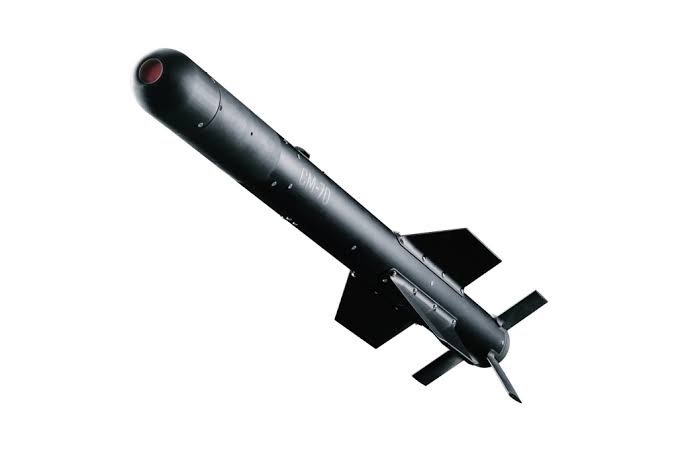 CSG and North Vector Dynamics Sign MoU to Explore European Production of CM-70 Counter-Drone Interceptor
-
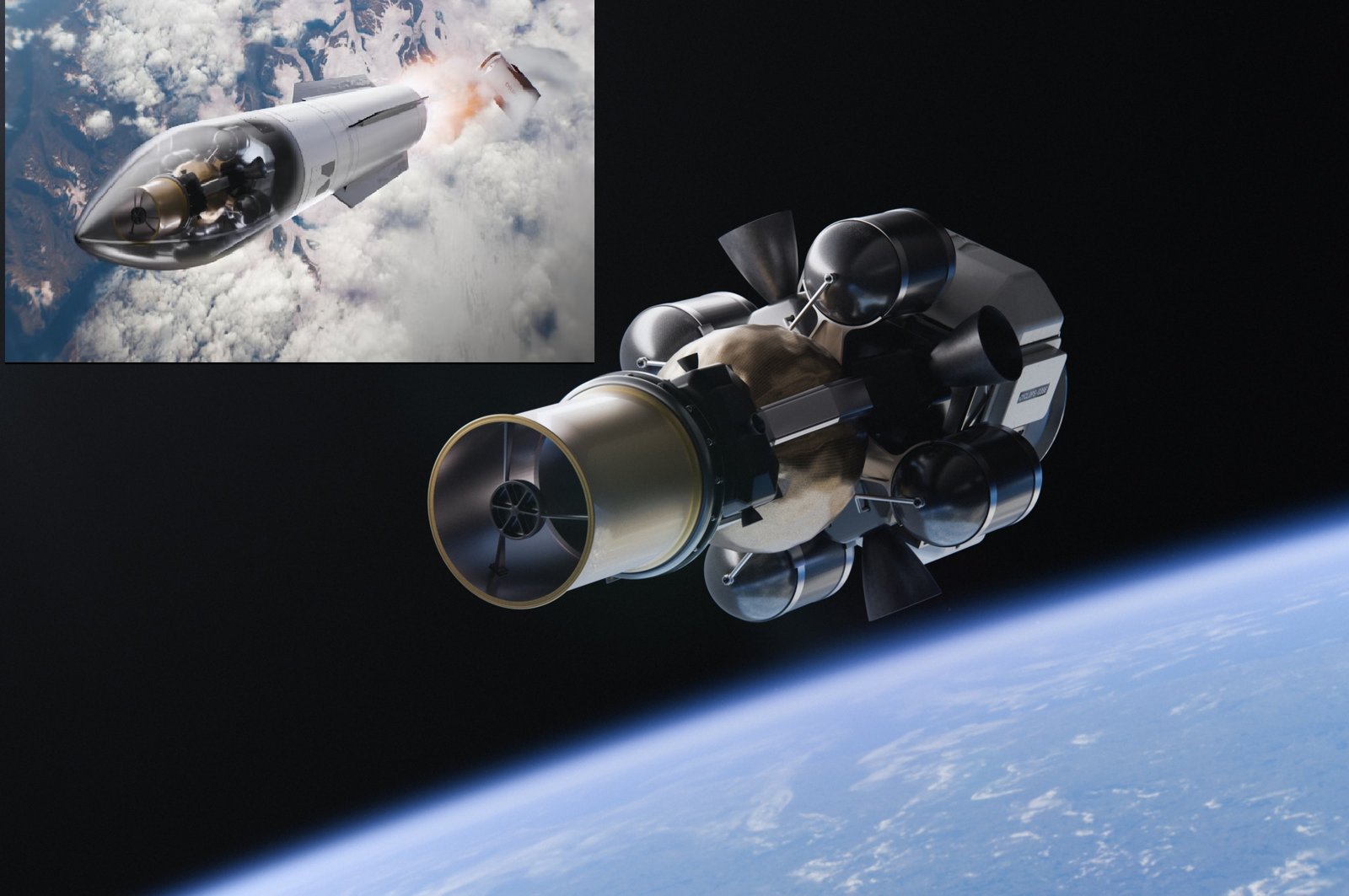 Long Wall Receives $75 Million MDA Award to Complete Cyclops Interceptor Flight Testing
-
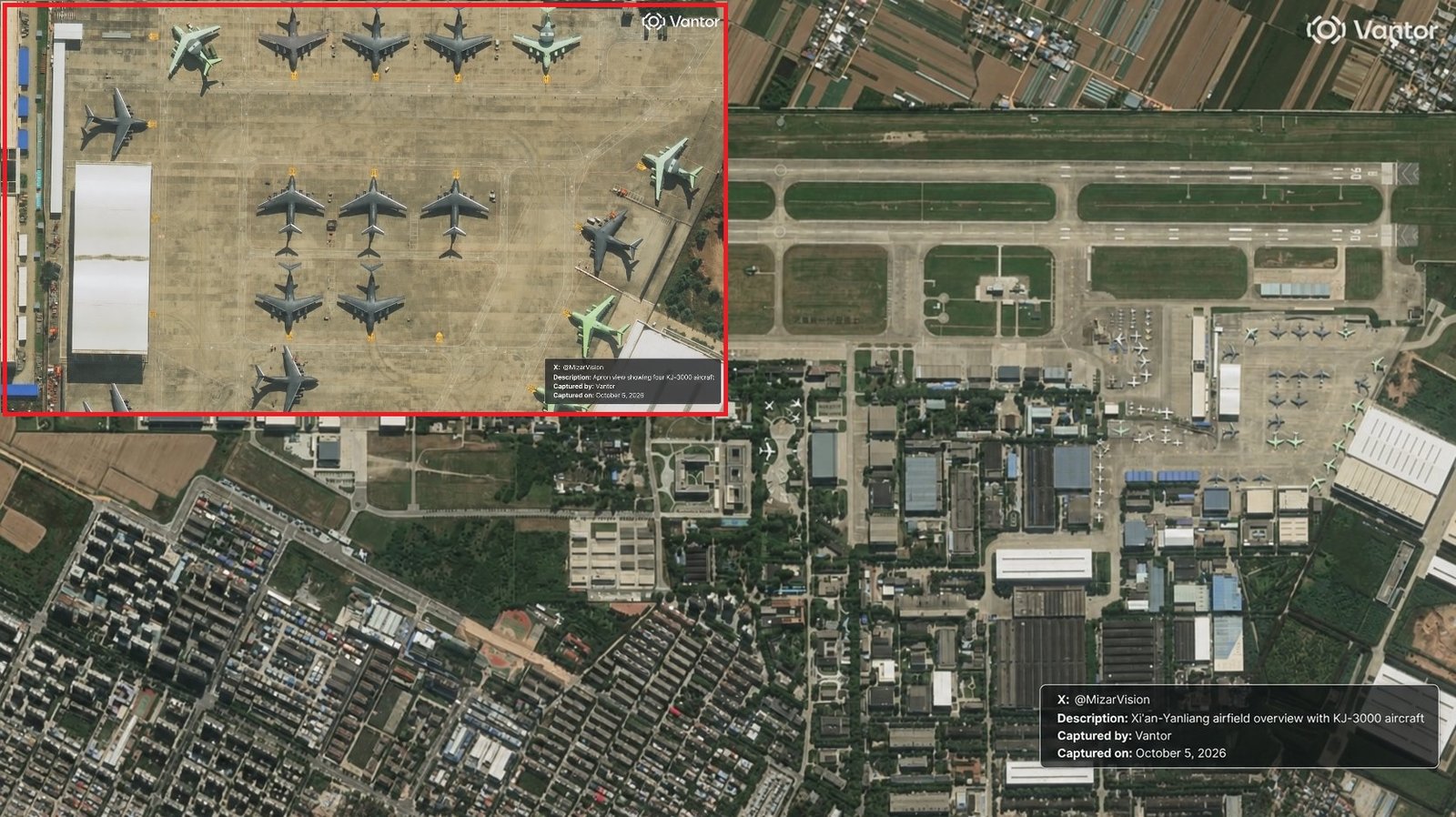 Satellite Images Reveal Four KJ-3000 AEW&C Aircraft at Chinese Aircraft Facility, Hinting at Possible Serial Production
-
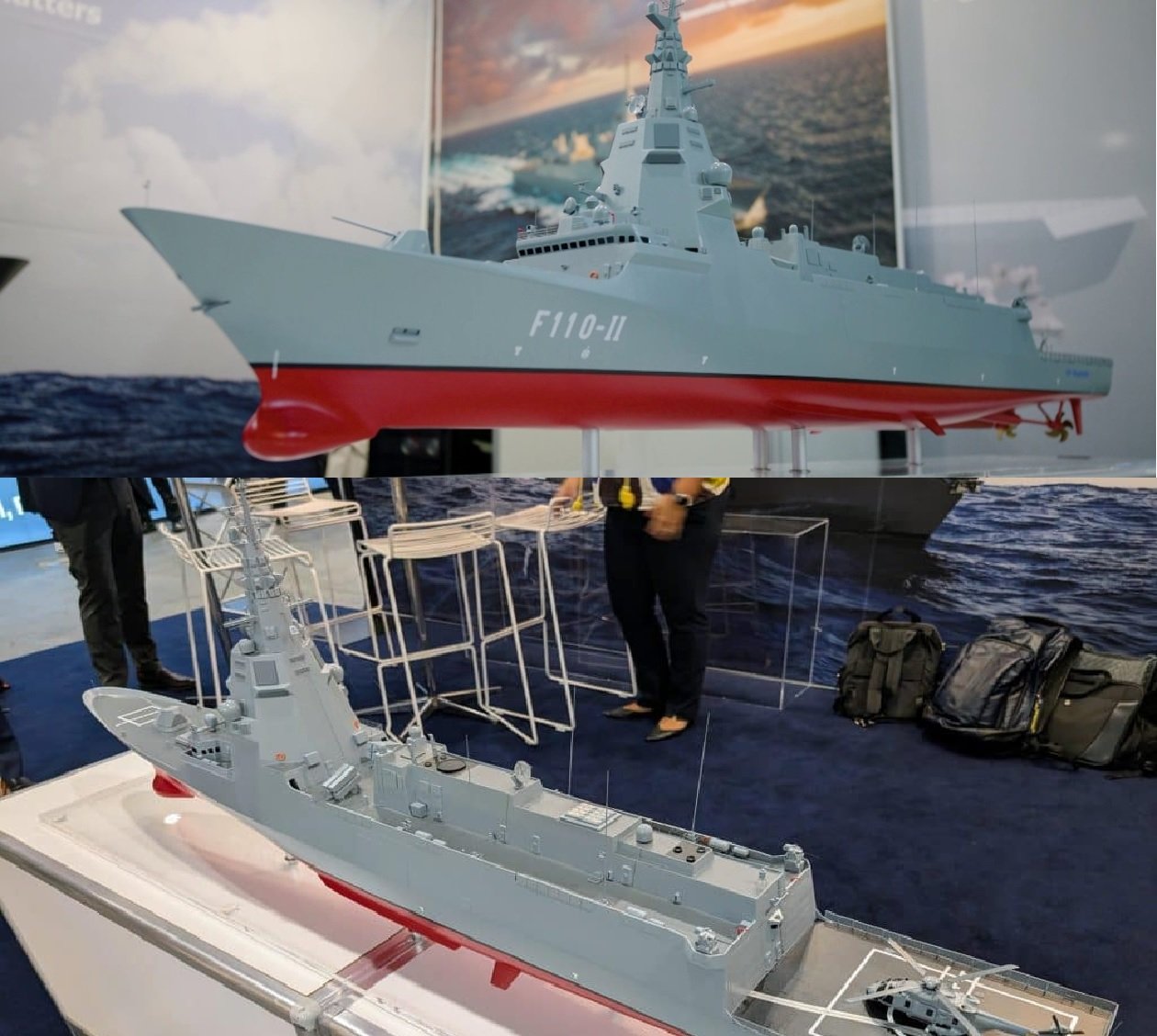 Spanish Navy and Navantia Advance F110 Frigate Design with Enhanced Air and Missile Defence
-
 Russia’s SJ-100 Superjet Flight Control System Enters Final Certification Stage After 1,500 Tests
-
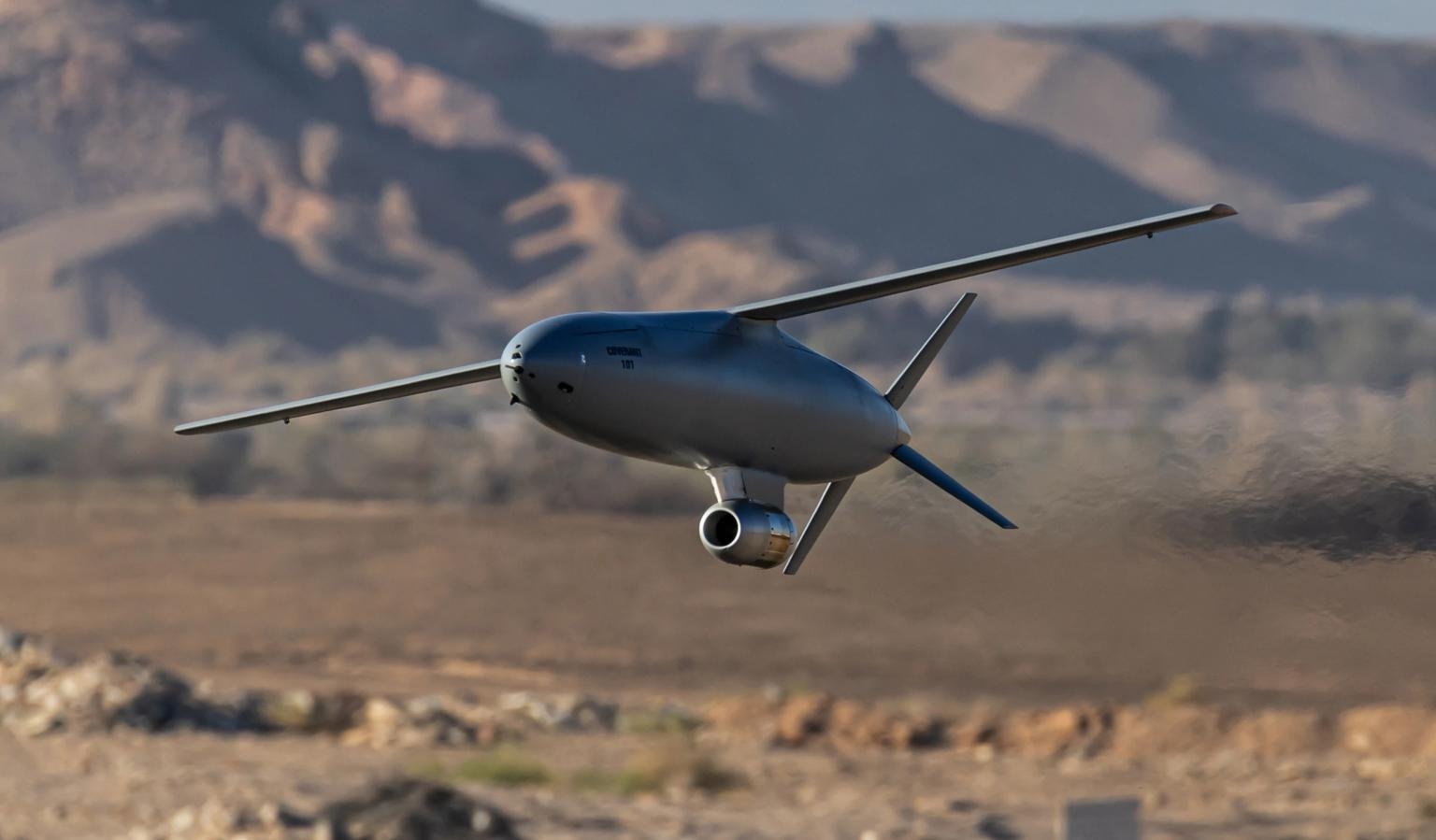 Denmark Acquires Anthem and Joint Strike Missiles in Major Long-Range Defense Overhaul
-
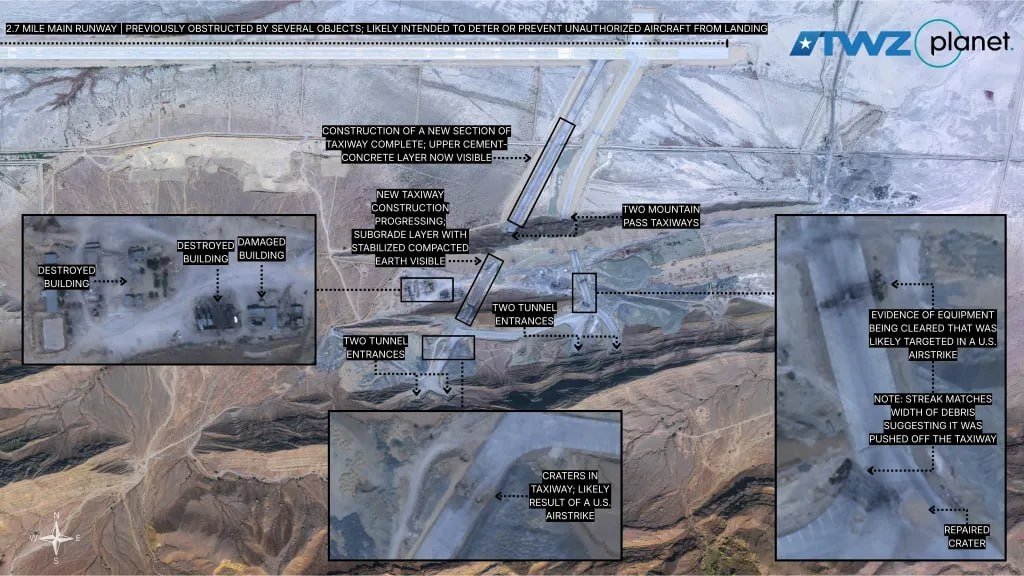 Satellite Images Reveal Iran Continues Restoration of Eagle 44 Underground Airbase After 2026 Strikes
-
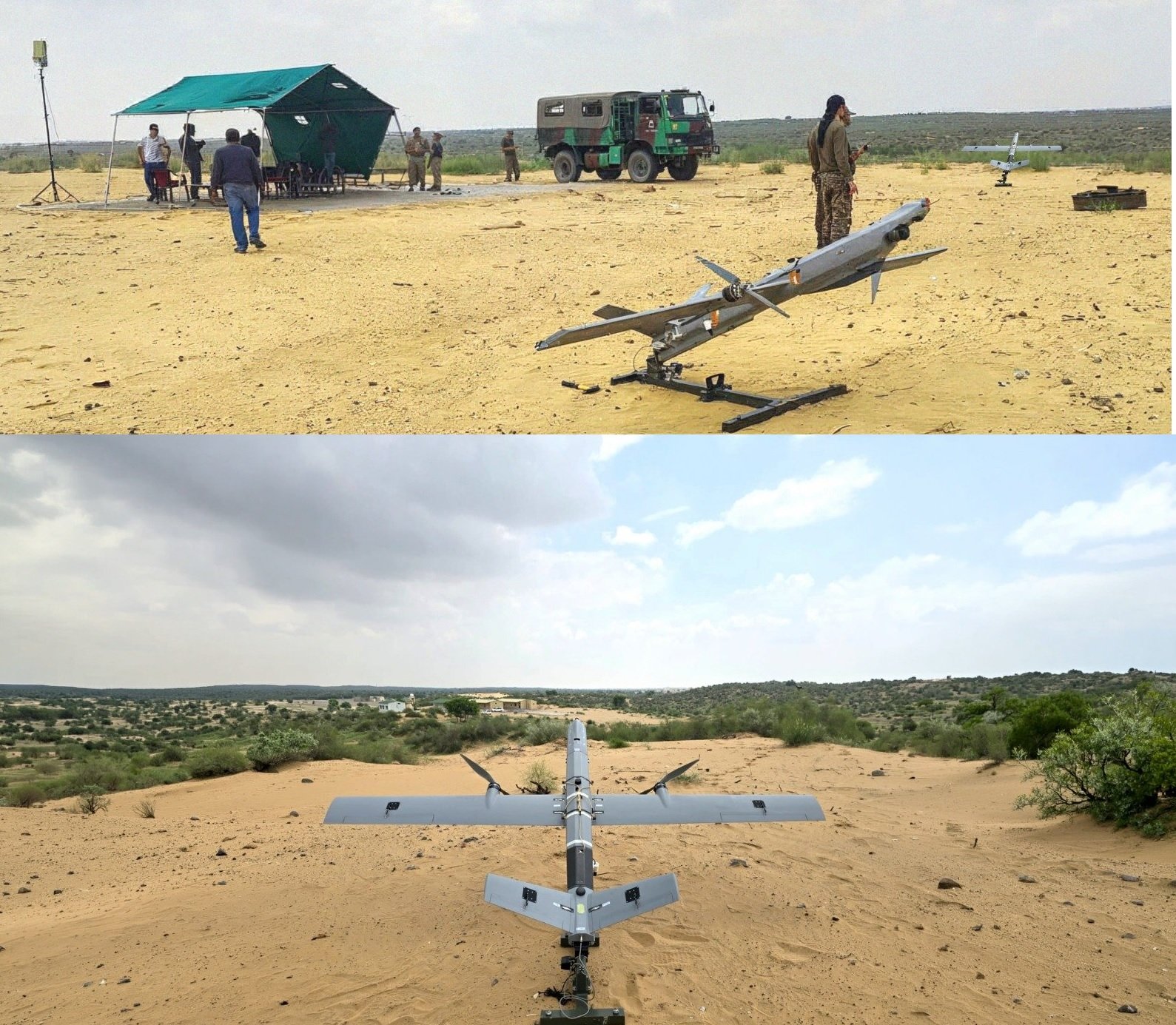 Solar Defence Begins Delivery of Nagastra-2 Anti-Tank Loitering Munition to Indian Army
Top Trending in 4 Days
-
 NASA Sets New Artemis Milestones as SpaceX and Blue Origin Target Moon Landings in 2027–2028
-
 U.S. Air Force Awards HII Subsidiary Enlighten IT $332.8 Million Cyber Defense Contract
-
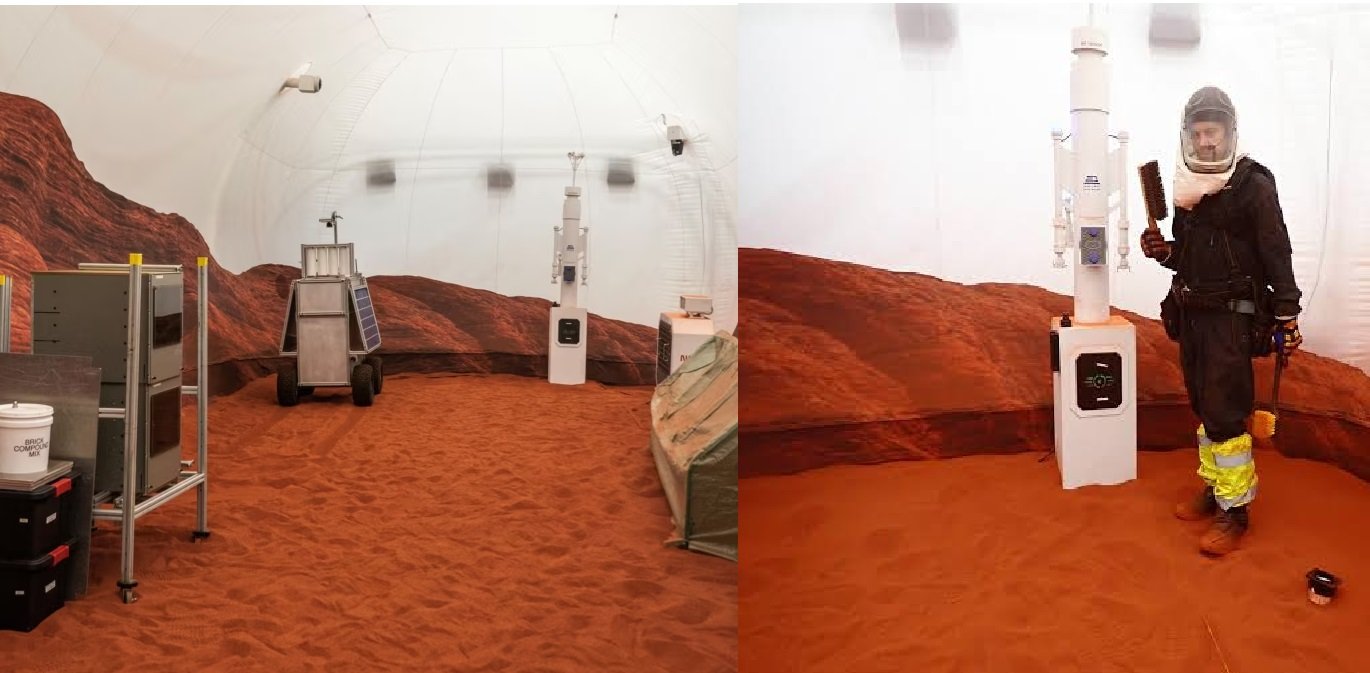 Four NASA Volunteers Mark One Year in Simulated Mars Habitat
-
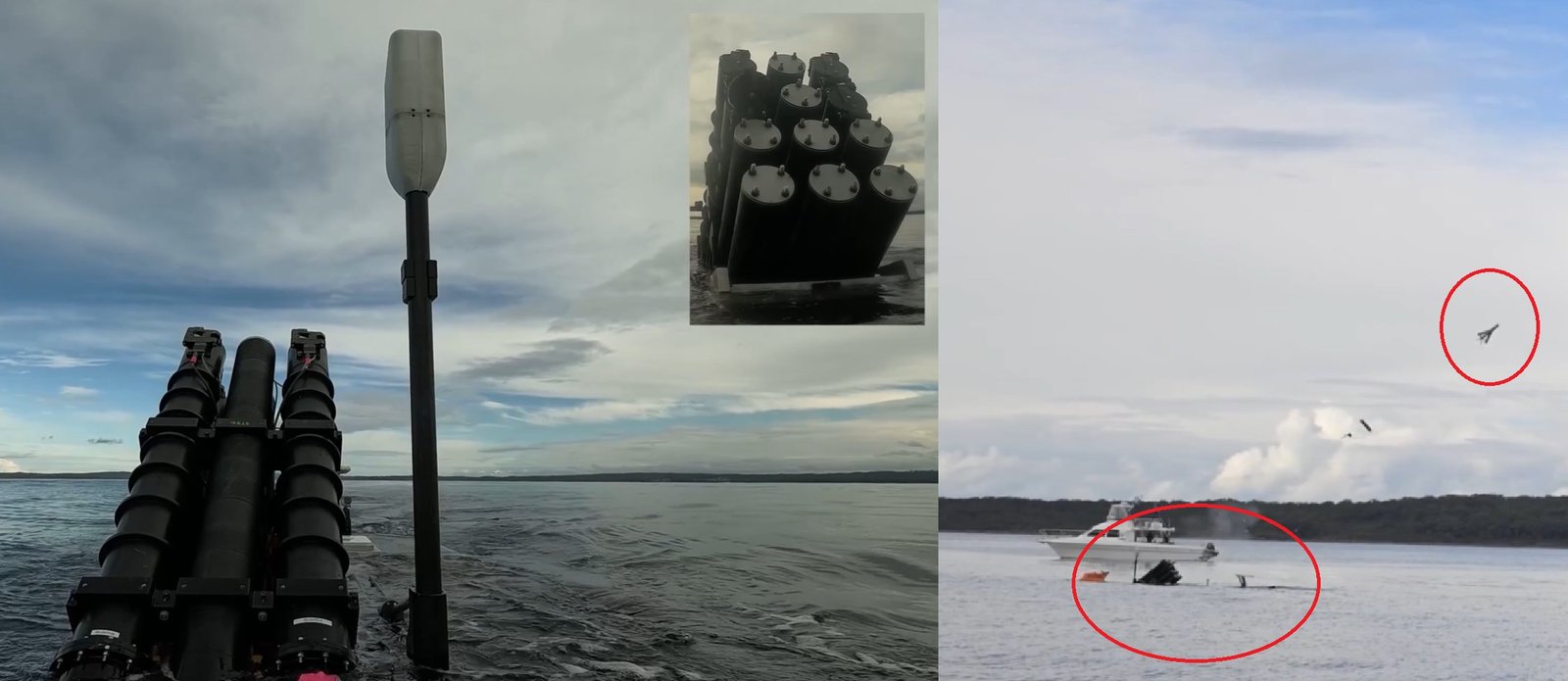 Australia Unveils Ghost Shark Autonomous Submarine’s Mine, Drone and Logistics Capabilities
-
 L3Harris Opens ‘Arsenal of Freedom’ Rocket Motor Plant in Arkansas to Double Production Capacity
-
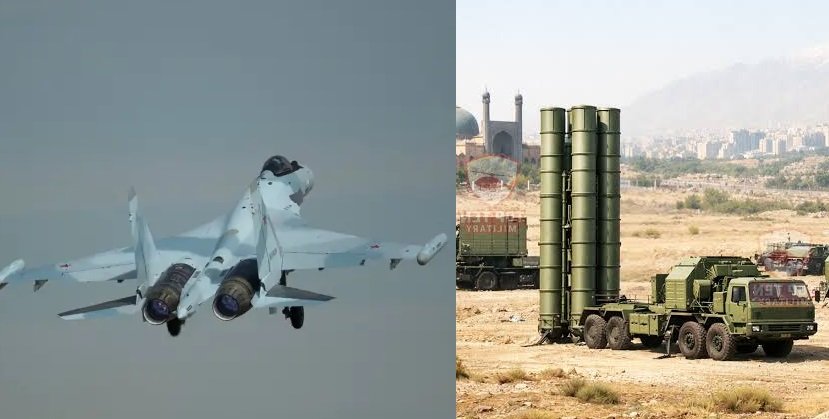 Russia Reportedly Offers Su-35 Fighters and S-400 Air Defence System to Protect Tehran
-
 Unitree Unveils H2-X ‘Kung Fu Legend: Guardian’ Humanoid Robot for Security and Rescue
-
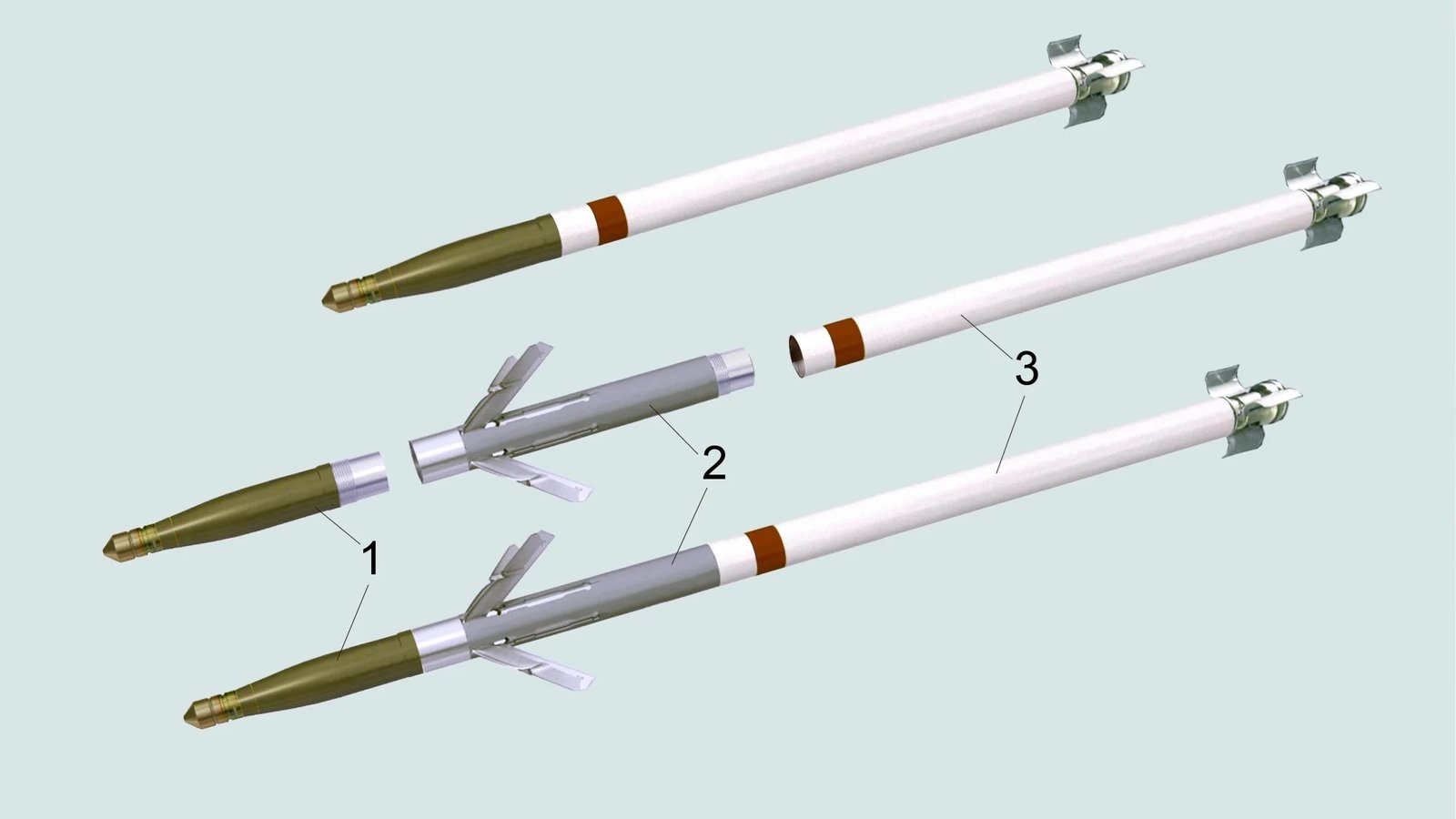 US to Buy Up to 25,000 APKWS Kits Annually, With Option to Increase to 35,000
