
World
In a worrying development, the United States has issued a stark warning about Iran’s advancement in chemical weapon capabilities, particularly in creating agents using synthetic opioids like fentanyl. These agents, known as pharmaceutical-based agents (PBAs), have the potential to incapacitate both soldiers and civilians, introducing a unique threat to the already tense Middle Eastern region. U.S. security analysts have expressed growing concerns that Iran may supply these weaponized opioids to regional proxies, such as Hezbollah, intensifying the possibility of these agents being deployed in conflicts.One expert vocalizing these concerns is Matthew Levitt, a senior fellow at the Washington Institute, who recently wrote about Iran’s PBA program for the Combating Terrorism Center at West Point. Levitt stressed that the creation of these opioid-based agents poses an urgent threat, as these substances could be used not only to incapacitate but, in high enough doses, to kill. By targeting the central nervous system, these PBAs act rapidly and could create widespread casualties without the large-scale physical destruction caused by traditional explosives.This revelation comes at a time of escalating instability in the Middle East, which has seen rising militancy from Iran-backed groups and proxy forces. According to Levitt and other experts, Iran’s development of PBAs has been ongoing since at least 2005, potentially violating the Chemical Weapons Convention (CWC), an international treaty Iran signed in 1997. The CWC prohibits the use, development, and stockpiling of chemical weapons. However, Iran’s ongoing work with opioid-based agents suggests a troubling disregard for this commitment, sparking concern within international regulatory bodies like the Organisation for the Prohibition of Chemical Weapons (OPCW).Iran’s PBA program includes synthetic opioids, especially fentanyl, which are well-known in the medical field for their potency as pain relievers but are also among the most lethal substances when used inappropriately. Weaponized PBAs could allow Iranian proxies to incapacitate large groups in controlled scenarios, using grenades or other delivery systems to expose individuals or crowds without causing overt physical harm. Experts believe that Hezbollah, Iran’s most prominent proxy in Lebanon, could use these agents in kidnapping operations or to neutralize Israeli forces in a strategic move that avoids more traditional and destructive forms of combat.This dual-use characteristic of PBAs—substances that can be employed both medically and as weapons—adds another layer of complexity to their regulation. Unlike traditional chemical agents that are easily identifiable as weapons, these synthetic opioids are pharmaceutical compounds that are otherwise lawful and beneficial in medical settings. This complicates enforcement under international law, as regulating PBAs without hindering the pharmaceutical industry is challenging. For the U.S. and its allies, Iran’s use of synthetic opioids in chemical weapon development illustrates a worrying new front in chemical warfare, one that leverages pharmaceutical advances for military purposes.Additionally, recent reports from Iran suggest that PBAs may have already been used within the country. For instance, several cases of mass poisoning in Iranian schools have raised suspicion among some local journalists who allege that these incidents could be linked to the country’s PBA research. Though unconfirmed, these reports hint at the potential domestic misuse of these chemical agents, possibly to suppress dissent or for other politically motivated actions.Iran, for its part, defends its PBA research as necessary for crowd control, citing the traumatic legacy of chemical attacks suffered during the Iran-Iraq War as justification for bolstering its own defensive capabilities. Nevertheless, this claim has done little to quell international concern. The U.S. has consistently argued that Iran’s activities violate the spirit and letter of the CWC, particularly when the development of chemical agents is geared toward military or subversive purposes.The international community now faces a critical challenge: the opioid-based PBAs Iran is developing represent an advanced form of chemical weapon that could spread beyond the Middle East if distributed to proxy forces. The U.S. and its allies continue to monitor the situation closely, fearing the broader implications for regional stability and security. As tensions remain high in the Middle East, Iran’s PBA program raises the stakes in a conflict landscape already fraught with complex alliances and proxy warfare, emphasizing the urgent need for diplomatic and regulatory action to curb the threat of chemical weapons disguised as pharmaceuticals.
Read More → Posted on 2024-11-13 15:21:54
World
Turkey has achieved a remarkable milestone in drone warfare with Baykar’s recent test of its advanced Akinci unmanned combat aerial vehicle (UCAV). Known for pioneering drone technology, Baykar successfully launched two İHA-230 supersonic ballistic missiles from the Akinci UCAV, hitting a target with stunning accuracy at a distance of 155 kilometers. This breakthrough reflects Turkey’s growing prowess in high-tech military innovation and places it among the few countries capable of utilizing drones for long-range ballistic missile strikes.The Akinci UCAV and İHA-230 Missile: Key Specifications and CapabilitiesThe Akinci UCAV, Baykar’s most sophisticated combat drone, boasts state-of-the-art features that elevate it above many other UAVs. Equipped with dual turbo-prop engines, it is capable of high-altitude operations and can carry a diverse payload, from smart munitions to various missiles. Its onboard avionics allow for real-time data processing and decision-making, enhancing its adaptability in complex combat environments. The Akinci can operate at an altitude of 40,000 feet, extending its operational flexibility and making it a powerful asset for both reconnaissance and strike missions.Central to this test’s success is the İHA-230 missile, a new air-to-surface weapon developed by Turkish defense contractor Roketsan specifically for drone applications. The İHA-230 missile is designed for tactical precision and can engage targets at a range of 20 to 150 kilometers. This capability allows the Akinci to strike from outside enemy air defenses, minimizing the risk to the UCAV and ensuring operational safety even in contested airspaces.Enhancements in the İHA-230’s DesignTo maximize performance, recent modifications were introduced to the İHA-230 missile. Roketsan re-engineered its tail section for better aerodynamics, enabling higher speeds and improved maneuverability, particularly during descent. Adjustments to the missile’s forward control surfaces have further optimized its stability, allowing for greater accuracy even in challenging flight conditions. These changes collectively increase the missile’s effectiveness, ensuring that it can reliably hit targets with precision.The İHA-230’s development embodies Turkey’s focus on making its drone fleet highly versatile and self-sufficient. By integrating ballistic capabilities into the Akinci UCAV, Turkey enhances its strategic flexibility, empowering its forces to execute high-precision strikes without relying on larger aircraft or ground-based missile systems. Strategic Implications for Turkey’s DefenseThe successful launch of ballistic missiles from a UCAV expands the tactical options available to Turkish forces in both conventional warfare and counter-terrorism. The İHA-230’s standoff range allows it to target strategic assets while keeping the Akinci and other supporting systems safely outside the range of enemy defenses. This level of reach, combined with the UCAV’s autonomous capabilities, positions Turkey as a formidable force in modern drone warfare. For operational commanders, this translates to a significant advantage in contested areas, where minimizing exposure to adversarial forces is critical for mission success.As geopolitical tensions fluctuate, the Akinci-İHA-230 combination offers a unique deterrence tool. It enables Turkey to project power without escalating risk to personnel or expensive manned aircraft. Additionally, this advanced drone-ballistic missile integration underscores Turkey’s ambitions to develop indigenous defense technology, making it more self-reliant in the global arms landscape.A New Chapter in Drone and Missile TechnologyThis landmark achievement by Baykar marks a pivotal point in drone technology. The Akinci UCAV’s ability to launch ballistic missiles with such range and precision demonstrates the transformative role of unmanned systems in modern warfare. With continued advancements, Turkey is setting a new benchmark for how drones can function beyond surveillance and light-attack roles, evolving into multi-functional systems capable of complex missions. This development also signals Turkey’s growing presence in global defense, potentially inspiring other countries to explore similar capabilities in their drone fleets.
Read More → Posted on 2024-11-13 15:18:44
DRDO's SSPL Develops Advances Indigenous SiC and GaN Technologies for India's Future Defense Systems
India
In a significant stride for India's defense capabilities, the Defence Research and Development Organisation (DRDO) has achieved a breakthrough in semiconductor technology through the work of its Solid State Physics Laboratory (SSPL). This laboratory has developed an indigenous process to produce advanced Silicon Carbide (SiC) wafers and Gallium Nitride (GaN)-based High Electron Mobility Transistors (HEMTs), which are set to power next-generation defense and aerospace systems. This accomplishment holds major implications for India’s strategic autonomy in semiconductor tech, particularly for applications in critical systems like radars, electronic warfare, and even clean energy solutions.SiC and GaN: A New Frontier in Power and EfficiencySilicon Carbide (SiC) and Gallium Nitride (GaN) materials are leading the charge in next-gen electronics because of their unique properties. SiC offers exceptional durability and can handle high voltages and temperatures better than traditional silicon, making it ideal for high-performance applications under extreme conditions. Meanwhile, GaN-based components, particularly GaN High Electron Mobility Transistors (HEMTs), provide ultra-efficient power and performance in compact designs. Together, GaN/SiC technology not only boosts power efficiency but also reduces the overall size and weight of electronic components, crucial for mobile and airborne systems.SSPL has successfully developed 4-inch diameter SiC wafers, a feat that indicates India’s self-reliance in producing this material at a competitive size and scale. Alongside, the lab has developed GaN-based HEMTs with power outputs up to 150 watts and Monolithic Microwave Integrated Circuits (MMICs) with outputs up to 40 watts, both optimized for applications in the X-band frequency range. These specifications make them invaluable in radar and communication systems, which demand both power and resilience in challenging environments.GaN/SiC: Driving Next-Gen Defense and Clean Energy ApplicationsAs confirmed by India’s Ministry of Defence, GaN on SiC technology underpins essential next-gen applications across defense, aerospace, and even green energy domains. In defense, GaN/SiC-based MMICs are already emerging as core components for high-performance radar systems, advanced electronic warfare units, and communication arrays. Their compact nature and ability to deliver high power make them particularly well-suited for unmanned systems, where every gram of weight and cubic centimeter of space can impact mission success. This technology has also opened up pathways for eco-friendly energy solutions. GaN and SiC components are key enablers of efficient power conversion, and their adoption in renewable energy and electric vehicle applications could significantly advance India's green energy initiatives. GaN on SiC-based MMICs, with a growing domestic production capability at facilities like GAETEC in Hyderabad, have the potential to drive this evolution, bridging the defense and clean energy sectors with high-performance, environmentally conscious systems.Strategic Advantages and a Path to Self-RelianceThe implications of this indigenous capability extend beyond technical specifications. With the ability to manufacture SiC wafers and GaN-based devices locally, India has made significant progress in its goal for 'Aatmanirbhar Bharat' (self-reliant India). The production of multifunctional MMICs with applications spanning 5G communications, space, aerospace, and strategic defense represents a milestone in reducing dependence on foreign suppliers for critical semiconductor technologies.SSPL's advancements in SiC and GaN technology underscore India's evolving semiconductor landscape. As the nation continues to make strides in electronics manufacturing, these materials could soon serve as the backbone of India's defense and clean energy infrastructure, strengthening both strategic resilience and sustainable growth. With global semiconductor supply chains facing challenges, this self-reliance could not be more timely, positioning India as a future leader in critical technology production.
Read More → Posted on 2024-11-13 15:14:09
India
Gridbots Technologies, an innovative force in robotics and artificial intelligence from India, has set a new standard in military maintenance technology. With their latest creation, VIPER, they are transforming how artillery, tank, submarine, and aircraft gun barrels are cleaned and inspected. Gone are the days of tedious manual labor with inefficient results—VIPER’s cutting-edge AI and laser scanning features make gun barrel upkeep smarter, faster, and more effective than ever.Maintaining the interior of large gun barrels has long been a formidable task. The conventional approach typically required multiple personnel to use hefty rods fitted with brushes to clean the length of each barrel manually. This time-consuming, repetitive process has inherent flaws: it struggles to provide thorough cleaning, especially in barrels with rifling where standard straight-line scrubbing fails to address every groove. Worse, improper cleaning can lead to misalignments, build-up, and eventual wear, reducing barrel performance and longevity. Enter VIPER—a solution designed to automate and optimize this critical process.The Technology Behind VIPERVIPER’s AI-driven inspection system represents a game-changer for military operations. By integrating advanced laser scanning technology, it can inspect and analyze the interior of gun barrels with unprecedented precision. This robotic system can detect microscopic defects as small as 0.1 millimeters, spotting pitting, wear, and structural weaknesses that human eyes would almost certainly miss. The AI processes this data in real time, delivering immediate feedback about the barrel’s condition.One of the most impressive elements of VIPER’s arsenal is its 3D profilometry capabilities. By deploying high-precision lasers, VIPER generates a comprehensive 3D model of the barrel's interior. This allows for exact measurements of depth, dimensions, and any existing imperfections. For military operators, this translates to data-driven maintenance, enabling them to make informed decisions on whether repairs are necessary or if a barrel can continue functioning without issue.VIPER's cleaning system is equally sophisticated. The process is multi-staged, employing both nylon brushes and cloth-based cleaning mechanisms that reach into every rifled groove and smooth bore. VIPER doesn’t just clean; it finishes the job with automatic lubrication, protecting the barrel from future damage, and a drying system that ensures the barrel is mission-ready. Remarkably, all of this is controlled by a single operator using a wireless tablet, making what was once an exhausting, multi-person endeavor a quick and efficient operation.Built for Versatility and PortabilityDespite its high-tech capabilities, VIPER is impressively compact and user-friendly. Weighing under 15 kilograms, it’s easily transportable, and its hot-swappable rechargeable batteries mean it can operate continuously without interruption. This portability means VIPER can be deployed in a range of environments, from field practice areas to active combat zones, adapting seamlessly to the situation at hand.The design also comes equipped with a comprehensive suite of sensors, providing an all-around assessment of the barrel’s condition. The ultrasonic and magnetic flux leakage (MFL) sensors help measure structural integrity, while gas and thermal sensors detect internal residues and heat anomalies. The 3D/GPR sensors offer further layers of diagnostic information, making VIPER a robust tool for modern military applications.Tailored Models for Different NeedsGridbots has thoughtfully designed two VIPER models to meet various operational requirements. The GB-VIPER-C is equipped for both inspection and cleaning, making it ideal for comprehensive barrel maintenance. Meanwhile, the GB-VIPER-I focuses on in-depth inspection alone, suitable for instances where cleaning may not be necessary but structural diagnostics are critical. Both models can handle barrels up to 12 meters in length, accommodating a wide range of military hardware.In essence, VIPER is a testament to how technology can elevate even the most routine military maintenance tasks. By automating and refining the cleaning and inspection process, Gridbots' robotic innovation ensures that gun barrels maintain peak performance, are well-protected from future damage, and remain combat-ready.A Leap Forward in Military TechnologyThe implications of VIPER’s technology are far-reaching. By streamlining and perfecting gun barrel maintenance, VIPER enhances the operational readiness of military units and reduces the risk of barrel failure. In environments where every second counts and reliability is paramount, having a tool like VIPER could be the difference between success and setback.As defense forces worldwide continue to embrace AI and automation, solutions like VIPER underscore the importance of merging cutting-edge technology with essential military needs. Gridbots Technologies has set a high bar, showing that even in something as specialized as gun barrel maintenance, there’s always room for innovation.
Read More → Posted on 2024-11-13 15:06:10
India
The Indian Army is gearing up to test an indigenously designed and developed light battle tank in 2025, marking a significant step forward for the nation’s armored capabilities, particularly tailored for high-altitude conflicts like those experienced in eastern Ladakh. This initiative emerges from collaboration between the Defence Research and Development Organisation (DRDO) and Larsen & Toubro (L&T), aiming to counter the growing threats posed by neighboring adversaries’ advanced platforms.Dubbed as a crucial component for high-altitude warfare, the light tank has been in development to meet urgent operational needs. The Zorawar tank, as it is known, is designed to be agile and lethal, capable of enduring and operating in the tough, mountainous terrains along the northern borders. Compared to the Chinese Type 15 tanks, the Zorawar boasts superior firepower and agility, enabling it to tackle challenges posed by difficult environments and rival capabilities.Weighing around 25 tons, the Zorawar is optimized for rapid maneuverability in the thin air of extreme altitudes. It sports a 105mm main gun equipped with an autoloader, reducing the need for a larger crew and enhancing efficiency. The main armament is complemented by a coaxial 7.62mm machine gun and a turret-mounted 12.7mm remote weapon station, offering robust firepower in a compact platform. Unique features include composite rubber tracks, which provide better traction and a quieter ride over rough surfaces, and amphibious capabilities that make the Zorawar versatile for various operations.Further technological advancements include the integration of drones and loitering munitions, providing modern reconnaissance and strike abilities. Additionally, the tank has advanced targeting systems, such as Safran Paseo sights from France, ensuring precise engagement even in adverse conditions. Notably, the powerpack options include a choice between a Cummins or MTU engine, reflecting the flexibility in sourcing key components and improving the tank's reliability under demanding scenarios.The Army’s plans don’t stop with Zorawar. Lt. Gen. Vivek Kashyap, Director General of the Armoured Corps, has revealed that future light tanks are already on the drawing board. The Army intends to fund these next-generation projects partially, selecting two industry partners to develop their respective designs. This approach ensures a competitive process, with the most effective system poised for widespread induction, reinforcing India's armored strength for years to come.In the broader landscape, India's defense establishment is simultaneously advancing its next-generation main battle tank project under "Project Ranjit." This emphasis on indigenous armor reflects a strategic shift toward self-reliance, even as India borrows and adapts key foreign technologies for optimal results.While the Zorawar is a promising development, the journey from prototype to operational deployment remains fraught with the usual challenges of trials and refinement. If successful, however, the tank could serve as a game-changer, providing a critical edge in the strategically sensitive and harsh landscapes of the Himalayas, where tensions have remained high.
Read More → Posted on 2024-11-13 15:02:28
India
The Indian Army is making significant strides with the implementation of 'Project Akashteer,' a cutting-edge initiative that promises to revolutionize air defense through automation and digitization. This ambitious project, initiated as part of India's drive for technological self-reliance under the 'Atmanirbhar Bharat' initiative, is currently being phased into the Army's operational infrastructure.As of the latest updates, 107 out of the total 455 required Akashteer systems have been successfully delivered, with the next tranche of 105 expected by March 2025. The full induction is planned to be completed by 2027, ensuring that the Army's various formations have robust air defense capabilities. These systems are being developed by Bharat Electronics Limited (BEL), a key player in India's defense manufacturing sector, and their deployment has already begun, marked by a ceremonial flagging-off in April from BEL's facility in Ghaziabad.What Sets Project Akashteer Apart?The Akashteer project represents a transformative leap in air defense for the Indian Army. It is designed to ensure that the force can maintain a high level of situational awareness, manage airspace efficiently, and protect friendly aircraft while intercepting and neutralizing hostile threats in contested environments. This system not only enhances India's defensive posture but also ensures that critical airspace remains secure in the face of evolving aerial threats.A distinguishing feature of Akashteer is its integration of sensor fusion technology. By amalgamating data from various sources, it generates a comprehensive and real-time air picture that allows for swift and informed decision-making. Furthermore, the system automates many operations, which significantly cuts down response times during critical situations. This automation is crucial in scenarios where speed and precision can be the difference between intercepting a threat and a catastrophic failure.Another strategic advantage of the Akashteer system is its decentralized engagement authority. This design allows for distributed decision-making, which ensures that responses to aerial threats are swift and coordinated. This is especially important given the complexity of modern warfare, where multiple threats may emerge simultaneously from different directions.Real-Time Validation and Technological LeapIn 2024, termed the 'Year of Technology Infusion' by the Indian Army, Akashteer underwent a rigorous real-time validation exercise. This simulation was designed to mimic the complex and chaotic scenarios likely to be encountered in future warfare. The test was closely monitored by senior military officials, who lauded the project's developers for achieving a groundbreaking improvement in air defense capabilities.The system is also built with inherent scalability and redundancy, meaning it can adapt to various operational requirements and continue functioning effectively even if parts of the system face disruptions. These features are vital for ensuring reliability during prolonged engagements or under electronic warfare attacks.Strategic Significance and Future OutlookProject Akashteer is more than just a technological upgrade; it represents India's strategic push to modernize its armed forces in response to a dynamic security landscape. By automating air defense processes and enhancing integration across different defense systems, Akashteer ensures the Indian Army remains agile and responsive.This project is expected to have a lasting impact on India's defense ecosystem, driving innovation and strengthening the indigenous defense manufacturing sector. The comprehensive coverage Akashteer will provide to India's airspace marks a significant step forward in national security, reinforcing the country's preparedness against modern aerial threats.
Read More → Posted on 2024-11-13 14:58:37
World
In a tense maritime episode underscoring the Red Sea’s escalating dangers, Yemen’s Houthi rebels launched a sophisticated assault on two U.S. Navy destroyers transiting the Bab al-Mandeb Strait. As the Pentagon detailed, at least eight attack drones, five ballistic missiles, and three anti-ship cruise missiles were fired in the coordinated offensive. The warships managed to thwart the strikes using advanced defense systems, emerging unscathed and with no injuries among their crews.The Houthis have ramped up maritime hostilities in the Red Sea and Gulf of Aden since November 2023, citing their solidarity with Palestinians amid Israel’s aggressive military campaign in Gaza. These assaults on international shipping lanes, vital for global trade, echo broader tensions that have enveloped the region, as Iranian-backed factions from Lebanon to Syria intensify attacks fueled by regional grievances.This latest confrontation brought to light Washington’s ongoing military efforts to secure these strategic waters. U.S. Central Command has bolstered presence by deploying air and naval assets, including the aircraft carrier USS Abraham Lincoln. Yet, the Houthis' false claim of targeting the carrier was dispelled by Pentagon spokesman Major General Pat Ryder.Even as the U.S. Navy continues to patrol the Red Sea’s critical waterways, the Pentagon has launched retaliatory airstrikes against Houthi weapons storage, attempting to curb future threats. These countermeasures illustrate the persistent volatility, as attacks spread across Syria, Iraq, and Lebanon, driven by anti-Israel sentiments and deepened by proxy struggles.The U.S. remains vigilant in defending regional stability while facing a geopolitical powder keg ignited by cross-border animosities, demonstrating the complexity and scale of emerging security threats across the Middle East.
Read More → Posted on 2024-11-13 14:53:28
India
Lakshmi Machine Works-Advanced Technology Centre (LMW-ATC) has achieved a milestone with the delivery of its first air intake assembly for the TEJAS MK-1A fighter jet, an upgrade to the earlier TEJAS versions that are being manufactured for the Indian Air Force. This significant delivery, completed on November 7, 2024, showcases the strides made by India's indigenous aerospace manufacturing sector and underscores LMW-ATC's growing prominence in defense supply chains.LMW-ATC, based in Coimbatore, has been known for its high-precision aerospace components, having made substantial investments in state-of-the-art technology to serve defense and aviation industries. The air intake assembly for the TEJAS MK-1A is not a straightforward part; it's a complex, aerodynamically crucial structure responsible for optimal airflow into the fighter jet's engine. Crafting this component requires extraordinary precision, from material selection to the intricate manufacturing process. LMW-ATC’s commitment to adhering to stringent standards such as AS 9100D and NADCAP is fundamental, given the need for flawless performance under extreme flight conditions.The TEJAS MK-1A, which is expected to substantially strengthen the Indian Air Force's combat readiness, features advanced radar and electronic warfare capabilities. It's a multirole light fighter designed to operate in a wide range of mission profiles, from air dominance to precision strike. With the Indian Air Force having ordered 83 units from Hindustan Aeronautics Limited (HAL), maintaining a streamlined production schedule is crucial. HAL's reliance on Indian suppliers like LMW-ATC is part of a broader government push for self-reliance in defense manufacturing.One of the key challenges faced by LMW-ATC in producing the air intake assembly was the need for extreme precision engineering. Working with specialized alloys, the team had to overcome hurdles related to machining and ensuring consistency in component aerodynamics. Additionally, the company had to synchronize its production with HAL’s timeline, while managing global supply chain disruptions and integrating advanced manufacturing technologies. LMW-ATC's Coimbatore facility spans over 18 acres, equipped with 34,000 square meters of cutting-edge manufacturing space. The center not only produces engine and structural assemblies but also engages in sheet metal processing and aerospace composites. It features high-tech clean rooms for composites, a sophisticated testing area, and robust quality assurance processes.This achievement is part of LMW-ATC’s growing collaborations with defense giants like HAL and the Defence Research & Development Organisation (DRDO). The company has become a strategic partner in India’s defense ecosystem, aiding projects that aim to reduce dependency on foreign suppliers and support the Make in India initiative.In essence, the successful delivery of this air intake assembly reflects a blend of innovation, precision engineering, and strategic alignment with India's national defense goals. As HAL prepares for future challenges, partners like LMW-ATC play a pivotal role in delivering components that meet the exacting standards required for modern fighter jets.
Read More → Posted on 2024-11-13 14:49:37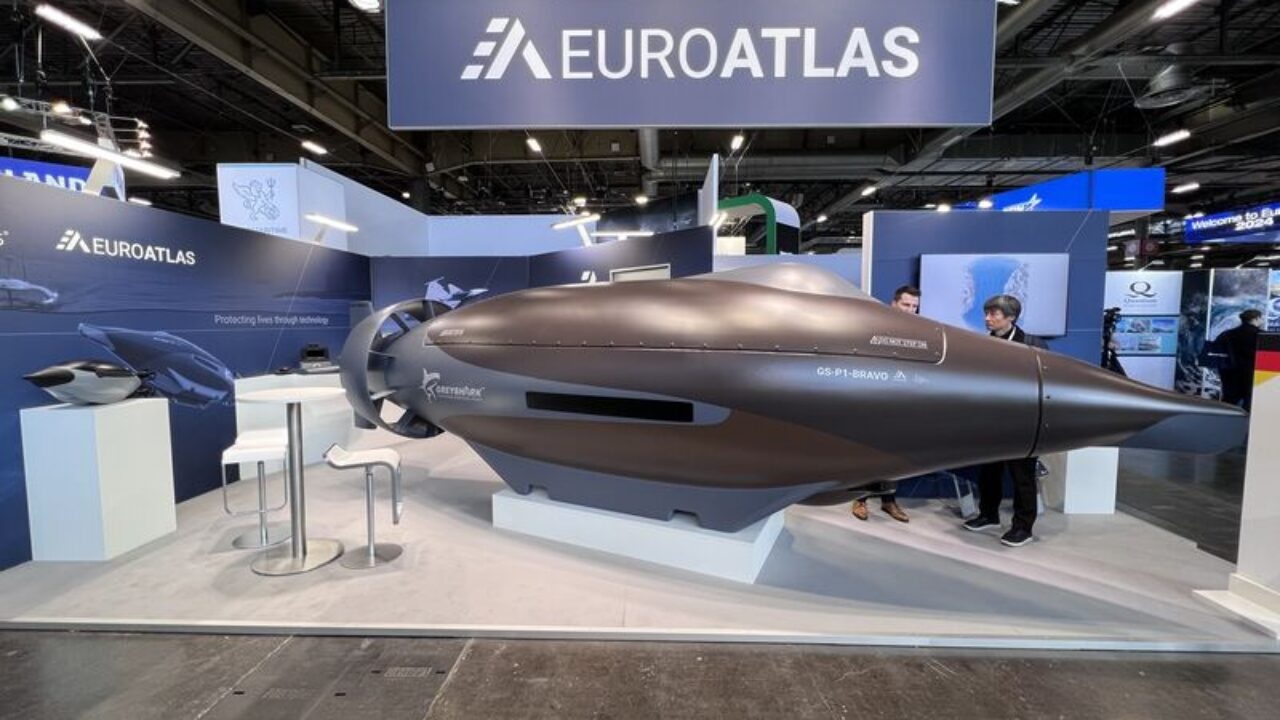
World
Euroatlas, the German engineering powerhouse, has unveiled a cutting-edge addition to underwater surveillance technology: the Greyshark autonomous underwater vehicle (AUV). Revealed at the prestigious Euronaval 2024 exhibition in Paris, this AUV is geared for a broad spectrum of missions ranging from reconnaissance to safeguarding critical underwater infrastructure.At first glance, Greyshark stands out for its streamlined design, optimized for efficient and silent operations. With a cruising speed of 10 knots (approximately 11 miles or 18 kilometers per hour), it’s built for endurance, boasting a remarkable operational range of 1,000 nautical miles (1,150 miles or 1,852 kilometers). This makes it capable of long-duration missions, up to 30 days at sea, either independently or as part of a swarm. Its impressive operational depth of 650 meters (around 2,132 feet) will be extended to 4,000 meters in future upgrades, highlighting its versatility for deep-sea tasks.Greyshark's technological arsenal includes advanced active sensors, such as multibeam and synthetic aperture sonar, and passive systems like anti-jamming GNSS and AI-enhanced camera setups. This sensor array, combined with sensor fusion technology, allows Greyshark to detect and analyze changes in underwater environments and track objects efficiently. Communication capabilities are equally robust, with features like Iridium satellite links and underwater acoustic modems that ensure seamless data transfer even in challenging maritime conditions.A key feature of Greyshark is its adaptability for diverse roles. It can be configured to protect underwater assets like pipelines, cables, and harbors, or be equipped for mine warfare and anti-submarine operations. The AUV can operate autonomously or in coordination with up to six other units, thanks to its swarm capabilities. These can be directed from a central hub, operate self-organized, or even function under the guidance of a mothership.To ensure seamless operations, Euroatlas provides a comprehensive support package, covering everything from transport and maintenance to deployment and refueling. This service infrastructure is essential for adapting the Greyshark to various mission profiles and adhering to international regulations, both in civilian and military maritime domains.Euroatlas’s latest innovation underscores a commitment to modernizing underwater warfare and surveillance capabilities, setting a high benchmark for future maritime technologies.
Read More → Posted on 2024-11-13 14:12:17
World
The eagerly anticipated arrival of the Akula-class INS Chakra III submarine for the Indian Navy has hit a significant delay, pushing its expected induction to 2028, three years later than initially planned. The INS Chakra III, a nuclear-powered attack submarine (SSN), was originally scheduled to join the Indian fleet in 2025, but the ongoing Russia-Ukraine conflict has disrupted the timeline, affecting Russia's defense production schedules and its capacity to deliver international defense commitments.The Akula-class submarines are a cornerstone of advanced naval warfare, and India's acquisition of the INS Chakra III underlines the strategic importance of nuclear-powered submarines in modern military operations. In 2019, after protracted negotiations, India and Russia signed a substantial $3 billion lease agreement, paving the way for the delivery of the INS Chakra III. The deal marked the continuation of a vital defense relationship between the two nations, aimed at bolstering India's naval strength in the Indian Ocean Region (IOR).One of the most compelling aspects of the Akula-class SSNs lies in their technological prowess. Unlike conventional diesel-electric submarines, nuclear-powered attack submarines such as INS Chakra III have immense operational advantages. They are capable of remaining submerged for months, thanks to their nuclear reactors, which grant them virtually unlimited underwater endurance and the ability to maintain higher sustained speeds. This endurance and speed allow for unmatched operational flexibility, making them well-suited for prolonged missions, surveillance, and critical anti-submarine warfare.INS Chakra III, like its predecessors, will be armed with a range of advanced weaponry, including torpedoes and cruise missiles, designed to take out enemy submarines and surface ships. Although not equipped with nuclear ballistic missiles, the submarine will offer India a formidable attack platform with state-of-the-art sonar systems, improved stealth features, and reinforced hull structures for deep-sea maneuvers. These specifications promise significant upgrades over the earlier leased Akula-class submarines, namely INS Chakra I and INS Chakra II.The history of Akula-class submarines in India's naval arsenal is rich and influential. The first leased submarine, INS Chakra I, arrived in 1988, giving India its initial experience with operating nuclear-powered underwater assets. This experience laid the groundwork for India's indigenous ballistic missile submarine (SSBN) program, which eventually produced the Arihant-class SSBNs. Later, INS Chakra II was leased in 2012, and its arrival provided a decade of operational insight, training, and technological knowledge. These experiences have significantly aided India's push toward self-reliance in submarine technology.INS Chakra III promises to be an even more advanced version, featuring upgrades that encompass stealth and sensor technologies. The modernization work on the submarine involves complex customizations to meet Indian Navy requirements, which is a demanding process in itself. These refurbishments include equipping the submarine with more silent propellers, improved acoustic dampening to reduce detection, and new command and control systems for superior combat capability.However, the current delay is primarily attributed to the geopolitical and logistical impact of the Russia-Ukraine war. The conflict has hampered Russia's industrial output and stretched its defense sector, leading to widespread disruptions in military production. India, which relies on Russian military equipment across various sectors, has experienced delays not just in submarine delivery but also in other key procurements.Despite these setbacks, the strategic significance of INS Chakra III for India cannot be understated. The submarine will enhance India's underwater deterrence and give the Indian Navy a stealthy and robust platform to counter growing naval threats in the IOR. With the increasing presence of other naval forces, particularly China's, the Akula-class submarine's ability to perform covert operations, protect sea lanes, and execute extended reconnaissance missions will be crucial for maintaining regional security and power projection.In essence, the delayed arrival of INS Chakra III is a reminder of the complexities of international defense collaborations, particularly in times of geopolitical turbulence. Yet, when finally inducted, the submarine will mark a leap forward in India's quest for strategic maritime dominance, adding a sophisticated and silent predator to the nation's underwater fleet.
Read More → Posted on 2024-11-13 14:10:26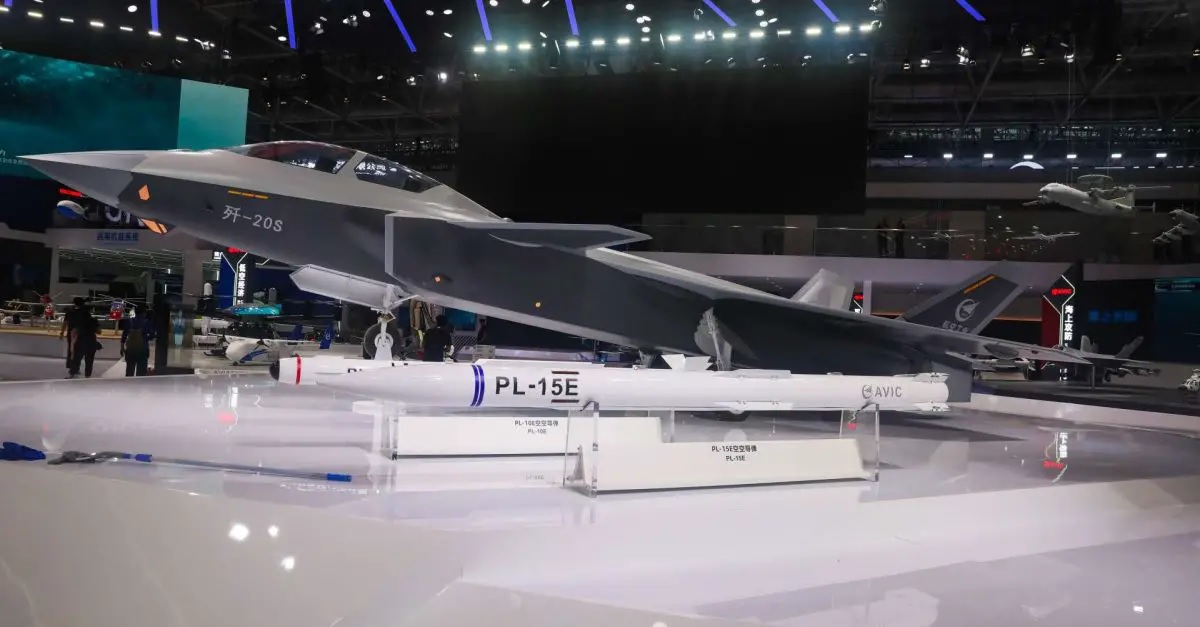
World
In an impressive display of aviation technology, China has officially introduced the J-20S, the world’s first two-seat stealth fighter, at the prestigious China International Aviation and Aerospace Exhibition in Zhuhai on November 11, 2024. This cutting-edge aircraft builds upon the J-20 platform, China’s answer to advanced stealth fighters globally, but with a new twist: a dual-cockpit design that could redefine the landscape of modern aerial warfare.The two-seat configuration of the J-20S comes with significant implications for military aviation. The rear cockpit, a strategic addition, is speculated to be intended for a dedicated weapons systems officer or a co-pilot focused on advanced mission tasks. This operational setup could prove critical in complex missions, such as electronic warfare, coordinating with drones, and managing extensive data streams. As China continues to integrate artificial intelligence (AI) and unmanned aerial vehicle (UAV) operations, the added human presence will be invaluable in decision-making, especially when overseeing swarms of drones or navigating dense electronic warfare environments. The extra pilot could be instrumental in rapidly processing and responding to threats, balancing human intuition with AI-driven analytics.On the technical front, the J-20S shares the stealth capabilities of its predecessor but brings enhancements tailored for future warfare. Like the original J-20, it features a reduced radar cross-section (RCS) thanks to its sleek design and diverterless supersonic inlets (DSI), which optimize stealth while ensuring high-speed efficiency. The canard wing configuration, often debated for its impact on radar visibility, has been carefully engineered to maintain low observability. Moreover, the aircraft reportedly uses domestically developed engines, moving away from past reliance on Russian technology, signaling China’s push for greater independence in defense capabilities.The J-20S isn't just about stealth; it also promises versatility in its armament. The fighter can carry a wide range of advanced munitions, including the formidable PL-15E long-range air-to-air missile, known for its compact design and powerful targeting capabilities. This enables the aircraft to excel in both air superiority and strike missions, offering a flexible combat profile that could cover ground and naval threats with precision.The unveiling of the J-20S marks a strategic leap in China’s air force capabilities and highlights a broader shift in aerial combat philosophy. The integration of manned and unmanned systems into coordinated operations is becoming a defining feature of modern military tactics. The J-20S could serve as a central command hub for managing drone wingmen, utilizing AI to perform maneuvers or even engage in dogfights autonomously, while the human crew focuses on broader mission strategies. This approach, often referred to as manned-unmanned teaming, is gaining traction globally, and the J-20S positions China as a leader in this arena.While some critics question the necessity of a second human operator in an era leaning towards automation and AI, the human advantage lies in qualities machines have yet to master: intuition, nuanced decision-making, and the ability to adapt to unpredictable scenarios. The J-20S balances the best of both worlds, where cutting-edge AI augments but doesn’t replace human judgment, an essential factor in the chaotic environment of real-world combat.The launch of the J-20S could impact regional security dynamics, particularly concerning neighboring countries like India and Taiwan, which have their own defense strategies heavily influenced by China's advancements. As stealth technology becomes more complex, China's continued investment in multi-role, adaptive aircraft raises questions about the future of air superiority in Asia and beyond. In short, the J-20S isn't just another stealth fighter; it’s a game-changer designed to dominate both the present and the future of aerial combat. As China showcases its latest marvel, the world watches closely, aware that this twin-seat stealth fighter is not just a technological achievement but a strategic statement on China's military ambitions.
Read More → Posted on 2024-11-13 14:04:36
India
In a landmark move set to reshape the gender dynamics within India’s paramilitary forces, the Union government has approved the creation of the first all-women battalion of the Central Industrial Security Force (CISF). Comprising 1,025 highly trained personnel, this pioneering unit will play a crucial role in guarding the nation’s most sensitive and high-profile locations, including airports, VIP residences, and major infrastructure sites.The announcement marks a significant milestone as it represents the largest single effort to incorporate female officers into specialized security roles. Previously, while women have served in the CISF, they only made up about seven percent of the workforce, which currently stands at approximately 1.8 lakh. This all-women battalion will bring a new focus to gender diversity, reshaping the force's operational approach.The Union Home Ministry’s sanction order came with clear directives to fast-track the development of this reserve unit, acknowledging the ever-increasing demands on the CISF in areas of national importance. Officials revealed that recruitment, training, and planning for the new unit’s base location are already in motion. The battalion, which will be led by a senior commandant-rank officer, is part of a larger initiative to boost the force’s capability in securing high-stakes venues across the country.A CISF spokesperson highlighted the ongoing work to craft a unique and rigorous training curriculum tailored to the needs of these women personnel. “We’re designing specialized training modules that focus on elite commando skills, VIP protection strategies, and the operational expertise needed for securing critical infrastructure like airports and metro networks. This is about creating a multifaceted, highly skilled battalion ready to respond to any challenge,” the spokesperson explained.Unlike the mixed-gender reserve units already in existence, this all-women team will be a historic addition to the CISF’s 12 reserve battalions. Traditionally, reserve units have been crucial to the CISF's flexibility and adaptability. They are kept on standby to respond swiftly to emerging duties, whether it’s safeguarding high-value assets, managing unexpected security crises, or reinforcing security for major events such as elections. For example, when the CISF took over the protection of the Parliament House complex earlier this year, reserve battalions played a pivotal role in managing the transition.The decision to form this exclusive unit comes in the backdrop of India’s evolving security environment, where the need for highly trained, versatile, and gender-diverse teams is more pronounced than ever. By empowering women in this unprecedented manner, the CISF aims to set a new benchmark for security forces nationwide. Beyond reinforcing security, the creation of the all-women battalion is also a nod to the growing recognition of the crucial role women can play in law enforcement and national defense. The move aligns with broader global trends where more nations are actively integrating female officers into critical security operations.Once fully operational, the all-women reserve battalion is expected to become a source of pride and inspiration, not just within the CISF but also across India’s broader defense and law enforcement community. The hope is that it will pave the way for even more inclusive and gender-balanced security forces in the future, setting a precedent that others will follow.
Read More → Posted on 2024-11-13 14:00:27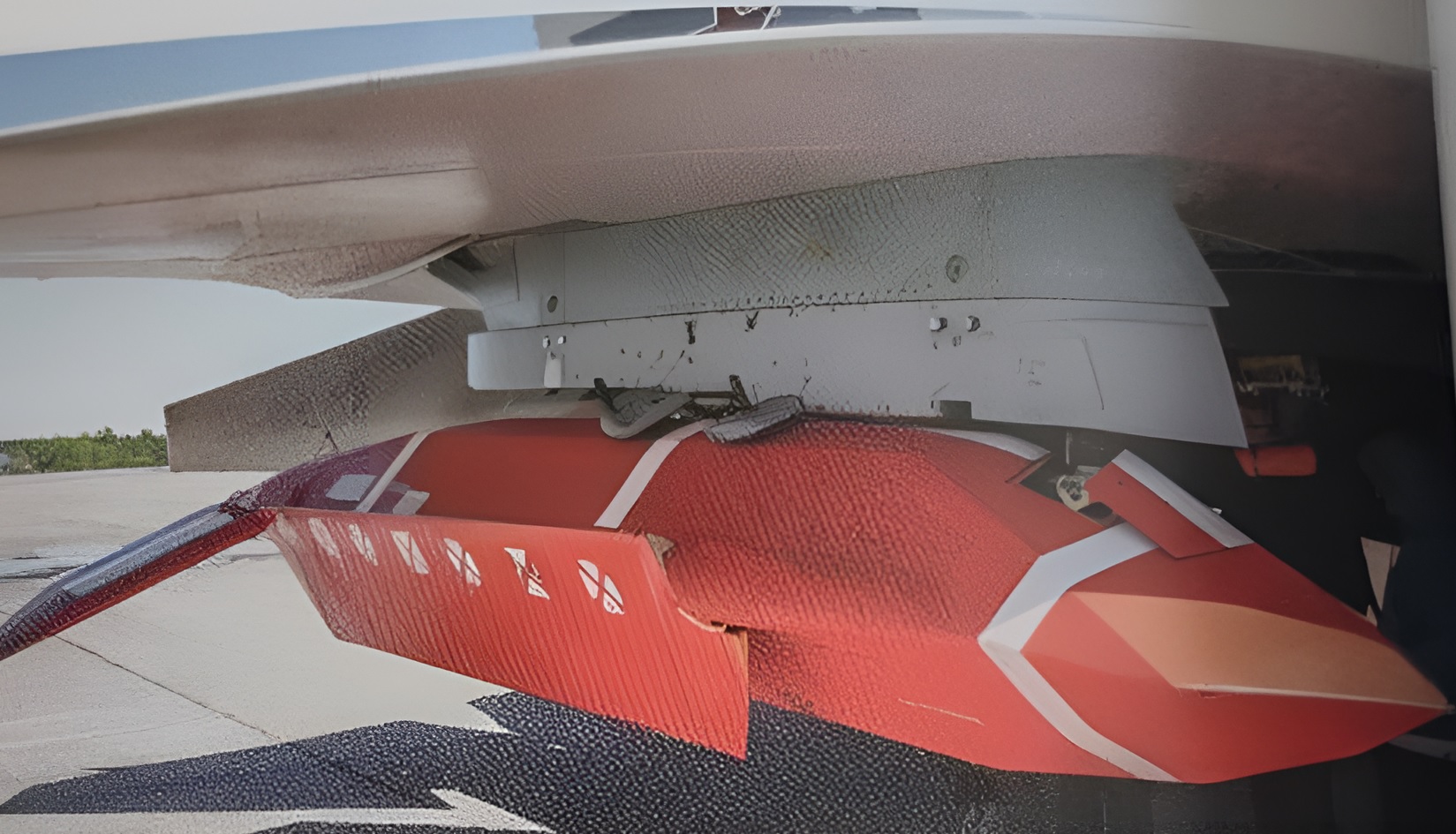
Russia Test Mysterious New Air-Launched Drone ,Unmanned Transport Module Set to Redefine Air Warfare
World
Russia has unveiled a curious new development in its aerial arsenal: a mysterious drone project under the United Aircraft Corporation, a subsidiary of Rostec. Known as the Unmanned Transport Module (UTM), this drone is engineered for air-launch from the Su-57 Felon, Russia's premier fifth-generation stealth fighter. This ambitious project hints at a future where traditional unmanned aerial vehicles (UAVs) blend with stealthy, guided missile technology—a direction that seems to answer to both the country's strategic needs and combat experiences.This UTM project blurs the lines between what we might consider a drone and a cruise missile. The concept, sometimes referred to by media sources as the Su-71K, aims to create a highly autonomous and intelligent strike option that can adjust its own operations in real-time. According to Russian defense sources, the UTM is outfitted with advanced systems, including artificial intelligence and neural networks. These systems are meant to guide the drone’s target recognition and mission decisions, enabling it to identify and pursue moving and stationary targets under complex conditions, even in areas with strong electronic countermeasures. The UTM’s design, based on available images and artist renditions, shows several intriguing features. Its sleek fuselage houses a warhead along with state-of-the-art optical and navigational sensors, while its body sports a swept-wing configuration. The tail is twin-finned and all-moving, enhancing its agility in flight. Together, these design features contribute to a stealthy profile that gives the UTM the appearance of a traditional cruise missile, only reimagined for flexibility and remote or autonomous control.Reports suggest that the drone's flight capabilities and control methods make it highly versatile. It can be directed by either the Su-57 pilot or ground-based controllers, providing a hybrid of autonomy and operator input. This arrangement allows mission re-tasking mid-flight, meaning the UTM could strike different targets based on real-time intelligence updates. This flexibility is crucial in today’s shifting battlefield, where rapid response and adaptation can determine the outcome of military operations. It also reflects a lesson Russia seems to have taken to heart following significant losses in Ukraine, where traditional aerial assets struggled to deliver strategic advantages. The UTM, therefore, appears tailored to survive and thrive in contested skies, where electronic warfare and dynamic combat situations demand resilience and rapid re-targeting capabilities.Three prototypes of the Unmanned Transport Module have reportedly been built, with each undergoing tests at Akhtubinsk Air Base, one of Russia's premier military aviation testing grounds. These tests offer a glimpse into the drone's potential: with its stealthy design, neural-network-driven systems, and multi-layered communication channels, the UTM could be a formidable addition to Russia’s airborne strike capabilities.
Read More → Posted on 2024-11-12 15:23:23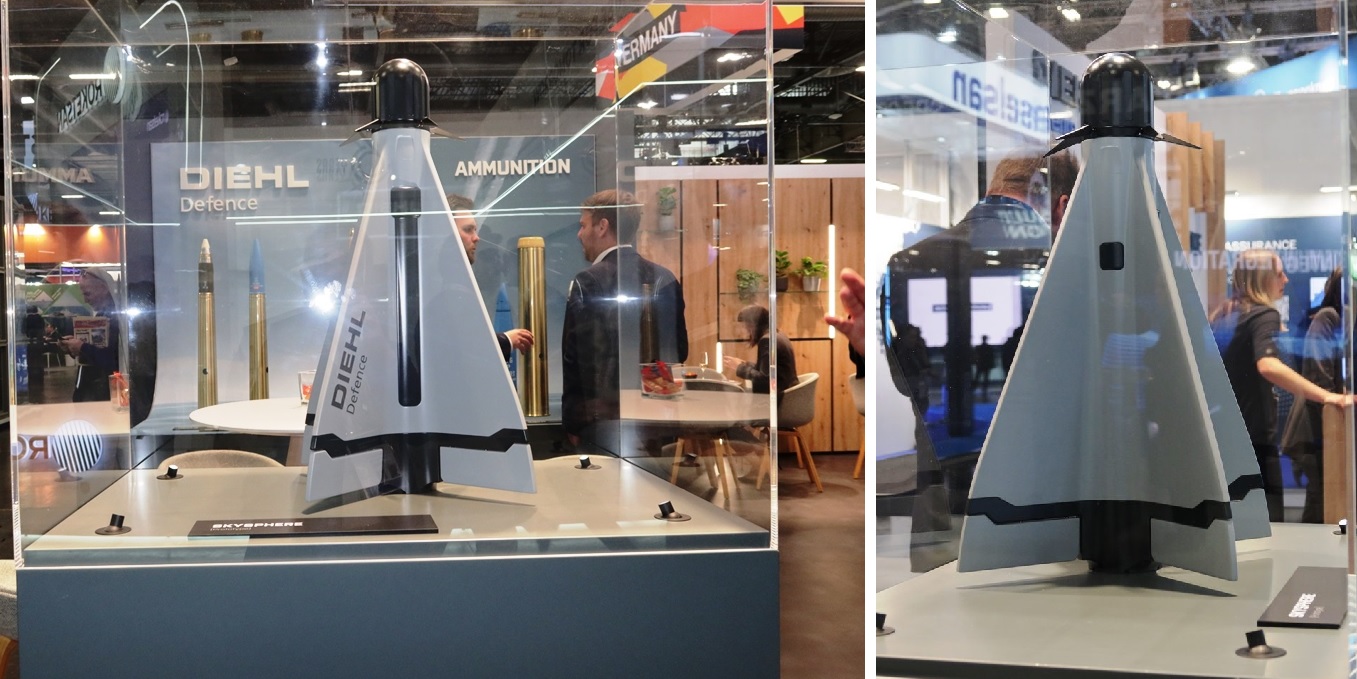
World
As drones become increasingly pivotal on modern battlefields, both for reconnaissance and lethal strikes, counter-unmanned aerial systems (C-UAS) have emerged as a critical line of defense. Diehl Defence, a German company based in Überlingen on Lake Constance, has long been at the forefront of drone neutralization technology, primarily through High-Power Electromagnetic (HPEM) systems that disable drones electronically. However, with the rising UAS threat, the need for layered defense solutions has grown. In collaboration with Swiss company Skysec, Diehl Defence introduced a promising new C-UAS system, Skysphere, at Euronaval 2024. Designed to provide a hard-kill option against drones, Skysphere brings together cutting-edge technology and sophisticated tactics for countering unmanned aerial threats.Skysec Partnership: Expanding Capabilities Beyond HPEMSkysec, a Swiss firm based in Turbenthal, Zürich, developed an innovative non-lethal interception technology known as the Sentinel Catch. This system is essentially a drone with a net that captures enemy drones and, using a parachute, brings them safely to the ground. Equipped with a five-blade propeller and powered by an electric motor, the 700-mm long mini-missile can reach speeds of up to 65 m/s and has an operational range of 5 km. It carries a cylindrical cone that releases a net to entangle hostile drones. Upon detection by sensors, Sentinel Catch deploys its net around the incoming drone and deploys a parachute, enabling a controlled descent.This non-lethal capture method was the foundation for Skysphere, but as Diehl Defence aims for broader applications, Skysphere has taken Sentinel Catch's design to a new level. The system is now a hard-kill military solution designed to intercept and destroy enemy drones in close-quarters combat, with lethal payloads rather than a net.Skysphere's Lethal Payload and Swarm-Defense CapabilityWhile maintaining the fundamental design of the Sentinel Catch, Skysphere introduces significant modifications for military purposes. The most prominent enhancement is the addition of a high-explosive, 500-gram fragmentation warhead in place of the net and parachute. This warhead is engineered to destroy multiple Class 1 drones in swarm attacks, where drones operate in close proximity, making the explosive and shrapnel impact highly effective.Another key addition to Skysphere is its advanced radar seeker embedded in the nose. This radar seeker enables the system to lock onto targets with precision, ensuring head-to-head interception and optimal warhead detonation timing. Additionally, Skysphere integrates a data-link capability, allowing individual units within a swarm of Skysphere missiles to communicate and coordinate their actions. This communication network could employ AI-based algorithms to maximize effectiveness, although specific details on the AI implementation were not disclosed by Diehl Defence.This capability for swarm-against-swarm operations signifies a breakthrough, enabling Skysphere to react quickly to multiple incoming threats and coordinate defense mechanisms among multiple units. With a maximum speed of over 200 km/h and a 3-4 minute flight endurance, Skysphere combines speed and endurance to target and intercept drones before they reach critical assets.Lightweight Design and Cost-Effectiveness for Battlefield EfficiencyAnother important aspect of Skysphere’s design is its simplicity and ease of production, reflecting lessons learned from the ongoing Russia-Ukraine conflict. To keep production costs manageable, Diehl Defence and Skysec have tested various materials, from metal to lightweight foam, with the goal of making Skysphere mass-producible at low cost—even in field conditions. By developing a system that is both powerful and cost-effective, Diehl Defence aims to provide a solution that military forces can deploy at scale to address high-demand scenarios.Enhanced Launch Options: Toward a Versatile Deployment SystemThe current Skysphere model can be hand-launched, a feature tested in initial trials, but Diehl Defence has also been optimizing the system for canister launching. This would enable Skysphere to be deployed in multi-canister configurations, a practical choice for larger defense systems. Canister launching provides flexibility, as it allows for rapid deployment and offers greater storage options, facilitating integration with a range of platforms, from ground vehicles to naval vessels.Anticipated Military Adoption and Future ProspectsWith Swiss military backing, Skysphere is expected to be operational within two years, adding a significant hard-kill option to existing C-UAS systems. The system’s layered defense capability, radar targeting precision, swarm-coordination potential, and canister-launch versatility position it as a valuable tool for defense forces facing escalating drone threats. Diehl Defence’s innovative approach to adaptable and cost-efficient design could mark a pivotal step forward in the future of anti-drone defense, setting a new standard in protecting critical assets from ever-evolving aerial threats.As drones continue to shape modern warfare, Skysphere’s development illustrates the intense focus on developing countermeasures that are as advanced and agile as the threats they are designed to neutralize.
Read More → Posted on 2024-11-12 15:16:29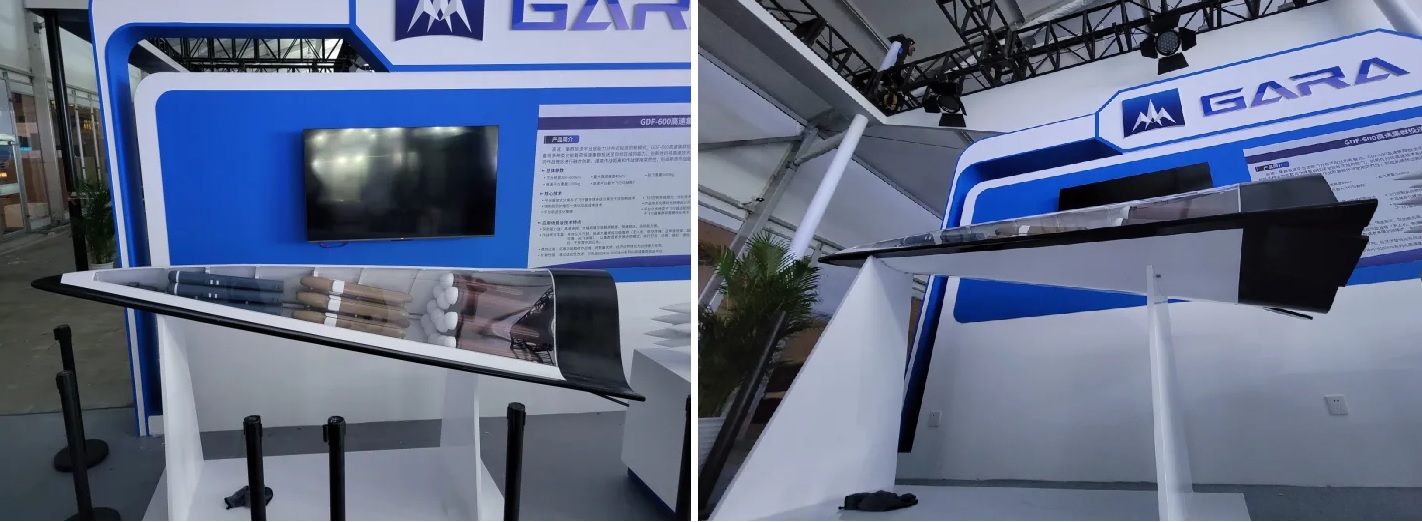
World
China has revealed the GDF-600 hypersonic boost-glide vehicle, a sophisticated addition to its hypersonic arsenal, at the China Airshow 2024. This development showcases China’s ambitious advances in high-speed flight technology, positioning it among global leaders in hypersonic weaponry. The GDF-600, designed for rapid deployment and adaptable for various missions, highlights China’s focus on modernizing its strategic and tactical strike capabilities.Capable of reaching speeds between Mach 7 and Mach 10, the GDF-600 can cover distances of 500 to 1,000 kilometers, making it suitable for both strategic deterrence and operational strikes. These speeds, coupled with its aerodynamic design and powerful ramjet engines, give the vehicle remarkable maneuverability and altitude capability, able to reach a maximum height of 40 kilometers. This height and velocity make it highly effective at penetrating modern air defense systems, posing a challenge for conventional missile interceptors to engage successfully.Engineered for flexibility, the GDF-600 is outfitted with a modular payload system, capable of carrying up to 5,000 kg. This payload flexibility allows for a variety of mission configurations, enabling the vehicle to conduct everything from precision strikes to reconnaissance operations. According to Chinese defense experts, this versatility in payload and mission adaptability makes the GDF-600 a multipurpose asset for the People’s Liberation Army, and its design suggests it can be deployed for both anti-ship and land-attack missions. This dual-purpose functionality is critical in scenarios where both types of targets need to be engaged with speed and precision.China’s hypersonic program has sparked international focus, as the race to harness hypersonic technology gains momentum globally. Systems like the GDF-600 are game-changers in strategic military planning, potentially altering regional power dynamics. Hypersonic weapons, with their speed and difficulty to intercept, provide a significant strategic advantage. For China, the GDF-600 reinforces its military deterrence capabilities, particularly in contested regions such as the Asia-Pacific.A notable feature of the GDF-600 is its ability to be launched from various platforms. Reports indicate the vehicle is compatible with air, land, and potentially sea-based launch systems, which significantly broadens its operational deployment options. This multi-platform capability enables the GDF-600 to integrate seamlessly with China’s broader military infrastructure, ensuring that it can be effectively utilized in various military theaters. The option to launch from different platforms also enhances the unpredictability of its deployment, making it harder for potential adversaries to anticipate and defend against.China’s hypersonic capabilities continue to evolve with the development of systems like the GDF-600. By showcasing this vehicle at a major international event, China signals both its technological progress and its strategic intentions. As hypersonic technology advances globally, the implications of systems like the GDF-600 on defense strategies and military preparedness will be significant.
Read More → Posted on 2024-11-12 15:10:59
World
Turkish defense technology firm STM recently took a significant step forward in advancing the capabilities of its KARGU loitering munition, showcasing the system’s new armor-piercing warhead in a successful test. This latest achievement highlights STM’s commitment to enhancing the effectiveness of the KARGU unmanned aerial vehicle (UAV) against a wider range of threats, including fortified targets and armored vehicles, making it a versatile tool for modern combat.The KARGU system, a rotary-wing UAV known for its agility and precision, was developed entirely in Turkey as a quick-response weapon designed to adapt to rapidly evolving battlefield requirements. Since its debut in 2018, it has primarily been utilized with anti-personnel munitions, proving effective in counter-terrorism and special operations, both domestically and abroad. This new development, however, significantly expands KARGU’s potential applications. The addition of an armor-piercing warhead allows operators to use the loitering munition against hardened and armored targets, including vehicles and reinforced structures.The recent field tests underscored KARGU’s accuracy and destructive power against stationary armored targets, demonstrating its precision and lethality. With a range of up to 10 kilometers and an operational endurance of over 30 minutes, KARGU offers tactical flexibility for soldiers in the field. The loitering munition is designed to be portable and can be deployed in under a minute by a single operator, giving units a rapid strike option in high-risk environments where speed and adaptability are essential.One of KARGU’s standout features is its operational flexibility. STM has designed the system with modularity in mind, allowing operators to switch between anti-personnel and armor-piercing munitions as required. This adaptability is a valuable feature for dynamic combat zones, where target types and mission objectives may change on short notice. This multi-role capability means KARGU can be quickly adapted to suit a variety of combat scenarios, from engaging enemy troops to taking out armored vehicles.To further enhance KARGU’s tactical effectiveness, STM is also working on integrating a Radio-Frequency (RF) seeker, which will enable the UAV to detect and neutralize enemy radar and electronic warfare systems. This new capability will allow KARGU to provide Turkish forces with a cost-effective tool against electronic threats, an area that has become increasingly important in modern warfare. STM’s General Manager Özgür Güleryüz emphasized the significance of this capability, noting that it would allow KARGU to detect and engage hostile radar installations, adding a layer of protection against electronic attacks.KARGU’s success lies not only in its firepower but also in its advanced technological design. It is equipped with both electro-optical and infrared cameras, enabling effective day and night operations. This, combined with its artificial intelligence-based image processing, allows the UAV to accurately track and engage both stationary and moving targets. Operating on a “Man-in-the-Loop” system, KARGU maintains real-time operator control, allowing for precise reconnaissance and strike capabilities, with minimal risk of detection due to its silent operational mode.Another innovative feature integrated into KARGU is STM’s KERKES Project, which allows for swarm capability and enables operations in GPS-denied environments. This technology is vital for scenarios where traditional GPS signals might be jammed or disrupted, allowing KARGU drones to work cooperatively in swarms to complete complex mission objectives.Since its initial rollout, KARGU has seen extensive deployment within the Turkish Armed Forces and has attracted significant export interest. By 2024, STM had exported KARGU to over ten countries across three continents, with over 5,000 units produced. This track record speaks to its effectiveness and adaptability, cementing KARGU’s reputation as a powerful and versatile tool on the battlefield.In summary, STM’s continuous advancements with KARGU showcase the company’s commitment to meeting modern defense needs. With the successful integration of an armor-piercing warhead, KARGU’s capabilities now extend to countering armored threats and electronic warfare systems, providing an edge in a wide range of combat scenarios. As STM continues to innovate, KARGU’s role in the Turkish Armed Forces—and potentially in allied militaries worldwide—seems poised for further expansion.
Read More → Posted on 2024-11-12 15:08:23
India
India's Defense Research and Development Organisation (DRDO) is often at the forefront of innovation, working on projects that bolster national security and promote indigenous technologies. However, one recent development has drawn scrutiny: the Archer-NG Medium Altitude Long Endurance (MALE) UAV, an advanced drone platform, is currently powered by a Chinese-owned engine. Although this decision may seem counterintuitive given India’s defense posture, it reveals a complex strategy driven by immediate developmental needs and future self-reliance.The Archer-NG UAV is one of DRDO’s flagship projects, designed for crucial Intelligence, Surveillance, Target Acquisition, and Reconnaissance (ISTAR) missions, as well as potential strike capabilities. However, in its early stages, the prototype relies on the Austro 330EP engine, which has ties to China. The Austro 330EP engine, known for its reliable performance, was developed by Austria’s Austro Engine, a company that became part of China’s Wanfeng Aviation Industry in 2017. This acquisition raised concerns about national security implications, particularly because the Archer-NG is a defense platform of strategic importance.Defense analyst Angad Singh has expressed significant apprehensions about using a Chinese-linked engine in such a sensitive project. His primary concern lies in the risk of supply chain disruptions or even potential cybersecurity vulnerabilities. With defense technology increasingly intertwined with electronic and data-driven systems, the fear is not just theoretical; the consequences of any interference or exploitation by a foreign state could be dire.But why has DRDO chosen to use this engine, despite these risks? The answer lies in the limitations of available resources and the time-sensitive nature of developing UAV technology. The Austro 330EP engine is currently in DRDO’s stock and provides a ready-made, effective power source to propel the Archer-NG through its initial testing and development phases. This allows for crucial aerodynamic and operational testing without waiting for an entirely indigenous solution. In short, it serves as a temporary measure, expediting the UAV's development and enabling researchers to focus on perfecting the platform’s design and performance.However, this reliance on a Chinese-owned engine is not intended to be permanent. The DRDO, along with the Vehicles Research and Development Establishment (VRDE), has actively pursued the development of a fully indigenous alternative. Collaborating with Jayem Automotives, the DRDO has created a domestic engine tailored to meet India’s unique operational needs. The new engine produces 180 horsepower, a vital upgrade that ensures efficient operation in challenging terrains and high-altitude conditions—essential for UAV missions in regions like the Himalayas.What sets this indigenous engine apart is its advanced Full Authority Digital Engine Control (FADEC) system, which has been developed in-house. The FADEC technology ensures precise engine management, optimizing fuel efficiency, thrust, and overall stability. UAVs require exceptional control over power output, especially when performing complex missions, and the FADEC system has been extensively tested to guarantee reliability and safety. This testing has included comprehensive evaluations on a dynamometer and a thrust cradle, simulating real-world UAV operations.Moreover, the engine has proven itself through rigorous high-altitude trials, including tests in the harsh environments of Leh and Changla, demonstrating its ability to operate efficiently at elevations up to 17,664 feet. Such performance is critical for India’s strategic and defense objectives, as the nation’s northern borders feature some of the world’s most challenging terrains. The indigenous engine has successfully clocked over 1,100 hours of testing under stringent conditions, establishing its durability and readiness for prolonged UAV operations.In a significant milestone, the indigenous engine has also been integrated into the Tapas UAV for taxi trials, marking a step closer to operational deployment. These tests validate the engine’s compatibility and reliability, showing promise that the Archer-NG UAV will eventually be powered by a fully indigenous solution, free from foreign dependencies. This transition aligns with India’s broader "Atmanirbhar Bharat" initiative, emphasizing self-reliance in defense manufacturing and reducing vulnerabilities in critical supply chains.Singh’s concerns highlight the strategic risks of using a Chinese-linked component, especially for platforms as pivotal as UAVs. The Archer-NG’s roles in surveillance and targeted missions require uncompromised integrity. By moving to an indigenous engine, DRDO will eliminate the potential security risks posed by the Austro 330EP and ensure India’s national defense capabilities remain under its control.In essence, DRDO’s decision to initially use a Chinese-linked engine reflects a pragmatic approach to UAV development, balancing short-term needs with long-term goals. The future looks promising, with a homegrown, high-performance engine ready to take over, securing the Archer-NG’s position as a fully indigenous asset that supports India’s strategic interests while fortifying national security.
Read More → Posted on 2024-11-12 15:03:07
India
In a milestone moment for India’s defense preparedness, the country launched its first-ever military space exercise, "Antariksha Abhyas 2024," orchestrated by the Defence Space Agency (DSA) under the Headquarters Integrated Defence Staff. This three-day event, held in New Delhi from November 11 to 13, seeks to fortify India’s strategic foothold in the ever-evolving and increasingly contested domain of space.The backdrop to this exercise underscores a pressing reality: space, once primarily viewed as a vast expanse for exploration, has transformed into a fiercely competitive and contested strategic sphere. As nations worldwide invest heavily to secure their space-based assets, India has followed suit, aiming to ensure that its military operations are shielded from potential adversarial disruptions. General Anil Chauhan, Chief of Defence Staff, emphasized during the opening remarks that space is no longer merely the "final frontier" but a vital component of India's defense and security strategy. He highlighted the necessity of collaborating with premier research institutions like the Defence Research and Development Organisation (DRDO) and the Indian Space Research Organisation (ISRO) to innovate and bolster space-based technologies.Exercise Objectives and ParticipationAntariksha Abhyas 2024 is far more than a symbolic exercise. It is an attempt to dive deep into the practical and strategic implications of space in modern warfare. By assembling personnel from the Indian Army, Navy, and Air Force, alongside experts from the DRDO, ISRO, and strategic divisions such as the Defence Cyber Agency and Defence Intelligence Agency, the exercise aims to simulate scenarios that test the military's reliance on space assets. It explores how forces might operate if these assets are compromised and emphasizes understanding the vulnerabilities of space-dependent operations.The drill has a dual focus: first, to educate participants on the complexities and dependencies tied to space-based communications, navigation, and surveillance; and second, to stress the imperative of developing redundant and resilient space systems. In practical terms, this means understanding not just how to use satellite-based infrastructure for operations but also how to anticipate and counter threats from adversarial satellites or anti-satellite (ASAT) weaponry.The Growing Space RaceIndia's push into military space exercises comes as global tensions over space capabilities mount. Nations like the United States, Russia, and China have developed and demonstrated space weapons, such as ASAT missiles, signaling that space is becoming a significant theater for geopolitical rivalries. For India, safeguarding its space infrastructure has become critical. Satellite networks are not only crucial for communications but also for the strategic operations of missile systems, reconnaissance, and even cybersecurity.The exercise also seeks to propel innovation. Military leaders are being encouraged to foster joint research efforts with the DRDO and ISRO, focusing on technologies like satellite miniaturization, advanced launch systems, and counter-space capabilities. Moreover, the emphasis on academia reflects a broader strategy of leveraging India’s educational institutions to develop cutting-edge space technology.Antariksha Abhyas 2024 sets a precedent, underscoring India's commitment to becoming a formidable space power. The lessons from this exercise will likely inform future policies and strategies, as India continues to assert itself in an arena that is rapidly defining the contours of modern warfare.
Read More → Posted on 2024-11-12 14:54:32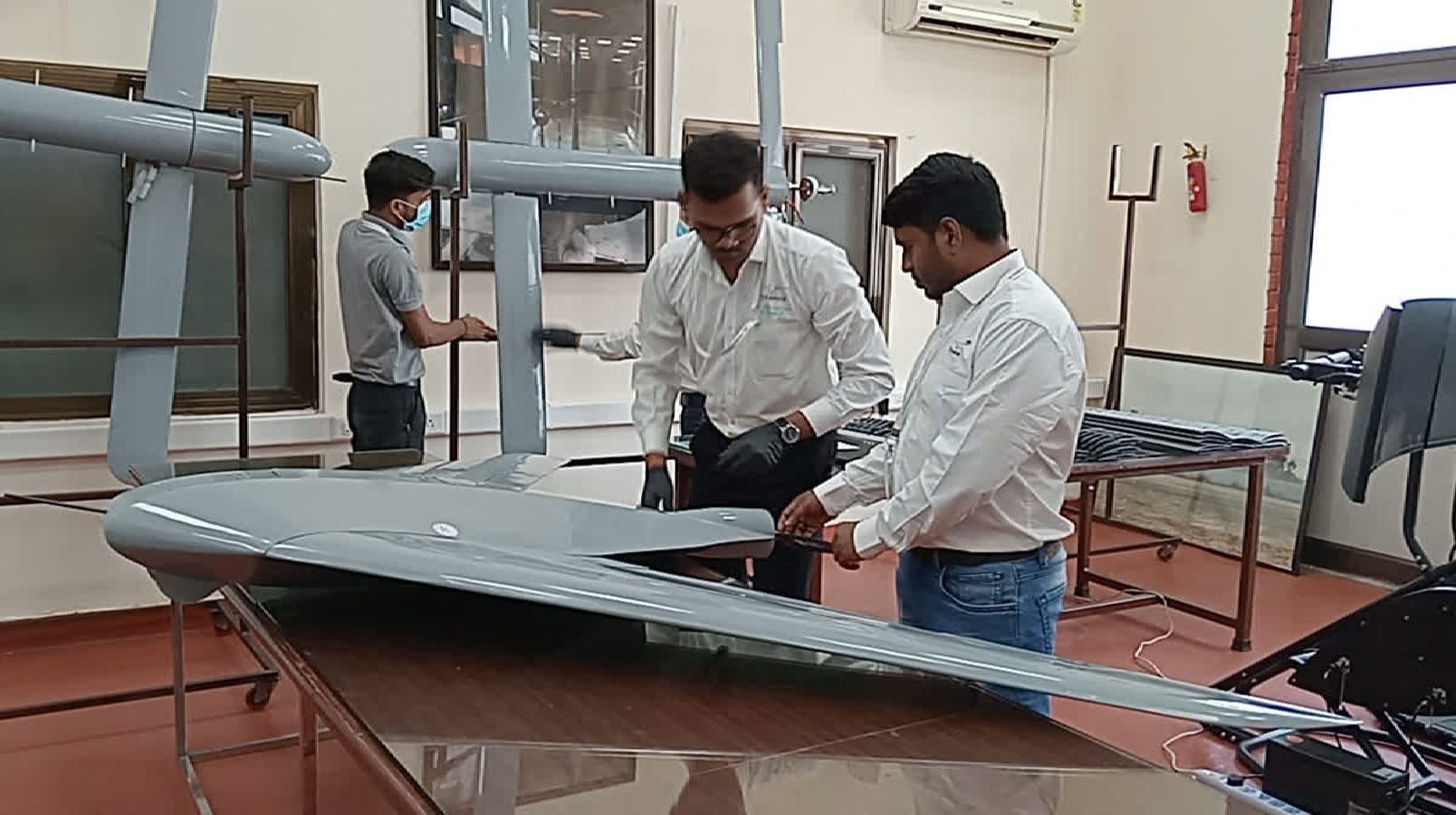
India
The Indian Institute of Technology (IIT) Kanpur has made significant strides in defence technology with the development of an advanced "suicide drone," an indigenous, self-destructing unmanned aerial vehicle (UAV) designed for tactical operations. This innovation holds the potential to strengthen India's self-reliance in defence, aligning with the nation’s drive towards indigenously developed military technologies.Dubbed the "Kamikaze drone," this UAV is a formidable piece of engineering. It has been crafted by a team led by Professor Subramanyam Saderla from IIT Kanpur's Aerospace Engineering Department. Over two and a half years of dedicated research and development went into perfecting the drone. It features a lightweight, foldable fixed-wing design that stretches two meters in length, making it suitable for both reconnaissance and precise offensive missions.Capabilities and SpecificationsOne of the most impressive attributes of the drone is its operational range of 100 kilometers. This range allows it to reach targets within just 40 minutes, depending on mission parameters. It can achieve speeds between 35-40 km/h during standard operation and accelerate up to a top speed of 180 km/h when required. Moreover, its endurance is remarkable; powered by a rechargeable system, the drone can operate for up to 4 hours, making it a highly versatile asset for prolonged missions.The payload capacity stands at 2 kilograms, with a maximum warhead weight of 6 kilograms. This enables the drone to eliminate various enemy targets, from armored tanks to strategic installations. The UAV comes equipped with infrared sensors and a GPS system, offering real-time target tracking and precision. Interestingly, it can operate even without GPS support, using an artificial intelligence-based visual guidance system to find and engage targets autonomously, a crucial feature for missions in GPS-denied environments.Another standout aspect is its stealth technology, designed to evade enemy radar systems. This capability, combined with its near-silent operation, significantly enhances the drone’s effectiveness in covert operations. The drone can function in both day and night conditions, and it remains effective in various weather situations. It can be launched via catapults or canisters, providing flexibility in deployment from different terrains or platforms.Strategic Impact and Future PlansThis innovation comes at a crucial time as the Indian Army continues to seek modern solutions to bolster its offensive and surveillance capabilities. The drone’s development is supported under the Defence Research and Development Organisation's Young Scientist Laboratory (DYSL) initiative, aimed at harnessing young talent to push the boundaries of defence technology. IIT Kanpur expects to finalize trials and make the drone combat-ready within the next six months.Looking forward, IIT Kanpur has high expectations for this technology, projecting significant economic impact. The institute has set an ambitious revenue target of Rs 1,500 crore over the next five years, reflecting the commercial and strategic potential of its drone innovations. Defence Minister Rajnath Singh’s recent visit to the institute underscored the importance of such developments, as he emphasized India’s growing stature as a drone technology hub.Furthermore, IIT Kanpur has previously worked on other UAV projects, like the solar-powered "Maral" drone, aimed at sustainable and prolonged aerial surveillance. This continuous innovation pipeline highlights the institute’s crucial role in propelling India’s military tech ambitions.Context and Global ComparisonsKamikaze or suicide drones have gained prominence on the global stage, particularly in conflicts such as the ongoing Russia-Ukraine war and the Middle East clashes. They provide a cost-effective, high-impact solution for disabling high-value targets, and India's indigenous version represents a significant step in closing the technology gap with global drone powerhouses.The development of this drone isn’t just about boosting military strength; it’s also a statement of India’s commitment to self-reliance and innovation in defence. As IIT Kanpur leads the way, there is growing anticipation of how this drone and future iterations will reshape the country's strategic capabilities.
Read More → Posted on 2024-11-12 14:50:20
World
NATO has officially embarked on a transformative venture with the Modular Ground-Based Air Defence (GBAD) project, aiming to establish a sophisticated, interoperable air defence system. The NATO Support and Procurement Agency (NSPA) released its initial Request for Proposal (RfP) for the concept stage, a move that represents a crucial step toward redefining how NATO manages air defence.The concept revolves around a modular design that can seamlessly adapt to evolving defence needs. NSPA’s approach is to explore potential system architectures that deliver maximum flexibility and integration, ensuring that future air defence modules can work harmoniously with both new and existing systems. The underlying idea is not just to strengthen air defence but to build a system that can dynamically respond to varying threat levels, whether dealing with drones, artillery, or incoming missiles.This venture, spearheaded by NSPA in collaboration with multiple NATO nations, is expected to encourage innovative proposals from industry players. The modular system will leverage a common command and control backbone and focus on scalability, aiming to handle very short-range to medium-range threats, as well as emerging threats like counter-rockets, artillery, and unmanned aerial systems (C-RAM and C-UAS). This highly adaptive system is designed to allow NATO allies to customize GBAD force packages for specific missions, boosting flexibility in the face of unpredictable adversaries.Contractors interested in participating must submit their proposals by January 10, 2025. The selection process will be stringent but rewarding, based on a "best value" principle. The top five proposals will be shortlisted, and from there, two will proceed to further refine their concepts, offering in-depth technical services. The process will be strategic, ensuring that only the most innovative and effective designs advance.A Bidders’ Conference on November 25, 2024, at the NSPA Headquarters in Luxembourg will provide an opportunity for participants to engage directly with project leads, ask questions, and gain a comprehensive understanding of the expectations and technical specifics. It’s not just a meeting but a forum to promote transparency and collaboration.The project reflects NATO’s emphasis on high-impact technological advancements and multinational cooperation. The Modular GBAD Support Partnership, established in 2023, provides a structured yet adaptable framework for collaboration, enabling the efficient acquisition of next-gen air defence systems. By pooling resources and standardizing solutions, NATO nations can achieve cost savings and streamlined logistics, an approach celebrated for its economic and strategic efficiency.This ambitious initiative also signifies NATO's broader strategic objective: enhancing collective defence capabilities while setting a precedent for how advanced technological solutions can be developed collaboratively. As threats continue to evolve, the Modular GBAD project is set to play a pivotal role in strengthening NATO’s defensive posture and ensuring operational readiness.
Read More → Posted on 2024-11-12 14:46:14Search
Top Trending in 24 Hours
-
 Saudi Arabia, Pakistan and Turkey Hold High-Level Security Talks with Iran in Tehran Amid Reports of Potential Iranian Integration
-
 SpaceX Secures $40 Billion in Debt Financing for AI Chips as Musk Predicts Industry Consolidation
-
 Pentagon’s DIU Opens Second Phase of SWAP-USV Challenge for Counter-Air Unmanned Surface Vessels
-
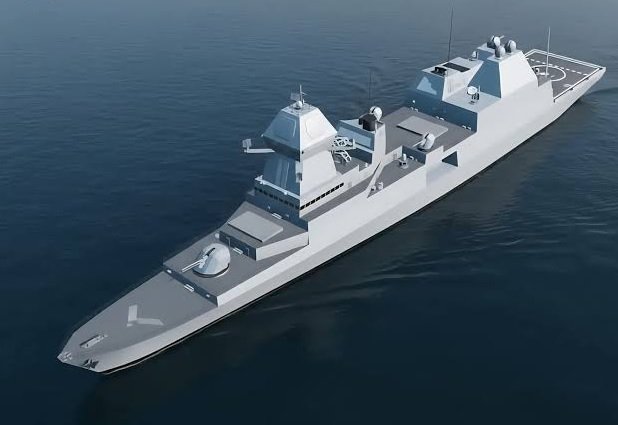 Indian DAC to Evaluate ₹75,000 Crore Project 18A for Next-Generation Navy Destroyers
-
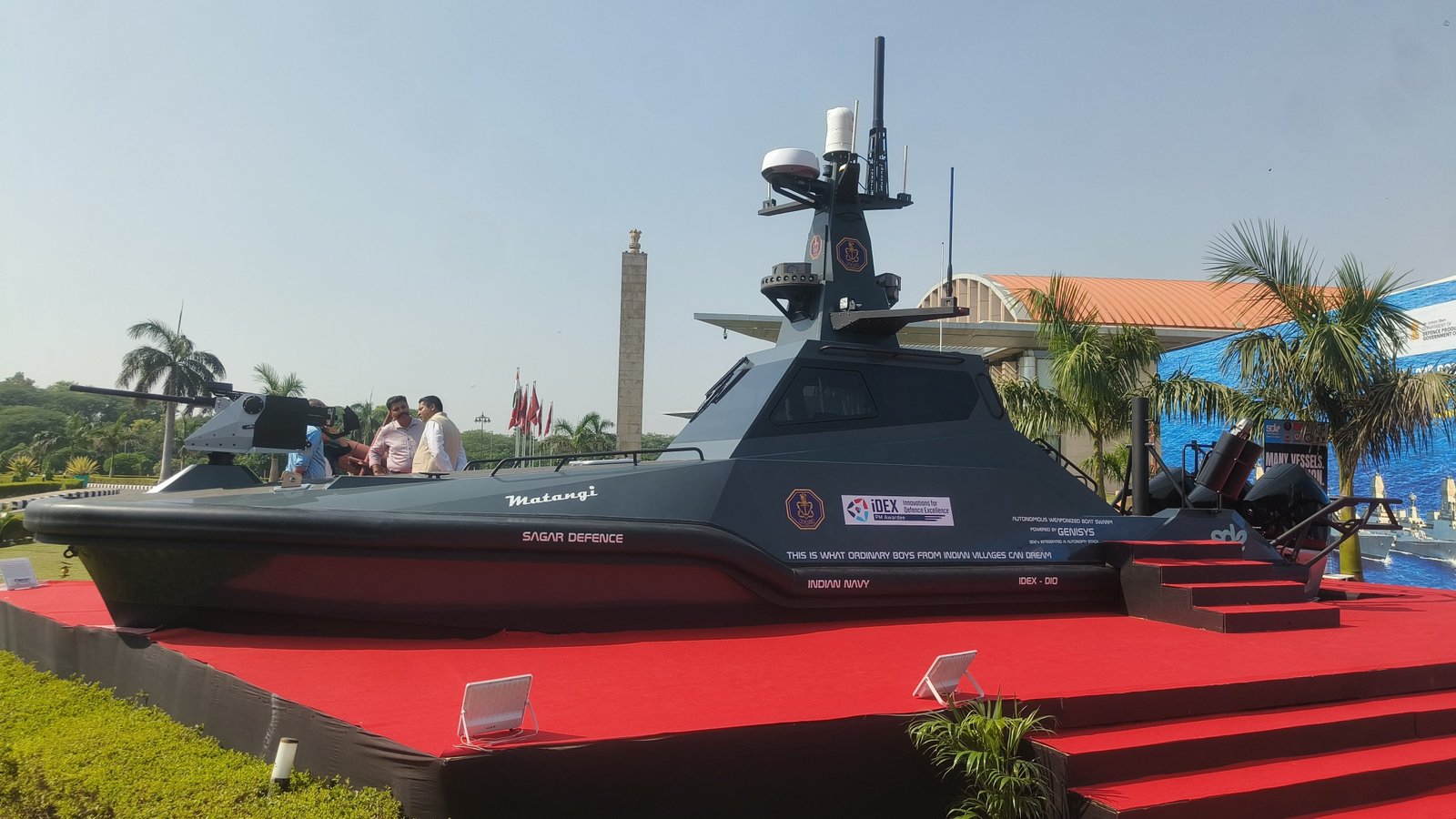 Indian Navy Inducts Sagar Defence’s Autonomous Armed Boats for Swarm Operations
-
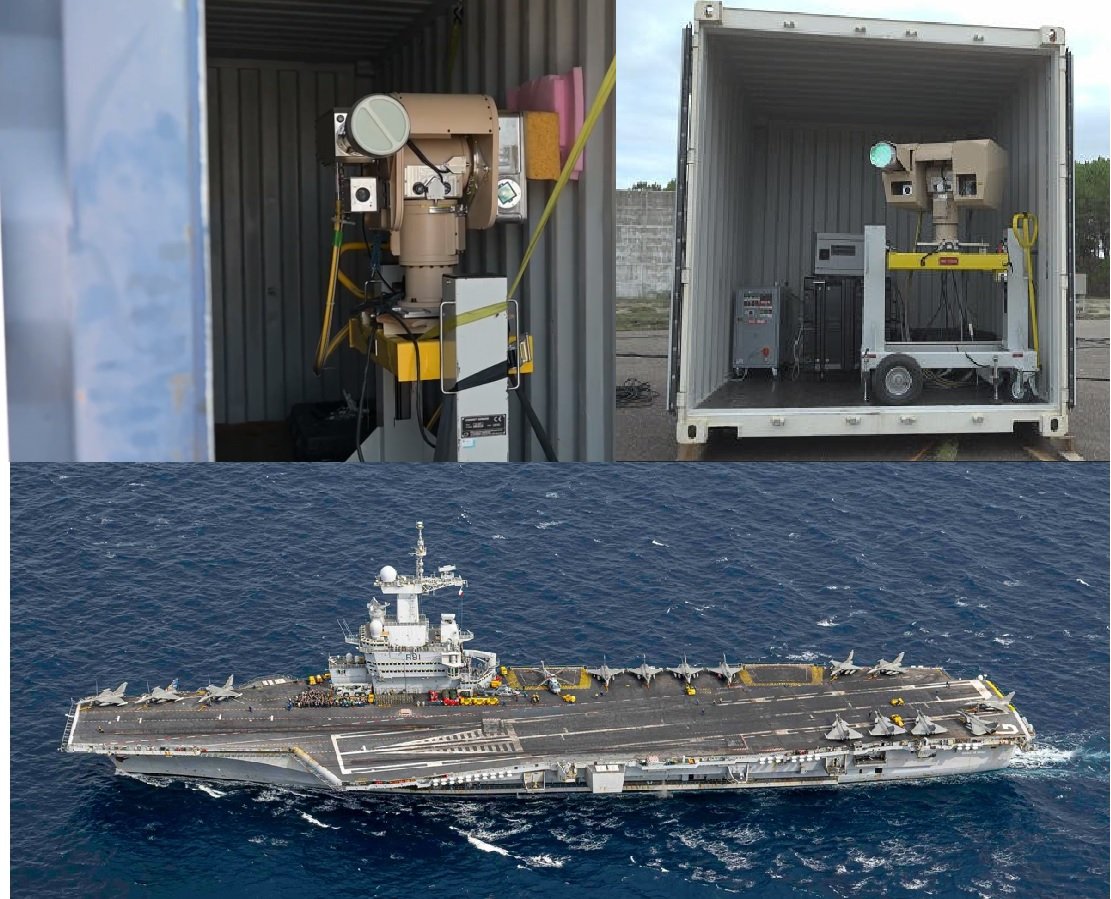 French Navy Tests HELMA-P Laser Anti-Drone System Aboard Aircraft Carrier Charles de Gaulle
-
 Iran’s DotOne Plans 200 High-Altitude Platform Station Communication Drones for Nationwide Internet Coverage
-
 Babcock Offers Arrowhead 140 Frigate Design to U.S. Navy as Potential FF(X) Alternative
Top Trending in 4 Days
-
 Pentagon Launches FORTRESS Initiative to Make Major U.S. Bases Self-Sufficient for 90 Days
-
 NASA Demonstrates Space-to-Space Wi-Fi Between Two Orbiting Spacecraft
-
 USS Pinckney Becomes First U.S. Navy Destroyer to Begin Phase Two Modernization with Advanced SPY-6 Radar
-
 U.S. Military to Ban Chinese Automaker BYD Vehicles from Kadena Air Base in Japan Over Security Concerns
-
Saudi Arabia, Pakistan and Turkey Hold High-Level Security Talks with Iran in Tehran Amid Reports of Potential Iranian Integration
-
 General Atomics Partners With Spirit Defense to Expand FQ-42 Vengeance Production
-
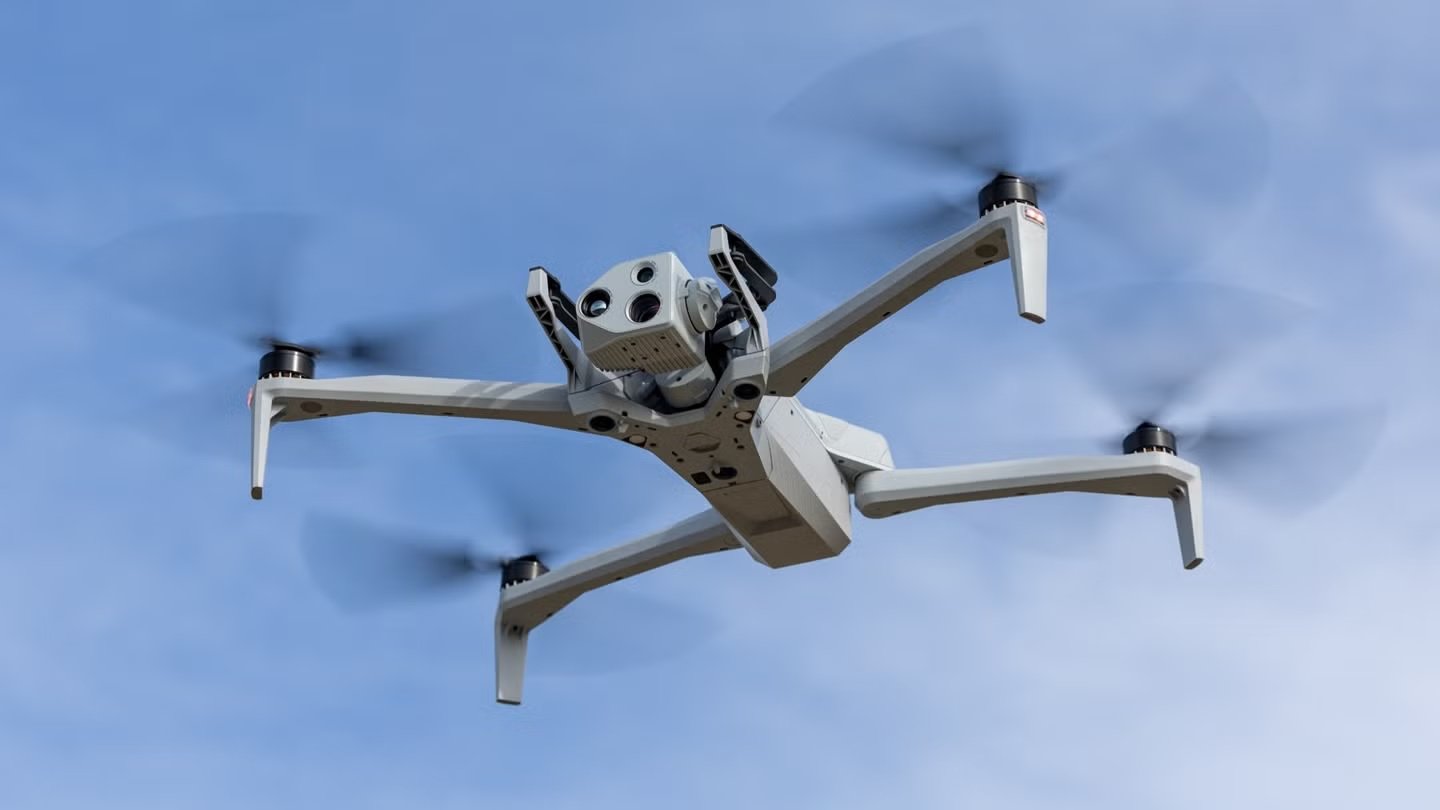 UK Ministry of Defence Opens £120,000 Tender for Skydio X10D Drones
-
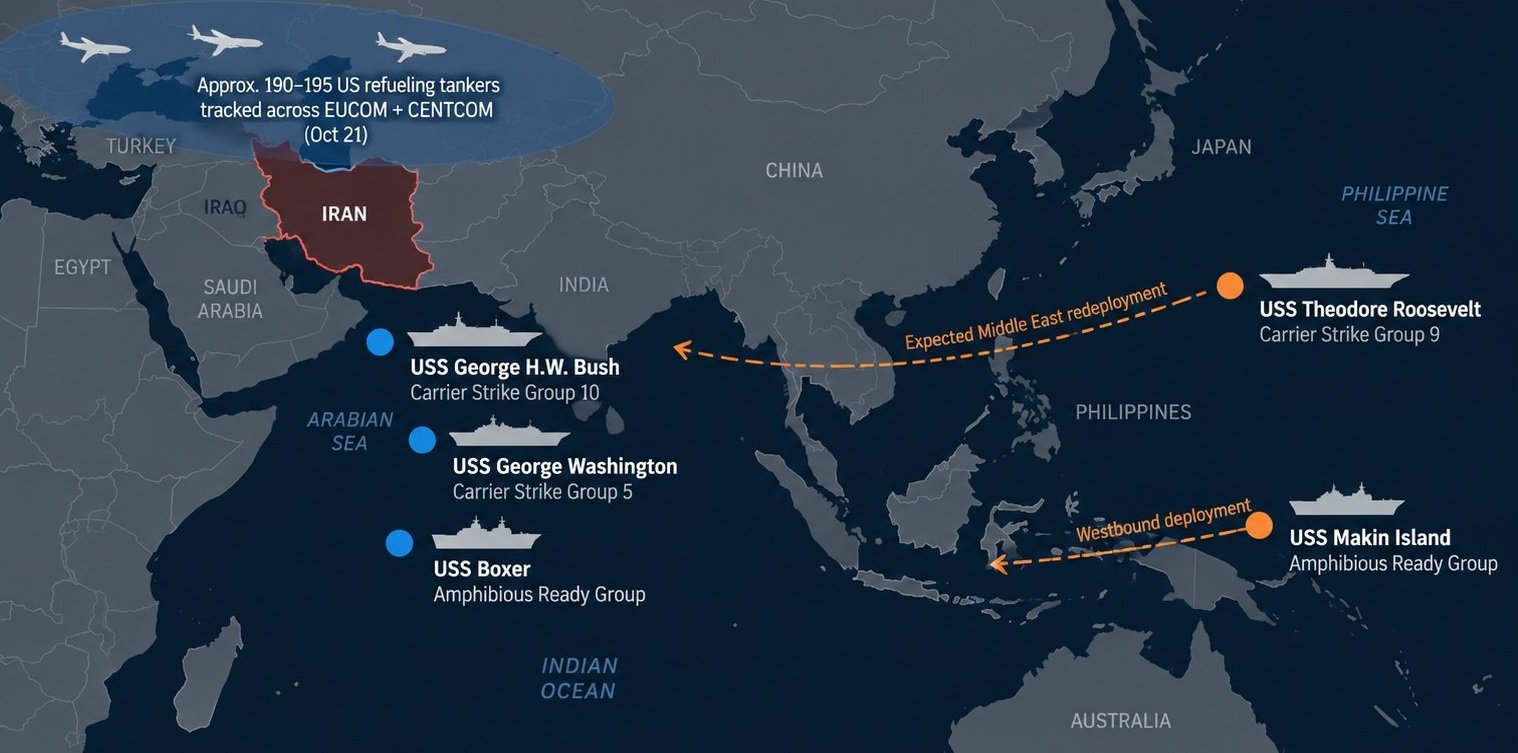 US Expands Military Buildup Near Iran with Third Aircraft Carrier and Additional Marines
