World
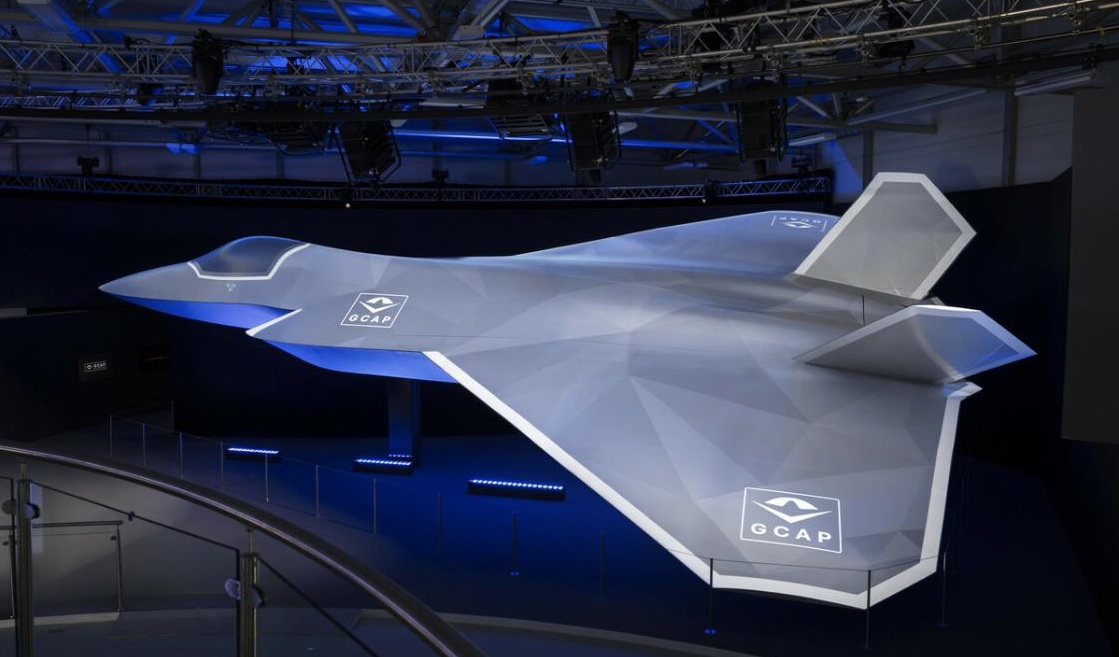
In a landmark move for the international defense and aerospace industry, BAE Systems, Leonardo, and Japan Aircraft Industrial Enhancement Co Ltd (JAIEC) have officially announced a joint venture to propel the ambitious Global Combat Air Programme (GCAP). Pending regulatory approvals, the new entity will spearhead the design, development, and deployment of next-generation combat aircraft, setting a new benchmark for innovation and trilateral collaboration. The GCAP, a trilateral initiative between the UK, Japan, and Italy, was first launched in December 2022. It aims to deliver a state-of-the-art combat air system capable of addressing evolving security threats while fostering technological growth across the partner nations. The programme’s ambitious scope ensures its relevance well into the latter half of the century, with its aircraft expected to remain in service beyond 2070. Equal Stake, Shared Vision The joint venture cements the equal partnership between BAE Systems, Leonardo, and JAIEC, with each company holding a 33.3% stake. This equitable structure reflects the shared commitment of the three nations to pooling their expertise and resources for mutual success. The new entity will act as the design authority for the GCAP, managing the project’s lifecycle and ensuring seamless integration across various domains, including multi-role combat capabilities, advanced sensors, and network-centric warfare technologies. Charles Woodburn, Chief Executive of BAE Systems, lauded the collaboration, saying, “The new business will bring together the significant strengths and expertise of the companies involved to create an innovative organisation that delivers long-term, high-value, and skilled jobs across the partner nations.” Roberto Cingolani, CEO of Leonardo, underscored the broader implications of the partnership, describing it as a critical step in advancing global security and multi-domain innovation. “This collaboration fosters sustainable growth for the economies of the involved countries,” he remarked. Kimito Nakae, President of JAIEC, emphasized the strength of trilateral cooperation, noting the ambition to deliver a system that exceeds expectations and strengthens defense capabilities across all three nations. Advanced Specifications and Capabilities The GCAP aircraft, often referred to as a "sixth-generation fighter," will integrate cutting-edge technologies, including: Stealth and Supermaneuverability: Incorporating advanced materials and design for reduced radar signature and enhanced aerodynamic performance. AI and Machine Learning: Autonomous capabilities for decision-making, threat identification, and systems management. Integrated Sensor Fusion: Advanced sensors and data processing for unparalleled situational awareness. Hypersonic Weaponry: Compatibility with next-generation hypersonic missiles for unmatched combat effectiveness. Directed Energy Weapons: Exploration of laser-based systems for counter-air and missile defense roles. These features ensure the GCAP system remains at the forefront of military aviation technology, adapting to both current and future operational demands. Strategic Locations and Impact Headquartered in the UK, the joint venture aligns closely with the GCAP International Government Organisation (GIGO), also based in the UK. With operations spanning Japan, Italy, and the UK, the venture capitalizes on the unique strengths of each nation’s defense industry, supporting the target of an in-service aircraft by 2035. The partnership promises to create thousands of high-skill jobs across the partner nations, bolstering their economies and industrial capabilities. Moreover, the programme sets a new standard for multinational defense collaboration, emphasizing sustainability, security, and technological leadership. Pioneering the Future of Defense The GCAP marks a transformative moment in global defense strategy. By uniting three powerhouse nations under a shared vision, it signals a new era of innovation and cooperation. With its groundbreaking technologies and long-term commitment, the joint venture positions itself as a cornerstone of future combat air capabilities, ensuring robust defense for decades to come.
Read More → Posted on 2024-12-13 16:03:42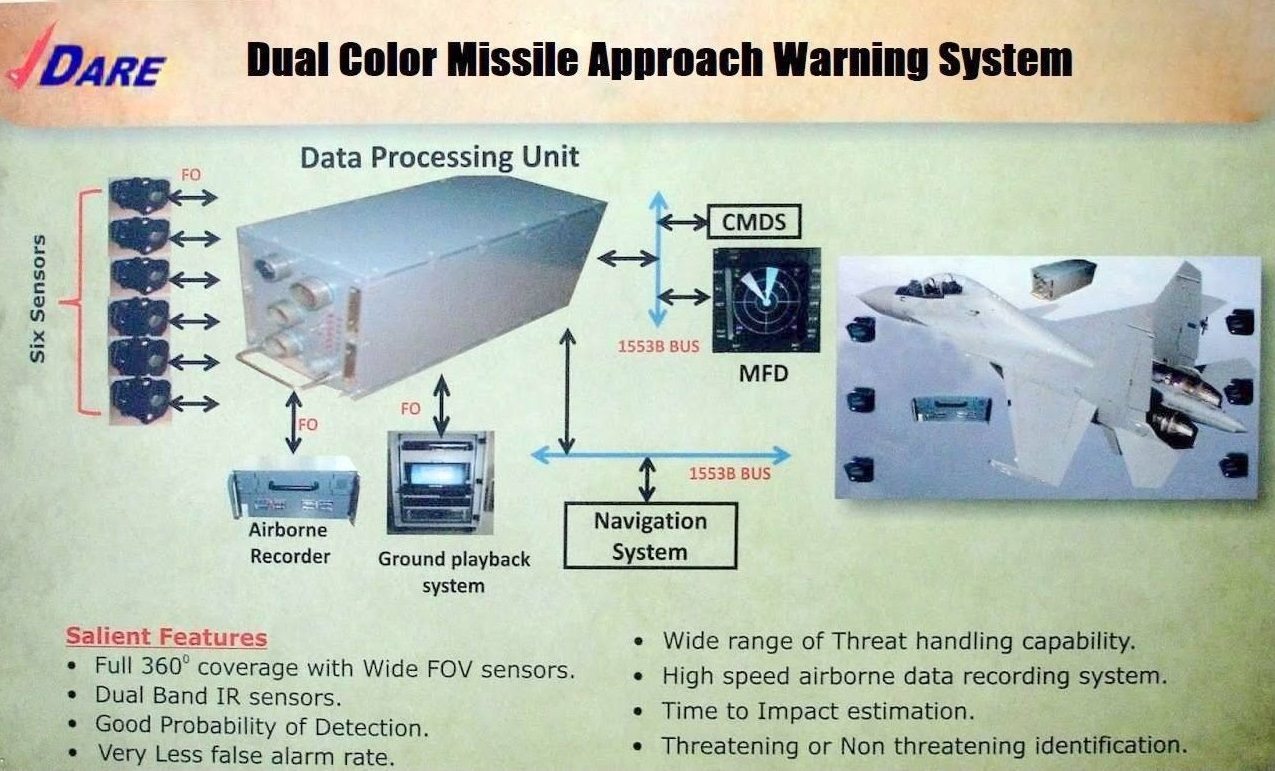
India
The Indian Air Force (IAF) is on the verge of a transformative upgrade to its premier Su-30MKI fighter jets with the integration of the Dual Colour Missile Approach Warning System (DC-MAWS). Developed by the Defence Research and Development Organisation (DRDO), this advanced system is designed to provide a critical edge in missile threat detection and evasion, fortifying the aircraft’s defenses in increasingly contested airspaces. Addressing a Crucial Gap in the Su-30MKI's Suite The Su-30MKI, despite being a formidable multi-role fighter, has long been in need of a cutting-edge missile approach warning system to keep up with evolving missile technologies. DC-MAWS bridges this gap by leveraging state-of-the-art infrared detection capabilities, ensuring the aircraft remains resilient in the face of both current and emerging threats. How DC-MAWS Works: A Blend of Technology and Precision At the core of DC-MAWS is its ability to operate across two infrared (IR) bands, a feature that revolutionizes how threats are identified and prioritized. Traditional systems often struggle with high rates of false alarms due to background IR interference, such as sunlight reflections or heat emissions from non-threatening sources. By analyzing spectral data across dual IR bands, DC-MAWS sharply enhances threat discrimination, isolating genuine missile threats from benign sources. The system employs six strategically positioned dual-band IR sensors to provide complete 360-degree coverage. These sensors continuously monitor the surrounding airspace, detecting missile launches in real-time and tracking their trajectory. The onboard processor, equipped with advanced algorithms, evaluates the data to calculate the missile's speed, trajectory, and time-to-impact. This information is relayed to the pilot, enabling swift decision-making and evasive actions. Specifications and Advanced Features DC-MAWS boasts a suite of high-performance features, making it a critical addition to the Su-30MKI fleet: Full Spatial Awareness: The system’s sensors provide seamless 360-degree monitoring, eliminating any blind spots around the aircraft. Dual-Color IR Detection: Utilizes two infrared bands for superior accuracy in identifying missile threats while minimizing false positives. Wide Spectrum Threat Handling: Capable of detecting missiles from a broad range of generations, including modern radar-guided and heat-seeking variants. Clutter Rejection Algorithms: Sophisticated onboard processing systems ensure accurate threat analysis, even in cluttered environments. Time-to-Impact Computation: Real-time calculations of incoming missile trajectories give pilots critical seconds to deploy countermeasures or perform evasive maneuvers. Enhancing Survivability in Modern Combat The integration of DC-MAWS is expected to significantly elevate the survivability of Su-30MKIs in high-threat environments. This system ensures the IAF’s frontline fighters are equipped to operate effectively in the face of advanced air defense systems, including long-range missiles and evolving electronic warfare threats. Additionally, the indigenously developed system underscores India’s commitment to self-reliance in defense technology under the Make in India initiative. The DRDO’s success with DC-MAWS demonstrates its growing capability to deliver cutting-edge solutions tailored to the unique needs of the IAF. Beyond the Su-30MKI: Potential for Wider Application While DC-MAWS is currently being integrated into the Su-30MKI, its modular design and scalability open up possibilities for use in other aircraft within the IAF’s fleet, such as the Tejas and the upcoming AMCA (Advanced Medium Combat Aircraft). Furthermore, its ability to handle a wide variety of missile threats ensures its relevance in diverse operational scenarios, from dogfights to strategic strikes. Strengthening India’s Air Defense Arsenal With the DC-MAWS integration, the IAF takes a significant step forward in modernizing its defensive capabilities. This system not only enhances the operational effectiveness of the Su-30MKI but also symbolizes India’s strides in indigenous defense technology development. As regional and global security dynamics evolve, such advancements ensure that India’s air force remains prepared for the challenges of 21st-century warfare.
Read More → Posted on 2024-12-13 16:00:24
India
Kerala-based semiconductor innovator Netrasemi has captured attention in the tech world with its groundbreaking work in Edge AI solutions. Recently, the start-up raised ₹10 crore in a pre-Series A funding round led by Unicorn India Ventures. This capital injection will propel the development and fabrication of its flagship Netra A2000 and Netra R1000 system-on-chip (SoC) products, designed to bring transformative machine learning (ML) capabilities to the Internet of Things (IoT) ecosystem. A Vision Rooted in Local Innovation Founded in 2020 by an experienced trio—Jyothis Indirabhai, Sreejith Varma, and Deepa Geetha—Netrasemi aims to position India as a significant player in the global semiconductor arena. The company specializes in crafting AI/ML-enabled SoCs tailored for real-time analytics directly at the device level, bypassing the need for constant cloud dependency. This approach not only reduces latency but also enhances data security, a crucial factor in the ever-expanding world of IoT. What Makes the Netra A2000 and Netra R1000 Unique? Netrasemi's upcoming SoCs—the Netra A2000 and Netra R1000—are meticulously designed to address over 100 AI/ML use cases, spanning industries such as: Smart Surveillance: Enhancing security systems with facial recognition, anomaly detection, and real-time event tracking. Robotics and Autonomous Systems: Enabling efficient object recognition, navigation, and decision-making for robots and drones. Smart Infrastructure: Powering IoT applications like predictive maintenance, energy management, and traffic optimization. The Netra A2000 emphasizes energy efficiency and low power consumption, making it ideal for battery-operated devices. Meanwhile, the Netra R1000 boasts enhanced computational power for high-performance AI workloads, ensuring seamless operation in more demanding environments like medical imaging and telecom. Strategic Positioning in the Semiconductor Market Edge AI is at the forefront of technological transformation, with industries prioritizing solutions that enable intelligent decision-making directly on devices. Netrasemi's approach aligns perfectly with this trend, as the global edge computing market is projected to grow to $15.7 billion by 2025, according to industry reports. Large OEMs in the medical, telecom, and industrial sectors have already shown interest in Netrasemi’s innovations, further solidifying the start-up’s market relevance. These partnerships are expected to accelerate the commercialization of its products by FY27, when full-scale volume manufacturing begins. Beyond Technology: Growth and Vision Netrasemi has grown rapidly since its inception, now boasting a talented team of 61 professionals. The company has projected a 150% revenue growth for FY25, fueled by rising demand for its chips and its ability to deliver high-quality, cost-effective solutions. Unicorn India Ventures' investment not only accelerates the development of Netra A2000 and Netra R1000 but also positions Netrasemi as a strategic player in the Edge AI market, which is expected to disrupt industries ranging from smart cities to autonomous vehicles. The Bigger Picture By focusing on AI at the Edge, Netrasemi is tapping into a niche but exponentially growing segment. The demand for real-time AI-driven analytics is not just a technological trend—it is a necessity in a world increasingly reliant on intelligent IoT systems. With its strong foundation, innovative solutions, and clear market vision, Netrasemi is poised to become a trailblazer, both in India and globally. In an era dominated by global semiconductor giants, this Kerala-based start-up is a testament to India’s emerging role in the high-tech ecosystem, leveraging local talent and innovative thinking to address global challenges.
Read More → Posted on 2024-12-13 15:56:17
India
In an inspiring example of youthful innovation meeting national defense needs, Rishabh Bhattacharya, a third-year engineering student from the International Institute of Information Technology, Hyderabad (IIITH), has developed a groundbreaking algorithm. This optical flow tracking algorithm, designed to detect and track airborne objects like drones, aircraft, and helicopters, promises to revolutionize the Indian Navy's surveillance and tracking capabilities. Bhattacharya's creation emerged as part of a nationwide competition organized by the Indian Navy, challenging participants to devise practical solutions to operational challenges. His work earned him not just the top prize of ₹3 lakh but also significant interest from Navy officials keen to explore the algorithm’s potential in real-world scenarios. What Makes This Algorithm Unique? The optical flow tracking algorithm is based on the principle of analyzing sequential images to identify patterns of motion. This method allows the system to detect even subtle movements, making it highly effective in tracking fast-moving or erratic flying objects. Bhattacharya combined traditional datasets with custom-built ones to simulate diverse environmental conditions and motion patterns, ensuring the robustness of his algorithm. A key feature of the algorithm is its adaptability. It performs remarkably well under conditions that often hinder traditional tracking systems, such as low lighting, fog, and rapid movement. This robustness stems from advanced computational models designed to filter noise, enhance accuracy, and maintain efficiency on embedded systems, which are commonly used in drones and portable surveillance platforms. Applications for the Navy The Indian Navy has increasingly faced challenges from small, fast, and often autonomous aerial vehicles like drones, which can be used for reconnaissance, smuggling, or even potential threats to naval assets. Traditional radar systems often struggle with detecting such objects, especially at low altitudes or amidst cluttered environments like ports. Bhattacharya's algorithm fills this gap by offering a scalable, real-time solution that can be integrated into existing platforms. Whether mounted on ship-based systems or deployed via drones, the technology can enhance the Navy's situational awareness. This improved capability would be critical not only for safeguarding India’s maritime borders but also for monitoring high-stakes regions such as the Indian Ocean, where security threats have been escalating. Behind the Innovation Bhattacharya’s success reflects not just his technical acumen but also the growing emphasis on fostering innovation within India’s academic institutions. With the support of IIITH’s state-of-the-art facilities, he conducted rigorous testing of his algorithm across various scenarios, ensuring it met the Navy’s high operational standards. The custom datasets created for testing included scenarios mimicking harsh maritime environments, like turbulent weather and low-visibility conditions. This realistic training allowed the algorithm to adapt to the unique challenges faced by naval operations. Beyond the Competition While the competition has concluded, the story of Bhattacharya's algorithm is far from over. Encouraged by the Navy, he is exploring the possibility of refining and deploying his solution in active operational systems. The next steps might involve collaboration with defense technology firms or integration into naval platforms for further trials and optimization. This development is a testament to the power of innovation in shaping the future of defense technology. It highlights how academic institutions, competitions, and a focus on problem-solving can create technologies with real-world applications. Broader Implications for National Security As airborne threats become more sophisticated, the ability to detect and track them in real-time is paramount for any modern military. Bhattacharya’s work is a reminder of the untapped potential within India’s younger generation. With the right support, these innovations can bolster the country’s defense capabilities, providing homegrown solutions to complex challenges. By leveraging such advancements, the Indian Navy not only strengthens its operational readiness but also fosters a culture of innovation critical for staying ahead in an era of rapidly evolving technology. This story isn’t just about one student or one algorithm—it’s about the future of defense, where creativity and technology come together to ensure safety and security.
Read More → Posted on 2024-12-13 15:52:32
World
The U.S. Army has achieved a significant milestone in its long-range precision-strike capabilities by conducting the first soldier-led Limited User Test (LUT) of Lockheed Martin’s Precision Strike Missile (PrSM). This cutting-edge missile system is being developed to provide the Army with a decisive edge on the modern battlefield, and this test marks a critical step in its journey toward operational deployment. The test was conducted at White Sands Missile Range in New Mexico, where Army personnel independently launched two PrSM missiles using the High Mobility Artillery Rocket System (HIMARS). The objective was to evaluate the missile’s performance in real-world conditions, including its range, accuracy, and reliability. The successful hits on long-range targets underscored the weapon’s readiness for operational use and validated its reliability when managed directly by soldiers. What Sets the PrSM Apart The Precision Strike Missile represents a leap forward in long-range missile technology. Designed to replace the Army Tactical Missile System (ATACMS), the PrSM boasts a range exceeding 400 kilometers (nearly 250 miles). This extended range provides the Army with the capability to strike deep into adversary territory, targeting high-value assets such as command centers, air defenses, and infrastructure. Built on an open systems architecture, the PrSM is engineered for adaptability. This modular design allows for future upgrades, ensuring the system remains relevant as battlefield requirements evolve. Notably, Lockheed Martin has incorporated a roadmap for maritime interoperability, paving the way for potential joint operations with the U.S. Navy. The missile is compatible with the M142 HIMARS and the M270A2 Multiple Launch Rocket System (MLRS), ensuring its integration into the Army’s existing systems without extensive modifications. This compatibility reduces logistical challenges and accelerates deployment timelines. Enhanced Capabilities and Future Potential The PrSM is not just about range; its precision is equally remarkable. Guided by advanced navigation and targeting systems, the missile delivers pinpoint accuracy even in contested environments. This capability is critical in modern warfare, where minimizing collateral damage and maximizing impact are top priorities. Future iterations of the PrSM are expected to include enhancements such as extended range and increased lethality. Lockheed Martin is also exploring multi-domain applications, including maritime strike capabilities. This forward-thinking approach aligns with the U.S. Department of Defense’s vision for integrated deterrence across land, sea, air, and cyber domains. A Strategic Modernization Priority As one of the U.S. Army’s flagship modernization programs, the PrSM is central to its strategy of overmatching adversaries. By enabling precision engagement at unprecedented distances, the missile addresses emerging threats posed by near-peer competitors like China and Russia. The successful soldier-led test is a testament to the program’s maturity and operational readiness. Carolyn Orzechowski, vice president of Precision Fires Launchers and Missiles at Lockheed Martin, noted, “This achievement underscores the program’s maturity and reinforces the system’s reliability for our Army partner.” Broader Implications The PrSM’s development is part of a broader push to modernize U.S. military capabilities. Long-range precision fires are a cornerstone of the Army’s Multi-Domain Operations concept, which seeks to integrate forces across multiple domains to achieve decisive outcomes. With the PrSM, the Army is not just investing in a weapon but in a comprehensive capability to dominate the future battlefield. Its successful testing, especially under soldier-led conditions, reflects confidence in the system’s practicality and performance. As the program progresses, the Precision Strike Missile is poised to redefine the U.S. Army’s operational reach, ensuring that it remains a step ahead in an increasingly contested global landscape.
Read More → Posted on 2024-12-13 15:46:06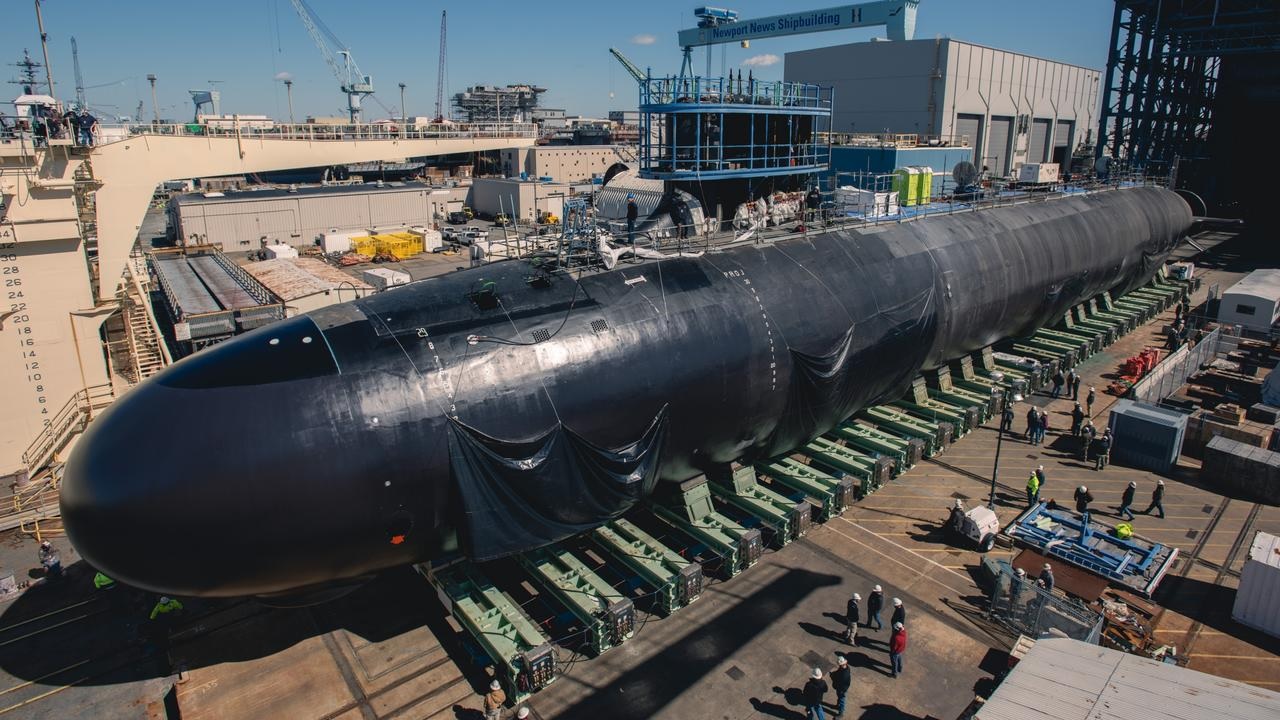
India
India is setting the stage for a monumental leap in its maritime defense capabilities with the decision to construct two nuclear-powered attack submarines (SSNs) at a state-of-the-art facility in Visakhapatnam. This ambitious project, involving the development of indigenously designed SSNs, is a cornerstone of India's vision to solidify its position as a dominant naval power in the Indian Ocean Region and beyond. The construction of these advanced submarines is expected to commence by the end of 2029, marking the beginning of a decade-long journey that will culminate in one of the most sophisticated underwater platforms ever built in India. The project will harness decades of expertise gathered from the Arihant-class ballistic missile submarines (SSBNs), which are India's current flagship nuclear submarine line. A New Generation of Nuclear Submarines Unlike the Arihant-class SSBNs, which are primarily designed for strategic nuclear deterrence, the upcoming SSNs will focus on offensive operations. They will specialize in hunting adversary submarines and surface ships, conducting deep-sea surveillance, and ensuring maritime dominance in critical zones. At the heart of this next-generation SSN program lies a newly developed 190 MWe Pressurized Water Reactor (PWR). This advanced reactor promises unmatched endurance, enabling the submarines to operate submerged for extended periods without surfacing, a vital feature for stealth and long-range missions. The reactor's design incorporates lessons from India's previous nuclear programs while pushing the boundaries of efficiency and reliability. Cutting-Edge Features and Capabilities These submarines will feature a sleek hydrodynamic hull design to reduce acoustic signatures, making them harder to detect. They will be equipped with state-of-the-art sonar systems, advanced combat management systems, and the capability to launch a range of weapons, including heavyweight torpedoes and land-attack cruise missiles. A key focus of the design is stealth, achieved through anechoic coating on the hull and low-noise propulsion systems. The SSNs will also incorporate sophisticated communication systems, ensuring secure links with naval command and real-time updates during missions. Timeline and Challenges The steel-cutting ceremony in 2029 will signal the official start of construction, but building a nuclear-powered attack submarine is a highly complex and time-intensive process. The first SSN is projected to take at least seven years to reach the stage of harbor and sea trials, extending the timeline to approximately 2035. After another four to five years of exhaustive trials and testing, the submarine is expected to be inducted into service around 2036 or later. India's submarine construction expertise has grown significantly since the inception of the Arihant-class program. However, the SSN project will demand a higher level of technological precision and innovation, particularly in integrating advanced propulsion systems, stealth technologies, and cutting-edge weaponry. Strategic Importance The Indian Ocean Region (IOR) is rapidly becoming a focal point of global geopolitics, with multiple powers vying for influence. The addition of these SSNs to the Indian Navy's fleet will substantially enhance India's capability to monitor and counter potential threats, particularly from rival naval forces in the region. Furthermore, these submarines will bolster India's role in the Indo-Pacific, a strategically vital area where the balance of power is shifting. The SSNs' ability to operate silently and undetected in contested waters will provide India with a decisive edge in securing its maritime interests and projecting power. Looking Ahead As India embarks on this transformative journey, the successful completion of the SSN program will not only redefine its naval prowess but also signal its arrival as a leader in nuclear submarine technology. The challenges ahead are daunting, but the rewards—enhanced security, greater strategic autonomy, and strengthened maritime dominance—are well worth the effort.
Read More → Posted on 2024-12-13 15:42:24
India
Tata Advanced Systems Limited (TASL) has achieved a key milestone by delivering the first batch of 40 Tactical Access Switch (TAS) systems to the Indian Army. This marks the initial phase of a contract for 100 such systems under the Ministry of Defence’s “Buy (India)” initiative. This program underscores the Indian government’s commitment to promoting indigenous defense manufacturing while equipping the armed forces with cutting-edge technology to meet modern battlefield demands. What is the Tactical Access Switch (TAS)? The TAS is a state-of-the-art communication device designed to serve as a backbone for voice, video, and data integration across military operations. Unlike conventional routers, the TAS provides ultra-fast, secure, and seamless connectivity across diverse terrains and operational environments. It integrates advanced networking technologies to ensure uninterrupted communication from the tactical edge to high-level strategic command centers. Key Features and Capabilities The Tactical Access Switch is not just a router; it is a mission-critical communication solution that offers the following features: Enhanced Data Throughput: Supports high-bandwidth applications for video streaming, real-time intelligence sharing, and mission-critical data transfer. Rugged Design: Built to endure extreme environmental conditions, ensuring reliability in diverse operational theaters, from deserts to high-altitude regions. Network Security: Incorporates advanced encryption technologies to safeguard sensitive military communication against potential cyber threats. Interoperability: Seamlessly integrates with existing military communication infrastructure, enabling easy deployment and operational flexibility. Scalability: Designed to adapt to evolving operational needs, allowing integration with future upgrades. Strategic Importance The induction of Tactical Access Switches into the Indian Army's communication arsenal represents a pivotal step in enhancing its tactical and operational capabilities. Real-Time Communication: TAS ensures real-time data exchange, enabling commanders to make informed decisions and respond dynamically to battlefield scenarios. Seamless Integration: The system’s interoperability allows connectivity between infantry units, armored regiments, and strategic commands, fostering better coordination during joint operations. Operational Resilience: The ruggedness and reliability of TAS systems ensure uninterrupted communication, even in challenging operational environments. TASL's Role in Strengthening Self-Reliance This delivery demonstrates TASL’s prowess in developing indigenous technologies that meet international standards. The company has leveraged advanced manufacturing facilities and R&D expertise to deliver a product that aligns with the Indian Army’s vision for a robust and self-reliant communication infrastructure. TASL’s success in producing and delivering these systems also aligns with India’s broader Atmanirbhar Bharat (self-reliant India) mission, reducing dependence on foreign technology and fostering a robust domestic defense manufacturing ecosystem. Looking Ahead As the Indian Army integrates the first batch of Tactical Access Switches into its communication network, TASL is on track to deliver the remaining 60 systems under the contract. Beyond this, the success of TAS could pave the way for additional orders and future collaborations between TASL and the Indian armed forces. With growing demand for secure, high-performance communication systems in modern warfare, the Tactical Access Switch is poised to become a cornerstone of India's digital battlefield transformation. This achievement signals a significant step toward enhancing the operational readiness of the Indian Army while highlighting India's growing capabilities in designing and producing advanced defense technologies.
Read More → Posted on 2024-12-13 15:36:21
World
The United States has taken a groundbreaking step in its hypersonic missile program with a successful flight test conducted by the U.S. Army's Rapid Capabilities and Critical Technologies Office (RCCTO) and the U.S. Navy's Strategic Systems Programs (SSP). This end-to-end test, performed at Cape Canaveral Space Force Station in Florida, is a significant advancement in hypersonic technology, showcasing its readiness for real-world deployment. Hypersonic missiles, capable of traveling at speeds exceeding Mach 5, represent the pinnacle of modern warfare technology. These weapons combine incredible speed, maneuverability, and altitude to deliver precision strikes on heavily defended or time-sensitive targets. Unlike traditional missile systems, hypersonic weapons are designed to evade detection and interception, making them a critical asset in modern defense strategies. A Closer Look at the Test The recent flight test marked the second successful trial of the All Up Round (AUR) in 2024. It also represented the first live-fire event for the Long-Range Hypersonic Weapon (LRHW) system. The test utilized a Battery Operations Center and a Transporter Erector Launcher to simulate an operational environment, demonstrating the system's readiness for deployment. “This milestone reflects years of collaboration and innovation,” said Secretary of the Navy Carlos Del Toro. “As we approach the delivery of this capability to the Army, we are advancing towards integrating Conventional Prompt Strike onto our naval platforms.” The Common Hypersonic Glide Body (C-HGB), a key component of the system, is central to this achievement. During the test, it achieved hypersonic speeds and successfully struck targets at extended ranges, proving its reliability and effectiveness in a high-stakes scenario. Strategic Implications The hypersonic weapon system is designed to address emerging global threats, especially in contested regions. Its unparalleled speed and precision enable it to penetrate anti-access/area denial (A2/AD) environments, which are fortified zones protected by advanced air defenses. These capabilities make hypersonic weapons indispensable for addressing high-priority targets. Lt. Gen. Robert A. Rasch, head of RCCTO’s hypersonics division, highlighted the importance of these advancements. “Hypersonic weapons bring a unique combination of responsiveness and survivability that traditional systems cannot match, especially against modern threats.” Joint Collaboration The Army and Navy’s joint effort underscores a unified approach to national security. Vice Adm. Johnny R. Wolfe Jr., Director of Navy’s SSP, praised the collaboration, stating, “This partnership is transforming our defense capabilities, ensuring we stay ahead of adversaries and meet joint warfighting needs.” The two branches aim to deploy land-based and sea-based variants of the hypersonic missile system, allowing for greater operational flexibility. The streamlined development timeline and shared resources have also reduced costs, making this project a model of efficiency in military innovation. Technical Specifications The hypersonic missile system boasts: C-HGB (Common Hypersonic Glide Body): A reentry vehicle capable of traveling at hypersonic speeds while maintaining precise maneuverability. Mach 5+ Speed: Achieving speeds of over 6,100 kilometers per hour. Range: Designed for long-range strikes, capable of reaching distant targets with pinpoint accuracy. Launch Systems: Includes ground-based Transporter Erector Launchers and naval platforms for versatility. Survivability: Built to withstand hostile environments and evade advanced defense systems. Road Ahead Data gathered from the test will inform the Army’s initial operational deployment of the hypersonic AUR. The Navy, in parallel, is preparing to field the Conventional Prompt Strike (CPS) system on surface and subsurface vessels. These efforts align with the U.S. strategy to maintain technological superiority and ensure a credible deterrent against adversaries. Hypersonic weapons, with their unmatched capabilities, signify a shift in global military dynamics. As the U.S. progresses toward operational deployment, these systems are set to redefine the landscape of modern warfare.
Read More → Posted on 2024-12-13 15:24:24
World
The U.S. Department of Defense (DoD) has established the Artificial Intelligence Rapid Capabilities Cell (AI RCC), a dedicated office aimed at accelerating the integration of artificial intelligence (AI) into military operations. As the Pentagon navigates a rapidly changing global security landscape, this initiative underscores the importance of technological superiority in maintaining national defense. Mission and ObjectivesThe AI RCC, functioning under the Chief Digital and Artificial Intelligence Office (CDAO), focuses on experimenting with advanced AI technologies, including generative AI, to enhance capabilities like autonomous weapons systems and command-and-control operations. This initiative is a response to the growing AI advancements by adversaries such as China, Russia, and North Korea, which pose significant security challenges. The RCC will also explore applications of AI in real-world scenarios, incorporating autonomous "AI pilots" to streamline decision-making processes and battlefield efficiency. A critical part of its mission is to ensure these technologies are not only innovative but also safe and reliable, with a strong emphasis on ethical deployment practices. Funding and Industry CollaborationThe initiative has been allocated $100 million for fiscal years 2024 and 2025. Notably, $40 million will be directed to industry partners, fostering collaboration with private firms to accelerate AI deployment in defense systems. The Defense Innovation Unit (DIU), which spearheads other AI-focused projects like the "Replicator Initiative," is a key partner in these efforts. Broader Context and ImpactsThe AI RCC is part of a larger Pentagon strategy to modernize its military capabilities. This includes the recently released 2023 Data, Analytics, and Artificial Intelligence Adoption Strategy, which outlines goals such as faster decision-making, adaptive force planning, and enhanced operational resilience. Projects like the Air Force’s Collaborative Combat Aircraft program and the Replicator initiative further highlight the Pentagon’s ambition to deploy thousands of autonomous systems across multiple domains—land, air, sea, and space—by 2025. Challenges and Future OutlookDespite its promise, integrating AI into defense systems is a complex endeavor. Challenges include developing robust data management systems, ensuring interoperability across platforms, and addressing ethical concerns regarding autonomous decision-making in warfare. Moreover, the U.S. must balance rapid technological development with accountability to maintain global leadership in AI responsibly. As the Pentagon adapts to new-age warfare, the AI RCC symbolizes a crucial step in ensuring the U.S. military remains agile, innovative, and prepared for future conflicts. This initiative not only strengthens America’s defense posture but also sets a precedent for ethical and effective AI integration in the military domain.
Read More → Posted on 2024-12-13 15:17:48
India
India's indigenous Zorawar Light Tank has reached a significant milestone, completing high-altitude firing trials in the harsh terrain of Ladakh's Nyoma region. This development represents a crucial step forward in bolstering the Indian Army's ability to counter threats in mountainous and high-altitude regions, particularly along the Line of Actual Control (LAC) with China. The tank’s success in these trials underscores its potential to redefine operational strategies in challenging environments. Born from Strategic Necessity The Zorawar light tank project was conceived as a direct response to operational gaps highlighted during the 2020 India-China standoff in eastern Ladakh. Heavy tanks like the T-90 Bhishma and T-72 struggled with maneuverability in the region's high-altitude passes and steep inclines. The need for a more agile, versatile, and capable platform became apparent, leading to the birth of Zorawar, named after Zorawar Singh, a legendary Dogra general known for his high-altitude military campaigns. Developed collaboratively by the Defence Research and Development Organisation (DRDO) and Larsen & Toubro (L&T), the Zorawar Light Tank represents a leap forward in indigenous armament technology. Key Features and Specifications The Zorawar light tank boasts cutting-edge capabilities tailored to the unique demands of high-altitude operations: Weight and Mobility: At approximately 25 tons, Zorawar is significantly lighter than conventional main battle tanks, enabling swift deployment via aircraft like the C-17 Globemaster III and Chinook helicopters. Engine and Power: It is powered by a high-performance 1,000-horsepower engine, allowing exceptional maneuverability even at altitudes exceeding 15,000 feet. Firepower: The tank is equipped with a 105 mm gun, capable of firing a variety of ammunition, including anti-tank guided missiles (ATGMs). A coaxial machine gun and remote-controlled weapon station (RCWS) enhance its lethality. Survivability: State-of-the-art composite armor provides robust protection against small arms, artillery fragments, and anti-tank projectiles, while an Active Protection System (APS) defends against incoming missiles. Advanced Systems: The Zorawar is integrated with thermal imaging sights, a modern fire control system, and advanced situational awareness technologies for enhanced battlefield performance. High-Altitude Trials: A Landmark Achievement Conducted at altitudes exceeding 4,200 meters, the high-altitude firing trials tested Zorawar’s accuracy, firepower, and mobility under extreme conditions, including sub-zero temperatures and reduced oxygen levels. The tank successfully hit targets at various ranges, proving its precision and adaptability. These trials mark the culmination of rigorous testing phases that began in controlled environments. Operational Readiness and Future Plans The testing program is expected to conclude by December 2024, after which the tank will undergo user trials with the Indian Army in early 2025. With plans to induct around 350 units, Zorawar is poised to play a pivotal role in fortifying India's defenses in high-altitude regions. Its lightweight design and modular architecture make it a versatile asset for rapid deployments, enhancing both offensive and defensive operations. Strategic Implications The induction of the Zorawar light tank represents a significant enhancement to India's military posture along its northern borders. It addresses the limitations of heavy tanks in challenging terrains and aligns with the Indian Army's modernization goals. The Zorawar also sends a clear strategic message, emphasizing India's commitment to self-reliance in defense technology and its readiness to counter regional threats. As the tank enters its final phases of testing, it stands as a testament to India’s indigenous defense capabilities and innovative approach to modern warfare. With Zorawar, the Indian Army is better equipped than ever to secure its borders and maintain operational superiority in the world's most demanding environments.
Read More → Posted on 2024-12-13 15:14:42
World
The United States Missile Defense Agency (MDA) recently achieved a major milestone by conducting its first successful ballistic missile intercept from Guam. The operation, designated as Flight Experiment Mission-02 (FEM-02), demonstrated cutting-edge missile defense technologies designed to bolster Guam’s security against evolving regional threats. This landmark event involved the integration of the Aegis Guam System with the newly developed AN/TPY-6 radar and the Vertical Launching System (VLS), showcasing an advanced, layered approach to missile defense. The live test occurred off the coast of Andersen Air Force Base, Guam, where an air-launched Medium-Range Ballistic Missile (MRBM) target was engaged and destroyed mid-flight. The AN/TPY-6 radar tracked the missile shortly after its launch, providing real-time data that enabled the successful intercept by a Standard Missile-3 (SM-3) Block IIA. This marked the first end-to-end tracking and intercept mission utilizing the AN/TPY-6 radar, which is a pivotal component of the future Guam Defense System (GDS). Key Details of the Experiment The SM-3 Block IIA missile, developed by Raytheon Missiles & Defense, is one of the most sophisticated interceptors in the U.S. missile defense arsenal. Designed for exo-atmospheric engagements, the missile is capable of neutralizing ballistic missile threats during their midcourse phase. During the test, the missile was launched from the Vertical Launching System, a highly modular platform that supports rapid deployment and reloading of missiles in high-pressure scenarios. The AN/TPY-6 radar, meanwhile, represents a significant upgrade over its predecessor, the AN/TPY-2. It features enhanced range, resolution, and tracking capabilities, enabling it to detect and track smaller, faster targets at greater distances. The radar’s ability to integrate seamlessly with other components of the Aegis system is key to its role in creating a comprehensive and persistent missile defense shield for Guam. Implications for Guam's Defense Guam occupies a vital strategic position in the Indo-Pacific, serving as a hub for U.S. military operations and a deterrent against regional adversaries. Recognizing its significance, the Department of Defense has prioritized the development of an Enhanced Integrated Air and Missile Defense (IAMD) system for the island. The success of FEM-02 underscores the feasibility of this vision, paving the way for the deployment of a persistent, layered defense capability. The future Guam Defense System will incorporate contributions from multiple DoD service components, including the U.S. Navy, Army, and Air Force. These elements will work together to ensure a robust and adaptable defense infrastructure capable of countering a variety of threats, from ballistic and cruise missiles to hypersonic weapons. Strategic Vision and Collaboration Lt. Gen. Heath Collins, MDA Director, emphasized the collaborative nature of the mission, stating, “This is a tremendous group effort and provides a glimpse of how organizations within the Department of Defense have come together to defend our homeland Guam now and in the future.” Rear Adm. Greg Huffman, Commander of Joint Task Force-Micronesia, echoed this sentiment, noting that the mission demonstrated the readiness and resilience of U.S. forces to address emerging threats in the region. In addition to enhancing Guam’s security, the GDS initiative supports broader U.S. strategic goals in the Indo-Pacific. These include deterring adversarial actions, maintaining freedom of navigation, and responding swiftly to regional crises. Guam’s central role in sustaining U.S. military presence and projecting power underscores the importance of such advanced defense systems in safeguarding both regional stability and national security. The Road Ahead As the Department of Defense continues to refine the Guam Defense System, data collected during FEM-02 will play a critical role in validating concepts, maturing models, and guiding future deployments. This mission is not just a technical achievement but a crucial step in ensuring the protection of Guam’s residents, infrastructure, and military assets from potential missile threats. The successful intercept from Guam highlights the United States’ commitment to advancing missile defense technologies and securing its interests in the Indo-Pacific region. With further tests and enhancements planned, the development of a fully operational and integrated air and missile defense system for Guam is well on track, reinforcing the island’s role as a cornerstone of U.S. defense strategy.
Read More → Posted on 2024-12-12 16:30:56
World
The denial of bail to Hindu priest Chinmoy Krishna Das, a prominent figure in Bangladesh's Hindu community, has sparked widespread outrage and raised concerns about the judiciary's impartiality and its handling of minority rights. Das, arrested on November 25, 2024, at Dhaka's Hazrat Shahjalal International Airport, faces sedition charges for allegedly disrespecting the national flag. The case against him stems from an October rally in Chattogram, where he and others reportedly raised a saffron flag above Bangladesh's flag. On December 11, his bail plea was rejected by Chattogram Metropolitan Sessions Judge Md. Saiful Islam, citing procedural issues, including the absence of a power of attorney from his lawyer. The judicial decision has drawn criticism not only for its technical rationale but also for its broader implications. Das’s arrest comes amid rising tensions for Bangladesh’s Hindu minority, which comprises about 8% of the population. His supporters argue that the charges are politically motivated, aimed at silencing his advocacy for Hindu rights. Protests following his arrest escalated into violent clashes, with dozens injured, including police officers, and one lawyer reportedly killed during unrest in Chattogram. Critics have called attention to the judiciary’s failure to address procedural irregularities and its apparent insensitivity to the plight of minority leaders. Das’s lawyer, Rabindra Ghosh, acknowledged challenges in representing him, including alleged pressure and lack of access to the detained priest. Such procedural delays and questionable motives undermine public confidence in the legal system and contribute to the perception of judicial bias against minority communities. The broader context further highlights Bangladesh’s challenges with minority rights. Reports indicate that Hindu leaders frequently face threats, harassment, and legal battles over politically charged allegations. Observers argue that Das’s case reflects systemic issues where legal mechanisms are wielded as tools of intimidation rather than justice. Despite assurances from authorities of an impartial investigation, the Hindu community’s mistrust remains high, fueled by recurring incidents of violence and discrimination. The international community and human rights organizations have urged Bangladesh to ensure a fair legal process and address the growing concerns of its minority populations. As the nation seeks to uphold its secular values, cases like Chinmoy Krishna Das’s will be pivotal in determining whether its judiciary can act as a beacon of justice or continues to falter under political and radical pressures. This case not only exposes the challenges faced by minorities but also places Bangladesh's judiciary under a critical lens, raising questions about its role in safeguarding democratic and human rights principles.
Read More → Posted on 2024-12-12 16:27:48
World
Iran has taken a significant step forward in its aviation industry by unveiling the Simorgh, a domestically developed twin-engine transport aircraft, at the 12th Iran International Aerospace Exhibition. Held from December 10 to 13 on Kish Island, this landmark event underscores Iran's growing prowess in aerospace technology, showcasing the Simorgh as a symbol of innovation and resilience amidst ongoing challenges. The Simorgh, named after the mythical Persian bird symbolizing wisdom and strength, marks a new chapter in Iran's aviation capabilities. Designed and manufactured by the Iran Aircraft Manufacturing Industrial Company (HESA), the aircraft is a highly modified version of the IrAn-140 turboprop airliner. It underwent successful test flights in May 2023, confirming its readiness for multifaceted operational roles. Versatility in Design and Purpose The Simorgh is designed to meet a wide range of military and logistical needs. With a range of 3,900 kilometers and a maximum speed of 533 km/h, it can efficiently transport troops, cargo, and vehicles. The aircraft is tailored for specific missions, including: Cargo Transport: Equipped to carry standard 463L pallets and light vehicles. Troop Deployment: Built to transport paratroopers with maximum efficiency. Medical Evacuations: Capable of evacuating injured personnel with necessary support systems. Key enhancements include redesigned wings and tail sections for improved aerodynamics, along with the addition of a cargo ramp to the fuselage. These modifications align the aircraft with international aviation standards and broaden its utility for both military and humanitarian missions. A Showcase of Iran’s Aerospace Expertise The Iran International Aerospace Exhibition serves as a platform for demonstrating the nation’s advancements in aerospace technology. This year’s edition, the largest to date, brings together domestic and international companies, researchers, and policymakers, fostering collaboration and innovation. Over 300 foreign attendees have joined the event, underscoring its global relevance. Defense Minister Brigadier General Aziz Nasirzadeh emphasized that the Simorgh is a product of Iran's Defense Ministry and local knowledge-based companies. He praised the collaboration as a testament to Iran's ability to achieve self-sufficiency in critical sectors despite international sanctions. Speaking at the event, Brigadier General Hamid Vahedi, Commander of the Islamic Republic of Iran Air Force, highlighted how the country’s achievements in aviation exemplify resilience. “Sanctions have failed to diminish our resolve and capabilities,” he declared, reiterating Iran's commitment to self-reliance and defense. Broader Implications for Defense and Technology Iran’s advancements in aviation reflect broader efforts to strengthen its defense capabilities. Officials have consistently stated that these developments serve defensive purposes and remain non-negotiable in diplomatic discussions. Ayatollah Seyyed Ali Khamenei, the Leader of the Islamic Revolution, has championed these initiatives, advocating for increased involvement of knowledge-based companies in the nation’s industrial growth. The unveiling of the Simorgh reinforces Iran's position as a regional power in aviation technology. Beyond its immediate applications, the aircraft symbolizes the country’s resilience and ambition to advance its technological frontiers in the face of adversity. As the Simorgh takes flight, it embodies the spirit of innovation that drives Iran's aerospace industry forward.
Read More → Posted on 2024-12-12 16:22:52
World
Russia has unveiled a cutting-edge Helmet-Mounted Targeting System (NSC) designed specifically for the pilots of its Su-57 stealth fighter, marking a significant leap forward in military aviation technology. Showcased recently on Russian state television, this advanced helmet aims to enhance operational efficiency by seamlessly integrating critical flight and combat information into the pilot’s visor. This innovation reflects Russia's efforts to align with global advancements and maintain competitiveness in the rapidly evolving domain of fifth-generation fighter jets. Enhancing Pilot-Centric Design The NSC is designed to address the limitations of previous-generation helmets, focusing on improved fit, comfort, and usability. By delivering real-time flight data and target acquisition information directly onto the visor, the system allows pilots to remain immersed in their mission environment without the need for traditional cockpit displays. This not only minimizes distractions but also streamlines decision-making during high-stress scenarios. The helmet is integrated with the Su-57’s sophisticated avionics suite, including its advanced communication systems and array of sensors. This synergy ensures that pilots can maintain situational awareness, monitor threats, and control onboard weaponry with precision, even in complex combat scenarios. Drawing Parallels with Global Counterparts The design philosophy behind the NSC bears similarities to the Gen III Helmet Mounted Display System (HMDS) used in the American F-35 Lightning II. Like its U.S. counterpart, the NSC projects crucial mission data, such as targeting markers, navigational cues, and battlefield intelligence, onto the visor. This allows Su-57 pilots to execute rapid maneuvers and engage adversaries with unparalleled efficiency. However, Russia’s NSC also claims unique optimizations tailored to the operational needs of the Su-57, which is equipped with features like stealth capabilities, supermaneuverability, and advanced electronic warfare systems. The integration of these capabilities into the helmet system reflects a holistic approach to maximizing the aircraft's potential. Technical Specifications of the NSC While full details of the NSC’s specifications remain classified, some insights highlight its advanced capabilities: Integrated Augmented Reality (AR): Displays mission-critical information and weapon system data in real time. Enhanced Night Vision: Provides superior performance in low-visibility conditions, crucial for nocturnal or all-weather missions. Customizable Fit and Ergonomics: Designed to accommodate prolonged use during extended sorties. Data Link Connectivity: Syncs with the Su-57’s sensors, enabling seamless information sharing and enhanced team coordination. High-Resolution Projection: Offers sharp, lag-free visuals, crucial for split-second decision-making. Reduced Latency: Minimizes delay in data relay, ensuring real-time responsiveness during combat. Implications for Russian Military Aviation The introduction of the NSC represents a strategic push by Russia to modernize its aerospace technologies amidst intensifying competition with Western powers. The Su-57, hailed as Russia’s flagship fifth-generation fighter, has often faced criticism for delays and production challenges. By equipping the aircraft with advanced tools like the NSC, Russia seeks to enhance its operational appeal and capabilities. Moreover, the unveiling of this helmet system underscores the broader trend of integrating human-machine interfaces in modern warfare. By prioritizing pilot comfort, efficiency, and performance, Russia is not only addressing current technological gaps but also positioning its military for future innovations in aerial combat. Future Outlook The development of the NSC highlights Russia's commitment to advancing its military aviation technology. As the Su-57 continues to evolve with additional upgrades, including improved stealth coatings and next-generation weaponry, the NSC will likely play a pivotal role in cementing its status as a formidable competitor in the global fighter jet market. This development signals a broader move toward pilot-centric designs in modern air combat, ensuring that Russia remains a key player in the race for aerial supremacy.
Read More → Posted on 2024-12-12 16:18:41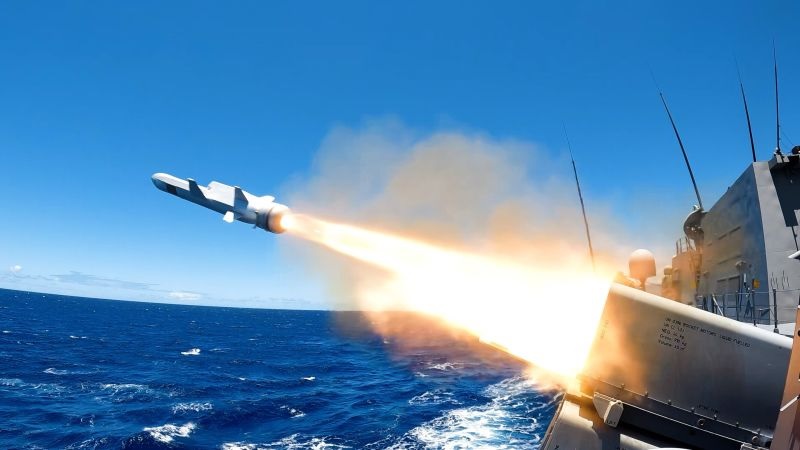
World
Kongsberg Defence Australia has achieved a significant milestone with the successful Blast Test Vehicle (BTV) firing of its first Australian-manufactured Naval Strike Missile (NSM) launcher. This development is part of Project SEA 1300 Phase 1, which bolsters the Royal Australian Navy’s (RAN) advanced guided weapons capability. The event underscores Australia’s growing sovereign defense manufacturing capabilities. The Australian-made launcher underwent rigorous "First of Type" testing, including live trials at the Commonwealth Joint Proofing Experimental Unit (JPEU) in Port Wakefield. The tests utilized a booster rocket motor and a dummy missile, demonstrating the operational readiness of the locally produced launcher. This marks a major step in ensuring the viability of a domestic supply chain for the NSM program. Key Innovations and Contributions The construction of the launcher involved significant contributions from Australian defense manufacturers. Aerobond Defence in Adelaide built the launcher canister, while the frame and rail were crafted by Marand Precision Engineering in Melbourne. Other precision components came from Australian Precision Technologies (APT) and QPE Advanced Machining, reflecting the collaboration among local enterprises to meet stringent project deadlines. The NSM launcher, a critical component of Kongsberg's Coastal Defence System, provides a highly versatile solution capable of targeting ships and land-based threats. It is designed for integration with naval platforms like the Hobart-class destroyers and Anzac-class frigates. These systems aim to replace the aging Harpoon anti-ship missiles, enhancing Australia’s maritime strike capabilities significantly. Broader Impacts and Future Plans The successful BTV firing paves the way for full-scale production of NSM launchers in Australia, fulfilling both domestic needs and potential export opportunities. Kongsberg’s commitment to the Australian defense industry includes establishing advanced manufacturing facilities, such as the planned missile production hub near Newcastle. This facility, one of only two in the world, will produce both NSMs and Joint Strike Missiles (JSMs), further strengthening the nation’s defense capabilities. Additionally, the NSM launcher program aligns with Australia’s 2024 National Defence Strategy, focusing on the development of long-range precision strike capabilities and sovereign manufacturing. The project also benefits from Australia’s $21 billion investment in the Guided Weapons and Explosive Ordnance (GWEO) Enterprise, which aims to build a self-reliant defense infrastructure. The Road Ahead Kongsberg’s collaboration with Australian small and medium enterprises highlights the importance of fostering a resilient local supply chain. This achievement not only enhances the Royal Australian Navy's operational capabilities but also underscores Australia's role as a strategic player in global defense manufacturing. With continued support and innovation, the NSM program promises to secure Australia’s defense needs while contributing to international security through potential exports. For more details, you can refer to sources like the Australian Defence Department and industry publications such as Australian Defence Magazine and The Defense Post.
Read More → Posted on 2024-12-12 16:14:42
Space & Technology
The Indian Space Research Organisation (ISRO) has achieved a significant breakthrough by successfully conducting the sea level hot test of its CE20 cryogenic engine. The test, performed on November 29, 2024, at the ISRO Propulsion Complex in Mahendragiri, Tamil Nadu, represents a pivotal moment in India's pursuit of advanced space propulsion systems. This test also marks a step forward in addressing the complexities of sea level engine testing for high-performance cryogenic engines. What is the CE20 Cryogenic Engine? The CE20 cryogenic engine is an indigenous creation of ISRO's Liquid Propulsion Systems Centre (LPSC). It is the powerhouse of the upper stage of the LVM3 (Launch Vehicle Mark-3), also known as GSLV Mk III, India's heavy-lift rocket. This engine operates on a cryogenic fuel combination of liquid hydrogen (LH2) and liquid oxygen (LOX), offering a high specific impulse critical for launching heavier payloads into geosynchronous and interplanetary orbits. Key specifications of the CE20 engine include: Thrust Capacity: Recently qualified for 20 tonnes for the Gaganyaan mission, with an enhanced capability of 22 tonnes for future missions. Nozzle Area Ratio: 100, facilitating efficient expansion of exhaust gases in a vacuum. Restart Capability: Enabled by a multi-element igniter, essential for missions requiring engine reignition in space. Challenges of Sea Level Testing Testing the CE20 engine at sea level is inherently challenging due to the engine's high nozzle area ratio. Such a design, optimized for operation in near-vacuum conditions, generates an exit pressure of just 50 mbar. At sea level, this pressure difference can lead to: Flow Separation: Turbulent flow inside the nozzle, causing thermal and mechanical stresses. Vibrations and Structural Risks: Potential damage to the nozzle due to irregular gas dynamics. Traditionally, ISRO relied on its High-Altitude Test (HAT) facility for flight acceptance tests, which, while effective, introduced added complexity and cost. To overcome these hurdles, ISRO has developed an innovative Nozzle Protection System (NPS) that enables safe and cost-effective testing of the CE20 engine at sea level. Key Achievements During the Test The test successfully demonstrated the following: Multi-Element Igniter Functionality: A crucial component for engine restart capability, only the first igniter element was activated, while the others were monitored to ensure reliability. Vacuum Ignition Without Nozzle Closure: Previously validated in ground tests, this capability underscores the engine's readiness for in-space conditions. Operational Stability: The engine achieved expected performance parameters without any anomalies, reinforcing its readiness for future missions. A Workhorse for India's Space Ambitions The CE20 engine has already powered six LVM3 missions, including the Chandrayaan-2 and Chandrayaan-3 lunar missions. Its recent qualification for thrust levels up to 22 tonnes aligns with ISRO's vision of enhancing LVM3's payload capacity, particularly for demanding missions like Gaganyaan and interplanetary expeditions. Future Implications The successful sea level test signifies a leap forward in cryogenic engine technology. It simplifies and reduces the cost of engine acceptance testing, paving the way for more efficient validation of advanced propulsion systems. This milestone strengthens India's position in the global space race, ensuring ISRO remains at the forefront of cutting-edge space exploration. By conquering the challenges of cryogenic propulsion, ISRO is not only advancing its technical prowess but also contributing to the broader goals of space accessibility and scientific discovery.
Read More → Posted on 2024-12-12 16:12:14
India
In a significant boost to India’s indigenous defense manufacturing, the Cabinet Committee on Security (CCS) has given the green light to two critical military projects valued at approximately ₹20,000 crore. These projects include the acquisition of 12 Su-30MKI fighter jets for the Indian Air Force (IAF) and an additional 100 K-9 Vajra self-propelled howitzers for the Indian Army, underscoring the government’s commitment to the Make in India initiative in the defense sector. New Su-30MKIs to Bolster Air Power The Su-30MKI jets, India’s frontline air superiority fighters, will be manufactured under license by Hindustan Aeronautics Limited (HAL) at its Nashik facility. The ₹13,000 crore contract aims to replace aircraft lost in service over the years, ensuring the IAF maintains its operational strength. Known for their versatility, Su-30MKIs can carry a wide array of weapons, including air-to-air, air-to-ground, and anti-ship missiles. The jets are equipped with advanced avionics, a powerful AL-31FP turbofan engine with thrust vectoring, and a long operational range of over 3,000 kilometers, extendable through aerial refueling. Their ability to carry the supersonic BrahMos missile makes them a critical asset in India’s strategic defense arsenal. This project is expected to stimulate HAL’s supply chain, providing a significant boost to small and medium enterprises (SMEs) that supply critical components for the Su-30MKI. K-9 Vajra Howitzers: Expanding Artillery Firepower The order for 100 K-9 Vajra howitzers, to be manufactured by Larsen & Toubro (L&T) at its Hazira plant in Gujarat, builds on the success of a previous batch of 100 howitzers already inducted into the Indian Army. The new contract reflects the Army’s satisfaction with the system’s performance in diverse terrains, from the deserts of Rajasthan to the challenging conditions along the Line of Actual Control (LAC) with China. The K-9 Vajra, a self-propelled 155mm/52-caliber howitzer, boasts an impressive range of 38–40 kilometers and can fire multiple types of ammunition, including precision-guided shells. The system is mounted on a tracked chassis, offering high mobility in combat zones. L&T has significantly increased the indigenous content in these howitzers, a move that aligns with the government’s vision for defense self-reliance. Strategic and Economic Impact Both projects underscore the government’s commitment to strengthening the domestic defense industry. By involving public and private sector giants like HAL and L&T, the initiatives not only enhance India’s military capabilities but also generate employment and foster technological innovation. Moreover, these deals will reinforce supply chains involving hundreds of SMEs, creating a ripple effect across the economy. The emphasis on local production also reduces dependency on foreign suppliers, aligning with the broader goal of Atmanirbhar Bharat (self-reliant India). Reinforcing Defense Capabilities The acquisition of these advanced platforms comes at a crucial time when India is addressing security challenges on multiple fronts. The Su-30MKIs will augment the IAF’s ability to project air power across vast distances, while the K-9 Vajras will provide the Army with superior firepower and mobility in diverse operational scenarios. By approving these projects, the CCS has not only strengthened India’s defense posture but also provided a major impetus to the indigenous defense manufacturing ecosystem, reaffirming its role as a cornerstone of India’s strategic autonomy.
Read More → Posted on 2024-12-12 16:07:16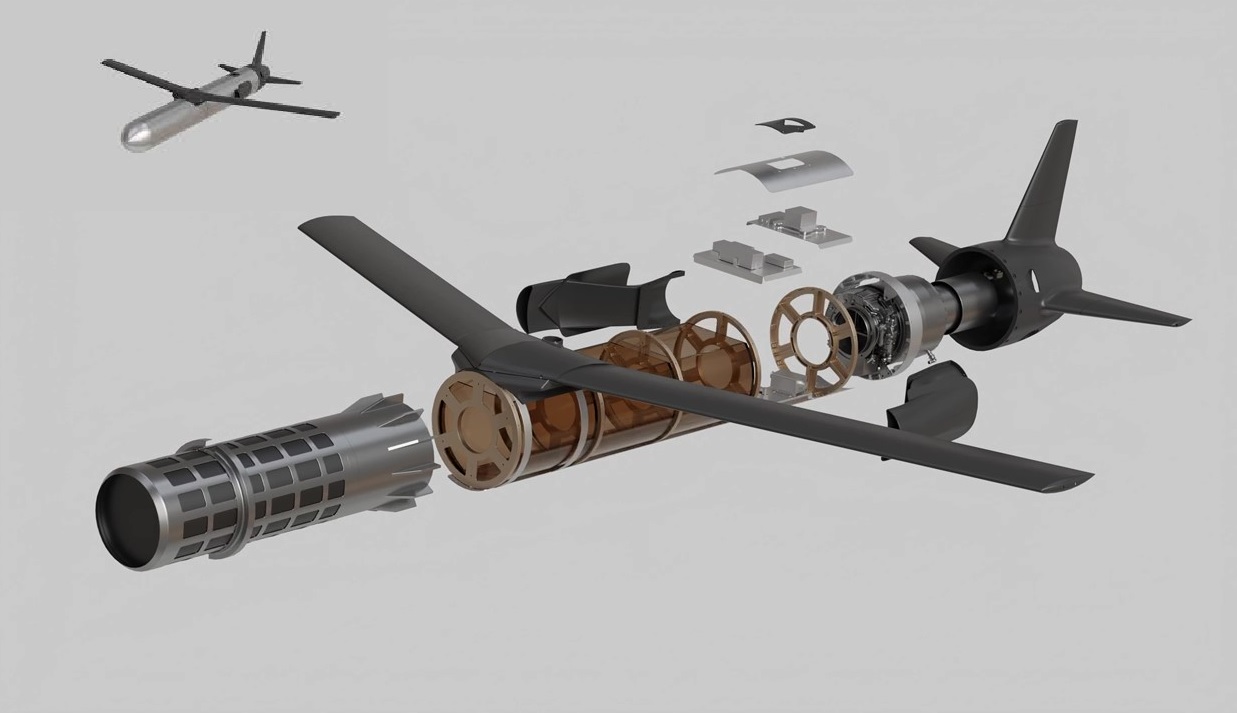
World
Ukraine has achieved a remarkable milestone in its defense technology with the successful testing of the domestically developed Ruta missile. Confirmed by President Volodymyr Zelenskyy on December 10, this accomplishment underscores Ukraine's drive to enhance its missile capabilities amidst ongoing military challenges. Developed by the Ukrainian startup Destinus, the Ruta missile is a significant leap forward in versatile, cost-effective weaponry. The Ruta Missile: A Revolutionary Design Described as a hybrid between a jet-powered drone and a cruise missile, the Ruta missile boasts impressive specifications. Its standout features include: High-Speed Capability: With speeds ranging from 500 to 800 km/h, the missile can evade enemy detection and interception more effectively than traditional systems. Flight Range: A range of up to 300 kilometers allows the Ruta to strike deep into enemy territory or conduct long-range reconnaissance missions. Payload Versatility: While exact warhead specifications are undisclosed, analysts estimate it can carry up to 100 kilograms of explosives, making it formidable against various targets. It can also be equipped with surveillance equipment for non-lethal missions. The Ruta missile is launched using a rocket booster and features a compact, cost-efficient design. Key components include a fixed wing for stability, a small turbojet engine for sustained flight, and an electronics suite for guidance and control. Uniquely, it incorporates a parachute recovery system, allowing it to return safely to base after reconnaissance missions. Tactical and Strategic Advantages One of the Ruta's defining advantages is its ability to challenge traditional counter-drone and counter-missile measures. Its high-speed flight significantly reduces the effectiveness of Russian mobile fire units and renders their helicopters nearly useless for intercepting the missile. This capability positions the Ruta as a disruptive tool in modern warfare. Beyond its offensive capabilities, the Ruta can also serve as a training target for Ukrainian air defense units, offering a practical and affordable means to simulate real combat scenarios. Showcased Innovations at Eurosatory 2024 The Ruta missile garnered significant attention at the Eurosatory 2024 exhibition, where a full-scale model with minor design modifications was displayed. This event highlighted Ukraine’s strides in missile technology, drawing interest from defense experts and potential international partners. Expanding Ukraine's Arsenal The Ruta missile's development is part of a broader effort to strengthen Ukraine’s defense capabilities. President Zelenskyy recently unveiled the Peklo missile drones, a new addition to the country’s arsenal, designed to complement systems like the Ruta. These advancements signal a comprehensive strategy to counter threats through innovation and technological self-reliance. A Symbol of Resilience and Progress The Ruta missile embodies Ukraine’s determination to overcome adversity through cutting-edge innovation. By leveraging the expertise of startups like Destinus, Ukraine is not only bolstering its defense but also positioning itself as a key player in advanced missile technology. This latest achievement highlights the resilience of Ukraine’s defense sector and its ability to adapt to modern warfare challenges. As the Ruta missile prepares for potential deployment, its impact is set to resonate far beyond the battlefield.
Read More → Posted on 2024-12-12 16:04:28
HAL’s Nashik Plant Ready for 8 Tejas Mk1A Per Year Production: First Delivery Expected in March 2025
India
Hindustan Aeronautics Limited (HAL) has taken a monumental step in advancing India’s indigenous defense manufacturing capabilities with the completion of its state-of-the-art production line for the Tejas Mk1A at its Nashik facility. This achievement is a key enabler for India’s Light Combat Aircraft (LCA) program, which seeks to bolster the Indian Air Force's (IAF) combat readiness and technological prowess. The plant is set to roll out eight Tejas Mk1A fighter jets annually, with the first delivery slated for March 2025. A Modern Facility for a Modern Aircraft The Nashik plant, inaugurated in 2023, is HAL’s third production line for the LCA, complementing its two Bengaluru-based facilities. Together, these three lines will accelerate the manufacturing pace, ensuring timely delivery of the IAF’s 83-unit Tejas Mk1A order, signed in February 2021. This facility is more than just a production hub; it symbolizes India's growing self-reliance in defense. Equipped with cutting-edge machinery, the plant has been designed to handle the intricate assembly and integration processes required for advanced fighter aircraft like the Tejas Mk1A. The Nashik plant also shares resources with the Sukhoi Su-30 MKI program, highlighting its versatility and strategic significance for India’s air power. What Sets Tejas Mk1A Apart? The Tejas Mk1A is an evolution of the Tejas Mk1, incorporating a host of advanced features tailored to meet modern combat requirements. Among its standout specifications are: Active Electronically Scanned Array (AESA) Radar: Offers superior target tracking, multi-target engagement, and improved detection capabilities. Advanced Electronic Warfare Suite: Includes jammers and countermeasures for enhanced survivability in hostile environments. Reduced Maintenance Turnaround Time: Incorporates modular design elements for quicker repairs and serviceability. In-Flight Refueling Capability: Extends operational range and mission endurance. Improved Avionics and Weapons Integration: Supports a broader array of air-to-air and air-to-ground weaponry, including precision-guided munitions. With these enhancements, the Tejas Mk1A offers significant improvements in situational awareness, survivability, and overall combat effectiveness, making it a formidable asset for the IAF. Addressing Delays and Challenges Despite the progress at the Nashik plant, the Tejas Mk1A program has faced hurdles, particularly in securing critical components like engines from international suppliers, such as General Electric in the United States. Supply chain disruptions caused by global geopolitical tensions and pandemic-induced delays have also posed challenges. However, HAL has proactively worked to mitigate these issues, ensuring that its domestic production infrastructure remains on schedule. Strategic Importance for India’s Defense The introduction of the Tejas Mk1A into the IAF’s fleet is a timely move, as the service faces a pressing need to replenish its declining squadron strength. The IAF aims to maintain at least 42 squadrons to counter evolving threats, but this number has dwindled to approximately 31 due to the phasing out of older aircraft like the MiG-21. The Tejas Mk1A, with its modern capabilities and indigenous origin, represents a vital component in closing this gap. Additionally, the Nashik facility’s dual focus on the Su-30 MKI and Tejas Mk1A underscores its importance in sustaining and modernizing India’s aerial capabilities. While the Tejas boosts the fleet with new aircraft, ongoing upgrades to the Su-30 MKI ensure the longevity and relevance of existing assets. A Bright Future for Indigenous Defense HAL’s commitment to enhancing indigenous production aligns with India’s broader push for self-reliance under the "Make in India" initiative. The Nashik plant, with its focus on high-quality manufacturing and advanced technology integration, is a testament to this vision. Looking ahead, the success of the Tejas Mk1A program could pave the way for further development of the Tejas Mk2 and the ambitious Advanced Medium Combat Aircraft (AMCA), solidifying India’s position as a global player in defense aviation. As the countdown begins for the first delivery in March 2025, the Nashik plant stands as a beacon of progress, ensuring that the Tejas Mk1A will not only meet but exceed the expectations of the Indian Air Force.
Read More → Posted on 2024-12-12 15:49:50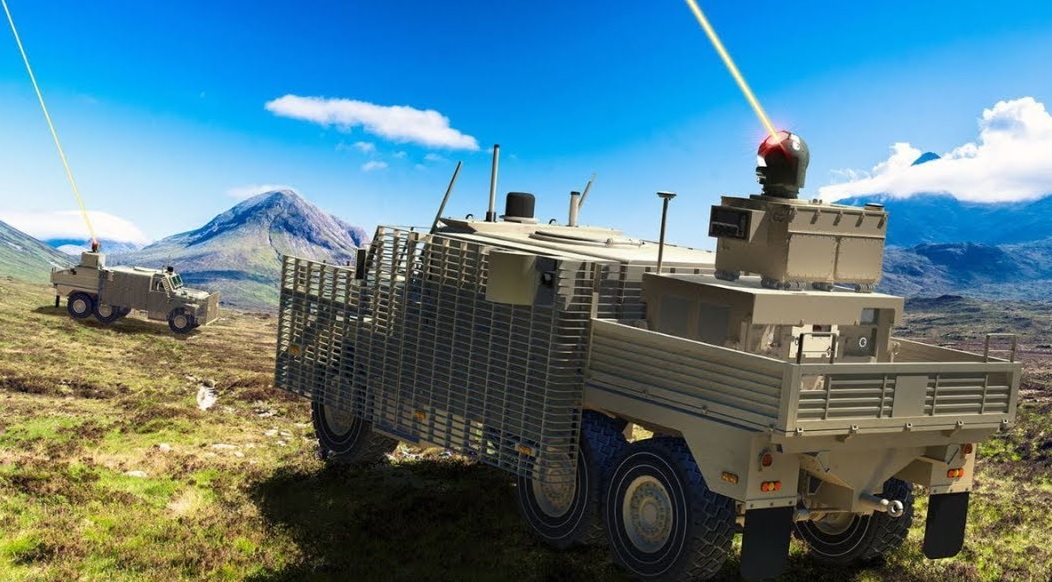
World
The British Army recently achieved a significant milestone in modern warfare by successfully testing a high-energy laser weapon mounted on the Wolfhound armored personnel carrier. This revolutionary system demonstrated its ability to neutralize dozens of drones in a single trial, marking a leap forward in counter-drone technology. A Cutting-Edge Counter-Drone Solution The laser weapon, developed by a consortium led by Raytheon UK, employs directed-energy technology to deliver precision strikes against aerial threats. Unlike conventional missile-based systems, this laser weapon uses beams of infrared light to engage and destroy targets. This approach offers a game-changing advantage: virtually unlimited ammunition, making it a highly cost-effective solution for combating the increasing prevalence of drones on the battlefield. During live-fire trials, the weapon achieved a perfect record, taking down drones at various distances, speeds, and altitudes. The system's advanced sensors and tracking capabilities enable rapid target acquisition and pinpoint accuracy, even against fast-moving or maneuvering drones. Matthew Anderson, the trials manager, highlighted the weapon's efficiency, stating, “Every engagement we’ve done has removed a drone from the sky. One thing that stood out was how quickly we could engage one target and move to the next.” Advanced Specifications and Performance The high-energy laser weapon's specifications reflect its cutting-edge nature: Power Source: The laser draws energy from the Wolfhound’s onboard power systems, providing consistent performance without the need for physical ammunition. Targeting System: Equipped with state-of-the-art electro-optical and infrared sensors, the system ensures accurate target detection and engagement. Range and Mobility: Mounted on the highly mobile Wolfhound, the weapon is effective across a variety of operational environments, from urban settings to open battlefields. Efficiency: The laser's operational cost is a fraction of traditional missile systems, which can cost hundreds of thousands of dollars per engagement. The Wolfhound Armored Vehicle: A Vital Platform The Wolfhound serves as a robust platform for this advanced weapon system. Designed as a six-wheeled tactical support vehicle, the Wolfhound offers enhanced protection for both its crew and critical systems. Its high mobility and durability allow it to traverse high-threat zones, delivering the laser weapon to where it is needed most. The integration of the laser system onto the Wolfhound highlights its adaptability, ensuring the British Army can respond swiftly to emerging threats. Expanding Applications While the trials focused primarily on neutralizing quadcopter drones, the system has the potential to engage a broader range of aerial threats. Low-flying helicopters and small, fast-moving missiles are among the targets this weapon could potentially handle in future deployments. Stephen Waller, the lead for directed energy at Defence Equipment & Support, remarked on the significance of the technology, saying, “The world has changed, and drones are now a major factor in modern warfare. This requires innovative and cost-effective solutions to ensure our forces remain protected.” The Future of Directed Energy Weapons This successful demonstration underscores the growing importance of directed energy weapons in modern military strategies. As drone technology becomes increasingly sophisticated and accessible, traditional countermeasures face challenges in cost and efficiency. High-energy laser systems like the one tested by the British Army provide a scalable and sustainable solution. The trials represent a crucial step toward full operational deployment, and the technology’s development will likely shape the future of battlefield engagements. Mounted on the Wolfhound, this laser weapon could redefine how modern militaries approach air defense, offering unmatched precision, mobility, and cost-effectiveness. In an era where drones dominate the battlespace, the UK’s Wolfhound-mounted laser weapon is proving to be a formidable defender, capable of neutralizing threats with unprecedented efficiency.
Read More → Posted on 2024-12-12 15:44:47Search
Top Trending in 24 Hours
-
 Pentagon Launches FORTRESS Initiative to Make Major U.S. Bases Self-Sufficient for 90 Days
-
 Saudi Arabia, Pakistan and Turkey Hold High-Level Security Talks with Iran in Tehran Amid Reports of Potential Iranian Integration
-
 SpaceX Secures $40 Billion in Debt Financing for AI Chips as Musk Predicts Industry Consolidation
-
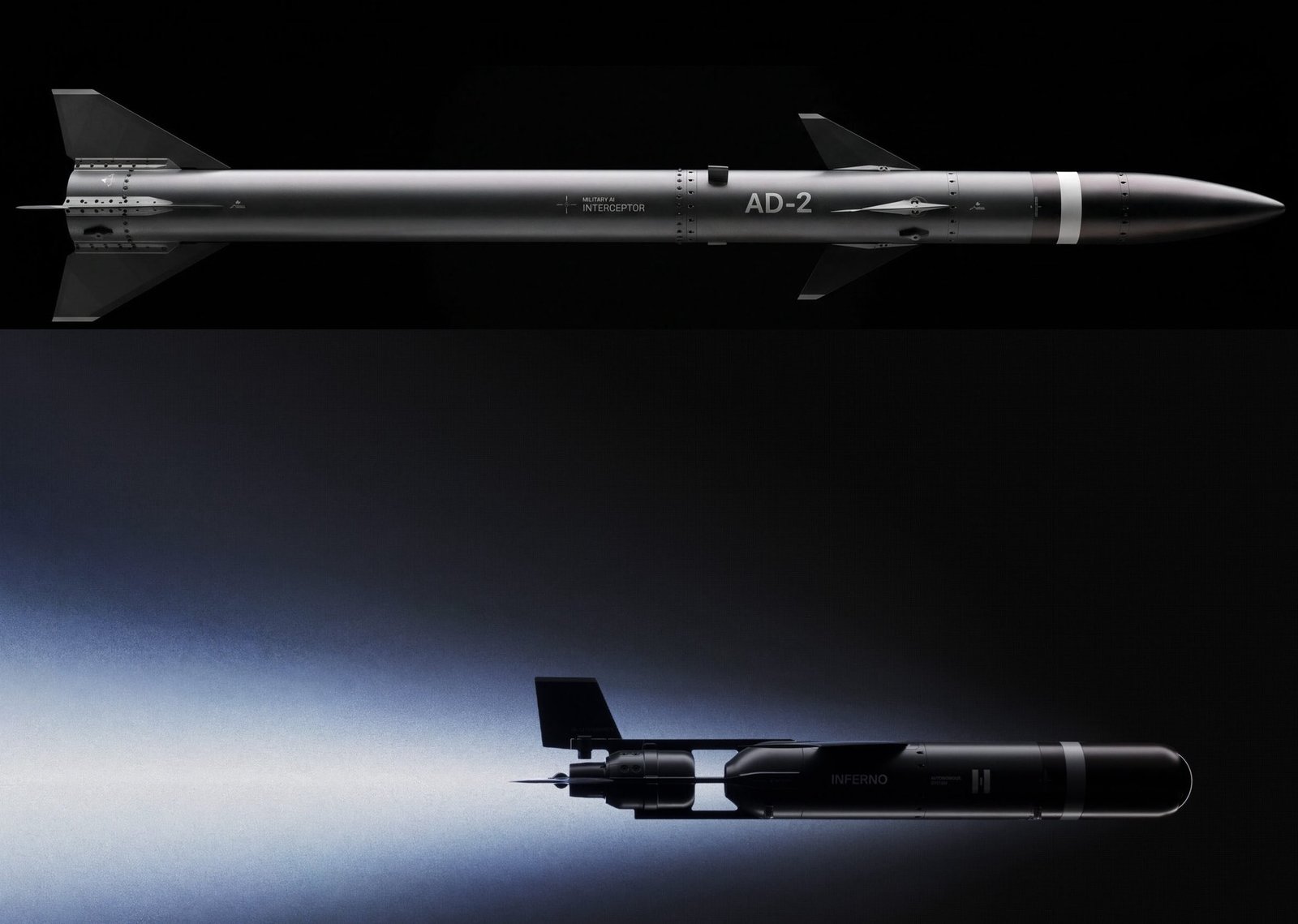 German Firm Helsing Unveils Contra AI Air Defence System with AD-1 Inferno and AD-2 Ambush Interceptor Missiles
-
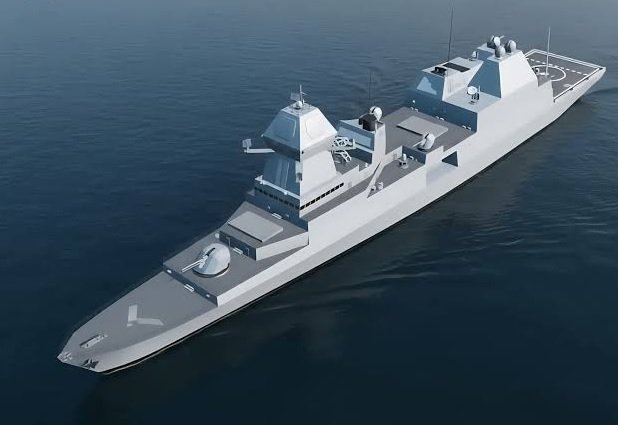 Indian DAC to Evaluate ₹75,000 Crore Project 18A for Next-Generation Navy Destroyers
-
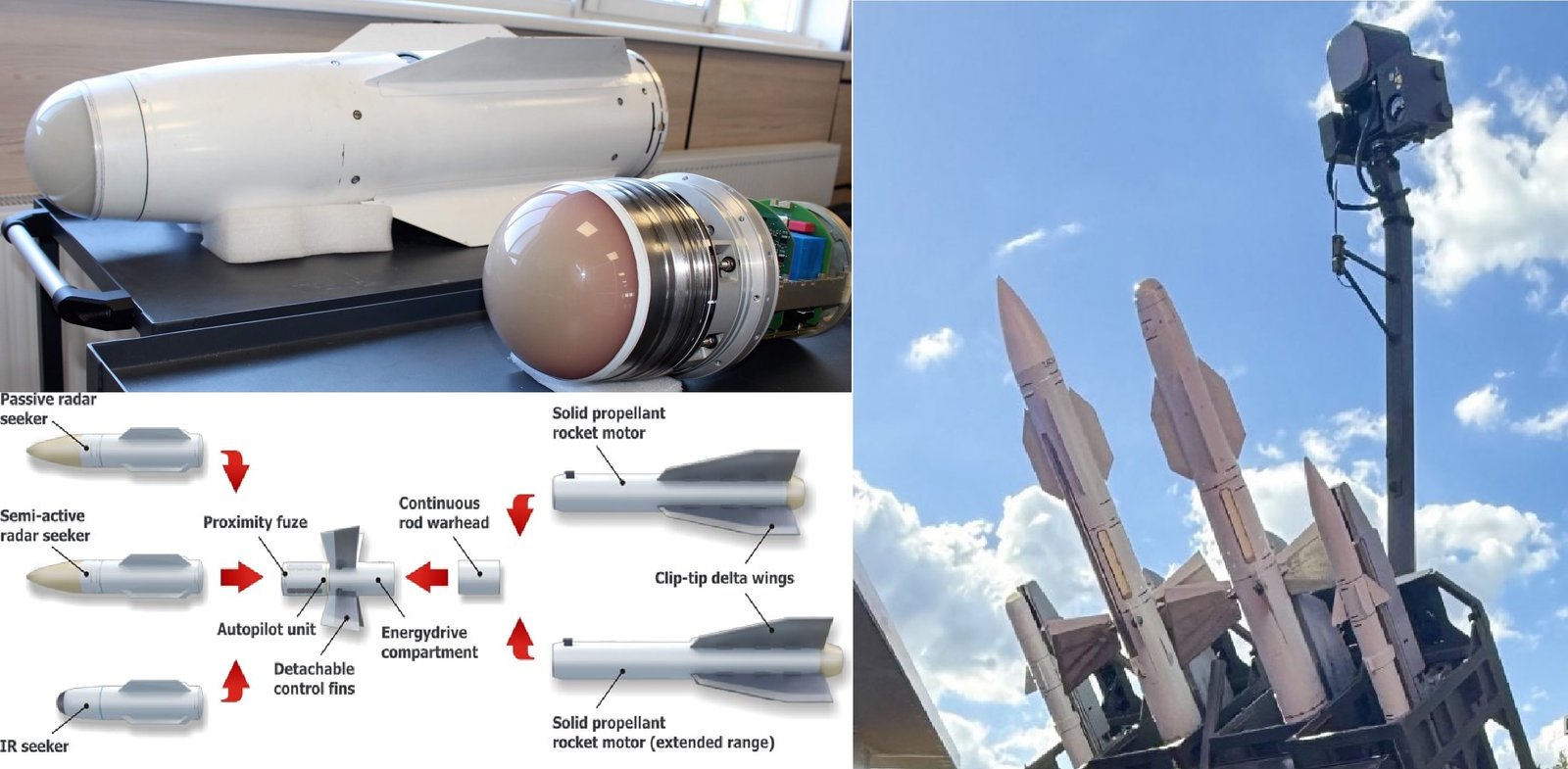 Ukraine Reveals New Details on R-287T and R-287R Missiles for Shershen Air Defense System
-
 U.S. Space Command Blocks Release of Records on Auckland Surveillance Hub Linked to Iran Operations
-
 Pentagon’s DIU Opens Second Phase of SWAP-USV Challenge for Counter-Air Unmanned Surface Vessels
Top Trending in 4 Days
-
Pentagon Launches FORTRESS Initiative to Make Major U.S. Bases Self-Sufficient for 90 Days
-
 NASA Demonstrates Space-to-Space Wi-Fi Between Two Orbiting Spacecraft
-
 USS Pinckney Becomes First U.S. Navy Destroyer to Begin Phase Two Modernization with Advanced SPY-6 Radar
-
 U.S. Military to Ban Chinese Automaker BYD Vehicles from Kadena Air Base in Japan Over Security Concerns
-
Saudi Arabia, Pakistan and Turkey Hold High-Level Security Talks with Iran in Tehran Amid Reports of Potential Iranian Integration
-
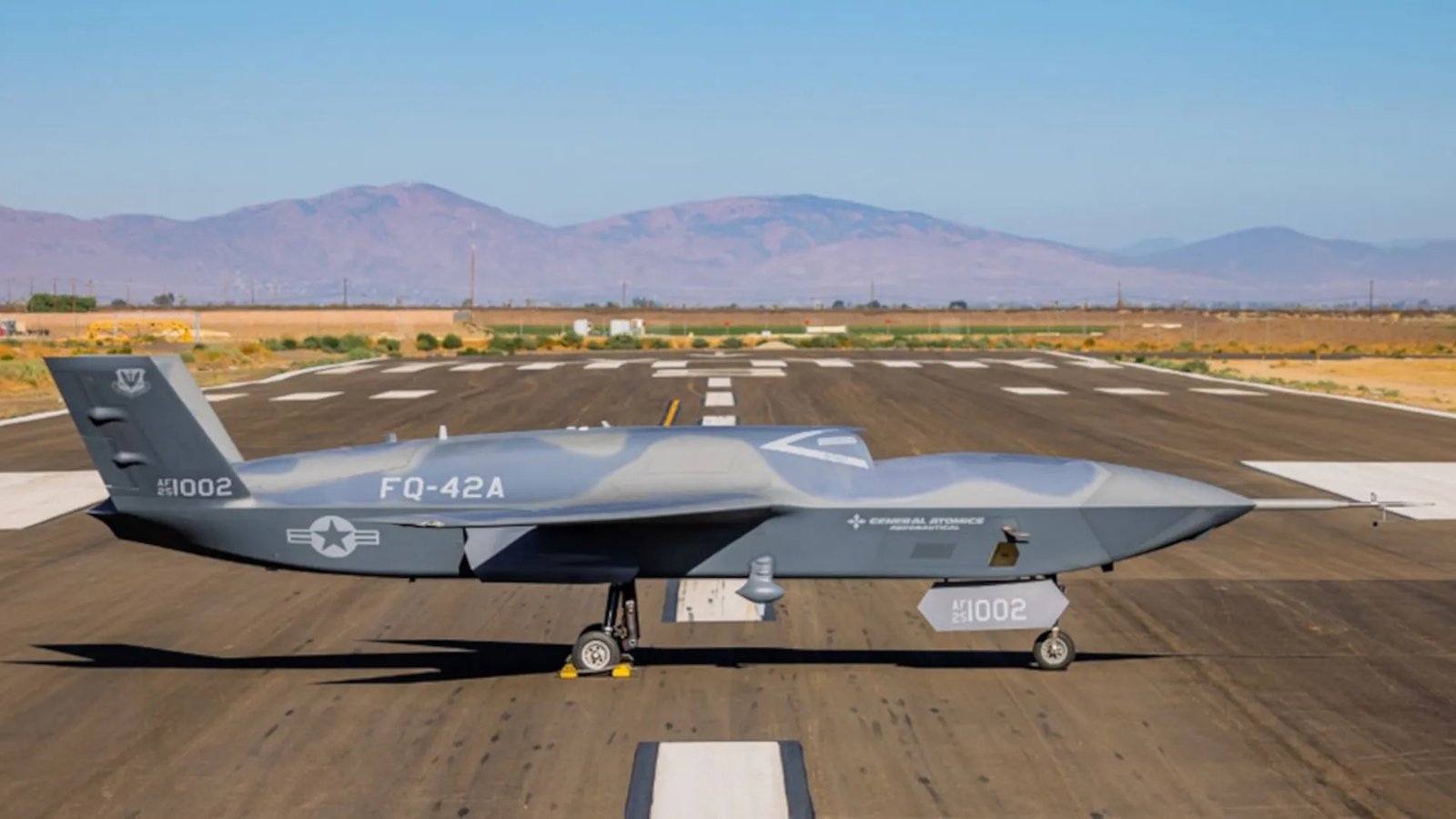 General Atomics Partners With Spirit Defense to Expand FQ-42 Vengeance Production
-
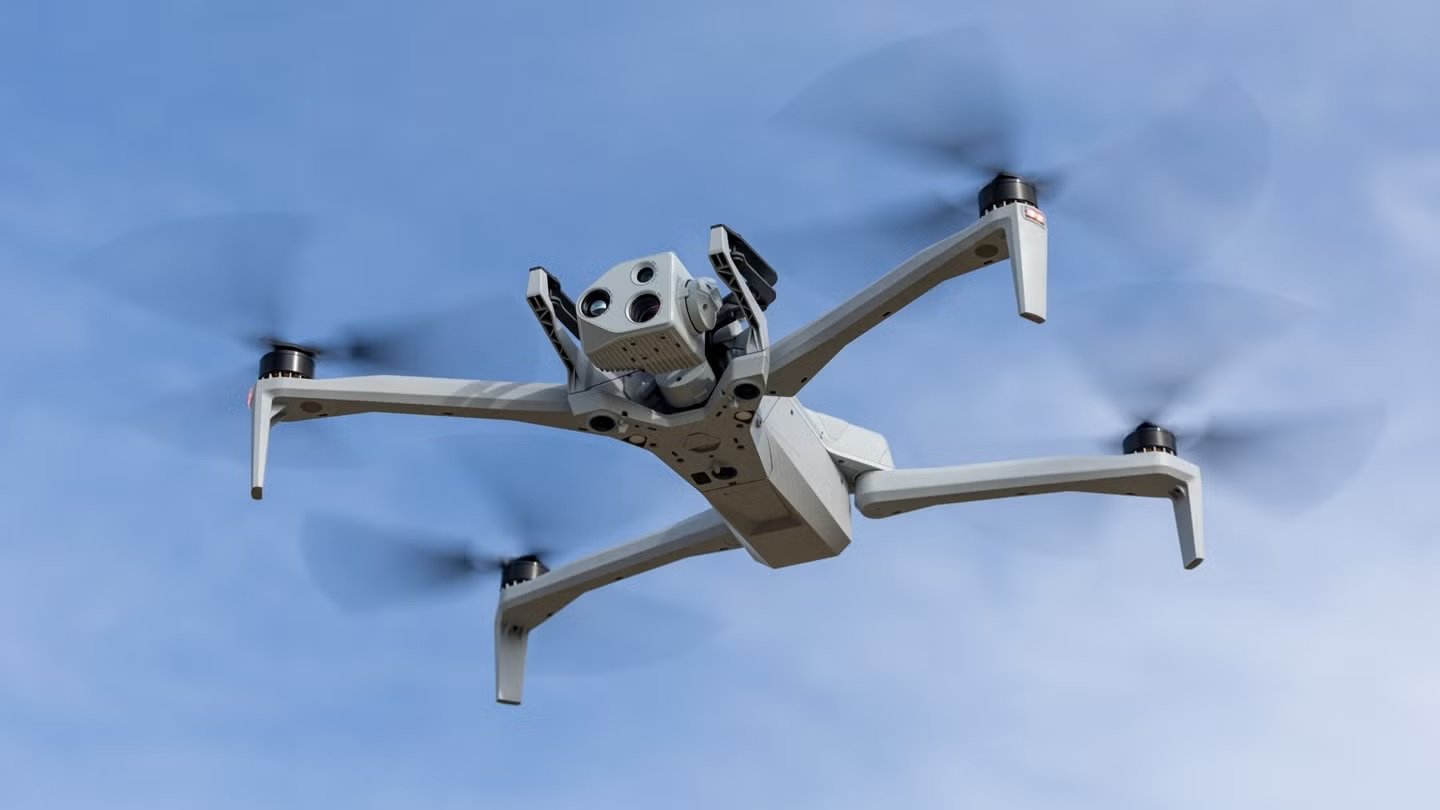 UK Ministry of Defence Opens £120,000 Tender for Skydio X10D Drones
-
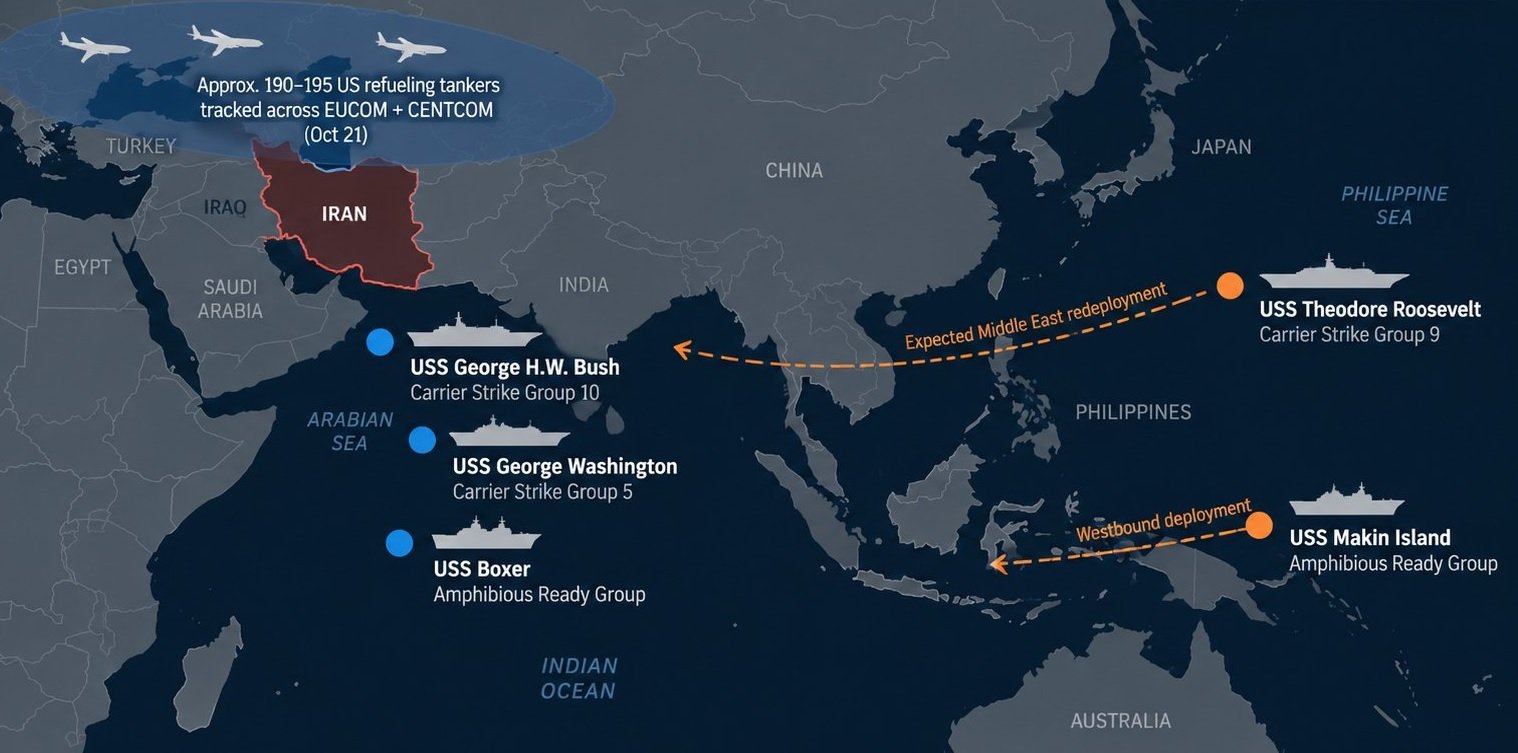 US Expands Military Buildup Near Iran with Third Aircraft Carrier and Additional Marines
