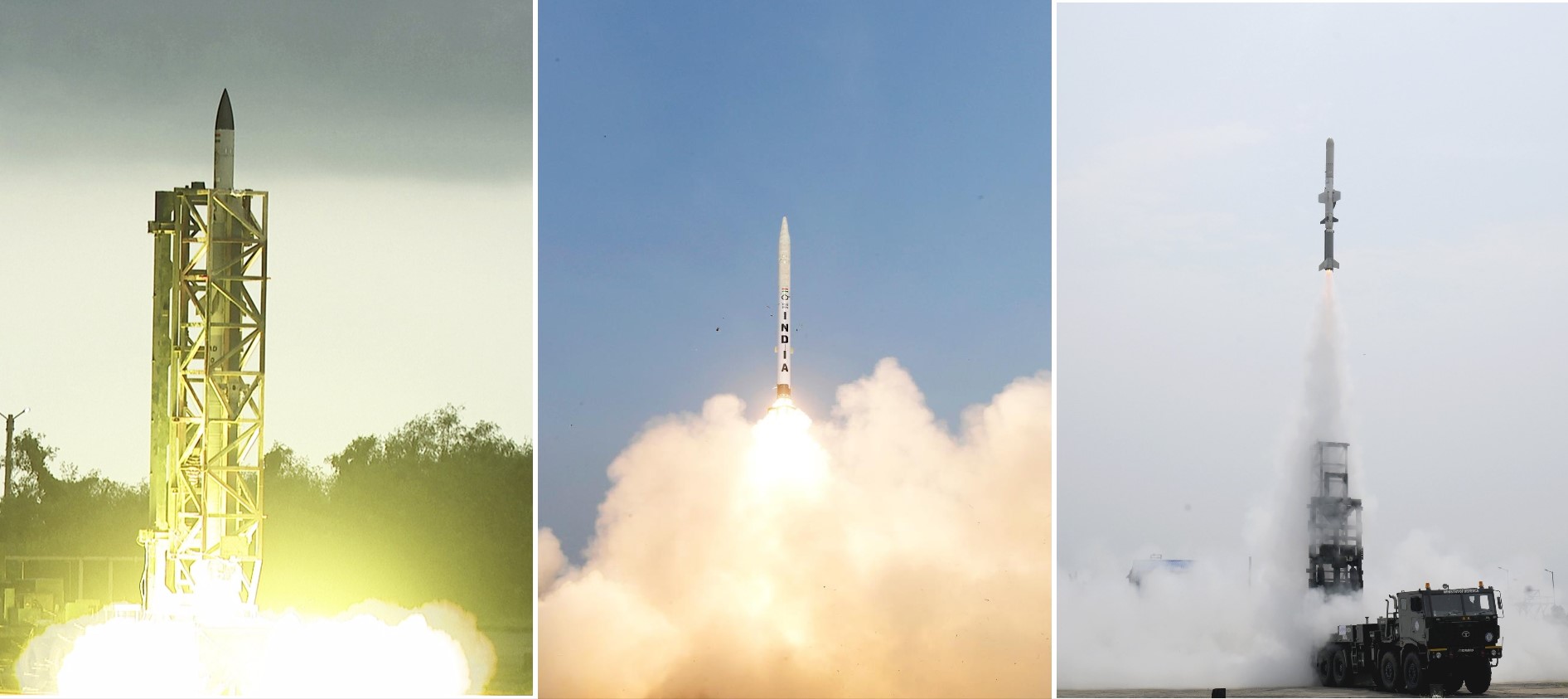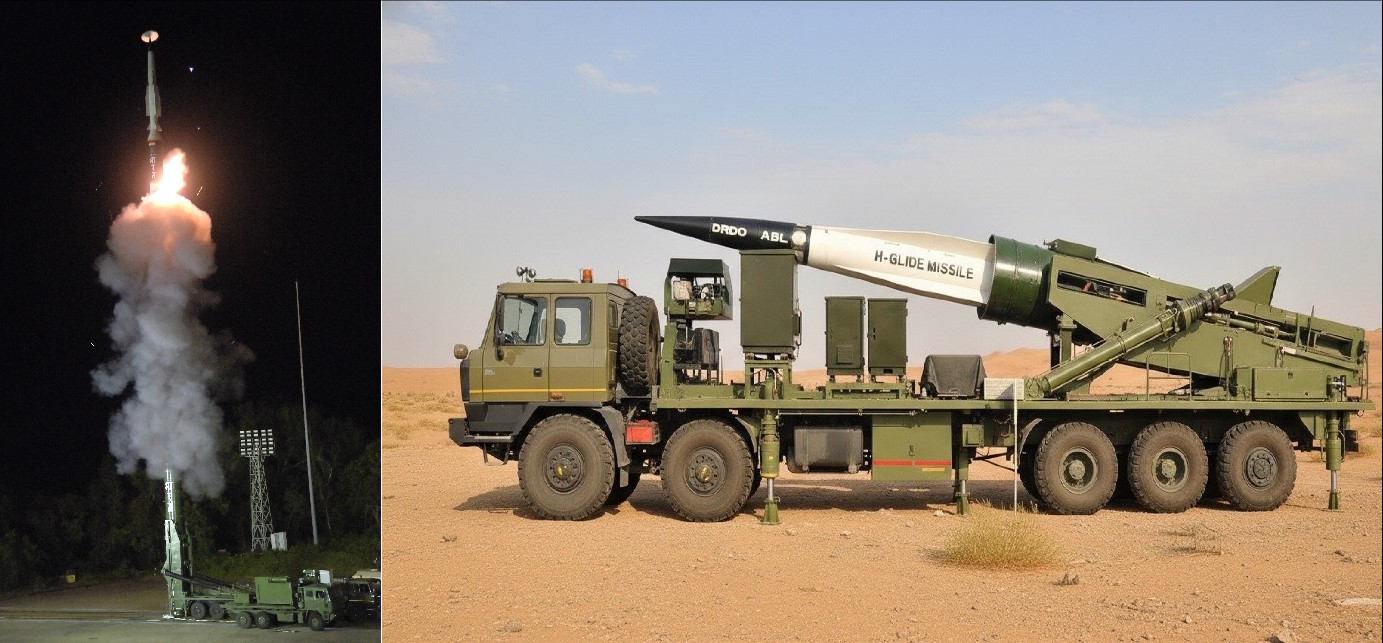
India’s pursuit of a hypersonic strike capability has taken a decisive turn with the Long-Range Anti-Ship Missile (LR-AShM) moving into serial production. Confirming this development, Dr. Anil Kumar, Director at DRDO’s Advanced Systems Laboratory (ASL), stated that the LR-AShM “has demonstrated exceptional performance and is now progressing into the serial-production stage.” This milestone marks the transition of one of India’s most advanced missile programmes from the testing phase to production readiness — a feat achieved after years of research, development, and successful trials.
Development Background
The LR-AShM is a hypersonic, long-range anti-ship weapon designed by DRDO to counter large surface vessels such as aircraft carriers, cruisers, and destroyers. Developed under ASL’s supervision, it combines scramjet propulsion, advanced guidance, and heat-resistant composite materials, allowing sustained speeds of Mach 8–10 and engagement ranges exceeding 1,500 km.
The system is based on technologies derived from DRDO’s earlier Hypersonic Technology Demonstrator Vehicle (HSTDV) project, which validated India’s indigenous hypersonic flight and scramjet propulsion technology in 2020 and 2021. LR-AShM builds upon those foundations, integrating guidance and seeker systems optimized for maritime strike missions.
Technical Overview
The LR-AShM’s design allows it to perform boost-glide hypersonic flight, maintaining extreme speeds at high altitudes before diving toward its target with terminal maneuvers. Its guidance system integrates Inertial Navigation (INS), Satellite Navigation (SATNAV), and an Active Radar Seeker in the final stage, ensuring accuracy even against moving naval targets.
The missile’s air-breathing scramjet engine enables continuous propulsion without relying on onboard oxidizers, making it both efficient and compact. Its thermal shielding and composite frame withstand temperatures exceeding 2,000°C, while onboard computing systems handle real-time trajectory correction and electronic counter-countermeasures (ECCM).
Project Timeline
India’s LR-AShM (Long-Range Anti-Ship Hypersonic Missile) programme began in 2017–2018 at DRDO’s Advanced Systems Laboratory (ASL), Hyderabad, aiming to develop a missile capable of speeds above Mach 5 and ranges beyond 1,500 km. By 2019–2020, key technologies were validated through the HSTDV tests, and critical facilities like the Hypersonic Wind Tunnel and Hypervelocity Expansion Tunnel were established.
The missile’s maiden flight test took place on October 6, 2023, from the Integrated Test Range in Odisha, demonstrating stable flight. A crucial test on November 16, 2024, saw the LR-AShM achieve Mach 10, execute complex terminal maneuvers, and confirm its operational potential.
By June 2025, DRDO projected that trials would conclude within a few years, targeting operational deployment by 2027–2028. On October 17, 2025, DRDO announced that the LR-AShM had entered serial production, marking the transition from development to manufacturing and setting the stage for integration with naval and air platforms.
Transition to Serial Production
According to Dr. Anil Kumar, the LR-AShM’s transition to production reflects the completion of all critical design reviews and flight qualification milestones. The missile will now be produced in limited numbers, allowing DRDO and the armed forces to conduct operational evaluation trials.
The Bharat Dynamics Limited (BDL) is expected to lead assembly and integration, while other key DRDO labs and private-sector suppliers will handle specialized subsystems such as propulsion modules, guidance electronics, and heat-resistant structures. Production lines are being readied to achieve scalable output in the coming years, coinciding with planned naval and air integration trials.
Strategic Importance
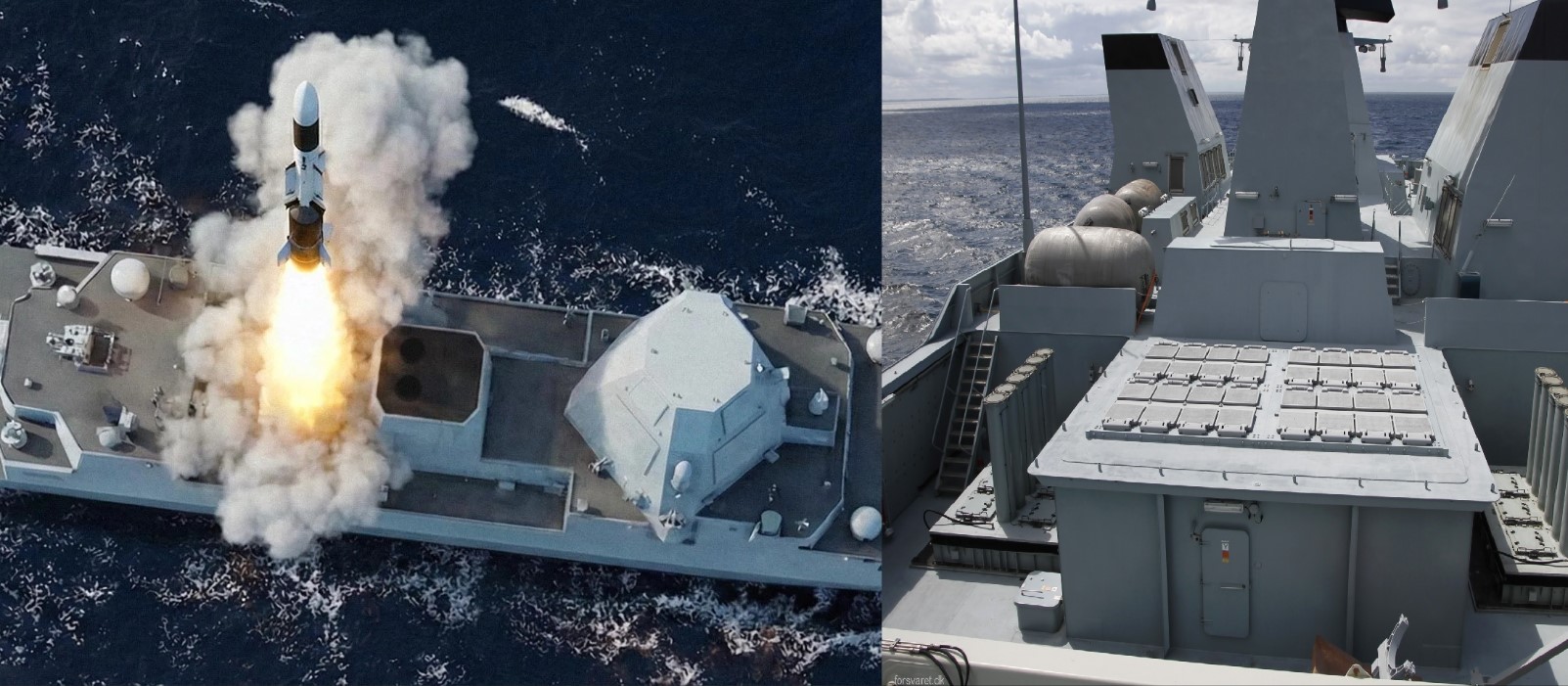
The LR-AShM provides India with a long-range, hypersonic anti-ship strike capability, expanding deterrence in the Indian Ocean and Indo-Pacific regions. Its speed and altitude profile make interception extremely challenging for even advanced naval defense systems like the Aegis Combat System or SM-6 interceptors.
Operationally, the missile will allow Indian forces to engage maritime targets beyond 1,000 km, protecting strategic sea lanes and deterring carrier groups operating within contested waters. The system complements existing anti-ship missiles such as the BrahMos, offering a next-generation solution for high-speed, deep-strike missions.
Next Step
The coming phase will involve platform integration trials with both naval surface vessels and airborne platforms like the Su-30MKI. Full operational induction is expected within the next few years after production scaling and service evaluation.
Parallel efforts continue within DRDO’s Hypersonic Technology Division to refine scramjet propulsion for reusable flight systems, potentially leading to a family of hypersonic weapons for land and sea-based applications.
——— End of Article ———