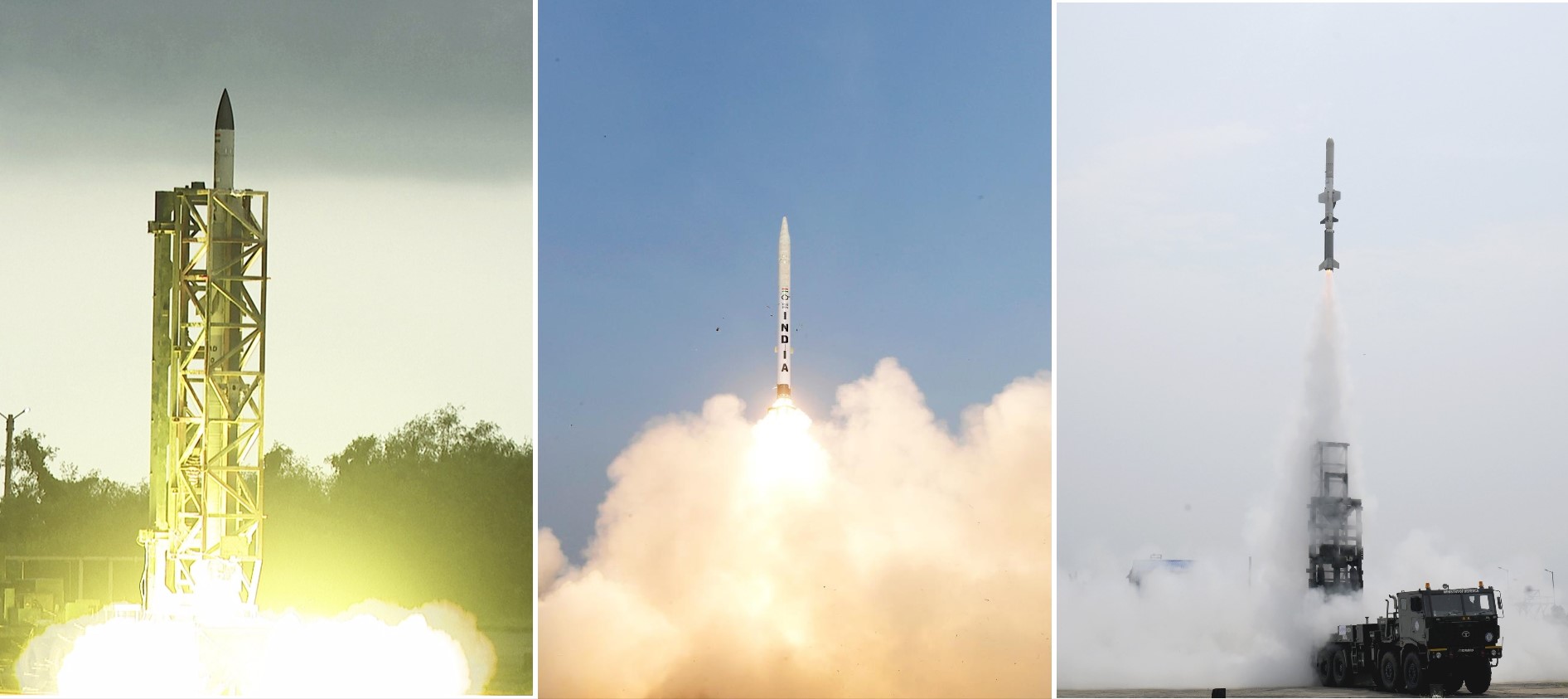
NEW DELHI — March 22, 2026 : India’s Defence Research and Development Organisation, in collaboration with Bharat Electronics Limited, has completed the first development trials of Project Kusha, marking a transition from preliminary design and ground validation to the next phase of flight testing for the indigenous long-range air defence system.
The milestone, reported by Times Now and supported by official updates, represents a key step in advancing India’s domestic extended-range air defence capabilities under the Extended Range Air Defence System (ERADS) programme.
System Overview and Operational Role
Project Kusha is designed as a multi-layered, network-centric air defence system capable of protecting military bases, strategic infrastructure, and major urban centres from a wide spectrum of aerial threats. These include fighter aircraft, stealth platforms, cruise missiles, tactical ballistic missiles, drones, and airborne early warning and control (AEW&C) systems.
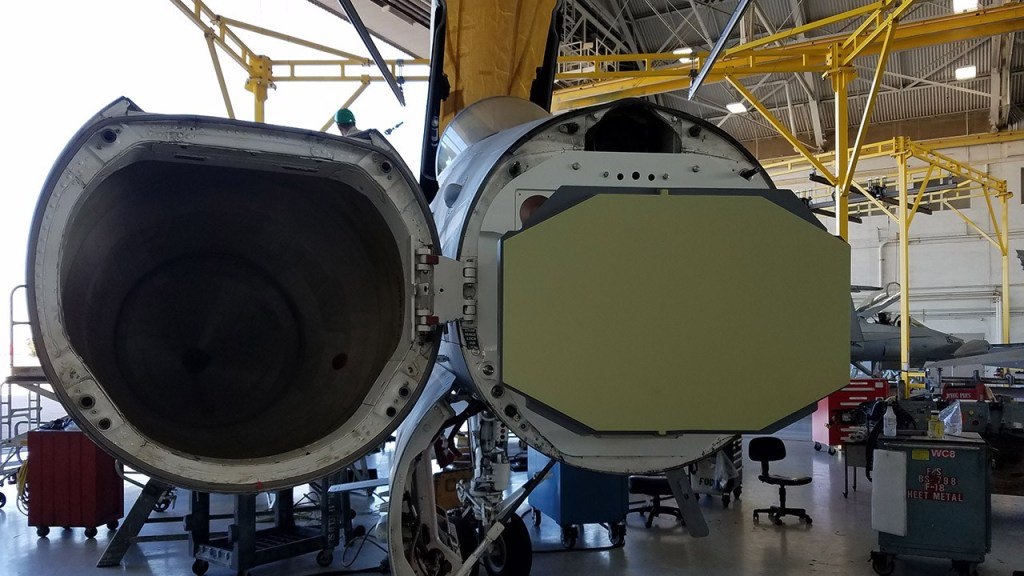
The system architecture incorporates advanced active electronically scanned array (AESA) radars, enabling simultaneous tracking of multiple targets, automated threat prioritisation, and coordinated missile engagements. This allows the creation of overlapping engagement zones, increasing defensive depth and reducing adversary operational flexibility.
Three-Tier Interceptor Structure
Project Kusha is built around a family of three interceptor missiles, each designed for distinct engagement ranges and threat profiles:
- M1 Interceptor : The short-to-medium range variant, designed for engagements in the 100–150 kilometre range, targets tactical aircraft, precision-guided munitions, and low-flying threats. Initial development trials, including structural fabrication and subsystem validation, have been successfully completed. The system is now preparing for imminent flight testing, including validation of its dual-pulse solid rocket motor.
- M2 Interceptor : The mid-tier interceptor extends coverage to approximately 250 kilometres, bridging medium- and long-range defence requirements. Development efforts are focused on enhancing propulsion efficiency and integrating advanced radar seekers to counter high-speed and manoeuvring targets.
- M3 Interceptor : The long-range variant is designed for engagements beyond 350 kilometres, potentially reaching up to 400 kilometres under optimised conditions. It is intended to neutralise high-value airborne assets, including strategic bombers, reconnaissance platforms, and certain ballistic threats at extended stand-off distances.
The phased development ensures that all three layers operate in a complementary and redundant configuration, strengthening survivability and interception reliability.
Development Progress and Industrial Role
The initial development trials covered fabrication, subsystem integration, and ground-based validation of key components. With these milestones achieved, the programme is transitioning toward flight evaluations, beginning with the M1 interceptor in the near term.
Project Kusha was approved by the Cabinet Committee on Security in May 2022, followed by an Acceptance of Necessity (AoN) issued by the Ministry of Defence in September 2023 for the procurement of five squadrons for the Indian Air Force, at an estimated cost of ₹21,700 crore (approximately $2.6 billion). Subsequent planning has expanded the projected requirement to up to eight squadrons, with overall programme costs estimated at around ₹40,000 crore.
Bharat Dynamics Limited, along with BEL, is responsible for manufacturing, system integration, and scaling production infrastructure.
Timeline and Induction Plans
Following the completion of initial trials, flight testing of the M1 interceptor is expected in the coming months of 2026. Progressive testing of the M2 and M3 variants is planned through 2027 and 2028, followed by user trials conducted by the Indian Air Force.
Initial operational capability for the M1 variant is projected by 2028, while full deployment of the complete three-tier system is targeted around 2030.
Defence officials have indicated that early testing results have been positive, supporting confidence in the programme’s transition into advanced development stages.
Integration with Mission Sudarshan Chakra
Project Kusha is a central component of Mission Sudarshan Chakra, India’s planned nationwide, AI-enabled, multi-layered air defence network, announced by Prime Minister Narendra Modi on August 15, 2025.
The initiative aims to integrate multiple systems into a unified architecture, including Akash-NG, Quick Reaction Surface-to-Air Missile (QRSAM), Very Short-Range Air Defence (VSHORAD) systems, as well as existing platforms such as Barak-8 and the S-400 (locally designated Sudarshan Chakra).
The framework is designed to incorporate space-based surveillance, AI-driven decision-making, and future directed-energy systems, enabling real-time threat detection, tracking, and response across multiple domains.
Strategic and Industrial Implications
Project Kusha reflects India’s broader objective of achieving self-reliance in defence manufacturing and reducing dependence on imported systems. By developing an indigenous long-range air defence capability comparable to advanced global systems, India aims to strengthen its strategic autonomy and ensure control over critical technologies and supply chains.
The programme is also expected to create opportunities for future exports of advanced air defence systems to partner nations, subject to operational maturity and policy approvals.
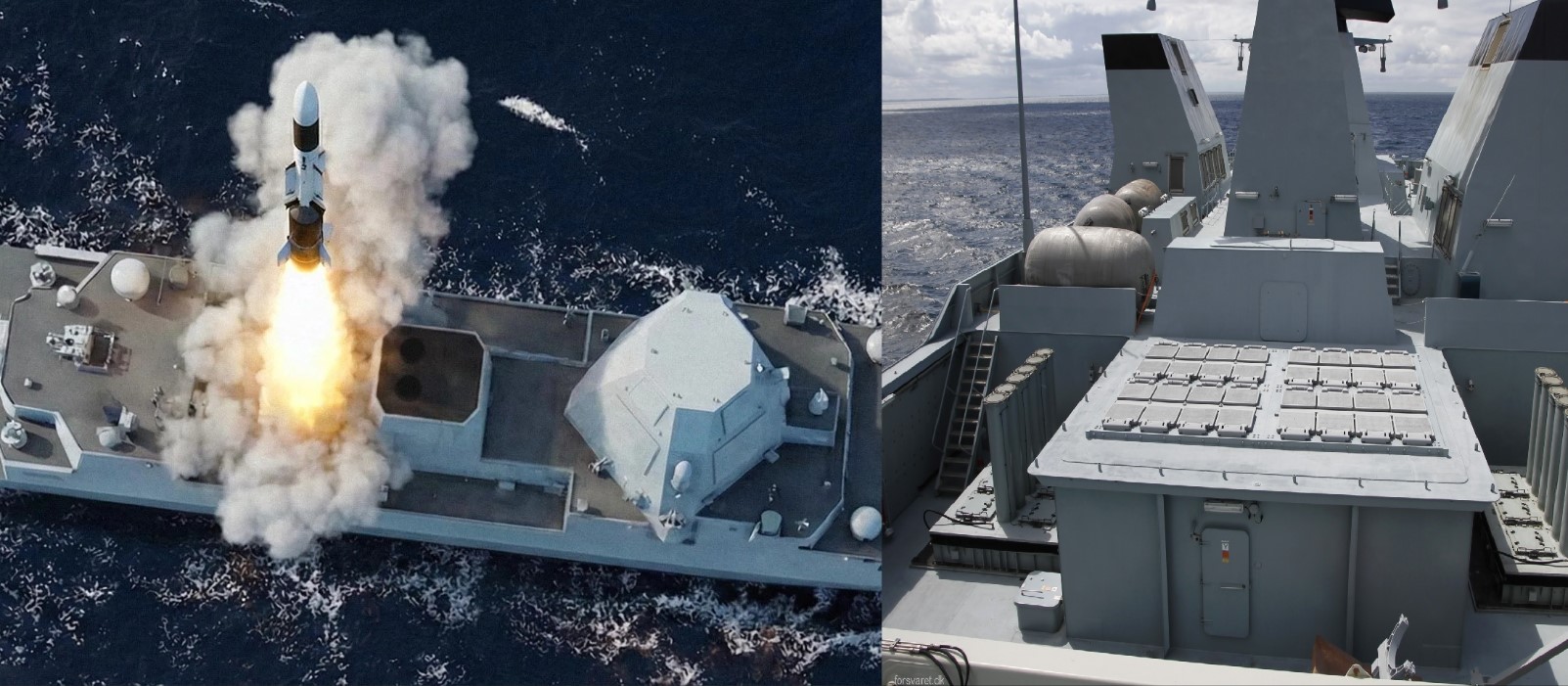
In addition, a naval variant of the system is under consideration for integration with future warships, including planned destroyers under Project 18.
The progression of Project Kusha into flight testing marks a significant stage in India’s long-term effort to build a comprehensive and layered air and missile defence capability aligned with evolving threat environments.
——— End of Article ———