
World
Germany is set to purchase 20 more Eurofighter jets from Airbus to enhance its defense capabilities, as announced by Chancellor Scholz at the Berlin Air Show.Germany is set to purchase an additional 20 Eurofighter jets from Airbus, Chancellor Olaf Scholz announced at the International Air Show in Berlin. The new order, scheduled before the 2025 general elections, follows a previous order of 38 jets in 2020 aimed at replacing the aging Tornado aircraft fleet.Chancellor Scholz emphasized the country's commitment to the Eurofighter program, not just for national defense but also in terms of potential exports. He highlighted the importance of maintaining production capabilities at Airbus's Eurofighter factory in Manching, Bavaria.This decision aligns with Germany’s increased defense spending in response to Russia's invasion of Ukraine. Chancellor Scholz has announced a 100-billion-euro ($109 billion) special budget to bolster military stocks. Furthermore, Germany aims to meet NATO’s defense spending target of two percent of GDP starting in 2024, addressing previous criticisms from allies regarding its defense expenditures.
Read More → Posted on 2024-06-05 16:19:10
India
The TEDBF's shift of Astra missile pylons to the wing roots boosts aerodynamic efficiency and operational effectiveness, enhancing the Indian Navy's air combat capabilities.The Twin Engine Deck-Based Fighter (TEDBF) is India’s ambitious project to develop a state-of-the-art combat aircraft capable of operating from the decks of aircraft carriers. As a successor to the naval variant of the HAL Tejas, the TEDBF aims to significantly boost the Indian Navy’s air combat capabilities. One of the notable advancements in the TEDBF design is the strategic shift of Astra missile pylons to the wing roots. This modification is set to enhance both the performance and operational effectiveness of the aircraft, bringing several benefits to its design and deployment.Understanding the TEDBF and Astra MissilesThe TEDBF is being developed by Hindustan Aeronautics Limited (HAL) in collaboration with the Aeronautical Development Agency (ADA) under India’s Defence Research and Development Organisation (DRDO). This fighter jet is envisioned to replace the aging fleet of MiG-29K aircraft, offering superior performance, versatility, and technological sophistication. The TEDBF will be equipped with advanced avionics, stealth features, and the ability to carry a wide array of weapons, making it a formidable asset for the Indian Navy.A key component of the TEDBF’s armament is the Astra missile, India’s first indigenously developed beyond-visual-range air-to-air missile (BVRAAM). The Astra missile, with its advanced guidance system and high maneuverability, is designed to engage and destroy highly agile and fast-moving aerial targets. Integrating this missile into the TEDBF is a critical step towards achieving air superiority and enhancing the defensive and offensive capabilities of the aircraft.The Shift to Wing Root PylonsTraditionally, missiles are mounted on pylons located under the wings or fuselage of fighter jets. However, the TEDBF’s design incorporates a significant shift by placing the Astra missile pylons at the wing roots. This change, though seemingly minor, has profound implications for the aircraft’s performance and operational effectiveness.Aerodynamic AdvantagesMounting missiles at the wing roots offers several aerodynamic benefits. Firstly, it reduces drag, as the missile's position at the wing root minimizes the disturbance to the airflow over the wings. This results in a smoother aerodynamic profile, enhancing the aircraft's speed and fuel efficiency. Reduced drag also means that the aircraft can achieve higher speeds and improved maneuverability, crucial for dogfighting and evading enemy fire.Additionally, the shift helps in better weight distribution. Placing heavy missiles closer to the aircraft's center of gravity ensures a more balanced load, reducing stress on the airframe and enhancing stability. This balanced load distribution is particularly important during high-speed maneuvers and when operating in challenging conditions, such as take-offs and landings from aircraft carriers.Structural Integrity and MaintenanceThe structural integrity of an aircraft is paramount, especially for carrier-based operations where the stresses during take-offs and landings are significantly higher. By relocating the missile pylons to the wing roots, the TEDBF benefits from a more robust attachment point. The wing root is inherently stronger than the outer wing sections, capable of withstanding greater forces. This reduces the risk of structural fatigue and potential damage during high-G maneuvers or rough landings on carrier decks.From a maintenance perspective, wing root pylons offer easier access for ground crews. This facilitates quicker rearming and maintenance operations, crucial for ensuring high sortie rates during combat operations. Reduced maintenance time directly translates to higher operational availability, enabling the TEDBF to maintain a persistent presence in the theater of operations.Enhanced Stealth CapabilitiesStealth is a critical factor in modern air combat, and every design decision in the TEDBF aims to minimize its radar cross-section (RCS). By positioning the Astra missiles at the wing roots, the TEDBF reduces its overall RCS. The missile’s placement within the aircraft’s profile helps in maintaining a sleek and low-observable design. This enhancement in stealth capabilities is vital for the TEDBF’s survivability in hostile environments, allowing it to evade enemy radar detection and improve its chances of successful engagement.Operational EffectivenessThe operational effectiveness of the TEDBF is significantly augmented by the wing root pylon configuration. The reduced drag and improved aerodynamics result in longer range and endurance. This allows the aircraft to undertake extended missions without the need for frequent refueling, enhancing its capability to project power far from the carrier group.The improved maneuverability afforded by the balanced load distribution and reduced drag enables the TEDBF to excel in air combat scenarios. It can engage enemy aircraft more effectively, leveraging the advanced capabilities of the Astra missile. The TEDBF’s ability to perform complex aerial maneuvers with greater ease provides a tactical advantage, increasing its lethality and survivability in dogfights.Moreover, the structural benefits and ease of maintenance ensure that the TEDBF can operate at high sortie rates, maintaining continuous pressure on adversaries and supporting sustained air operations. The combination of advanced weaponry, enhanced performance, and operational reliability makes the TEDBF a formidable force multiplier for the Indian Navy.ConclusionThe decision to shift Astra missile pylons to the wing roots in the TEDBF represents a strategic advancement in aircraft design. This modification brings a host of benefits, including improved aerodynamics, structural integrity, stealth capabilities, and operational effectiveness. As the TEDBF continues to undergo development and testing, these enhancements will play a crucial role in ensuring that the Indian Navy possesses a cutting-edge fighter jet capable of meeting the demands of modern aerial warfare.Incorporating such innovative design elements underscores India’s commitment to developing indigenous defense technologies and achieving self-reliance in defense production. The TEDBF, with its advanced features and capabilities, is poised to become a cornerstone of the Indian Navy’s air combat strategy, securing the nation’s maritime interests and enhancing its strategic deterrence.
Read More → Posted on 2024-06-05 16:15:37
World
Israel is gearing up for a significant military operation along its border with Lebanon as clashes with Hezbollah intensify, following near-daily exchanges of fire over the past eight months.Prime Minister Benjamin Netanyahu announced on Wednesday that Israel is preparing for a major military operation along its northern border with Lebanon. This comes after months of increasing clashes between Israeli troops and Hezbollah fighters, a group backed by Iran and allied with Hamas.The past week has seen a notable escalation, with Israel carrying out deeper strikes into Lebanese territory. Netanyahu, during a visit to the border area, emphasized Israel's readiness to ensure the security of its northern region. "We are prepared for a very intense operation in the north. One way or another, we will restore security to the north," he said.In response, Hezbollah reported several attacks on Israeli positions, including a guided missile strike on an Iron Dome missile defense platform in the Ramot Naftali barracks. This marks a significant development in the ongoing conflict, highlighting the increasing intensity and range of Hezbollah's attacks.In recent weeks, Israel has intensified its targeting of Hezbollah fighters and associated militants, hitting individuals traveling by car and motorbike within Lebanon. This heightened activity aligns with the calls from Netanyahu’s far-right coalition partners for stronger action to secure northern Israel.National Security Minister Itamar Ben Gvir and Finance Minister Bezalel Smotrich have been vocal in their demands for decisive military action. Ben Gvir, in a recent Telegram post, stated, "They burn us here, all Hezbollah strongholds should also burn and be destroyed. WAR!" Similarly, Smotrich called for extending the security buffer from the Israeli Galilee into southern Lebanon, advocating for a ground invasion and occupation to push Hezbollah forces north of the Litani River, about 20 miles from the border.The ongoing violence, which began in early October, has resulted in significant casualties. An AFP tally reports at least 455 deaths in Lebanon, mostly fighters but including 88 civilians. On the Israeli side, at least 14 soldiers and 11 civilians have been killed according to the Israeli army.The situation remains highly volatile, with the potential for further escalation as both sides prepare for what could be a prolonged and intense confrontation. The international community continues to watch closely, with concerns about the broader implications for regional stability.
Read More → Posted on 2024-06-05 16:01:52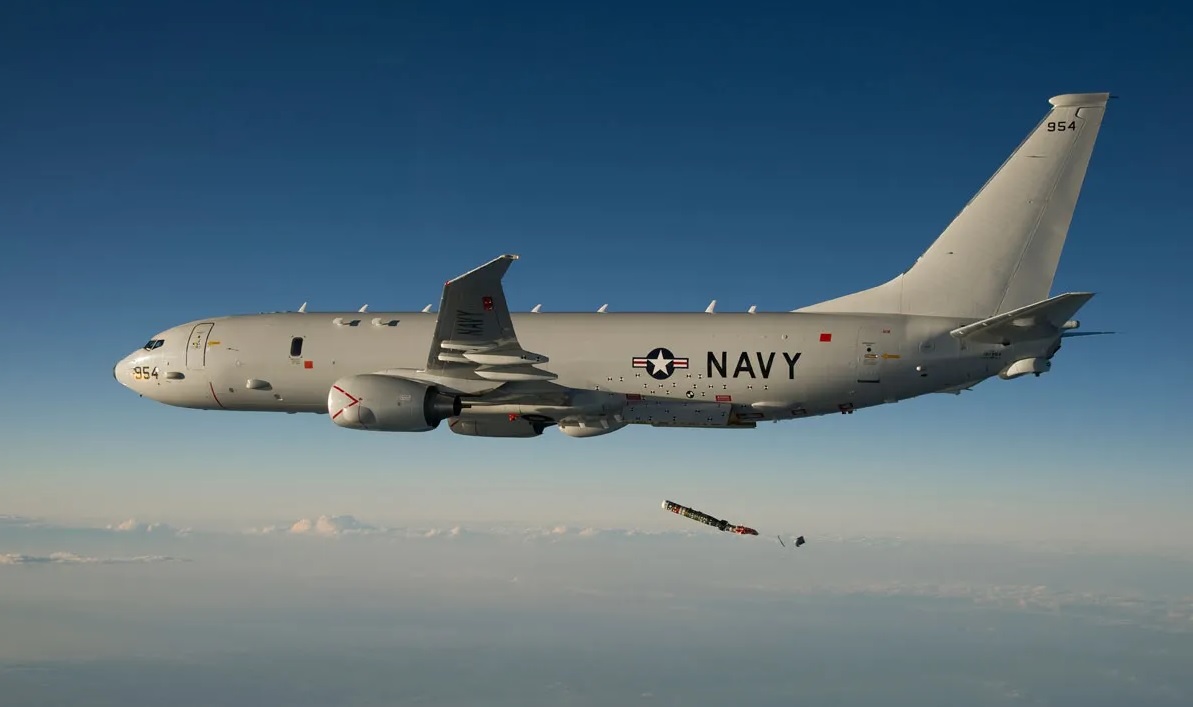
World
BAE Systems has been awarded a $95 million contract by the U.S. Navy to develop advanced countermeasure pods to protect P-8A Poseidon aircraft from missile threats.BAE Systems has been awarded a $95 million contract by the U.S. Navy to provide advanced countermeasure pods for the P-8A Poseidon Multi-Mission Maritime Aircraft. These electronic warfare (EW) pods are designed to detect and counter incoming missile threats, enhancing the aircraft’s safety and operational capabilities in hostile environments.Don Davidson, director of Advanced Compact Electronic Warfare Solutions at BAE Systems, emphasized the importance of this collaboration with the U.S. Navy. "We quickly prototyped a very capable system using proven technology to defend against air-to-air and surface-to-air guided threats," Davidson said.The survivability pod developed by BAE Systems offers early threat detection and effective countermeasures. Its flexible, open architecture design ensures easy modernization and compatibility with future threat detection and decoy technologies. This adaptability allows the system to be rapidly updated and integrated with third-party electronic warfare techniques.This engineering and manufacturing development (EMD) contract follows a previous rapid-response contract awarded in 2021, where BAE Systems successfully demonstrated a prototype system. The demonstration involved designing, building, and testing a pod, showcasing strong collaboration between the military and industry. The success of these initial tests led to the current EMD contract.The P-8A self-protection pod is part of BAE Systems’ broader Intrepid Shield initiative, which uses the full electromagnetic spectrum to detect, exploit, and counter advanced threats. This pod can also be adapted for use with other high-value airborne assets, extending its protective capabilities to various aircraft operating in contested environments.The P-8A Poseidon, developed by Boeing, is primarily used for anti-submarine warfare, anti-surface warfare, and intelligence, surveillance, and reconnaissance missions. Enhancing its defense capabilities with BAE Systems’ countermeasure pods will significantly improve the aircraft's survivability in high-threat areas, ensuring mission success and crew safety.BAE Systems' commitment to innovation and rapid prototyping demonstrates its ability to meet the urgent needs of the U.S. Navy and other international customers, providing robust defense solutions for critical airborne assets.
Read More → Posted on 2024-06-05 15:58:15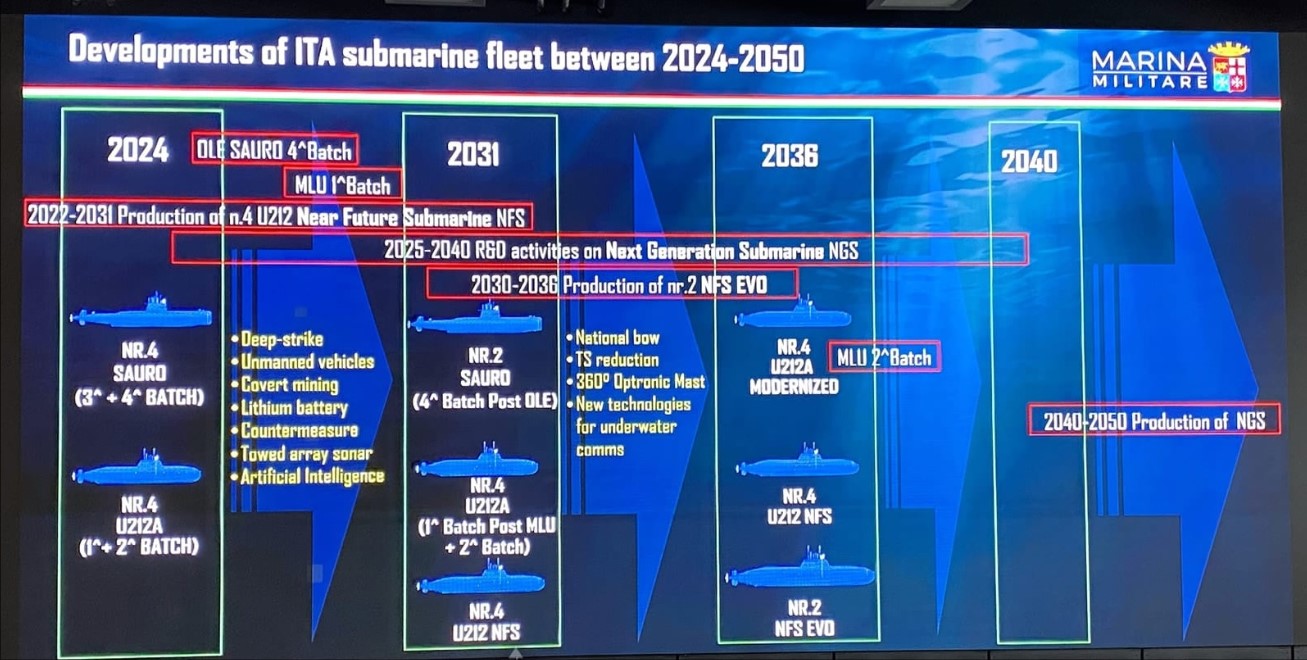
World
Italy is set to enhance its naval capabilities by developing the U212 NFS EVO, an advanced variant of the U212 submarine. This new submarine will feature cutting-edge stealth, propulsion, and weapon systems, significantly boosting Italy's underwater warfare strength. The U212 NFS EVO underscores Italy's commitment to maritime defense and NATO interoperability.Italy is set to significantly bolster its naval capabilities with the development and introduction of the U212 Near Future Submarine (NFS) EVO, an advanced variant of the already formidable U212 submarine class. This ambitious move underscores Italy's commitment to maintaining a cutting-edge maritime defense posture in the increasingly complex strategic environment of the Mediterranean and beyond.Historical Context and Strategic ImperativesThe Italian Navy, or Marina Militare, has long recognized the importance of a robust submarine fleet. Submarines are critical assets for both deterrence and active defense, offering unmatched stealth, endurance, and striking power. The existing U212A submarines, jointly developed with Germany, have been a cornerstone of Italy's underwater capabilities. However, evolving threats and technological advancements necessitate continual upgrades and expansions.The decision to develop the U212 NFS EVO comes as part of Italy's broader defense modernization efforts, driven by a need to counter new types of threats, including anti-access/area denial (A2/AD) strategies employed by potential adversaries, and to maintain interoperability with NATO allies.The U212 NFS EVO: Technological InnovationsThe U212 NFS EVO represents a significant leap forward in submarine technology. While details are still emerging, several key advancements are anticipated:1. Enhanced Stealth and Survivability: Building on the already low acoustic signature of the U212A, the EVO variant is expected to incorporate next-generation anechoic coatings, improved hydrodynamics, and quieter propulsion systems. These enhancements will make the submarine even harder to detect, ensuring its survivability in hostile environments.2. Advanced Propulsion Systems: The U212 NFS EVO will likely feature a more advanced Air-Independent Propulsion (AIP) system, possibly utilizing new fuel cell technologies to extend underwater endurance without surfacing. This capability is crucial for covert operations and extended deployments.3. Improved Sensors and Communication: Cutting-edge sonar and electronic warfare systems will enhance the U212 NFS EVO's ability to detect and track enemy vessels while remaining undetected. Upgraded communication systems will ensure secure and reliable links to other naval assets and command centers, facilitating coordinated operations.4. Weapon Systems: The submarine is expected to be equipped with a versatile array of weaponry, including advanced torpedoes and possibly cruise missiles. The integration of these systems will provide Italy with a powerful tool for both offensive and defensive operations.5. Automation and Human-Machine Integration: Modern submarines increasingly rely on automation to reduce crew workload and enhance operational efficiency. The U212 NFS EVO will likely incorporate sophisticated automation systems, allowing for a smaller crew and greater focus on mission-critical tasks.Strategic Implications for Italy and NATOThe introduction of the U212 NFS EVO will have far-reaching implications for Italy's strategic posture and its role within NATO. The Mediterranean region is a critical maritime domain, with significant commercial and military traffic. The presence of advanced submarines like the U212 NFS EVO will enhance Italy's ability to safeguard its maritime interests, monitor strategic chokepoints, and contribute to collective security efforts.For NATO, Italy's enhanced submarine capabilities will bolster the alliance's overall deterrence and defense posture. The U212 NFS EVO's advanced features will complement the capabilities of other NATO member states, ensuring seamless interoperability in joint operations and strengthening the collective ability to counter emerging threats.Economic and Industrial ImpactThe development of the U212 NFS EVO also promises significant economic and industrial benefits for Italy. The project will involve substantial investment in domestic shipbuilding and defense industries, creating high-tech jobs and stimulating innovation. Italian companies involved in the development and production of the submarine will gain valuable experience and expertise, potentially leading to further opportunities in the global defense market.ConclusionItaly's decision to increase its submarine force with the development of the U212 NFS EVO is a strategic move that reflects the changing dynamics of maritime security. The U212 NFS EVO, with its advanced technological features, will significantly enhance Italy's underwater warfare capabilities, ensuring that the Marina Militare remains a formidable force in the Mediterranean and beyond. This initiative not only strengthens Italy's national defense but also reinforces its role as a key player in NATO's collective security framework. As the U212 NFS EVO project progresses, it will undoubtedly serve as a benchmark for future submarine developments and a testament to Italy's commitment to maintaining maritime superiority.
Read More → Posted on 2024-06-05 15:53:38
India
India to Conduct Possible Missile Test in Bay of Bengal Mid-JuneIndia plans a potential missile test in the Bay of Bengal between June 13th and 15th, alerting pilots through a NOTAM for safety. India has issued a Notice to Airmen (NOTAM) for a potential missile test in the Bay of Bengal from June 13th to 15th, 2024. The designated test area spans 430 kilometers, with specific coordinates yet to be disclosed. This announcement follows standard procedure to ensure the safety of civilian air traffic by alerting pilots to avoid the area during the test window.The Defence Research and Development Organisation (DRDO) has not specified which missile will be tested. However, experts suggest it could involve the BrahMos air-to-air missile or the Rudram-III air-to-surface missile, both of which are currently under development and have undergone previous testing.The BrahMos missile, a supersonic cruise missile developed in collaboration with Russia, is already operational with the Indian Armed Forces. It is known for its speed and precision, capable of being launched from land, sea, and air platforms. The Rudram-III is an indigenous anti-radiation missile designed to neutralize enemy radar systems, enhancing India's air defense capabilities.This upcoming test highlights India's ongoing efforts to advance its missile technology and strengthen its defense infrastructure. As the scheduled dates approach, more details about the specific missile and the nature of the test are expected to be released.
Read More → Posted on 2024-06-05 15:49:41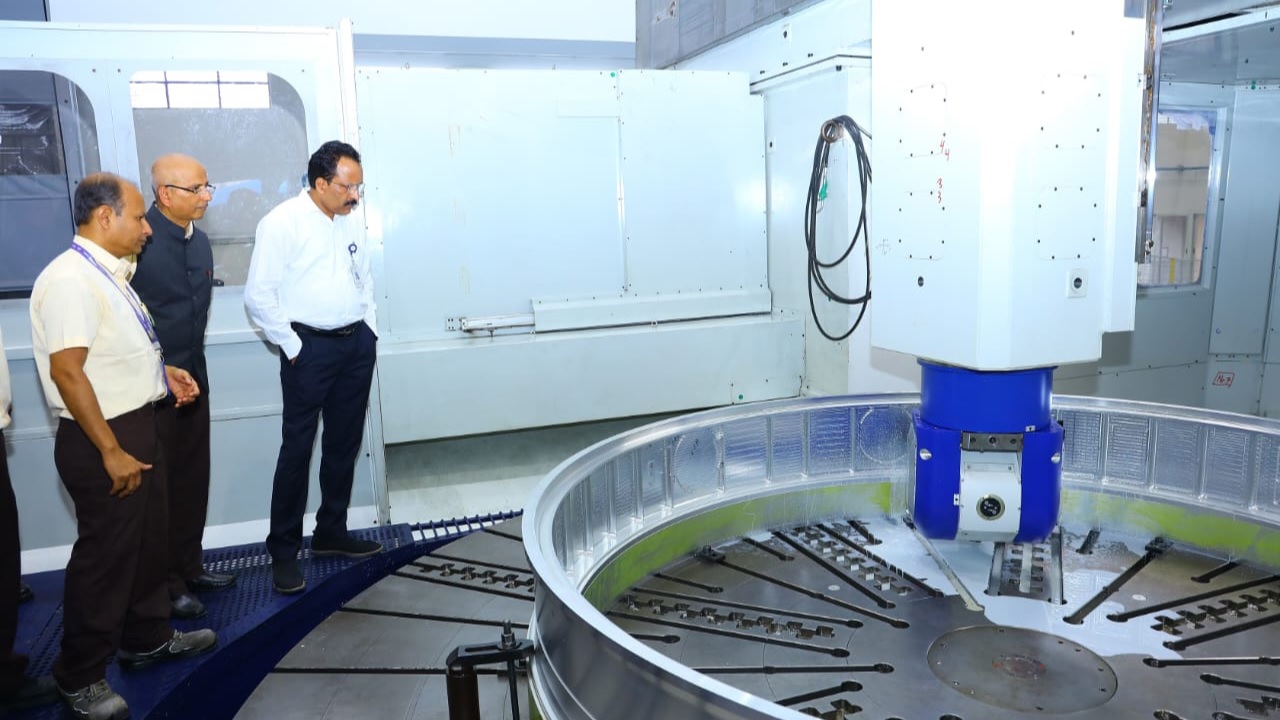
India
HAL inaugurates advanced facilities to enhance ISRO’s rocket production, aiming to meet the demand for six LVM3 launches annually.Hindustan Aeronautics Limited (HAL) recently inaugurated new state-of-the-art facilities at its Aerospace Division, significantly boosting the manufacturing capacity for the Indian Space Research Organisation (ISRO). The new propellant tank production and computer numerical control (CNC) machining facilities were unveiled by ISRO Chairman S Somanath, marking a significant milestone in India's space exploration efforts.These new facilities are set to address a critical gap in ISRO's launch vehicle production. Currently, the existing infrastructure only supports two Launch Vehicle Mark-3 (LVM3) launches per year. However, ISRO's growing ambitions require six LVM3 launches annually. The enhanced production capabilities at HAL will now enable the manufacture of sufficient components to meet this increased demand.ISRO Chairman S Somanath emphasized the importance of HAL's role in the space agency’s future missions. He highlighted HAL's enormous production capacities and potential, urging for a broader collaboration that leverages emerging technologies and takes on comprehensive tasks to alleviate pressure on ISRO.C B Ananthakrishnan, HAL's Chairman and Managing Director (Additional Charge), echoed this sentiment, pointing out that the partnership with ISRO will accelerate both human spaceflight missions and the development of Next-Generation Launch Vehicles (NGLV). He expressed HAL's commitment to further investments in space programs, envisioning a future where space becomes a significant vertical for HAL.The new propellant tank production facility at HAL specializes in manufacturing high-performance fuel and oxidizer tanks, which are crucial for the LVM3 launch vehicle. These tanks measure up to four meters in diameter and 15 meters in length. Additionally, the CNC machining facility is equipped with advanced machines capable of handling high-precision fabrication of 4.5-meter class rings and propellant tank domes for the LVM3.This strategic enhancement of HAL's capabilities is expected to play a pivotal role in supporting ISRO's ambitious space exploration goals, including increased launch frequencies and more complex missions. The collaboration between HAL and ISRO represents a significant step forward in India's space program, ensuring that the necessary infrastructure and technology are in place to support future advancements.By investing in these advanced facilities, HAL not only strengthens its partnership with ISRO but also positions itself as a critical player in the global aerospace industry. This move is anticipated to yield significant benefits for India's space missions and contribute to the country's growing presence in space exploration.
Read More → Posted on 2024-06-05 15:44:27
India
India's recent election results reinforce its democratic vitality and signify a stronger regional presence, crucial for Asia and South Asia amid rising geopolitical tensions.India's recent general elections, culminating in the re-election of Prime Minister Narendra Modi's government, have been widely interpreted as a robust affirmation of the country's democratic framework and political stability. Foreign policy experts and academics view these results as a testament to India's vibrant democracy and a significant advantage for the region.Vibrant Democracy and Strong OppositionRanga Kalansooriya, a former diplomat and political analyst, hailed the election outcome as a sign of a healthy democracy. "This is a sign of a healthy democracy because you need checks and balances in a healthy democracy. India will have a strong opposition as well," Kalansooriya told IANS. He emphasized that the presence of a strong opposition is crucial for maintaining democratic health and accountability.Regional Leadership and Global InfluenceKalansooriya further noted that a politically stable India is beneficial for the entire region. "A strong India is an advantage because the region is looking at India as a regional power and regional leader. India is rising up as a leader of the global south. So strong India is an advantage for Asia and South Asia," he added.Implications for South Asia and BeyondSri Lankan academic and foreign policy analyst, Prof. Asanga Abeyagoonasekera, highlighted the strategic importance of Modi's third term, especially in light of China's growing influence. "Foreign policy of Modi 3.0 will be crucial for the entire region of South Asia and Southeast Asia. Beijing has made concerted moves in India’s immediate periphery in Sri Lanka, Afghanistan, Nepal, Maldives, and Bhutan," he explained.Abeyagoonasekera pointed out that China’s military and civil operations in South and Southeast Asia, such as submarine bases in Bangladesh and military maneuvers in Sri Lanka, pose significant challenges. He stressed the need for a balanced foreign policy from India, navigating relations with the US Indo-Pacific strategy while maintaining strategic autonomy with nations like Iran and Russia.Continuity in Foreign PolicyNilanthan Niruthan, an academic and defence analyst, asserted that Modi's re-election is likely to continue the current trajectory of India's foreign relations. "In terms of the impact PM Modi will have on India's engagement with the world, with the region, or Sri Lanka, there is unlikely to be a significant shift in this third term," Niruthan said. He highlighted that foreign policy in India enjoys a level of bipartisan consensus, ensuring stability in its long-term regional plans.ConclusionIndia's recent election results not only underscore the strength of its democracy but also reinforce its role as a regional leader. The continuity in governance under Prime Minister Modi is expected to provide stability and strategic direction amid rising geopolitical tensions, particularly with China. This stability is crucial for the broader South Asian and Southeast Asian regions, ensuring that India remains a pivotal player on the global stage.
Read More → Posted on 2024-06-05 15:38:01
World
The US and South Korea carried out their first precision-guided bombing drill in seven years, deploying a B-1B bomber in a show of force against North Korea amid escalating tensions on the Korean Peninsula.The United States deployed a B-1B bomber over the Korean Peninsula on Wednesday for its first precision-guided bombing drill with South Korea in seven years, according to the South Korean Defense Ministry. This exercise marks a significant show of force against North Korea as tensions continue to rise over recent provocations.This joint drill comes on the heels of North Korea launching balloons filled with waste materials into South Korea. The exercise, which included advanced U.S. and South Korean fighter jets alongside the B-1B bomber, aimed to underscore the United States' security commitment to South Korea and bolster the allies' joint defense posture.During the drill, the B-1B bomber dropped Joint Direct Attack Munitions (JDAM), guided bombs designed to convert conventional bombs into precision-guided weapons using GPS technology. This marks the first such bombing exercise by a U.S. bomber in the region since 2017. South Korean fighter jets also conducted live-fire exercises to showcase their readiness to respond to North Korean provocations.The B-1B bomber, capable of carrying a large payload of conventional weapons, has been a point of contention for North Korea, which views its deployment as a sign of U.S. hostility. In the past, North Korea has responded to the presence of such powerful U.S. aircraft with missile tests.Recently, North Korea has escalated its activities, including the failed launch of a rocket intended to place a second spy satellite into orbit, violating U.N. resolutions. Additionally, North Korea has conducted test-firings of nuclear-capable weapons and allegedly interfered with GPS signals in South Korea.In response to North Korea's balloon launches, South Korea has promised severe retaliatory measures and suspended a 2018 inter-Korean military agreement aimed at reducing border tensions. This suspension permits South Korea to resume military activities, such as live-fire drills and propaganda broadcasts via loudspeakers, which could provoke further actions from North Korea.Since 2022, North Korea has significantly increased its missile testing efforts, aiming to build a larger nuclear arsenal and gain leverage in future negotiations with the United States. Diplomatic efforts for nuclear disarmament between Pyongyang and Washington have been stalled since 2019.This latest bombing drill highlights the ongoing volatility on the Korean Peninsula and underscores the persistent challenges in achieving lasting peace and stability in the region.
Read More → Posted on 2024-06-05 15:33:14
World
Leidos announces successful completion of critical reviews for the US Air Force’s Mayhem hypersonic missile program, marking progress in advancing high-speed air-breathing technology.Leidos has reported two significant achievements in the development of the US Air Force’s Mayhem hypersonic missile program. The program has successfully passed the conceptual design review and system requirements review, crucial steps that allow it to advance to the next phase.The reviews confirmed that the designs and technologies planned for the high-speed Mayhem system are feasible. To achieve these milestones, Leidos collaborated with experts in hypersonics and several academic and defense organizations. Key partners include Kratos, Calspan Corporation from New York, Draper from Massachusetts, and the University of Michigan.In 2022, Leidos received a $334 million contract to support the Air Force Research Laboratory (AFRL) in developing the Mayhem air-breathing system. The missile will utilize a scramjet engine to achieve speeds greater than Mach 5 and cover long distances. The program aims to create a large-class missile that exceeds current air-breathing systems in range and payload capacity. A digital engineering environment is also being used to facilitate future development.Once operational, the Mayhem missile will enhance the US military’s capabilities in intelligence, surveillance, reconnaissance, and other missions. Despite facing temporary funding issues, the program continues to progress, driven by a commitment to innovation and collaboration.
Read More → Posted on 2024-06-05 15:25:11
India
Global leaders, including Italy's PM Giorgia Meloni, extend their congratulations to Prime Minister Narendra Modi on his third consecutive electoral victory, highlighting strengthened international cooperation and bilateral ties.Prime Minister Narendra Modi and the BJP-led National Democratic Alliance (NDA) have secured a historic third consecutive term in the Lok Sabha elections. The results, announced on Tuesday, showed the NDA poised to win 291 seats, with the opposition INDIA bloc securing 234 seats and other parties claiming 18 seats. This election result underscores a significant political milestone, marking the first time since 1962 that a government completing two full terms has been elected for a third term.Global leaders were quick to congratulate PM Modi and his party on their victory. Among them, Italian Prime Minister Giorgia Meloni expressed her warm wishes and optimism about future collaboration. In a post on X (formerly Twitter), Meloni stated, "Congratulations to @narendramodi on the new electoral victory and my warmest wishes for good work. Certain that we will continue to work together to strengthen the friendship that unites Italy and India and consolidate cooperation on the various issues that bind us, for the well-being of our Nations and our peoples."Other leaders, including Nepal's Prime Minister Pushpa Kamal Dahal (Prachanda), Sri Lankan President Ranil Wickremesinghe, and Mauritian Prime Minister Pravind Jugnauth, also conveyed their congratulations, reflecting the widespread international acknowledgment of India's electoral process and the significance of this political achievement.The close contest saw a much tighter race than predicted by exit polls, which had anticipated a sweeping victory for the NDA. Despite the competitive landscape, the NDA's ability to form a government for the third consecutive time is a testament to its enduring appeal and the strong mandate from the Indian electorate.In his remarks at the BJP central office, Prime Minister Modi attributed the victory to the resolve for a developed India ('Viksit Bharat') and the inclusive development agenda ('Sabka Sath, Sabka Vikas'). He emphasized that this win represents the people's unwavering faith in India's Constitution and democratic framework.The re-election of the NDA is set to bring continued political stability and policy continuity to India, allowing the government to pursue its developmental and reform agendas with renewed vigor. The victory also highlights the effectiveness of BJP's strategies and the leadership of Narendra Modi, who has been instrumental in navigating the party through successive electoral successes.As India embarks on this new political chapter, the global community looks forward to strengthened bilateral relations and enhanced cooperation on various fronts, from economic development to strategic partnerships. The continued leadership of Narendra Modi is expected to play a crucial role in shaping India's future trajectory and its role on the global stage.
Read More → Posted on 2024-06-05 15:22:29
India
India's defense strategy must evolve to counter the increasing missile threats from regional adversaries like China, advocating for integrated military operations and enhanced strategic coordination.In a recent lecture at the Centre for Land Warfare Studies (CLAWS), Lt General P.R. Shankar (Retd) highlighted the critical role of missiles in modern warfare and the growing threat they pose to regional stability. He emphasized that China is increasingly relying on its missile arsenal to intimidate its neighbors and that India could soon face similar coercion. "The day is not far when they will start coercing us (India). Their way of coercing is firing," warned Lt Gen Shankar.Global Examples of Missile CoercionLt Gen Shankar provided several examples of how countries use missiles to exert strategic pressure:North Korea uses its missile program to threaten Japan, South Korea, and the United States.Iran employs missiles to compensate for its limited air force capabilities.Russia, in its conflict with Ukraine, relies on missiles to deter NATO intervention.India's Strategic NeedsTo counter these evolving threats, Lt Gen Shankar argued that India needs to adopt an integrated defense strategy that promotes jointness among its military branches. He outlined several key elements:1. Cross-Domain Coordination: Ensuring that the Army, Navy, and Air Force operate together effectively across land, sea, air, space, and cyber domains.2. Unified Command Structures: Developing command structures that facilitate joint operations and streamline decision-making processes.3. Efficient Resource Utilization: Allocating resources to leverage the strengths of each service branch.Current Shortcomings and RecommendationsDespite India's technical capabilities in missile production, Lt Gen Shankar pointed out several critical shortcomings:Reconnaissance-Strike Integration: India needs better integration between its reconnaissance and strike capabilities.Dedicated Command and Control Systems: There is a need for a specialized system to manage long-range firepower.Cohesive National Security Strategy: A unified strategy that includes stakeholders like ISRO and DRDO is essential.He also criticized the lack of jointness among India's armed forces, noting that "each service has its own philosophy at variance with the other." For instance, the Army's decision to reduce rocket regiments and the lack of integrated surveillance and targeting capabilities in the Indian Artillery were highlighted as significant issues.ConclusionLt Gen Shankar's lecture underscores the urgent need for India to adapt its defense strategy to address the growing missile threat from China and other adversaries. By fostering jointness, integrating defense systems, and developing a comprehensive national security strategy, India can better safeguard its interests and deter potential threats. As regional tensions rise, these steps will be crucial for maintaining stability and security.
Read More → Posted on 2024-06-05 06:56:38
India
In a proud moment for the Indian Army, 402 Agniveer recruits were inducted into the Ladakh Scouts regiment in a ceremonial event attended by top military officials and the recruits' families.A total of 402 well-trained Agniveer recruits were formally inducted into the Ladakh Scouts regiment of the Indian Army during a passing out parade held on Tuesday. The ceremony was a significant event, showcasing the highest traditions of the Army and was reviewed by Major General Dinesh Kumar Singh, Chief of Staff at the headquarters of the 14 Corps.The event was attended by a wide array of distinguished military officers, civil dignitaries, and the proud parents of the Agniveer recruits. The parade saw six young Agniveers receiving medals for their outstanding achievements during training. Additionally, 'Gaurav Padak' medals were presented to the parents whose wards had joined the regiment, marking a moment of pride for families who had traveled from distant areas to witness the occasion.In his address, Major General Singh congratulated the new recruits for their impressive parade performance and urged them to dedicate their lives to serving the nation as proud soldiers. He praised the parents for encouraging their children to join the Army, instilling a sense of national pride in them.The Major General also commended the Ladakh Scouts personnel for their exceptional performance and unwavering valor in upholding the nation's sovereignty. He encouraged the young soldiers to pursue excellence in all their endeavors and to take a solemn vow to defend the country against all adversities, reflecting the true spirit of the Army's ethos.The Ladakh Scouts, also known as the "Snow Warriors" or "Snow Leopards," are renowned for their expertise in mountain warfare and their crucial role in safeguarding India's borders in the challenging terrains of the Himalayas. This regiment has a rich history of valor and has been instrumental in various operations, particularly in the high-altitude regions.The induction of these new Agniveer recruits is seen as a significant boost to the regiment, enhancing its strength and capability to perform its duties effectively. This ceremony not only marked the beginning of the recruits' military careers but also reinforced the strong tradition of service and sacrifice upheld by the Ladakh Scouts.
Read More → Posted on 2024-06-05 06:51:24
India
Jayesh Natarajan, a mechanic from Kerala, has been awarded a patent for his innovative twin magazine rifle, potentially revolutionizing firearm technology for defense forces.Jayesh Natarajan, a 36-year-old mechanic from Thiruvananthapuram, Kerala, has been awarded a patent by the Government of India for his innovative "twin magazine rifle" design. This breakthrough could significantly impact firearm technology, providing crucial benefits for defense and security forces.The twin magazine rifle design addresses a critical issue faced by soldiers in combat: the need to manually reload when a magazine is emptied. Jayesh’s design allows for automatic switching between two magazines, saving valuable time in combat situations.Jayesh, currently pursuing a BTech degree at the College of Engineering, Thiruvananthapuram (CET), has spent five years developing this concept. His background as a two-wheeler mechanic and his passion for engineering fueled his relentless research and development efforts.The innovation has attracted attention from the Army Design Bureau, which is assessing its technical feasibility. With the support of former Director General of Police Alexander Jacob and Lt General (Retd) Sarath Chand, Jayesh has refined his design, addressing various technical concerns.Jayesh's journey has been challenging. He faced personal hardships, including the loss of his father at a young age, which required him to support his family by working as a mechanic while continuing his education. Despite these obstacles, his determination led to this significant achievement.The patented twin magazine rifle has been presented to the Armament Research & Development Establishment of the Defence Research and Development Organisation (DRDO) in Pune. The Army is now evaluating the design, which could accelerate research and development efforts in this field.This patent not only recognizes Jayesh's contribution to the defense sector but also highlights his resilience and pursuit of innovation. His story is a testament to overcoming adversity and making valuable contributions to society.Jayesh’s design is expected to enhance the efficiency and effectiveness of soldiers in combat, potentially leading to widespread adoption and further advancements in firearm technology.
Read More → Posted on 2024-06-05 06:48:47
World
The US Air Force has chosen Anduril, Leidos Dynetics, Zone 5 Technologies, and Integrated Solutions for Systems to develop modular drone prototypes for testing various payloads, with flight demonstrations expected later this year.The US Air Force has selected four defense companies—Anduril, Leidos Dynetics, Zone 5 Technologies, and Integrated Solutions for Systems—to develop prototypes for a modular drone under the Enterprise Test Vehicle (ETV) project. These firms were chosen from over 100 vendors who submitted proposals, reflecting their innovative approaches and technological capabilities.The goal of the ETV project is to create an unmanned aerial vehicle (UAV) that can be rapidly produced at a low cost while supporting the testing of various payloads, including sensors and other military technologies. The modular drone must meet specific performance criteria, such as a minimum range of 500 nautical miles (926 kilometers) and a speed of 100 knots (185 kilometers/115 miles per hour). Additionally, it should be capable of delivering kinetic payloads, according to the project's requirements.Andrew Hunter, the US Air Force's assistant secretary for acquisition, highlighted the significance of this initiative, stating, "The ETV presents an opportunity to leverage promising ideas from industry to create and refine affordable designs for test capabilities that can be produced on a relevant timeline."The selected companies will use commercial and dual-use technologies to develop their prototypes. The UAVs should be able to support future testing needs, accommodate new capabilities through an open systems architecture, and be launched in various ways, including from the back of a cargo aircraft.The timeline for this project is ambitious, with the prototypes expected to be ready for flight demonstrations later this year. At least one promising prototype will be selected for further development, marking a significant step in advancing UAV technology for military applications.In addition to the core requirements, the Air Force emphasizes the importance of flexibility and future-proofing in the drone's design. The ability to integrate new technologies as they emerge ensures that the UAVs remain relevant and capable in dynamic operational environments.This initiative is part of a broader effort by the US Air Force to enhance its capabilities through innovation and collaboration with industry leaders. By focusing on modularity and affordability, the ETV project aims to deliver cutting-edge UAV technology that meets current and future defense needs.The selected companies bring a range of expertise to the project. For example, Anduril is known for its advanced AI and autonomous systems, Leidos Dynetics for its defense and aerospace engineering, Zone 5 Technologies for innovative UAV solutions, and Integrated Solutions for Systems for its systems integration capabilities. Their combined strengths will contribute to the development of a versatile and effective modular drone system.As the prototypes move toward flight demonstrations, the Air Force will evaluate their performance, adaptability, and cost-effectiveness to determine the best path forward for this critical technology. The successful deployment of these drones could significantly enhance the Air Force's operational capabilities and provide a robust platform for testing future technologies.
Read More → Posted on 2024-06-05 06:45:49
Space & Technology
China’s Chang’e-6 mission successfully collects and returns lunar samples from the Moon's far side, marking a significant achievement in space exploration.China’s Chang’e-6 probe has successfully launched from the far side of the Moon, carrying the first rock samples ever collected from this rarely explored terrain back to Earth. This ambitious mission, which highlights China's growing presence in space exploration, is a significant milestone for the country.At 7:38 am (Beijing Time) on Tuesday, the ascender lifted off from the lunar surface, as reported by the state-run Xinhua news agency. The China National Space Administration (CNSA) announced that the ascender has entered a pre-set orbit around the Moon. The return journey to Earth is expected to take about three weeks, with the samples expected to land in China’s Inner Mongolia region around June 25.The Chang’e-6 mission, which includes an orbiter, a lander, an ascender, and a returner, was launched on May 3. It is the first mission to collect and return samples from the Moon’s far side. After the sampling was completed, a Chinese national flag was unfurled on the Moon’s far side, a first in human history.This mission is China’s second successful landing on the far side of the Moon, following a similar achievement in 2019. The lander-ascender combination separated from the orbiter-returner combination on May 30 and touched down at the South Pole-Aitken (SPA) Basin on June 2. The spacecraft performed rapid and efficient sampling, collecting both subsurface and surface samples using a drill and a robotic arm.The CNSA reported that during the sampling process, researchers conducted simulated operations in a ground lab based on data from the Queqiao-2 relay satellite. This provided crucial support for decision-making throughout the mission. The lander was equipped with various scientific instruments, including cameras and detectors, which performed their tasks as planned.International cooperation was also a part of the mission. The lander carried payloads developed by the European Space Agency (ESA) and Sweden, as well as by France, which contributed to the scientific research.The ascender will now perform an unmanned rendezvous and docking with the orbiter-returner combination in lunar orbit. The collected samples will be transferred to the returner, which will then wait for the optimal time to return to Earth. Upon re-entering Earth’s atmosphere, the returner will aim for a landing at Siziwang Banner in Inner Mongolia.China has ambitious future plans for lunar exploration. By 2030, the country aims to land astronauts on the Moon and build a research base at its south pole, a region thought to contain water ice. The Chang’e-6 mission is a crucial step towards achieving these goals, laying the groundwork for more advanced exploration and potential human habitation on the Moon.
Read More → Posted on 2024-06-05 06:43:37
India
A Sukhoi-30MKI fighter jet crashed in Nashik, Maharashtra, with the pilots safely ejecting and suffering minor injuries. The crash occurred during a test flight post-overhaul by Hindustan Aeronautics Limited (HAL).A Sukhoi-30MKI fighter jet crashed today in a field near Shirasgaon village in Maharashtra's Nashik district. The aircraft, on a test flight after an overhaul by Hindustan Aeronautics Limited (HAL), took off from Ozar and soon encountered a technical snag. Despite the malfunction, both the pilot and the co-pilot managed to eject safely using the aircraft's advanced ejection system, suffering only minor injuries.Upon receiving reports of the crash, police and emergency services rushed to the scene to provide medical assistance to the pilots. Visuals from the crash site showed the twin-engine aircraft engulfed in flames, with smoke billowing into the sky and a crowd gathering near the site.The Sukhoi-30MKI, a mainstay of the Indian Air Force (IAF), is a fourth-generation, twin-engine, twin-seater fighter jet built by Russia and manufactured under license by HAL in India. It has been a crucial part of the IAF's fleet for over 20 years, with more than 200 aircraft in service across various squadrons.The aircraft is equipped with the NPP Zvezda K-36DM ejection seat, known for its zero-zero capability. This feature allows pilots to eject safely from the aircraft even at zero altitude and zero speed, making it one of the most advanced ejection systems available. The ejection process involves explosives under the seat and canopy, as well as parachutes to ensure the pilot's safety. However, the high g-forces experienced during ejection can cause severe injuries and may impact the pilot's ability to fly again.The exact cause of the technical snag that led to the crash is yet to be determined, and an investigation is expected to be launched to ascertain the details. The Su-30MKI, despite this incident, remains a vital component of the IAF, known for its versatility and combat capabilities.
Read More → Posted on 2024-06-05 06:38:00
World
Japan's defense acquisition organization signs an agreement with France and Germany to advance railgun technology amid growing geopolitical tensions.Japan’s defense acquisition organization has entered into a cooperation agreement with France and Germany to accelerate the development of railgun technology. This collaboration, outlined in the "Implementation Guidelines for Railgun Technology Cooperation," aims to respond to the increasing geopolitical tensions in Europe and East Asia.Japan's Railgun DevelopmentJapan has been working on railgun technology since 2016. Last year, the country tested its first railgun designed to counter hypersonic weapons. In 2022, Japan allocated 6.5 billion yen (approximately $56 million) to further develop this weapon, targeting deployment by the end of this decade.France and Germany's RoleFrance and Germany are leading the four-nation PILUM railgun project. This initiative focuses on developing an electromagnetic railgun capable of launching hypervelocity projectiles at speeds over 11,000 kilometers per hour (6,700 miles per hour) and reaching distances up to 200 kilometers (124 miles). The collaboration with Japan is expected to bring valuable insights and advancements to both projects.Insights from the US NavyEarlier this year, Japanese defense officials visited the United States to learn from the US Navy's experience with railgun technology. The US military had initiated two railgun projects but canceled them due to financial and feasibility issues. One of these projects, led by BAE Systems, successfully developed a 32-megajoule railgun in a laboratory setting before its termination in 2021.The Technology Behind RailgunsRailguns use electromagnetic forces to propel projectiles at extremely high speeds, reaching up to Mach seven. This high velocity allows for the interception of targets more effectively than conventional munitions. However, railguns face significant technical challenges, such as the need for high operating power and susceptibility to overheating. The extreme forces involved can also cause the railgun to self-destruct over time.Future ProspectsExperts believe that if the technical issues of railguns can be resolved, the technology could have wide-ranging applications, including missile defense and precision strikes. The cost per shot of a railgun is significantly lower than that of traditional missiles, which could provide a strategic advantage in future conflicts.Mark Lewis of the National Defense Industrial Association’s Emerging Technologies Institute notes that railguns exert extreme electromagnetic forces that impact their own structure, leading to potential self-destruction. Peter W. Singer, a strategist at the New America think tank, adds that the successful resolution of technical challenges would make railguns a game-changer in military technology due to their speed, range, and cost-efficiency.In conclusion, the cooperation between Japan, France, and Germany represents a significant step forward in the development of railgun technology. This partnership aims to overcome current challenges and harness the potential of railguns for future defense applications.
Read More → Posted on 2024-06-05 06:29:30
India
Hindustan Aeronautics Limited (HAL) is finalizing essential safety upgrades for the Dhruv Advanced Light Helicopter (ALH) fleet, addressing control rod flaws to enhance airworthiness.Hindustan Aeronautics Limited (HAL) is close to finishing a vital safety upgrade for its Dhruv Advanced Light Helicopter (ALH) fleet. This effort comes after several accidents in 2023 highlighted the need for improvements. The upgrade focuses on replacing faulty control rods with a more robust design to ensure better airworthiness.The Dhruv helicopters, used by the Indian Army, Navy, and Air Force, have faced multiple groundings due to recurring issues with the booster control rods. These flaws have been linked to several accidents, raising serious concerns about the helicopters' safety.Following a comprehensive design review, HAL has successfully replaced the collective control rods in all Dhruv helicopters. The ongoing replacement of the lateral and longitudinal control rods is expected to be completed by the end of June. The new control rods, made of steel instead of aluminum, are anticipated to significantly improve flight safety.Control rods are crucial for the helicopter's maneuverability. Any failure in these components can lead to catastrophic outcomes, as seen in past incidents. The control assembly, comprising collective, pitch, and roll control rods, had previously failed, leading to multiple mishaps.The Centre for Military Airworthiness and Certification (CEMILAC) ordered a design review in April 2023 after a Navy ALH crashed into the Arabian Sea. An expert committee attributed the incident to a technical failure in the assembly of serrated washers within the booster control rods.In the past five years, the Dhruv helicopter has been involved in at least 12 accidents. This upgrade marks a significant step towards addressing the ongoing issues and enhancing the safety of the pilots and crew operating these helicopters.Air Marshal Anil Chopra (retd), former director general of the Centre for Air Power Studies, commented, "This issue is behind us now. Control rods made of steel will improve flight safety. Earlier, there were concerns about the metallurgy of control rods in the ALH gearboxes."With these upgrades, HAL aims to restore confidence in the Dhruv ALH fleet, ensuring that these helicopters continue to serve the Indian Armed Forces effectively and safely.
Read More → Posted on 2024-06-05 06:26:09
World
Iraq has requested eight M-SAM-II air and missile defense batteries from South Korea, valued at $2.56 billion, to enhance its air defense capabilities.Iraq has officially requested the M-SAM-II air and ballistic missile defense system from South Korea, aiming to acquire eight batteries in a deal valued at $2.56 billion. The request highlights Iraq's urgent need to bolster its air defense capabilities, as reported by Army Recognition, citing sources familiar with the matter.The M-SAM-II system, known as Cheongung-II in South Korea, is designed to defend against hostile aircraft, cruise missiles, and ballistic missiles. It employs advanced "hit-to-kill" technology, where the intercepting missile destroys incoming threats by direct collision. The system's radar can simultaneously detect and track multiple targets, providing a robust defense solution.Key features of the M-SAM-II include:Operational Range: 40 kilometers (25 miles)Intercept Altitude: Up to 15 kilometers (9.3 miles)This request comes shortly after Iraq announced its renewed interest in acquiring new air defense systems, with South Korea emerging as a preferred supplier. The move follows a meeting between Iraqi Defense Minister Thabet Al-Abbasi and his South Korean counterpart earlier this year, where military cooperation was a key topic.In March, Iraq revealed it had dispatched military and technical delegations to various countries to evaluate air defense options, including anti-aircraft weapons.Global Interest in M-SAM-IIThe M-SAM-II has become a highly sought-after system in the Middle East. Besides Iraq, Saudi Arabia has shown interest in acquiring M-SAM-II batteries worth $3.2 billion. Additionally, the UAE is in discussions for a potential $3.5 billion deal.South Korea continues to innovate in missile defense, working on the development of the next-generation M-SAM-III and L-SAM-II systems, which promise enhanced capabilities.As Iraq moves forward with its defense procurement plans, the acquisition of the M-SAM-II system from South Korea represents a significant step in modernizing its air defense infrastructure, enhancing its ability to protect against various aerial threats.ConclusionIraq's planned purchase of the M-SAM-II system underscores the nation's commitment to strengthening its defense capabilities. With this acquisition, Iraq aims to ensure better protection against potential air and missile threats, leveraging South Korea's advanced defense technology.
Read More → Posted on 2024-06-05 06:19:13Search
Top Trending in 24 Hours
-
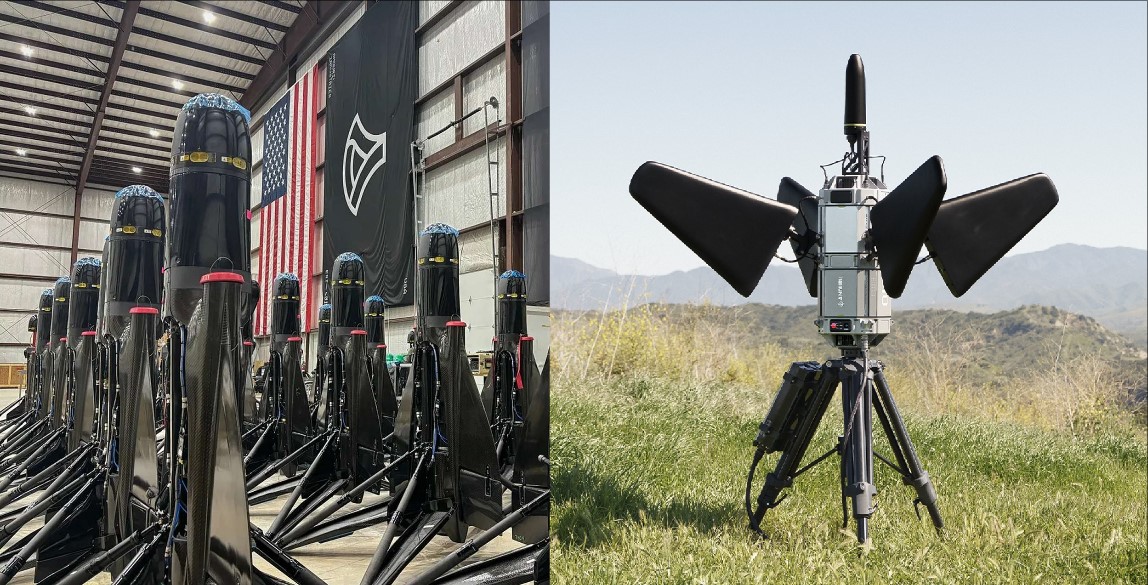 U.S. Approves $1.98 Billion Sale of Anduril AI-Powered Counter-Drone Systems to Kuwait
-
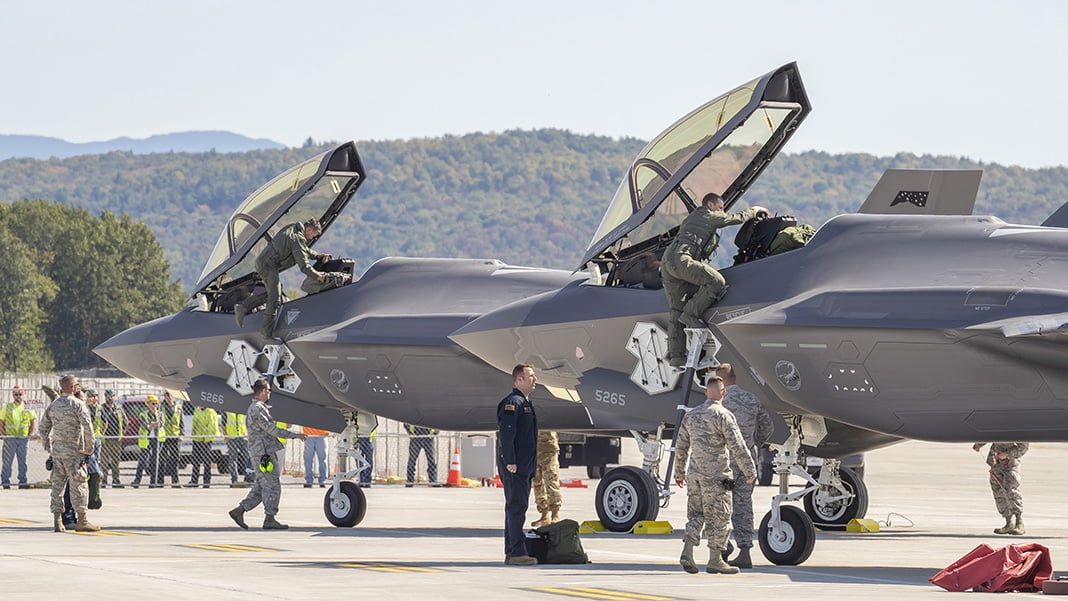 F-35 Fleet Readiness Falls to 25% Amid Parts Shortages and Software Delays: GAO Report
-
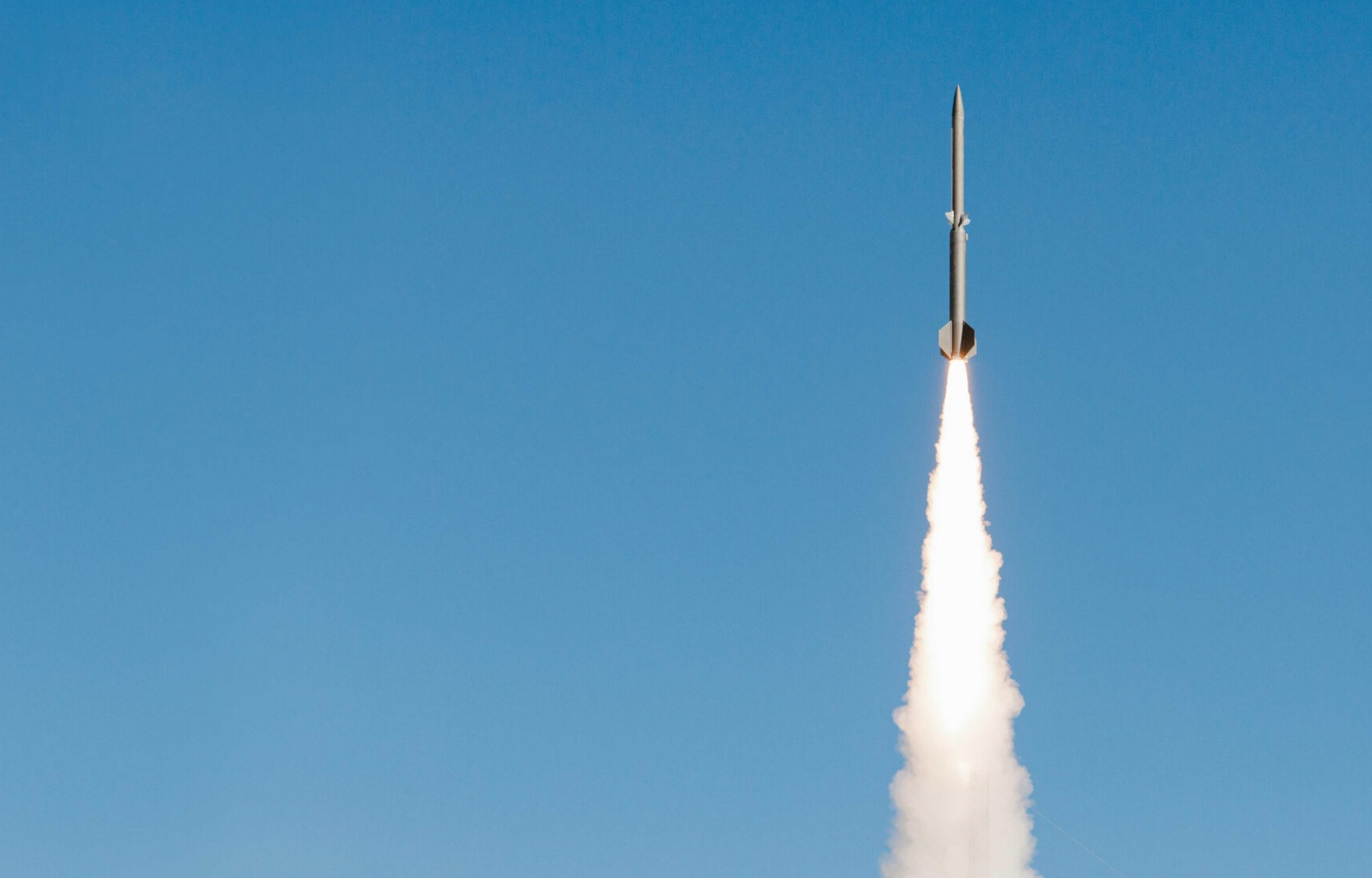 U.S Navy Orders 50 Blackbeard Hypersonic Missiles in New $23.4 Million Contract
-
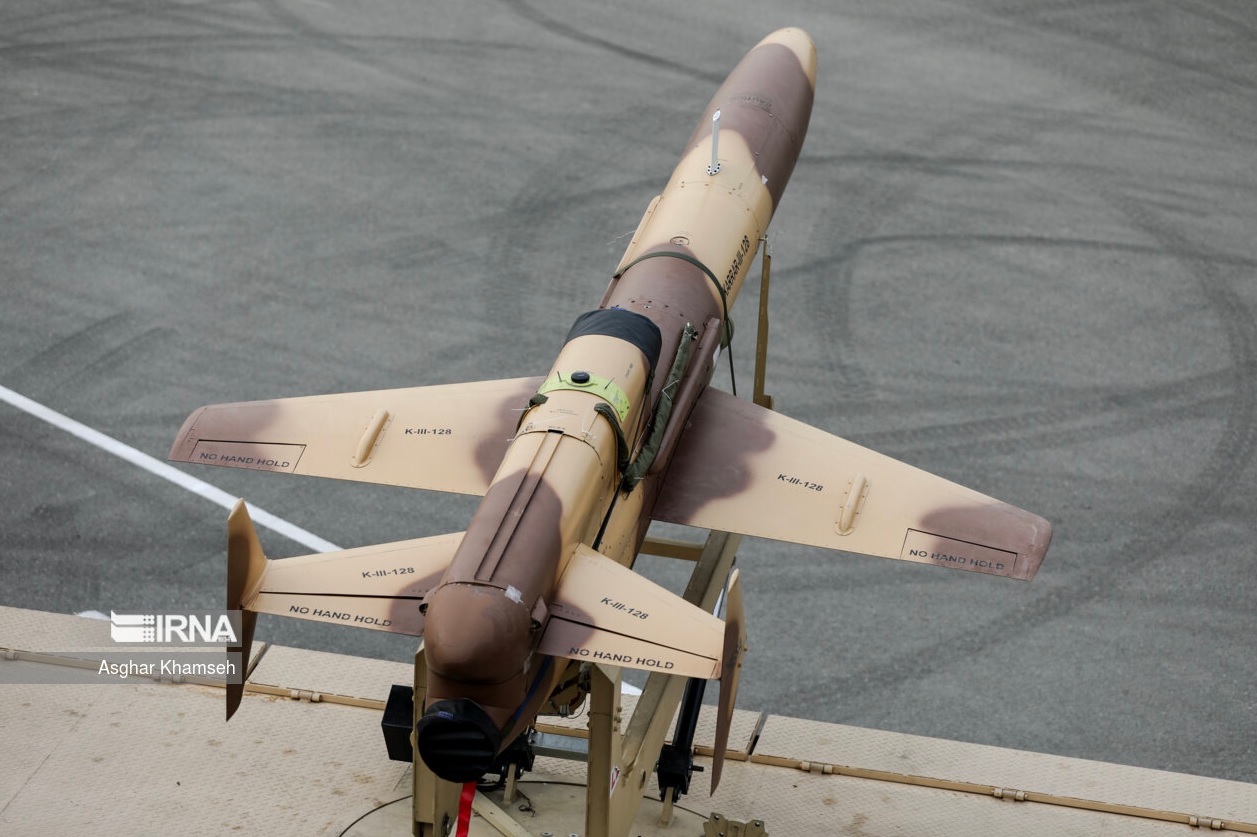 Russia Launches 1,400 Jet-Powered Drones in 2026 as Strike Tactics Evolve to Challenge Ukraine's Air Defenses
-
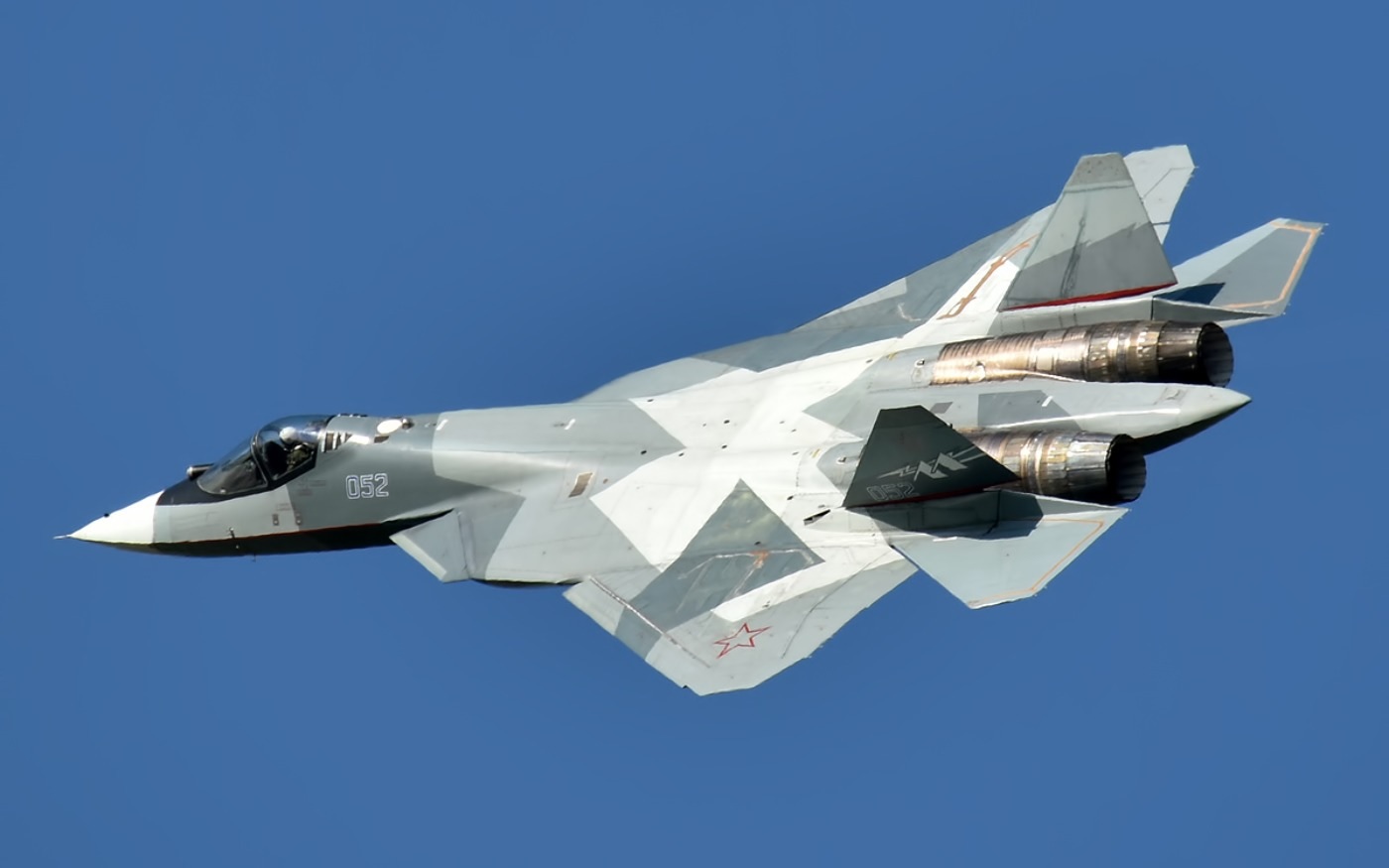 Russian Analysts Debate Su-57 Capabilities After Putin Calls Fighter Superior to F-35
-
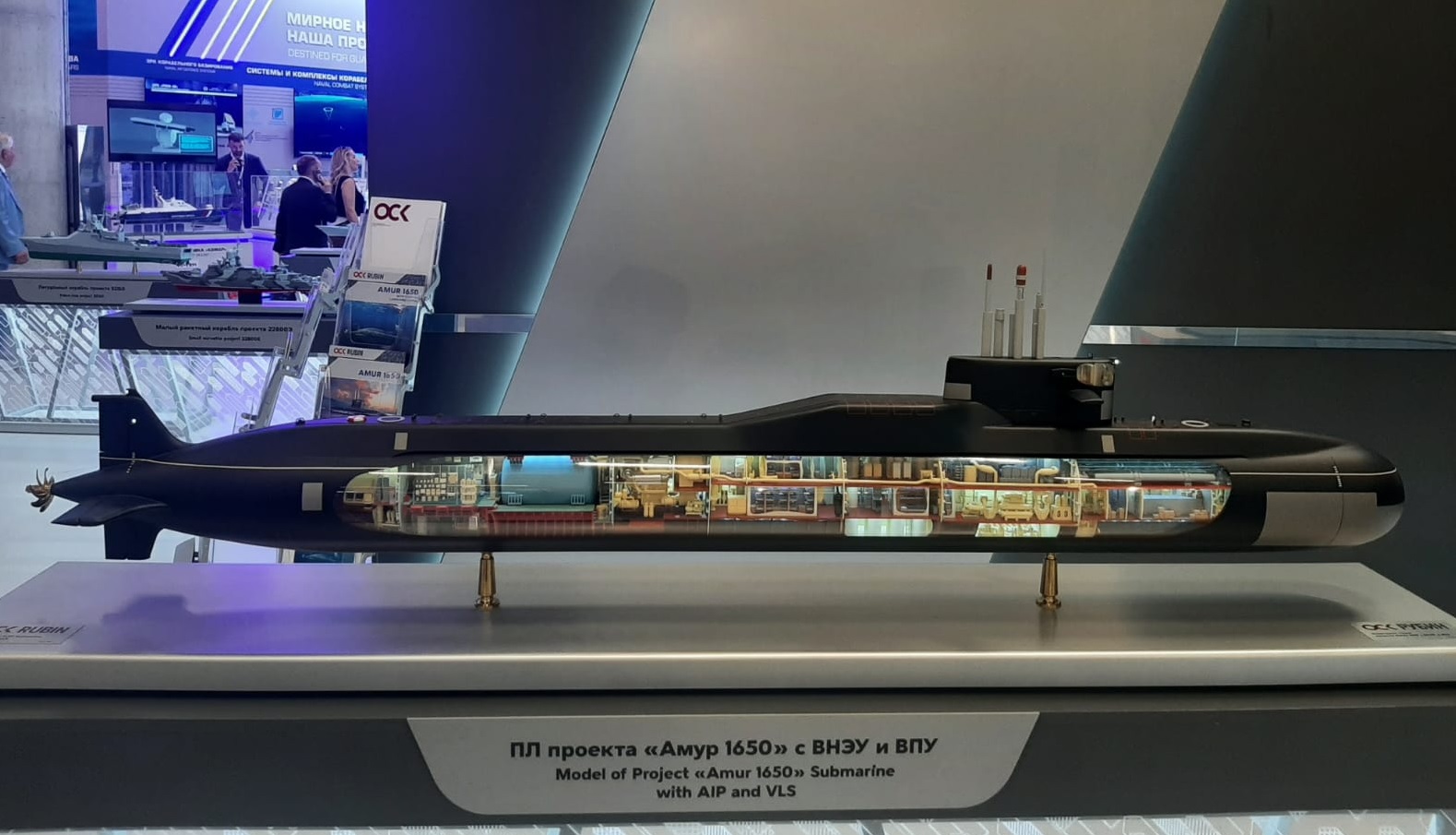 Russia Unveils Amur-1650 AIP Submarine Equipped with BrahMos Vertical Launch System at Fleet-2026
-
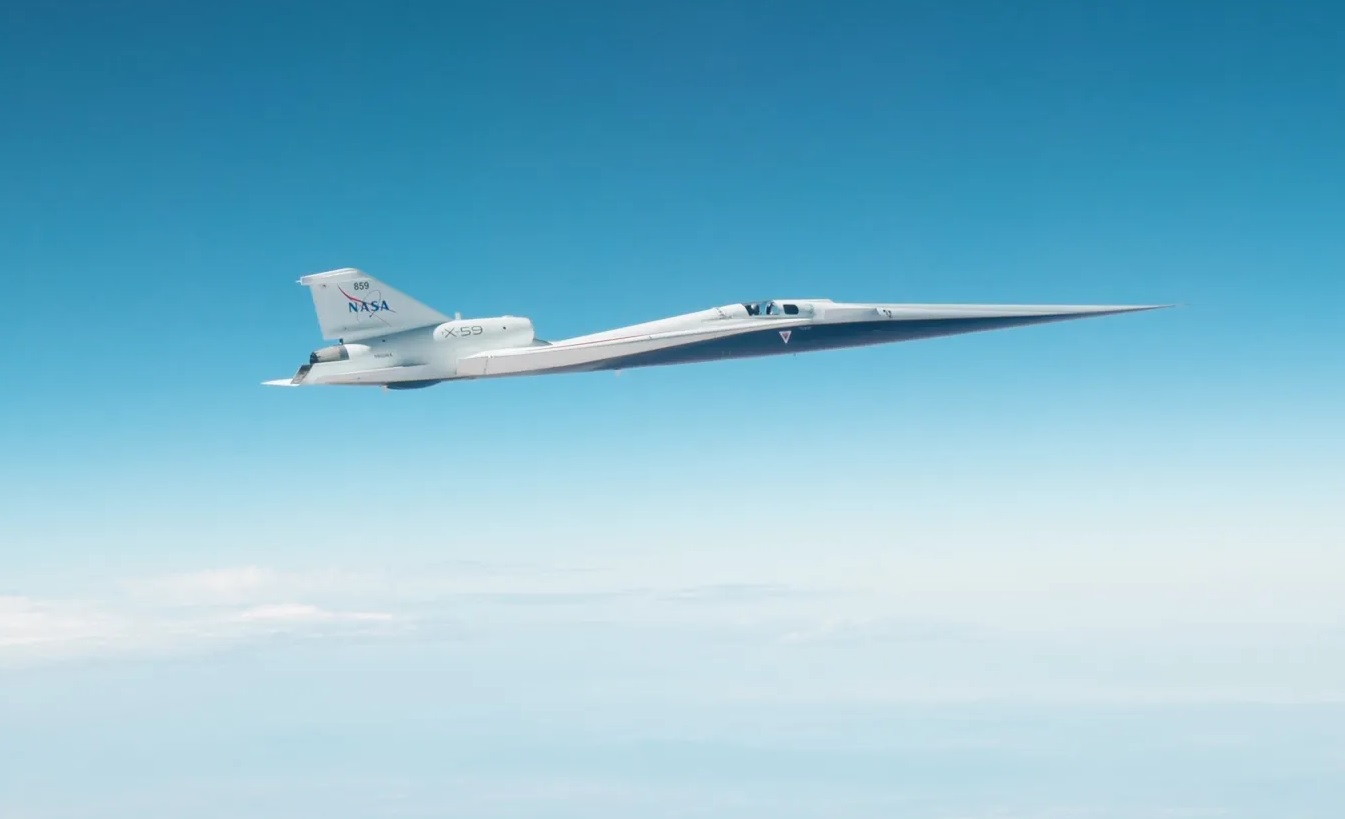 NASA X-59 Achieves Planned Mission Conditions with Mach 1.4 Flight at 55,000 Feet
-
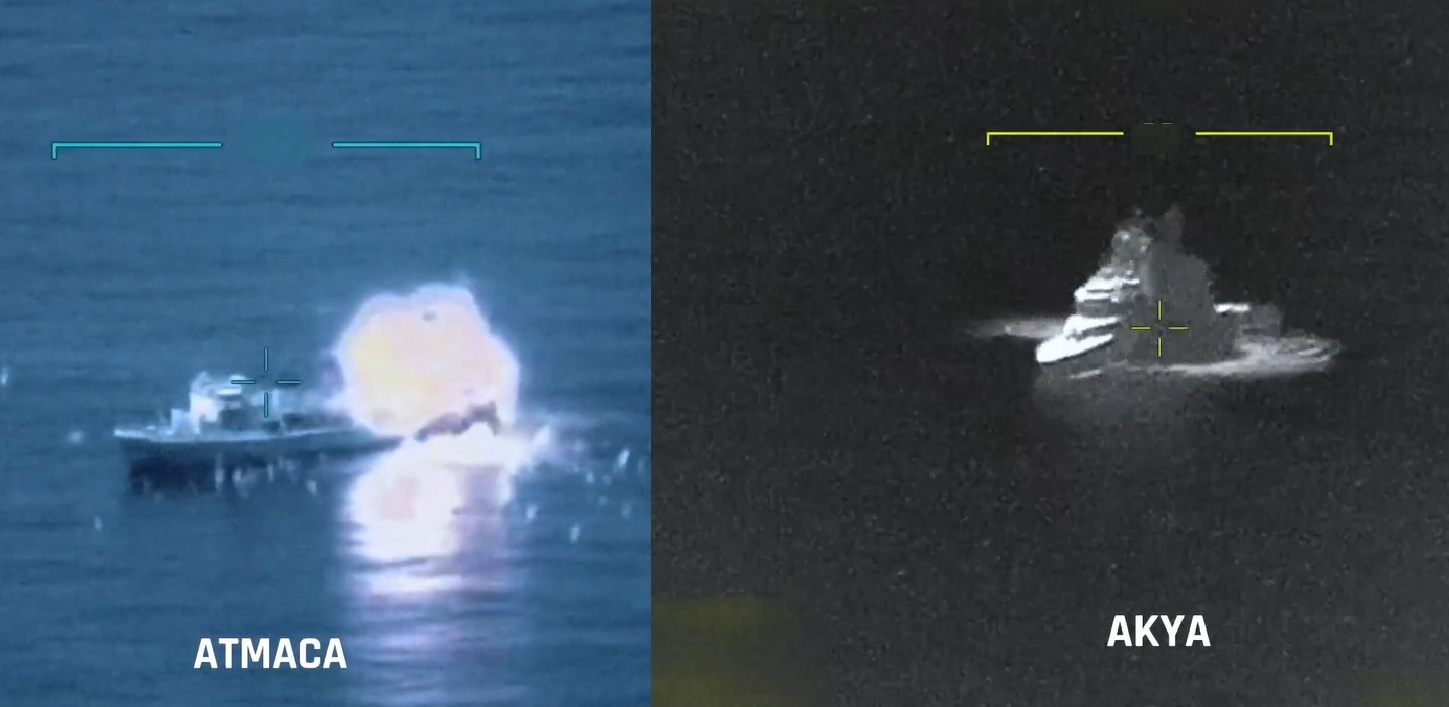 Turkey Navy Successfully Tests AKYA Torpedo and ATMACA Missile During Major Denizkurdu-II Naval Exercise
Top Trending in 4 Days
-
 Iranian Media Leaks 14-Point U.S.-Iran Peace Framework Amid Ongoing Negotiations
-
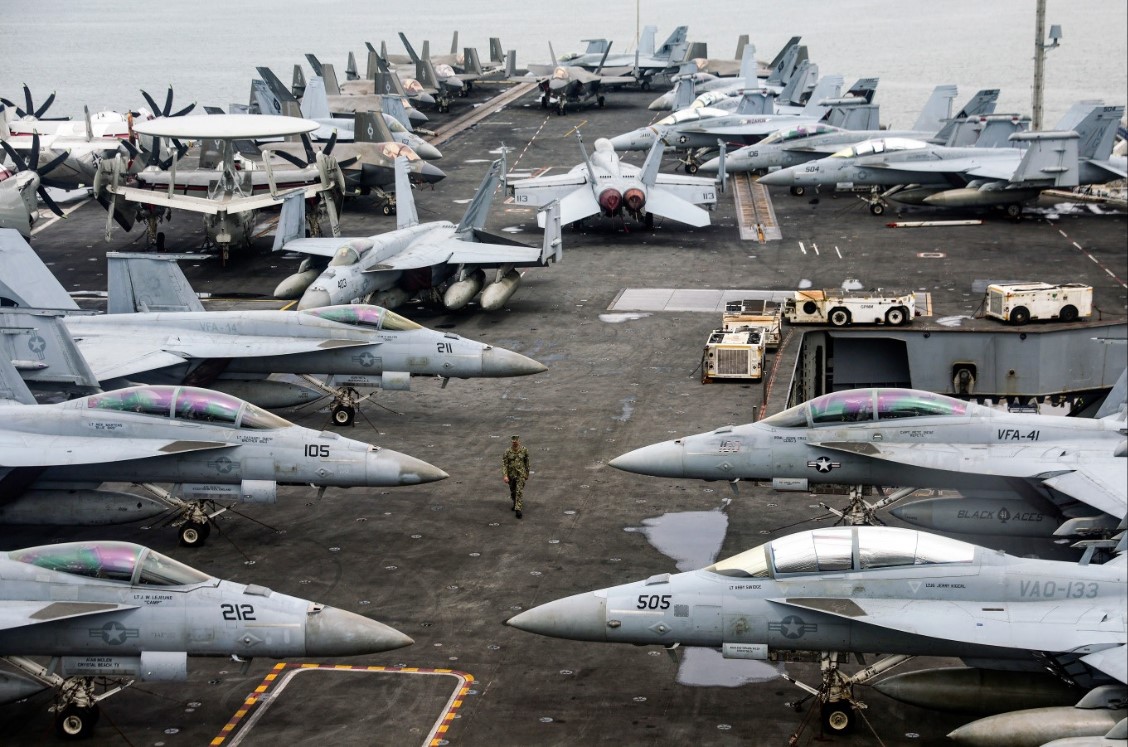 US Plans Significant Reduction of Fighter Jets and Warships for NATO Operations in Europe
-
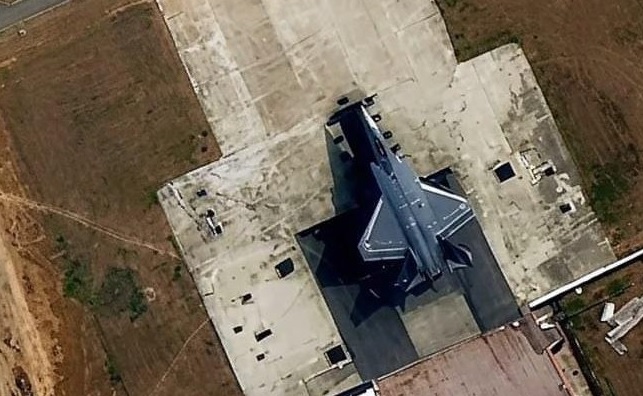 AMCA Airframe Spotted at DRDO’s ORANGE Facility for Radar Cross-Section Testing
-
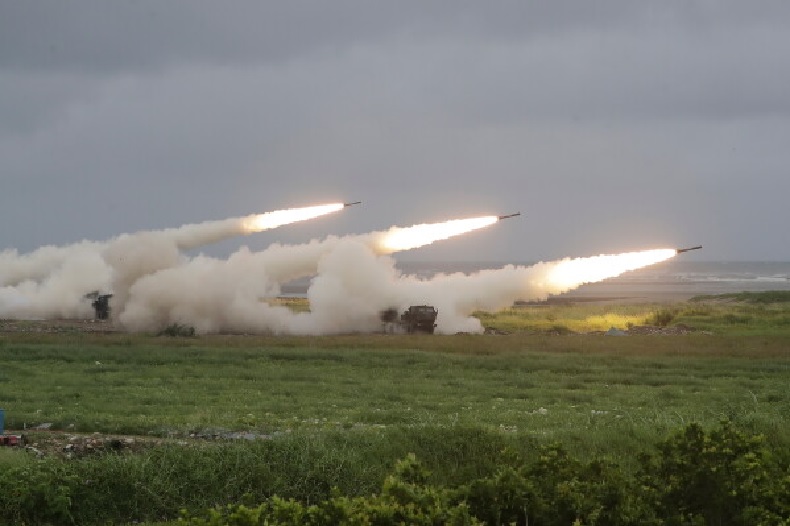 Taiwan Conducts First Live-Fire of HIMARS Rockets From West Coast During Invasion Defense Drill
-
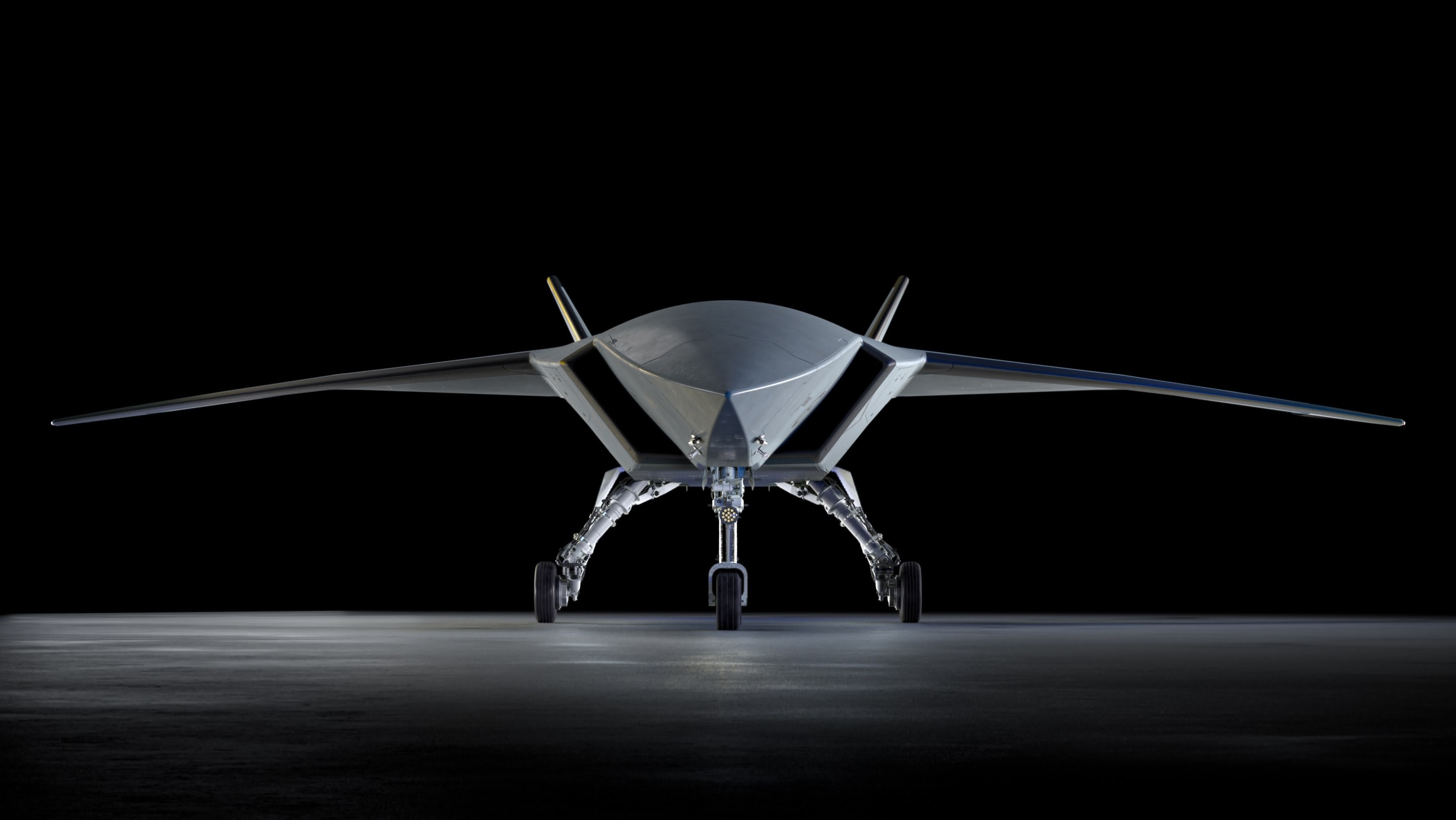 Boeing Introduces New MQ-28 Ghost Bat Upgrades with Increased Range, Payload and Weapons Capacity at ILA Berlin 2026
-
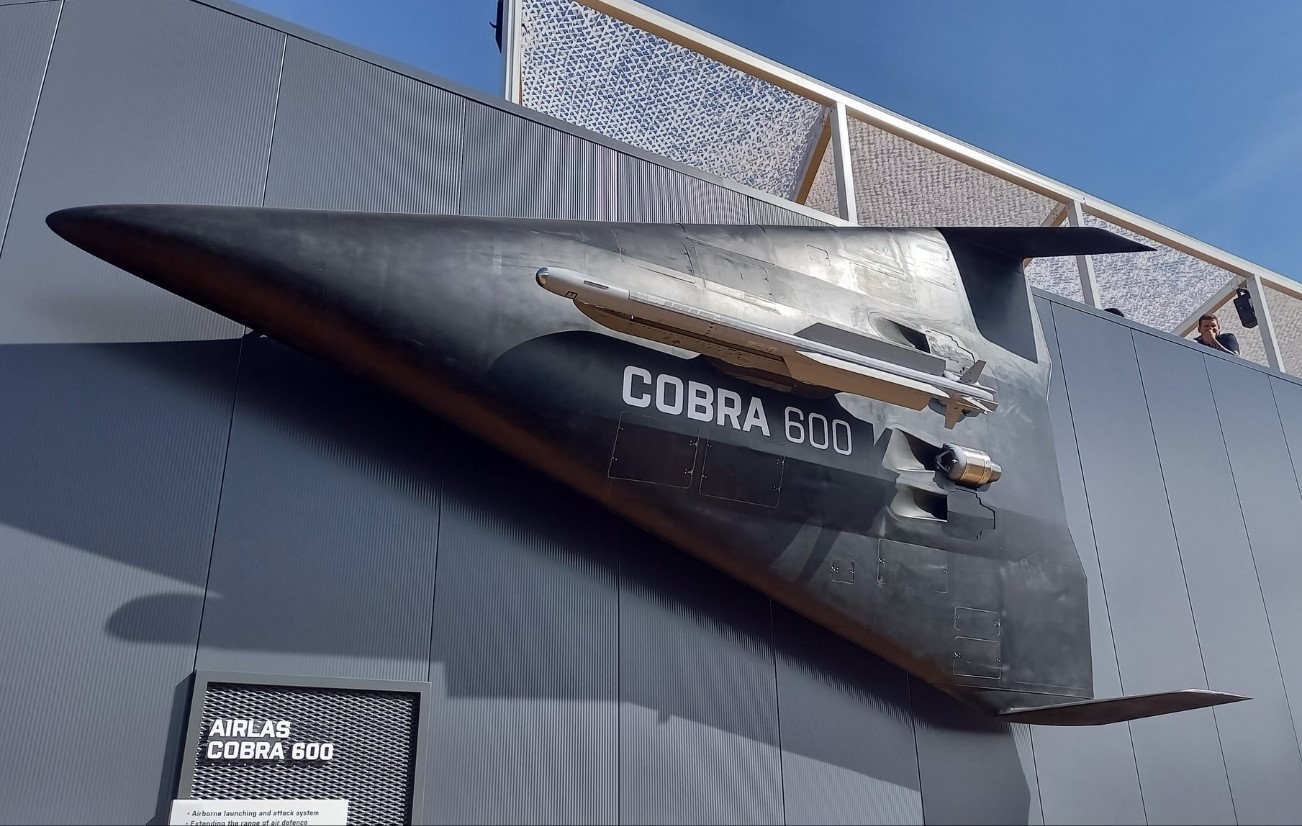 Diehl Defence Unveils IRIS-T Armed Cobra 600 Air Defense Drone at ILA Berlin 2026
-
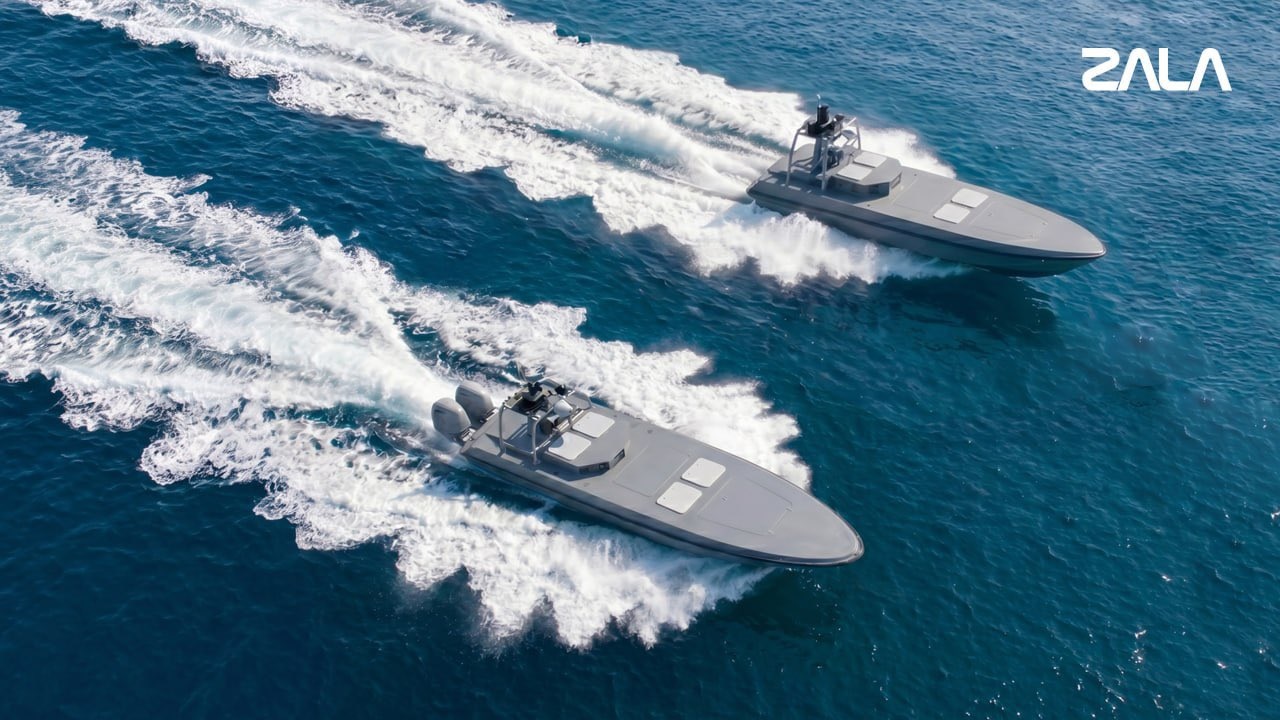 Russian Defense Firm ZALA Unveils KAMA Unmanned Surface Vessel Family at FLOT-2026 Naval Exhibition
-
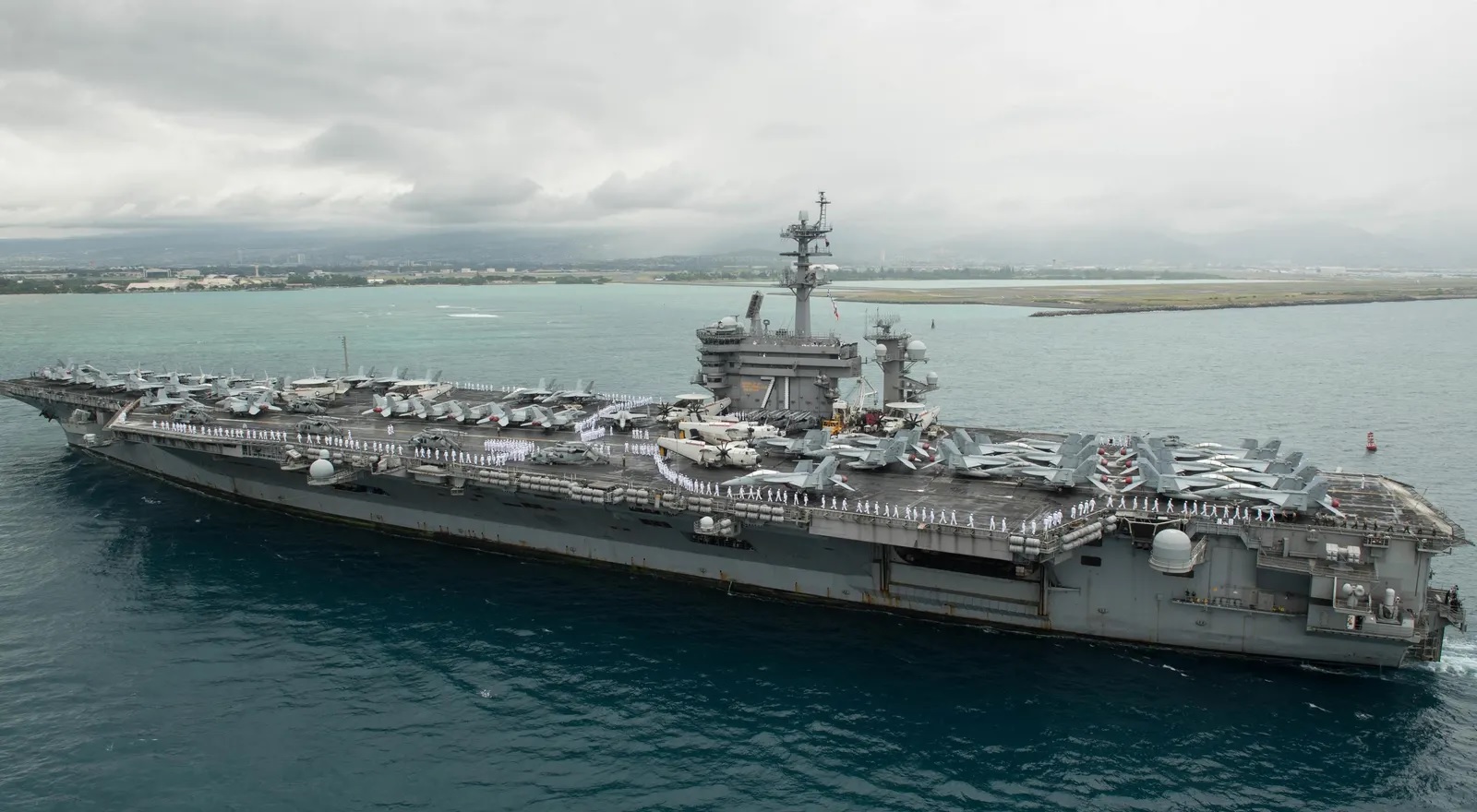 U.S Aircraft Carrier USS Theodore Roosevelt Departs San Diego for Major RIMPAC 2026 Naval Exercise
