A growing controversy over Germany’s defence procurement system has intensified after verified public-domain figures confirmed that the country’s next-generation submarines cost nearly three times more than Japan’s newest boats. The comparison—now supported by multiple open-source reports—has renewed calls in Berlin for a formal parliamentary investigation into spiralling defence acquisition costs.
Confirmed Figures Show a Sharp Cost Divide
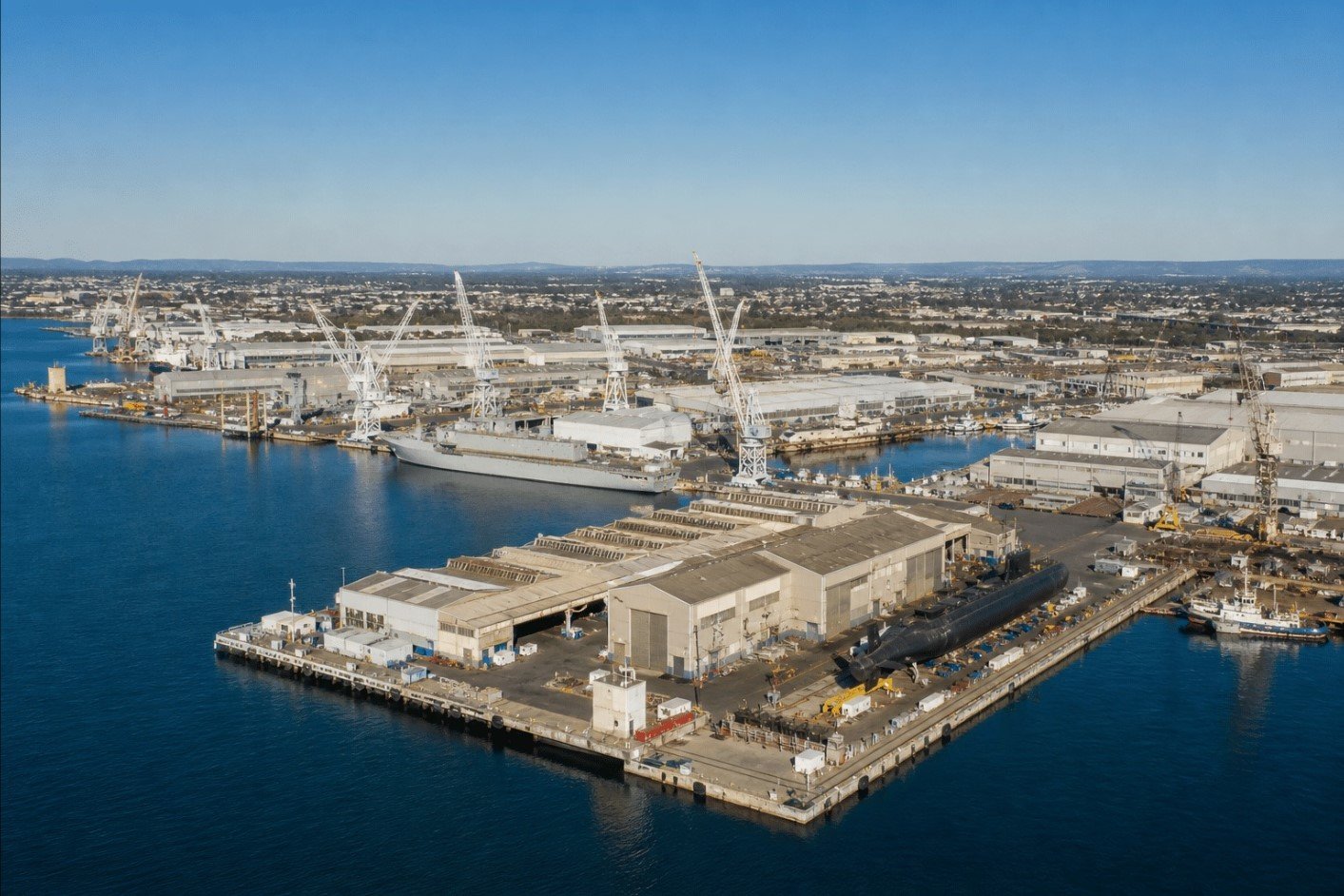
Recent contracts from Japan’s Ministry of Defence show that the Taigei-class submarines, among the most advanced diesel-electric boats in the world, have a production cost of ¥70–74 billion per unit, equivalent to US $470–485 million under 2023–2025 exchange rates. These figures are widely cited in defence reporting, including naval industry journals and Japanese launch announcements.
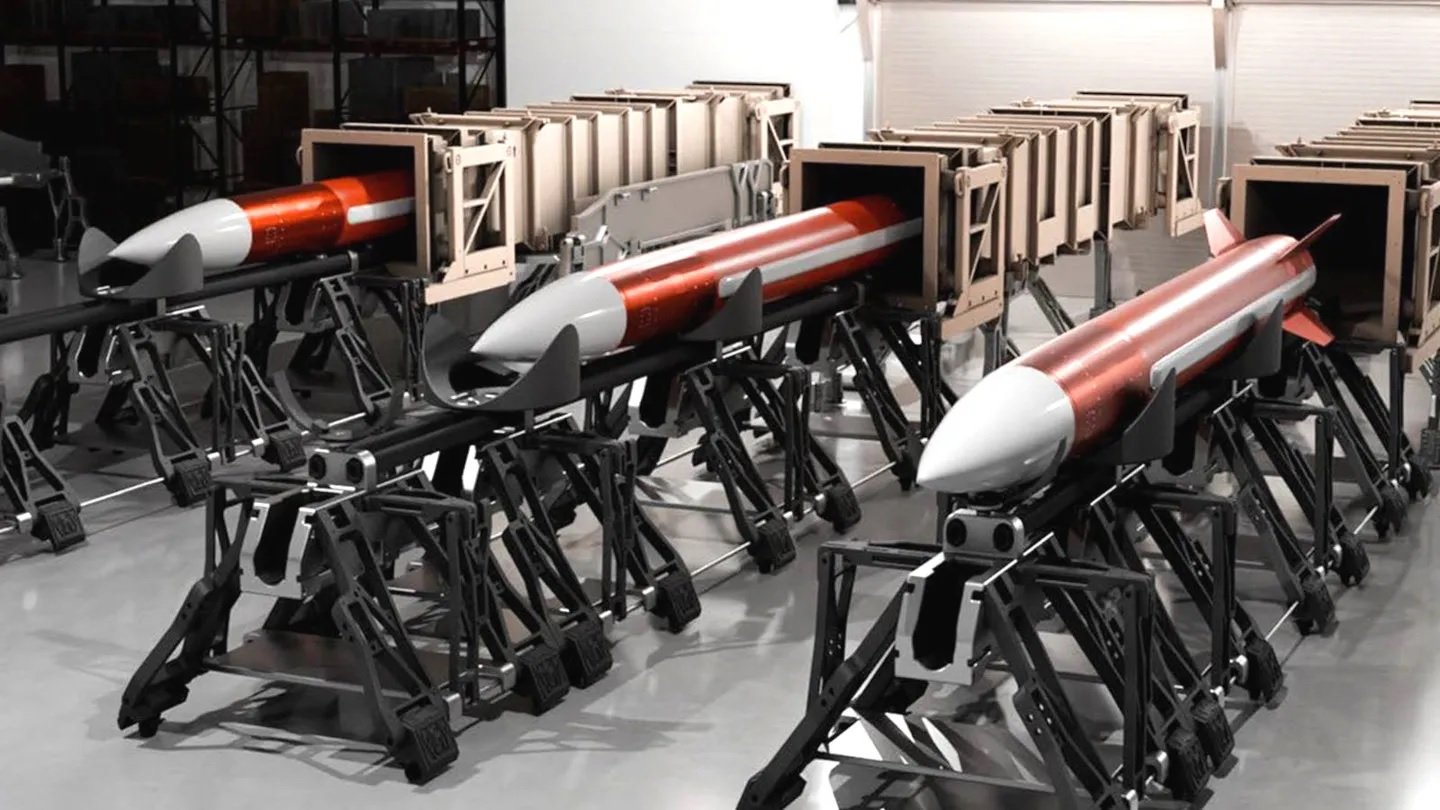
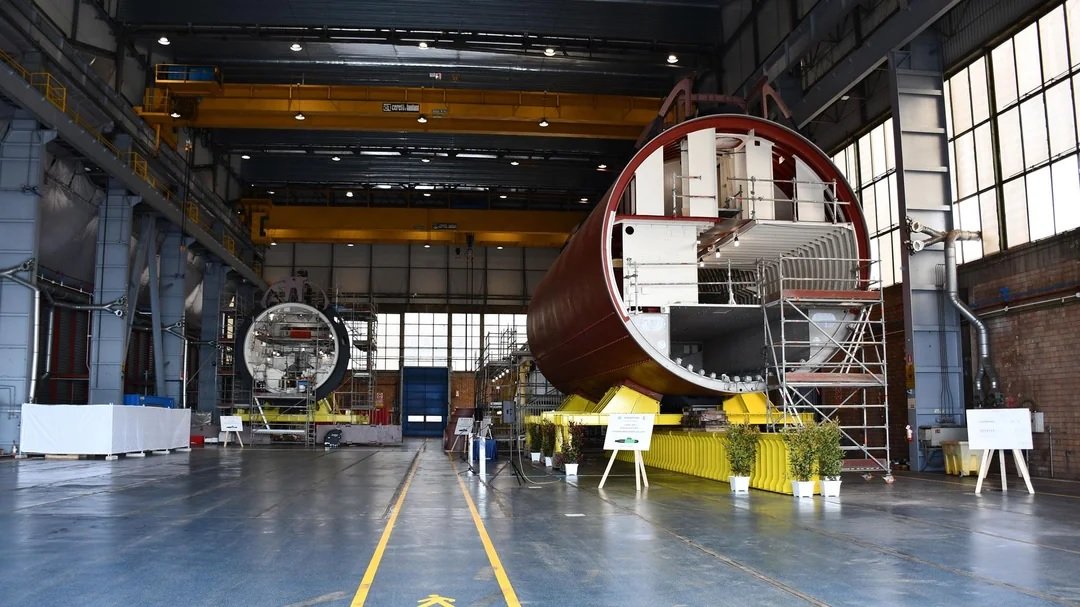
By contrast, Germany and Norway’s joint order for the Type 212CD—the next generation of German conventional submarines built by ThyssenKrupp Marine Systems (TKMS)—is valued at roughly €5.5 billion for six boats. Depending on calculation method, this puts the per-unit cost between US $1.07 billion and US $1.35 billion. Even at the lower estimate, each German submarine costs more than double a Taigei-class boat; at the higher end, the price is almost triple.
These numbers match industry analyses and official contract values, confirming that the basic claim of a large price gap is factually accurate.
Why the Cost Gap Exists — and Why It’s Not That Simple
Experts caution that while the raw numbers are correct, the comparison is not entirely straightforward. The Type 212CD contract includes development costs, infrastructure upgrades, long-term support, and several bespoke features required by Germany and Norway. The Taigei-class price, meanwhile, refers more strictly to production cost per hull.
The German–Norwegian submarine also includes new stealth shaping, larger displacement, advanced AIP modules, and next-generation sonar arrays—features that traditionally push costs above those of more streamlined designs.
Nevertheless, even analysts who defend the 212CD programme acknowledge that the unit price is “on the high end of the global diesel-electric submarine market”, particularly compared to Japanese, South Korean, or Swedish boats.
Taigei-Class vs Type 212CD — Specification Comparison
| Category | Japan – Taigei-class | Germany/Norway – Type 212CD |
|---|---|---|
| Country | Japan (JMSDF) | Germany & Norway (TKMS) |
| Role | Advanced diesel-electric attack submarine | Next-gen stealth diesel-electric/AIP submarine |
| Entered Service | 2022–present | Expected mid-to-late 2020s |
| Estimated Unit Cost | US $470–485 million | US $1.07–1.35 billion |
| Displacement | ~3,000 tons (submerged) | ~2,500–2,700 tons (submerged, estimated) |
| Length | 84 meters | ~73 meters |
| Beam | 9.1 meters | ~10 meters |
| Hull Material | High-strength steel | Non-magnetic steel + composite stealth shaping |
| Propulsion | Diesel-electric with lithium-ion batteries | Diesel-electric with next-gen AIP (Fuel-Cell) |
| Primary Advantage | Extremely quiet, long underwater endurance via lithium-ion | Very low acoustic/magnetic signature, AIP stealth operations |
| Maximum Speed | ~20+ knots underwater (estimated) | ~20 knots (estimated) |
| Operating Depth | Classified (estimated > 600 m) | Classified (estimated 300–350 m) |
| Crew | 70 | ~27–30 (very low crew requirement) |
| Weapons | 6 × 533 mm torpedo tubes | 6 × 533 mm torpedo tubes |
| Armament Types | Type 89 torpedoes, Harpoon missiles, mines | DM2A4 torpedoes, IDAS missiles, mines |
| Sonar Suite | Advanced bow + flank arrays; new combat management system | Fully digital sonar suite; panoramic mast; upgraded flank arrays |
| Stealth Features | Silent hull design, vibration suppression, lithium-ion noise reduction | Extreme stealth shaping, composite hull sections, low magnetic signature |
| Endurance | Very high endurance thanks to lithium-ion storage | Very high AIP endurance for weeks of submerged ops |
| Construction Yard | Mitsubishi Heavy Industries | ThyssenKrupp Marine Systems (TKMS) |
| Export Availability | Not available for export | Designed with export potential |
Key Insights from the Comparison
1. Taigei is larger, faster-charging, and extremely quiet
Japan’s use of lithium-ion batteries offers major advantages in underwater silent running, high-speed bursts, and rapid recharging.
2. Type 212CD focuses heavily on deep stealth and endurance
Its new-generation AIP + low-magnetic design allows extremely long, low-speed submerged patrols with ultra-low detectability.
3. Cost difference is real
Taigei’s production cost: ~$480M
Type 212CD: ~$1.1–1.35B
→ Germany’s boat is 2.5× to 3× more expensive, depending on calculation.
4. Crew size difference is dramatic
Taigei operates with ~70 crew, while 212CD needs only ~30 — a huge lifetime cost reduction for Germany/Norway.
A Broader Pattern of Overpricing in German Defence Projects
The submarine debate follows earlier criticism about inflated pricing across German defence acquisitions, including:
-
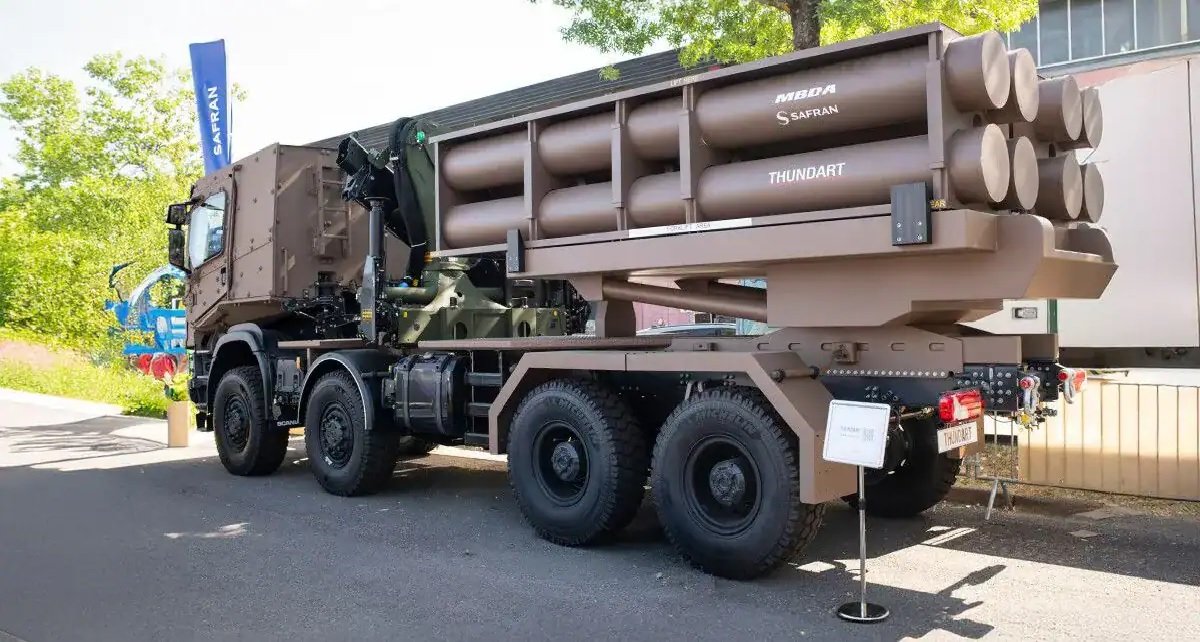
4×4 tactical vehicles, priced significantly higher than counterparts in France, Italy, or South Korea
-
30–35 mm ammunition, reportedly several times more expensive than NATO averages
-
Large-calibre artillery shells, whose unit prices have drawn scrutiny during Ukraine-related stockpile replenishment
-
Naval systems, including corvettes and sensors, accused of inflated contractual overhead
This pattern has fueled criticism that Germany’s procurement bureaucracy, combined with industrial-political relationships, results in weak price controls and limited accountability.
Bundestag Faces Increasing Pressure to Act
Members across several parties are now urging the Bundestag Defence Committee to launch a formal inquiry into how major programmes are priced and awarded. Analysts say such an investigation is overdue, both for transparency and for restoring public confidence in Germany’s €100-billion defence modernisation plan.
Calls for reform centre on three main concerns:
-
Opaque pricing mechanisms and limited competitive bidding
-
Excessive customisation that inflates cost without proportional capability gain
-
Long, bureaucratic procurement cycles that add years—and hundreds of millions—to final contract values
Some lawmakers warn that unless the system is modernised, Germany will struggle to meet NATO obligations while overspending on fewer platforms.
Implications for Europe and NATO
The escalating cost of German platforms is increasingly a continental issue. European partners relying on German naval or armoured systems are beginning to compare prices against cheaper Asian counterparts. If Germany cannot demonstrate value for money, experts warn that allies may turn toward Swedish, Japanese, South Korean, or even Turkish suppliers for future acquisitions.
A Debate That Will Not Fade Soon
With the cost figures now verified and public scrutiny intensifying, the controversy surrounding Germany’s defence industry shows no signs of fading. The stark difference between Japanese and German submarine costs has become a symbol of a deeper structural challenge—one that is now pushing German politicians to confront long-standing procurement inefficiencies.
Whether the Bundestag chooses to launch a full investigation may determine how—and how quickly—Germany can reform a system critics say has been failing for years.
——— End of Article ———