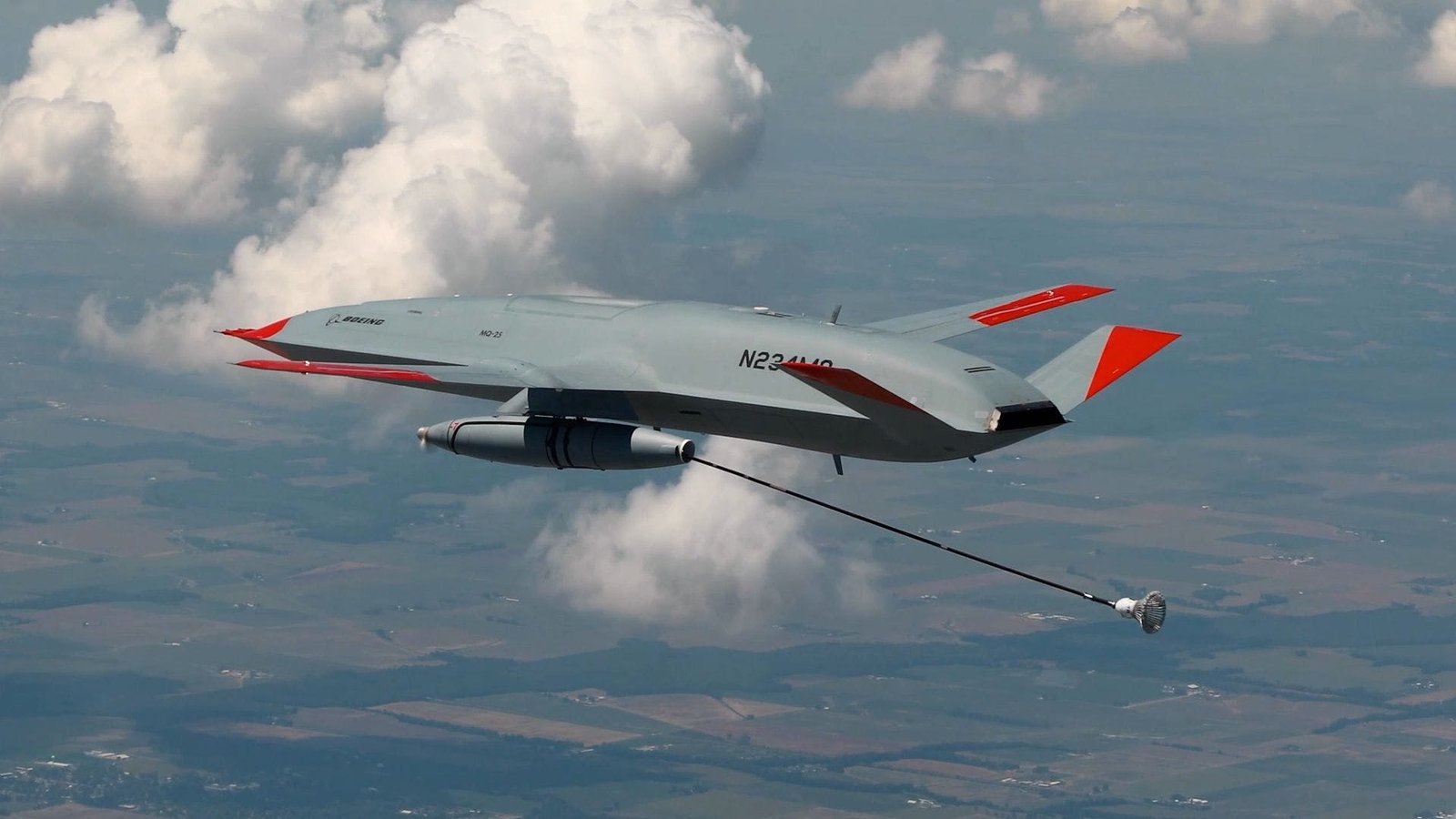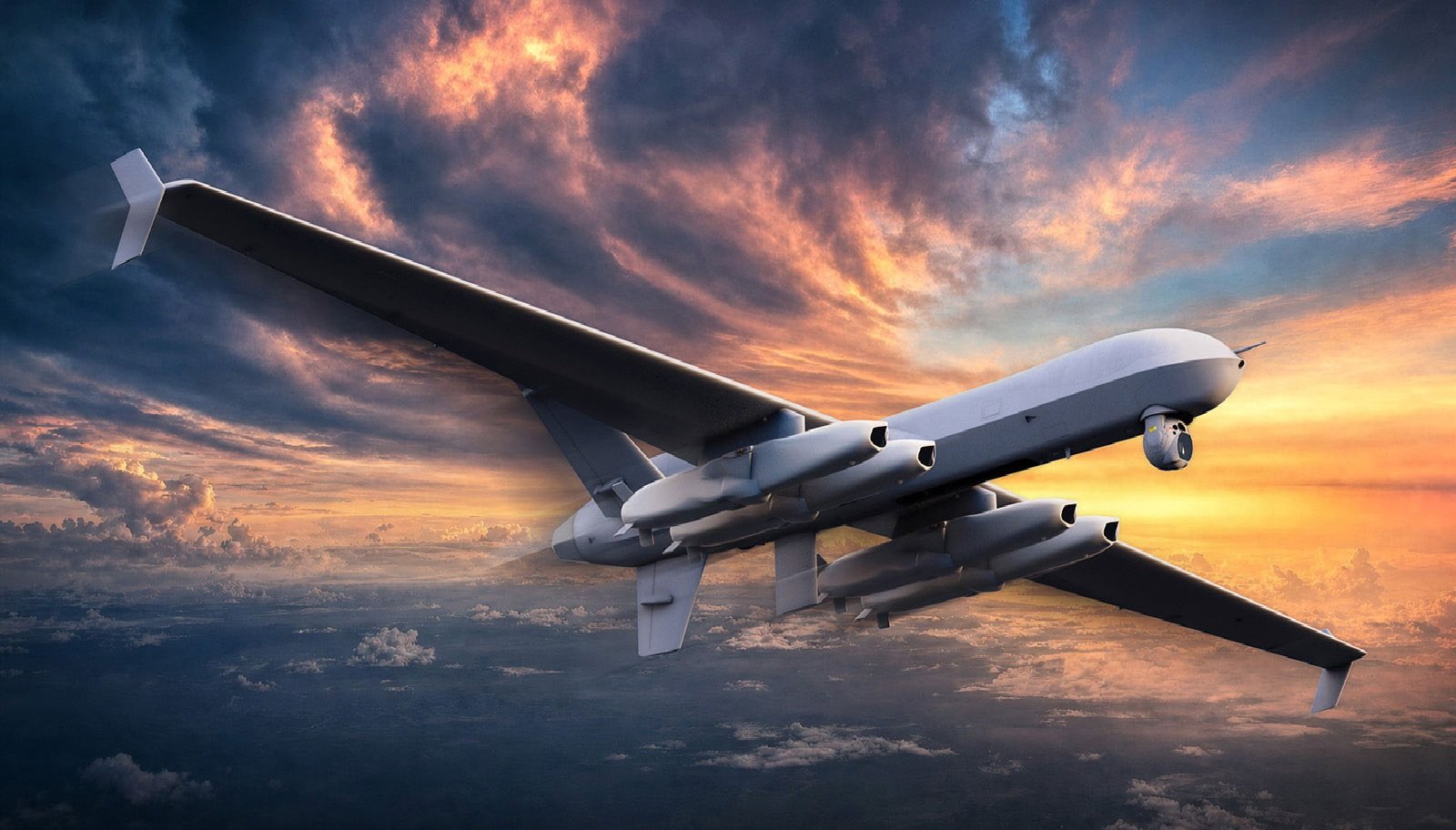
SAN DIEGO — General Atomics Aeronautical Systems, Inc. (GA-ASI) has unveiled Wildfire, a new medium-altitude, long-endurance (MALE) uncrewed aircraft designed for lower-cost, high-volume surveillance and strike missions.
Wildfire is a clean-sheet design intended to offer greater payload capacity and longer range than the MQ-9A Reaper, while being cheaper to produce and suitable for operations where combat losses are possible. GA-ASI has focused the aircraft on core intelligence, surveillance and reconnaissance (ISR), strike and related missions rather than matching the wider capabilities of the MQ-9B.
“This is exactly the right design for high-demand missions and cost-conscious customers,” said GA-ASI President David R. Alexander.
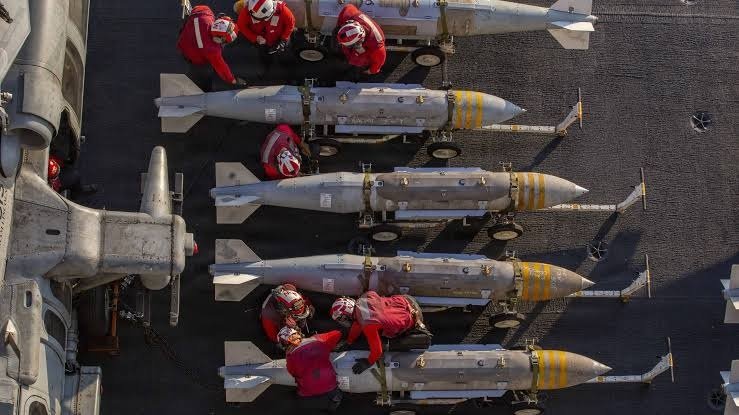
The aircraft has a modular payload architecture with strengthened wing hardpoints. GA-ASI says it can carry two AGM-158C Long-Range Anti-Ship Missiles (LRASMs) or four Joint Strike Missiles (JSMs), as well as other combinations of munitions, launched effects, sensors and mission equipment. It is designed for a ferry range exceeding 8,000 nautical miles, a combat radius of at least 2,300 nautical miles with payload, and a payload of more than 2,800 pounds.
Wildfire can also accommodate multispectral targeting sensors, radar and electronic warfare equipment. Its reinforced design and payload capacity provide potential support for logistics missions such as heavy cargo delivery.
Autonomous and Collaborative Operations
Wildfire uses mission-autonomy technology based on the approach developed for GA-ASI’s FQ-42A Collaborative Combat Aircraft, which is now in production for the U.S. Air Force. Human operators will use U.S. government-provided autonomy software rather than a conventional ground control station.
The system is designed to allow one operator to supervise multiple aircraft, while onboard autonomy manages functions such as flight paths, formation operations and sensor allocation. GA-ASI also says proliferated low-Earth-orbit satellite communications can support operations when conventional communications are disrupted.
Proposed for Massed Modular Aircraft Program
GA-ASI is proposing Wildfire for the U.S. Air Force’s Massed Modular Aircraft (MMA) effort, overseen by the Defense Innovation Unit (DIU). The program seeks an affordable and adaptable alternative to existing Reaper inventories.
The MMA requirements include at least 2,800 pounds of payload, a 2,300-nautical-mile combat radius with payload and an 8,000-nautical-mile ferry range. The target air-vehicle cost is around $10 million before sensors and mission equipment.
GA-ASI says Wildfire meets or exceeds these requirements and could be delivered years ahead of the program’s projected fiscal year 2031 schedule. The company also says it could produce more than twice the number of aircraft specified in preliminary production requirements by using its existing manufacturing infrastructure, which includes more than 5 million square feet, along with its established supplier network.
The aircraft builds on GA-ASI’s more than three decades of uncrewed aviation experience. The company says it has delivered more than 1,600 Predator, Reaper, SkyGuardian, Avenger and FQ-42A aircraft, which have accumulated nearly 10 million flight hours, mostly in combat.
Wildfire is currently GA-ASI’s proposal for the MMA effort and has not been selected as the program’s final aircraft.
——— End of Article ———