India
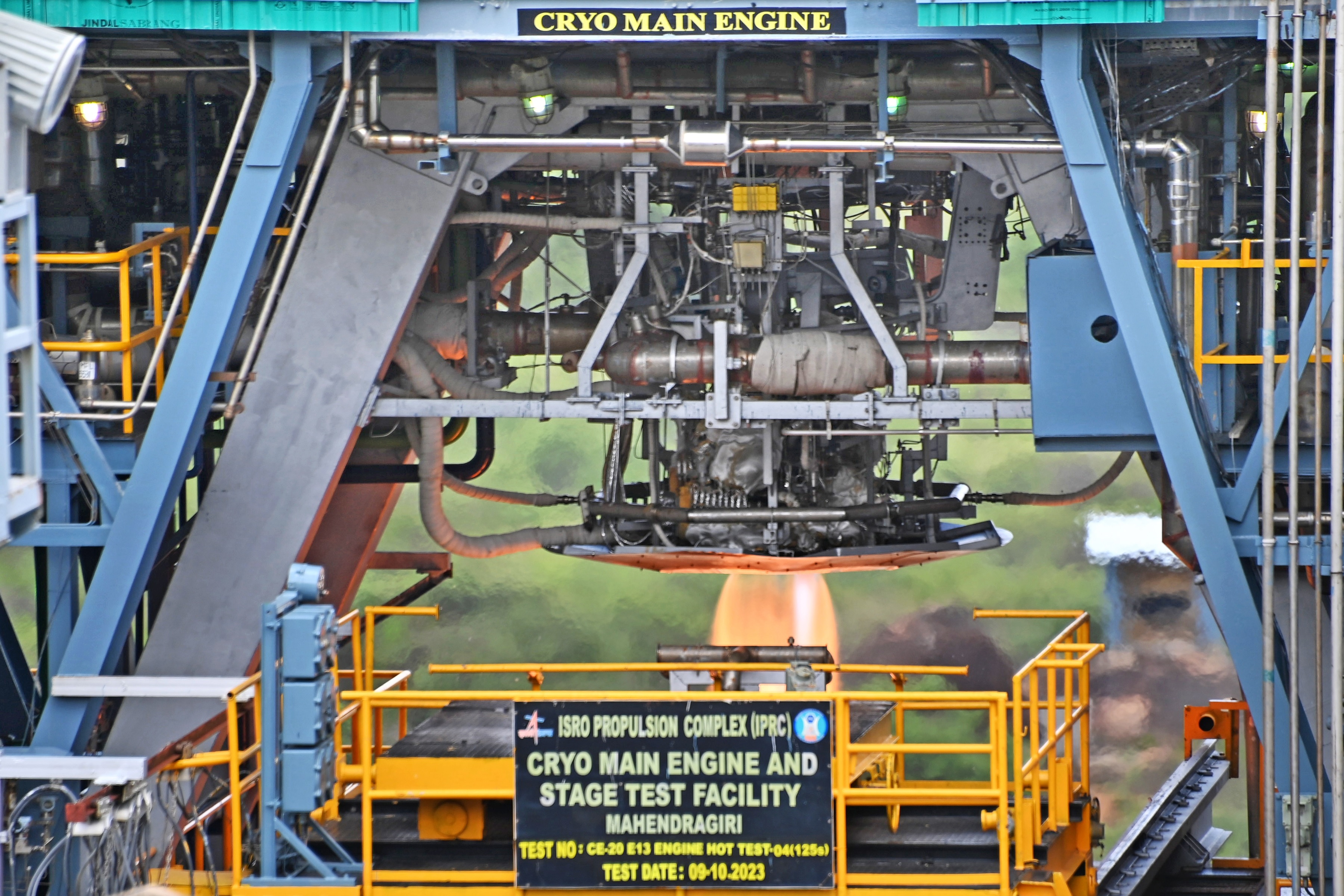
The CE20 engine stands as a groundbreaking achievement, being the first cryogenic engine developed indigenously to power the upper stage (C25) of the LVM3 rocket. Originally qualified to operate at a thrust level of 19 tonnes, this engine has demonstrated its prowess in six consecutive LVM3 missions, including notable endeavors like Chandrayaan-2, Chandrayaan-3, and two commercial OneWeb missions. To enhance the payload capability of the LVM3, the upper cryogenic stage has been reconfigured into the C32 stage, boasting enhanced propellant loading. This modification enables the engine to operate at an increased thrust level of 22 tonnes. However, to meet this higher thrust requirement, the engine must undergo re-qualification through a series of ground hot tests. The current focus is on the twelfth hardware iteration of the CE20 engine, designated as the E13 engine, which is pivotal for the 22-tonne thrust level qualification program. Notably, after successfully completing the engine tuning hot test (E13 HT-01) for a duration of 50 seconds, the second long-duration hot test (E13 HT-02) achieved success with a duration of 720 seconds on August 30, 2023. Subsequently, the third hot test (E13 HT-03) was also accomplished, lasting 670 seconds with a thrust of 22 tonnes on September 22, 2023. The culmination of the E13 HT-03 marked the completion of the Gaganyaan qualification for the CE20 engine. The fourth hot test (E13 HT-04), designed to demonstrate off-nominal operation of the engine (22t+5%PC & -5%MR), was conducted successfully for a duration of 125 seconds on October 9, 2023, at the MET facility, IPRC, Mahendragiri. During this test, both the engine and facility performed normally, achieving the required engine performance parameters as predicted. With this accomplishment, the CE20 engine is now officially qualified for operating at the 22-tonne thrust level in flight.
Read More → Posted on 2021-06-30 18:30:00Search
Top Trending in 24 Hours
-
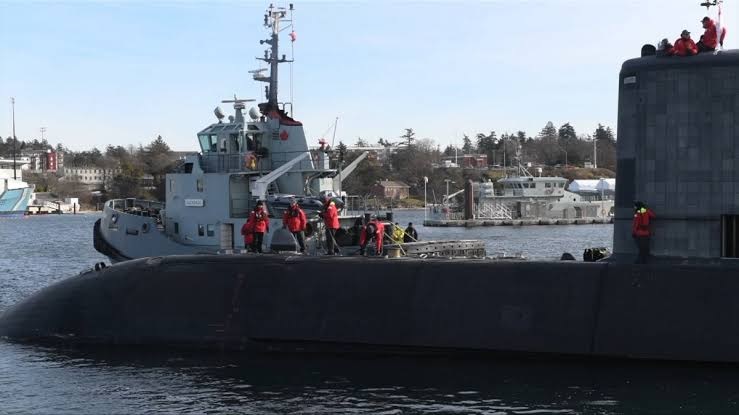 Canada Awards Babcock $1.1 Billion Six-Year Contract Extension to Support Victoria-Class Submarine Fleet
-
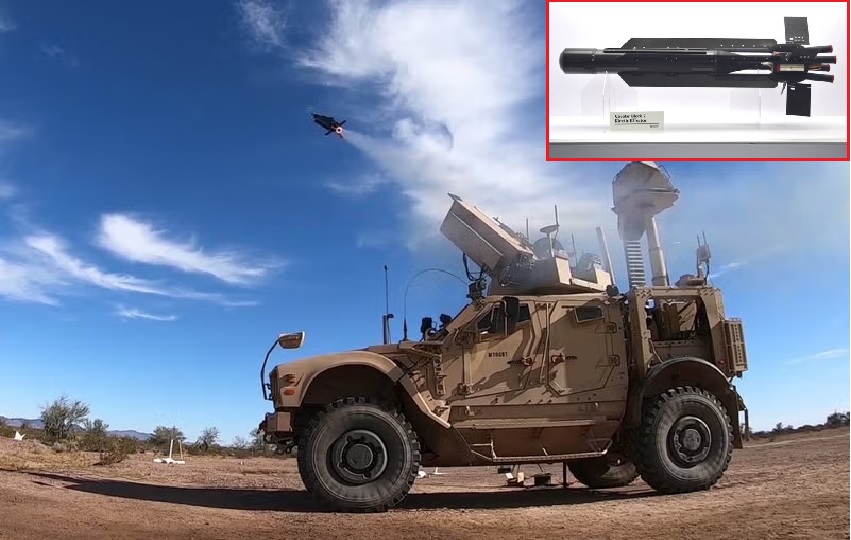 Raytheon Ramps Up Coyote Counter-Drone Missile Production After U.S. Army Reports 600 Successful Combat Intercepts During Iran Conflict
-
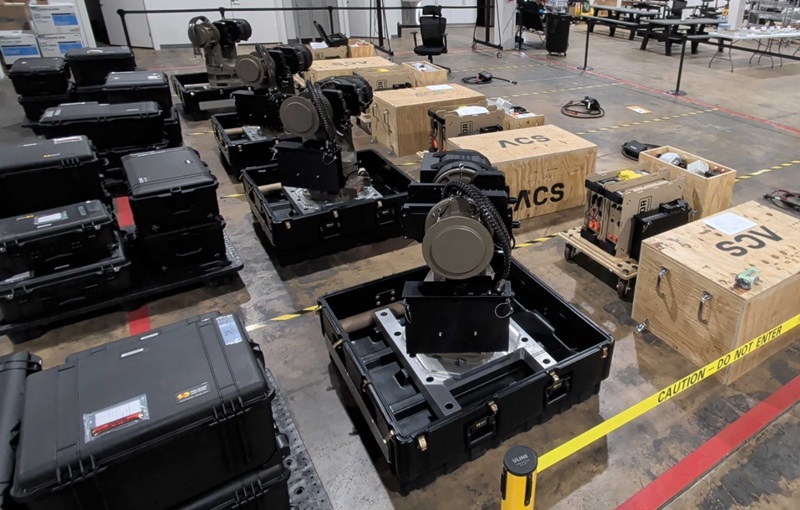 U.S. Marine Corps Selects AI-Powered Bullfrog Weapon Station for L-MADIS Counter-Drone Platform
-
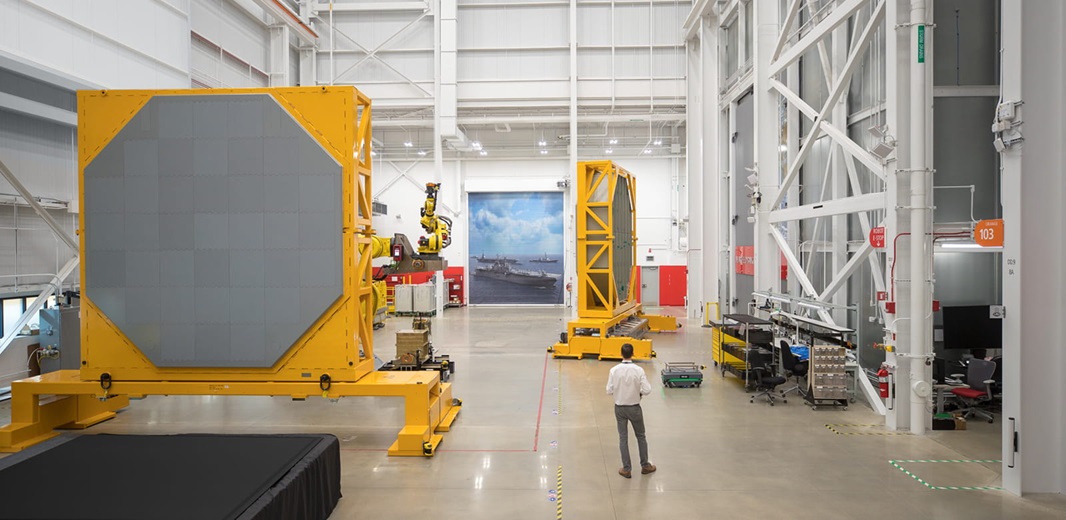 U.S. Navy Awards Raytheon $1.8 Billion Contract Extension for SPY-6 Radar Systems
-
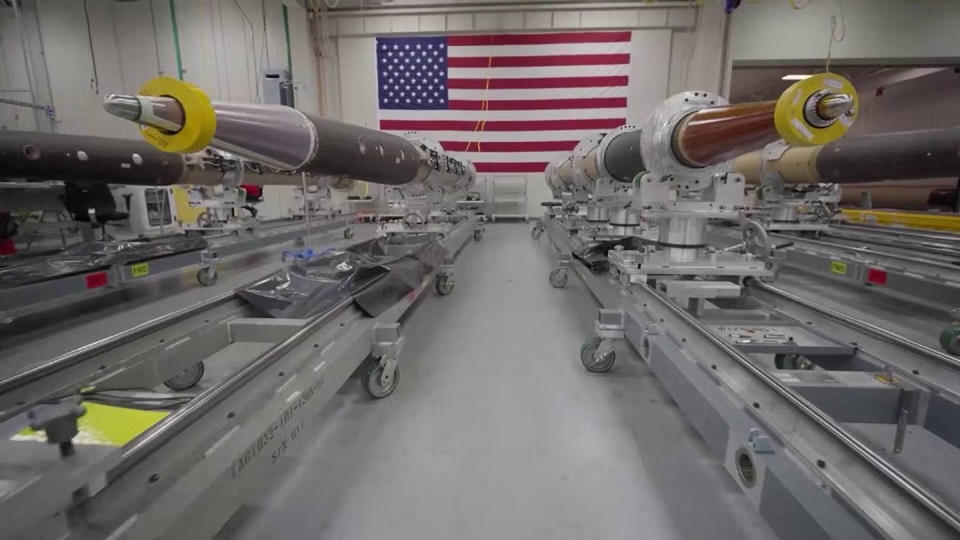 Lockheed Martin Launches $9 Billion U.S. Munitions Expansion to Boost THAAD, PAC-3 and PrSM Production
Top Trending in 4 Days
-
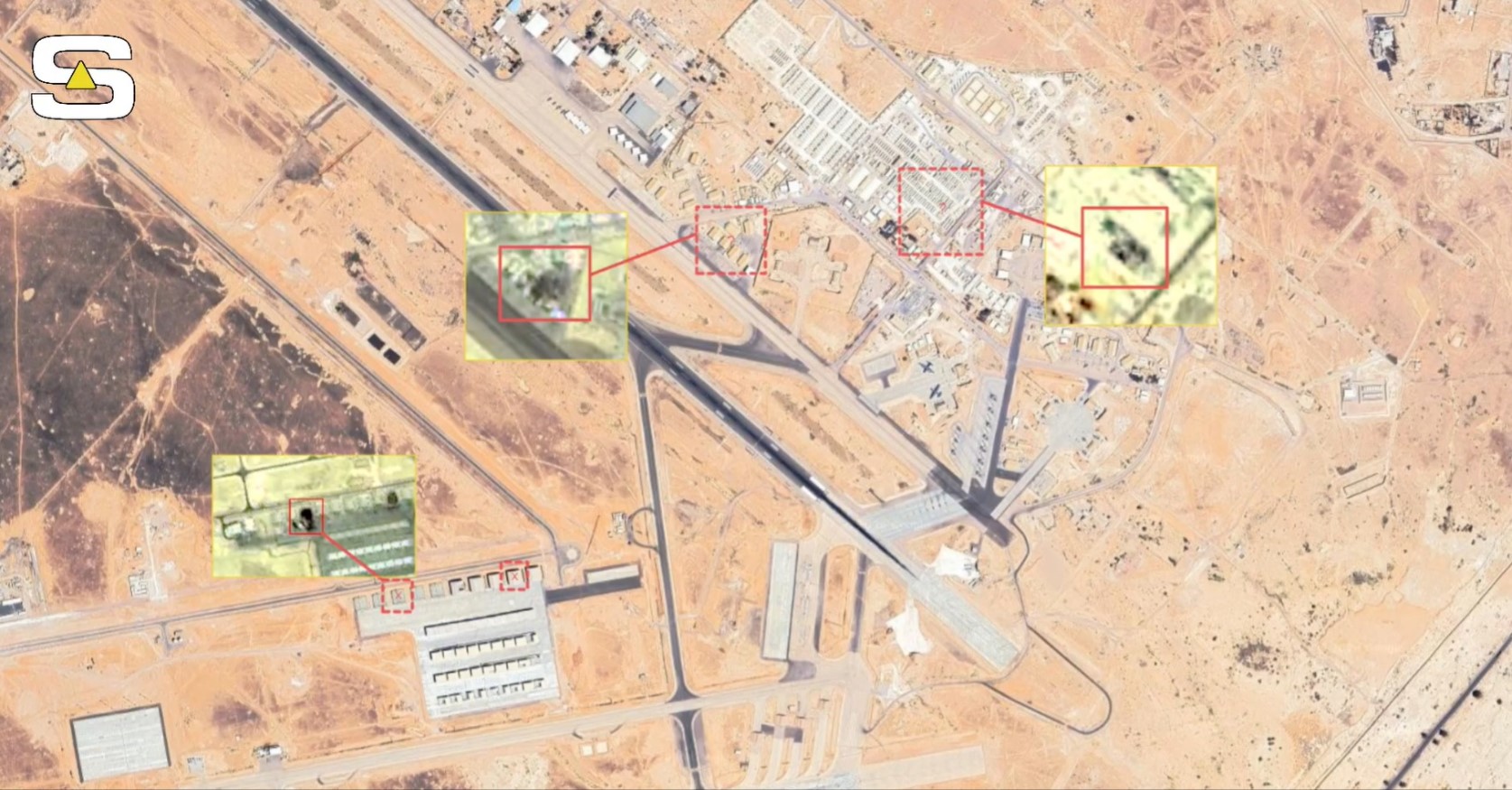 New Satellite Imagery Reveals Extensive Damage at Jordan's Muwaffaq al-Salti Air Base After Iranian Missile Strike
-
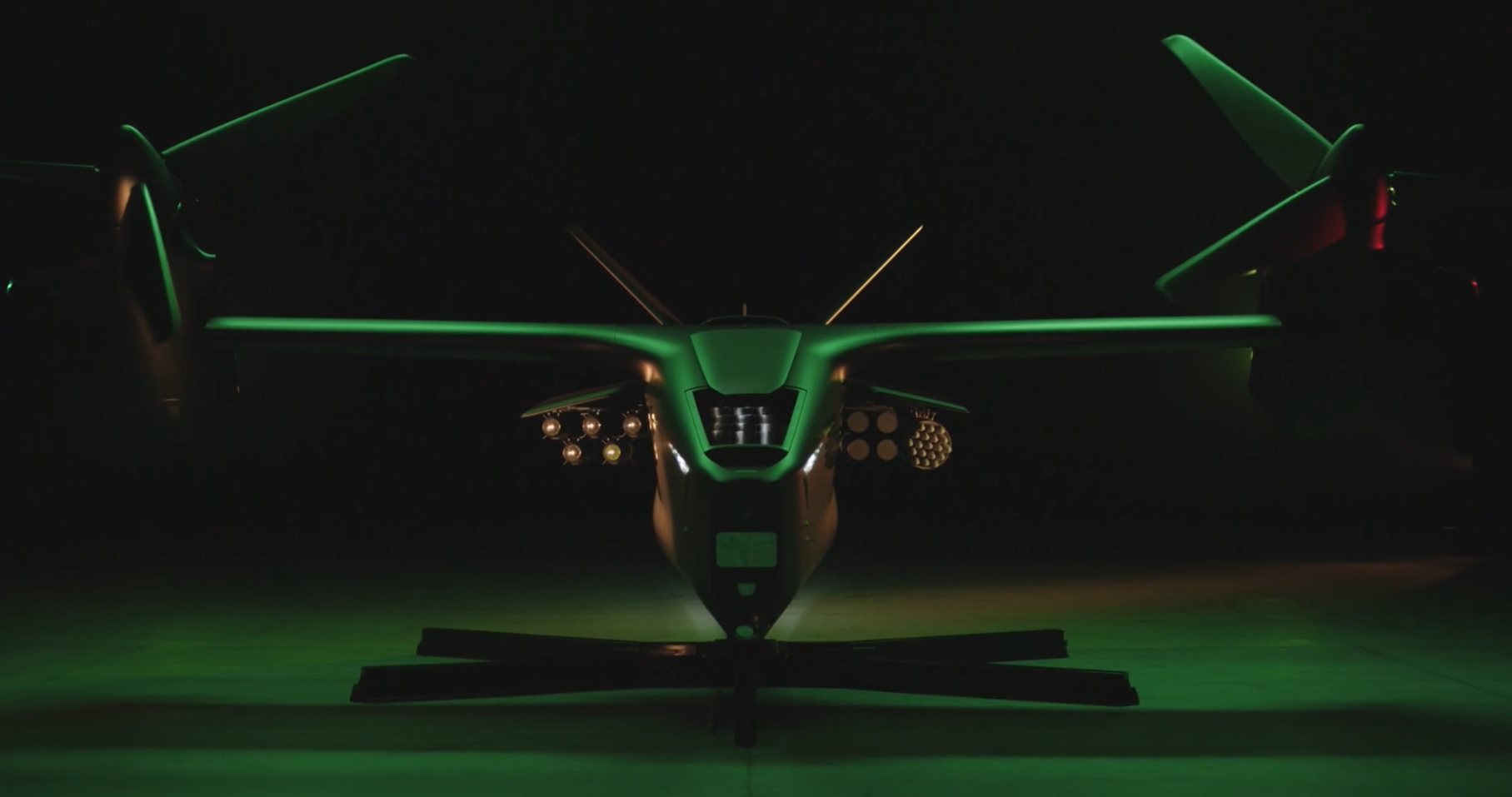 Anduril Unveils Thunder Autonomous Attack Rotorcraft Built with Archer Aviation to Support Apache Helicopters
-
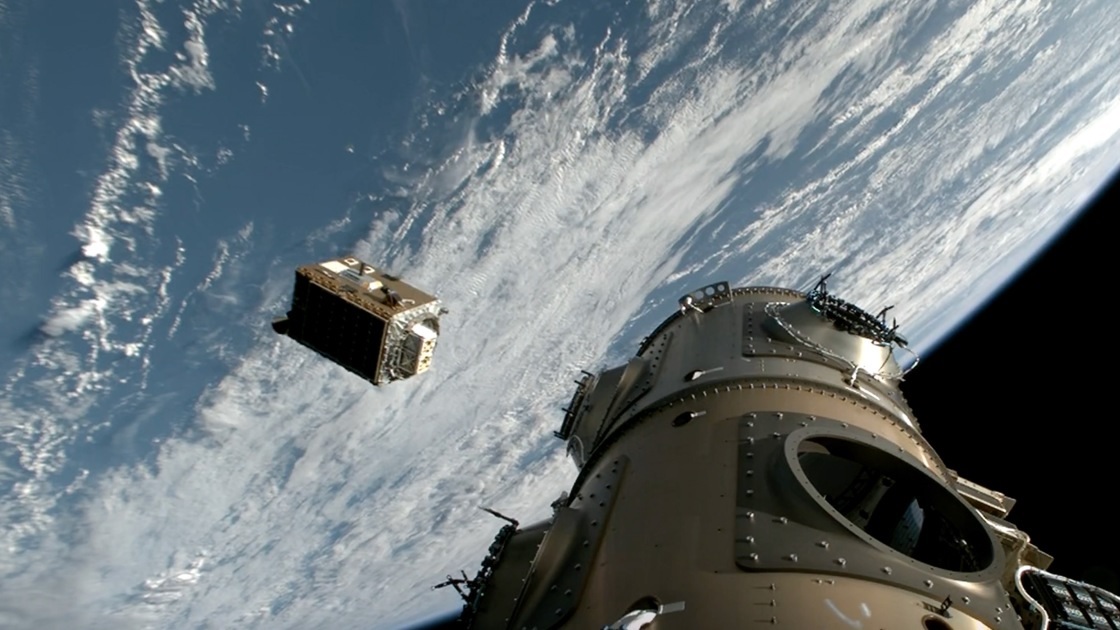 U.S. Space Force Awards Slingshot Aerospace $69.2 Million Contract to Develop AI Space Training Platform
-
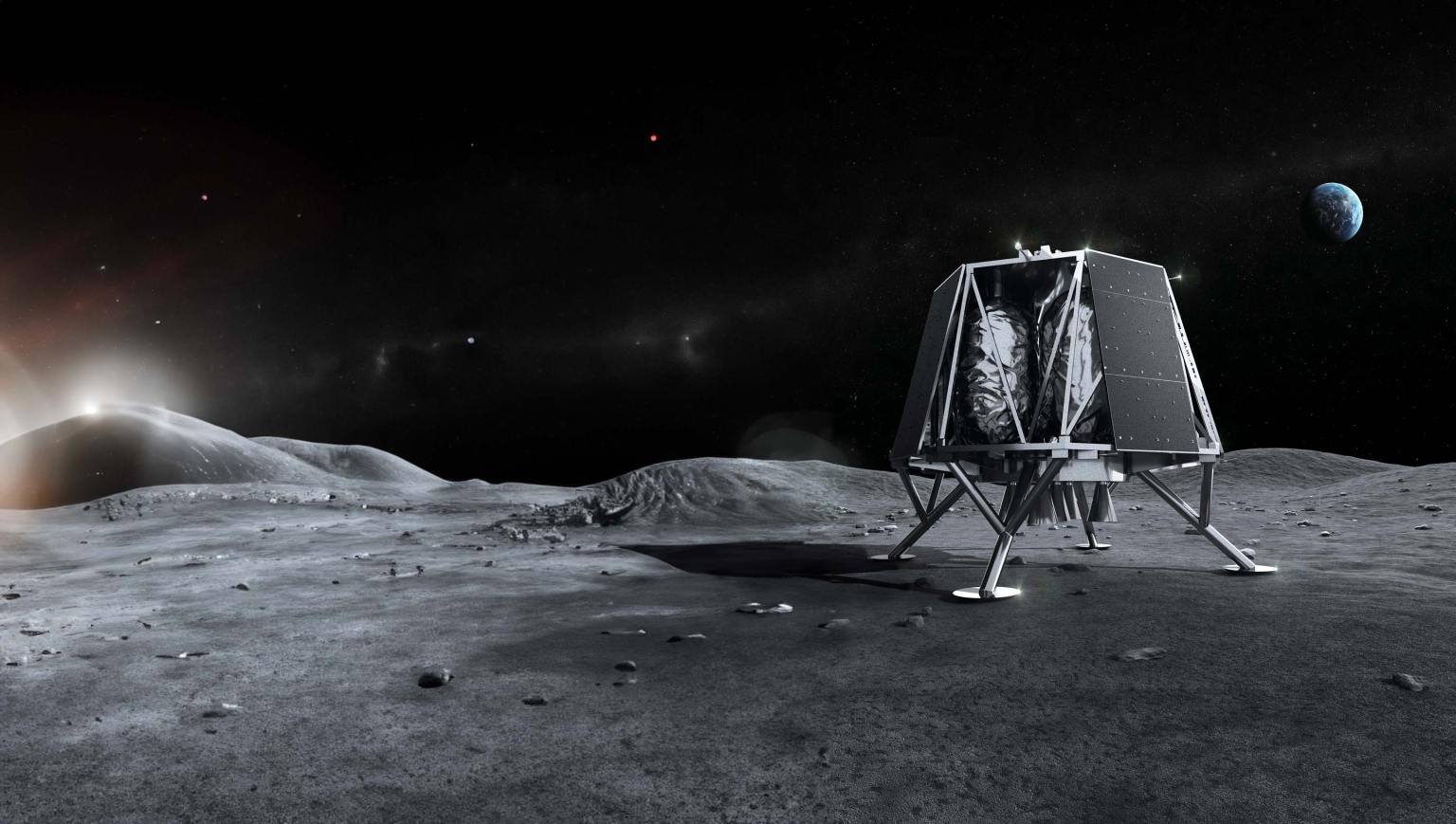 NASA, Draper Cancels CP-12 Lunar Lander Mission After Development Delays Push Mission Beyond 2030
-
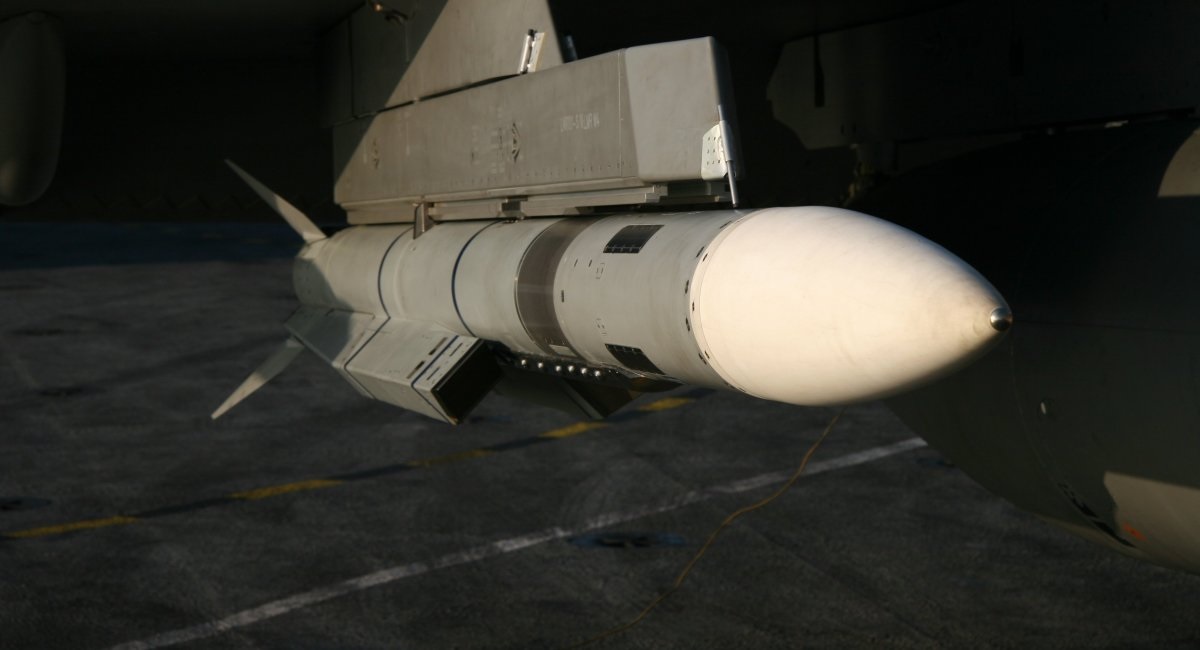 UK Cancels Meteor Missile Mid-Life Upgrade, Prioritizes Next-Generation FASE Air-to-Air Missile Programme
-
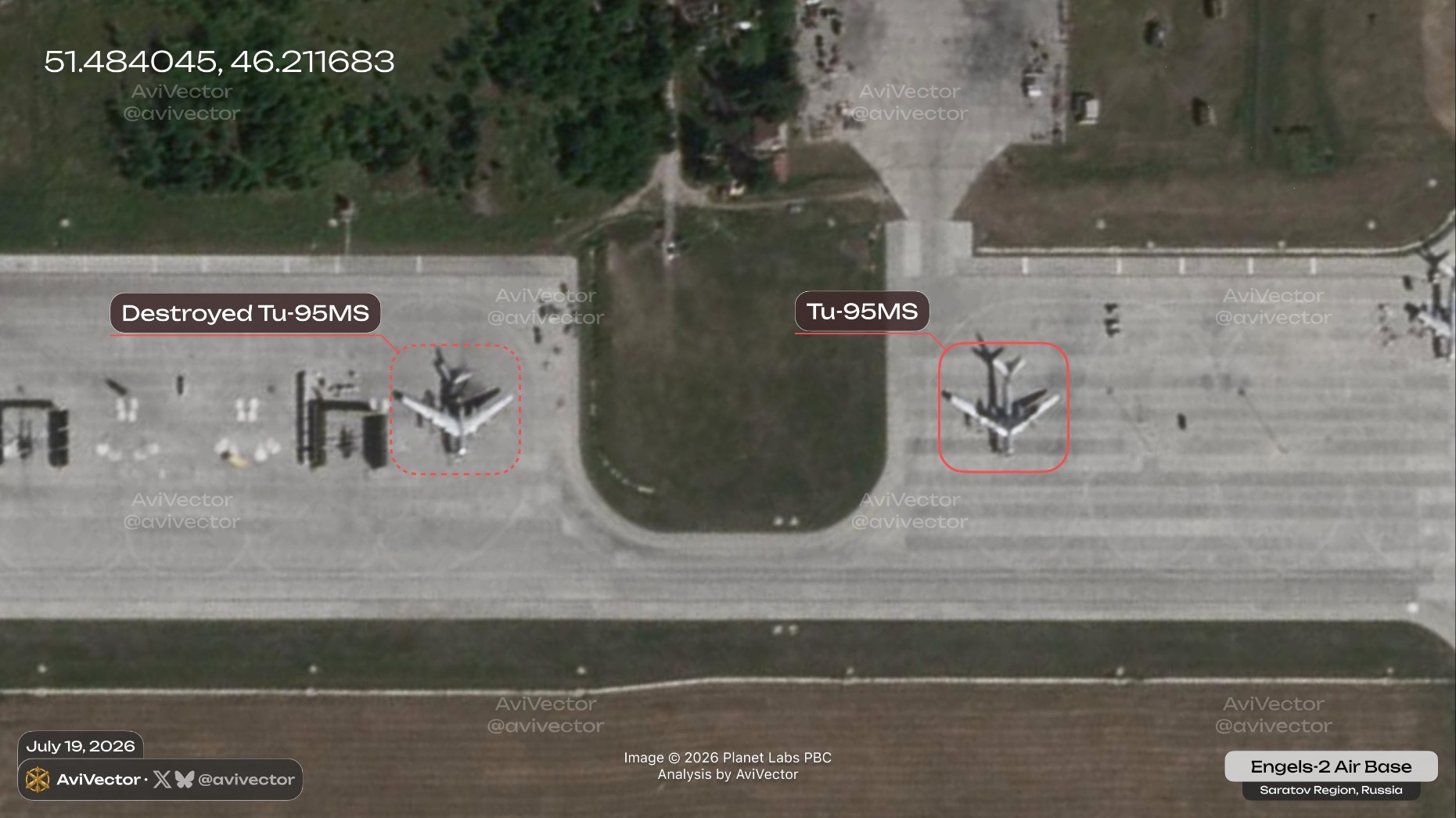 Satellite Images Confirm Russian Tu-95MS Bomber Destroyed After Ukrainian Drone Strike on Engels-2 Air Base
-
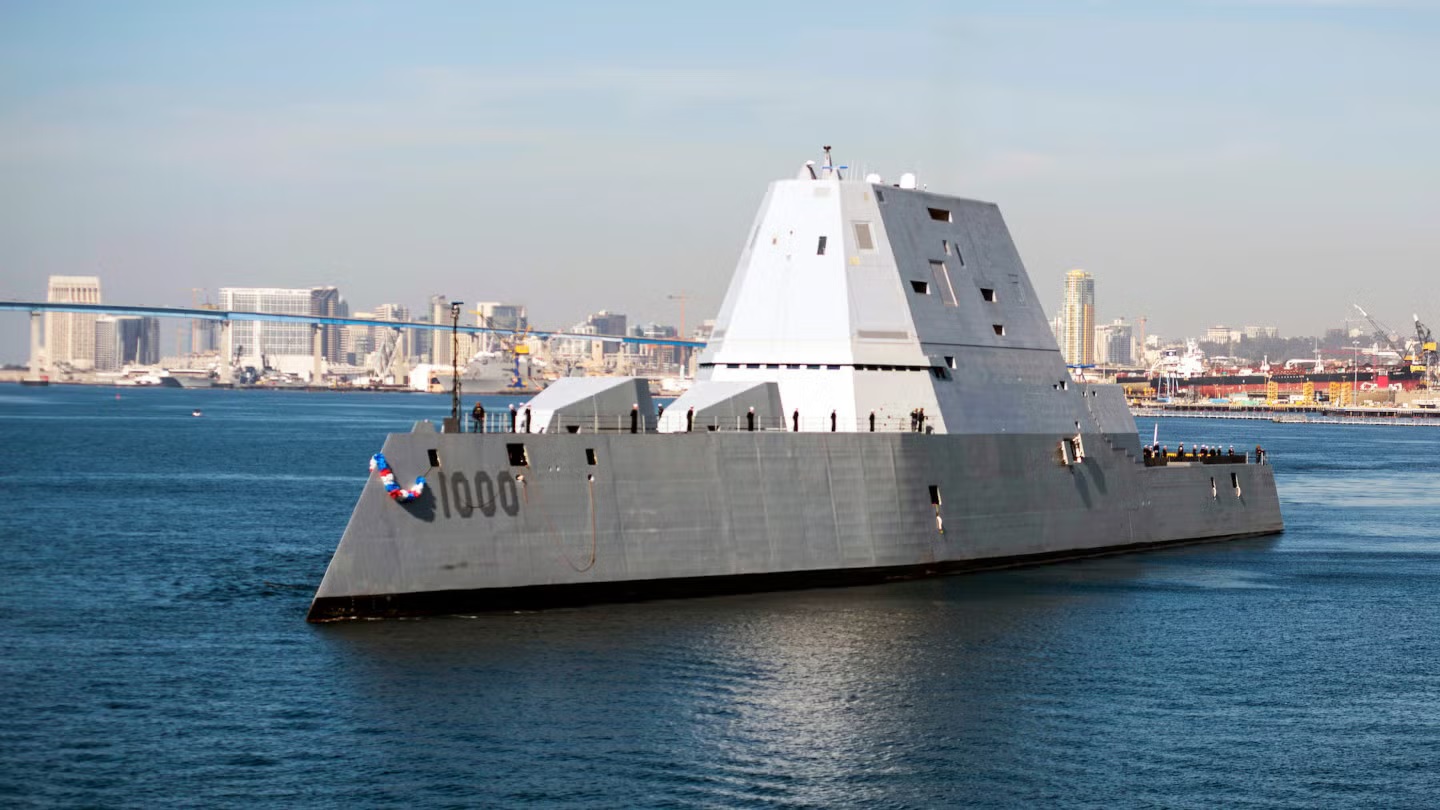 U.S. Navy's Zumwalt Destroyer Hypersonic Missile Upgrade Program Delayed by Two Years as Costs Top $2 Billion: GAO Reports
-
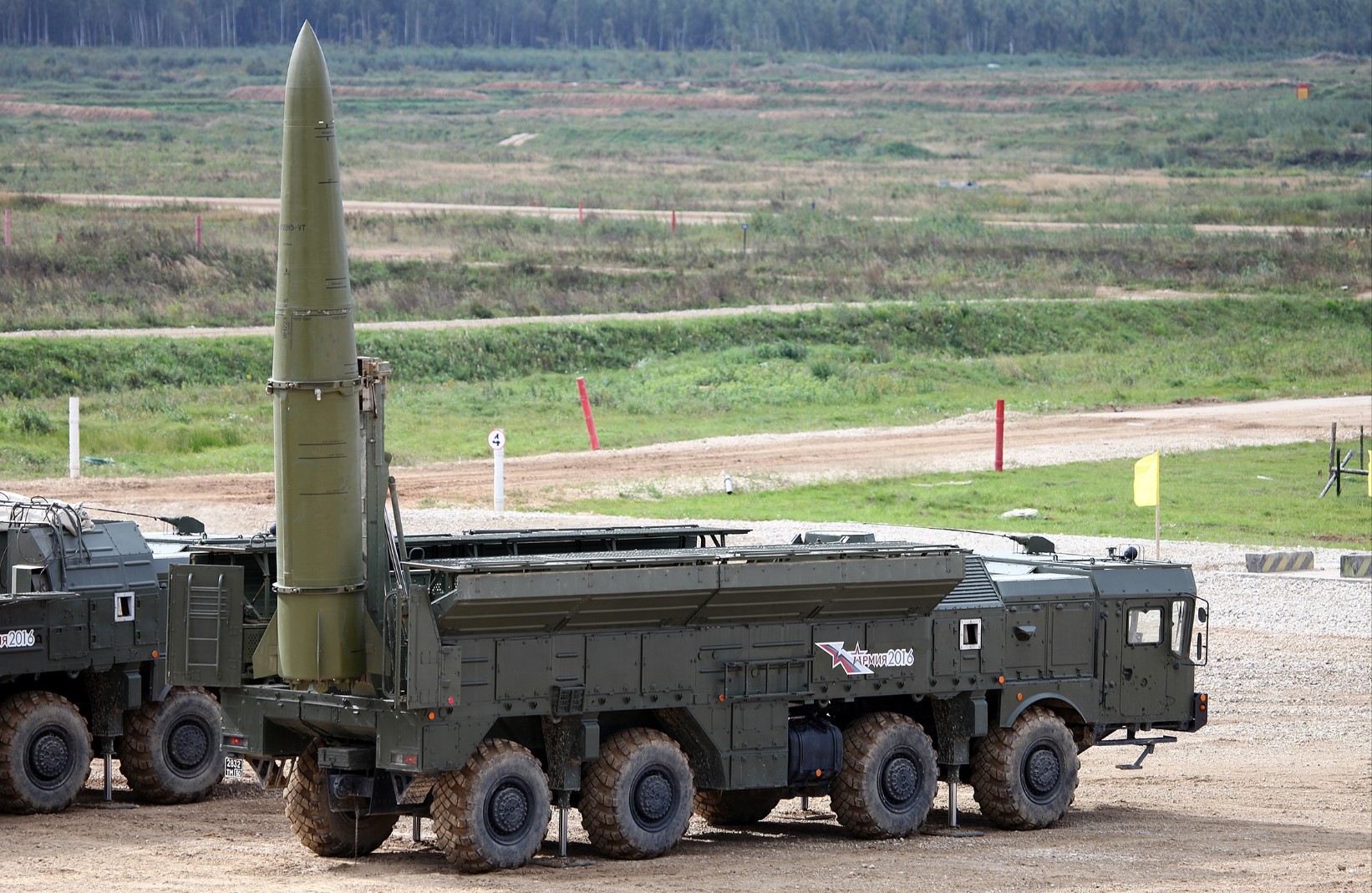 Russia Fires More Ballistic Missiles Than It Can Produce in a Month, July Data Shows
