India
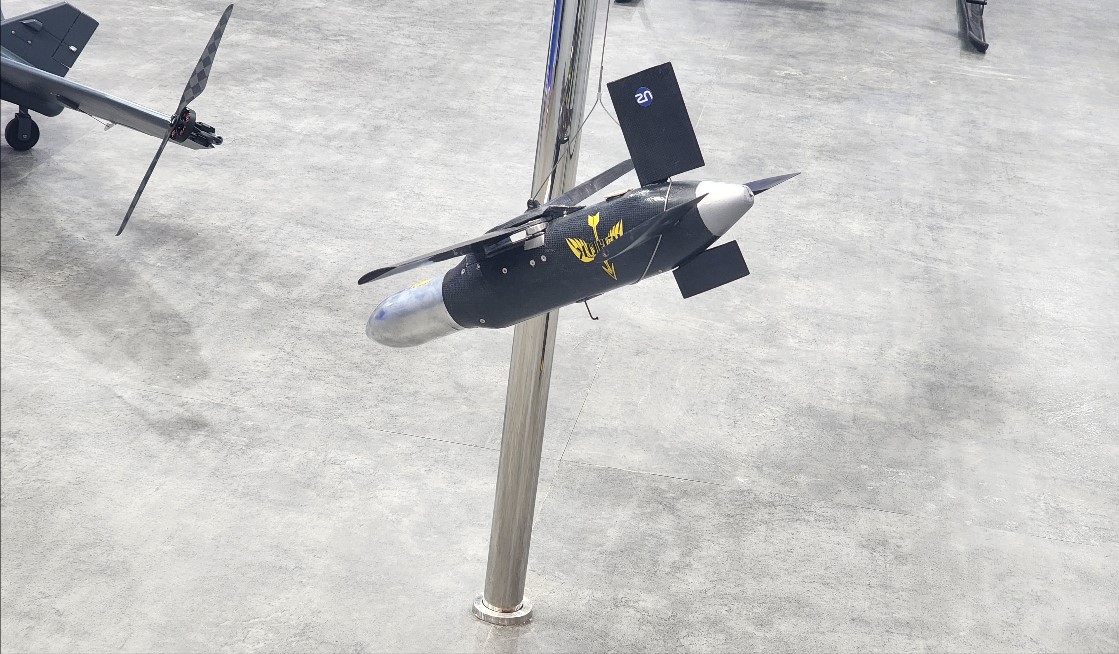
India’s NewSpace Research & Technologies (NRT), a key player in unmanned aerial systems and precision-guided munitions, has unveiled its latest development—the ISHUK Miniaturized Glide Bomb. This new weapon system reinforces NRT’s growing expertise in compact, high-impact munitions, designed specifically for UAV-based strike missions. ISHUK: A Step Forward in Miniature Precision Weapons The ISHUK builds upon NRT’s previous experience in precision-guided air-dropped weapons, notably following the Ultra Small Guided Bomb (USGB), which was designed for tactical UAV strikes. The company has also introduced the Micro Munition, a compact weapon featuring a 3-kilometer range and a high-explosive (HE) warhead, aimed at providing UAVs with a lightweight yet effective strike capability. The ISHUK appears to refine these concepts further, potentially offering improved range, accuracy, and warhead effectiveness. While exact specifications are yet to be disclosed in full, early reports suggest that the ISHUK will be a glide bomb, likely featuring a precision-guidance system, which could include GPS-aided inertial navigation or semi-active laser guidance. Given the trends in modern UAV warfare, the munition is expected to be optimized for low radar cross-section, enhanced aerodynamics for extended glide range, and modular warhead options tailored for different mission profiles. A Game-Changer for UAV-Based Strike Capabilities The ISHUK is expected to significantly enhance the offensive capabilities of Indian UAVs, offering a cost-effective, high-precision strike option for a variety of targets, including enemy personnel, light armored vehicles, and strategic infrastructure. Given India’s increasing focus on indigenous drone warfare capabilities, this development aligns well with efforts to equip UAVs with stand-off strike capabilities that reduce risks for operators while maintaining battlefield effectiveness. Industry analysts see ISHUK as a natural evolution of NRT’s precision-strike portfolio. Some defense observers speculate that this miniaturized glide bomb could pave the way for advanced munition families with extended range, networked swarm capabilities, or enhanced penetration warheads for hardened targets. Social Media Buzz & Future Prospects The announcement of ISHUK has already gained traction on X (formerly Twitter), with defense enthusiasts praising NRT’s focus on highly compact but powerful munitions. Discussions suggest that ISHUK could be part of a larger family of indigenous smart munitions for UAVs, adding a new layer of tactical flexibility to India’s armed forces. As NewSpace Research & Technologies continues its work in autonomous systems and guided weaponry, the ISHUK miniaturized glide bomb may mark the beginning of a new class of smart UAV munitions that emphasize precision, cost-effectiveness, and adaptability for modern warfare.
Read More → Posted on 2025-02-25 15:06:40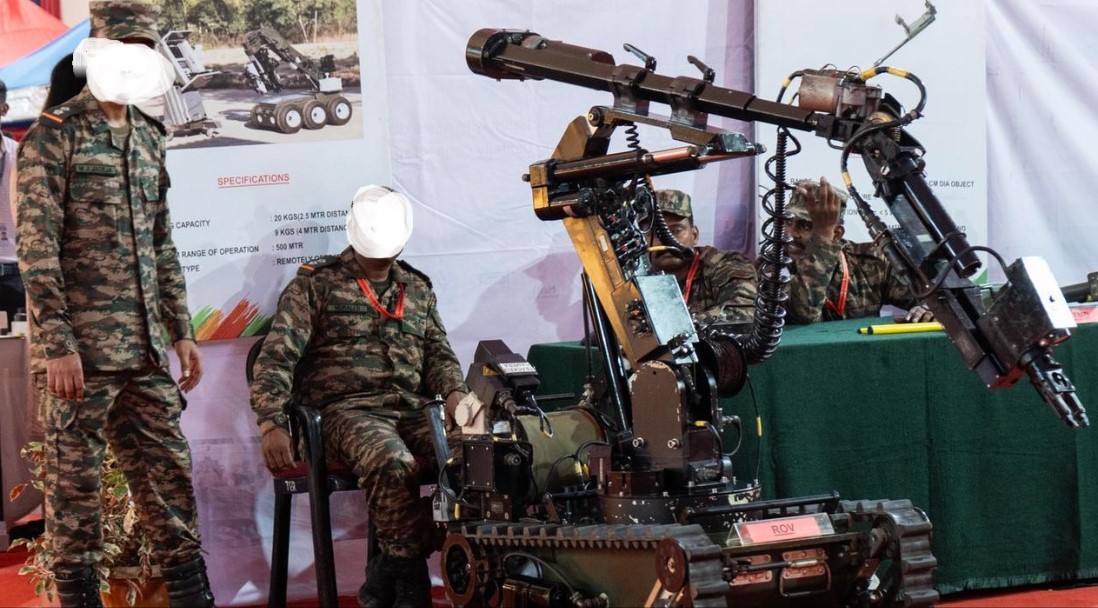
India
The Indian Army has introduced a cutting-edge AI-powered weapon system, the Ten AI Weapon System (TAIWS), designed to detect, track, and neutralize threats with lightning speed. Specifically developed for deployment at the Line of Control (LoC), TAIWS aims to counter terrorist infiltration, particularly in Jammu and Kashmir, where dense vegetation and rugged terrain often aid infiltrators. This advanced system features a combination of primary and secondary cameras, a medium machine gun (MMG) for engagement, and an AI-driven targeting mechanism that can react in just 10 milliseconds. However, the final decision to fire remains with a human operator, ensuring accountability and preventing unintended engagements. Unparalleled Surveillance and Precision Showcased at Aero India 2025, TAIWS boasts a modular design, allowing for various attachments and real-time sensor fusion. It includes: Primary day camera with 40x optical zoom for high-resolution imaging. Thermal imaging camera enabling night-time surveillance up to 2 km. Network of secondary cameras, deployed at intervals of 500 meters to 2 km, depending on terrain requirements. Medium machine-gun (MMG) with a 1.8 km range, creating a 50m × 50m "kill box" for effective neutralization of targets. This setup ensures that even if a target is obscured from one angle, secondary cameras can detect movement from another perspective, making it nearly impossible for terrorists to evade detection. 100% First-Round Hit Probability Colonel Ashish Dogra, a key developer of TAIWS, emphasized that the system has been designed to overcome a fundamental challenge: detecting threats in heavily forested areas where line-of-sight is often obstructed. "What happens when something is not visible from the primary camera? That is a problem nobody in the world thought about. So, we developed a network of secondary cameras placed strategically at different distances. If one camera doesn't have a line of sight, another will," he explained. TAIWS demonstrated a 100% first-round hit probability during trials, proving its effectiveness in counter-terrorism operations. The AI software predicts the future position of a moving target, ensuring accuracy even if an infiltrator attempts to escape. AI-Powered Tactical Superiority Unlike similar AI-powered weapons used by countries like Israel, the Indian Army's TAIWS goes beyond simple automated tracking. Its networked approach creates a seamless surveillance grid, eliminating blind spots and significantly reducing the chances of infiltration. Colonel Dogra further highlighted how TAIWS’ predictive firing mechanism enhances its lethality: "If a terrorist is moving, we calculate the bullet’s travel time and adjust the aim accordingly. We fire at the future position, ensuring a high probability of a hit." Strategic Deployment for LoC Security TAIWS has been specifically built for operations along the LoC, where terrorists frequently use dense forests and natural cover to evade detection. The AI weapon system is expected to be deployed in the coming months, significantly boosting India's border security capabilities. With AI-driven real-time tracking, automated target locking, and a fail-proof surveillance network, the Indian Army has taken a significant leap in modern warfare technology—ensuring that infiltration attempts across the LoC are detected and neutralized with unprecedented speed and accuracy.
Read More → Posted on 2025-02-25 14:57:55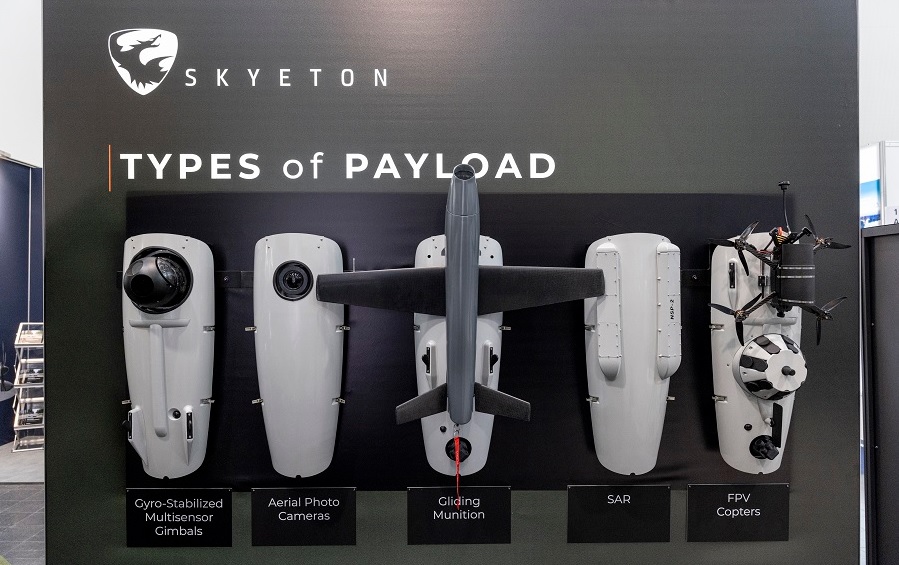
World
Ukrainian unmanned aerial systems (UAS) manufacturer Skyeton has introduced its latest innovations at XPONENTIAL Europe 2025, unveiling new payloads designed to enhance tactical UAV capabilities. The company showcased Remora, a precision-guided gliding munition, and the GLE series of multi-mission gimbals, reinforcing its commitment to advanced aerial warfare solutions. Alongside its well-known Raybird small UAS (sUAS), Skyeton presented Remora, a high-precision, long-range munition developed for tactical UAV operations. Designed to deliver pinpoint strikes, Remora features cumulative and high-explosive fragmentation warheads weighing between 1.5 and 2.5 kg. It is guided via real-time command inputs, ensuring maximum accuracy in dynamic combat environments. With a post-release velocity of 140 km/h, the munition allows UAVs to strike deep into enemy lines while staying undetected. CEO Roman Knyazhenko emphasized that Remora is the first gliding munition engineered specifically for small tactical UAVs under 25 kg, significantly boosting their operational flexibility and firepower. In addition to Remora, Skyeton unveiled the GLE-6 and GLE-7 gimbals, which are designed for surveillance and targeting in high-stress combat environments. These state-of-the-art electro-optical systems incorporate three advanced sensors: Global Shutter EO Sensor – for enhanced daytime imaging MWIR (Mid-Wave Infrared) Sensor – for superior thermal imaging Laser Rangefinder – for precise target distance measurement The GLE series gimbals provide real-time video transmission, adaptive streaming, and Mavlink-integrated UAV telemetry, ensuring seamless operation in modern warfare. Additional features include MicroSD storage, energy buffering for safe recording termination, and independent bitrate controls for optimized data management. Skyeton’s latest advancements highlight Ukraine’s growing expertise in tactical UAS technology, offering next-generation solutions for modern battlefields.
Read More → Posted on 2025-02-25 14:52:57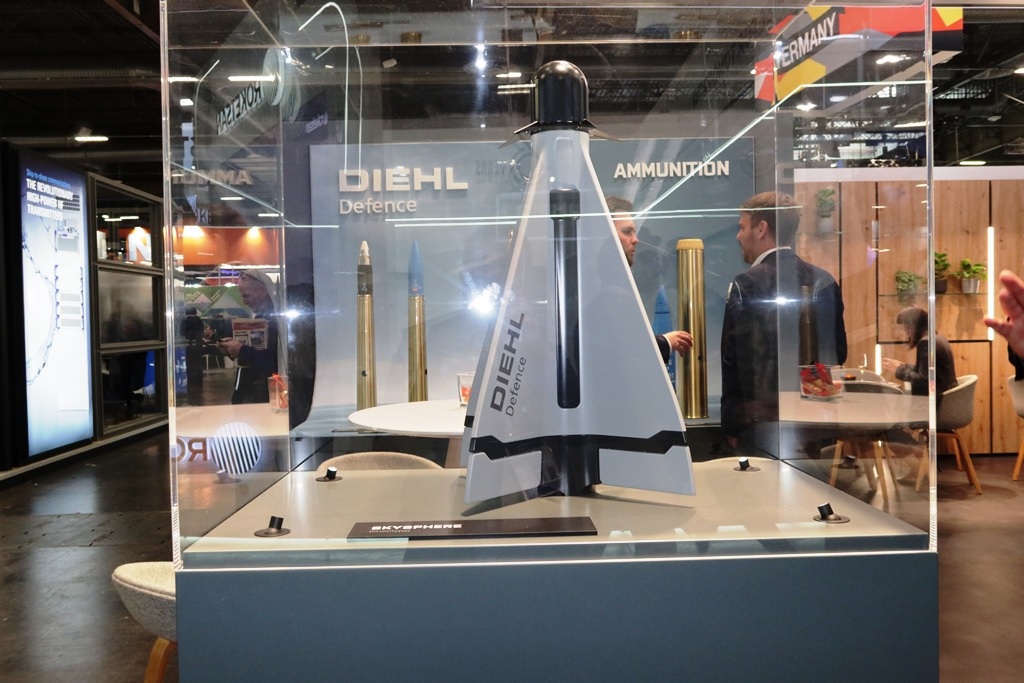
World
Diehl Defence has introduced its cutting-edge Sky Sphere drone defence system at Enforce Tac 2025, the premier international trade fair for security solutions. One of the most anticipated highlights of the exhibition is CICADA, an electric missile (eMissile) specifically designed to counter Class 1 and 2 drones, marking its European debut under this name. CICADA is available in two configurations to address different operational scenarios. The non-lethal version neutralizes drones by deploying a catch net, effectively disabling threats without destruction. Meanwhile, the lethal variant is equipped with a fragmentation warhead, offering a direct and forceful countermeasure against hostile drones. Designed as an integral component of the Sky Sphere system, CICADA functions within a sensor-to-shooter chain, providing flexibility and scalability for various defence needs. The modular architecture allows customers to integrate Diehl Defence’s components or incorporate third-party technologies, ensuring adaptability to mission-specific requirements. Diehl Defence is actively engaging with potential customers to explore integration possibilities, with an expected market launch of CICADA in 2026. A model of the missile is currently on display at the Diehl Defence booth at Enforce Tac 2025 and will also be showcased on the “Enforce Tac TV” industry platform. Beyond the Sky Sphere system, Diehl Defence is also presenting a broad range of ammunition and protection systems, including the Unmanned Ground Vehicle (UGV) “Ziesel”. A logistics variant of Ziesel is being demonstrated at the Enforce Tac Village, while a MedEvac version, developed in collaboration with Meier Medizintechnik, is featured at their booth, emphasizing its role in medical evacuation operations. Diehl Defence has been expanding its presence at Enforce Tac in recent years, reinforcing its position as a leading provider of air defence, guided missiles, and protection solutions. With a strong focus on innovation and adaptability, the company continues to develop advanced technologies to safeguard against emerging aerial and ground-based threats, ensuring a robust and future-ready defence ecosystem.
Read More → Posted on 2025-02-25 14:50:35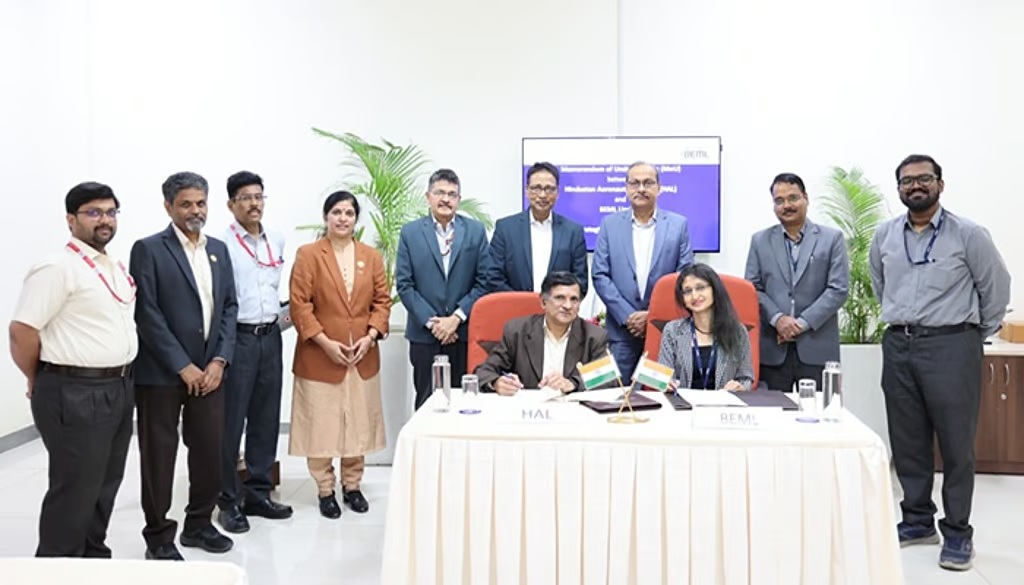
India
Hindustan Aeronautics Limited (HAL) has entered into a strategic collaboration with BEML Ltd to enhance skill development and professional excellence through specialized training programs. The two companies have signed a Memorandum of Understanding (MoU) to strengthen leadership and technical training for professionals, aiming to elevate India’s defence manufacturing capabilities. A New Era of Learning and Development Under this partnership, the HAL Management Academy will take the lead in designing and delivering induction training, middle and senior management programs, and specialized workshops. The training will focus on critical areas such as Six Sigma, quality management, reliability, data analytics, and Industry 4.0, ensuring that professionals stay updated with the latest advancements in technology and industry practices. Beyond structured training, the collaboration will facilitate industrial visits, knowledge-sharing sessions, joint conferences, internships, and project-based learning. These initiatives aim to bridge the gap between academia and industry, providing hands-on experience to BEML professionals and fostering innovation in the defence sector. Strengthening India’s Defence Ecosystem This MoU marks a significant step in strengthening India’s defence and aerospace ecosystem. By focusing on skill enhancement and knowledge-sharing, HAL and BEML are not only investing in their workforce but also contributing to India’s self-reliance in defence manufacturing. With this initiative, both companies reaffirm their commitment to developing a highly skilled workforce, ready to meet the challenges of a rapidly evolving industrial landscape. The partnership is expected to set a benchmark for industry-driven learning and professional growth in India’s aerospace and defence sectors.
Read More → Posted on 2025-02-25 14:46:44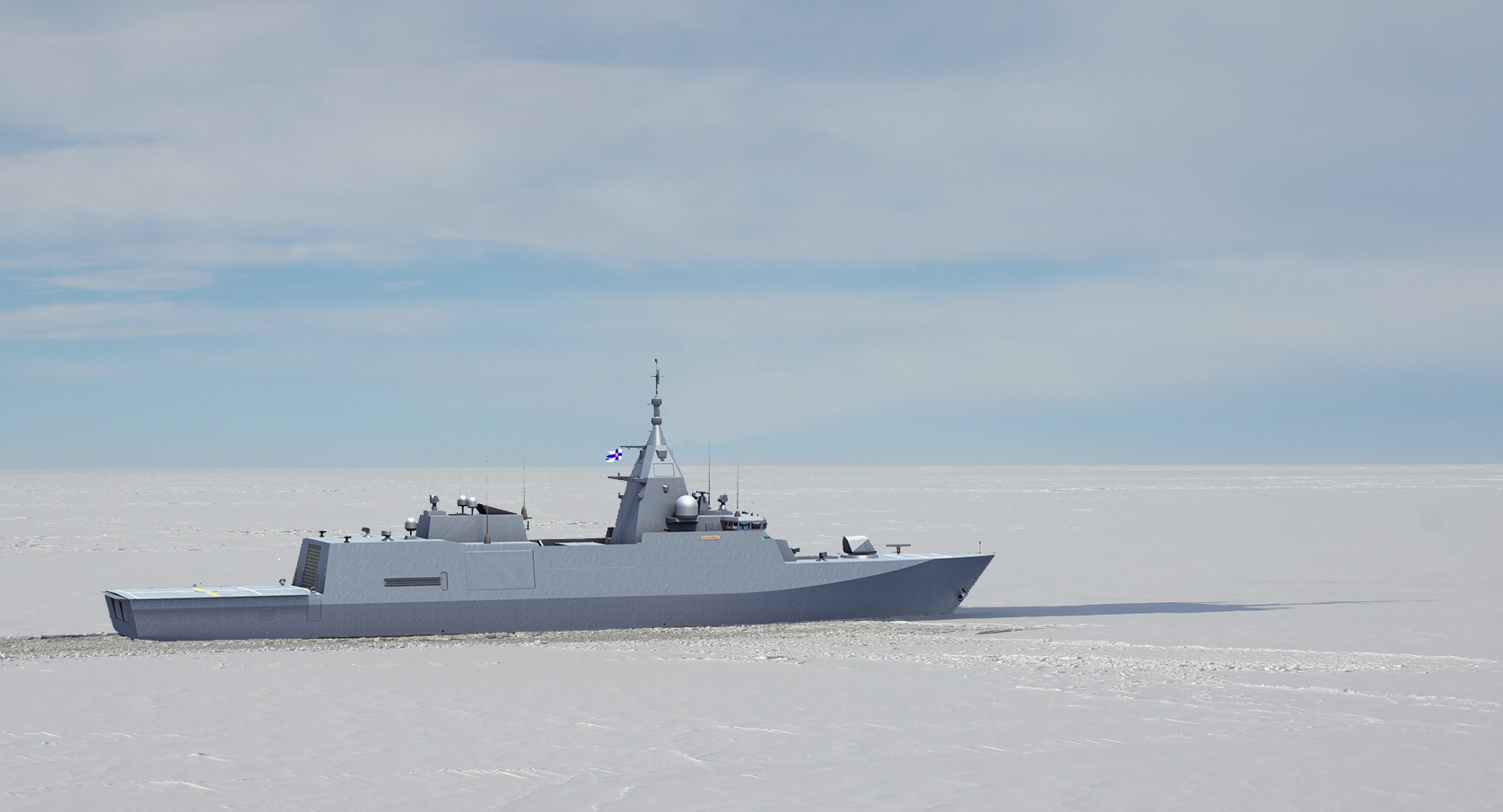
World
Aker Arctic has secured a contract from the Finnish Defence Forces Logistics Command to supply its state-of-the-art ARC ILMS (Ice Load Monitoring System) for the Finnish Navy’s new Pohjanmaa-class multi-role corvettes. This cutting-edge system will be integrated into four vessels currently under construction at Rauma Marine Constructions, enhancing their ability to navigate icy waters safely and efficiently. The ARC ILMS is designed to measure and analyze ice loads encountered by ships operating in Arctic conditions. By providing real-time feedback to operators, the system ensures safer navigation, optimizes vessel performance, and minimizes structural strain caused by harsh ice-covered environments. With Finland’s strategic need to maintain naval superiority in the Baltic and Arctic regions, this technology significantly enhances operational safety and efficiency. This contract adds to Aker Arctic’s growing list of successful deployments of the ARC ILMS. The system has already proven its capabilities with the Canadian Coast Guard’s Multi-Purpose Vessels (MPV) and was instrumental in monitoring ice loads on Ponant’s Le Commandant Charcot during its historic trans-Arctic voyage. The Finnish Navy’s adoption of this advanced system further solidifies Aker Arctic’s reputation as a leader in ice-navigation solutions. Aker Arctic’s involvement in the Pohjanmaa-class program extends beyond the ARC ILMS. The company is also supplying key ice-operability components, including ice-strengthened controllable pitch propellers, pitch control mechanisms, propeller shafts, bearings, and shaft seals. Furthermore, Aker Arctic will oversee installation supervision and commissioning of the corvettes’ propulsion systems, ensuring seamless integration of ice-navigation technologies. With Finland’s naval forces preparing for operations in some of the most challenging maritime environments, the incorporation of Aker Arctic’s expertise into the Pohjanmaa-class corvettes underscores the nation’s commitment to Arctic-ready naval capabilities.
Read More → Posted on 2025-02-25 14:44:05
World
French President Emmanuel Macron made it clear on Monday that any peace deal to end the Ukraine war must not come at the cost of Ukraine’s sovereignty. Speaking after his high-profile meeting with U.S. President Donald Trump at the White House, Macron struck a cautious but optimistic tone, emphasizing that talks had opened a “path forward.” However, the French leader insisted that Washington must back any European-led peace initiative with solid security guarantees for Kyiv. The meeting, which marked the third anniversary of Russia’s full-scale invasion of Ukraine, came amid growing concerns that Trump is moving toward a deal with Russian President Vladimir Putin that could leave Ukraine vulnerable. Ukrainian President Volodymyr Zelensky, meanwhile, called for a definitive peace settlement “this year” as he held discussions with European leaders in Kyiv. Tensions Rise as U.S. Policy Shifts While diplomacy took center stage in Washington, the situation on the ground in Ukraine remained dire. Early Tuesday, air raid sirens blared across the country as Russia launched a major missile assault, injuring at least five people and damaging several buildings. The attack even prompted Poland, a NATO member, to scramble its military aircraft in response. At the United Nations, Washington’s shifting stance was also on display. The U.S. sided with Russia twice on Monday, a move that alarmed Ukraine’s European allies. The decision was seen as an effort to keep the door open for future negotiations with Moscow, but it raised concerns that the U.S. might be stepping back from its previous full-throated support for Kyiv. “This peace cannot mean the surrender of Ukraine,” Macron declared at a joint press conference with Trump. He acknowledged that Trump had “good reason” to re-engage with Putin but insisted that the U.S. must “back up” any European-led peacekeeping efforts. Trump’s Unconventional Approach Trump’s abrupt policy shift on Ukraine has sent shockwaves through European capitals. He has openly declared that he wants to end the war as quickly as possible, even suggesting that negotiations could wrap up within weeks. “I think we could end it within weeks—if we’re smart. If we’re not smart, it will keep going,” Trump said during his meeting with Macron. He also revealed plans to invite Zelensky to the White House in the coming weeks to sign a deal that would grant Washington access to Ukraine’s rare mineral deposits in exchange for security guarantees. Trump’s remarks have fueled speculation that he is pushing for a deal that would involve deploying European peacekeepers in Ukraine, a move that Putin is reportedly open to considering. However, the former U.S. president has also made it clear that Europe must shoulder the financial burden of supporting Ukraine moving forward. Putin’s Strategic Patience As Trump signals a willingness to engage in diplomacy, Putin has been carefully assessing his next move. In a televised interview on Monday, the Russian leader suggested that European nations could play a role in brokering a peace deal. His comments marked a slight shift in tone, hinting that he sees an opportunity to secure a favorable settlement. Putin also took aim at Zelensky, calling him a “toxic figure” and echoing recent remarks from Trump. Meanwhile, behind the scenes, Russian and American businesses have reportedly been in contact over potential economic cooperation—including projects in occupied Ukrainian territories. The End of U.S. Support for Ukraine? Trump has made no secret of his intention to distance the U.S. from its traditional foreign policy on Ukraine. He has repeatedly accused Ukraine of provoking the war and has been highly critical of the Biden administration’s extensive military and financial aid to Kyiv. On Monday, Trump went a step further, calling his policy shift a “decisive break” from what he described as the U.S.’s “very foolish” past approach to foreign conflicts. This pivot was evident at the United Nations, where Washington backed language in a resolution that avoided explicitly blaming Russia for the war. As talks of a Trump-Putin meeting in Saudi Arabia gain traction, European leaders are scrambling to ensure that Ukraine’s interests are not sidelined. Macron, for his part, remains hopeful that a truce can be reached within weeks—but only if Ukraine is not forced into an unfavorable deal. For now, the world is watching closely as diplomacy accelerates. Whether these negotiations will lead to a genuine, lasting peace or a strategic realignment that benefits Moscow remains to be seen.
Read More → Posted on 2025-02-25 14:41:32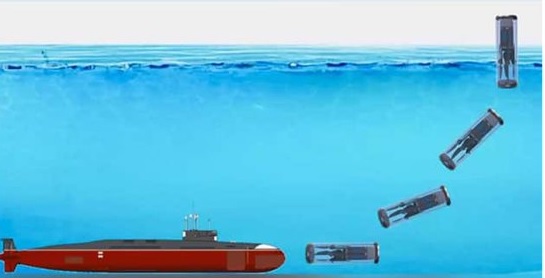
India
India is set to achieve a major technological breakthrough in underwater warfare as the Defence Research and Development Organisation (DRDO) partners with Pune-based start-up Sagar Defence Engineering to develop the country’s first underwater-launched unmanned aerial vehicle (ULUAV). This ambitious project, awarded under DRDO’s Technology Development Fund (TDF), aims to enhance India’s naval capabilities by equipping submarines with advanced surveillance tools. The ULUAVs will be designed to launch autonomously from submerged submarines, providing long-range and high-endurance reconnaissance without compromising the vessel's stealth. These drones will allow submarines to monitor enemy activity, track naval movements, and gather intelligence while remaining undetected. India’s ULUAV technology is being developed to outperform similar systems currently in use. While the U.S. Navy’s ULUAVs have a range of 7 km and an endurance of 30 minutes, DRDO’s planned version is expected to exceed 20 km in range with over an hour of flight endurance. This significant advancement will give the Indian Navy an edge in underwater domain awareness and maritime surveillance. The UAVs will primarily serve intelligence and reconnaissance missions, but future upgrades could include weaponization, making them a potential game-changer in submarine warfare. The project aligns with India's push for self-reliance in defence technology and innovation, reinforcing the country’s commitment to indigenous military advancements. Sagar Defence was selected after a competitive bidding process involving 17 firms, highlighting the growing role of Indian start-ups in cutting-edge defence research. This partnership marks a crucial step in strengthening India’s naval deterrence and underscores DRDO’s confidence in homegrown technological expertise.
Read More → Posted on 2025-02-25 14:38:42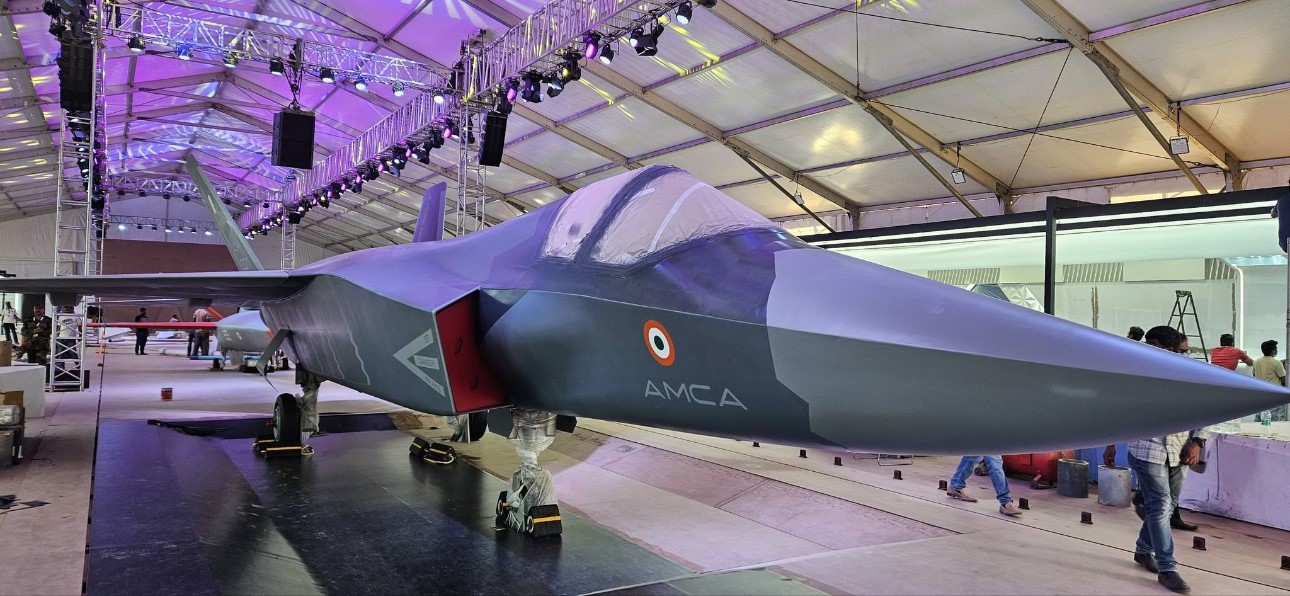
India
As the United States intensifies its push to sell the F-35 fighter jet to India, New Delhi is focusing on strengthening its indigenous defence capabilities by enhancing private sector involvement in the Advanced Medium Combat Aircraft (AMCA) project. The Defence Ministry has established a high-level committee, led by Defence Secretary Rajesh Kumar Singh, to explore ways of integrating private firms into the fifth-generation fighter jet program to ensure its timely execution. This committee includes representatives from the Indian Air Force (IAF) and Hindustan Aeronautics Limited (HAL), India's premier aerospace public sector unit. The government is currently evaluating multiple models of public-private collaboration. One option under consideration is a joint venture between HAL and a private firm, while another approach involves private sector participation in design and development while leveraging HAL’s manufacturing expertise. Among private entities, the Tata Group has emerged as a strong contender due to its existing aircraft integration experience. Tata is currently working with Airbus to assemble the C-295 transport aircraft in India, making it the only Indian company with hands-on experience in this domain. Additionally, HAL has already been outsourcing significant production work to private firms such as L&T, Godrej, and Azad Engineering, laying the groundwork for increased private sector participation in AMCA. The AMCA, India’s answer to fifth-generation stealth fighters, was showcased at the Aero India 2025 exhibition held at Yelahanka Air Force Station in Bengaluru from February 10 to 14. Designed by the Aeronautical Development Agency (ADA) for the IAF, the AMCA is envisioned as a 25-ton fighter jet equipped with cutting-edge manned and unmanned teaming capabilities. One of AMCA’s standout features is its AI-powered electronic pilot, designed to enhance combat efficiency through multi-sensor data fusion, automatic target identification, a pilot decision support system, and a combined vision system for navigation in low-visibility conditions. According to the ADA, integrating AI into the AMCA program will significantly advance its development, ensuring that it ranks among the world’s most sophisticated fifth-generation fighter jets. With India determined to accelerate its self-reliance in defence manufacturing, the AMCA project’s success will largely depend on how effectively the government integrates private sector expertise. Tata’s potential role in this landmark initiative signals a major shift in India’s defence industrial strategy, ensuring that the country remains at the forefront of next-generation military aviation.
Read More → Posted on 2025-02-25 14:36:20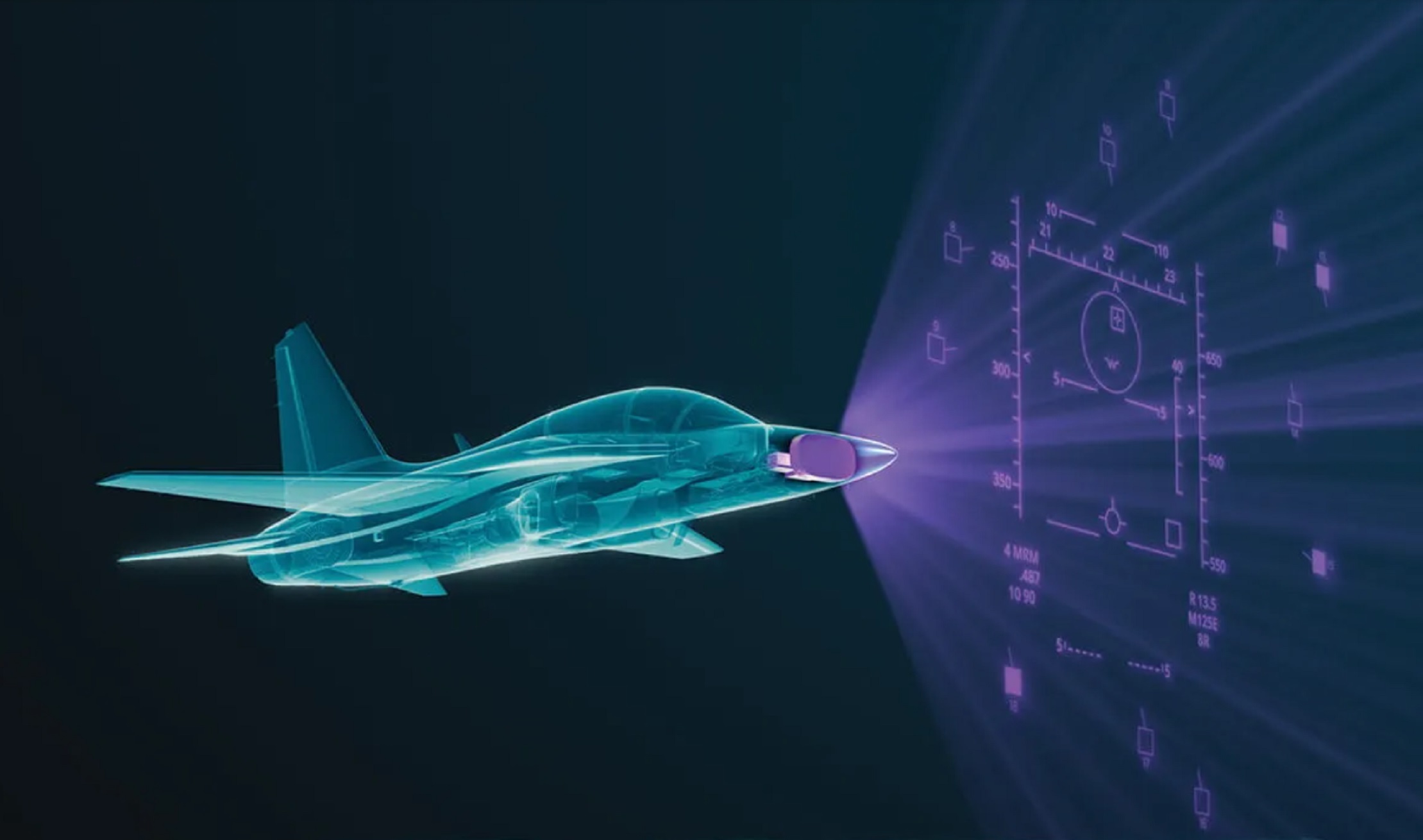
World
Raytheon, an RTX business, has successfully completed flight tests of its groundbreaking AI and machine learning-powered Radar Warning Receiver (RWR) for fourth-generation fighter jets. This next-generation system, known as the Cognitive Algorithm Deployment System (CADS), is designed to enhance pilot survivability by providing real-time threat detection and prioritization. At the core of CADS is an advanced Embedded Graphics Processing Unit integrated with Deepwave Digital’s computing stack, allowing AI models to function seamlessly within Raytheon’s existing radar warning systems. This innovative approach enables fighter jets to rapidly identify, categorize, and respond to threats directly at the sensor level—giving pilots faster and more accurate situational awareness. Raytheon highlights CADS as a cost-effective and scalable solution to modernizing defense systems. By incorporating cognitive processing methods, the system significantly reduces decision-making latency, providing a critical advantage in high-stakes combat environments. AI-Driven Radar Warning: A Game-Changer Bryan Rosselli, President of Advanced Products and Solutions at Raytheon, emphasized the impact of CADS on modern warfare: “The advantages of AI in defense systems are extensive, and our recent CADS test demonstrates how commercially available products, paired with advanced algorithms and cognitive methods, can help the U.S. and its allies outpace peer threats. CADS’ ability to quickly process data and run third-party algorithms that prioritize threats, with almost no latency, will significantly enhance survivability for military personnel.” The initial CADS hardware and cognitive radar processing tests were conducted on Raytheon’s own flight test aircraft. In December, the system underwent further trials on an F-16 at the Air National Guard’s test range in Tucson, Arizona. These tests confirmed AI-driven threat recognition and response, marking a major milestone in the deployment of artificial intelligence in electronic warfare. The flight tests were conducted in collaboration with the Georgia Tech Research Institute, Vadum, Inc., and Raytheon’s cognitive electronic warfare team. Given the success of these trials, CADS is set to enter production and be integrated into multiple aircraft platforms starting in early 2025. This breakthrough technology signals a major shift in how AI is shaping the future of air combat, ensuring that fighter jets remain one step ahead in an increasingly complex threat environment.
Read More → Posted on 2025-02-25 14:33:53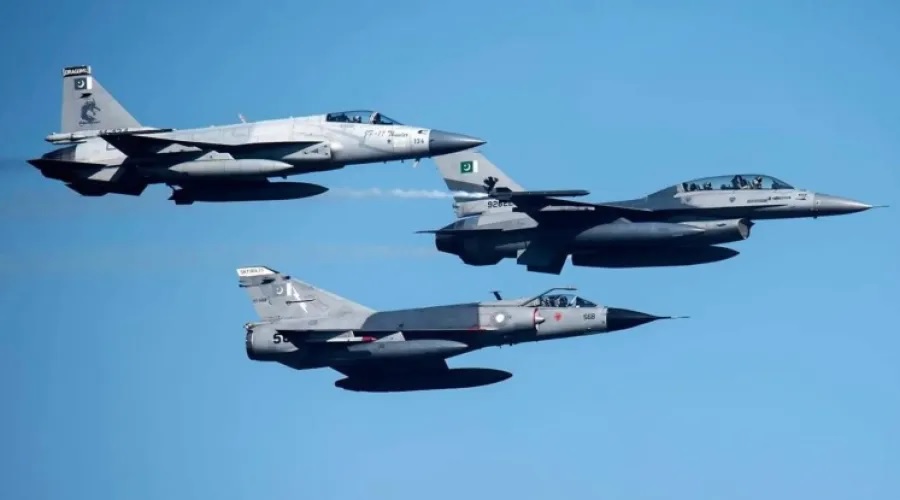
World
The United States has released $397 million in funds to monitor Pakistan’s use of U.S.-supplied F-16 fighter jets, ensuring they are strictly utilized for counterterrorism operations rather than against India or any other unintended targets. This funding is part of a broader $5.3 billion foreign aid package that the Trump administration has selectively restored after an earlier freeze. U.S. Tightens Oversight on Pakistan’s F-16 Program Washington has long provided military assistance to Pakistan, but concerns have persisted over how the country deploys its F-16 fleet, originally supplied to support counterterrorism operations. In the past, accusations have surfaced that Pakistan might have used these jets beyond their intended role, particularly in its tensions with India. To prevent any misuse, the Bureau of International Security and Nonproliferation has been granted the $397 million exemption, allowing for enhanced monitoring mechanisms. Trump’s Foreign Aid Freeze and Security-First Approach Shortly after taking office, President Donald Trump ordered a 90-day freeze on foreign aid, affecting numerous global assistance programs, including humanitarian initiatives. This decision triggered a wave of concern among international organizations and U.S. officials who sought exemptions to keep critical programs running. The administration later approved a list of exemptions, prioritizing funds linked to national security, military assistance, and counterterrorism efforts. Pakistan’s Position and U.S. Expectations Pakistan, a nuclear-armed nation, has received extensive U.S. military support over the decades, especially under counterterrorism partnerships. However, its relationship with Washington has often been fraught with tensions, particularly regarding its dealings with militant groups and regional security policies. The latest U.S. move signals a clear message—continued support will be conditional on transparency and strict adherence to counterterrorism objectives. Global Implications of U.S. Military Aid Decisions While Pakistan’s F-16 program has received renewed funding, several humanitarian and development initiatives remain in limbo. The Trump administration’s foreign aid strategy has focused heavily on security-related exemptions, including $870 million for Taiwan’s defense, $336 million for modernizing Philippine security forces, and $21.5 million for Ukraine’s border security. Meanwhile, funds for crises in Sudan, Syria, Myanmar, and Afghanistan remain frozen, raising concerns about the broader impact of the aid policy shift. With strict oversight mechanisms now in place, Pakistan must ensure that its F-16 fleet remains dedicated to counterterrorism, aligning with U.S. strategic interests in the region. The latest funding decision underscores America’s evolving foreign policy priorities—favoring military and security aid over traditional humanitarian assistance.
Read More → Posted on 2025-02-25 13:44:33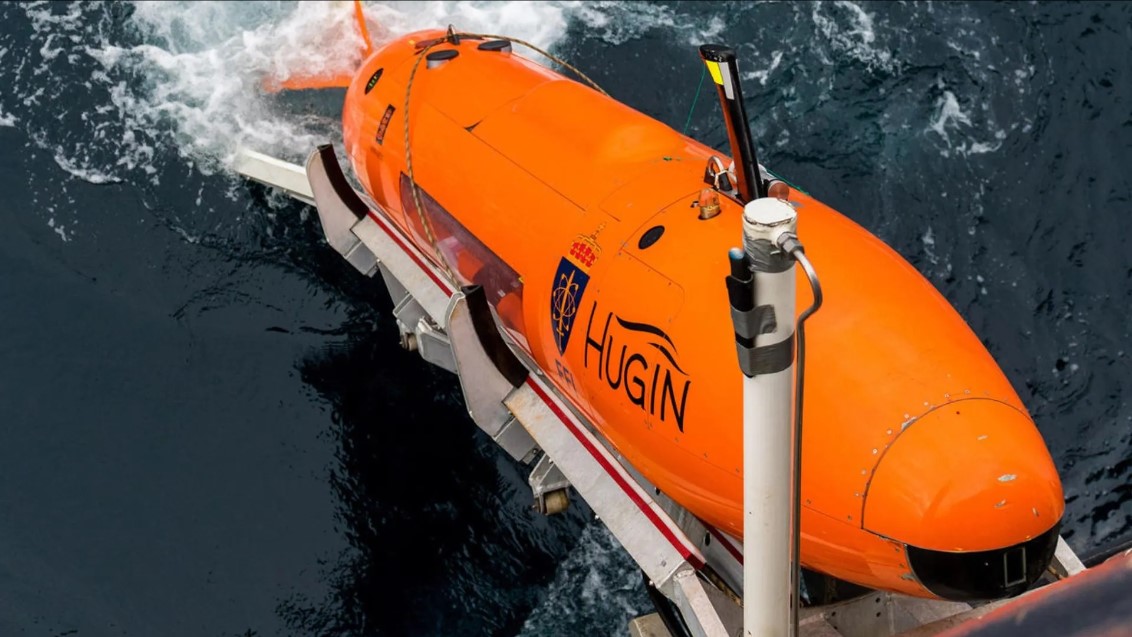
World
KONGSBERG has successfully completed the acceptance testing of its HUGIN Superior Autonomous Underwater Vehicle (AUV) for the U.S. Navy, marking a significant milestone just one year after being awarded a 24-month frame contract by the Defense Innovation Unit (DIU). This rapid progress demonstrates the growing importance of advanced unmanned underwater systems in enhancing naval operations. A Major Asset for the U.S. Navy The final acceptance tests took place in Norway earlier this year, with the HUGIN Superior AUV now set to be integrated into real-world operations for the U.S. Navy. The vehicle’s advanced capabilities will play a critical role in expanding undersea warfare and intelligence gathering efforts, providing an edge in modern naval operations. Impressive Speed in Deployment The quick turnaround from assessment to delivery highlights DIU’s commitment to accelerating the adoption of commercial technology for national security. The rigorous selection process ensured that the HUGIN Superior AUV met the Navy’s high standards. Rich Patterson, Vice President of Sales for KONGSBERG’s Uncrewed Platforms Division, praised the collaboration, stating:"We are excited to strengthen our partnership with the U.S. Navy and deliver the cutting-edge capabilities of the HUGIN Superior AUV. The DIU team has played a key role in ensuring a swift technology transfer, and we look forward to valuable operator feedback that will help refine and evolve our product line further." State-of-the-Art Underwater Technology The HUGIN Superior AUV has been a proven asset since 2019, serving both commercial and military customers. It offers immediate operational capability for a range of missions, including: Subsea and Seabed Warfare (SSW) Intelligence Preparation of the Operational Environment (IPoE) Mine Countermeasures (MCM) Inspection of Undersea Infrastructure With a full ocean depth design, an endurance of over 70 hours, and an exceptional navigation accuracy of less than 0.04% of the distance traveled, the HUGIN Superior leads the large AUV market in reliability and performance. Its advanced suite of mapping and imaging sensors ensures the highest quality data collection. A Legacy of AUV Innovation KONGSBERG has been at the forefront of AUV development since the first HUGIN dive in 1993. From record-breaking endurance missions to cutting-edge integration of autonomy, navigation, and battery technology, the HUGIN series continues to set industry standards. The successful delivery of the HUGIN Superior AUV to the U.S. Navy marks a major step in strengthening underwater defense capabilities. With its proven reliability and advanced features, the system is expected to play a crucial role in safeguarding undersea operations for years to come.
Read More → Posted on 2025-02-24 14:45:20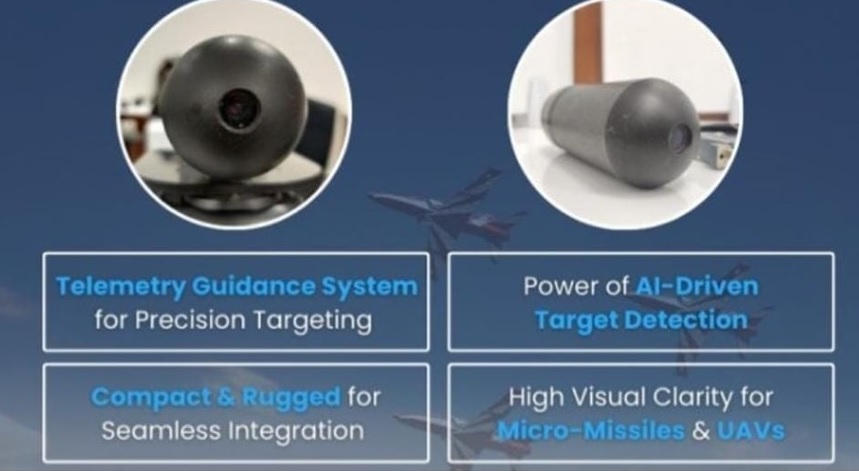
India
Bangalore-based defence tech firm Optimised Electrotech has introduced the Harpy Sight, marking India’s first Generation 5 AI-driven imaging seeker. This breakthrough technology is designed to enhance real-time target detection, precision guidance, and seamless integration with micro-missiles and UAVs, significantly bolstering India’s defence capabilities. Cutting-Edge AI-Powered Targeting Harpy Sight is equipped with advanced AI algorithms that enable real-time identification and tracking of targets with unparalleled speed and accuracy. The AI-driven seeker ensures precise engagements, reducing collateral damage while improving operational effectiveness. Advanced Guidance & Seamless Integration The system’s next-generation guidance technology enhances targeting precision, allowing for highly effective strikes on enemy assets. It is also compatible with micro-missiles and UAV platforms, making it a versatile tool for modern military operations. Next-Gen Telemetry & Situational Awareness Harpy Sight is built with advanced telemetry features, improving data transmission and situational awareness for operators. This enhanced connectivity allows for faster decision-making in dynamic combat environments. Revolutionizing Military Operations This innovation is set to transform surveillance and strike missions with key advantages, including: High-precision strikes against enemy air defence systems and strategic targets. Robust surveillance capabilities that function effectively in diverse weather and battlefield conditions. Reduced operator workload with AI-enhanced automation and data analysis. By introducing Harpy Sight, Optimised Electrotech strengthens India's position in the global defence technology landscape, reinforcing national security and advancing indigenous military innovation.
Read More → Posted on 2025-02-24 14:41:01
World
Marking the third anniversary of Russia’s full-scale invasion, Sweden has announced a new $110 million military aid package for Ukraine, featuring advanced air defense systems aimed at bolstering Ukraine’s ability to counter aerial threats. Among the highlights of this package is the Tridon Mk2, a modern and highly adaptable air defense platform that Ukraine will be receiving for the first time. A Powerful Addition to Ukraine’s Air Defense The Tridon Mk2 is a 40mm naval gun mounted on a flatbed truck, making it a mobile and versatile solution for engaging aerial and ground threats. Developed by BAE Systems, this system is designed to neutralize drones, cruise missiles, aircraft, and even lightly armored vehicles. Its modular construction allows for easy integration of new technologies, ensuring it remains effective as threats evolve. Unlike traditional missile-based air defense systems, which can be costly and require extensive logistics, the Tridon Mk2 offers a more affordable and rapid-response alternative. This makes it an ideal solution for protecting critical infrastructure and frontline positions in Ukraine. Sweden’s Commitment to Ukraine’s Defense The latest Swedish aid package, valued at 1.2 billion kronor, was announced by Sweden’s government through the Swedish Defence Materiel Administration (FMV). Alongside the Tridon Mk2, Sweden is also supplying Robot 70 air defense systems and man-portable air defense weapons, further strengthening Ukraine’s aerial defense network. In addition to these contributions, Sweden has pledged to coordinate with international partners to ensure Ukraine receives continued support in defending its military forces, civilians, and essential infrastructure from ongoing Russian attacks. A Step Toward Stronger Defenses With Russia continuing its aggressive airstrikes, the deployment of the Tridon Mk2 system will significantly improve Ukraine’s ability to intercept and neutralize airborne threats. Sweden’s decision to supply these systems highlights its long-term commitment to Ukraine’s sovereignty and security. As Ukraine continues to fight for its survival, military aid packages like these are playing a crucial role in ensuring its forces remain capable of countering threats and protecting its people.
Read More → Posted on 2025-02-24 14:36:11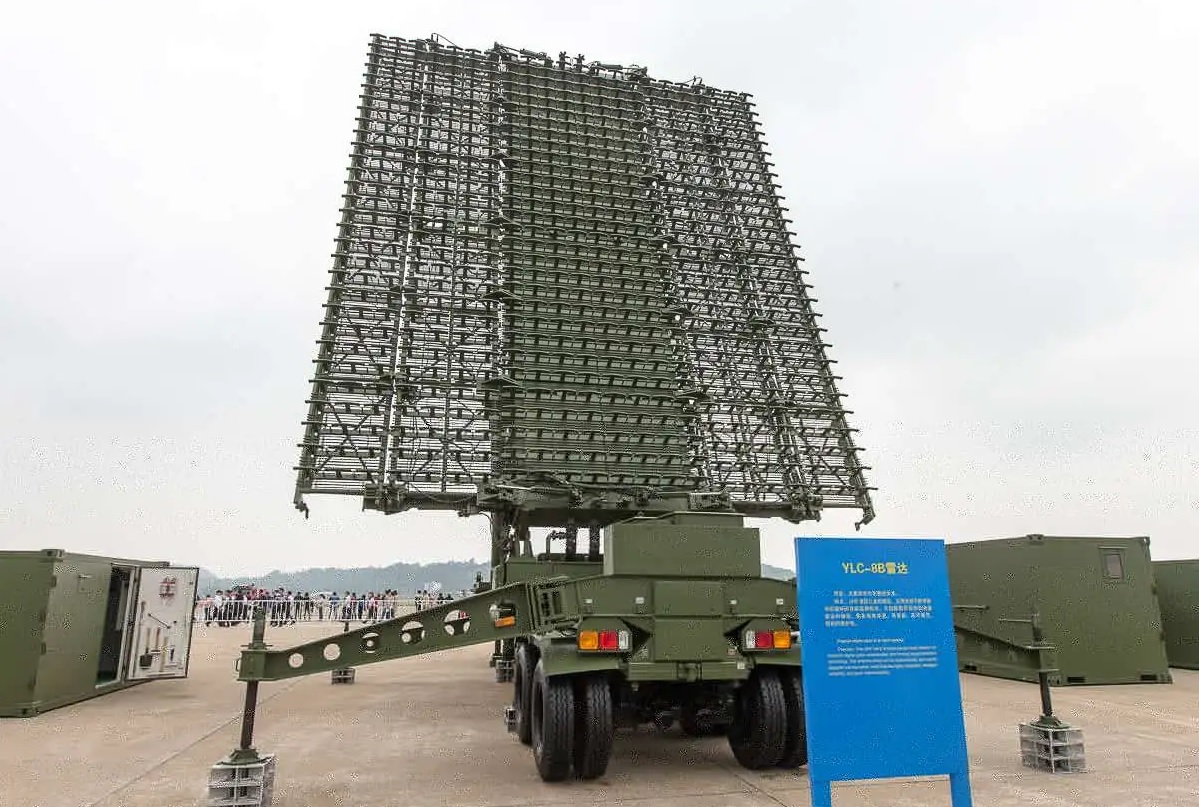
World
China has constructed a massive Large Phased Array Radar (LPAR) system in Yunnan Province, near its border with Myanmar. This state-of-the-art radar installation is capable of detecting missile launches and tracking aerial activities over a range exceeding 5,000 km, allowing China to closely monitor India's missile programs and strategic movements deep within Indian territory. A Strategic Move with Far-Reaching Implications The deployment of this high-tech radar is part of China's broader strategy to enhance its military surveillance capabilities, particularly in response to its ongoing tensions with India. The location of this system enables Beijing to keep a watchful eye on India's nuclear-capable ballistic missile tests, particularly from key launch sites like Dr. A.P.J. Abdul Kalam Island off India's eastern coast, where tests of the Agni-5 and K-4 ballistic missiles are conducted. By extending its missile surveillance deep into the Indian Ocean Region (IOR), China strengthens its ability to track Indian naval movements, including submarine-launched ballistic missile (SLBM) tests. This could impact India’s second-strike nuclear capability, a crucial aspect of deterrence in South Asia’s strategic balance. Regional Security Concerns & India's Response The establishment of this radar system significantly alters the security landscape in the Indo-Pacific. It reinforces the security dilemma between India and China, where one country’s defensive measures could be perceived as a threat by the other, leading to potential escalations. India, in response, might intensify its military collaborations with regional allies like Japan, Australia, and the United States under the Quad framework. This could push for greater intelligence sharing and early-warning systems to counter China's growing surveillance capabilities. China's Military Modernization Strategy The deployment of this LPAR is part of China's ongoing military modernization efforts, aimed at improving early warning systems against potential missile threats. Experts believe this radar system will play a key role in China's anti-ballistic missile defense network, enhancing its ability to detect and neutralize threats before impact. A New Chapter in Indo-China Strategic Rivalry With this development, China has taken a significant step in advancing its electronic warfare and missile tracking capabilities. This move is likely to complicate the security environment in the region, prompting India to reevaluate its defense strategies, enhance its missile testing secrecy, and invest in counter-surveillance technology to neutralize Beijing’s growing edge in radar and missile detection capabilities.
Read More → Posted on 2025-02-24 14:26:13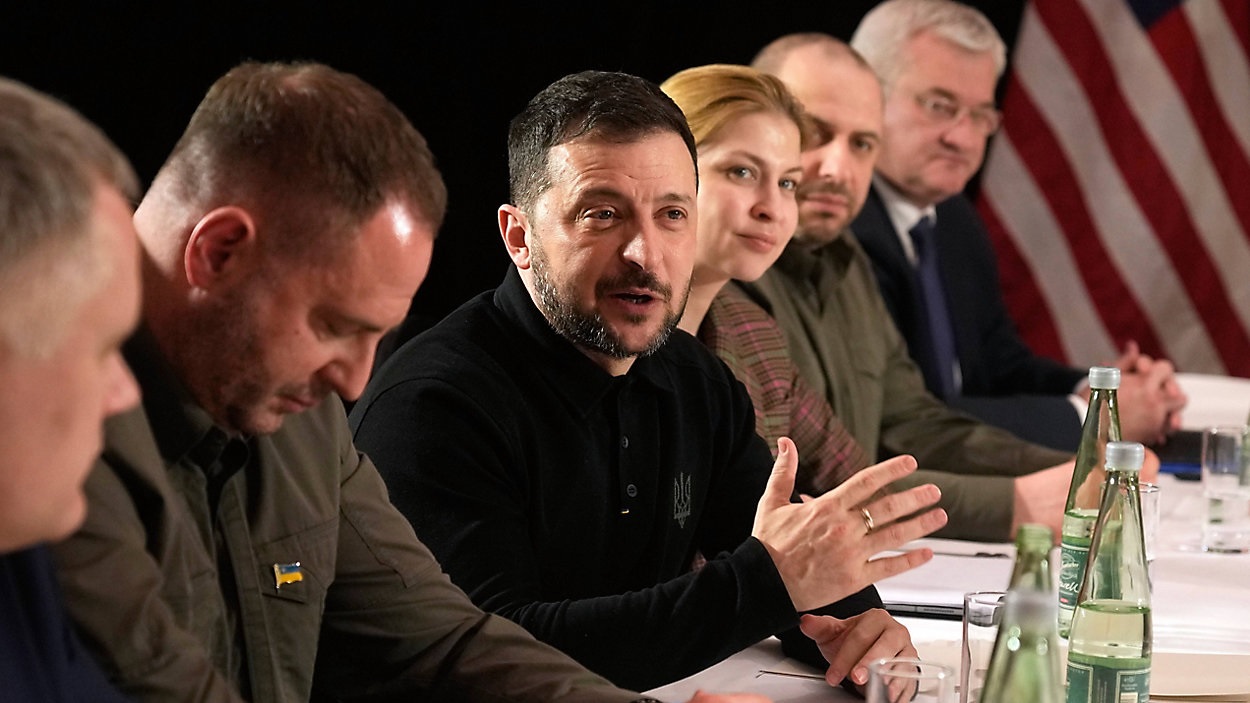
World
On the third anniversary of Russia’s full-scale invasion, Ukrainian President Volodymyr Zelensky hailed the resilience of his nation, calling it “three years of resistance, three years of gratitude, three years of absolute heroism of Ukrainians.” As Kyiv marked the somber milestone, European leaders gathered in the capital in a show of solidarity, while geopolitical tensions surrounding the war’s future continued to mount. The war, triggered by Russian President Vladimir Putin’s so-called “special military operation,” has been the largest European conflict since World War II. The battlefield toll has been immense, with tens of thousands of soldiers on both sides killed, Ukrainian cities reduced to rubble, and millions displaced from their homes. While Ukraine has received extensive Western military and financial support, the political landscape is shifting, particularly with Donald Trump’s return to the White House, casting uncertainty over future aid and the broader coalition backing Kyiv. As Russian forces continue their advances in Ukraine’s eastern regions, the Kremlin has been emboldened by Trump's diplomatic outreach. Moscow has capitalized on growing skepticism in Washington about prolonged support for Kyiv. Trump’s recent 90-minute phone call with Putin and the dispatch of Secretary of State Marco Rubio to Saudi Arabia for discussions with Russian Foreign Minister Sergei Lavrov have triggered alarm among European allies. European Commission chief Ursula von der Leyen, arriving in Kyiv by train, underscored the broader stakes of the war, declaring, “Ukraine is Europe. In this fight for survival, it is not only the destiny of Ukraine that is at stake, it’s Europe’s destiny.” The EU responded with a fresh round of sanctions targeting Russia’s so-called “shadow fleet,” which facilitates oil trade, as well as financial institutions and individuals supporting Moscow’s war effort. European Council President Antonio Costa indirectly rebuked Trump’s apparent moves to sideline Ukraine from potential ceasefire discussions, stating: “In Ukraine, about Ukraine, with Ukraine.” Leaders from Canada, Denmark, Estonia, Finland, Iceland, Latvia, Lithuania, Norway, Spain, and Sweden arrived in Kyiv, reinforcing their commitment to Ukraine’s cause. Zelensky has been vocal about the need for concrete security guarantees to prevent Russia from using any ceasefire to regroup and strike again in the future. His warning comes as the Ukrainian military faces immense pressure on the frontlines. Over the past months, Moscow has intensified its offensives, and on the eve of the anniversary, the Kremlin reiterated its refusal to relinquish occupied Ukrainian territories or accept Kyiv’s NATO membership. In an extraordinary move, Zelensky even suggested he would step down if it meant securing Ukraine’s NATO accession. Despite the dire situation, Ukraine continues its countermeasures, launching drone strikes deep into Russian territory, including a recent attack on an oil refinery southeast of Moscow. French President Emmanuel Macron, set to meet with Trump in Washington, vowed to press the U.S. president on the importance of standing firm against Putin, warning, “You cannot be weak in the face of President Putin.” Meanwhile, uncertainty looms over Washington’s stance, with Trump questioning not only support for Ukraine but also the broader transatlantic security framework that has underpinned NATO for decades. On the frontlines, Ukrainian soldiers expressed apprehension over Trump’s push for a swift ceasefire, fearing it could force Kyiv into a disadvantageous settlement. “It scares me more. The bloodiest moments always come before a truce,” said Andrii, a 25-year-old soldier in eastern Ukraine. Mykola, a 38-year-old artillery commander in Donetsk, echoed the sentiment: “I don’t want to give up Ukrainian lands … we’ve been fighting for so long. But everyone is tired of the war.” As Ukraine commemorates three years of resilience and sacrifice, the uncertainty surrounding its future remains more pressing than ever. While Zelensky has vowed to continue the fight, the shifting geopolitical currents could redefine the war’s trajectory in the months ahead.
Read More → Posted on 2025-02-24 14:16:23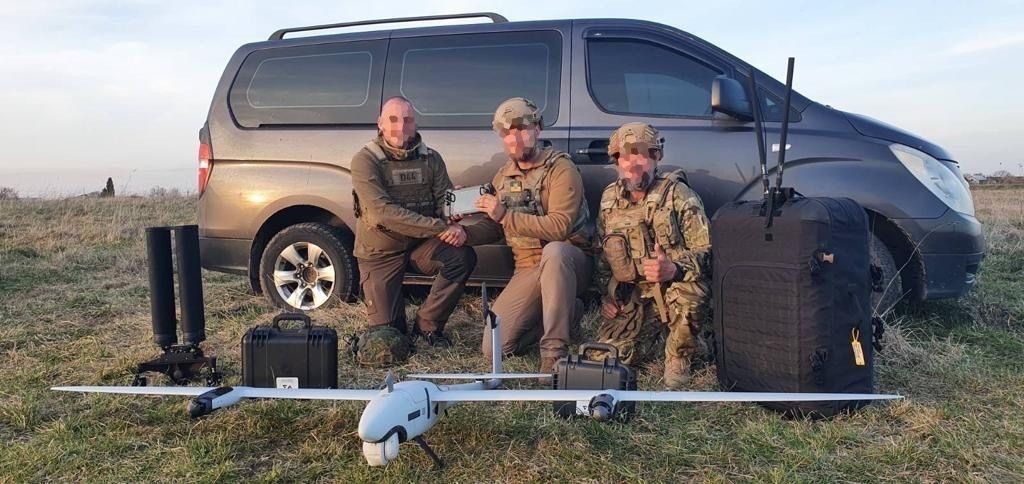
World
Quantum Systems, a leading German drone manufacturer, is making significant strides in Ukraine’s defence sector by ramping up local production of its advanced reconnaissance drones. The company recently hosted a high-profile delegation led by Ukraine’s Minister for Strategic Industries, Herman Smetanin, at its Ukrainian manufacturing facility. The visit underscored the rapid progress of the plant, which has become a crucial hub for drone production in less than a year. The delegation included senior officials such as Arsen Zhumadilov, Acting Head of the Defence Procurement Agency, and Oleksandr Potiy, Head of the State Special Communications Service. They observed the facility’s accelerated growth and its ability to meet Ukraine’s increasing defence needs. Since opening in April 2024, the factory has expanded its workforce to 80 employees, with plans to scale up to 120 as demand rises. A major milestone for the facility is the local production of 400 VECTOR reconnaissance drones. These cutting-edge unmanned aerial systems (UAS) will play a crucial role in Ukraine’s security and defence operations. Managing Director Oleksandr Berezhny highlighted that the expansion was achieved as a private initiative without any joint ventures or external guarantees, demonstrating the company’s commitment to supporting Ukraine’s self-reliance in defence technology. Quantum Systems is known for its expertise in AI-powered aerial robotics, particularly in developing vertical take-off and landing (eVTOL) small Unmanned Aerial Systems (sUAS). Its innovative Drone Port solution enables automated aerial intelligence gathering, providing real-time insights for military, security, and commercial applications. By integrating edge computing and AI-driven data processing, the company enhances operational efficiency, offering rapid and precise decision-making tools to operators. Founded in 2015 and headquartered in Germany at Special Airport Oberpfaffenhofen, Quantum Systems has a global footprint, with operations in the United States, Australia, and Ukraine. Its advanced drone technology is widely trusted across defence and security sectors, setting new standards in aerial intelligence and data-driven decision-making. As Ukraine continues to strengthen its defence capabilities with European support, Quantum Systems’ expansion marks a significant step in enhancing cooperation between Kyiv and its allies. The development of domestic drone production not only bolsters Ukraine’s resilience but also reinforces the broader European security framework.
Read More → Posted on 2025-02-24 14:11:18
World
The European Defence Agency (EDA) has launched a cutting-edge project aimed at improving military situational awareness through automatic 3D modelling. This initiative is designed to enhance threat detection, identification, and operational coordination by providing military personnel with a more detailed and real-time understanding of their surroundings. Enhancing Real-Time Battlefield Awareness With rapid advancements in technology, modern military operations increasingly rely on precise terrain analysis. The new EDA initiative leverages automated and semi-automated 3D modelling techniques that create high-resolution digital maps of mission areas. These models integrate real-time data from sensors mounted on land platforms, ensuring that military personnel have an accurate and updated view of their environment as they move through combat zones. This technology will allow operators to assess terrain before arrival, predict potential risks, and make more informed decisions during missions. The enhanced situational awareness is expected to improve tactical planning, threat response, and battlefield efficiency. A Collaborative European Effort To drive the project forward, EDA’s CapTech Ground Systems and CapTech Simulation Technologies have coordinated a partnership between Luxembourg and the Netherlands. The initiative, known as “3D Terrain and City Models for Situational Awareness, Decision Making, and Effector Coordination” (3D-4LAND I), brings together a diverse group of research and industry partners. The project is led by the Netherlands-based RE-liON, with contributions from: TNO (Netherlands) – a leading defence and security research organisation FIRIS SA (Luxembourg) – a company specialising in real-time situational analysis University of Luxembourg – providing expertise in simulation technologies Luxembourg Institute of Science and Technology (LIST) – contributing to data processing and system development A Multi-Phase Project with a €4.9 Million Budget The 3D-4LAND I project has been allocated a €4.9 million budget over a three-year period. This phase will focus on: Defining the system’s operational and technical requirements Developing a robust system architecture Establishing evaluation criteria and key specifications The success of 3D-4LAND I will set the foundation for 3D-4LAND II, the next phase of the initiative, which will focus on creating a physical demonstrator of the system for real-world testing and deployment. The Future of Military Intelligence As modern conflicts become increasingly data-driven, projects like 3D-4LAND I will play a crucial role in ensuring faster, smarter, and more efficient military operations. By combining real-time data analysis, advanced simulation technologies, and international collaboration, the European Defence Agency is paving the way for a new era of enhanced battlefield awareness.
Read More → Posted on 2025-02-24 14:08:36
World
A Bangladesh Air Force (BAF) base in Cox’s Bazar came under attack on Monday, resulting in a violent confrontation that left one person dead and several others injured. The incident, allegedly carried out by miscreants from the nearby Samiti Para area, created chaos near the high-security military installation. Deadly Confrontation Near Air Force Base Local authorities confirmed that the deceased was identified as 25-year-old Shihab Kabir Nahid, a trader from Samiti Para. He was reportedly caught in the clash and sustained severe head injuries before being rushed to Cox's Bazar Sadar Hospital, where he was pronounced dead on arrival. Medical officials stated that an autopsy would determine the exact cause of death. Several other individuals were injured during the altercation, though officials have yet to release precise figures. The district commissioner of Cox's Bazar, Mohammad Salahuddin, acknowledged the incident and assured that an investigation would be conducted to determine the cause of the attack. Air Force Responds, Security Tightened The Bangladesh Air Force responded swiftly to the incident, with Inter-Services Public Relations (ISPR) confirming that necessary actions were being taken. ISPR Assistant Director Ayesha Siddiqua issued a statement but did not elaborate on specific measures being implemented. Authorities have since tightened security in the area, and law enforcement agencies are working to assess the motives behind the attack. Officials are urging calm and vowing to prevent further escalation. Strategic Importance of Cox’s Bazar Cox’s Bazar is not only famous for its tourism but also holds significant strategic value due to key military installations in the region. The BAF base plays a crucial role in national security, making any security breach a serious concern. Additionally, the presence of Rohingya refugee camps and ongoing regional geopolitical developments have increased security sensitivities in the area. With the investigation ongoing, authorities remain on high alert to ensure stability and prevent further violence.
Read More → Posted on 2025-02-24 14:02:09
Space & Technology
As India advances its space ambitions with the Bharatiya Antariksh Station, the Indian Space Research Organisation (ISRO) is receiving crucial support from researchers at IIT-Madras. Their efforts are focused on developing advanced protective materials to ensure the long-term durability of the space station in the harsh environment of space. A team from the Extraterrestrial Manufacturing (ExTeM) research group is working on metal foam technology, a lightweight yet highly resilient material designed to shield the station from potential threats such as micro-meteoroid impacts. This innovative material is engineered to perform efficiently in the vacuum of space, enhancing the station's overall safety and longevity. IIT-Madras’s research aligns with two significant objectives: enabling long-term human space missions and translating these technological advancements into Earth-based industries. By developing sustainable solutions, the researchers aim to support future lunar and Martian missions while also contributing to industrial applications back on Earth. To facilitate their research, IIT-Madras has constructed a state-of-the-art Microgravity Drop Tower, the fourth largest in the world. This facility allows scientists to study how materials behave in zero gravity, providing crucial insights for refining metal foam properties. Neelabh Menaria, a key researcher in the project, is focused on optimizing the impact resistance of metal foam in microgravity conditions, ensuring its effectiveness in space station protection. Beyond protective materials, the ExTeM team is also exploring welding techniques for space applications. Additionally, they are working on advancements in 3D printing and bioprinting, which will be critical for building and maintaining space infrastructure with minimal reliance on Earth-based supply chains. As part of the Institute of Eminence initiative, IIT-Madras is not only contributing to ISRO’s Bharatiya Antariksh Station but is also laying the groundwork for future deep-space exploration. Their research is set to play a vital role in reducing dependency on Earth, making long-duration space missions more feasible while advancing material sciences for both space and terrestrial applications.
Read More → Posted on 2025-02-24 13:53:39Search
Top Trending in 24 Hours
-
 NASA Suspends Science Operations on Perseverance Rover and Mars Odyssey After Hardware Failures
-
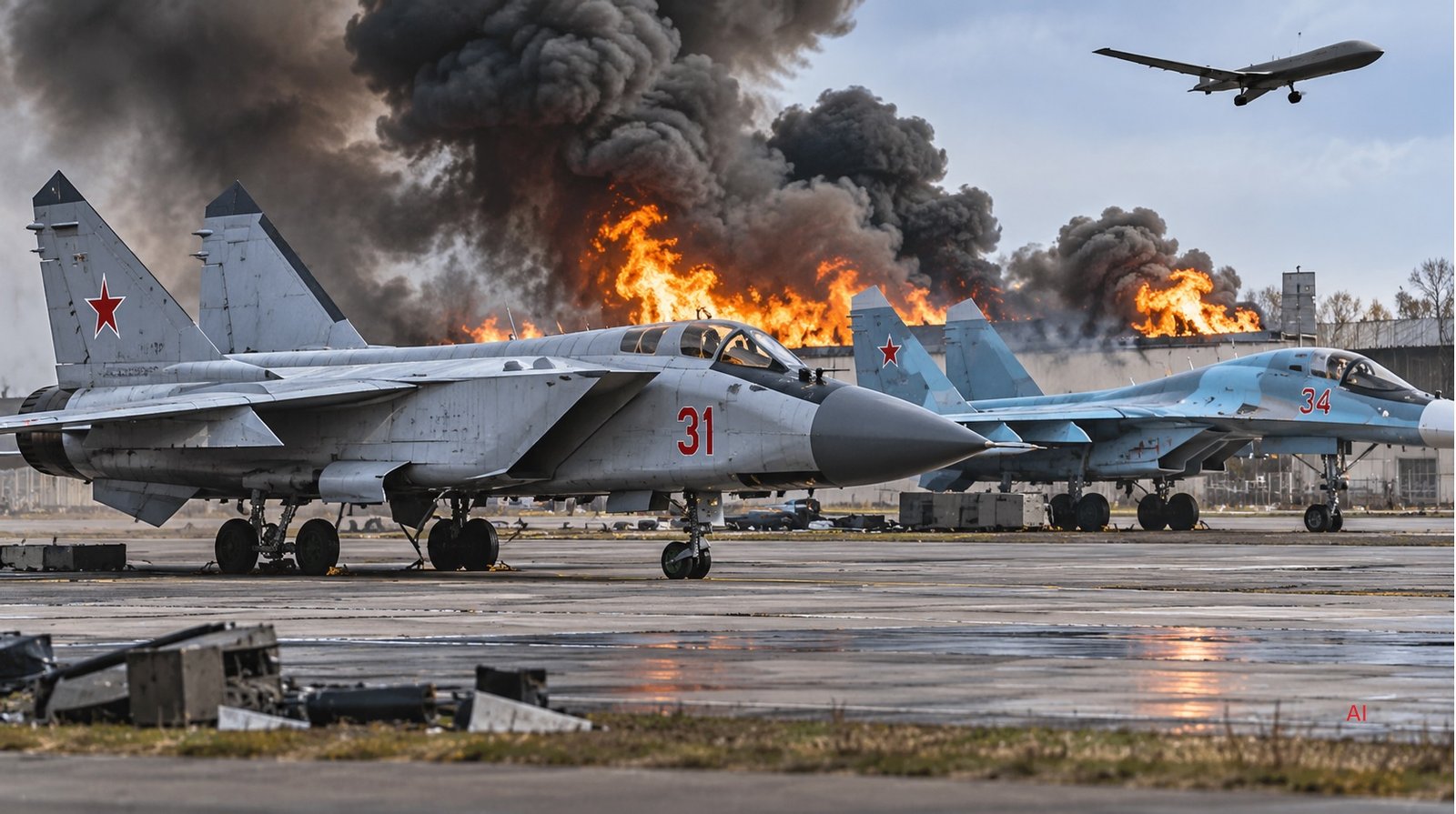 Ukraine Strikes Five Russian Warplanes, Including Three Kinzhal-Capable MiG-31s at Savasleyka Airbase
-
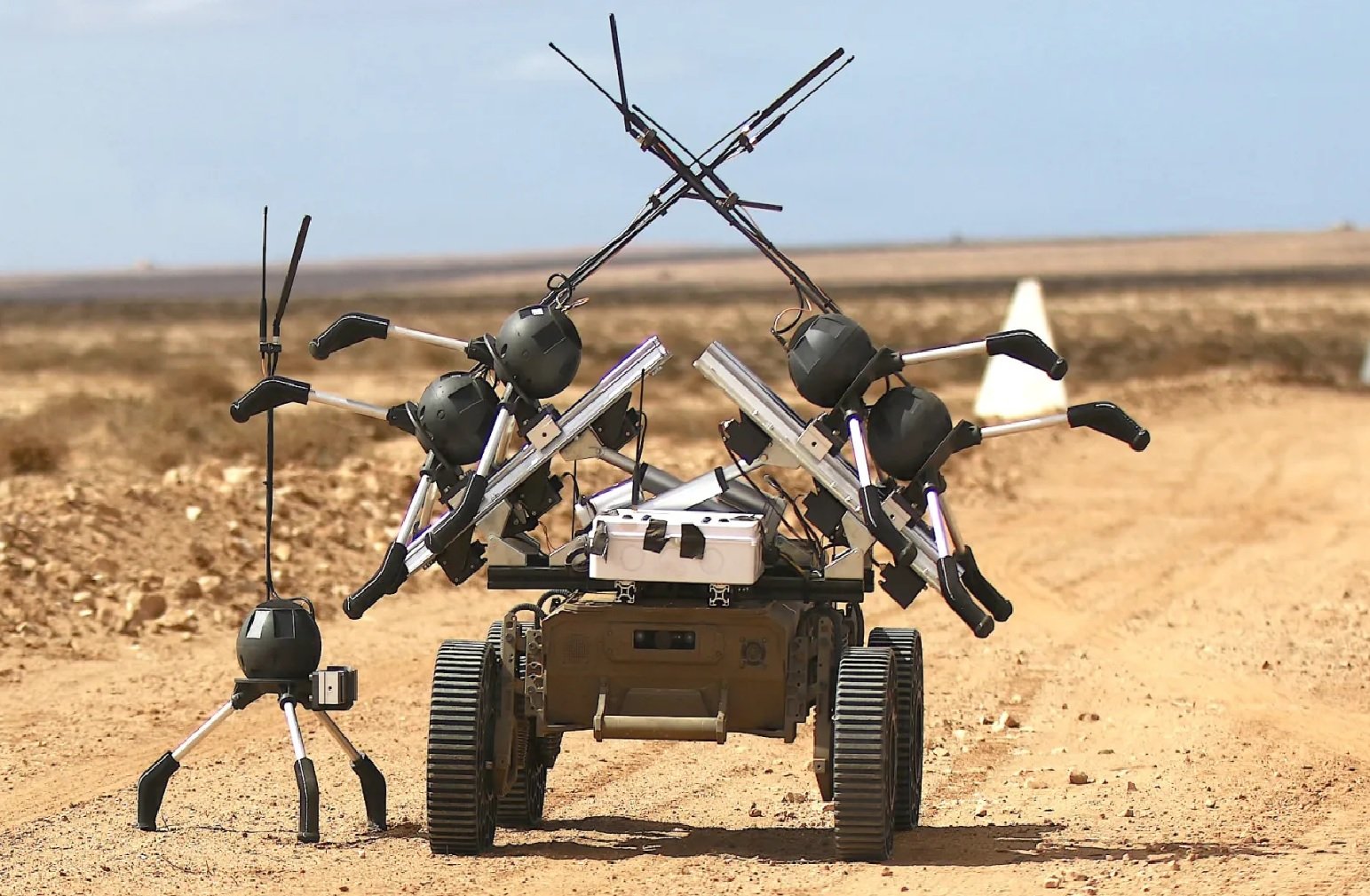 U.S. Army Tests FireAnt Robotic Vehicle to Deploy Drone-Detection Sensors in Morocco
-
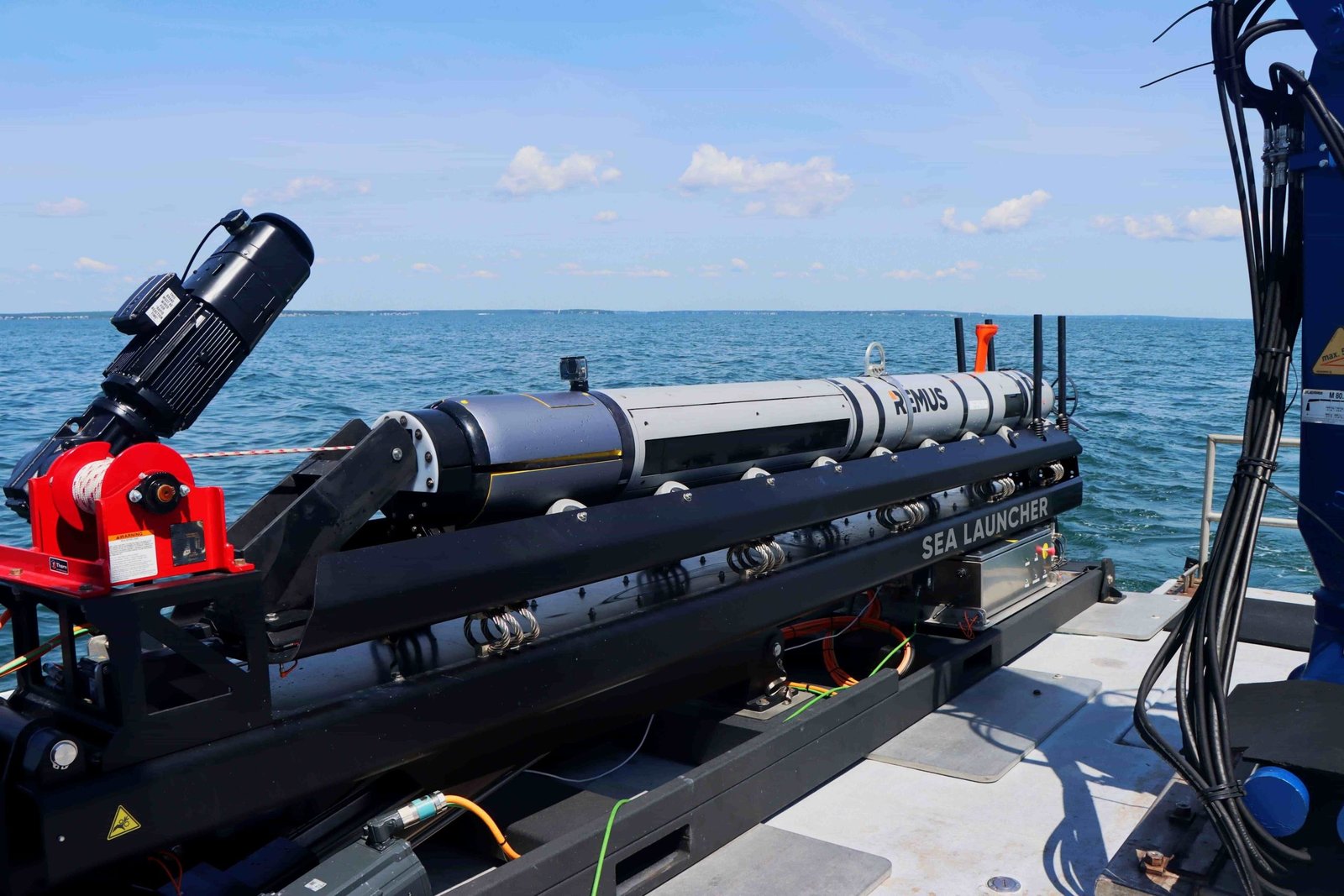 UK Awards HII £142 Million Contract for REMUS 620 Underwater Vehicles for Royal Navy Mine-Hunting Programme
-
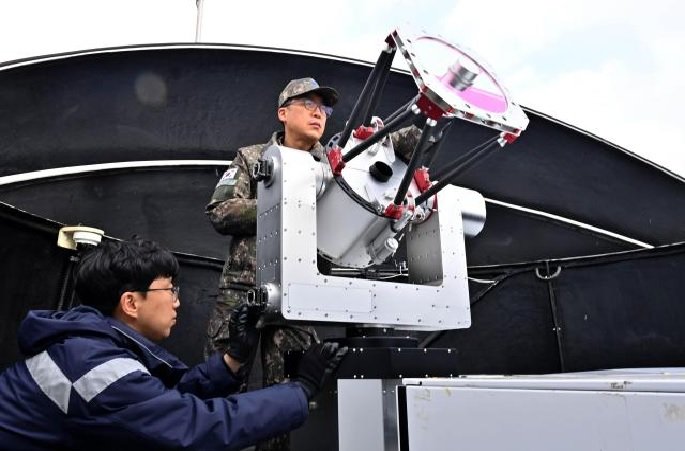 South Korea’s Air Force Deploys New Space Weather Warning System to Monitor Solar Activity and Protect Military Operations
-
 UK Supplied Fake 'Enhanced C-4' Explosives for Ukrainian Drones, Investigation Reveals
-
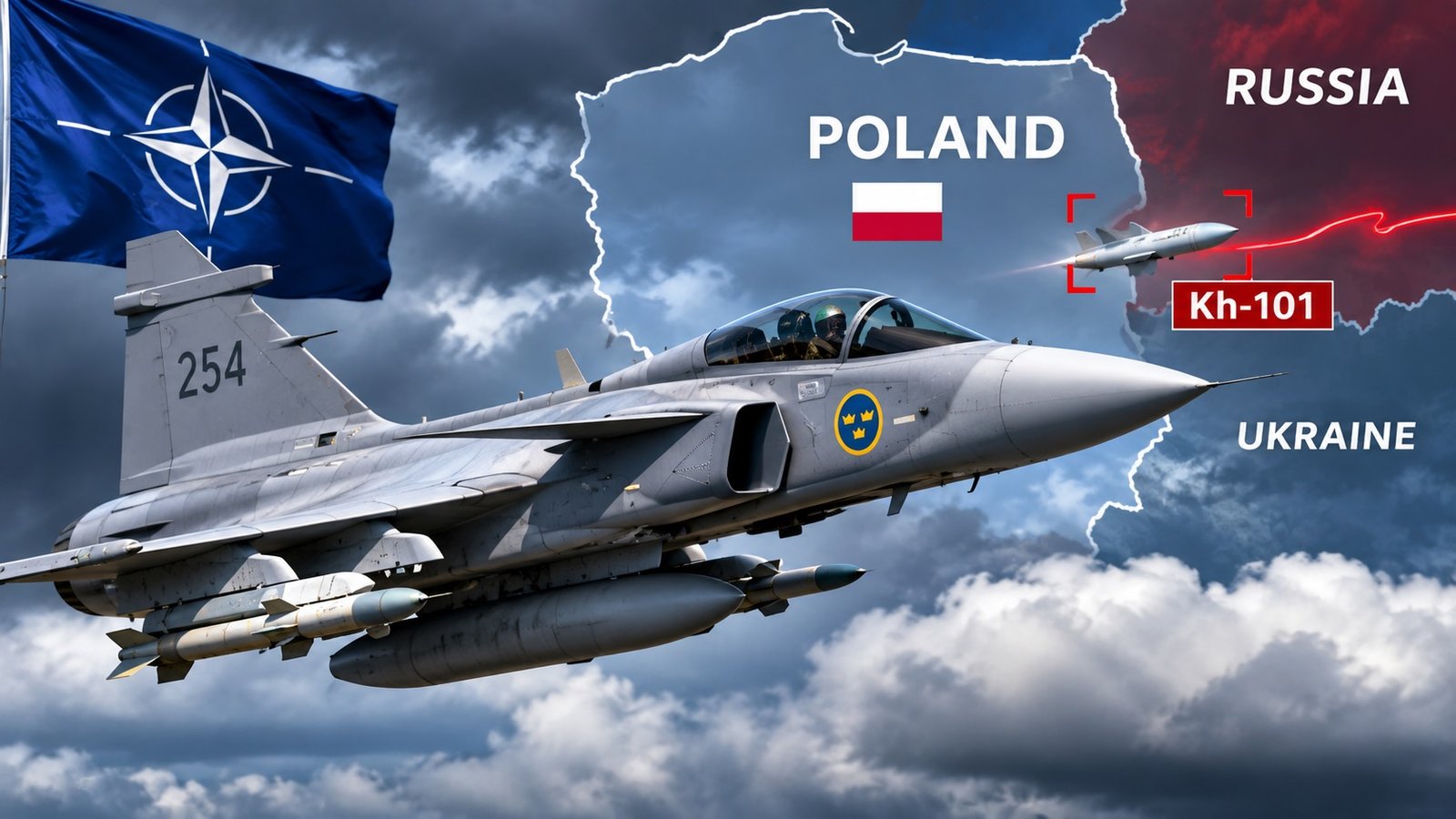 Swedish Gripen Fighter's Capabilities Questioned After Pilot Fails to Engage Suspected Russian Missile Over Poland
-
 Israeli Elbit Systems Wins Five-Year Contract to Equip Four German Navy F128 Frigates With Electronic Warfare Systems
Top Trending in 4 Days
-
 Two Injured in Bahrain After Iranian Attacks; Iran Claims Strike on US Patriot Radars
-
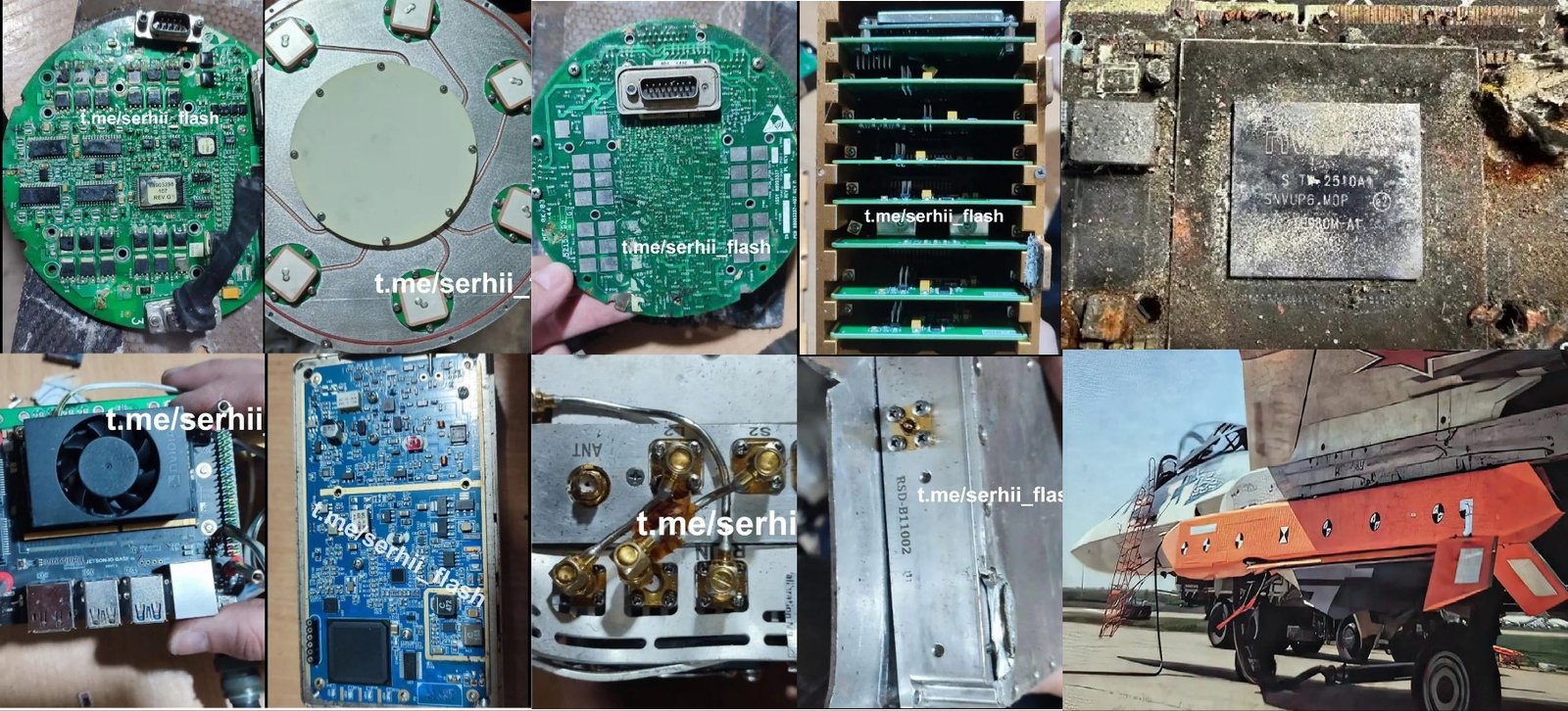 Russian Drones and Cruise Missiles Found Using Civilian NVIDIA AI Chips in Ukraine
-
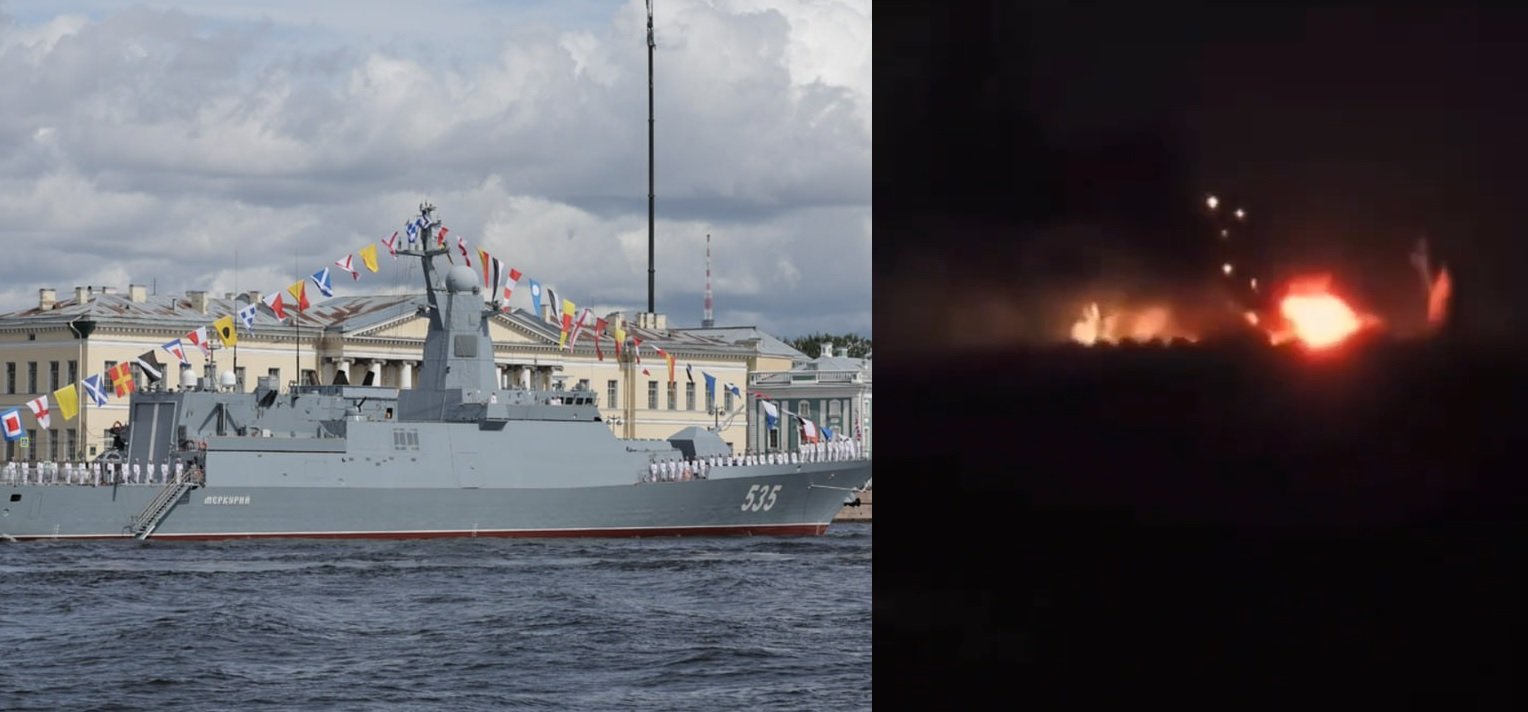 Russian Corvette Merkury Almost Certainly Destroyed in Benghazi Port Explosion
-
 Western Intelligence Warns Russia Could Launch Nuclear-Armed Satellite as Early as December
-
 IG Defence Successfully Test-Fires JWALA MK-1 Counter-Drone Missile at Pokhran
-
 U.S. Awards Lockheed Martin $330.6 Million Contract for Long-Lead Materials Supporting 75 F-35 Lot 22 Aircraft
-
NASA Suspends Science Operations on Perseverance Rover and Mars Odyssey After Hardware Failures
-
 Chinese Military Warns U.S. AI Could Threaten China’s Nuclear Missile Survivability
