
India
India is set to boost its military strength with the acquisition of 31 MQ-9B Predator drones from the United States in a deal worth approximately $3.9 billion. A key highlight of this agreement is the local assembly of 21 of these advanced drones, marking a significant step towards India's defence self-reliance. According to Vivek Lall, Chief Executive of General Atomics, this acquisition will enhance India’s intelligence, surveillance, and reconnaissance (ISR) capabilities while also fostering domestic defence manufacturing through technology transfer. The move is seen as a crucial development in India’s strategic partnership with the U.S., particularly amid regional security challenges from China and Pakistan. The MQ-9B drones, known for their high-altitude, long-endurance missions, are equipped for various roles, including precision strikes and anti-submarine warfare. They will be armed with advanced weaponry such as Hellfire missiles and precision-guided bombs. The Indian Navy will receive 15 Sea Guardian variants, while the Army and Air Force will each deploy eight Sky Guardian drones. With these drones expected to be operational within two to three years, India will significantly enhance its surveillance over key areas, including the Indian Ocean and its land borders with China. The move also aligns with India's broader vision of achieving self-sufficiency in defence manufacturing while generating new job opportunities in the sector.
Read More → Posted on 2025-03-19 14:25:11
Space & Technology
U.S. Space Force officials have revealed that China has been conducting advanced satellite maneuvers in space, simulating high-intensity "dogfighting" drills. The exercises, observed in low-Earth orbit, involved five Chinese satellites performing synchronized movements, an indication of Beijing’s growing focus on space-based military capabilities. General Michael Guetlein, Vice Chief of Space Operations for the U.S. Space Force, discussed the development at a defense conference in Virginia. He noted that three Shiyan-24C satellites and two Shijian-6 05A/B experimental satellites were seen executing coordinated maneuvers, demonstrating advanced orbital combat techniques. “There are five different objects in space maneuvering in and out around each other, in synchronicity and in control,” a U.S. Space Force spokesperson stated. “That’s what we call dogfighting in space. They are practicing tactics, techniques, and procedures to conduct on-orbit space operations from one satellite to another.” Experts believe these drills are part of China’s broader strategy to develop space capabilities that could potentially threaten U.S. and allied assets in orbit. The use of synchronized rendezvous and proximity operations (RPO) suggests China is enhancing its ability to approach, dock with, or disrupt other spacecraft with precision. While RPO itself is not new, the ability to coordinate multiple satellites in such a manner is a significant advancement. Analysts warn that this could narrow the technological gap between China and the U.S. in space operations, potentially shifting the balance of power. “The environment has completely changed,” Guetlein noted. “There used to be a capability gap between us and our near peers. That gap is significantly narrowing, and we must rethink our approach to space to prevent it from reversing.” The revelation of these space combat drills underscores the growing militarization of outer space, with major powers like the U.S. and China racing to secure dominance in this increasingly contested domain.
Read More → Posted on 2025-03-19 14:22:28
India
Israel’s Ambassador to India, Reuven Azar, has reaffirmed the strong ties between the two nations, emphasizing their shared stance against terrorism. In a recent statement, Azar highlighted India's unwavering resolve in combating terrorism and expressed confidence that India expects Israel to uphold the same principle. “We are engaged in conversations with the Indian government. I think India has a positive role to play in the region and has been very supportive of our right to self-defense. India doesn't surrender to terrorism, and I don't think that it expects Israel to surrender to terrorism,” Azar stated. His remarks come at a time when the Israel Defense Forces (IDF) have intensified military operations against Hamas in Gaza. The Israeli government, under Prime Minister Benjamin Netanyahu, has vowed to escalate military action in response to Hamas’s refusal to release hostages and its rejection of mediation efforts. Azar also spoke about the growing collaboration between India, Israel, and the United States, particularly through initiatives like the India-Middle East Economic Corridor (IMEC). He highlighted that India and the U.S., both close allies of Israel, are keen on deepening their partnership in technology, logistics, manufacturing, and security. The IMEC, envisioned as a transformative trade route, will connect India to the Gulf and extend further to Europe, providing a reliable and cost-effective alternative to existing maritime routes. The initiative aims to enhance economic cooperation, boost regional trade, and improve supply chain security while reducing costs and environmental impact. As India strengthens its role in global geopolitics, its unwavering position against terrorism and commitment to strategic partnerships with Israel and the U.S. signal a broader alignment in security and economic interests.
Read More → Posted on 2025-03-19 14:18:40
World
Thales has been selected to supply an advanced sonar suite for the Royal Netherlands Navy’s future Orka-class submarines, reinforcing the country’s maritime defense capabilities. This contract, awarded as part of the Replacement Netherlands Submarine Capability (RNSC) program, is a significant step in enhancing the Dutch Navy’s underwater warfare strength. The Orka-class submarines will be equipped with Thales' state-of-the-art sonar technology, designed to detect, track, and classify underwater threats with high precision. Modern naval warfare demands cutting-edge acoustic superiority, especially as adversary submarines become increasingly silent. The Thales sonar suite will provide an extensive underwater situational awareness network, ensuring the Dutch Navy maintains a strategic edge in undersea operations. The sonar package includes multiple high-performance acoustic sensors, such as bow, flank, and obstacle-avoidance sonars. Additionally, the system will integrate an intercept array, passive towed-array sonar, underwater voice communication system, and signal processing racks, allowing for long-range threat detection across various frequencies. Naval Group, which is leading the Orka-class submarine development, emphasized that Thales' sonar technology was a crucial factor in its winning proposal for the RNSC program. According to Sylvain Perrier, Programme Director at Naval Group, this collaboration will ensure the acoustic superiority of the new submarines while strengthening Dutch industry partnerships. The deal also aligns with the Netherlands’ defense policy of supporting domestic industries involved in naval technology. Thales has partnered with Dutch firm Optics11 to integrate OptiArray technology into the passive towed-array sonar, further bolstering the country’s indigenous defense capabilities. Sébastien Guérémy, Vice President of Underwater Systems at Thales, expressed confidence in the company’s sonar technology, stating that it would provide the Royal Netherlands Navy with unparalleled underwater surveillance and defense capabilities. With Thales’ expertise in underwater warfare systems—already deployed on more than 50 submarines worldwide—the Orka-class submarines will be among the most advanced in Europe, ensuring their effectiveness in complex maritime environments.
Read More → Posted on 2025-03-19 14:14:03
World
The U.S. Army has taken a significant step forward in autonomous warfare technology by showcasing the cutting-edge Autonomous Multi-Domain Launcher (AMDL) during Project Convergence-Capstone 5 (PC-C5). This high-profile military exercise, held at Fort Irwin, California, provided a platform for testing and evaluating next-generation battlefield technologies aimed at increasing precision, responsiveness, and operational flexibility. Revolutionizing Future Warfare with AMDL At the heart of this year’s event was the AMDL, a highly advanced launcher system designed to revolutionize firepower deployment through autonomous capabilities. The system successfully demonstrated its ability to provide rapid, precise fire support with minimal human intervention, a crucial factor in modern warfare where speed and adaptability can determine battlefield success. The AMDL’s multi-domain integration allows it to engage targets across land, air, sea, space, and cyber domains, making it an essential asset for future conflicts. By utilizing advanced artificial intelligence (AI) and automation, the launcher can swiftly identify threats, execute precise strikes, and operate with enhanced situational awareness. Key Features and Capabilities The AMDL is part of the Army’s broader Autonomous Multi-Domain Launcher (AML) initiative, aimed at enhancing firepower while reducing reliance on personnel. Some of its standout features include: Autonomous Mobility: The launcher can conduct convoy operations, navigate rugged terrain, and reposition itself autonomously, ensuring greater battlefield survivability. Remote Operations: Equipped with remote turret and fire control systems, the AMDL can be controlled from a safe distance, minimizing risks to troops. Increased Firepower: The system is designed to triple the Army’s magazine capacity, allowing for sustained firepower during extended engagements. C-130 Transportability: The AMDL is compact and light enough to be deployed quickly via C-130 aircraft, ensuring rapid deployment to conflict zones. Shaping the Future of U.S. Military Strategy Project Convergence-Capstone 5 provided a unique opportunity for multinational military forces to collaborate and test advanced combat systems. The successful integration of the AMDL into these exercises reinforces the U.S. Army’s commitment to staying ahead in autonomous warfare capabilities. As threats continue to evolve, the AMDL represents a transformational leap in modern combat technology, ensuring that U.S. and allied forces remain equipped to handle the complex challenges of future battlefields.
Read More → Posted on 2025-03-18 14:49:32
Science
Science continues to unravel the secrets of our planet, and one of the latest breakthroughs sheds light on a long-standing mystery—an enormous "gravity hole" in the Indian Ocean. This strange phenomenon, officially known as the Indian Ocean Geoid Low (IOGL), is a massive region where Earth's gravitational pull is weaker than normal, and the sea level is about 328 feet (100 meters) lower than the global average. But what is causing this anomaly? A Gravity Mystery Decades in the Making The existence of this gravity hole was first detected in 1948 by Dutch geophysicist Felix Andries Vening Meinesz during a ship-based gravity survey. However, for decades, scientists struggled to determine why this region had such low gravity. Unlike a typical ocean basin, where water levels and gravitational forces remain fairly uniform, this particular area exhibits a significant dip in sea level—almost as if something is pulling the ocean downward. A New Explanation: Magma Plumes and Ancient Oceans Recent research by scientists at the Indian Institute of Science (IISc), Bengaluru, has provided a groundbreaking explanation. Using supercomputer simulations to study Earth's evolution over the past 140 million years, researchers believe the anomaly is caused by rising plumes of magma deep within the Earth's mantle. These plumes originate from a massive underground feature known as the African superplume, a hot, buoyant upwelling of molten rock beneath the Earth's crust. As these magma plumes interact with different layers of the Earth, they create variations in mass distribution. This ultimately affects Earth's gravity, leading to the formation of the gravity hole in the Indian Ocean. Earth: Not a Perfect Sphere, but a 'Lumpy Potato' For a long time, many people imagined Earth as a perfect sphere, but in reality, it is far from smooth. Due to its rotation, Earth bulges at the equator and flattens at the poles. Additionally, variations in the density of rock and magma below the surface create gravitational irregularities, making some regions heavier or lighter than others. The gravity hole in the Indian Ocean is one of the most extreme examples of such irregularities. Ancient Tectonic Activity and a Lost Ocean Another key factor behind this anomaly is the ancient Tethys Ocean, which existed millions of years ago before being replaced by the modern Indian Ocean. The slow movement of Earth's tectonic plates caused parts of the old oceanic crust to sink into the mantle while new landmasses, including the Indian subcontinent, formed above it. The IISc study suggests that remnants of this lost ocean continue to influence Earth's gravitational field, playing a role in the formation of the gravity hole. What This Means for Science The discovery of the exact causes behind this gravitational anomaly is a major breakthrough in understanding Earth's dynamic processes. It not only helps scientists comprehend how gravity varies across the planet but also provides new insights into deep mantle activity and the long-term effects of plate tectonics. The Indian Ocean Geoid Low remains one of the most unusual gravitational features on Earth, but thanks to cutting-edge research, we are now closer than ever to understanding the forces that shape our planet. As scientists continue to explore Earth's hidden depths, more mysteries may soon be unraveled, reshaping our knowledge of the world beneath our feet.
Read More → Posted on 2025-03-18 14:44:39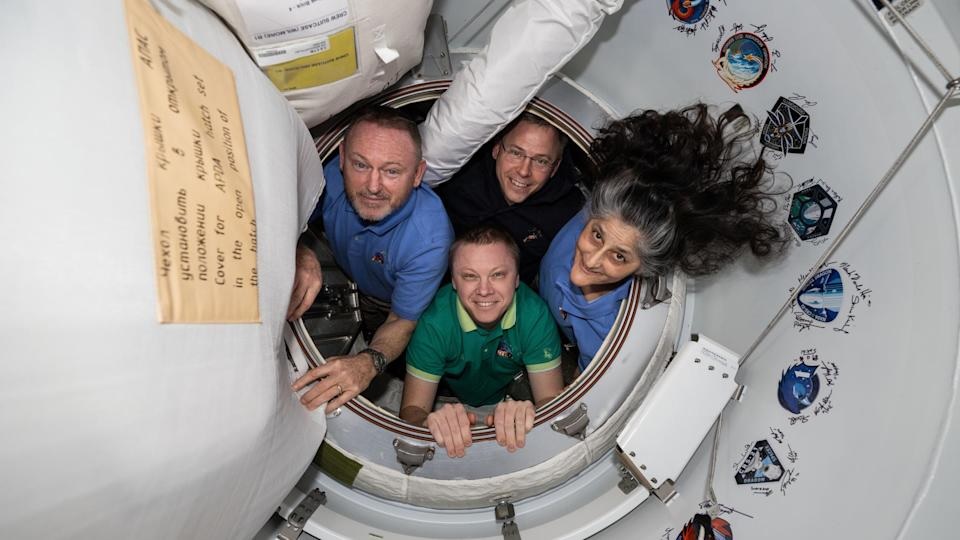
Space & Technology
After nearly a year in space—far longer than originally planned—NASA astronauts Butch Wilmore and Suni Williams are finally making their long-awaited journey back to Earth. The duo, who launched aboard Boeing’s Starliner spacecraft for what was supposed to be a short 10-day mission, ended up spending months aboard the International Space Station (ISS) due to technical malfunctions that forced NASA to reconsider their return strategy. Now, Wilmore and Williams are set to splash down in the Gulf of Mexico alongside NASA’s Crew-9 astronauts, Nick Hague and Russian cosmonaut Aleksandr Gorbunov. Their departure from the ISS took place early on March 18, with SpaceX’s Crew Dragon capsule, "Freedom," undocking at precisely 1:05 a.m. EDT while orbiting 420 kilometers above the Pacific Ocean, near Guam. The crew is expected to re-enter Earth’s atmosphere and make a controlled splashdown off the coast of Florida later the same day. A Mission Extended Far Beyond Expectations Wilmore and Williams' journey began in June last year when they embarked on the first-ever crewed test flight of Boeing’s Starliner spacecraft. The mission, designed to demonstrate Starliner’s ability to transport astronauts to and from the ISS, was expected to last only 10 days. However, shortly after docking at the ISS, multiple thruster malfunctions raised concerns about the spacecraft's reliability for a safe return. NASA opted to keep the astronauts on board the ISS while engineers investigated the issues. Eventually, the agency decided to bring Starliner back to Earth uncrewed in early September, marking a significant setback for Boeing’s commercial crew program. With their original return vehicle no longer an option, Wilmore and Williams were instead absorbed into the ISS’s long-duration Expedition 72 mission—an unexpected extension that stretched their stay to over nine months. A Homebound Journey Aboard SpaceX's Crew Dragon With Starliner out of commission, NASA turned to SpaceX’s proven Crew Dragon spacecraft to bring Wilmore and Williams home. To make room for them, SpaceX’s Crew-9 mission, which launched in September, carried only two astronauts—Nick Hague and Aleksandr Gorbunov—rather than the usual four. This strategic decision left two open seats for Wilmore and Williams on the return trip. Their delayed return attracted significant public and political attention. Former U.S. President Donald Trump and SpaceX CEO Elon Musk publicly questioned the astronauts' prolonged stay, with Musk going as far as to claim that the Biden administration had "left them stranded" in space for political reasons. However, Wilmore firmly dismissed such assertions, stating in a recent interview that while the situation had its challenges, they were neither abandoned nor stuck. Final Steps Before Reentry Now that SpaceX’s Crew-10 has arrived at the ISS to take over operations, Crew-9 is finally heading home. Their journey will be closely monitored, with NASA’s live stream picking up coverage of the descent at 4:45 p.m. EDT. The capsule will perform a crucial deorbit burn at 5:11 p.m. EDT, slowing its velocity to begin reentry. Roughly 46 minutes later, Freedom will deploy parachutes and make a controlled splashdown in the Gulf of Mexico. NASA officials will confirm the precise landing location closer to the return time, with recovery teams on standby to retrieve the crew. The successful return of Wilmore and Williams will mark the end of one of the most extended and highly scrutinized astronaut missions in recent history. What Comes Next? The outcome of this mission carries major implications for the future of Boeing’s Starliner program. While SpaceX has successfully completed multiple crewed missions with Crew Dragon, Starliner’s setbacks have raised concerns about Boeing’s ability to compete in the commercial space sector. NASA will now assess whether Starliner can be safely certified for operational missions or if further modifications are needed. For Wilmore and Williams, however, the priority is simply getting back to Earth after an unexpectedly long adventure in orbit. As their capsule makes its final descent, the world will be watching, eager to welcome home two astronauts who spent far longer in space than anyone had planned.
Read More → Posted on 2025-03-18 14:39:07
World
Rafael Advanced Defence Systems Ltd. and Elbit Systems Ltd. have secured a contract to supply an advanced Naval Decoy Control & Launching System (DCLS) to protect new frigates of NATO European countries. The contract, spanning four years, will cover five vessels and enhance naval defence capabilities against evolving maritime threats. The collaboration brings together Elbit’s cutting-edge DESEAVER MK-4 Stabilized and Trainable DCLS and Rafael’s high-end decoy countermeasures. These systems are designed to counter advanced anti-ship missiles (ASM) by deploying both passive and active decoys, improving the survivability of naval assets in modern warfare. Rafael’s decoy solutions include BEAM TRAP, SMOKE TRAP, and WIZARD, along with the latest C-GEM active decoy, which is specifically developed to counter sophisticated missile threats. Meanwhile, Elbit’s DESEAVER MK-4 system is an advanced electronic warfare (EW) solution capable of handling complex missile attack scenarios. It integrates seamlessly with naval combat systems, providing high situational awareness and rapid response to threats. The integrated system will fire a variety of decoy rounds from multiple launchers, offering a flexible and efficient defence mechanism against simultaneous missile threats. This upgrade marks a transition from traditional fixed decoy launchers to modern, trainable, and stabilized launchers that deploy countermeasures with precision. Executives from both Rafael and Elbit emphasized their commitment to providing cutting-edge electronic warfare solutions that ensure mission success and strengthen NATO’s naval defences. This contract further cements their role as leading providers of self-protection solutions across naval and air domains, reinforcing the technological edge of allied forces at sea.
Read More → Posted on 2025-03-18 14:32:34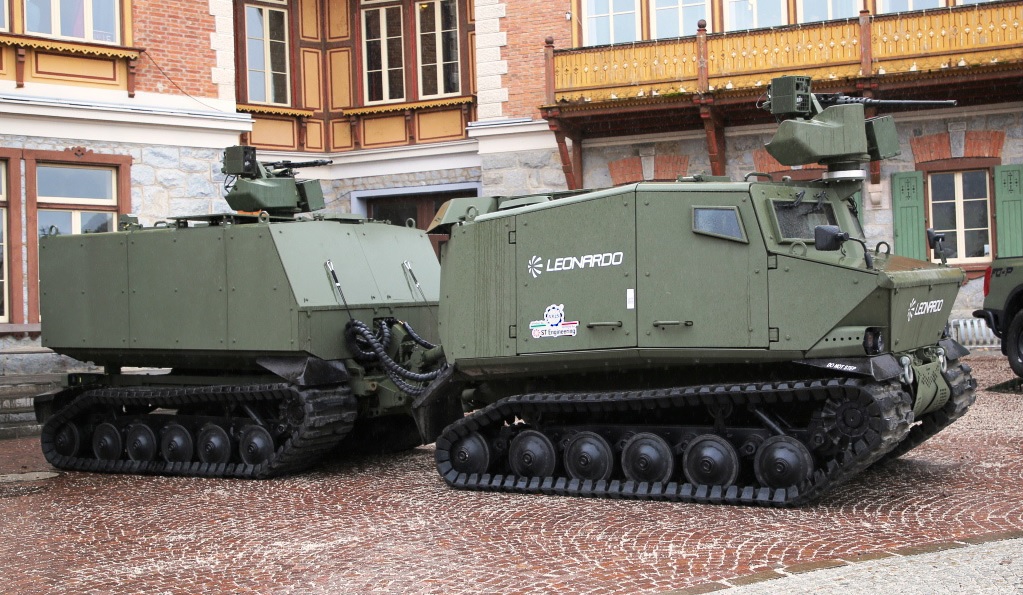
World
As the Italian Army advances its Arctic capability to support NATO’s northern front, the need for a modern all-terrain vehicle has led to the consideration of ST Engineering’s Bronco 3 All-Terrain Tracked Carrier. Partnering with Turin-based ARIS and Italian defence giant Leonardo, ST Engineering aims to replace the ageing BV206 fleet, which has been in service since the 1980s. The Bronco 3 was showcased during the high-profile “Volpe Bianca” military exercise in the Dolomites, where top political and military officials gathered for the Arctic Forum Dolomites 2025. The event saw various companies presenting cold-weather operational equipment, but the Bronco 3 stood out, marking its official introduction to the Italian market with the logos of all three partner companies. Designed for extreme environments, the Bronco 3 weighs 10,000 kg and can carry an additional 6,000 kg of payload. In its personnel carrier configuration, it accommodates four passengers in the front cabin and eight in the rear. Powered by a 325 hp diesel engine, it reaches speeds of 65 km/h and can traverse steep slopes, deep snow, and water, making it fully amphibious at 16 tonnes. The vehicle’s armour can be customized for different threats, with add-on kits for protection against armour-piercing rounds, landmines, and rocket-propelled grenades. The Bronco 3 displayed in Dobbiaco featured two Leonardo Hitrole Light remotely controlled weapon stations—one with a 12.7 mm machine gun and another with a 7.62 mm MG—enhancing its combat capability beyond traditional logistical roles. Additionally, the rear unit can be modified for various roles, including a flatbed cargo carrier or a mobile mortar system using ST Engineering’s 120 mm SRAMS. If selected by the Italian Army, Leonardo would act as the prime contractor and system integrator, while ARIS would handle licensed production. Leonardo would also develop specialized variants such as command posts, mortar carriers, and casualty evacuation vehicles. The modular design enables quick adaptation between roles, with mission modules being easily swapped using outriggers instead of heavy cranes. The project is expected to involve around 25 Italian SMEs, supporting 2,800 jobs across the country. While official procurement figures remain undisclosed, estimates suggest that the Italian Army’s requirement for Arctic-capable vehicles could be in the three-digit range. If approved, the Bronco 3 would significantly enhance Italy’s ability to operate in extreme environments, reinforcing NATO’s northern defence strategy.
Read More → Posted on 2025-03-18 14:28:20
World
The European Union is considering the development of a dedicated satellite network to enhance its military intelligence capabilities. This move comes amid growing concerns over Europe's reliance on U.S. security data and the need for greater strategic independence in an increasingly volatile geopolitical landscape. European Defence and Space Commissioner Andrius Kubilius highlighted the necessity of improved geospatial intelligence, emphasizing that the rapidly evolving security environment requires more frequent and precise tracking of military activities. While the EU currently depends on the Copernicus satellite service for geospatial data, its update frequency may not be sufficient for defence-related operations. A new satellite network could provide real-time intelligence, significantly improving the EU’s ability to monitor and respond to security threats. To accelerate the project, Kubilius proposed a "temporary commercial approach," suggesting collaboration with private sector firms to offset the high costs and long development timelines typically associated with such large-scale initiatives. Discussions with EU member states are expected to determine potential funding models and implementation strategies. This initiative would complement the EU's existing IRIS² satellite program, a secure communications network intended to rival Starlink. While IRIS² focuses on encrypted connectivity, the proposed intelligence satellites would strengthen military surveillance and intelligence-sharing capabilities across the bloc. The proposal gains further urgency following the recent decision by former U.S. President Donald Trump to temporarily halt military intelligence-sharing with Ukraine. The move underscored Europe’s heavy dependence on American intelligence assets and reinforced calls for the EU to establish its own robust defence infrastructure. If realized, the new satellite network could mark a significant step toward European defence autonomy, ensuring that the continent is better equipped to handle emerging security challenges without over-reliance on external powers.
Read More → Posted on 2025-03-18 14:23:59
World
MBDA Italia has introduced two new loitering munitions, marking a significant step in Italy’s defense capabilities. These advanced systems made their first public appearance during the Italian Mountain Troops exercise “Volpe Bianca 2025.” Developed in collaboration with local UAV manufacturers Siralab and Sky Eyes Systems, these munitions are designed to enhance battlefield flexibility and precision strikes while ensuring full national control over production and deployment. The new loitering munition family consists of two distinct variants: the Mini, a quadcopter designed for short-range urban operations, and the Small, a fixed-wing system intended for longer-range missions. Both are fully integrated into the Italian Army’s digital battlespace, allowing seamless coordination with cyber and electromagnetic warfare units. Their ability to deliver precision strikes beyond the line of sight makes them valuable assets for modern warfare scenarios. A key aspect of these munitions is their modular and software-defined architecture, allowing for adaptability in different operational environments. Both systems share common software for guidance and navigation, and their ground control station (GCS) can be used interchangeably. The lethal payloads, developed by KNDS Ammo Italy, feature high-explosive fragmentation warheads, optimized for targeting a range of threats, including light-armored vehicles and enemy personnel. The Small loitering munition is a man-portable, catapult-launched fixed-wing system with an operational range of 10-15 km and an endurance of 30-40 minutes. Designed for open battlefield engagements, it features a foldable airframe and an electric propulsion system. Its frontal attack profile and modular payload capability allow it to be used for various mission types. On the other hand, the Mini loitering munition is a quadcopter designed for urban combat with a shorter operational range of 1-5 km. Its vertical takeoff and landing (VTOL) capability makes it highly maneuverable in complex environments like urban canyons. The warhead is positioned at the bottom, ensuring an optimal fragmentation pattern for maximum impact on enemy forces. Both systems include advanced optronics for target acquisition and operator-confirmed engagement, ensuring precise strikes while reducing collateral damage. Additionally, an abort function allows operators to cancel the attack at any moment before impact. While the Mini and Small variants represent the first generation (Mk0) of this loitering munition family, MBDA Italia has already outlined a development roadmap to enhance their performance. Future iterations are expected to incorporate AI-driven target recognition, improved endurance, and potentially a Medium-class system with extended range and payload capacity. The Italian Army’s shift towards treating such systems as disposable battlefield assets aligns with global trends in drone warfare, emphasizing mass production, cost efficiency, and rapid deployment. As Italy strengthens its indigenous defense capabilities, these new loitering munitions are set to become a key component of its modern military strategy.
Read More → Posted on 2025-03-18 14:20:46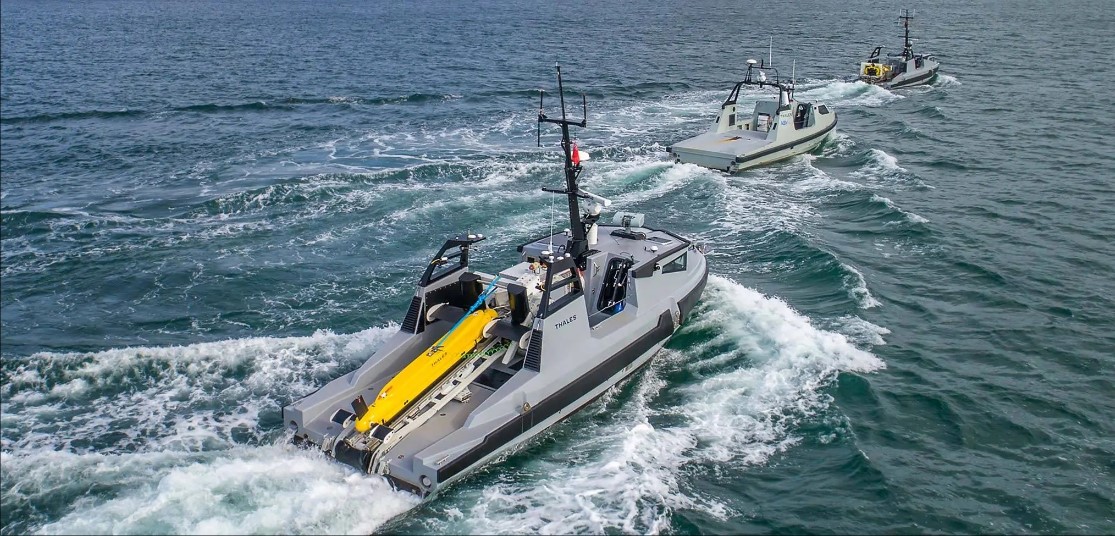
World
The Royal Navy has officially taken delivery of its first AI-driven autonomous minehunting system from Thales UK, marking a major step toward the future of naval mine warfare. The vessel, named RNMB “Ariadne,” is a 12-meter-long unmanned surface craft equipped with advanced artificial intelligence for automatic target recognition. It can operate both autonomously and via remote control, significantly enhancing mine detection capabilities while reducing risks to human crews. This cutting-edge system is part of a broader initiative to revolutionize mine countermeasures. Alongside the vessel, the complete minehunting package includes a sophisticated towed sonar, a multi-vision sonar, a remotely operated vehicle, and a lightweight operations center. These components work together to provide a seamless, autonomous approach to mine detection and clearance. Following the delivery of RNMB Ariadne, Royal Navy personnel will undergo training before the system undergoes full operational evaluation. Once testing is complete, the minehunter will be deployed for active service, helping to secure vital maritime routes. The remaining three autonomous minehunting systems are scheduled for delivery throughout 2025. Thales UK CEO Phil Siveter described the development as a game-changer for naval defense, emphasizing the role of AI and advanced sensors in enhancing the Royal Navy’s capabilities. This milestone aligns with the UK’s Mine Hunting Capability (MHC) Programme, which aims to transition from traditional mine countermeasure vessels to fully autonomous maritime systems. The program is part of the joint UK-France Maritime Mine Counter Measures (MMCM) initiative, led by Thales UK and Thales France, alongside key industry partners such as Saab, L3 Harris, and Exail Prototyping. Under this €430 million ($469 million) project, both the UK and France will receive four autonomous mine countermeasure systems each. The UK has invested £184 million ($238 million) into the effort, supporting more than 200 jobs across the country. Meanwhile, France has also made progress under its Système de Lutte Anti-Mines Futur (SLAMF) program, receiving its first mine warfare surface drone in January 2025. With these advancements, both nations are setting new standards for autonomous minehunting operations, ensuring safer and more efficient naval security in the years ahead.
Read More → Posted on 2025-03-18 14:12:54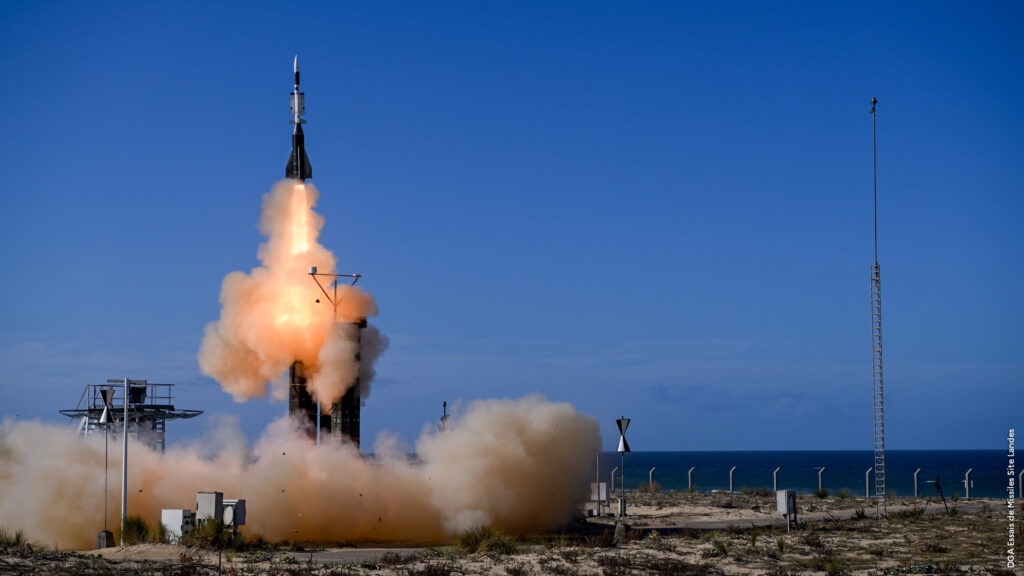
World
France, Italy, and the United Kingdom have placed an order for 218 additional Aster missiles while also fast-tracking the delivery of previously ordered units. This decision aims to enhance their air defense capabilities and respond to growing security challenges. The Organisation for Joint Armament Cooperation (OCCAR) finalized the agreement with European defense firms MBDA and EUROSAM, acting on behalf of the three nations’ defense procurement agencies. The contract covers the production of Aster 30 B1 missiles for France and Italy’s SAMP/T NG air defense systems, as well as naval defense systems for all three countries. Additionally, the French Navy will receive Aster 15 missiles to bolster its maritime air defense. With this order, OCCAR aims to reinforce Europe’s missile industry, which is supported by key defense players like MBDA, Thales, Avio, and KNDS Ammo. The initiative aligns with a 2022 agreement to accelerate missile production, reflecting the need for increased readiness in a shifting security environment. The French Ministry for Armed Forces emphasized that the move highlights the unwavering commitment of France, Italy, and the UK to strengthening their air defense systems. The Aster missile family includes the Aster 15 and Aster 30, both featuring a two-stage design consisting of a main body and a booster. The Aster 15 is specifically designed to counter mass missile attacks, fighter jets, and slow-moving aircraft like maritime patrol and airborne early warning planes. In contrast, the Aster 30 incorporates a more powerful booster, extending its range and allowing it to engage both conventional and ballistic missile threats. By expanding their missile stockpiles and expediting deliveries, France, Italy, and the UK are taking proactive steps to ensure the reliability and effectiveness of their air defense systems in an increasingly uncertain global landscape.
Read More → Posted on 2025-03-18 14:09:16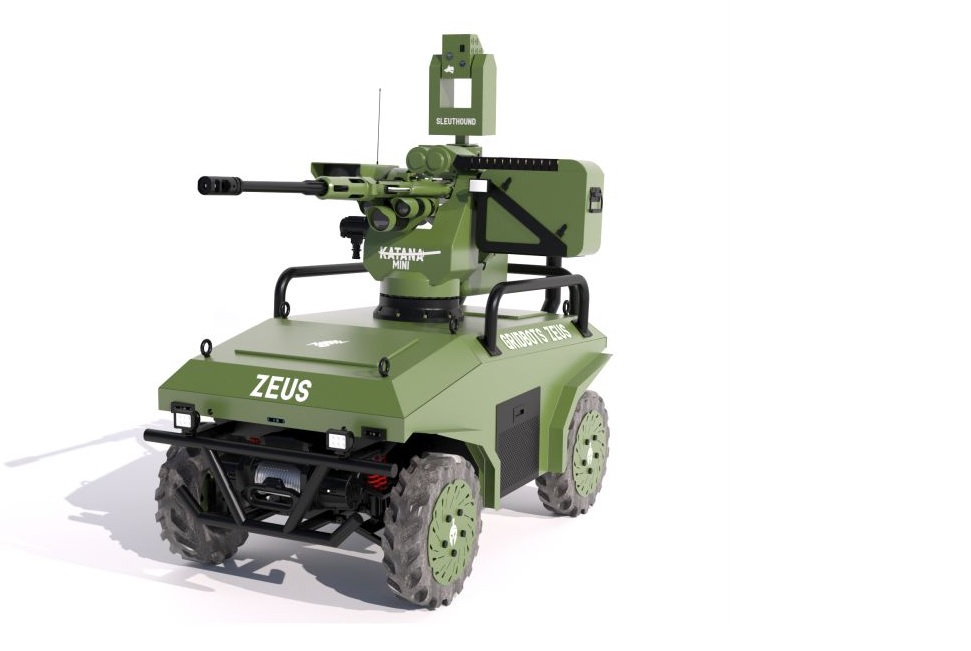
World
Gridbots Technologies has achieved a significant milestone by successfully completing the 'No Cost, No Commitment' (NCNC) trials of its advanced autonomous ground vehicle, the ZEUS HITMAN, at a firing range. Designed for high-precision combat operations, this unmanned ground vehicle (UGV) features level 5 autonomy, allowing it to operate independently in complex outdoor environments. A key highlight of the HITMAN is its integration with the KATANA Remote Controlled Weapon Station (RCWS), enhancing its ability to track and engage targets remotely with high accuracy. The system also demonstrated real-time tracking, drone detection, and precision targeting, reinforcing its status as one of the most advanced weapon stations in the world. Gridbots' Autonomous Weapon Station (AWS) KATANA successfully completed separate trials at high altitudes of 15,000 feet in extreme temperatures of -20°C. During the tests, the system showcased exceptional performance, achieving a 30 cm scatter at a 400-meter target while effectively detecting and neutralizing aerial and ground threats. The KATANA features full 360-degree pan and ±70-degree tilt capabilities, allowing it to engage both stationary and moving human or vehicle targets with ATGMs and MMGs. These trials were conducted to evaluate the operational effectiveness of the HITMAN in diverse combat scenarios. The vehicle's ability to function reliably under extreme conditions and deliver precise targeting marks a major advancement in autonomous warfare technology. With the successful completion of these tests, Gridbots Technologies has reinforced its position as a leader in India's defense innovation sector. The ZEUS HITMAN’s demonstrated capabilities are expected to pave the way for further development and potential deployment in military operations, showcasing India's growing expertise in autonomous military technologies.
Read More → Posted on 2025-03-18 14:05:54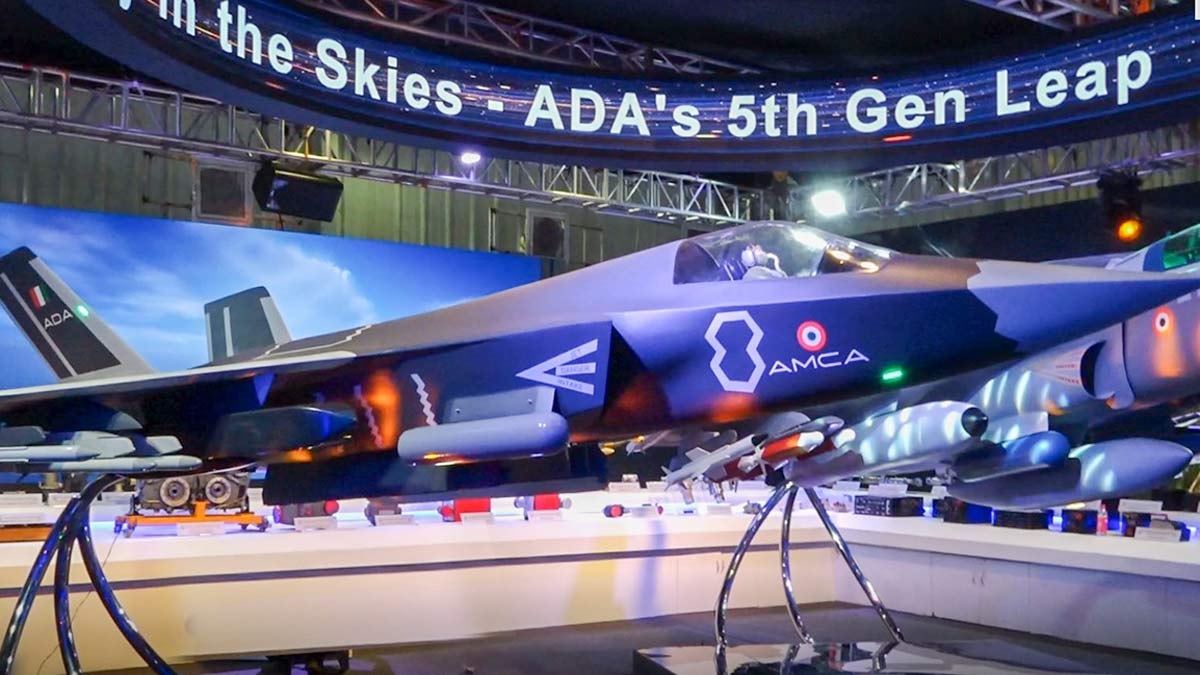
India
The Indian Air Force (IAF) has set an ambitious goal of expanding its fighter fleet to 60 squadrons by 2047, coinciding with India’s 100th year of independence. This plan is driven by the need to enhance national security and maintain aerial superiority in the face of evolving regional threats. Currently, the IAF operates around 31 fighter squadrons, well below the sanctioned strength of 42 required to effectively counter challenges along India's borders with China and Pakistan. Each squadron typically consists of 18-20 aircraft, bringing the total fighter strength to approximately 550-600 jets. However, the phased retirement of aging MiG-21, MiG-23, and MiG-27 aircraft has led to a steady decline in operational capability. To achieve its 2047 goal, the IAF is relying on a mix of domestic production, joint development with global partners, and direct acquisitions. This approach aligns with India's broader "Make in India" and "Atmanirbhar Bharat" (Self-Reliant India) initiatives aimed at boosting indigenous defense manufacturing. The IAF's modernization efforts have already seen the induction of advanced aircraft such as the Rafale (36 delivered) and the Tejas Mk-1A (83 ordered, with 97 more approved). However, the challenge remains in scaling up production to close the squadron gap in a timely manner. A key pillar of this expansion is the Light Combat Aircraft (LCA) Tejas program, developed by Hindustan Aeronautics Limited (HAL). The IAF has committed to at least 180 Tejas Mk-1 and Mk-1A jets, with the Tejas Mk-2—featuring a more powerful GE F-414 engine and enhanced capabilities—expected to enter service by the late 2020s. Over 200 Tejas Mk-2 jets are projected to be inducted by 2047. Complementing the Tejas is the Advanced Medium Combat Aircraft (AMCA), India’s first indigenous fifth-generation stealth fighter. Developed by the Aeronautical Development Agency (ADA) and HAL, the AMCA will feature cutting-edge stealth technology, supercruise capability, and advanced avionics. The IAF aims to procure at least 200 AMCA jets, forming 10-12 squadrons by 2047. Production is expected to commence in the mid-2030s, with the aircraft set to become a core element of India's air superiority strategy. Despite a strong focus on indigenous production, the IAF will also rely on international acquisitions. The Multi-Role Fighter Aircraft (MRFA) program, which seeks to procure 114 new fighter jets, will play a crucial role in bridging the capability gap. Leading contenders include the Rafale, F-15EX, F/A-18 Super Hornet, Eurofighter Typhoon, and Su-35. Once finalized, the MRFA contract will provide a critical boost to the IAF’s operational strength, allowing time for domestic programs to reach full maturity. Expanding to 60 squadrons by 2047 will require the induction of around 500-600 new aircraft over the next two decades, nearly doubling the IAF’s current fighter strength. This challenge is underscored by China's rapidly growing air force, which already operates over 1,900 fighters, including advanced J-20 stealth jets, and Pakistan’s ongoing modernization efforts with the JF-17 and potential Chinese stealth aircraft acquisitions. With a combination of indigenous production, foreign acquisitions, and strategic upgrades, the IAF’s vision of a 60-squadron force by 2047 remains an ambitious but achievable goal. The success of this plan will depend on sustained funding, streamlined procurement processes, and efficient execution of domestic aircraft programs like the Tejas and AMCA.
Read More → Posted on 2025-03-18 14:02:31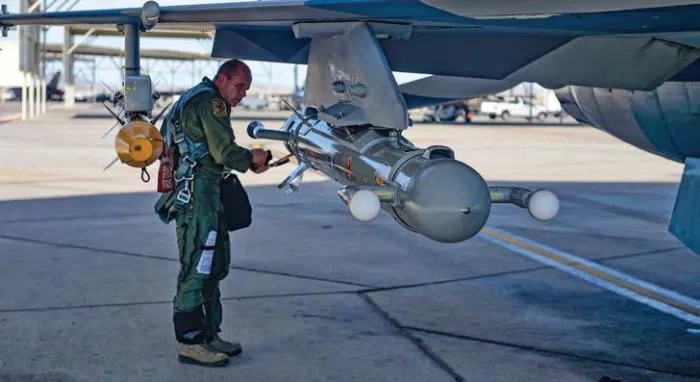
World
The U.S. Air Force is expanding its electronic warfare capabilities by testing the Angry Kitten electronic warfare (EW) pod on larger aircraft, including the C-130 Hercules. Developed by the Georgia Tech Research Institute, the pod has already been successfully tested on the F-16 Fighting Falcon and the MQ-9 Reaper drone. Now, its integration with the C-130 marks a significant step in enhancing EW protection for aircraft with larger radar cross-sections that traditionally lack robust electronic defenses. Advanced EW Capabilities with Machine Learning Unlike conventional EW systems that require pre-programmed responses and human intervention, the Angry Kitten pod utilizes machine-learning algorithms to identify, analyze, and counter enemy radar and electronic threats in real time. It can automatically adapt to unknown and emerging threats, making it a powerful tool for modern warfare scenarios. The system incorporates commercial electronics, custom hardware, and advanced software, allowing it to deploy tailored jamming and spoofing techniques against hostile radars and communication systems. This adaptability is a major leap forward in electronic warfare technology. C-130 Testing: Real-Time Adjustments in Flight Tests on the C-130 combat search and rescue (CSAR) aircraft have shown promising results, with engineers able to update jamming techniques in real time during flight. Unlike previous F-16 tests that used pre-programmed mission data, the C-130 tests featured live updates to countermeasure techniques, making the aircraft’s defenses far more dynamic and effective. To integrate the system onto the C-130, the Air Force used the Special Airborne Mission Installation and Response (SABIR) arm, mounted on the paratrooper’s door. This bolt-on modular system, developed by Airdyne, allows for quick reconfiguration of aircraft for different mission payloads, enhancing flexibility in deployment. Next-Generation Angry Kitten: Inc 2 Block 2 The U.S. Air Force is also working on an upgraded version of the Angry Kitten, unofficially called “Angry Kitten Inc 2 Block 2”. This next-generation system will feature: A transition from analog to digital receivers for improved sensitivity and frequency agility. A more compact design, consolidating multiple line-replaceable units (LRUs) into a single unit, freeing up space for additional capabilities. Enhanced jamming and spoofing techniques for better countermeasure effectiveness against evolving threats. Key Specifications of the Angry Kitten EW Pod Role: Cognitive electronic warfare and jamming system Technology: Machine-learning-based real-time adaptation Functions: Radar jamming, electronic spoofing, threat identification Integration: Tested on F-16, MQ-9, and C-130 (future testing planned for KC-46 and KC-135) Deployment System: Compatible with SABIR arm for flexible mission payload integration With these advancements, the Angry Kitten EW pod is proving to be a game-changer in airborne electronic warfare. Its ability to detect, adapt, and counter threats autonomously is setting the stage for next-generation battlefield dominance, ensuring that U.S. military aircraft remain protected in increasingly contested environments.
Read More → Posted on 2025-03-18 13:55:33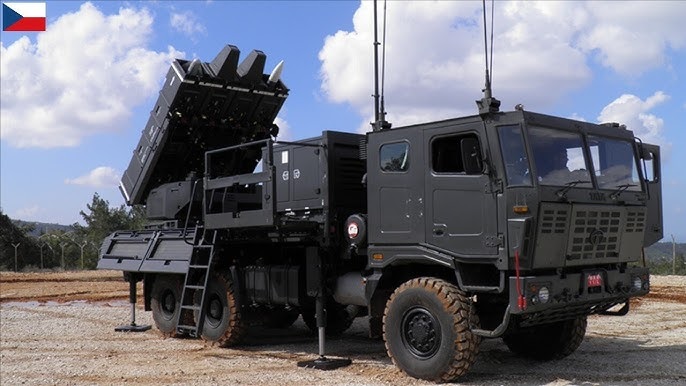
World
The Czech Armed Forces have confirmed that the production of the Spyder air defence system, which will replace the aging Soviet-era 2K12 Kub system, is progressing as planned. The first of four batteries has been completed and is now undergoing rigorous factory testing, while work on the second battery is already underway. Manufactured by Israel’s Rafael Advanced Defense Systems, the Spyder system marks a major upgrade for the Czech Republic’s air defence capabilities. Colonel Jaroslav Daverný from the Ministry of Defence’s Force Development Section highlighted that the new system offers extended range, greater accuracy, and the ability to engage multiple aerial threats simultaneously, significantly enhancing national security. Spyder System Specifications The Czech Republic has procured all available missile variants for the Spyder system to maximize operational flexibility: Python 5 – Short-range infrared-guided missile I-Derby – Radar-guided medium-range missile I-Derby LR – Long-range missile with a range of up to 80 km Each Spyder battery consists of nine vehicles, including: Radar system Four missile launchers Transport and loading vehicle Command and fire control unit The Czech military signed a contract for four Spyder batteries in 2021, valued at 13.7 billion CZK, with deliveries set to be completed by 2026. An additional order for I-Derby LR missiles was placed in 2023, with ammunition deliveries expected to continue until at least 2027. The systems will be deployed with the 251st Anti-Aircraft Missile Squadron of the 25th Anti-Aircraft Missile Regiment based in Strakonice. Factory Testing and Integration The first battery is undergoing meticulous factory testing to ensure each component meets strict quality standards. Testing includes: Vehicle functionality and system integration Technical certification of electrical, lifting, and pressure systems Electromagnetic compatibility tests for integration into Czech defence networks The Czech Ministry of Defence’s State Quality Verification Authority oversees the locally produced components, while Israeli-made parts are inspected by their respective regulatory bodies. Each vehicle requires ten working days to complete verification, meaning the full factory testing process takes approximately 90 days per battery. By the end of 2024, factory trials for the first battery are expected to conclude, followed by testing of data transmission capabilities within the system and with higher command levels. Security assessments will also be carried out to certify the Spyder system for classified military use. Training and Deployment Personnel from the 251st Squadron have already begun familiarization with the Spyder system. Their primary training phase will take place at the end of 2024, culminating in operational trials before the system is fully introduced into the Czech Armed Forces’ inventory. A key aspect of the acquisition is Czech industry participation, which accounts for over 30% of the project. Local defence companies, including Vojenský technický ústav and RETIA, are involved in production, ensuring efficient delivery and integration of the system. The manufacturing process is being carried out both in the Czech Republic and abroad. With the completion of the first battery and ongoing testing, the Czech Republic is on track to modernize its air defence, reinforcing its ability to counter evolving aerial threats efficiently.
Read More → Posted on 2025-03-18 13:50:00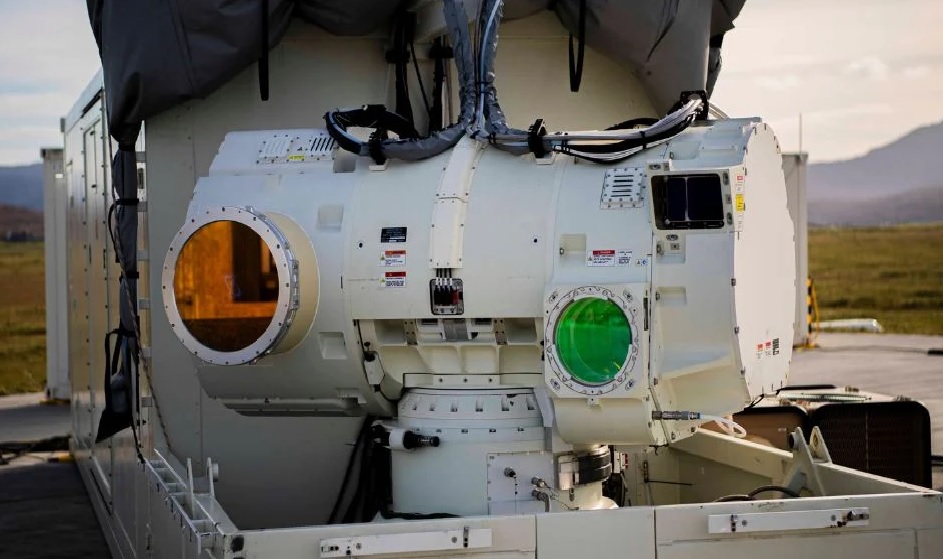
World
QinetiQ has successfully demonstrated Australia’s first scalable high-power laser optical chain prototype, marking a significant milestone in the country’s defense technology advancements. This achievement, developed in collaboration with the Defence Science and Technology Group (DSTG), brings Australia closer to deploying sovereign directed energy systems capable of countering both current and emerging threats posed by uncrewed systems. Under a 2023 contract, QinetiQ was tasked with co-developing a defensive laser system prototype that offers flexible deployment options. The recent demonstration has validated key technologies, paving the way for a full-scale prototype expected in the first half of 2025. Advanced Laser Technology with DragonFire Expertise The new system utilizes QinetiQ’s coherent beam combining (CBC) technology, which merges multiple high-power laser beams into a single, highly focused beam. This process enhances power while maintaining beam quality, ensuring high effectiveness at extended ranges. The company’s expertise in developing the UK’s DragonFire laser-directed energy weapon played a crucial role in securing the Australian project. QinetiQ’s Australian campaign director for advanced capabilities, Russell Maddalena, emphasized that the DSTG saw great potential in combining its high-power amplifiers with QinetiQ’s laser technology, accelerating the development of an Australian sovereign capability. Specifications and Future Development Laser Type: High-energy directed energy weapon Beam Technology: Coherent Beam Combining (CBC) Power Class: Expected to be lower than the 50-kilowatt DragonFire system initially, with potential for scaling Deployment Options: Designed for multi-domain use, including counter-drone operations Development Timeline: Full-scale prototype by mid-2025 Testing Progression: Begins with short-range trials before expanding to longer-range engagements The DragonFire system, which serves as a benchmark for this project, successfully completed its first test in November 2022 and is expected to be operational on UK warships by 2027—earlier than initially planned due to evolving threats. The Australian prototype will likely follow a similar development path, starting with short-range tests before advancing to higher power levels and broader applications. Strengthening Sovereign Defense Capabilities QinetiQ’s UK and Australian teams have closely collaborated on this project, with integration work conducted in Adelaide, Australia. The successful demonstration highlights the growing importance of directed energy weapons (DEWs) as cost-effective countermeasures against threats like uncrewed aerial vehicles (UAVs). With the first phase completed, Australia is now on track to develop its own high-energy laser defense systems, reinforcing national security and expanding its technological capabilities in modern warfare.
Read More → Posted on 2025-03-18 04:45:21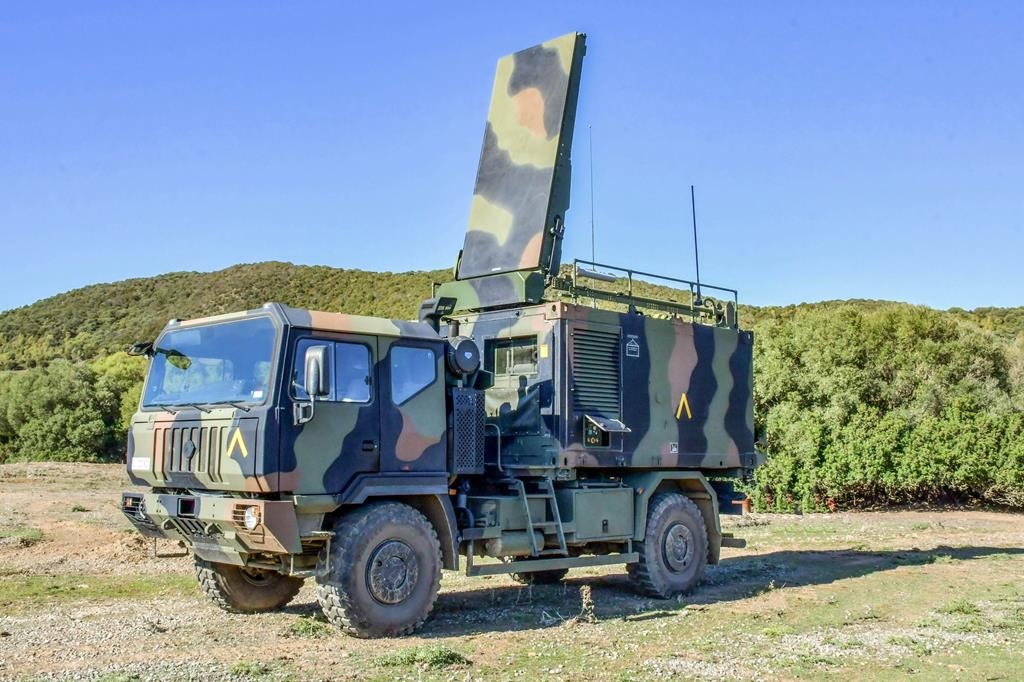
World
Sweden has announced a new military aid package for Ukraine, which includes the donation of 18 Archer self-propelled artillery units and five Arthur counter-battery radar systems. This marks Sweden’s 18th aid package to Kyiv, valued at approximately 3 billion kronor ($296 million). While the delivery of Arthur radar systems is set to begin this year, the Archer artillery units are scheduled for transfer in 2026. The addition of these Archer systems, manufactured by BAE Systems Bofors, will complement the eight already delivered to Ukraine. Meanwhile, the Saab-made Arthur counter-battery radars will help Ukrainian forces detect and target enemy artillery with greater accuracy, further strengthening their battlefield capabilities. As part of the package, Sweden will also provide financial support through a Danish-led initiative, which may contribute to the production of 155mm ammunition or Bohdana artillery systems. Additionally, Sweden will take part in the artillery coalition under the Ukraine Defense Contact Group, an initiative aimed at bolstering Ukraine’s artillery capacity and improving interoperability with NATO forces. Sweden’s Defense Minister, Pål Jonson, emphasized that artillery and ammunition remain a top priority for Ukraine as it continues to defend itself against Russia’s full-scale invasion. This latest commitment reflects Sweden’s ongoing support for Kyiv, aligning with similar efforts from European and NATO allies. Since the beginning of the war, Sweden has steadily increased its military assistance to Ukraine. Just last month, Stockholm pledged an additional 1.2 billion kronor ($113 million) in aid, including RBS 70 NG man-portable air-defense systems and Tridon Mk2 anti-aircraft artillery guns. In a further show of support, Sweden previously granted Ukraine permission to use Swedish-supplied weapons for strikes inside Russian territory. With this latest aid package, Sweden reinforces its commitment to Ukraine’s defense efforts, ensuring that Kyiv receives the necessary artillery and technological support to counter Russian aggression effectively.
Read More → Posted on 2025-03-18 04:41:10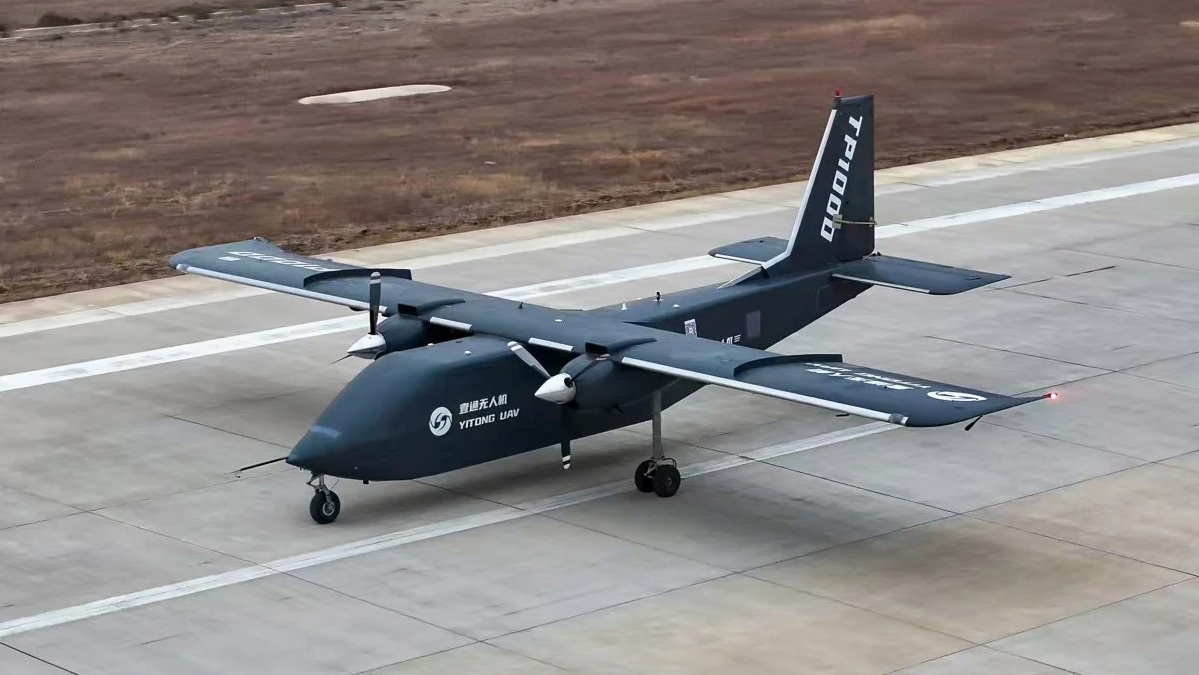
World
China has taken a major step forward in unmanned aerial logistics with the successful maiden flight of the TP1000, a large transport drone capable of carrying over 1 ton of cargo. Developed by Yitong UAV Company, a state-owned enterprise based in Shandong, the TP1000 marks a breakthrough in China’s fast-growing low-altitude economy. The test flight, conducted in Qingdao, lasted 26 minutes and was completed without any issues. The drone, which boasts a maximum takeoff weight of 3.3 tons, can transport a full load over a range of 1,000 kilometers. These specifications make it the most capable transport drone in China to date. China has been investing heavily in low-altitude aviation, which includes cargo drones, air taxis, and other aerial vehicles flying below 3,000 meters. In 2024, this market was valued at approximately 670 billion yuan ($92.6 billion) and is expected to exceed 1 trillion yuan by 2026. Supportive government policies have encouraged rapid innovation, leading to the development of advanced aerial platforms like the TP1000. Designed with modular construction, the TP1000 can be quickly assembled, disassembled, and customized for different applications. Beyond cargo transport, it can be used for ocean monitoring, scientific research, resource exploration, and infrastructure projects. The drone’s large rear-opening cargo bay enables smart airdrop operations, and its compatibility with standard pallets allows for seamless loading and unloading. Domestic companies have already placed orders for 30 units of the TP1000, highlighting strong market interest. This follows the recent successful test of another commercial transport drone, the HH-100, which has a 700 kg payload and a range of 520 km. With China’s focus on developing an independent and advanced drone industry, the TP1000 stands as a testament to the country’s ability to innovate in the field of unmanned aerial transport. The aircraft is expected to enter commercial operations next year, further boosting China’s capabilities in logistics and aerial mobility.
Read More → Posted on 2025-03-17 14:24:48Search
Top Trending in 24 Hours
-
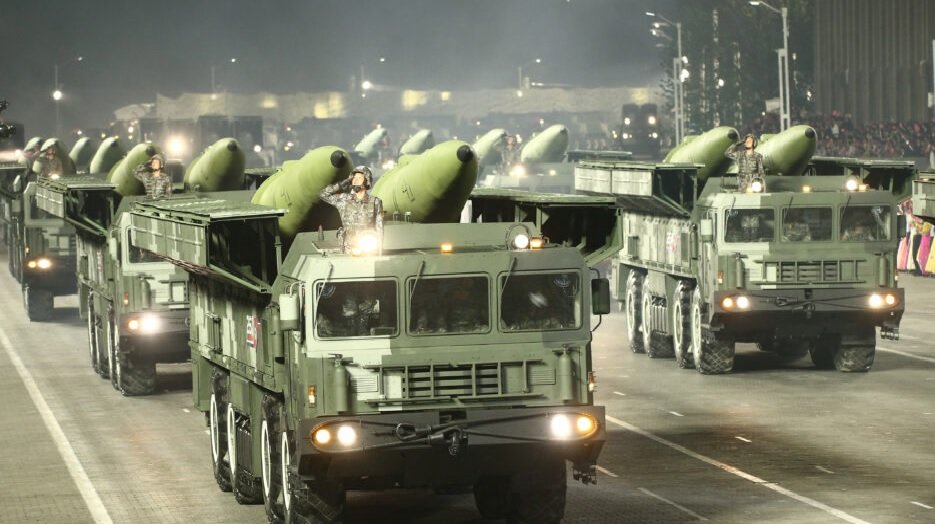 Russia Receives North Korean KN-30 Ballistic Missiles as Moscow Expands Its Missile Arsenal
-
 Kongsberg Wins $120 Million Contract for More Protector RS4 Systems for Canadian Army
-
 Castelion Secures $1 Billion Funding to Scale Production of Blackbeard Hypersonic Missile
-
 US Navy Launches ARAV-6 Missile Target During Multinational Pacific Dragon 2026 Exercise
-
 Lockheed Martin Demonstrates AI-Powered Sonar System With U.S. Navy at RIMPAC 2026
-
 Russia Receives New Batch of Pantsir-S and Pantsir-SMD Air Defense Systems
-
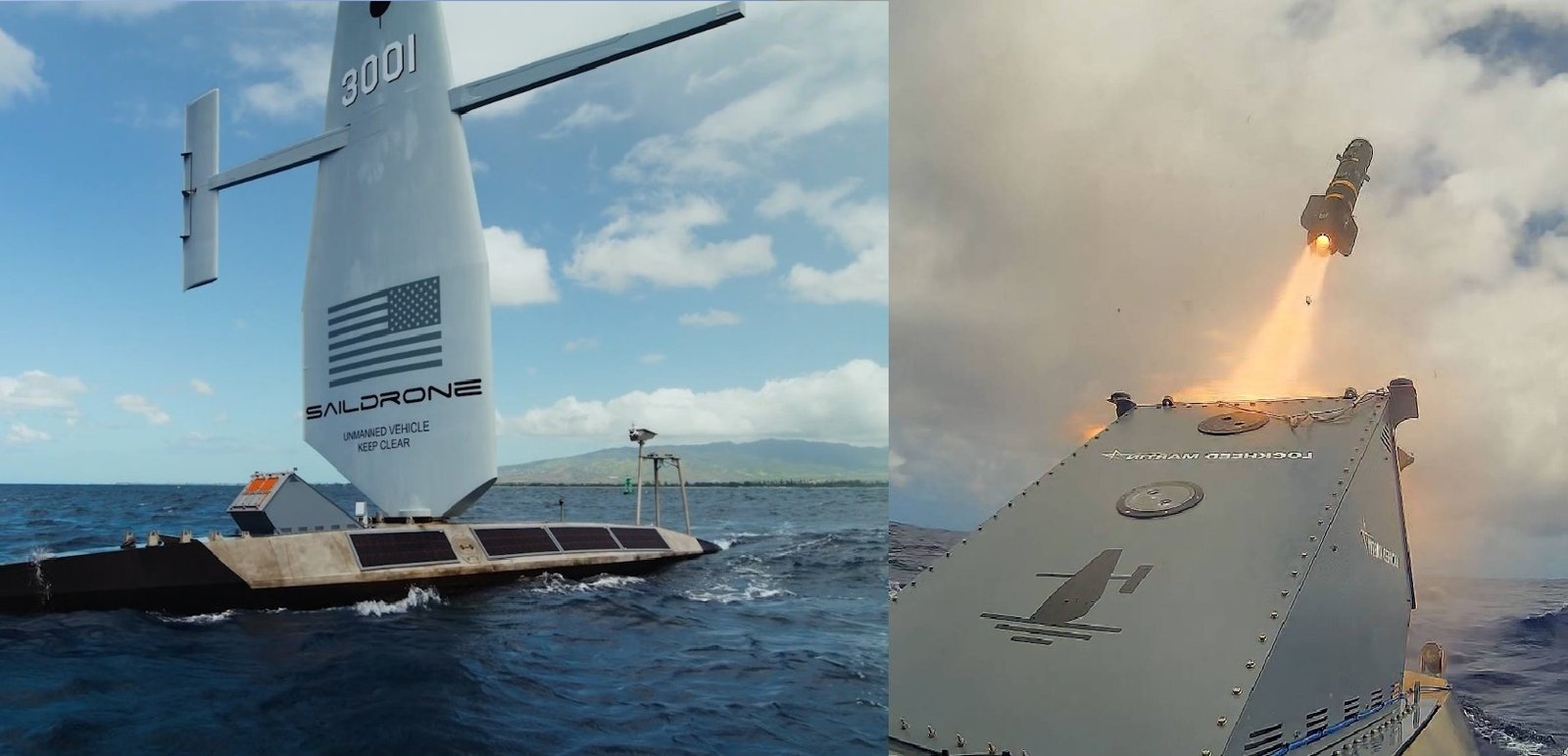 Saildrone and Lockheed Martin Successfully Fire Two JAGM Missiles in First Live-Fire Test from Unmanned Vessel at RIMPAC 2026
-
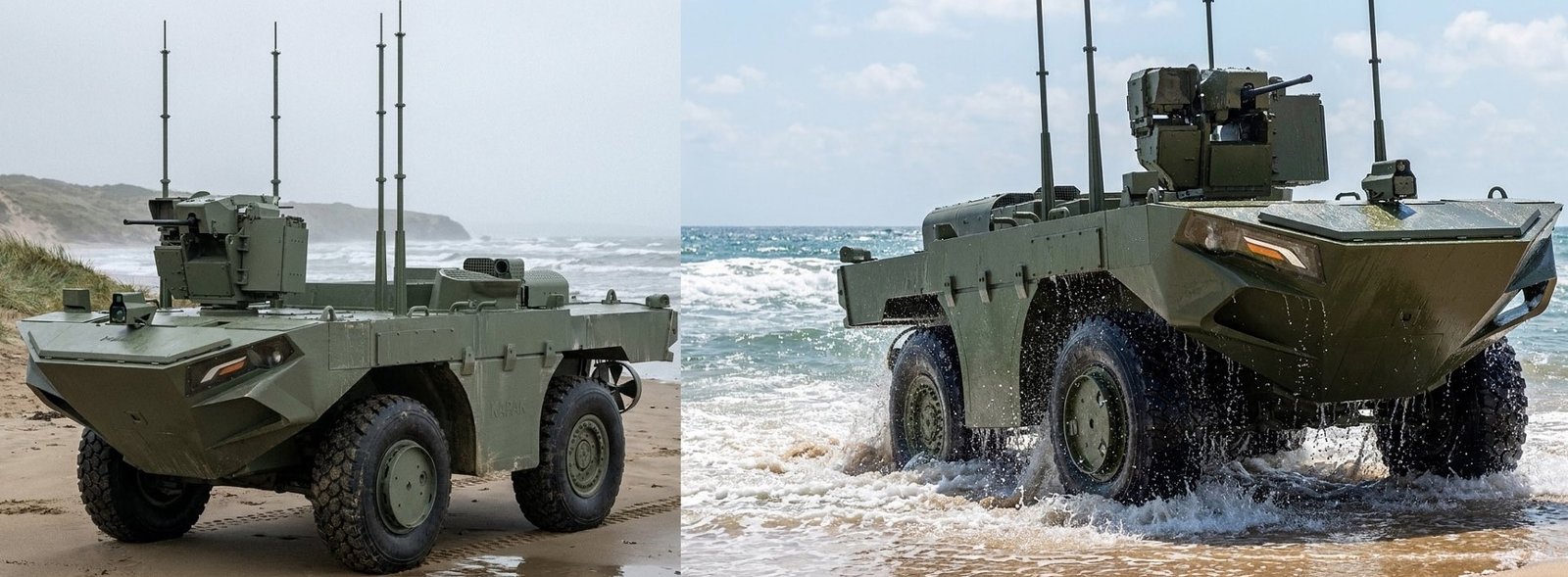 Turkey's FNSS Unveils U-MAV Unmanned Amphibious Assault Vehicle at TEKNOFEST Blue Homeland
Top Trending in 4 Days
-
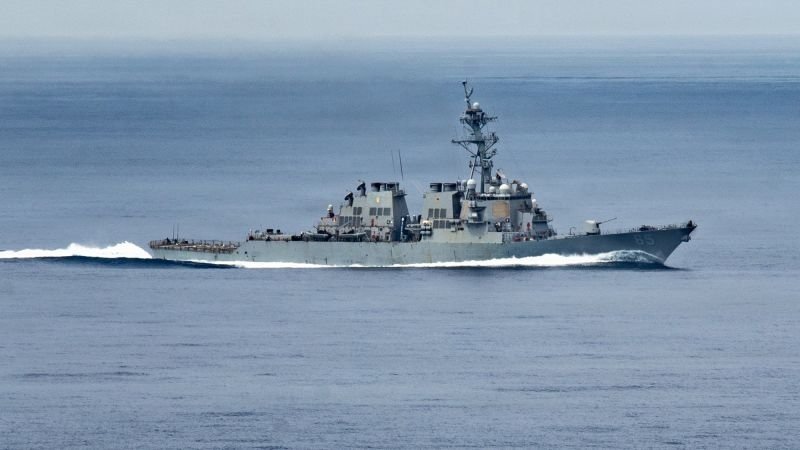 U.S. Navy Destroyer USS Benfold Spent Four Days Without Power in South China Sea After Generator Failure
-
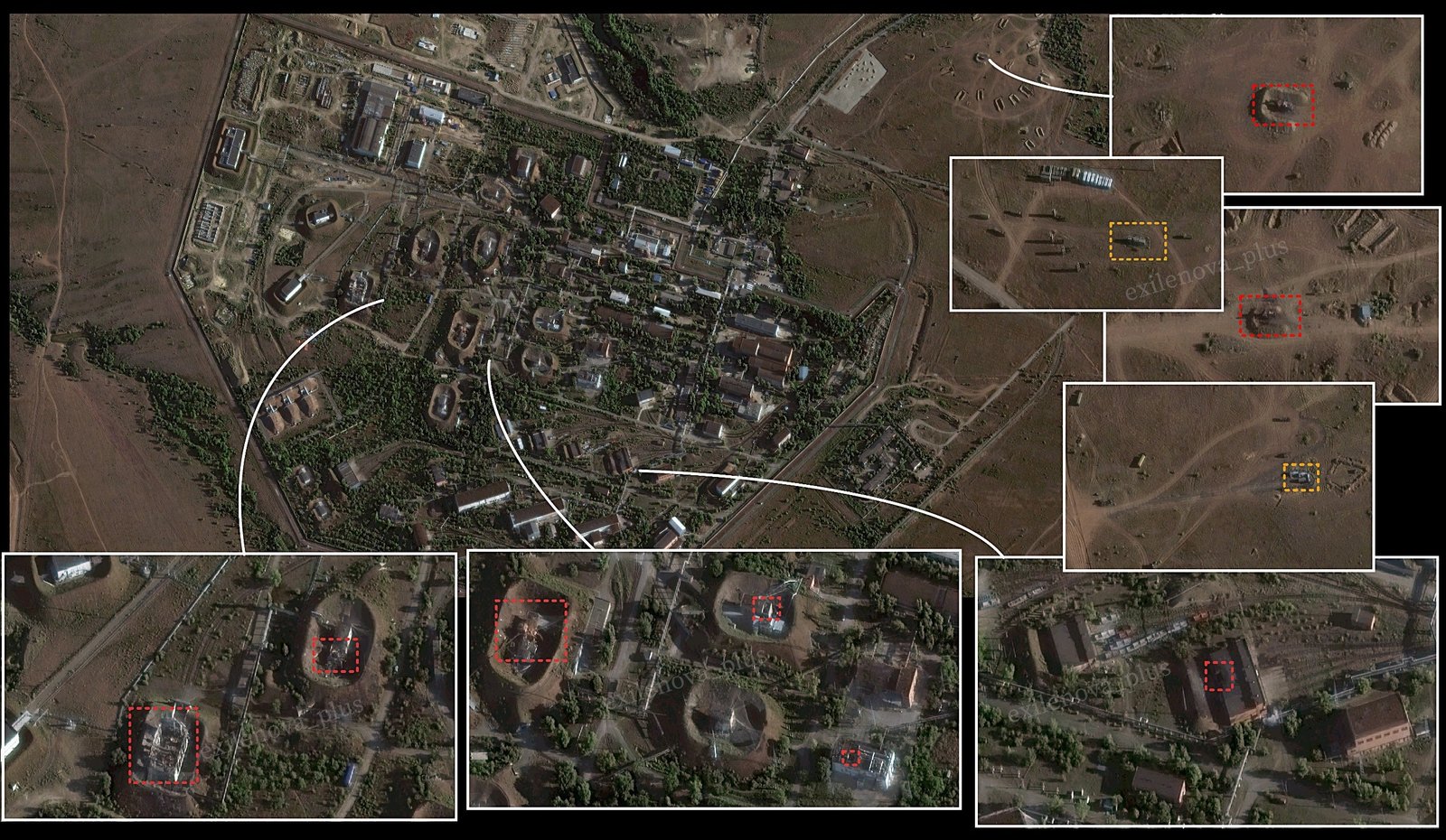 Satellite Images Show Ukrainian Drone Strike Hits Russian Rocket Fuel Plant and Air Defense Systems in Rostov Region
-
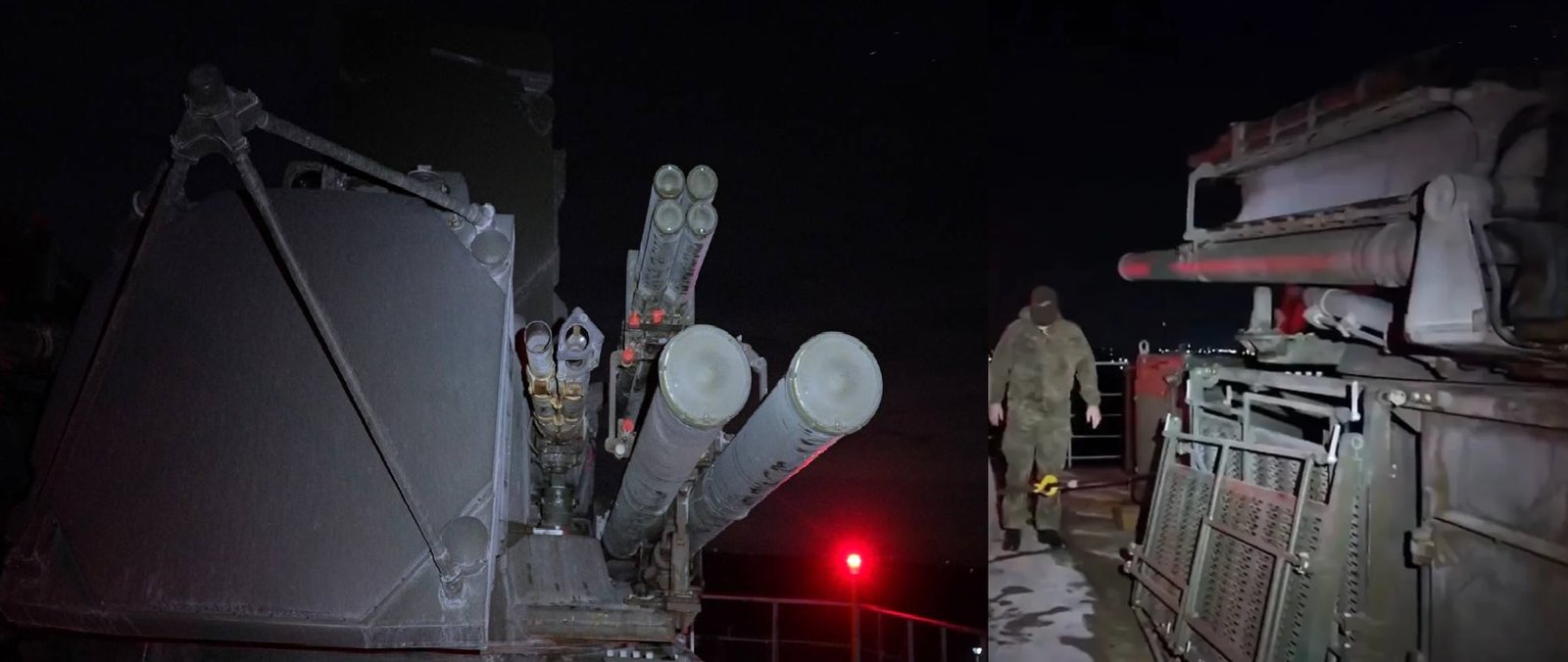 Russia Expands Moscow’s Anti-Drone Defense Network With Specialized 35-Meter Towers for Pantsir Systems
-
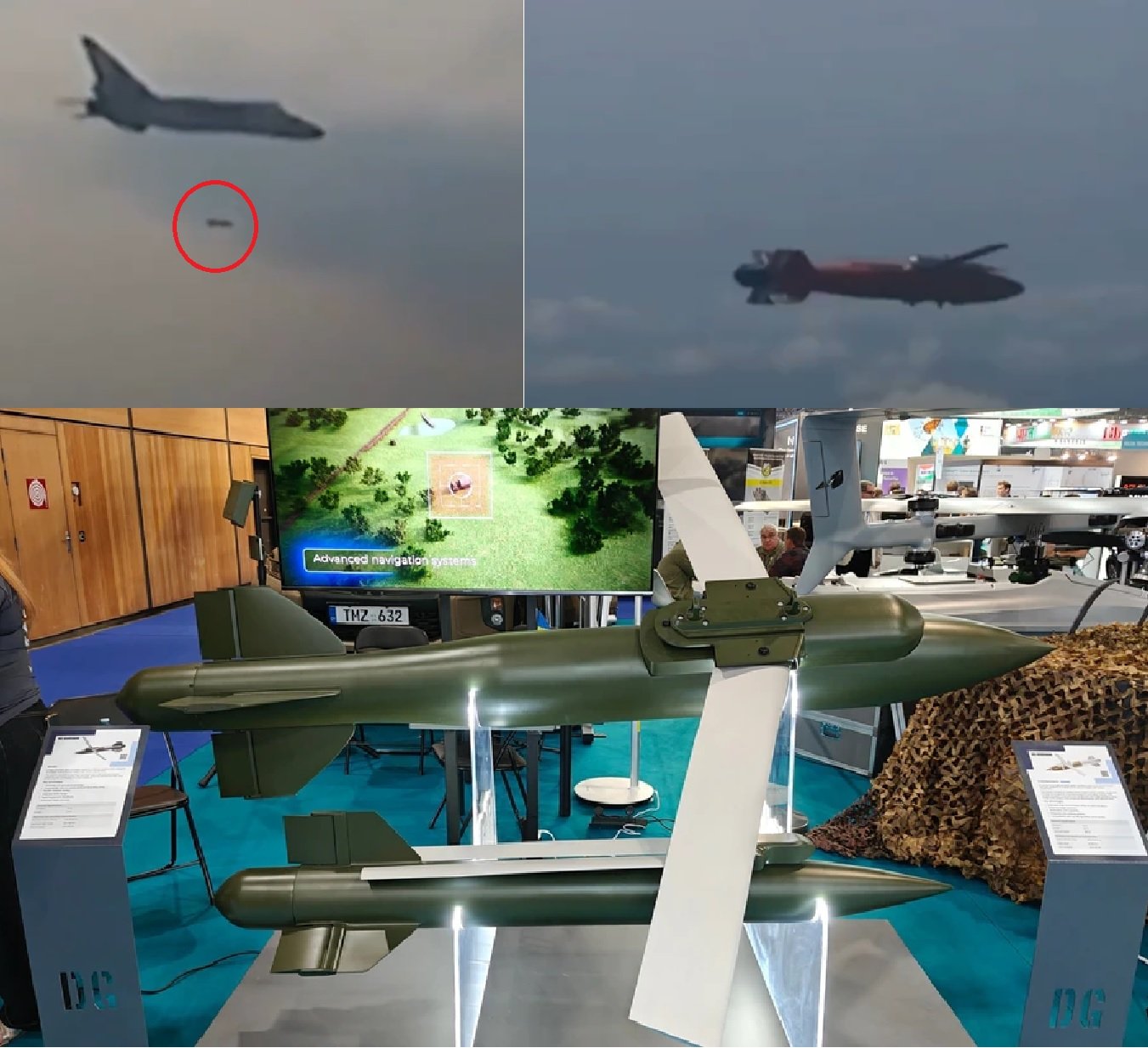 Ukraine Begins Procurement of Vyrivniuvach Guided Aerial Bomb
-
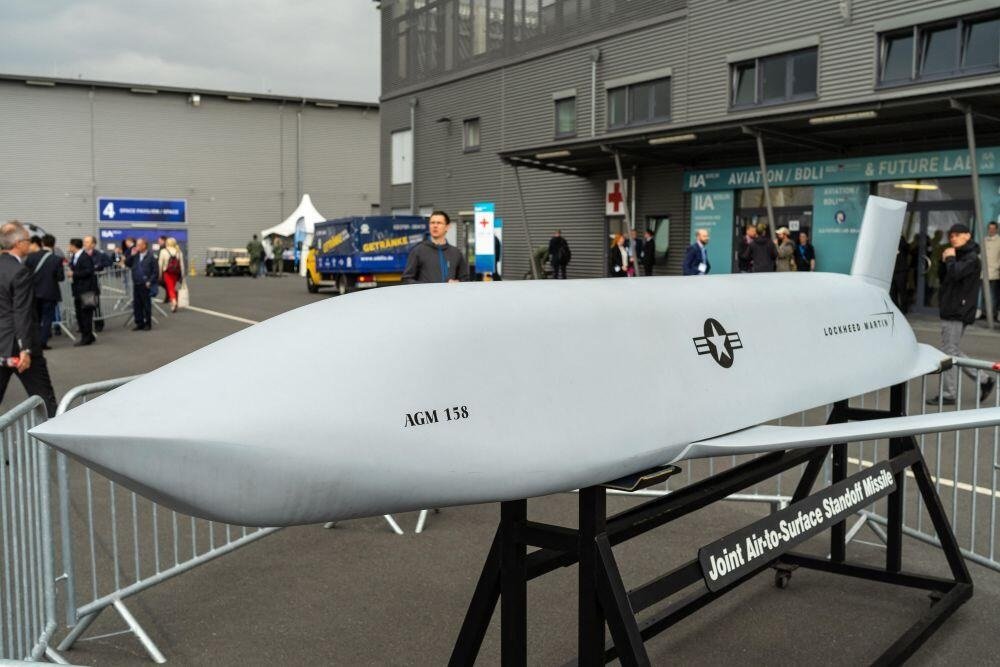 U.S. Air Force Selects GE-Kratos F143 Engine as Second Engine Source for JASSM Missile
-
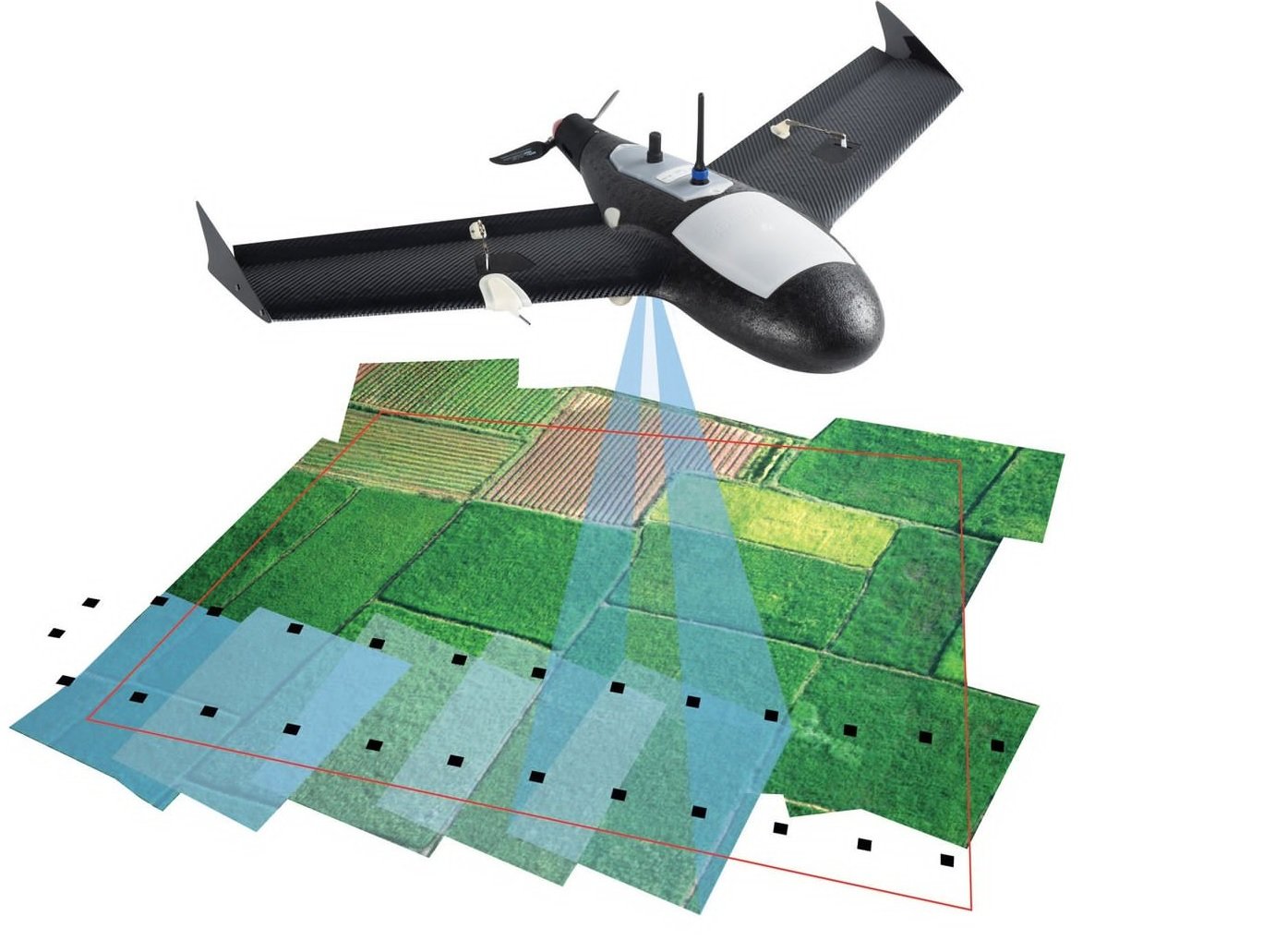 Russia Develops 'Martian' Camera-Based Navigation Independent of GPS and Radio Signals for Drones
-
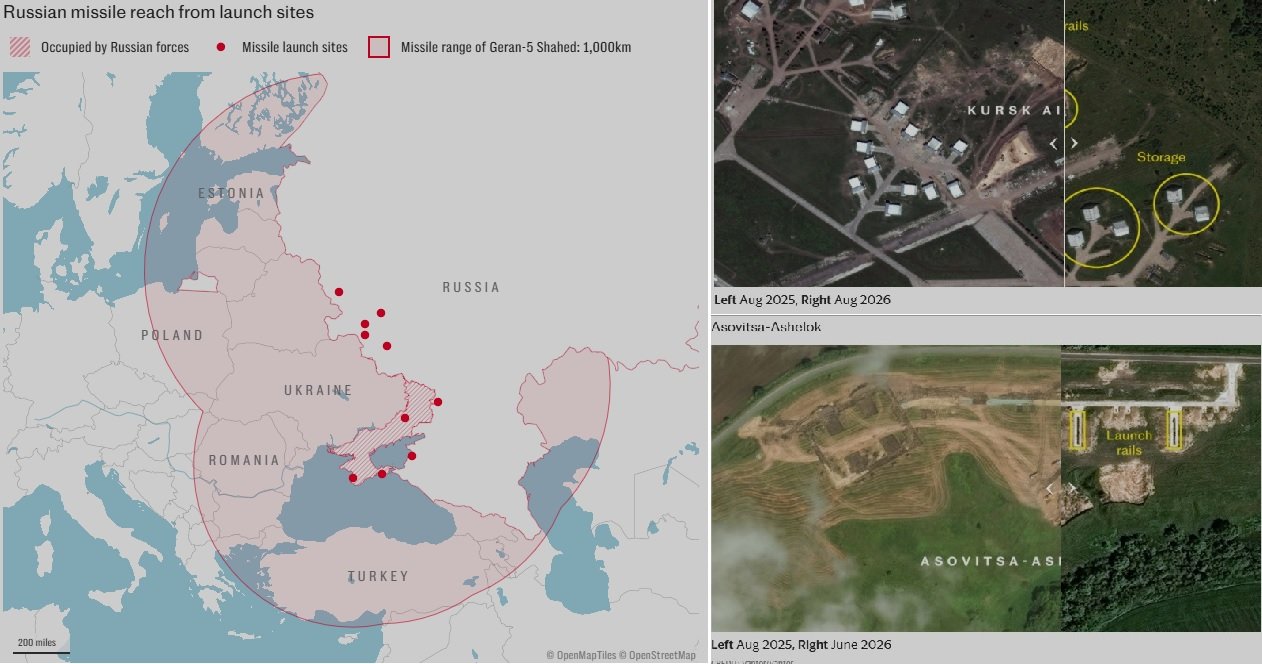 Russia Expands Drone Launch Network Near Ukraine and Belarus Borders, Putting NATO Territory Within Range
-
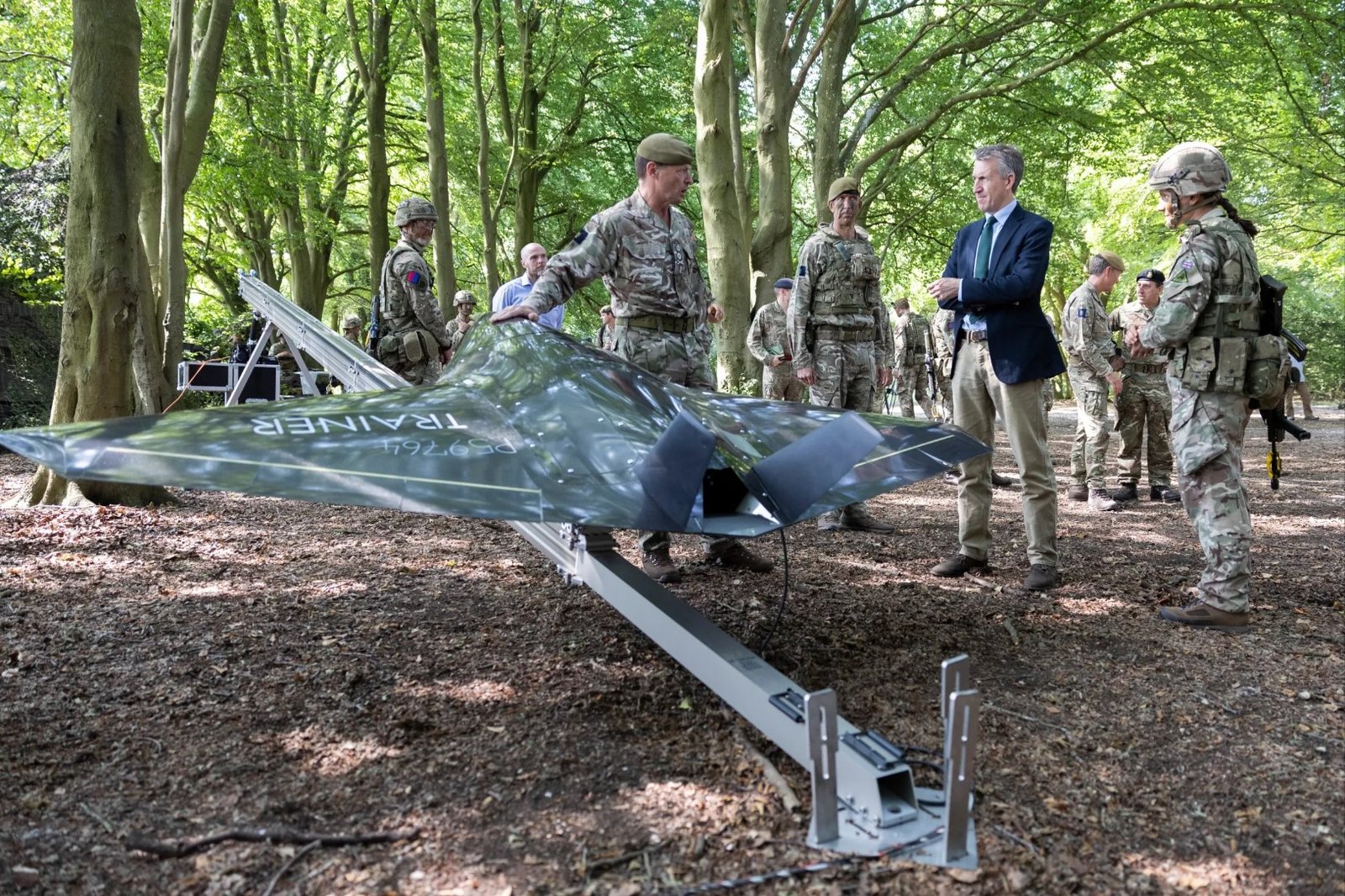 Russia Warns UK of ‘Consequences’ Over British Drones Used by Ukraine in Strikes on Russian Territory
