RIYADH, — March 2, 2026 : Saudi Arabia’s state-owned energy company, Saudi Aramco, has suspended operations at its Ras Tanura refinery following a drone strike attributed to Iran that caused a limited fire at the facility. The shutdown is the first operational halt at the site since 2019 and comes amid escalating regional tensions.
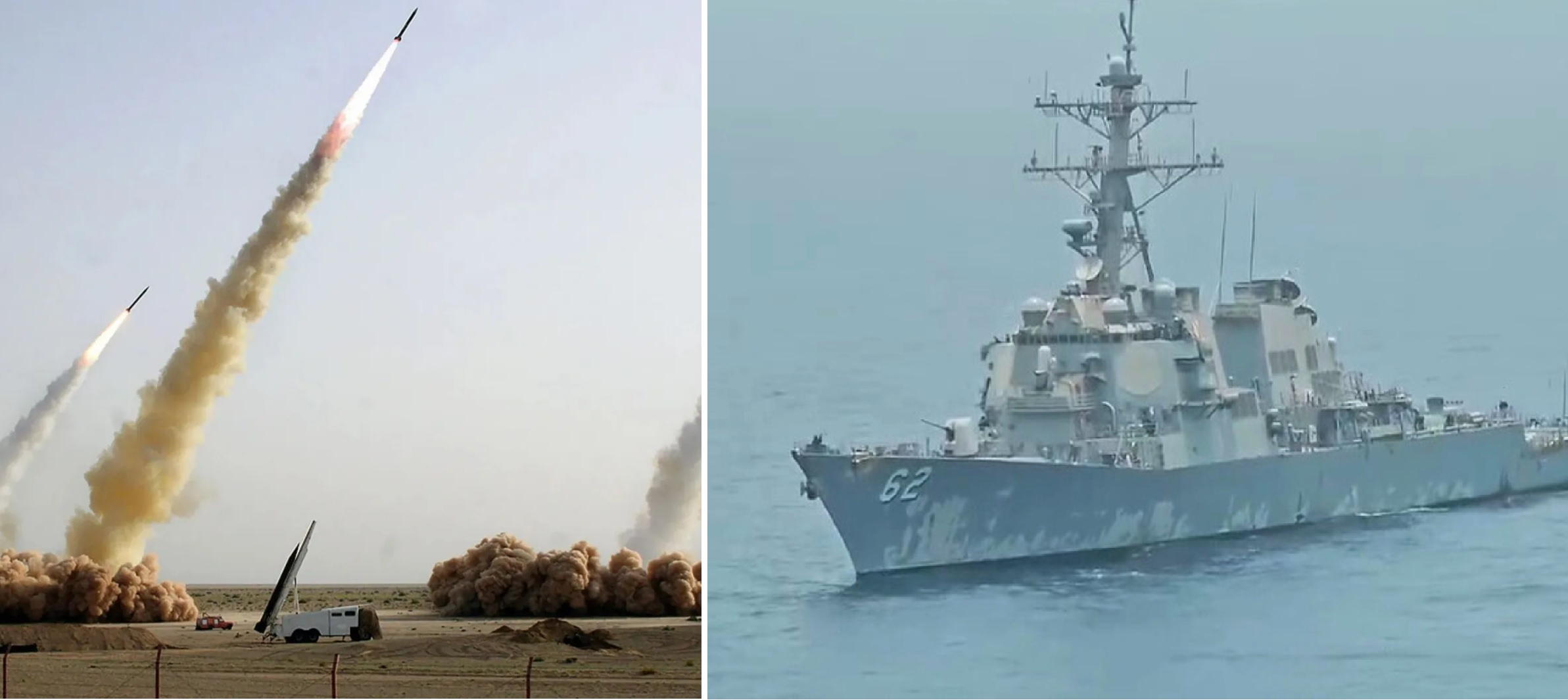
The incident occurred early Monday, March 2, at approximately 7:04 a.m. local time, when two unmanned aerial vehicles targeted the Ras Tanura complex in the Eastern Province near Dammam. Saudi air defense systems intercepted the drones, but debris from the interception fell داخل the refinery perimeter, igniting a fire. Emergency response teams contained the blaze, and authorities confirmed there were no casualties.
Videos circulating on social media showed smoke rising from the complex. The footage was subsequently verified against satellite imagery. As a precautionary measure, Saudi Aramco shut down operational units at the refinery while technical teams conduct damage assessments. The company has not issued a detailed public statement on the extent of material damage.
Strategic Importance of Ras Tanura
Ras Tanura is Saudi Arabia’s largest refinery and a central component of the kingdom’s energy infrastructure. The facility has a crude distillation capacity of 550,000 barrels per day (bpd), accounting for approximately 16 percent of the country’s total refining capacity of 3.4 million bpd.
The refinery processes both crude oil and gas condensates. Its infrastructure includes a vacuum distillation column (135,000 bpd), a hydrocracking unit (50,000 bpd), and facilities handling 105,000 bpd of chemical intermediates. The complex spans 5.5 million square meters and supports refining, natural gas liquids processing, and crude stabilization capacity of up to 1.2 million bpd.
Beyond refining, Ras Tanura forms part of a larger integrated complex that includes a major offshore crude oil and petroleum export terminal. The facility supplies a substantial share of domestic petroleum products and exports refined products to international markets, including Europe.
Saudi officials indicated that the temporary halt could affect between 30 and 33 percent of domestic refining operations, though authorities stated there would be no immediate disruption to fuel supplies within the kingdom.
Regional Context
The strike is part of a broader series of retaliatory actions by Iran across the Gulf region following joint U.S.-Israeli military operations that resulted in the death of Iran’s Supreme Leader, Ali Khamenei. In recent days, Iranian strikes have targeted infrastructure in Kuwait, the United Arab Emirates, Bahrain, Qatar, and Oman.
The Ras Tanura incident follows previous attacks on Saudi energy infrastructure. In September 2019, coordinated drone and missile strikes on the Abqaiq and Khurais facilities temporarily disrupted more than half of Saudi Arabia’s crude production. In 2021, Yemen’s Houthi group claimed responsibility for a drone attack on Ras Tanura.
Saudi Crown Prince Mohammed bin Salman condemned the latest strike and held consultations with regional leaders, including UAE President Sheikh Mohamed bin Zayed Al Nahyan. Saudi authorities summoned the Iranian envoy and stated that the kingdom reserves the right to respond in accordance with international law. Riyadh denied reports that it had lobbied the United States for direct military action but confirmed coordination with regional partners.
Member states of the Gulf Cooperation Council have issued statements condemning the attacks and affirming their right to individual and collective self-defense.
Market Impact
The refinery shutdown had immediate effects on global energy markets. Brent crude futures rose as much as 13 percent, surpassing $82 per barrel, marking the highest level since January 2025. Gasoil futures also increased amid concerns about diesel supply constraints.
Global equity markets declined, while gold prices climbed as investors moved toward perceived safe-haven assets. Traders cited heightened risk surrounding energy infrastructure in the Gulf and potential disruptions in the Strait of Hormuz, through which approximately 20 percent of global oil supply transits daily.
Analysts noted that prolonged disruption at Ras Tanura or further instability in the region could increase pressure on global fuel prices and contribute to inflationary trends in energy-importing economies.
Damage assessments at the refinery remain ongoing, and Saudi Aramco has not provided a timeline for the resumption of full operations.
——— End of Article ———