TEHRAN / WASHINGTON — March 25, 2026 : Iran’s military said on Wednesday that it launched coastal anti-ship cruise missiles toward the United States aircraft carrier USS Abraham Lincoln, while U.S. officials stated that no damage occurred and that all threats were intercepted. The developments coincided with China’s state-owned shipping company COSCO resuming cargo operations to Gulf destinations following coordination with Tehran.
Claims of Missile Launch Toward U.S. Carrier
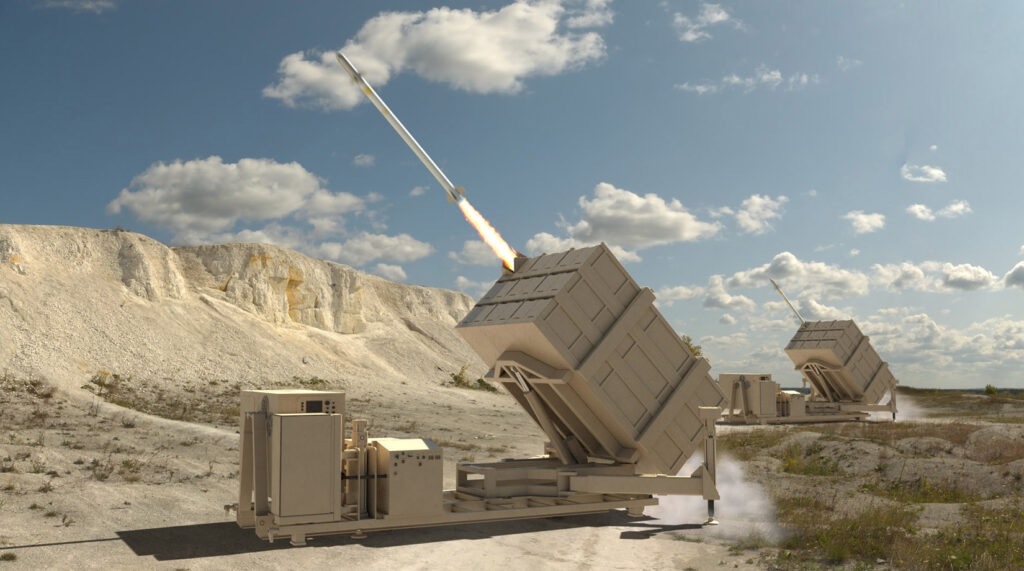
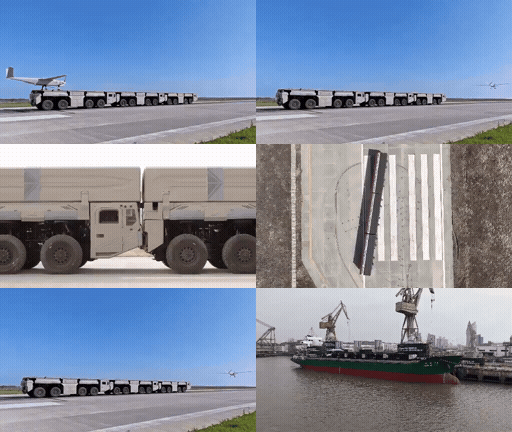
According to statements from Iranian state media and the Iranian Army’s Public Relations Office, naval forces fired multiple Qadir (Gader) coastal anti-ship cruise missiles at the USS Abraham Lincoln carrier strike group. Iranian officials said the missiles were launched from coastal positions and targeted the carrier while it was operating in waters near the Gulf of Oman.
Iranian reports indicated that the carrier group was positioned approximately 250 to 340 kilometers off Iran’s coast, near Chabahar, at the time of the launch. The Qadir missile, a domestically developed system designed for anti-ship warfare, is reported to have an operational range of around 300 kilometers.
Iranian authorities stated that the missile activity prompted the carrier to alter its position and withdraw from what they described as a designated danger zone extending from the Gulf of Oman into parts of the Arabian Sea. Footage released by Iranian outlets, including Press TV and IRNA, showed what were described as cruise missile launches from coastal batteries.
Rear Admiral Shahram Irani, commander of the Iranian Navy, confirmed that the operation was conducted under direct military oversight and said he personally ordered the launch from the Navy’s operational command post. He stated that Iranian forces maintain continuous monitoring of the USS Abraham Lincoln and its accompanying vessels.
U.S. Response and Interception Claims
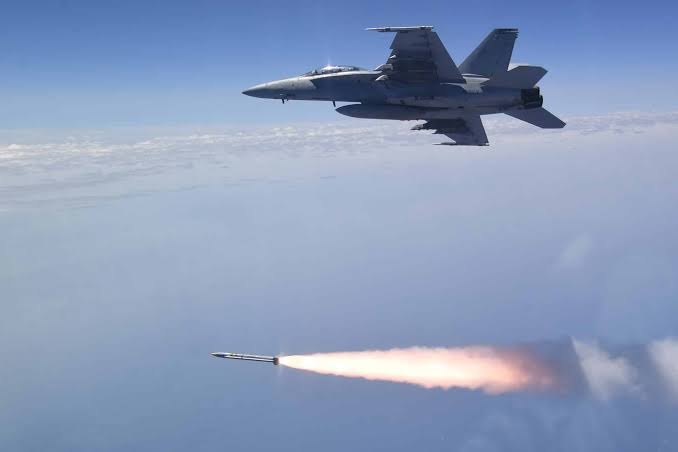
U.S. Central Command (CENTCOM) disputed Iran’s account, stating that the missiles did not come close to the carrier strike group and that no damage was sustained. According to U.S. military sources, a large-scale missile barrage was detected and tracked.
American officials said the carrier group relied on layered air and missile defense systems, including the Aegis Combat System aboard escorting Arleigh Burke-class destroyers, to intercept incoming threats. U.S. sources maintained that all projectiles were successfully intercepted over the sea before reaching the carrier.
CENTCOM added that the USS Abraham Lincoln continues to operate in the region and is conducting normal flight operations.
Naval Posture and Regional Control Claims
Iranian military leadership framed the reported developments as part of a broader assertion of control over regional waters. Rear Admiral Irani stated that Iran maintains what he described as firm operational control over the Strait of Hormuz and adjacent maritime areas.
He said U.S. naval movements are under 24-hour surveillance and warned that any carrier entering the operational range of Iran’s coastal missile systems would be subject to immediate targeting.
Iranian officials also linked the situation to the earlier departure of the USS Gerald R. Ford from the region. The Ford withdrew following a fire in a laundry compartment on March 12 and is currently docked in Crete, Greece, for repairs and maintenance.
COSCO Resumes Shipping Operations
In a parallel commercial development, China’s state-owned shipping company COSCO announced the immediate resumption of booking services for cargo shipments to Gulf countries. The restored routes include the United Arab Emirates, Saudi Arabia, Bahrain, Qatar, Kuwait, and Iraq.
The company had previously suspended operations due to escalating regional tensions. The resumption, according to regional reports, follows coordination with Iranian authorities regarding maritime safety and transit conditions.
Strait of Hormuz Transit Conditions
Iran’s permanent mission to the United Nations stated that vessels from what it described as “non-hostile” countries may transit the Strait of Hormuz, provided they comply with Iranian safety and security protocols and coordinate with designated authorities.
Iranian officials indicated that shipping linked to countries such as China, Russia, and India would be allowed to pass under these conditions. At the same time, Tehran has maintained that maritime access is restricted for vessels associated with adversarial states.
The Strait of Hormuz remains a critical global energy corridor, accounting for approximately 25 percent of seaborne oil trade and about 20 percent of global liquefied natural gas shipments.
Ongoing Tensions and Lack of Independent Verification
No independent verification has confirmed any impact or damage resulting from the reported missile launches. The differing accounts from Iranian and U.S. sources reflect ongoing tensions in the region, where naval operations and maritime security conditions remain closely monitored.
The situation continues to evolve amid heightened military activity and shifting commercial shipping patterns in and around the Persian Gulf and the Strait of Hormuz.
——— End of Article ———