
India
In a significant move to honor the dedication and patriotism of Agniveers, the Rajasthan government has announced a provision for reservation in the recruitment of jail guards, forest guards, and state police. This announcement was made by Chief Minister Bhajanlal Sharma on the occasion of Kargil Vijay Diwas, July 26.The Agnipath scheme, introduced by the central government in 2022, aims to recruit youths aged between 17-and-a-half and 21 into the Army, Navy, and Air Force on a four-year contractual basis. Those selected under this scheme are called Agniveers. After completing their four-year tenure, 25 percent of these recruits will be offered regular service in the armed forces. Recognizing their service, the Union Ministry of Home Affairs had previously reserved 10 percent of vacancies in the Central Armed Police Forces for ex-Agniveers.Following the central government’s initiative, several states have also implemented similar measures. In Rajasthan, Chief Minister Sharma emphasized the state’s commitment to providing opportunities for Agniveers to continue their service at the state level after their tenure in the armed forces. This reservation policy is seen as a step towards acknowledging the sacrifices and contributions of these young soldiers.While the exact percentage of reservation for Agniveers in Rajasthan’s state police, jail guard, and forest guard recruitments has not been disclosed, the announcement marks a significant step towards integrating these trained personnel into the state’s security apparatus. This move is expected to enhance the efficiency and effectiveness of the state's security forces, given the rigorous training and discipline that Agniveers undergo during their service in the armed forces.The decision also aligns with the broader national policy of providing career opportunities for Agniveers beyond their military service, thereby ensuring their skills and dedication are utilized in various security roles across the country. This initiative by the Rajasthan government not only offers a career path for ex-Agniveers but also strengthens the state’s commitment to national security and public safety.The announcement has been welcomed by many as a positive step towards recognizing the value of military service and providing a seamless transition for Agniveers into civilian roles. It also highlights the collaborative efforts between the central and state governments in addressing the employment and integration of ex-servicemen into the broader workforce.
Read More → Posted on 2024-07-27 14:58:06
World
Horizon Technologies, a UK-based leader in intelligence, surveillance, and reconnaissance (ISR) solutions, has recently announced a significant contract valued at GBP 3.7 million. This contract involves the delivery of their advanced BlackFish airborne signals intelligence (SIGINT) systems to a government customer in the Middle East. This development marks another milestone in Horizon Technologies' growing influence in the global defense and intelligence market.The BlackFish technology is pivotal to Horizon’s Multi-Domain Amber ISR Network Products. This technology is designed to geolocate and monitor L-band emitters, such as SatPhones, providing critical intelligence capabilities. The versatility of Horizon’s ISR technology allows it to be deployed across various platforms, including manned aircraft (both rotary and fixed wing), unmanned aerial vehicles (UAVs), ships, terrestrial ground stations (AmberPersistent), and even in space on Low Earth Orbit (LEO) Amber SIGINT satellites.Each deployment domain offers distinct advantages tailored to the needs of both government and non-government customers. Aircraft and naval solutions provide rapid response capabilities with man-in-the-loop crews, UAV payloads are ideal for long-duration missions, the Amber space-based constellation offers extensive global coverage, and the ground-based AmberPersistent ensures continuous ISR coverage over vast strategic regions. Notably, the AmberPersistent system is already operational with a member of the Five Eyes intelligence alliance, underscoring its reliability and effectiveness.John Beckner, CEO of Horizon Technologies, expressed his enthusiasm about the expanding reach of their cutting-edge products. He highlighted the importance of their support from the UK Space Agency, which is facilitating the launch of the Amber-2 (Phoenix Mission) satellite slated for early 2025. This upcoming satellite, along with complementary AmberPersistent stations, is expected to enhance 24/7 SIGINT collection capabilities for multiple customers.Beckner also emphasized the impressive performance of Horizon’s products in conflict zones like Ukraine and the Middle East. The ability of their sophisticated airborne SIGINT systems to deliver real-time data has proven invaluable to NATO and allied forces. Additionally, in the maritime domain, Horizon Technologies provides unique RF signatures of commercial vessels, enabling the tracking of "dark vessels" that avoid using Automatic Identification Systems (AIS).Beyond the extensive range of solutions, Horizon Technologies offers flexible commercial options to their clients. Customers can choose from purchasing hardware, including ISR space-based payloads and complete turn-key ISR satellite constellations, to subscribing to worldwide ISR data services. This adaptability ensures that clients receive tailored solutions to meet their specific intelligence needs.The GBP 3.7 million contract for BlackFish systems signifies Horizon Technologies’ ongoing commitment to advancing ISR capabilities and delivering state-of-the-art intelligence solutions to a global clientele. As they continue to innovate and expand their product offerings, Horizon Technologies remains at the forefront of the ISR industry, providing critical intelligence support to enhance security and operational effectiveness worldwide.
Read More → Posted on 2024-07-27 14:55:42
World
In a groundbreaking trial, the US Air Force’s ULTRA reconnaissance drone demonstrated its endurance by flying non-stop for three days. This significant achievement took place at the Dugway Proving Ground in Utah, highlighting the drone's potential as a game-changer in military surveillance and reconnaissance.Developed in 2019, the ULTRA drone is an innovative aerial platform designed to offer extended flight times and advanced intelligence-gathering capabilities. With a wingspan exceeding 80 feet (24 meters), this glider-like drone is capable of remaining airborne for up to 80 hours. The recent test, which lasted 72 hours, showcased its capacity to meet and possibly exceed these expectations.The ULTRA is equipped with an electro-optical/infrared sensor that provides 360-degree intelligence, surveillance, and reconnaissance (ISR) capabilities. This sensor suite allows the drone to deliver comprehensive situational awareness, making it an invaluable asset for military operations. Its ability to gather and relay real-time data over extended periods significantly enhances the effectiveness of missions, particularly in remote or hostile environments.One of the most compelling features of the ULTRA drone is its cost-effectiveness. Short for Unmanned Long-Endurance Tactical Reconnaissance Aircraft, the ULTRA leverages commercial-off-the-shelf technologies. This approach not only reduces the initial acquisition costs but also ensures that maintenance and operational expenses are kept to a minimum. By utilizing existing manufacturing and supply chains, the drone avoids the high costs associated with custom-built military systems.The drone's design also allows it to operate at lower altitudes compared to other high-end reconnaissance platforms. This capability eliminates the need for expensive, larger optics typically required for high-altitude operations. As a result, the ULTRA provides a more economical option for military customers, delivering high-performance ISR capabilities without the associated high costs.Earlier this year, the US Air Force deployed the ULTRA drone for the first time in the Middle East during an undisclosed mission. While details of the mission remain classified, this deployment underscores the strategic value of the ULTRA in real-world operations. Its ability to operate for extended periods without requiring refueling or maintenance makes it particularly suited for prolonged surveillance missions in challenging environments.The successful three-day flight trial at Dugway Proving Ground is a testament to the ULTRA drone's capabilities and reliability. This achievement is expected to further solidify its reputation as a revolutionary aerial system, offering unprecedented endurance and operational efficiency. As the US Air Force continues to explore and expand the capabilities of the ULTRA, it is poised to become a pivotal tool in modern military strategy, providing a versatile and cost-effective solution for long-endurance reconnaissance missions.
Read More → Posted on 2024-07-27 14:50:04
India
The Kudankulam Nuclear Power Plant (NPP), a symbol of Indo-Russian collaboration, has reached a remarkable milestone by generating 100 billion kilowatt-hours (kWh) of electricity. This achievement, announced by Rosatom, the Russian atomic energy corporation, underscores the successful operation and efficiency of the two 1,000 MW nuclear reactors in Tamil Nadu, India.The journey of the Kudankulam NPP began with the collaboration between India's Nuclear Power Corporation of India Ltd (NPCIL) and Rosatom. This partnership has been pivotal in bringing advanced nuclear technology to India. The first two units, which have now collectively delivered 100 billion kWh to the Indian power grid, are operating in routine mode, exceeding their expected efficiency levels. This impressive performance is a testament to the robust design, reliable equipment, and high-quality construction that went into the plant.Alexey Zhukov, First Vice President for Construction at ASE JSC, a Rosatom subsidiary, highlighted the significance of this milestone. He attributed the plant's effective operation to the application of proven design solutions and the seamless cooperation between the Indian and Russian teams. This collaboration ensured that the project met the highest standards of quality and safety, from the initial design phase through to operation.The success of Units 1 and 2 at Kudankulam is just the beginning. NPCIL and Rosatom are currently constructing four additional 1,000 MW units (Units 3, 4, 5, and 6) at the same site. The major equipment for Units 3 and 4 has already arrived from Russia, marking significant progress in expanding the plant's capacity. When completed, these six units will significantly bolster India's power generation capacity, contributing to the country's energy security and reducing its carbon footprint.One of the critical aspects of this project is the long-term fuel supply agreement. Rosatom is committed to providing the necessary fuel for the Kudankulam reactors throughout their operational life. This ensures a stable and continuous supply of energy, which is crucial for meeting the growing electricity demands in India.The Kudankulam NPP is not just a power plant; it is a beacon of international cooperation, technological advancement, and sustainable energy production. The 100 billion kWh milestone is a significant achievement, reflecting the dedication and expertise of both Indian and Russian engineers and workers. As the project progresses, it promises to play a vital role in India's energy landscape, fostering economic growth and environmental sustainability.
Read More → Posted on 2024-07-27 14:47:45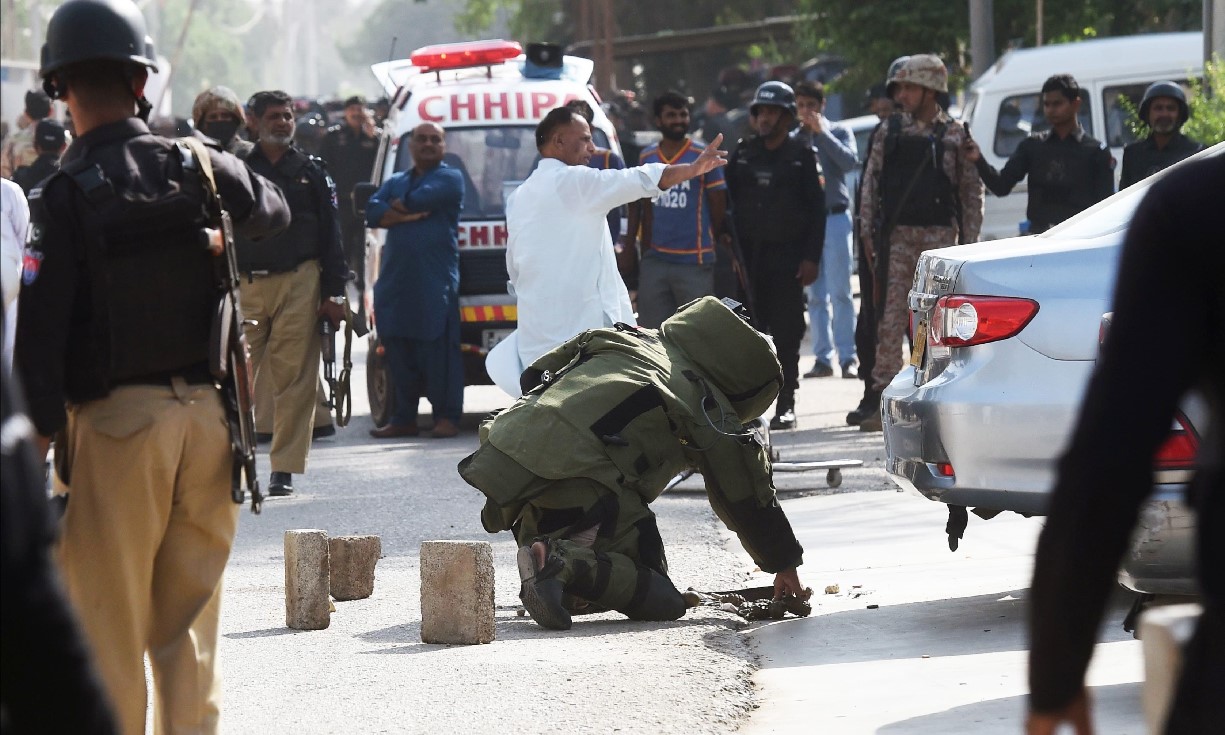
World
Karachi, Pakistan's bustling port city, has been ranked as the second-riskiest city for tourists, according to a report released by Forbes Adviser on July 11. The city scored a daunting 93.12 out of 100 on the risk scale, placing it just behind Caracas, Venezuela, which tops the list with a perfect score of 100. Yangon, Myanmar, followed closely in third place with a score of 91.67.This alarming ranking was based on seven key metrics, including personal security, which encompasses crime, violence, terrorist threats, natural disasters, and economic vulnerabilities. Karachi's high score reflects significant concerns in these areas, making it a city where caution is paramount for travelers.The U.S. State Department has also weighed in, giving Karachi a level 3 travel advisory, urging travelers to reconsider their plans due to safety concerns. This rating is a stark reminder of the potential dangers that lurk in the city, ranging from criminal activities to the threat of terrorist attacks.Infrastructure security is another critical area where Karachi fares poorly, ranking fourth-highest in risk. The city's infrastructure challenges, including inadequate public services and poor quality of urban amenities, further compound the difficulties faced by both residents and visitors.This isn't the first time Karachi has been spotlighted for its precarious living conditions. Back in 2017, the Economist Intelligence Unit listed Karachi among the least safe cities globally. The city was also ranked among the top five least livable urban centers in the world by the research and analysis division of the Economist Group, reflecting ongoing struggles with safety and livability.Recent events have only underscored these rankings. On Thursday, a violent altercation between two groups in Karachi's Defence Nishat Commercial area resulted in five fatalities and multiple injuries. The exchange of gunfire was a grim reminder of the volatile security situation in the city, with eyewitnesses reporting several injured and damaged vehicles at the scene.Despite its rich history and cultural significance, Karachi's reputation as a risky destination poses a significant challenge for tourism. The city's allure is marred by these safety concerns, which deter many potential visitors. For those who do venture into Karachi, staying informed and exercising heightened caution is essential.As Karachi grapples with these issues, the local and national authorities face the pressing task of addressing the factors contributing to its high-risk status. Enhancing security measures, improving infrastructure, and fostering economic stability are crucial steps toward making Karachi a safer and more attractive destination for tourists and residents alike.In summary, while Karachi holds a unique charm and potential for visitors, its current ranking as the second-riskiest city for tourists serves as a stark warning. Those planning to visit must weigh the risks carefully and stay vigilant to navigate the city's complexities safely.
Read More → Posted on 2024-07-27 14:44:47
India
In a recent high-stakes exercise, the Indian Air Force's (IAF) Sudarshan S-400 air defense missile system showcased its formidable capabilities by "shooting down" 80% of the simulated enemy fighter aircraft and forcing the remaining to retreat. This exercise marks a significant milestone in the integration and operational readiness of the S-400 system within the IAF's defense framework.Conducted in a strategically chosen theatre, the exercise involved real fighter aircraft simulating an enemy offensive package. The Sudarshan, named after the legendary Sudarshan chakra of Lord Krishna, demonstrated its precision and effectiveness by locking onto and targeting the enemy aircraft. This impressive display not only validated the system's operational readiness but also highlighted its role in bolstering India's air defense.The Sudarshan S-400 system, originally developed by Russia and acquired by India through a substantial Rs 35,000 crore deal for five squadrons, is considered a game changer for the IAF. The exercise's success underscores the system's capability to protect Indian airspace by intercepting and neutralizing potential aerial threats. The IAF has already inducted three squadrons of the S-400, with two more expected by 2026. The recent high-level visit to Russia saw Indian officials requesting an expedited delivery of the remaining systems, emphasizing the system's critical importance to India's defense strategy.This exercise was not just about testing the S-400 but also about showcasing the IAF's enhanced air defense network. Alongside the S-400, the IAF has incorporated other advanced systems like the indigenous MR-SAM, Akash missile systems, and the Israeli Spyder quick reaction surface-to-air missile systems. These integrations represent a significant leap in India's air defense capabilities, providing a multi-layered shield against potential threats.The exercise's outcomes have reinforced the confidence of the IAF in the Sudarshan S-400 system. The successful simulation of an enemy airstrike, with an 80% success rate in neutralizing the threats, is a testament to the system's reliability and effectiveness. The remaining aircraft, which were forced to abort their missions, further demonstrate the psychological and strategic impact of such a robust defense mechanism.The IAF's air defense enhancements are part of a broader strategy to counter increasing regional threats, particularly from across the Line of Actual Control (LAC) where the Chinese military has deployed its air defense systems extensively. By bolstering its own capabilities, India aims to maintain a strategic balance and ensure the protection of its airspace.In summary, the recent exercise has validated the Sudarshan S-400's role as a cornerstone of India's air defense. Its ability to intercept and neutralize enemy aircraft with high precision underscores its strategic importance. As the IAF continues to integrate and operationalize advanced systems like the S-400, India's air defense posture becomes increasingly formidable, enhancing national security and maintaining regional stability.
Read More → Posted on 2024-07-27 14:40:42
World
In an event that added a dramatic twist to the hours leading up to President Joe Biden's first address from the Oval Office, US and Canadian fighter jets intercepted Russian and Chinese military aircraft in international airspace near Alaska. The North American Aerospace Defense Command (NORAD) reported this significant military engagement, which occurred off the coast of Alaska.On July 24, NORAD detected and intercepted two Russian Tu-95 "Bear" bombers and two Chinese H-6 bombers operating within the Alaska Air Defense Identification Zone (ADIZ). The ADIZ is a region where air traffic is monitored by the military to give extra time to respond to potential threats. NORAD's fighter jets from both the United States and Canada were promptly deployed to track and intercept the aircraft, ensuring they remained under constant surveillance.Despite the high-profile nature of the interception, NORAD confirmed that the Russian and Chinese bombers stayed in international airspace throughout the incident, refraining from breaching American or Canadian sovereign airspace. This kind of intercept, where Russian aircraft are contacted visually or electronically by US or Canadian planes, is not uncommon in the region. These operations are part of routine measures to maintain airspace security and demonstrate the readiness of NORAD forces."This Russian and PRC activity in the Alaska ADIZ is not seen as a threat, and NORAD will continue to monitor competitor activity near North America and meet presence with presence," stated the agency. This statement underscored that, while the presence of these foreign military aircraft was noteworthy, it did not pose a direct threat to North American security.The timing of the interception has sparked speculation about its potential significance, as it occurred just hours before President Biden was scheduled to address the nation. Some have questioned whether the military activity was related to the President's speech or if it was purely coincidental. However, no clear connection has been established, and it remains uncertain if the events were linked in any meaningful way.In the broader context, these interceptions highlight the ongoing geopolitical tensions and the strategic maneuvers between major world powers. The interception of Russian and Chinese bombers near Alaska serves as a reminder of the complex and often tense interactions in international airspace. While NORAD's actions ensured that the situation remained under control, such incidents are a stark reminder of the vigilant watch maintained over North America's skies.
Read More → Posted on 2024-07-26 16:32:32
India
In a stunning turn of events, a Ukrainian hacker group known as Cyber Resistance, in collaboration with InformNapalm, an international intelligence community, released a series of publications under the banner BaumankaLeaks on July 15, 2024. These leaks, derived from the hacked emails of high-ranking Russian officers, have exposed sensitive details about various Russian-Indian defense contracts, most notably the highly publicized S-400 missile systems deal.The timing of the release is no coincidence. It coincided with a diplomatic skirmish between India and Ukraine, where the Indian Ministry of External Affairs summoned the Ukrainian ambassador. This followed Ukrainian President Volodymyr Zelensky’s sharp condemnation of Indian Prime Minister Narendra Modi's meeting with Russian President Vladimir Putin, which occurred amidst a Russian missile strike on a children’s hospital in Kyiv. In retaliation, InformNapalm decided to disclose extensive details about the Russian-Indian defense contracts, initially intended to be released in a redacted form.The S-400 “Triumf” deal, signed in 2018 during one of Putin’s visits to India, was celebrated as a major success for the Russian defense industry. The contract, worth over $5 billion, was not just a financial transaction but a strategic maneuver to deepen India’s dependency on Russian military technology. It included long-term training for Indian specialists, ensuring that India remained reliant on Russian expertise for future upgrades.Despite the high hopes pinned on this deal, it soon ran into several obstacles. Repeated delays, often attributed to Russia’s own needs and its ongoing war against Ukraine, plagued the project. Nonetheless, Russia has remained committed to fulfilling the contract, keen on maintaining its strategic influence over India.The leaked emails revealed an astonishing level of detail about the S-400 systems. They included detailed inventories, specifying the quantities and codes of all components, including spare parts. The documents also listed the exact number of munitions that Russia would supply to India. One particularly revealing email, sent by Vladimir Chervakov, the head of the Air Defense Department at Bauman Moscow State Technical University, to faculty members, provided a comprehensive breakdown of the S-400 divisions.This leak is more than just an embarrassment for Russia; it underscores the nation's inability to secure sensitive information, posing a direct threat to the security of its partners. By exposing these detailed defense contracts, the leak serves as a stark warning for countries engaging in military agreements with Russia. It also raises serious concerns about the confidentiality and integrity of defense-related transactions in today’s volatile geopolitical climate.The BaumankaLeaks incident highlights critical vulnerabilities in Russia’s handling of sensitive defense information, potentially jeopardizing its international military partnerships. The repercussions of this leak could be far-reaching, affecting not only the immediate stakeholders but also the broader dynamics of global defense collaborations.
Read More → Posted on 2024-07-26 16:23:31
India
In a recent statement, the Director General (DG) of the Indo-Tibetan Border Police (ITBP), Rahul Rasgotra, expressed confidence that Agniveers—soldiers recruited under the new Agnipath scheme—will be highly beneficial for the ITBP. The force, responsible for safeguarding the Line of Actual Control (LAC) between India and China, is preparing to integrate these young, disciplined soldiers into its ranks.Rasgotra highlighted that the Agniveers, having received rigorous training in the Army, are well-equipped to bring a new energy and effectiveness to the ITBP. This move comes as part of a broader strategy to bolster the ITBP's capabilities in managing the extensive and sensitive border with China.The Agnipath recruitment scheme, introduced by the Indian government in 2022, aims to rejuvenate the armed forces by lowering the average age of personnel. Under this scheme, Agniveers are enlisted for a four-year term, after which 25% may be retained for longer service. Despite concerns from opposition parties about the future of the remaining 75%, the government asserts that this approach will refresh the armed forces and improve efficiency.For the ITBP, the inclusion of Agniveers is seen as a strategic advantage. The necessary amendments to recruitment rules have been made, allowing for relaxed age and physical efficiency tests for these recruits. This adaptation is expected to streamline their integration into the force.The ITBP, with its 90,000 personnel, plays a critical role in securing the 3,488-kilometre-long LAC. The addition of Agniveers is anticipated to enhance the force’s operational effectiveness, ensuring better vigilance and security along this crucial frontier.Overall, the integration of Agniveers into the ITBP reflects a significant step in modernizing and strengthening India’s border security forces, aligning with the government's vision of a more agile and capable military force.
Read More → Posted on 2024-07-26 16:12:13
World
Lockheed Martin has taken a significant step in expanding its global supply chain by enlisting three Spanish firms to supply key components for the AN/SPY-7(V)2 radar system. This radar will be integrated into the F-110 frigates being developed for the Spanish Navy. The move underscores Lockheed Martin’s commitment to enhancing its production capacity while fostering international collaboration.The three Spanish companies involved in this initiative are Indra, Escribano Mechanical and Engineering, and Integral de Conexión y Montajes (ICM). These firms will contribute critical components for the SPY-7 radar, which is a crucial part of the advanced defense systems being installed on the F-110 frigates. This collaboration not only strengthens Lockheed Martin’s supply chain but also supports local industries in Spain, boosting economic growth and technological advancement in the region.The F-110 frigates, which are scheduled to start entering service from 2028, will feature the SPY-7 radar as part of their defense systems. This radar system will enhance the frigates' capabilities with advanced tracking and targeting features, crucial for modern naval operations. The frigates are being built by Navantia, Spain's state-owned shipbuilding company, and will be equipped with the Scomba combat system, a Spanish adaptation of the American Aegis system.In a statement, Amr Hussein, Lockheed Martin’s vice president of multi-domain combat solutions, emphasized the strategic importance of this collaboration. He highlighted that integrating Spanish industry into the radar production process not only diversifies the supply chain but also increases production capacity, thereby reinforcing global defense capabilities.The partnership with Spanish firms also marks an extension of Lockheed Martin's long-standing collaboration with Navantia. Earlier this year, Lockheed and Navantia renewed their naval combat systems partnership for an additional three years, continuing a 27-year history of joint efforts in advancing naval defense technology.This development reflects a broader trend in the defense industry towards international cooperation and supply chain diversification, aimed at delivering cutting-edge technology while supporting local economies and industries around the world.
Read More → Posted on 2024-07-26 16:06:57
India
In a recent development, the Kerala government's decision to appoint a senior IAS officer as a 'Foreign Secretary' has triggered a strong response from the Ministry of External Affairs (MEA). The MEA has asserted that the appointment goes beyond the state's constitutional jurisdiction, which has sparked a broader debate on the limits of state authority in foreign matters.On July 15, the Kerala government, led by Chief Minister Pinarayi Vijayan, issued an order appointing K. Vasuki, a senior IAS officer, to the newly created position of Foreign Secretary. This role is intended to oversee matters related to external cooperation. However, this move has been met with sharp criticism from the MEA.The MEA's spokesperson, Randhir Jaiswal, emphasized that according to the Indian Constitution, particularly the Seventh Schedule, foreign affairs fall exclusively under the Union List, which means they are within the purview of the central government. Jaiswal clarified that foreign affairs are neither a concurrent subject nor a state subject, reinforcing that state governments should refrain from involving themselves in matters outside their constitutional remit.The appointment of K. Vasuki as Foreign Secretary has been described as an overreach by several political figures. K. Surendran, the BJP's Kerala unit chief, criticized the decision as a blatant violation of constitutional norms. He argued that such actions could set a dangerous precedent, suggesting that it might even lead to demands for a separate consulate or a dedicated Foreign Affairs Minister for Kerala.The controversy highlights ongoing tensions between state and central authorities regarding jurisdictional boundaries. Critics argue that this move by the Kerala government undermines the unity and coherence of national foreign policy. As the debate continues, many are calling for the Kerala government to reconsider and revoke the appointment to align with national interests and constitutional principles.
Read More → Posted on 2024-07-26 16:04:26
World
In a significant stride towards bolstering Hungary's military capabilities, Rheinmetall handed over the first KF41 Lynx infantry fighting vehicle (IFV) produced domestically at a ceremony on July 24, 2024. The event, held at the Zalaegerszeg site, marked a pivotal moment for the Hungarian armed forces and their ongoing modernization efforts. Defence Minister Kristóf Szalay-Bobrovniczky represented the Hungarian government, while Rheinmetall's Dr. Björn Bernhard and Paul Walf extended a warm welcome to the guests.The KF41 Lynx, known for its adaptability and advanced technology, signifies Hungary's commitment to strengthening its defense infrastructure. The initial vehicle from Hungarian production was completed back in December 2023. Following a series of rigorous functional inspections and quality checks, it has now been formally handed over to the military, marking the beginning of a new era in Hungary's defense capabilities.Rheinmetall's Zalaegerszeg facility, which opened in August 2023, is renowned as the world's most advanced center for the production of tracked armored vehicles, particularly the innovative Lynx. This state-of-the-art site spans approximately 33 hectares and is part of the ZALAZone industrial complex. It features a well-equipped test center, including a firing tunnel, and is set to create around 300 highly qualified jobs, contributing significantly to the local economy.Defence Minister Szalay-Bobrovniczky emphasized the strategic importance of this partnership, stating, "Peace requires strength, and in this regard, we have gained real and serious strength with Rheinmetall. This strategic partnership enriches Hungary and strengthens our future, building something that will remain for the next generations."Dr. Björn Bernhard highlighted Rheinmetall's dedication to supporting Hungary's armed forces through the Lynx project. He expressed gratitude for the opportunity to create local added value and transfer technology to Hungary, noting that this model could be replicated in other countries interested in similar collaborations.This handover is part of a broader initiative, the "Zrínyi 2026" program, under which the Hungarian Ministry of Defence has commissioned Rheinmetall to supply combat vehicles and associated services worth over €2 billion. The program includes the delivery of 209 Lynx KF41s in various configurations, such as IFV, command post vehicle, armored reconnaissance vehicle, fire control vehicle, mortar carrier, medical vehicle, and driving school vehicle. Additionally, a Lynx air defense tank with a Skyranger 30 turret is under development, following a contract placed in December 2023.During the first phase of production, Hungary is set to receive 46 German-made Lynx IFVs by the end of 2025, with the first vehicle already delivered in October 2022. The production of the remaining vehicles commenced at the end of 2023, under the joint venture Rheinmetall Hungary Zrt., where Rheinmetall holds a 51% stake and the Hungarian government 49%.The KF41 Lynx's modular design allows it to meet specific national requirements, featuring scalable armament, various layers of protection, and upgradeable systems. This flexibility ensures that the vehicle can adapt to new roles swiftly, enhancing its operational effectiveness.Rheinmetall's continued investment in the Zalaegerszeg site aims to increase production capacity further, solidifying Hungary's position as a key player in the defense industry. This partnership not only strengthens Hungary's defense but also promotes innovation and economic development, ensuring long-term benefits for the country.
Read More → Posted on 2024-07-26 16:01:24
India
The Indian Ministry of Defence is making significant strides in enhancing the nation's military capabilities with the development of a light tank specifically designed for high-altitude operations. This initiative, known as Project 'Zorawar,' was recently highlighted in Parliament, with Minister of State for Defence Sanjay Seth confirming the realization of the first prototype.Project 'Zorawar' represents a strategic effort to equip the Indian Army with advanced, indigenously developed light tanks capable of operating in the challenging terrains of high-altitude border areas. Minister Seth, in response to a parliamentary query, stated that the Defence Research and Development Organisation (DRDO) is spearheading the project, which aims to produce and induct these light tanks by 2027.The light tank's prototype, a crucial milestone in the project, has already been built, showcasing the progress made by the defence ministry. The tank is designed to be agile, lightweight, and highly effective in high-altitude environments, addressing the specific needs of the Indian Army in these regions. This development is particularly significant given the ongoing geopolitical tensions along India's northern borders, where high-altitude warfare capabilities are essential.Private sector involvement has been a key component of Project 'Zorawar.' Larsen & Toubro Ltd., a leading Indian multinational engaged in engineering, construction, and manufacturing, has been appointed as the lead system integrator. The collaboration extends to numerous Micro, Small, and Medium Enterprises (MSMEs) that are contributing to the development of various subsystems of the light tank. This partnership not only accelerates the project but also strengthens India's defense manufacturing sector by fostering innovation and technological advancements.The sanctioned cost for Project 'Zorawar' stands at Rs 234.5 crores, covering the design, development, and realization of the prototype. This budget allocation underscores the government's commitment to bolstering national defense capabilities through indigenous development.Project 'Zorawar' aligns with the broader strategic vision of the Indian government to enhance self-reliance in defense production and reduce dependency on foreign military imports. By developing advanced military hardware within the country, India aims to build a robust defense ecosystem that can meet the evolving security challenges of the 21st century.As the project progresses, the successful induction of these light tanks into the Indian Army will mark a significant achievement in India's defense modernization efforts. The deployment of these tanks in high-altitude areas will not only enhance the operational readiness of the Indian Army but also serve as a deterrent against potential threats along the country's borders.In summary, Project 'Zorawar' is a testament to India's dedication to strengthening its defense capabilities through indigenous innovation and strategic collaboration. The completion of the light tank prototype is a promising step towards achieving greater self-reliance and preparedness in high-altitude warfare.
Read More → Posted on 2024-07-26 15:57:31
India
In a significant move to bolster the strategic alliance between the United States and India, Senator Marco Rubio introduced a bill in Congress aimed at treating India on par with major U.S. allies like Japan, Israel, South Korea, and NATO members. The proposed legislation, known as the U.S.-India Defense Cooperation Act, seeks to enhance technology transfers, support India in countering threats to its territorial integrity, and bar Pakistan from receiving security assistance if it sponsors terrorism against India.Rubio emphasized the urgency of countering China's aggressive expansion in the Indo-Pacific region. "Communist China continues to aggressively expand its domain in the Indo-Pacific region, all while it seeks to impede the sovereignty and autonomy of our regional partners. It’s crucial for the U.S. to continue its support in countering these malicious tactics. India, along with other nations in the region, is not alone," he stated.The bill underlines the critical importance of the US-India partnership in countering China's influence. It calls for a comprehensive enhancement of diplomatic, economic, and military relations with India. Among its key provisions, the bill proposes a policy of supporting India in responding to threats to its territorial integrity, providing necessary security assistance, and expanding cooperation in defense, civil space, technology, medicine, and economic investments.A notable aspect of the bill is its provision for a limited exemption for India from the Countering America's Adversaries Through Sanctions Act (CAATSA) sanctions. This exemption would apply to India's purchase of Russian military equipment, which is currently in use by the Indian armed forces. The bill asserts that expeditious consideration of certifications for selling defense articles, services, and major defense equipment to India aligns with U.S. interests and promotes peace and stability in the region.Furthermore, the bill proposes to treat India on the same level as other major U.S. allies regarding technology transfers. It authorizes the Secretary of State to enter into a memorandum of understanding with India to increase military cooperation, expedite the provision of excess defense articles to India for two years, and expand International Military Education and Training Cooperation with New Delhi.An additional requirement of the bill is for a report to Congress on Pakistan's use of offensive force, including terrorism and proxy groups, against India. It mandates that Pakistan be barred from receiving security assistance if found to have sponsored terrorism against India.While the bill faces a challenging path in a divided Congress during an election year, it reflects a strong bipartisan support for strengthening the US-India relationship. Should it not pass in the current session, there is a possibility of reintroduction in the next Congress.This bill marks the first time such a comprehensive, India-centric legislation has been introduced in the U.S. Congress. By proposing to elevate India to the status of a major U.S. ally, exempting it from CAATSA sanctions, and imposing sanctions on Pakistan for terrorism, the bill aims to solidify a strategic partnership that is vital for maintaining balance and stability in the Indo-Pacific region.
Read More → Posted on 2024-07-26 15:54:56
India
The second India-Japan consultation on the Middle East took place in New Delhi, focusing on the complex and ever-evolving political and economic landscape of the Middle East and West Asia. This consultation saw the participation of high-level officials from both nations, underscoring their commitment to addressing regional challenges and exploring mutual opportunities.Leading the Indian delegation was Suresh Kumar, Joint Secretary of the West Asia & North Africa (WANA) Division. Representing Japan was Ando Toshihide, Director General of the Middle Eastern and African Affairs Bureau. Their discussions covered a wide array of topics, from political developments and economic prospects to specific regional issues such as the situation in Gaza.The Ministry of External Affairs (MEA) highlighted the comprehensive nature of these talks. Both sides exchanged valuable perspectives and insights, fostering a deeper understanding of the region's complexities. This consultation was not just a routine diplomatic engagement but a strategic dialogue aimed at enhancing cooperation and formulating coordinated responses to regional developments.MEA Spokesperson Randhir Jaiswal shared details of the meeting on social media, emphasizing the broad scope of the discussions and the commitment of both nations to ongoing dialogue. This consultation follows a series of high-level meetings between Indian and Japanese officials, including a recent discussion between Foreign Secretary Vinay Kwatra and Japanese Senior Deputy Foreign Minister Takehiro Funakoshi. These meetings reflect the strong and enduring partnership between India and Japan, characterized by their 'Special Strategic and Global Partnership.'This partnership is rooted in a long history of mutual respect and shared values, extending beyond political and economic cooperation to cultural and civilizational ties. The regular consultations and meetings between the two countries are a testament to their dedication to working together on regional and global issues of mutual concern.As both nations navigate the complexities of the Middle East and West Asia, their collaboration signifies a robust and strategic approach to regional stability and prosperity. The India-Japan consultations serve as a critical platform for dialogue, enabling both countries to align their strategies and enhance their influence in a region of significant geopolitical importance.
Read More → Posted on 2024-07-26 15:49:46
World
The recent joint air force exercise between the United Arab Emirates (UAE) and China, dubbed Falcon Shield, held in Xinjiang province, has set off alarm bells in Western capitals. This marks the second iteration of the exercise, highlighting a growing military collaboration that has significant geopolitical implications.At the heart of the concern is the potential for China to gain access to Western military technology through these drills. Satellite imagery from the International Institute for Strategic Studies (IISS) revealed that multiple UAE Mirage 2000-9 fighter bombers were deployed at Hotan Airport in Xinjiang. These aircraft, also used by the Taiwanese air force, were stationed apart from Chinese aircraft, yet the close proximity raises the specter of China gleaning critical information about Western fighter jets' capabilities and performance.The Mirage 2000-9 is a key asset for the UAE and is known for its advanced avionics and combat systems. For China, the opportunity to observe these aircraft in action, even indirectly, presents a valuable intelligence windfall. The People's Liberation Army Air Force (PLAAF) could gain insights into the Mirage 2000's performance, which would be particularly useful for dissimilar air combat training and for improving their own technology.China, as the host nation, has the means to observe the UAE’s systems closely. The PLAAF's airborne early warning aircraft can monitor the exercise, testing their radar's ability to detect the Mirage 2000. Furthermore, the exercise offers a chance for China to evaluate its own fighter radar, electro-optical systems, and missile seekers against a sophisticated opponent in a controlled environment.The growing defense relationship between the UAE and China extends beyond these exercises. The UAE Air Force already operates Chinese-made Wing Loong II unmanned aerial vehicles (UAVs) and is exploring the acquisition of the L-15A trainer aircraft. Such purchases often require Chinese technical support, further entrenching the UAE-China defense partnership.This deepening military cooperation comes amid broader strategic shifts. The UAE's decision to work with Huawei for its 5G network infrastructure has already strained relations with the United States, affecting discussions about the UAE's potential purchase of F-35 fighter jets from Lockheed Martin. Washington is wary of the security implications of close UAE-China ties, particularly regarding technology transfer and intelligence leaks.The Falcon Shield exercise underscores a larger pattern of China's expanding influence in the Middle East. For the UAE, a closer relationship with China offers economic and strategic benefits, diversifying its alliances beyond traditional Western partners. However, for the West, this burgeoning partnership signals a potential realignment that could reshape regional dynamics and global power structures.As China and the UAE continue to strengthen their defense ties, Western nations will be closely monitoring the implications. The possibility of China accessing advanced Western military technology through its engagements with the UAE remains a pressing concern, adding another layer of complexity to the already intricate web of international relations.
Read More → Posted on 2024-07-26 15:47:09
World
Australia is reconsidering equipping its MQ-28 Ghost Bat drones with lethal payloads to bolster combat missions, contrary to earlier reports that suggested a shift away from arming these drones. Defense industry minister Pat Conroy recently clarified that while the primary focus remains on installing intelligence, surveillance, and reconnaissance (ISR) payloads, the potential for adding combat capabilities has not been dismissed.“We are initially concentrating on ISR capability, but we have not ruled out it having combat capability,” Conroy stated. “We are investigating the payload implications.”The MQ-28 Ghost Bat, developed by Boeing, is designed as a "loyal wingman" to complement and extend the reach of Australia's most valuable combat aircraft, including Joint Strike Fighters and Super Hornets. This versatile drone can fly at subsonic speeds and cover distances exceeding 2,000 nautical miles (3,704 kilometers), making it a critical asset in modern warfare.A spokesperson from Boeing expressed support for the potential upgrade, noting that the Ghost Bat is a flexible platform adaptable to various missions and payloads. This adaptability allows the drone to meet evolving military needs and incorporate future systems.Earlier in the week, local media had reported that plans to arm the Ghost Bat with lethal payloads were abandoned following Boeing's elimination from America's Collaborative Combat Aircraft program. The report suggested a strategic pivot towards ISR roles, perceived to involve fewer operational hurdles since ISR payloads do not require complex "rules of engagement."However, Conroy's recent statements and Boeing's stance indicate that the Australian defense ministry is still considering all options. The decision to potentially integrate lethal payloads reflects an ongoing assessment of how best to utilize the Ghost Bat's capabilities in alignment with national defense strategies.The MQ-28 Ghost Bat represents a significant advancement in drone technology, offering both ISR and potential combat functionalities. As Australia continues to evaluate its defense needs, the future of the Ghost Bat remains a subject of keen interest and strategic planning.
Read More → Posted on 2024-07-26 15:42:37
India
In a significant announcement on the 25th anniversary of Kargil Vijay Diwas, Uttarakhand Chief Minister Pushkar Singh Dhami declared that Agniveers, veterans returning from their service in the armed forces, will be granted reservation in government jobs. This initiative, aimed at recognizing and utilizing the skills and discipline of former military personnel, underscores the state's commitment to their welfare and integration into civilian life.During a tribute event to honor the valiant soldiers of the Kargil War, CM Dhami detailed the government's plans to bring forth legislation that would ensure these reservations. "We will make provisions and bring an Act to give reservation to them in government services. We are working on this plan. We will make use of their skills and discipline in various government departments," he stated.The Kargil War, fought in 1999, saw Indian soldiers endure harsh conditions to defend the nation's territory. The sacrifices made during this conflict were profoundly acknowledged by CM Dhami, who emphasized the unparalleled nature of such acts of bravery. In addition to the job reservation announcement, Dhami revealed that financial aid to the families of martyrs will be significantly increased from Rs 10 lakh to Rs 50 lakh, highlighting the state's commitment to supporting those who have lost their loved ones in service to the nation.CM Dhami also paid homage to the political leadership that played a crucial role during the Kargil War. He credited former Prime Minister Atal Bihari Vajpayee's leadership for India's victory, emphasizing the importance of political will in achieving military success. Drawing parallels to the present, Dhami praised Prime Minister Narendra Modi for his unwavering support and initiatives for the armed forces, including the implementation of the One Rank One Pension (OROP) scheme. He noted that PM Modi's leadership has significantly boosted the morale of the armed forces.In a poignant gesture, CM Dhami mentioned that PM Modi was celebrating Vijay Diwas with soldiers in the Dras sector, further underlining the government's close connection and ongoing support for military personnel.The announcement by CM Dhami is seen as a step towards ensuring that the dedication and discipline of Agniveers are recognized and utilized within the state’s administrative framework. This move not only honors their service but also provides them with new opportunities for career growth and stability in their post-military lives.As the nation commemorates the bravery and sacrifices of the Kargil War heroes, Uttarakhand's initiative to offer job reservations to Agniveers stands as a testament to the state's commitment to its veterans, ensuring their continued contribution to society and recognizing the invaluable skills they bring from their military service.
Read More → Posted on 2024-07-26 15:38:49
India
Reliance Industries Ltd., India's largest privately-owned refiner, has successfully obtained approval from the U.S. government to resume importing oil from Venezuela. This development marks a significant shift, considering the stringent sanctions imposed by the White House on the South American nation. The news, disclosed by sources familiar with the matter, signifies a crucial moment for both Reliance and the broader geopolitical landscape.Venezuela has long been a critical supplier of crude oil to India, and Reliance Industries accounted for approximately 90% of India's crude imports from Venezuela after sanctions were initially lifted last year. According to data intelligence firm Kpler, this substantial share underscores the importance of Venezuelan oil in India's energy portfolio.The backdrop to this approval is rooted in a temporary easing of sanctions by Washington last year. This relaxation came after Venezuelan President Nicolas Maduro and opposition leaders reached an agreement aimed at ensuring free and fair elections. However, when Venezuela failed to honor this agreement, the sanctions were reinstated in April, compelling oil companies to seek special permits from the U.S. Treasury Department to continue their operations.In June, Venezuela's crude exports surged to 654,000 barrels per day, the highest level since April 2020. This increase followed a specific license granted by the U.S. that allowed companies to continue drilling in the country despite the sanctions. This license was pivotal in enabling Reliance to move forward with its import plans.Reliance is not alone in seeking to import Venezuelan oil. ONGC Videsh Ltd., the overseas investment arm of India's state-owned Oil and Natural Gas Corporation, has also applied for waivers to import crude from Venezuela. This collective interest highlights the strategic importance of Venezuelan oil for India's energy security.The resumption of Venezuelan oil imports by Reliance is expected to provide a much-needed boost to the Indian refiner's operations. Venezuelan crude is known for its heavy and sour characteristics, which are well-suited for Reliance's complex refining processes. This compatibility allows Reliance to maximize efficiency and output, ensuring a steady supply of refined products to meet domestic and international demand.On a broader scale, the approval also reflects the intricate dance of international diplomacy and economic interests. The U.S. sanctions on Venezuela were initially aimed at pressuring the Maduro regime to implement democratic reforms. However, the need to balance geopolitical strategies with economic realities has led to nuanced decisions, such as granting specific licenses to oil companies.For Venezuela, the ability to export more oil is crucial for its struggling economy. The nation has been grappling with hyperinflation, political instability, and a severe humanitarian crisis. Increased oil exports provide much-needed revenue that can potentially stabilize the economy and improve living conditions for its citizens.In summary, Reliance Industries' green light to import Venezuelan oil underscores the complex interplay between politics, economics, and energy security. It also highlights India's strategic maneuvering to secure its energy needs amid global uncertainties. As Reliance prepares to restart its imports, the move will likely have significant implications for the Indian energy market and the broader geopolitical landscape.
Read More → Posted on 2024-07-26 15:36:29
World
Israel faces a significant challenge. The brutal attacks by Hamas on October 7 resulted in over 1,000 deaths, with many civilians taken hostage and hidden in Gaza's hospitals and schools. This tactic of using civilians as shields has been effective since the 1990s, and Western militaries have yet to find a countermeasure.Reflecting on past experiences, such as the Battle of Mogadishu in 1993, where civilians were used to shield armed fighters, the need for advanced non-lethal weapons becomes evident. The U.S. Marine Corps, after learning from the Somalia conflict, initiated the development of non-lethal weapons. As the director of the Experimental Unit (X Unit), the task of exploring these options became crucial, especially when tasked with evacuating UN forces from Somalia under the leadership of General Tony Zinni. This effort led to the discovery and testing of several experimental systems. Although none proved decisive, psychological warfare techniques were successfully employed to portray these weapons as exotic and dangerous, aiding in the relatively bloodless success of Operation United Shield.In the years following Somalia, the Marine Corps continued to advocate for more effective non-lethal weapons, leading to the establishment of the Joint Non-Lethal Weapons Directorate (JNLWD) at Quantico, Virginia. This initiative produced the Active Denial System (ADS), a directed energy weapon that induces a sensation of searing heat without causing physical harm, designed to control crowds and deter advances.Despite its potential, the ADS has not been deployed in military operations due to the nature of conflicts in Afghanistan and Iraq. However, ongoing efforts within the X Unit focused on using non-lethal weapons in urban combat scenarios where civilians and fighters are intermixed. One promising technology, involving ultrasound, was tested but ultimately deemed insufficient for military use due to its limited incapacitating effects.Looking ahead, the development of a technology that can incapacitate individuals within buildings, allowing for the separation of fighters from non-combatants, remains a priority. A variation of the ADS system, capable of inducing heat prostration, holds promise, though current prototypes require large, immobile power sources. Miniaturizing this technology is a technical challenge that needs to be overcome.The future of urban combat, whether in Gaza or other conflict zones, will likely necessitate the use of advanced non-lethal weapons. By investing in and developing these technologies, both Israel and the U.S. can enhance their capabilities to address the complex and ethically challenging nature of modern urban warfare.
Read More → Posted on 2024-07-26 15:32:55Search
Top Trending in 24 Hours
-
 Western Intelligence Warns Russia Could Launch Nuclear-Armed Satellite as Early as December
-
 IG Defence Successfully Test-Fires JWALA MK-1 Counter-Drone Missile at Pokhran
-
 U.S. Awards Lockheed Martin $330.6 Million Contract for Long-Lead Materials Supporting 75 F-35 Lot 22 Aircraft
-
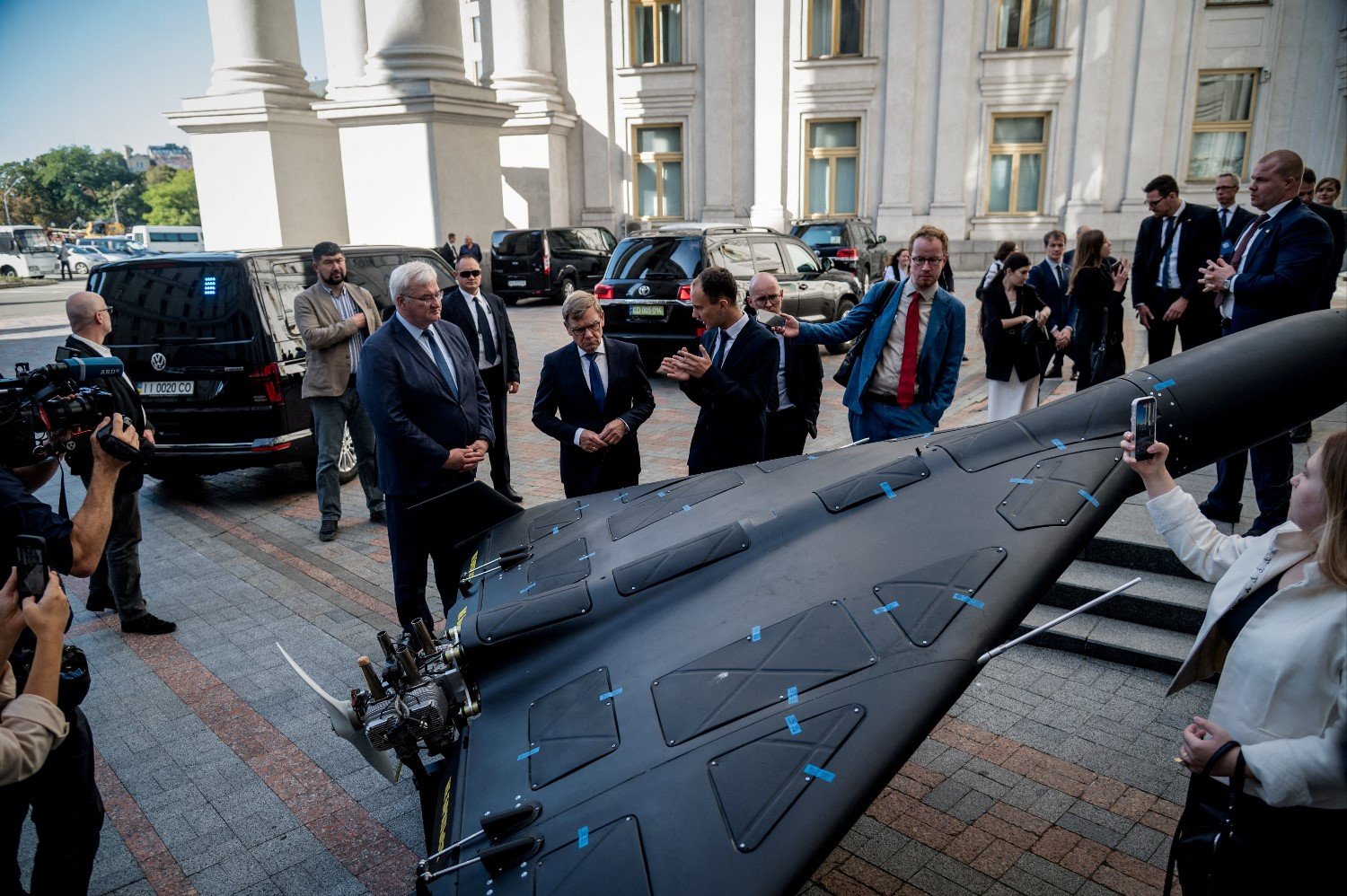 Germany Tests Kamikaze Drones and AI Targeting Systems in Lithuania Near Belarus Border
-
 Chinese Military Warns U.S. AI Could Threaten China’s Nuclear Missile Survivability
-
 Ukraine Confirms Using Seven Naval Drones to Sink Russian Corvette Merkury Off Libya, Destroying Ka-27 Helicopter Aboard
-
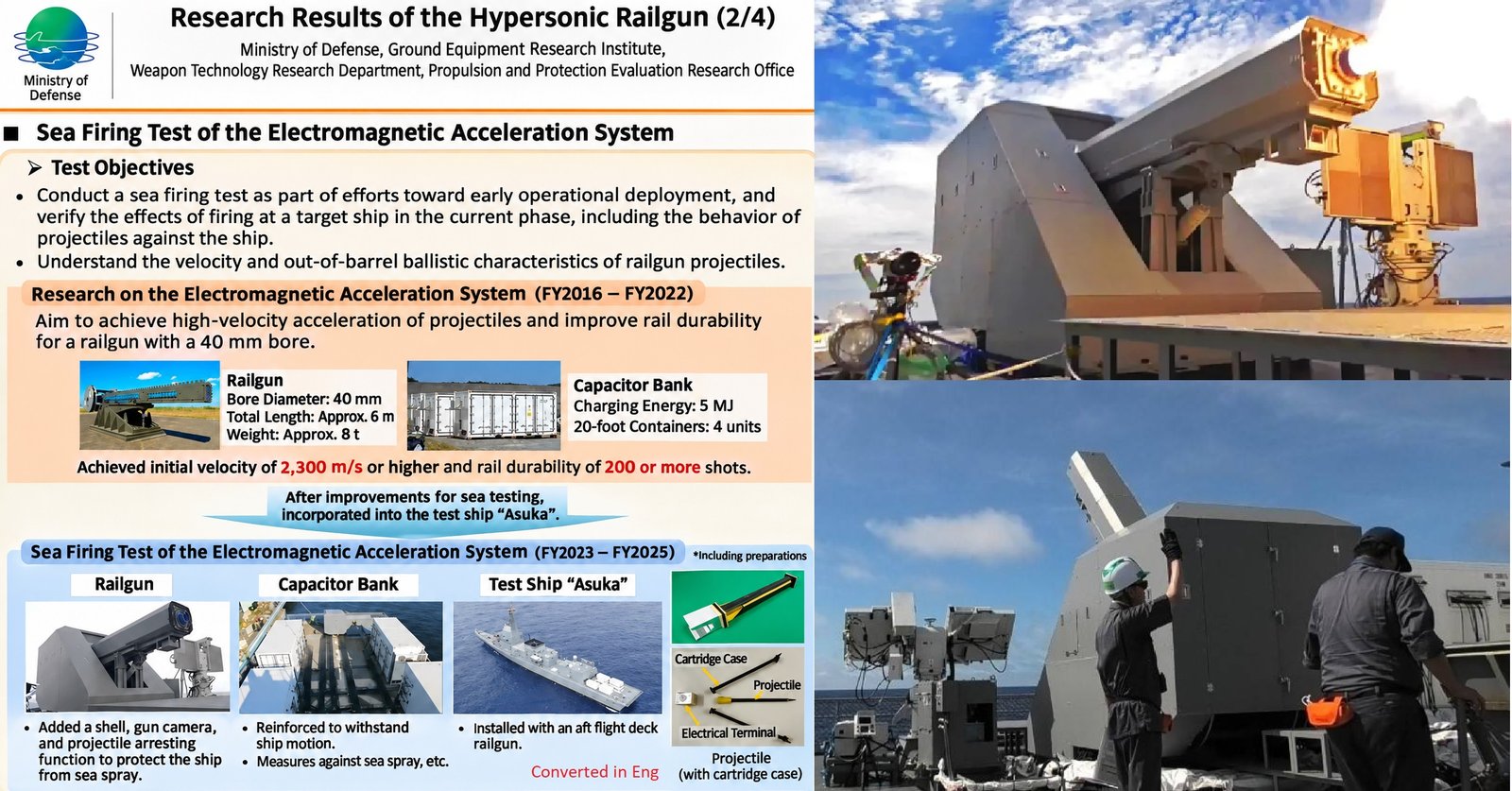 Japan Tests Battery-Powered Railgun in Ten-Shot Rapid-Fire Trial
-
 U.S. Army Places $60.3 Million Order With Saab for XM919 Shoulder-Fired Weapons
Top Trending in 4 Days
-
 Two Injured in Bahrain After Iranian Attacks; Iran Claims Strike on US Patriot Radars
-
 NASA's Orion Spacecraft Needs Major Modifications to Fly Backward with SpaceX Starship
-
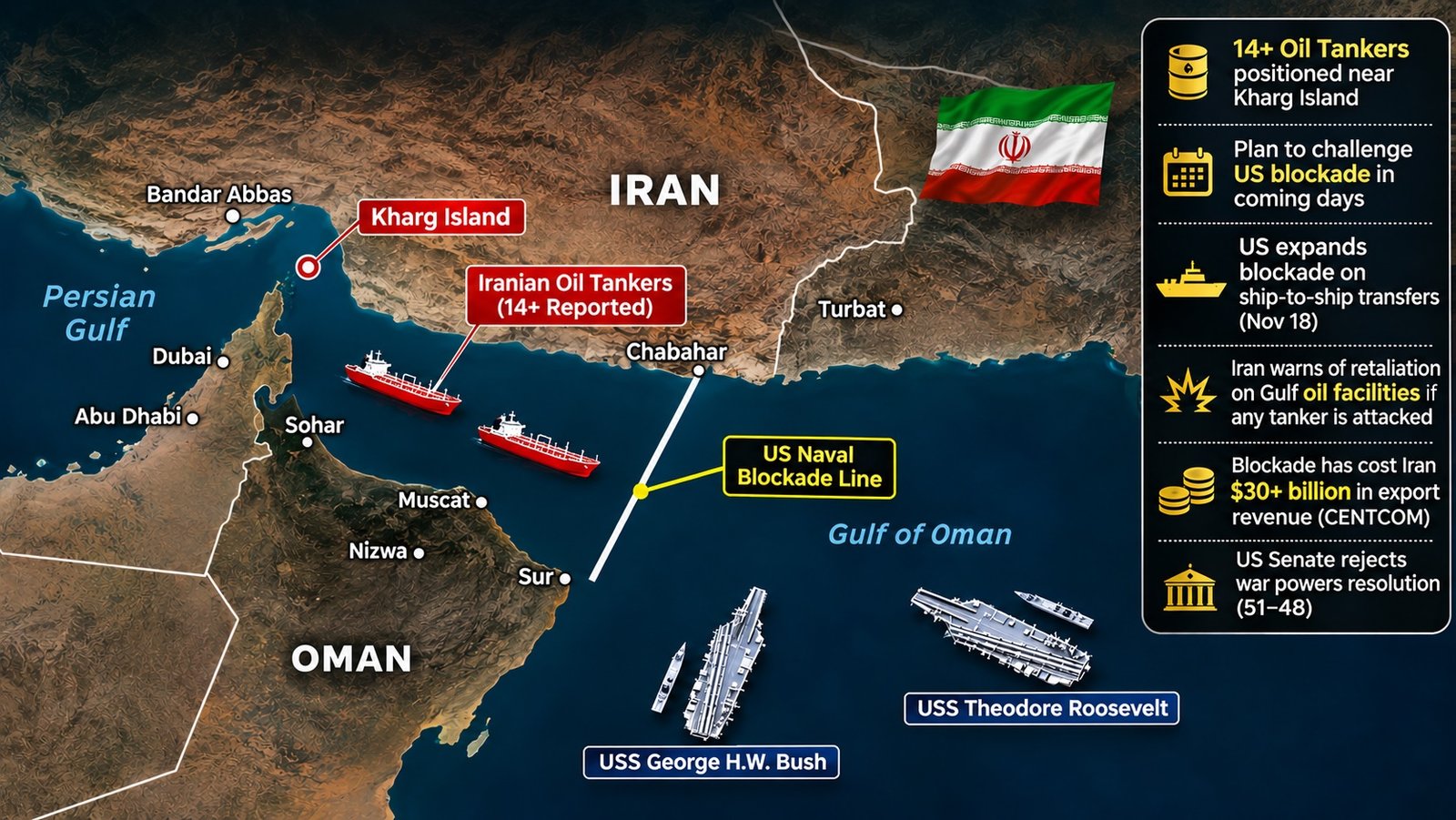 Iran Positions Oil Tankers at Kharg Island Amid Plans to Challenge US Naval Blockade
-
 Russian Corvette Merkury Almost Certainly Destroyed in Benghazi Port Explosion
-
Western Intelligence Warns Russia Could Launch Nuclear-Armed Satellite as Early as December
-
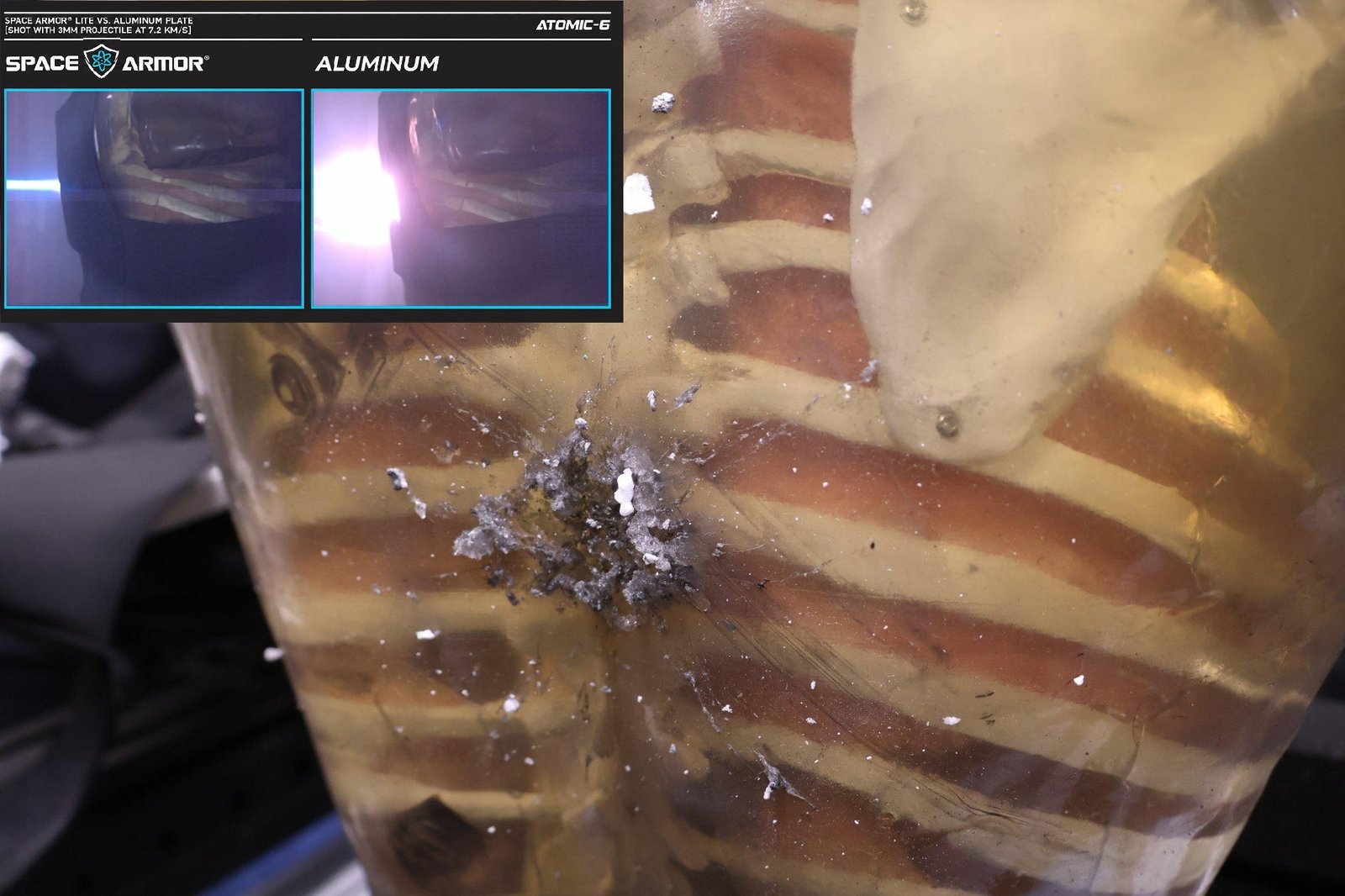 Atomic-6 Tests Composite Armor Against 16,100 MPH Space Debris for Astronaut Protection
-
 Denmark's Parliament Unanimously Approves US-Greenland Defence Deal with 109–0 Vote, Restricting Russian and Chinese Military Presence
-
IG Defence Successfully Test-Fires JWALA MK-1 Counter-Drone Missile at Pokhran
