
World
Honeywell Aerospace, in collaboration with Austrian company Frequentis, has reached a significant milestone in the advancement of remotely piloted aircraft operations within European airspace. This achievement is part of the SESAR Joint Undertaking OperA (Operate Anywhere) project consortium. Through a successful flight test in Amstetten, Austria, in June, Honeywell showcased its new ground control station designed for electric vertical takeoff and landing (eVTOL) aircraft. This development signifies a major step towards safer and more efficient uncrewed aircraft operations, aligning with the global trends of automation and the future of aviation.The flight test utilized the innovative functionalities of Honeywell’s two-display ground control station, operated from their Brno research and development facility. This advanced station features a collaborative interface with air traffic control, enabling the ground control operator to receive and execute commands in real time. The real-time data exchange significantly enhances operational efficiency and safety, ensuring smoother integration of unmanned aerial systems (UAS) into everyday airspace.David Shilliday, Vice President and General Manager of Advanced Air Mobility at Honeywell Aerospace Technologies, emphasized the importance of this development. "As the air mobility industry evolves, Honeywell continues to lead in providing innovative solutions that enhance both safety and efficiency. These demonstrations are a critical step toward integrating advanced air mobility systems into everyday airspace, promising significant advancements in drone operations. With test flights such as the one in Amstetten, Honeywell is not only showcasing cutting-edge technology but is also reaffirming its dedication to shaping the future of aviation," Shilliday said.Frequentis played a crucial role by providing enhanced U-space services for the flight test. U-space represents a new air traffic management environment tailored for unmanned aerial systems, relying heavily on digitization and automation. This environment is designed to safely accommodate a large number of drones within an airspace, offering services like mission conformance monitoring and tactical conflict detection. The validation exercise in Amstetten demonstrated the seamless integration of these highly automated U-space services with Honeywell’s ground control station, further enhancing safety and efficiency.Additionally, Honeywell’s ground control station showcased the initial implementation of a ground-based detect and avoid solution. This safety tool is crucial for making drone flights safer and more reliable, especially in uncontrolled airspace. Using both simulated and real drones, the demonstration proved the effectiveness of this solution in preventing collisions and ensuring safe flight paths.The OperA project, led by Honeywell and funded by the European Union’s SESAR 3 Joint Undertaking, focuses on building solutions for complex operations of advanced air mobility, including piloted eVTOL aircraft and uncrewed cargo aircraft in real-life European airspace. Günter Graf, Vice President of New Business Development at Frequentis, highlighted the significance of this project. "The OperA research project provides Frequentis with an innovative environment to enhance existing solutions and develop new technologies. The validation exercise in Amstetten was a significant milestone in ensuring the seamless integration of the extended and highly automated U-space services, including mission conformance monitoring and tactical conflict detection, with Honeywell’s ground control station and data exchange in real time," Graf stated.This successful demonstration by Honeywell and Frequentis is a pivotal moment in the evolution of air mobility, paving the way for the widespread adoption of eVTOL aircraft and uncrewed aerial systems in European airspace. As automation and advanced air mobility technologies continue to develop, the future of aviation looks promising, with increased safety, efficiency, and integration of new flight systems into everyday airspace operations.
Read More → Posted on 2024-07-30 16:38:58
Space & Technology
In 2023, India's spacetech startups achieved a remarkable milestone, securing $126 million in funding. This figure not only represents a 7 percent increase from the $118 million raised in 2022 but also highlights an astonishing 235 percent growth from the $37.6 million garnered in 2021. This surge underscores the dynamic and rapidly evolving landscape of India's spacetech sector.The upward trajectory in funding is particularly noteworthy given the global slowdown in venture capital investments. Despite this challenging environment, the spacetech sector in India has continued to attract substantial investment, driven by a combination of robust government support and significant technological advancements. According to data from market intelligence firm Tracxn, the funding momentum has remained strong in 2024, with year-to-date investments reaching $10.8 million.India's spacetech ecosystem has seen a proliferation of startups, with over 100 new companies emerging, most of which were founded in the last five years. The Union Budget's allocation of ₹1,000 crore for the spacetech industry is expected to further stimulate growth, fostering an environment conducive to innovation and entrepreneurship. This funding is anticipated to attract even more investment and drive the sector forward in the coming months.Currently, India operates 55 active space assets, including communication, meteorological, and earth observation satellites. This extensive infrastructure positions the country as a significant player in the global space industry. "The significant funding and strategic investments we’re seeing now are setting the stage for India to become a major player in the global space industry," said Neha Singh, Co-founder of Tracxn. She emphasized that the combination of early-stage funding and supportive government policies will be crucial in establishing India as a leading center for space exploration and technology.In 2023, early-stage rounds were particularly robust, attracting $120 million of the total $126 million raised. This represents a notable increase from the $114 million secured in early-stage funding in 2022. Similarly, seed-stage funding saw a significant rise, growing from $4.3 million in 2022 to $5.3 million in 2023, marking a 24 percent increase. Despite this impressive growth in early and seed-stage funding, the ecosystem has yet to see any late-stage funding rounds.Leading the pack of well-funded startups is Skyroot Aerospace, which has amassed $99.8 million in funding. Following closely are Pixxel with $71.7 million and Agnikul with $61.5 million. No other startups in the spacetech sector have surpassed the $50 million funding mark, highlighting the standout success of these companies.While the funding landscape is vibrant, acquisition activity remains relatively quiet. The only notable acquisition to date was in 2022 when Arya, an agricultural technology firm, acquired Prakshep, a satellite imagery provider. In terms of geographic distribution, Bengaluru tops the list of cities with the highest funding in the spacetech sector, followed by Hyderabad and Chennai.Overall, the significant growth in funding and the strategic investments in India's spacetech startups are paving the way for the country to emerge as a formidable force in the global space industry. With continued government support and a thriving ecosystem of innovation, India's spacetech sector is poised for even greater achievements in the years to come.
Read More → Posted on 2024-07-30 16:34:03
World
In a bold move to bolster its defense capabilities, Taiwan has partnered with American aerospace firm RapidFlight to explore the potential of 3D printing in the rapid production of unmanned aerial vehicles (UAVs). This collaboration aims to establish a cutting-edge drone production line utilizing advanced manufacturing technologies, a strategic response to increasing threats from China.Additive manufacturing, or 3D printing, offers several advantages in the production of UAVs. According to RapidFlight, this technology significantly lowers production costs and reduces the storage footprint of drones by a "factor of 10." This innovative process also allows for the easy swapping out of payloads, propulsion systems, communication suites, and other critical components, ensuring the drones can be quickly adapted to meet various operational needs.The Virginia-based RapidFlight will work closely with Taiwanese drone manufacturer Thunder Tiger Group on this initiative. The partnership comes at a crucial time, as recent reports suggest that Taiwan and the US will need a greater number of low-cost drones to effectively defend against potential aggression from China.Taiwan's Ministry of National Defence has recently proposed spending $175 million over the next five years to acquire approximately 3,200 drones. This ambitious plan includes the intention to build an "army of drones" similar to Ukraine's current strategy. However, to achieve this goal, Taiwan's defense manufacturing base will need to expand rapidly and incorporate modern manufacturing strategies.The collaboration between RapidFlight and Thunder Tiger Group is expected to leverage their extensive experience in additive manufacturing for aerospace applications. This partnership is not just about producing more drones; it's about enhancing Taiwan's overall drone capabilities through state-of-the-art manufacturing techniques.This initiative reflects a broader trend in the defense industry where 3D printing is increasingly being recognized for its potential to revolutionize the production of complex and customized components. By adopting this technology, Taiwan aims to stay ahead in the race for military innovation, ensuring that its defense forces are well-equipped to handle any future challenges.
Read More → Posted on 2024-07-30 16:29:49
India
In a startling revelation, former Director General of Police (DGP) Dr. SP Vaid has claimed that approximately 600 commandos from Pakistan's elite Special Service Group (SSG) have infiltrated Jammu and Kashmir (J&K), spearheading a series of terror attacks. These covert operations, he asserts, are orchestrated under the command of Adil Rahmani, the General Officer Commanding (GOC) of the SSG.The gravity of this infiltration became evident with the recent involvement of a Border Action Team (BAT) of the Pakistan Army in the Machil sector of Kupwara district on July 27. This incident underscores the direct participation of the Pakistan Army in the ongoing violence in the region. Dr. Vaid has characterized these actions as a "secret war" against India, necessitating a robust and equivalent response.Dr. Vaid detailed that these 600 SSG commandos, under the supervision of Adil Rahmani, have been air-dropped into various locations across J&K. Lt. Col. Shahid Saleem, another high-ranking officer of the SSG, is reportedly leading these infiltrators on the ground. Their mission involves not only executing attacks but also establishing a network of sleeper cells and over ground workers. These networks provide vital local support, including intelligence, food, and logistical aid, which are crucial for the success of their operations.The Pakistan Army's strategy appears meticulously planned, targeting both the Jammu division and the Kashmir Valley. The objective is to create widespread panic and instability in the region. According to Dr. Vaid, these commandos are focusing their efforts on the 16 Corps (White Knight Corps, Jammu) and the 15 Corps (Chinar Corps, Kashmir), aiming to carry out frequent attacks.In addition to the 600 commandos already on the ground, two more battalions of the SSG are reportedly on standby, ready to join the operation. This indicates a significant escalation in Pakistan's covert military activities in the region.The SSG, known for its rigorous training and elite status within the Pakistan Army, plays a pivotal role in unconventional warfare. Their involvement in J&K marks a concerning development in the ongoing conflict between India and Pakistan over the disputed territory. The infiltration of such a substantial number of highly trained commandos poses a serious threat to India's national security.The Indian government and military forces are now faced with the challenge of identifying and neutralizing these infiltrators. The revelation by Dr. Vaid has underscored the urgent need for enhanced vigilance and strategic countermeasures to combat this clandestine threat.As the situation unfolds, it is clear that the stakes are high. The infiltration of SSG commandos into J&K represents a new dimension of the conflict, requiring a nuanced and decisive response from Indian authorities.
Read More → Posted on 2024-07-30 16:27:21
World
Baloch activist Mahrang Baloch has vowed to continue the Baloch National Gathering despite Pakistani authorities' attempts to intimidate participants with armed forces. Speaking at the Baloch National Gathering, Mahrang Baloch declared that Pakistan's efforts to scare them with guns would not deter the Baloch people. Her defiant statement came as reports emerged of a severe crackdown on peaceful protesters in Gwadar by Pakistani forces.In a series of posts on X, the Baloch Yakjehti Committee (BYC) detailed the ongoing brutality faced by the demonstrators. Dr. Mahrang Baloch addressed the gathering at Marine Drive in Gwadar, emphasizing that the Baloch people would not be intimidated by Pakistan's military might. She proclaimed, "Pakistan wants to scare us with its guns, conscience-selling soldiers, and death squads. But I am sure that Baloch mothers have given birth to children who will stand in front of bullets."Since July 28, the BYC has reported continuous violent crackdowns on the participants of the Baloch National Gathering. According to their updates, over ten participants were seriously injured after Pakistani forces attacked the peaceful demonstrators. The BYC accused the forces of breaking into residential areas where participants were staying, causing significant damage and harassing the inhabitants. This has led to an urgent call for intervention from the judiciary and the international community to prevent further bloodshed."The situation in Gwadar is extremely tense and dangerous," stated the BYC. "Thousands of military personnel have brutally attacked the #BalochNationalGathering, directly firing on unarmed participants, killing and wounding hundreds." The rights group highlighted that Marine Drive had been sealed off by the military, with protestors being abducted and tortured. Reports indicate that even ambulances are being blocked from reaching the injured.The Baloch Yakjehti Committee described the scenario in Gwadar as a "war-like situation" between the unarmed Baloch and the powerful Pakistani army. "Gwadar is under complete siege; everyone seen on the roads is being arrested, and houses are being raided," the BYC added. They urged the Baloch people to resist this oppression through shutter-down strikes and road blockades across Balochistan.The BYC has called on the international community, including the United Nations and Amnesty International, to take notice of the severe human rights violations occurring in Balochistan. "To the international community and the people of Balochistan, you are witnessing the gravest violations against the Baloch people by Pakistani colonial authorities. Standing idly by will further strengthen the oppressor to inflict more pain and cause more destruction," the committee stated.As the situation in Gwadar remains dire, the resilience of the Baloch people continues to shine through. Despite facing immense pressure and violence, activists like Mahrang Baloch remain steadfast in their commitment to their cause, urging their community and the world to stand against the oppression and fight for their rights.
Read More → Posted on 2024-07-30 16:23:03
India
India's telecom sector has achieved a significant milestone, with its equipment now reaching over 100 countries and exports soaring to an impressive $18.2 billion last year. This success story underscores the nation's growing prowess in the global telecom market, driven by innovation, quality, and strategic partnerships.The journey of India's telecom industry from a domestic player to a global powerhouse is a testament to the dedication and ingenuity of its homegrown companies. These firms have not only established a foothold in competitive markets like the United States but have also made significant inroads into various other regions, showcasing the strength and reliability of Indian-made telecom equipment.Madhu Arora, Member (Technology) of the Digital Communications Commission at the Department of Telecom, highlighted this remarkable achievement. "Many of our homegrown telecom companies have made their mark in Western nations, including the US, despite fierce global competition," she said. This statement reflects the resilience and competitive spirit of Indian companies in the face of global market challenges.One of the standout achievements in the domestic market has been the Indian Army's integration of its first indigenous chip-based 4G mobile base station. This development, spearheaded by Indian R&D firms, exemplifies the advanced technological capabilities that India possesses. The base station not only strengthens national security but also highlights India's commitment to self-reliance in critical technology sectors.The Defence Sector ICT Conclave in New Delhi served as a platform to showcase India's innovations in information and communications technology (ICT). The event featured 18 companies demonstrating their cutting-edge products. Arora emphasized the vital role of ICT in defence operations, stating, "India’s vibrant ICT sector, marked by innovation and integrity, has established a significant presence over the past decades. The Indian ICT industry is providing solutions to the world, showcasing India’s leadership in this domain."Abhishek Singh, Joint Secretary in the Ministry of External Affairs, spoke about India's efforts to enhance cooperation with Africa in the ICT sector. "By focusing on emerging technologies like AI and blockchain, we aim to address specific challenges faced by African countries," he noted. India's cumulative investments in Africa have reached around $75 billion, making it one of the top five investors in the continent. Several Indian companies are driving digital transformation across Africa, further solidifying India's role as a reliable partner.Sandeep Aggarwal, Immediate Past Chairman of the Telecom Equipment & Services Export Promotion Council (TEPC), underscored the strategic importance of ICT for India's sovereignty and integrity. He remarked, "Our expertise in data analytics and artificial intelligence empowers our defence forces with predictive insights and actionable intelligence, enhancing decision-making and operational effectiveness in the front."India's success in exporting telecom equipment is not just a commercial triumph but also a strategic move that strengthens its global influence. The country's focus on innovation, quality, and strategic partnerships has positioned it as a leader in the ICT sector. As India continues to expand its global footprint, its telecom industry stands as a shining example of what can be achieved through dedication, innovation, and strategic vision.
Read More → Posted on 2024-07-30 16:15:44
World
In the early hours of Tuesday, Israeli missiles struck two air defense bases in southern Syria, according to the Syrian Observatory for Human Rights (SOHR). The attacks occurred in Daraa province, near the armistice line that separates Syrian and Israeli forces on the Golan Heights. The strikes come at a time of heightened tensions on Israel’s northern border, following a deadly rocket strike on the annexed Golan Heights over the weekend.Despite the significant nature of these strikes, Syria’s state-run media did not report on the incidents. Fortunately, there were no casualties reported from these overnight attacks.The escalation follows a severe warning from Israeli Prime Minister Benjamin Netanyahu, who has promised a strong response to the recent rocket strike that killed 12 youths in Majdal Shams, a Druze Arab town in the Golan Heights. Netanyahu, during a visit to the town, stated, “The State of Israel will not, and cannot, let this pass. Our response will come and it will be severe.” His visit coincided with protests and the mourning of the last victim, 11-year-old Guevara Ibrahim.The recent violence has been linked to Lebanon’s Hezbollah movement, an Iran-backed group that has frequently exchanged fire with Israeli forces. This near-daily conflict has been ongoing since the war in Gaza between Hamas militants and Israel erupted in October last year. Israel and the United States have pointed fingers at Hezbollah for the latest attack on the Golan Heights.In an effort to mitigate the situation, Lebanese Foreign Minister Abdallah Bou Habib mentioned a series of diplomatic initiatives aimed at preventing further escalation. “Israel will escalate in a limited way and Hezbollah will respond in a limited way… These are the assurances we’ve received,” Bou Habib stated in an interview with Lebanese broadcaster Al-Jadeed.The region has been a hotspot for conflict for years, with the Golan Heights, annexed by Israel in 1981, remaining a particularly volatile area. The recent developments underscore the fragile nature of peace and the potential for rapid escalation in this contested region. As the situation unfolds, both local and international communities are closely monitoring the developments, hoping to avoid a full-blown conflict that could further destabilize the region.
Read More → Posted on 2024-07-30 16:13:27
India
The conflict in Ukraine, which has claimed the lives of thousands of soldiers, has now taken a tragic toll on another Indian family. Ravi Moun, a 22-year-old Indian national, is the fifth confirmed Indian casualty in the war. His family, devastated by the loss, has made a heartfelt appeal to Prime Minister Narendra Modi to facilitate the repatriation of his body.Ravi's journey to the warfront began in January when he was recruited by a private agent who promised him a job in transportation. He traveled to Russia with the hope of securing stable employment. However, once there, his fate took a drastic turn. According to his brother Ajay, Ravi was given weapons training and coerced into joining the fighting against Ukraine. This shift from a job in transport to becoming a combatant was a cruel twist that ultimately led to his death.Ajay recounted the family's ordeal, explaining how they lost contact with Ravi after he was sent to the frontline in March. Desperate for information, Ajay reached out to the Indian embassy in Moscow, only to receive the devastating news that his brother had died. The embassy requested DNA samples to confirm Ravi's identity, adding another layer of anguish to the family's plight.Ravi's story is not an isolated incident. Hundreds of Indians have been recruited by Moscow to bolster its forces, lured by promises of non-combat roles only to find themselves on the battlefield. The Indian government has been actively working with Russian authorities to repatriate approximately 50 Indian nationals caught in the conflict. Despite these efforts, the process has been slow and fraught with challenges.Prime Minister Modi recently met with Russian President Vladimir Putin in Moscow, where the issue of Indian citizens fighting in Ukraine was discussed. According to India's foreign ministry, Modi was given assurances by Putin regarding the repatriation of these individuals. However, the urgency of the situation is underscored by the increasing number of Indian casualties.The high unemployment rate in India, despite its rapid economic growth, drives many to seek work abroad. This quest for employment often leads to vulnerable individuals being exploited and trafficked into dangerous situations. Several people in India have been arrested for trafficking citizens to fight for the Russian army, promising them safe and non-combatant roles that never materialize.This tragic situation highlights the complex geopolitical and socio-economic factors at play. India, a long-standing ally of Russia, has refrained from condemning the invasion of Ukraine outright. During his meeting with Putin, Modi emphasized the need for peaceful dialogue, stating that "war cannot solve problems." As the Moun family grieves the loss of their son, they join the chorus of voices calling for the safe return of all Indian nationals involved in the conflict. Their appeal to Prime Minister Modi is a poignant reminder of the human cost of war and the urgent need for diplomatic intervention.
Read More → Posted on 2024-07-30 16:09:55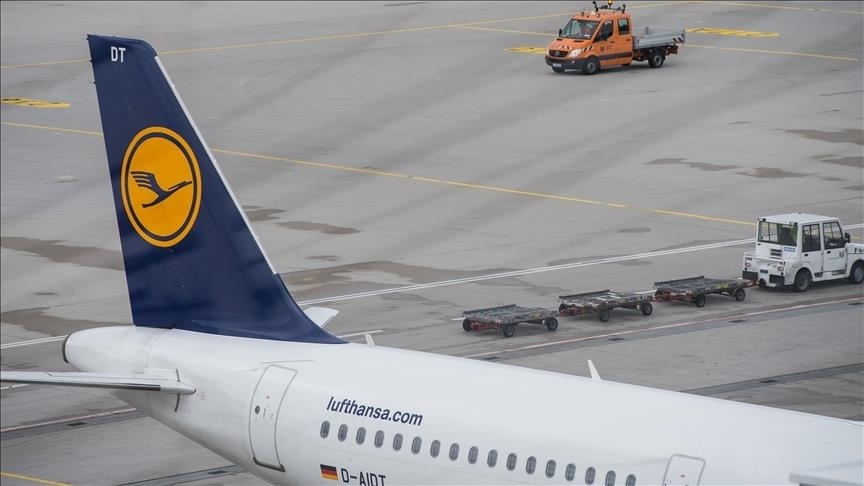
World
On Monday, major airlines, including Lufthansa, Air France, and Transavia, halted flights to Lebanon, reflecting growing international concern over the escalating conflict between Hezbollah and Israel. This decision follows a deadly rocket attack in the Golan Heights that resulted in the death of 11-year-old Guevara Ibrahim and 11 other victims.The violence began with a rocket strike on a football pitch in Majdal Shams, a Druze Arab community in the Golan Heights. Israel and the United States have accused Hezbollah, the Iran-backed Lebanese militant group, of being behind the attack. Since the onset of the Gaza conflict in early October, Hezbollah and Israeli forces have engaged in near-daily exchanges of fire.In response to the rocket attack, Israeli Defense Minister Yoav Gallant has threatened severe retaliation, while Lebanese Foreign Minister Abdallah Bou Habib has reported ongoing diplomatic efforts to de-escalate the situation. Both Israel and Hezbollah have given assurances of limited escalation, although tensions remain high.Lebanese Prime Minister Najib Mikati is actively involved in diplomatic talks with international and regional stakeholders to protect Lebanon from further conflict. Despite these efforts, life in central Beirut appears to continue with a sense of grim normalcy, as expressed by local shop owner Muhammad Saad.Hezbollah has denied involvement in the Majdal Shams attack but has claimed responsibility for various other strikes against Israeli military positions. In retaliation, Israeli Prime Minister Benjamin Netanyahu has warned that Hezbollah will face significant consequences. The violence has already resulted in at least 529 deaths in Lebanon and casualties on the Israeli side as well.Hezbollah's alliance with Hamas, the Palestinian militant group responsible for the October 7 attack on southern Israel, has further complicated the situation. The conflict has led to a severe humanitarian crisis in Gaza, with significant casualties and displacement. Israeli forces continue their operations in Gaza, targeting militant positions amid ongoing international negotiations aimed at securing a ceasefire and addressing the hostage situation.The situation remains fluid, with international mediation efforts ongoing and further escalations possible as both sides prepare for a protracted conflict.
Read More → Posted on 2024-07-29 16:02:35
India
In a significant move to bolster India's defense capabilities, the Defence Acquisition Council (DAC) has given the green light to two major procurement projects. Chaired by Defence Minister Rajnath Singh, the council approved the acquisition of an advanced navigation system for the Indian Army's armoured fighting vehicles (AFVs) and 22 state-of-the-art interceptor boats for the Indian Coast Guard.The newly approved Advanced Land Navigation System (ALNS) Mk-II for the Army is set to enhance the operational effectiveness of AFVs. This sophisticated system boasts high levels of encryption, making it resistant to spoofing attempts. It integrates seamlessly with the Indian Regional Navigation Satellite System (IRNSS), also known as NAVIC, in addition to the Global Positioning System (GPS) and the Global Navigation Satellite System (GNSS). This multi-system compatibility ensures precise navigation and positioning, crucial for modern military operations.The ALNS Mk-II, which will be sourced from Bharat Electronics Limited (BEL) in Chennai under the "Buy Indian-Indigenously Designed, Developed, and Manufactured" category, offers exceptional accuracy through its integration with defense series maps. This advancement is expected to significantly improve the situational awareness and maneuverability of the Indian Army’s armored units.In addition to the navigation system, the DAC has approved the procurement of 22 interceptor boats for the Indian Coast Guard. These boats are designed for rapid interception and are equipped with advanced systems for efficient shallow water operations. Their primary roles will include coastal surveillance, patrolling, search and rescue missions, and medical evacuations.While the specific costs of these procurements have not been disclosed, the decisions underscore the government's commitment to enhancing the defense infrastructure and capabilities of both the Indian Army and the Coast Guard. These steps are part of a broader strategy to ensure maritime security and effective land combat operations.The procurement of these technologies reflects India's ongoing efforts to modernize its defense forces with cutting-edge, indigenously developed equipment.
Read More → Posted on 2024-07-29 16:00:41
India
Hindustan Aeronautics Limited (HAL) is poised to make a significant impact on India's aerospace industry with its ambitious proposal to develop an indigenous Medium Transport Aircraft (MTA) for the Indian Air Force (IAF). As the IAF deliberates on the cargo-carrying capacity requirements for the new aircraft, HAL stands ready to initiate feasibility studies through its Kanpur division, marking a pivotal step in the project.The MTA project is a crucial endeavor for HAL, especially in the face of stiff competition from international aerospace giants like Lockheed Martin, Embraer, and Airbus, all of whom have submitted bids for the IAF's medium transport aircraft project. HAL's strategic plan involves potentially licensing existing but discontinued or stalled transport aircraft designs from these major players, aiming to expedite the development process and offer the IAF a viable, domestically produced option in a shorter timeframe.One of HAL's key strengths lies in India's existing aerospace infrastructure, which the company asserts is fully capable of supporting the MTA program. According to HAL, the necessary avionics and engines for the aircraft can be sourced locally, provided the IAF and the Ministry of Defence (MoD) give their approval. This confidence in local capabilities highlights HAL's commitment to advancing India's self-reliance in defense technology.However, the success of HAL's proposal hinges on several critical factors. First and foremost is the IAF's decision regarding the specific cargo-carrying capacity required for the MTA. This information is essential for HAL to tailor its feasibility studies and subsequent development efforts. Additionally, the IAF's willingness to embrace a domestically developed aircraft, as opposed to opting for an international solution, will play a significant role in the project's trajectory.HAL's plan also depends on securing suitable licensing agreements with established aerospace companies. By integrating proven designs with India's manufacturing capabilities, HAL aims to offer the IAF a medium transport aircraft that meets their operational needs while also boosting indigenous defense production.This development is a testament to HAL's determination to be at the forefront of India's aerospace industry. The company has a long history of contributing to the nation's defense capabilities, and the MTA project represents another opportunity for HAL to demonstrate its engineering prowess and strategic vision. The coming months will be crucial as the IAF makes its decision, and HAL's proposal adds an intriguing and compelling dimension to the decision-making process.As India continues to strive for greater self-reliance in defense manufacturing, HAL's indigenous MTA program could become a landmark project, showcasing the country's ability to develop and produce advanced military aircraft domestically. The outcome of this proposal will not only influence the future of the IAF's transport capabilities but also set a precedent for India's aerospace ambitions.
Read More → Posted on 2024-07-29 15:56:27
World
In a significant stride towards modernizing military aviation, NATO's Support and Procurement Agency (NSPA) has awarded contracts to Airbus Helicopters, Lockheed Martin Sikorsky, and Leonardo to develop cutting-edge rotorcraft concepts under the Next Generation Rotorcraft Capability (NGRC) program. This initiative aims to revolutionize rotorcraft technology and ensure NATO's aviation superiority for decades to come.The NGRC program is a forward-thinking effort designed to replace NATO’s aging fleet of medium-lift helicopters, with a target of introducing new models from 2035 to 2040 and beyond. The contracts represent the fifth NGRC concept study and focus on exploring integrated platform concepts, leveraging advanced materials, digital design, and innovative manufacturing processes.Innovative Collaborations and GoalsAirbus Helicopters, teaming with RTX’s Collins Aerospace and Raytheon businesses, as well as MBDA, will spend 13 months analyzing two integrated next-generation military helicopter concepts. The goal is to develop a European solution that meets the needs of NATO's armed forces while maintaining industrial sovereignty for European nations. Airbus Helicopters CEO Bruno Even emphasized the unique opportunity this study presents to utilize their extensive experience with European armed forces.Lockheed Martin Sikorsky is set to bring its X2 coaxial high-speed helicopter technology into the fold. The X2, developed in 2005, features an integrated auxiliary propulsion system and counter-rotating rotor blades, enabling it to perform a variety of missions, including attack, reconnaissance, and transport. Sikorsky's vice president of Future Vertical Lift, Andy Adams, highlighted the proven capabilities of the X2 through rigorous flight testing, stating that the prototype will integrate various advanced systems to enhance NATO's defense and deterrence capabilities.The Broader ContextThe NGRC program is supported by several NATO member countries, including France, Germany, the UK, the US, Ireland, and Italy. These nations recognize the critical need for a next-generation rotorcraft that can team with unmanned platforms and fly unrefueled for up to 1,650 kilometers (1,025 miles), nearly double the range of current medium-lift helicopters. The new rotorcraft is also expected to have a weight range of 10 to 17 tons and a lifting capacity of over 4,000 kilograms (8,800 pounds).Lockheed Martin Sikorsky's European Industry Group, comprising partners such as BAE Systems, ELT Group, ESG Elektroniksystem-und Logistik GmbH, GE Aerospace, Hellenic Aerospace Industry, Kongsberg, Liebherr-Aerospace Lindenberg GmbH, MAGroup, Malloy Aeronautics, SAFRAN, Rheinmetall, and TERMA, is poised to contribute a wealth of expertise to the project. This collaboration aims to bring about a highly capable and versatile rotorcraft system that combines speed, range, maneuverability, survivability, and operational flexibility.As the NGRC concept studies progress, the insights gained will pave the way for the next generation of military rotorcraft, ensuring that NATO remains at the forefront of aviation technology. The successful development of these advanced rotorcraft will not only enhance NATO's operational capabilities but also solidify the industrial and technological prowess of its member nations.With these ambitious plans and collaborations, NATO is set to redefine the future of military aviation, ensuring that its forces are equipped with the most advanced and capable rotorcraft to meet the challenges of tomorrow.
Read More → Posted on 2024-07-29 15:54:36
India
The Indian Navy is on the brink of a significant milestone as it prepares to integrate Made-in-India combat systems into its new Scorpene submarines. This development comes as part of an ongoing initiative to bolster the Navy's capabilities with advanced submarines while enhancing indigenous production.In a collaborative effort with the French Naval Group, Bharat Electronics Limited (BEL) will manufacture the combat management systems for the additional Scorpene submarines. This partnership reflects India's push towards self-reliance in defense technology, aligning with the broader national strategy of "Atmanirbhar Bharat" (Self-Reliant India).Boosting Indigenous ContentThe Indian Navy is negotiating a deal to procure three additional Scorpene-class submarines from Mazagaon Dockyards Limited (MDL), in collaboration with the French Naval Group. The first batch of six submarines is expected to be delivered by the end of this year, and the subsequent three submarines will feature up to 60% indigenous content. This substantial local involvement aims to reduce dependence on foreign suppliers and foster domestic defense manufacturing capabilities.Advanced Combat Systems from BELVincent Martinot-Lagarde, Executive Vice President of the Naval Group, highlighted the significance of the indigenous combat systems. "The heart of the submarine, which is the combat system, will be an indigenous one from Bharat Electronics Limited based on French architecture," he stated. This collaboration underscores the blend of Indian manufacturing prowess with French technological expertise.A Unique Indo-French PartnershipThe project promises to enhance the Indian Navy's operational capabilities with modern, stealthy, and resilient submarines. According to Lagarde, the Naval Group is confident that the 60% indigenous content target is achievable, albeit progressively. The French official emphasized that this project would integrate the latest technologies into the Scorpene design, improving combat capabilities and endurance.Expanding the Industrial EcosystemThe Naval Group and MDL are working together to ensure that many critical systems will be indigenized. Existing partnerships with Indian companies like L&T, Merlin Hawk, and others will be expanded to support this initiative. Additionally, discussions are underway with new potential partners to further broaden the industrial ecosystem.The program will not only strengthen India's defense manufacturing but also create thousands of skilled jobs, contributing to the local economy. The indigenization efforts aim to develop the necessary infrastructure and expertise to support future maintenance and upgrades of these submarines within India.Strategic SignificanceThis initiative is part of India's broader strategy to develop a robust submarine fleet, comprising 21 new conventional submarines and around six nuclear-powered submarines (SSNs). The addition of the Scorpene submarines is crucial for enhancing India's maritime security, particularly against the backdrop of growing Chinese and Pakistani naval activities.The Defence Ministry is expediting the acquisition process, aiming to complete it within the current fiscal year. The high level of indigenous content is also seen as a step towards establishing India as a regional hub for submarine construction and exports.The Indian Navy's integration of indigenous combat systems in collaboration with the French Naval Group marks a significant step towards self-reliance in defense technology. This project not only enhances the Navy's operational capabilities but also strengthens India's defense manufacturing sector, contributing to the broader vision of Atmanirbhar Bharat.This blend of indigenous production with advanced French architecture promises a formidable addition to the Indian Navy's fleet, ensuring enhanced maritime security and operational readiness.
Read More → Posted on 2024-07-29 15:51:30
World
In a continued show of support for Ukraine, Spain has announced plans to send an additional Hawk air defense battery to the war-torn country. Spanish Defense Minister Margarita Robles confirmed this decision during a conversation with her Ukrainian counterpart, highlighting the importance of bolstering Ukraine's air defense capabilities amidst ongoing conflict.The Hawk air defense system, originally developed by Raytheon in the mid-1950s, has seen extensive use and multiple upgrades since its inception. Designed during the Cold War era, the MIM-23 Hawk was initially intended for the US Army to counter aerial threats. Over the decades, it underwent three significant upgrades, the latest being in 1989, which enhanced its capability to intercept a wide range of targets, including fighter jets, helicopters, and drones. Although the US Army replaced the Hawk with the Patriot system in 1994, the Hawk remained operational with the US Marine Corps until 2002.Spain, alongside other NATO allies, has been providing military aid to Ukraine to enhance its short-to-medium range air and missile defense systems. The Hawk system, known for its reliability and effectiveness, is a crucial addition to Ukraine's defensive arsenal. The system can engage targets at distances of 28 to 31 miles and altitudes up to 65,000 feet, making it a formidable shield against aerial attacks.Ukraine's use of the Hawk system has already shown significant results. According to a video posted by the Ukrainian Air Force, a Hawk battery successfully intercepted six Iran-designed Shahed attack drones in its first engagement. The system also achieved notable success by intercepting over a dozen Kh-59 air-launched cruise missiles and sea-launched Kalibr cruise missiles, demonstrating its critical role in Ukraine's defense strategy.The Hawk's speed of Mach 2.4 and its 119-pound blast fragmentation warhead contribute to its effectiveness in neutralizing aerial threats. As Ukraine continues to face challenges from hostile forces, the addition of another Hawk battery from Spain will undoubtedly strengthen its defensive capabilities, providing a much-needed layer of protection for its airspace.Spain's decision to send more Hawk systems underscores the ongoing international effort to support Ukraine in its defense against aggression. This move not only enhances Ukraine's military capabilities but also reinforces the solidarity and commitment of NATO allies in ensuring regional stability and security.As the situation in Ukraine evolves, the continued support from countries like Spain will play a vital role in bolstering the country's defense infrastructure and aiding in its efforts to maintain sovereignty and peace.
Read More → Posted on 2024-07-29 15:47:55
India
In a strategic move to strengthen its border infrastructure, India has launched the third phase of the India-China Border Roads (ICBR) project. The Border Roads Organisation (BRO), in collaboration with the Central Public Works Department (CPWD) and the National Projects Construction Corporation, is at the forefront of this initiative. This phase focuses on enhancing the road network in eastern Ladakh, an area of significant strategic importance given the recent tensions with China.The ICBR project is not new; it has been a critical component of India's border infrastructure plans for over two decades. The first two phases, initiated in the early 2000s, identified 73 strategic roads crucial for defense and connectivity, with the BRO responsible for 61 of them. These phases have laid the groundwork for faster and more efficient movement of security forces along the Line of Actual Control (LAC).Phase II of the project is nearing completion, and the newly constructed all-weather roads are already proving invaluable. They allow for the swift deployment of troops and equipment, a necessity underscored by the 2020 standoff with Chinese forces at Galwan. The momentum gained from these successes has spurred the government to push ahead with Phase III.One of the most notable developments under the ICBR initiative is the Shinku La tunnel project. Recently inaugurated by Prime Minister Narendra Modi, this 4.1-kilometer tunnel will provide all-weather connectivity between Manali and Leh. This enhancement is expected to significantly improve the logistical capabilities of the Indian armed forces, ensuring that they can operate effectively year-round in this challenging terrain.The geographical span of India's border with China is vast, covering 3,488 kilometers across Ladakh, Arunachal Pradesh, Himachal Pradesh, Uttarakhand, and Sikkim. The roads being constructed under Phase III will be particularly crucial in eastern Ladakh, where five new roads will be added by the BRO and CPWD. These roads will play a pivotal role in securing the region and ensuring rapid mobilization of forces if needed.The Indian government's commitment to border infrastructure is evident from its increased budget allocations. The Union budget for 2024-25 earmarked ₹6,500 crore for the BRO, a substantial 30% increase from the previous year. This funding boost is part of a broader strategy to accelerate road construction and development in border areas.Complementing the ICBR project is the Vibrant Villages Programme, an ambitious initiative aimed at developing border villages along the China border. With a total allocation of ₹4,800 crore for the period 2022-23 to 2025-26, this program has identified 2,967 villages in 19 districts for comprehensive development. The first phase of the program prioritizes 662 villages, including 455 in Arunachal Pradesh and 35 in Ladakh. The Ministry of Home Affairs has also allocated ₹1,050 crore specifically for this program in the current budget.The launch of Phase III of the ICBR project underscores India's resolve to fortify its border infrastructure and enhance its strategic capabilities. As the country continues to develop its road networks and border villages, it is not only improving the lives of those living in these remote areas but also ensuring that its borders are well-protected and its forces are well-prepared.
Read More → Posted on 2024-07-29 15:45:48
World
In a significant advancement for the UK's defense capabilities, a high-powered counter-drone laser weapon, supported by Cambridge Pixel software, has been successfully trialed on a British Army combat vehicle. This groundbreaking test marks the first instance of a laser weapon being fired from a land vehicle in the UK, representing a crucial milestone in modern warfare technology.The pilot project, a collaborative effort between Raytheon UK, the Defence Science and Technology Laboratory (Dstl), and Defence Equipment and Support (DE&S), was conducted at Dstl’s range in Porton Down. The laser weapon, mounted on a British Army Wolfhound armored vehicle, effectively neutralized drone targets at distances exceeding 1km. This achievement underscores the potential of laser-directed energy weapons (LDEW) to enhance the operational capabilities of the British Army on the battlefield.Cambridge Pixel played a pivotal role in this project by providing software, including the user interface display, which facilitated the rapid development and deployment of the laser weapon system. Their technology enabled a command and control (C2) system that integrated seamlessly with wider battle management radar and surveillance systems, reducing project risks and improving safety. The use of Cambridge Pixel’s software demonstrates the critical importance of advanced digital solutions in modern defense projects, allowing for faster, more cost-effective development cycles.Matt Cork, the Dstl Programme Lead, highlighted the significance of this test, stating, "The joint working between Dstl, DE&S, and industry has enabled rapid evolution of this laser demonstrator. The successful testing of this high-powered laser weapon marks a pivotal moment in our ongoing efforts to enhance the future operational capabilities of the British Army. This technology offers a precise, powerful, and cost-effective means to defeat aerial threats, ensuring greater protection for our forces."This test is part of the UK Ministry of Defence’s Land Laser Directed Energy Weapon (LDEW) Demonstrator programme, which aims to explore the utility of LDEW systems in countering evolving threats. The program’s success provides the British Army with a lightweight, portable, and cost-effective solution to defeat enemy drones, enhancing battlefield protection and operational flexibility.The collaboration extends beyond Raytheon UK and Cambridge Pixel, involving a robust British supply chain including Frazer-Nash, NP Aerospace, LumOptica, and Blighter Surveillance Systems. These partnerships are crucial in driving forward the development and integration of cutting-edge defense technologies.As aerial threats continue to evolve, the British Army's adoption of advanced laser weapons signifies a strategic shift towards more precise and effective countermeasures. The successful trial of this counter-drone laser weapon not only highlights the technological prowess of the UK’s defense industry but also sets the stage for future innovations in military defense systems.
Read More → Posted on 2024-07-29 15:41:51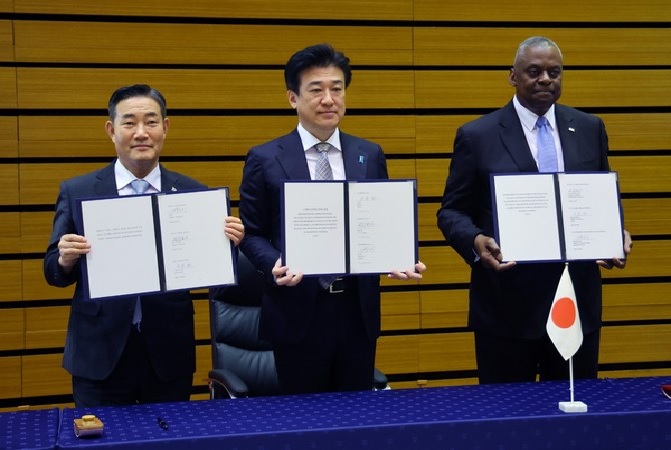
World
In a move reflecting the growing tensions in the Asia-Pacific region, the United States, Japan, and South Korea have signed a historic security cooperation agreement. This memorandum, signed on Sunday, institutionalizes the trilateral defense ties between the three nations, ensuring sustained policy consultations, information sharing, and joint military exercises. This meeting marks the "first of its kind in 15 years," as reported by CNN, and comes nearly a year after a landmark summit hosted by US President Joe Biden at Camp David.The defense chiefs of the US, Japan, and South Korea met on July 28, pledging to bolster their cooperation to deter nuclear and missile threats from North Korea. This agreement, formalized through a joint statement, reaffirms the unwavering nature of their new era of trilateral cooperation. Japanese Defense Minister Minoru Kihara emphasized the solidity of this agreement, noting that their trilateral cooperation would remain steadfast despite changing international circumstances. He made these remarks following his meeting with US Defense Secretary Lloyd Austin and South Korean Defense Minister Shin Won Sik.China's increasing assertiveness in the East and South China Seas has been a significant concern for these nations. The Trilateral Security Cooperation Framework explicitly states their strong opposition to any unilateral attempts to alter the status quo in the Indo-Pacific waters. The tensions have been particularly high over China's maritime claims in the South China Sea and its confrontations with Philippine vessels. Additionally, Chinese vessels have repeatedly intruded into Japanese territorial waters around the disputed Senkaku Islands in the East China Sea, further heightening regional tensions.The defense ministers' agreement to institutionalize their trilateral security cooperation was first made in June during a meeting in Singapore. Following this, the US, Japan, and South Korea conducted a new annual joint military exercise called "Freedom Edge" in June, covering aerial, naval, and cyber domains in areas including the East China Sea.In a related development, US Defense Secretary Lloyd Austin and Secretary of State Antony Blinken met with their Japanese counterparts, Defense Minister Minoru Kihara and Foreign Minister Yoko Kamikawa, in Tokyo. They aimed to deepen US-Japan defense cooperation, issuing a joint statement that identified China's political, economic, and military coercion as the greatest strategic challenge in the Asia-Pacific region and beyond.Austin announced a significant reorganization of US forces in Japan, describing it as the most substantial change since their creation. This reconstitution will see US forces in Japan report directly to the Commander of US Indo-Pacific Command, enhancing their military ties significantly.The joint statement repeatedly highlighted concerns about China's actions, including its attempts to unilaterally change the status quo in the East China Sea, its provocative activities in the South China Sea, and its support for Russia's defense industrial base. These pointed remarks underscore the shared apprehensions of the US, Japan, and South Korea regarding China's growing influence and assertiveness in the region.
Read More → Posted on 2024-07-29 15:38:58
India
In a significant development in the defense collaboration between India and the United States, the two nations have agreed on a $3.1 billion deal involving the procurement of 31 MQ-9B Predator drones. As part of this deal, the US has also proposed to provide consultancy services to assist India in developing its own advanced unmanned aerial vehicles (UAVs). This consultancy is expected to expedite India's efforts to enhance its indigenous drone capabilities.The discussions for this drone deal have been ongoing for several years, reflecting the strategic importance both countries place on this collaboration. The agreement outlines that the Indian Navy will receive 15 of the drones, while the Indian Air Force and Army will each get eight. These drones are set to be deployed at key strategic locations, including INS Rajaji near Chennai and Porbandar in Gujarat, as well as Sarsawa and Gorakhpur in Uttar Pradesh. These deployments will bolster India's surveillance and reconnaissance capabilities along its borders and in the Indian Ocean Region.The American consultancy offer, which is a part of the overall deal, aims to significantly reduce the development time for India's indigenous advanced drones. This initiative is expected to be discussed and potentially approved at the upcoming Defence Acquisition Council (DAC) meeting, which will be the first under the Narendra Modi 3.0 administration. The meeting, led by Defence Minister Rajnath Singh, is anticipated to give a substantial push to India's defense indigenization efforts.General Atomics, the American firm behind the MQ-9B drones, has been in discussions with Indian officials over the past few weeks to finalize the details of this consultancy. This collaboration is not just about acquiring drones but also about transferring knowledge and expertise, which will be crucial for India's future UAV projects.The MQ-9B drones, known for their long endurance and high-altitude capabilities, can fly for over 36 hours at altitudes exceeding 40,000 feet. They are equipped to carry Hellfire air-to-ground missiles and smart bombs, making them formidable assets for intelligence, surveillance, and reconnaissance missions. These drones will enhance India's ability to conduct unmanned patrols, particularly in sensitive areas along its borders with China and Pakistan, and in the expansive Indian Ocean.The deployment of these drones will provide a significant boost to India's military surveillance capabilities, especially along the Line of Actual Control (LAC) with China, from Ladakh to Arunachal Pradesh. The long runways required for the MQ-9B's operations are available at Indian Air Force bases, ensuring that the drones can be effectively deployed and maintained.The cost of the deal, initially quoted at around $4 billion, has been negotiated down, with India not opting for the entire package. This cost-effective approach ensures that India gets the necessary capabilities without overspending.In summary, this deal is more than just a purchase; it is a strategic partnership aimed at strengthening India's defense capabilities through advanced technology and collaborative development. The inclusion of consultancy services underscores the commitment of both nations to foster innovation and self-reliance in defense technology. This partnership is set to enhance India's surveillance and reconnaissance operations significantly, ensuring better security and preparedness for any future challenges.
Read More → Posted on 2024-07-29 15:36:17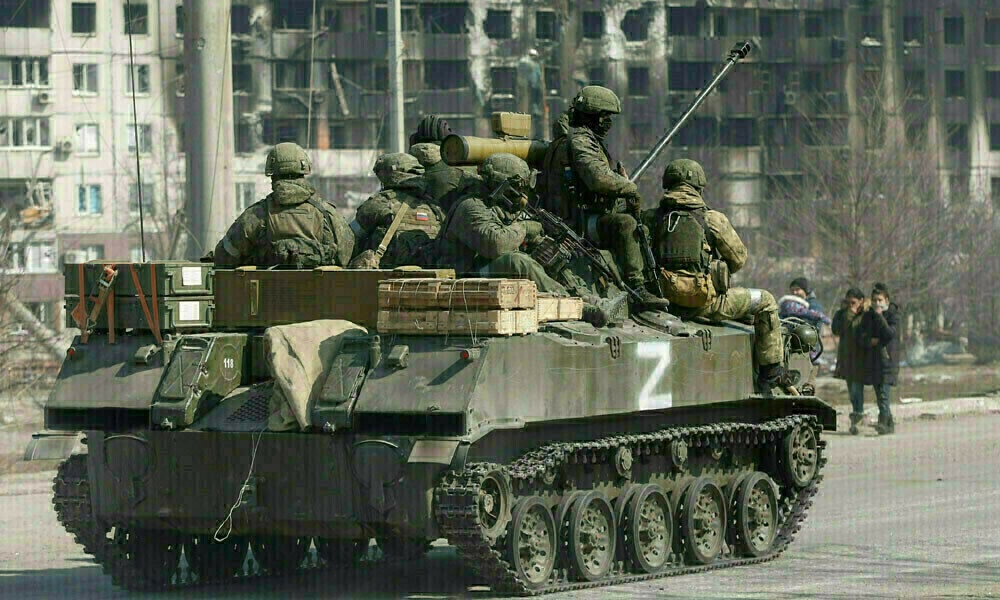
World
In a significant development in the ongoing conflict in eastern Ukraine, Russia announced on Sunday that its forces had captured two villages in the Donetsk region. This advancement marks a continued push towards the city of Pokrovsk, located northwest of the regional capital.The Russian defense ministry reported that troops had taken control of the neighboring villages of Progres and Yevgenivka, which lie just a few kilometers apart. This comes as part of a broader offensive strategy that has seen Russian forces focusing heavily on the Donetsk region, an area Moscow claimed to have annexed in the months following its invasion of Ukraine in February 2022.Ukrainian President Volodymyr Zelensky, in his evening address on Sunday, acknowledged the mounting pressure on Ukrainian forces in the region. "It is extremely challenging in the Donetsk directions, and it is in the Pokrovsk direction that there have been the biggest number of Russian assaults these weeks – the most intense enemy attacks are precisely there," Zelensky said. He praised the efforts of those repelling the Russian advances, emphasizing their critical role in the war effort.This latest Russian claim follows the capture of the nearby village of Lozuvatske on Saturday, one of nearly a dozen villages Russia asserts it has seized in the Donetsk region this month. The Kremlin's intensified focus on this area highlights its strategic importance in Russia's broader military objectives.Ukraine's General Staff reported on Sunday morning that its forces had repelled 29 attacks in the region, illustrating the fierce resistance against Russian attempts to dislodge Ukrainian units. Despite the intense assaults, Ukrainian defenders have managed to hold their ground in many instances.The situation in Donetsk is part of a larger pattern of escalating violence. President Zelensky has reiterated his calls for increased support from international allies, particularly in the form of air defense systems. "Every concrete decision of our partners to strengthen our force can save lives," Zelensky wrote on Telegram. He highlighted the urgent need for more defenses, noting that Ukraine has been bombarded by nearly 700 guided bombs and over 100 Shahed drones in the past week alone.As the conflict continues, the capture of Progres and Yevgenivka marks another step in Russia's attempt to solidify its control over eastern Ukraine. The battle for Donetsk is far from over, with both sides bracing for further confrontations in the weeks to come.
Read More → Posted on 2024-07-29 15:34:11
India
In a significant leap towards enhancing India's defense capabilities and promoting self-reliance, Bharat Electronics Limited (BEL) has successfully upgraded the Indian Air Force's (IAF) aging THD-1955 radar system, now rebranded as THD 2.0. This modernization effort underscores India's commitment to the 'Atmanirbhar Bharat' (Self-Reliant India) initiative, showcasing the nation's growing expertise in cutting-edge defense technology.The upgraded THD 2.0 radar was inaugurated by Air Marshal V Rajashekhar and Mr. Anoop Rai, marking a pivotal moment in India's defense modernization journey. The radar now boasts indigenously developed digitized receiver and transmitter sections, designed and manufactured by BEL. This technological overhaul not only breathes new life into the decades-old radar system but also extends its operational lifespan by an impressive 10 to 15 years, ensuring continued service and reliability for the IAF.The THD 2.0 radar significantly enhances the IAF's surveillance capabilities, offering a more precise and reliable picture of the airspace. This upgrade is critical for maintaining air superiority and situational awareness in the region, especially given the evolving security challenges. The enhanced radar system can detect and track aerial targets more accurately, improving the IAF's ability to respond to potential threats swiftly and effectively.In addition to boosting surveillance capabilities, the modernization of the THD-1955 radar translates to substantial savings in foreign exchange for India. By relying on domestically developed technology and components, BEL's upgrade reduces the need for expensive imports, aligning with the government's broader economic goals. This self-reliance in defense technology not only strengthens national security but also stimulates the local defense industry, creating jobs and fostering innovation.The THD-1955 radar system, originally introduced in the 1970s, had become increasingly outdated, necessitating frequent maintenance and facing limitations in handling modern aerial threats. The THD 2.0 upgrade addresses these issues, incorporating advanced digital technology that enhances its performance and reliability. The indigenously developed components ensure that the radar can operate seamlessly in diverse and challenging environments, from high-altitude terrains to coastal areas, providing comprehensive coverage across India's vast and varied landscape.This modernization effort is part of a broader trend within the Indian defense sector to revitalize and upgrade legacy systems with state-of-the-art technology. It reflects India's strategic shift towards greater self-reliance in defense manufacturing, reducing dependency on foreign suppliers, and increasing the indigenous content in military equipment. This shift is vital for ensuring that India's defense forces are equipped with the latest technology tailored to their specific needs and operational conditions.In conclusion, the successful modernization of the THD-1955 radar system by BEL marks a significant achievement for India's defense sector. The upgraded THD 2.0 radar not only enhances the Indian Air Force's surveillance capabilities but also embodies the spirit of the 'Atmanirbhar Bharat' initiative, showcasing India's growing prowess in defense technology and self-reliance. This achievement is a testament to the collaborative efforts of India's defense establishment and its commitment to securing the nation's future with advanced, homegrown technology.
Read More → Posted on 2024-07-29 15:31:49Search
Top Trending in 24 Hours
-
 Western Intelligence Warns Russia Could Launch Nuclear-Armed Satellite as Early as December
-
 IG Defence Successfully Test-Fires JWALA MK-1 Counter-Drone Missile at Pokhran
-
 U.S. Awards Lockheed Martin $330.6 Million Contract for Long-Lead Materials Supporting 75 F-35 Lot 22 Aircraft
-
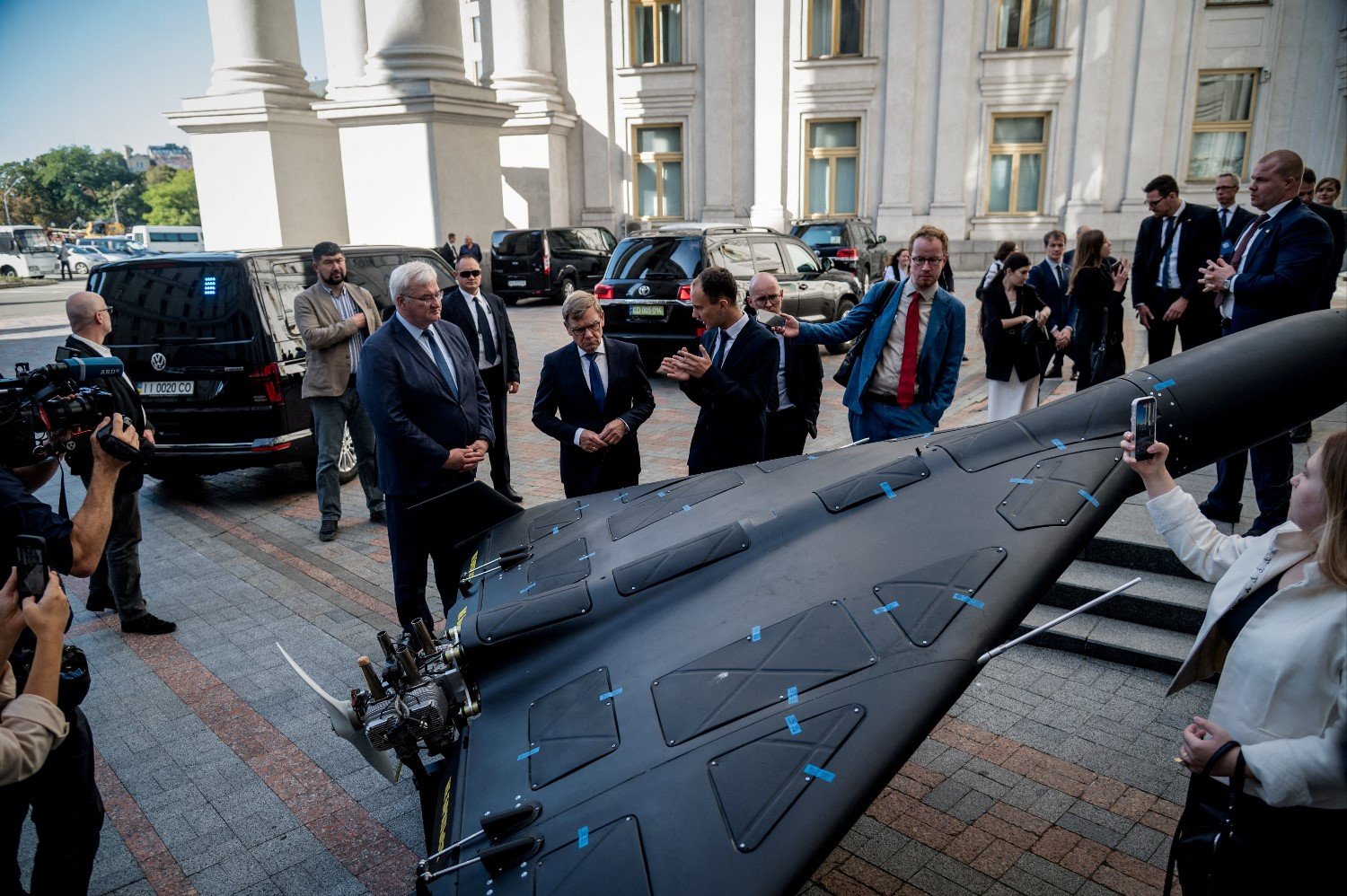 Germany Tests Kamikaze Drones and AI Targeting Systems in Lithuania Near Belarus Border
-
 Chinese Military Warns U.S. AI Could Threaten China’s Nuclear Missile Survivability
-
 Ukraine Confirms Using Seven Naval Drones to Sink Russian Corvette Merkury Off Libya, Destroying Ka-27 Helicopter Aboard
-
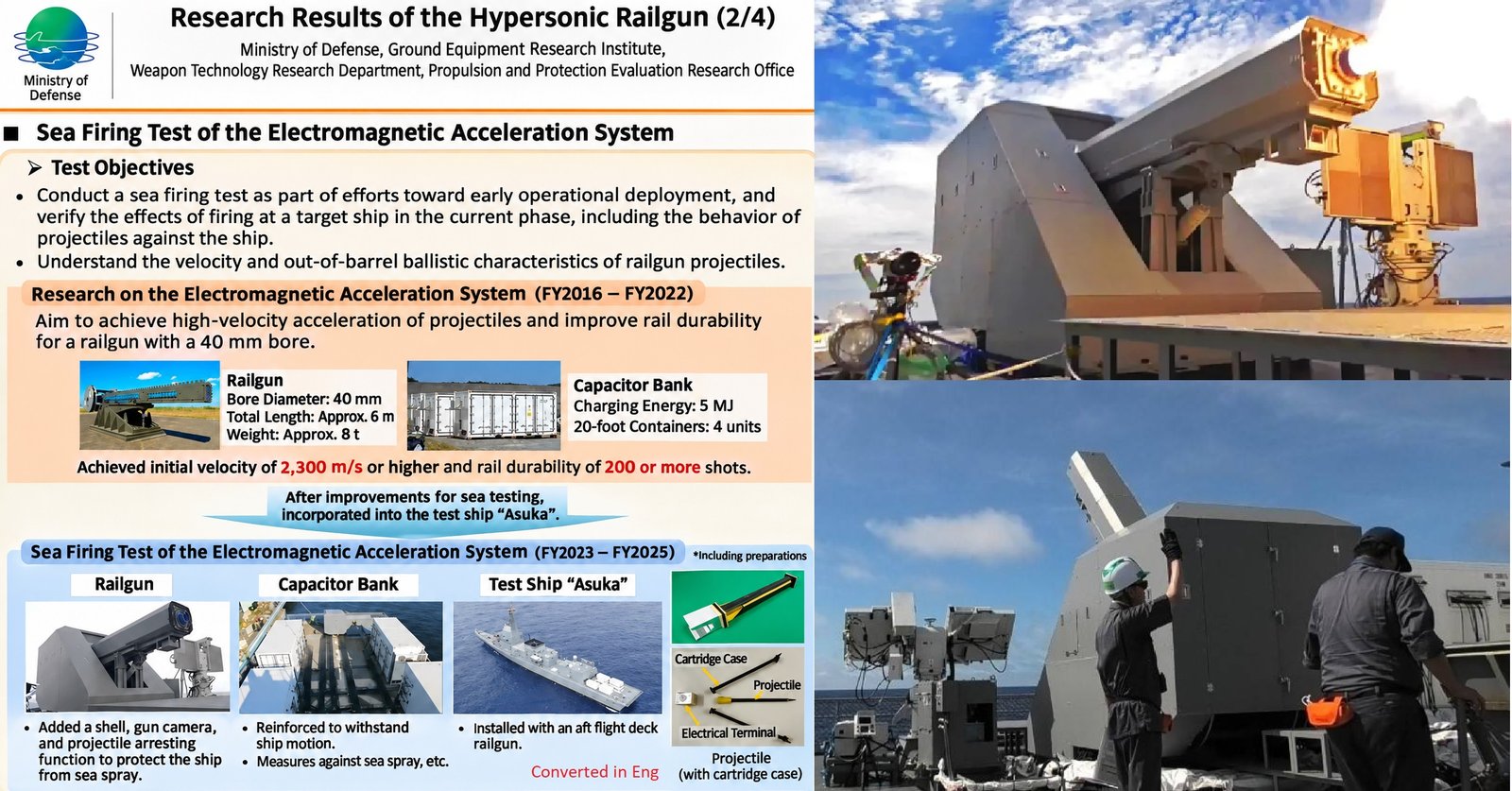 Japan Tests Battery-Powered Railgun in Ten-Shot Rapid-Fire Trial
-
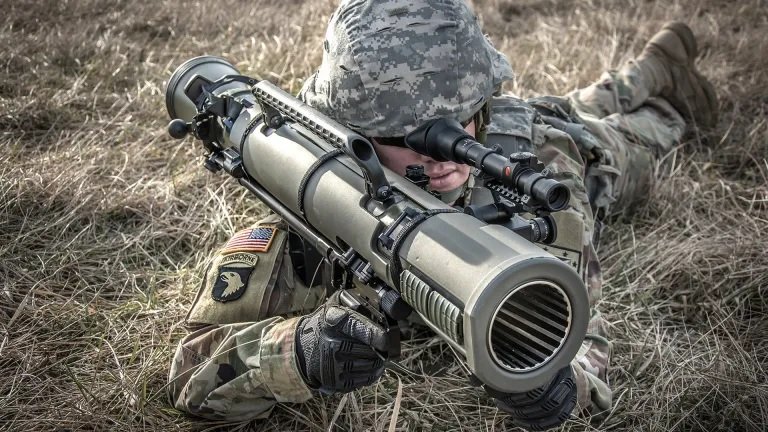 U.S. Army Places $60.3 Million Order With Saab for XM919 Shoulder-Fired Weapons
Top Trending in 4 Days
-
 Two Injured in Bahrain After Iranian Attacks; Iran Claims Strike on US Patriot Radars
-
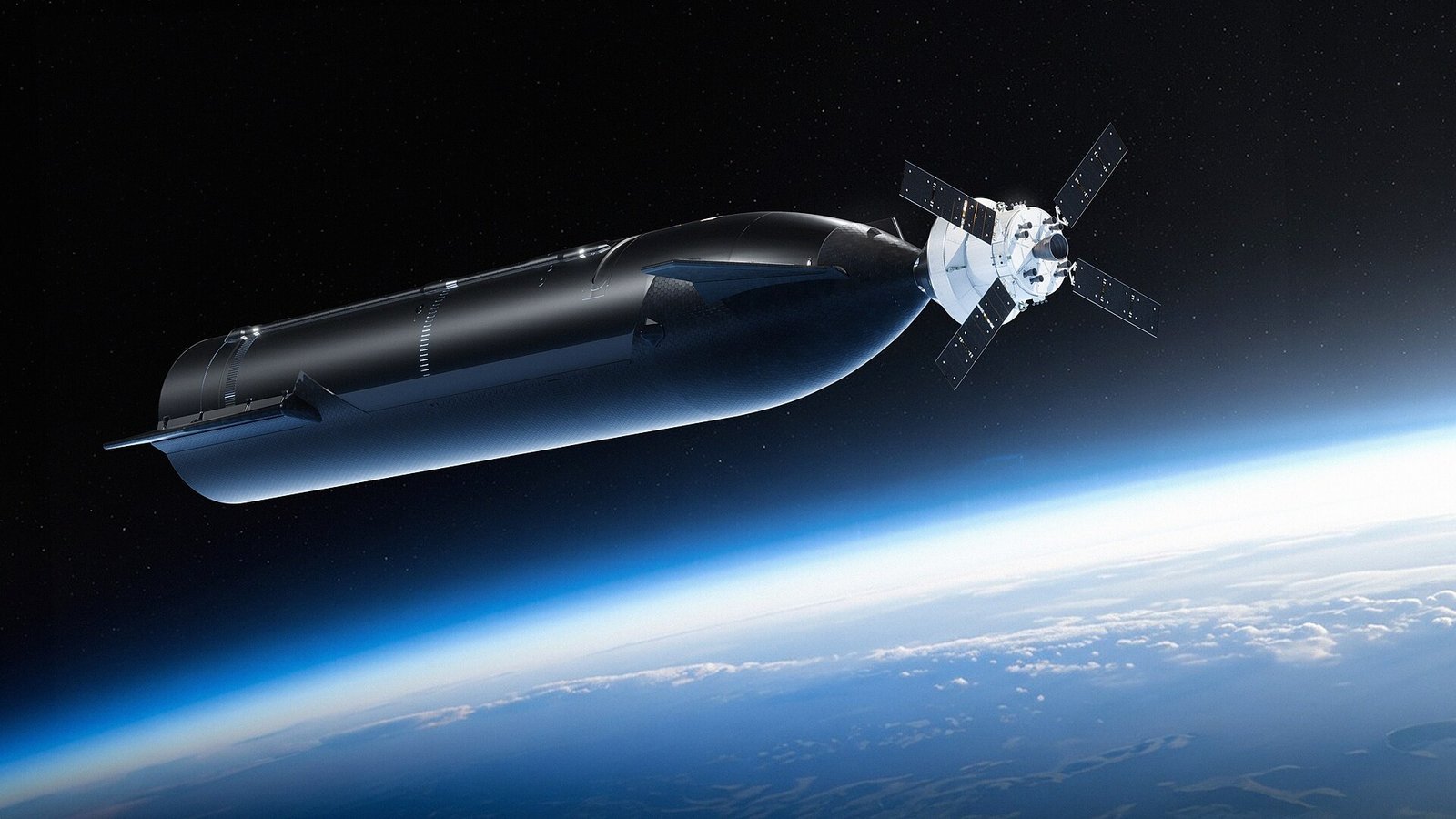 NASA's Orion Spacecraft Needs Major Modifications to Fly Backward with SpaceX Starship
-
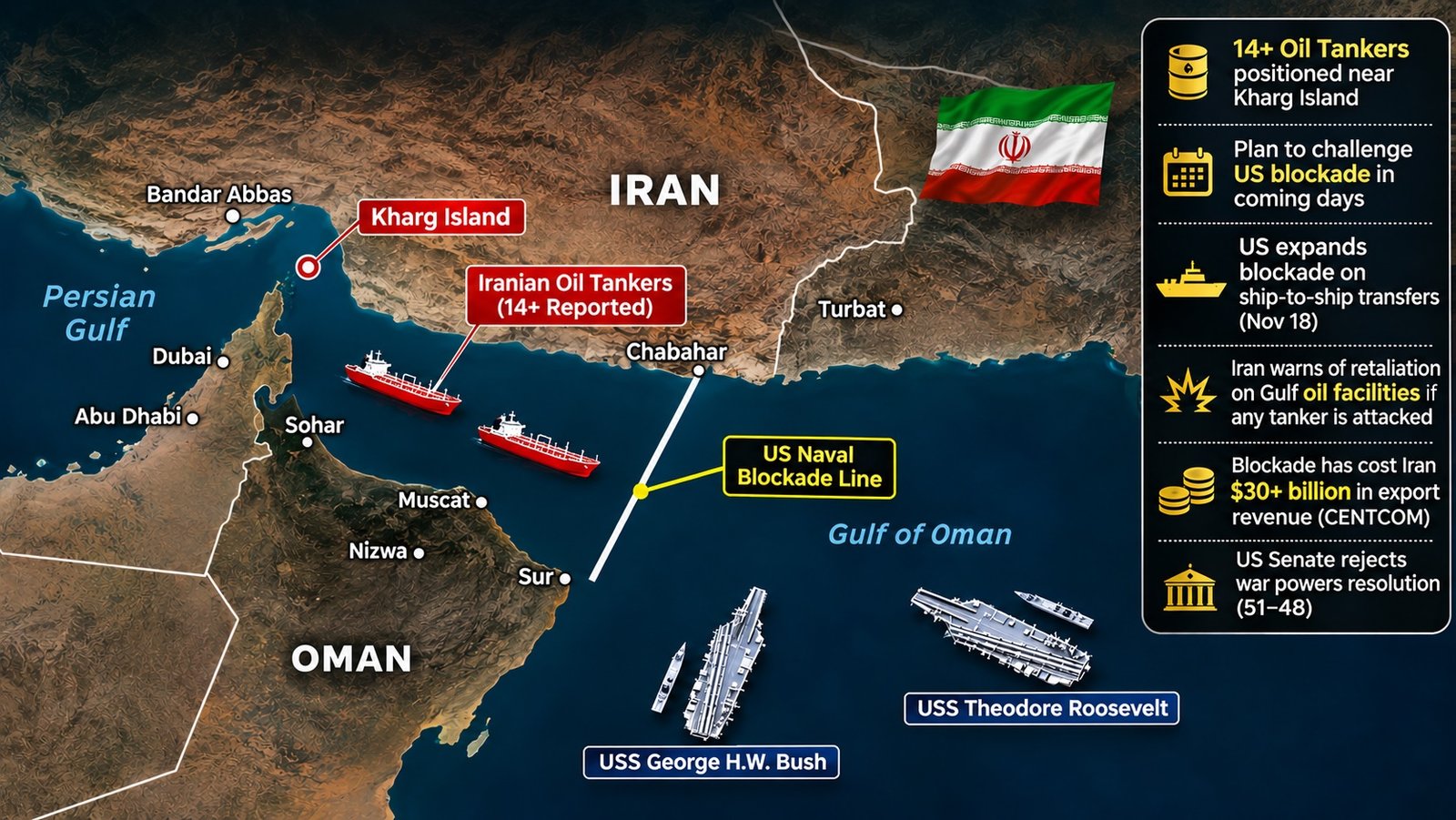 Iran Positions Oil Tankers at Kharg Island Amid Plans to Challenge US Naval Blockade
-
 Russian Corvette Merkury Almost Certainly Destroyed in Benghazi Port Explosion
-
Western Intelligence Warns Russia Could Launch Nuclear-Armed Satellite as Early as December
-
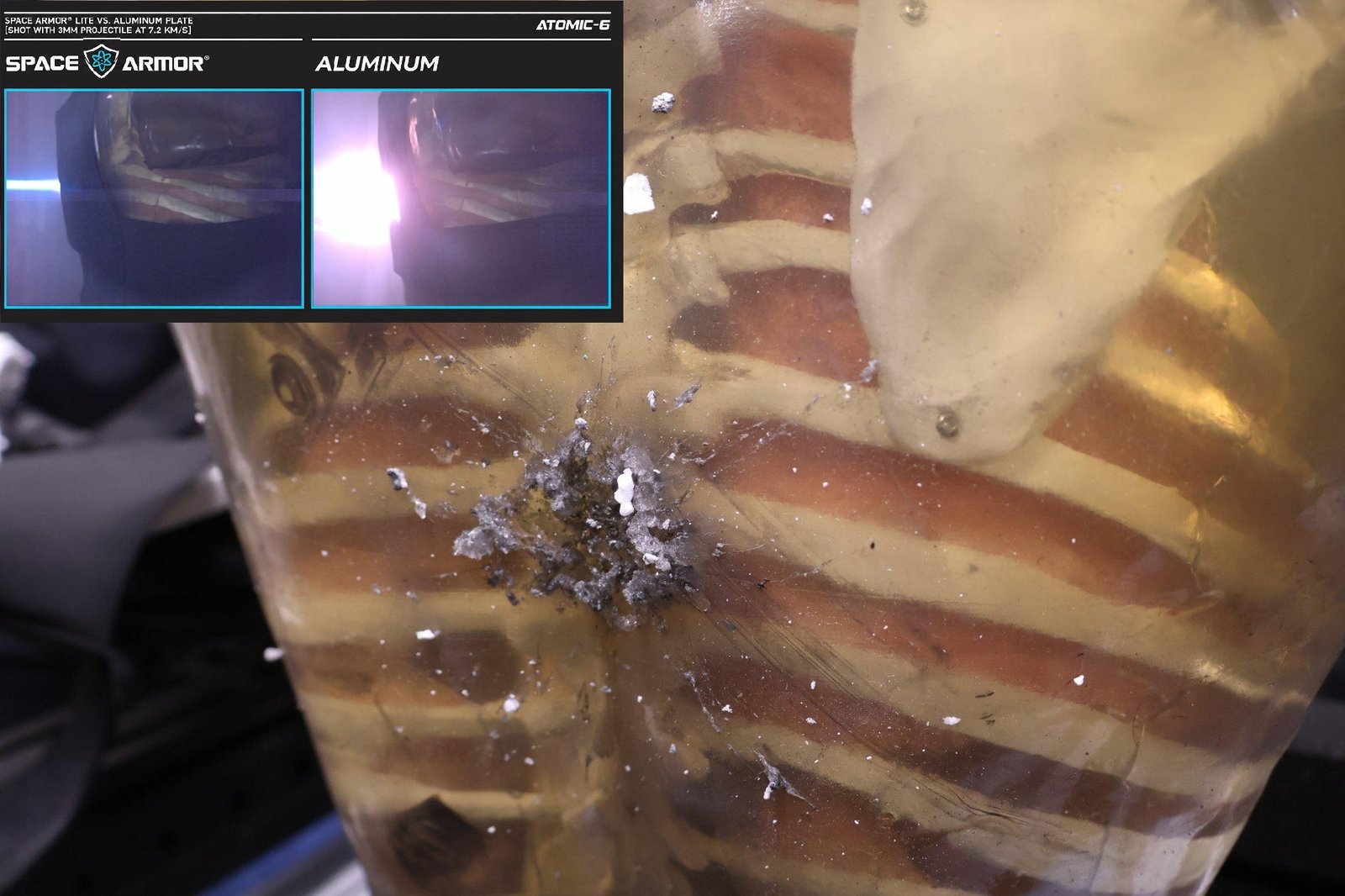 Atomic-6 Tests Composite Armor Against 16,100 MPH Space Debris for Astronaut Protection
-
 Denmark's Parliament Unanimously Approves US-Greenland Defence Deal with 109–0 Vote, Restricting Russian and Chinese Military Presence
-
IG Defence Successfully Test-Fires JWALA MK-1 Counter-Drone Missile at Pokhran
