
India
After two weeks of silence, failed repair attempts, and growing embarrassment, the United Kingdom has finally agreed to move its stranded F-35B Lightning II stealth fighter jet to a Maintenance, Repair and Overhaul (MRO) hangar at Thiruvananthapuram International Airport in Kerala. The aircraft, which made an emergency landing on June 14, remains grounded due to a critical hydraulic system failure, exposing both the vulnerabilities of fifth-generation fighter technology and the logistical challenges of deploying such platforms far from home. The jet had been operating from HMS Prince of Wales, a Royal Navy aircraft carrier participating in multinational exercises. Forced to divert due to low fuel and reported mechanical issues, it landed safely in Kerala thanks to the swift coordination between Indian Air Force (IAF) controllers, local airport authorities, and security forces. However, what followed was an increasingly uncomfortable public episode for the UK’s defense establishment. Despite the best efforts of British engineers deployed with the carrier group, multiple attempts to fix the fault on-site failed. Without access to specialized diagnostic systems or an appropriate hangar for repairs, the situation stagnated—leaving one of the world’s most advanced fighter jets parked near the runway, increasingly drawing global attention. The F-35B’s complex design is at the heart of the issue. Unlike its F-35A and F-35C counterparts, the B variant includes a lift fan system to enable Short Takeoff and Vertical Landing (STOVL), making it far more mechanically intricate and sensitive. When the hydraulic systems that support the aircraft’s control surfaces and vertical lift system fail, repairs require controlled environments and precision tools not readily available on foreign airstrips. This prolonged delay didn’t go unnoticed by the public. As the days passed, the stranded jet became a viral sensation across social media platforms. Memes poking fun at the UK’s "100 million-dollar paperweight" flooded Twitter and Instagram. The F-35B, often lauded as the pinnacle of aviation engineering, was suddenly a punchline—stuck in a tropical airport while monsoon clouds gathered above. Some posts sarcastically labeled it “the most expensive parking spot in India,” while others humorously suggested that the stealth was working “too well”—as no one knew what to do with it. Indian netizens in particular had a field day, contrasting the grounded jet with India’s Tejas, which recently completed international demos without issue. While the jokes came fast, they underscored a growing perception: that even the most advanced technology is only as good as its reliability in the field. Eventually, under growing scrutiny, the UK agreed to move the aircraft into an MRO facility at the airport. A 40-member British technical team—including engineers flown in specifically for the task—is now working alongside Indian officials to restore the jet to operational condition. If they are unable to do so, the backup plan reportedly involves airlifting the jet back to the UK aboard a military transport aircraft, an expensive and logistically complex endeavor. While the aircraft’s emergency landing highlighted the strength of India’s Integrated Air Command and Control System and its capacity to host and manage sensitive foreign military assets, it also put a spotlight on the maintenance challenges plaguing the F-35 program globally. According to a 2024 U.S. GAO report, the average repair time for unscheduled F-35 maintenance exceeds 140 days, particularly for issues involving internal hydraulics or avionics. The UK’s F-35B fleet currently numbers around 30, with plans to expand to 48. But incidents like this raise critical questions—not just about the jet’s performance, but about the logistical readiness required to operate and support such systems worldwide. The Royal Navy’s image of cutting-edge naval aviation has taken a hit, and public patience for high-cost, low-reliability assets is wearing thin. For now, the fighter rests inside an Indian hangar, awaiting another round of diagnostics and repair. But the incident will be long remembered—not only as a technical snag, but as a PR misfire. As modern warfare becomes as much about perception as firepower, the saga of the stranded F-35B serves as a reminder: even stealth can’t hide from public opinion.
Read More → Posted on 2025-06-28 15:33:13
India
In a quiet but potentially groundbreaking move, India has unofficially offered its Long-Range Land Attack Cruise Missile (LRLACM) to Greece, in a deal that, if realized, could shift the strategic balance in the Eastern Mediterranean. While neither government has formally acknowledged the offer, defense analysts familiar with the development believe this move signals a calculated deepening of Indo-Greek defense cooperation, driven by mutual concerns over regional stability and adversarial posturing—particularly from Turkey. Unlike the BrahMos missile, which is known for its supersonic speed, the LRLACM is a subsonic cruise missile with significantly longer reach—between 1,000 to 1,500 kilometers. Based on the technology foundation laid by India’s Nirbhay cruise missile program, the LRLACM has been designed for precision deep-strike missions, capable of carrying both conventional and nuclear warheads. The missile is a product of India’s Aeronautical Development Establishment (ADE), under DRDO, and represents a Mission Mode Project approved by the Defence Acquisition Council (DAC). Built in collaboration with major defense industry players like Bharat Dynamics Limited (BDL) and Bharat Electronics Limited (BEL), it is tailored to evade enemy radar by flying low and hugging terrain contours. Its 6-meter length, one-tonne weight, and compact diameter of 0.52 meters make it compatible with various mobile and ship-based platforms. From a tactical standpoint, the LRLACM is India’s answer to the U.S. Tomahawk and Russia’s Kalibr cruise missiles—long-range, terrain-hugging, stealth-capable, and relatively cost-effective. Its quiet subsonic profile makes it difficult for adversaries to detect in time, especially when launched in saturation salvos. Such features make it highly desirable for a country like Greece, which is looking to expand its precision-strike arsenal amid rising tensions with Turkey. Greece's ongoing defense rivalry with Turkey—particularly over disputed maritime boundaries, airspace violations in the Aegean, and competing claims in the Eastern Mediterranean—has pushed Athens to modernize its armed forces. The acquisition of Rafale fighter jets, French Belharra frigates, and talks for advanced munitions form part of this broader strategic recalibration. A missile like the LRLACM would significantly increase Greece's strategic depth, giving it the ability to strike military installations, radar facilities, and logistics hubs deep within Turkish territory—without crossing into enemy airspace. For India, the unofficial missile offer is about far more than just arms exports. It serves as an indirect geopolitical message to Ankara, which in recent years has increased military and diplomatic support for Pakistan, including joint defense projects and open backing on international platforms. By offering strategic weaponry to Greece, India is responding asymmetrically—arming Turkey’s rival in much the same way that Ankara has aligned with Islamabad. This is a subtle but sophisticated way for New Delhi to apply pressure on Turkey without direct confrontation. It also aligns with India’s rising ambition to become a global defense exporter and a player in the European security space. With successful exports like the BrahMos to the Philippines and artillery systems to Armenia, the LRLACM could be the next chapter in India’s outward defense diplomacy. While the missile has not yet been inducted in large numbers into the Indian armed forces, its technological maturity is progressing swiftly, with multiple successful flight trials already conducted. If Greece does move forward with the acquisition—either through government-to-government discussions or through a larger NATO-aligned framework—it would mark the first export of an Indian-developed long-range cruise missile to Europe. There are political and logistical hurdles, of course. Greece, being a NATO member, must ensure compatibility with its allies and weigh the optics of procuring non-NATO-origin systems. But India's recent strategic convergence with France—a key defense supplier to both India and Greece—could help smooth these considerations. In conclusion, while the offer remains unofficial, it reflects a new, more assertive Indian foreign policy—one that doesn't hesitate to counter adversaries by supporting their regional rivals. For Greece, it represents an opportunity to enhance long-range deterrence with a combat-proven system that fits its threat landscape perfectly. And for the broader Eastern Mediterranean, it introduces a new variable into an already volatile equation.
Read More → Posted on 2025-06-28 14:51:57
World
In one of the deadliest attacks on Pakistani security forces this year, a suicide car bomb ripped through a military convoy in the Khaddi area of North Waziristan, Khyber Pakhtunkhwa, killing at least 14 soldiers and injuring more than two dozen others, including civilians. The attack took place on Saturday when a vehicle laden with explosives rammed directly into a Mine-Resistant Ambush Protected (MRAP) vehicle belonging to the Pakistan Army’s bomb disposal unit. The scale and precision of the attack suggest a high degree of planning and coordination. Initial reports from local authorities and military sources describe a massive blast, which not only destroyed the targeted MRAP but also damaged nearby vehicles in the convoy. Among the injured were civilians, including children, who were in the vicinity when the explosion occurred. Responsibility for the bombing was quickly claimed by the Hafiz Gul Bahadur (HGB) group, a faction linked to the Afghan Taliban. This group has long operated along the porous and volatile Afghanistan–Pakistan border and has been involved in several high-profile attacks in the tribal belt in recent years. The suicide bombing follows a recent increase in cross-border militant activity, raising new questions about Pakistan’s internal security and its efforts to deal with insurgent sanctuaries across the border. The Pakistani military has not officially released the names of the deceased, but security operations in the region have been intensified. Checkpoints across North Waziristan have been sealed off, and a joint search operation involving intelligence personnel and quick reaction forces is underway to trace any surviving elements of the group behind the attack. Eyewitnesses described the horrifying aftermath of the explosion. "It was like the ground shook," said a local resident from Khaddi. "We saw smoke, fire, and soldiers trying to pull out the wounded." This isn’t the first time Pakistani forces have been targeted in this volatile region. Despite repeated military operations, including the well-known Zarb-e-Azb and Radd-ul-Fasaad, militant groups such as the HGB and Tehrik-i-Taliban Pakistan (TTP) continue to pose a significant threat. These factions frequently take shelter in Afghanistan’s eastern provinces, exploiting the lack of border control and governance in those areas. The Pakistani government has issued a strong condemnation of the attack, calling it a “cowardly act of terrorism.” However, the increasing frequency of such incidents has led to criticism from opposition parties and analysts alike. They point to gaps in intelligence, policy failures in counterinsurgency, and a lack of coordination with Kabul as underlying causes of the persistent threat. Meanwhile, the incident has also triggered concerns about regional stability. With Pakistan’s economy under severe pressure, dwindling foreign reserves, and ongoing negotiations with the IMF and World Bank, critics argue that continued military spending and internal conflict are unsustainable. They also highlight the cost to civilian life and regional development, as local populations in Waziristan and adjoining areas remain caught in the crossfire. As rescue and recovery efforts continue, and as the wounded are airlifted to military hospitals in Bannu and Rawalpindi, a grim silence hangs over Khaddi — a stark reminder of the toll insurgency continues to exact on Pakistan’s soldiers and civilians alike. With the HGB’s claim of responsibility, the attack has again underscored how deeply entangled Pakistan remains in the legacy of its militant past — and how fragile the peace along its western border truly is.
Read More → Posted on 2025-06-28 14:34:57
World
In a notable development for Ukraine’s armored forces, the first Australian-supplied M1A1 Abrams tanks have been spotted in Poland, marking the initial phase of a large-scale military transfer. These U.S.-built tanks, now repainted in Australian camouflage, are part of Australia’s October 2024 pledge to donate 49 Abrams main battle tanks to support Ukraine's fight against Russia. The delivery is a part of a broader A$245 million (roughly USD 163 million) military aid package that aims to bolster Ukraine’s armored warfare capabilities at a time when the country is heavily reliant on Western support to counter Russian aggression. These M1A1 Abrams tanks come from Australia’s own inventory of decommissioned armored vehicles. They are being replaced domestically by newer-generation M1A2 SEPv3 variants, which offer advanced armor, upgraded electronics, and improved battlefield connectivity. The M1A1s being sent to Ukraine, while older, remain highly capable when maintained and deployed effectively. Each M1A1 Abrams weighs approximately 62 tons and is powered by a 1,500 horsepower Honeywell AGT1500 gas turbine engine, capable of propelling the tank to speeds of around 67 km/h (42 mph) on roads. Armed with a 120mm M256 smoothbore gun, the tank also features a .50 caliber machine gun and two 7.62mm machine guns for close defense. It boasts advanced fire control systems, thermal imaging, and composite armor for high survivability on the battlefield. Though these aren’t the latest variants, they still represent a formidable force when integrated into Ukraine’s existing military structure. The Abrams' proven performance in conflicts from Iraq to Kosovo gives Ukrainian forces a trusted platform to strengthen their armored brigades. Delivery of the tanks had been delayed, reportedly due to the U.S. Foreign Military Sales (FMS) process. As the original manufacturer of the Abrams, the United States requires approval for any third-party transfer of the system, even between allies. This procedural step is now complete, allowing the tanks to move forward to Ukraine via Poland. Australia’s commitment of Abrams tanks is not only a demonstration of its support for Ukraine but also a signal of growing global coordination to aid Kyiv with heavy weaponry. As these tanks make their way toward Ukrainian hands, they are expected to enhance both offensive and defensive capabilities, particularly in contested regions where armored strength is crucial. With Ukraine steadily integrating NATO-standard systems and platforms, the arrival of the Abrams tanks marks another step in the country’s transition to a modern, Western-style fighting force—better prepared to withstand and repel ongoing Russian military pressure.
Read More → Posted on 2025-06-28 14:28:01
India
In a significant yet low-key transition, Parag Jain, a senior Indian Police Service (IPS) officer of the 1989 batch from the Punjab cadre, will assume charge as the new chief of the Research and Analysis Wing (RAW) on July 1. Appointed for a two-year term by the Appointments Committee of the Cabinet, Jain will take over from the retiring chief, Ravi Sinha, bringing with him decades of deep field experience and strategic insight. Jain’s elevation comes at a time when India's external intelligence agency is navigating a complex geopolitical environment marked by rising regional threats, persistent cross-border terrorism, and the growing intersection of technology with espionage. Known for his sharp operational mind and discreet working style, Jain has spent much of his career in some of the most sensitive and volatile theatres of Indian national security. Currently serving as the head of the Aviation Research Centre (ARC)—a technical intelligence wing under RAW—Jain played a pivotal role in Operation Sindoor, which enabled precision missile strikes on terror camps across the Line of Control. The success of such missions has cemented his reputation as a leader who combines tactical ground intelligence with high-end surveillance technology. Throughout his career, Jain has worked across multiple key postings, including in conflict-prone Jammu and Kashmir, as well as diplomatic intelligence roles in Canada and Sri Lanka. These stints helped him build an extensive understanding of regional intelligence networks, particularly in the Af-Pak region—a domain where RAW has maintained sharp focus due to persistent terror threats and political instability. His earlier postings in Punjab during the sensitive post-militancy years—covering districts like Bhatinda, Mansa, and Ludhiana—further honed his instincts in counterinsurgency and internal threat management. Colleagues and insiders describe Jain as someone who balances the traditional strengths of human intelligence with the precision of technological tools, creating layered and nuanced threat assessments. Parag Jain takes over at a crucial time when RAW is under increasing pressure to adapt and evolve. With Pakistan's military signaling a more assertive stance, and growing concerns over China’s regional ambitions, RAW's strategic outlook under Jain is expected to undergo recalibration. Observers anticipate that his leadership will bring sharper focus on intelligence modernisation, inter-agency coordination, and regional foresight, all while maintaining the secrecy RAW is known for. Though quiet in his demeanor, Jain’s reputation as a clear-headed strategist and operations man signals a firm yet thoughtful leadership at the helm of India’s most shadowed agency. His ability to read between the lines—and beyond the visible—is likely to define RAW’s next chapter in navigating global intelligence challenges.
Read More → Posted on 2025-06-28 14:24:01
World
In a striking example of battlefield innovation, Ukraine has begun fielding upgraded Leopard 1A5DK tanks that are now equipped with modern armor enhancements to survive the evolving threats of today’s war, especially from drones and anti-tank guided missiles (ATGMs). These tanks, originally donated by Denmark, Germany, and the Netherlands, have been retrofitted by Ukrainian engineers to dramatically improve their survivability on the frontlines. The Leopard 1A5DK, a Cold War-era tank, was never designed for the type of precision warfare seen in Ukraine today. Armed with a 105mm L7A3 rifled gun, laser rangefinder, and thermal imaging, it excels in mobility and targeting, but its steel armor, just 70mm thick at its strongest, falls short against modern weapons like tandem-charge RPGs, FPV drones, and loitering munitions. That vulnerability has pushed Ukraine to give these aging tanks a new lease on life. To protect crews and extend the tanks' utility in combat, Ukrainian specialists have added Kontakt-1 and Nizh explosive reactive armor (ERA)—a unique blend of Soviet-era and Ukrainian-made technology. The Kontakt-1 ERA, widely used in older Soviet platforms, detonates on impact to deflect or neutralize shaped-charge warheads. While it's dated, it’s still effective against many conventional anti-tank threats. Ukrainian forces have placed these ERA blocks on critical areas, especially the turret front and roof, where top-attack weapons often strike. Complementing this, the Nizh ERA, a Ukrainian development, brings advanced multi-layer protection. Designed to resist tandem warheads, it also ensures limited damage to neighboring ERA blocks during a hit. These modules have been mounted on the lower and upper front hull, side skirts, and other vulnerable parts of the tank, giving it better chances of surviving repeated hits. As drones play an increasingly dangerous role in the conflict—especially FPV (First Person View) drones that drop explosives with high accuracy—Ukrainian engineers have added mesh and grille screens over key parts like the engine deck and turret roof. These passive defenses help to detonate or deflect incoming drone munitions before they pierce the tank's body, potentially saving lives and equipment. Despite their age, Leopard 1A5DK tanks offer a strong platform for rapid movement. Their 830 hp MTU MB 838 engine pushes them up to 65 km/h, with a range of 600 km, making them well-suited for fast-moving, hit-and-run engagements and quick redeployments. With these new protection upgrades, they’re now far more viable for modern mechanized warfare, especially in the dynamic and drone-heavy battlefields of Ukraine. This upgrade marks more than a technical adjustment—it reflects a shift in doctrine. Rather than retire legacy tanks, Ukraine is showing how smart retrofitting and local innovation can adapt older Western platforms to meet today’s asymmetric threats. It's a lesson in resilience and ingenuity: pairing the firepower and mobility of Cold War hardware with modern survivability to keep pace with the demands of modern war. By upgrading the Leopard 1A5DK, the 142nd Separate Mechanized Brigade is setting a powerful example of how legacy systems can be transformed into effective battlefield assets. It's not just about keeping tanks alive—it’s about keeping pace with a war that’s being rewritten by drones, precision weapons, and rapid adaptation.
Read More → Posted on 2025-06-28 14:16:50
World
In a landmark achievement for its domestic defense industry, Ukraine has successfully tested a new glide module designed to convert Soviet-era FAB-500 bombs into precision-guided munitions, giving the country a much-needed standoff strike capability amid ongoing conflict with Russia. Developed by Kyiv-based firm KB Medoid, the new system is expected to significantly enhance Ukraine’s ability to hit strategic targets from safer distances. On June 25, 2025, the Ukrainian Ministry of Defense unveiled the results of the first successful tests of the new FAB-500 glide module. The innovation retrofits the standard 500 kg high-explosive bomb—originally intended for unguided drops—with foldable wings and a dual-mode navigation system. Once released from aircraft like the Su-24M, the modified bomb can glide up to 60 kilometers toward its target. A version with an 80 km range is currently under development. Technically, the glide module incorporates inertial navigation systems (INS) along with satellite guidance, allowing the bomb to autonomously steer itself mid-flight toward a pre-programmed target. This leap in precision dramatically reduces the need for pilots to approach heavily defended enemy airspace, improving aircraft survivability against Russian air defense systems like the S-300 and S-400. In the future, Ukraine plans to integrate anti-jamming systems, developed with French assistance, to improve reliability in contested electronic warfare environments. The concept is not entirely new. Russia has been using similar kits known as UMPK (Universal Gliding and Correction Modules) to great effect since 2023, giving them an edge in precision strikes. But Ukraine’s new module marks its first homegrown answer to this threat. Engineers reportedly studied debris from downed Russian glide bombs and used battlefield experience to reverse-engineer a similar capability suited for Ukrainian resources and aircraft. Compared to its Russian and Western counterparts, Ukraine’s system is more cost-effective and simpler to produce, thanks to the large stockpiles of FAB-500 bombs left from the Soviet era and the use of existing aircraft platforms. Although it does not match the precision or resistance to jamming of American JDAM-ERs or French AASM kits, it offers a critical balance between capability, availability, and affordability under wartime conditions. The strategic importance of this system cannot be overstated. Ukraine can now target enemy command centers, fuel depots, supply convoys, and troop concentrations without risking the lives of its pilots or relying solely on NATO-supplied guided weapons. In a broader sense, the development marks a step toward military self-reliance and greater operational autonomy in the face of Russian aggression. If Ukraine manages to scale production and deploy these glide kits across its remaining combat aircraft, it could help level the playing field in an asymmetric conflict. KB Medoid's work represents a powerful example of innovation under pressure, where necessity has driven rapid advancements in converting old equipment into modern military tools. By breathing new life into outdated bombs, Ukraine has not just added a new weapon to its arsenal—it has made a bold statement about resilience, ingenuity, and the will to fight smarter with what it has.
Read More → Posted on 2025-06-27 16:15:33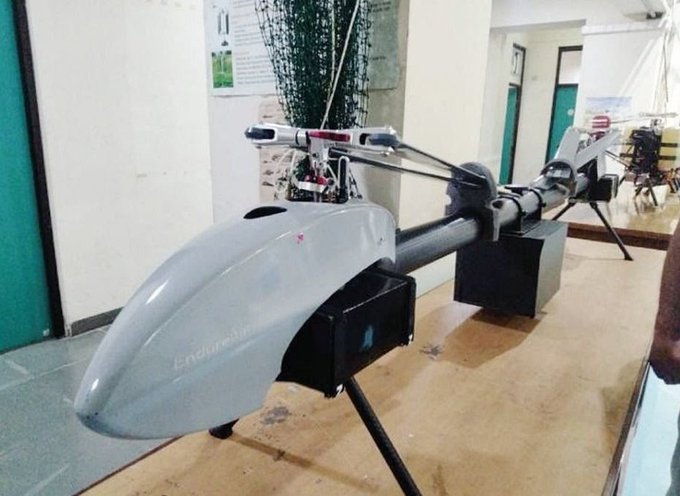
India
IIT Kanpur’s Department of Aerospace Engineering is set to unveil one of India’s most formidable UAVs to date: the Sabal‑50, a high-payload unmanned aerial vehicle designed for both combat and emergency logistics. Positioned as a significant leap forward from its predecessor, the Sabal‑20, this drone represents a bold fusion of academic research, industrial incubation, and defence-oriented innovation. A Heavy‑Lifter for the Frontlines Weighing approximately 150 kg and capable of carrying a 50 kg payload, the Sabal‑50 is the heaviest and most powerful UAV Amazon developed at IIT Kanpur, where earlier models topped out at 20 kg payloads . In comparison, its sibling, the Sabal‑20, introduced last year has already proven operational value, deployed for logistics duties by the Indian Army . Built for Extreme Environments Sabal‑50 isn’t just strong—it’s tough. Developed with endurance in mind, it has undergone rigorous testing at altitudes reaching 17,000 ft, including the notoriously harsh conditions of the Siachen Glacier . Its construction incorporates technologies to resist turbulence, low temperatures, and even snowstorms, ensuring mission readiness in India’s most challenging theatres. Tactical Versatility: Combat, Logistics, ISR This drone is built with dual-use functionality. On the logistics side, it can transport essential cargo—ammunition, rations, medical supplies—directly to forward bases or isolated personnel . On the combat front, it’s designed to be weaponized for coordinated aerial strikes, with the capability to loiter for 3–4 hours while transmitting live high-resolution imagery . Further enhancing situational awareness, the Sabal‑50 is equipped with AI-enabled autonomy and advanced cameras that deliver clear visuals even through dust or snow, critical for target identification and ISR tasks . Tandem-Rotor and Variable-Pitch Innovations Developed in collaboration with the IIT Kanpur-incubated firm EndureAir, Sabal‑50 builds upon cutting-edge UAV engineering . Its tandem-rotor design, low-RPM operation, and variable-pitch rotors combine the heavy-lift efficiency of helicopter tech with the stealth-like silence of drones—ideal for covert supply and strike missions . A Landmark in Indo-Defence Innovation The drone’s design and development have been steered by aerospace faculty like Prof. Abhishek and incubator leaders Dr. Abhishek, Rama Krishna, and Chirag Jain, underscoring the project's blend of academic rigor and industrial deployment . Notably, about 90% of its materials are indigenous, reinforcing the drive toward Atmanirbhar Bharat in defence . On the Path to Service Final trials for Sabal‑50 are reportedly underway, and defence analysts believe induction into the Indian Army’s UAV fleet could occur later this year . Already, the Sabal‑20 variant is actively deployed in strategic zones like Arunachal Pradesh and near Siachen What Sabal‑50 Brings to the Battlefield Heavy-Payload Delivery: Capable of carrying 50 kg—2.5× the load of its predecessor—Sabal‑50 can supply forward troops quickly in terrain that’s otherwise unreachable. Combat-Ready Versatility: Its loitering capacity, AI-driven targeting, and combat modules mark it as a multipurpose asset for future conflicts. High-Altitude Resilience: Designed to withstand glacial winds and thin air, it's a perfect fit for doctrine operations in regions like Ladakh. Indigenous Edge: With substantial indigenization in design and components, Sabal‑50 is a beacon of India’s self-reliant defence ambitions. Sabal‑50 is more than an academic project—it’s a mission-ready exemplar of how Indian technological institutions, startups, and the defence ecosystem can collaborate to achieve world-class UAV capabilities. If current tests succeed, this drone could become a cornerstone of India's future battle network, supporting troops with supplies, intelligence, and firepower in near-real time—even in the toughest terrain. With the Sabal‑50 on the horizon, IIT Kanpur has once again shown that India can lead in aerospace innovation, delivering systems that are not only cutting-edge—but fiercely suited to the needs of a modern military.
Read More → Posted on 2025-06-27 16:11:13
Space & Technology
In what could have turned into a costly and dangerous failure, India’s space agency ISRO played a pivotal role in detecting and averting a major technical anomaly during the preparations for the Axiom-4 mission, the latest private astronaut launch to the International Space Station. The mission, operated by Axiom Space using SpaceX’s Falcon 9 rocket, included onboard India’s own Group Captain Shubhanshu Shukla, making it a matter of both national and international significance. The incident unfolded in early June 2025, when a routine pre-launch static fire test of the Falcon 9 rocket was conducted at NASA’s Kennedy Space Center. While the test appeared successful to the untrained eye, it was Indian scientists from ISRO — present as part of the mission support team — who first flagged something unusual: a minor leak in the LOX (Liquid Oxygen) feed system of the rocket's first-stage booster. At first, the anomaly was dismissed by some engineers on the U.S. side as within tolerance. SpaceX teams proposed using a purge system workaround, aiming to move forward with the launch timeline. But ISRO, led by its highly respected Chairman V. Narayanan, didn’t let it slide. Drawing on deep experience in cryogenic propulsion and engine diagnostics, Narayanan and his team insisted the leak could pose a serious risk during actual launch — especially given the cryogenic temperatures and high-pressure dynamics of the Falcon 9's systems during ascent. ISRO’s concerns weren’t limited to the leak. During the same static test session, another issue emerged: a thrust vector control (TVC) actuator malfunction on one of the Falcon 9's engines. While SpaceX teams worked to troubleshoot it, it was again the Indian engineers who pushed for a full low-temperature verification and complete actuator replacement, rather than temporary patches. It was a bold stand, especially on foreign soil and in the high-pressure context of a commercial launch window. But ISRO held its ground. Narayanan’s insistence on absolute crew safety and full structural integrity checks forced a delay in the launch — a decision that, in hindsight, may have saved the mission. Eventually, SpaceX complied. The problematic TVC actuator was replaced, and the liquid oxygen leak was re-evaluated using ISRO’s recommended methods. The team also conducted cold-weather testing of the engine plumbing, which validated the seriousness of the issue. Repairs were made onsite, avoiding the need to roll back the rocket to the Vehicle Assembly Building, a move that would have meant weeks of delay. Once these safety-critical issues were addressed, launch preparations resumed — until another unrelated delay struck: a pressurization anomaly in the ISS Zvezda service module, temporarily preventing any new spacecraft from docking. With that resolved, the Axiom-4 mission finally lifted off on June 25, 2025, carrying a four-person crew including Shubhanshu Shukla, who became the first Indian private astronaut in space. But without ISRO’s intervention, things might have played out very differently. Had the Falcon 9 launched with the unresolved leak or faulty actuator, it could have led to a catastrophic engine failure mid-flight, endangering the crew and jeopardizing international partnerships. This episode also reflects a deeper reality in India’s evolving space diplomacy. Once seen only as a launch provider or budget satellite builder, ISRO is now asserting itself as a global-level technical authority — one capable of making life-saving calls on missions it does not even directly manage. Chairman V. Narayanan, long known for his work in cryogenic engine development, has now earned further recognition for leadership under pressure and technical foresight, with international experts privately praising ISRO’s role in the rescue. For SpaceX and Axiom, ISRO’s pushback was a sobering reminder: partnerships with spacefaring nations like India come not just with ambition, but with expertise, precision, and an uncompromising commitment to safety. As India eyes its own crewed mission, Gaganyaan, and expands its collaborations in space tourism and science, ISRO’s actions during the Axiom-4 mission will be remembered not just for saving a rocket, but for setting a global standard of vigilance in human spaceflight.
Read More → Posted on 2025-06-27 15:11:28
World
Japan has taken a significant step forward in modern naval warfare by successfully testing an unmanned surface vessel (USV) for live mine disposal operations for the first time. This breakthrough was announced on June 17 by Admiral Hiroshi Saito, Chief of Staff of the Maritime Staff Office, during a press conference. The operation represents a major milestone for the Japan Maritime Self-Defense Force (JMSDF), showcasing the growing importance of unmanned systems in ensuring maritime safety and operational flexibility. The historic test took place off the coast of Iwo Jima, where the JMSDF conducted live mine-clearing operations using a fully unmanned platform. The exercise, which spanned June 15 and 16, involved a specially designed mine disposal USV along with a self-propelled mine disposal charge known as an EMD (Expendable Mine Disposal). Both systems were remotely operated from aboard the JS Mogami, one of Japan’s newest Mogami-class multi-mission destroyers. During the operation, the unmanned surface vessel was launched from the mothership and guided towards a designated target area where a live naval mine had been identified. Once on location, the USV deployed the EMD charge, which was navigated to the mine and detonated under remote control, neutralizing the threat from a safe distance. What made this exercise particularly notable was that it was carried out in realistic sea conditions, with environmental factors like currents, waves, and underwater obstacles posing real-world challenges to the operation. Admiral Saito described the test as a validation of the effectiveness of unmanned surface vessels in mine countermeasure operations. “This is the first time the Maritime Self-Defense Force has conducted live mine disposal using a fully unmanned surface platform. It has enhanced our mine-clearing capability,” he told reporters. He also emphasized that the operation marks the beginning of a new era in mine warfare for Japan, with plans to further refine and expand these capabilities through additional tests and training exercises. The USV used in the operation was developed by JMU Defense Systems, a division of Japan Marine United Corporation, which specializes in advanced naval defense technologies. This particular unmanned platform is part of a broader suite of modern mine countermeasure systems being integrated into the Mogami-class ships, which are designed to support a range of maritime security missions, from anti-submarine warfare to humanitarian assistance and disaster relief. Beyond the technical achievement, this successful trial reflects a strategic shift within Japan’s naval doctrine. As tensions in regional waters continue to rise, particularly in areas like the East China Sea and around disputed islands, maintaining safe and open sea lanes is a national priority. The ability to detect and neutralize naval mines remotely enhances the JMSDF’s operational safety, reduces risks to personnel, and allows for quicker, more flexible responses to potential threats. Admiral Saito noted that the JMSDF will continue with a series of exercises and system validations aimed at fully integrating unmanned mine countermeasure systems into routine operations. The vision is to make these advanced technologies a permanent and reliable feature of Japan’s maritime defense, ensuring safer seas and modernizing the fleet’s operational capabilities in line with contemporary naval warfare trends.
Read More → Posted on 2025-06-27 14:45:41
India
In a strategic move to enhance India’s defence preparedness, the Defence Acquisition Council (DAC), chaired by Defence Minister Rajnath Singh, will meet on July 1, 2025, to review two high-value proposals that aim to boost the country’s maritime and air defence capabilities. These proposals, collectively worth around ₹74,000 crore, are focused on indigenous solutions to critical operational needs of the Indian Navy and Army. Reviving Naval Mine Countermeasure Capabilities One of the key proposals is the approval for the construction of 12 new Mine Countermeasure Vessels (MCMVs) for the Indian Navy. With an estimated budget of ₹44,000 crore, the project will revive a long-missing capability—since the retirement of the Karwar-class and Pondicherry-class minesweepers, the Navy has been without operational minesweeping vessels. These new MCMVs are not ordinary ships. Designed to operate in high-risk mine-infested waters, they will come equipped with state-of-the-art mine detection and neutralization technologies, including: High-definition sonar systems for underwater detection Acoustic and magnetic sweeps to counter sophisticated mine types Unmanned Underwater Vehicles (UUVs) for safe remote mine disposal Non-magnetic hulls to avoid triggering magnetic mines Modular mine-clearing systems, allowing adaptability for varied missions Built under the 'Atmanirbhar Bharat' initiative, these vessels will be constructed by Indian shipyards through competitive bidding. While it is expected that the first vessel may take up to 7–8 years from contract signing to delivery, the project will eventually fill a critical operational void, especially as threats from underwater mines laid by Chinese and Pakistani submarines continue to rise in the Indian Ocean Region. QRSAM System to Strengthen Army’s Last-Layer Air Defence The DAC will also evaluate a ₹30,000 crore proposal to induct three regiments of the Quick Reaction Surface-to-Air Missile (QRSAM) system into the Indian Army. Developed indigenously by the Defence Research and Development Organisation (DRDO) in collaboration with Bharat Electronics Limited (BEL) and Bharat Dynamics Limited (BDL), the QRSAM system is designed for rapid deployment and agile response to aerial threats. Technically, each QRSAM system consists of: Missiles with a range of 3 to 30 km 360-degree coverage using Active Electronically Scanned Array (AESA) radar Command and control units that link seamlessly with the Army's Air Defence Network In-built jammer resistance, allowing operation in complex electronic warfare environments High-mobility launchers that can quickly relocate and fire on the move The QRSAM is intended to defend mobile formations and critical infrastructure from enemy aircraft, helicopters, cruise missiles, and drones. The system has undergone several successful test firings in varied conditions, demonstrating its readiness for frontline deployment. Strategic Implications These proposals come at a time when India faces evolving security threats from both its maritime and land borders. The revival of the minesweeper project will strengthen coastal security across the country's vast 7,500-kilometre-long coastline and safeguard major ports and shipping lanes—vital to India’s trade and energy security. Meanwhile, the QRSAM induction will significantly improve the Army’s low-level air defence shield, offering quick-response protection to forces and installations near conflict zones. The DAC’s expected approvals on July 1 will mark a firm step forward in self-reliance and force modernization, reinforcing India’s defence architecture both at sea and in the air.
Read More → Posted on 2025-06-27 14:22:18
World
In an increasingly viral interview circulating on Pakistani news channels and social media, Pakistan’s Defence Minister Khawaja Asif firmly denied recent rumors suggesting that the Pakistan Air Force (PAF) is set to receive J-35A stealth fighter jets from China by 2026. When asked directly about the alleged acquisition, Asif replied, “I think it's only in the media, you know… It's good for Chinese defense sales.” His offhand remark has triggered a wave of debate across strategic circles, especially in light of Pakistan’s dire economic circumstances and the long-standing question of who truly drives major defence procurements in the country: the civilian government or the military establishment. The Rumor Mill Around J-35A Acquisition Speculation regarding Pakistan’s interest in the Chinese Shenyang J-35A — a twin-engine, carrier-capable stealth fighter — has circulated since early 2023. The aircraft is considered the Chinese counterpart to the American F-35, equipped with low observability, high agility, and advanced sensor fusion, potentially giving any air force a significant technological edge. However, there has been no official confirmation from Pakistan or China, and Khawaja Asif’s dismissal of the deal lends weight to the belief that the narrative was partly media hype and partly Chinese arms marketing. The True Cost of Twin-Engine Fighters While the J-35A’s stealth and combat capabilities are undeniably advanced, they come with immense operational and financial costs — ones that the PAF may not be able to sustain. Flying Cost: Twin-engine jets such as the J-35A consume up to 2–2.5 times more fuel per hour than single-engine fighters like the JF-17. This translates to $20,000–$40,000 per flight hour, depending on mission load, maintenance cycles, and spares. Maintenance: Stealth aircraft require special maintenance protocols including RAM (Radar Absorbent Material) surface care, which significantly increases cost and complexity. Logistics & Infrastructure: Pakistan lacks the advanced MRO (Maintenance, Repair and Overhaul) infrastructure necessary to maintain stealth aircraft, which would either require heavy investment or dependence on China — further compounding long-term costs. These are not one-time costs; they form a continuous financial burden. Even at discounted Chinese export rates, the acquisition cost of each J-35A is estimated at $70–85 million, with lifecycle costs running into billions. Who Really Decides in Pakistan: Army vs Civilian Government Khawaja Asif’s denial, while definitive, must be viewed through the prism of Pakistan’s unique civil-military dynamic. In the Islamic Republic, the military—especially the Army—holds overriding influence on defence acquisitions, often bypassing the defence ministry or even elected representatives. Over the decades, Pakistan’s military has made key arms deals independently, including past purchases of F-16s, JF-17s, and Chinese missiles. If the Pakistan Army’s high command deems the J-35A essential for maintaining parity with India’s future stealth capabilities (e.g., AMCA or Rafale), they may move forward regardless of economic logic or civilian objection. There is growing speculation that any such acquisition would likely be funded through foreign loans, including those from Chinese banks or diverted international aid packages—ironically, funds often intended for development or humanitarian relief. Economic Collapse vs Military Ambition The very idea of acquiring such expensive stealth jets stands in stark contrast to Pakistan’s current economic turmoil: Foreign Exchange Reserves: Hovering around $8–9 billion, barely enough for two months of imports. IMF Bailouts: Pakistan remains heavily reliant on the International Monetary Fund (IMF) for basic economic stability. GDP Growth: The economy is projected to grow at less than 2% in 2025, with persistent inflation and food insecurity. Essential Shortages: From water scarcity to electricity outages and lack of public health infrastructure, the average Pakistani faces daily hardships. Critics argue that diverting billions towards stealth jets, no matter how strategically appealing, is deeply irresponsible in a country where bread and water are becoming harder to afford. Prestige Projects or People’s Priorities? Khawaja Asif’s blunt response may have been an attempt to inject realism into a conversation dominated by defense fanfare and media speculation, but it also highlights the larger issue — a widening disconnect between Pakistan’s strategic ambitions and its ground reality. Until the country stabilizes its economy, reforms its decision-making structure, and prioritizes its citizens' welfare, even discussing fifth-generation stealth fighter acquisitions seems out of touch at best and dangerous at worst. As the world watches the interview make waves across South Asian media, it becomes clear that Pakistan’s real battle may not be in the skies, but in its own corridors of power and economic survival.
Read More → Posted on 2025-06-27 13:59:34
Space & Technology
In a major stride toward expanding its heavy-lift launch capabilities, the Indian Space Research Organisation (ISRO) is undertaking a significant upgrade of its workhorse Launch Vehicle Mark-3 (LVM-3), formerly known as GSLV Mk III. The goal: to increase its payload capacity to over 5.5 tonnes to Geosynchronous Transfer Orbit (GTO) — a 25% jump from its current ceiling of around 4 tonnes. According to official updates and technical briefings from ISRO Propulsion Complex (IPRC) and Vikram Sarabhai Space Centre (VSSC), this ambitious upgrade involves replacing both the L110 liquid core stage and the C25 cryogenic upper stage with more powerful and efficient alternatives. The move is part of ISRO’s broader efforts to make India a competitive global player in commercial satellite launches and to support upcoming heavy-lift missions, including India's ambitions in deep space exploration and crewed spaceflight. What’s Changing: Key Upgrades to LVM-3 Replacing the L110 Stage with Semi-Cryogenic Engine (SC120) The current L110 stage, which uses two Vikas engines burning UDMH and N2O4, will be replaced by a semi-cryogenic stage named SC120, powered by ISRO’s SCE-200 engine. Propellant: LOX (Liquid Oxygen) + RP-1 (Kerosene) Engine Thrust: ~2000 kN (sea level), single engine Total Stage Thrust: ~1.2 MN Advantages: Higher specific impulse (~335 s vs. 293 s of Vikas) Less toxic propellants Simplified stage configuration with a single powerful engine instead of two The SCE-200 engine, under development with support from Ukraine’s Yuzhnoye Design Bureau in the early phases, has already undergone multiple ground ignition and hot-fire tests. Once qualified, this semi-cryogenic engine will become the backbone of ISRO’s future heavy-lift architecture. C25 Cryogenic Stage to be Replaced with C32 The upper stage currently used on the LVM-3 is the C25, powered by the CE-20 cryogenic engine using LH2 and LOX. ISRO is now developing a C32 stage, which will: Use the same CE-20 engine with performance upgrades Carry more propellant (32 tonnes vs 27 tonnes) by extending tank volume Possibly feature modifications to increase burn time and energy efficiency This will provide the necessary velocity increment (delta-v) to insert heavier payloads into higher-energy orbits such as GTO and potentially GEO. Expected Performance After Upgrade With both the SC120 stage and the C32 upper stage, the upgraded LVM-3 is expected to lift between 5.5 to 6 tonnes to GTO, depending on final configuration and mission profile. This brings it closer to international heavy-lift vehicles like SpaceX’s Falcon 9 (5.5t to GTO) and Ariane 5 ECA in certain configurations. This enhanced capability is especially critical as India seeks to: Deploy heavier national communication satellites without foreign launch dependence Support second-generation NavIC, GSAT, and Indian Data Relay Satellite System (IDRSS) missions Launch deep space probes and modular payloads to Moon, Mars, and beyond Strengthen its commercial presence under NSIL and IN-SPACe ISRO's Commercial and Strategic Vision The upgraded LVM-3 could become the flagship vehicle for India’s human spaceflight program, Gaganyaan, and the potential follow-on heavy-lift variants (like HLVM3 or NGLV — Next Gen Launch Vehicle). With its enhanced payload lift, it will also become more attractive to commercial satellite operators and international clients, especially those requiring dual-payload rideshares to GTO or LEO. Moreover, this upgrade aligns with India's strategic roadmap to build indigenous, high-thrust engines and reduce dependency on legacy liquid fuel systems that use highly toxic propellants like UDMH/N2O4. The LVM-3 upgrade project represents a technically ambitious yet essential evolution in India’s launch vehicle fleet. By replacing its core and upper stages with more powerful, cleaner, and higher-efficiency alternatives, ISRO is building a launch vehicle that not only addresses current mission needs but also future-proofs India’s space ambitions — from commercial launch services to deep space and beyond. As the world enters a new space race driven by both science and geopolitics, ISRO’s upgraded LVM-3 is poised to be India’s answer to the call for capability, reliability, and sovereign strength in space launch technology.
Read More → Posted on 2025-06-27 12:46:08
World
The Royal Danish Navy is set to enhance the firepower and accuracy of its warships with the addition of 57 state-of-the-art VIDAR laser rangefinders, supplied by Sweden-based Lumibird Photonics. These high-performance systems will be delivered during 2025 and 2026 and integrated into Saab’s CEROS fire control systems, which are already deployed aboard Denmark’s advanced frigate fleet. This contract marks a key collaboration between Lumibird and Saab, a major Swedish defense contractor. By equipping Danish frigates with VIDAR laser rangefinders, the deal aims to boost the Navy’s ability to detect, track, and engage fast-moving threats such as drones, small boats, and missiles — especially in cluttered maritime environments where precision is critical. At the heart of the system is the VIDAR laser rangefinder, a compact and rugged device designed for use on land, in the air, and at sea. It uses diode-pumped erbium-glass laser technology, offering a combination of compactness, high performance, and eye safety. Built with no moving parts, no fans, and no cooling fluid, VIDAR is engineered for reliability and reduced maintenance in harsh naval conditions. Technically, the VIDAR system delivers: Maximum configurable range: Up to 32 kilometers (around 20 miles) Range accuracy: Less than 4 meters (13 feet) Resolution: 1 meter (3.3 feet) Pulse repetition rate: Up to 12.5 Hertz Dimensions: 318 x 145 x 141 mm (12.5 x 5.7 x 5.6 inches) Weight: Under 5.6 kg (12.3 pounds) Laser class: Eye-safe Class 1M Its small size and rugged design make VIDAR suitable for both operational missions and peacetime training scenarios. When paired with Saab’s CEROS fire control systems, it enables real-time, high-frequency distance measurements that are crucial for modern naval warfare. Commenting on the development, Marc LE Flohic, CEO of Lumibird Group, said the partnership with Saab reaffirms the technical excellence and maturity of VIDAR. Carina Harnesk, CEO of Lumibird Photonics Sweden, also noted that the company anticipates growing interest in the system from other NATO and allied navies. As the geopolitical importance of the Baltic Sea region continues to rise, Denmark’s move to equip its naval fleet with cutting-edge targeting technology reflects a clear intent to stay ahead in maritime defense capabilities. The integration of VIDAR laser rangefinders ensures that Danish warships are better prepared to face emerging threats with speed, accuracy, and confidence.
Read More → Posted on 2025-06-27 12:37:27
India
In a significant move to boost India’s air defence capabilities, the Indian Army has confirmed an additional order for the ARKA Man-Portable Air-Defence System (MANPADS). This order reflects growing confidence in domestic defence production and marks another milestone in India’s journey towards self-reliance under the ‘Make in India’ initiative. The ARKA is an advanced, shoulder-fired air defence missile system designed to protect ground troops from aerial threats like helicopters, fighter jets, and unmanned aerial vehicles (UAVs). Manufactured in India by Adani Defence & Aerospace, the ARKA system is essentially the Indian version of the Russian Igla-S MANPADS, produced locally through a Transfer of Technology (ToT) agreement with the original Russian manufacturer. Modern Air Defence for Modern Threats The Indian Army has long operated Soviet-era Igla-1M systems, but with modern aerial threats evolving rapidly, there was an urgent need to upgrade the existing Very Short-Range Air Defence (VSHORAD) arsenal. The ARKA system has emerged as a timely and capable replacement. Lightweight and highly mobile, the ARKA can be operated by a single soldier and is designed for frontline deployment in difficult terrains, including mountainous regions and border areas. It uses an advanced infrared homing seeker to lock onto the heat signatures of enemy aircraft and drones, making it highly effective in both day and night operations. Key Technical Features of the ARKA System Type: Man-Portable Air Defence System (MANPADS) Guidance System: Passive Infrared Homing Maximum Range: 6 kilometres Target Engagement Altitude: 10 metres to 3,500 metres Missile Speed: Over Mach 2 Warhead Type: High-explosive fragmentation Launch Platform: Shoulder-fired, man-portable launcher The system’s seeker technology is designed to resist modern countermeasures like flares, enhancing its reliability in active combat situations. A Big Boost for Indigenous Defence Manufacturing This fresh procurement of ARKA systems is not just a defence purchase; it’s a significant endorsement of India’s private sector defence production capabilities. Adani Defence & Aerospace, which has been steadily expanding its footprint in India’s military-industrial sector, will manufacture these systems locally, supporting employment and technology development within the country. The official renaming of the system from Igla-S to ARKA represents India’s strategic push to brand its domestically produced military hardware, instilling a sense of national ownership over critical defence technologies. Part of a Larger Modernisation Plan This order follows earlier emergency procurements of VSHORAD systems to meet immediate operational requirements along India’s sensitive borders. However, with this planned, large-scale production of ARKA, the Indian Army is taking a long-term step towards modernising its air defence network. The indigenous manufacturing of ARKA not only ensures quicker deliveries and lower costs compared to imports but also provides India’s armed forces with reliable and battle-tested systems tailored for Indian conditions. The Indian Army’s decision to expand its stock of Adani-made ARKA MANPADS is a clear message of confidence in the capabilities of India’s domestic defence industry. As geopolitical tensions in the region continue, investments in advanced, indigenous systems like the ARKA are crucial for maintaining operational readiness and protecting national security. This development also highlights the growing synergy between the Indian government, armed forces, and private sector companies in building a self-reliant, future-ready defence ecosystem for India.
Read More → Posted on 2025-06-27 12:33:50
World
The development of modern combat aircraft relies heavily on cutting-edge radar systems, and the Eurofighter Typhoon is no exception. In a major milestone for European defence aviation, HENSOLDT and Indra — two of Europe’s leading defence technology companies — have successfully finalised the production of the first ECRS Mk1 radars equipped with upgraded hardware subsystems. These improvements mark a significant step forward for the radar capabilities of German and Spanish Eurofighter fleets. What is the ECRS Mk1? The ECRS Mk1 (European Common Radar System) is the latest generation radar being developed for Eurofighter aircraft. It uses Active Electronically Scanned Array (AESA) technology, which allows the radar beam to be steered electronically rather than mechanically. This gives the aircraft quicker scanning speeds, better tracking of multiple targets, and improved resistance to jamming. What’s New in the Upgraded Mk1? In April 2024, military customers from Germany and Spain approved upgrades to the ECRS Mk1 as part of the Mk1 Step 1 configuration. The main enhancements include: A new high-performance Processor An upgraded Antenna Power Supply & Control (APSC) unit These hardware upgrades have been integrated with modern, refactored software to fully utilise the advanced AESA multi-channel technology. The improvements result in better radar performance across various missions: Air-to-air engagements High-resolution air-to-ground strikes Passive and active electronic warfare Why Is This Important? According to Dr. William Gautier, Technical Director for Eurofighter Radar at HENSOLDT, the new hardware enables: Ultra-fast mode switching Real-time mission flexibility Preparation for AI-supported and autonomous operations in future combat scenarios This flexibility means that Eurofighter pilots can rapidly adapt their radar to different threats or mission requirements without returning to base for system changes. Additionally, the upgraded processor architecture provides extra capability for future software improvements and sensor fusion technologies, where data from various sensors onboard is combined for a more accurate and complete picture of the battlespace. Current Status and What’s Next The first radar units with these enhancements have completed production in just 13 months and are now undergoing qualification and flight testing onboard Germany’s ATRA Flying Testbed aircraft. Once this assessment phase is complete, series production is scheduled to begin in summer 2025. The ECRS Mk1 Step 1 radar will initially focus on strengthening air-to-air combat capabilities for the German and Spanish air forces. However, it is designed for long-term versatility. Future software upgrades will unlock multi-role functionality, such as air-to-ground attack modes and advanced electronic warfare tools. This will enable the system to operate in task-based modes, reducing pilot workload while improving operational performance. Technical Highlights: Radar Type: Multi-channel AESA radar Key Upgrades: High-performance processor and enhanced APSC unit Mission Capabilities: Air-to-air, high-resolution air-to-ground, passive & active electronic warfare Future-Ready: AI-supported operation, sensor fusion, autonomous task-based functions Testing: Ongoing on Germany’s ATRA Flying Testbed Production Start: Summer 2025 for Mk1 Step 1 The successful finalisation of the first ECRS Mk1 radar with upgraded hardware is a major step forward for the Eurofighter programme. It not only boosts the aircraft’s current combat abilities but also lays a strong foundation for future developments in electronic warfare and AI-assisted operations. With full integration planned for new Quadriga Eurofighters in Germany, this advanced radar promises to enhance European air defence capabilities for decades to come.
Read More → Posted on 2025-06-27 12:24:30
India
India’s Defence Research and Development Organisation (DRDO) is quietly advancing one of its most complex and strategically vital propulsion technologies—a scramjet engine with an active fuel-based cooling system, aimed at enabling sustained hypersonic flight. As India builds its Hypersonic Technology Demonstrator Vehicle (HSTDV) program, the scramjet propulsion system becomes central to long-range, ultra-fast strike platforms of the future. The scramjet engine (Supersonic Combustion Ramjet) is designed to operate in the Mach 5+ regime, where air entering the combustion chamber does not slow down to subsonic speeds. But the incredible thermal and aerodynamic stresses at hypersonic speeds require advanced solutions. One of the biggest engineering challenges is thermal management, and this is where DRDO’s active cooling system comes into play. The Problem: Hypersonic Heat At hypersonic velocities (Mach 5 and above), the external surfaces and internal parts of a scramjet engine are subjected to temperatures exceeding 1000–2000°C. Conventional materials and passive cooling methods are insufficient, particularly in maintaining engine integrity and efficiency over prolonged flight durations. Scramjets must also operate in extremely lean air conditions (due to high altitudes) and must ignite and sustain combustion in milliseconds—a task made more difficult when high temperatures risk component failure. DRDO’s Solution: Active Fuel-Based Cooling DRDO’s solution involves active cooling using the onboard fuel itself, a method drawn from advanced hypersonic propulsion research globally (including U.S. and Russian programs). Here's how it works: Cooling Pipe Network Integration A network of narrow cooling pipes is integrated around critical areas of the engine—particularly the combustor and intake. These act as heat exchangers. Fuel as a Coolant Instead of using a separate coolant, the fuel itself is circulated through these pipes before being injected into the combustion chamber. This dual role allows: Extraction of heat from engine surfaces, keeping structural temperatures within safe limits. Pre-heating or cracking (in some cases) of fuel, enhancing combustion efficiency and energy content. This process is known as regenerative cooling, a technique also used in rocket engines like the Space Shuttle’s SSME and SpaceX’s Raptor. Fuel Chemistry Consideration At such high thermal loads, the chemical composition of the fuel may change. This phenomenon, called pyrolysis, can lead to the breakdown of hydrocarbons into lighter molecules or even deposition of carbon residues. To counter this, DRDO is modifying the fuel formulation—possibly working with heavy hydrocarbons like JP-10 or kerosene variants—to ensure thermal stability, low coking, and high heat absorption capacity. Fuel chemistry is optimized to ensure that no carbon deposits clog cooling channels or reduce combustion efficiency. Pressurization via Electrical Pump To ensure controlled and pressurized flow through the cooling network, an electrically powered pump is employed. The pump regulates fuel pressure to maintain a balance between cooling efficiency and combustion needs. Interestingly, this electrical pump is powered by a high-endurance battery developed by a private Indian company, a detail that reflects increasing public-private collaboration in strategic tech development. Current Test Parameters and Flight Duration Based on available test data (as of mid-2025), the HSTDV or scramjet platform has demonstrated: 15+ minutes in subsonic regime 15 minutes in supersonic regime 10 minutes in hypersonic regime (Mach 5+) These durations are significant. Sustaining hypersonic flight for 10 minutes with controlled combustion and structural integrity places India in a narrow group of countries, including the U.S., Russia, and China, working on long-range hypersonic missiles and aircraft. These figures are likely to evolve as more materials (including ceramic matrix composites, high-temp alloys) and control systems are validated. Multi-Disciplinary Design Optimization (MDO): Faster, Smarter Execution DRDO has chosen to carry out the scramjet project under a Multi-Disciplinary Design Optimization (MDO) framework. This modern engineering approach integrates: Material sciences Computational fluid dynamics Combustion chemistry Thermal and structural analysis Control systems and AI-based diagnostics MDO allows multiple teams to co-design and iterate rapidly, enabling faster problem resolution and real-time optimization, especially important in hypersonic tech where traditional sequential development is too slow and inefficient. Strategic Significance Mastery over scramjet and active cooling tech paves the way for: Hypersonic cruise missiles with ranges exceeding 1000 km Reusable hypersonic vehicles Prompt global strike platforms Spaceplane propulsion systems India’s program remains largely under wraps, but each milestone reflects a methodical and scientifically rigorous push toward indigenous mastery of next-gen propulsion systems. In a domain where temperature, time, and speed redefine engineering limits, DRDO’s actively cooled scramjet is not just a propulsion system—it’s a statement of intent.
Read More → Posted on 2025-06-26 16:33:49
World
As part of its newly unveiled “Kurs Marine” strategic direction, the German Navy is preparing to strengthen its “Maritime Strike” capabilities — the ability to carry out covert land attacks from naval platforms. One of the clearest signals of this ambition is the potential arming of Germany’s advanced Type 212CD submarines with long-range guided missiles, something the service has lacked until now. A recent report by Waldemar Geiger for Hartpunkt reveals that while the Kurs Marine strategy emphasizes the importance of rapidly expanding strike options for all suitable naval units — particularly submarines — it leaves open which weapon systems would be selected. Why Sub-Launched Missiles Matter for Germany Today, Germany’s submarines, unlike some American or Russian counterparts, lack vertical launch systems (VLS). That means any missile capability must be compatible with the boats’ 533mm torpedo tubes — a technical challenge since many modern cruise missiles are designed for VLS. Historically, one option might have been the Torpedo Tube Launched (TTL) Tomahawk Block IV/V from the United States. However, production of the TTL variant was halted, and a Dutch Ministry of Defense document recently confirmed that no partner nations, including the US and UK, plan to revive it — primarily due to high costs and lack of international demand. French options like the MdCN (Missile de Croisière Naval) or SM.40 Exocet are technically compatible, but unlikely politically and commercially. As Geiger notes, arming Germany’s domestically-built ThyssenKrupp Marine Systems (TKMS) submarines with French missiles could impact the global competitiveness of French submarines. Enter the Joint Strike Missile – Submarine Launched (JSM-SL) The most promising solution emerging for Germany — and other European navies — is the Joint Strike Missile – Submarine Launched (JSM-SL), a new variant of Norway’s successful JSM. 📌 What is the JSM? The JSM is an advanced, stealthy, air-launched, precision-guided missile produced by Kongsberg Defence & Aerospace. It’s derived from the proven Naval Strike Missile (NSM) — an anti-ship missile already in service with several NATO countries. Weight: 400 kg Range: Over 350 km (air-launched); some sources estimate up to 560 km depending on launch profile and flight altitude Warhead: High-explosive blast-fragmentation Guidance: GPS/INS, Imaging Infrared (IIR) seeker, and passive sensors Stealth features: Low radar cross-section composite airframe, passive target acquisition, terrain-following capability Mission profiles: Land-attack and anti-ship Designed to defeat advanced integrated air defenses, the missile’s passive sensors and low observable design make it difficult to detect and intercept. A Submarine-Launched Variant in the Works In June 2025, the Dutch Ministry of Defense confirmed that the future Orka-class submarines would be armed with the JSM-SL, developed through a multinational European collaboration led by Spain. The program has reportedly attracted interest from Germany as well. According to official Dutch defense documents: The JSM-SL will be compatible with 533mm torpedo tubes. It will retain the stealthy, precision land-attack and anti-ship capabilities of the air-launched variant. An initial 18-month development phase is underway, with production readiness and procurement to follow. Project management will be overseen by either OCCAR (Organisation Conjointe de Coopération en matière d'Armement) or NSPA (NATO Support and Procurement Agency). A notable factor in favor of the JSM-SL is that Germany’s military is already procuring: The Naval Strike Missile (NSM) for its future frigates. The Joint Strike Missile (JSM) for its F-35 fighter aircraft. This logistical and operational synergy makes integrating a submarine-launched version both cost-effective and strategically coherent. Technical Advantages for Germany’s Type 212CD Submarines The upcoming Type 212CD submarines, jointly developed by Germany and Norway, will feature: Air-Independent Propulsion (AIP) using hydrogen fuel cells for ultra-quiet underwater endurance. Stealth-optimized hull design A combat system capable of handling complex multi-target scenarios. Pairing these advanced submarines with the JSM-SL would: Greatly enhance Germany’s covert land-attack and maritime strike capabilities. Provide a credible deterrent and operational flexibility, allowing strikes against high-value targets deep inland or at sea, while remaining undetected. Germany’s pivot toward arming its submarines with cruise missiles marks a significant evolution in its maritime doctrine. Given the impracticality of TTL Tomahawks and political reluctance toward French systems, the Joint Strike Missile – Submarine Launched stands out as a highly capable, future-ready, and politically viable solution. Its compatibility with existing NATO missile families, stealth features, and land-attack versatility align perfectly with Germany’s “Kurs Marine” priorities, offering a practical path to modernizing the German Navy’s offensive capabilities beneath the waves.
Read More → Posted on 2025-06-26 16:18:24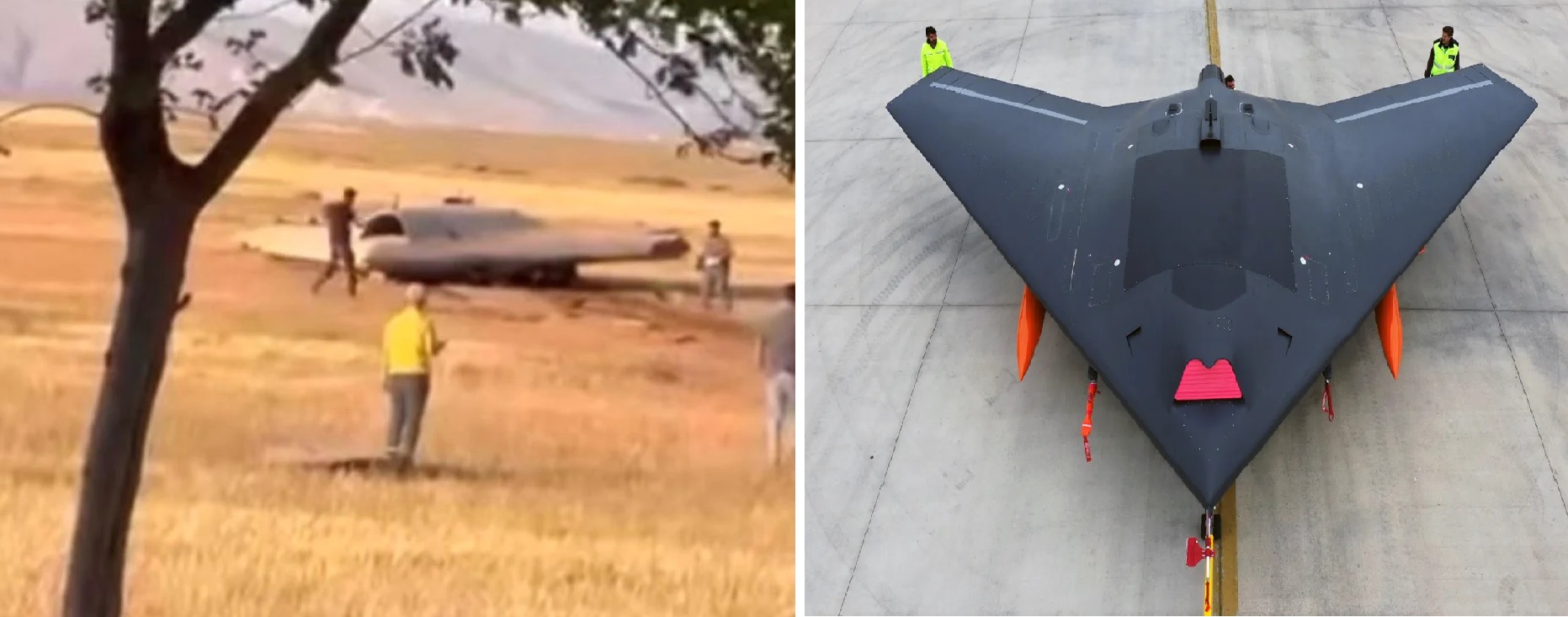
World
In a highly publicized test flight gone awry, Turkey’s most advanced stealth unmanned aerial vehicle (UAV), the Anka-3, suffered what officials are calling an “emergency landing” during a routine sortie over Konya province. Despite the official wording, analysts and defense observers suggest the terminology used by Turkish Aerospace Industries (TAI) may be understating what was, in reality, a structural failure leading to a crash. Images surfacing online after the incident show the Anka-3’s sleek flying-wing body significantly damaged, with the aircraft's delta wings completely separated from the fuselage. Though the central blended-body airframe appeared largely intact, the damage indicates a critical malfunction during the flight test phase. The aircraft was one of the prototypes of a program still under active development and refinement. The Flight and the Fallout TAI issued a cautious statement shortly after the mishap: “During the test flight conducted in Konya, the Anka-3 UAV approached the ground with controlled flight.” The statement notably avoided terms like “crash” or “failure,” instead highlighting the controlled aspect of the descent. However, video and photographic evidence paints a more severe picture, leading many to believe the event marked a structural collapse or system failure mid-flight. This latest development has reignited debate about Turkey’s defense testing philosophy. Unlike countries such as the United States, France, or Israel—where defense platforms undergo prolonged and rigorous pre-induction trials—Turkey has followed a unique path. Its defense industry often inducts platforms into service relatively quickly and addresses emerging issues gradually through software updates, component upgrades, or system patches post-induction. Understanding the Anka-3: A Leap in Turkish Drone Ambition Despite the setback, the Anka-3 remains a landmark in Turkey’s drone development timeline. Developed by Turkish Aerospace Industries, the Anka-3 represents Turkey’s first foray into stealthy, jet-powered unmanned combat aerial vehicles (UCAVs) using a flying wing configuration. This design is similar in concept to the U.S. B-2 Spirit bomber and Northrop Grumman’s X-47B drone, optimized for low radar cross-section (RCS) and increased survivability in contested airspace. Key Technical Features (based on open-source and verified defense analysis): Design: Stealth flying-wing configuration with blended body fuselage for reduced RCS. Length: Approximately 12.5 meters Wingspan: Estimated around 7 meters Engine: Powered by a jet engine, possibly a variant of Ukraine’s Ivchenko-Progress AI-25TLT or similar indigenized solution. Top Speed: Expected to be near 0.7 Mach (~850 km/h) Service Ceiling: Estimated around 40,000 feet Payload Capacity: Around 1,200 kg, allowing for a variety of munitions, sensors, and electronic warfare modules Roles: Electronic warfare Deep strike Suppression of enemy air defenses (SEAD) Intelligence, Surveillance, and Reconnaissance (ISR) Notably, the Anka-3 lacks vertical stabilizers or tail fins, making it radar-evading and aerodynamically suited for stealth missions. Its jet engine enables higher speed and greater survivability compared to Turkey’s propeller-driven UAVs like Anka-S or Bayraktar TB2. A Strategic Calculus: Risk-Taking Over Rigidity Turkey’s approach to defense development reflects its geopolitical realities. Unlike Western nations preparing for potential high-end warfare against peer adversaries with advanced technologies, Turkey’s current regional threats—such as insurgents or technologically inferior adversaries—do not demand perfection before deployment. This pragmatic approach enables rapid fielding, battlefield adaptation, and iterative improvements over time. Yet, incidents like the Anka-3 crash reveal the risks of limited pre-deployment stress testing. When stealth drones are destined to operate in contested electronic warfare environments or serve as part of network-centric operations, reliability becomes paramount. Global Reactions and Context Reactions on Turkish and international defense forums have been divided. Critics cite the event as proof that Turkey may be rushing technological deployments for prestige or political mileage. Supporters, however, defend the setback as a routine part of aviation development, echoing the long list of accidents that plagued other cutting-edge programs—ranging from the F-22 and F-35 to even civilian stealth-inspired aircraft prototypes. One widely circulated post read: “Even if Anka-3 crashed, so what? Every top-tier airframe today has crashed at least once during development. This is how aerospace technology evolves.” And it’s a fair point. Lockheed Martin’s F-35 program alone has had over a dozen significant incidents across its development lifecycle, yet remains the backbone of several NATO air forces. What’s Next for the Anka-3? Despite the crash, TAI is expected to continue the program with accelerated safety evaluations and possible structural reinforcements. Multiple prototypes are already in different stages of assembly and test, and data from this crash will likely influence design refinements. Analysts also anticipate further partnerships with foreign engine or radar manufacturers to enhance performance and integration. Turkey’s defense industry has proven adaptable and resilient—lessons learned from the Anka-3 incident are likely to reinforce, not derail, its ambitions. Bolder, But Riskier Future The Anka-3 episode reflects the high-stakes environment of modern drone warfare development. As Turkey seeks to match capabilities of more established military-industrial powers, its strategy of rapid innovation with operational feedback will continue to draw both admiration and criticism. Nevertheless, the Anka-3, despite the crash, remains symbolic of a country pushing the envelope in autonomous stealth combat aviation—pioneering its own path, mistakes and all.
Read More → Posted on 2025-06-26 15:11:29
World
At the NATO Summit held on June 25, 2025, in Washington, D.C., alliance members agreed to a historic shift in their collective defence posture—raising the long-standing defence spending benchmark from 2% of national GDP to an ambitious 5% by 2035. The move, unprecedented in NATO’s 75-year history, comes amid intensifying geopolitical threats and under heavy pressure from U.S. President Donald Trump, who returned to office in 2025 with a renewed focus on strengthening NATO’s military muscle. This significant leap in defence investment is not just a numerical increase—it reflects a broader recalibration of NATO’s purpose in the face of Russia’s continued aggression in Ukraine, rising tensions with China, hybrid warfare, and cyber threats across Europe. The Breakdown of the 5% Target The new benchmark is split into two major categories: 3.5% of GDP will be allocated for core defence spending, including military personnel, weapons procurement, modernization of equipment, training, and operational readiness. 1.5% of GDP will be directed towards allied security-related investments, such as cyber defence, intelligence capabilities, critical infrastructure resilience (e.g., energy grids and communication networks), and logistical infrastructure vital for rapid military deployments across Europe. This dual-focus spending plan marks the first time NATO has differentiated between hard military capabilities and broader national security resilience within its official budget targets. Trump’s Push and the American Leverage President Donald Trump, long a critic of NATO’s financial burden-sharing, made increasing European defence contributions a central pillar of his second-term foreign policy. At the summit, Trump reportedly issued stern warnings to allies—particularly Germany, France, and other Western European powers—that the U.S. would reconsider its security guarantees under Article 5 unless member states committed to higher defence budgets. According to officials present at the summit, Trump emphasized the growing gap between U.S. defence contributions (historically above 3.5% of GDP) and those of most European allies, many of whom have struggled to meet even the existing 2% threshold. A joint declaration released after the summit read:"We reaffirm our unwavering commitment to collective defence and recognize that modern threats demand modern investments. We commit to reaching the new NATO defence investment target of 5% of GDP by 2035." Implications for NATO’s Core Objectives NATO’s primary objective remains collective defence under Article 5 of its founding treaty. However, the new spending target reflects a recognition that the nature of warfare has fundamentally changed. NATO is increasingly preparing for: Conventional military threats, particularly in Eastern Europe where Russia remains a direct and persistent challenge. Cyber and hybrid warfare, including state-sponsored disinformation, attacks on civilian infrastructure, and election interference. Strategic competition with China, which has gained traction as an emerging priority for NATO's global posture. The increased financial commitment is intended to close the readiness gap, replenish depleted arsenals following aid to Ukraine, and reinforce Europe’s eastern flank with more permanent deployments, forward logistics bases, and air and missile defence systems. Challenges While the 5% goal sends a strong message of resolve, its implementation will face hurdles: Economic strain: European economies—especially smaller or struggling ones—may find it difficult to ramp up defence spending without domestic backlash. Balancing social spending and defence will be politically sensitive. Public opinion: In several NATO countries, defence spending has traditionally taken a backseat to welfare and healthcare. Convincing voters to prioritize defence in peacetime will be a challenge. Defence industry capacity: Scaling up to absorb such massive investments will require significant expansion in defence manufacturing, supply chains, and skilled labour across NATO nations. Despite these obstacles, analysts say the new target is likely to act as a long-term stimulus for Europe’s defence industry and will deepen U.S.-Europe defence industrial cooperation. NATO officials noted that clearer annual benchmarks and transparency will be established to monitor compliance—a lesson learned from years of lagging progress under the previous 2% goal. A New Era for NATO The 2025 NATO Summit may be remembered as the beginning of a bold new era. With the alliance’s defence posture now formally tied to a far more substantial financial commitment, NATO aims to present a more united, capable, and forward-looking military front. As threats multiply and great-power rivalry returns to the forefront of global politics, NATO’s bet is clear: deterrence requires not just words, but real, sustained investment.
Read More → Posted on 2025-06-26 14:38:19Search
Top Trending in 24 Hours
-
 President Trump Pauses Plans to Expand U.S. Strikes on Iran Amid Concerns Over Air Defense Missile Stocks
-
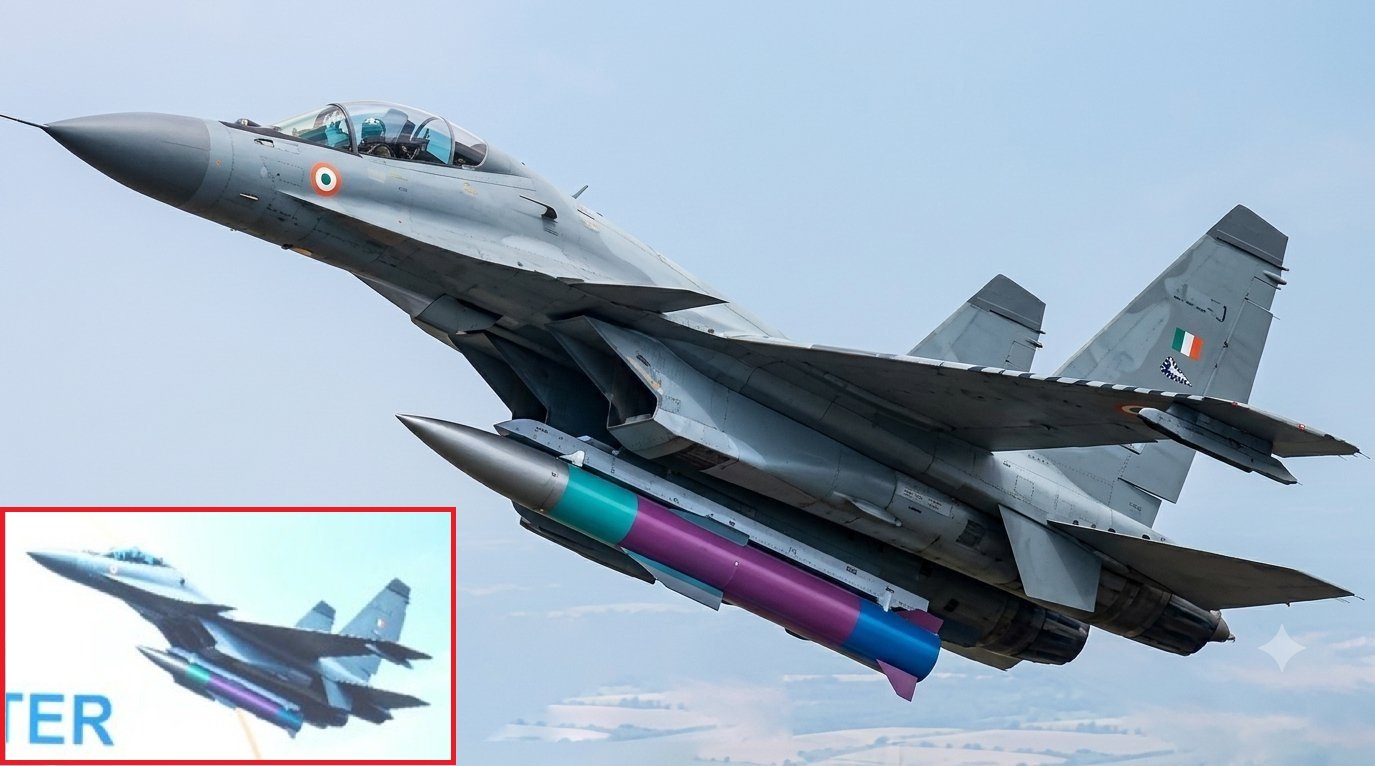 DRDO Developing Long-Range Air-Launched Ballistic Missile for Su-30MKI, Rudram-4 Seen as Likely Candidate
-
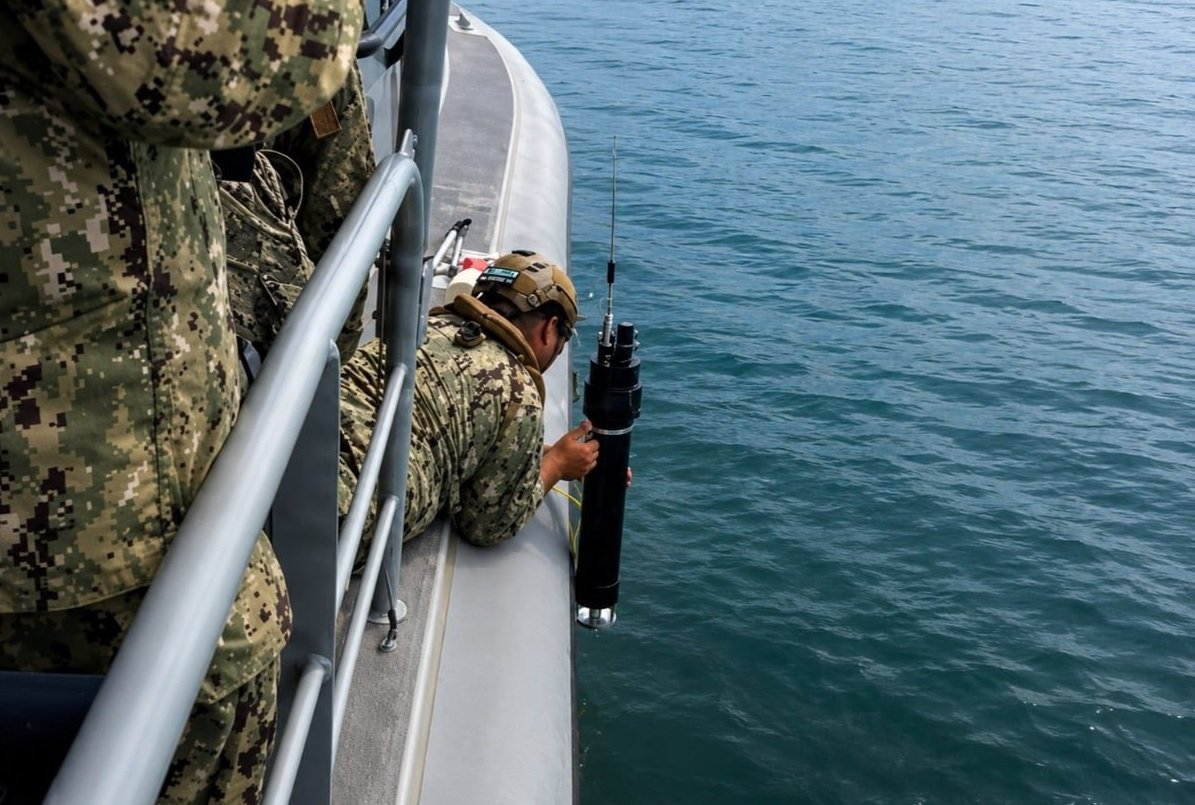 U.S. Army, Navy and Space Force Successfully Test Maritime Version of ‘Hammer of the Gods’ EW System During Project Convergence 2026
-
 North Korea Preparing Largest Military Deployment Abroad With 30,000 Troops for Russia, Zelensky Says
-
 Houthis Claim to Have Shot Down Saudi-Operated Bayraktar Akıncı Drone Over Northern Yemen, Release Video of Crash
-
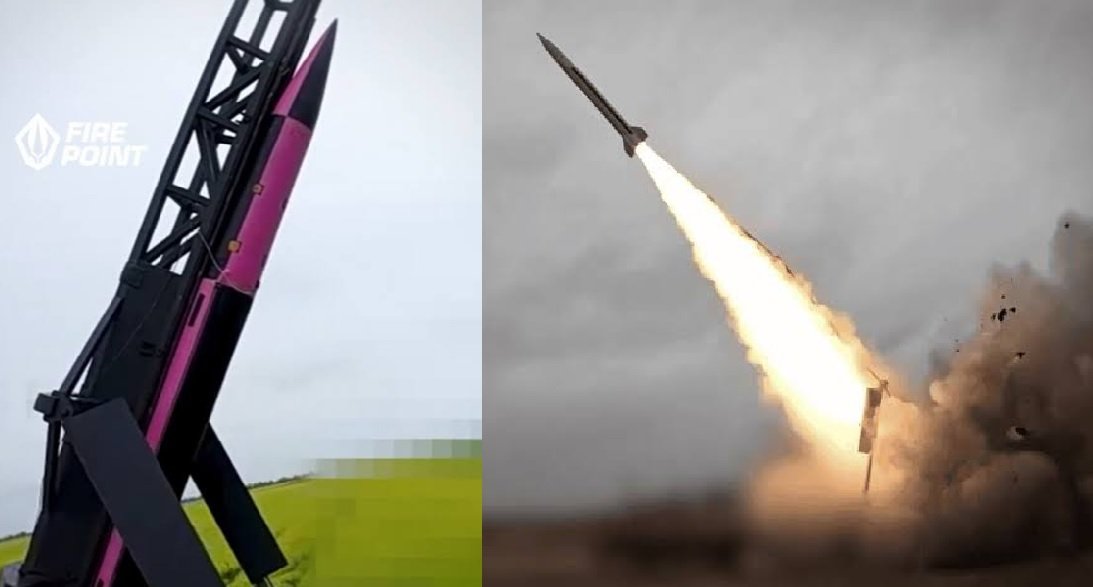 Ukraine, European Allies Target Mid-2027 Prototype for Freyja Missile Defense System
-
 Russia Triples BMP-3 Production as Rostec Delivers Upgraded BMP-3 IFVs with Factory-Fitted Anti-Drone Protection
-
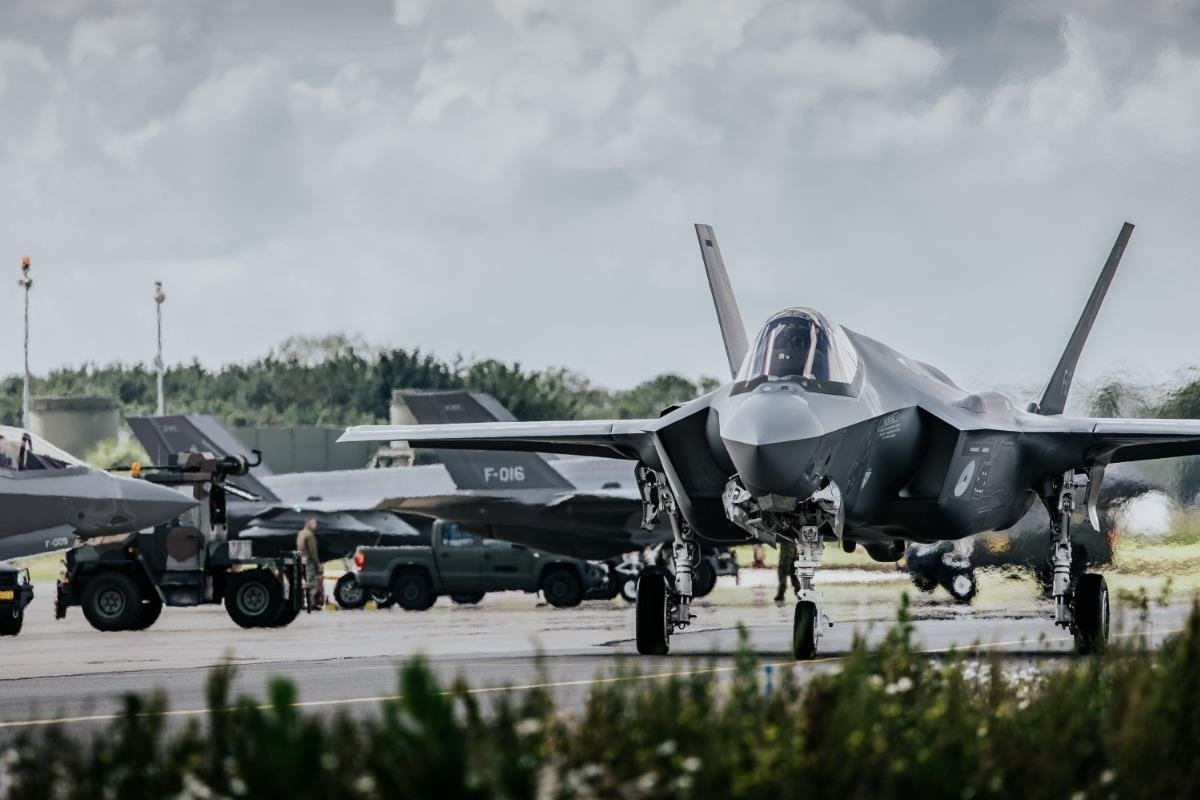 NATO Allied Air Forces Advance F-35 Integration During Multinational Weapons Instructor Course in the Netherlands
Top Trending in 4 Days
-
 U.S. Navy Awards Northrop Grumman $1.2 Billion Deal for Three New E-2D Advanced Hawkeyes
-
 U.S. Airstrikes Target IRGC Missile Base Near Taft as Overnight Strikes Hit Central Iran
-
 Kuwait and Bahrain Reportedly Launch First Joint Direct Airstrikes on Iran Since War Began : Report
-
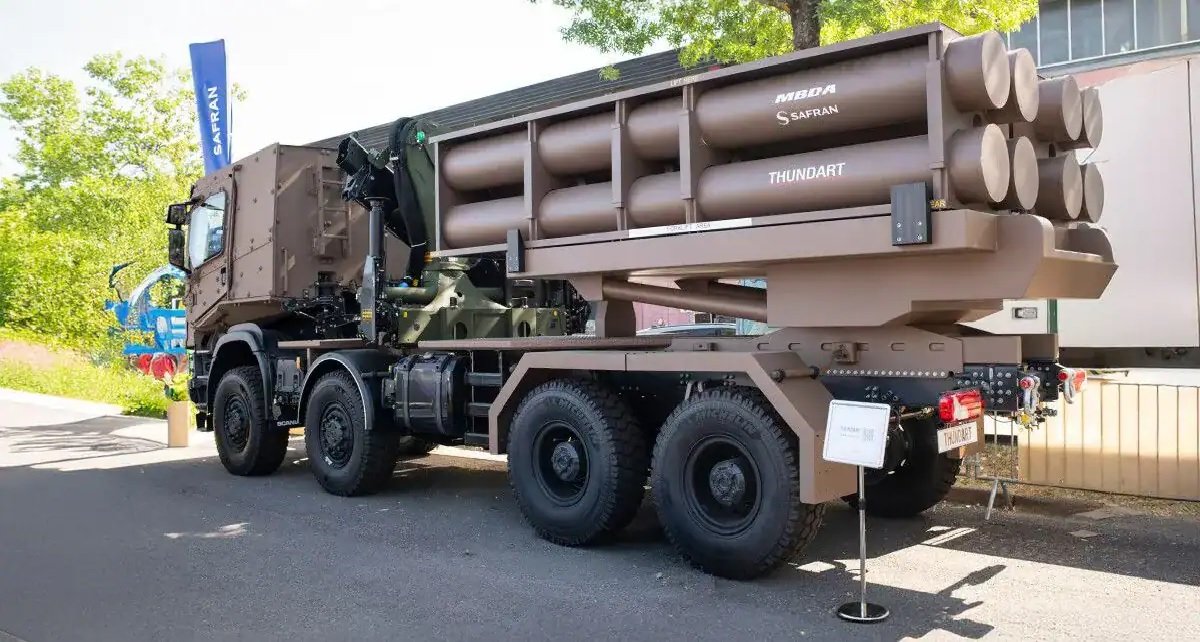 France's THUNDART Long-Range Rocket System May Undergo Prototype Combat Testing in Ukraine
-
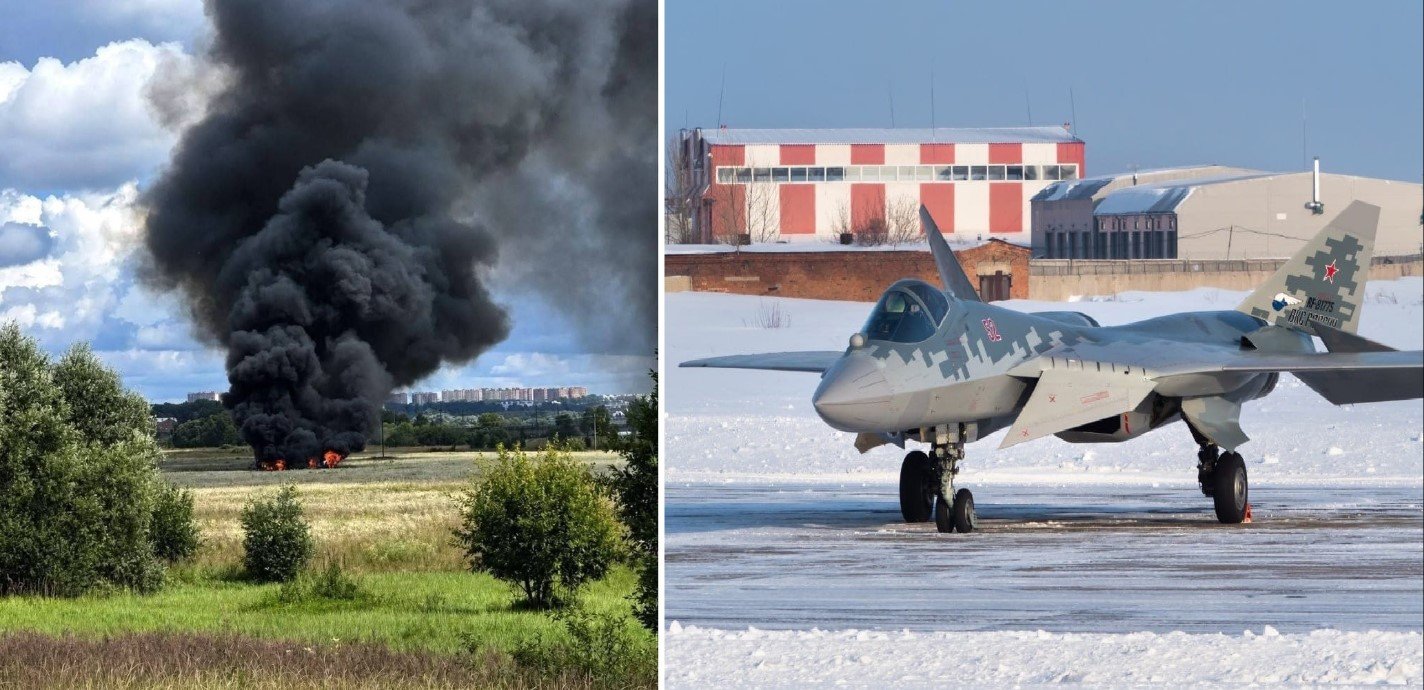 Russian Su-57 Stealth Fighter Crashes During Training Flight Near Moscow, Pilot Ejects Safely
-
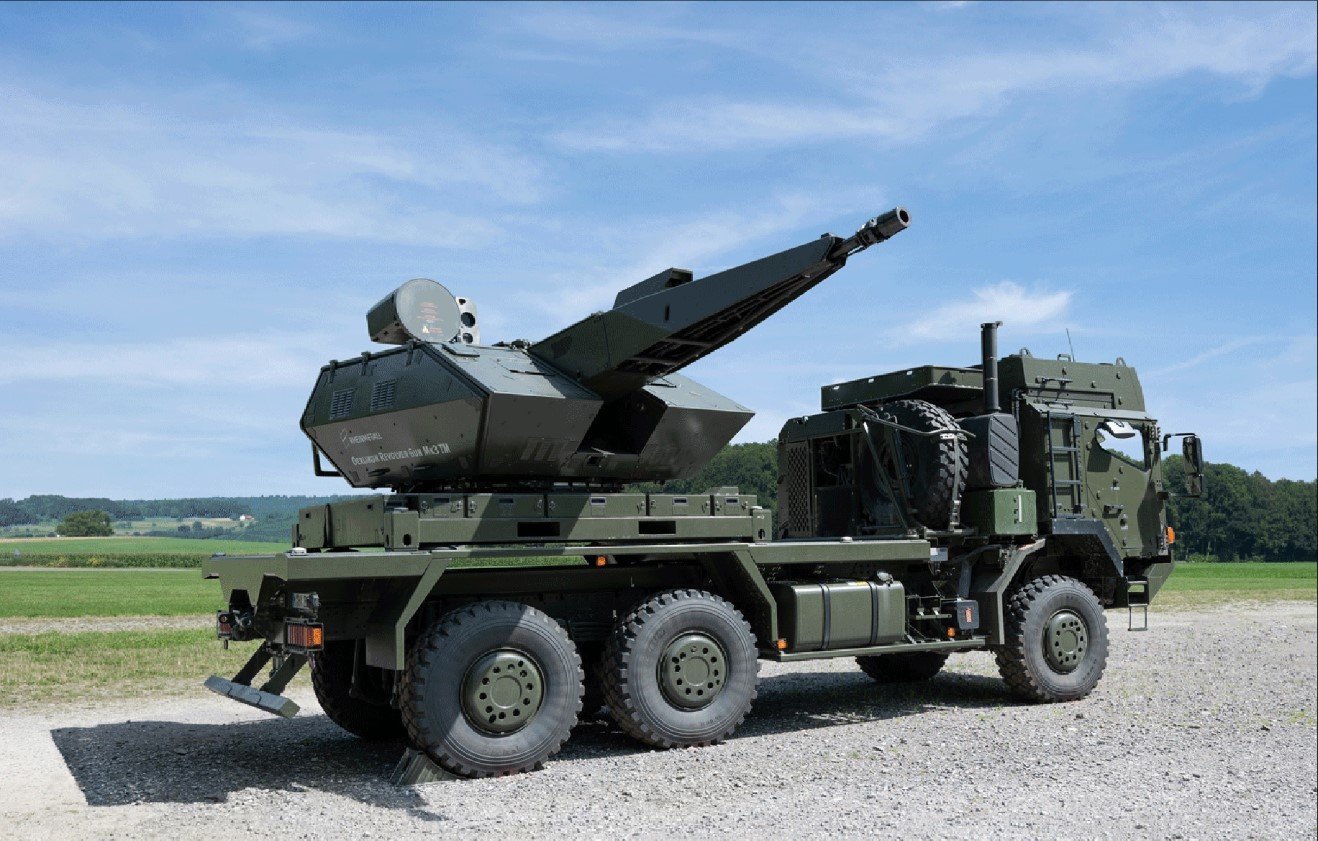 China Imposes Dual-Use Export Ban on 14 European Entities After EU's Russia Sanctions
-
 U.S. Department of War Awards Oracle Up to $6.99 Billion Enterprise Software Deal
-
 Australia Commits Additional AUD 4.6 Billion to Expand Osborne Shipyard for AUKUS Submarines
