World
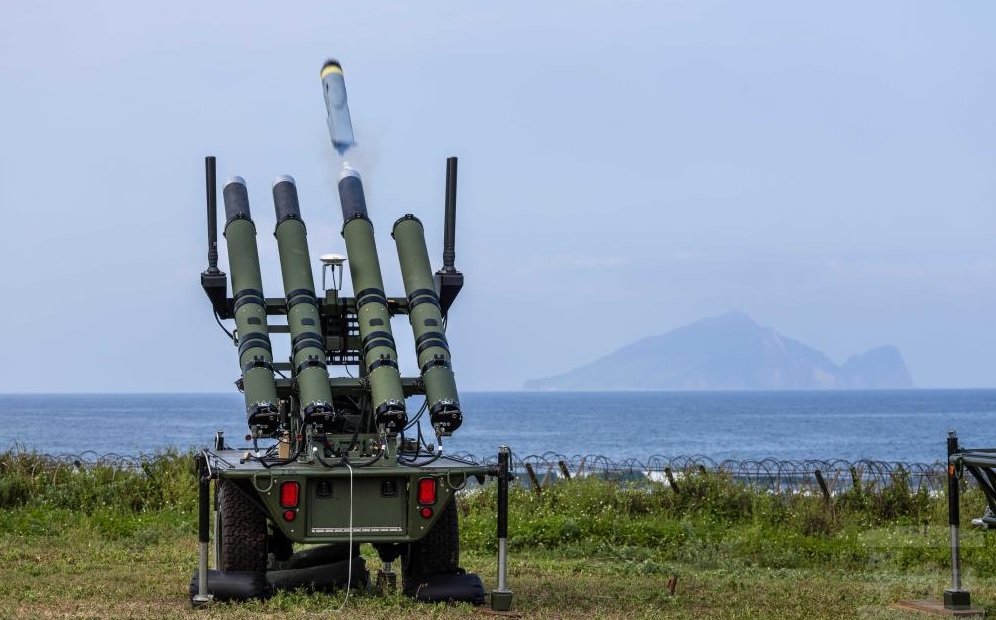
TAIPEI — Taiwan’s Ministry of National Defense has finalized an NT$26.9 billion (US$847 million) contract with U.S. defense technology company Anduril Industries for 2,032 ALTIUS unmanned systems, according to the government’s electronic procurement system. The acquisition is part of Taiwan’s effort to strengthen its asymmetric defense capabilities. The contract covers 1,554 ALTIUS-700M loitering munitions and 478 ALTIUS-600ISR intelligence, surveillance and reconnaissance (ISR) systems. The systems will be deployed primarily with Taiwan’s Army. The purchase includes the drones, associated systems and launch equipment. It forms part of a broader U.S. arms package previously valued at about NT$34.9 billion (approximately US$1.1 billion), which also includes additional equipment and support. The formal signing of the Letter of Offer and Acceptance completes the purchase process. The United States approved the broader package in December 2025. Taiwan had previously purchased 291 ALTIUS-600M drones through its regular defense budget. Those systems reportedly achieved a 100% hit rate during a recent live-fire maritime exercise, supporting the decision to expand the fleet through a special budget. The ALTIUS-700M is the strike variant, designed to engage targets including heavy armored vehicles and air-defense systems. It can carry a 14- to 15-kilogram warhead, with reported destructive power comparable to an AGM-114 Hellfire missile. The system has an endurance of about 1.25 to 2 hours, a range of approximately 160 kilometers in strike configuration and a reported weight of around 29.5 kilograms. The ALTIUS-600ISR is intended for intelligence gathering, battlefield search, target designation and electronic-warfare support. Sources indicate an endurance of about 3.5 to 4 hours and a range of approximately 375 kilometers. The two variants are intended to provide complementary reconnaissance and strike capabilities. Taiwan’s Army has established a dedicated unit focused on unmanned-system development and integration into its joint command structure. Initial deliveries are expected to begin in the fourth quarter of 2026, with the full order scheduled for completion by June 2033. The procurement is intended to expand Taiwan’s ability to use distributed unmanned systems to locate, track and engage targets. For Anduril, the order also represents a major production requirement as the company expands its ALTIUS manufacturing capacity and works to supply the systems at scale.
Read More → Posted on 2026-08-27 12:18:59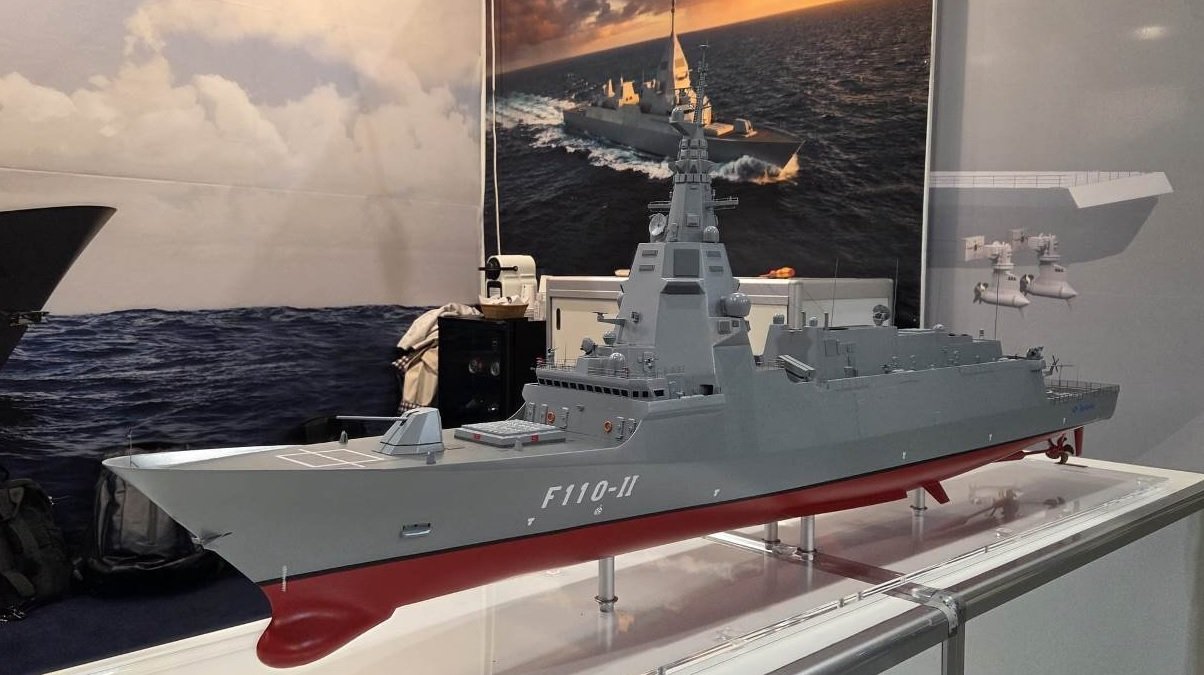
Europe
ERNING, DENMARK — Spanish shipbuilder Navantia has publicly displayed a scale model of its F-110 Flight II frigate for the first time at DALO Industry Days 2026 in Herning, Denmark. The event was held on August 19-20 and brought together defence companies, government representatives and military delegations. Navantia describes the design as the F-110 Flight II for Spain and the F-110 IAMD (Integrated Air and Missile Defence) configuration for the international market. The design is an enlarged and enhanced development of the F-110 frigates being built for the Spanish Navy, with substantially greater air-defence capacity while retaining anti-submarine warfare (ASW) and anti-surface warfare (ASuW) capabilities. Navantia displayed the F-110 IAMD alongside its ALFA 4000 and ALFA 3000 frigate designs as part of its effort to develop a long-term industrial relationship with Denmark. The company has identified Denmark as a strategic partner and is presenting its naval designs in connection with the country's future fleet requirements. Larger Hull and Higher Speed The F-110 Flight II is approximately 150 metres long, around five metres longer than the Flight I design, with a maximum beam of 18.6 metres. Its full-load displacement is approximately 6,700 tonnes, around 500-600 tonnes above the baseline configuration. Navantia's displayed configuration has a maximum speed of more than 29 knots, compared with more than 26 knots for the Flight I design. The frigate is designed for a cruising speed above 18 knots and a range of approximately 4,100 nautical miles. The design uses a CODLAG propulsion arrangement, supporting both endurance and reduced acoustic signatures. The ship is designed around a crew of approximately 150 personnel, with additional accommodation for mission specialists and command personnel. The configuration also includes a multi-mission bay intended to accommodate RHIBs, unmanned systems and modular mission equipment. The enlarged design is intended to support operations requiring greater air-defence capability while retaining the F-110's multi-mission role. 64-Cell Mk 41 Vertical Launch System The largest change is the increase in vertical-launch missile capacity. The baseline F-110 Flight I has a 16-cell Mk 41 Vertical Launching System (VLS). The Flight II/IAMD configuration displayed by Navantia increases this to 64 cells. The VLS arrangement consists of: 48 Mk 41 Strike Length cells forward of the bridge 16 Mk 41 Tactical Length cells positioned farther aft, inside the superstructure ahead of the helicopter hangar The configuration therefore provides four times the number of VLS cells found on the Flight I ships. The proposed missile capacity includes up to 64 SM-2 surface-to-air missiles, or up to 256 RIM-162 Evolved Sea Sparrow Missiles (ESSM) when quad-packed, or a combination of the two, depending on the selected loadout. For anti-surface warfare, the design carries eight Kongsberg Naval Strike Missiles (NSM) in two quadruple launchers. Its main gun is the Leonardo OTO 127/64 LW 127 mm naval gun. Close-in and short-range defence is provided by two Escribano E&M Sentinel 30 30 mm remote weapon stations, four Sentinel 2.0 12.7 mm remote weapon stations and additional heavy machine guns. The design also incorporates six SRBOC Mk 36 decoy launchers, a directed-energy weapon, loitering-munition launchers and a dedicated counter-unmanned aerial system capability. For anti-submarine warfare, the frigate is equipped with two twin Mk 32 Mod 9 torpedo launchers for Mk 54 lightweight torpedoes. The aviation facilities are designed to support helicopters including the NH90 and MH-60R, along with unmanned aerial systems. Upgraded SPY-7 Radar The F-110 Flight II retains the Lockheed Martin AN/SPY-7(V)2 S-band solid-state multifunction radar, but with a larger array configuration. Each radar array in the Flight II design is shown with 100 sub-array suites (SAS), compared with 68 SAS on the Flight I configuration. The larger number of sub-arrays provides additional radar capacity for detecting, tracking and discriminating multiple targets. The radar is integrated with Navantia's SCOMBA combat management system through the Aegis International Aegis Fire Control Loop (IAFCL). The configuration also includes Cooperative Engagement Capability (CEC) for sharing tactical information between compatible platforms. The Spanish Navy describes SPY-7 as a digital, software-defined radar designed to support multiple missions, including air surveillance, air defence and ballistic-missile defence functions. Terminal guidance for the surface-to-air missile system is provided by Raytheon's AN/SPG-62 fire-control radars and Mk 99 Fire Control Systems. Electronic Warfare and Underwater Sensors The F-110 IAMD's integrated mast incorporates several systems supplied by Spanish defence company Indra. These include the PRISMA-25X solid-state radar for surface surveillance and low-altitude air-target tracking, the Rigel i110 electronic support and countermeasures systems, the Regulus i110 communications electronic support measures system, an identification-friend-or-foe system and the IRST i110 infrared search-and-track system developed with Technobit. Navantia also provides systems including the DORNA fire-control radar for the main gun, the HERMESYS integrated communications system, the DIGITAL TWIN system and the MINERVA integrated navigation bridge system. The underwater sensor suite is supplied by Thales and includes the BLUEMASTER hull-mounted sonar, CAPTAS-4 Compact variable-depth sonar, TUUM-6 underwater communications system and BLUESCAN acoustic data-fusion software. Saab provides the naval laser-warning system, while Lockheed Martin supplies the AN/SLQ-25E NIXIE torpedo countermeasure system. Built Around the Existing F-110 Design Navantia is positioning the Flight II as an evolution of the F-110 rather than a completely new frigate design. The company says its F-110 programme is already under execution for the Spanish Navy and is meeting its planned schedule. The first five F-110 ships are part of the current Spanish programme, with construction already underway on multiple vessels. The Flight II configuration retains the platform's multi-mission architecture while adding substantially greater missile capacity, increased radar-array capacity and higher speed. Navantia also highlights survivability features, including separated machinery spaces, fire zones, damage-control measures and CBRN protection. The design incorporates modularity and growth margins intended to allow additional systems and capabilities to be integrated as requirements change. The company is presenting the F-110 IAMD to international customers, including in Denmark, while the same Flight II concept is also associated with future Spanish Navy requirements. However, the configuration displayed at DALO should be distinguished from a confirmed Danish procurement contract; Navantia's official DALO announcement describes the F-110 IAMD as a design being presented as part of its cooperation and strategic-partnership efforts with Denmark. The F-110 Flight II therefore represents a significant increase in the F-110's air-defence capacity, particularly through its 64-cell Mk 41 VLS and enlarged SPY-7 radar configuration, while retaining the ASW, ASuW and multi-mission characteristics of the original F-110 design.
Read More → Posted on 2026-08-27 12:14:04
Europe
BRUSSELS — France is pressing the European Commission to impose time limits on exemptions allowing Ukraine to purchase military equipment from outside the European Union and European Economic Area (EEA) using funds from the €90 billion Ukraine Support Loan. The loan, approved in April 2026, supports Ukraine during 2026 and 2027, with €60 billion allocated for military assistance and €30 billion for economic support. Under the procurement rules, Ukraine generally cannot source more than 35% of the total cost of a defence product from outside the EU and EEA. However, Kyiv can request temporary derogations when European manufacturers cannot meet urgent operational requirements, provide sufficient production volumes, deliver within the required timeframe, or offer competitive costs. Ukraine has so far secured two exemptions. One covers components used in Chinese-made drones, while another covers US-made Patriot interceptor missiles, which are needed for Ukraine’s air-defence requirements. The European Commission approved the exemptions after recognising that European industry currently lacks sufficient capacity to rapidly provide these capabilities. France Seeks Temporary Exemptions Paris wants the exemptions to remain temporary and subject to mandatory reviews. The objective is to ensure that EU-backed defence spending increasingly returns to European manufacturers as European production capacity improves. France has one of Europe’s largest defence industries and produces the Franco-Italian SAMP/T air-defence system, which is a European alternative to the US Patriot system. Under the French approach, exemptions would need to be renewed whenever Ukraine requests a new payment tranche. If a European supplier becomes capable of matching a foreign supplier in production volume, cost and delivery time, the Commission could refuse to renew the exemption and require procurement from the European supplier. Member States Divided France’s position has faced opposition from countries that want Ukraine to retain greater flexibility in urgent military procurement. In July 2026, defence ministers from Germany, Sweden, the Netherlands, Denmark, Estonia, Poland, Latvia, Finland and Lithuania wrote to EU foreign policy chief Kaja Kallas and Defence Commissioner Andrius Kubilius. They stressed the importance of quickly approving procurement schedules and using derogations pragmatically when Ukraine needs equipment produced by third countries. The disagreement reflects a wider tension between meeting Ukraine’s immediate battlefield requirements and using EU funding to strengthen Europe’s defence industry. How the Loan Procurement Works Funds are released through a multi-stage process. Ukraine first provides Brussels with a broad breakdown of planned spending by categories such as drones, artillery and air defence. Exact allocations can change as requirements develop. Ukraine then submits detailed contracts identifying the equipment, supplier and delivery timelines. For purchases requiring a non-EU derogation, the documentation is reviewed by a dedicated committee of national experts, allowing member states to raise objections. For Chinese suppliers, the Commission also checks whether companies are subject to EU sanctions targeting Russia’s military-industrial complex. The government of the supplier’s country is also asked to commit to fulfilling the contract if political priorities change. Disbursements have already begun. €3.9 billion was released in late June for drone procurement, followed by €6.1 billion approved earlier this week for broader defence procurement. The Commission’s decisions on future derogations could establish an important precedent for other EU defence programmes, including the Security Action for Europe (SAFE) and the European Defence Industry Programme (EDIP). The main issue will be how long Ukraine can continue relying on foreign suppliers while European production expands. Source : Euronews
Read More → Posted on 2026-08-27 12:06:59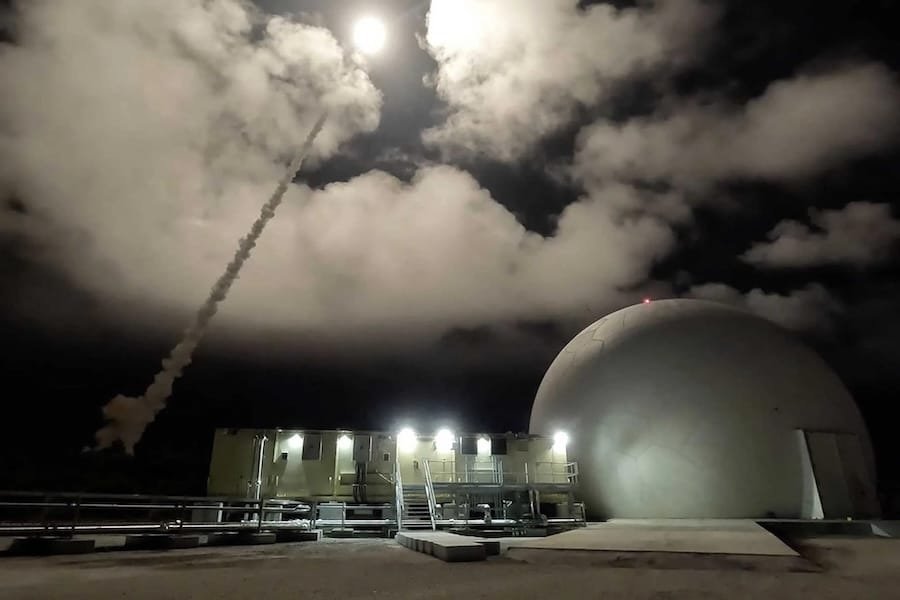
U.S
FORT BLISS, Texas — Lockheed Martin has demonstrated an artificial intelligence-powered Guam Defense System (GDS) Battle Manager Suite designed to connect the Aegis Guam combat system with the U.S. Army’s Integrated Battle Command System (IBCS) and other integrated air and missile defense capabilities. The prototype reached the second stage of a U.S. Army evaluation in less than two months after the Army issued a request for a battle-management solution in June 2026. The demonstration was conducted in a simulated Guam operational environment at the Army Tactical Systems Integration Lab at Fort Bliss. The system uses Lockheed Martin’s CommandIQ platform to continuously process hundreds of incoming tracks. Using algorithms informed by thousands of pre-run simulations, it ranks possible responses and recommends weapon assignments for individual threats. During the demonstration, the suite combined live data from multiple integrated air and missile defense systems into a single common tactical picture. Commanders could view sensor tracks, available munitions and engagement opportunities across the joint operating area in real time. Lockheed Martin said the system is intended to reduce the manual coordination normally required for integrated air and missile defense, including voice calls, text messages, physical documents and manual calculations. Its automated recommendations are designed to support faster decisions and more efficient use of high-cost interceptors. “In missile defense, seconds can determine whether an operator protects a populated island or exhausts precious interceptors,” said Tiffany Marr, director of CommandIQ, Golden Dome for America C2 and Advanced Concepts at Lockheed Martin. She said the system provides commanders with real-time information on sensors, weapon systems and munition loadouts while recommending the optimal weapon for incoming threats. The prototype was installed and integrated within 24 hours of arriving at the Fort Bliss laboratory and met all required demonstration criteria during its one-week fielding period. The Battle Manager Suite uses an open architecture, allowing it to accept pre-planned warfighter responses, Air Tasking Orders, Airspace Control Orders and missile-defense designs. It can also incorporate software from other defense technology companies without requiring the entire system to be rebuilt. The latest demonstration follows Lockheed Martin’s earlier software-based command-and-control integration work during Valiant Shield 2026, where the company demonstrated the connection of capabilities including Aegis Guam, AN/TPY-6 radar, THAAD, C2BMC, IBCS and other air and missile defense assets to support a common tactical picture and coordinated decision-making. The Army’s Battle Manager Suite effort is part of broader work to integrate more than 20 programs and prototypes supporting Guam’s defense. The competition includes multiple phases, with a formal prototype proposal stage expected later and an award targeted for the first quarter of fiscal year 2027.
Read More → Posted on 2026-08-27 11:58:32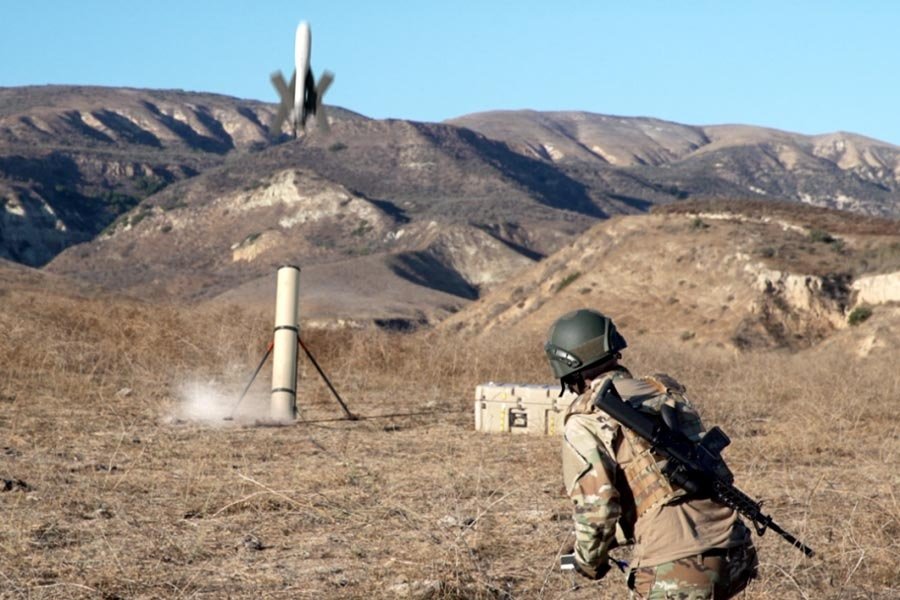
U.S
ARLINGTON, Va., — AeroVironment has received a $51 million delivery order from the U.S. Army for additional Switchblade 600 loitering munition systems. The order includes Switchblade 600 Block 2 systems for the U.S. military and Switchblade 600 Block 1 systems supporting a Foreign Military Sale to a key U.S. ally, according to the company. The order was placed under the Army’s existing five-year, $990 million Indefinite Delivery, Indefinite Quantity (IDIQ) contract for Lethal Unmanned Systems (LUS), awarded in August 2024. The latest award follows the Army’s earlier procurement of AeroVironment’s next-generation Switchblade systems under the same contract. Switchblade 600 Block 2 The Switchblade 600 Block 2 is designed for multi-domain operations and has been ruggedized for maritime and highly contested environments. AeroVironment developed the variant in collaboration with U.S. Special Operations Command (SOCOM). The system features upgraded avionics and advanced Automatic Target Recognition (ATR) capabilities, including SPOTR AiTR, intended to support faster detection, identification and engagement of threats. It also incorporates Silvus MANET radios for resilient communications and distributed operations. The Block 2 also includes improved navigation and mission-resilience capabilities for operations in GPS-challenged environments. AeroVironment's published specifications list an endurance of more than 50 minutes, while its handoff and relay capability can extend beyond 100 kilometers. The system has a stated range of more than 60 kilometers, with the company listing more than 100 kilometers when using Forward Pass. It carries an anti-armor munition and has a secondary payload bay. The company also lists a setup and launch time of less than 10 minutes and an IP67 rating for maritime applications. Growing U.S. Army Procurement AeroVironment said Switchblade 600 systems have been fielded across more than 20 U.S. brigade combat teams since 2025, with hundreds of U.S. soldiers trained in their operation and employment. Brian Young, AeroVironment’s Senior Vice President of Loitering Munitions, said the continued Army investment reflects demand for long-range precision loitering munitions and the performance of the Switchblade family. Young said the Block 2 builds on the Block 1 configuration with upgrades in autonomy, resilience and lethality for contested, multi-domain operations. AeroVironment also said it is expanding manufacturing capacity and working to accelerate delivery timelines as demand increases. The Army previously awarded AeroVironment a $186 million delivery order in February 2026 for Switchblade 600 Block 2 and Switchblade 300 Block 20 systems. That order was the Army’s first procurement of AeroVironment’s next-generation Switchblade product line. The new $51 million order continues procurement under the broader Lethal Unmanned Systems contract, supporting Switchblade deliveries to U.S. forces and allied customers.
Read More → Posted on 2026-08-26 16:45:11
U.S
SAN DIEGO — The U.S. Navy has awarded BAE Systems a $149.8 million firm-fixed-price contract for maintenance, modernization and repairs on the amphibious assault ship USS Boxer (LHD 4). If all options are exercised, the total value could reach $180 million. The work will be conducted under a Selected Restricted Availability (SRA) at Naval Base San Diego, the ship’s homeport. It is scheduled to begin during the fiscal 2027 availability window and is expected to be completed by October 2028. The contract covers labor, supervision, equipment, testing, facilities and quality assurance required for the Chief of Naval Operations availability. Naval Sea Systems Command in Washington is the contracting activity. Three companies competed under full and open competition. Funding includes about $144.7 million in fiscal 2026 Navy procurement funds and $5 million in operations and maintenance funds. “Critical maintenance of the USS Boxer will support the U.S. Navy’s vital mission to continue defending our nation,” said Eric Icke, vice president and general manager of BAE Systems Maritime Solutions San Diego. USS Boxer and Previous Maintenance USS Boxer is a Wasp-class amphibious assault ship commissioned on February 11, 1995, and is the sixth U.S. Navy vessel to carry the name. The ship is approximately 844 feet long, has a beam of about 106 feet, and displaces around 40,500 tons fully loaded. It supports amphibious operations, carries Marines and their equipment, and operates aircraft and landing craft. It serves as the flagship of an amphibious ready group. BAE Systems’ San Diego shipyard previously received an approximately $200 million contract in 2020 for Boxer maintenance and modernization. That work included upgrades supporting F-35B operations, as well as hull, tank and mechanical work. In April 2024, Boxer returned to San Diego about 10 days into a deployment after a rudder and bearing failure. Divers conducted pier-side repairs over roughly two months. The Navy had also planned a separate longer maintenance period for the ship. Boxer has since returned to regular operations and received recognition for performance and readiness. BAE Systems Ship Services The contract is part of BAE Systems’ broader ship services business, which provides repair, maintenance, modernization, conversion and overhaul services for the Navy, other government agencies and commercial maritime customers. BAE Systems operates full-service shipyards in California, Florida and Virginia, with drydocks, shiplifts, railway systems, land-level work areas and pier space for major ship support operations. The new contract supports the Navy’s ongoing effort to maintain the readiness of its amphibious fleet.
Read More → Posted on 2026-08-26 16:40:40
World
CANBERRA — Australia’s dependence on U.S.-made missiles is facing renewed scrutiny as the Iran conflict puts pressure on American munitions inventories and raises concerns about the timing of weapons deliveries to allies. The issue is particularly important for Australia because several major elements of its long-range strike and air-defence capabilities depend on U.S.-supplied weapons. Analysts and former military officials have argued that Canberra needs to accelerate domestic production to reduce the risks created by dependence on overseas supply. U.S. missile inventories under pressure A Center for Strategic and International Studies (CSIS) analysis found that U.S. forces had used more than 1,000 Tomahawk missiles during the first 39 days of the Iran conflict. CSIS said several key U.S. munitions had been heavily used and that rebuilding inventories to pre-war levels could take between one and four years. Charles Edel, CSIS Australia Chair, said the conflict was placing significant pressure on U.S. stockpiles and could extend the time required to replenish them. He warned that this could increase the risk of delays to missile deliveries for allies such as Australia. The pressure is not limited to Tomahawk. Edel identified other systems affected by the increased demand, including THAAD interceptors, Patriot missiles, SM-6 missiles, Joint Air-to-Surface Standoff Missiles and Precision Strike Missiles. CSIS has also assessed that the reduced U.S. inventories could affect the ability to supply allies while Washington works to rebuild its own stocks. Australia’s U.S. missile orders Australia has an order for roughly 220 Tomahawk cruise missiles, making the availability of U.S. production capacity an important issue for Canberra. The United States is now moving to expand Tomahawk production. On August 17, the U.S. Navy awarded Raytheon a $22.9 billion, seven-year contract designed to increase annual Tomahawk production from about 60 missiles to more than 1,000. The production increase is intended to strengthen the U.S. supply of the long-range missile for American forces and allies. However, rebuilding inventories after heavy wartime expenditure will take time. Australia has also announced a major acquisition of the AIM-260 Joint Advanced Tactical Missile. On August 6, the Australian government said it would invest almost A$736 million in the weapon through the U.S. Foreign Military Sales system. Australia will be the first country outside the United States to operate the AIM-260. The missile will initially be integrated with Australia’s F/A-18F Super Hornets, followed by the F-35A Lightning II and EA-18G Growler. The Australian government has not publicly provided all details of the final missile quantity in its August 6 announcement. Concerns over a potential Indo-Pacific conflict Australian coalition defence spokesperson James Paterson has warned that conflicts in Ukraine, Gaza and Iran have contributed to pressure on global munitions supplies. Paterson said Australia could face serious limitations in a high-intensity Indo-Pacific conflict because of limited stocks of strike weapons and interceptors, as well as limited domestic production capacity. Maritime security specialist Jennifer Parker has similarly argued that countries dependent on another nation for critical war stocks face a structural supply risk because the producing country would have to meet its own requirements first. Former U.S. military officials have also urged Australia to develop additional domestic capabilities that could reduce its dependence on foreign suppliers. Mark Montgomery, a former director of operations at U.S. Pacific Command, has specifically advocated greater Australian production of military underwater drones for surveillance, mine detection and other roles. Canberra expands domestic missile production Australia has been rebuilding its domestic guided-weapons industry through the Guided Weapons and Explosive Ordnance Enterprise. The Australian government has committed up to A$36 billion over the next decade to the broader guided-weapons and explosive-ordnance effort. The program is intended to develop domestic manufacturing capacity and strengthen Australia's position within allied supply chains. Australia's guided-weapons plan includes establishing missile production facilities and increasing local manufacture of missile components. The government has also been working with international defence companies to establish production and maintenance capabilities inside Australia. Kongsberg Defence Australia is developing a manufacturing and maintenance facility in the Newcastle Airport precinct for the Naval Strike Missile and Joint Strike Missile. The Australian government announced an A$850 million partnership with Kongsberg in 2024 to manufacture and maintain the two missile systems in Australia. Lockheed Martin Australia is also involved in local assembly of Guided Multiple Launch Rocket System missiles, adding another element to Australia's effort to establish a domestic guided-weapons industrial base. A key objective of the program is not simply to assemble imported weapons, but to develop sustainable domestic manufacturing and supply chains. Australia's official guided-weapons plan notes that establishing a new high-technology weapons industry requires sustained investment and time. Production speed remains a concern The expansion of Australian production is intended to reduce dependence on overseas supplies, but the current transition will take years. The Iran conflict has highlighted the difference between purchasing missiles from an established foreign production line and having sufficient domestic capacity to replace weapons during a major conflict. CSIS has assessed that U.S. inventories of several important weapons will take years to rebuild after the Iran campaign. The same weapons are also relevant to a potential Western Pacific conflict, making production capacity and stockpile depth important issues for the United States and its allies. For Australia, the immediate challenge is therefore twofold: maintaining access to U.S. weapons while accelerating domestic production. The government has continued to pursue both approaches, combining purchases from the United States with investments in Australian manufacturing. The expansion of local missile production is intended to strengthen Australia's own supply resilience while also contributing to the wider allied industrial base. The pressure created by the Iran conflict has brought greater attention to the importance of missile stockpiles, production capacity and delivery timelines as Australia prepares for potential high-intensity operations in the Indo-Pacific.
Read More → Posted on 2026-08-26 16:34:55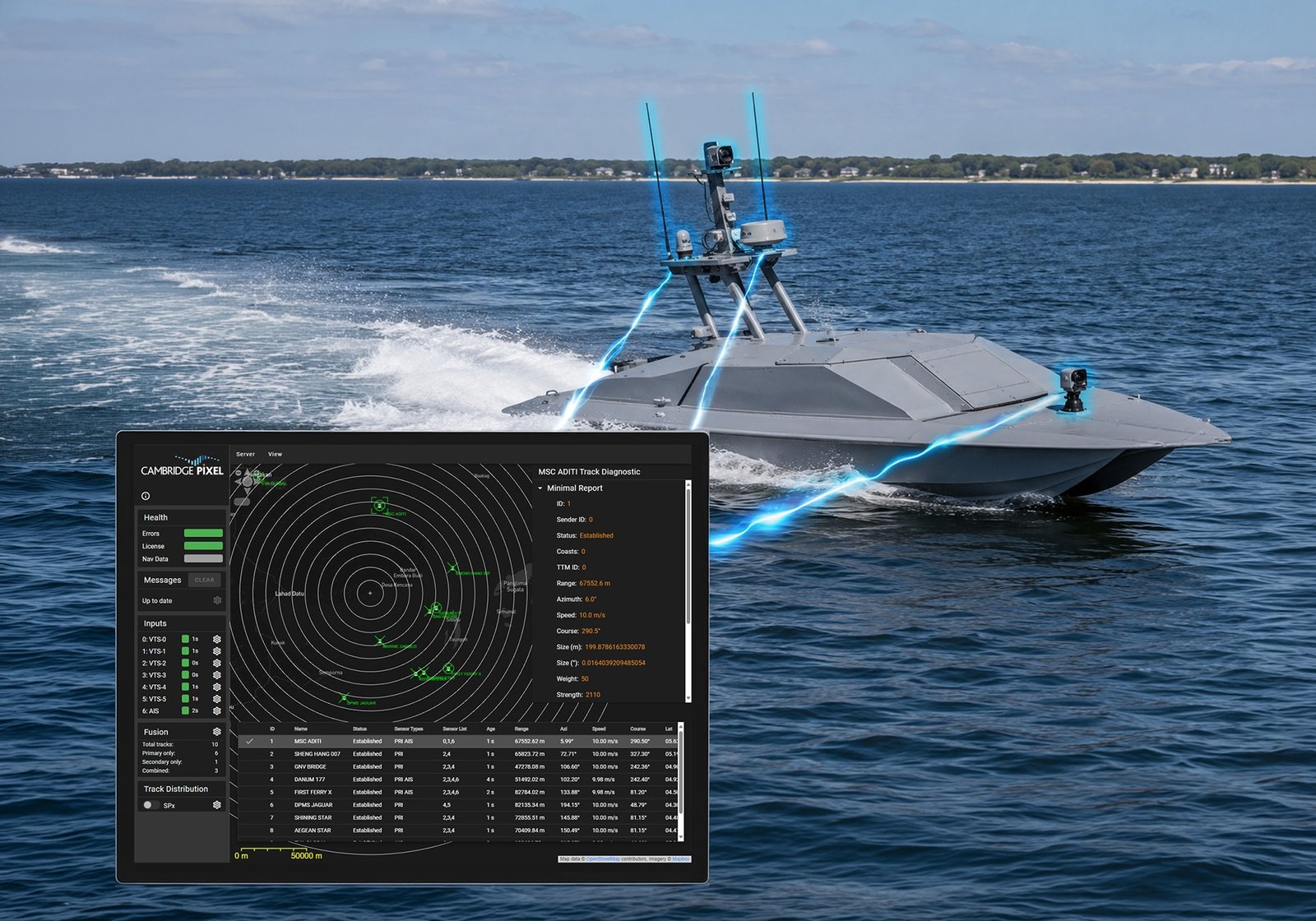
Europe
Hamburg, Germany — UK-based Cambridge Pixel will showcase its radar, tracking and sensor-processing software for uncrewed surface vessels (USVs) and autonomous surface vessels (ASVs) at SMM 2026, which will take place from September 1 to 4 in Hamburg, Germany. The company will exhibit at Hall B1, Stand 321, demonstrating modular software for radar processing, target tracking, sensor fusion, camera control, navigation, display, recording and simulation. The systems are designed for both commercial and military autonomous vessels. The main product on display will be SPx Server V2, which provides radar video processing, plot extraction, proximity detection and target tracking for collision avoidance and autonomous navigation. Its Detection Server configuration provides plot extraction and proximity detection, while the Tracking Server adds multi-hypothesis target tracking for following contacts in complex maritime environments. SPx Server V2 can send obstacle and target information to external autonomy and vessel-control systems using established formats including ASTERIX, NMEA-0183, TAK and SAPIENT. It supports Linux, Windows, ARM-based systems and Cambridge Pixel's HPx-700 embedded processing platform. The software also includes AI-assisted configuration using machine learning to help set processing parameters and remains compatible with earlier deployments. Cambridge Pixel says its software has been integrated with more than 80 different radar systems, allowing developers to connect commercial and specialist maritime radars with custom vessel-control and autonomy software. Supported commercial radar systems include products from Simrad, Furuno and Raymarine. The company's technology also includes GPS Assist, which supports navigation when satellite-positioning signals are unavailable, jammed or spoofed. Its sensor-processing capabilities can also direct optical cameras toward radar-detected targets. Other products include USVx, which provides remote display and control of radar sensors from a mothership or shore facility, and SPx Fusion Server, which combines information from multiple sensors. Cambridge Pixel also provides tools for multi-channel recording and simulation. Cambridge Pixel has more than a decade of experience supplying software to USV and ASV developers in the United States, Europe and Asia. The company lists customers and users in 65 countries, including BAE Systems, the British Royal Navy, Echodyne, Furuno, Hanwha, Hensoldt, L3Harris, Lockheed Martin, OSI Maritime, QinetiQ, Raytheon, Saab, Thales and the U.S. Navy. Founded in 2007 and based near Royston, Hertfordshire, Cambridge Pixel is an employee-owned company whose products are designed and developed in the UK. SMM 2026 is expected to bring together more than 2,200 exhibitors and nearly 50,000 visitors from over 100 countries. The event will also feature the new Maritime Security and Defence Expo (MS&D Expo) in Hall B8, focusing on unmanned systems, cybersecurity, maritime surveillance and critical-infrastructure protection.
Read More → Posted on 2026-08-26 16:25:15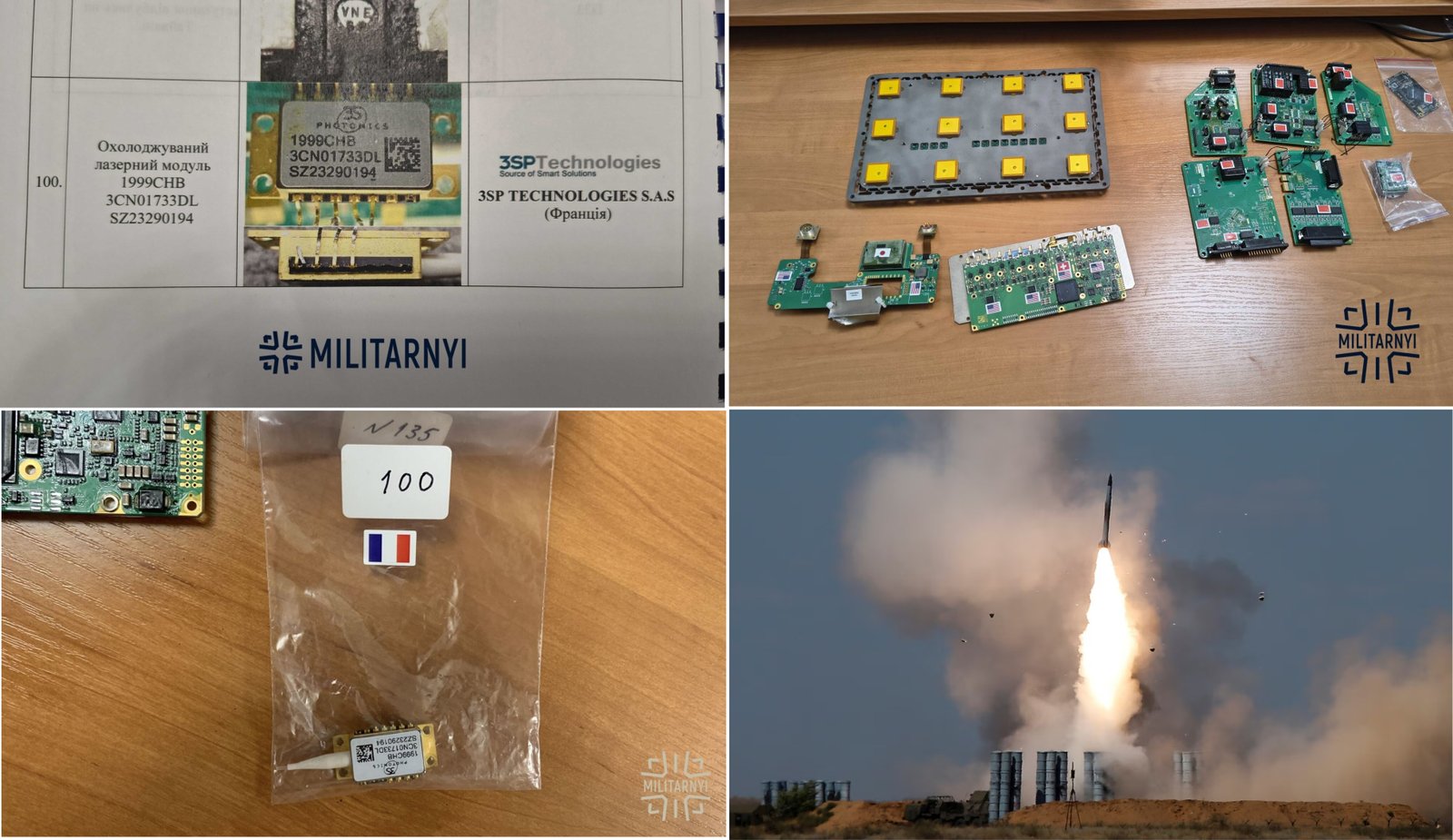
World
KYIV, — Ukrainian officials have identified Western-made components in Russian RM-48U missiles used for strikes against ground targets from S-300PM and S-400 air defense systems. The findings were presented during a briefing by Vladyslav Vlasiuk, the Ukrainian president’s commissioner for sanctions policy, according to Militarnyi. Ukrainian officials displayed foreign components recovered from Russian missiles, including a cooled laser module manufactured by French company 3SP Technologies. French laser module found in RM-48U According to the Ukrainian assessment, experts examining an RM-48U missile recovered a French-made laser component associated with laser-gyroscope systems used for inertial navigation. 3SP Technologies, based in Nozay, France, develops and manufactures optoelectronic components and laser modules. Its product range includes cooled pump laser modules and seed pump laser modules. Ukrainian experts said the recovered component can be used in fiber-optic gyroscopes and some types of ring laser gyroscopes. Such components can form part of high-precision inertial navigation systems. The Ukrainian presentation also identified U.S.-made components in the 12-channel Kometa navigation antennas installed on the RM-48U. According to Ukrainian officials, the broader examination of Russian ballistic weapons has identified components originating from several countries. RM-48U developed from S-300 and S-400 missiles The RM-48U is based on the 48N6 family of surface-to-air missiles used with Russian S-300 and S-400 systems. Earlier reporting identified RM-48U missiles as target missiles converted from older surface-to-air missiles, while Ukrainian intelligence now describes them as weapons used to strike ground targets. The missile has been used against Ukrainian targets during Russian missile attacks. The first publicly confirmed use was reported in January 2026, when debris identified as an RM-48U was recovered after a Russian strike. Subsequent reports identified the missile during major attacks, including the June 2 attack. The RM-48U is reported to carry a high-explosive fragmentation warhead weighing approximately 150–180 kilograms. Russia increases RM-48U production Ukraine’s Defence Intelligence reported in June that Russia had more than doubled production of RM-48U missiles. Russian plans called for the production of more than 480 missiles in 2026, compared with more than 200 in 2025. The reported production rate was up to 50 missiles per month. More recent Ukrainian intelligence reporting published in August estimated that Russia had around 400 RM-48U missiles in its stockpile and continued producing approximately 50 per month. The increased production has made the RM-48U a more significant part of Russia’s ballistic-missile inventory. Its use from existing S-300PM and S-400 launch systems also allows the missiles to be incorporated into Russian strike operations using established launch infrastructure. Ukraine seeks tighter export controls The identification of foreign components is part of Ukraine’s wider effort to trace Western and other foreign-made parts used in Russian weapons. Vlasiuk said Ukraine has been providing partner countries with information on identified components, serial numbers, production equipment and materials. Ukrainian officials are seeking additional sanctions and stronger export controls to restrict Russia’s access to components used in missile production. The Ukrainian assessment indicates that the issue extends beyond individual missile components. Officials also identified foreign-made equipment and materials used in Russia’s wider missile-production process, including precision machine tools and components for rocket-fuel production. The discovery of the French laser module and U.S.-made components in the RM-48U therefore forms part of a broader Ukrainian effort to identify the foreign supply chains supporting Russia’s missile production.
Read More → Posted on 2026-08-26 16:18:21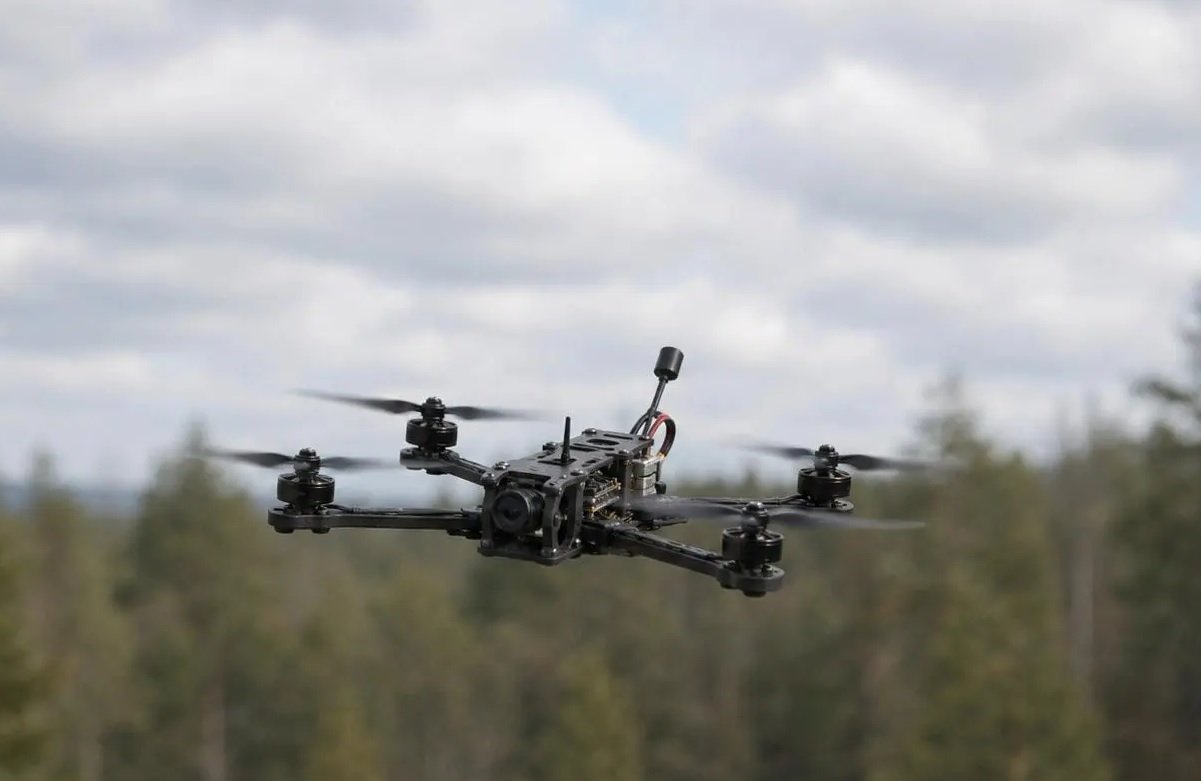
Europe
Helsinki — The Finnish Defence Forces have signed a multi-year agreement with Finnish technology company Insta Group Oy to procure domestically produced First-Person View (FPV) drones for military training. The agreement was signed on August 24, 2026, and has a total value of up to €14 million, including options. The first systems have already been delivered to the Finnish Defence Forces after completing military testing and approval. The drones will be used to expand large-scale FPV flight training for conscripts across all Finnish Army brigade-level units. FPV Training Expands Across the Finnish Army The Finnish Army began training conscripts to operate FPV drones at the Army Academy in autumn 2025. From the beginning of 2026, the training was expanded to other brigade-level units. The new procurement will extend this training across all Finnish Army brigade-level units, supporting the systematic development of unmanned systems skills among conscripts. The FPV drones transmit live video to their operators and can carry mission-specific payloads, including armament. The Finnish Defence Forces are procuring the systems primarily for training, while their design allows them to support different mission requirements. 7-Inch and 10-Inch Finnish-Made Drones Insta currently produces 7-inch and 10-inch FPV drone variants. The systems are designed, tested and manufactured in Finland and are intended to operate in Nordic conditions. The drones use a modular architecture that allows mission-specific payloads and other system elements to be adapted as requirements change. The agreement covers more than the aircraft themselves. Insta is providing control systems, communications and situational-awareness capabilities, along with training, maintenance and sustainment support. Focus on Domestic Supply and Support The Finnish Defence Forces said the use of domestic drone production strengthens security of supply and supports operational readiness. Brigadier General (Engineering) Juha-Matti Ylitalo, Deputy Director of the Finnish Defence Forces Logistics Command, said domestic production provides an important source for the drones and the technical support required to operate them. Tuure Lehtoranta, Insta's Senior Vice President for Sales, Marketing and Government Relations, said the company's development work has incorporated international lessons from the changing security environment and the use of drones on modern battlefields. Insta has been a strategic partner of the Finnish Defence Forces for several decades. Its defence portfolio includes command-and-control systems, secure communications, cybersecurity, autonomous systems and unmanned technologies. The company has also developed unmanned systems through cooperation with Ukrainian industry. Insta states that its Steel Eagle drone solution was developed in cooperation with Ukrainian industry in 2024, while the newer Steel Eagle ER incorporates requirements related to electronic warfare. The new FPV procurement adds another element to Finland's development of domestically produced unmanned systems and expands structured drone training across the Finnish Army.
Read More → Posted on 2026-08-26 16:08:40
India
NEW DELHI — India Former Chief of Defence Staff General Anil Chauhan has provided new details about the planning and execution of Operation Sindoor, including Pakistan’s intelligence gaps, India’s decision-making during the escalation and the circumstances surrounding reported activity near Kirana Hills. Chauhan, who was serving as CDS during the operation, spoke at the VIMARSH event on Operation Sindoor and its aftermath organised by the Vivekananda International Foundation in New Delhi on August 25. Operation Sindoor was launched by India on May 7, 2025, following the April 22, 2025, Pahalgam terror attack, in which 26 people were killed. Indian forces targeted terrorist infrastructure in Pakistan and Pakistan-occupied Jammu and Kashmir. The military confrontation later ended with a ceasefire agreement between the two countries. Pakistan had inaccurate information on Indian naval movements Chauhan said Pakistan’s understanding of the battlefield was poor, including in the maritime domain. He said Pakistani military briefings regularly reported the movements of an Indian carrier battle group in the Arabian Sea. However, when Indian assessments were checked with the Western Naval Command, the reported positions were found to be 100 to 300 nautical miles away from the actual locations. Chauhan said this indicated that Pakistan was either receiving incorrect information or relying heavily on foreign sources. He also said Pakistan’s long-range maritime aircraft did not fly during the operation, limiting its ability to independently collect maritime information. India maintained a common operational picture Chauhan attributed India’s performance during the operation partly to better situational awareness and battlefield transparency. According to him, information from the Army, Navy and Air Force was available through a common operational picture. This allowed commanders to make decisions using information from across the three services rather than operating with separate assessments. He also identified clear political direction as another factor. Chauhan said the military was given freedom to plan and conduct operations within the political objectives set for the mission. Sargodha strike and planned Skardu target Chauhan also described a decision taken after Pakistan indicated that it wanted to open talks. He said that when Pakistan contacted India at around 10 am, the Air Chief asked whether the Indian Air Force should strike Sargodha. Chauhan said he authorised the strike. He then asked the Air Force to identify two additional targets. Skardu was selected as one of them and received approval. However, adverse weather conditions later forced a change in the plan, and the target was switched to Bholari. Chauhan said the approach was linked to an escalation principle under which India would deliver the final strike rather than leave the last action to Pakistan. Kirana Hills was not deliberately targeted Chauhan also addressed reports about activity around Kirana Hills, an area associated with Pakistan’s nuclear infrastructure. He said Kirana Hills was not a deliberate Indian target. According to his explanation, loitering munitions were deployed around Sargodha, approximately 10 km from Kirana Hills, to search for radar targets. Chauhan said the munitions could remain in the area for about two hours. If they failed to locate a target during that period, they would eventually come down. He said one of the munitions may have subsequently struck the hills. His explanation is consistent with earlier comments by Air Marshal A.K. Bharti, who had denied that Kirana Hills was deliberately targeted during Operation Sindoor. Chinese-origin equipment and foreign inputs Chauhan also discussed Pakistan’s military equipment and its dependence on external sources. He said around 70 to 80 percent of Pakistan’s military platforms are of Chinese origin. He acknowledged that Chinese personnel were present in Pakistan during the conflict but linked their presence to normal original equipment manufacturer maintenance arrangements for imported military systems. He also said Pakistan attempted to use commercial satellite imagery from Chinese companies to track Indian movements, but this did not necessarily translate into accurate targeting information. Ceasefire was decided by the two DGMOs Chauhan disputed claims that the United States had brokered the India-Pakistan ceasefire. He said the ceasefire was decided directly between the Directors General of Military Operations (DGMOs) of India and Pakistan. According to his account, the Pakistani side initially contacted India and the DGMO-level discussions continued before the ceasefire was finalised at around 5 pm. Chauhan said he did not see a role for any third party in the military-level ceasefire decision. He also said he was confident that India had not leaked the ceasefire information to the United States before the announcement and suggested that the information may have come from the Pakistani side. Political direction and operational freedom Chauhan also referred to a meeting on April 29, 2025, following the Pahalgam attack. He said the political leadership provided the armed forces with operational freedom to determine the timing and manner of the response. According to his account, the guidance included ensuring that the operation did not fail because of human or technical shortcomings and that there should be evidence of the actions carried out. Chauhan said this political direction, combined with the military’s networked operational picture, contributed to India’s ability to make decisions during the operation. Chauhan’s tenure as CDS Chauhan completed his tenure as Chief of Defence Staff on May 30, 2026, after serving as CDS during Operation Sindoor. He was succeeded by General NS Raja Subramani, who took charge as India’s third CDS on May 31. His latest remarks provide additional details on how Indian military commanders assessed the battlefield, selected targets and managed escalation during Operation Sindoor, while also highlighting gaps that he said affected Pakistan’s understanding of Indian military movements.
Read More → Posted on 2026-08-26 14:52:38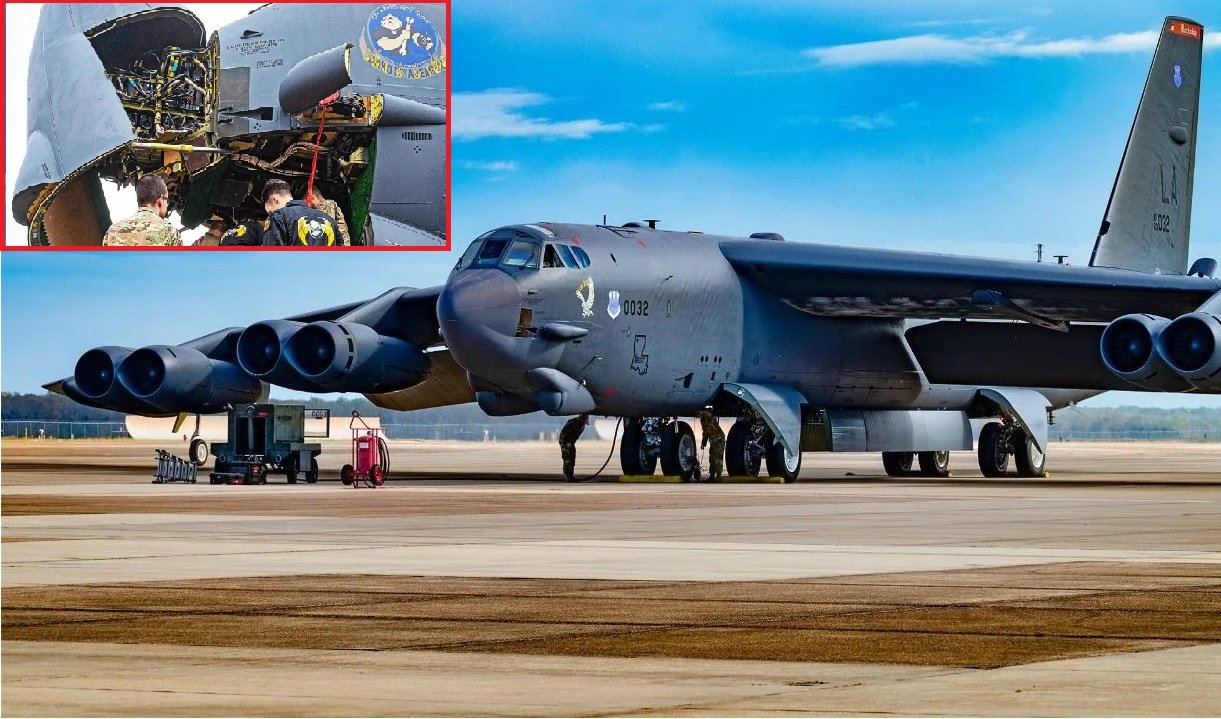
U.S
WASHINGTON — The U.S. Air Force has awarded Raytheon a $603 million ceiling indefinite-delivery/indefinite-quantity contract for the production and sustainment of new radar systems for the B-52 Stratofortress fleet. The August 21, 2026, sole-source contract covers the AN/APQ-188 Active Electronically Scanned Array (AESA) radar, which will replace the B-52H’s legacy AN/APQ-166 mechanical analog radar. The Air Force has obligated $46,008,396 in fiscal 2026 aircraft procurement funds through the initial delivery order. The Air Force Life Cycle Management Center at Wright-Patterson Air Force Base, Ohio, is the contracting activity under contract FA8628-26-D-B001. Work will be performed in Forrest, Mississippi; El Segundo, California; McKinney, Texas; and Warner Robins, Georgia, with completion expected by August 20, 2031. New Radar Capabilities The AN/APQ-188, also known as the Bomber Modernized Radar System, was developed by Raytheon and is derived primarily from the AN/APG-79 AESA radar used on the Navy’s F/A-18E/F Super Hornet and EA-18G Growler, with additional technology from the AN/APG-82 used on F-15 aircraft. A larger antenna was adapted for installation on the B-52. The radar provides high-resolution mapping, improved all-weather navigation, enhanced target detection and tracking, and electronic warfare support. The Air Force selected existing radar technology to limit development costs while adding modern capabilities to the bomber. Part of B-52J Modernization The radar replacement is part of the wider B-52 modernization program. The Air Force plans to install the system across its 76 B-52H bombers. Other major upgrades include the replacement of the existing engines with Rolls-Royce F130 engines. These changes will transition the aircraft to the B-52J configuration and support operations into the 2050s. The radar program has faced schedule delays and rising costs. Initial flight testing was pushed from fiscal 2024 to 2026. The first modified test aircraft arrived at Edwards Air Force Base in December 2025. On June 15, 2026, it crashed shortly after takeoff during a local test mission supporting the radar program, killing all eight crew members aboard. A second B-52H test aircraft is undergoing modification and radar installation at Boeing’s facility in San Antonio, Texas. It is expected to take over flight evaluations after the work is completed later this year. A separate delivery order was also issued to Boeing for bomb rack modernization system kits, valued at up to approximately $163 million, with work in San Antonio expected to continue through December 2028. The latest Raytheon contract provides for production and long-term sustainment of the new radar as the Air Force continues the B-52 fleet modernization program.
Read More → Posted on 2026-08-26 14:16:39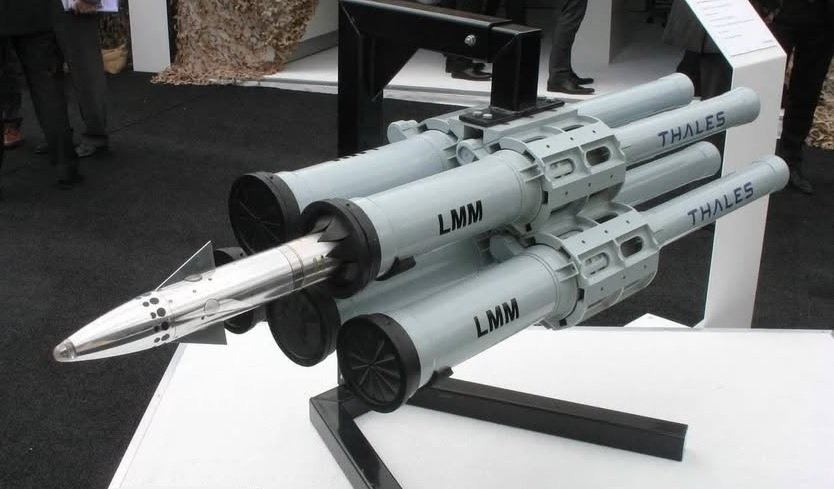
India
New Delhi/London — India and the United Kingdom are in the final stages of signing an Inter-Governmental Agreement (IGA) for the procurement of British Lightweight Multirole Missiles (LMMs), also known as Martlet, for the Indian Army’s tactical units. The planned agreement is valued at £350 million ($468 million) and was announced during UK Prime Minister Keir Starmer’s visit to India in October 2025. An initial emergency procurement is already underway, while the formal IGA will expand the purchase into a larger order running into the hundreds of missiles. British officials have indicated that the numbers have increased significantly. The LMMs are manufactured by Thales at its facility in Belfast, Northern Ireland. Once signed, the Indian order is expected to become the company’s second-largest global LMM order, after the larger Ukrainian order for more than 5,000 missiles under a £1.6 billion arrangement announced in 2025. The Indian deal is also expected to support jobs at the Belfast facility. The missile weighs approximately 13 kilograms, measures 1.3 metres in length and has a 76 mm diameter. It uses laser beam-riding guidance, reaches about Mach 1.5 and has a range of more than 6 kilometres. The LMM can be launched from the shoulder, tripod and vehicle-mounted platforms, and can also be used from helicopters and naval vessels. It is designed to engage low-flying aerial threats, including drones and unmanned aerial systems, as well as light armoured, wheeled and tracked targets. The missile has been in service with the British military since 2019 and has also been used by Ukrainian forces. The procurement forms part of wider India-UK efforts to strengthen defence cooperation and establish reliable defence supply chains. After the missile agreement is concluded, the two countries plan to discuss the co-design and co-creation of future complex weapon systems. The cooperation also includes a maritime electric propulsion partnership for future Indian Navy warships. An Implementing Arrangement for electric-powered naval engines, with an initial value of £250 million, was signed in October 2025.
Read More → Posted on 2026-08-26 14:05:21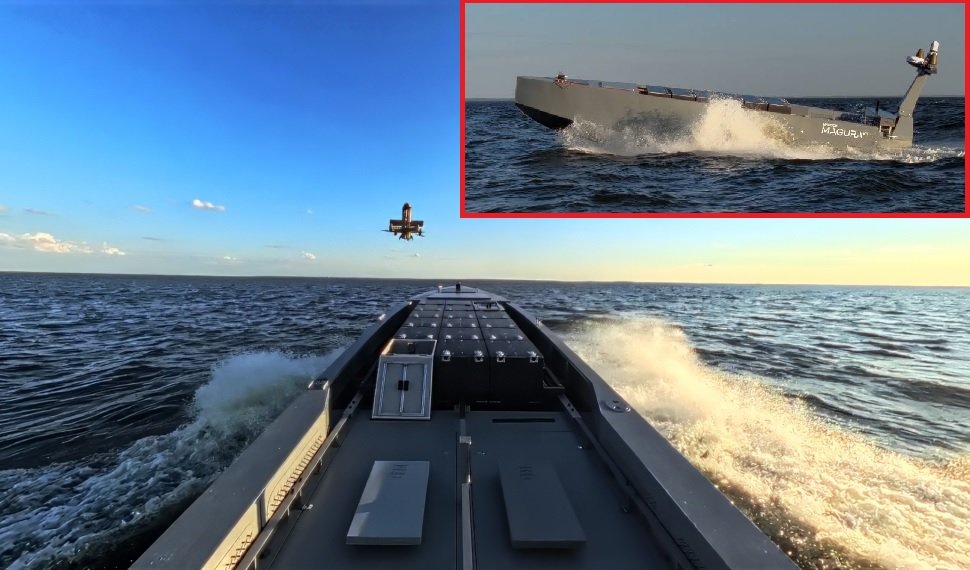
World
KYIV, Ukraine — Ukraine has publicly presented the Magura MV11, the largest unmanned surface vessel (USV) in the Magura family, during the country’s Independence Day unmanned systems parade on August 24. Developed by UFORCE, the MV11 is designed as an ocean-going carrier and support platform capable of transporting, launching and supporting other unmanned systems far from shore. The MV11 represents a different role from earlier Magura vessels, which have primarily been used for strike and reconnaissance missions. UFORCE says the new platform is designed to operate in open-ocean conditions and can remain at sea for up to seven days. It has a payload capacity of up to 2,200 kilograms (4,850 pounds) and a stated overall length of up to 12 meters and width of 3.5 meters. UFORCE also lists more than 2,000 nautical miles of operating distance and about 10 cubic meters of available payload space. MV11 Displayed With Sting Interceptors The MV11 was shown carrying 18 Sting interceptor drones in individual box-style launchers. The configuration turns the USV into a mobile counter-drone platform that can carry aerial interceptors away from shore. The Sting, developed by Ukraine’s Wild Hornets, is an electrically powered quadcopter equipped with a small explosive warhead. It weighs about nine pounds and makes extensive use of 3D-printed components. Reported production cost is around $2,100 per interceptor. Wild Hornets has stated that Sting can reach an altitude of nearly 7,000 meters (23,000 feet) and a maximum range of about 37 kilometers (23 miles), although actual flight time and range depend on factors including battery capacity, weather, payload and operator flight style. The interceptor is manually operated through a wireless link. Wild Hornets has previously said that Sting can be controlled from distances of up to 2,000 kilometers using a laptop-based interface. The precise method used to operate the interceptors from the MV11 has not been publicly detailed. Sting has been used against Russian one-way attack drones, including variants and derivatives of the Iranian-designed Shahed-136. If an interceptor does not engage its target, the Sting can be recovered for reuse, according to reporting on the system. Sensors and Communications Images of the MV11 show a rear mast carrying a camera turret, navigation radar and two horn-shaped antennas. A fixed forward-facing camera is also visible at the bow. The vessel's main deck includes rectangular satellite communications terminals. These systems are part of the communications architecture needed to operate the vessel and its carried unmanned systems over long distances. UFORCE says the MV11 is a modular platform that can be configured for different missions. Its stated roles include reconnaissance, surveillance, amphibious-operation support, and resupply of fuel and equipment to other unmanned surface vessels. The company says the platform is designed to operate around the clock and in varied weather conditions. UFORCE has also described an air-defense configuration using several dozen aerial interceptors, a gyro-stabilized 12.7 mm turret, and sensors for radar surveillance and target tracking. This is a configuration described by the company rather than the specific configuration displayed during the Independence Day parade. Part of the Expanding Magura Family The MV11 is the latest addition to the Magura family, which UFORCE says has been produced since 2023. The company says the family has been used in hundreds of missions in the Black Sea and has contributed to the destruction of at least 12 Russian ships. Some Magura variants have also been configured with air-to-air missiles. UFORCE says the MV11 was developed by its design and research-and-development bureau in Portugal, with international investment. The company is headquartered in London and has Ukrainian origins. The company has also been expanding production cooperation outside Ukraine. In July 2026, UFORCE and U.S. manufacturer RECONCRAFT signed a memorandum of understanding covering production of Magura unmanned surface vessels in the United States. The agreement combines UFORCE's autonomous-vessel technology with RECONCRAFT's U.S. manufacturing capabilities. A Carrier Rather Than a Conventional Strike USV The main difference between the MV11 and earlier Magura vessels is its role as a carrier and support platform. Instead of carrying only its own weapons or sensors, the vessel is designed to transport other unmanned systems and deploy them at sea. This allows the MV11 to serve as a mobile maritime base for aerial and surface drones. Its large payload capacity also provides space for mission equipment, fuel and other supplies. The public unveiling does not establish the MV11's production quantity, unit cost or the complete set of sensors that will be installed on operational vessels. UFORCE has presented the platform as a modular system that can be adapted for different missions as development and integration continue. Source : TWZ
Read More → Posted on 2026-08-26 13:58:04
U.S
Mérignac, France, — Photonis Defense, the U.S. subsidiary of Exosens, has received its first delivery order from the U.S. Army for 1,600 complete Binocular Night Observation Device (BiNOD) systems. The order begins the Low-Rate Initial Production (LRIP) phase of the Army’s BiNOD program after the completion of key testing and qualification work. The first systems are expected to be delivered by the end of 2026, with most of the 1,600 systems scheduled for delivery throughout 2027. The order is part of a broader Indefinite-Delivery/Indefinite-Quantity (IDIQ) contract awarded to Photonis Defense in March 2026. The contract has a maximum value of $352.6 million and covers BiNOD development, production and testing through an estimated completion date of February 27, 2033. The financial terms of the 1,600-system order were not disclosed. Photonis Defense will manufacture and test the complete systems at its U.S. facilities, integrating high-performance image intensifier tubes supplied by Exosens. The company’s U.S. capabilities include development, production and testing facilities, including its site in Sturbridge, Massachusetts. The BiNOD, previously known as Night Vision Device–Next, is a helmet-mounted night-vision system designed to amplify available light and improve soldiers’ visibility during low-light and nighttime operations. The systems are intended to provide lightweight night-vision capability while meeting U.S. Army requirements for performance, quality and delivery schedules. The wider BiNOD program includes three contractors selected through a competition that began with six bidders. L3Harris received an IDIQ contract valued at approximately $466 million, while Elbit Systems of America – Night Vision received one valued at approximately $450.6 million. All three contracts cover development, production and testing through 2033. Exosens CEO Jérôme Cerisier said the LRIP phase marks a key milestone in the company’s U.S. expansion and supports its strategy of combining night-vision technology with U.S.-based industrial capabilities. Photonis Defense CEO Shanna Owens said the company remains focused on delivering advanced night-vision systems and supporting the modernization of U.S. Army soldier equipment. The new order establishes the basis for regular BiNOD production at Photonis Defense’s U.S. factory, with deliveries beginning in 2026 and continuing through 2027.
Read More → Posted on 2026-08-26 13:49:55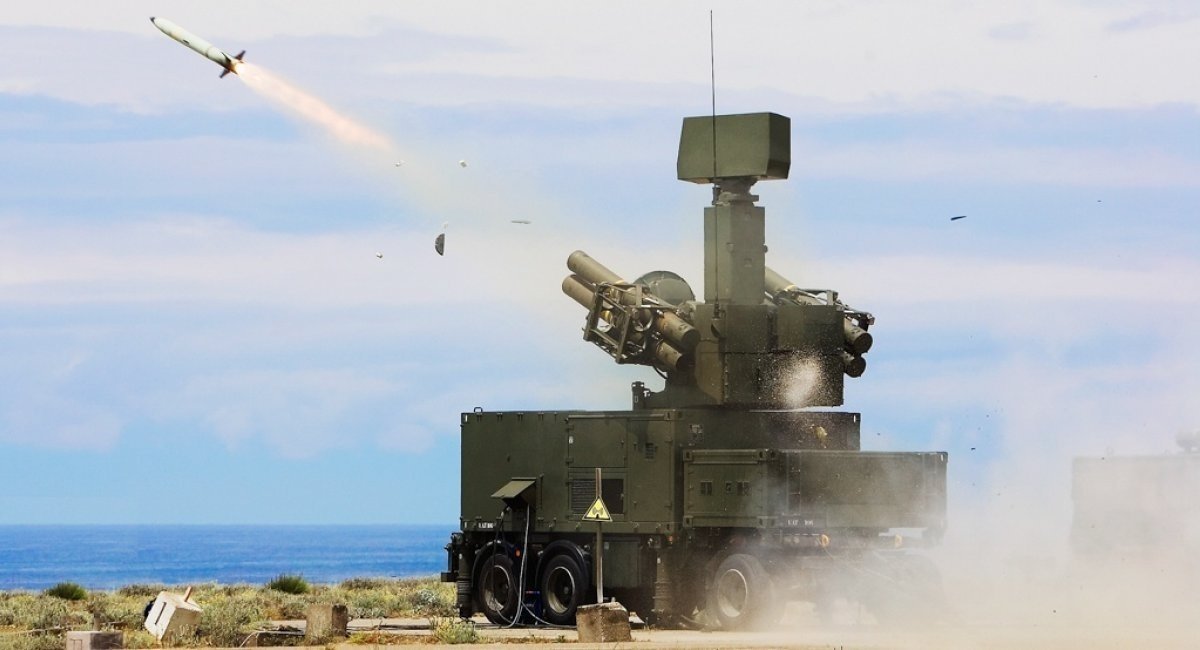
World
KYIV — Ukraine has received a new batch of AIM missiles and several additional Patriot interceptor missiles, Ukrainian President Volodymyr Zelenskyy said during a joint press conference with Estonian President Alar Karis in Kyiv. Zelenskyy said Ukraine also received confirmation from an unnamed partner for the transfer of several French-made Crotale air defense systems and missiles. He did not identify the supplying countries or provide exact quantities. Ukraine uses AIM-9 Sidewinder and AIM-120 AMRAAM missiles with F-16 fighter jets and ground-based NASAMS air defense systems against cruise missiles, drones and aircraft. Patriot systems in Ukrainian service use PAC-2 missiles against aerodynamic targets and PAC-3 interceptors for direct kinetic interception of ballistic missiles. Crotale is a short-range surface-to-air system designed to engage low- and very-low-altitude targets. Its engagement range is generally reported at 10–16 kilometers, with an operating altitude of about 15 meters to 6 kilometers. Ukraine has previously received Crotale systems from France. New European Defense Agreements Zelenskyy also announced broader defense and financial agreements with European partners. Norway has confirmed approximately $9 billion, or 85 billion Norwegian kroner, in support for Ukraine in 2027 through its Nansen Support Programme. Norway and Ukraine also agreed on strategic cooperation in drones and other defense technologies. The two countries are also cooperating on FREYJA, a Ukrainian-led European anti-ballistic missile project. Norway is expected to help finance the rapid establishment of the project's development office. Sweden is providing financial support for Ukrainian drone production, while Ukraine and Latvia have agreed on joint drone manufacturing. Zelenskyy said approximately 90% of drones produced under the cooperation will be allocated to Ukraine. Ukraine and Norway have also formalized a strategic partnership focused on drone technologies. Regional and Sectoral Support Belgium and Denmark are directing recovery assistance toward Ukrainian regions, with Denmark focusing on Mykolaiv. Estonia is supporting Zhytomyr, while Germany has approved a separate support package for Ukraine's energy sector. Germany and Belgium will also contribute to programs supporting war veterans. Zelenskyy thanked Estonia for maintaining military support at 0.25% of its GDP and committing to continue that level the following year, in addition to separate funding for drone programs. Defense support from Lithuania and Finland was also confirmed in recent days. Ukraine's air defense requirements remain a major focus of cooperation with its partners. Zelenskyy has previously said Kyiv needs a larger share of Patriot interceptor production to protect its airspace and critical infrastructure, particularly ahead of the winter period. The latest deliveries and agreements combine immediate air defense assistance with longer-term cooperation in missile defense, drone production, energy security and defense financing.
Read More → Posted on 2026-08-26 13:41:33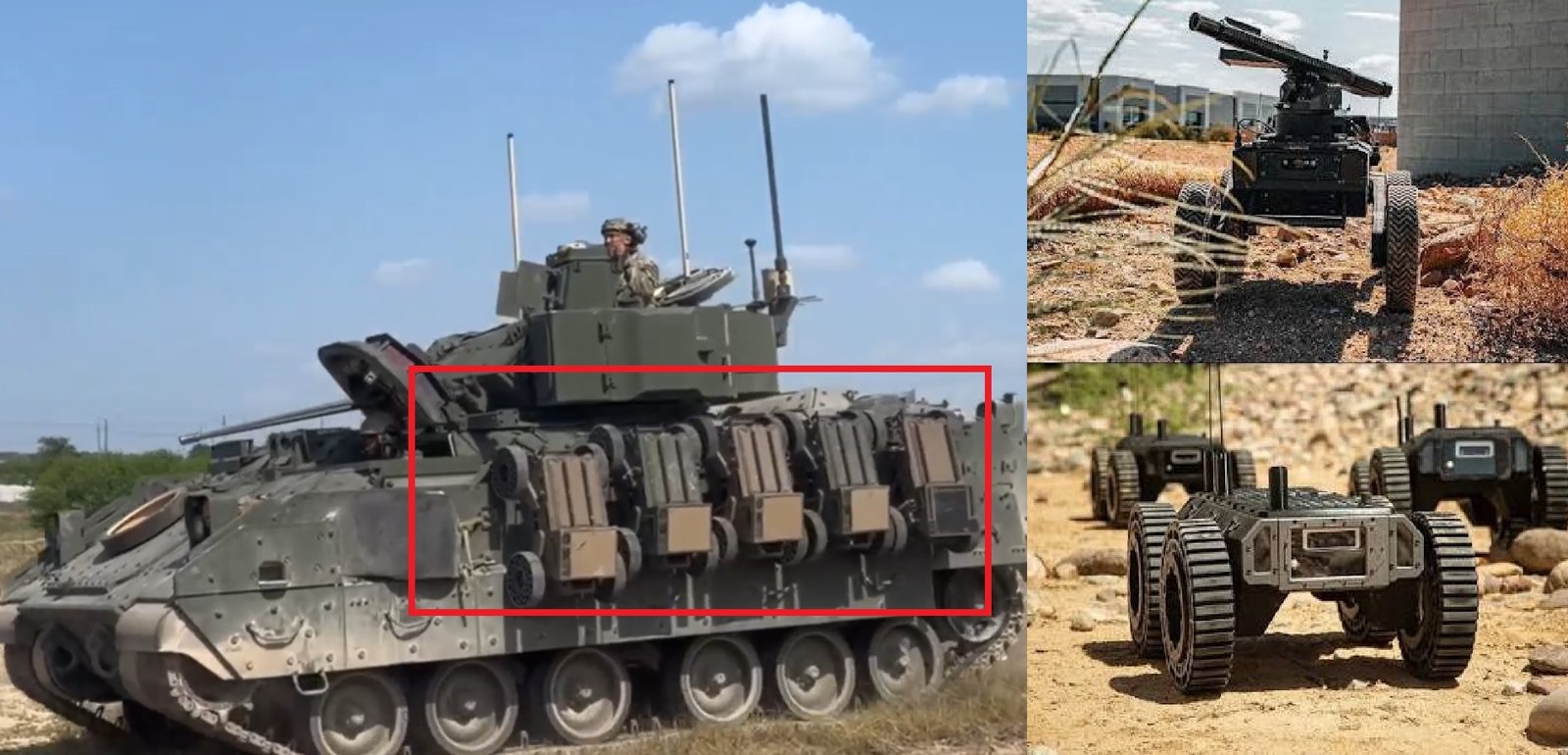
U.S
Fort Hood, Texas — A U.S. Army 1st Cavalry Division M2A4 Bradley Infantry Fighting Vehicle has been seen carrying five FireAnt unmanned ground vehicles (UGVs) developed by Arizona-based Swarmbotics AI during the division’s Pegasus Charge activities. A video shared by Swarmbotics AI on LinkedIn shows the five robots mounted on the Bradley’s side storage racks. The company said the systems were involved in “ground swarms making movement to contact” during Pegasus Charge 3 with the 1st Cavalry Division. 🇺🇸 A 1st Cavalry Division M2A4 Bradley has been seen carrying five FireAnt UGVs during Pegasus Charge 3 at Fort Hood, Texas.The 27-kg attritable robots support swarm operations and can be configured for ISR, EW, counter-drone and anti-armor missions. pic.twitter.com/DaLsCcDSmN — The Defense News (@TheDefenseNews) August 26, 2026 FireAnt is part of Swarmbotics AI’s ANTS (Attritable Networked Tactical Swarm) family. The company describes it as a man-portable, attritable UGV weighing about 27 kg, designed for AI-enabled swarm operations. Its modular payload architecture supports missions including intelligence, surveillance and reconnaissance (ISR), electronic warfare (EW), communications relay, counter-unmanned aircraft systems and anti-armor operations. Swarmbotics AI says FireAnt can use different payloads, including configurations for anti-armor effects, while its swarm system allows multiple robots to coordinate through a decentralized mesh network. The company has described control of groups of six to eight FireAnts by a single operator, with the robots sharing information and coordinating tasks. The FireAnt has already been evaluated by the U.S. Army. Soldiers from the 1st Cavalry Division assessed autonomous ground systems during xTechOverwatch in October 2025. In February 2026, the Army selected Swarmbotics AI to continue development of swarming, attritable small UGVs with the 1st Cavalry Division as part of its Transforming in Contact effort. FireAnt was also tested during Project Golden Shield at Fort Hood, Texas, in April 2026. The 1st Cavalry Division used the exercise to evaluate counter-drone technologies, with a FireAnt V4 autonomous ground vehicle among the systems tested. Pegasus Charge is the 1st Cavalry Division’s approach to the Army’s Transforming in Contact initiative. It focuses not only on new equipment but also on changes to how the division organizes, trains and operates, including the integration of emerging unmanned and autonomous systems. The FireAnt remains under development and testing. Its appearance on a Bradley during Pegasus Charge 3 shows the Army is continuing to examine how small autonomous ground robots can be transported and employed directly with armored formations.
Read More → Posted on 2026-08-26 13:03:49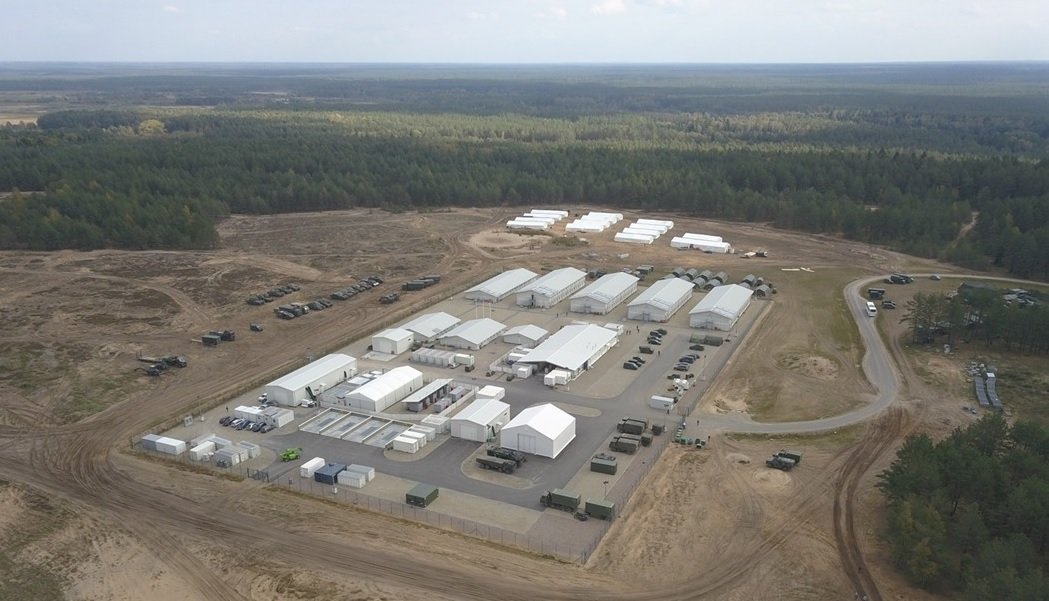
Rheinmetall Wins €250 Million Contract to Build Military Camp for 2,000 German Soldiers in Lithuania
Europe
Vilnius, Lithuania — Rheinmetall has received an initial order from the Federal Office of Bundeswehr Infrastructure, Environmental Protection and Services (BAIUDBw) to build a modular military camp in Lithuania for up to 2,000 German soldiers. The €250 million construction contract is the first call-off under the German Armed Forces Contractor Augmentation Program II – Static Accommodation (G-CAP II SU). Rheinmetall will serve as the main contractor, with the camp scheduled to become operational from mid-August 2027. The order was booked in the third quarter of 2026. The camp will be located at the Rūdninkai training area, where Lithuania is developing military infrastructure for the German brigade. Lithuania’s Ministry of National Defence says the Rūdninkai military campus is being developed as the primary service location for the future German Brigade. After the facility enters service, Rheinmetall will also provide facility management and catering. The facility management services include laundry. The subsequent operation is valued at €40 million annually. Modular Infrastructure Under G-CAP II SU The G-CAP II SU programme was initiated by BAIUDbW to provide static accommodation for German soldiers during deployments and standby commitments connected with international crisis management, as well as national and collective defence. The programme uses pre-planned modular infrastructure designed for deployment in different climatic, geographical and geological conditions. The framework covers the complete infrastructure lifecycle, including manufacturing, transportation, construction, operation and eventual dismantling. Rheinmetall said the standardised process allows the Bundeswehr to obtain the required infrastructure from a single contractor, which can shorten the overall deployment process. The company is responsible for planning, manufacturing and delivering the camps by sea, land or air, depending on requirements. It can also handle construction, multi-year autonomous operation and eventual dismantling. The programme is intended to allow private-sector companies to provide accommodation infrastructure during military deployments. According to Rheinmetall, this allows the Bundeswehr to conserve its own resources and keep them available for high-threat situations. Part of Germany’s Military Presence in Lithuania The new camp is being developed alongside Lithuania’s broader infrastructure programme for the permanent stationing of German forces. Lithuania is developing the Rūdninkai military campus over an area of around 190 hectares. The project includes residential, administrative, technical and other military infrastructure and is intended to support the future German Brigade. Lithuania says the site is planned to accommodate German and Lithuanian armed forces, while critical infrastructure is scheduled for completion in 2027. The German Brigade in Lithuania is planned to reach full operational capability by the end of 2027. The Rheinmetall camp, with accommodation for up to 2,000 soldiers, will provide additional infrastructure for German forces stationed in the country. Rheinmetall’s order represents the first call-off under the G-CAP II SU framework and adds a private-sector infrastructure component to Germany’s effort to establish and support a permanent military presence in Lithuania.
Read More → Posted on 2026-08-26 12:36:17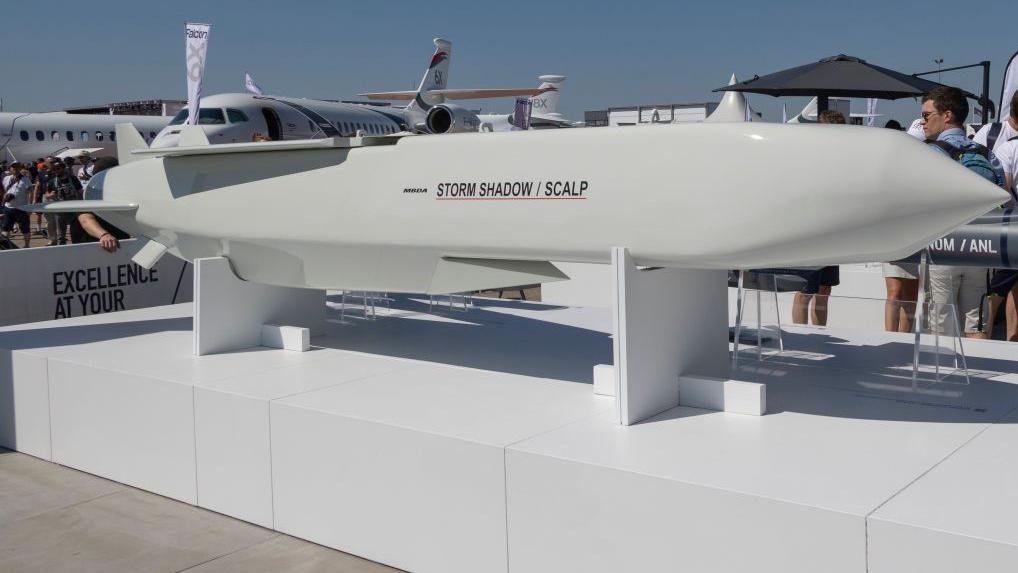
Europe
Kyiv, Ukraine — The United Kingdom has authorised defence company MBDA to release classified information on British components of the Storm Shadow cruise missile, clearing a key step toward licensed assembly of the weapon in Ukraine. Prime Minister Andy Burnham announced the decision during his visit to Kyiv on August 24, his first international trip since taking office. The visit coincided with Ukraine’s 35th Independence Day. Path to Local Assembly The UK will allow MBDA to share protected information on British-made components of the SCALP-EG, the French designation for Storm Shadow. The missile uses technology developed jointly by Britain and France, making the release of British technical information necessary for the planned French-Ukrainian assembly effort. Initial production is expected to focus on final assembly in Ukraine, rather than complete domestic manufacturing. Key components will continue to be supplied by Britain and France. The project follows a French-Ukrainian letter of intent signed in February 2026 and earlier proposals by French President Emmanuel Macron to transfer missile-production technology to Ukraine. Ukrainian officials had also discussed plans for local production earlier in 2026. Ukrainian President Volodymyr Zelenskyy later confirmed that Britain and France had agreed to the production arrangements. Storm Shadow/SCALP-EG The MBDA-produced Storm Shadow/SCALP-EG is an air-launched long-range cruise missile designed for strikes against high-value fixed and hardened targets. The missile weighs about 1,300 kg, is 5.1 metres long and carries a 450 kg BROACH penetrating warhead. It flies at around Mach 0.95. Publicly reported specifications give a range exceeding 550 km, although MBDA's public material describes the missile's range as exceeding 250 km, reflecting differences in publicly disclosed versions and configurations. Its navigation system combines inertial navigation, satellite data and terrain-profile matching. An imaging infrared seeker is used during the final stage to identify the target. Storm Shadow was developed in the 1990s and entered service in 2003. Production restarted in 2025 with a modified version after a long production pause. Ukraine's Use of the Missile Ukraine has operated Storm Shadow and SCALP-EG missiles since spring 2023, following deliveries from Britain, France and Italy. The weapons were initially used against Russian forces in occupied Ukrainian territory and have subsequently been used against targets inside Russia. Local assembly would give Ukraine an additional domestic source of the long-range cruise missile while reducing reliance on deliveries of fully assembled weapons. Ukrainian industry does not currently produce a system with comparable range and precision. The UK decision also complements Project Brakestop, a separate British programme focused on developing lower-cost, advanced long-range strike weapons for Ukraine. During Burnham’s Kyiv visit, Britain and Ukraine also agreed on a broader defence and artificial-intelligence partnership that gives the UK access to Ukraine’s Avengers AI Labs. The release of the classified information clears the way for the planned assembly programme, while the timing and production volume will depend on establishing the required manufacturing infrastructure and supply arrangements.
Read More → Posted on 2026-08-26 12:24:57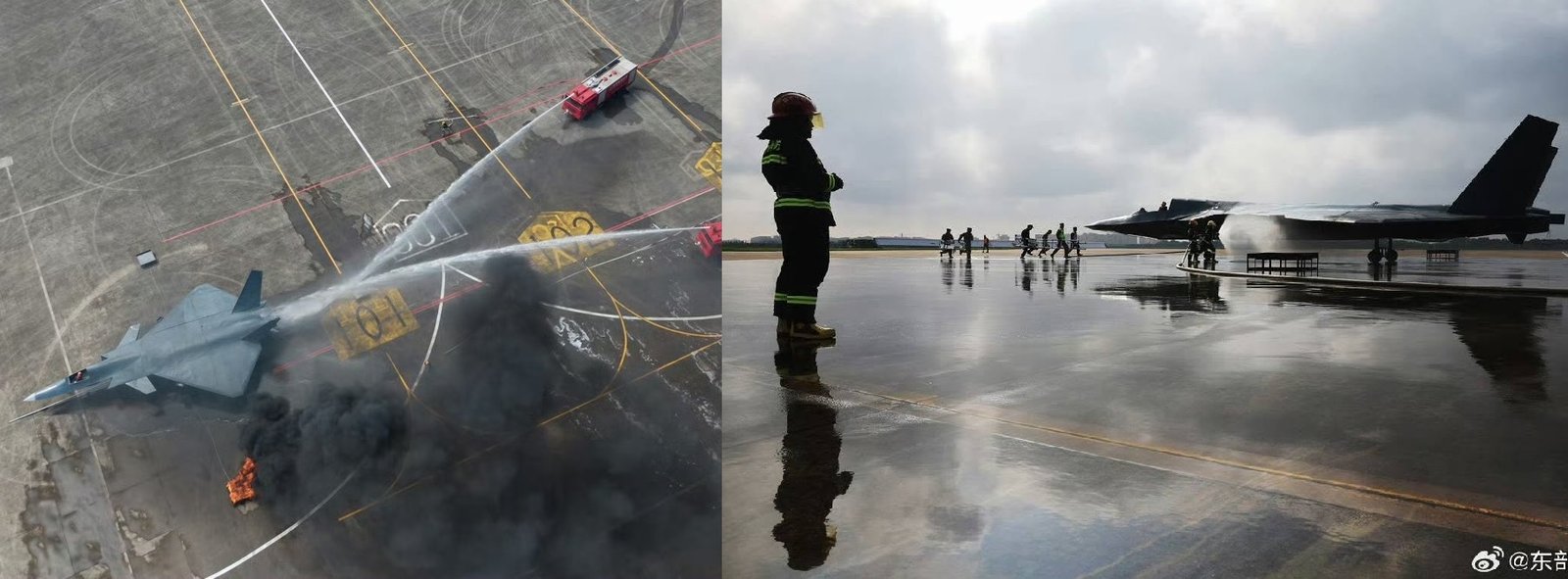
World
Jining, Shandong Province, China — A fighter-shaped object previously spotted in satellite imagery at the former Jining Qufu Airport in China has been identified as a full-scale mock-up used for firefighting and emergency-response training, ending speculation that it could be a prototype of a new Chinese stealth fighter. On August 25, 2026, Chinese aerospace analyst Andreas Rupprecht confirmed the assessment in a post on X, after sharing clearer images of the object being used in a live training exercise. The photos, credited to China’s Eastern Theater Command and posted on Weibo, show military firefighters in protective gear spraying water onto the fuselage while smoke and flames rise from the base. You surely remember these strange J-20-look alike models - some claimed them to be a new single engined stealth fighter - at Jining Qufu AP, which I already back then rated as fire-fighting trainer mock-ups. Here finally two clearer images!(Via @水獭一般编-阿怡) pic.twitter.com/N3vIQyev8l — @Rupprecht_A (@RupprechtDeino) August 25, 2026 Object First Spotted in 2025 The object attracted wider attention in April 2025 after satellite imagery showed a stealth fighter-like shape parked on the apron in front of the passenger terminal at Jining Qufu Airport in Shandong Province. Historical Planet Labs imagery indicated that it had been there since at least September 2024. Jining Qufu Airport officially closed in December 2023 and had previously been collocated with a People’s Liberation Army Air Force base. Its location contributed to speculation that the object could be connected to a classified aircraft program. Similarities to Chinese Stealth Fighters The mock-up has a modified diamond-delta wing planform, canards and twin vertical tails, giving it a general resemblance to the Chengdu J-20. The newly released ground-level images also show a cockpit configuration that appears closer to the newer Shenyang J-35. When the satellite images first appeared, the object was also compared with the Baidi Type-B, or “White Emperor,” a fictional space-fighter concept displayed by the Aviation Industry Corporation of China at the 2024 Zhuhai Airshow. Analysts also compared it with unusual J-20-like shapes seen at Lintao Air Base in 2022. Those objects had different wing shapes and longer, narrower noses and were assessed separately as possible decoys or full-scale mock-ups. Firefighting Trainer Confirmed The latest photographs establish that the Jining object is a training aid rather than a flying aircraft. It is used to train military firefighters to respond to aircraft fires and other airfield emergencies. Such full-scale aircraft mock-ups are used to reproduce realistic aircraft dimensions and allow emergency crews to practice firefighting and rescue procedures. The Jining trainer does not have the systems required for flight, including operational engines and internal avionics. Rupprecht had already assessed the Jining objects as firefighting trainers in posts made in January and July 2026. The newly released images provide clearer visual evidence supporting that assessment. The clarification separates the Jining object from speculation surrounding China’s actual next-generation aircraft, including the tailless J-36 and J-XDS, also referred to as the J-50. It confirms that the unusual fighter-shaped object at the former airport was a ground training mock-up rather than evidence of a new single-engine stealth fighter.
Read More → Posted on 2026-08-26 11:52:04Search
Top Trending in 24 Hours
-
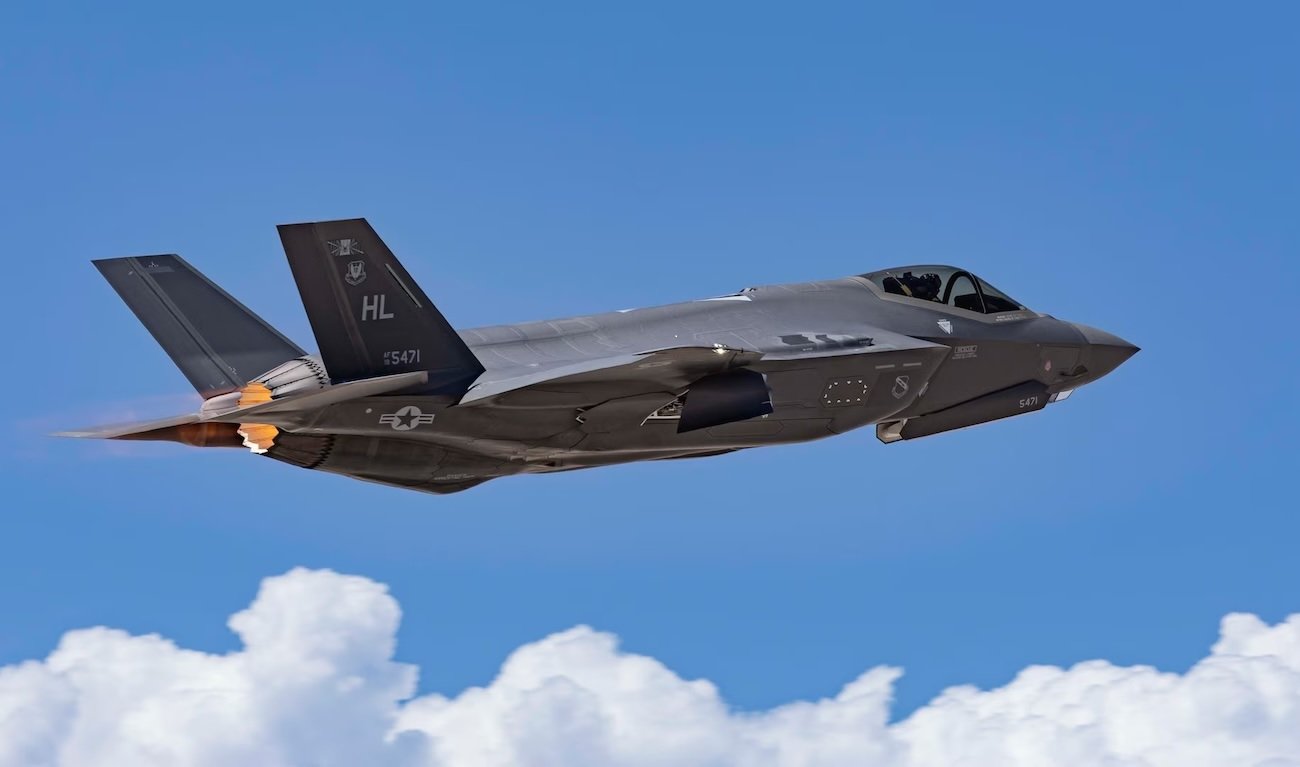 Sensitive F-35 Components Diverted to Hong Kong, Some Parts Missing
-
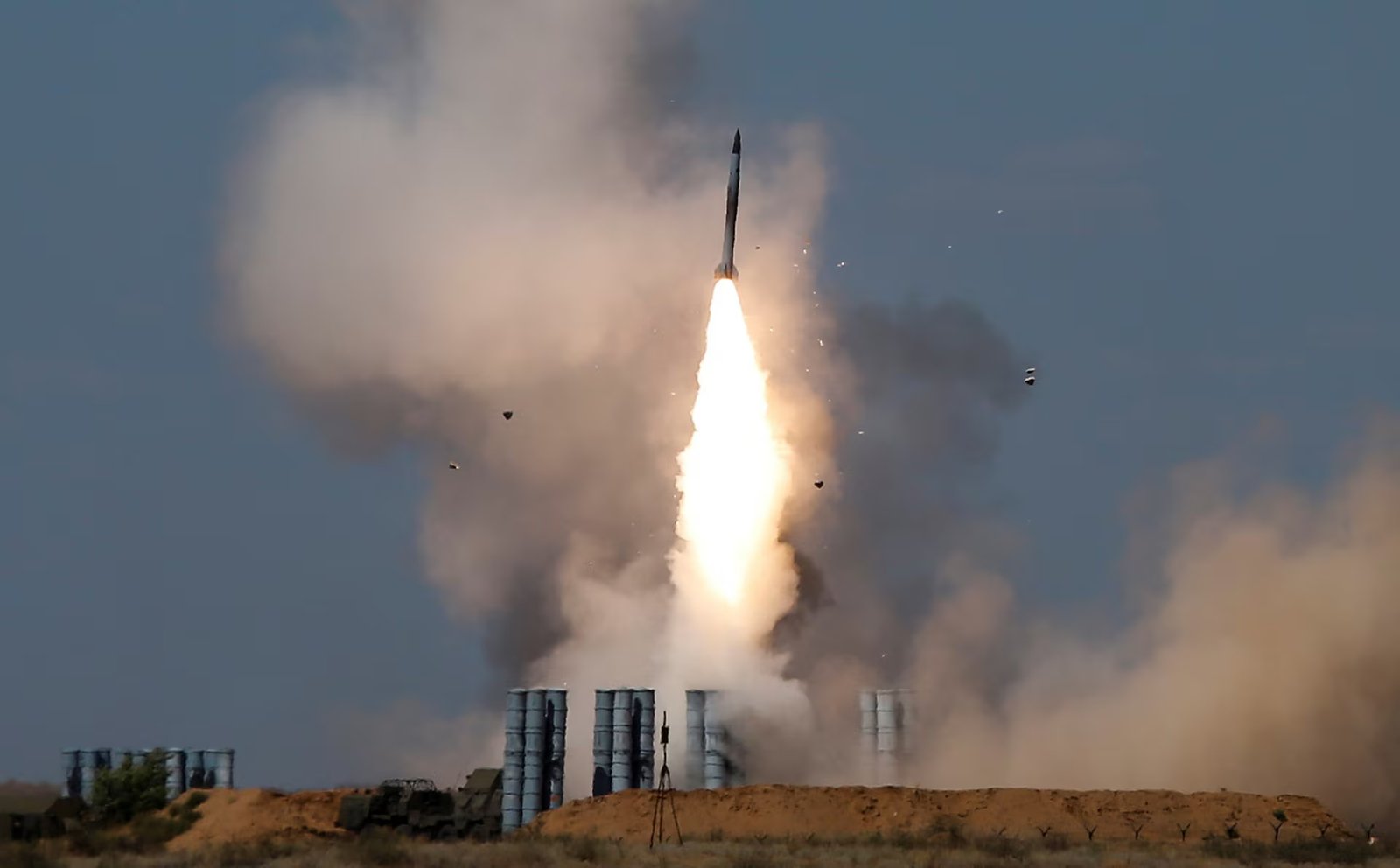 U.S. Approves Potential $2.68 Billion Air Defense Package for Ukraine Including S-300 Clone Missiles
-
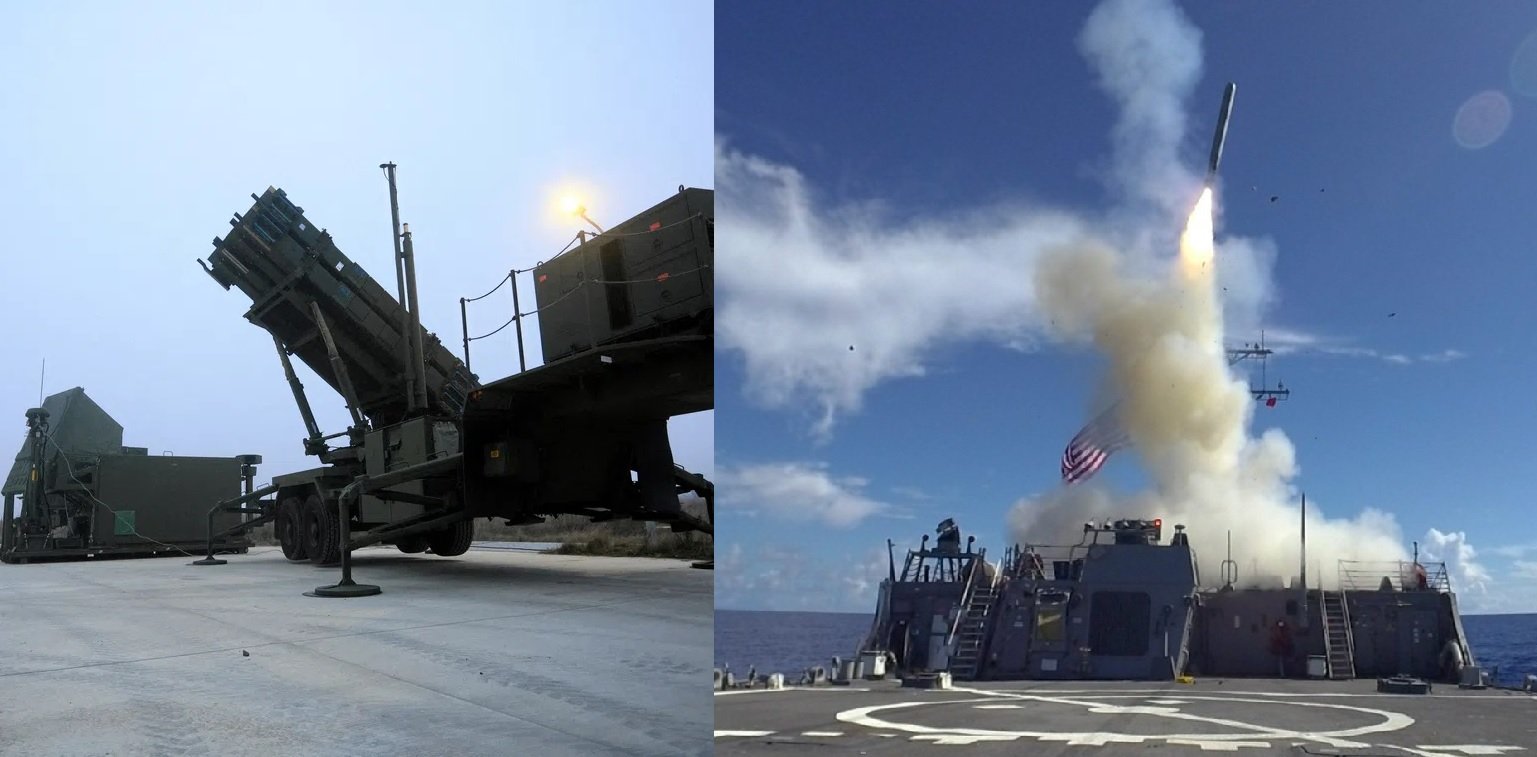 U.S. Warns Allies of Up to Five-Year Delays in Key Weapons Deliveries
-
 U.S. Secures Permanent Military Rights in Greenland in Historic Security Pact with Denmark
-
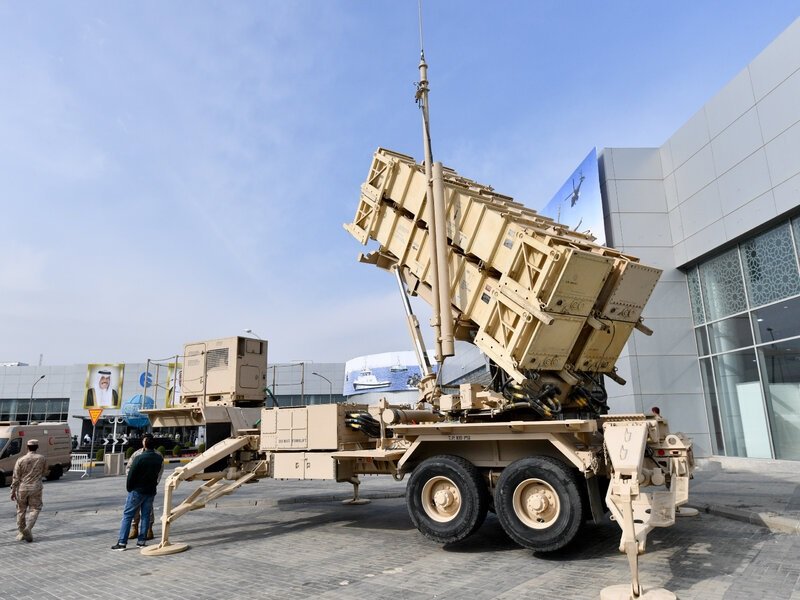 U.S. Iran War Cost Hits $43.6 Billion as Missile Interceptor Stocks Come Under Pressure
-
 Russia’s Aeroflot Orders 90 MC-21-310 Aircraft in Record Aviation Deal
-
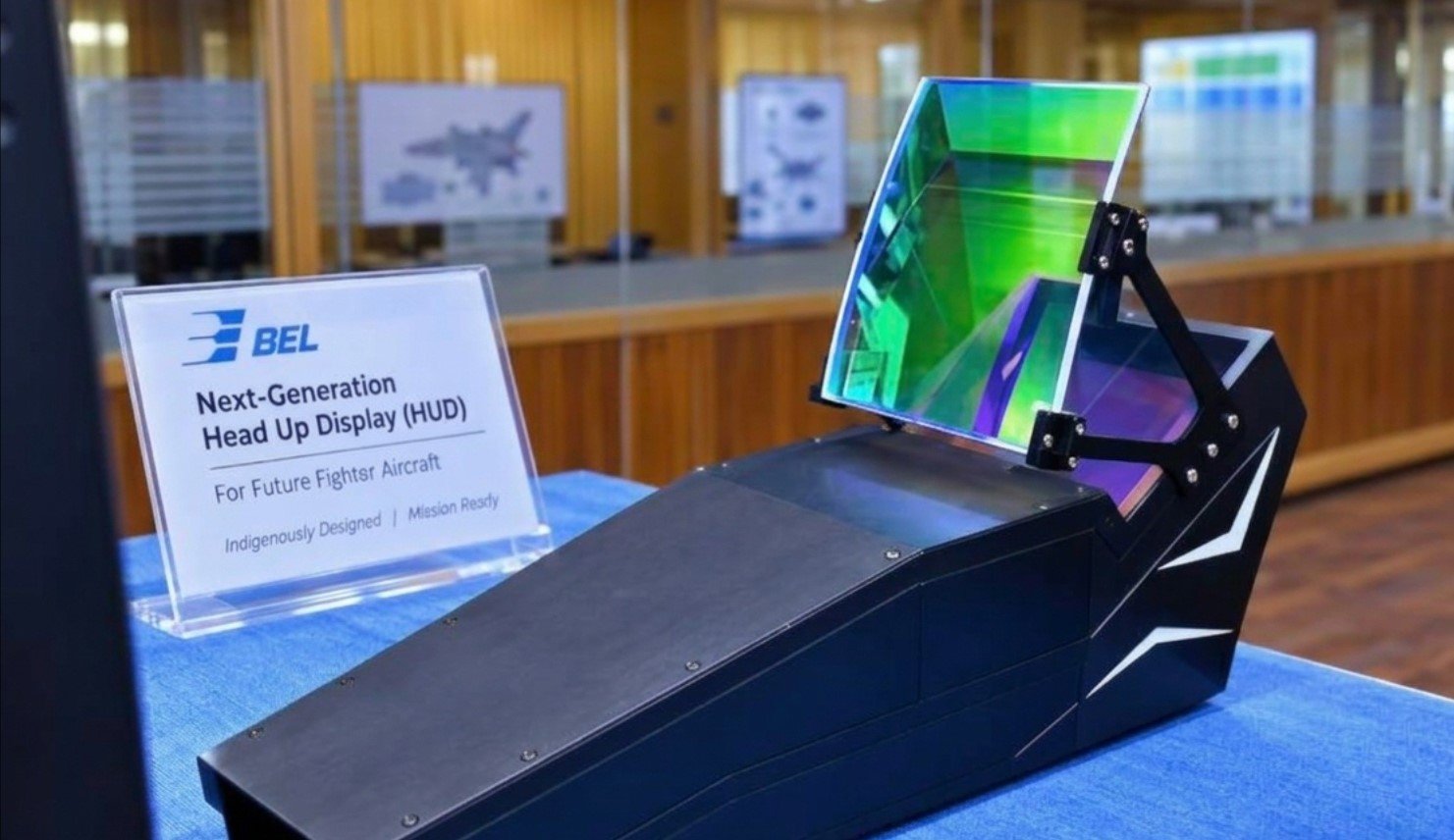 BEL Showcases New-Generation Head-Up Display, Potentially Linked to Tejas Mk2
-
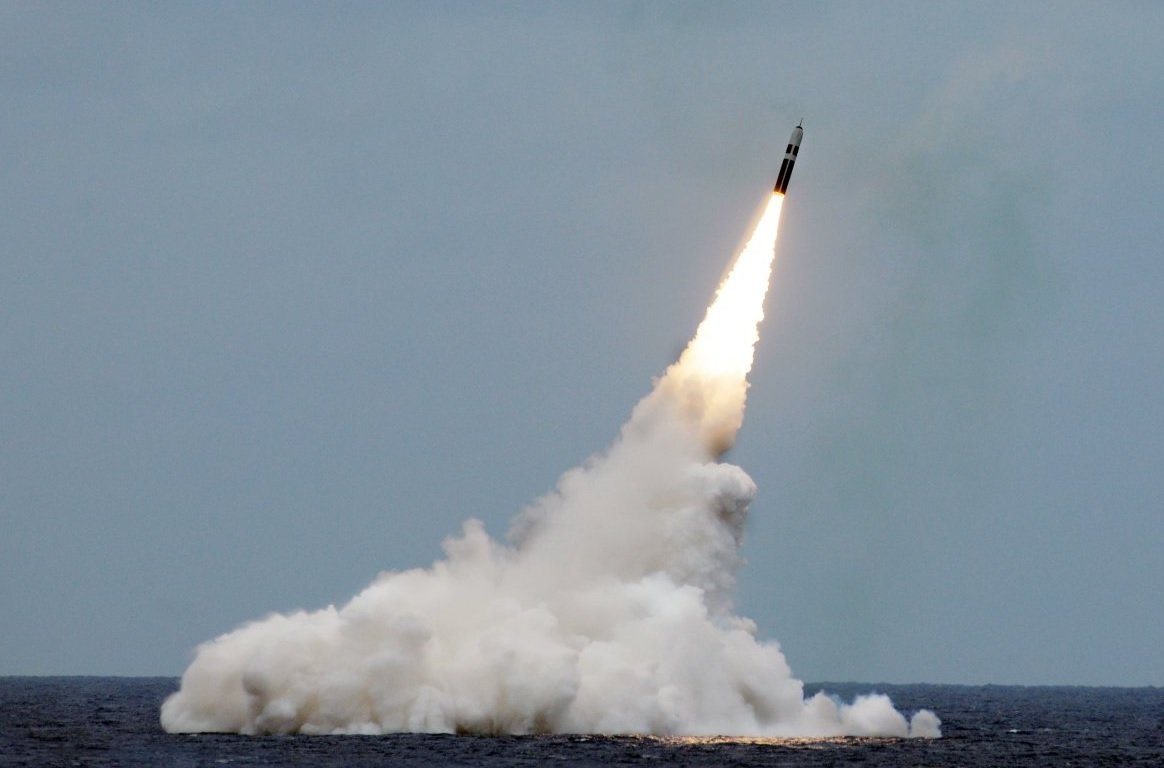 U.S. Navy Awards Lockheed Martin $76.6 Million for Continued Trident II D5LE2 Development
Top Trending in 4 Days
-
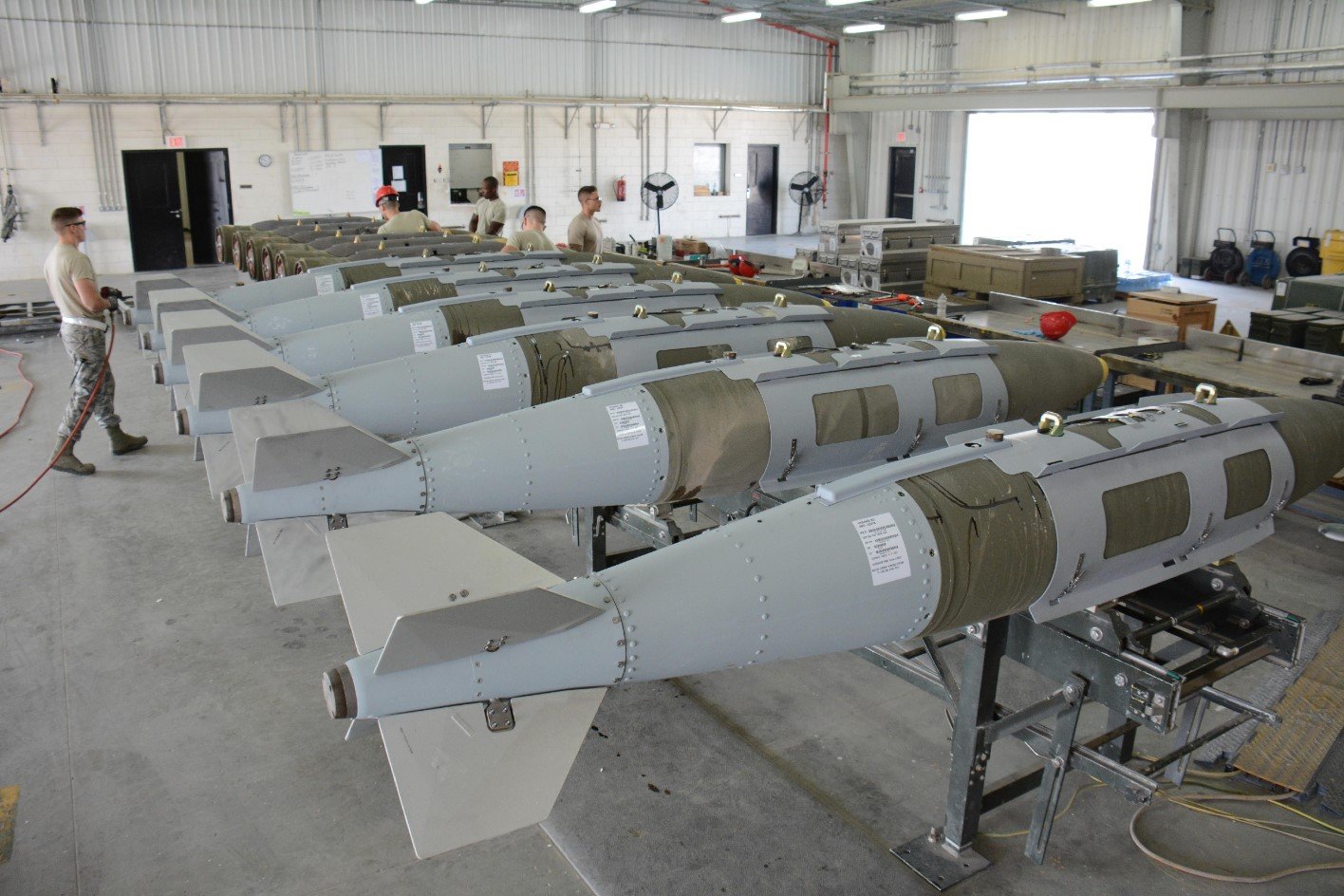 U.S. Plans $2.8 Billion Sale of 40,000 Heavy Bombs and 20,000 I-2000 Penetrator Warheads to Israel
-
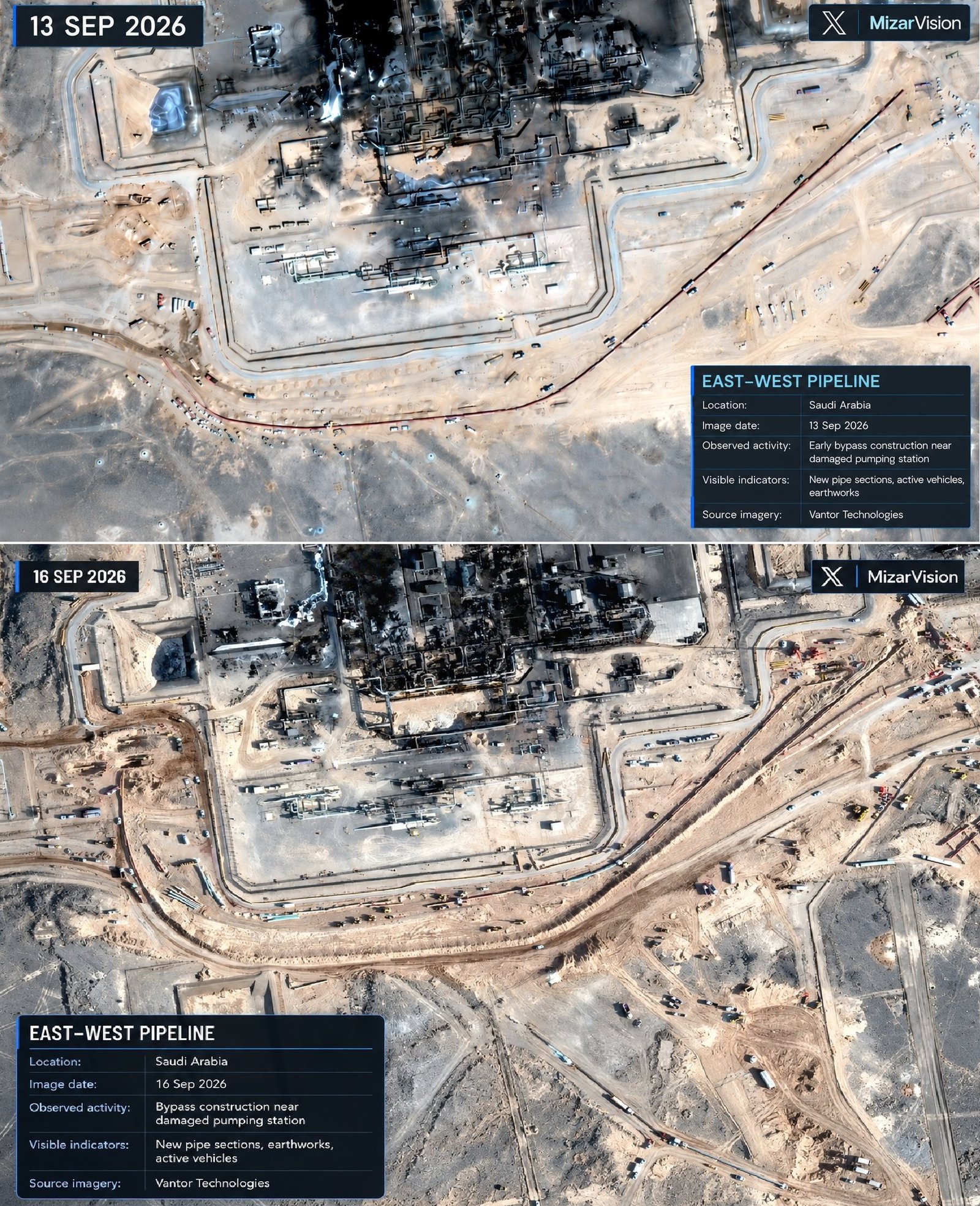 Satellite Images Show Saudi Arabia Building Emergency Bypass Around Damaged East-West Oil Pipeline Station
-
 Photos Reveal Damaged E-3 Sentry, Buildings and Vehicles at U.S. Bases in Saudi Arabia and Kuwait After Iranian Strikes
-
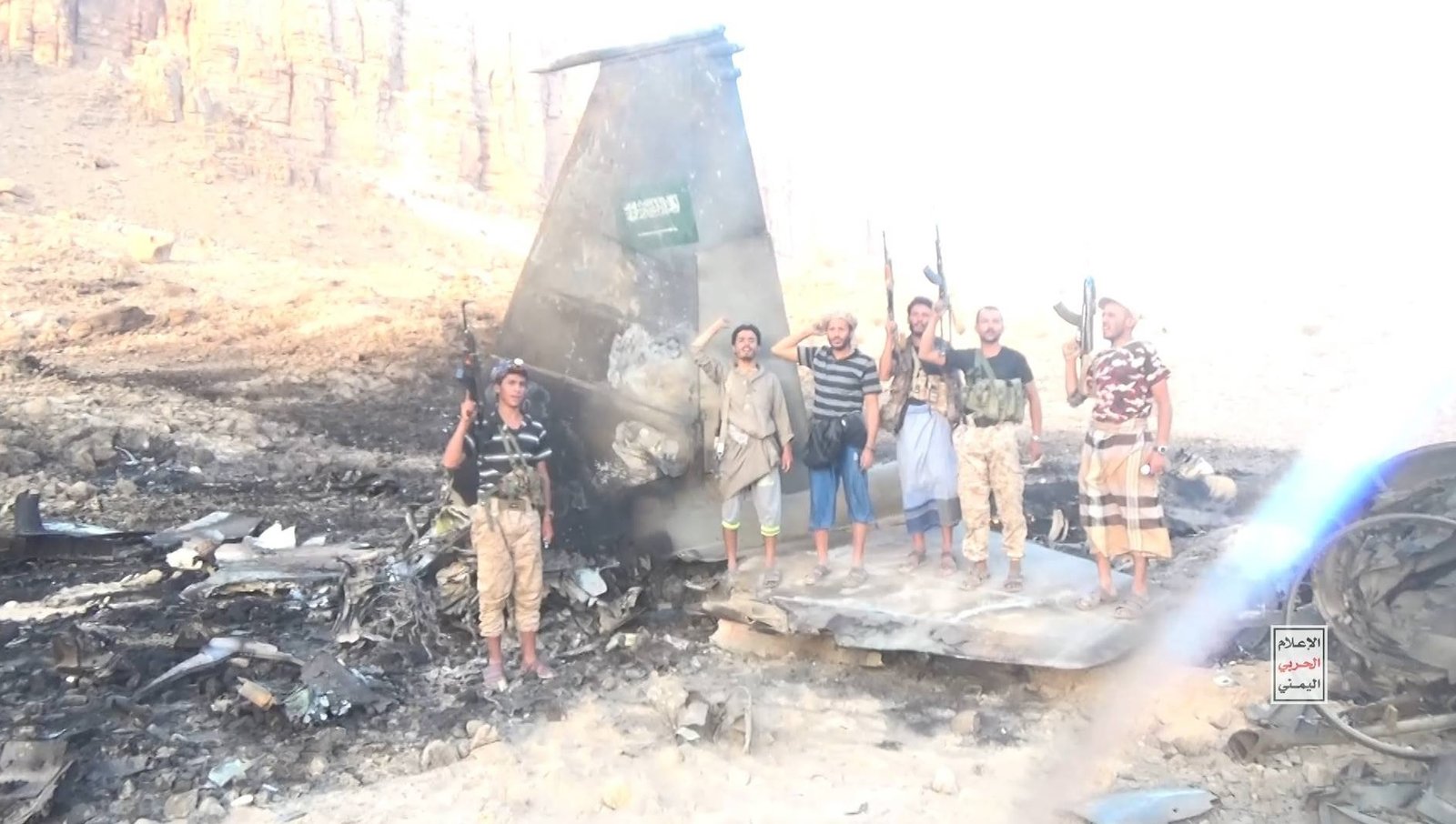 Houthis Claim Downing of Saudi F-15 and Wing Loong II Drone Over Marib
-
 Bharat Forge, Pratt & Whitney Canada to Evaluate Turboprop Engines for DRDO’s Indigenous HALE UAV
-
Sensitive F-35 Components Diverted to Hong Kong, Some Parts Missing
-
 China Privately Urges Iran to Restrain Houthis After Saudi Appeal
-
 Former Italian Navy Carrier Enters Indonesian Waters to Join Indonesian Navy as Indonesia’s First Aircraft Carrier
