KYIV : Ukraine’s General Staff has confirmed that its forces conducted a series of long-range strikes in January 2026 against key missile-related infrastructure at Russia’s Kapustin Yar test range, marking one of the deepest confirmed Ukrainian attacks on a strategic Russian military facility since the start of the war.
In a statement released on February 5, the General Staff said the operation targeted hangar-type buildings used for pre-launch preparation of Russia’s Oreshnik intermediate-range ballistic missiles (IRBMs). The strikes were carried out over multiple days throughout January and employed domestically produced FP-5 Flamingo long-range missiles.
Target and Location
Kapustin Yar, located in Russia’s Astrakhan region roughly 650 kilometers from the Ukrainian border, is one of the Russian Federation’s principal testing and evaluation sites for ballistic missiles, hypersonic systems, and air-defense interceptors. The facility has historically been used for the development and validation of several strategic and theater-level missile programs.
According to the Ukrainian military, the January strikes focused on infrastructure supporting the Oreshnik missile program, particularly buildings where missiles undergo technical checks, fueling, and final preparations before testing or operational deployment.
Damage Assessment
The General Staff reported that several hangar-type structures sustained damage of varying severity. One facility described as critical to the Oreshnik system’s deployment cycle was assessed as significantly damaged, leading to a partial evacuation of Russian personnel assigned to that section of the range. Ukrainian officials did not specify whether any missile systems were destroyed, stating only that the strikes degraded the site’s operational capacity.
Open-source intelligence (OSINT) analysts have independently examined satellite imagery and other data suggesting physical damage in the vicinity of Kapustin Yar’s 105th launch area. The imagery corresponds to activity recorded during the night of January 27–28, which analysts say is consistent with a precision strike rather than an accident or routine testing event.
Weapon System Used
Ukrainian defense officials identified the FP-5 Flamingo as the primary strike system used in the operation. The Flamingo is described as a high-precision, long-range missile developed within Ukraine to engage high-value targets well beyond frontline areas. While technical specifications have not been publicly released, Ukrainian sources say the system is intended for infrastructure-level strikes rather than area bombardment.
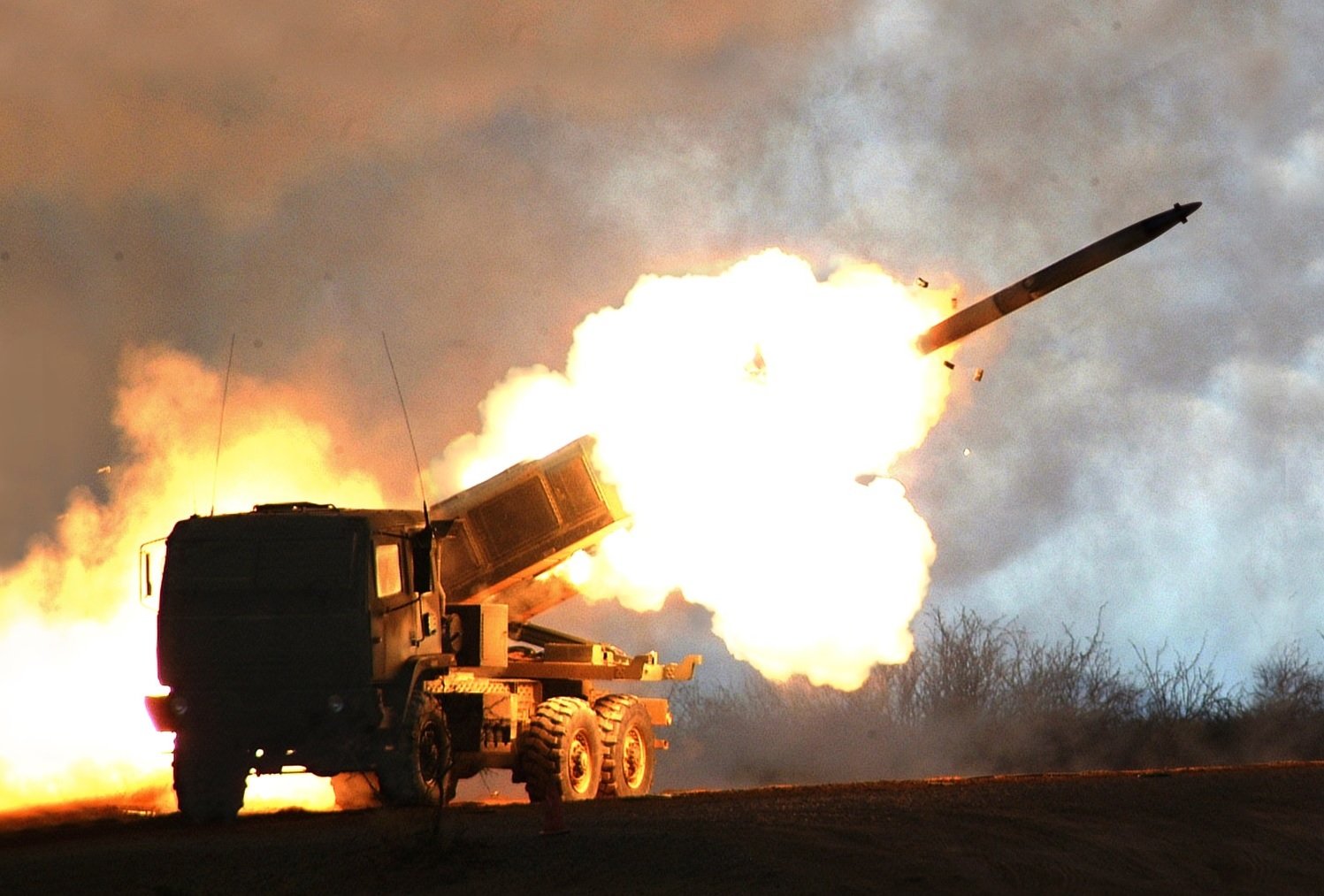
Video footage released by Ukrainian authorities showed the launch of Flamingo missiles, though the exact launch locations were not disclosed. The General Staff said the operation was planned to minimize exposure of Ukrainian launch assets.
Strategic Context
The strikes on Kapustin Yar are linked to Russia’s use of the Oreshnik missile, which Ukrainian and Western analysts describe as a hypersonic intermediate-range system derived from the RS-26 Rubezh design lineage. The missile has been associated with several high-profile attacks, including strikes on Dnipro in late 2024 and Lviv in early January 2026.
By targeting pre-launch preparation infrastructure rather than launchers themselves, Ukrainian officials say the intent was to disrupt testing cycles, delay deployment schedules, and increase logistical strain on Russia’s long-range strike forces.
“The strikes were part of broader efforts to disrupt Russia’s long-range strike capabilities and related launch infrastructure,” the General Staff said, without providing further operational details.
Russian Response
Russian authorities have not publicly acknowledged damage at Kapustin Yar. State-run media outlets have not reported on the strikes, and there has been no official comment from the Russian Ministry of Defense addressing the Ukrainian claims or the satellite imagery cited by independent analysts.
Broader Implications
Military analysts note that if confirmed, the operation demonstrates Ukraine’s growing ability to conduct sustained, precise strikes against strategic facilities deep inside Russian territory. While the immediate operational impact on Russia’s missile forces remains unclear, the attack underscores the expanding geographic scope of the conflict and Ukraine’s focus on countering long-range missile threats through infrastructure disruption rather than direct interception.
——— End of Article ———