SAN DIEGO, California, February 23, 2026 : GE Aerospace and Kratos Defense & Security Solutions, Inc. have secured a $12.4 million contract from the U.S. Air Force to complete the preliminary design of a next-generation jet engine intended for small Collaborative Combat Aircraft (CCA) and other unmanned platforms.
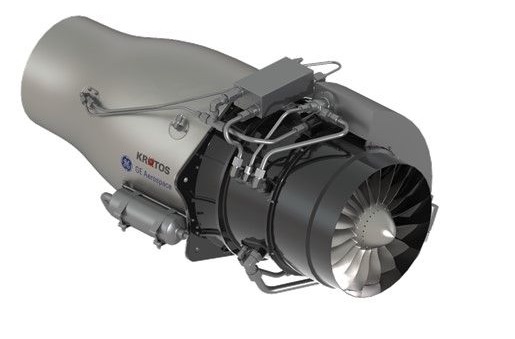
The award funds the initial design phase of the GEK1500 engine, a 1,500-pound-thrust propulsion system being developed to meet defined performance requirements while adhering to aggressive cost targets set by the Air Force. The program aligns with the service’s objective of enabling “affordable mass,” referring to the rapid and cost-effective production of military systems in significant quantities.
Preliminary Design Focus
Under the contract, the joint GE Aerospace–Kratos team will finalize the preliminary design of the GEK1500. This phase concentrates on validating performance parameters, refining system architecture, and ensuring cost controls remain aligned with Air Force expectations for scalable manufacturing.
The agreement also includes an unexercised option for a subsequent development phase. If activated, that phase would involve assessing key technical risks and characterizing engine performance under relevant flight and installation conditions.
Engine Specifications and Intended Platforms
The GEK1500 is designed to produce 1,500 pounds of thrust and is targeted for integration across multiple defense platforms.
Primary applications include:
-
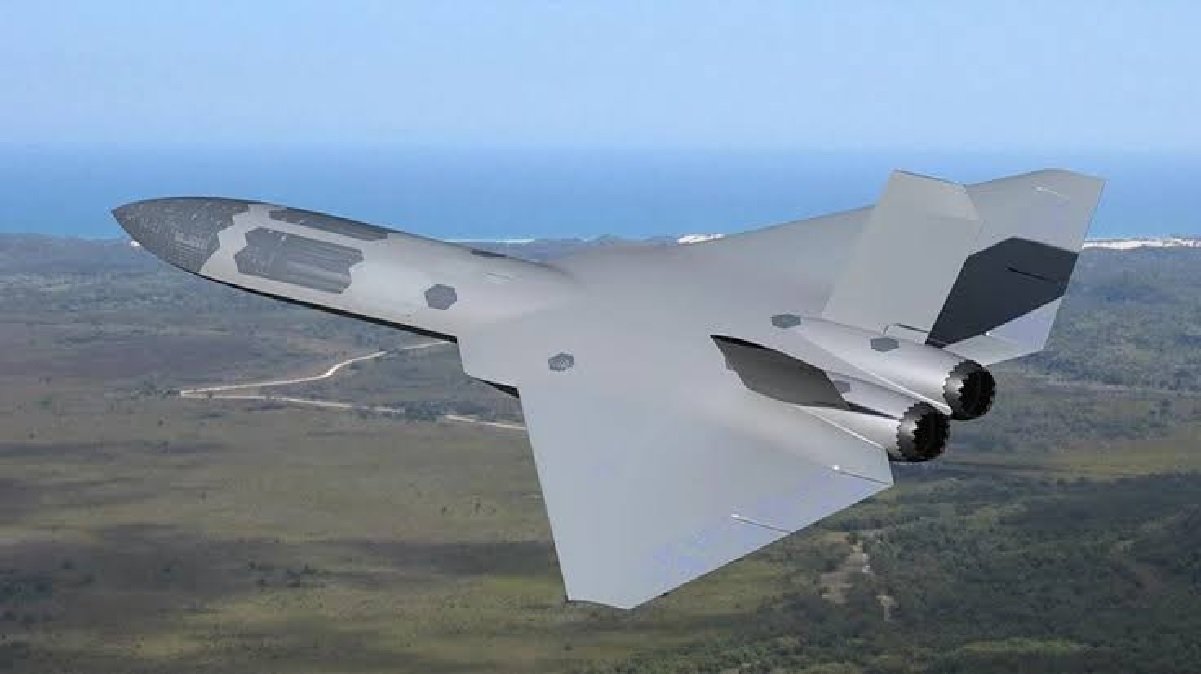
Small Collaborative Combat Aircraft (CCA), autonomous or semi-autonomous unmanned aircraft designed to operate alongside crewed fighter jets.
-
Unmanned Aerial Systems (UAS) used for intelligence, surveillance, reconnaissance, and strike missions.
-
Tactical and cruise missile systems requiring compact, efficient propulsion solutions.
The U.S. Air Force has identified high-performance, low-cost propulsion systems as a priority area to support emerging operational concepts involving manned-unmanned teaming and distributed airpower.
Leveraging the GEK800 Architecture
Development of the GEK1500 builds directly on the existing GEK800 cruise missile engine architecture. The GEK800 is currently undergoing technical maturation and has recently completed altitude testing.
Data collected from those tests—including metrics related to thrust performance, onboard power generation, and lifecycle cost projections—are being incorporated into the GEK1500 design process. The reuse of proven architecture is intended to reduce development timelines and control program costs while meeting required operational standards.
Steve “Doogie” Russell, Vice President and General Manager of Edison Works at GE Aerospace, stated that lessons from GEK800 altitude testing are directly informing improvements in thrust output, power generation capability, and lifecycle cost management for the GEK1500 program.
Stacey Rock, President of Kratos Turbine Technologies Division, said the continuation from the GEK800 program demonstrates the joint team’s ability to deliver high-performance engines designed for affordability and rapid production.
Expanding Strategic Partnership
The contract represents the latest step in a multi-year collaboration between GE Aerospace and Kratos Defense & Security Solutions.
2024: The companies signed a Memorandum of Understanding establishing a framework for joint development, manufacture, testing, and fielding of cost-effective propulsion systems for unmanned platforms.
June 2025: The MOU expanded into a formal teaming agreement covering development of the GEK800 engine and collaboration on additional higher-thrust variants.
February 2026: A new formal teaming agreement specific to the GEK1500 was established in conjunction with the current U.S. Air Force contract award.
Kratos brings more than 25 years of experience in the development and production of small turbine engines for unmanned aerial systems, drones, and missile platforms. GE Aerospace contributes over a century of propulsion technology expertise and high-rate manufacturing capability.
Corporate Capabilities
GE Aerospace is a global propulsion, services, and aerospace systems provider with an installed base of approximately 49,000 commercial and 29,000 military aircraft engines. The company employs roughly 53,000 personnel worldwide.
Kratos Defense & Security Solutions operates in defense, national security, and commercial markets, focusing on affordable unmanned systems, propulsion technologies, and related defense platforms.
The GEK1500 program reflects the U.S. Air Force’s continued emphasis on scalable propulsion solutions to support small Collaborative Combat Aircraft and other unmanned operational systems.
——— End of Article ———