RIGA, Latvia : Latvia has announced plans to establish a domestic production facility for AT-2+ sensor-fused anti-tank mines, marking a significant expansion of its national defense manufacturing base. The decision is intended to strengthen supply security, support operational readiness, and reduce reliance on foreign military supply chains amid changing security conditions along NATO’s eastern flank.
The initiative centers on creating a full production cycle inside Latvia, from assembly to quality control, ensuring that critical munitions required by the Latvian National Armed Forces can be sourced domestically. The facility is planned as part of a long-term defense industrial strategy to align defense procurement with national industrial capacity and alliance interoperability standards.
Agreement With German Manufacturer
On February 5, 2026, a Memorandum of Understanding (MoU) was signed in Riga between Latvia’s state-owned State Defence Corporation (VAK) and the German defense manufacturer Dynamit Nobel Defence. The agreement establishes a framework for technology transfer, industrial cooperation, and phased localization of production.
According to the Ministry of Defence, the project will involve the transfer of advanced manufacturing know-how and technical documentation, enabling Latvian industry to support sustained production and maintenance. The plant is scheduled to become operational by 2028. While its primary role will be to meet the requirements of Latvia’s armed forces, the facility is also designed with scalable capacity to support future exports to European partners, subject to government approvals and alliance commitments.
Integration With the Skorpion 2 System
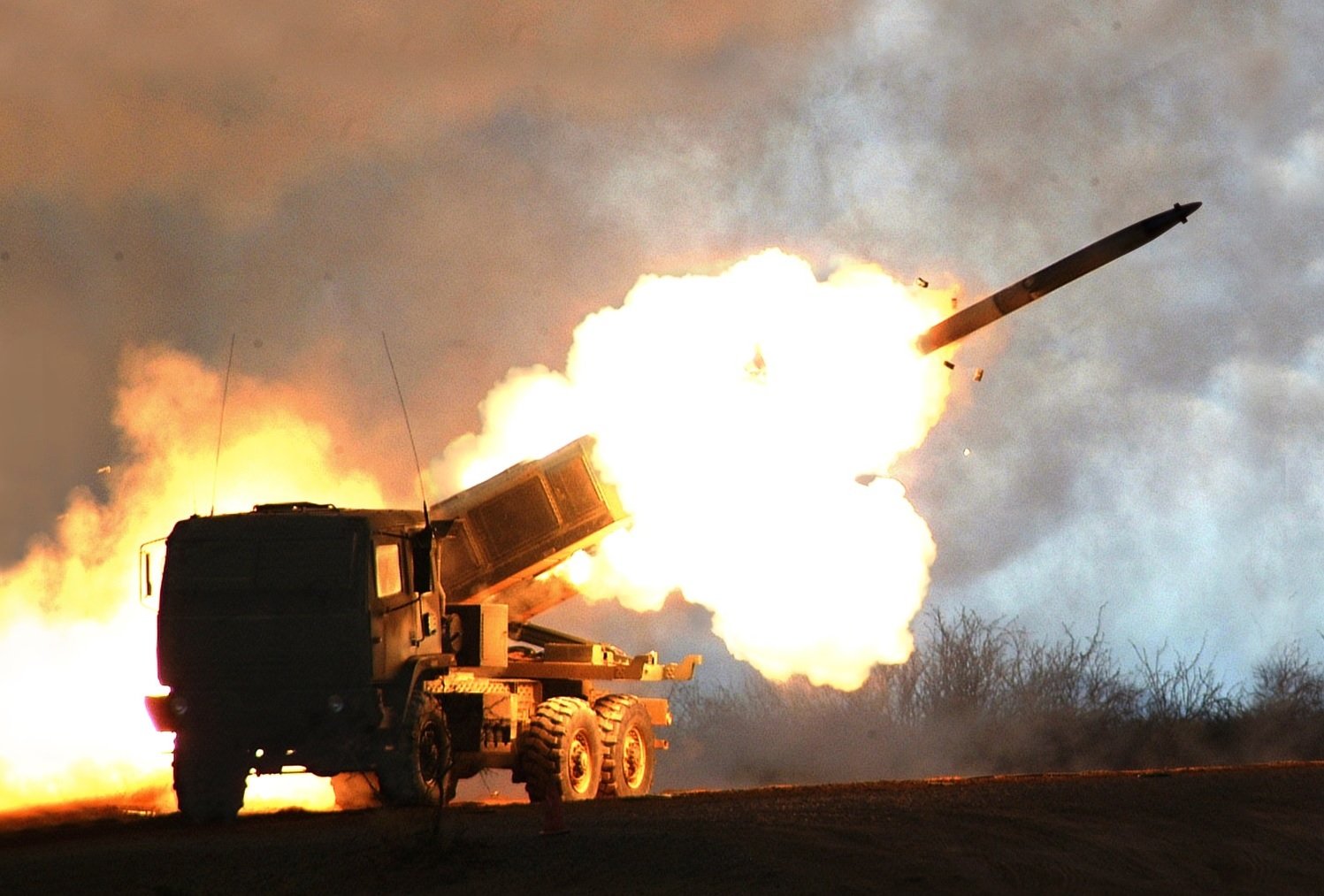
The localized production of AT-2+ mines is directly linked to Latvia’s acquisition of the Skorpion 2 remote minelaying system, contracted in October 2025. The system is intended to provide rapid and flexible anti-armor area denial capabilities in support of defensive operations.
The Skorpion 2 platform is capable of deploying a controlled anti-tank minefield across an area of up to two kilometers within approximately ten minutes. This capability allows for fast emplacement in response to developing battlefield conditions while minimizing personnel exposure. The system is designed for integration with modern command-and-control networks, enabling precise planning and documentation of minefield locations.
Technical Characteristics of AT-2+ Mines
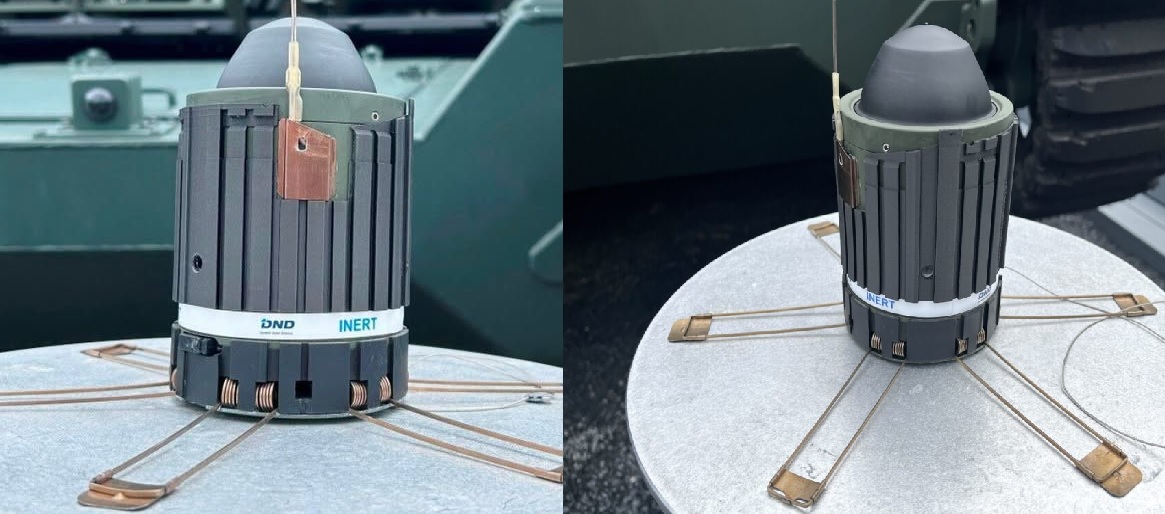
The AT-2+ is a programmable, sensor-fused anti-tank munition developed for use against armored vehicles. Unlike legacy contact-based mines, it employs a multi-sensor detection suite, including magnetic sensors and digitally controlled systems, to identify suitable targets and engage them from beneath the vehicle, where armor protection is typically reduced.
The mines are designed with safety and post-conflict considerations in mind. Each munition includes a programmable self-destruct function, allowing operators to set a defined operational lifespan. This feature is intended to reduce long-term environmental impact and limit risks to civilian populations once hostilities have ended, in line with modern humanitarian and operational standards.
Expansion of Latvia’s Defense Industrial Base
The AT-2+ production facility will be incorporated into a broader defense industrial portfolio managed by VAK. These efforts aim to create a diversified and resilient domestic defense sector capable of supporting national requirements during peacetime and crisis.
Existing initiatives include the “ROLLO” modular powder charge manufacturing plant in Iecava and a joint artillery ammunition project with Rheinmetall. Together, these programs are intended to establish end-to-end capabilities across selected segments of the ammunition supply chain.
Latvian Minister of Defence Andris Sprūds stated that the AT-2+ project represents a strategic step toward military self-sufficiency. He noted that integrating advanced German technology into local industry is expected to enhance defense readiness while also contributing to industrial development and skilled employment.
Alliance Context
Latvia’s move aligns with broader efforts within NATO to encourage member states to strengthen national defense industries and improve collective resilience. By localizing production of critical munitions while maintaining interoperability with allied systems, Latvia aims to support both national defense planning and alliance commitments over the long term.
——— End of Article ———