TEHRAN : Tensions between Iran and the United States intensified on Thursday as Iran’s military publicly declared it was prepared for a broad regional conflict, just hours before senior officials from both countries are scheduled to enter mediated talks in Oman. The warning came amid an expanding U.S. military presence across the Middle East and renewed diplomatic pressure from Washington over Iran’s nuclear and missile programs.
The latest escalation followed comments by Donald Trump, who said earlier this week that “bad things” were likely to happen if diplomacy failed. The remarks added urgency to negotiations that regional officials view as a last effort to prevent a new phase of confrontation after months of military signaling and mutual threats.
Iranian Military Posture And Warnings
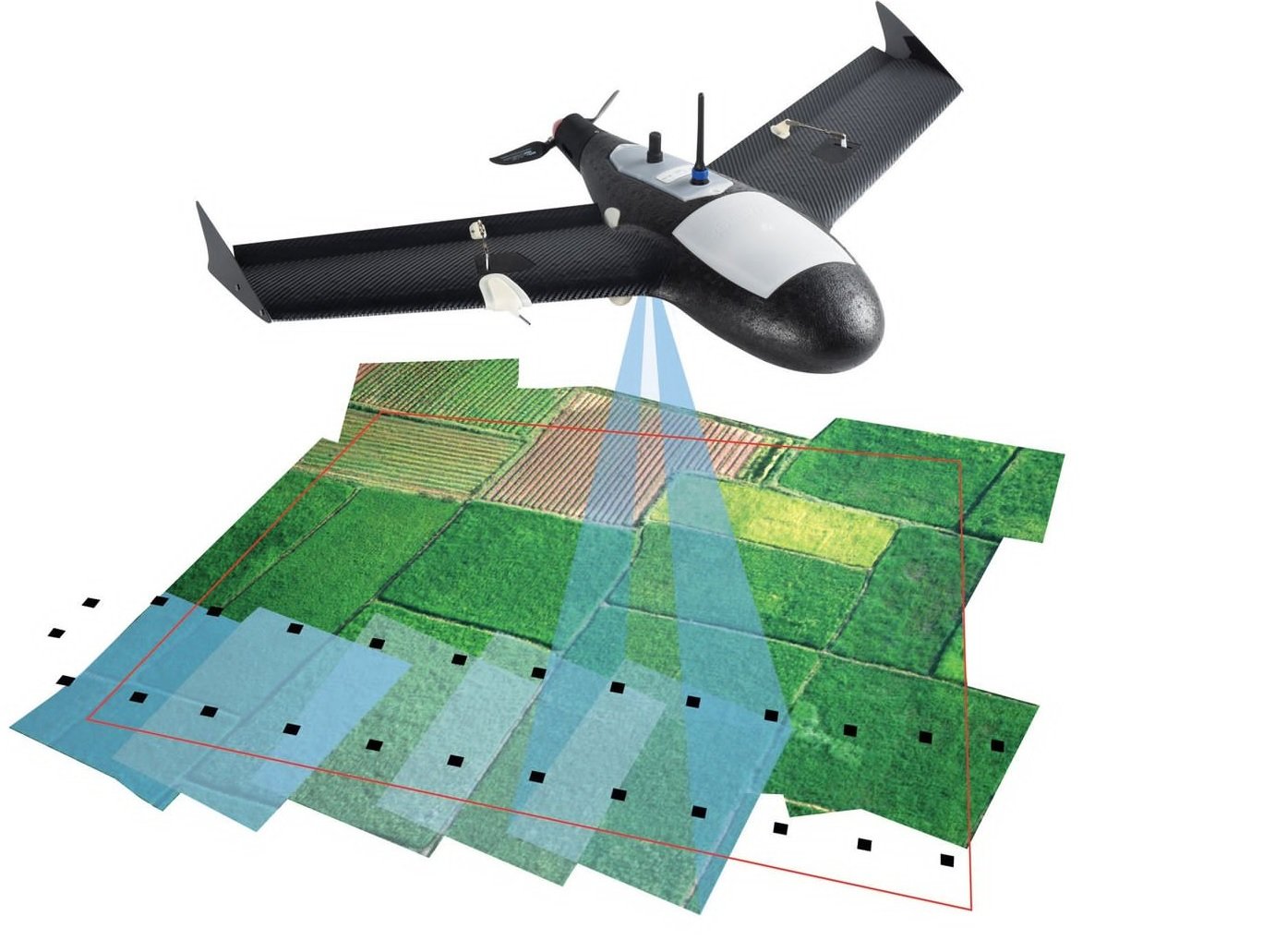
Iranian Army spokesperson Brig. Gen. Mohammad Akraminia said Thursday that Tehran was fully prepared to respond to any scenario, including open warfare. Speaking after the military inducted 1,000 additional drones into active service, Akraminia said Iran had planned for escalation and considered U.S. forces across the region to be within range.
According to comments carried by Iran’s Student News Network, Akraminia said Iran had repeatedly stated its readiness to confront any option chosen by its adversaries. He warned that if war were imposed on Iran, the conflict would not be geographically limited, adding that U.S. military bases from Israel to the Persian Gulf and the Sea of Oman would be exposed.
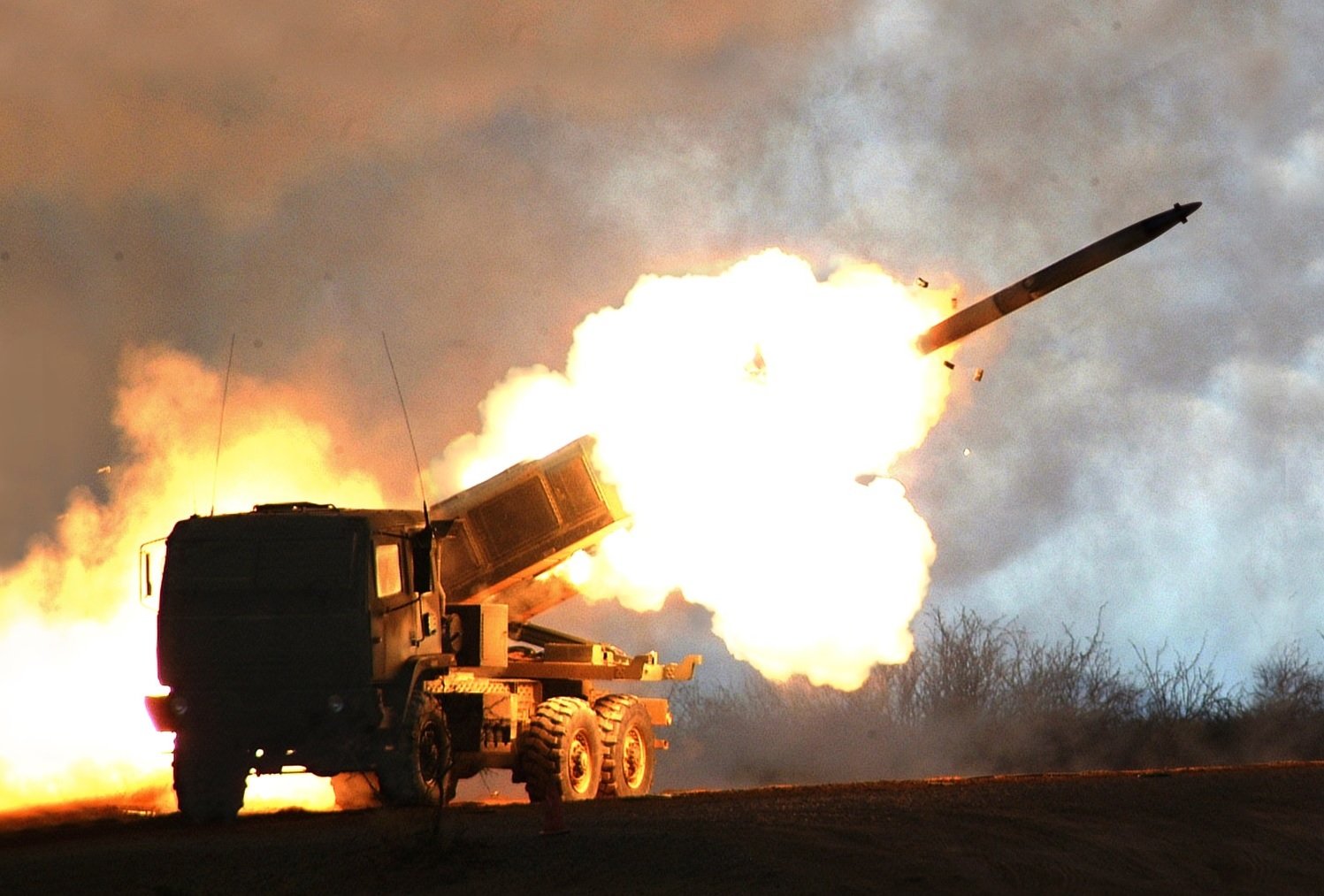
Iranian officials have also said the country has replenished and expanded its ballistic missile stockpiles since last year’s clashes with Israel, and that these systems would be used if Iran’s security were threatened.
Diplomatic Talks In Oman
Despite the sharpened rhetoric, U.S. and Iranian officials are set to meet Friday in Oman for talks mediated by regional interlocutors. The decision to hold the meeting in Oman followed an Iranian request to move the venue from Turkey, with Tehran arguing that Muscat offered continuity with earlier discussions that focused narrowly on Iran’s nuclear program.
A regional official familiar with the preparations said Iran has insisted that the talks remain confined to nuclear issues. Washington, however, has made clear it seeks a broader agreement. U.S. Secretary of State Marco Rubio said Wednesday that any deal would need to address Iran’s nuclear and missile programs, its support for armed groups in the region, and its domestic human rights record.
U.S. officials have also reiterated demands that Iran halt uranium enrichment on its own territory and export existing enriched stockpiles abroad, conditions Iran has consistently rejected as unacceptable.
Regional Responses And Mediation Efforts
Regional leaders have urged restraint as the talks approach. Turkish President Recep Tayyip Erdogan said Thursday that Turkey was doing everything possible to prevent U.S.-Iran tensions from triggering wider instability. Speaking to reporters after returning from a visit to Egypt, Erdogan said continued dialogue, including at the leadership level, was essential to avoiding further conflict.
Oman has long served as a discreet intermediary between Washington and Tehran, and officials involved in the process said expectations for a breakthrough remain limited but that both sides see value in keeping channels open.
Developments At Sea And In The Air
On Thursday, Iran’s Islamic Revolutionary Guard Corps announced it had seized two foreign oil tankers in the Persian Gulf on allegations of fuel smuggling. The Tasnim news agency reported that the vessels and their crews were detained, though Iranian authorities did not immediately disclose the flags the ships were flying or the nationalities of the crew members.
The seizures added to concerns among shipping operators about maritime security in the Gulf, where incidents involving commercial vessels have previously led to sharp diplomatic responses and military deployments.
Israel also signaled heightened readiness. Israeli Air Force Chief Maj. Gen. Tomer Bar visited a reserve Iron Dome air defense battery in northern Israel on Thursday and told reservists that the military continued to strengthen its defensive and offensive capabilities. In remarks released by the Israel Defense Forces, Bar emphasized the need for sustained readiness in light of regional developments.
Background To The Current Standoff
The current crisis follows a year of sustained confrontation. In June 2025, the United States joined Israel in strikes on Iranian nuclear facilities during the final phase of a 12-day conflict. Israeli officials said the operation was intended to counter what they described as an existential threat posed by Iran’s nuclear program.
Iran maintains that its nuclear activities are peaceful, but it has enriched uranium to levels that international experts say have no civilian justification and are close to weapons-grade thresholds. Western officials describe Iran’s nuclear program as being only a short technical step away from producing fissile material suitable for a weapon.
More recently, unrest inside Iran has added pressure on Tehran’s leadership. A violent crackdown on anti-government protests last month, described by rights groups as the deadliest since the 1979 revolution, raised concerns in Washington that a major external shock could further destabilize the country.
U.S. Military Buildup
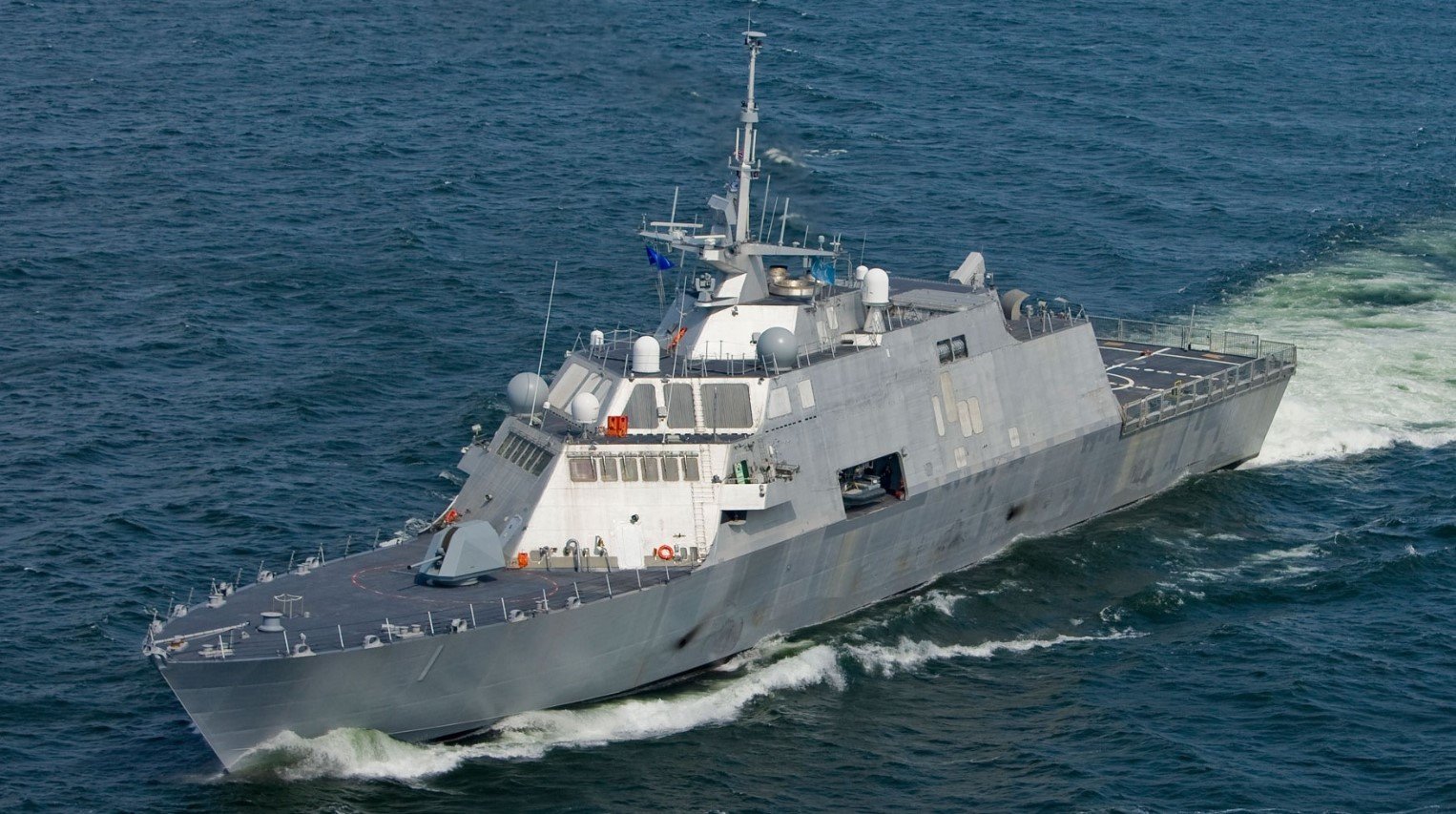
In response to rising tensions and domestic instability in Iran, the United States has expanded its military footprint in the region. Thousands of additional troops have been deployed alongside fighter aircraft, surveillance planes, and refueling tankers. The U.S. Navy has also moved major assets into position, including the aircraft carrier USS Abraham Lincoln and accompanying warships.
While President Trump has stopped short of authorizing new strikes, U.S. officials have said the deployments are intended to deter escalation and strengthen Washington’s negotiating position ahead of the Oman talks.
As diplomats prepare to meet, both sides continue to signal resolve, underscoring the narrow margin for error as the region watches to see whether talks can slow a trajectory that many fear could lead to a wider conflict.
——— End of Article ———