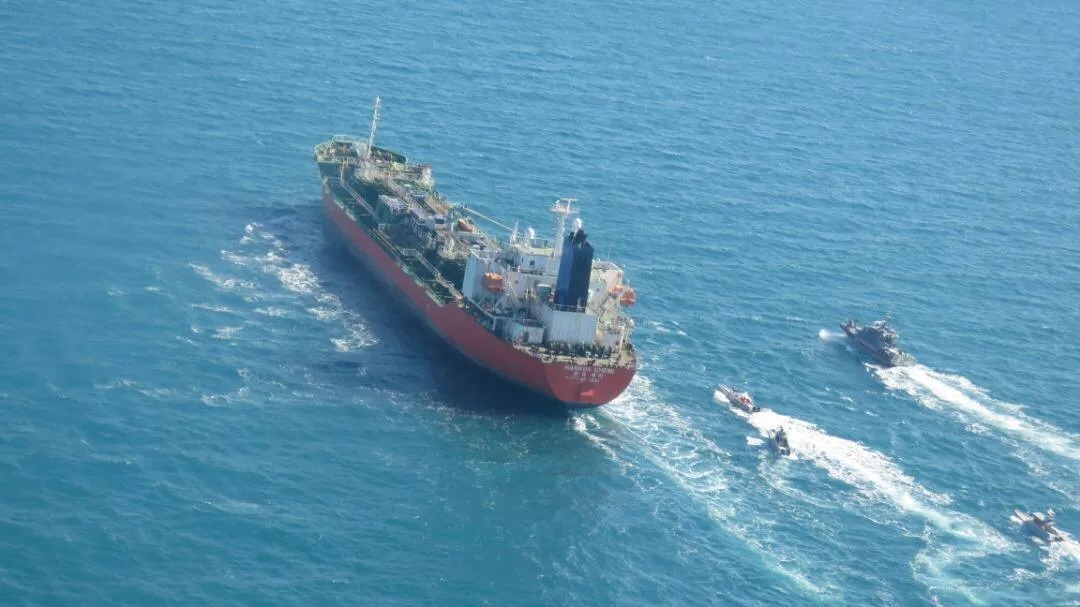
TEHRAN : Tensions across the Persian Gulf intensified on Thursday after Iran’s Islamic Revolutionary Guard Corps (IRGC) seized two foreign-flagged oil tankers near Farsi Island, detaining approximately 15 crew members amid heightened U.S. military activity and continuing unrest inside Iran.
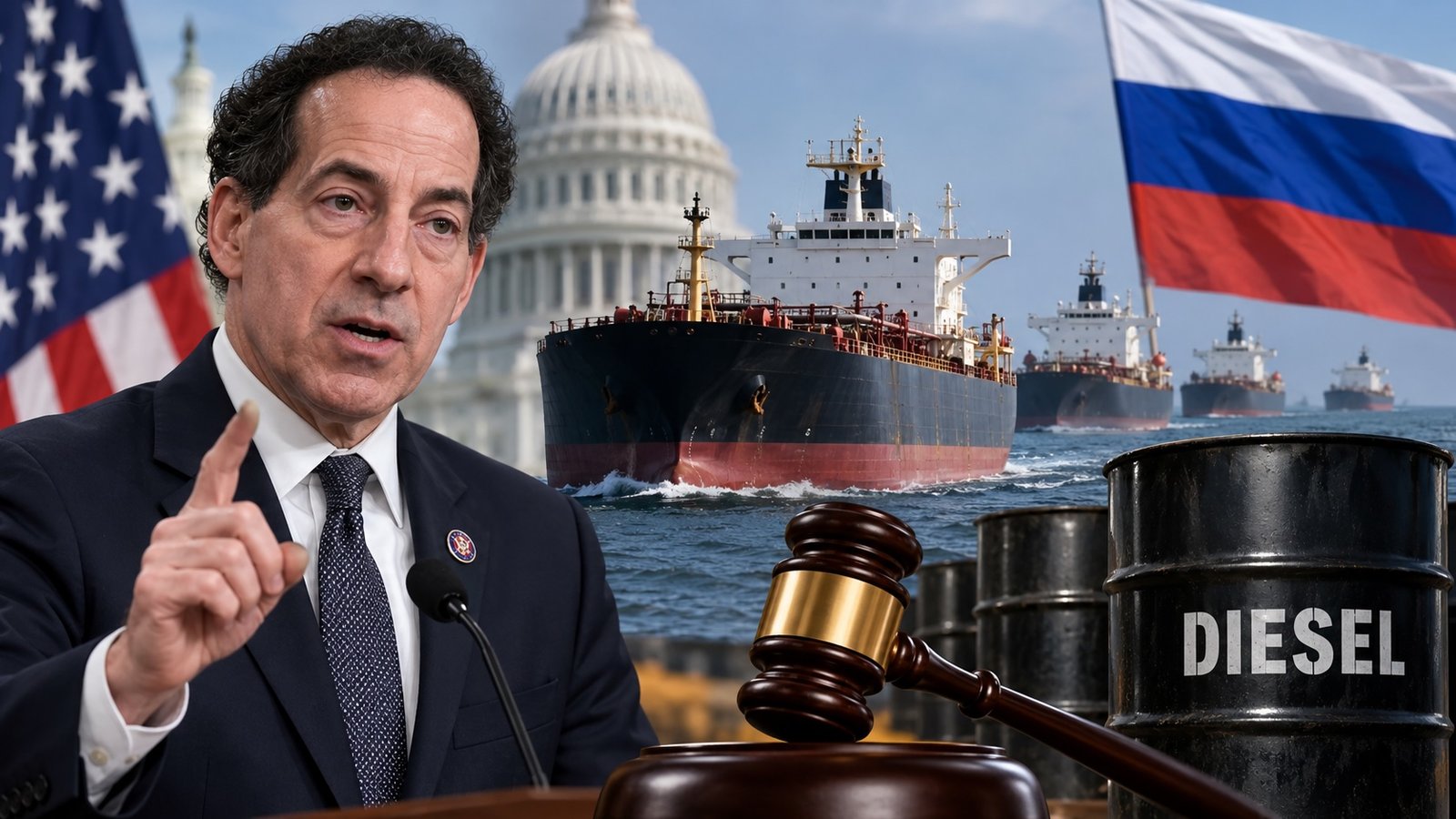
The seizure was reported by the semi-official Gulf News, citing statements from the naval arm of the IRGC. According to Iranian authorities, the vessels were intercepted during patrol operations in central Persian Gulf waters and were accused of transporting more than one million liters of Iranian fuel intended for illegal export.
Allegations Of Fuel Smuggling
IRGC officials said the tankers were engaged in what they described as “organized fuel smuggling,” exploiting Iran’s heavily subsidized domestic fuel prices to move petroleum products out of the country for resale at higher market rates. The vessels were reportedly identified through coordinated intelligence and maritime surveillance operations.
Iranian media said the crew members were taken into custody and transferred to judicial authorities for questioning and legal proceedings. The nationalities of the detained sailors, the ownership of the vessels, and their destination ports were not disclosed. There was no immediate confirmation from the governments potentially linked to the tankers.
Fuel smuggling has been a persistent issue for Iran, particularly along its maritime and land borders. Officials in Tehran regularly cite economic losses tied to illicit fuel exports, while Western governments often interpret tanker seizures as part of Iran’s broader regional signaling rather than routine law-enforcement actions.
U.S. Naval Presence In The Region
The incident occurred as the United States continued a significant reinforcement of its naval posture in the Middle East. Earlier Thursday, U.S. officials confirmed that a carrier strike group led by the USS Abraham Lincoln had entered the region as part of a broader deployment aimed at deterring regional escalation and protecting commercial shipping.
U.S. President Donald Trump has publicly described the deployment as a response to Iran’s internal security crackdown and growing concerns over maritime security in the Persian Gulf and surrounding waterways. The U.S. Central Command (CENTCOM) did not issue an immediate statement specifically addressing Thursday’s tanker seizures.
In recent days, CENTCOM has acknowledged a series of close encounters between U.S. and Iranian forces, including the downing of an Iranian drone that approached the Abraham Lincoln and the intervention by U.S. naval assets to deter Iranian fast-attack craft from approaching a commercial tanker, the Stena Imperative.
Regional And Strategic Implications
The latest seizure adds to a growing list of maritime incidents that have raised concerns among shipping companies and energy markets. Iran has repeatedly demonstrated its capacity to assert control over traffic near the Strait of Hormuz, a narrow passage that carries nearly one-third of the world’s seaborne oil and a significant share of liquefied natural gas exports.
U.S. officials have warned that interference with commercial shipping could prompt further military responses, while Iranian leaders have stated that their forces will continue to enforce national laws and maintain maritime security in what they consider their regional waters.
As of Thursday evening, there was no indication that the detained vessels or crew would be released, and no official diplomatic protests had been publicly confirmed. The situation remains under close observation by regional governments, global shipping operators, and international energy markets.
——— End of Article ———