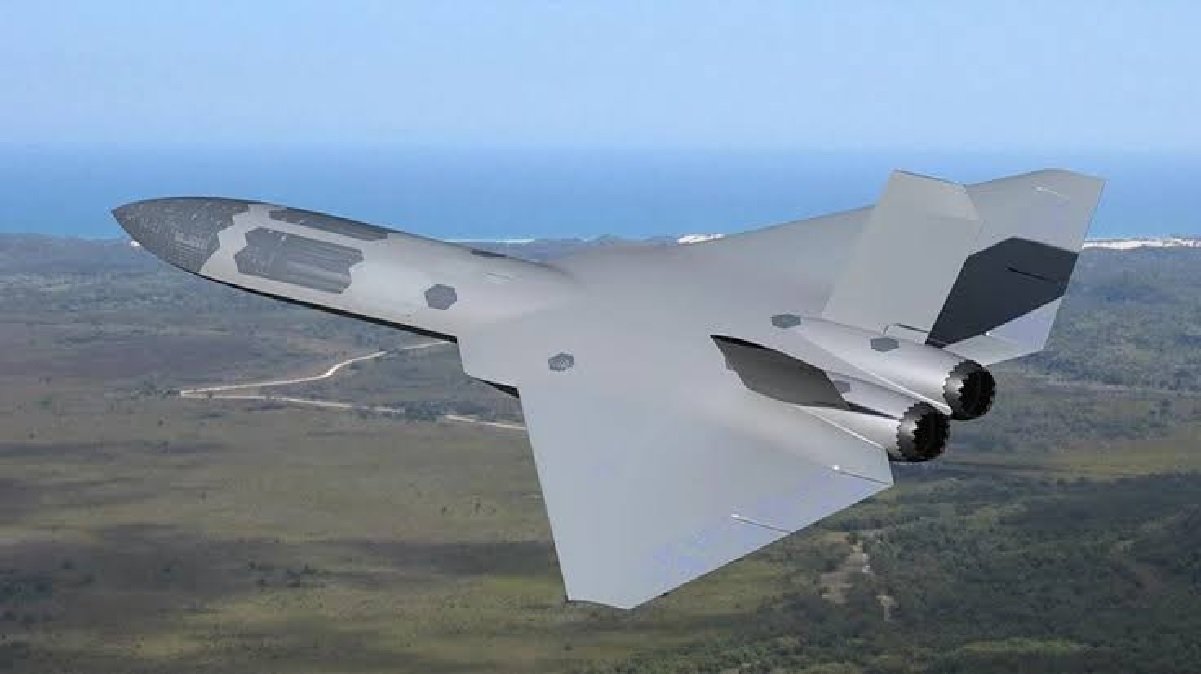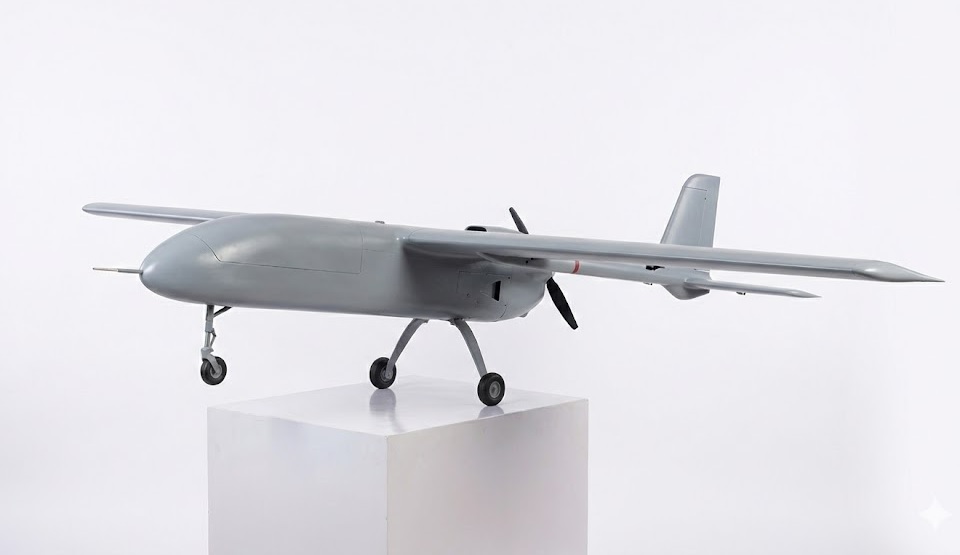
New Delhi : IG Defence has been granted a patent for its indigenous Fixed-Wing Tactical Unmanned Aerial System (UAS), marking a further step in India’s domestic defence manufacturing and intellectual property ownership efforts. The patented system is a dual-use platform designed to combine surveillance and precision engagement capabilities within a single unmanned aircraft, addressing operational requirements that have emerged from recent conflict scenarios.
The patent award adds to IG Defence’s defence-related intellectual property portfolio and follows earlier patents secured by the company for advanced training and simulation systems. Company officials said the fixed-wing tactical drone was developed with a focus on operational deployment rather than experimental use, and its design was informed by feedback and performance data gathered during live missions conducted as part of Operation Sindoor (May 2025).
Operational Context and Validation
According to information shared by the company, the fixed-wing tactical drone was conceived to meet the need for platforms capable of sustained surveillance while retaining the option for rapid engagement. Modern operational environments increasingly require systems that can shorten the sensor-to-shooter cycle, particularly in scenarios involving mobile targets and limited response time.
During Operation Sindoor, indigenous unmanned systems were deployed in support roles that included reconnaissance and target monitoring in contested environments. These deployments demonstrated the utility of low-observable, domestically produced unmanned platforms capable of operating with minimal external logistical dependence. IG Defence has stated that lessons from these missions directly influenced refinements to the drone’s design, including endurance, payload integration, and deployability.
System Design and Capabilities
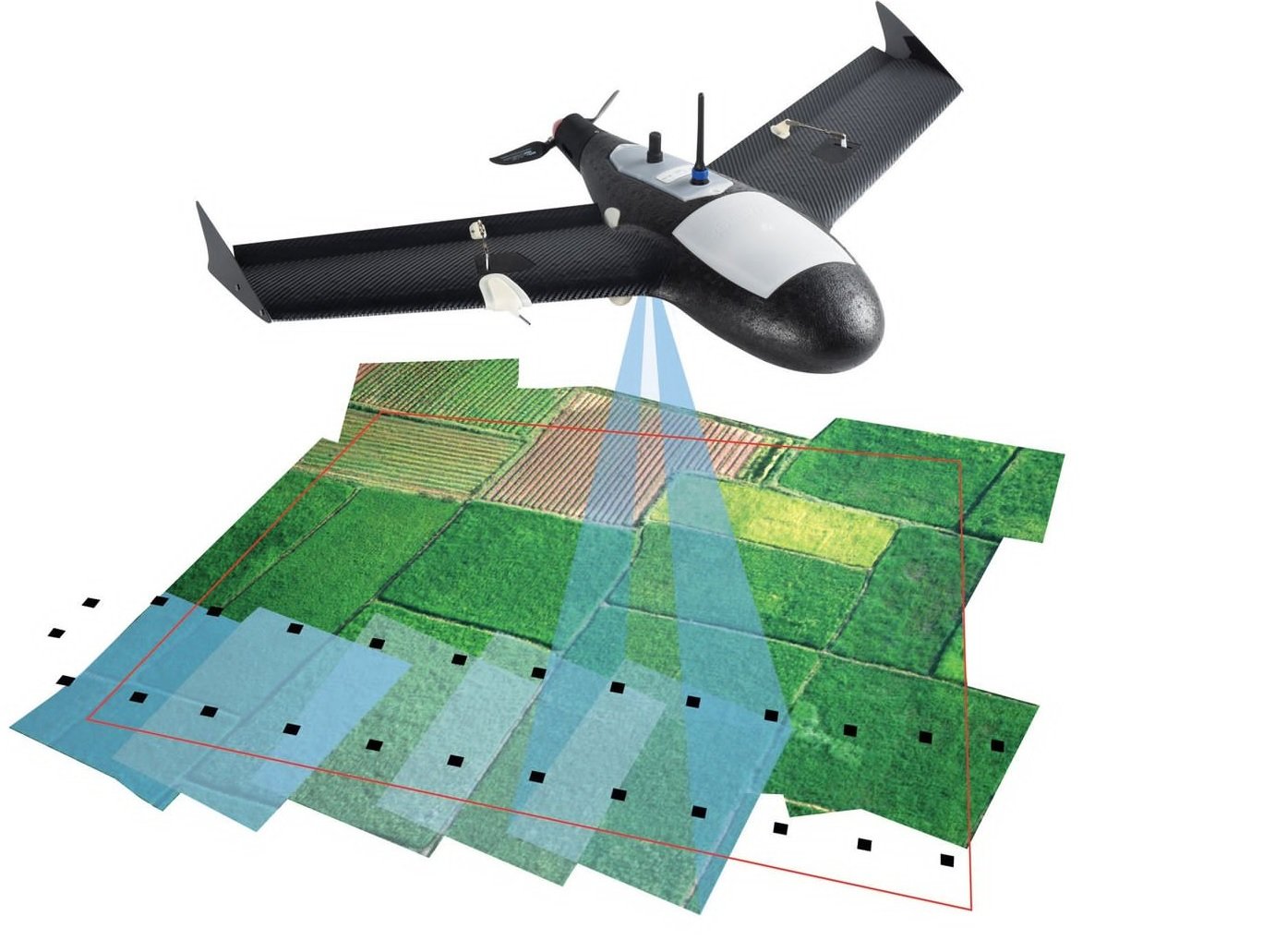
The patented UAS uses a fixed-wing configuration, selected for its aerodynamic efficiency and suitability for extended range and loiter missions. Compared to rotary-wing systems, the platform is optimized for longer endurance and broader area coverage.
The system is designed to carry a payload of up to five kilograms, configurable for different mission requirements. These include Intelligence, Surveillance, and Reconnaissance (ISR) tasks as well as terminal precision engagement, allowing a single platform to support multiple operational roles.
IG Defence has emphasized the drone’s lightweight and modular construction, enabling transport and deployment by small units without specialized launch infrastructure. The company states that the system can be operated from unprepared terrain, supporting special operations units and forces deployed in remote or forward areas.
Company and Advisor Perspectives
Commenting on the patent grant, Bodhisattwa Sanghapriya, Founder and Chief Executive Officer of IG Defence, said the focus of the company’s research and development efforts has remained on technologies intended for sustained operational use.
He noted that the company has consistently prioritized ownership of core intellectual property across its product lines, including simulators and unmanned systems, and that the fixed-wing tactical drone reflects an approach shaped by real-world operational requirements. According to Sanghapriya, the objective has been to provide the armed forces with systems that improve situational awareness, reduce exposure of personnel to risk, and perform reliably under field conditions, in line with national self-reliance goals in defence technology.
Air Commodore R N Gaekwad (Retd.), Advisor to IG Defence, highlighted the changing nature of battlefield decision-making. He said contemporary operations increasingly depend on platforms that can extend surveillance reach and provide commanders with timely information without committing additional personnel. He added that combining surveillance and strike capabilities in a single unmanned system offers operational advantages by supporting faster and more informed decisions.
Role in the Indigenous Defence Ecosystem
The patent strengthens IG Defence’s position within India’s defence innovation ecosystem, where policy emphasis has increasingly shifted toward indigenous design, development, and manufacturing. By retaining intellectual property rights over critical technologies, the company contributes to reducing dependence on foreign suppliers for key operational capabilities.
As the Indian Armed Forces continue modernization programs across multiple domains, the availability of domestically developed, IP-protected systems such as the Fixed-Wing Tactical UAS is viewed as a factor in improving long-term operational readiness. Officials familiar with the program note that indigenous systems are less vulnerable to global supply chain constraints and can be adapted to evolving operational requirements.
The patent grant underscores a broader trend within India’s defence sector toward field-tested, locally developed platforms that are integrated into active service planning, rather than limited to developmental or demonstrative roles.
——— End of Article ———