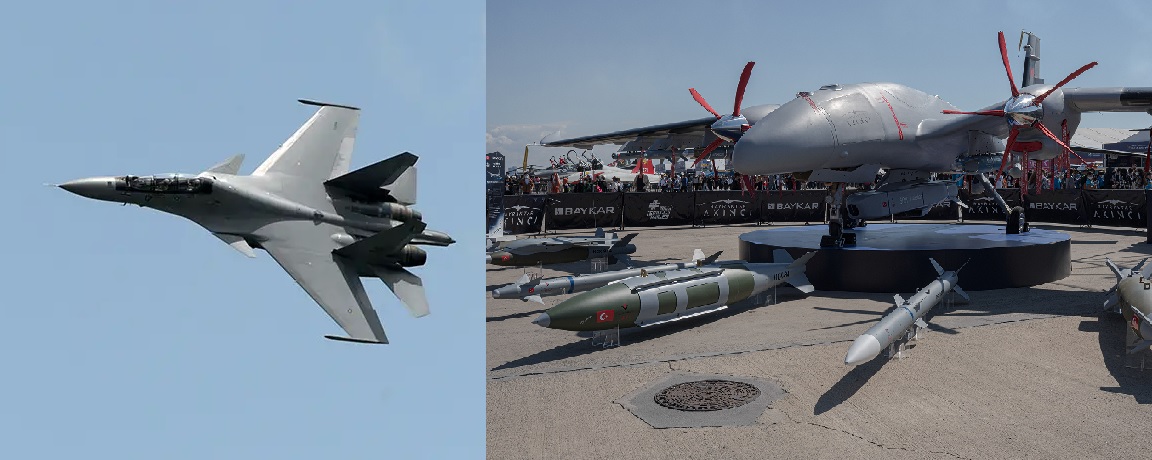
Defense News ,Ethiopia :- The Ethiopian Air Force has recently added an undisclosed number of Akinci unmanned aerial vehicles (UAVs) from Turkey to its fleet, alongside the acquisition of Russian-made Sukhoi Su-30 fighter jets. The official handover ceremony featured the display of two Su-30 planes as the Akinci UAVs were formally introduced into service. These drones have been operational in Ethiopia since November 2023.
The Sukhoi Su-30 fighter jets, believed to be part of an 18-unit batch produced for the Indian Air Force and delivered between 1997 and 1999, are now part of Ethiopia's air power. This procurement positions Ethiopia as the fourth African nation to operate the Russian-made Su-30 jets, joining Algeria, Angola, and Uganda.
General Birhanu Jula, the Air Force Commander, emphasized that this strategic move aligns with Ethiopia's broader objective of modernizing all branches of its armed forces.
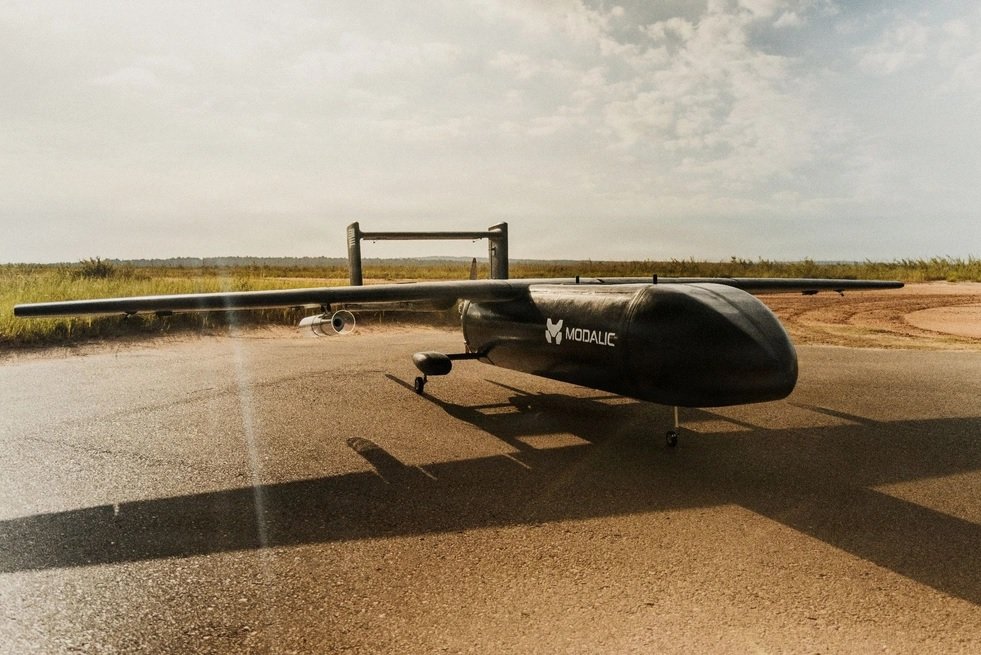
The Akinci, developed by the Turkish defense giant Baykar, is a high-altitude long-endurance drone with a remarkable payload capacity of 1,500 kilograms (3,300 pounds) and a top speed of 195 knots (224 miles/351 kilometers per hour). Notably, it possesses autonomous capabilities, enabling automatic navigation, routing, take-off, and landing without the need for ground systems during missions.
Functionally versatile, the Akinci is designed for air-to-ground and air-to-air attack missions, equipped to carry various payloads, including anti-tank missiles, mini smart munitions, and guided bombs.
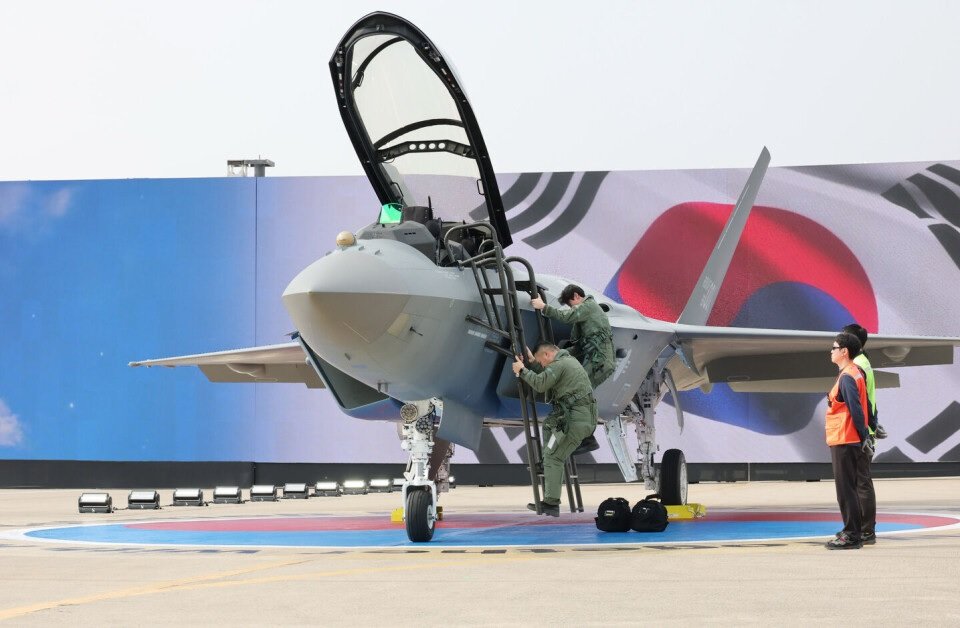
On the other hand, the Sukhoi Su-30, introduced in Russia in 1992, is a twin-engine fighter aircraft fulfilling roles such as air superiority and strike operations. With capabilities for all-weather air interdiction and long-range strike missions, the Su-30 employs anti-air and surface missiles weighing up to 8,000 kilograms (17,600 pounds). Currently operational in 15 countries worldwide, the Su-30 stands as a robust addition to Ethiopia's air defense capabilities.
——— End of Article ———