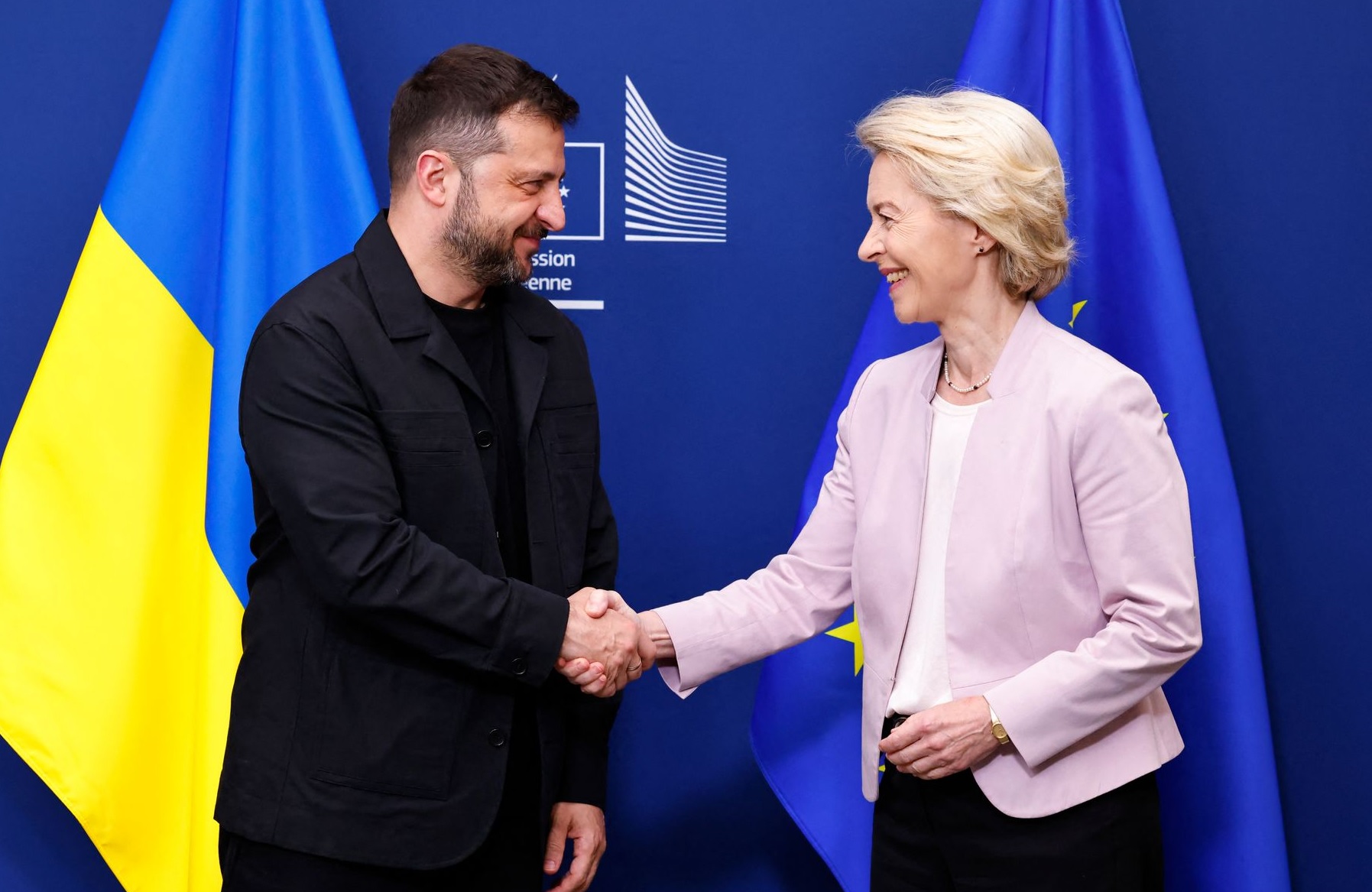
Brussels : The Council of the European Union has approved a €90 billion loan package designed to sustain Ukraine’s defense capabilities and support the functioning of its state finances through 2027, according to officials briefed on the agreement. The decision was finalized on Wednesday by EU ambassadors meeting under the Cypriot presidency of the Council.
The loan package is intended to prevent an imminent cash shortfall in Ukraine, which officials warned could have occurred as early as April. Such a depletion of funds would have disrupted military operations and weakened Kyiv’s negotiating position in ongoing U.S.-supported peace discussions involving Russia.
Cypriot Finance Minister Makis Keravnos said the financing would help Ukraine maintain stability and operational capacity while continuing to respond to Russia’s full-scale invasion.
Structure and Allocation of the Loan
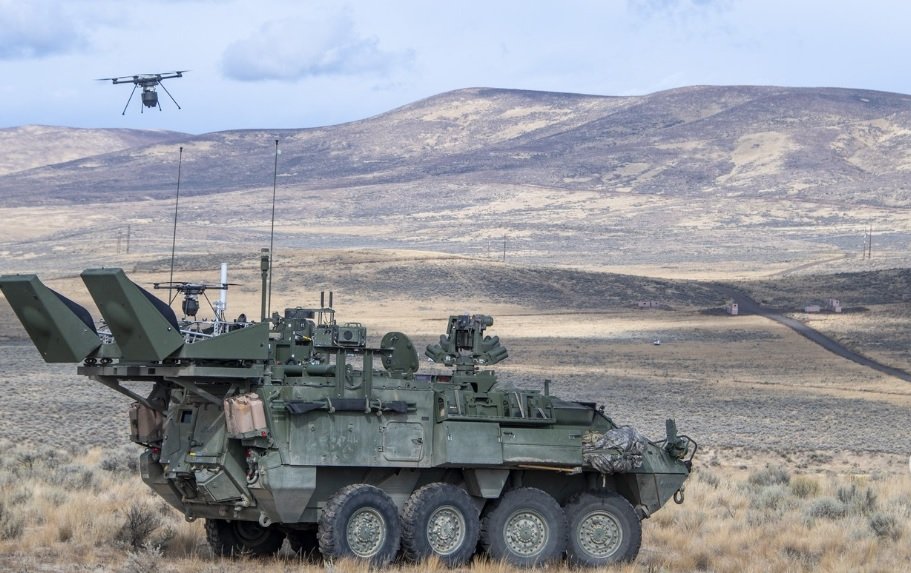
The €90 billion package is divided into two main components. Of the total amount, €60 billion is earmarked for military assistance, covering weapons procurement, ammunition, and other defense-related needs. The remaining €30 billion is allocated for general budget support, intended to help Ukraine meet routine government expenditures, including salaries, pensions, and essential public services.
Participation in the loan scheme is not universal among EU member states. Twenty-four of the bloc’s 27 countries have agreed to take part. Slovakia, Hungary, and the Czech Republic have opted out of direct participation. Despite this, the interest costs on the loan will be covered through the EU budget, meaning all member states will contribute indirectly. Officials estimate the annual interest burden at approximately €3 billion.
Procurement Rules and Defense Industry Provisions
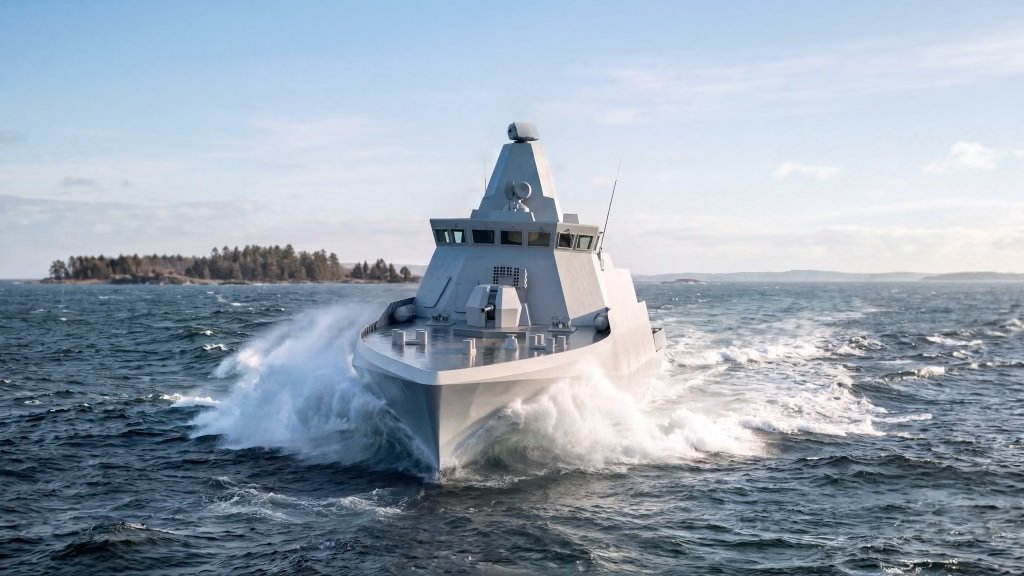
Negotiations over procurement rules were among the most complex elements of the agreement. France argued that the funds should prioritize purchases from European defense manufacturers to strengthen the EU’s industrial base. Germany, the Netherlands, and several Scandinavian countries pushed for broader flexibility to ensure faster delivery of equipment.
The final agreement reflects a compromise. Weapons procurement funded by the loan will primarily be sourced from Ukrainian and EU manufacturers. However, exemptions are permitted in cases of urgent operational need or when no equivalent product is available within the EU.
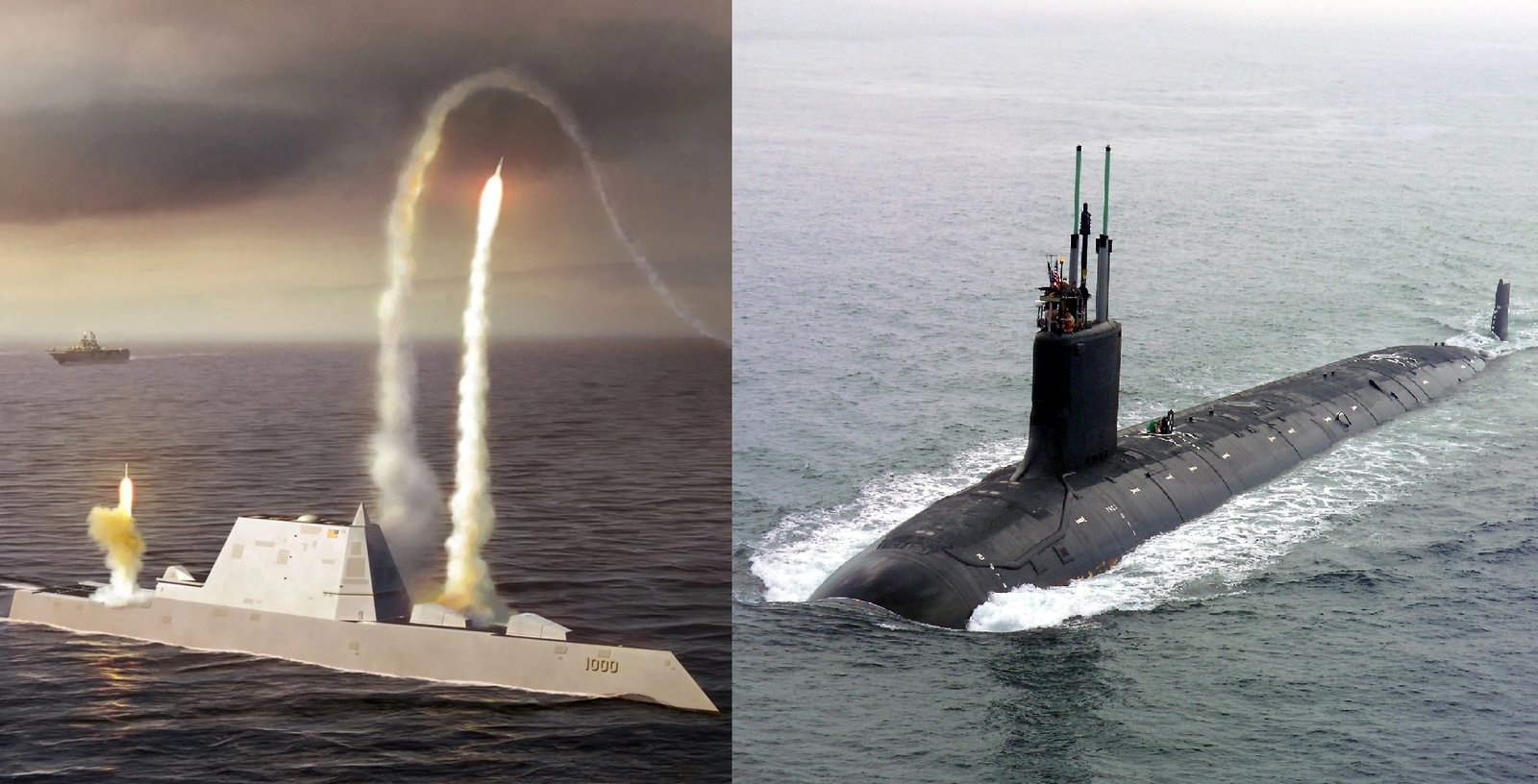
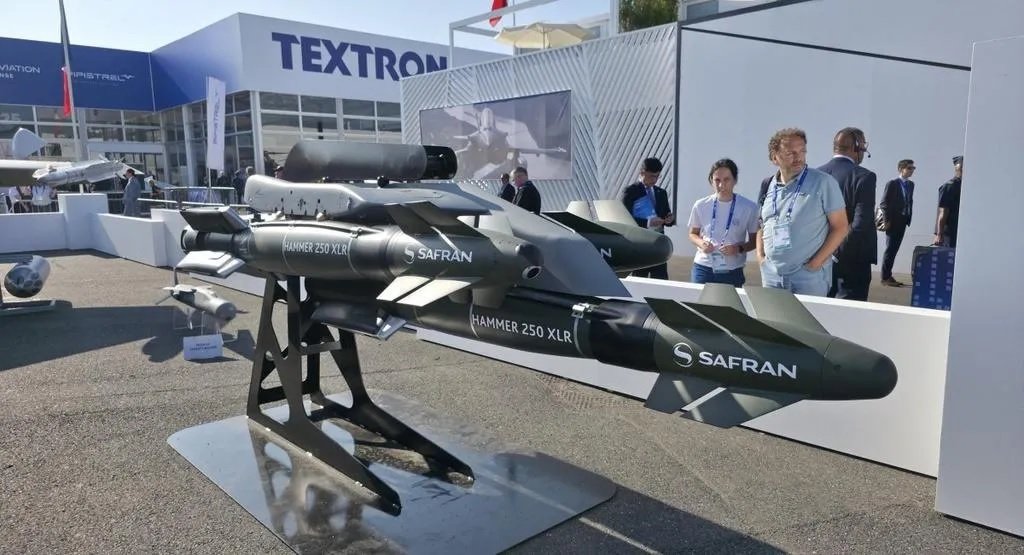
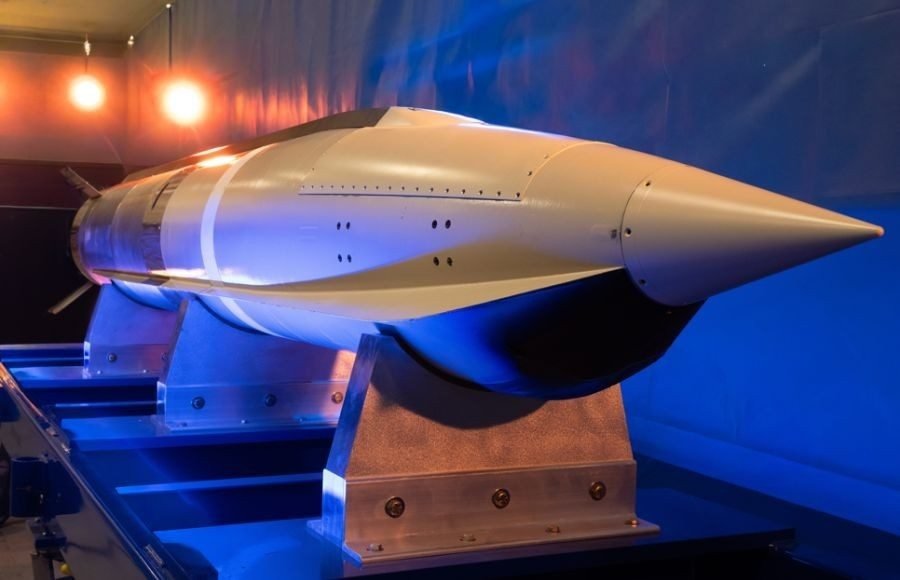
Under these derogations, Ukraine may procure certain categories of equipment from non-EU suppliers. These categories include air and missile defense systems, fighter aircraft ammunition, and long-range strike capabilities.
Role of Non-EU Countries
Non-EU countries are permitted to participate in the arms delivery framework, subject to financial conditions. Nations such as the United Kingdom and South Korea may supply weapons under the scheme, but they will be required to contribute financially toward interest payments on the loan. The size of these contributions will be linked to the economic benefits their defense industries derive from participation.
Canada has been granted a specific exemption. As a partner in the EU’s separate €150 billion SAFE loans-for-weapons initiative, Canada will not be required to make additional interest payments under the new package. However, Ottawa must provide detailed information on the defense products it can supply to Ukraine.
Repayment Conditions and Russian Assets
The repayment mechanism for the loan is tied directly to the outcome of the war. Ukraine will only be required to repay the principal if Russia ends its full-scale invasion and agrees to pay war reparations.
If reparations are not paid, the EU has outlined plans to use frozen Russian assets held in financial institutions across member states to service the debt. These assets have been immobilized since the early stages of the conflict, and their potential seizure remains a subject of legal and political debate within the bloc.
Broader Financial Context
EU officials acknowledge that the €90 billion package does not fully cover Ukraine’s projected financing needs. The International Monetary Fund estimates that Ukraine will require at least €135 billion to meet its military and budgetary needs over this year and next. An additional $8 billion IMF loan is expected to partially close the gap.
Beyond short-term financing, U.S. and EU officials are working on a long-term reconstruction framework aimed at mobilizing up to $800 billion in public and private investment over a ten-year period. Progress on this plan is contingent on a sustained reduction or cessation of hostilities.
Ratification and Disbursement Timeline
The agreement now moves to the European Parliament for ratification. Diplomats involved in the process expect parliamentary approval within the coming weeks.
Once approved, the European Commission will raise the required funds on international capital markets, using the EU’s seven-year budget as a guarantee. If the schedule proceeds as planned, Ukraine is expected to receive an initial €45 billion later this year, with the remaining funds scheduled for disbursement in 2027.
——— End of Article ———