In a bold step toward futuristic battlefield healthcare, the US Army has teamed up with the University of Hawaii to explore the life-saving potential of 3D-printed skin and lab-grown tissues. This breakthrough effort could dramatically improve how wounded soldiers are treated in remote and dangerous environments, especially those suffering from chemical, biological, or severe burn injuries.
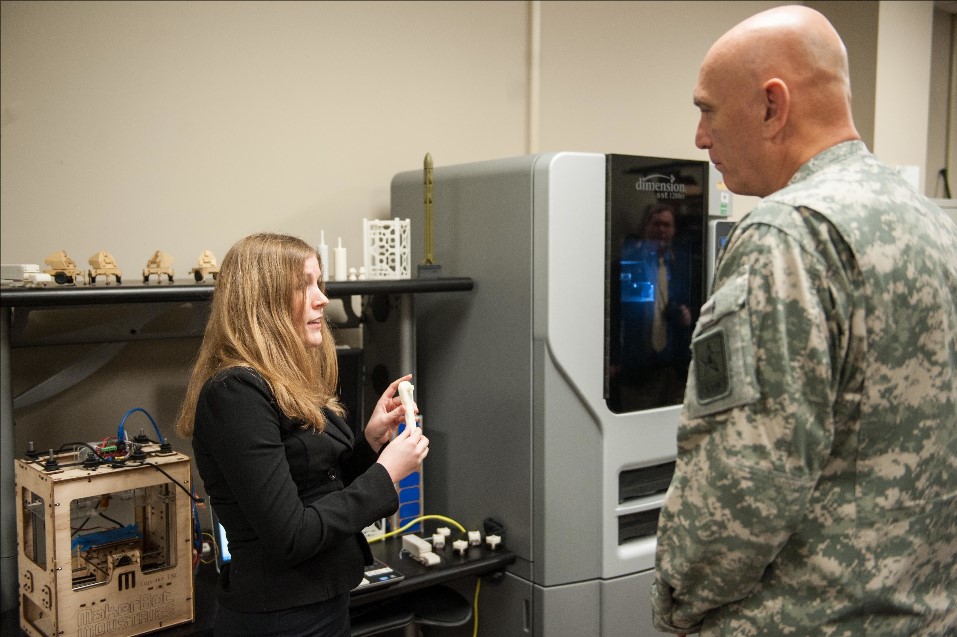
The project focuses on "bioprinting"—a cutting-edge process that uses specialized 3D printers to create living tissues such as human skin. These bioprinters can build complex tissue layers from living cells, offering a promising alternative to traditional skin grafts or treatment methods that can be hard to access during combat.
Researchers at the University of Hawaii's John A. Burns School of Medicine (JABSOM) are developing advanced tissue models and "organ-on-a-chip" systems. These small, lab-made devices mimic how human organs and tissues respond to hazardous substances like poisonous gases, chemical agents, or drug-resistant bacteria. By better understanding these reactions, scientists hope to fast-track treatments and tailor medical solutions to meet the unique injuries faced on the battlefield.
The project is particularly significant for troops stationed across the Indo-Pacific, a region known for its vast distances and logistical challenges. Starting in Hawaii, the team aims to bring this technology closer to the action. Portable bioprinters and manufacturing tools will be deployed to create pop-up medical labs capable of producing skin and other tissues on demand—right where they are needed most.
In its second phase, the project will go beyond skin printing. The team will explore how advanced manufacturing can be used to improve the military’s supply chains and repair capabilities. This means faster equipment fixes, stronger logistical support, and increased resilience in isolated locations—all crucial in today’s fast-moving security landscape.
Sam Shomaker, Dean of JABSOM, highlighted the wider impact of the effort. He emphasized that these innovations won’t just help soldiers—they could save civilian lives during disasters or health crises around the world. By turning once-futuristic tech into practical field tools, the Army is not only enhancing its battlefield capabilities but also building a foundation for medical care that adapts quickly to the most extreme conditions.
This collaboration is a powerful example of how defense and science can come together to transform military medicine. If successful, 3D-printed skin could become a standard tool in frontline trauma care, marking a major leap forward in how the U.S. treats and protects those who serve.
——— End of Article ———