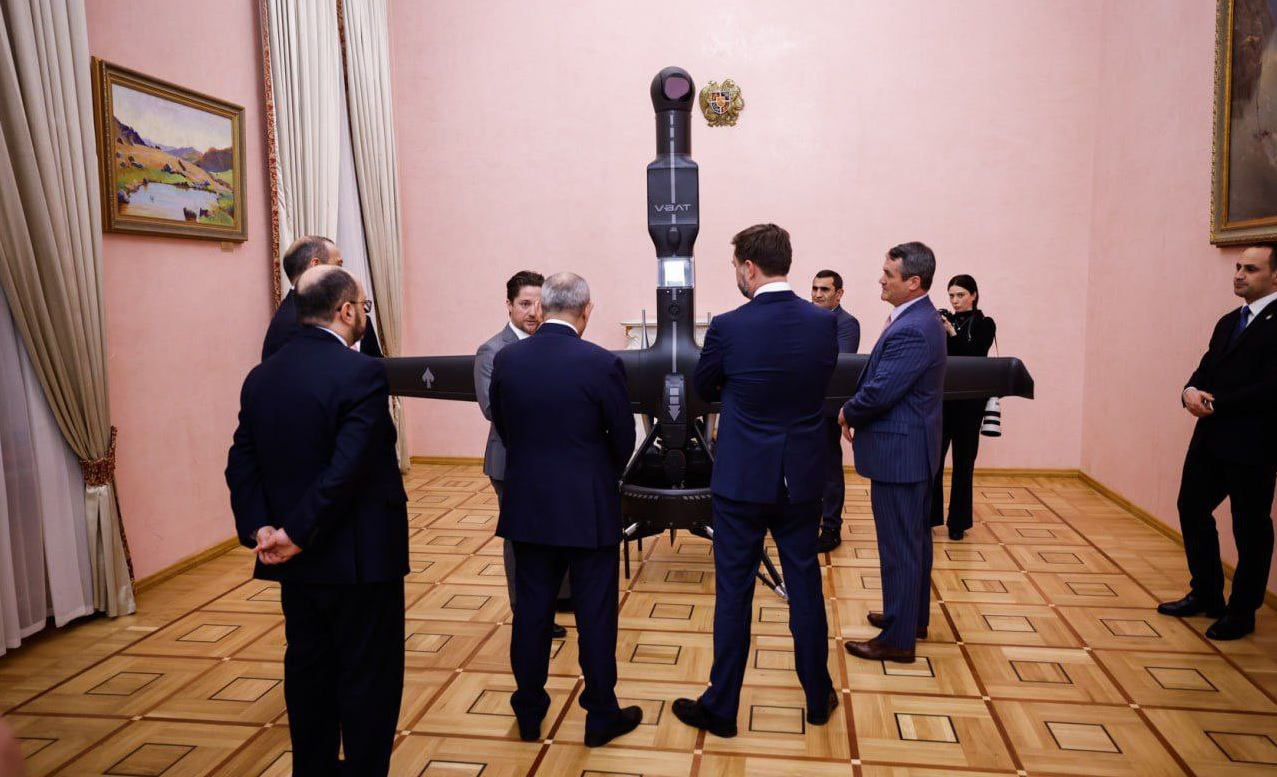
YEREVAN : Armenia has signed an agreement valued at $11 million to acquire U.S.-manufactured V-BAT (MQ-35A) unmanned aerial systems, marking the first significant transfer of American military technology to the country. The deal was announced during an official visit to Yerevan by U.S. Vice President J. D. Vance, underscoring a widening defense relationship between the United States and Armenia.
Armenian officials said the purchase supports ongoing efforts to modernize the Armenian Armed Forces and diversify procurement toward NATO-standard systems. U.S. officials described the transaction as a step toward strengthening regional stability through enhanced defense cooperation.
Agreement and Procurement Framework
The agreement was finalized following meetings between Vice President Vance and Armenian Prime Minister Nikol Pashinyan. According to Armenian government statements, the acquisition was conducted through the U.S. Foreign Military Sales (FMS) framework, which includes training, logistics, and technical support components.
Prime Minister Pashinyan confirmed that Armenia had selected the V-BAT platform based on its operational track record. Vice President Vance said the sale represents the first major U.S. defense export to Armenia and reflects a broader intention to expand bilateral security cooperation.
Platform Overview: V-BAT (MQ-35A)
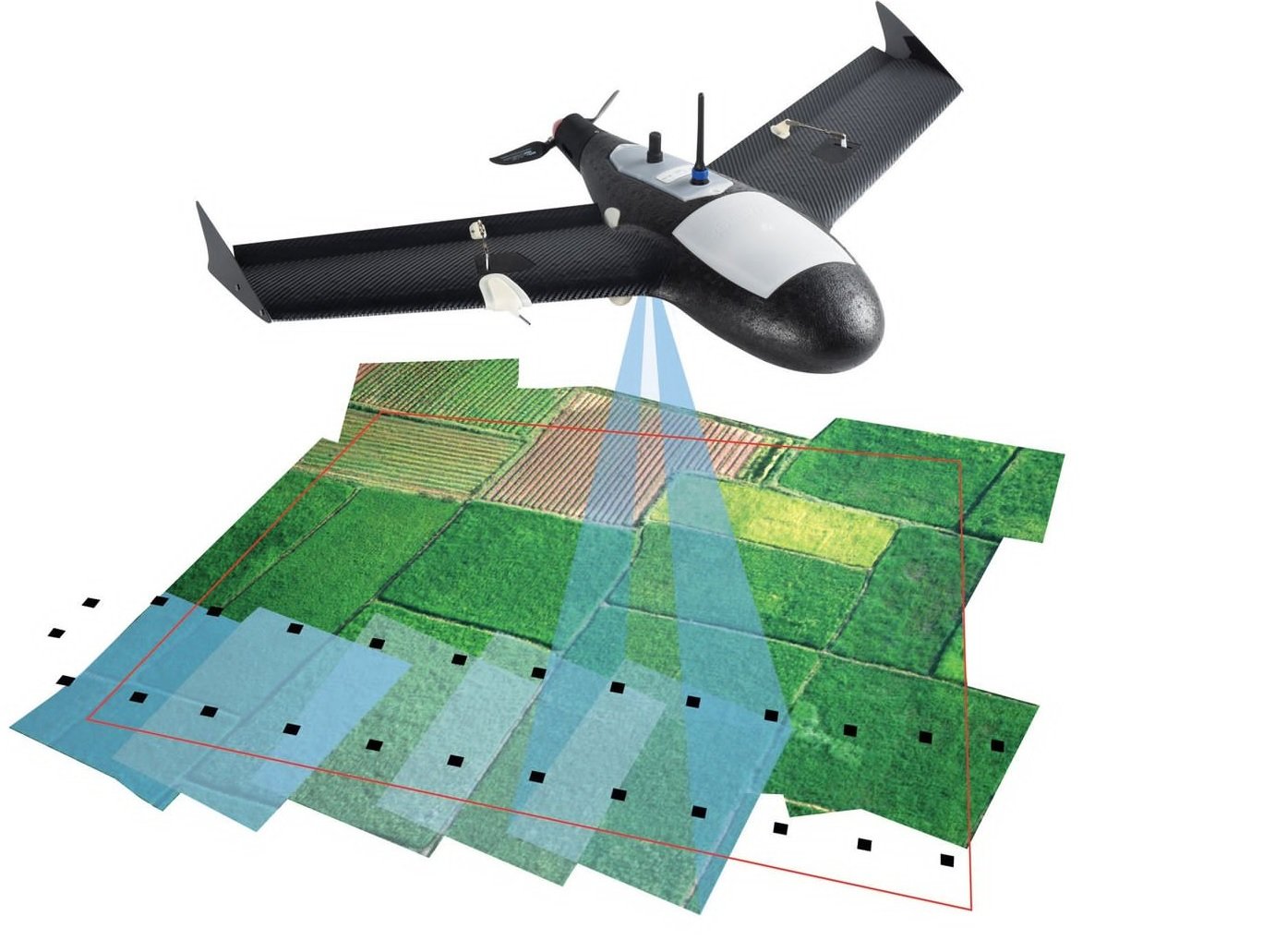
The contract covers the V-BAT unmanned aerial system, designated MQ-35A by the U.S. military and manufactured by San Diego-based defense technology firm Shield AI. The system is designed primarily for intelligence, surveillance, and reconnaissance (ISR) missions and is optimized for operations in austere environments.
According to manufacturer and U.S. military data, the V-BAT features vertical takeoff and landing (VTOL) enabled by a ducted fan system, allowing launch and recovery without a runway. The platform offers endurance exceeding 10 hours and an operational line-of-sight range of more than 300 kilometers, depending on configuration and command-and-control architecture.
A key capability of the MQ-35A is its ability to operate in GPS-denied and electronically contested environments using onboard autonomous navigation software. The system supports a payload of approximately 10–11 kilograms, accommodating electro-optical and infrared sensors and other ISR payloads. Launch and recovery can be conducted from a footprint of roughly 12 by 12 feet, enabling deployment from confined or remote locations.
Defense analysts note that these characteristics align with Armenia’s mountainous terrain and its emphasis on mobile, flexible ISR coverage.
Integration and Training
Armenian defense officials said the V-BAT systems are expected to be integrated into the Armenian Armed Forces in the near term. Training and operational familiarization programs are anticipated to begin shortly under existing U.S.–Armenia military cooperation arrangements associated with the FMS process.
While the number of systems included in the initial $11 million tranche was not disclosed, officials indicated that the package includes associated support necessary for initial operational capability.
Broader Bilateral Context
The drone acquisition was announced alongside other bilateral initiatives during Vice President Vance’s visit. Armenian and U.S. officials also finalized a joint statement concluding negotiations on an agreement for peaceful nuclear cooperation, focused on nuclear safety and energy diversification.
Armenia has in recent years sought to broaden defense cooperation beyond its traditional partners, increasing engagement with multiple countries as part of a wider diversification strategy. The V-BAT agreement represents a notable development in that effort, establishing a precedent for future U.S.–Armenia defense transactions.
Officials from both sides characterized the deal as limited in scale but significant in scope, positioning it as a foundation for potential future cooperation without indicating additional procurements at this stage.
——— End of Article ———