
India
Security forces killed two Lashkar-e-Taiba terrorists, including a wanted commander, in an encounter in Pulwama district, Jammu and Kashmir.On Monday, two terrorists from the banned Lashkar-e-Taiba (LeT) group were killed in an encounter with security forces in Pulwama district, Jammu and Kashmir. The terrorists were identified as Riyaz Dar and Rayees Dar.Riyaz Dar, a commander within the LeT, had been wanted for several terror-related cases and had managed to evade capture for years. Security forces initiated the operation after receiving precise intelligence about the presence of terrorists in the Nihama area of south Kashmir.The encounter began when the militants opened fire on the search party. In the ensuing exchange of gunfire, both Riyaz and Rayees Dar were killed. Inspector General of Police, Kashmir, V K Birdhi, confirmed their identities and the successful conclusion of the operation.Lashkar-e-Taiba, which operates primarily in Pakistan, has been responsible for numerous terrorist activities in India. The group is infamous for the 2008 Mumbai attacks, which resulted in the deaths of 166 people and left hundreds injured. The Indian government has been conducting continuous operations to eliminate the presence of such terrorist groups in the region.The encounter in Pulwama is part of a broader effort by security forces to maintain stability and safety in Jammu and Kashmir. Such operations are crucial in dismantling the networks of terrorist organizations operating in the area.Local residents were advised to stay indoors during the operation to ensure their safety. The area was secured, and a thorough search was conducted to ensure no other militants were hiding.This operation highlights the ongoing efforts and dedication of the security forces to combat terrorism and protect the citizens of Jammu and Kashmir.
Read More → Posted on 2024-06-03 15:11:02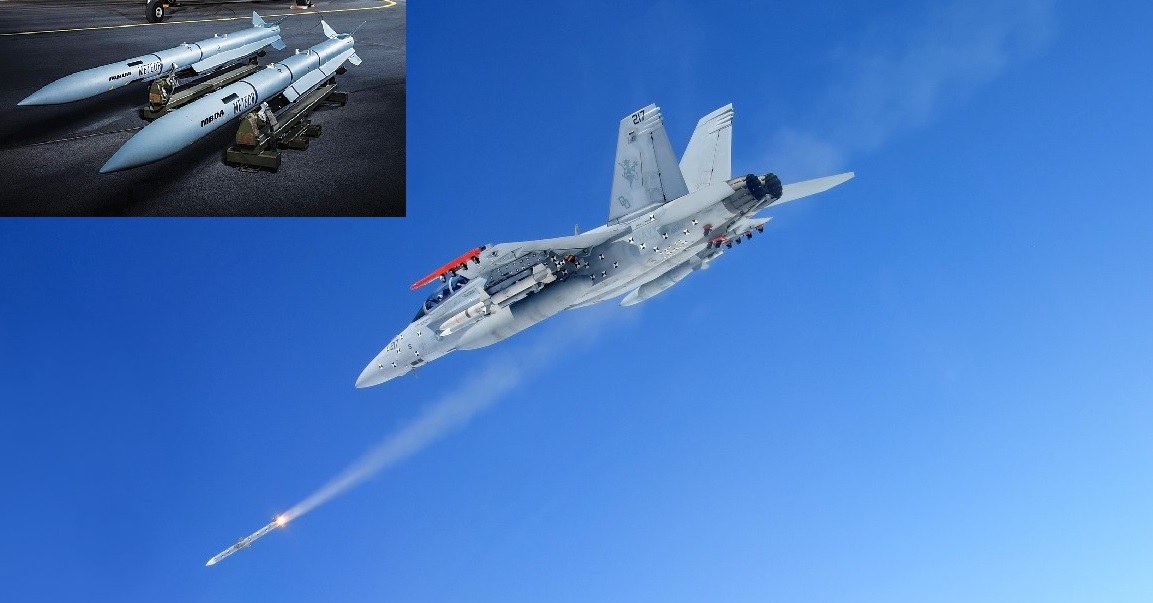
World
The dogfight isn't the only game in town for air combat anymore. Modern aerial warfare extends far beyond the visual range, thanks to Beyond-Visual-Range Air-to-Air Missiles (BVR) and their shorter-range counterparts. But how exactly do these missiles lock onto their targets? Let's break down the steps involved for both BVR and Short-Range Missiles.BVR AAMs (e.g., AIM-120 AMRAAM, R-77):1. Target Detection and Tracking: The launching aircraft's radar system detects and tracks the target aircraft. This involves emitting radar waves and analyzing the reflected energy to determine the target's position, speed, and direction.2. Lock-on and Data Sharing: The pilot locks onto the target with the radar, which continuously paints the target with radar energy. This lock provides the missile's guidance system with target information. Additionally, data like target location and predicted future position may be shared with the missile's onboard computer before launch.3. Launch and Initial Guidance: The BVR AAM is launched. In the initial phase, the missile relies on data from the launching aircraft or an external source (like an Airborne Warning and Control System - AWACS) for guidance. This allows the launching aircraft to break radar lock and maneuver freely.4. Active Seeker Activation: Once within a certain range (determined by the missile's seeker capabilities), the missile's active radar seeker turns on. This seeker emits its own radar waves and homes in on the reflected energy from the target, achieving autonomous guidance.5. Terminal Homing and Engagement: The missile's seeker refines the target's position and adjusts its course for interception. The missile maneuvers based on the seeker data until it impacts the target.Short-Range AAMs (e.g., AIM-9 Sidewinder, R-73):1. Visual or Radar Acquisition: The pilot visually identifies the target or acquires it through the aircraft's radar. Short-range missiles often have simpler targeting systems compared to BVR missiles.2. Lock-on and Launch: The pilot locks onto the target using the aircraft's radar or an infrared seeker (heat-seeking) in the missile itself. The missile relies on this continuous lock for guidance.3. Active Tracking and Engagement: The missile homes in on the target using the locked-on signal from the radar or the heat signature detected by the infrared seeker. The missile maneuvers aggressively to close the distance and engage the target in a dogfight scenario.Key Differences:Lock-on Reliance: BVR AAMs can achieve launch and initial guidance without continuous lock from the launching aircraft. Short-range missiles require a lock throughout the flight for guidance.Seeker Technology: BVR AAMs use active radar seekers that become operational mid-flight. Short-range missiles can use radar or infrared seekers, both requiring continuous lock-on.Engagement Range: BVR AAMs are designed for long-range engagements beyond visual range. Short-range missiles are effective at much closer distances, often within visual range.Overall, BVR AAMs offer greater launch flexibility and standoff capability, while short-range missiles prioritize agility and fast target acquisition for close-quarters combat.
Read More → Posted on 2024-06-03 08:42:53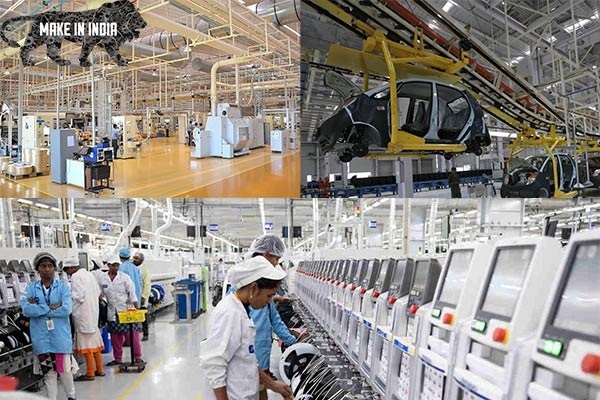
India
India's emergence as a global manufacturing hub amid supply chain challenges, driven by stable policies, incentives, and strategic advantages.In response to the disruptions caused by the COVID-19 pandemic and ongoing geopolitical tensions, many leading global manufacturing companies are diversifying their operations across different regions. This strategy aims to reduce risks and enhance flexibility in the supply chain.Geopolitical conflicts like the Ukraine-Russia conflict and the Israel-Hamas war, along with attacks on shipping lines by groups like the Houthis, have underscored the importance of mitigating risks in the supply chain. These tensions often lead to increased costs for businesses.India, with its stable political environment, vast market opportunities, and dynamic workforce, has emerged as a top choice for setting up manufacturing bases. The country has sustained impressive economic growth rates, becoming the fastest-growing major economy.Amit Goel, a strategist at Pace 360, highlights how India is benefiting from the global shift in supply chains. The pandemic exposed vulnerabilities in relying too heavily on specific regions for production, prompting many companies to diversify their operations. India's large and growing domestic market makes it attractive for companies to establish production facilities to meet local demand.Moreover, the Indian government's initiatives, such as production-linked incentives, are expected to boost domestic manufacturing capabilities further.India's GDP has climbed steadily, currently ranking as the fifth-largest globally. It surpassed the UK's GDP in 2022 and aims to reach $5 trillion in the near term.The country's strategic advantages include having the second-largest English-speaking population globally, with a focus on STEM education. Additionally, its geographical location provides easy access to markets in the Middle East, Europe, Africa, and Asia, facilitated by well-established sea routes.According to a Forbes article titled 'India's Rise in the Global Supply Chain,' India is poised to become a significant center of commerce. Major companies like Foxconn and Apple are expanding their operations in India, drawn by government incentives and favorable policies, such as the production-linked incentive scheme.For instance, Apple began manufacturing iPhones in India in 2017, with exports witnessing significant growth. Similarly, Samsung has made substantial investments in expanding its manufacturing capacity in India.The Indian government's initiatives like 'Make in India' and 'Atmanirbhar Bharat' aim to make Indian manufacturers globally competitive, boost exports, and reduce dependency on imports. Various sectors, including electronics, are being incentivized to attract investments and integrate India into the global supply chain.India's strengths in the global logistics supply chain, particularly in mobile, semiconductor manufacturing, aerospace, and defense sectors, have been recognized by industry experts. Companies like Thales India are actively expanding their presence in India and partnering with local suppliers to leverage the country's growing supply chain.The government has set ambitious targets for indigenous defense manufacturing and exports, aiming to achieve significant growth by 2024-25. Notably, many global companies are sharing critical defense and aerospace knowledge with India, contributing to its growing expertise in these sectors.India's defense exports have surged in recent years, reaching record highs. The country's commitment to strengthening its manufacturing capabilities and expanding its global presence underscores its emergence as a key player in the global supply chain.In conclusion, India's favorable business environment, government initiatives, and strategic advantages position it as an attractive destination for global investments and manufacturing operations amidst evolving supply chain challenges.
Read More → Posted on 2024-06-03 08:06:27
India
The Indian Army can boost its T-90 tanks' effectiveness by adopting Russia's recent armor plate upgrades, enhancing protection and mobility while simplifying maintenance.The Indian Army, with its significant fleet of T-90 tanks, is at a pivotal moment where adopting new tactics and upgrades can greatly improve its combat effectiveness. Recent changes in Russia's use of T-90 tanks offer valuable insights for India. Specifically, Russia has replaced the traditional cope cage on its T-90M tanks with two armor plates. This shift aims to enhance protection and operational efficiency, presenting a compelling case for India to consider similar modifications for its T-90 fleet.Understanding the Cope Cage and Its ReplacementInitially, the cope cage was added to T-90 tanks as an extra layer of defense against anti-tank missiles and drones. However, recent battlefield experiences have led Russia to replace the cope cage with two armor plates on their T-90M tanks. This change is driven by the evolving nature of threats and a continuous assessment of combat performance.Advantages of Armor Plates Over Cope Cages1. Improved Protection: The primary benefit of using armor plates is the enhanced protection they offer. Modern anti-tank weapons are highly sophisticated, and ensuring that tanks can withstand these threats is crucial. Armor plates have shown to provide better resilience against contemporary anti-tank munitions compared to the cope cage.2. Enhanced Mobility: The cope cage adds considerable weight to the tank, which can hinder its mobility. Mobility is vital in combat, especially in diverse terrains such as the deserts of Rajasthan and the mountainous regions along India's northern borders. By replacing the cope cage with armor plates, the overall weight of the tank is better managed, improving its maneuverability.3. Simplified Maintenance: The cope cage increases the complexity of the tank's design, potentially leading to higher maintenance requirements. In contrast, armor plates are more integrated into the tank's structure, simplifying maintenance and increasing operational uptime. This is crucial for maintaining the tank’s readiness and reducing downtime during operations.Strategic Evaluation and Iterative ImprovementsTo keep its T-90 tanks at the forefront of armored warfare, the Indian Army should systematically evaluate their performance in various operational scenarios. By gathering and analyzing real-world combat feedback, the Army can make iterative improvements, ensuring that their tanks remain effective against evolving threats.Additional Considerations for Upgrading T-90 TanksWhile adopting armor plates is a significant step, the Indian Army should also consider other potential upgrades and innovations:Active Protection Systems (APS): These systems can detect and neutralize incoming threats before they hit the tank, offering an additional layer of defense.Improved Fire Control Systems: Upgrading the fire control systems can enhance target acquisition and accuracy, increasing the tank's effectiveness in combat.Enhanced Communication Systems: Modern communication systems can improve coordination between tanks and other units, leading to more effective operations.ConclusionBy learning from Russia's recent modifications to the T-90 tanks, the Indian Army can enhance the combat effectiveness of its own fleet. Replacing the cope cage with armor plates offers improved protection, better mobility, and simpler maintenance. Coupled with a strategic approach to evaluating and upgrading the tanks, these changes can ensure that the T-90s remain a formidable force in modern warfare.
Read More → Posted on 2024-06-03 07:21:55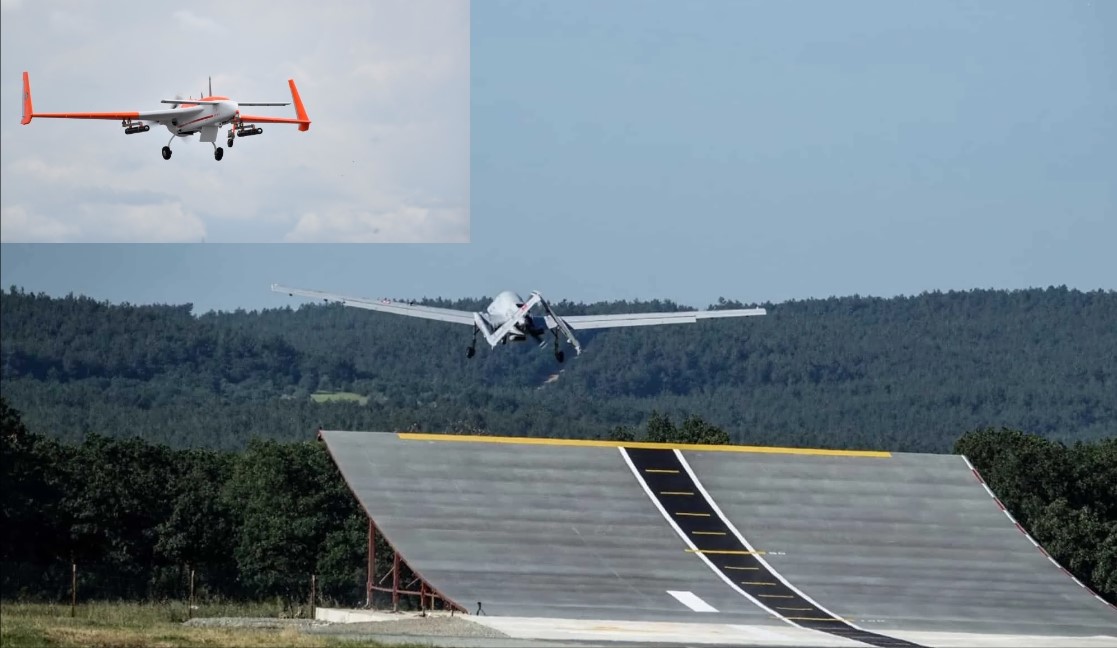
World
Turkey's successful ski-jump test of the Bayraktar TB3 UAV highlights potential upgrades for India's Archer UAV to enhance its carrier-based operations.The recent successful ski-jump test of Turkey's Bayraktar TB3 unmanned combat aerial vehicle (UCAV) has sparked discussions about the potential for similar operations with India's Archer UAV. Both drones belong to the Medium-Altitude Long-Endurance (MALE) class, which is used for reconnaissance and surveillance in military operations.Bayraktar TB3: Pioneering Carrier-Based Drone OperationsTurkey's achievement with the Bayraktar TB3 demonstrates the feasibility of launching medium-sized drones from aircraft carriers equipped with a Short Take-Off But Arrested Recovery (STOBAR) system. This method uses a ski-jump ramp for takeoff, suitable for carriers without powerful catapultsneeded for conventional launches. During its recent test, the Bayraktar TB3 successfully completed four takeoffs from a 12-degree inclined ramp, simulating the deck of Turkey's first aircraft carrier, the TCG Anadolu.The Bayraktar TB3, developed by Baykar, features foldable wings and is designed for short-runway operations. It builds on the success of its predecessor, the Bayraktar TB2, which has been effectively used in conflicts in Azerbaijan, Libya, and Ukraine. The TB3 offers enhanced capabilities, including increased flight duration, higher operational altitudes, and a greater weapons payload.In addition to the TB3, Baykar is also developing the Kızılelma, an unmanned fighter jet, which is expected to operate from the TCG Anadolu. The Kızılelma will provide higher speed and carrying capacity, marking a significant advancement in Turkey's unmanned aerial capabilities. Baykar has secured export deals with 34 countries for its various drone models, underscoring its role as a leading Turkish defense exporter.India's Archer UAV: Potential for Naval IntegrationIndia's Archer UAV, developed by the Aeronautical Development Establishment (ADE), shares several similarities with the Bayraktar TB3 in terms of size and functionality. However, the current variant of the Archer, which is powered by a 16-horsepower piston engine, would not be sufficient for carrier takeoffs. To enable carrier-based operations, an upgrade to a more powerful turbodiesel engine is necessary.The Archer UAV can currently achieve an operational altitude of 20,000 feet, with a design ceiling of 22,000 feet. For optimal performance on Indian Navy carriers, the Archer may need to reach altitudes exceeding 25,000 feet. This would require further modifications to the engine and possibly the airframe.Path Forward for India's Archer UAVTurkey's advancements with the Bayraktar TB3 highlight potential avenues for India to enhance its Archer UAV for naval operations. Upgrading the Archer's engine and refining its airframe design are crucial steps toward enabling carrier-based deployments. Successfully integrating the Archer into Indian Navy operations could significantly enhance its aerial surveillance and reconnaissance capabilities.In conclusion, the successful ski-jump test of Turkey's Bayraktar TB3 has opened up new possibilities for India's Archer UAV. By learning from Turkey's experience and making necessary upgrades, India can potentially deploy the Archer on its aircraft carriers, boosting its military capabilities in the process.
Read More → Posted on 2024-06-03 07:11:44
Space & Technology
Chinese scientists have successfully demonstrated a quantum engine powered by entanglement, marking a significant step toward more efficient quantum computing.Researchers from the Chinese Academy of Sciences have made a groundbreaking advancement in quantum physics, showcasing the potential of quantum engines powered by entanglement. This phenomenon allows two photons to remain connected, regardless of the distance between them, as if they communicate faster than light.The team, led by Zhou Fei and Feng Mang, published their findings in the journal *Physical Review Letters* on April 30. Their study is the first to experimentally realize a quantum engine utilizing entanglement as a form of fuel.Traditional engines rely on thermal combustion, but a quantum engine uses lasers to move particles between quantum states, converting light into kinetic energy. Zhou and Feng's team demonstrated that entanglement significantly enhances the output efficiency of these engines.In their experiments, the researchers used ultra-cold calcium ions (40Ca+) confined in an ion trap. They designed a thermodynamic cycle that converts external laser energy into vibrational energy of the ions. By precisely adjusting the laser's frequency, amplitude, and duration, the ions transitioned from their initial pure states to highly entangled states.The team measured the engine's performance by examining two metrics: conversion efficiency, which measures how many vibrations (phonons) are produced per unit of light (photons), and mechanical efficiency, which assesses the usable energy compared to the total energy output. The results showed that higher levels of ion entanglement led to greater mechanical efficiency, though conversion efficiency remained largely unaffected.This discovery suggests that entanglement can act as a "fuel" in quantum engines, despite its complex nature. Quantum engines have the potential to exceed the efficiency limits of classical thermodynamics, potentially achieving energy conversion efficiencies of more than 25%. This efficiency could power large-scale quantum computers and circuits, advancing the development of quantum technology.Moreover, the study indicates that entangled states can enhance the maximum extractable energy in micro-energy devices like quantum motors and batteries. Although quantum batteries may not store as much energy as those in electric vehicles, their true advantage lies in powering large-scale quantum computing systems.Future research will focus on increasing the number of working materials without compromising the fidelity of the entangled states, thereby enhancing the output of quantum engines. This promising development opens new avenues for more efficient and powerful quantum technologies.By leveraging the unique properties of quantum entanglement, researchers are paving the way for next-generation computing and energy devices that could revolutionize various technological fields.
Read More → Posted on 2024-06-02 15:58:18
Space & Technology
Boeing's Starliner spacecraft, carrying astronauts Sunita Williams and Barry Wilmore, faced a last-minute launch cancellation due to technical issues. A new launch attempt is scheduled for Sunday.NASA had to cancel the first human crewed flight of Boeing's Starliner spacecraft just minutes before its scheduled takeoff from the Kennedy Space Center. The mission, which included Indian-origin astronaut Sunita Williams, was halted 3 minutes and 50 seconds before liftoff by an automated computer system.NASA stated, "Teams have scrubbed today's launch attempt for BoeingSpace's Starliner Crew Flight Test due to an automatic hold of the ground launch sequencer." This system manages the final countdown and initiates the rocket launch.A backup launch attempt is planned for Sunday at 12:03 PM ET (9:33 PM IST), provided that the United Launch Alliance (ULA) resolves the issue that caused the cancellation. ULA, responsible for the Atlas V rocket, also has additional launch windows on Wednesday and Thursday if needed.At a press conference, Mark Nappi, Boeing's Vice President and Program Manager for the Commercial Crew Program, explained that the issue was related to a slight increase in voltage when Starliner switched from ground to internal power. This caused the cabin fans, crucial for cooling the astronauts, to turn off briefly. "Tomorrow or whenever we try our next launch attempt, we'll have that figured out," Nappi assured.Despite the setback, NASA's Commercial Crew Program Manager, Steve Stich, remained optimistic, stating, "We got really close today." Tory Bruno, ULA's President and CEO, echoed this sentiment, indicating that if the issue is fixed promptly, the launch could still proceed as early as Sunday.The Starliner mission, named the Crew Flight Test, aims to transport astronauts Sunita Williams and Barry "Butch" Wilmore to the International Space Station (ISS) for about a week. This mission is crucial for obtaining NASA's clearance for regular Starliner operations.NASA's Commercial Crew Program, which began after the Space Shuttle Program ended in 2011, funded both Boeing and SpaceX to develop new spacecraft for ISS missions. Boeing received over $4 billion, while SpaceX received about $2.6 billion. SpaceX's Crew Dragon has already completed 12 crewed missions since its first launch in May 2020. In contrast, Boeing's Starliner has faced multiple delays and technical issues, including failed uncrewed test flights in 2019 and 2021 before a successful test in May 2022.The launch on May 6 was also delayed due to a valve issue in the Atlas V rocket's second stage and a minor helium leak in the spacecraft's service module. Additionally, a "design vulnerability" in the propulsion system was identified, though it was deemed a remote risk.Sunita Williams, who has logged 322 days in space across two missions, and her fellow astronaut Butch Wilmore, are currently in quarantine at the Kennedy Space Center's Neil A. Armstrong Operations and Checkout Building, awaiting the next launch attempt.This launch is a critical step for Boeing and NASA's partnership to ensure reliable human spaceflight capabilities to the ISS.
Read More → Posted on 2024-06-02 15:53:17
World
Dr. Helen Mary Roberts becomes the first Christian woman to achieve the rank of brigadier in the Pakistan Army, marking a historic milestone for minority communities in the country.Dr. Helen Mary Roberts, serving in the Pakistan Army Medical Corps, has made history by becoming the first woman from the Christian minority community to be promoted to the rank of brigadier in Pakistan. This significant achievement was reported by The News on Sunday, following the recent promotions approved by the Selection Board.Prime Minister Shehbaz Sharif extended his congratulations to Brigadier Helen, expressing pride in her accomplishment and recognizing the contributions of thousands of hardworking women from minority communities serving the country. He stated, "I myself and the nation congratulate Brig Helen Mary Roberts on getting the honour of being the first female from a minority to be promoted as Brigadier in the Pakistan Army."Brigadier Dr. Helen is a senior pathologist with 26 years of dedicated service in the Pakistan Army. Her promotion not only highlights her personal achievements but also underscores the evolving inclusivity within Pakistan's military institutions.During a Christmas celebration at Christ Church in Rawalpindi last year, Pakistan Army Chief General Asim Munir praised the contributions of minority communities to the nation's development. His comments reflect a broader recognition of the diverse groups that play crucial roles in Pakistan's progress.According to data from the Pakistan Bureau of Statistics in 2021, Muslims constitute 96.47% of the population, followed by Hindus at 2.14%, Christians at 1.27%, Ahmadi Muslims at 0.09%, and others at 0.02%. Dr. Helen’s promotion is a significant step towards greater representation and acknowledgment of minority communities in the country.Dr. Helen’s historic promotion serves as an inspiration and a reminder of the valuable contributions of minority communities to Pakistan. Her achievement is celebrated by many as a positive sign of progress and inclusivity within the nation.
Read More → Posted on 2024-06-02 15:49:38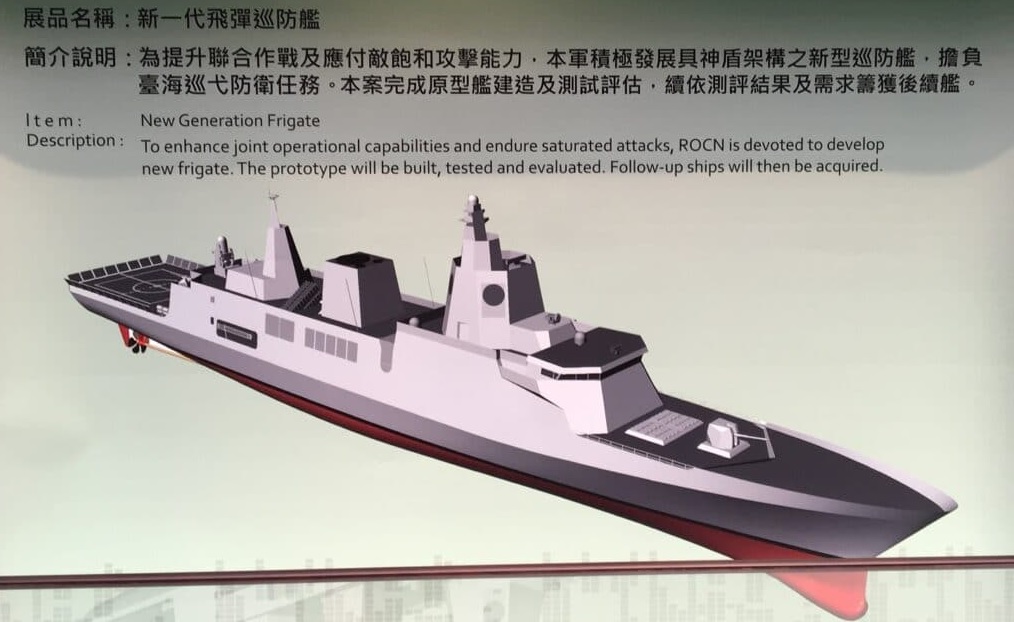
World
Taiwan's New Generation Frigate project faces significant challenges due to changing requirements and technical limitations.On May 25, 2024, local media outlet LTN reported that Taiwan's New Generation Frigate would have a displacement of 6,000 tons, significantly larger than initially planned. This information came from a high-level government official, who noted that the frigate would feature the U.S.-made AN/SPY-7 active phased radar.The official also highlighted an overly optimistic initial expectation from the Republic of China (ROC) Navy. They had hoped to develop a 4,500-ton ship with capabilities comparable to the 6,000-ton ships of other nations. Another local media source, UP MEDIA, quoted an anonymous insider stating that a 4,500-ton vessel could not accommodate all the necessary weapon systems and equipment for modern warfare.The New Generation Frigate was part of a 12-item force-building plan revealed by the ROC Navy in 2016. During the TADTE 2017 defense exhibition, a scale model of the frigate was displayed, emphasizing its role in enhancing joint operational capabilities and withstanding intense attacks. The Mandarin description mentioned that the ship would be developed with an "Aegis structure," though this term was not used in the English description.The term "Aegis" remains ambiguous regarding Taiwan's naval plans. In a 2018 parliamentary session, a deputy head of the National Chung-Shan Institute of Science and Technology (NCSIST) clarified that an "Aegis ship" refers to a warship with an electronically scanned array (ESA). However, it is unclear if the U.S. will sell the complete Aegis Combat System to Taiwan.Initially, the plan aimed to create a 4,500-ton vessel with passive ESA radar systems. NCSIST had developed a land-based passive ESA radar system, but the ROC Navy later requested an active ESA system. This requirement could not be met within the 4,500-ton limit, leading to the decision to increase the ship's displacement to 6,000 tons.The Control Yuan, Taiwan's ombudsman, investigated and criticized the Ministry of National Defense (MND) and ROC Navy Command in December 2023. They found that frequent changes in project requirements caused significant delays and complications.The New Generation Frigate project exemplifies the challenges of modern military development, where evolving requirements and technical constraints often necessitate substantial adjustments. Taiwan's efforts to enhance its naval capabilities continue amid these difficulties, highlighting the complex nature of defense planning and execution.
Read More → Posted on 2024-06-02 15:39:47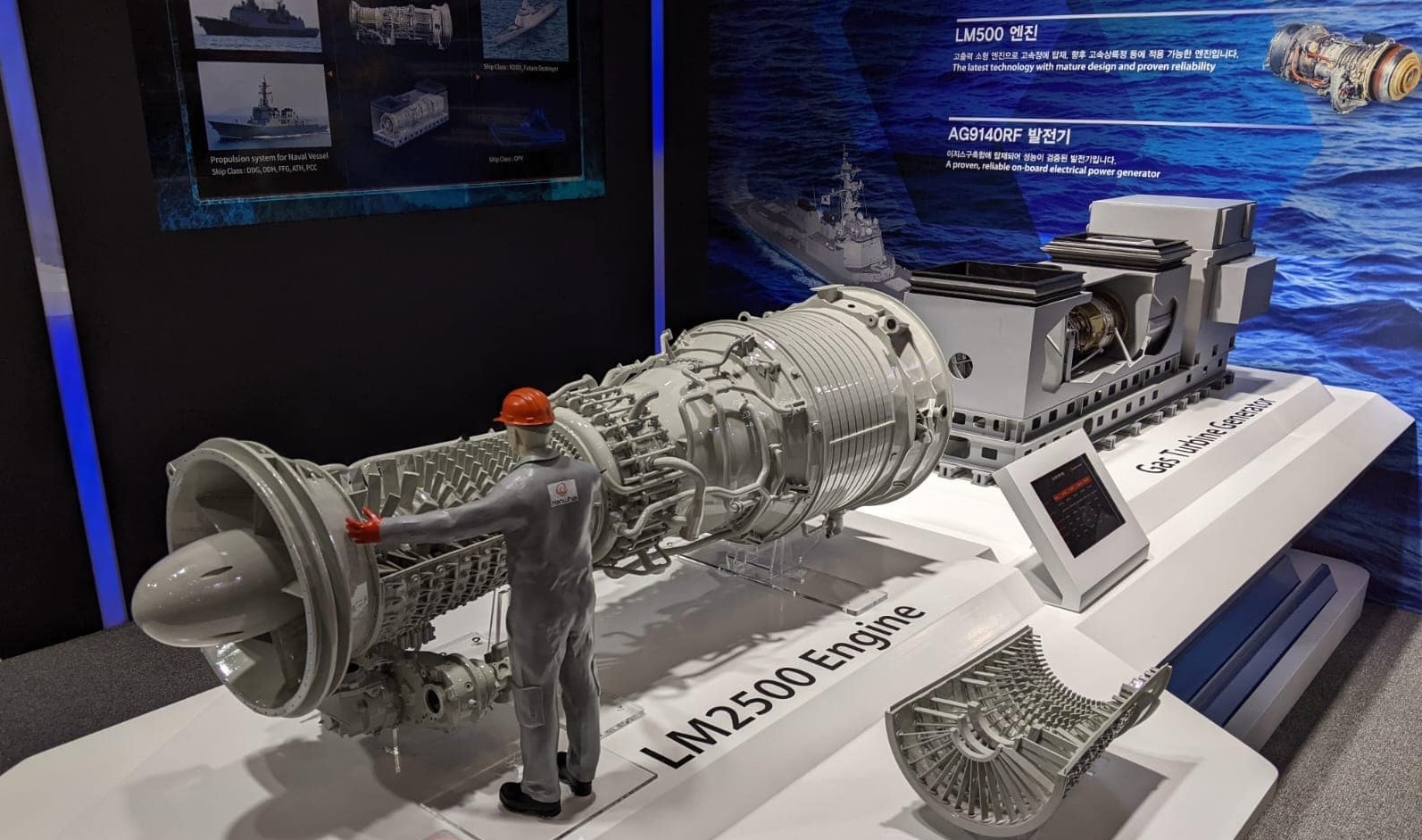
India
HAL has secured a ₹1,173 crore contract with Cochin Shipyard to supply LM2500 gas turbines for the Indian Navy's new missile vessels, set for delivery between 2026 and 2029.Hindustan Aeronautics Limited (HAL) has won a contract worth ₹1,173.42 crore (approximately $147 million USD) with Cochin Shipyard Limited (CSL). This agreement is for supplying critical equipment for the Indian Navy’s Next Generation Missile Vessel (NGMV) project, marking a significant step in the construction of these advanced warships.As part of the contract, HAL will manufacture and deliver six sets of LM2500 Gas Turbines (GT) along with their corresponding Gas Turbine Auxiliaries (GTAE). These turbines are known for their reliability and efficiency and will serve as the propulsion system for the NGMVs. The contract also includes providing spare parts and tools necessary for the operation and maintenance of these systems.The LM2500 is a well-established marine gas turbine engine that is widely used in navies around the world. Its efficiency and high performance make it suitable for the demanding operational requirements of the Indian Navy's new missile vessels.The contract execution is planned over a period from FY 2026 to FY 2029, indicating a multi-year commitment to ensure the timely delivery of these essential components for the NGMV project.HAL's involvement in this project highlights its capabilities in manufacturing advanced marine propulsion systems, reinforcing its position as a key player in India’s defense manufacturing sector. This collaboration with CSL also underscores the growing synergy between Indian defense firms in enhancing the country's maritime defense capabilities.The LM2500 gas turbines have been utilized by over 30 navies globally, powering various classes of ships due to their robust performance and adaptability. This collaboration is expected to bolster the indigenous manufacturing capabilities in India's defense sector and contribute significantly to the 'Make in India' initiative.
Read More → Posted on 2024-06-02 15:31:18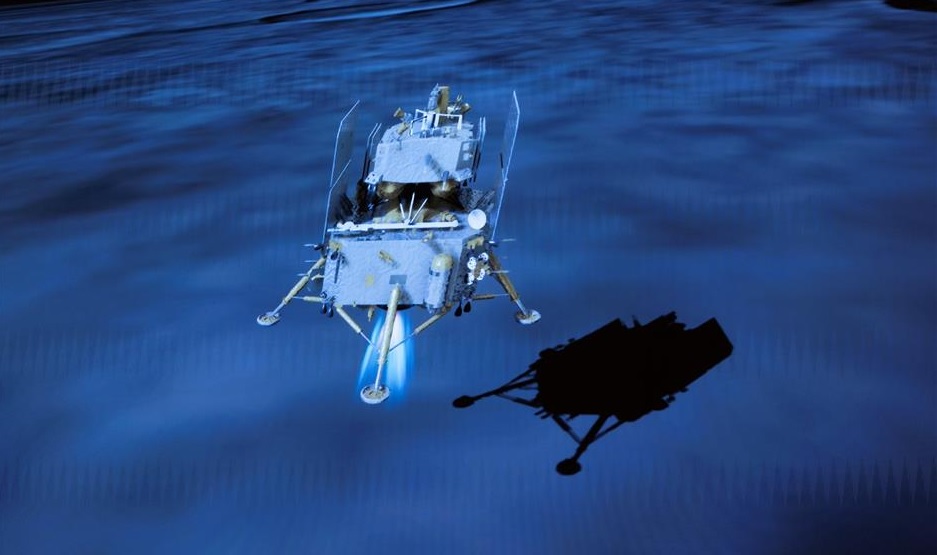
Space & Technology
China's Chang'e-6 successfully lands on the Moon's far side, marking a historic first in lunar sample collection from this rarely explored region.China's Chang'e-6 lunar probe has achieved a groundbreaking milestone by landing on the far side of the Moon and beginning a mission to collect samples from this rarely explored terrain. This marks the first time in human history that samples will be gathered from this enigmatic region of the lunar surface, according to Chinese state media.The China National Space Administration (CNSA) announced this achievement, highlighting the significance of the Chang'e-6 mission. Supported by the Queqiao-2 relay satellite, the Chang'e-6 lander-ascender combination successfully touched down in the South Pole-Aitken (SPA) Basin, a unique and scientifically valuable area on the Moon's far side.Launched on May 3, the Chang'e-6 mission consists of an orbiter, a returner, a lander, and an ascender. The mission followed a meticulously planned journey from Earth-Moon transfer, near-Moon braking, lunar orbiting, to its final descent to the lunar surface. Each step was executed with precision by the CNSA.The chosen landing site, the Apollo Basin, was selected for its scientific importance and favorable landing conditions. Despite the rugged terrain typical of the Moon's far side, the relatively flat surface of the Apollo Basin offers an ideal location for landing and sampling operations.Following the successful landing, Chang'e-6 is set to begin its sampling mission, which is expected to be completed within two days. The probe will collect samples from the lunar subsurface using a drill and from the surface using a robotic arm.The Chang'e-6 development team prepared extensively for this mission. They established a simulation lab replicating the lunar environment to refine sampling strategies and equipment control procedures. This careful preparation ensures the accuracy and efficiency of the mission.Communication with the far side of the Moon presents challenges due to the obstruction of direct signals. To address this, the Chang'e-6 mission incorporates advanced autonomous capabilities, allowing the probe to execute instructions and make decisions independently. This reduces the need for constant intervention from Earth-based controllers.A significant advancement in the Chang'e-6 mission is the reduction of instructions sent from ground control, from approximately 1,000 to 400 throughout the sampling process. This exemplifies the progress in autonomous space exploration.The Chang'e-6 mission not only demonstrates China's growing capabilities in space exploration but also contributes valuable scientific knowledge by collecting samples from a previously unexplored region of the Moon. This mission represents a significant step forward in our understanding of the Moon and the broader universe.
Read More → Posted on 2024-06-02 15:26:30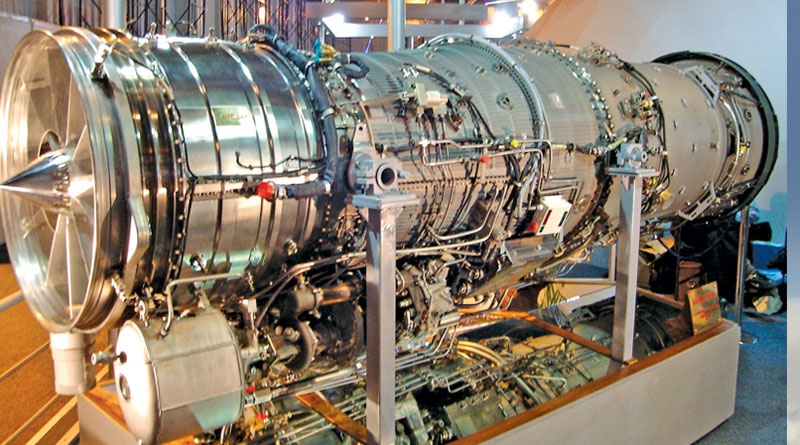
India
India's GTRE, part of DRDO, has advanced its Dry Kaveri engine program, aiming for self-reliance in fighter jet technology with upcoming rigorous tests and potential integration into the LCA-Tejas Mk1 aircraft.The Gas Turbine Research Establishment (GTRE), a division of India's Defence Research and Development Organisation (DRDO), has made significant progress in developing the Dry Kaveri engine. This milestone is crucial for India's goal of self-reliance in critical aerospace technology. The Dry Kaveri engine, under development for several years, has now entered a phase of rigorous testing and certification.The GTRE plans to integrate an afterburner into the engine, which will enhance its thrust capabilities. This modified engine will be installed in an older Limited Series Production (LSP) LCA-Tejas Mk1 aircraft for essential flight testing. These trials, expected to start within the next two years, will focus on validating the engine's ability to generate 73 kilonewtons (kN) of thrust. Achieving this thrust level is a significant milestone for the DRDO.The long-term goal of the Dry Kaveri engine program is to develop a 90kN class engine. This engine could replace the F-404 engine currently powering the Tejas Mk1A fighter jets. If successful, it would reduce India's dependence on foreign suppliers for critical fighter jet components, marking a major breakthrough for the country's defense capabilities.The development of the Dry Kaveri engine has faced delays in the past, but recent advancements suggest the project is gaining momentum. The DRDO aims to use this engine as a viable alternative when the Tejas Mk1A fleet undergoes future engine upgrades, provided it meets the necessary performance and safety standards during flight trials.The LCA-Tejas Mk1, an indigenously developed light combat aircraft, is a cornerstone of India's efforts to modernize its air force. Integrating the Dry Kaveri engine into the Tejas Mk1A represents a strategic move to bolster the country's defense manufacturing sector.Developing a domestic engine like the Dry Kaveri also aligns with the Indian government's 'Make in India' initiative, which aims to encourage local production and reduce reliance on imports. Successful implementation of this engine would not only enhance the performance of India's fighter jets but also signify a major achievement in India's aerospace engineering capabilities.As the flight trials approach, the aerospace community will closely monitor the progress of the Dry Kaveri engine. If the engine meets the rigorous standards required, it will pave the way for future advancements in India's indigenous fighter jet programs.
Read More → Posted on 2024-06-02 15:20:33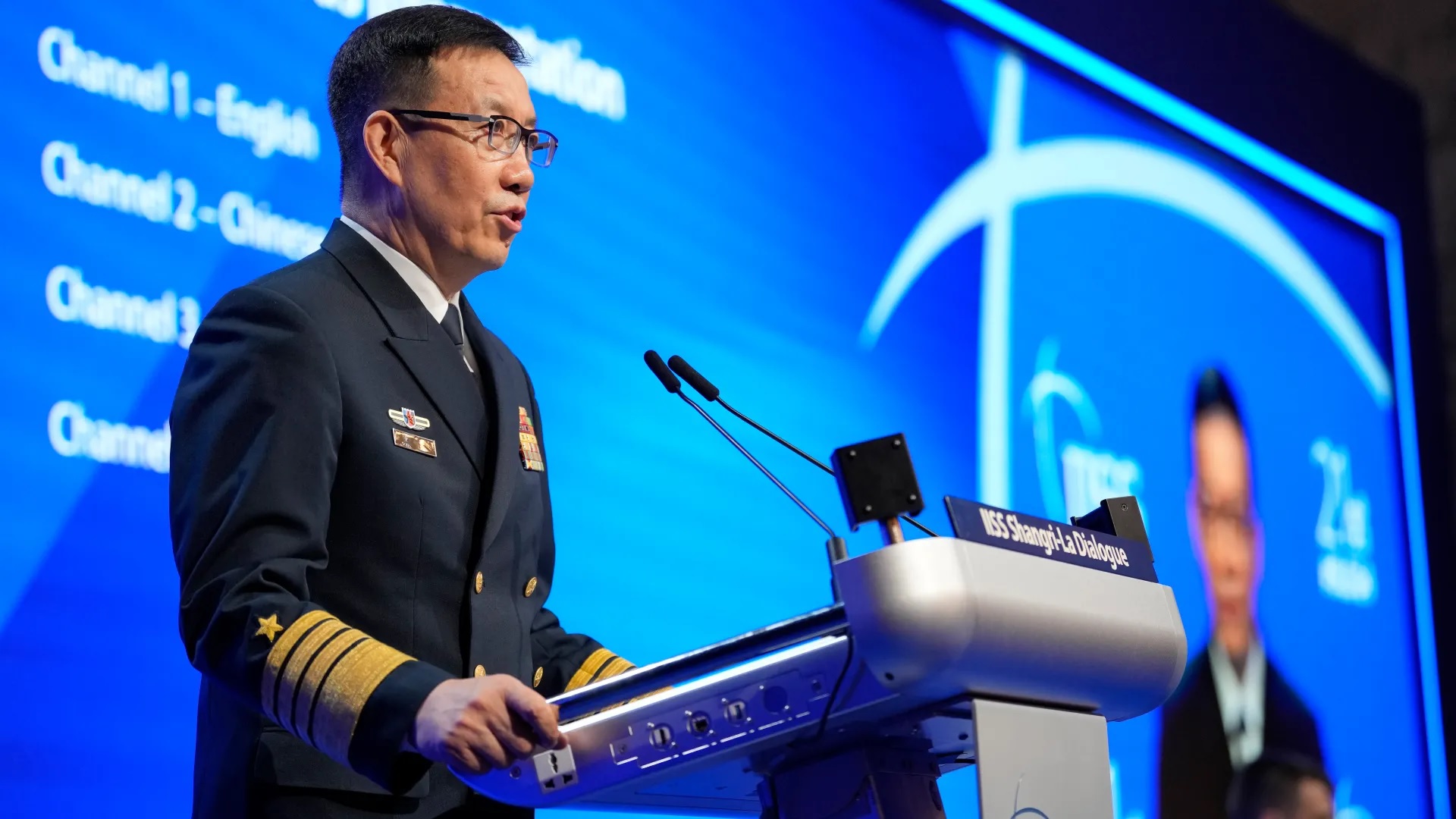
World
Chinese Defence Minister warns against Taiwan independence, calls for US cooperation; tensions persist amid diplomatic efforts.Chinese Defence Minister Dong Jun issued a stern warning about Taiwan independence at the Shangri-La Dialogue in Singapore, declaring that China’s military is prepared to act decisively to prevent any moves towards Taiwan’s independence. At the same time, he emphasized the importance of increased communication and cooperation between China and the United States.During the annual security forum, which gathers defence officials worldwide and reflects the state of US-China relations, Dong highlighted the necessity of dialogue. “We have always been open to exchanges and cooperation, but this requires both sides to meet each other halfway,” Dong stated, underlining the need for more interactions between the two militaries due to existing differences.High-Level Meetings and CommunicationDong's remarks came after his meeting with US Defense Secretary Lloyd Austin. The one-hour discussion, the first substantive face-to-face talks in 18 months between the defence chiefs, occurred in the backdrop of recent military tensions. Both sides showed a willingness to stabilize relations, with Austin announcing the resumption of telephone conversations between US and Chinese military commanders "in the coming months."Taiwan TensionsDong’s comments also followed China’s military drills around Taiwan and threats of war after President Lai Ching-te's inauguration, whom Beijing labels a "dangerous separatist." Reiterating China's stance, Dong said, "The Chinese People's Liberation Army has always been an indestructible and powerful force in defence of the unification of the motherland, and it will act resolutely and forcefully at all times to curb the independence of Taiwan."Recent Diplomatic EffortsThe Biden administration has increased efforts to ease tensions with China. Secretary of State Antony Blinken visited Beijing and Shanghai last month, marking a step towards improved diplomatic relations. A key focus of these efforts is resuming military-to-military dialogue to prevent conflicts from escalating.In 2022, China cut military communications with the US in response to then-House Speaker Nancy Pelosi’s visit to Taiwan. Tensions were further heightened by an incident involving an alleged Chinese spy balloon over US airspace, and a meeting between Taiwan's then-president Tsai Ing-wen and current House Speaker Kevin McCarthy. Additionally, China's frustration grew over the US's deepening defence ties in the Asia-Pacific region, especially with the Philippines, and the regular deployment of American military assets in the Taiwan Strait and South China Sea, which Beijing perceives as containment efforts.Moving ForwardDespite these challenges, both nations are taking steps to manage their rivalry responsibly. Following a summit between President Joe Biden and Chinese leader Xi Jinping in November, they agreed to restart high-level military talks. These discussions are expected to cover military operations near Taiwan, Japan, and the South China Sea, aiming to reduce the risk of conflict.In summary, while China maintains a firm stance against Taiwan’s independence, it also seeks more robust communication channels with the United States to manage their complex relationship. The recent high-level meetings and planned resumption of military dialogue indicate a cautious but hopeful approach towards easing bilateral tensions.
Read More → Posted on 2024-06-02 15:15:33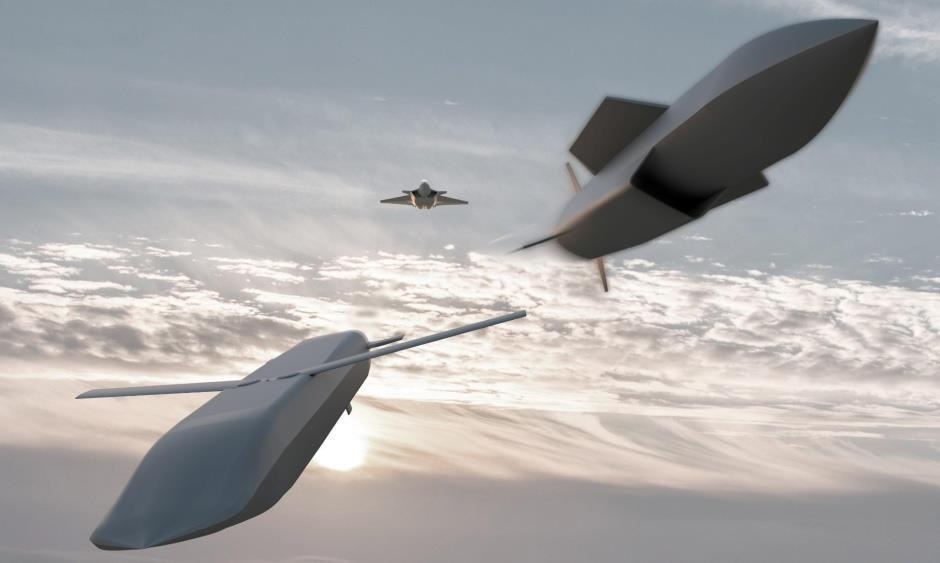
World
MBDA will introduce the RCM², a versatile weapon system for kinetic and electromagnetic operations, at ILA Berlin 2024. The system enhances mission success in contested environments with its adaptable and loitering capabilities.MBDA, a leading European defense company, is set to unveil its latest innovation, the RCM² (Remote Carrier Multidomain Multirole Effector) weapon system, at the ILA Berlin Air Show 2024. The event, which will take place from June 5 to June 9, marks the first public presentation of the RCM².Key Features of the RCM²Developed in Germany, the RCM² is designed to enhance mission success in contested environments. It is versatile, capable of handling both kinetic (physical) and electromagnetic operations, making it suitable for a wide range of military missions. Key features include:Adaptability: The RCM² can be used for both short and long-range engagements.Loitering Capability: The system can remain airborne for extended periods, allowing for continuous monitoring and rapid response.GPS-Denied Operation: The RCM² can operate effectively in environments where GPS signals are unavailable or jammed.Interactive Command Transfer: Networked operators can seamlessly transfer command of the system, ensuring flexibility and coordination.Multi-Domain Launch and Control: The RCM² can be launched from various platforms and controlled across different domains, supporting joint force operations.Real-Time Data: It performs sensor-based reconnaissance and provides real-time situational data, crucial for modern military operations.Collaboration and DevelopmentThe RCM² is part of the Next Generation Weapon System within the Future Combat Air System (FCAS) program. MBDA collaborates with the Spanish company SATNUS to drive technological advancements in remote carriers. This partnership aims to develop cutting-edge capabilities that enhance the effectiveness of future military operations.MBDA at ILA 2024At ILA 2024, MBDA will showcase around 50 high-tech systems through models, product demonstrations, and virtual reality displays. These exhibits will highlight the company's broad range of defense solutions and technological innovations.MBDA's subsidiaries, Bayern-Chemie and TDW, along with the joint venture COMLOG, will also participate in the event. They will present their latest advancements and contributions to the defense sector.About MBDAMBDA is a prominent European multinational defense group with over 15,000 employees. The company specializes in developing and producing complex weapon systems, ensuring the defense capabilities of France, Germany, Italy, Spain, the United Kingdom, and allied countries. MBDA is jointly owned by Airbus (37.5%), BAE Systems (37.5%), and Leonardo (25%).The introduction of the RCM² at ILA Berlin 2024 underscores MBDA's commitment to innovation and its role in advancing modern defense technology. The system's advanced capabilities are expected to significantly enhance the effectiveness and flexibility of military operations in various environments.
Read More → Posted on 2024-06-02 15:11:13
India
Indian security forces face ongoing challenges from terrorist infiltration and drone smuggling along the Line of Control in Jammu and Kashmir.The security situation along the Line of Control (LoC) in Jammu and Kashmir remains tense, with 60 to 70 terrorists reportedly active on launch pads, ready to infiltrate into Indian territory. Despite a decrease in their capabilities, Pakistan continues to send men and materials across the border. This information was shared by Rashmi Ranjan Swain, Director General of Police (DGP) for Jammu and Kashmir, who also oversees the Criminal Investigation Department (CID).In an interview with PTI, DGP Swain emphasized that the enemy’s intent to destabilize the region persists, even though their operational capabilities have been somewhat degraded. He highlighted the presence of foreign terrorists from Pakistan actively operating within the region. Swain noted that despite some successes in thwarting these infiltration attempts, ongoing efforts are essential to further diminish the enemy’s ability to cause unrest.Swain pointed out that at any given time, small groups of terrorists, typically consisting of five to six individuals, are positioned at various locations along the LoC, waiting to cross into Indian territory. He assured that the combined efforts of the Army, paramilitary forces, and Jammu and Kashmir Police are resolute in making it extremely difficult for these adversaries to succeed.Drone Threats and CountermeasuresOne significant challenge mentioned by Swain is the use of drones by adversaries to smuggle arms, ammunition, explosives, cash, and narcotics into Jammu and Kashmir. This method of infiltration poses a considerable threat, complicating the security landscape. While progress has been made in countering drone activities, the DGP stressed the need for sustained vigilance and ongoing efforts to fully eradicate these threats.The security forces have been working diligently to intercept and neutralize drone droppings, but Swain acknowledged that completely stopping these activities requires more time and concerted effort. He highlighted that in the case of narcotics, reversing the cycle of smuggling and distribution is a significant challenge that demands persistent efforts.Collaborative Efforts for Enhanced SecuritySwain underscored the importance of collaborative efforts among the various security agencies in the region. He praised the coordinated actions of the police, Army, and paramilitary forces, which are crucial in ensuring the safety and stability of the border areas. The collective resolve of these agencies aims to make it increasingly challenging for adversaries to carry out their disruptive activities.In summary, the security situation in Jammu and Kashmir remains complex, with ongoing threats from both terrorist infiltration and drone-based smuggling. However, the steadfast commitment of Indian security forces to counter these challenges is evident. Through continued vigilance and collaborative efforts, the security agencies aim to protect the region from destabilizing forces and maintain peace and stability.
Read More → Posted on 2024-06-02 15:06:02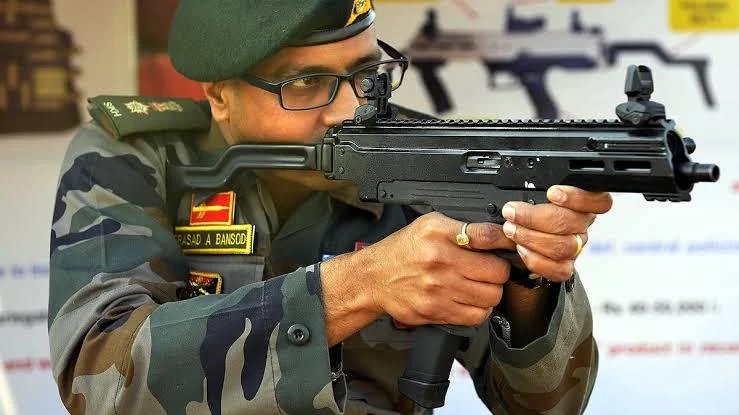
India
Lokesh Machines Limited has secured a ₹42.6 million contract from the Indian Army for the supply of ASMI submachine guns, marking a significant boost for India's domestic defence manufacturing sector.In a significant development for India's defence manufacturing sector, Lokesh Machines Limited has secured a contract worth ₹42.6 million (approximately USD 515,000) from the Indian Army's Northern Command. This contract involves supplying 9x19mm ASMI submachine guns with accessories, and the order is expected to be fulfilled by September 28, 2024.About Lokesh Machines LimitedEstablished in 1983, Lokesh Machines Limited is a prominent Indian manufacturer specializing in special-purpose machines (SPM), general-purpose machines/CNC lathes (GPM), connecting rods, and machining of cylinder blocks and heads. The company operates through two main divisions:1. Machines Division: Focuses on manufacturing various types of machinery.2. Component Division: Specializes in the production of components like connecting rods and cylinder blocks.Financial PerformanceThe announcement of the contract had a positive impact on the company’s stock, which closed at ₹408.30 per share, resulting in a market capitalization of ₹755.22 crore. Over the past year, the stock has delivered a remarkable return of approximately 185%.As of March 2024, the company's shareholding structure includes:Promoters: 50.76%Foreign Institutional Investors (FIIs): 0.27%Public: 48.98%In Q4 FY24, Lokesh Machines Limited reported revenue of ₹80.34 crore and a net profit of ₹4.69 crore. For the entire fiscal year FY24, the company’s revenue reached ₹294 crore, with a net profit of ₹14 crore, an increase from the ₹10 crore net profit recorded in the previous year.About the ASMI Submachine GunThe ASMI submachine gun is the first indigenous small arm ordered by the Indian Army since the INSAS rifle. It was designed by Colonel Prasad Bansod from the Infantry School in Mhow, with support from the Defence Research and Development Organisation (DRDO). The ASMI, meaning pride and self-respect, is a 9x19mm caliber weapon designed for close-quarter combat, offering enhanced mobility and firepower to the troops.Industry ImpactThis contract is a major boost for Lokesh Machines Limited and reflects the Indian government's push towards self-reliance in defence manufacturing. The successful fulfillment of this order could pave the way for more such contracts in the future, enhancing the company's reputation and financial standing.Future ProspectsWith the Indian government focusing on increasing domestic production of defence equipment, companies like Lokesh Machines Limited are well-positioned to benefit from new opportunities. The company's robust financial performance and strategic contracts like the one with the Indian Army are likely to contribute to its growth trajectory.ConclusionThe awarding of the ₹42.6 million contract to Lokesh Machines Limited by the Indian Army underscores the potential of India's domestic defence manufacturing sector. This achievement not only highlights the capabilities of Lokesh Machines but also marks a step forward in the country's journey towards self-reliance in defence production.DisclaimerThis article is for informational purposes only and should not be considered financial advice. Readers are encouraged to conduct their own research before making any investment decisions.
Read More → Posted on 2024-06-02 15:02:27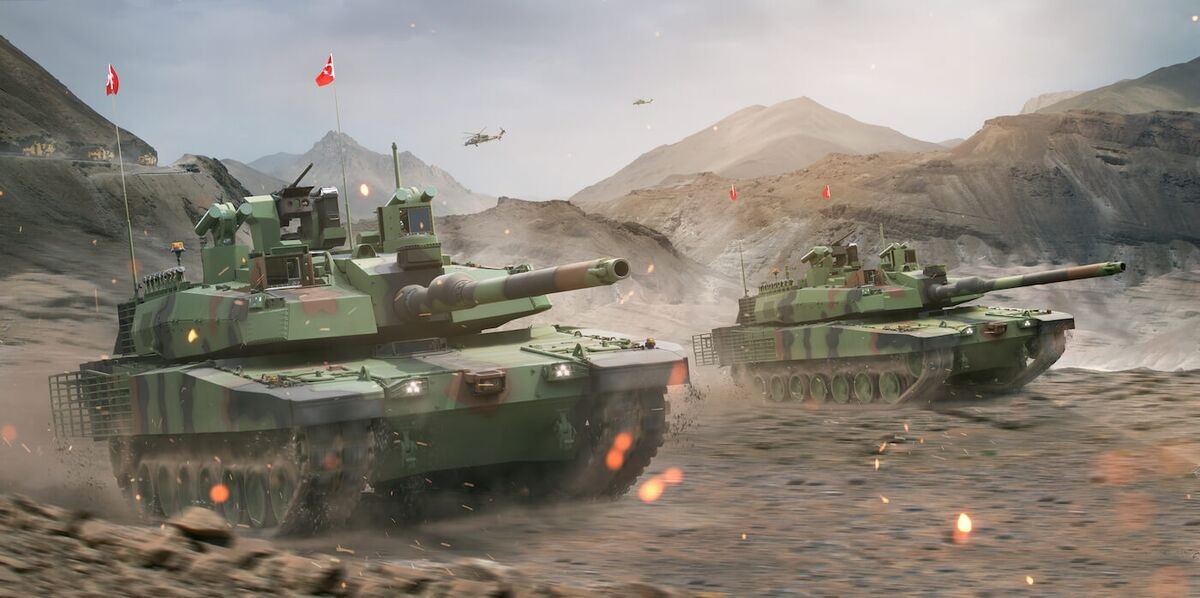
World
Türkiye has started serial production of the Altay MBT, enhancing its military strength with advanced, domestically produced technology. This milestone aims to meet the modern requirements of the Turkish Land Forces and attract international interest.Türkiye has officially started the serial production of the Altay main battle tank (MBT) following a contract finalized on May 29, 2024. This contract marks a major milestone for Türkiye's defense industry, demonstrating the country's commitment to strengthening its military capabilities with domestically produced technology.The Turkish Defence Industry Agency (SSB) announced the contract, which covers several critical components. These include the establishment of a production line for the Altay MBT, the development and supply of subsystems, and the sourcing of a domestic powerpack—comprising the engine and transmission system. This step is expected to enhance Türkiye's self-reliance in defense manufacturing and reduce dependence on foreign technology.Key Features of the Altay MBTThe Altay MBT is designed to meet the modern requirements of the Turkish Land Forces. It incorporates the latest advancements in military technology, including:120 mm Smoothbore Gun: This main armament ensures superior firepower.Advanced Fire Control Systems: These systems enhance targeting accuracy and efficiency.Composite Armor: Provides enhanced protection against various threats.Mobility: The tank is engineered for high mobility in diverse combat scenarios.The powerpack solution is a notable aspect of the contract. Developing and producing the engine and transmission system domestically will significantly boost the tank's performance and operational readiness.Production and International InterestThe serial production will begin with setting up a dedicated production line. Initially, the focus will be on producing a specific number of units to meet the immediate needs of the Turkish Land Forces. Over time, production is expected to scale up, potentially leading to exports to international partners.Haluk Görgün, President of the SSB, highlighted the global interest in the Altay project. Negotiations with several international partners are ongoing, indicating the tank's potential as a significant addition to global defense arsenals.Enhancing Türkiye's Defense CapabilitiesThe production of the Altay MBT is part of Türkiye’s broader efforts to modernize its military. By investing in advanced technology and enhancing domestic production capabilities, Türkiye aims to strengthen its defense infrastructure and improve operational readiness.The Altay MBT project is expected to pave the way for further advancements in Türkiye’s defense industry. The expertise gained from this project will likely contribute to the development and production of more advanced military platforms in the future. This project demonstrates Türkiye’s growing capabilities in defense technology and its commitment to maintaining a robust and independent defense sector.Future ProspectsAs Türkiye continues to develop and produce the Altay MBT, it is positioning itself as a significant player in the global defense industry. The tank's advanced features and domestic production capability are set to enhance Türkiye's military strength and provide a competitive edge in international defense markets.The success of the Altay MBT will not only bolster Türkiye’s defense capabilities but also contribute to the country's economic growth through potential defense exports. This project underscores Türkiye’s dedication to building a self-sufficient and technologically advanced defense industry.
Read More → Posted on 2024-06-02 14:55:03
India
Pakistan on Friday refused to share details on any consular access to the two Indian nationals held in the neighbouring country on accusations of spyingOn Friday, Pakistan declined to provide detailed information about consular access to two Indian nationals held on spying charges, only acknowledging that such access has been granted periodically. Foreign Office spokesperson Mumtaz Zahra Baloch responded to inquiries about consular access to the two Indian prisoners, emphasizing that such arrangements have been made "from time to time."According to The Express Tribune, Pakistani authorities recently allowed Indian diplomats to meet with the two accused individuals, identified as Feroze Lone, 29, and Noor Muhammad Wani, 24. The two men, who hail from the Gurez area of Jammu and Kashmir, were arrested in 2020 in Gilgit-Baltistan, a region in Pakistan-administered Kashmir. Pakistani reports claim they were involved in espionage activities.The consular meeting took place at Adiala Jail, where a three-member delegation from the Indian High Commission in Islamabad met with the prisoners. Interior Ministry officers were also present during the meeting. Indian sources reported that Lone and Wani had been missing since November 2018, and it was believed they had crossed into Pakistan illegally before being detained on charges of spying.The issue of consular access between India and Pakistan has a contentious history. One notable case is that of Kulbhushan Jadhav, an Indian national arrested by Pakistan in 2016 and sentenced to death by a military court for espionage and terrorism. Despite India's repeated requests, Pakistan initially denied consular access to Jadhav. India took the case to the International Court of Justice (ICJ), which ruled in favor of India. The ICJ directed Pakistan to grant consular access to Jadhav, annul his death sentence, and conduct a civilian trial. Following the ICJ's order, Indian officials were finally allowed to meet Jadhav under strict security at the Pakistan Foreign Office in Islamabad.Consular access is a crucial aspect of international relations and diplomatic protocols, as it allows countries to provide support to their nationals detained abroad. The Vienna Convention on Consular Relations outlines the rights of consular access and assistance, aiming to ensure fair treatment and legal representation for detainees. In cases involving allegations of espionage, the provision of consular access becomes even more critical, given the sensitive nature of the charges and the potential for diplomatic tensions.The recent consular access granted to Feroze Lone and Noor Muhammad Wani indicates a willingness on both sides to adhere to diplomatic norms, despite ongoing political and military tensions between India and Pakistan. While Pakistan's refusal to divulge detailed information on consular communications keeps certain aspects of the situation opaque, the acknowledgment of such access suggests a degree of compliance with international diplomatic standards.For further context, Gilgit-Baltistan, where Lone and Wani were arrested, is a region of strategic importance. It is part of the larger Kashmir conflict, which has been a flashpoint between India and Pakistan since their independence in 1947. Both countries claim the entire region but control only parts of it. The geopolitical significance of the area adds another layer of complexity to cases of alleged espionage.As India and Pakistan navigate their diplomatic relationship, cases like these highlight the delicate balance of maintaining national security while adhering to international legal obligations. The provision of consular access, though sporadic, is a step towards upholding the rights of detainees and managing bilateral relations in a highly charged environment.
Read More → Posted on 2024-06-02 14:49:03
World
Missing journalist Ahmed Farhad Shah is confirmed to be in police custody in Pakistan-Occupied Kashmir, raising questions about jurisdiction and legal practices.In a startling development, the Pakistani government has acknowledged that missing Kashmiri poet and journalist Ahmed Farhad Shah is currently detained by police in Pakistan-Occupied Kashmir (PoK). This admission came during a session at the Islamabad High Court (IHC) on Friday.Farhad, who disappeared two weeks ago from his home in Rawalpindi, was found to have two police cases against him in PoK. The government's lawyer informed IHC Judge Mohsin Akhter Kiani that Farhad is on "foreign land" and thus cannot be presented in court since PoK does not fall under Pakistan's direct jurisdiction.Legal Proceedings and Family StrugglesFarhad's lawyer, Imaan Mazaari, highlighted that the Additional Attorney General confirmed Farhad’s presence in PoK, claiming that this area operates with its own separate legal and judicial systems. Farhad’s family, seeking his return, has faced numerous challenges. They were initially misled about his location, being directed to different police stations in PoK without success. During earlier hearings, Judge Kiani had criticized Pakistan’s intelligence agencies for their alleged involvement in forced disappearances. Farhad’s case has brought renewed attention to these practices, with many questioning the transparency and accountability of the country’s security institutions.Analyst's Critique and Family's PlightSenior political analyst Hamid Mir has openly criticized the intelligence agencies, suggesting that the law is being manipulated to protect institutional interests. Mir pointed out discrepancies in the information provided to Farhad's family and the court, indicating potential misconduct by officials.Mazaari also expressed grave concerns about Farhad’s health, noting that he appeared significantly weakened and unable to speak fluently during a recent family visit. She emphasized the urgent need for medical attention and called for an end to what she termed an "open and blatant abuse of the law."Broader Implications and Public ResponseThis case has broader implications for the ongoing debate over Kashmir. Mir's comments on the involvement of Pakistan Rangers in PoK during anti-inflation protests have further fueled discussions about the region's autonomy and the reach of Pakistani law enforcement.Farhad’s case has not only highlighted the personal plight of his family but also the systemic issues within Pakistan's handling of detainees and jurisdictional boundaries in PoK. The acknowledgment of PoK as a "foreign land" by Pakistani officials adds another layer of complexity to the already sensitive Kashmir issue.ConclusionThe Islamabad High Court continues to scrutinize the circumstances surrounding Farhad's detention. His family and supporters are calling for his immediate release and return. This case underscores the urgent need for transparency and accountability within Pakistan’s legal and intelligence frameworks, especially concerning matters involving cross-jurisdictional detentions.For further updates on Ahmed Farhad Shah’s case, monitoring the proceedings at the Islamabad High Court and statements from his legal team will be crucial. The international community's reaction to this case might also influence the handling and resolution of such issues in the future.
Read More → Posted on 2024-06-02 14:42:09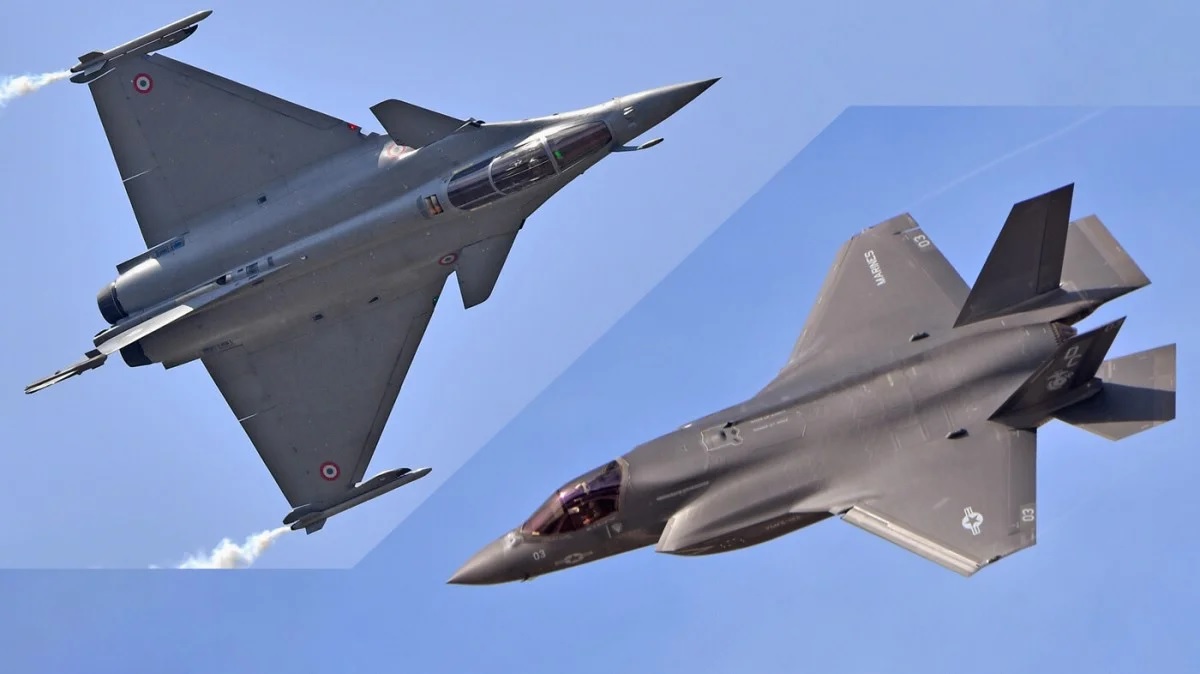
India
Eight Indian Rafale fighter jets are participating in joint combat exercises with the US Air Force's F-35s in Alaska, providing critical training amid rising tensions with China.Eight Rafale fighter jets from the Indian Air Force (IAF) have arrived at Eielson Air Force Base in Alaska to participate in a joint combat simulation exercise with the United States Air Force (USAF). This exercise is seen by many analysts as a strategic move amidst ongoing tensions between India and China.Training Against Advanced FightersThe exercise includes simulated air combat scenarios where the Indian Rafales face off against the American F-35 stealth fighters. The F-35 is being used as a stand-in for the Chinese J-20 stealth fighter, which is often deployed by China along the disputed border with India. This training provides Indian pilots with a valuable opportunity to understand and adapt to the capabilities of aircraft similar to those operated by China.Rafale's CapabilitiesThe Dassault Rafale is a highly advanced multirole fighter jet known for its agility, sophisticated avionics, and powerful electronic warfare systems. Its design allows it to perform a variety of missions, including air superiority, ground attack, reconnaissance, and nuclear deterrence. Indian pilots, who are highly trained, can utilize the Rafale's full potential during these exercises.F-35 vs. J-20While the F-35 and J-20 are both stealth fighters, they are designed with different priorities. The F-35 excels in its multirole capacity, capable of performing ground attacks, aerial reconnaissance, and electronic warfare in addition to air-to-air combat. The J-20, on the other hand, is primarily focused on achieving air superiority. Despite these differences, the F-35's advanced stealth and combat systems provide a realistic and challenging opponent for the Rafale in these simulations.Strategic ImplicationsThe outcome of these exercises is of significant interest to both India and China. By training against an aircraft like the F-35, Indian pilots can better understand the tactics and technology that they might face if they ever encounter the J-20 in a real conflict. This knowledge is critical for enhancing the IAF's preparedness and strategic planning.Broader ContextThese exercises take place against a backdrop of ongoing military tensions between India and China, particularly along their disputed border in the Himalayan region. Both nations have been modernizing their military forces, and such joint exercises with advanced partners like the USAF help India stay ahead in terms of combat readiness and technological know-how.In conclusion, the deployment of Indian Rafale jets to Alaska for joint exercises with the USAF is a significant step in strengthening India's defense capabilities. By training against advanced aircraft like the F-35, Indian pilots gain valuable experience that could prove crucial in any future conflicts involving similar adversaries.
Read More → Posted on 2024-06-01 15:57:54Search
Top Trending in 24 Hours
-
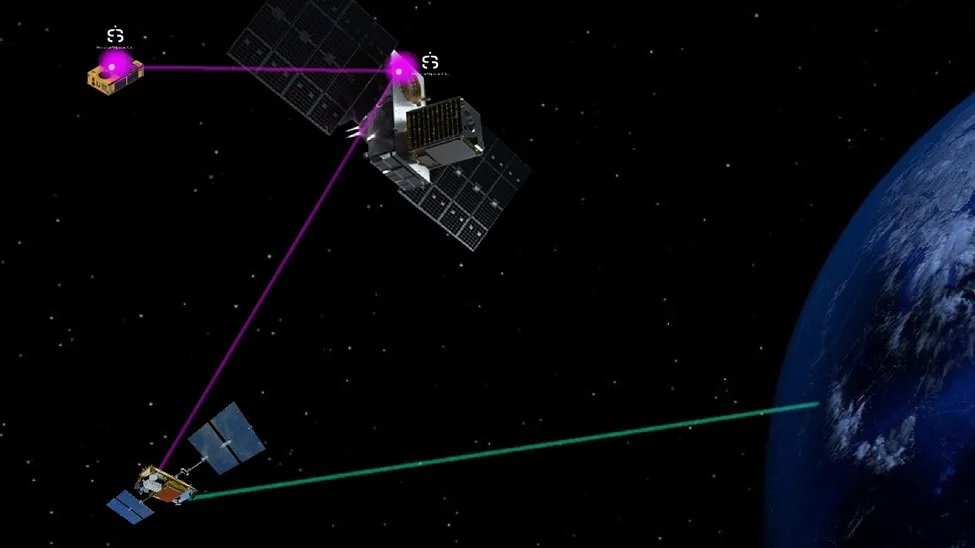 NASA Demonstrates Space-to-Space Wi-Fi Between Two Orbiting Spacecraft
-
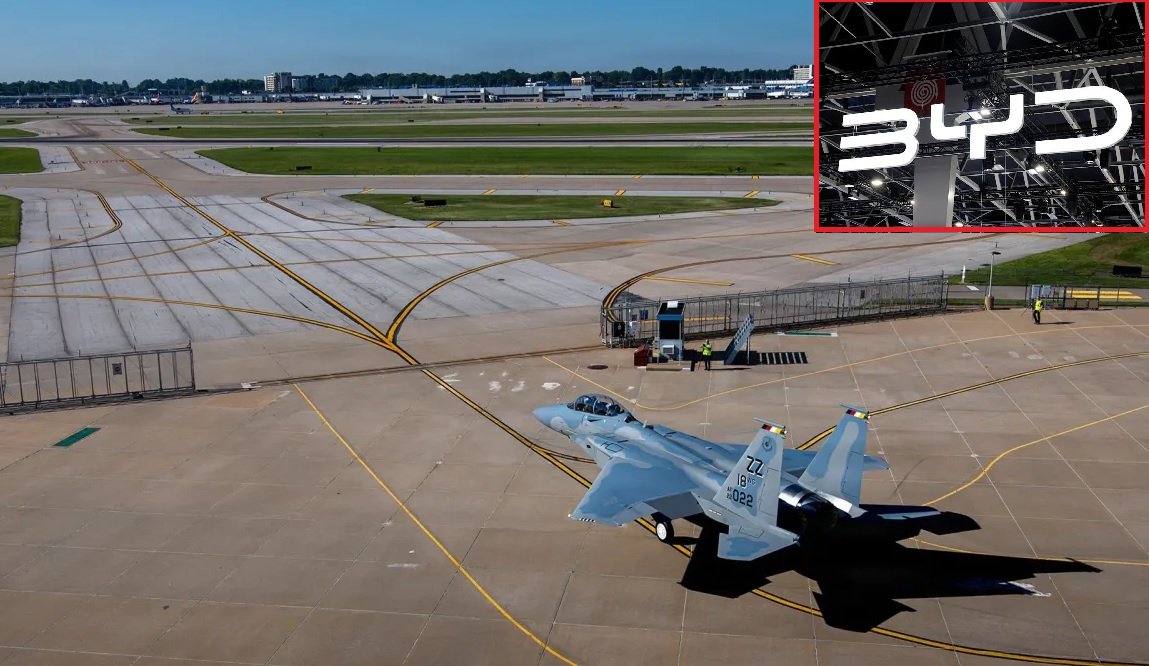 U.S. Military to Ban Chinese Automaker BYD Vehicles from Kadena Air Base in Japan Over Security Concerns
-
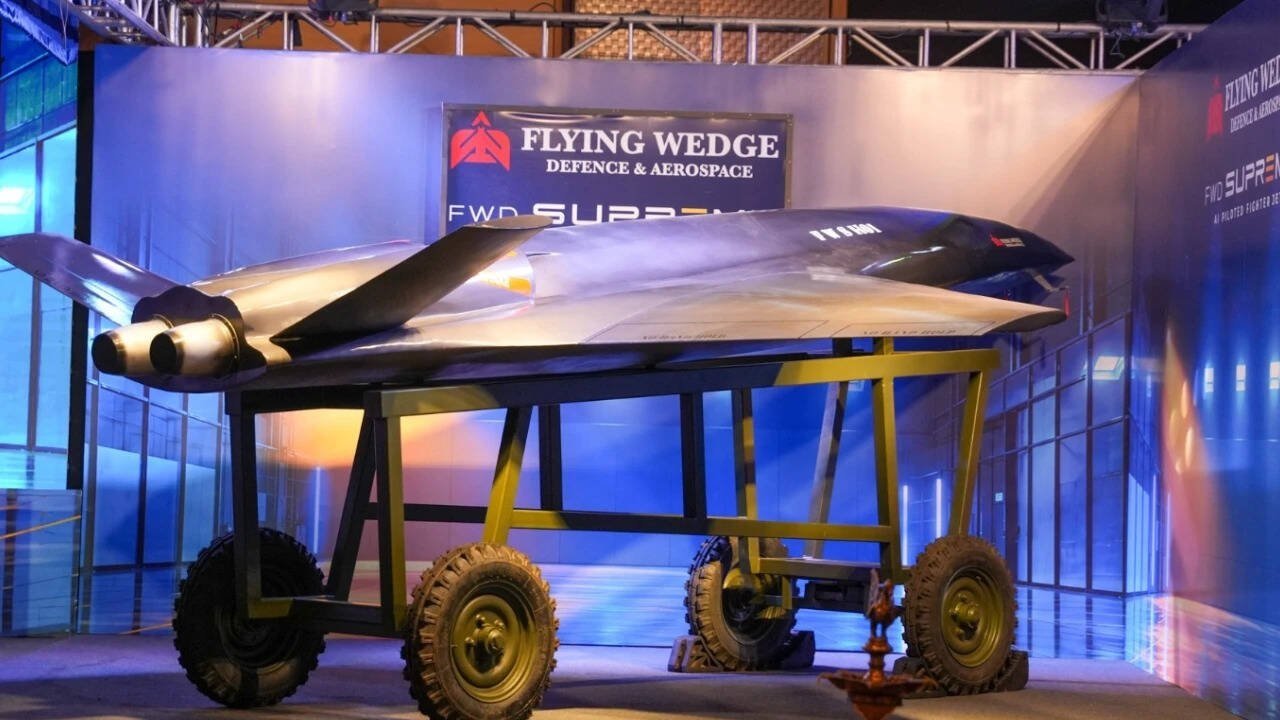 Bengaluru Startup FWDA Unveils FWD Supreme AI-Piloted Loyal Wingman Prototype
-
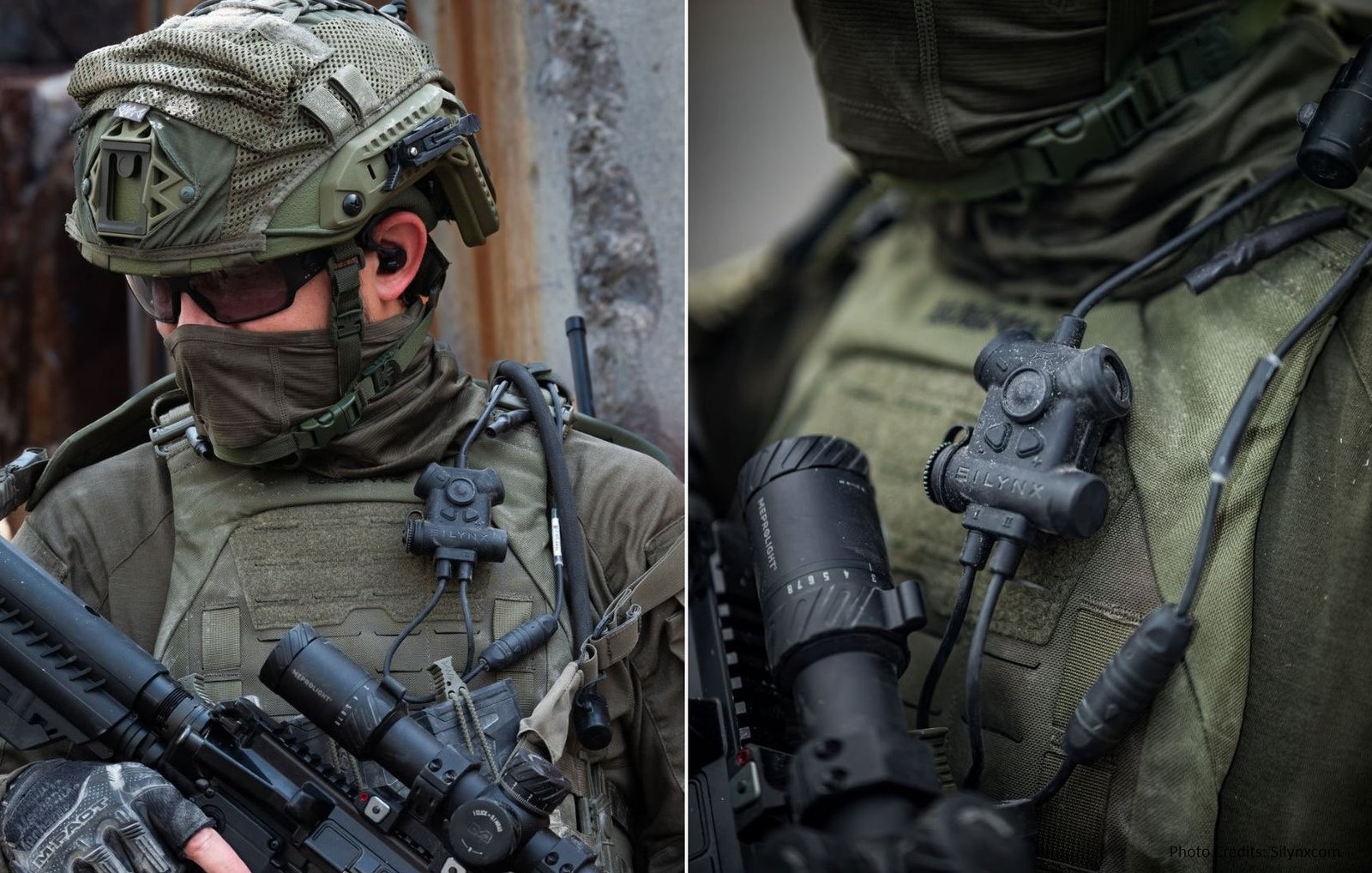 Israeli Firm Silynxcom Develops AI-Powered Wearable Drone Detection System for Soldiers
-
 U.S. Space Force Targets 2029 for Surveillance and Navigation Capabilities Near the Moon
-
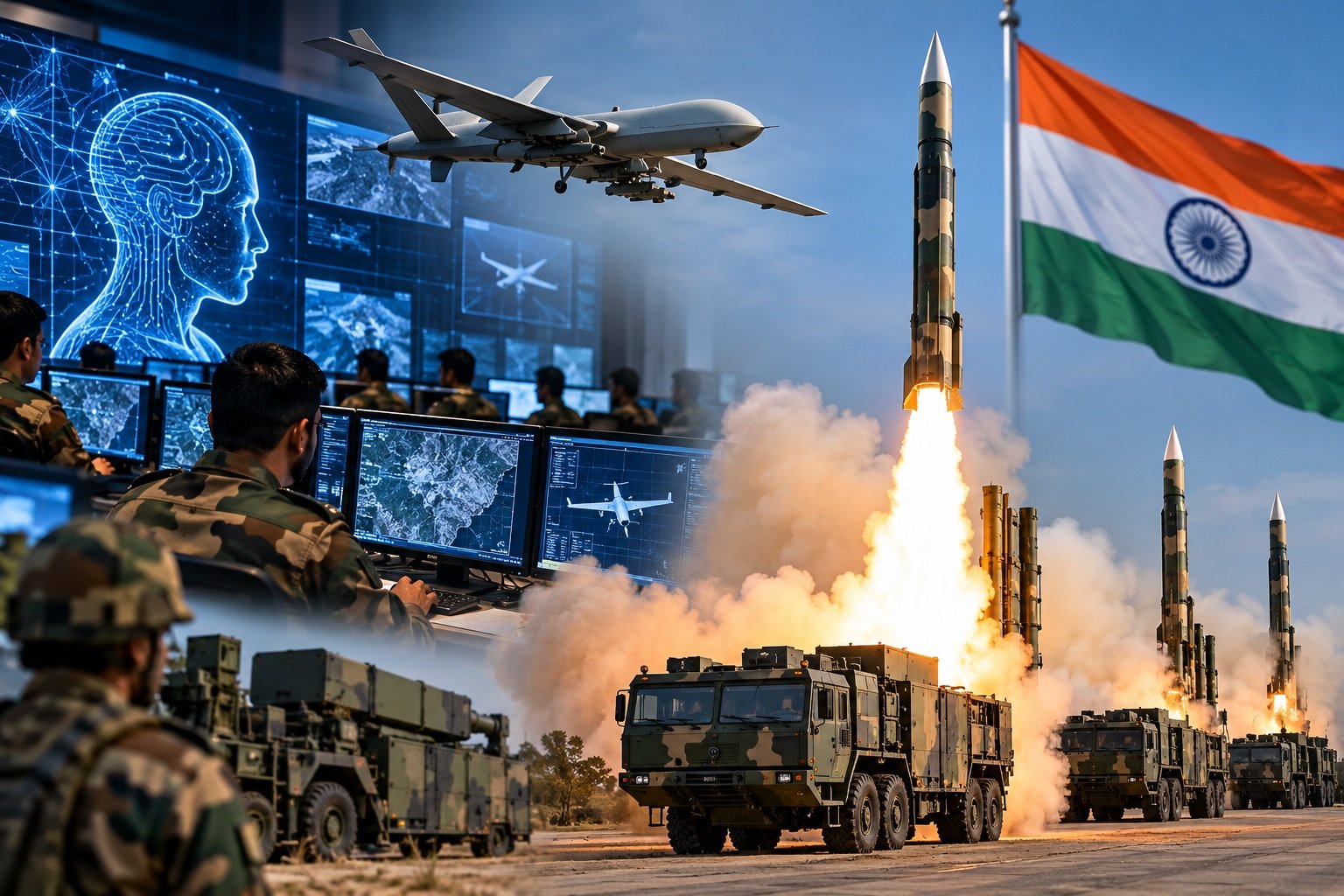 India Develops Indigenous Military AI, Expands Missile Production to Cut Costs
-
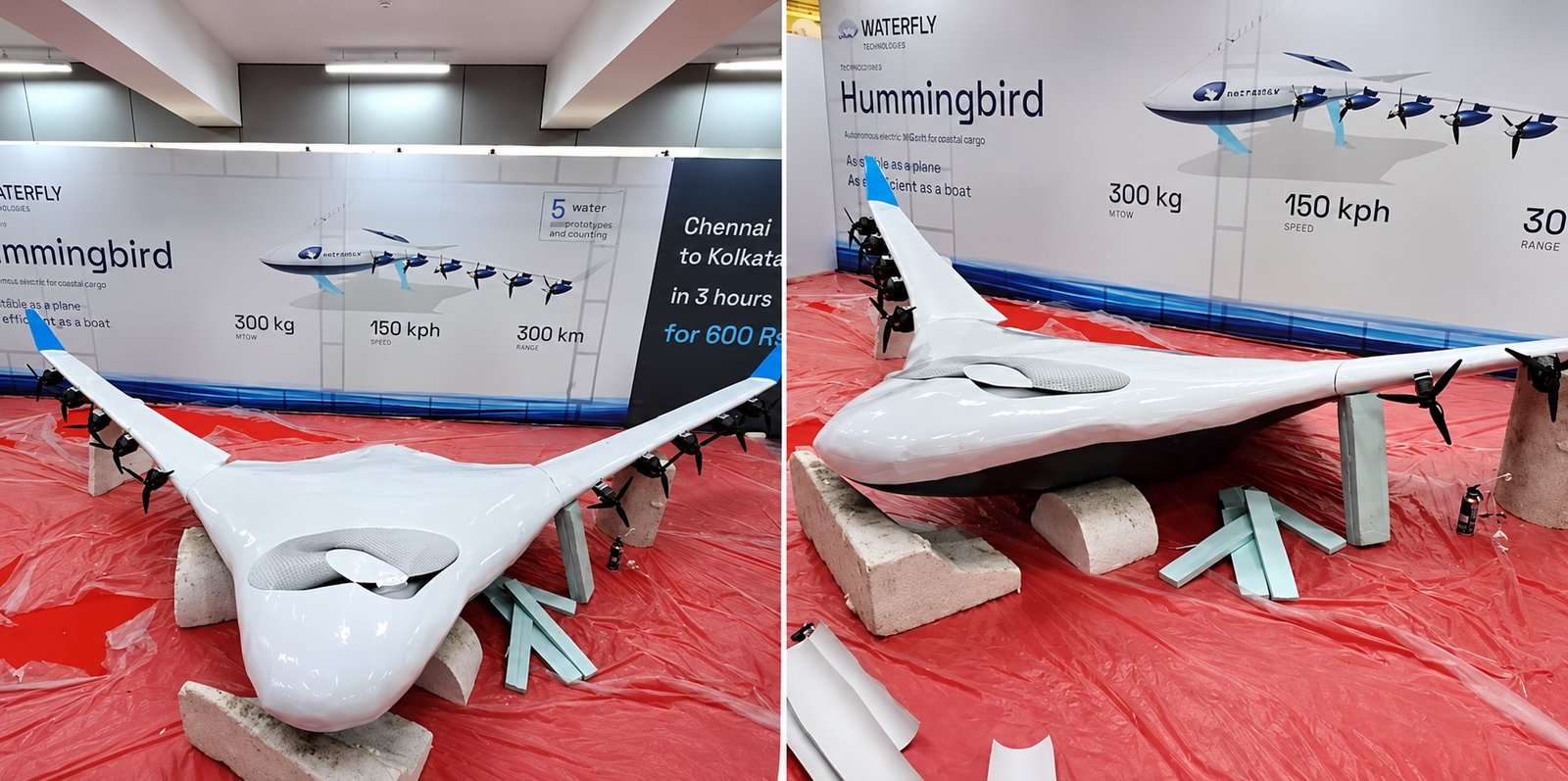 IIT Madras Startup Waterfly Technologies Plans December Ocean Trial of Hummingbird Electric WIG Craft
-
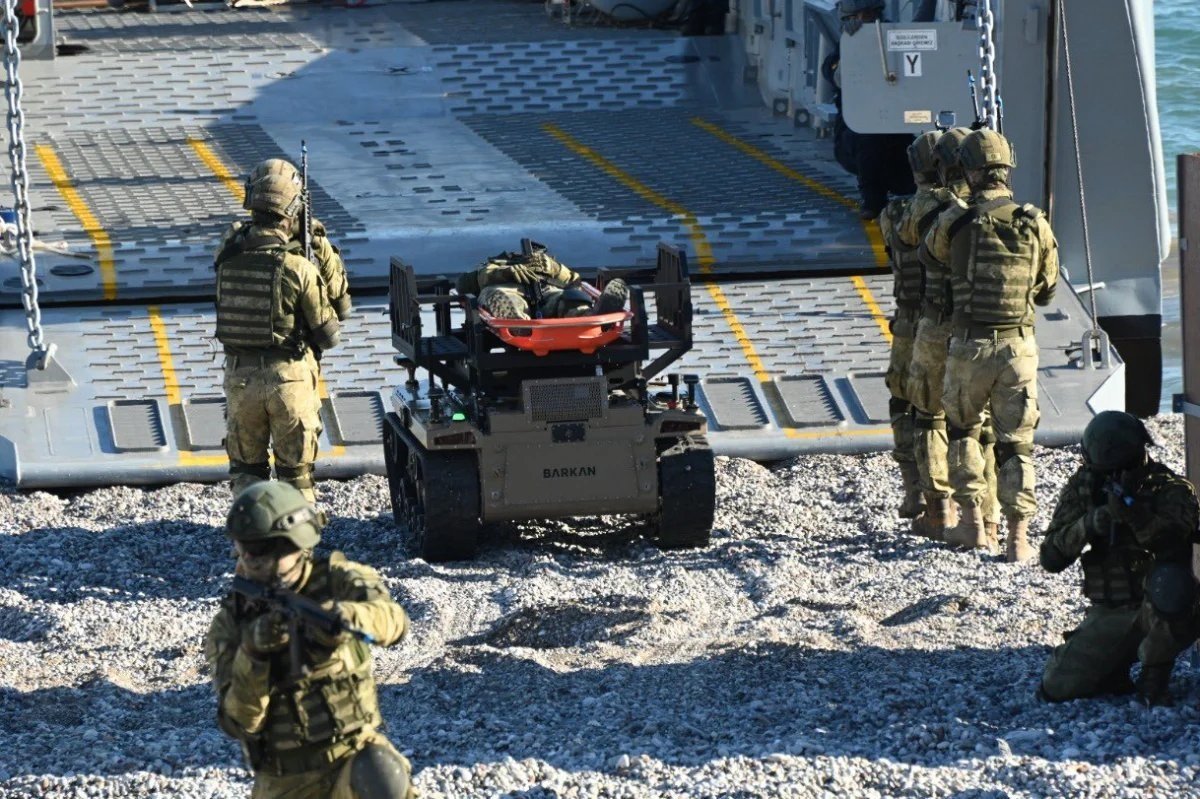 Turkish Navy Deploys HAVELSAN Barkan UGV in Amphibious Drills During TURNAs-2026
Top Trending in 4 Days
-
 NASA Sets New Artemis Milestones as SpaceX and Blue Origin Target Moon Landings in 2027–2028
-
NASA Demonstrates Space-to-Space Wi-Fi Between Two Orbiting Spacecraft
-
 USS Pinckney Becomes First U.S. Navy Destroyer to Begin Phase Two Modernization with Advanced SPY-6 Radar
-
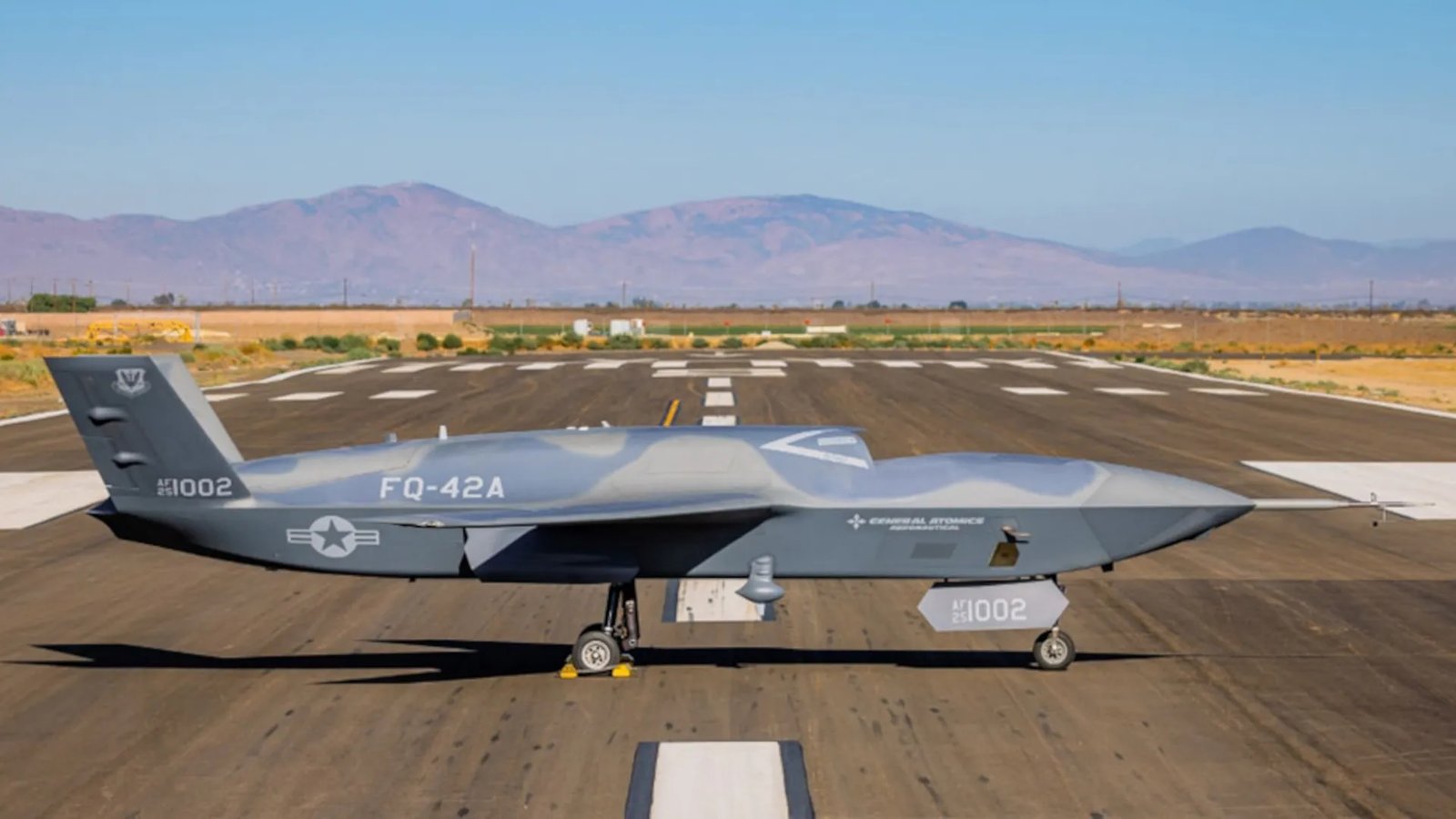 General Atomics Partners With Spirit Defense to Expand FQ-42 Vengeance Production
-
U.S. Military to Ban Chinese Automaker BYD Vehicles from Kadena Air Base in Japan Over Security Concerns
-
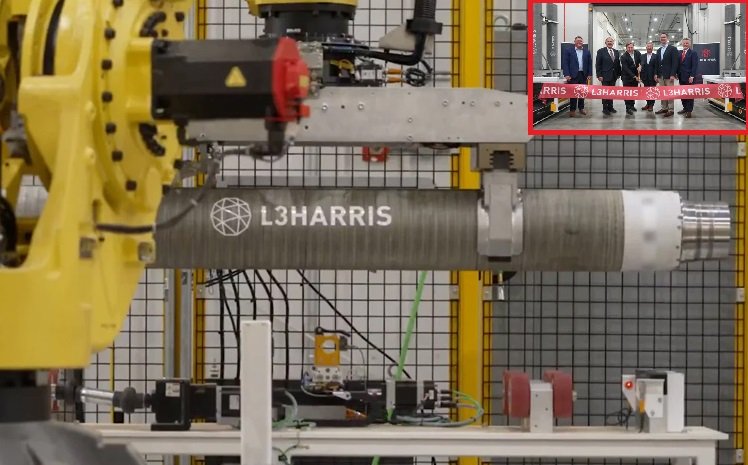 L3Harris Opens ‘Arsenal of Freedom’ Rocket Motor Plant in Arkansas to Double Production Capacity
-
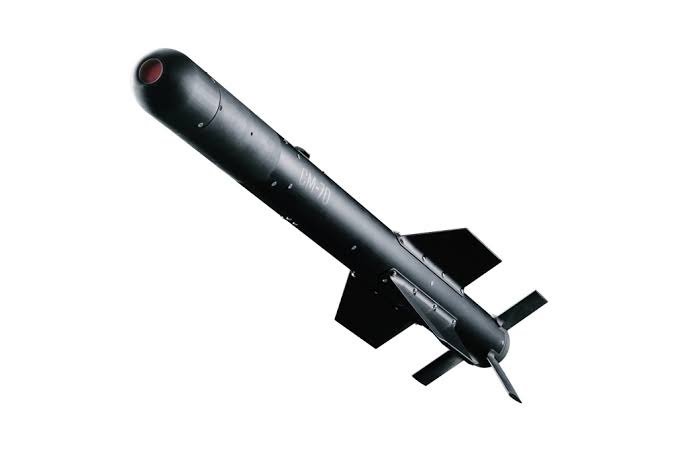 CSG and North Vector Dynamics Sign MoU to Explore European Production of CM-70 Counter-Drone Interceptor
-
 Unitree Unveils H2-X ‘Kung Fu Legend: Guardian’ Humanoid Robot for Security and Rescue
