
India
In an unexpected yet pivotal diplomatic engagement, Zabihullah Mujahid, spokesperson for the Taliban regime in Kabul, announced on Sunday that he had held constructive talks with a senior Indian official on the sidelines of the third UN-sponsored meeting on Afghanistan in Doha. This meeting, which took place at the luxurious Ritz-Carlton, is part of ongoing international efforts to address the situation in Afghanistan.Zabihullah Mujahid, who led a six-member delegation from the Islamic Emirate of Afghanistan (IEA), used the platform to thank India for its continued support to the Afghan people. In a post on social media platform X, Mujahid revealed that he met with JP Singh, the Joint Secretary of the Pakistan, Afghanistan, and Iran Division at India's Ministry of External Affairs. Singh is a seasoned diplomat with prior experience in dealing with the Taliban."Today at noon, there was a meeting with the representative of India for Afghanistan, Pakistan, and Iran, and there was a discussion and exchange of views on the development of relations between the two countries," Mujahid posted. "India supported the position of the Islamic Emirate, and [we] thanked India for its assistance to Afghanistan."India's assistance to Afghanistan has been substantial, encompassing humanitarian aid such as wheat supplies and medicines, as well as infrastructural projects aimed at rebuilding the war-torn nation. This support has been crucial for Afghanistan, especially in light of the severe economic and social challenges it faces under Taliban rule.The meeting in Doha provided a significant opportunity for the Taliban to engage with international representatives and discuss the future of Afghanistan. Mujahid's delegation also held talks with representatives from China, Iran, Uzbekistan, Pakistan, and Russia, highlighting the broad international interest in stabilizing Afghanistan.The third UN-sponsored meeting on Afghanistan brought together special representatives from various countries, all keen to find solutions to the ongoing crisis in the region. The dialogue between the Taliban and international stakeholders is seen as a critical step towards achieving peace and stability.India's involvement in these talks underscores its strategic interest in Afghanistan and its commitment to supporting the Afghan people. Despite the complex political landscape, India's aid has been a lifeline for many Afghans, providing essential resources and fostering goodwill between the two nations.As the international community continues to grapple with the challenges posed by the situation in Afghanistan, meetings like the one in Doha serve as vital forums for dialogue and cooperation. The engagement between Zabihullah Mujahid and JP Singh is a testament to the ongoing efforts to navigate these challenges and work towards a more stable and prosperous future for Afghanistan.
Read More → Posted on 2024-07-01 14:40:53
Space & Technology
In a startling event, suspected debris from a Chinese rocket plummeted to the ground over a village in southwest China, sending villagers running for cover. The dramatic footage, which quickly surfaced online, showed a trail of bright yellow smoke and chaos as the debris fell. The incident occurred shortly after a Long March 2C carrier rocket launched from the Xichang Satellite Launch Center in Sichuan Province on Saturday at 3 p.m. local time.The Long March 2C rocket was tasked with sending the Space Variable Objects Monitor, a powerful satellite developed by China and France, into orbit. This satellite is designed to study gamma-ray bursts, the most powerful explosions known to occur in the universe.Chinese leader Xi Jinping has made it a priority to establish China as a dominant space power, increasing the frequency of space missions to compete with other major world powers, including the United States. The China Aerospace Science and Technology Corporation (CASC), which developed the Long March 2C rocket, declared Saturday’s launch a “complete success.” However, the aftermath on the ground told a different story.Videos posted on Chinese social media and shared with CNN by local witnesses showed the suspected rocket debris falling over Xianqiao village in Guizhou Province, which neighbors Sichuan. One video on the Kuaishou short-video site depicted a long, cylindrical piece of debris crashing next to a hill, with yellow smoke billowing from one end. The video was geolocated to Xianqiao village, confirming its authenticity.Multiple videos from various angles showed villagers, including children, running away from the falling debris, looking back at the orange trail in the sky, and covering their ears against the explosion's sound. By Monday afternoon, some of these videos had been taken down.Eyewitnesses described hearing a loud explosion and smelling a pungent odor after the debris hit the ground. One villager recounted seeing the rocket fall with their own eyes, noting the explosive sound and the strong smell.In the aftermath, a now-deleted government notice revealed that Xinba Town, near Xianqiao village, was slated to conduct a “rocket debris recovery mission” shortly after the launch. Residents were advised to leave their homes and stay in open areas to watch the sky, and warned to stay away from the debris due to the risk of toxic gas and explosions. They were also forbidden from taking photos of the debris or sharing videos online.Fortunately, there were no immediate reports of injuries from local authorities. However, the presence of toxic substances in the debris raised serious concerns. Markus Schiller, a rocket expert and researcher at the Stockholm International Peace Research Institute, identified the debris as the first-stage booster of the Long March 2C rocket, which uses a highly toxic liquid propellant mixture. The orange smoke trail was a telltale sign of this dangerous substance.Such incidents are not uncommon in China due to the inland location of its launch sites. Most rockets are launched from sites far from the coast, including Xichang, Jiuquan in the northwest, and Taiyuan in the north, built during the Cold War for security reasons. In contrast, Western space agencies like NASA and the European Space Agency typically launch rockets from coastal locations to minimize the risk of debris falling on populated areas.Before each launch, China's civil aviation authority issues notices to pilots warning them of potential danger areas. Despite these precautions, debris from Chinese rockets has previously hit villages. In December 2023, rocket debris landed in Hunan Province, damaging two houses. In 2002, a boy in Shaanxi Province was injured by fragments from a satellite launch.The international space community has criticized China for its handling of rocket debris. In 2021, NASA condemned China for failing to meet responsible standards after debris from a Long March 5B rocket fell into the Indian Ocean.As China continues to push its space ambitions, the safety of villagers living near launch sites remains a significant concern. The recent incident in Xianqiao village underscores the risks and the urgent need for better safety measures to protect those on the ground.
Read More → Posted on 2024-07-01 07:44:56
India
On June 29, the Indian Naval Ship (INS) Ranvir arrived at the port of Chattogram in Bangladesh, marking a significant moment in the ongoing partnership between the Indian and Bangladesh navies. This visit is part of an operational deployment aimed at enhancing cooperation and interoperability, vital elements in the evolving maritime landscape of the Indian Ocean region.INS Ranvir, a Rajput-class guided missile destroyer, is part of the Eastern Fleet of the Indian Navy under the Eastern Naval Command. Equipped with state-of-the-art weapons and sensors, the majority of which are indigenous, the ship showcases India’s commitment to self-reliance, aligning with the country’s Aatmanirbhar Bharat initiative.The vessel was warmly received by the Bangladesh Navy, highlighting the mutual respect and camaraderie that exists between the two forces. The Ministry of Defence emphasized that this visit will bolster the longstanding friendship and cooperation between the two nations, in line with India’s Security and Growth for All in the Region (SAGAR) initiative.The timing of the deployment is noteworthy, coming just after Bangladeshi Prime Minister Sheikh Hasina's state visit to India on June 21-22. This context underscores the diplomatic ties that extend beyond mere military cooperation, reflecting a robust bilateral relationship built on shared values and strategic interests.During the ship’s stay in Bangladesh, a series of professional exchanges and activities are scheduled. Personnel from both navies will engage in Subject Matter Expert Exchanges (SMEE), cross-deck visits, community outreach, and friendly sports matches. These interactions are not merely ceremonial; they foster mutual understanding and provide opportunities for both navies to share expertise and best practices, enhancing their operational capabilities.The visit will culminate in a Maritime Partnership Exercise (MPX) with the Bangladesh Navy. This exercise, also known as PASSEX, is designed to enhance interoperability through joint maneuvers and communications drills, reinforcing the cooperative spirit between the two navies.INS Ranvir’s deployment to Bangladesh is more than a routine naval visit. It represents a strategic alignment of two neighboring countries committed to maintaining peace and stability in the region. As both navies engage in these collaborative efforts, they not only strengthen their operational capabilities but also contribute to regional maritime security.The partnership between India and Bangladesh is a testament to the power of maritime diplomacy, where mutual respect and shared goals can lead to significant strides in regional security and growth. The arrival of INS Ranvir in Chattogram is a chapter in this ongoing narrative of friendship and cooperation, promising a future of shared prosperity and stability in the waters of the Indian Ocean.
Read More → Posted on 2024-06-30 15:56:28
Space & Technology
In a startling event, a defunct Russian satellite recently disintegrated into thousands of fragments in space, raising concerns about the growing threat of space debris. This incident prompted astronauts aboard the International Space Station (ISS) to take precautionary measures, seeking shelter to avoid potential collisions with the debris.The breakup occurred at an altitude of approximately 355 kilometers in low-Earth orbit, a region bustling with active satellites, including SpaceX's expansive Starlink network and numerous Chinese satellites. This area has long been a critical zone for satellite operations, making any additional debris particularly hazardous.While the exact cause of the satellite's disintegration remains unclear, initial reports suggest that leftover fuel might have ignited, causing the satellite to explode. Despite the dramatic nature of the event, Russian space agency Roscosmos has not provided detailed information on what led to the sudden breakup.The incident was first reported around 10 a.m. ET, sending astronauts aboard the ISS into precautionary lockdown. This maneuver is standard procedure whenever space debris poses a potential threat, as even small fragments can cause significant damage due to their high velocity.Fortunately, according to Yahoo News, the debris from this particular satellite breakup does not pose an immediate threat to other operational satellites in orbit. However, the increasing accumulation of space junk remains a growing concern for space agencies worldwide. Each new piece of debris adds to the existing clutter, increasing the risk of collisions that could damage vital satellites or even the ISS itself.Russia has been under scrutiny from the United States and other countries regarding its handling of space debris, particularly following controversial anti-satellite missile tests. These tests have previously generated significant debris, adding to the congestion in low-Earth orbit.As discussions continue about the responsibility and management of space debris, this latest incident underscores the urgent need for international cooperation. Addressing the space junk problem is crucial to ensure the safety of current and future space missions.While the astronauts on the ISS are now safe, the event serves as a stark reminder of the fragile environment beyond our atmosphere. The space community must work together to develop strategies to mitigate the risks posed by defunct satellites and other debris, ensuring that space remains a viable domain for exploration and technology.
Read More → Posted on 2024-06-30 15:53:10
World
In a recent development, the Pakistani Parliament emphatically rejected a U.S. congressional resolution calling for an investigation into alleged rigging in the February 2024 elections. This move, described as an interference in Pakistan's internal affairs, has sparked a significant diplomatic rift. Lawmakers emphasized that the resolution ignores the enthusiasm and freedom with which millions of Pakistanis participated in the electoral process.The resolution in the National Assembly, led by a member of the ruling Pakistan Muslim League-Nawaz (PML-N), passed with a majority, while the main opposition party voiced its dissent. The assembly asserted that Pakistan, as an independent and sovereign nation, would not tolerate such external meddling. Critics within the Pakistani Parliament redirected attention to pressing global issues, notably the humanitarian crisis in Gaza and the human rights violations in Kashmir. They called on the U.S. and the international community to prioritize alleviating the suffering of people in these regions. Lawmakers condemned Israel's actions in Gaza as genocidal and highlighted state-sanctioned atrocities against minorities in India, particularly under Prime Minister Narendra Modi's administration.The backdrop to this dispute includes the February 8 general elections in Pakistan, where independent candidates, supported by former Prime Minister Imran Khan, secured a majority. However, Khan, currently imprisoned since last August, faced accusations of orchestrating electoral fraud. The caretaker administration, responsible for overseeing the elections, dismissed these claims despite allegations of internet shutdowns and delayed results, which fueled suspicions of rigging.On the U.S. side, the House of Representatives, in a decisive 368-7 vote, demanded a "full and independent investigation" into the alleged irregularities. The resolution condemned efforts to suppress democratic participation in Pakistan, citing concerns over harassment, violence, and restrictions on communication channels.In response, Pakistan has decided to appoint Rizwan Saeed Sheikh as the new ambassador to the U.S., replacing Masood Khan. This decision, according to the Foreign Ministry spokesperson Mumtaz Zahra Baluch, was in consideration before the current controversy.As tensions simmer, Pakistan's position remains clear: it rejects any external interference in its electoral process and insists that global attention should be directed towards addressing significant humanitarian crises. This stance reflects a broader demand for international solidarity with the people of Gaza and Kashmir, who continue to endure severe hardships.The resolution passed by the Pakistani Parliament stands as a strong assertion of national sovereignty and a call for a recalibrated focus on urgent humanitarian issues, challenging the U.S. to reassess its foreign policy priorities in the region.
Read More → Posted on 2024-06-30 15:44:46
India
In a strategic move aimed at bolstering their counter-terrorism capabilities, Jammu and Kashmir's Director General of Police (DGP), R.R. Swain, has announced plans to equip the state police force with cutting-edge weaponry sourced from Israel and Germany. This initiative follows recent encounters where terrorists were found wielding sophisticated US-made M-4 carbines, underscoring the need for upgraded defensive measures.During a ceremony honoring nine Special Police Officers (SPOs) for their bravery in a successful Kathua operation, DGP Swain emphasized the imminent deployment of state-of-the-art weapon systems. "We are gearing up with the latest in weaponry to effectively confront our adversaries," he declared, highlighting the pivotal role these acquisitions will play in enhancing operational effectiveness against terrorist threats.The decision comes amidst escalating encounters across Jammu and Kashmir, including recent confrontations in Kathua and Doda that resulted in the neutralization of five foreign terrorists and the recovery of multiple high-caliber firearms. DGP Swain reiterated the force's commitment to preemptively neutralizing foreign militant threats, affirming a proactive stance in safeguarding the region.Acknowledging the steadfast support of Kathua residents in defending national security, DGP Swain outlined plans to bolster Village Defence Guards (VDGs) in the district, reinforcing local security infrastructure. Additionally, he unveiled a new policy to expedite the regularization of SPOs demonstrating exceptional valor during counter-terrorism operations, ensuring swift recognition and rewards for their gallant service.The acquisition of advanced weaponry marks a significant stride in Jammu and Kashmir's efforts to enhance security measures and combat evolving threats, positioning the state police force at the forefront of proactive defense against terrorism.
Read More → Posted on 2024-06-30 15:39:21
India
In a recent episode of the “Shawn Ryan Show,” Sarah Adams, a former CIA Targeting Officer and author of “Benghazi: Know Thy Enemy,” made explosive allegations that have sent ripples through the geopolitical landscape. The show, hosted by former Navy SEAL and CIA contractor Shawn Ryan, delves into national security issues, and Adams' revelations were nothing short of shocking.Adams, who is known by her call sign “Superbad,” claimed that India is allegedly funneling $10 million to the Afghan Taliban. This financial support, according to Adams, is used to fund assassinations of key leaders in Pakistan, including those from Kashmiri, Khalistani, and other groups. She asserts that the Taliban's terrorist network, Tehreek-e-Taliban Pakistan (TTP), is the operational arm carrying out these hits.Her allegations don't stop there. Adams also contended that the political party Jamiat Ulema-e-Islam (JUI-F) has deep connections with both the Taliban and al Qaeda. She suggested that they are working together to seize control of the Federally Administered Tribal Areas (FATA) in Pakistan, a region that has been historically significant and strategically crucial.These claims, if true, paint a disturbing picture of international espionage and covert operations. However, it is crucial to note that these allegations have not been independently verified. Given Adams' extensive background in counterterrorism, her statements are bound to provoke significant attention and possibly prompt further investigation.Adams' background lends a degree of credibility to her claims. As a CIA Targeting Officer, she was responsible for identifying and neutralizing high-value targets in counterterrorism operations. Her book, “Benghazi: Know Thy Enemy,” delves into the intricacies of terrorist networks and offers insights into her experiences and expertise.The timing of these revelations is particularly sensitive, as relations between India and Pakistan have been fraught with tension for decades, primarily over the disputed region of Kashmir. Any indication of one country funding terrorist activities within the other’s borders could escalate these tensions to a new level.Adams' appearance on the "Shawn Ryan Show" has sparked a flurry of reactions. While some view her claims with skepticism, others believe they warrant serious consideration and investigation. The allegations also raise questions about the broader implications for regional security and the dynamics of international terrorism.In the realm of geopolitics and espionage, such claims are not uncommon. However, the specificity and severity of Adams' allegations make them particularly noteworthy. If her claims are substantiated, it could lead to significant diplomatic fallout and a reassessment of security strategies in the region.As the story develops, the world will be watching closely. The potential for these allegations to reshape understandings of international relations and covert operations is immense. For now, Adams' claims remain a contentious topic, awaiting further scrutiny and verification.
Read More → Posted on 2024-06-30 15:36:19
India
In a groundbreaking move aimed at bolstering public safety and intensifying the crackdown on terrorism, the Budgam police have taken a significant technological step forward. Acting on the orders of a competent court, they have fitted a GPS tracking anklet on Mudasir Fayaz, a suspected associate of terrorists. This decision marks a new era in the fight against terrorism, showcasing the commitment of law enforcement to use advanced methods to monitor and control high-risk individuals.Mudasir Fayaz stands accused of assisting terrorists in the valley, a grave charge stemming from case FIR No: 150 of 2022. The charges include serious violations under sections 18, 23, 38, and 39 of the Unlawful Activities (Prevention) Act (UAPA), alongside offenses under section 7/25 of the Arms Act. His alleged involvement has put him under the stringent surveillance of the authorities, who are leaving no stone unturned in their efforts to ensure public safety.The introduction of GPS tracking devices in the realm of counter-terrorism is a testament to the proactive measures being adopted by law enforcement agencies. These devices provide a sophisticated means to track the movements of high-risk offenders with precision. For Mudasir Fayaz, this means his every move is monitored in real-time, allowing authorities to keep a close watch on his activities and movements.An official from the Police Station Chadoora emphasized the significance of this technology. "The installation of GPS tracking anklets on the accused ensures that their movements can be tracked in real-time," the official stated. "This technology allows for the monitoring of their entry into prohibited areas and ensures compliance with geographical boundaries set by the court." This means that any attempt by Mudasir to venture into restricted zones or engage in suspicious activities can be immediately detected and addressed.The deployment of GPS tracking anklets is not just a measure for monitoring but also a deterrent against potential criminal activities. The real-time tracking capability provides law enforcement with the ability to respond swiftly to any violations, thereby maintaining a secure environment for the community. This approach is part of a broader strategy to strengthen counter-terrorism efforts and enhance the security framework within the valley.The use of such advanced technology underscores a strategic shift in managing offenders, leveraging real-time surveillance to enforce legal boundaries and protect the public. By ensuring continuous oversight, the authorities aim to prevent any attempts by the accused to re-engage in unlawful activities. This move is indicative of a more vigilant and technologically empowered approach to maintaining law and order.In conclusion, the affixing of a GPS tracking anklet on Mudasir Fayaz by the Budgam police is a clear indication of the evolving tactics in counter-terrorism operations. It highlights the integration of technology in law enforcement to ensure that high-risk individuals are kept under rigorous surveillance. This initiative not only reinforces public safety but also sends a strong message about the unwavering resolve of the authorities to combat terrorism with every tool at their disposal.
Read More → Posted on 2024-06-30 15:32:39
India
In a historic move towards self-reliance in communication technology, the Indian Army has inducted its first-ever indigenous chip-based 4G mobile base station. This milestone achievement was made possible by Signaltron, a Bangalore-based company, which developed and supplied the Sahyadri LTE base stations. This induction marks a significant leap in the Army's communication capabilities, enhancing both security and efficiency in operations.The journey began in 2010 when Himamshu Khasnis and his team founded Signalchip, a fabless semiconductor company with a mission to create advanced chips for 4G and 5G networks. Over the years, Signalchip has made remarkable strides, culminating in the development of India's first chips for 4G and 5G networks. These chips form the heart of the Sahyadri LTE base stations, making them a completely indigenous product.Signaltron's Sahyadri Network In a Box (NIB) system was selected through a competitive bidding process on the Government e-Marketplace (GeM) portal. The Indian Army had posted a bid for a 4G LTE NIB solution, and Signaltron's proposal stood out in stringent technical trials. The compact Sahyadri NIB, weighing just 7 kilograms, offers high-quality secure wireless communication for audio, video, and data applications. Its ability to operate in both standalone and cellular modes, along with seamless integration with legacy analogue and IP telephony systems, makes it a versatile tool for the Army.The significance of this development extends beyond the immediate utility for the Indian Army. The majority of base stations currently deployed in India rely on foreign-made chips, making Signaltron's achievement particularly noteworthy. Using indigenous chips enhances the security and control over the system, a critical factor in defense communications. Furthermore, Signalchip's success underscores India's potential in semiconductor design, a field where the country has traditionally lagged.Signaltron has already supplied 20 units to the Army, with deployment strategies being determined by the Army's operational needs. The portability and mobility of these units provide the flexibility to adapt to various strategic requirements, enhancing the Army's communication infrastructure significantly.Despite the absence of a fabrication facility for modern semiconductor chips in India, Signalchip has managed to design and own the entire technology for its chips. This approach mirrors that of leading global semiconductor companies like Nvidia, Qualcomm, and Mediatek, which also rely on third-party wafer fabs for chip fabrication.The impact of this innovation is expected to be far-reaching. The Indian base station market is projected to grow to approximately USD 24 billion by 2029. Indigenous systems like the Sahyadri LTE base stations can lead to substantial savings in foreign exchange and boost the national GDP. The modernization targets across various sectors, including defense and railways, present lucrative opportunities for homegrown solutions.Looking ahead, the global market for Captive Network-Private Network (CNPN) 4G/5G systems is anticipated to surpass USD 30 billion by 2030. This burgeoning market offers immense potential for local chip-based base stations, providing economies of scale and opening up new avenues for Indian technology firms.In conclusion, the induction of the Sahyadri LTE base stations into the Indian Army's communication network is a testament to the growing capabilities of Indian technology firms. It not only strengthens national security but also propels India towards becoming a significant player in the global semiconductor and communication technology markets. Signaltron's achievement is a beacon of innovation and self-reliance, showcasing the power of indigenous technology in transforming critical sectors.
Read More → Posted on 2024-06-30 15:27:58
India
As the UK approaches the general election on July 4, the Opposition Labour Party is making a concerted effort to win back the British Indian vote. This demographic's support was crucially lost in the 2019 elections due to the party’s stance on international intervention in Kashmir, a resolution passed during an annual conference under former Labour leader Jeremy Corbyn. This decision was perceived as alienating many British Indians, who saw it as a stance against India.At a recent event aimed at the South Asian community in London, Labour Party Chair Anneliese Dodds emphasized the party’s commitment to eliminating any anti-India sentiments within its ranks. Speaking at the ‘Political Hustings’ event organized by 'Asian Voice' in partnership with City Sikhs and City Hindus Network, Dodds underscored Labour’s determination to not take any group of voters for granted. She reassured the audience that under the leadership of Keir Starmer, the party has taken significant steps to cleanse itself of members harboring extremist views, particularly those with pro-Khalistan sentiments.“We would certainly never take any group of voters, wherever they’re from, for granted; we’re working hard for everyone’s votes,” Dodds stated. She called upon the British Indian community to provide information on any party representatives who may pose a threat to closer India-UK relations. Dodds highlighted Labour’s vision for a strategic partnership with India that extends beyond trade to include cooperation in new technologies, the environment, and security.The Labour Party’s renewed focus on fostering a strong relationship with India comes at a crucial time. The Conservative Party, currently in power, has maintained a pro-India stance, exemplified by Prime Minister Rishi Sunak's Indian heritage and ongoing efforts to negotiate a free trade agreement (FTA) with India. Felicity Buchan, Minister at the Department for Levelling Up, Housing and Communities, highlighted the Conservative Party's track record at the hustings. She praised the significant contributions of the Indian diaspora to the UK and emphasized the importance of the UK-India relationship.“We have very strong historic and cultural ties, but there is so much to be done going forward. We are negotiating a free trade agreement (FTA) at the moment… it’s a big priority for both our Prime Ministers,” Buchan said. She also noted collaborations in areas such as COVID vaccines and defence and security as key facets of the UK-India partnership.The importance of finalizing the FTA was echoed by Lord Christopher Fox, a Liberal Democrat peer, who pointed out the immense benefits the deal could bring to the UK. Despite the negotiations being stalled in their fourteenth round, Fox emphasized the need for the UK to align itself with India's rapidly advancing economy and technology sector.Pallavi Devulapalli, the Green Party spokesperson for health, social care, and public health, also underscored her party's commitment to strengthening ties with India. She highlighted the Green Friends of India group, which aims to foster India-UK relations through trade, cultural exchange, and other means.As the election draws near, all parties are making a final push to garner support from the UK's 1.8 million-strong Indian diaspora. This significant electorate could play a pivotal role in determining the outcome of the election, making Labour's commitment to eradicating anti-India sentiments and building a robust partnership with India a critical aspect of their campaign strategy.
Read More → Posted on 2024-06-30 15:21:15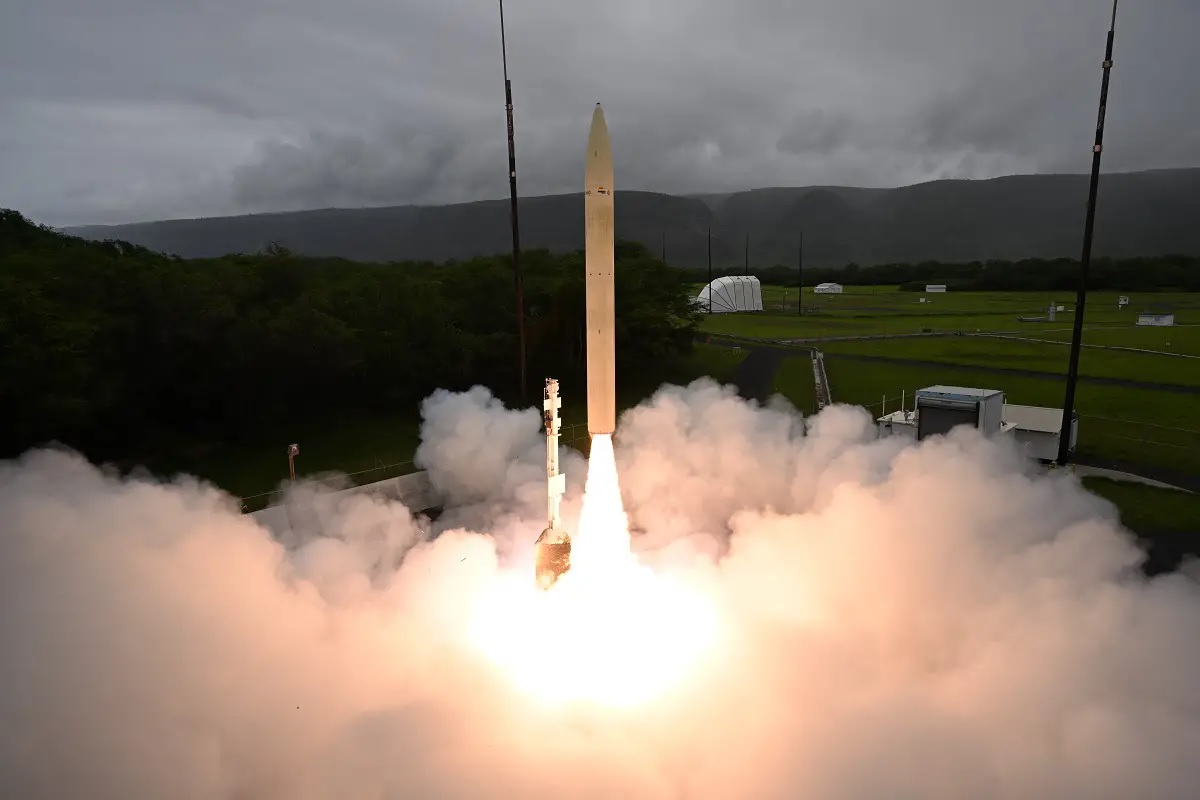
World
In a groundbreaking advancement, the U.S. Department of Defense has successfully completed an end-to-end flight test of a hypersonic missile. Conducted from the Pacific Missile Range Facility, this test marks a significant milestone in the development of the Conventional Prompt Strike (CPS) and Long Range Hypersonic Weapon (LRHW) programs. This achievement showcases the U.S. military's strides in harnessing hypersonic technology, which promises to redefine modern warfare and enhance national security.The hypersonic missile, capable of traveling at speeds exceeding Mach 5, was launched to evaluate its overall performance, from launch to impact. The test provided critical data on the missile's capabilities, validating the designs and concepts that have been meticulously developed by the U.S. Navy and Army. Vice Adm. Johnny R. Wolfe Jr., Director of the Navy’s Strategic Systems Programs and the lead designer of the common hypersonic missile, emphasized the importance of this test. “This flight test of the common hypersonic missile marks a milestone for our nation in the development of this capability,” he stated, highlighting the collaborative efforts between the services to push the boundaries of defense technology.Lt. Gen. Robert Rasch Jr., Director of the Army’s Rapid Capabilities and Critical Technologies Office, echoed this sentiment, underscoring the joint efforts to maintain military superiority. “Through our joint efforts, we are developing new equipment and adopting new defense concepts that will enable the Army to maintain superiority over any potential adversaries,” Rasch noted. The success of this flight test is a testament to the synergetic approach adopted by the U.S. military branches, working in unison to achieve a common goal.The CPS and LRHW programs are integral components of the U.S. military's strategy to enhance its rapid response capabilities. Hypersonic missiles, with their unparalleled speed and maneuverability, offer a significant advantage in neutralizing threats swiftly and effectively. This technology not only bolsters the U.S.'s defensive posture but also acts as a powerful deterrent against potential adversaries.Beyond the immediate military applications, the development of hypersonic missiles represents a leap forward in aerospace engineering and defense technology. The complexities involved in designing, testing, and deploying such advanced systems require cutting-edge research and innovation. The successful test signifies that the U.S. is at the forefront of these technological advancements, setting the stage for future developments in the realm of hypersonic weaponry.In recent years, global powers have been increasingly focused on developing hypersonic capabilities, recognizing their potential to change the dynamics of warfare. The U.S. has invested heavily in this domain, aiming to ensure that it remains a leader in military technology. The successful test of the hypersonic missile not only demonstrates progress but also reinforces the U.S.'s commitment to maintaining a competitive edge in the global defense landscape.As the U.S. continues to refine and enhance its hypersonic missile systems, the implications for national and global security are profound. The ability to deploy such advanced weaponry provides a strategic advantage, ensuring rapid and precise responses to emerging threats. With continued investment and collaboration, the U.S. is poised to lead the way in this transformative area of defense technology.The recent flight test is a pivotal step forward, reflecting the dedication and expertise of the teams involved. It stands as a beacon of innovation and progress, heralding a new era in defense capabilities. As the U.S. Department of Defense continues to push the envelope, the future of hypersonic technology looks promising, promising enhanced security and superiority on the global stage.
Read More → Posted on 2024-06-30 15:15:19
World
In a pivotal moment for Iran, citizens headed to the polls on Friday to elect a new president following the tragic death of Ebrahim Raisi in a helicopter crash. This election, marked by a tightly controlled roster of four candidates loyal to the supreme leader, comes at a time of growing public frustration and heightened Western pressure.The backdrop to this election is tense, with escalating regional conflicts involving Israel, Hamas in Gaza, and Hezbollah in Lebanon. Additionally, there is increased scrutiny from the West over Iran's advancing nuclear program. While the election is not expected to bring about significant policy shifts, its outcome could influence the future leadership of Ayatollah Ali Khamenei, the 85-year-old supreme leader who has been in power since 1989.Khamenei, emphasizing the importance of public participation, stated on state television, "The durability, strength, dignity, and reputation of the Islamic Republic depend on people's presence. High turnout is a definite necessity." This call for a high turnout is seen as an attempt to counteract a legitimacy crisis fueled by economic hardships and restrictions on political and social freedoms.Despite the overarching control Khamenei has over major state matters, the president plays a crucial role in the day-to-day administration of the government and can influence the tone of Iran's domestic and foreign policies. The Guardian Council, a hardline body consisting of clerics and jurists aligned with Khamenei, vetted the candidates, narrowing the field from 80 to six, with two subsequently dropping out.The candidates include three hardliners and one relatively moderate contender. Among the hardliners are Mohammad Baqer Qalibaf, the parliament speaker and former Revolutionary Guards commander, and Saeed Jalili, a former nuclear negotiator with a tenure in Khamenei's office. These candidates have all pledged to address the country's struggling economy, plagued by mismanagement, corruption, and sanctions re-imposed since the US abandoned the 2015 nuclear deal.In contrast, Massoud Pezeshkian, the sole moderate candidate, supports theocratic rule but advocates for economic reform, social liberalization, and political pluralism. Pezeshkian’s stance, particularly on social issues, resonates with many who remember the 2022 protests following the death of Mahsa Amini in morality police custody. This unrest was one of the largest demonstrations against Iran's clerical rulers in recent years, driven by demands for greater freedoms.The election has highlighted a divided electorate. Some, like Farzan, a 45-year-old artist from Karaj, see Jalili as a candidate who addresses justice and anti-corruption without tying foreign policy to the nuclear deal. Others, like architect Pirouz, who had planned to boycott the vote, found hope in Pezeshkian's blend of traditional and liberal views.However, a significant portion of the population remains disillusioned. The hashtag #ElectionCircus has gained traction on social media, with many activists calling for a boycott, arguing that a high turnout would only serve to legitimize the current regime. Shahrzad Afrasheh, a 55-year-old writer, echoed the sentiments of many disenchanted Iranians: "The youth were punished ... young girls were killed on the streets ... We can't easily move on from that ... After all that happened, it's unconscionable to vote."State television showed polling stations bustling with activity, extending voting hours to accommodate the turnout. The results are expected to be announced on Saturday, with the potential for a runoff if no candidate secures a majority. This election, while unlikely to alter Iran's fundamental policies, is a crucial indicator of the country's political landscape and the enduring influence of its supreme leader.
Read More → Posted on 2024-06-30 15:06:53
India
Tomorrow marks a pivotal moment for the Indian Army as Lieutenant General Upendra Dwivedi assumes the mantle of the 30th Chief of the Army Staff, succeeding General Manoj Pande after his commendable 26-month tenure. Lt Gen Dwivedi’s appointment comes at a crucial juncture for the force, amidst sweeping modernization efforts and structural reforms aimed at bolstering national defense capabilities.Born on July 1, 1964, Lt Gen Upendra Dwivedi began his illustrious military career when he was commissioned into the Jammu & Kashmir Rifles of the Indian Army on December 15, 1984. With nearly four decades of service, he has amassed a wealth of experience across various command, staff, instructional, and foreign postings.His recent role as the Northern Army Commander provided him extensive exposure to strategic operations, particularly amidst the military standoff on the Line of Actual Control (LAC) in eastern Ladakh. This experience positions him uniquely to navigate the complex challenges facing India’s security landscape.Lt Gen Dwivedi’s professional journey includes commanding roles at pivotal junctures such as the 18 Jammu & Kashmir Rifles Battalion, 26 Sector Assam Rifles Brigade, and Inspector General of Assam Rifles (East). He has also held significant appointments including Director General Infantry and serving in the esteemed 9 Corps.An alumnus of prestigious institutions including Sainik School Rewa, the National Defence College, and the US Army War College, Lt Gen Dwivedi’s academic prowess is equally noteworthy. He holds an M. Phil in Defence and Management Studies, along with dual Master’s Degrees in Strategic Studies and Military Science. His accolades include being honored as a 'Distinguished Fellow' during his course at the US Army War College in Carlisle, USA.As he assumes command, Lt Gen Dwivedi brings with him not only a robust military acumen but also a vision deeply rooted in enhancing operational capabilities through indigenization and strategic foresight. His leadership is expected to steer the Indian Army towards greater preparedness and agility in a rapidly evolving global security environment.
Read More → Posted on 2024-06-29 14:53:07
India
Union Home Minister Amit Shah delivered a significant announcement during the NDRF's Mountaineering Expedition Vijay Flag-in ceremony, celebrating the success of their 'Parvatarohan' campaign. In his address, Shah praised the NDRF for their dedication, highlighting how such campaigns build resilience and foster a spirit of achievement."First of all, I would like to congratulate NDRF for its successful 'Parvatarohan' campaign. It can be a passion to some, a duty to a few. However, this kind of campaign strengthens individuals and groups. It gives us a habit to achieve the goal and win," Shah remarked, emphasizing the campaign's role in personal and collective growth.Addressing the long-standing demand from NDRF personnel, Shah revealed, "I want to give you good news. For a long time, there was a demand for increasing the Risk and Hardship Allowance for NDRF personnel. Just yesterday, GoI approved it, and the Risk and Hardship Allowance will be given to you at the rate of 40 per cent. This is a matter of joy for all these 16,000 NDRF rescue personnel."Shah also outlined future plans for NDRF and other central armed police forces (CAPF), stating, "We have also decided that a team of our CAPF will participate in the international competition in all the national and international outdoor and indoor games. The road map has been prepared and in a short time we will take it forward."Recognizing the pivotal role of NDRF globally, Shah added, "Today, not only in India but in the entire world, whenever a disaster strikes anywhere, people look towards the NDRF. No matter how adverse the situation is, if a soldier in NDRF uniform is standing there, the morale of the people trapped in the disaster increases manifold."The increased Risk and Hardship Allowance marks a significant acknowledgment of the challenges NDRF personnel face in their line of duty, reflecting the government's commitment to supporting and enhancing their capabilities in disaster response and relief efforts.
Read More → Posted on 2024-06-29 14:50:13
World
In a significant boost to Malaysia’s maritime security capabilities, the United States has ceremonially handed over three CN235 maritime surveillance aircraft to the Royal Malaysian Air Force (RMAF). The handover, which took place at Subang Air Base, marked a milestone in bilateral cooperation, underscoring the strategic partnership between the two nations in enhancing regional security.U.S. Ambassador to Malaysia, His Excellency Edgard D. Kagan, personally presented the “Universal Hand Control Unit (UHCU)” of the aircraft’s sophisticated electro-optical/infra-red sensor turret to RMAF Commander Gen. Tan Sri Dato’ Sri Mohd Asghar Khan bin Goriman Khan, amidst a gathering of senior military and diplomatic officials.The $60 million initiative, funded under the Maritime Security Initiative, facilitated the conversion of these cargo aircraft by PT Dirgantara Indonesia. Equipped with advanced maritime surveillance radars, electro-optical infrared turrets, and robust communication systems, these CN235s are poised to significantly bolster Malaysia’s maritime domain awareness capabilities. PT Dirgantara Indonesia has highlighted the aircraft’s capability to detect small targets up to 200 nautical miles away, showcasing their advanced sensor capabilities.The completion of conversion work on these aircraft in 2022 and 2023 culminated in their operational readiness under 1 Squadron based at Kucing Air Base in Sarawak. One of these CN235s recently participated in the Royal Malaysian Navy’s Taming Sari live-fire exercise, further demonstrating their operational versatility and effectiveness.Looking ahead, Malaysia anticipates further strengthening its maritime surveillance capabilities with the imminent arrival of Turkish Aerospace Industries’ Anka-S drones and the scheduled delivery of Leonardo-built ATR 72 maritime patrol aircraft in the coming years.This significant enhancement in Malaysia’s defense infrastructure underscores both nations’ commitment to regional stability and maritime security cooperation, paving the way for enhanced operational capabilities and readiness in safeguarding maritime interests.
Read More → Posted on 2024-06-29 14:41:12
India
Hindustan Aeronautics Limited (HAL), a cornerstone of India’s aerospace and defense industry, is making a strategic investment of ₹6,000 crore in two major helicopter programs. This significant move, revealed in HAL's recent financial report, underscores the company’s dedication to enhancing India’s self-reliance in defense technology.A large portion of this investment, ₹4,000 crore, is directed towards the Indian Multi-Role Helicopter (IMRH) program. This ambitious project aims to develop a versatile, state-of-the-art helicopter capable of various military missions, such as troop transport, search and rescue, and reconnaissance. The IMRH is expected to be a game-changer, replacing the aging Mi-17 fleet and significantly reducing India’s dependence on foreign helicopters. By developing this 13-ton class helicopter domestically, HAL aims to provide the Indian Armed Forces with a robust, indigenously produced multi-role platform.Additionally, ₹2,000 crore has been allocated to the Utility Helicopter Marine (UHM) program, which is tailored for the Indian Navy and Coast Guard. Based on the successful ALH-Dhruv platform, the UHM will be instrumental in maritime operations, including patrol, surveillance, and search and rescue missions at sea. This 5.5-ton class helicopter is expected to bolster the operational capabilities of India’s maritime forces, providing essential support for offshore activities.Both programs are in advanced stages of development, with prototypes undergoing rigorous testing. The successful completion of these projects could propel India’s aerospace industry to new heights, opening doors for potential exports and technology partnerships with other countries.HAL's investment in these helicopter programs reflects its commitment to supporting India’s defense infrastructure and reducing reliance on imports. As these cutting-edge helicopters take flight, they symbolize a significant step forward in India's journey toward self-reliance in defense manufacturing.
Read More → Posted on 2024-06-29 14:38:53
India
In a landmark move following the abrogation of Article 370, Maharashtra has become the first Indian state to purchase land in Jammu and Kashmir, setting the stage for the construction of a dedicated tourist facility. This project, called *Maharashtra Bhavan*, will be located in Budgam, near the Srinagar Airport, and marks a significant step in inter-state collaboration and regional openness.A New Era of DevelopmentThe acquisition of land for ₹8.16 crore has been approved by the Jammu and Kashmir government, signaling a new era of investment and development in the region. The decision followed Maharashtra Chief Minister Eknath Shinde's visit to the Union Territory in June 2023, where he met with Governor Manoj Sinha to discuss potential projects. This initiative is set to boost tourism by providing accommodation, cultural experiences, and information for tourists from Maharashtra.Post Article 370 LandscapePrior to the removal of Article 370, land ownership in Jammu and Kashmir was limited to permanent residents. The revocation of this article in 2019 has opened up opportunities for investment by entities from other parts of India, fostering economic growth and development in the region. The *Maharashtra Bhavan* is a prime example of how these changes are facilitating inter-state investments and collaborations.Economic and Cultural ImpactThis venture is expected to enhance tourism in Jammu and Kashmir, attracting visitors from Maharashtra and beyond. The influx of tourists will likely contribute significantly to the local economy, creating jobs and promoting cultural exchange. Additionally, the facility will serve as a cultural hub, showcasing the rich heritage of Maharashtra and strengthening ties between the two states.ConclusionThe establishment of *Maharashtra Bhavan* is a testament to the changing dynamics in Jammu and Kashmir. It symbolizes not only the potential for economic growth but also the spirit of unity and collaboration across Indian states. As the project moves forward, it promises to bring new opportunities for tourism and development, marking a hopeful chapter in the region's history.
Read More → Posted on 2024-06-29 13:54:46
India
President Droupadi Murmu has hailed the India-Middle East-Europe Economic Corridor (IMEC) as one of the most significant initiatives of the 21st century. Addressing a joint session of Parliament, she emphasized that the global order is evolving, with India emerging as a confident and influential player on the world stage.President Murmu highlighted the government's focus on enhancing connectivity, both regionally and globally. The IMEC, which was conceptualized during the G20 Summit in Delhi in September 2023, is a testament to this vision. It aims to establish an extensive network of roads, railways, and shipping routes linking Saudi Arabia, India, the United States, and Europe, fostering greater integration across Asia, the Middle East, and the West.The agreement to develop IMEC was signed by key international players, including India, Saudi Arabia, the European Union, the United Arab Emirates (UAE), and the United States. This collaborative effort underscores the project's importance and potential impact on global trade and connectivity.President Murmu underscored India's role as a proactive contributor to global solutions, particularly through its human-centric approach. India has positioned itself as a "Vishwa-Bandhu" or friend of the world, offering assistance and solutions in crises, from natural disasters to health emergencies like the COVID-19 pandemic. India's leadership was also evident during its G20 presidency, which saw the African Union being made a permanent member of the G20, bolstering the confidence of Africa and the Global South.Murmu also touched on India's foreign policy priorities, which include strengthening ties with neighboring countries and enhancing cooperation with the Indo-Pacific region. The participation of leaders from seven neighboring countries in the swearing-in ceremony of the Union Council of Ministers reflected India's commitment to its "Neighbourhood First" policy.The president highlighted India's significant achievements, such as spearheading global initiatives like the International Year of Millets in 2023 and making substantial progress towards climate goals. India's leadership in sustainable practices and its commitment to achieving Net Zero emissions ahead of schedule have inspired many countries.In her address, President Murmu also noted the world's recognition of India's stable political environment, as evidenced by the recent Lok Sabha elections, where the people of India elected a stable government with a clear majority for the third consecutive term. This political stability, occurring for the first time in six decades, further enhances India's global stature.President Murmu concluded by affirming that India's global prestige is on the rise, with the nation playing a pivotal role in addressing global challenges and contributing to a new, dynamic global order.
Read More → Posted on 2024-06-29 13:45:45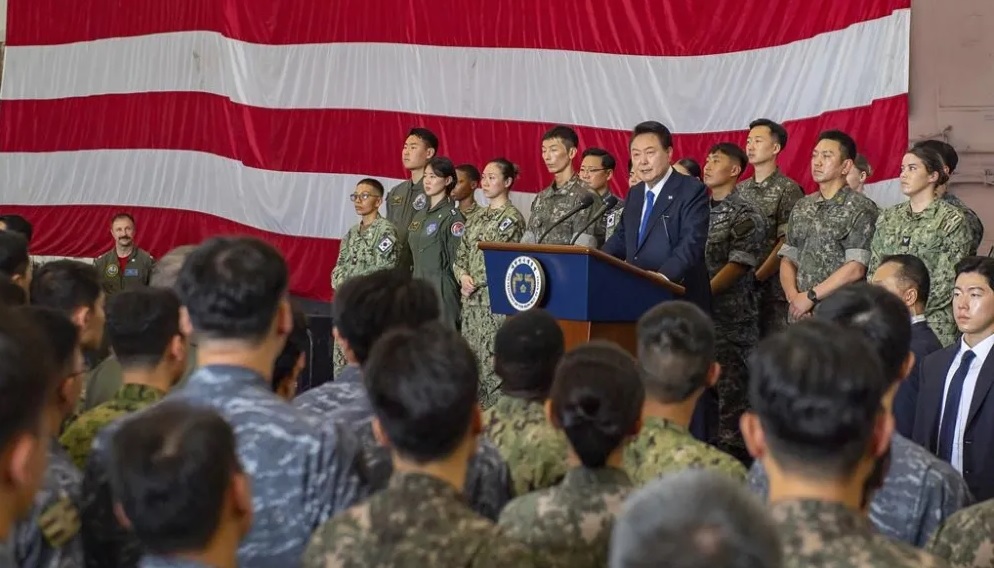
As North Korean and Chinese threats rise, US looks to Lock in Defense Partnerships with Asian Allies
World
### Strengthening Ties: US Fortifies Defense Partnerships with Asian Allies Amid Rising ThreatsIn the face of escalating threats from North Korea and China, the United States is intensifying its defense partnerships with key Asian allies. Last Saturday marked a significant milestone as the U.S. concluded its first multidomain exercise with Japan and South Korea in the East China Sea, showcasing a united front against regional adversities.The three-day exercise, dubbed Freedom Edge, was a step up from previous drills. It featured simultaneous air and naval operations aimed at enhancing joint ballistic-missile defense, anti-submarine warfare, and surveillance capabilities. This collaboration is crucial as North Korea continues to test increasingly sophisticated missile systems, necessitating a seamless flow of missile warning information between the allies.Ridzwan Rahmat, an analyst with the defense intelligence company Janes, emphasized the importance of interoperability in such exercises. He noted that if South Korea detected a target, it could swiftly share details with Japanese or American forces to ensure a coordinated response. This level of cooperation is vital in war scenarios, enabling the three nations to operate as a cohesive fighting force.However, these military exercises also risk inflaming regional tensions. China, which views such drills as encroachments on its sphere of influence, and North Korea, which labeled the arrival of the USS Theodore Roosevelt carrier group in South Korea as "provocative," have both expressed strong objections. The tensions were further heightened when North Korea tested a multiwarhead missile shortly after South Korean President Yoon Suk Yeol's visit to the Roosevelt, a historic first for a sitting South Korean president.The geopolitical landscape adds layers of complexity to the defense cooperation between Japan and South Korea. Historical grievances from Japan’s occupation of Korea during World War II continue to cast a shadow over their relations. Despite this, both nations are home to the largest U.S. military presence in East Asia, with approximately 80,000 American troops stationed across their territories. This has traditionally led the U.S. to engage with them individually rather than collectively.Political dynamics within Japan and South Korea also play a crucial role. Japanese Prime Minister Fumio Kishida's increased defense spending and cooperation with South Korea have met with mixed reactions domestically. Meanwhile, President Yoon's efforts to mend ties with Japan have faced domestic criticism but are deemed essential for regional security.Both leaders are eager to solidify their defense relationships with Washington, particularly as the U.S. approaches a potential change in administration. South Korean officials have indicated their desire to formalize a security framework agreement with the U.S. and Japan this year, ensuring a unified response to any North Korean aggression. U.S. President Joe Biden's administration has been instrumental in fostering this trilateral cooperation, a significant achievement given the historical and political hurdles involved.The backdrop of former U.S. President Donald Trump's tenure adds further context. Trump's demands for greater financial contributions from allies for hosting U.S. troops and his direct engagements with North Korean leader Kim Jong Un strained these relationships. In contrast, Biden's approach seeks to strengthen alliances through sophisticated exercises and diplomatic agreements, aiming to institutionalize these practices amidst uncertainties about future administrations.The urgency for fortified alliances is underscored by the rising threats from North Korea and China. North Korea's weapons programs are advancing despite international sanctions, and China is rapidly expanding its military capabilities, boasting the world's largest navy. China’s aggressive territorial claims over Taiwan and the South China Sea, coupled with its alliance with Russia and support for North Korea, amplify regional tensions.In response, the U.S. is not only deepening ties with Japan and South Korea but also strengthening partnerships with other regional allies such as Australia, the Philippines, and Taiwan. This strategy leverages the U.S. Navy's ability to operate from a vast network of friendly ports, a significant advantage over China's relatively isolated naval operations.As the USS Theodore Roosevelt transitions from the East China Sea to the Middle East to counter threats from Yemen’s Houthi rebels, the importance of robust, regional defense partnerships remains clear. These alliances are crucial for maintaining stability and responding effectively to any aggression, demonstrating the U.S. commitment to its allies amid rising regional threats.
Read More → Posted on 2024-06-29 13:39:58
India
In a significant development, Deputy National Security Adviser Vikram Misri has been appointed as India’s next Foreign Secretary. Known for his expertise on China, Misri is set to take over from Vinay Kwatra on July 15, as approved by the Appointments Committee of the Cabinet. This appointment comes at a crucial time when India is navigating several foreign policy challenges, especially its tense relations with China.Misri, a 1989-batch Indian Foreign Service officer, brings a wealth of experience to the role. He has the unique distinction of serving as private secretary to three prime ministers: Inder Kumar Gujral, Manmohan Singh, and Narendra Modi. His extensive diplomatic career includes key ambassadorial roles in China, Spain, and Myanmar, as well as stints in important missions in Pakistan, the US, Germany, Belgium, and Sri Lanka.As India’s ambassador to China from 2019 to 2021, Misri played a pivotal role in managing the complex relationship between the two countries. His tenure saw significant tensions, particularly following the Galwan Valley clashes in June 2020, which marked one of the most severe military conflicts between India and China in decades. Misri's deep understanding of Chinese diplomacy and his experience in handling sensitive negotiations are expected to be invaluable as he steps into his new role.The appointment of Misri is part of a broader reshuffle in India's diplomatic corps. Vinay Kwatra, the outgoing Foreign Secretary, is likely to be appointed as India’s ambassador to the US, a position that has been vacant since Taranjit Sandhu's retirement in January. This move is seen as a strategic placement, enhancing India’s diplomatic presence in Washington, especially in light of evolving global dynamics.Additionally, the role of India’s permanent representative to the United Nations in New York is also due for a new appointment, as Ruchira Kamboj retires this month. These changes underscore India's efforts to bolster its diplomatic leadership on the global stage.Misri’s career has been marked by his adept handling of international relations and strategic affairs. His prior role as Deputy NSA saw him deeply involved in shaping India’s national security policies, particularly concerning its northern neighbor. As Foreign Secretary, Misri’s immediate challenges will include addressing the ongoing border disputes with China, strengthening ties with key allies, and navigating the complex geopolitical landscape.The diplomatic community anticipates that Misri's tenure will bring a blend of continuity and innovation to India's foreign policy. His appointment signals India's commitment to addressing its foreign policy challenges with experienced and strategic leadership.
Read More → Posted on 2024-06-29 13:32:01Search
Top Trending in 24 Hours
-
 Pentagon Launches FORTRESS Initiative to Make Major U.S. Bases Self-Sufficient for 90 Days
-
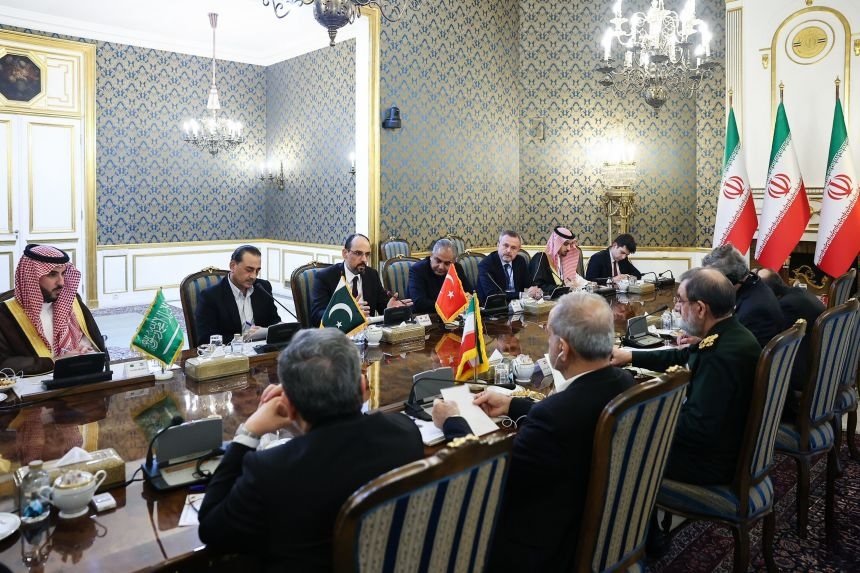 Saudi Arabia, Pakistan and Turkey Hold High-Level Security Talks with Iran in Tehran Amid Reports of Potential Iranian Integration
-
 SpaceX Secures $40 Billion in Debt Financing for AI Chips as Musk Predicts Industry Consolidation
-
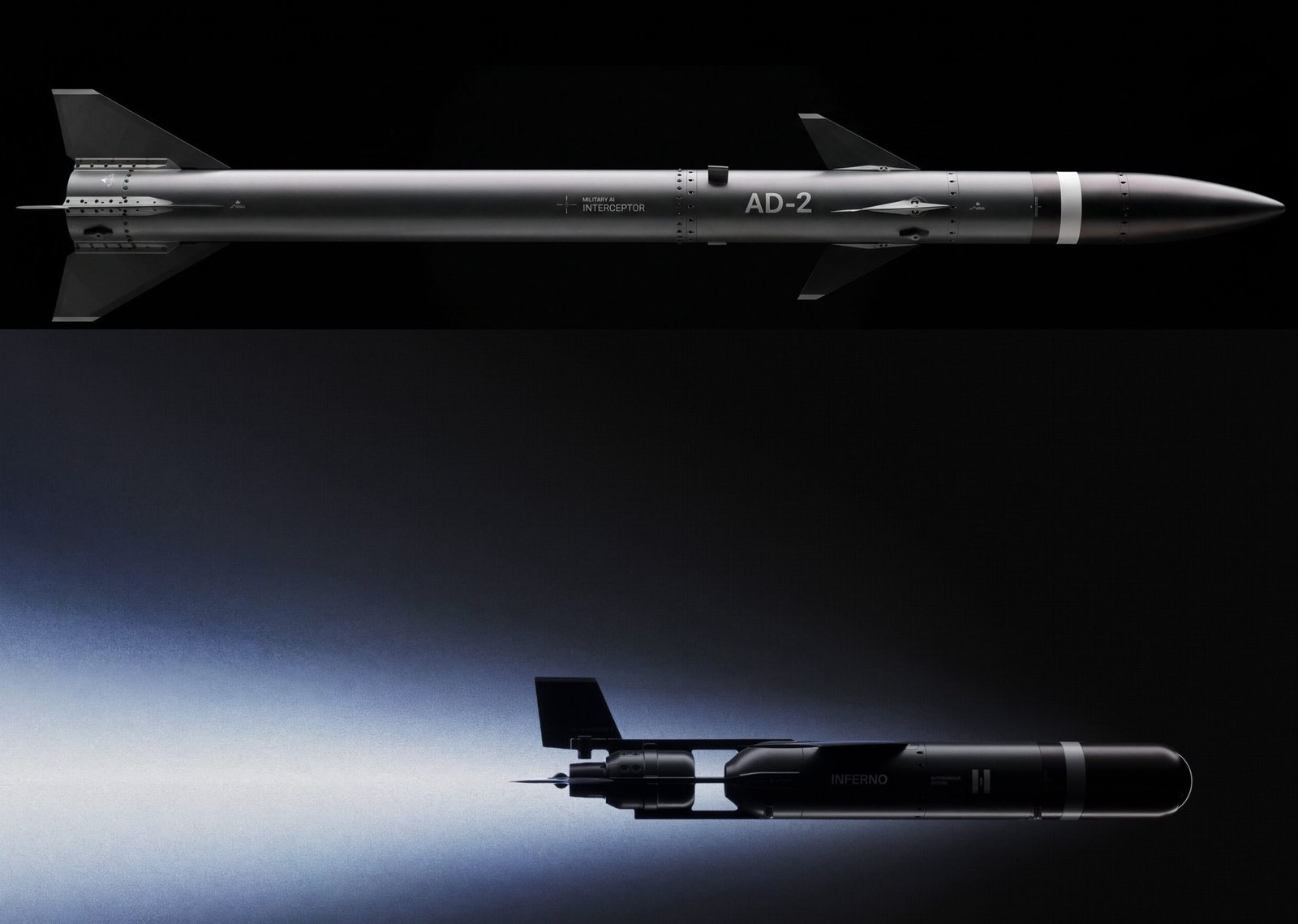 German Firm Helsing Unveils Contra AI Air Defence System with AD-1 Inferno and AD-2 Ambush Interceptor Missiles
-
 Indian DAC to Evaluate ₹75,000 Crore Project 18A for Next-Generation Navy Destroyers
-
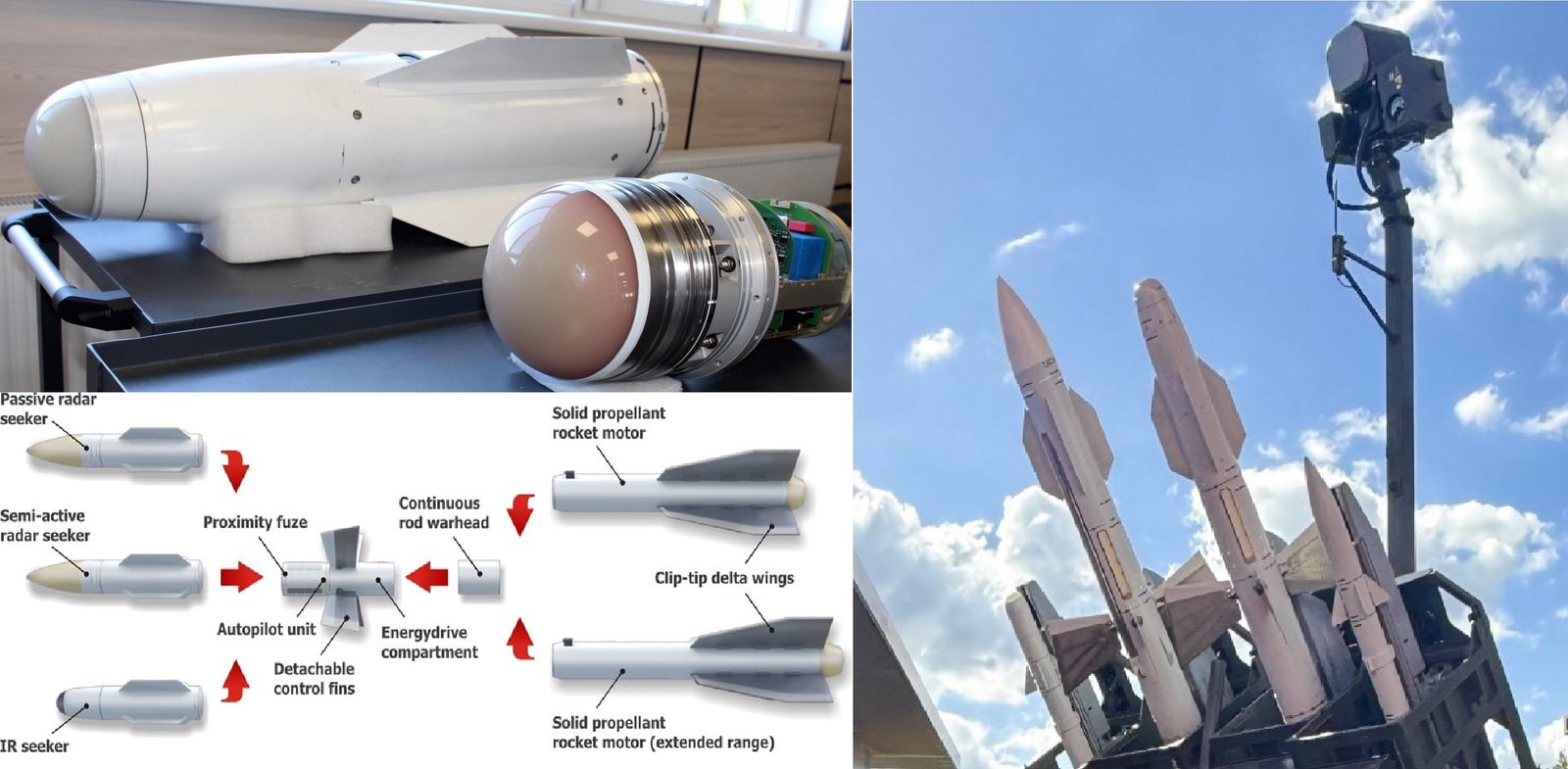 Ukraine Reveals New Details on R-287T and R-287R Missiles for Shershen Air Defense System
-
 Pentagon’s DIU Opens Second Phase of SWAP-USV Challenge for Counter-Air Unmanned Surface Vessels
-
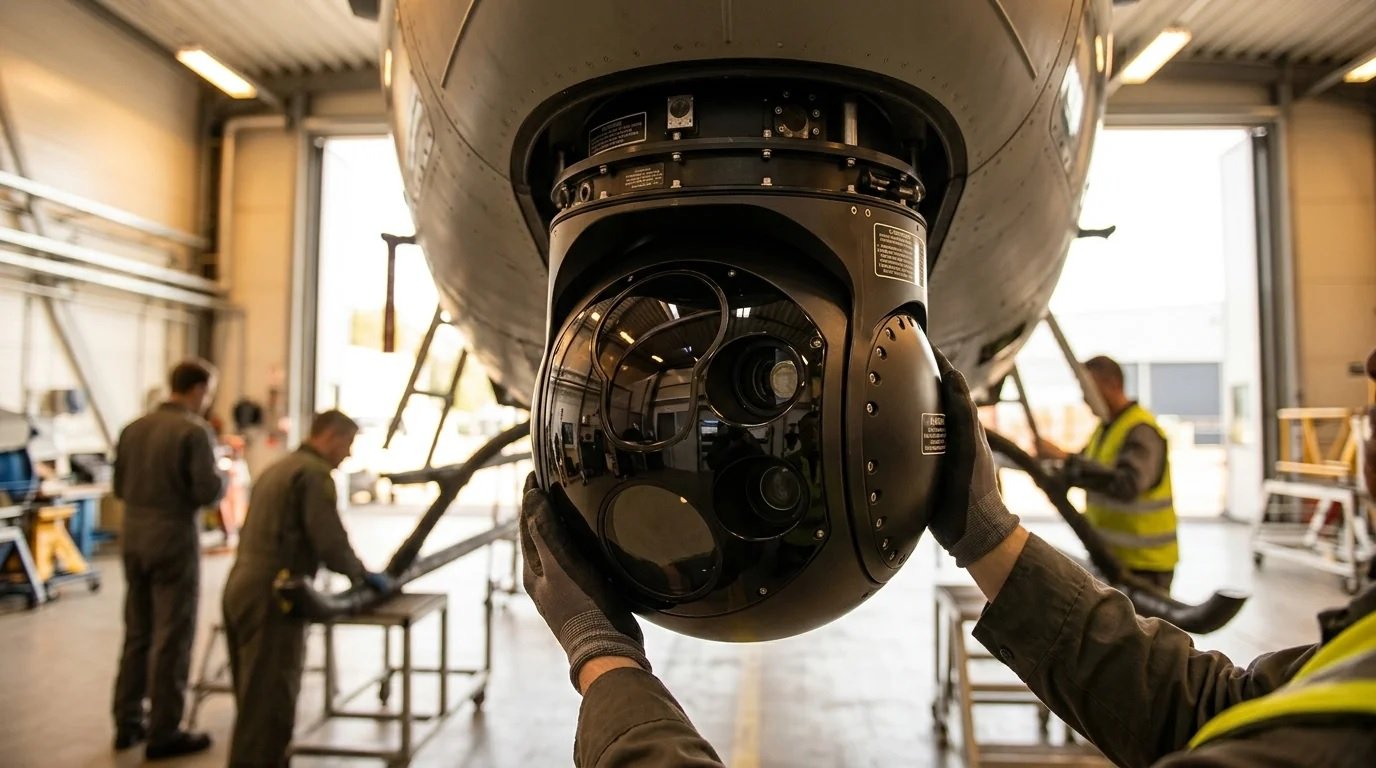 Elbit Systems Secures $200 Million Contract for Airborne Surveillance and Training Systems in Asia-Pacific
Top Trending in 4 Days
-
Pentagon Launches FORTRESS Initiative to Make Major U.S. Bases Self-Sufficient for 90 Days
-
 NASA Demonstrates Space-to-Space Wi-Fi Between Two Orbiting Spacecraft
-
 USS Pinckney Becomes First U.S. Navy Destroyer to Begin Phase Two Modernization with Advanced SPY-6 Radar
-
 U.S. Military to Ban Chinese Automaker BYD Vehicles from Kadena Air Base in Japan Over Security Concerns
-
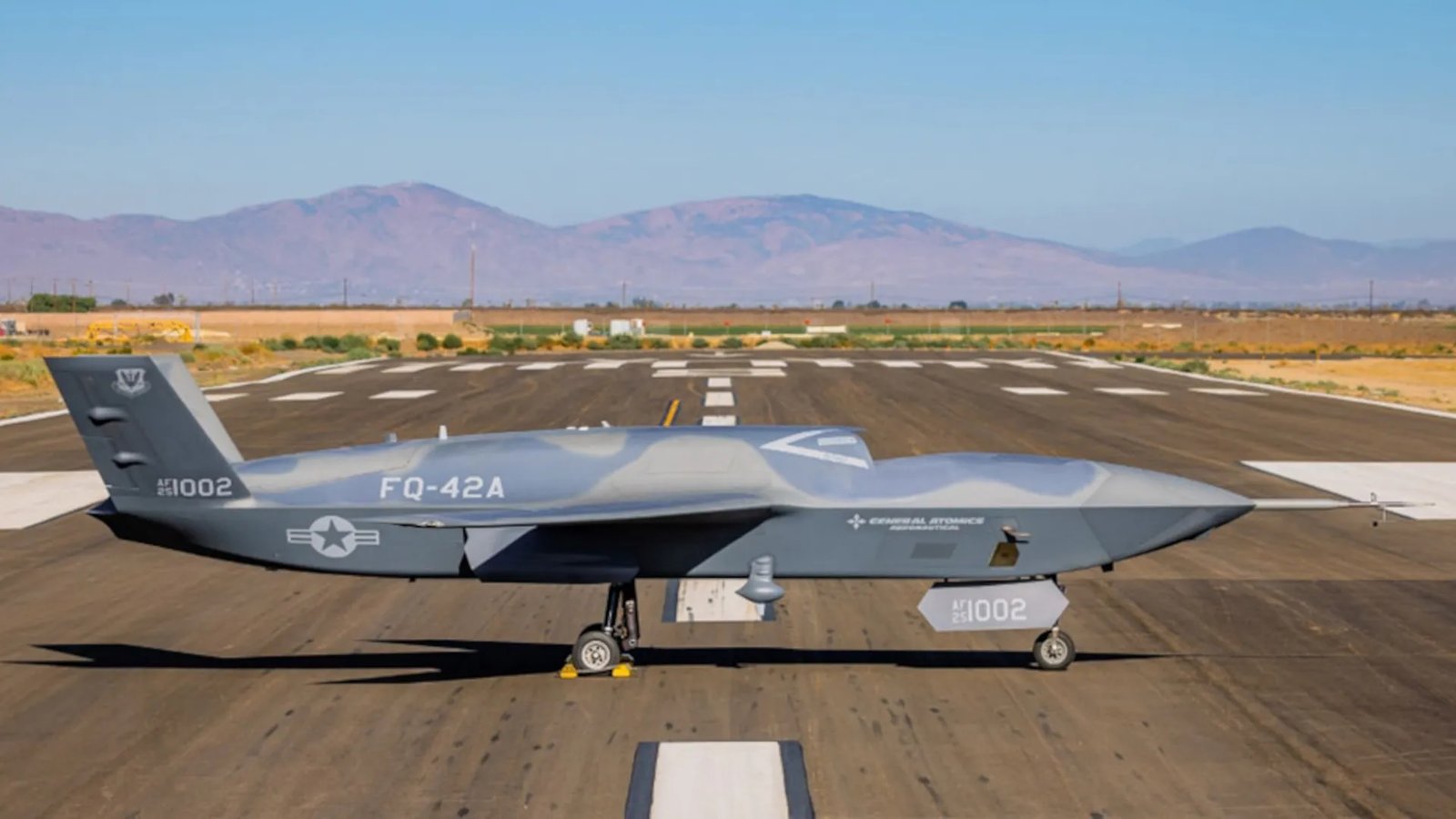 General Atomics Partners With Spirit Defense to Expand FQ-42 Vengeance Production
-
Saudi Arabia, Pakistan and Turkey Hold High-Level Security Talks with Iran in Tehran Amid Reports of Potential Iranian Integration
-
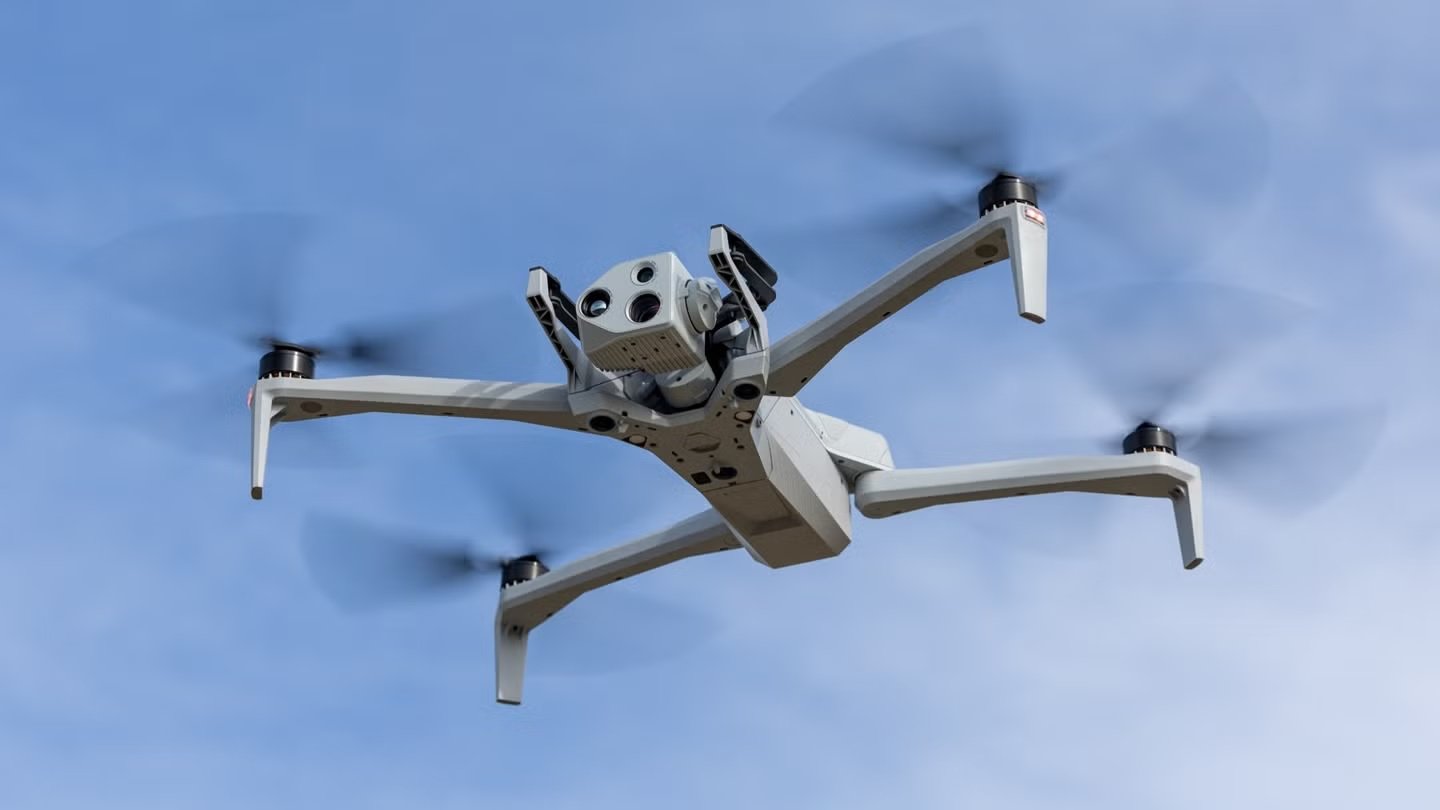 UK Ministry of Defence Opens £120,000 Tender for Skydio X10D Drones
-
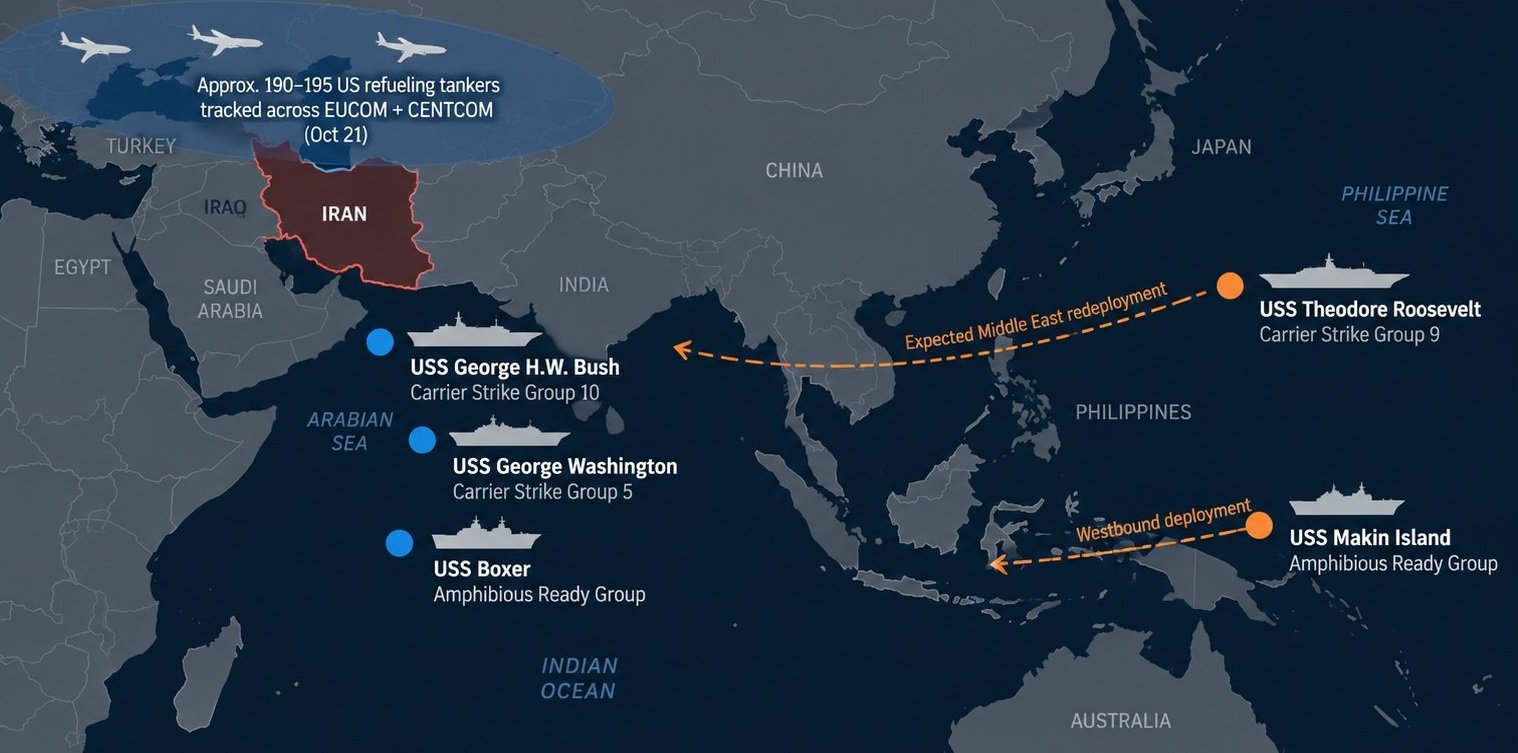 US Expands Military Buildup Near Iran with Third Aircraft Carrier and Additional Marines
