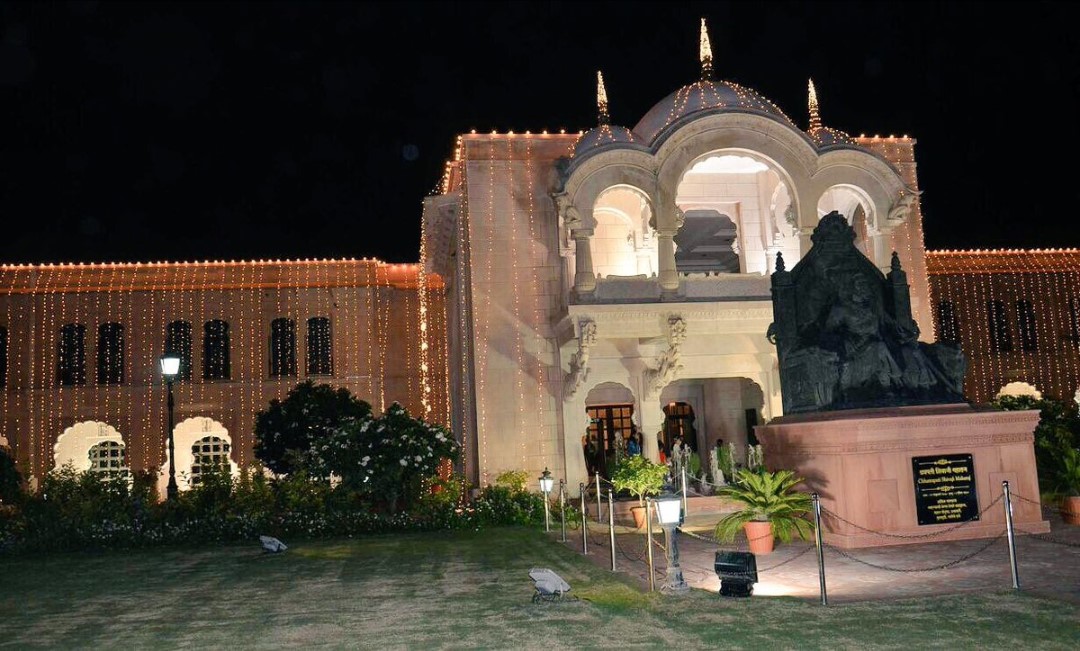
In a landmark move following the abrogation of Article 370, Maharashtra has become the first Indian state to purchase land in Jammu and Kashmir, setting the stage for the construction of a dedicated tourist facility. This project, called *Maharashtra Bhavan*, will be located in Budgam, near the Srinagar Airport, and marks a significant step in inter-state collaboration and regional openness.
A New Era of Development
The acquisition of land for ₹8.16 crore has been approved by the Jammu and Kashmir government, signaling a new era of investment and development in the region. The decision followed Maharashtra Chief Minister Eknath Shinde's visit to the Union Territory in June 2023, where he met with Governor Manoj Sinha to discuss potential projects. This initiative is set to boost tourism by providing accommodation, cultural experiences, and information for tourists from Maharashtra.
Post Article 370 Landscape
Prior to the removal of Article 370, land ownership in Jammu and Kashmir was limited to permanent residents. The revocation of this article in 2019 has opened up opportunities for investment by entities from other parts of India, fostering economic growth and development in the region. The *Maharashtra Bhavan* is a prime example of how these changes are facilitating inter-state investments and collaborations.
Economic and Cultural Impact
This venture is expected to enhance tourism in Jammu and Kashmir, attracting visitors from Maharashtra and beyond. The influx of tourists will likely contribute significantly to the local economy, creating jobs and promoting cultural exchange. Additionally, the facility will serve as a cultural hub, showcasing the rich heritage of Maharashtra and strengthening ties between the two states.
Conclusion
The establishment of *Maharashtra Bhavan* is a testament to the changing dynamics in Jammu and Kashmir. It symbolizes not only the potential for economic growth but also the spirit of unity and collaboration across Indian states. As the project moves forward, it promises to bring new opportunities for tourism and development, marking a hopeful chapter in the region's history.
——— End of Article ———