World
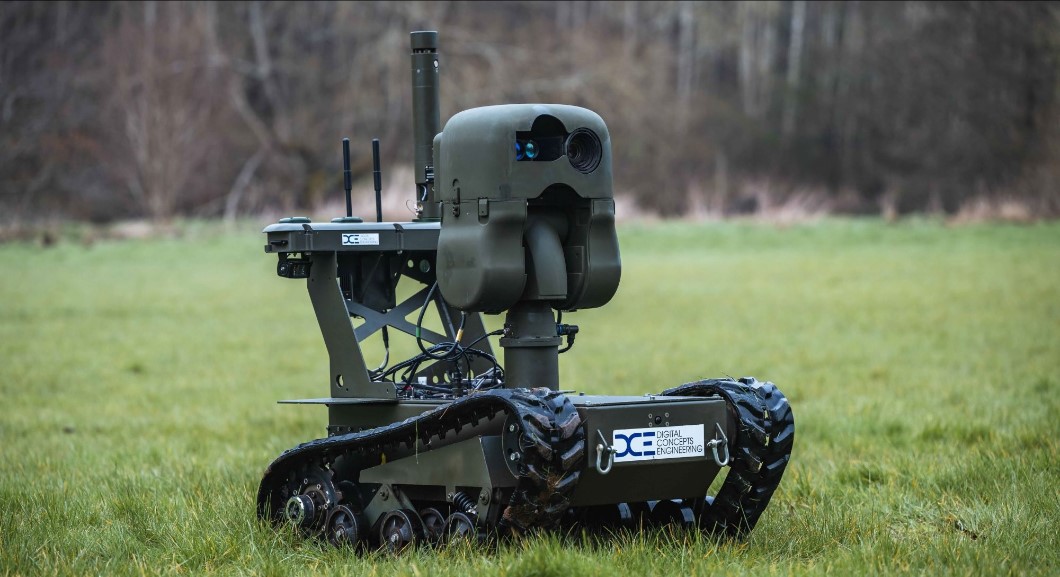
Latest Defence News World The Defense Contractor Enterprise (DCE) has sent ripples through the military tech world with the official launch of their next-generation X3 robotic vehicle. This innovative platform promises to revolutionize battlefield operations, offering a highly mobile and cost-effective solution for a wide range of missions.More Than Just a Machine: The X3's Diverse CapabilitiesThe X3 isn't your average remote-controlled tank. It's designed for adaptability, boasting a modular design that allows for various mission-specific configurations. Here's what sets the X3 apart:Intelligence, Surveillance, and Reconnaissance (ISTAR): The X3 can be equipped with advanced sensors and cameras, transforming it into a powerful reconnaissance tool for gathering battlefield intel.Decoy Operations: The X3's maneuverability and adaptability make it ideal for tactical deception, drawing enemy fire away from vulnerable troops.Tactical Public Address (PA) Systems: The X3 can be used for communication purposes, delivering clear messages to enemy forces or civilians in a targeted area. Cost-Effective Powerhouse: A Boon for Modern MilitariesThe DCE emphasizes the X3's affordability as a major selling point. Compared to traditional armored vehicles, the X3 offers a significant cost advantage, allowing military forces to stretch their budgets further while acquiring advanced technology.A Glimpse into the Future of WarfareThe X3's launch signifies a significant step towards a more agile and tech-driven battlefield. Its versatility and affordability hold immense potential for modern militaries, offering increased flexibility in deployment and mission execution. What's Next for the X3?While details haven't been released, military analysts predict the X3 will undergo rigorous testing and evaluation in various environments. DCE is likely in talks with potential military partners interested in integrating the X3 into their arsenals.The X3's arrival marks a turning point in robotic warfare. Its adaptability, affordability, and diverse capabilities position it as a game-changer, and the future of military operations might just have a robotic edge.
Read More → Posted on 2024-04-17 15:41:02
World
Latest Defence News Russia Ukraine Conflict In a recent report released by the BBC on Wednesday, staggering figures shed light on the human toll of the ongoing conflict in Ukraine. Drawing from extensive research conducted by BBC Russian, independent media group Mediazona, and dedicated volunteers, the report unveils a stark reality: more than 50,000 Russian military personnel have lost their lives since the inception of the conflict.The findings, based on meticulous data collection since February 2022, paint a grim picture of the escalating violence. With over 27,300 Russian soldiers succumbing to the conflict in the second year alone, representing a notable 25% increase from the previous year, the toll on human lives continues to mount.This figure starkly contrasts with the official toll acknowledged by Moscow in September 2022, which was a mere fraction of the reported count. It's worth noting that these numbers do not encompass the losses of militia in Donetsk and Lugansk in eastern Ukraine, further underscoring the magnitude of the tragedy.The surge in Russian casualties, particularly evident during significant offensives such as the battle for Donetsk and the subsequent engagement in Bakhmut, reflects the intensity of the conflict. President Vladimir Putin's declaration of a "special military operation" in February 2022 marked the onset of a protracted and devastating war, exacerbating tensions and isolating Russia from the international community.In response to the revelations, the Kremlin maintained its stance of non-disclosure regarding military casualties, citing legal constraints and the classified nature of the operation in Ukraine. Kremlin spokesman Dmitry Peskov emphasized that official secrets laws and the nature of the military operation justified the absence of official figures.The discrepancy between official acknowledgments and the reality on the ground underscores the challenges of obtaining accurate information in conflict zones. While Ukraine has reported its own losses, it is likely that the true toll on both sides exceeds official figures.As the conflict continues to unfold, with no clear resolution in sight, the human cost remains a poignant reminder of the devastating impact of war. Beyond geopolitical maneuverings and diplomatic rhetoric, the lives lost serve as a sobering testament to the need for a peaceful and diplomatic resolution to the crisis in Ukraine.
Read More → Posted on 2024-04-17 15:30:49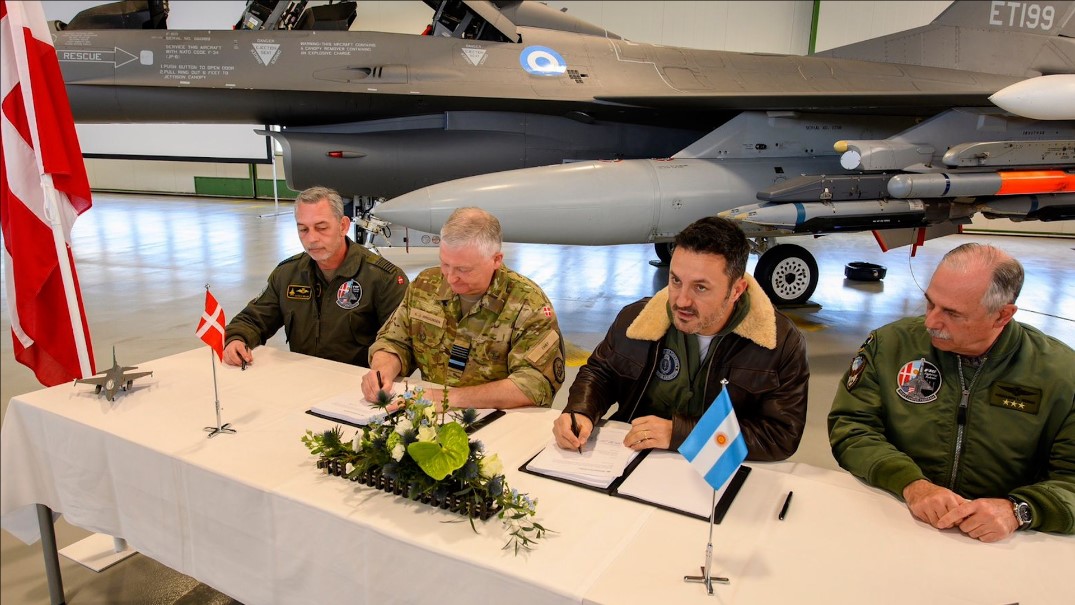
World
Latest Defence News Denmark In a strategic move aimed at modernizing its air force, Denmark has finalized a deal to sell 24 of its F-16 fighter jets to Argentina for a reported sum of $300 million. This transaction underscores Denmark's commitment to transitioning to the advanced F-35 fighter jet while simultaneously providing Argentina with a significant upgrade to its aging air defense capabilities.Denmark's decision to part with its F-16 fleet is driven by its planned integration of the F-35, a more technologically advanced aircraft. By divesting itself of the F-16s, Denmark not only makes space for the new jets but also recoups a portion of its investment in the now-retired aircraft.For Argentina, the acquisition of these F-16s represents a substantial enhancement to its air force. Despite not being brand new, the F-16s have undergone rigorous maintenance and technological updates, ensuring their reliability and effectiveness in bolstering Argentina's air defense capabilities. This acquisition comes at a crucial time for Argentina, which had previously relied on Mirage jets retired in 2017.The contract, signed in April 2024, encompasses more than just the aircraft themselves. It includes spare parts, engines, training equipment, and flight simulators, providing Argentina with a comprehensive package that facilitates a smooth transition for its pilots and technicians as they adapt to operating the F-16s.While the deal has sparked some debate in Argentina, given the country's economic constraints, government officials have emphasized the importance of maintaining a robust military for national security purposes. They view this purchase as a strategic investment in safeguarding the nation's sovereignty and defending against potential threats.This transaction signifies a significant milestone for both Denmark and Argentina. Denmark advances its air force with cutting-edge technology, while Argentina takes a substantial step forward in modernizing its air defense capabilities. As these F-16s take to the skies over both nations, they represent not just aircraft but also symbols of partnership and cooperation in the realm of international defense.
Read More → Posted on 2024-04-17 15:27:49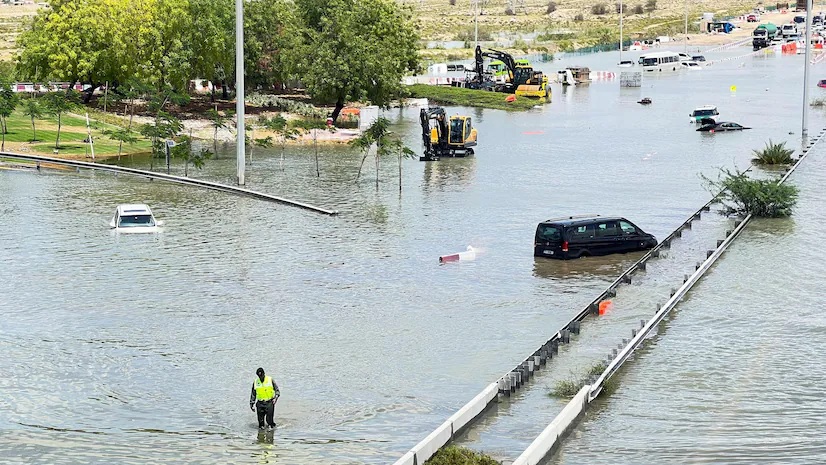
World
Latest Defence News UAE Heavy rain inundated various parts of the United Arab Emirates (UAE) on Tuesday, delivering an unprecedented deluge on the desert metropolis of Dubai within hours and causing flooding on major highways and at its international airport. Experts attributed this intense downpour, which affected Dubai and other UAE regions, in part to cloud seeding—a weather modification technique employed by the UAE and several other nations in the region.The UAE, situated in one of the driest and hottest regions globally, has been at the forefront of utilizing cloud seeding technology to augment precipitation. Despite an annual average rainfall of less than 100 millimeters (3.9 inches) in the Persian Gulf region, the UAE endeavors to meet the water demands of its expanding population and diversified economy, particularly in tourism and other sectors.Similar initiatives are undertaken by neighboring countries like Saudi Arabia and Oman, aiming to bolster precipitation within their territories. Furthermore, in India, scientists explore cloud seeding to address pollution issues in northern regions during winter.But what exactly is cloud seeding or artificial rain?Cloud seeding, also termed artificial rain, is a technique designed to stimulate precipitation by introducing substances like silver iodide or potassium iodide into clouds via aircraft or helicopters. These particles aid in condensing water vapor and facilitating the formation of raindrops or ice crystals, thereby promoting cloud development and subsequent rainfall.The success of cloud seeding hinges on specific meteorological conditions, including the presence of moisture-laden clouds and suitable wind patterns. The primary objective is to induce rainfall in targeted areas or alleviate drought conditions, with applications spanning agriculture, environmental conservation, and water resource management.The mechanics of cloud seeding are relatively straightforward:Clouds contain tiny water droplets or ice crystals formed when water vapor condenses around airborne particles like dust or salt. By introducing chemicals such as silver iodide into the atmosphere, cloud seeding prompts freezing within clouds, leading to precipitation.This operation is typically conducted using small, slow-moving aircraft tasked with dispersing chemicals into the clouds. High-speed planes are ill-suited for this task due to their inability to effectively disperse the chemicals. Aircraft typically fly beneath the clouds during the dispersion process, albeit facing challenges in navigating above them.While cloud seeding offers the benefit of augmenting water supply through rainfall, it also poses inherent risks:The diversion of rainfall to targeted regions may inadvertently cause drought conditions elsewhere, underscoring the need for careful planning and monitoring. Moreover, areas where cloud seeding is implemented often lack the infrastructure to manage additional rainfall, resulting in floods and associated damage.Recent reports from Oman, a neighboring country of the UAE, highlight the repercussions of heavy rains, with at least 18 fatalities attributed to flooding. Oman, like the UAE, employs cloud seeding to enhance precipitation within its borders.Additionally, the use of chemicals like silver iodide may have long-term ecological ramifications, including ocean acidification, ozone layer depletion, and increased atmospheric carbon dioxide levels. Silver, being a heavy and toxic metal, poses risks to plant, human, and animal health.In conclusion, cloud seeding represents a pragmatic approach to augmenting rainfall in arid regions like the UAE, albeit with associated risks and considerations. While it offers potential benefits for water resource management and environmental sustainability, careful evaluation of its ecological and societal impacts is essential in ensuring responsible implementation and mitigation of adverse effects.
Read More → Posted on 2024-04-17 15:18:35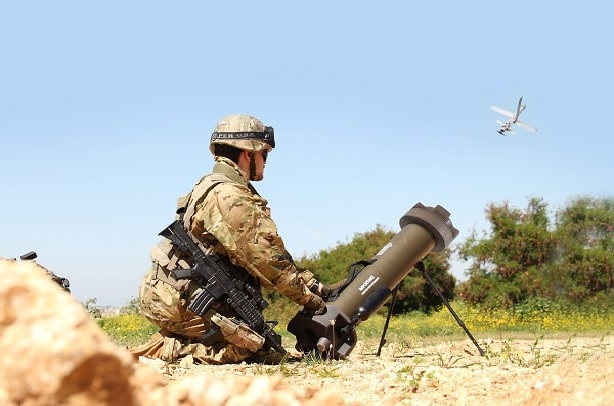
World
Latest Defence News U.S The US Marines Corps is taking a leap forward in battlefield technology with the acquisition of loitering munition systems from Teledyne FLIR. This marks a significant development in the Organic Precision Fires-Light (OPF-L) program, designed to equip dismounted infantry rifle squads with next-generation weaponry.What are Loitering Munitions ?Loitering munitions, also known as suicide drones, are small, aerial weapons that can fly around an area until a target is identified or designated. They then swoop in and detonate on impact, offering precise strike capability beyond the line of sight. Compared to traditional weaponry, loitering munitions provide several advantages:Increased Precision: These weapons minimize collateral damage by allowing for targeted engagement.Rapid Response: Loitering munitions can be deployed quickly to respond to emerging threats.Squad-Level Deployment: The compact size and ease of use make them suitable for integration into small unit tactics.Equipping Marines for the Future BattlefieldThe initial contract of $12 million represents the first step in this program. Teledyne FLIR will deliver 127 loitering munition systems for assessments scheduled this summer. The gathered data will be crucial for refining the technology before full-scale production commences.This acquisition aligns with the Marines' long-term vision of modernizing their arsenal. Loitering munitions offer a significant tactical advantage, enabling Marines to engage enemies with greater precision and flexibility, particularly in urban or complex environments.The Road AheadThe OPF-L program signifies a pivotal moment for the US Marines Corps. By incorporating loitering munitions into squad-level operations, the Marines are poised to enhance their combat effectiveness and protect personnel from hidden threats. The upcoming assessments will be instrumental in shaping the future of this program and its potential impact on modern warfare.
Read More → Posted on 2024-04-17 15:10:42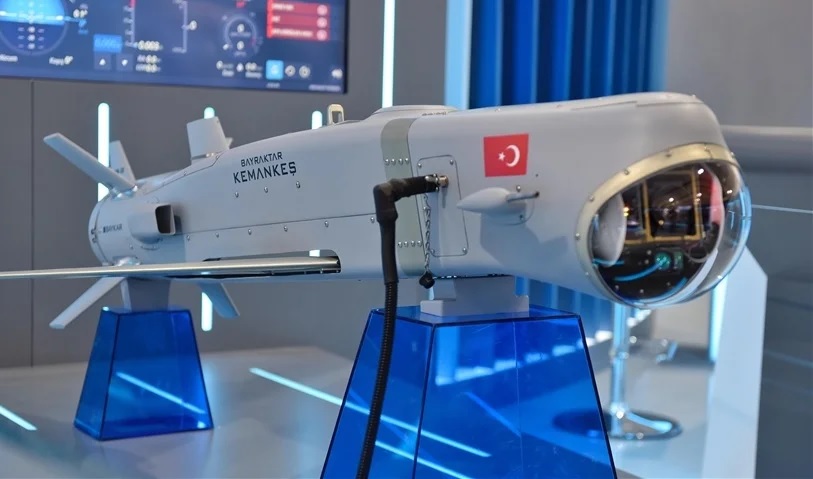
World
Latest Defence News Turkey Baykar, a leading Turkish defense technology company, has introduced the KEMANKEŞ 2, an advanced iteration of its renowned mini cruise missile series. Building upon the success of its predecessor, the KEMANKEŞ 2 represents a significant leap forward in precision strike capabilities.Named after the famed Turkish archers known for their accuracy in challenging conditions, the KEMANKEŞ 2 embodies the spirit of its namesake with its precise targeting abilities. Developed domestically by Baykar, this mini intelligent cruise missile is designed to effectively strike strategic targets, leveraging artificial intelligence to enhance its autopilot system for autonomous operation.One of the notable advancements of the KEMANKEŞ 2 is its extended range, exceeding 200 km, and an impressive endurance of one hour. Equipped with an Artificial Intelligence Assisted Optical Guidance System, the missile can identify and engage targets with high precision, both day and night. Its robust anti-jamming features ensure reliable performance even in electronically contested environments.In a departure from its predecessor, which was launched from the Bayraktar TB2 UAV, the KEMANKEŞ 2 introduces a new method for rapid deployment. Successfully launched from a speeding pickup truck during a recent demonstration, this showcases the missile's adaptability to various launch platforms. While the launch video provided limited visibility of the KEMANKEŞ 2's design, notable features such as the wings and engine suggest similarities to the KaGeM V3, a joint development with Pakistan. However, it's confirmed that they are distinct munitions.Baykar has ensured interoperability with other Baykar UCAVs, including the Bayraktar AKINCI, Bayraktar TB2, and Bayraktar TB3. This compatibility facilitates direct communication between the drones and the KEMANKEŞ missiles, allowing for real-time telemetry data and video transmission back to the ground control station.Looking ahead, Baykar envisions the operational version of the KEMANKEŞ 2 to utilize catapults or multi-slot launchers equipped with rocket-assisted takeoff (RATO) for enhanced deployment capabilities.With the introduction of the KEMANKEŞ 2, Baykar reaffirms its commitment to innovation in defense technology, providing armed forces with a potent tool for precision strikes in modern warfare scenarios.
Read More → Posted on 2024-04-17 15:04:54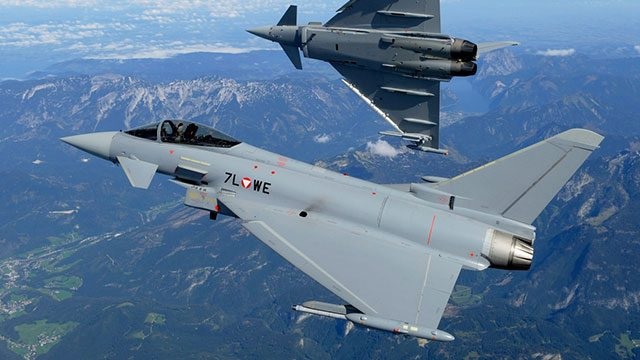
India
Latest Defence News India In the race to secure India’s Medium Multi-Role Fighter Aircraft (MRFA) procurement contract, Airbus is putting forth its latest iteration of the Eurofighter Typhoon, the Tranche-5 variant. Backed by advanced features such as the E-Scan active electronically scanned array (AESA) radar, Airbus aims to position the Eurofighter as a formidable competitor in the bid for 114 fighter jets sought by India.The Block-5 Eurofighter boasts a range of advanced capabilities, including superior situational awareness and target-tracking ability facilitated by its state-of-the-art radar system. In addition to technical advancements, Airbus has focused on enhancing operational efficiency through advanced defensive mechanisms and a redesigned human-machine interface (HMI) tailored to meet the demands of modern air combat scenarios.One notable feature of the Tranche-5 model is its incorporation of elements from the ongoing Long Term Evolution (LTE) package. This initiative focuses on refining mission systems, pilot interfaces, operational flexibility, and engine performance, further enhancing the Eurofighter's capabilities.The avionics of the Eurofighter have undergone a significant overhaul, incorporating cutting-edge hardware and software to maintain its status as a premier combat aircraft. These advancements not only bolster the Eurofighter’s performance but also lay the groundwork for Europe’s Future Combat Air System (FCAS), in which the Eurofighter is expected to play a pivotal role.In terms of armament, the proposed Indian model of the Eurofighter will feature a formidable array of air-to-air missiles, including AMRAAM, ASRAAM, IRIS-T, and AIM-9L, alongside the capability to carry a diverse range of laser-guided bombs for versatile battlefield engagements.The Eurofighter’s capabilities extend to long-range missions, with certified external fuel tanks enabling supersonic flights and the ability to conduct air-to-air refueling with multiple tanker types, ensuring extended operational range.However, despite its technical prowess, the Eurofighter faces stiff competition from the Rafale, primarily due to cost considerations. The collaborative nature of the Eurofighter project, involving multiple countries and production sites, has led to challenges in cost management compared to the more streamlined production strategy of the Rafale.To sustain production and secure future orders, Airbus has released the Eurofighter Economic Impact Assessment report, which highlights the necessity of additional domestic and export contracts. The report underscores the importance of securing contracts like India’s MRFA procurement to ensure the long-term viability of Eurofighter production.In conclusion, Airbus’ Eurofighter Typhoon, with its Tranche-5 variant, presents a compelling option for India’s MRFA procurement contract, offering advanced capabilities and operational flexibility. However, cost considerations and competition from other contenders remain key factors in the final decision-making process.
Read More → Posted on 2024-04-17 15:00:04
India
Latest Defence News India The Defence Research and Development Organisation (DRDO) recently convened the first international workshop on 'Emerging Technologies and Challenges for Exoskeleton' in Bengaluru. The workshop, inaugurated by the Secretary, Department of Defence R&D and DRDO chairman, aimed to foster collaboration among various stakeholders including the research and development community, armed forces, industry, and academia to address the challenges associated with developing exoskeleton technology.Exoskeleton technology, characterized by wearable structures designed to enhance human body capabilities, holds promise for both military and civilian applications. In his keynote address, the DRDO chairman underscored the transformative potential of exoskeleton technology and emphasized the need for collective efforts to chart a roadmap for its future development.Highlighting the historical evolution of exoskeleton research and the current challenges faced by the R&D community, Lt Gen JP Mathew, Chief of Integrated Defence Staff to the Chairman Chiefs of Staff Committee (CISC), emphasized the significance of exoskeleton technologies in rehabilitation, occupational therapy, and augmentation. He also pointed out the substantial commercial opportunities associated with this technology.The workshop featured informative technical lectures by renowned experts, including Prof Robert Reiner of ETH Zurich and Prof Arun Jayaraman of Northwestern University, Chicago, Illinois. These sessions provided insights into the current state of exoskeleton research and the challenges ahead.Director General (Life Sciences) U K Singh, DRDO, highlighted the imminent challenges and requirements from the armed forces, urging researchers to collectively address these challenges to develop exoskeleton technologies that meet the needs of all stakeholders.With over 300 participants from DRDO, services, industry, academia, and research institutions, the two-day workshop served as a platform for fruitful discussions and exchange of ideas. It emphasized the importance of collaborative efforts in advancing exoskeleton technology to unlock its full potential in both military and civilian domains.In conclusion, the workshop underscored the critical role of collaboration among diverse stakeholders in addressing the challenges and charting a course for the future development of exoskeleton technology. By harnessing collective expertise and resources, the community aims to realize the transformative potential of exoskeletons in enhancing human capabilities and improving quality of life.
Read More → Posted on 2024-04-17 14:56:20
India
Latest Defence News India Uzbekistan In a notable stride towards fortifying bilateral relations, General Manoj Pande, the Chief of the Army Staff, undertook a significant initiative during his visit to Uzbekistan from April 15-18. The inauguration of a state-of-the-art IT Laboratory at the Uzbek Academy of Armed Forces underscores the commitment of both nations to deepen cooperation in defense and technology.This collaborative endeavor stems from a commitment made during the Defence Ministers' meeting in September 2018, where discussions laid the groundwork for enhancing defense cooperation. The request to establish an IT Lab was initiated during this high-level dialogue and subsequently gained traction with official approval in 2019. Funded through the Ministry of External Affairs' initiative, the project received a budget of Rs 8.5 crore, exceeding the initially envisaged Rs 6.5 crore.An Indian firm secured the contract and efficiently executed the project, ensuring the timely completion and operational readiness of the lab. The facility boasts nine rooms, each equipped with specialized technology catering to various aspects of IT education and training. These rooms include lecture halls, a Cybersecurity Lab, Hardware Programming Lab, Object-Oriented Programming Lab, Web Programming Lab, Server Room, Multimedia Room, and Virtual Reality Room.Moreover, the IT Laboratory is furnished with essential amenities such as video conferencing terminals, interactive panels, networking devices, and an array of computing equipment including high-end PCs, workstations, laptops, printers, cameras, scanners, and storage devices.Beyond its technological significance, the establishment of this lab symbolizes a tangible step towards fostering a deeper understanding and cooperation between India and Uzbekistan. It not only enriches the training resources available to the Uzbek armed forces but also serves as a testament to the expanding partnership between the two nations.Moving forward, the collaborative initiative is poised to yield enduring benefits, facilitating skill development, knowledge exchange, and joint endeavors in defense and technology. The inauguration of the IT lab marks a milestone in the journey of India-Uzbekistan relations, promising a future characterized by mutual growth, cooperation, and shared prosperity.
Read More → Posted on 2024-04-17 14:51:34
Secrets/Mystery
Mystery News World In the realm of conspiracy theories, few are as captivating and controversial as the Reptilian Elite theory. This theory suggests that shape-shifting reptilian aliens, known as the "Reptilian Elite," clandestinely control global affairs and manipulate world governments. Despite lacking empirical evidence, this belief has gained traction in certain circles, captivating the imagination of conspiracy theorists worldwide. In this report, we will delve into the origins, beliefs, purported evidence, impact, critiques, current trends, and future directions surrounding the Reptilian Elite conspiracy theory. Origins of the Reptilian Elite TheoryThe Reptilian Elite theory finds its roots in various mythologies, ancient texts, and science fiction narratives. References to reptilian beings influencing humanity can be traced back to ancient civilizations such as the Sumerians, Egyptians, and Aztecs, where serpent symbolism and worship were prevalent. Moreover, the concept of extraterrestrial beings with reptilian features has been a recurring motif in science fiction literature and film, further shaping popular imagination.However, the modern iteration of the Reptilian Elite theory gained prominence through the works of conspiracy theorists such as David Icke. In his influential book "The Biggest Secret" published in 1999, Icke expounded upon the idea of reptilian beings controlling Earth, drawing inspiration from a diverse range of sources, including ancient texts, ufology, and New Age spirituality. Since then, the Reptilian Elite theory has continued to evolve and proliferate across various online platforms and alternative media channels. Key Beliefs of the Reptilian Elite TheoryAt the heart of the Reptilian Elite theory are several core beliefs that shape its narrative and worldview:Existence of Reptilian Aliens: Proponents of the Reptilian Elite theory assert the existence of humanoid reptilian beings originating from other planets or dimensions. These reptilian aliens are believed to possess advanced technology, psychic abilities, and the capacity for interstellar travel. Furthermore, they are purportedly capable of assuming human form through shape-shifting, allowing them to infiltrate and influence human society covertly.Control of World Governments: According to the Reptilian Elite theory, these shape-shifting reptilian aliens have infiltrated positions of power within governments, intelligence agencies, and financial institutions worldwide. By exerting influence over key decision-makers and institutions, they seek to manipulate geopolitical events, advance their own agenda, and maintain dominance over humanity. This control extends beyond traditional power structures, encompassing media conglomerates, religious organizations, and secret societies.Symbolism and Evidence: Supporters of the Reptilian Elite theory often point to symbolic imagery, ancient artifacts, and purported sightings as evidence of reptilian influence. Symbols associated with reptiles, such as serpents, dragons, and lizards, are interpreted as cryptic messages signaling the presence of the Reptilian Elite. Additionally, anecdotal accounts of individuals claiming to have witnessed reptilian shape-shifting phenomena are cited as corroborating evidence, although such claims remain subject to skepticism and scrutiny. Impact and Spread of the Reptilian Elite TheoryDespite its fringe status, the Reptilian Elite theory has garnered significant attention and influence within certain conspiracy-minded communities:Cultural Penetration: The Reptilian Elite theory has permeated popular culture, leaving its imprint on literature, film, television, and online media. References to shape-shifting reptilian aliens controlling world affairs have become entrenched in conspiracy lore, serving as inspiration for creative works and speculative fiction. Moreover, the proliferation of internet memes, YouTube videos, and social media groups dedicated to the topic has contributed to its cultural diffusion and visibility.Community Formation: Online forums, discussion groups, and social media platforms have facilitated the formation of communities centered around the Reptilian Elite theory. Believers congregate to share information, exchange theories, and engage in collaborative research, fostering a sense of camaraderie and solidarity. These virtual communities provide a supportive environment for individuals to explore unconventional ideas, challenge mainstream narratives, and seek validation for their beliefs.Political Ramifications: While not a monolithic movement, the Reptilian Elite theory intersects with broader political ideologies and narratives. Some adherents view the theory through a lens of anti-establishment sentiment, seeing reptilian control as emblematic of systemic corruption and injustice. Others incorporate elements of the theory into broader conspiracy frameworks, attributing societal ills and inequalities to the machinations of hidden elites. This ideological flexibility allows the Reptilian Elite theory to adapt and resonate with individuals across the political spectrum, from far-right extremists to New Age spiritualists. Critiques and Debunking of the Reptilian Elite TheoryDespite its cultural resonance, the Reptilian Elite theory has faced skepticism and criticism from skeptics, scientists, and mainstream media outlets:Lack of Empirical Evidence: One of the primary criticisms of the Reptilian Elite theory is the absence of empirical evidence to substantiate its claims. Assertions of reptilian shape-shifting and extraterrestrial influence rely heavily on anecdotal accounts, speculative interpretations, and circumstantial evidence, lacking the rigor and verifiability required to support extraordinary claims.Psychological Explanations: Skeptics and psychologists have proposed alternative explanations for belief in the Reptilian Elite theory, citing psychological phenomena such as pareidolia, apophenia, and confirmation bias. The human tendency to perceive patterns in random stimuli, combined with cultural conditioning and suggestibility, may contribute to the emergence and perpetuation of belief in shape-shifting reptilian aliens.Occam's Razor: From a skeptical standpoint, the Reptilian Elite theory violates the principle of Occam's razor, which favors simpler, more parsimonious explanations over complex and convoluted hypotheses. The idea of a global conspiracy involving shape-shifting reptilian aliens controlling world events is seen as highly implausible and lacking in evidentiary support, requiring extraordinary evidence to be taken seriously. Current Trends and Future DirectionsThe Reptilian Elite theory continues to evolve and adapt in response to changing cultural, technological, and geopolitical landscapes:Online Dissemination: The internet has played a pivotal role in the dissemination and amplification of the Reptilian Elite theory, providing a platform for believers to connect, collaborate, and share information. Social media platforms, conspiracy websites, and online forums serve as hubs for discussion, debate, and speculation, enabling the theory to reach new audiences and communities worldwide.Convergence with Other Conspiracies: The Reptilian Elite theory intersects with a myriad of other conspiracy narratives, ranging from UFOlogy and government cover-ups to New World Order agendas and ancient astronaut theories. This convergence reflects the interconnected nature of conspiratorial thinking, where disparate ideas and beliefs coalesce to form complex and multifaceted worldviews.Mainstream Attention: While traditionally relegated to the fringes of society, the Reptilian Elite theory has occasionally garnered mainstream attention through media coverage, documentaries, and public debates. While often sensationalized or dismissed outright, these encounters serve to introduce the theory to a wider audience and stimulate public discourse on the nature of belief, evidence, and skepticism. Editor’s Thoughts: Navigating the Enigma of the Reptilian Elite Conspiracy In conclusion, the Reptilian Elite theory represents a fascinating yet controversial aspect of contemporary conspiracy culture. While lacking in empirical evidence and scientific credibility, the belief in shape-shifting reptilian aliens exerting control over humanity continues to captivate the imagination of conspiracy theorists worldwide. By examining the origins, beliefs, impact, critiques, current trends, and future directions surrounding the Reptilian Elite theory, we gain insight into the complexities of conspiratorial thinking and the enduring allure of enigmatic narratives in the modern age.
Read More → Posted on 2024-04-17 05:57:14
India
Latest Defence News India Veteran air warrior Squadron Leader (retd) Dalip Singh Majithia, who joined the Indian Air Force during the tumultuous years of World War II and distinguished himself as a "fearless aviator" during his career, has died. He was 103. The centenarian, who had "over 1,100 flying hours to his name", including missions in aircraft such as Hurricanes and Spitfires, passed away at Uttarakhand's Rudrapur in the early hours of Tuesday, IAF sources said.He was affectionately called 'Maji' by his fellow air warriors.Sqn Ldr Majithia's leadership skills were forged and tested in the crucible of war, they said.From patrolling of skies to reconnaissance and bombing missions, he took on each challenge with grit, skill and unparalleled courage.His tenure as the flight commander of the legendary Number 4 Squadron -- 'The Fighting Oorials' -- from 1942 to 1943 at Burma, remains etched in the annals of history, the IAF sources added.Under his guidance, this squadron became synonymous with bravery and camaraderie, and earned accolades and admiration from all quarters, they said.The IAF on Tuesday bade final farewell to its icon as the centenarian air warrior left an impressive legacy behind.He was born in Shimla on July 27, 1920 and his passion for aviation propelled him to join the IAF volunteer reserve in 1940 during the tumultuous years of World War II, the IAF sources said.His exceptional talent earned him the prestigious 'Best Pilot Trophy' during his training at the Initial Training School in Walton in Lahore, they added.
Read More → Posted on 2024-04-17 05:49:42
India
Latest Defence News India ,IsraelIn the wake of escalating tensions following the conflict in the Gaza Strip and Iran-Israel tension, the Israeli Embassy in India has issued a robust response to counter instances of hate speech targeting Indians. Amid a surge in misinformation circulating on social media platforms, the embassy has underscored the importance of fact-checking before succumbing to propaganda.A viral video depicting an Indian YouTuber purportedly being denied entry into an Israeli bar was denounced by the embassy as false and propagandist. Emphasizing the need for accuracy, the embassy clarified that the YouTuber, Shubham Kumar, was actively exploring Israel and engaging in its nightlife. The embassy's statement on social media platform X reiterated that Kumar's video showcased his experiences in Israeli bars, with some venues being full or having reserved spaces, a common occurrence in bustling nightlife scenes.Addressing the manipulated nature of the circulated video, the embassy highlighted the diverse array of patrons depicted, affirming that Israelis, like Indians, come from varied backgrounds. They reaffirmed Israel's fondness for its Indian counterparts, asserting resilience against the dissemination of hate speech.Shubham Kumar, a prominent travel blogger with over two million subscribers on YouTube, corroborated the embassy's stance, stating in his own video that the clubs and bars he visited were densely populated, making it challenging to secure seating. Contrary to the misrepresented narrative, Kumar explicitly stated that he faced no discrimination based on his nationality during his visits.India's diplomatic position on the Israel-Palestine conflict, characterized by a nuanced balance between historical solidarity with Palestine and burgeoning ties with Israel, remains steadfast. Advocating for a two-state solution with Israel and Palestine as peaceful neighbors, India has consistently emphasized diplomatic dialogue as the means to resolve the enduring conflict.Furthermore, India has expressed apprehensions over escalating tensions between Israel and Iran, citing potential ramifications for regional peace and security. The Ministry of External Affairs issued a press release urging immediate de-escalation, restraint, cessation of violence, and a return to diplomatic negotiations to mitigate the risk of further hostilities.The Israeli Embassy's proactive stance against misinformation and hate speech underscores the imperative of vigilance in navigating the digital landscape. As global tensions persist, the call for discernment and fact-based discourse resonates more strongly than ever, safeguarding against the proliferation of divisive narratives and fostering constructive engagement on pressing geopolitical issues.
Read More → Posted on 2024-04-17 05:47:14
World
Latest Defence News Australia Australia will boost defence spending by A$50.3 billion ($32 billion) over the next decade and reshuffle its weapons programs to emphasise missiles, drones and warships as it looks to the possibility of a Pacific conflict between China and the U.S.The bulk of the new spending, part of a A$330 billion decade-long budget, will only kick in after five years, and ultimately take defence spending to 2.4% of GDP by 2034 from just over 2% today.Announced by Defence Minister Richard Marles on Wednesday, the new funding reflects new priorities, such as long-range missiles, that Australia believes are necessary in a world where a potential conflict between China and the United States could upend the region."The optimistic assumptions that guided defence planning after the end of the Cold War are long gone," Marles said in a speech at the national press club. "Our environment is characterised by the uncertainty and tensions of entrenched and increasing strategic competition between the United States and China."Just over 40%, or up to A$145 billion, is set for the navy, including a beefed-up surface fleet, the AUKUS nuclear-powered submarine program as well as other priorities such as the Ghost Shark undersea drone.A fifth, or up to A$74 billion, will go toward missile-related programs, whose importance was flagged in a review last year. There will be new longer-range missiles for the air force and army, missile defence programs and domestic manufacturing of guided weapons, the review said.Military bases across the country's north, where U.S. Marines are based for months of training and exercises each year, will be allocated up to A$18 billion for upgrades.
Read More → Posted on 2024-04-17 05:42:38
India
Latest Defence News India The Indian Air Force (IAF) is on the cusp of a significant milestone with the impending commencement of full-configuration developmental trials for the Astra Mark II air-to-air missile. This next-generation weapon represents a substantial leap forward from its predecessor, the Astra Mark I.One of the standout features of the Astra Mark II is its impressive range capability, estimated at 160 kilometers, a significant improvement over the Mark I's 110 kilometers. This extended range places it in league with renowned international counterparts like the AIM-120D missile, enhancing the IAF's combat capabilities.The developmental progress of the Astra Mark II has shown promise through various successful tests, including captive flight trials, ejections, and unguided launches. The forthcoming phase will concentrate on assessing the missile's Active Electronically Scanned Array (AESA) seeker, a crucial component for effectively targeting enemy aircraft. Subsequent tests will involve pilotless target aircraft to evaluate the Astra Mark II's precision in simulated combat scenarios.In the coming years, comprehensive testing will continue under diverse launch conditions, encompassing both long-distance and close-range engagements. This meticulous approach underscores the commitment to ensuring the Astra Mark II's reliability across a spectrum of combat situations.The successful development and deployment of the Astra Mark II hold the potential to significantly enhance the IAF's air superiority capabilities, thereby bolstering India's national defense posture.As the trials progress, the IAF remains focused on harnessing the full potential of this advanced air-to-air missile, further cementing its position as a formidable force in the region.
Read More → Posted on 2024-04-17 05:39:27
World
Latest Defence News U.S Aerojet Rocketdyne, a subsidiary of L3Harris Technologies, recently achieved a significant milestone in the development of advanced propulsion systems critical to U.S. national security. The company successfully hot-fired the Zeus 2 solid rocket motor at its Camden, Arkansas facility. Developed in collaboration with Kratos Defense & Security Solutions, the Zeus 2 motor is designed to support various testing requirements, including hypersonic, ballistic missile defense, and suborbital applications.Following a similar test of the smaller Zeus 1 motor in 2023, the recent hot firing of the Zeus 2 motor marks a significant advancement. The Zeus 2 motor, nearly twice the size of its predecessor, demonstrates enhanced performance capabilities. These motors are slated for use by the U.S. Department of Defense to facilitate hypersonic vehicle and ballistic missile defense testing, among other critical applications.Ross Niebergall, President of Aerojet Rocketdyne, emphasized the importance of the Zeus program in modernizing and cost-effectively enhancing systems vital to national security. He highlighted the company's commitment to delivering advanced large solid rocket motors in partnership with Kratos.Under contract to Kratos, Aerojet Rocketdyne is tasked with the development, manufacturing, and delivery of nine additional Zeus motors. Eric DeMarco, President and CEO of Kratos Defense & Security Solutions, expressed satisfaction with the successful completion of the Zeus 1 and Zeus 2 solid rocket motor development program. He underscored Kratos' investment in introducing a new family of Zeus SRMs, enabling rapid and affordable hypersonic testing.The Zeus motors, designed to replace legacy suborbital rocket motors, offer increased performance while maintaining compatibility with existing rocket designs and infrastructure. This enhancement allows for faster, farther, and more frequent flights, benefiting space and defense research customers.The motors, designed by Aerojet Rocketdyne in Huntsville, were cast and test-fired at the company’s manufacturing site in Camden, Arkansas. Chandra Hooker, Camden Site Director, emphasized the capability of the Rocket Test facilities to conduct rigorous in-house testing, ensuring safety, reliability, and performance validation.With more than 6,000 hot fire tests conducted annually at Aerojet Rocketdyne’s Camden site, the successful testing of the Zeus 2 solid rocket motor reaffirms the company's commitment to advancing propulsion technology for critical defense applications.
Read More → Posted on 2024-04-17 05:35:06
India
Latest Defence News India The General Officer Commanding-in-Chief, Army Training Command (ARTRAC), Lt Gen Manjinder Singh, has said that the war between Russia-Ukraine and Israel-Hamas has been a learning experience for India, as it may face similar warfare practices from terror-hit regions on Pakistan's borders.He said this at the Army Training Command (ARTRAC) investiture ceremony held at the Army Training Command in Shimla on Tuesday.Lt Gen Singh, awarded ARTRAC Unit awards to the Army officials for their noteworthy performance in the year 2022-23.Appreciation was given to seven training establishments of the Indian Army for their outstanding performance; four training institutes, including the Military College of Telecommunication Engineering, were also awarded, and seven awards were given in individual categories."Warfare is a very dynamic and evolving process; what won the last war may not win the next war, so as the nation economically evolves, the threats also evolve. Whatever is happening in the region and around the world, the military commanders have to be aware of it. The last three years of the Russia-Ukrainian war, we have been watching it very closely. How that war is happening, how drones are impacting, and what new technologies are being used and impacting that war. Similarly, the Israel-Hamas practice is a classic case. We may also have similar practices on the borders of Pakistan and neighbouring countries with terrorist attacks. We will have to study those things. We try to apply our war way of training and prepare for such a contingent. The methods of warfare change with the evolving technologies and we also train our soldiers," Lt Gen Manjinder Singh said.He also added that the 'Make in India' war weapons are helping the Indian army in self-reliance."We also focus on training the foreign students who come to India and are also sending our officers and students who go to other countries for training. We also have something called Mobile training teams in foreign-friendly training teams. We have 11 such teams deployed in foreign-friendly countries and send these teams on request of the friendly countries so that the training content can be curated as required. As of today, we are subscribing to 22 foreign courses in eight countries, and we are offering 273 courses to 74 foreign-friendly countries," he said."The process means to learn from each other, learn the best practices and then carry on for the further procedures," Singh said further.The General Officer Commanding-in-Chief, of the Army Training Command emphasised that the Army Training Command has been improving training with evolving technologies."HQ ARTRAC was raised on October 1, 1991, with a mandate to ensure operational preparedness through institutionalised training in the Indian Army. It started with two training establishments, the Infantry School & Army War College, but the magnitude of ARTRAC's footprint has grown overwhelmingly, and today it has 34 training establishments across India. The training canvas of ARTRAC encompasses the conceptualization and implementation of training in eight specialised fields, covering a wide spectrum including agniveer training, officer pre-commission training, combat arms & combat support arms training, technical training, and logistic training," he said."The desired focus is on Indigenous Research and Development in emerging niche technologies, as well to ARTRAC, which permeates into nearly every facet of training and empowerment of officers, JCOs and ORs. After serving the country proudly and with distinction, when our service personnel are ready to hang their uniform, ARTRAC steps in to empower them with the skills needed to chart their course through civil society and contribute gainfully to nation-building as veterans," Lt Gen Manjinder Singh added.Lt. Gen. Col. Commandant AMC Centre and College, Lucknow, Kavita Sahai, the only woman commander in one of the training units, felt privileged to receive the Unit Appreciation Award."I am feeling glad, and it is an honour to get the award. I am the first female army officer commanding the training unit. Our centre was started in 1957, after amalgamation. We are a premier training establishment. We provide both military and technical training to the medical officers of the Indian Army, Indian Navy, and Indian Air Force, as well as to the nursing officers and JCOs. The Centre aims to maintain the highest standard so that we can provide comprehensive support to the army during wartime as well as during peace," she said."We are using technological advancements; we are using artificial intelligence to combat medical support. These kinds of appreciations are important, and for me, being a woman, I would say it is important to encourage women so they can achieve in every field," Sahai added.
Read More → Posted on 2024-04-17 05:31:32
World
Latest Defence News World As global dynamics evolve, so too must our approach to national security. Recent developments in Antarctica signal a shifting landscape that demands attention from policymakers and defense planners. Rear Admiral Richard E. Byrd's foresight during Operation Highjump in 1946 serves as a poignant reminder of the need to anticipate and address potential threats, even in the most remote corners of the globe.China's recent establishment of a base on Antarctica's Inexpressible Island has raised concerns among allies, particularly due to its dual-use capabilities. With the capacity to accommodate up to 80 personnel year-round, the installation has the potential for both military and scientific operations. Of particular worry is the possibility of housing ballistic missiles under the guise of climate research.The geopolitical implications of China's presence in Antarctica cannot be overstated. As the United States and its allies focus their defense efforts primarily on the North Pole, the South Pole remains vulnerable to emerging threats. China's advancements in hypersonic missile technology, exemplified by the Long March 2C Rocket, pose a significant challenge to current U.S. defense capabilities. General David Thompson's acknowledgment of the U.S. lagging behind in hypersonic weapon development underscores the urgency of the situation.Russia, too, has signaled its intent to assert its interests in Antarctica. Despite being a signatory to the 1959 Antarctic Treaty System, Russia's continued military activities, including the deployment of hypersonic missiles, raise concerns about its long-term objectives on the continent. Moscow's "Antarctic Action Plan" for 2030 highlights its strategic focus on military and intelligence goals, further emphasizing the need for vigilance.While China and Russia engage in long-term planning for their Antarctic endeavors, the United States risks falling behind by neglecting the region in its national security strategy. The absence of any mention of Antarctica in the 2021 National Security Strategy underscores the need for a reassessment of priorities. As our adversaries expand their presence and influence in Antarctica, the potential consequences of a policy of benign neglect are far-reaching.It is imperative that the United States and its allies adopt a proactive approach to address emerging threats in Antarctica. This includes bolstering our defense capabilities to counter hypersonic missile technology and enhancing surveillance and monitoring efforts in the region. Collaborative initiatives with like-minded nations, such as Australia, will be crucial in safeguarding the Antarctic Treaty System and preserving stability in the region.As Admiral Byrd recognized in the aftermath of World War II, national security extends beyond traditional boundaries. In an era of evolving threats, the preservation of peace and security requires a comprehensive and forward-thinking approach. The challenges posed by China and Russia's activities in Antarctica demand a concerted and proactive response from the United States and its allies.
Read More → Posted on 2024-04-17 05:28:56
World
Latest Defence News Israel ,Iran The hypothetical scenario of a large-scale Iranian missile and drone attack on Israel raises grave concerns. This article explores the potential options Israel might consider in a retaliatory strike, acknowledging the complexities and risks involved. It's crucial to understand that any military action carries immense consequences, and diplomacy and international pressure remain preferred routes to de-escalation. However, for analytical purposes, let's examine potential courses of action. Assessing the Threat:The effectiveness of a counterstrike significantly depends on the details of the initial Iranian attack. Factors like the number of operational missiles and drones that penetrate Israeli defenses, the type of warheads used, and the extent of damage inflicted will all shape Israel's response. Airpower:Fighter Jets: Israel's renowned air force, with advanced F-35I Adir stealth fighters and F-16I Sufa multirole fighters, would likely spearhead any aerial campaign. These jets, equipped with long-range missiles like the Popeye air-to-surface missile, could strike Iranian missile launch facilities, command centers, and military infrastructure. Unmanned Aerial Vehicles (UAVs): Israel possesses a sophisticated arsenal of UAVs, including the Heron TP and Hermes series. These can provide persistent surveillance and intelligence gathering over Iranian airspace, enabling targeted strikes while minimizing pilot risk. Naval Power:Submarines: Israel's Dolphin-class submarines are stealthy and capable of launching long-range cruise missiles like the Popeye Turbo SLCM. These submarines could potentially attack targets deep within Iran from international waters. Surface Ships: Israel's Sa'ar 6 corvette class offers advanced firepower with Barak anti-air missiles and Gabriel anti-ship missiles. While less likely for a direct attack on Iranian soil, these ships could be used to enforce a naval blockade or disrupt Iranian military activity in the Persian Gulf. Land Forces: A large-scale ground invasion of Iran is highly improbable. However, Israel might consider targeted special operations raids or limited incursions across shared borders to destroy specific Iranian military assets or capture high-value targets. Long-Range Missiles:Israel possesses ballistic missiles like the Jericho series, capable of striking targets deep within Iran. However, using ballistic missiles carries a high risk of escalation and potential regional conflict. Important Considerations:Civilian Casualties: Any military action inevitably risks civilian casualties. Israel would likely prioritize surgical strikes to minimize civilian harm. International Response: The international community would likely condemn any large-scale military action in the region. Escalation: A counterstrike could potentially trigger further attacks from Iran, leading to a devastating cycle of violence. Conclusion:The situation outlined is an extremely serious hypothetical scenario. Diplomacy and international pressure remain the most desirable avenues to avoid further escalation. However, if forced to respond, Israel possesses a diversified military with advanced capabilities for air, naval, and potentially limited land-based operations. Ultimately, the best course of action would depend on the specific nature of the Iranian attack and the international context.
Read More → Posted on 2024-04-16 17:01:52
World
Latest Defence News U.S ,China In a notable shift following a prolonged period of strained relations, US Defence Secretary Lloyd Austin engaged in a discussion with China's Defence Minister, Admiral Dong Jun, marking the first formal communication between high-ranking military officials from both nations in over two years. The conversation, which took place via video call, centered on critical matters including defense relations, regional security, and ongoing global challenges.A statement from the Pentagon outlined the topics discussed, highlighting the importance of upholding international law, particularly concerning freedom of navigation in the South China Sea. Secretary Austin reiterated the United States' commitment to the principles outlined in the Taiwan Relations Act, emphasizing the significance of maintaining peace and stability across the Taiwan Strait.This dialogue between military leaders reflects a broader trend of improved communication between the US and China, following the recent summit between Presidents Joe Biden and Xi Jinping in California. Efforts to strengthen bilateral ties have gained momentum, evidenced by the resumption of telephone conversations between theatre commanders, a decision reached during last year's summit.Furthermore, Secretary Austin emphasized the United States' commitment to operating within international legal frameworks, reaffirming the nation's stance on conducting operations in accordance with established norms and regulations. This commitment underscores the importance of respecting freedom of navigation, particularly in regions where tensions have been heightened.The resumption of military-to-military contact represents a significant step forward in the relationship between the Pentagon and the People's Liberation Army, following a period of limited engagement. Recent lower-level discussions, including the Military Maritime Consultative Agreement talks and the US-China Defence Policy Coordination talks, have laid the groundwork for more substantial dialogue at higher levels.The absence of formal interactions between senior defense officials since November 2022, when Secretary Austin met with then-defence minister Wei Fenghe in Cambodia, underscores the significance of this recent engagement. The hiatus in communication was precipitated by China's objection to high-level US officials' visits to Taiwan, which Beijing viewed as a challenge to its sovereignty.While there have been indications of reduced "unsafe behavior" by Chinese pilots in proximity to US and allied aircraft, maritime tensions have persisted, particularly around the Philippines. Recent incidents, including collisions between Chinese and Philippine coastguard vessels, highlight the ongoing challenges in the region.In conclusion, the resumption of military talks between the US and China signals a positive development amidst regional tensions. By prioritizing communication and adherence to international norms, both nations aim to address key security concerns and promote stability in the Asia-Pacific region. Continued engagement at various levels will be essential in fostering constructive dialogue and managing potential flashpoints effectively.
Read More → Posted on 2024-04-16 16:11:49
India
Latest Defence News India In a recent address at Madhupur market in Tripura, former Chief Minister and Bharatiya Janata Party (BJP) candidate Biplab Deb voiced sharp criticism against the Communist Party of India (Marxist) (CPI-M) manifesto's pledge for the complete elimination of India's nuclear weapons. Deb, who is also a Rajya Sabha MP and BJP's candidate from West Tripura Parliamentary constituency, characterized the CPI (M) manifesto as an "anti-Indian document" reflecting the desires of neighbouring nations, particularly Pakistan and China, for India to be 'powerless' on the global stage.Deb specifically targeted CPI (M) leaders in Tripura, including former Chief Minister Manik Sarkar and Leader of Opposition Jitendra Choudhary, urging them to apologize to the people of Tripura for endorsing what he termed as "anti-Indian agendas."Drawing upon historical context, Deb recalled India's declaration as a 'Nuclear Power' under the leadership of former Prime Minister Atal Bihari Vajpayee, highlighting the subsequent imposition of sanctions by the United States. Despite facing international pressure, Deb emphasized India's resilience during those challenging times, asserting that such resilience demonstrates the Communist Party's reluctance to see India ascend as a global superpower.Deb's remarks coincide with a recent visit by Home Minister Amit Shah to Tripura, during which Shah expressed a commitment to bolstering the state's development efforts. Deb cited Shah's personal assurances of support, indicating the Home Minister's dedication to elevating Tripura's status as a frontrunner state in terms of development. Furthermore, Deb noted Prime Minister Narendra Modi's condemnation of the INDIA bloc's stance on nuclear disarmament, emphasizing the geopolitical realities surrounding India's security concerns vis-à-vis its nuclear-armed neighbours.Central to the CPI (M) manifesto is a pledge for the "complete elimination of nuclear weapons and other weapons of mass destruction including chemical and biological weapons." This stance has sparked contentious debates, with critics like Deb asserting that such measures would render India vulnerable in a region marked by geopolitical tensions and nuclear proliferation.In the face of ideological divergence, the discourse surrounding Tripura's political landscape intertwines with broader national security concerns and developmental aspirations. Deb's critique of the CPI (M) manifesto underscores the divergent visions for India's future trajectory, with emphasis placed on safeguarding national interests while advancing the socio-economic well-being of the populace.As the electoral landscape unfolds, the clash of ideas and visions between political factions like the BJP and CPI (M) continues to shape the narrative surrounding governance priorities and national security imperatives. In the backdrop of geopolitical uncertainties, the discourse surrounding nuclear disarmament remains a contentious issue, resonating with both domestic and international ramifications.In the pursuit of progress and stability, the electorate in Tripura and beyond grapples with competing narratives, seeking leadership that not only champions developmental agendas but also safeguards national security interests in an increasingly complex global landscape.
Read More → Posted on 2024-04-16 16:00:14Search
Top Trending in 24 Hours
-
 U.S. Department of War Awards Oracle Up to $6.99 Billion Enterprise Software Deal
-
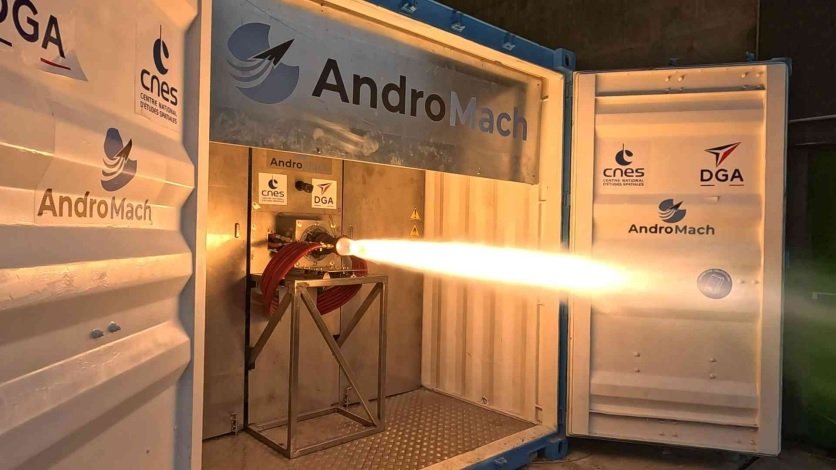 French Startup AndroMach Successfully Tests Reusable Rocket Engine 21 Times for Hypersonic Drone
-
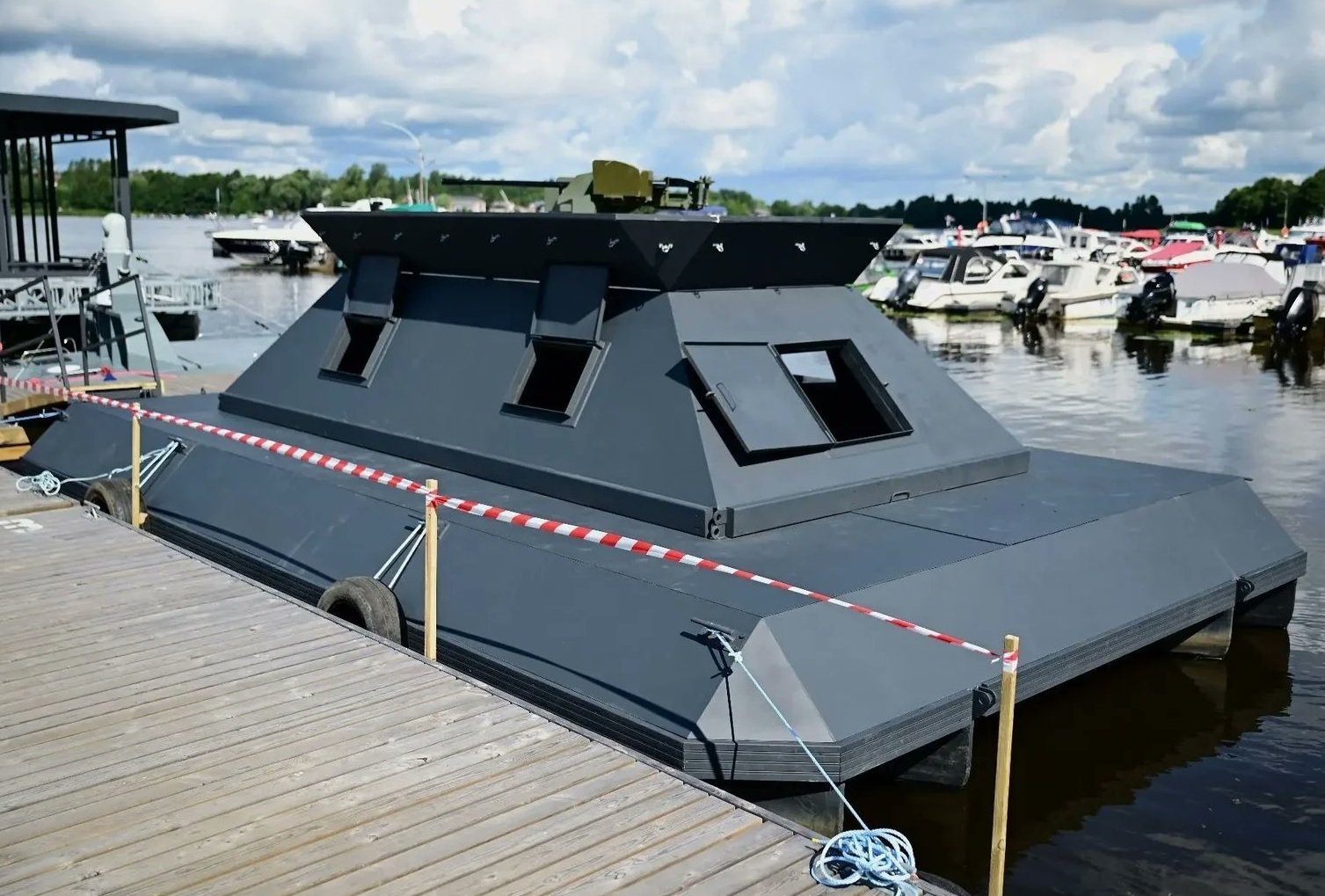 Russia Unveils Experimental Plot-40 Floating Defense Platform to Counter Drone and USV Threats
-
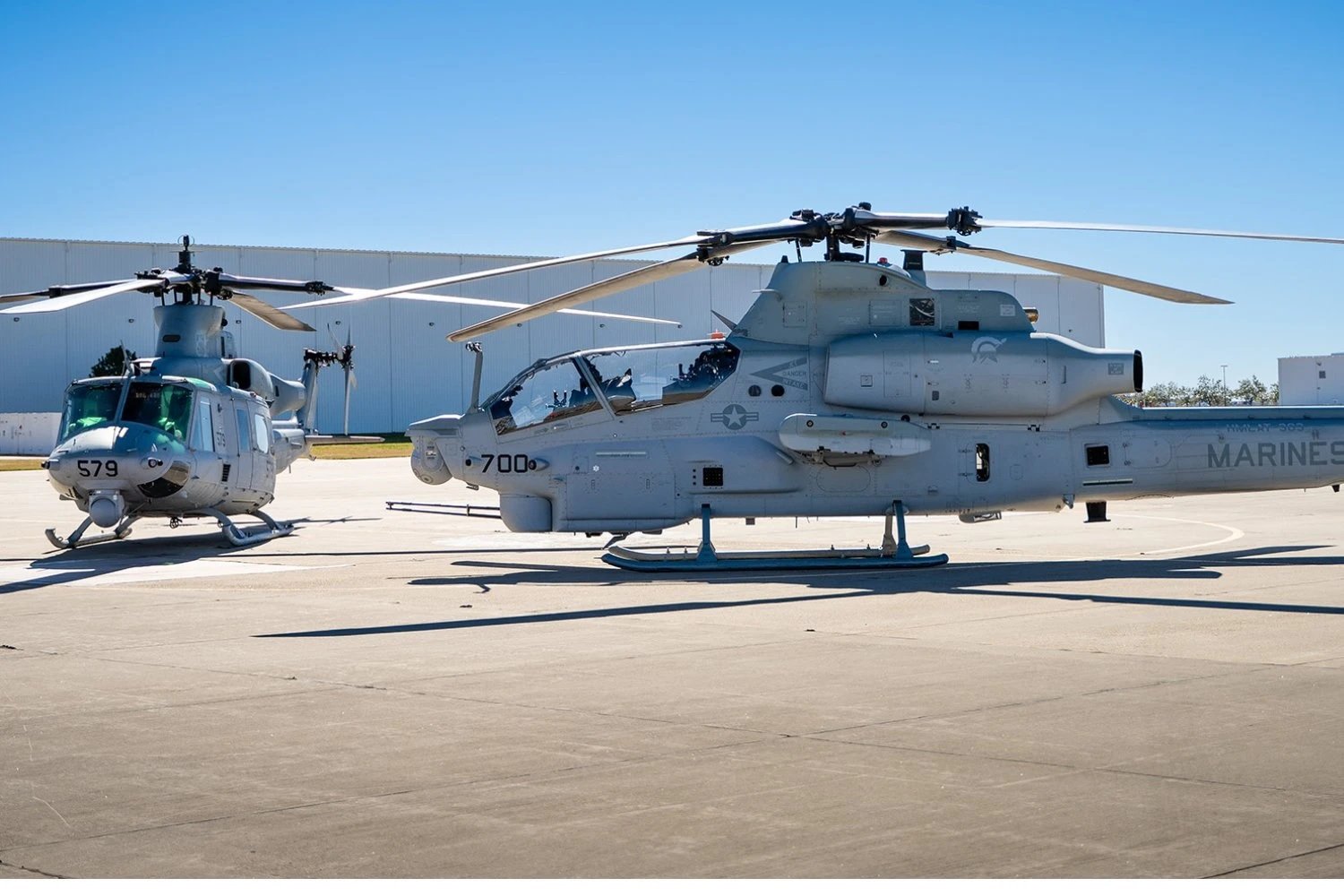 U.S. Awards Bell Textron $33.64 Million Contract for Next Phase of Marine Corps AH-1Z and UH-1Y Helicopter Upgrades
-
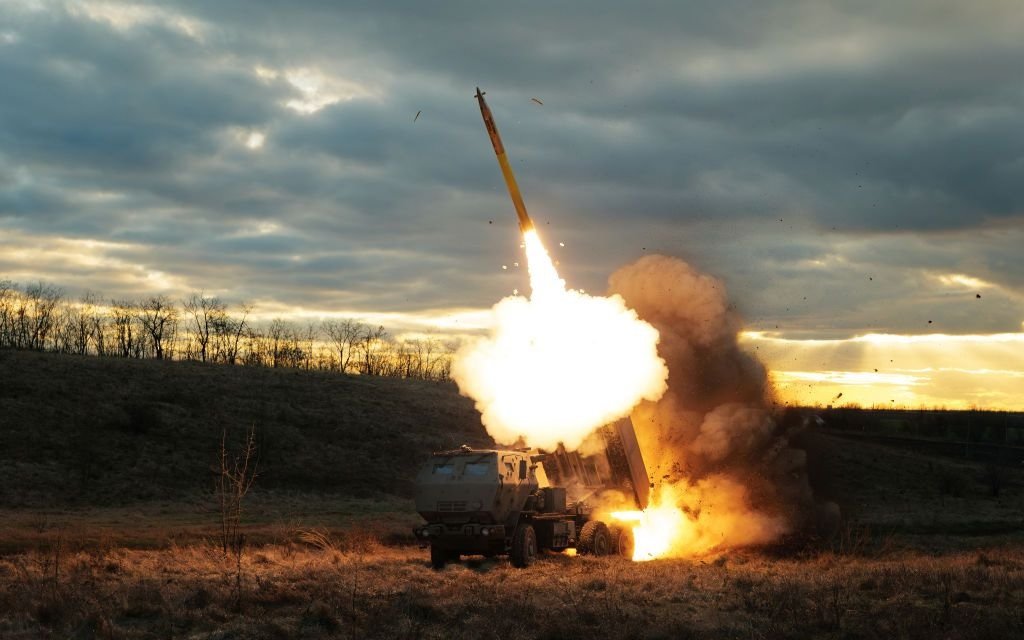 U.S. Military Selectively Intercepts Iranian Missiles to Preserve Shrinking Air Defense Stocks : Report
-
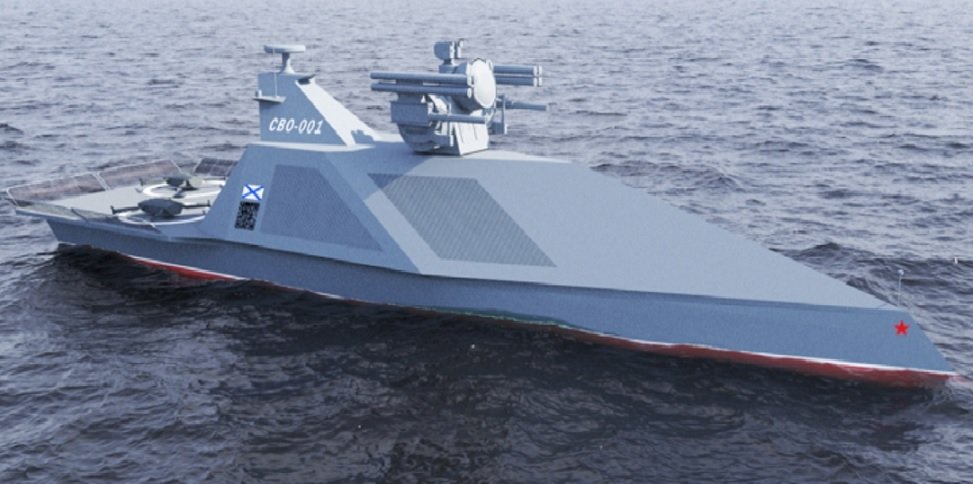 Russia Builds 500-Ton Unmanned Warship For Anti-Submarine Warfare, Plans New 9,500-Ton Warship, Navy Chief Says
-
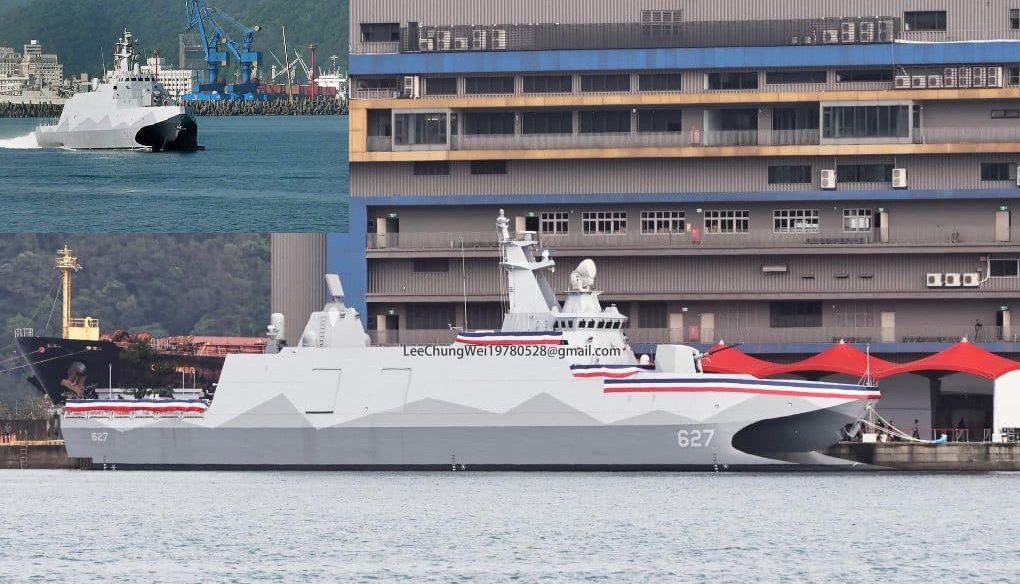 Taiwan Commissions First Batch 2 Tuo Chiang-Class Corvette with New Leonardo Radar
-
 Unreleased Footage Reveals Why Lindsey Graham Dropped Plan to Push Trump on Hezbollah Strikes
Top Trending in 4 Days
-
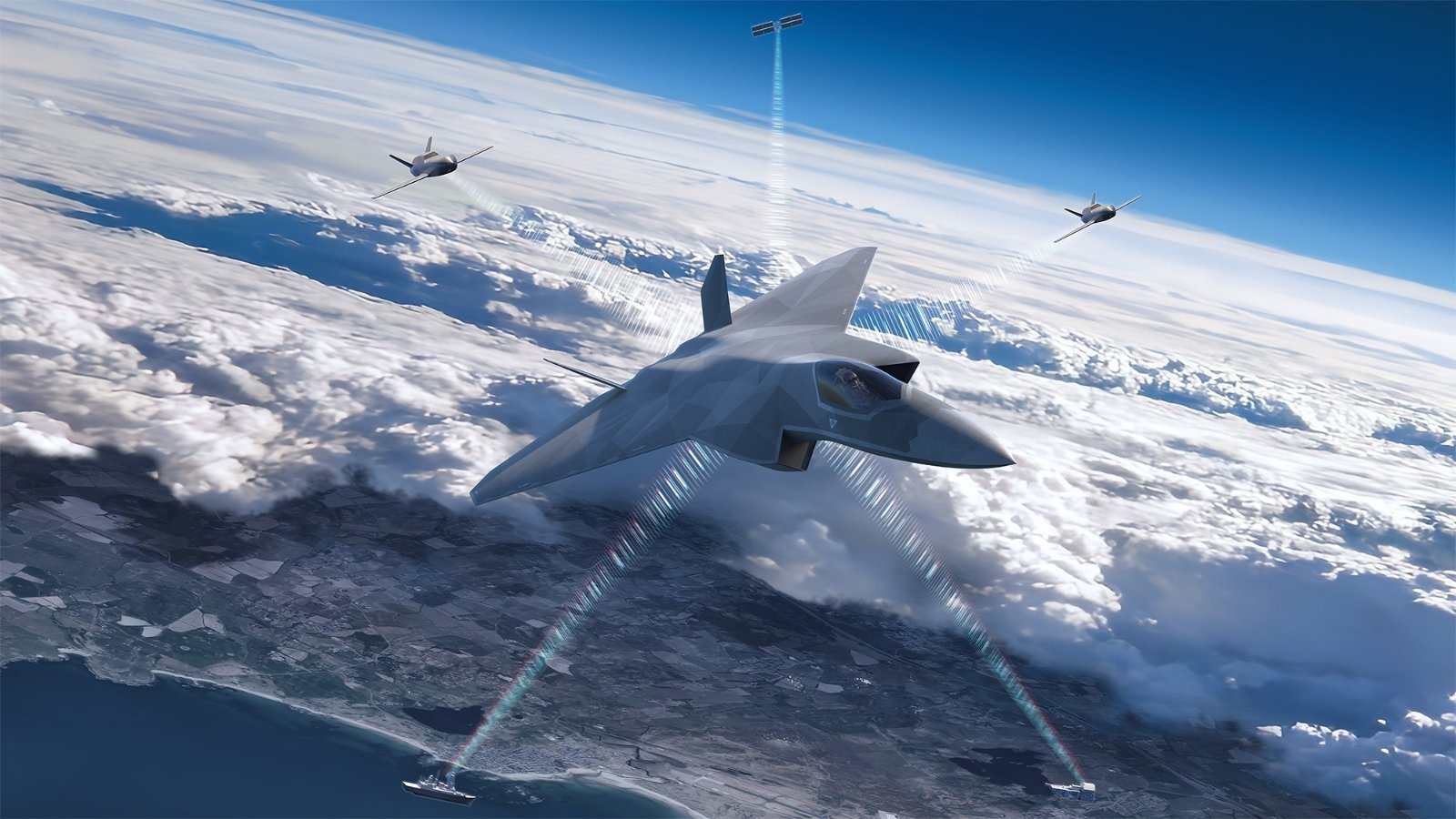 UK Awards BAE Systems £708 Million Contract Extension to Advance GCAP Sixth-Generation Combat Air Technologies
-
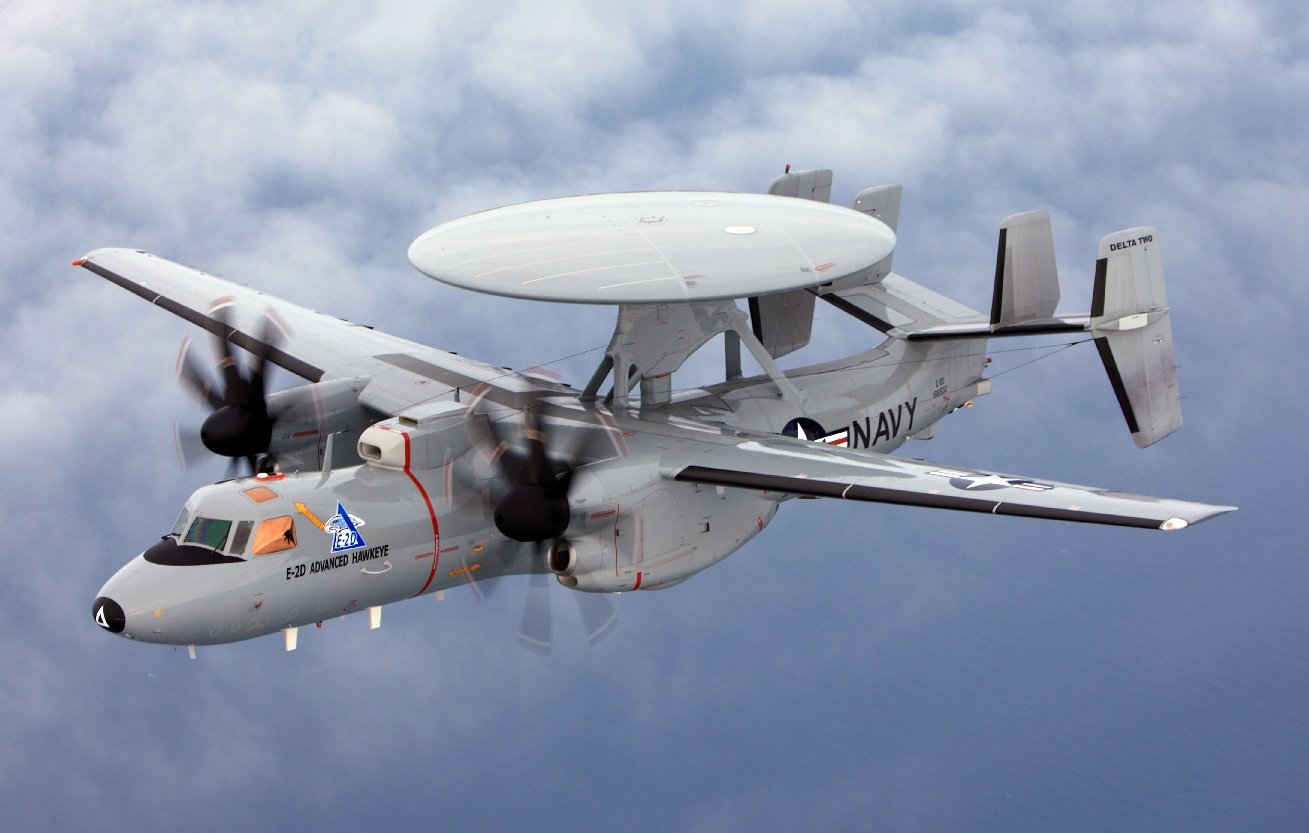 U.S. Navy Awards Northrop Grumman $1.2 Billion Deal for Three New E-2D Advanced Hawkeyes
-
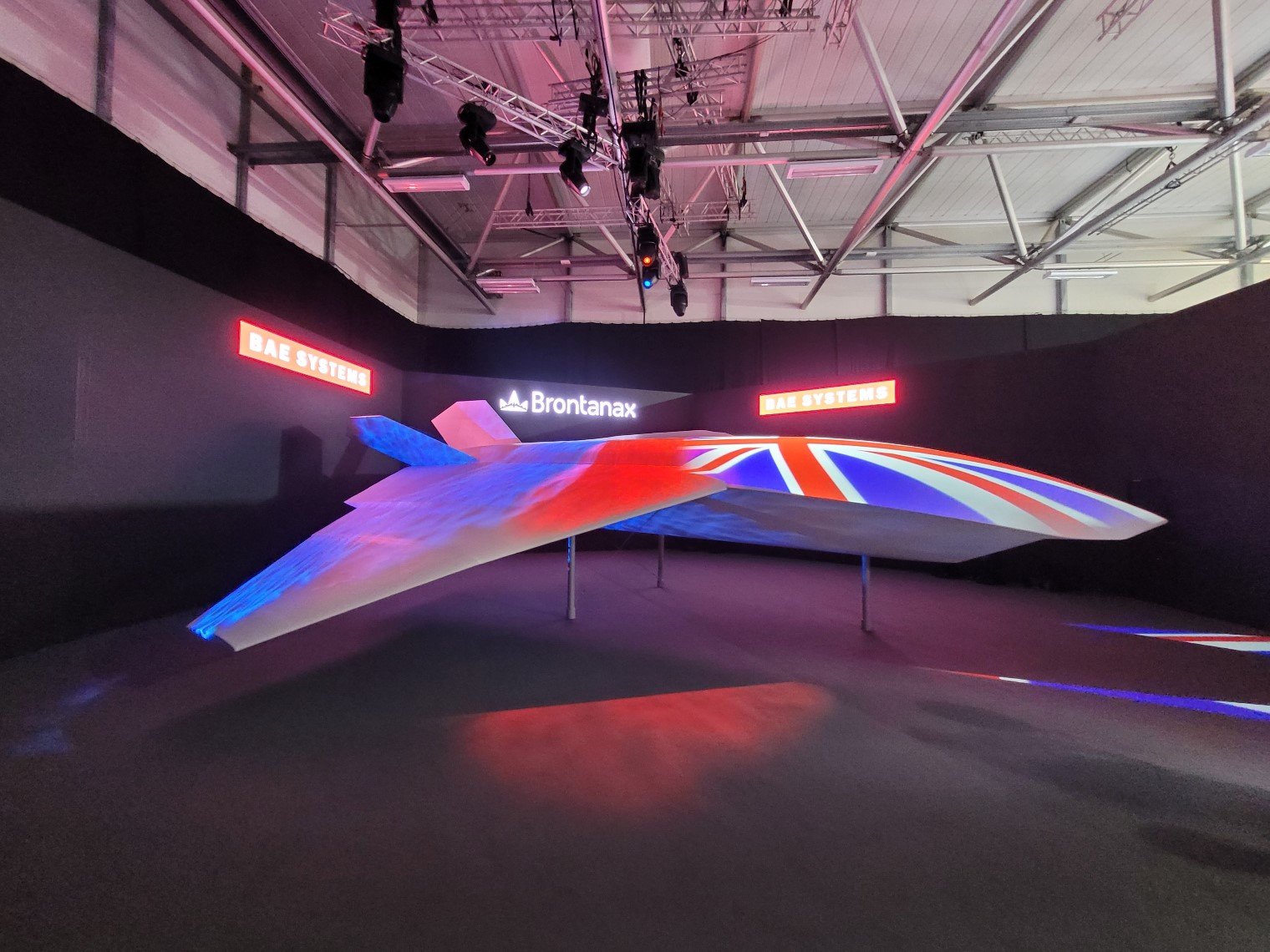 BAE Systems Unveils 'Brontanax', the UK's First Autonomous Combat Aircraft at Farnborough
-
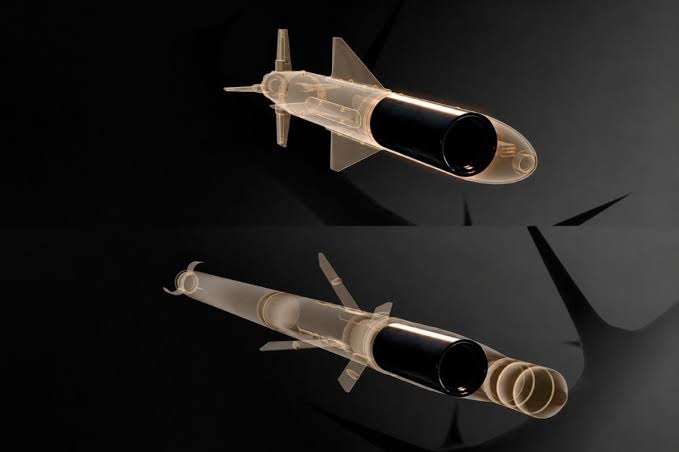 BAE Systems Unveils BlackThorn Modular Warhead Family for Autonomous Weapons and Counter-Drone Systems
-
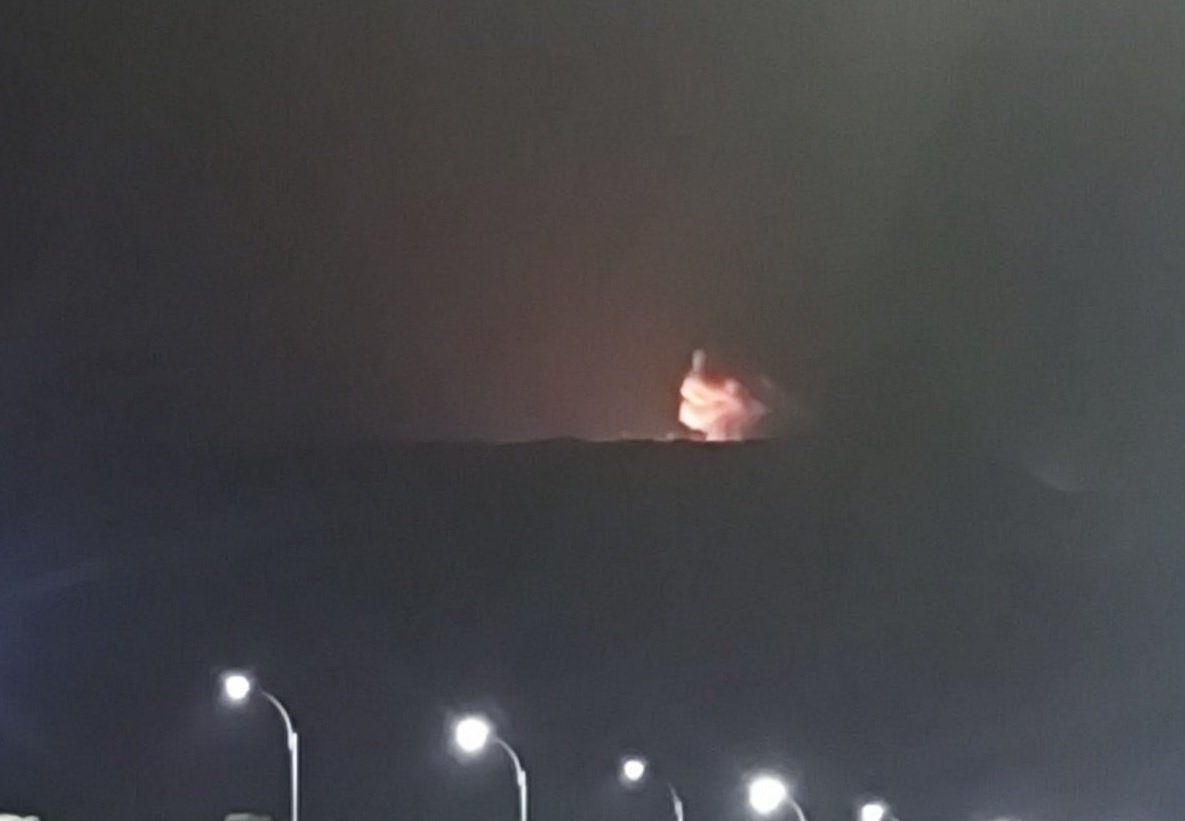 U.S. Airstrikes Target IRGC Missile Base Near Taft as Overnight Strikes Hit Central Iran
-
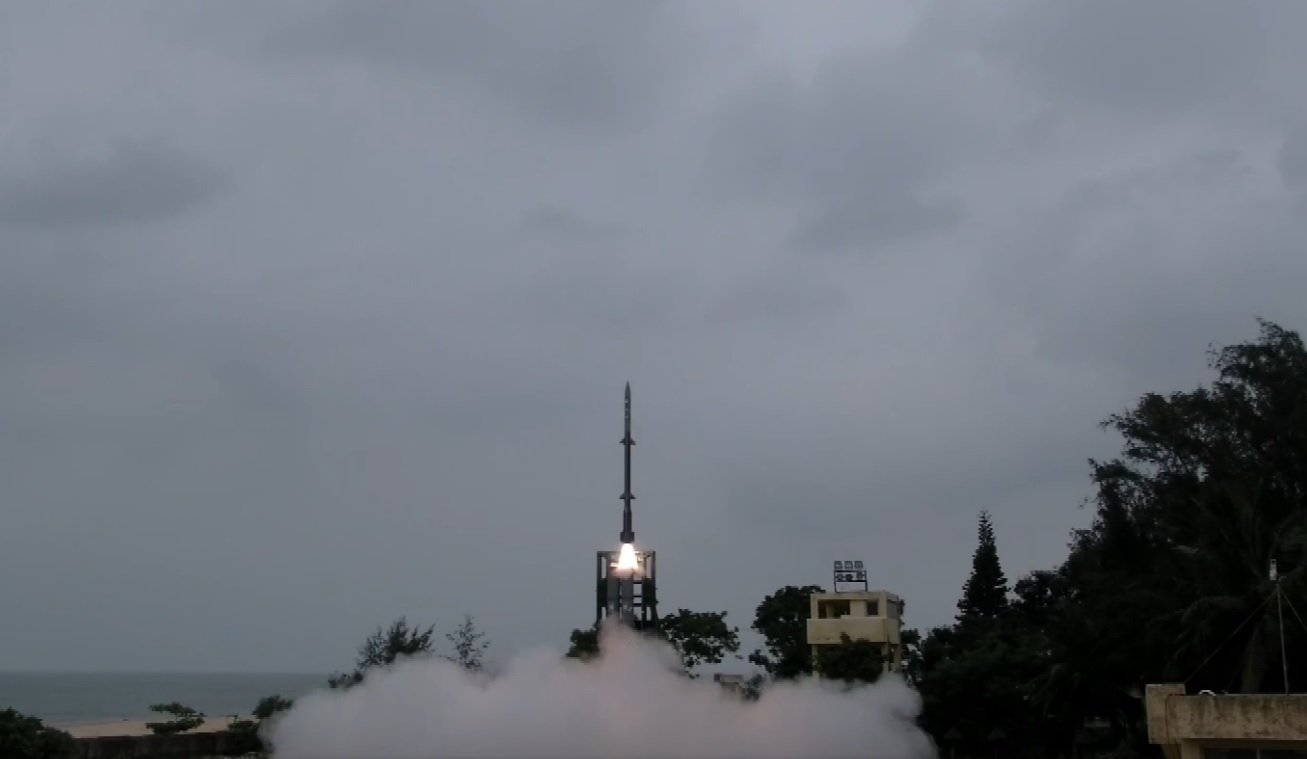 DRDO Successfully Conducts Maiden Flight Test of 150-km-Range Kusha M1 Air Defence Missile
-
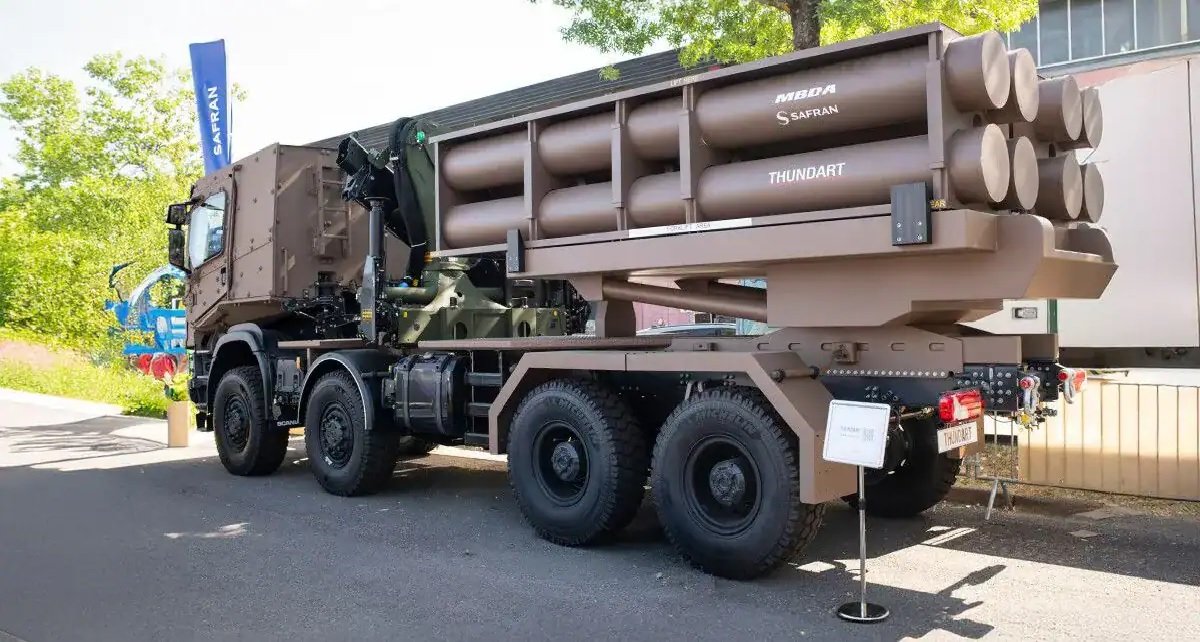 France's THUNDART Long-Range Rocket System May Undergo Prototype Combat Testing in Ukraine
-
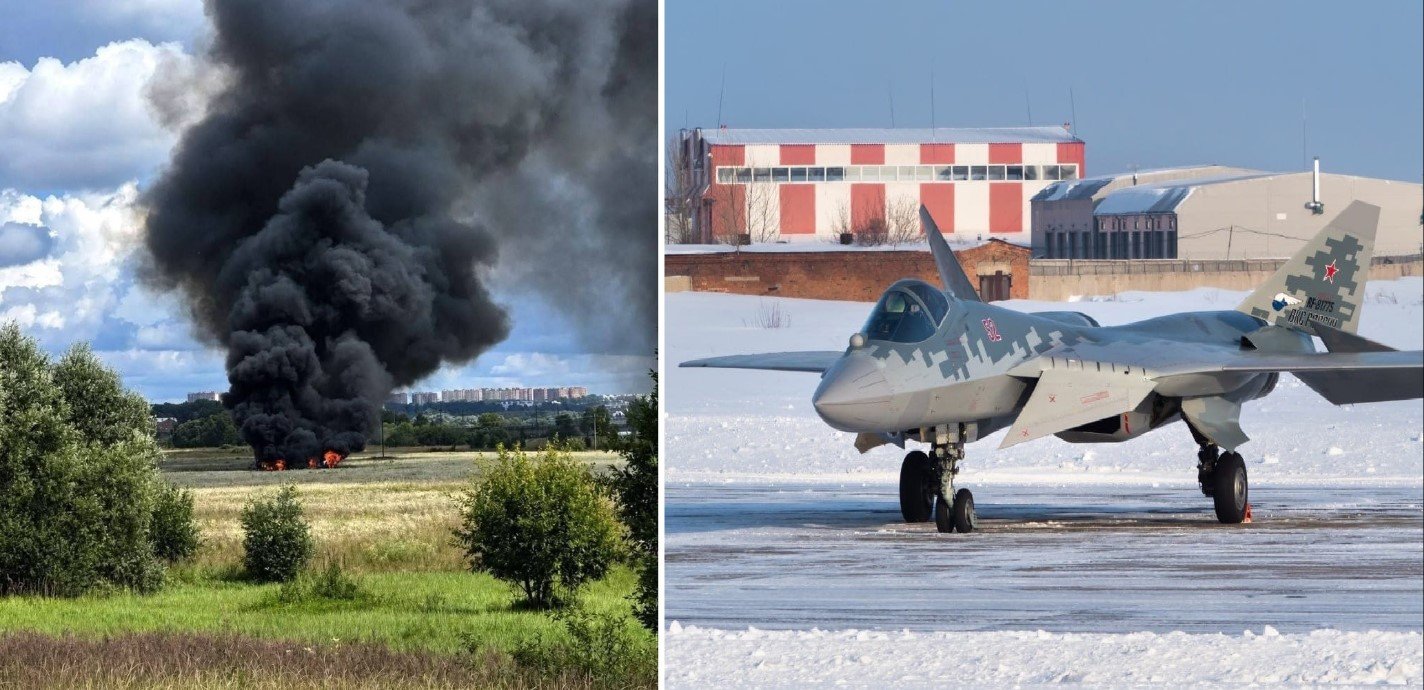 Russian Su-57 Stealth Fighter Crashes During Training Flight Near Moscow, Pilot Ejects Safely
