In the midst of Western sanctions designed to cripple Russia’s defense industry, a complex web of corporate connections has been exposed. A Russian company named Planar, specializing in advanced microwave electronics, has allegedly used its U.S.-based subsidiary, Copper Mountain Technologies (CMT), to bypass these restrictions, gaining access to Western technology essential for Russia’s military operations.
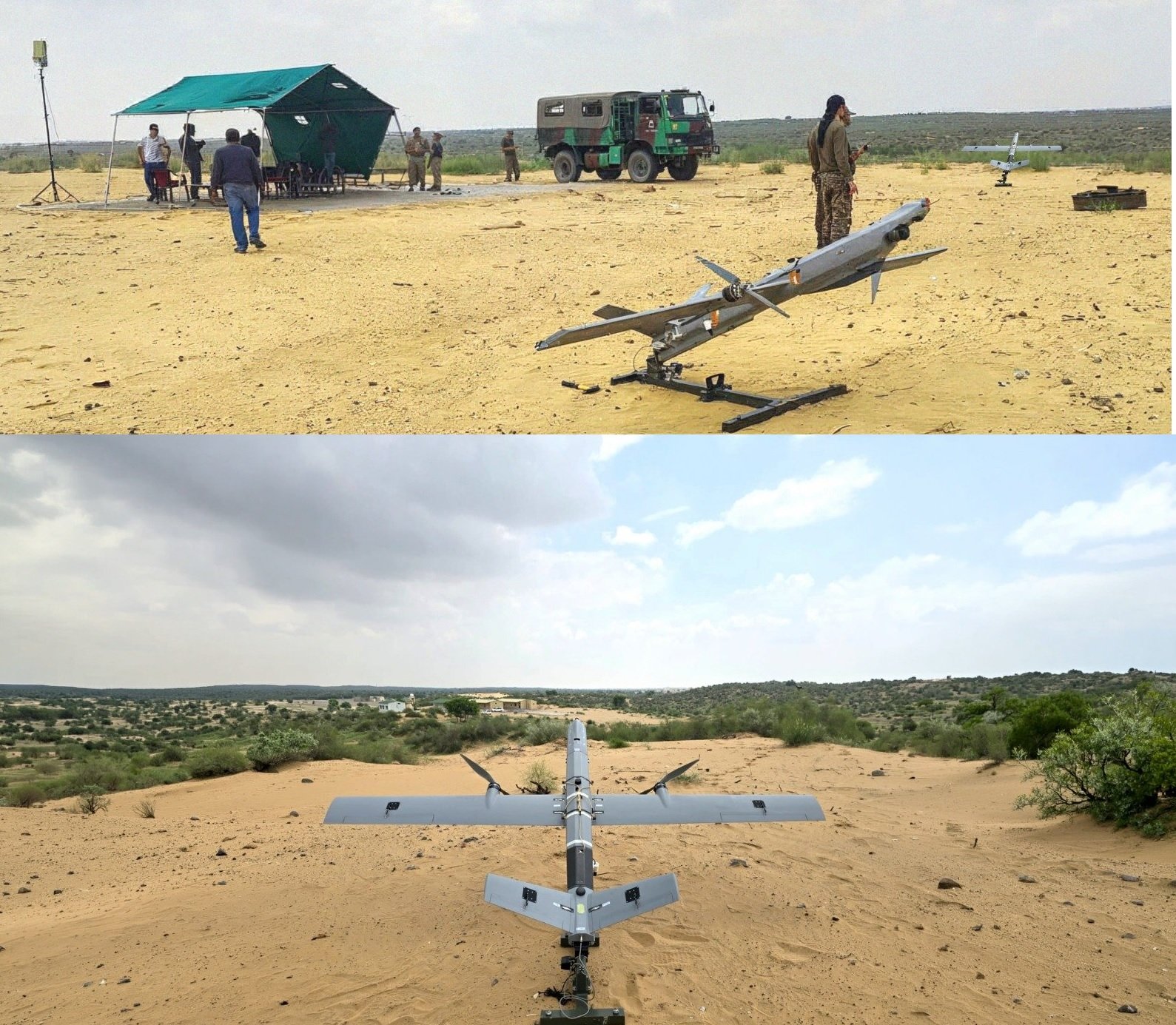
The revelations come from an investigation led by the hacktivist group “Cyber Resistance,” which uncovered how Planar, despite sanctions from the U.S., UK, Germany, and Switzerland, managed to continue acquiring crucial components for Russia’s defense apparatus. Headquartered in Chelyabinsk with production facilities in Tomsk, Planar has long been a key player in Russia’s defense technology. Its contributions include components for drones such as the Inokhodets and Orlan-10, as well as sophisticated electronic warfare systems like Svet-KU and Leer-3.
The company's strategy to evade sanctions revolves around its U.S. subsidiary, CMT, a firm that produces high-tech measurement tools, including vector network analyzers. Although CMT appears to be an independent entity, its technology shares striking similarities with Planar’s products, differing mainly in branding and minor technical details. Investigations revealed that CMT products are calibrated at Planar’s Russian facilities, and the two companies share identical patents. These patents, which list Planar’s director, Sergey Zaostrovyakh, as the inventor, underscore the deep connections between the two companies.
Planar's maneuvering highlights an intricate global network of operations, stretching far beyond Russia’s borders. Copper Mountain Technologies is not just a producer of electronics but also a logistical facilitator for technology transfers between the U.S. and Russia. CMT’s office in Paphos, Cyprus, for example, plays a pivotal role in handling shipments between Europe and the U.S., adding another layer of complexity to Planar’s supply chain.
CMT’s footprint in the U.S. defense sector is significant. Among its clients is Pacific Antenna Systems LLC (PAS), a firm that holds contracts with the U.S. Department of Defense for producing satellite communications technology. CMT’s products are also used by the U.S. Air Force Research Laboratory and NASA, raising serious questions about whether technology meant for American military and space projects is finding its way into Russia’s military-industrial complex.
The timing of these revelations is especially critical as Russia continues its involvement in the ongoing conflict with Ukraine. Despite sanctions, Planar has been able to maintain and possibly even expand its role in supplying critical electronic components to Russia’s defense sector. The importance of this relationship becomes even clearer when looking at Planar's history in the global market. Prior to 2022, the company held around 10% of the world’s microwave electronics production, a substantial share that speaks to its technological prowess and industrial significance.
Planar has also been involved in producing components for Russia’s advanced Su-57 fighter jet, collaborating with JSC Microwave Plant, another Russian firm facing difficulties due to the shortage of Western parts. Through CMT, Planar continues to secure access to critical Western technology, which would otherwise be restricted under the sanctions imposed by Western governments.
The implications of these findings are severe. It suggests that despite international efforts to restrict Russia’s access to advanced technology, loopholes remain. The ability of Planar to evade sanctions and maintain access to critical components through its U.S. subsidiary represents a significant failure in the current sanctions regime. This arrangement not only undermines the intent of these sanctions but also fuels the very military capabilities that they were designed to cripple.
With the situation in Ukraine intensifying and Russia’s military operations becoming more sophisticated, the role of companies like Planar and CMT cannot be overlooked. There is a pressing need for U.S. authorities and their allies to closely examine Copper Mountain Technologies' operations and ensure that export control laws are rigorously enforced.
At its core, the relationship between Planar and Copper Mountain Technologies underscores the challenges of enforcing sanctions in a globalized economy. As companies adapt and find ways to circumvent restrictions, it becomes increasingly difficult for governments to ensure that their policies are effective. The case of Planar and CMT highlights the need for more robust oversight and greater international cooperation to close the loopholes that continue to enable the flow of restricted technology into the wrong hands.
——— End of Article ———