
World
GOMEL, Belarus — Belarus is establishing a new airborne assault brigade near its southern border with Ukraine as part of an expansion of its Special Operations Forces (SOF), with the unit expected to strengthen the country's rapid-response military capabilities. The new formation, designated the 37th Separate Airborne Assault Brigade, will be based in the Gomel region, approximately 40 kilometers (25 miles) from the Ukrainian border. The development was confirmed by Alexander Ilyukevich, commander of the Special Operations Forces of the Belarusian Armed Forces, in comments reported by Belarusian military television and independent media on Aug. 2, 2026. Ilyukevich said the brigade's formation is actively underway, with several military units and subunits already established. "Several military units and subdivisions have already been formed. Personnel have already been drafted, officers have been recruited, and planned training is underway to prepare them for their intended purpose," he said. According to Ilyukevich, the formation process began in early 2026. One battalion has already been created, while a second battalion is scheduled to be established before the end of this year. The brigade will also include combat support units, artillery units, air defense units, and reconnaissance units. The brigade is expected to relocate to its permanent base near Gomel in 2027. Once established, the 37th Separate Airborne Assault Brigade will become the fourth airborne assault brigade within Belarus' Special Operations Forces. The existing formations include the 103rd Separate Guards Airborne Brigade in Vitebsk, the 38th Separate Guards Air Assault Brigade in Brest, and the 5th Separate Special Purpose Brigade near Maryina Gorka, south of Minsk. The plan to create the brigade was first outlined by former Special Operations Forces commander Major General Vadim Denisenko. In August 2025, Denisenko said the decision to station the unit in the Gomel region was made to reinforce Belarus' southern direction, which he described as the country's "most restless direction" from a security perspective. At that time, Denisenko said one battalion of what was then referred to as the 37th Separate Airborne Assault Guards Brigade had already been formed. He also announced broader expansion plans for the Special Operations Forces, including the addition of an anti-aircraft missile regiment and progress toward establishing a rocket artillery regiment. The Special Operations Forces are among the highest-readiness ground combat units in the Belarusian Armed Forces, and the creation of the new brigade expands their presence in the southern part of the country. Construction of a military compound for the unit in the Homiel district has also been reported in recent months as preparations continue for the brigade's permanent deployment. The new brigade's location places Belarusian rapid-response forces close to Ukraine's northern border. Belarusian officials have previously described the border situation as stable while continuing military development in the southern region. Belarus and Russia also maintain close defense cooperation, with reports indicating that a significant share of components for Russia's Oreshnik missile system are manufactured in Belarus.
Read More → Posted on 2026-08-02 14:52:35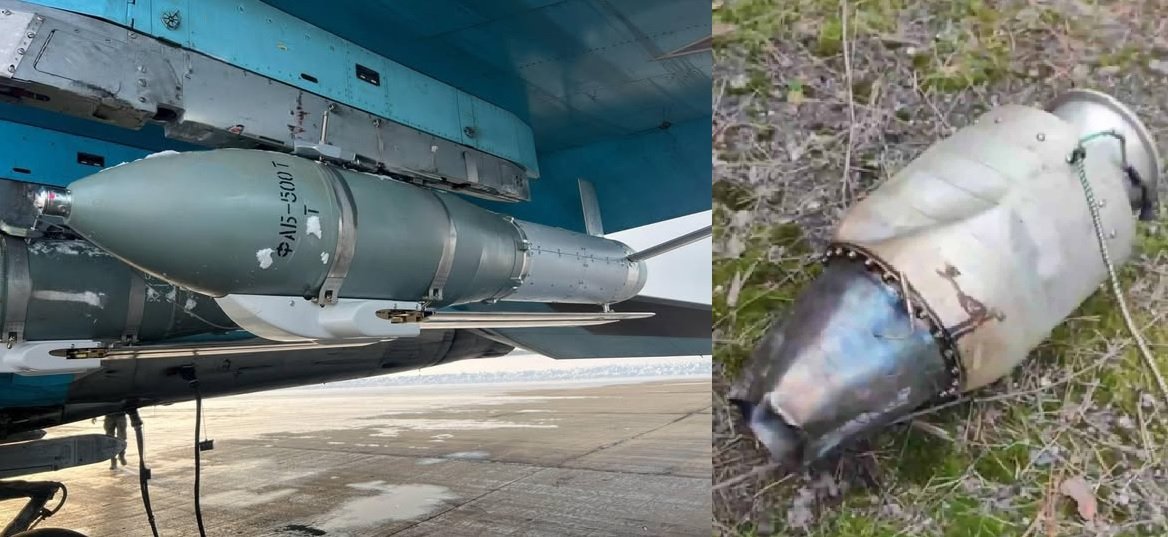
World
PAVLOHRAD, Ukraine — Russian forces carried out three guided aerial bomb attacks on the Ukrainian city of Pavlohrad during the final 10 days of July, raising indications that extended-range aerial munitions may have been used in the strikes. Pavlohrad, located in Ukraine's Dnipropetrovsk region about 75 kilometers from the front line, was hit on July 20, July 23, and July 30, according to local authorities and Suspilne Dnipro. The three attacks killed seven people and injured more than 45 others. The strikes have drawn attention because of the reported distance between the suspected launch points and the impact locations. Open-source intelligence (OSINT) researcher Clément Molin assessed that the Russian aircraft likely released the weapons from approximately 150 kilometers away, a range exceeding that of standard Russian glide bombs. The estimated launch distance has led analysts to suggest that Russia may have resumed using the UMPB-5R, a guided aerial bomb fitted with a jet engine to extend its range. Three attacks in 10 days The first strike on July 20 marked the first reported use of guided aerial bombs near residential buildings in Pavlohrad. According to local authorities, two people were killed and around 15 others were injured, including children. The attack caused fires in apartment buildings and surrounding areas, while several vehicles were also damaged. A second strike followed on July 23, when a guided aerial bomb hit a food industry business at around 11:20 a.m. The attack killed three people and injured at least 19 others, including a two-year-old girl. The strike triggered a fire at the facility. Later updates reported that the number of injured increased, with several people remaining hospitalized the following day, some in serious condition. On July 30, another guided aerial bomb struck the city, killing two people and injuring five others. Regional officials reported fires and damage in residential areas. UMPB-5R suspected due to extended range According to Clément Molin's analysis, the estimated 150-kilometer flight distance from the aircraft's launch point to Pavlohrad suggests the possible use of the UMPB-5R rather than a conventional glide bomb. The UMPB-5R first appeared in limited numbers during late spring and early summer 2025. One of its earliest documented uses occurred on October 18, 2025, when Ukrainian prosecutors reported that a UMPB-5R struck Lozova in Ukraine's Kharkiv region after traveling approximately 130 kilometers. Fragments recovered from the Lozova strike, photographed by military communications specialist Serhii Flash in October 2025, showed remnants of a jet engine matching the Chinese-made Swiwin SW800Pro-Y. The same engine model has also been identified in Russia's S8000 Banderol missile. According to Ukraine's Defense Intelligence (DIU), fitting the UMPB-5R with this jet engine increases its maximum range to up to 200 kilometers. Recent Russian tests of similar powered aerial munitions have reportedly achieved flight distances of 193 kilometers. Photos published in October 2025 showed the SW800Pro-Y turbojet mounted on the bomb. The commercial engine reportedly produces about 80 kilograms of thrust and weighs approximately 10 kilograms. Analysts also note that powered glide bombs of this type can exceed 400 kilometers per hour during the terminal phase of flight. Because of their speed, interception by anti-aircraft drones is considered largely ineffective, requiring conventional surface-to-air missile systems such as the Hawk-3 or Buk for engagement. Other long-range guided bombs in Russian service The UMPB-5R is not the only longer-range aerial weapon available to Russian aircraft. In October 2025, reports indicated that Su-34 aircraft had been equipped with upgraded UMPK-500 unified glide and correction modules for FAB-500T aerial bombs. The upgraded module features an extended tail section and larger wings, with Russian sources claiming a range of more than 100 kilometers. Operational estimates indicate the bomb can reach up to 160 kilometers when released from altitudes between 12 and 14 kilometers. The design is reported to have served as the basis for the powered UMPB-5R. Russian aircraft also carry the Grom-E1 guided bomb, which uses a rocket engine derived from the Kh-38 tactical missile. The weapon carries a 315-kilogram high-explosive fragmentation warhead and has a reported strike range of 10 to 120 kilometers. It is designed for launch from altitudes between 500 and 12,000 meters at aircraft speeds of 140 to 445 meters per second. The integration of jet and rocket propulsion into guided aerial bombs enables launch aircraft to release munitions from greater distances behind the front line, reducing their exposure to Ukrainian air defense systems. The three attacks on Pavlohrad during the final days of July highlight Russia's continued use of long-range aerial strike capabilities against targets well behind the front line. Local officials said the city is facing an increasing threat from such attacks, which provide residents with shorter warning times before impact. Source : militarnyi
Read More → Posted on 2026-08-02 14:20:17
World
WASHINGTON — Iran's Kheibar Shekan medium-range ballistic missile has emerged as a significant challenge for U.S. and allied missile defense systems during the ongoing conflict in the Middle East. U.S. defense officials have raised concerns about the missile's performance and the tactics used in its employment, which are placing increasing pressure on regional air defense networks and interceptor inventories. According to reports citing U.S. officials, Iranian forces are no longer relying on predictable ballistic missile trajectories. Instead, they are employing varied flight paths, different speeds, maneuverable re-entry vehicles, and coordinated drone attacks. These saturation tactics require U.S. and allied air defense systems to launch larger numbers of interceptors while reducing the probability of successful interceptions. Kheibar Shekan's Design and Capabilities The Kheibar Shekan was unveiled by the Islamic Revolutionary Guard Corps (IRGC) Aerospace Force in 2022 as a third-generation solid-fuel medium-range ballistic missile. It has a reported range of up to 1,450 kilometers, measures 11.4 meters in length, weighs approximately 4.5 tons, and carries a 550-kilogram explosive warhead. A key feature of the missile is its solid-fuel propulsion, which allows significantly faster launch preparation than older liquid-fuel ballistic missiles. This reduces the time launch crews are exposed before firing and enables rapid relocation after launch. The missile is carried on 10-wheel commercial transporter-erector-launchers (TELs), providing high road mobility. This allows launch units to fire and quickly move to new positions, making them more difficult to target. Efforts to destroy Iranian missile forces before launch have also been complicated by extensive underground missile facilities that enable operations to resume quickly after attacks. Analysts have linked the missile's development to Iran's acquisition of North Korean Hwasong-10 ballistic missile technology during the 2000s. The Hwasong-10 itself was derived from the Soviet R-27 Zyb submarine-launched ballistic missile. Maneuverable Re-entry Vehicle Increases Interception Difficulty Unlike conventional ballistic missiles that follow relatively predictable paths during the final stage of flight, the Kheibar Shekan is equipped with a maneuverable re-entry vehicle featuring a tri-conic design. The missile's nose section can adjust its flight path during the terminal phase, making interception more difficult. During atmospheric re-entry, the missile is estimated to travel at speeds between Mach 2 and Mach 3. These late-stage maneuvers shorten the available engagement window for missile defense systems and require interceptors to respond to rapid trajectory changes. Pressure on U.S. and Allied Missile Defenses Regional missile defense relies primarily on U.S. Army THAAD and Patriot batteries, along with U.S. Navy Aegis destroyers equipped with SM-3 and SM-6 interceptors. Repeated missile engagements have placed increasing demands on interceptor inventories. U.S. officials have expressed concern about the long-term sustainability of maintaining current interception rates if large-scale missile attacks continue. The financial balance also favors the attacking side. Reports note that the Kheibar Shekan is relatively inexpensive to produce, while a single THAAD interceptor launch costs more than $15.5 million. By launching large salvos designed to saturate defenses, Iran can force defending forces to expend significant numbers of costly interceptors even when many incoming missiles are destroyed. Military analysts also note that this approach allows Iran to preserve more advanced missile systems, including the Fattah 2, which incorporates a hypersonic glide vehicle intended for higher-priority targets. Radar Losses Reduce Situational Awareness The effectiveness of regional missile defenses has also been affected by damage to key radar infrastructure. In March 2026, the Israeli newspaper Haaretz reported that up to 80 percent of Iranian missiles launched against Israel were reaching their targets, indicating declining interception performance during sustained attacks. According to reports, the Islamic Revolutionary Guard Corps (IRGC) has targeted several high-value radar systems supporting U.S. and allied missile defense operations. Reported losses include the AN/FPS-132 early-warning radar in Qatar and two AN/TPY-2 radars located in Jordan and the United Arab Emirates. The AN/TPY-2 radar is a critical component of the THAAD ballistic missile defense network. Damage to these forward-deployed radar sites has reduced situational awareness for U.S. and Israeli air defense systems, increasing reliance on offshore ship-based radars and the remaining AN/TPY-2 radar station in Turkey. Continuing Impact on Regional Air Defense Operations Recent reporting, including coverage published in July 2026, indicates that the Kheibar Shekan has become one of the missiles most frequently used in Iranian attacks against U.S. bases and other military assets. U.S. officials say Iranian forces continue adapting launch methods by varying missile trajectories, speeds, terminal maneuvers, and coordinating attacks with drones based on observed interception patterns. Although U.S. and allied missile defense systems continue to intercept many incoming missiles, officials acknowledge that some have penetrated defensive networks. The Kheibar Shekan's combination of solid-fuel readiness, road mobility, maneuverable re-entry capability, and coordinated employment tactics continues to present a significant operational challenge for U.S. and allied missile defense forces across the region. Source : militarywatchmagazine
Read More → Posted on 2026-08-02 13:59:49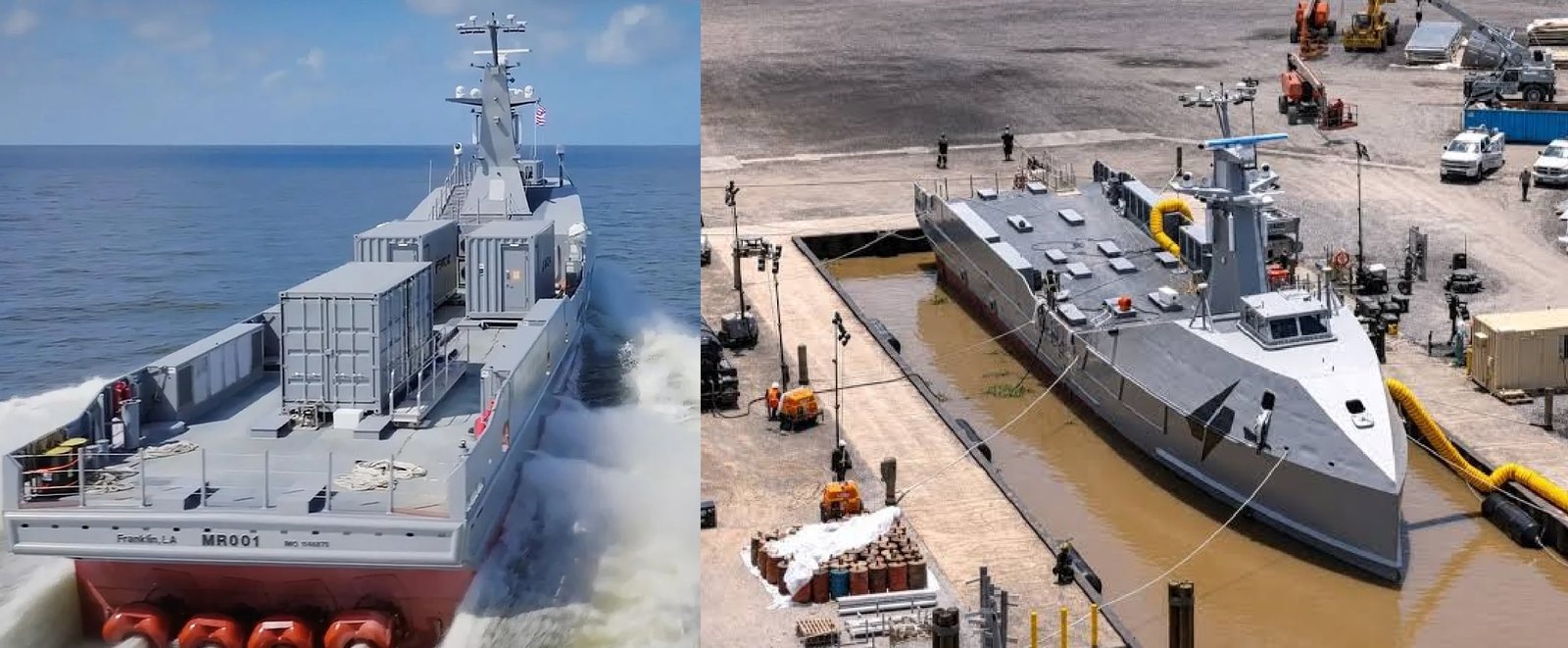
U.S
FRANKLIN, La. — Saronic Technologies has confirmed that its first Marauder Medium Unmanned Surface Vessel (MUSV) has progressed from an initial design concept to on-water trials in less than 12 months, marking a significant milestone in the company's effort to accelerate autonomous ship development for both defense and commercial applications. The Austin, Texas-based defense technology company said the first Marauder hull is currently undergoing intensive sea trials for more than 12 hours a day, seven days a week, to validate its autonomous systems, reliability, and performance under real-world maritime conditions. According to the company, the testing program is designed to evaluate the vessel's autonomous capabilities at range and in challenging operating environments before potential operational deployment. "The team took Marauder from initial design to on-water trials in under 12 months. Now we're running it on the water 12+ hours a day, seven days a week, proving out the autonomy at range and in conditions that don't cooperate," Saronic said in a company update. "We're pushing the system hard, it's the same bar we've held on every vessel we've fielded, and we're holding it here. We're putting in the work that matters and we're glad to be doing it." Designed for Long-Range Autonomous Operations The 54.9-meter (180-foot) Marauder is designed to conduct extended missions without a crew onboard. The vessel can operate either fully autonomously or under remote human supervision. According to Saronic, the platform has a maximum speed exceeding 25 knots, a range of up to 5,400 nautical miles, and a payload capacity of up to 150 metric tons. Official specifications state the vessel can travel 5,400 nautical miles at a base load of 25 metric tons or 4,100 nautical miles when carrying its maximum 150-metric-ton payload. It has a cruise speed of 12 knots. The ship features a modular aft deck capable of carrying the equivalent of four 40-foot ISO shipping containers or eight 20-foot containers, allowing operators to reconfigure the vessel for different mission requirements without major structural changes. Saronic says the platform is intended to support a wide range of missions, including logistics, intelligence, surveillance and reconnaissance (ISR), communications relay, decoy operations, maritime domain awareness, research, and seabed monitoring. Recent sea trial footage released by the company showed the vessel equipped with navigation radars and optical sensors while carrying three 20-foot containers during testing. First Hull Built at Louisiana Shipyard The first Marauder hull, designated MR-001, was launched from Saronic's shipyard in Franklin, Louisiana, in late May 2026 before entering sea trials shortly afterward. The company said the rapid development timeline was made possible by integrating vessel design, manufacturing, and autonomy software development within a single production system. Saronic also uses modern aluminum shipbuilding techniques, modular construction methods, and commercial components to support faster production. Marauder is powered by diesel engines with waterjet propulsion and incorporates a software-based fleet intelligence platform that provides operators with real-time visibility into vessel systems, telemetry, and operational status. The system also allows remote intervention when necessary, while every major hardware component is designed with a software interface for monitoring and control. Additional Vessels Already Under Construction Saronic is already building three additional Marauder hulls at its Franklin facility. According to the company, construction of the second hull is progressing approximately 25 percent faster than the first at the same stage. The second vessel was flipped in March 2026 and is currently being outfitted with mechanical, electrical, and autonomy systems. The third and fourth hulls remain in earlier stages of construction. To increase production capacity, Saronic is expanding its Franklin shipyard through a $300 million investment. The project will add more than 300,000 square feet of production space, three new slips, expanded warehouse facilities, and a dedicated assembly line for large vessels. The expansion is expected to be completed by the end of 2026 and is intended to support production of up to 20 Marauder vessels annually. The company has also announced plans for a larger future manufacturing facility in Texas. U.S. Navy MUSV Program Saronic has been selected by the U.S. Department of the Navy as one of seven companies advancing to the at-sea testing phase of the Medium Unmanned Surface Vessel (MUSV) Marketplace program. The other selected companies are Sea Machines, Leidos, Galliano Marine Services, PacMar Technologies, Birdon, and Huntington Ingalls Industries. The MUSV Marketplace program is intended to evaluate mature commercial unmanned surface vessel technologies for potential naval use while accelerating the introduction of autonomous systems into the fleet through a faster acquisition process. Companies that successfully complete at-sea testing are eligible for $15 million and possible follow-on production contracts. Testing under the program is scheduled to continue through October 2026. Saronic's selection builds on its existing work with the U.S. Navy, including a production contract for its 24-foot Corsair autonomous surface vessel. Marauder is part of Saronic's family of autonomous surface vessels that share a common autonomy software architecture, ranging from the 24-foot Corsair and 52-foot Mirage to the 180-foot Marauder. Company Highlights Development Timeline Saronic Co-Founder and CEO Dino Mavrookas said the development pace represents an uncommon achievement in modern U.S. shipbuilding. "I'm incredibly proud of our team for achieving this milestone. Designing, building, and launching an entire new class of ships in under a year is a feat the American shipbuilding industry hasn't seen in generations," Mavrookas said. "It's what happens when design, production, and manufacturing are fully integrated under one roof. With multiple hulls already underway and our shipyard continuing to grow, this is what revitalizing American shipbuilding actually looks like — autonomous ships delivered at speed and scale, with the production capacity to back it up." As of early August 2026, the first Marauder continues intensive on-water testing while additional vessels progress through construction at Saronic's Louisiana shipyard. The U.S. Navy's MUSV Marketplace evaluations are also continuing as scheduled through October 2026.
Read More → Posted on 2026-08-02 12:55:17
Europe
BERLIN — German drone manufacturer Quantum Systems has introduced survivability upgrades for its Vector reconnaissance drone, adding artificial intelligence (AI)-powered interceptor evasion capabilities and a new camouflage design to improve operations in contested environments. The company announced the upgrades on LinkedIn, saying the enhancements are designed to help the Vector counter and evade enemy interceptor drones. The improvements are being introduced through retrofit programs for drones already in service as well as on newly produced aircraft. One of the most visible changes is the drone's yellow fuselage, adopted as a camouflage measure. According to the company, the colour makes the aircraft more difficult to detect against dry Ukrainian fields during the summer months. To improve survivability, the upgraded Vector is equipped with a rear-facing thermal imaging camera that monitors for interceptors approaching from behind. When a threat is detected, the drone's onboard AI identifies it and automatically performs an evasive manoeuvre without requiring operator input. Three-Phase Modernization Program Quantum Systems began rolling out the countermeasure modules as a retrofit program for older Vector drones in March 2026. According to Oleksandr Berezhnyi, Managing Director of Quantum Systems in Ukraine, the modernization program includes three phases: AI Integration: Installation of a new artificial intelligence system, requiring replacement of the drone's nose section to accommodate onboard processing hardware. Evasion Upgrade: Installation of dedicated interceptor evasion modules. Power Upgrade: Replacement of older batteries with new ones that provide extended flight time. Deliveries of the Vector AI began in April 2026, with the latest production models shipping from Germany with AI processing and interceptor evasion modules already installed. The Vector AI also adds onboard computing, AI-supported object detection and tracking, and improved resilience in contested environments, building on the platform's operational experience in Ukraine. Reliant UAS Also Upgraded Alongside the Vector, Quantum Systems has upgraded its Reliant long-range reconnaissance unmanned aircraft system (UAS). The latest Reliant features a hybrid-electric power unit and a payload capacity of up to 9 kilograms, enabling it to carry a wider range of mission equipment, including electro-optical sensors, laser target designators, synthetic aperture radar (SAR), signals intelligence (SIGINT), electronic warfare payloads, SATCOM, and relay systems. The platform can be assembled by a two-person team, operated by one person, and requires only a 10-by-10-metre area for launch and recovery. It is also fully integrated into Quantum Systems' MOSAIC UXS software ecosystem and has enhanced capability to operate in environments where GPS signals and communication links are jammed or denied.
Read More → Posted on 2026-08-02 11:20:18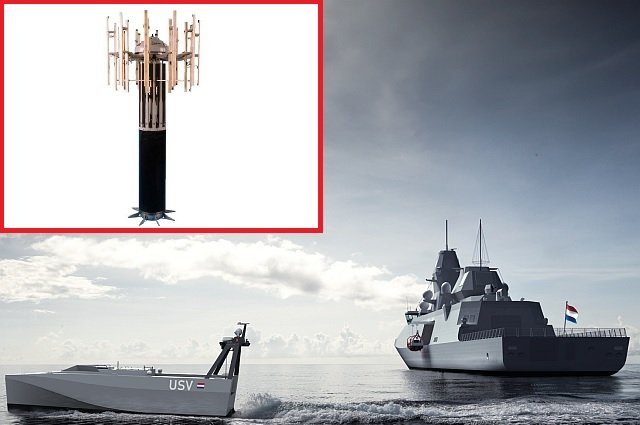
Europe
ROTTERDAM — The Netherlands has officially started the design phase for a new fleet of 12-metre unmanned surface vessels (USVs) that will operate with the Royal Netherlands Navy's future anti-submarine warfare (ASW) frigates. The vessels are intended to expand underwater surveillance, improve submarine detection, and strengthen the navy's anti-submarine warfare capabilities. The agreement to begin the design work was signed in Rotterdam on July 29 by representatives of the Dutch Ministry of Defence, Dutch Naval Design (DND), and defense company Thales. The project follows a framework agreement signed on April 10, 2024, which established the initial requirements for the vessels and outlined a four-year roadmap toward technological readiness. The design phase is expected to conclude in the first quarter of 2027. Designed to Support Future ASW Frigates Under the program, each new Royal Netherlands Navy ASW frigate will carry one 12-metre unmanned surface vessel in its mission bay. The USVs will be deployed and recovered using a dedicated cradle-type launch and recovery system. The vessels are being developed to extend the frigates' underwater surveillance range while allowing them to detect and track hostile submarines from greater distances. According to the Dutch Ministry of Defence, this approach is expected to improve reaction times while reducing the need for crewed warships to operate close to potential submarine threats. The unmanned vessels are also expected to support deterrence operations in areas with increased submarine activity. Compact Flash Sonar to Be Integrated A central element of the project is the integration of the Compact Flash dipping sonar produced by Thales Underwater Systems France. A separate agreement covering the delivery of the sonar systems was signed alongside the vessel design contract. By deploying the sonar from an unmanned platform, the Royal Netherlands Navy will be able to expand its underwater surveillance area while helping the crewed frigate avoid revealing its own position. The ministry said the capability will allow frigates to search for and track submarines from greater stand-off distances. Long-Endurance Operations The Dutch Ministry of Defence said the new USVs are expected to have a minimum operating endurance of at least 96 hours, enabling them to conduct extended anti-submarine warfare and deterrence missions. The ministry also noted that the distributed operating concept will allow the unmanned vessels to perform several tasks traditionally carried out by embarked helicopters. Officials expect this approach to improve operational efficiency while increasing the fleet's underwater surveillance coverage. Dutch Naval Design to Lead Development The design work has been awarded to Dutch Naval Design (DND), a partnership that brings together government organizations, industry, universities, and research institutions. The proposal was submitted by participating organizations operating under the USV Alliance consortium. Companies involved in the wider effort are also contributing model-based systems engineering and cybersecurity support as part of the design process. Part of the Netherlands-Belgium ASW Frigate Program The unmanned vessels form part of the broader Anti-Submarine Warfare Frigate (ASWF) program, a joint procurement initiative between the Royal Netherlands Navy and the Belgian Navy to replace their aging M-class multi-purpose frigates. The frigates themselves are being constructed by Dutch shipbuilder Damen. The Dutch Ministry of Defence said the USVs will contribute to the future anti-submarine warfare capabilities shared by both countries and reflect the growing role of unmanned systems in modern naval operations. Belgium's Position Remains Unchanged Belgium's defence minister recently criticized aspects of the wider frigate program, citing delays, cost increases, and design changes, and suggested the possibility of seeking alternatives to Damen for shipbuilding. However, the Dutch Ministry of Defence's announcement launching the USV design phase did not indicate any change to Belgium's participation in either the unmanned vessel project or the broader joint anti-submarine warfare program.
Read More → Posted on 2026-08-02 11:10:57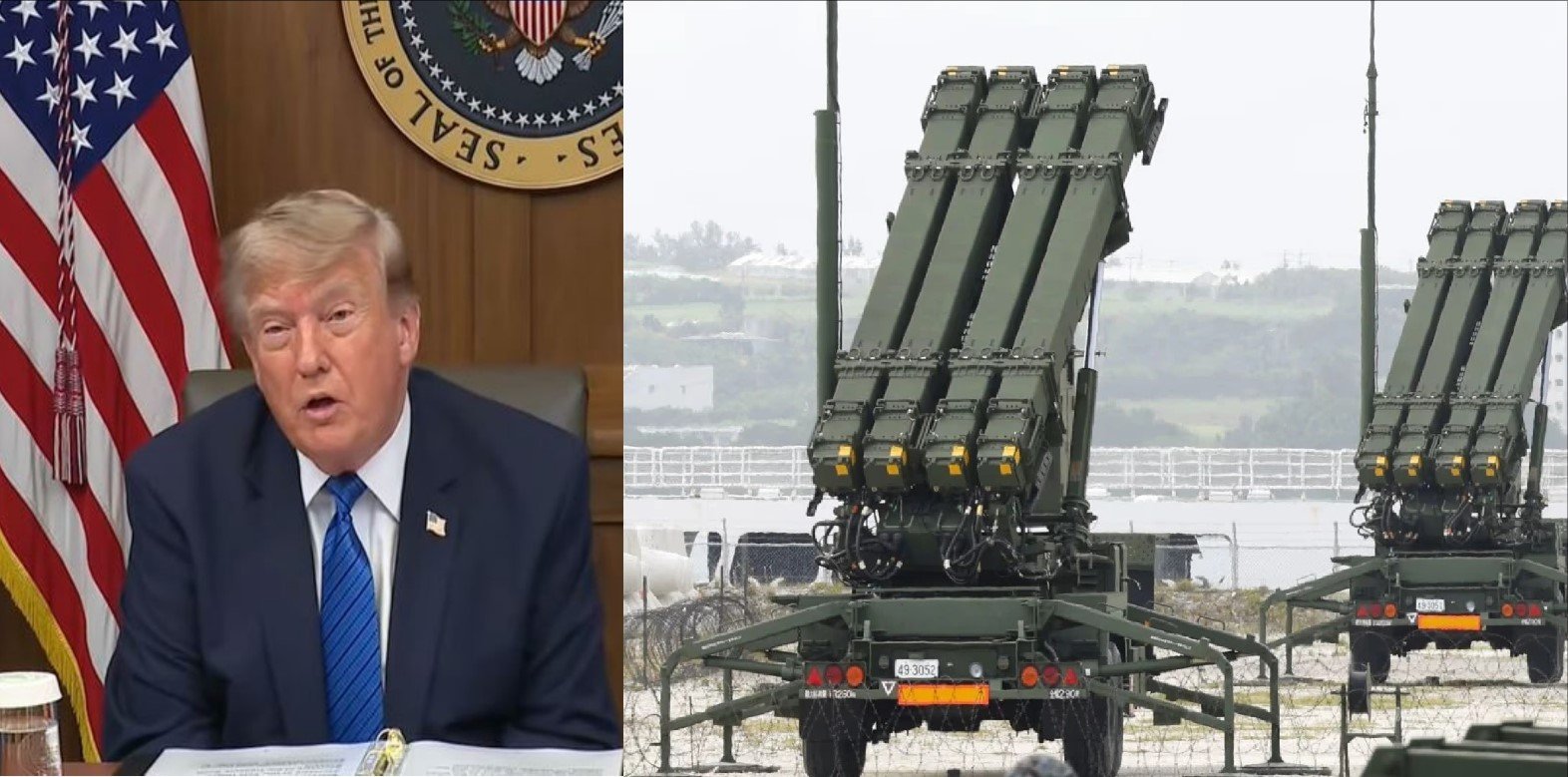
U.S
CAMP DAVID, Maryland — U.S. President Donald Trump said the United States has not agreed to grant Ukraine a license to produce Patriot missile defense systems, signaling that discussions with Kyiv are still ongoing and that no final decision has been made. Speaking to reporters during a Cabinet meeting at the Camp David presidential retreat on Friday, Trump said the advanced air defense technology is "a hard thing to give away" and stressed the need for caution before allowing another country to manufacture the system. "These weapons are incredible. We have to be very careful about letting somebody build them," Trump said. He added that Washington and Kyiv are still "talking about it," but emphasized that no agreement has been finalized. The comments differ from Trump's remarks less than three weeks earlier at the NATO Summit in Ankara, Turkey, where he told Ukrainian President Volodymyr Zelenskyy, "We're going to give a license to you to make Patriots." At the time, Trump also said the administration had not yet informed the companies involved in manufacturing the Patriot system, referring to Lockheed Martin and RTX, which produce components for the missile defense system. Signs that the administration's position was changing emerged on Thursday when Trump told the Financial Times that he was "not sure" whether he would approve a production license for Ukraine. Trump's latest remarks came after a White House meeting with Zelenskyy on July 28. While Zelenskyy described the meeting as productive and said it included discussions on Patriot production licenses, Trump clarified that although several topics—including Patriot systems and Tomahawk missiles—were discussed, no agreement was reached. During the Camp David meeting, Trump distinguished between the two weapons, describing the Patriot as a defensive system and the Tomahawk as an offensive weapon. Patriot Production Remains a Priority for Ukraine Ukraine has repeatedly identified the Patriot missile defense system as one of its highest defense priorities because of its role in intercepting Russian ballistic missiles during continued attacks on Ukrainian cities and infrastructure. Following a recent phone call with U.S. Vice President JD Vance, Zelenskyy said on the social media platform X that securing the defense technology "remains a top priority." "We agreed that our teams will stay in touch and work through everything discussed today," Zelenskyy wrote. "I thank the United States for its support of Ukraine and our people." Ukraine's embassy in Washington did not immediately respond to requests for comment following Trump's latest statements. Despite the uncertainty surrounding the proposed production license, Ukraine has continued discussions with U.S. defense industry representatives. Zelenskyy recently met with representatives from Lockheed Martin to discuss joint capabilities and possible co-production arrangements. "Our teams are already working on specific solutions to move to co-production as quickly as possible and increase our capabilities to protect lives," Zelenskyy said after the meeting. No official licensing or co-production agreement has been announced. U.S. Stockpile Concerns The debate over Patriot production is taking place as the United States continues to manage its inventory of advanced air defense systems. American Patriot systems have been used extensively in the Middle East, including against Iranian ballistic missile attacks. During the Cabinet meeting, Trump referred to recent interceptions over Jordan, describing how U.S. forces successfully intercepted incoming Iranian missiles. He also confirmed that his envoys, Jared Kushner and Steve Witkoff, will visit Ukraine as part of broader efforts related to the ongoing war. Defense analysts have noted that even if Washington approves a production license, establishing Patriot manufacturing capability in Ukraine would likely take years. The Patriot system is technologically complex, costly to produce, and depends on a specialized global industrial supply chain. Talks between the United States and Ukraine on Patriot production and potential co-production arrangements remain ongoing, with no final agreement announced by either government.
Read More → Posted on 2026-08-02 10:54:01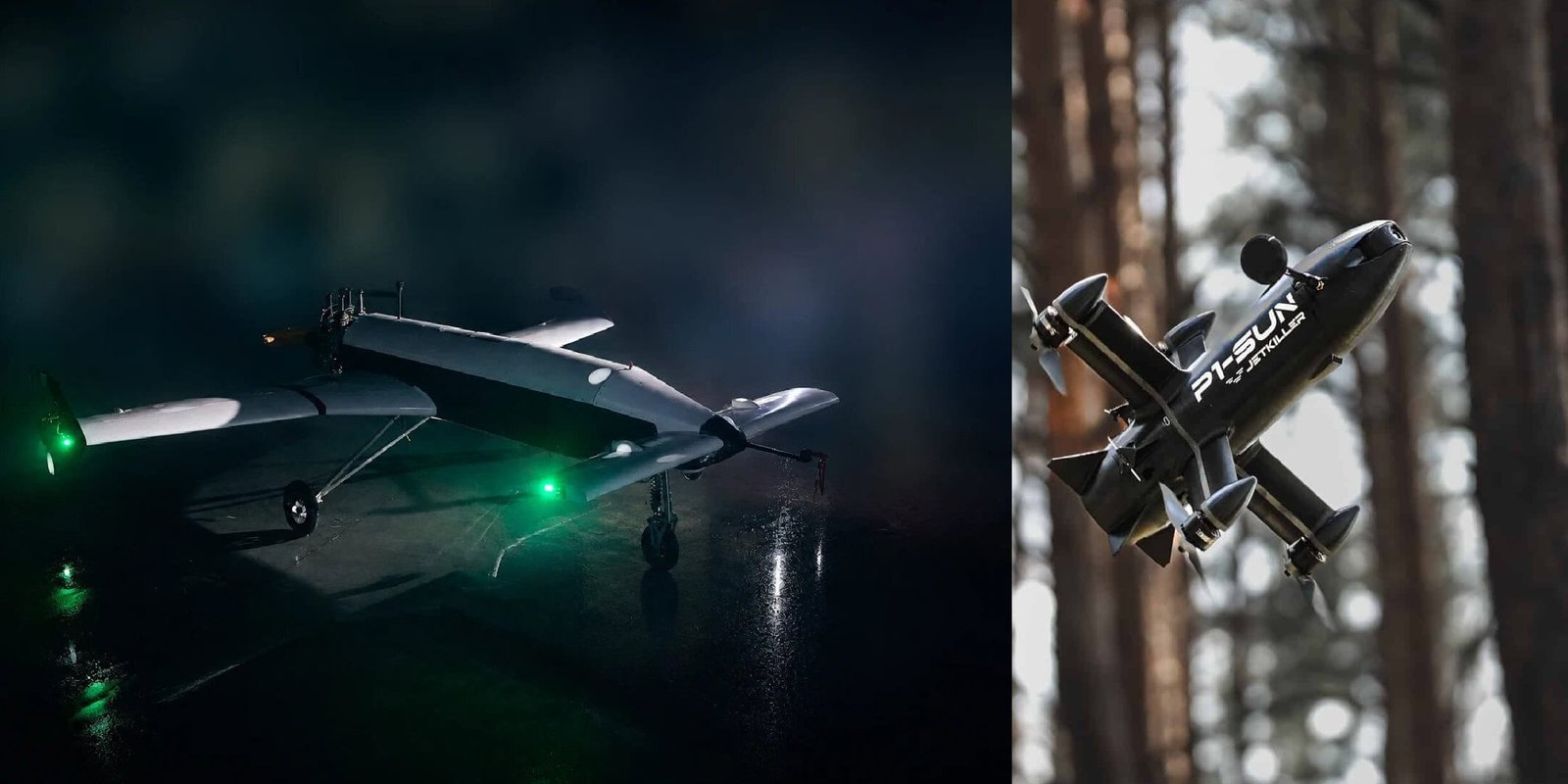
World
KYIV — Ukrainian defense technology company SkyFall has introduced two new unmanned aerial systems (UAVs)—a long-range strike drone and a high-speed interceptor drone—expanding its portfolio of military UAVs already in service with the Ukrainian Defense Forces. The new systems were presented to international media, including Bloomberg, during the Farnborough International Airshow in the United Kingdom in late July 2026. SkyFall is already known in Ukraine's defense sector for developing the Vampire bomber drone, Shrike first-person-view (FPV) drones, and earlier versions of the P1-SUN interceptor. New Mid-Range Strike Drone SkyFall's latest attack platform, currently referred to as the Mid-Strike system, is a fixed-wing drone with a wingspan of approximately 3.5 meters and a maximum operational range of up to 600 kilometers. The propeller-powered drone is designed to carry a 40–50 kilogram payload. Depending on mission requirements, it can be equipped with different types of warheads, including fragmentation and high-explosive fragmentation (HE-FRAG) warheads, as well as other payloads. According to SkyFall, the estimated unit cost ranges between $25,000 and $30,000, depending on the selected configuration. The company stated that the drone has already demonstrated successful performance in combat conditions and is currently in serial production. SkyFall also confirmed that it has signed contracts with international partners to support deliveries of the system to the Ukrainian Defense Forces. To meet planned demand, the manufacturer aims to increase production capacity to 1,000 units per month by the end of this year. SkyFall has not yet announced an official name for the new strike drone. P1-SUN JetKiller Interceptor Alongside the strike drone, SkyFall also unveiled the P1-SUN JetKiller, a new interceptor drone developed to counter jet-powered Shahed attack drones, which fly significantly faster than earlier propeller-driven variants. According to the company, the JetKiller was developed in three months and was introduced for the first time at the Farnborough International Airshow. The interceptor has a maximum speed of 370 km/h, compared with the 310 km/h top speed of the previous P1-SUN model. It has an operational range of up to 30 kilometers, can fly at altitudes of up to 9,000 meters, remains airborne for up to 15 minutes, and carries a 500-gram warhead designed to destroy hostile drones in flight. Multiple Configuration Options SkyFall said the JetKiller is available in several configurations to suit different operational requirements. The interceptor can be equipped with day or night cameras, available in either analog or digital versions. It is also offered with an optional artificial intelligence (AI) module designed to support terminal guidance. According to the manufacturer, the AI system automatically detects, tracks, and acquires targets, and can lock onto them at distances of up to 1 kilometer. SkyFall said the module processes targeting information faster than human reaction time, helping operators engage aerial targets more quickly in complex combat conditions. Combat Trials and Production Plans SkyFall stated that the P1-SUN JetKiller is completing its combat trials and has already intercepted more than a dozen jet-powered Shahed drones during testing. The company plans to begin serial production in August 2026 and has set a production target of up to 50,000 interceptor drones per month. The introduction of the new Mid-Strike drone and the P1-SUN JetKiller expands SkyFall's existing family of unmanned systems, which already includes the Vampire bomber drone, Shrike FPV drones, and previous P1-SUN interceptor variants that have been supplied for use by the Ukrainian Defense Forces.
Read More → Posted on 2026-08-02 10:47:39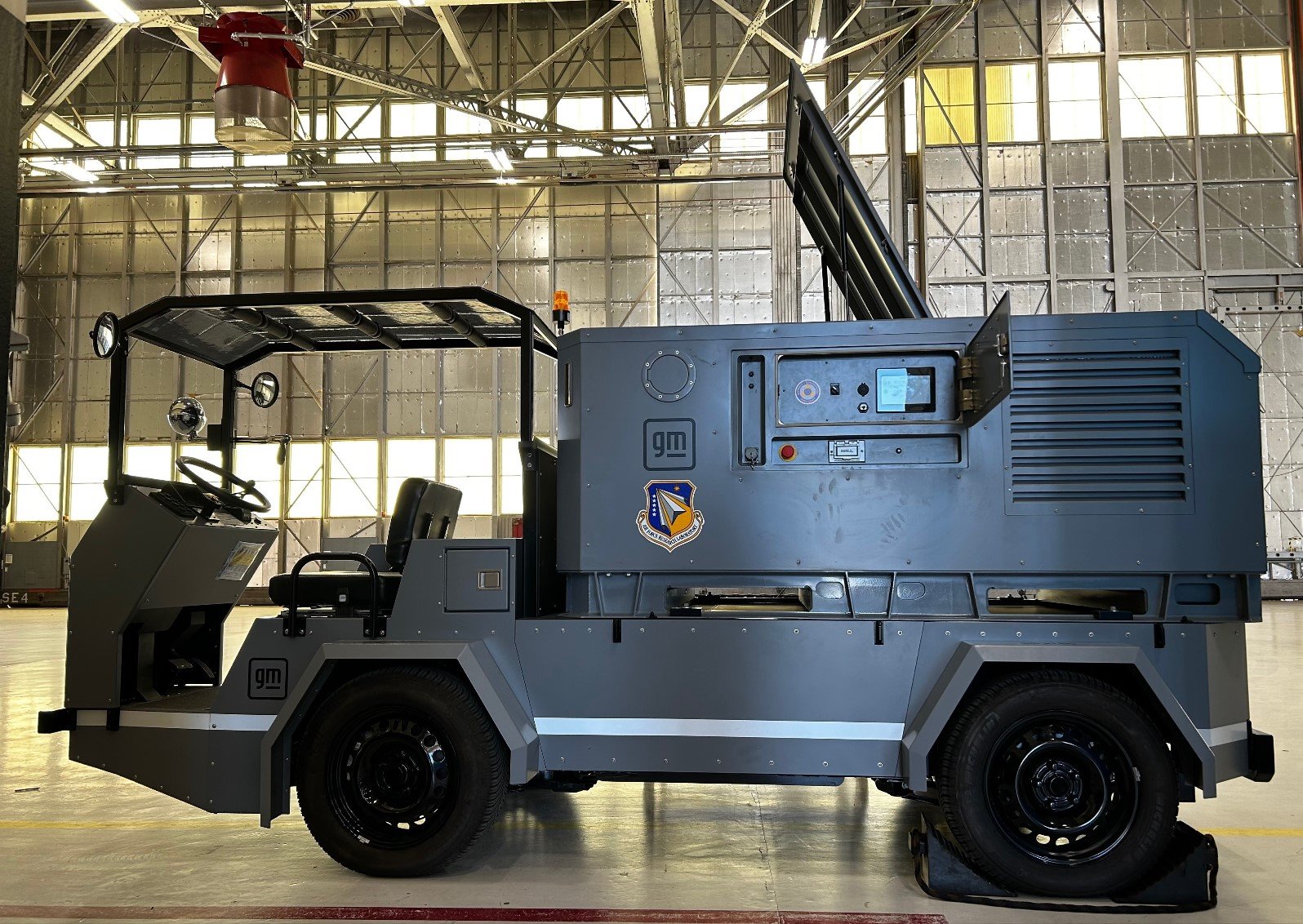
U.S
FORT IRWIN, Calif. — The U.S. Army has successfully tested silent hybrid power systems capable of operating command posts for several hours using battery power alone during Project Convergence Capstone 6 (PC-C6), reducing the need for continuously running diesel generators while supporting mission-critical command and control operations. The demonstration took place during Project Convergence Capstone 6, held at Fort Irwin, California, from July 20 to July 29, 2026. The large-scale Army experimentation event brought together approximately 10,000 participants from the U.S. joint force and multinational allies to evaluate more than 90 future warfare technologies under realistic operational conditions. According to GM Defense, two command posts from the 4th Infantry Division operated for periods ranging from three to eight hours using only battery power through the company's EPIQ hybrid power system. During these periods, the diesel generator remained off and activated only when needed to recharge the system's batteries. The command nodes supported mission-critical electrical loads ranging from 9 to 30 kilowatts, providing power for division and brigade command and control functions, as well as intelligence, fires, network, and sustainment systems. Traditionally, Army command posts rely on diesel generators operating continuously to power computers, communications equipment, radios, and other essential systems. Constant generator use creates both noise and heat that can be detected by enemy forces using acoustic sensors or thermal imaging systems. By allowing command posts to operate for hours without the generator running, the hybrid power system reduces both the acoustic signature and the thermal signature of deployed headquarters. The approach also lowers fuel consumption and reduces generator operating hours, helping extend generator service life. Supporting the Army's Next Generation Command and Control Project Convergence Capstone 6 also served as the Army's largest field evaluation to date for its Next Generation Command and Control (NGC2) initiative. The Army formally established NGC2 as a program of record in April 2025. The program is intended to modernize how Army maneuver forces conduct command and control by integrating transport, data, applications, and communications into a unified operational framework. During the exercise, Maj. Gen. Patrick Ellis, commanding general of the 4th Infantry Division, described NGC2 as a full-stack approach to command and control rather than a single technology. He said the 10-day exercise allowed the division to test the complete system under Fort Irwin's terrain and climate while collecting data that will help inform future Army modernization efforts. The 4th Infantry Division, based at Fort Carson, Colorado, has served as the Army's lead unit for NGC2 experimentation over the past year. In July 2025, the Army awarded Team Anduril a $99.6 million Other Transaction Authority agreement to deliver a prototype NGC2 architecture for the division. The effort has continued to advance, with the Army announcing in late June 2026 that Anduril had been selected to lead the common data layer baseline for the program as it moves toward continuous delivery. Brig. Gen. Shane Taylor of the Army's Program Executive Office for Command, Control, Communications and Networks said timely and integrated data will be critical for supporting commanders' decision-making in future operations, adding that NGC2 is designed as a long-term effort involving continuous contracting and investment rather than a single contract. Reliable Power Becomes a Key Requirement As the Army introduces more advanced battlefield technologies, dependable power has become an increasingly important requirement for field operations. Systems such as artificial intelligence tools, autonomous platforms, and expeditionary sensors require reliable electrical power to remain operational during deployments, making power sustainment a key component of the Army's modernization efforts. GM Defense was not the only company demonstrating hybrid power technology during Project Convergence Capstone 6. INTRACOM DEFENSE (IDE) also deployed its Tactical Hybrid Generator and GENAIRCON vehicle power system with 4th Infantry Division platforms during the exercise. The company said its systems provided assured power sustainment and silent operation for NGC2 command nodes. Following the demonstration, GM Defense said the exercise showed that its EPIQ hybrid power system can keep command and control systems operating while reducing acoustic and thermal signatures, lowering fuel consumption, and extending generator life. The company stated that these capabilities are particularly relevant for operations in contested environments, where reducing the detectable noise and heat produced by traditional generators can help command posts remain operational while limiting their exposure to enemy detection.
Read More → Posted on 2026-08-02 10:40:42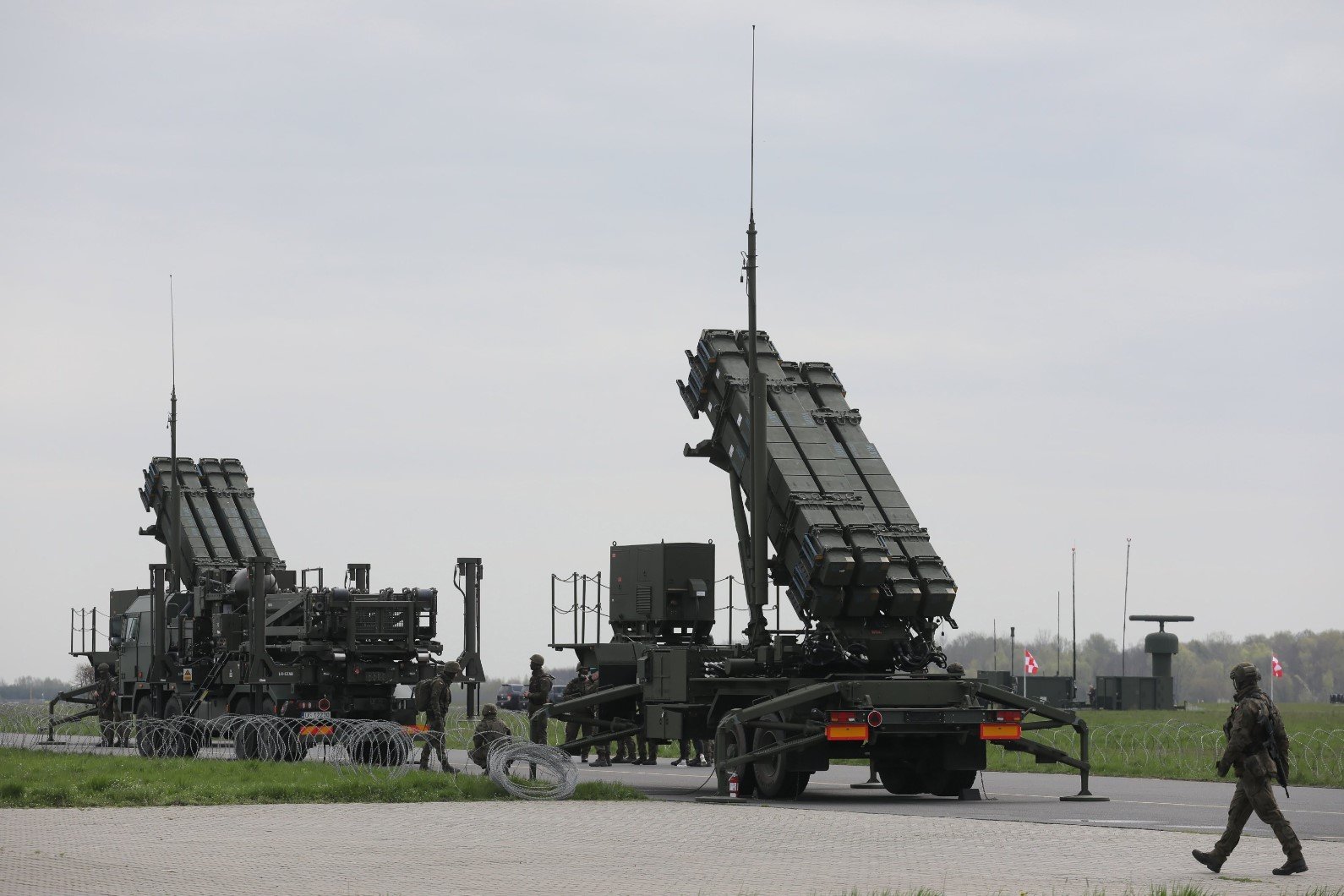
World
KYIV — Ukraine intercepted only one of 27 Russian ballistic missiles launched during a large-scale overnight attack after running short of Patriot interceptor missiles, Ukrainian President Volodymyr Zelenskyy said, as he renewed calls for Western partners to urgently replenish the country's air defense stocks. The overnight assault targeted Kyiv and several other regions across Ukraine, causing civilian casualties, damaging residential buildings and public infrastructure, and highlighting the growing pressure on Ukraine's air defense network as the war enters its fifth year. Large-Scale Missile and Drone Attack According to Ukrainian officials, Russian forces launched 35 missiles, including 27 ballistic missiles, along with 185 attack drones of various types during the night of July 31 to Aug. 1, 2026. Kyiv was the primary target, while attacks were also reported in the Dnipro, Sumy, Kharkiv and Poltava regions. Ukraine's Air Force managed to intercept only one ballistic missile, with Zelenskyy saying the limited success was directly linked to the lack of Patriot interceptor missiles. "Only one ballistic missile was intercepted, simply because there are no interceptors for the Patriot systems," Zelenskyy wrote on X. He said the shortage of Patriot interceptors is allowing Russia to continue conducting ballistic missile attacks against Ukrainian cities. "It is critical that partners hear that these capabilities are needed not somewhere in stockpiles for hypothetical scenarios but here and now to contain and stop the Russian war in Ukraine. Every package of ballistic missile interceptors saves the lives of our people. And every night without them results in more casualties," Zelenskyy said. Casualties and Damage Across Kyiv The attack caused widespread destruction across the Ukrainian capital. According to Zelenskyy and Ukrainian officials, nine people were killed and 28 others were injured, including four children who suffered shrapnel wounds and lacerations. Prosecutors said seven people died in Kyiv's Darnytskyi district, located on the left bank of the Dnipro River, while two people were killed in the Solomyanskyi district on the city's right bank. Authorities reported damage across seven districts of Kyiv, where the strikes hit: 18 residential buildings A school The Lithuanian Embassy Infrastructure facilities Several fires broke out following the attacks, while power outages were reported in parts of the city. The Lithuanian Foreign Ministry said the embassy sustained damage, including broken windows and damaged solar collectors, while debris was scattered across the embassy compound. No embassy staff were injured, although two missiles reportedly landed nearby. Ukrainian Officials Call for More Air Defense Kyiv Mayor Vitali Klitschko said emergency services worked throughout the night to respond to the attack and added that the city continues expanding shelter capacity as Russian missile and drone strikes intensify. Ukrainian Foreign Minister Andrii Sybiha said strengthening Ukraine's air defense remains essential. "It is the battle for the skies that will define the trajectory of this war. The stronger the air shield over Ukraine, the closer peace becomes." Sybiha also urged international partners to provide additional air and missile defense systems along with interceptor missiles. Second Major Strike on Kyiv in One Week The latest barrage marked the second major Russian attack on Kyiv within a week. Ukrainian officials said an earlier attack on Thursday killed nine people, including six members of one family in a village near Kryvyi Rih. During that earlier wave of attacks, a suspected Russian cruise missile also entered Polish airspace. The latest strike occurred during the fifth year of Russia's full-scale invasion of Ukraine. Fighting continues along approximately 1,200 kilometers of frontline, while Ukrainian officials and military analysts say Russian ground advances have slowed significantly this year even as both sides continue long-range missile and drone strikes. Patriot Shortage Remains a Key Concern Ukraine has relied on the U.S.-made Patriot air defense system as its primary capability for intercepting ballistic missiles. Zelenskyy and other Ukrainian officials have repeatedly called on partner nations to supply additional Patriot interceptors and related air defense capabilities, saying they are urgently needed to protect civilians and critical infrastructure from continued missile attacks.
Read More → Posted on 2026-08-01 16:19:37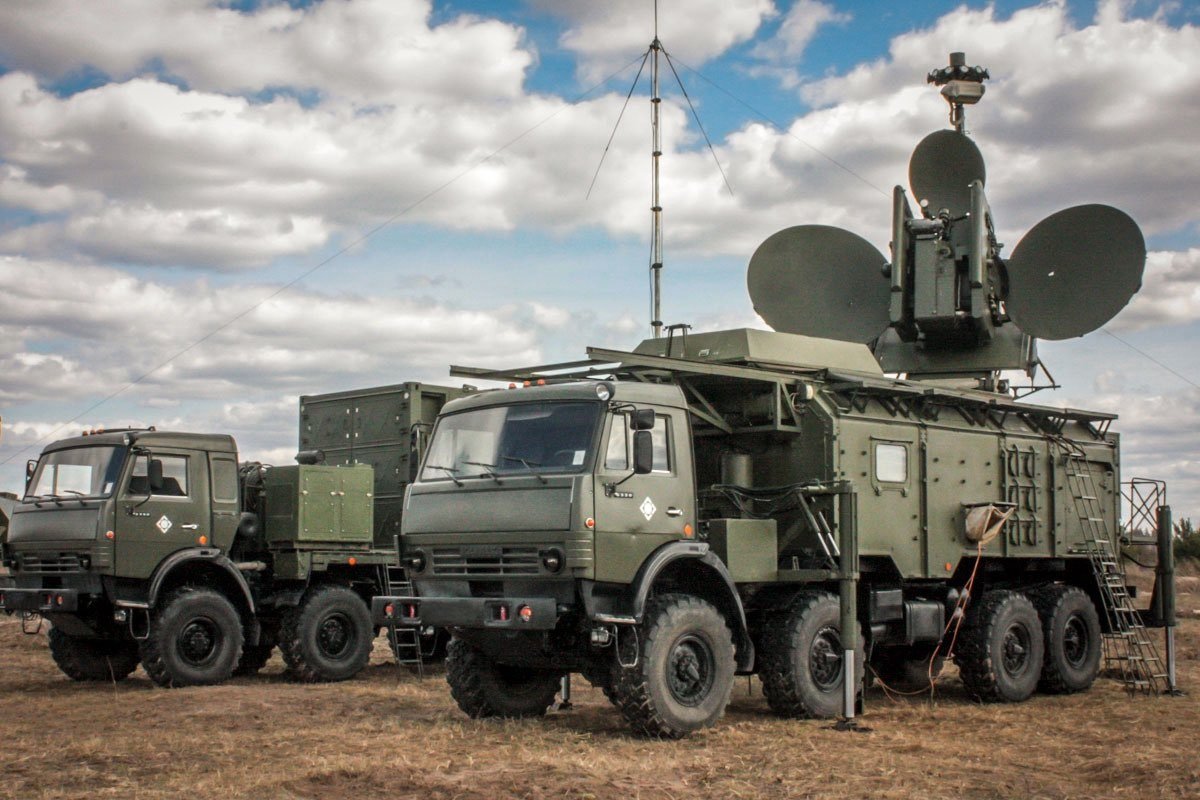
World
WASHINGTON — Russia is reportedly providing Iran with satellite surveillance and signals intelligence that is helping Tehran locate U.S. military forces across the Middle East and improve its ability to counter American military operations, according to U.S. and European officials cited by NBC News. The report, published on July 31, 2026, states that the intelligence sharing includes satellite imagery and signals intelligence collected from communications networks, radar systems, and military equipment. Officials familiar with the matter told NBC News that the information is helping Iran identify U.S. military positions and interfere with American-made aircraft and precision-guided munitions used in strikes against Iranian targets. Intelligence Support to Iran According to U.S. and European officials, the intelligence support is assisting Iran in two key ways. It is helping Tehran identify the locations of U.S. military forces for potential aerial attacks while also improving its ability to jam American-made aircraft and precision-guided weapons during military operations. Officials said the intelligence package combines satellite imagery with signals intelligence, allowing Iran to monitor military activity more effectively. The information is also helping Tehran strengthen the protection of key military assets by improving early warning capabilities against incoming airstrikes. In addition, officials said the intelligence enables Iran to update target databases, conduct post-strike damage assessments, and improve the effectiveness of drone and missile operations against ships, aircraft, and other military targets. Satellite Imagery Strengthens Military Planning Defense analysts cited in the reports said Russia's satellite capabilities provide Iran with access to military-grade imagery that it cannot produce on its own because of its limited number of military satellites. According to the officials, the satellite imagery supports mission planning, target identification, and battle damage assessment, making Iran's long-range drone and missile operations more effective. The reported intelligence sharing follows earlier reports that Russia had provided Iran with satellite imagery that could assist in identifying U.S. military positions. Conflict Enters Sixth Month The reported intelligence cooperation comes as the conflict between the United States and Iran, which began in February 2026, enters its sixth month. According to NBC News, Iran has launched thousands of missiles and drones targeting U.S. military bases, regional infrastructure, and commercial shipping near the Strait of Hormuz. U.S. air defense systems have intercepted most of the attacks, although some strikes caused damage. The report states that at least 18 U.S. service members have been killed during the conflict. Estimates of damage to U.S. military facilities and equipment range between $10 billion and $30 billion. Expert Assessment Jim Lamson, a former CIA analyst and senior research associate at the James Martin Center for Nonproliferation Studies, told NBC News there are increasing indications that Iran is incorporating Russian technical and operational assistance into its long-range strike operations. According to Lamson, the available information suggests Tehran is benefiting from Russian expertise as well as intelligence support during the ongoing conflict. U.S. Administration Response The Trump administration has largely downplayed the reported significance of Russia's assistance. On July 24, President Donald Trump said he accepted Russian President Vladimir Putin's statement that Moscow was not selling weapons to Iran and was not directly participating in the conflict. Responding to earlier reports that Russia had shared satellite imagery with Tehran, Trump said he did not believe such activity was occurring at a significant level and described any assistance as "very unimpactful." Defense Secretary Pete Hegseth told lawmakers that Russia and China have been enabling some of Iran's activities but did not provide additional details. A White House official also told NBC News that actions by outside countries had not increased Iran's ability to target Americans. Expanding Russia-Iran Military Cooperation The reported intelligence sharing reflects the broader military relationship between Russia and Iran. Russia previously assisted in constructing Iran's Bushehr civilian nuclear power plant and has maintained nuclear cooperation with Tehran for years. Military ties expanded further after Iran supplied Russia with Shahed drones following Russia's full-scale invasion of Ukraine. In January 2026, Russia and Iran signed a comprehensive strategic partnership agreement covering defense, trade, energy, and security cooperation. The agreement did not establish a formal mutual defense pact. Western governments have previously stated that Iran supplied Russia with thousands of drones and other military equipment for use during the war in Ukraine. Some analysts view Moscow's reported intelligence assistance as part of the broader military cooperation between the two countries. China's Reported Role China has also been linked in reports to limited assistance for Iran, including access to a surveillance satellite and discussions involving shoulder-launched missiles. Beijing has denied providing military assistance to Tehran. According to the accounts cited by NBC News, Russia's role in providing satellite surveillance and signals intelligence appears more extensive. International Reaction The reported intelligence sharing has also drawn attention from Ukraine. Ukrainian President Volodymyr Zelenskyy said Ukrainian intelligence had detected active Russian satellite surveillance of U.S. military facilities and critical infrastructure in the Gulf. He claimed the collected imagery was later transferred to Iranian authorities. No Official Comment From Moscow or Tehran Officials emphasized that the reported intelligence sharing does not indicate Russia is directing individual Iranian military operations. However, they said the continued flow of satellite imagery and electronic intelligence is one factor that has helped Iran maintain greater resilience than some U.S. officials had expected during the conflict. As of August 1, 2026, neither the Russian government nor the Iranian government had publicly commented on the reported intelligence-sharing arrangements.
Read More → Posted on 2026-08-01 15:50:20
U.S
HUNTSVILLE, Ala. — The U.S. Department of War's Office of Strategic Capital (OSC) has announced a conditional loan commitment of up to $820 million to Performance Drone Works (PDW) to expand domestic manufacturing of critical drone components, a move aimed at strengthening the U.S. defense industrial base and reducing reliance on foreign-controlled supply chains. The funding, announced on July 31, 2026, will support the development of high-volume manufacturing capacity for essential drone components used in Group 1 and Group 2 uncrewed aircraft systems (UAS). The financing will be combined with private capital to help establish a larger domestic production base that can supply multiple U.S. drone manufacturers. Expanding Domestic Drone Component Production According to the Office of Strategic Capital, the project will create a new high-volume source of American-made drone components for the broader U.S. unmanned aircraft ecosystem. The expanded manufacturing capacity is intended to support both Performance Drone Works and other domestic manufacturers producing Group 1 and Group 2 UAS. The components planned for production include propulsion systems, power and control systems, vision systems, and other enabling technologies. The initiative is designed to address supply-chain bottlenecks and improve the availability of critical components across the domestic drone industry. The Department of War said the investment supports broader efforts to build a more secure and resilient supply chain for robotics and autonomous systems used in national security applications. Manufacturing Expansion in Huntsville Performance Drone Works will leverage its existing manufacturing infrastructure at Drone Factory 01 in Huntsville, Alabama, a 90,000-square-foot facility that integrates engineering, flight testing, systems integration, production, and fulfillment under one roof. The company develops multi-mission aerial robotic systems for defense, government, public safety, and allied customers. Its Huntsville facility also supports production of systems including the C100 multi-mission quadcopter and AM platforms for U.S. and allied defense missions. Supporting Executive Order 14307 The loan commitment supports President Donald Trump's Executive Order 14307, "Unleashing American Drone Dominance," which was signed on June 6, 2025. The executive order directs federal agencies to prioritize U.S.-manufactured unmanned aircraft systems, expand domestic production, and reduce dependence on foreign suppliers. David A. Lorch, Director of the Office of Strategic Capital and Senior Advisor to Deputy Secretary of War Steve Feinberg, said PDW is among several domestic manufacturers selected to receive OSC loan commitments under the initiative. "PDW will be one of several domestic component producers receiving OSC loan commitments in support of President Trump's Executive Order 14307, 'Unleashing American Drone Dominance.' Expanding domestic component production will benefit manufacturers throughout the ecosystem and improve supply-chain resilience," Lorch said. Focus on Supply-Chain Resilience The Office of Strategic Capital said the financing is intended to strengthen the domestic supply chain by increasing production of components that are currently vulnerable to foreign-controlled supply sources. James R. Shanahan, Senior Managing Director at OSC, said the agency is focused on eliminating manufacturing bottlenecks affecting drones and autonomous systems. "We are squarely focused on identifying and addressing bottlenecks in critical supply chains, including drones and autonomous systems. OSC's transaction with PDW, along with private capital crowded in alongside it, will support the construction of significant new manufacturing capacity to address vulnerabilities across the drone supply chain," Shanahan said. Supporting the Defense Industrial Base Emil Michael, Under Secretary of War for Research and Engineering, said strengthening domestic manufacturing capacity is essential for meeting the Department of War's drone production objectives. "Achieving Secretary Hegseth's mandate for drone dominance requires a secure and resilient industrial base here at home. The Office of Strategic Capital is strengthening the domestic supply chain for critical drone components to ensure American manufacturers can deliver the capabilities that our warfighters need," Michael said. PDW Highlights Importance of Domestic Manufacturing PDW Holdings, Inc., the parent company of Performance Drone Works, said the financing would help establish domestic production of drone and robotics components that currently rely on foreign-controlled supply chains. James Slider, CEO of PDW, said expanding U.S. manufacturing capacity is important for ensuring future operational readiness. "America's ability to respond tomorrow depends on the industrial capacity we build today. This conditional commitment from the Department of War's Office of Strategic Capital would support the critical need of strengthening domestic manufacturing and restoring America's ability to build the capabilities our nation depends on," Slider said. He added that the company is committed to delivering reliable capabilities to operators supporting U.S. and allied missions. Matt Higgins, Co-Founder and Executive Chairman of PDW, said the financing would help establish a stronger domestic drone component ecosystem. "For more than a decade, the United States has been dependent on foreign technology and has lacked a domestic drone component ecosystem. This financing would allow us to build the components necessary for a thriving, sovereign dual-use drone industry and help to secure our nation's industrial future," Higgins said. Conditional Commitment Pending Final Approval The Office of Strategic Capital noted that the announcement represents a conditional loan commitment, not a finalized loan agreement. Before financial close, Performance Drone Works must complete customary financial, legal, technical, and other due diligence requirements. Once those conditions are satisfied, the financing can proceed. The announcement reflects the Office of Strategic Capital's broader mission of providing financing that strengthens the U.S. industrial base and supports secure domestic supply chains for technologies considered important to national security.
Read More → Posted on 2026-08-01 15:40:32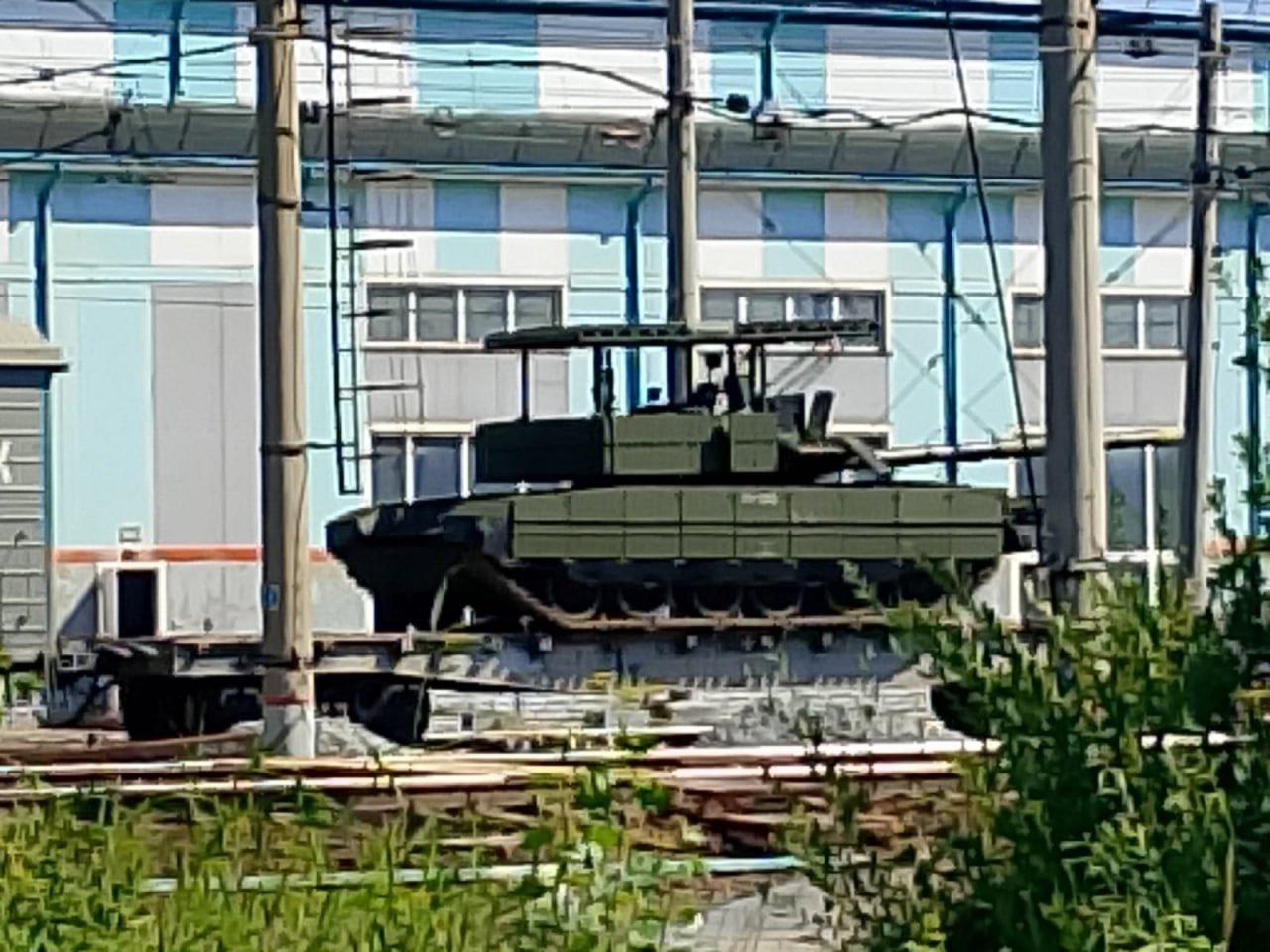
World
MOSCOW — A modernized Russian T-80BVM main battle tank fitted with what appears to be a refined anti-drone protection system and an upgraded side armor package has been photographed on a railway flatcar in Russia. The image, which circulated on social media as a screenshot, shows the vehicle being transported in July 2026 toward an undisclosed destination. While the exact destination of the tank and the receiving military unit remain unknown, the sighting highlights Russia's continued efforts to improve armored vehicle protection against the growing threat posed by first-person-view (FPV) drones and loitering munitions. However, the screenshot alone does not independently verify the precise filming location beyond the July 2026 timeframe claimed in the social media post. Updated Anti-Drone Protection Visible The most noticeable feature in the image is a redesigned turret-mounted anti-drone shield. The wire-mesh or slat-armor structure, commonly known among Russian and Ukrainian troops as the "Mangal" or "barbecue grill," is intended to detonate shaped-charge warheads carried by FPV drones and loitering munitions before they can strike the tank's thinner top armor. The photograph also appears to show an updated arrangement of explosive reactive armor (ERA) along the side skirts and turret. ERA uses explosive-filled armor blocks that detonate outward when hit, helping disrupt incoming anti-tank projectiles before they reach the vehicle's main armor. Although the image suggests further refinements to the protection package, the presence of additional onboard systems cannot be confirmed from the available photograph. T-80BVM Modernization The T-80BVM is the latest modernization of the Soviet-era T-80BV main battle tank. It was first publicly unveiled during Russia's Zapad military exercise in 2017 and entered service with the Russian Ground Forces in 2018. Unlike the diesel-powered T-72 family, the T-80BVM is powered by a GTD-1250 series gas turbine engine producing approximately 1,250 horsepower, providing high mobility across a variety of terrain. Its modernization also introduced the Relikt explosive reactive armor (ERA) system, replacing the earlier Kontakt-1 ERA. Relikt provides improved protection against both shaped-charge warheads and kinetic energy projectiles and covers major sections of the hull front, side skirts, and turret frontal arc. Follows Recent Factory Upgrades The configuration seen in the July 2026 image closely follows recent upgrades introduced by Russian tank manufacturer Uralvagonzavod. On May 9, 2026, ahead of Victory Day, Rostec—the state-owned defense conglomerate that owns Uralvagonzavod—announced the delivery of upgraded T-90M, T-80BVM, and T-72B3M tanks to Russian forces. According to Rostec, the vehicles incorporated lessons learned from combat operations and feedback from frontline personnel. The upgraded tanks featured reinforced anti-drone cages, additional explosive reactive armor on the side skirts and rear sections, and the Volnorez electronic warfare system. Volnorez uses two omnidirectional antennas to jam drone control signals at distances of 600 to 1,000 meters, providing an additional layer of protection against FPV drone attacks. Continued Evolution Against Drone Threats Military Watch Magazine reported that the anti-drone cage designs introduced in the May 2026 deliveries represented a further evolution of protective measures first adopted by Russian forces in 2022. Similar approaches to improving top-attack protection have since appeared in several other countries, including South Korea and Israel. If the July 2026 rail transport image reflects another updated version of the design, it suggests Uralvagonzavod continues refining the protection package based on operational experience rather than adopting a fixed configuration. The latest sighting also reflects the growing importance of drone protection as unmanned aerial systems continue to influence battlefield tactics and armored vehicle survivability. Protection Comes With Operational Trade-Offs Additional protective structures can improve resistance against drone attacks but may also create operational limitations. Analysis published by The National Interest, citing data from the Dutch open-source intelligence group Oryx, which documents equipment losses through verified photographs and videos, reported that 35 Russian T-80BVM tanks have been captured by Ukrainian forces since 2022. According to the same analysis, some of those vehicles carried heavier anti-drone cage designs, often referred to online as "cope cages." While these structures may improve protection against top-attack drones, they can also reduce crew visibility, restrict turret traverse, and limit aiming angles, potentially affecting the tank's responsiveness during combat. Expert Reaction Commenting on the railway image, an account associated with armored vehicle specialist Andrey Tarasenko described the visible configuration as "a step forward compared to the previous one, no joke." The comment suggests the design represents a meaningful improvement over earlier protection layouts. However, the technical reasons behind that assessment and the credentials associated with the circulating account could not be independently verified. Ongoing Battlefield Adaptation The latest sighting adds to the growing record of incremental upgrades being made to Russian armored vehicles as manufacturers continue adapting tanks to counter the widespread use of FPV drones and loitering munitions. While the available image does not confirm where the tank is being deployed, it provides another indication that Russian industry is continuing to refine the T-80BVM's protection package based on operational experience and evolving battlefield requirements. Source : defence-blog
Read More → Posted on 2026-08-01 15:30:25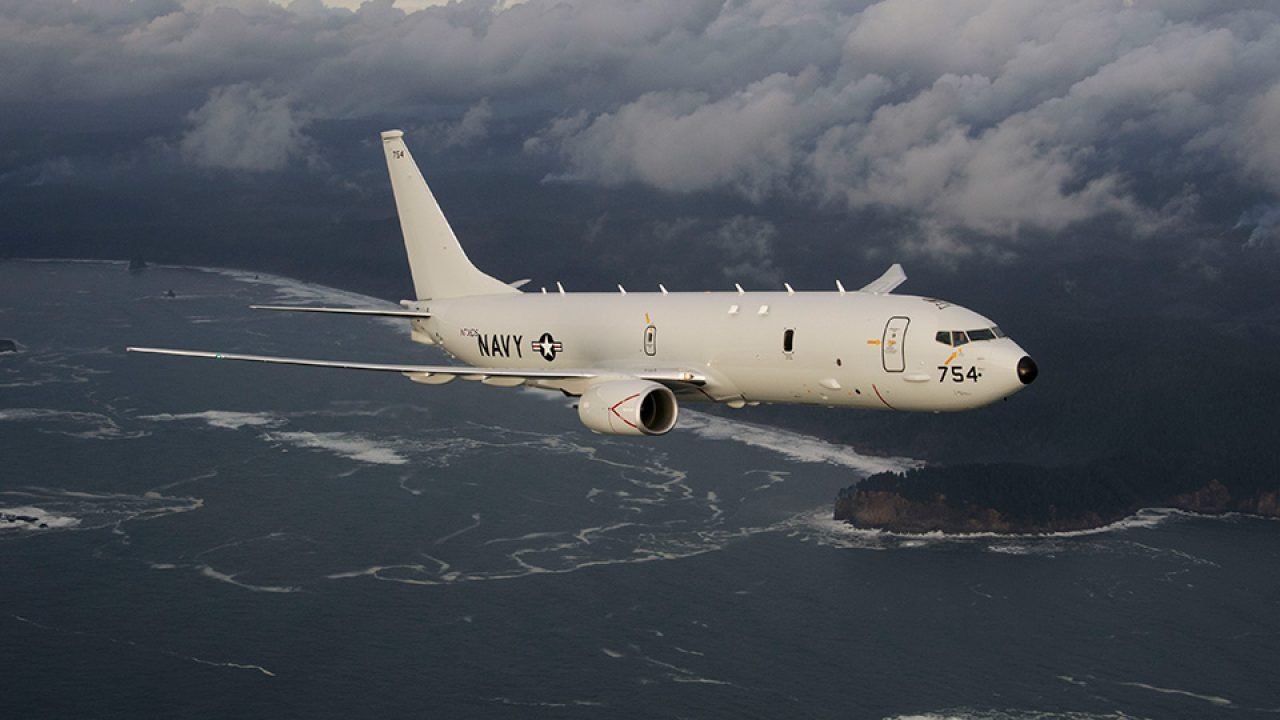
U.S
SEATTLE — Boeing has received an $11,381,402 cost-plus-fixed-fee order from the U.S. Department of Defense to develop, test, and deliver updated flight control software for the P-8A Poseidon maritime patrol aircraft. The award, announced in a U.S. Department of Defense contracts notice dated July 31, 2026, supports continued modernization of the aircraft's flight-critical systems. The contract covers the development of updated aircraft-loadable black label software for the Enhanced Digital Flight Control System (EDFCS), which manages the P-8A's autopilot functions. Black label software refers to flight-critical software that has completed the military's highest level of safety certification. The software package will be installed as an operational retrofit on aircraft already in service. Software Update to Correct Six Autopilot Issues According to the contract notice, the updated software will resolve deficiencies identified during software design description, developmental testing, and operational testing of the P-8A autopilot. The corrections are intended to improve the aircraft's automated flight control performance. The update addresses six specific issues: Altitude acquire problems, affecting the aircraft's ability to climb or descend to a selected altitude and maintain it. Autopilot placard speed exceedance, caused by delayed throttle retard, which can allow the aircraft to exceed its maximum certified operating speed. Pitch oscillations during airspeed climbs and descents. Unexpected autopilot mode switching from altitude acquire mode to vertical speed mode after a speed command change. Slow auto-throttle response, reducing how quickly engine power adjusts to pilot commands. Bank limit margin tuning, refining the aircraft's bank angle during automated turns. The Department of Defense stated that these deficiencies were identified through the normal developmental and operational testing process. The contract announcement does not mention any accidents or immediate safety concerns associated with the identified issues. P-8A Poseidon Remains a Key Maritime Patrol Aircraft The P-8A Poseidon is a militarized version of the Boeing 737-800ERX and serves as the U.S. Navy's primary maritime patrol and anti-submarine warfare aircraft. It was developed to replace the aging P-3 Orion fleet. The aircraft is equipped with an open-systems mission computing architecture that integrates radar, acoustic sensors, electronic support measures, and infrared sensors into a single tactical system. Operated by a nine-person crew, the P-8A is designed to detect, track, and engage submarines and surface vessels using torpedoes, anti-ship missiles, and other weapons carried in its internal weapons bay and on external wing pylons. International Fleet Supports Continued Modernization The P-8A is operated by the U.S. Navy, Royal Australian Air Force, Royal Air Force (United Kingdom), and the Royal Norwegian Air Force. Other operators and customers include India (P-8I variant), New Zealand, the Republic of Korea, Germany, and Canada. As the international fleet continues to expand, software updates such as this one help maintain common flight control standards and support ongoing modernization across partner nations. Contract Details All development, testing, and integration work will be performed at Boeing's facilities in Tukwila, Washington, with completion expected by February 2028. The $11,381,402 order is funded by the Royal Australian Air Force, with funding obligated at the time of award. According to the contract notice, none of the funds will expire at the end of the current fiscal year. The order was not competed and was issued by Naval Air Systems Command (NAVAIR) in Patuxent River, Maryland, under a previously awarded basic ordering agreement. The contract provides Boeing with approximately two years to complete development, testing, and formal delivery of the updated flight control software package for the P-8A Poseidon fleet.
Read More → Posted on 2026-08-01 15:11:31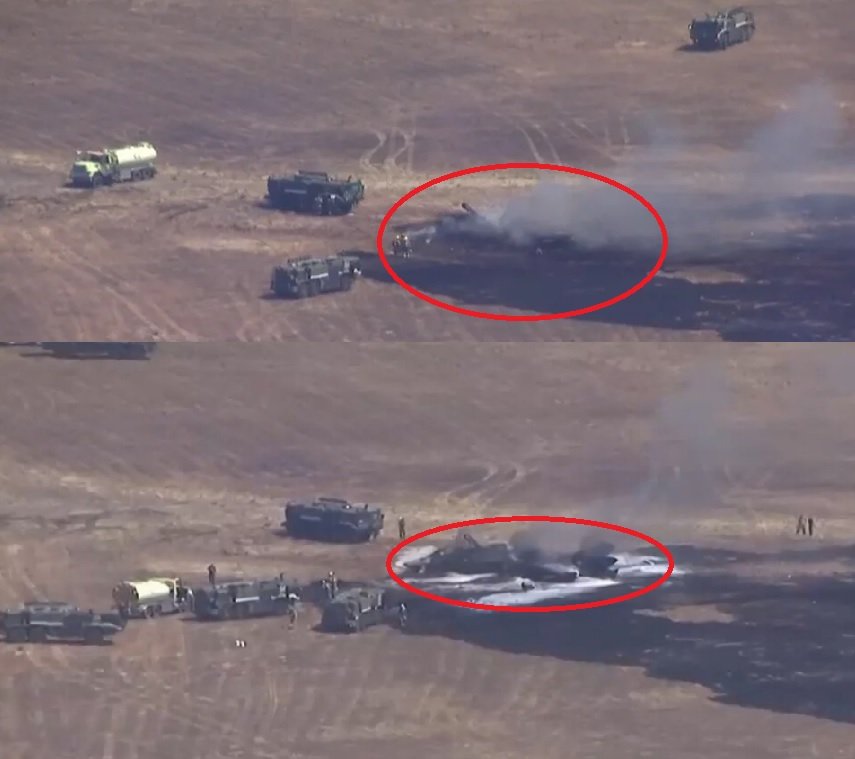
U.S
SAN DIEGO — A U.S. Marine Corps F-35B Lightning II fighter aircraft crashed while approaching the runway at Marine Corps Air Station (MCAS) Miramar on Friday morning, July 31, after the pilot ejected safely before impact. The pilot sustained non-life-threatening injuries and is recovering in stable condition, according to the U.S. Marine Corps. The crash occurred at approximately 10:00 a.m. local time near the runway, just south of Miramar Road near Mitscher Way. According to base air traffic control audio, the aircraft was on a short final approach to the runway when the incident occurred. An eyewitness near the base reported seeing two military aircraft descending toward the runway. The first aircraft landed normally, while the second appeared to slow significantly, almost hovering, before the pilot ejected at an altitude of about 100 feet. The aircraft then crashed into a dirt field, breaking into two large sections across a scorched area roughly the size of a football field. The F-35B was assigned to Marine Aircraft Group 11 (MAG-11), which operates under the 3rd Marine Aircraft Wing headquartered at MCAS Miramar. Officials confirmed the pilot was the aircraft's sole occupant, and no other injuries were reported. Emergency response teams from MCAS Miramar and the San Diego Fire-Rescue Department arrived at the scene shortly after the crash. The impact ignited a vegetation fire that spread across several acres. Firefighters used firefighting foam and white flame retardant to suppress the flames and successfully extinguished the brush fire by early afternoon. In a statement, the 3rd Marine Aircraft Wing confirmed that the pilot's parachute deployed successfully. The pilot was recovered at the crash site and transported to a local medical facility for evaluation and treatment. Military officials have not released the pilot's identity. The Marine Corps has classified the accident as a Class A mishap, the military's highest aviation accident category. The classification is used when an aircraft is destroyed, a fatality occurs, or property damage exceeds $2 million. In this incident, officials confirmed the aircraft was destroyed. Military personnel secured the crash site, and an investigation has been launched to determine the cause of the accident. Officials have not released details about the flight or the circumstances that led to the crash. "Our primary focus remains on supporting emergency teams at the scene, ensuring thorough site security, and conducting an exhaustive review into the circumstances surrounding this aircraft mishap," a base public affairs officer said. The F-35B Lightning II is the short takeoff and vertical landing (STOVL) variant of the F-35 fighter aircraft. The Marine Corps operates the aircraft from amphibious assault ships, expeditionary sites, and conventional airfields. Marine Aircraft Group 11, part of the 3rd Marine Aircraft Wing based at MCAS Miramar in Southern California, provides combat-ready aviation forces and supports the training of Marine and Navy pilots. A single F-35B aircraft costs more than $100 million to produce. The investigation into the crash remains ongoing, and the Marine Corps said additional information will be released as it becomes available.
Read More → Posted on 2026-08-01 14:18:26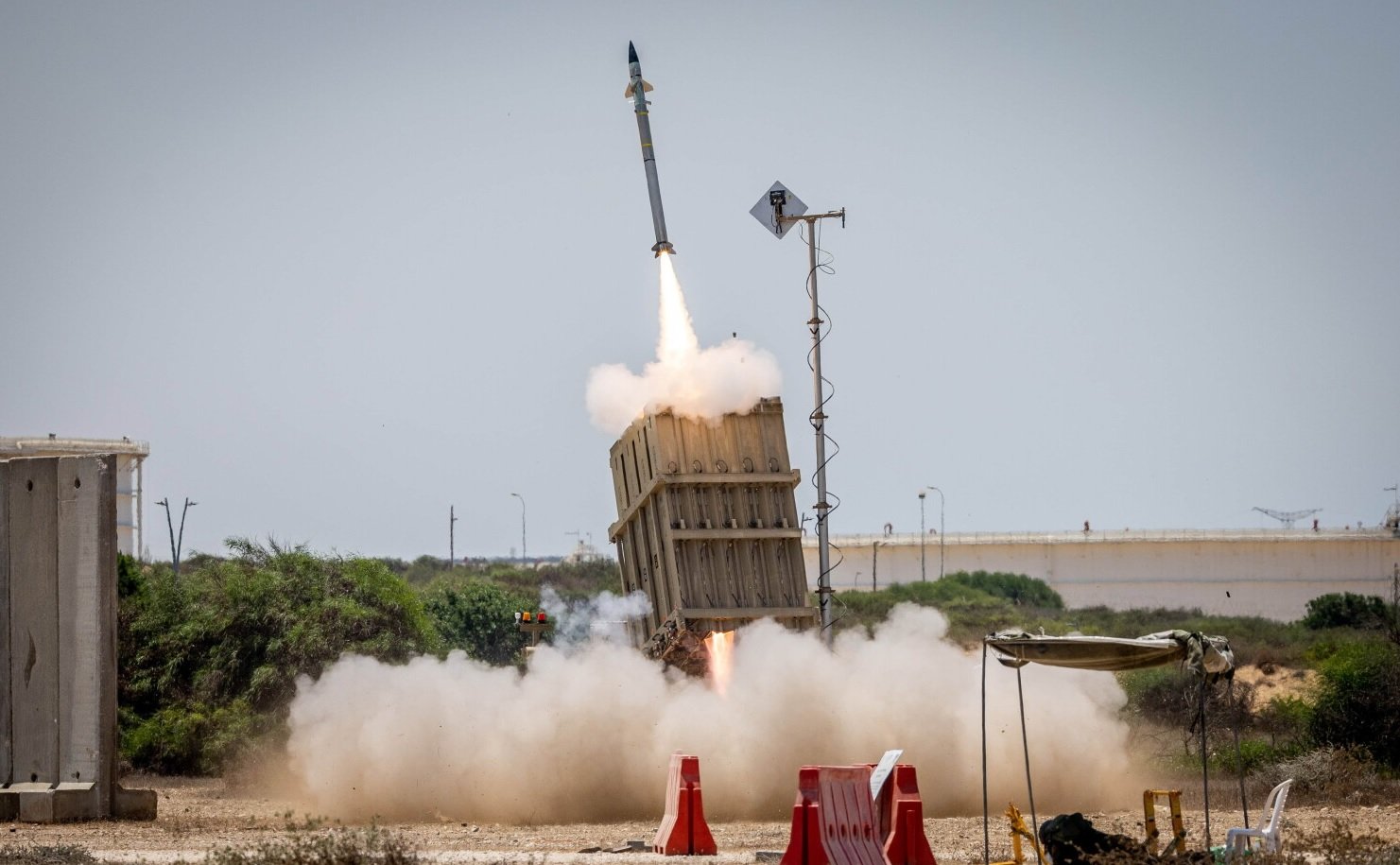
World
WASHINGTON, D.C. — Israel has blocked the United States from transferring two U.S.-owned Iron Dome air defense batteries to Ukraine, a decision that has drawn renewed attention as U.S. lawmakers debate legislation that would expand defense cooperation between Washington and Jerusalem. The issue has highlighted the complexities surrounding jointly developed military systems and raised questions among some members of Congress about future U.S. authority over the transfer of defense equipment to partner nations. Israel Prevented Transfer of U.S.-Owned Iron Dome Systems In 2023, U.S. Senators Lindsey Graham and Chris Van Hollen urged the United States to send two Iron Dome air defense batteries owned by the U.S. Army to Ukraine. The lawmakers said the systems could help protect Ukrainian civilians from Russian attacks and noted that each battery is capable of protecting approximately 150 square kilometers. Although the batteries were purchased and maintained using U.S. funds, the Iron Dome system was jointly developed by the United States and Israel. Under the joint-production agreement, Israel retains the authority to approve or reject transfers of the system to third countries. Israeli Prime Minister Benjamin Netanyahu exercised that authority and blocked the transfer. Israeli officials said the decision was based on concerns that the system's classified technology could be captured on the battlefield and eventually fall into the hands of Iran if deployed in Ukraine. At the time, Senators Graham and Van Hollen emphasized that they were not asking Israel to provide its own Iron Dome batteries but to allow the United States to transfer the American-owned systems. Israel has previously restricted transfers of Iron Dome technology to other countries for similar technology security reasons. Israel's Position on Military Assistance to Ukraine Israel has provided humanitarian assistance to Ukraine throughout the conflict, including field hospitals, water purification systems, and armored ambulances. However, it has consistently avoided supplying lethal weapons or advanced air defense systems. Former British Defence Secretary Ben Wallace has also said that he urged the Israeli government to provide broader military assistance to Ukraine. According to Wallace, Israeli officials declined because they did not want to risk relations with Russia. Patriot Systems Used Instead After the Iron Dome transfer was blocked, the United States pursued another option to strengthen Ukraine's air defenses. In early 2025, Israel returned older U.S.-owned Patriot air defense batteries that had been stored in Israel to the United States. The systems were subsequently refurbished and routed through Poland before being redirected to support Ukraine's air defense. Israeli officials stated that Israel did not directly transfer Patriot systems to Ukraine. Instead, the batteries were first returned to U.S. ownership, after which the United States decided how to use them. The Israeli Prime Minister's Office confirmed the return of the systems to the United States while stating it was not formally aware of their final destination. Debate Over New U.S.-Israel Defense Integration The Iron Dome dispute has gained renewed attention as Congress considers new provisions in the National Defense Authorization Act (NDAA). The House of Representatives has approved its version of the defense bill, including Section 219, which would expand cooperation between the U.S. and Israeli defense industries. The proposal has received support from the American Israel Public Affairs Committee (AIPAC). The measure promotes expanded joint research, development, and co-production in several areas, including: Artificial intelligence Cybersecurity Biotechnology Unmanned and autonomous systems Missile defense Counter-drone technology Supporters say the proposal would strengthen long-standing defense cooperation and advance joint technological development between the two countries. However, critics from both political parties have raised concerns that deeper industrial integration could increase Israel's influence over the future transfer of certain jointly developed U.S. weapons systems to third countries. Representatives Thomas Massie and Ro Khanna have argued that broader cooperation could create situations similar to the Iron Dome case, where the United States is unable to transfer a jointly developed system without Israeli approval. In the Senate, some lawmakers are seeking to block or amend the corresponding provision, known as Section 1217, arguing that it could complicate U.S. decision-making authority over military technology. The Senate's initial procedural vote on the defense bill failed in mid-July, and discussions over the legislation are expected to continue through the fall before Congress finalizes the annual defense authorization bill. The Iron Dome episode has become a prominent example in the ongoing debate over how jointly developed defense systems are managed. While supporters of expanded cooperation view the partnership as important for shared security and technology development, critics argue that the case demonstrates the practical limitations that can arise when transfer authority is shared between partner nations.
Read More → Posted on 2026-08-01 14:12:34
Science
MURMANSK, Russia — Russian scientists have identified a previously unknown rare-earth mineral, named Kola ashcroftine, at the Kirovsky mine in the Khibiny massif on the Kola Peninsula in the Murmansk region, according to the Russian Ministry of Science and Higher Education. The discovery was made by researchers from the Kola Science Center of the Russian Academy of Sciences, St. Petersburg State University, and the A.E. Fersman Mineralogical Museum. After comparing the specimen with existing mineral databases and finding no match, the research team confirmed that it represented a new mineral species. New Mineral Contains Rare-Earth Element Yttrium Kola ashcroftine contains the rare-earth element yttrium along with silicon, potassium, sodium, calcium, manganese, fluorine, and carbonate groups. According to the ministry, the presence of calcium, manganese, and fluorine distinguishes the mineral from related species, while its crystal structure ranks among the most complex known to science. The Khibiny massif, where the mineral was found, is one of Russia's best-known geological regions and is recognized for its rich deposits of rare minerals and rare-earth elements. Crystal Structure Among the Most Complex Known In appearance, Kola ashcroftine resembles ashcroftine-(Y), a rare pink, transparent and brittle silicate mineral previously reported from Greenland, Canada and Italy. However, the newly discovered mineral forms extremely thin, microscopic needle-like crystals. A scientific study published in the journal Minerals in May 2026 described the mineral under the designation KA (Kola ashcroftine). Researchers determined its idealized chemical formula as: K₆(Na₄Ca)(Y₈Ca₃Mn)Si₂₈O₆₈(OH)₂₈F₂·9H₂O Single-crystal X-ray diffraction analysis showed that the mineral has a tetragonal crystal structure built from silicate nanotubules measuring approximately 2 nanometers in diameter. Researchers said this unique internal architecture places Kola ashcroftine among a small group of very complex minerals. According to the Russian Ministry of Science and Higher Education, it ranks within the top 3.5% of the most structurally complex minerals currently known to science. Scientists also noted that the mineral is related to ashcroftine-(Y), although exact equivalence remains under discussion because historical structural data for the original ashcroftine material is limited. Estimated Value Exceeds Gold by Volume Due to its rarity and unique composition, Kola ashcroftine has been assigned a high estimated value. According to the Russian Ministry of Science and Higher Education, a thin coating of the mineral on host rock is valued at approximately $145 (about 12,470 rubles) per millimeter, making it more valuable than gold by volume. The estimate specifically refers to the mineral coating on rock rather than the bulk mineral itself. Further Research Planned Researchers said they will continue studying Kola ashcroftine to better understand its physical and chemical properties and to evaluate its potential practical and industrial applications. The discovery adds another mineral species to the Kola Peninsula's long history of mineralogical discoveries and further highlights the scientific importance of the Khibiny massif as a source of rare minerals and rare-earth elements. The announcement comes shortly after Rosgeology reported the discovery of Russia's largest ore gold deposit near the Fedorovskoye-Kedrovskoye area on the border of the Khakassia and Kuzbass regions.
Read More → Posted on 2026-08-01 13:56:19
Europe
MADRID, Spain — Spanish satellite operator Hisdesat has selected Airbus Defence and Space as the prime contractor for the development and construction of the SpainSat NG-III secure communications satellite, completing the industrial framework of the SPAINSAT NG Programme, a public-private partnership with the Spanish Ministry of Defence. The agreement, signed on July 31, will see Airbus design, integrate, and test the satellite, while Thales Alenia Space will serve as co-contractor. Financial terms of the contract were not disclosed. Supporting Spain's Secure Communications Network SpainSat NG-III will become part of Europe's most advanced secure military satellite communications constellation. The satellite is designed to provide high-capacity, encrypted command-and-control communications for the Spanish Armed Forces, government users, NATO, allied forces, and users under the European GOVSATCOM initiative. According to Airbus, the new satellite builds on the design of earlier SpainSat NG spacecraft while introducing improvements that increase operational flexibility, expand available bandwidth, and strengthen protection against jamming and other electronic threats. Advanced Payload and Protection Built on Airbus' Eurostar Neo platform, SpainSat NG-III will carry advanced X-band receive and transmit active antennas developed by Airbus in Spain. The company said these antennas deliver the performance of 16 conventional antennas and can reconfigure coverage up to 1,000 times per second, enabling rapid detection and mitigation of electronic interference, including jamming and spoofing attempts. Thales Alenia Space in Spain will develop the satellite's UHF and military Ka-band payloads while leading the assembly, integration, and testing of the communications module at its Tres Cantos facility. The satellite also incorporates hardened features designed to withstand high-altitude nuclear events and electromagnetic pulses (EMP). Airbus said it meets NATO requirements for signal intelligence, anti-jamming, and anti-spoofing capabilities. Launch Planned for 2030 SpainSat NG-III will follow a 48-month development schedule, with launch planned for the third quarter of 2030 and full operational capability expected in early 2031. Once operational alongside SpainSat NG-I, which launched in January 2025, the constellation will provide continuous geostationary communications coverage from North and South America across Europe, Africa, the Middle East, and eastward to Singapore, covering roughly two-thirds of the Earth's surface. Replacing SpainSat NG-II The new satellite is being developed after SpainSat NG-II, launched in October 2025, suffered non-recoverable damage following what its operator described as a space particle impact while transferring to its final geostationary orbit in January 2026. SpainSat NG-III will restore the lost capability and complete the planned constellation. The programme remains one of the largest space hardware initiatives undertaken by Spain's aerospace sector and continues to involve Airbus, Thales Alenia Space, and more than ten Spanish aerospace companies supplying subsystems and hardware. Alain Fauré, Head of Space Systems at Airbus Defence and Space, said SpainSat NG-III will reinforce Spanish and European strategic autonomy by providing mission-critical communications for Spain, NATO, and allied forces.
Read More → Posted on 2026-08-01 13:41:09
U.S
DAYTON, Ohio — The U.S. Air Force's Boeing F-47 next-generation fighter remains on schedule for its first flight in 2028, according to a senior Air Force official, as the aircraft advances into a key stage of development under the Next Generation Air Dominance (NGAD) program. Speaking at the Life Cycle Industry Days conference in Dayton, Ohio, on Wednesday, Gen. Dale White, director of Critical Major Weapon Systems and the Pentagon's direct reporting portfolio manager for major defense programs, said the F-47 has entered the Engineering and Manufacturing Development (EMD) phase with what he described as "unprecedented maturity." "The F-47 will fly in this administration," White said, referring to the timeline outlined in the fiscal year 2027 budget request. F-47 Enters Engineering and Manufacturing Development The EMD phase focuses on maturing, integrating and testing the aircraft's systems before production. White said the program is benefiting from "extreme teaming" with industry partners. The phase will produce a small number of test aircraft for evaluation, although he did not disclose how many. It also includes priced options for low-rate initial production (LRIP), establishing a path toward future manufacturing. The Boeing F-47 is the crewed fighter component of the Air Force's broader NGAD "family of systems," which also includes Collaborative Combat Aircraft (CCA) designed to operate alongside the fighter during future missions. Air Force officials have said the F-47 features a modular design that allows new technologies to be integrated over time while supporting long-range strike operations in contested environments. Earlier Air Force information states the aircraft is intended to provide air superiority, with a combat radius greater than 1,000 nautical miles and speeds above Mach 2. Air Force Plans to Buy 185 Aircraft The Air Force plans to procure at least 185 F-47 fighters, roughly matching the size of the F-22 Raptor fleet that the new aircraft is intended to replace. President Donald Trump announced Boeing's selection for the program in March 2025, officially moving forward with the NGAD fighter effort. At the time, Trump said: "In terms of all of the attributes of a fighter jet, there's never been anything even close to it, from speed to maneuverability, to what it can have, to payload. America's enemies will never see it coming." More Than $5 Billion Requested for Development The F-47 program received approximately $3.45 billion in fiscal year 2026 funding. The fiscal year 2027 budget request includes more than $5 billion for continued development, representing a 65% increase over the previous year's funding. Budget projections indicate that research and development spending is expected to peak at around $5.25 billion in 2028 before gradually declining in subsequent years. Including previous allocations, total funding for the program is approaching $8.5 billion. Boeing began manufacturing the first F-47 airframe in late 2025. Air Force leaders have previously stated that experimental work on technologies supporting the aircraft had already been underway for several years before the formal development contract was awarded. White's remarks reaffirmed that the 2028 first-flight schedule remains unchanged as the Air Force continues engineering, manufacturing and flight-test preparations for its next-generation air superiority fighter. In addition to the F-47, White oversees a defense portfolio valued at nearly $250 billion, including the B-21 Raider bomber and the Sentinel and Minuteman III strategic missile programs.
Read More → Posted on 2026-08-01 13:30:39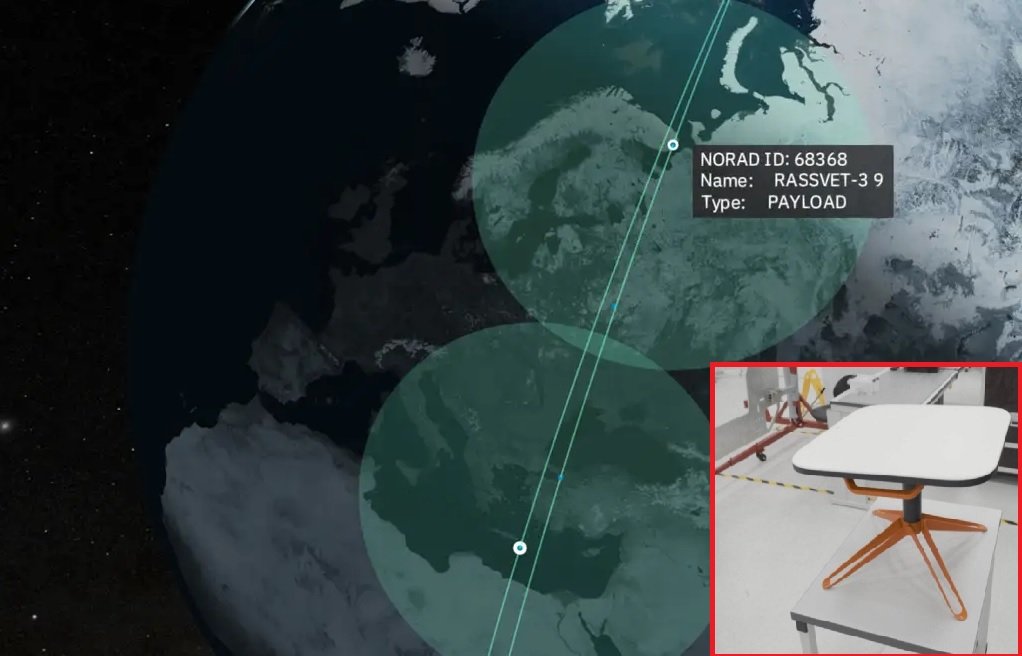
World
MOSCOW — Russia's Bureau 1440 has reached a new milestone in the deployment of its low-Earth orbit (LEO) Rassvet satellite constellation, with the first operational group now providing at least two stable communication windows over Ukraine each day, according to trajectory analysis shared by satellite communications expert Volodymyr Stepanets. Speaking to Ukrainian defense publication Militarnyi, Stepanets said the first batch of 16 Rassvet communications satellites, launched in late March 2026, has formed a configuration capable of supporting regular satellite connectivity over Ukraine. As of July 31, 2026, 12 satellites had reached their planned operational altitude of 550 kilometers, three satellites were still gradually ascending, and one satellite had burned up, reportedly due to a manufacturing defect. According to Stepanets, the current satellite formation provides at least two communication windows per day, each lasting between one and one-and-a-half hours. Additional satellite passes occur more frequently, with multiple satellite chains moving across different regions at intervals of about 1.5 hours, creating relatively dense coverage. Tracking data from the N2YO satellite monitoring service shows that the Rassvet satellites pass within line of sight over Ukraine four times each day. However, only two or three of those passes rise high enough above the horizon to provide stable communication links with ground terminals. During these communication windows, the satellite network could theoretically support communications and control for Russian military systems, including maritime drones and heavier strike and reconnaissance unmanned aerial vehicles (UAVs) such as the Geran-2, Geran-3, and Geran-4 series. Ground Terminals Designed for High-Speed Connectivity Bureau 1440 has also completed development of the base version of its subscriber terminal and is preparing to begin mass production. The terminals measure up to 60 centimeters in length and width, weigh less than 15 kilograms, and provide bandwidth of up to 1 Gbit/s. They are designed to operate in temperatures ranging from -40°C to +40°C. Like SpaceX's Starlink terminals, the Rassvet terminals use active phased-array antenna technology, enabling them to automatically locate satellites, establish connections, and maintain links without manual antenna positioning. Once production increases, the terminals are expected to be introduced into Russian military service. Potential applications include deployment at command posts, aboard military vehicles and naval vessels, and integration with long-range strike and reconnaissance UAVs, including future Geran-5 variants, the Garpiya, and other unmanned platforms. Defense analysts also assess that the communication links could support guidance for cruise missiles, glide bombs, and similar systems. Second Satellite Batch Launched Russia launched a second batch of 16 Rassvet satellites in late July 2026. If these satellites follow the same deployment timeline as the first group, they are expected to reach operational altitude by October or November 2026, adding two more daily communication windows over Ukraine. Bureau 1440's official roadmap targets the start of commercial operations in 2027 as part of its plan to build a domestic low-Earth orbit broadband communications network. Earlier company plans outlined expansion of the constellation to 250 satellites by 2027, 730 satellites by 2030, and more than 900 satellites by 2035. Based on those targets, maintaining the planned schedule would require launching approximately 16 satellites each month. So far, however, launches have taken place at a rate of roughly one mission every four months. Even at the current pace, analysts estimate that a fourth batch of satellites could be launched by March 2027. If deployment continues as expected, the constellation could become large enough to provide continuous satellite coverage over Ukraine by mid-summer 2027. According to Ukrainian defense experts cited by Militarnyi, this timeline provides a limited period for the development and deployment of electronic countermeasures before the Rassvet constellation reaches continuous operational capability. Rassvet Program Development Bureau 1440, a company within IKS Holding, began developing the Rassvet satellite program through the experimental Rassvet-1 and Rassvet-2 missions conducted in 2023 and 2024. The project transitioned to operational satellite deployments in 2026 and is intended to establish Russia's domestic low-Earth orbit broadband communications network. Source : militarnyi
Read More → Posted on 2026-08-01 13:15:44Search
Top Trending in 24 Hours
-
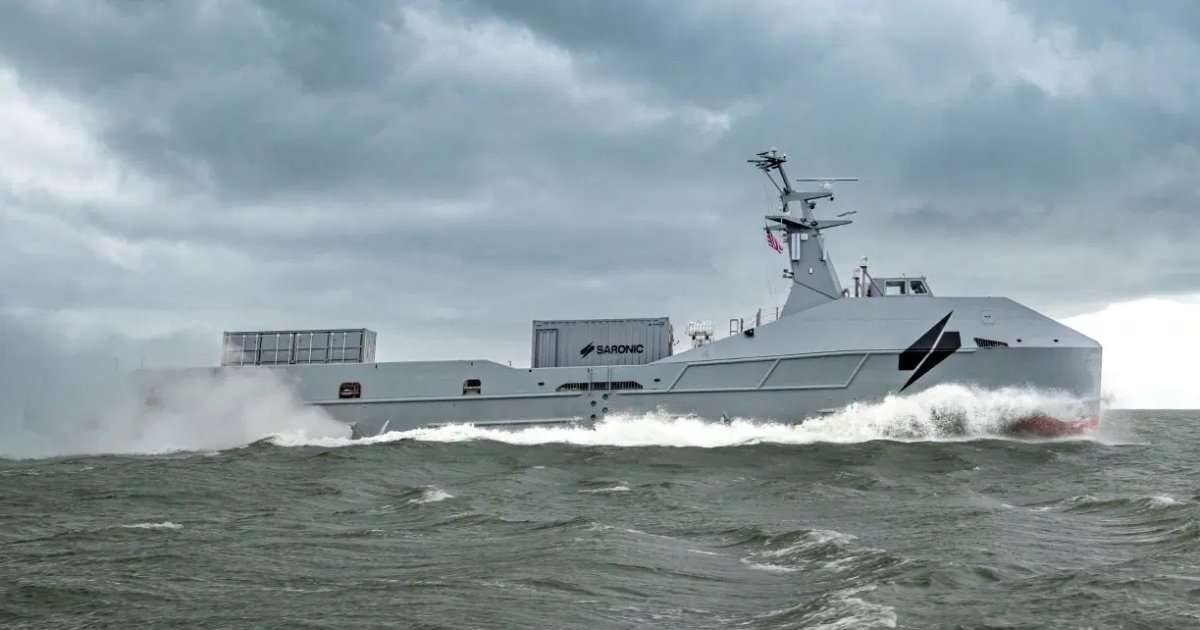 U.S. Navy Awards Production Agreements for 30 Medium Unmanned Surface Vessels, Including 10 Saronic Marauders
-
 Boeing Wins $20 Billion U.S. Navy Contract for F/A-XX Sixth-Generation Fighter
-
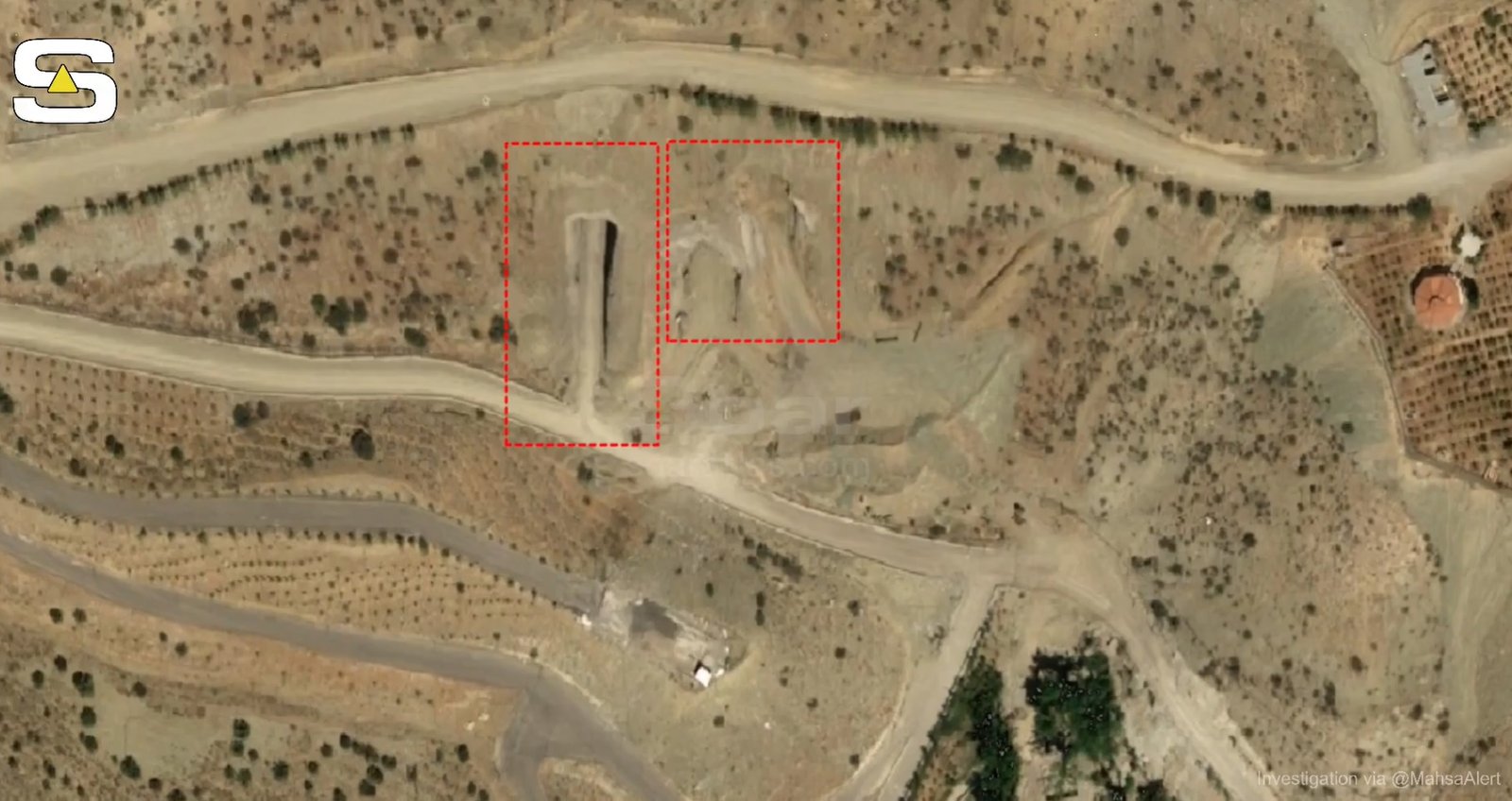 Satellite Imagery Shows Construction Changes at Hillside Site Linked to Iran’s Supreme National Security Council
-
 Flydubai Flight to Israel Diverted to Saudi Arabia After Possible Attempted Terror Attack in Cockpit
-
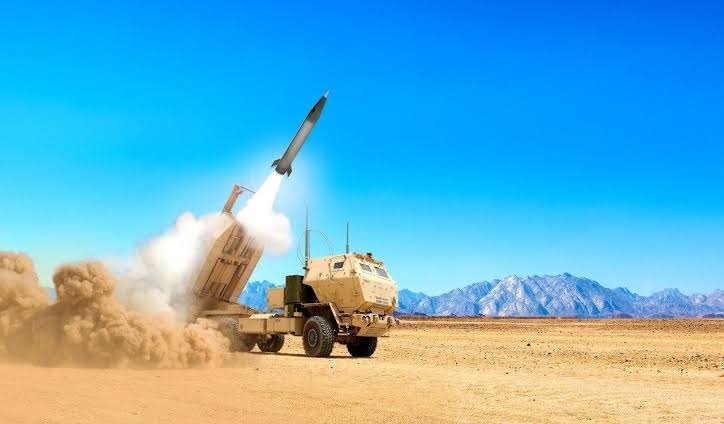 U.S. Army Selects Five Companies to Develop 1,000-Km Precision Strike Missile Prototypes
-
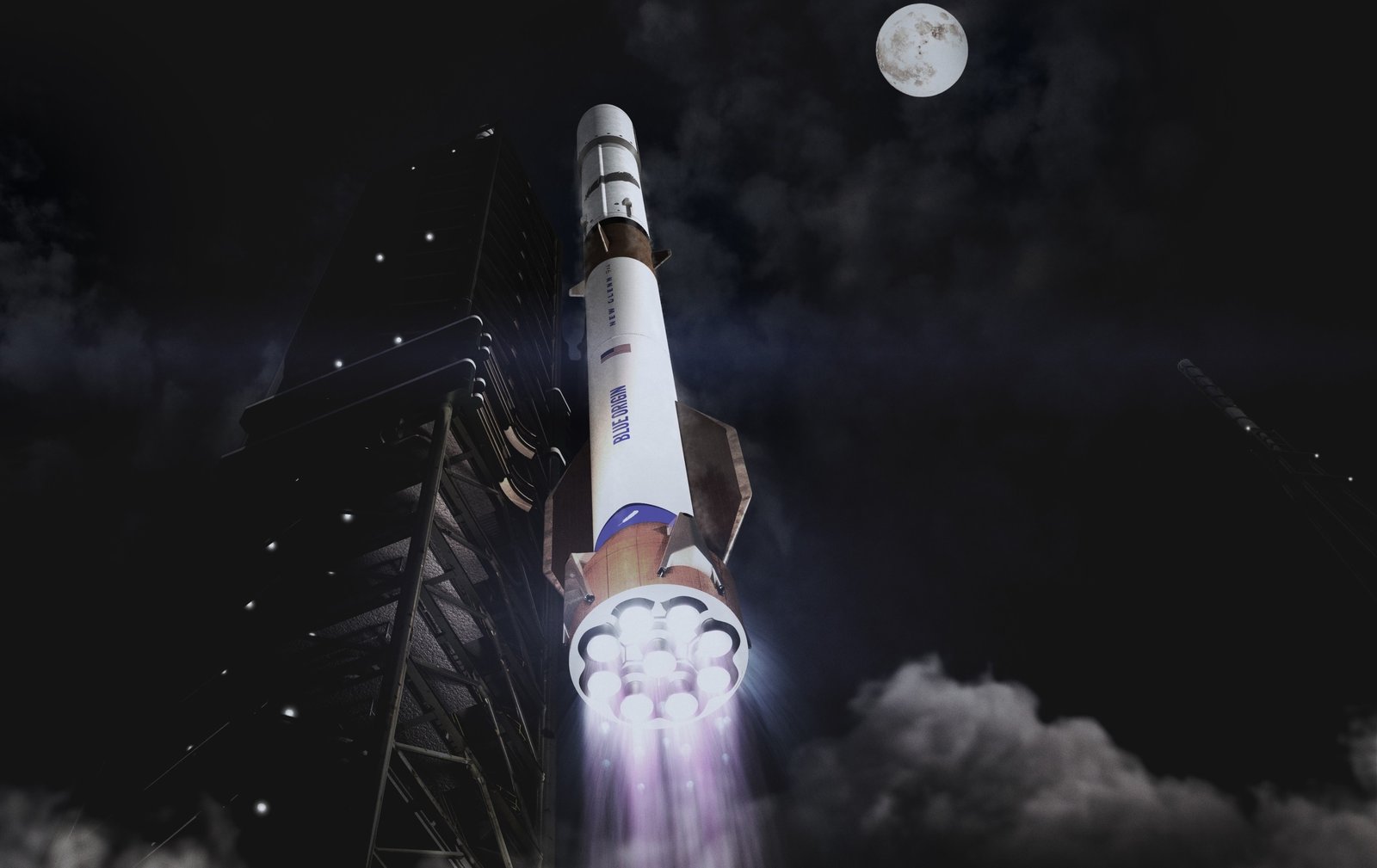 NASA Adds Blue Origin’s Upgraded New Glenn 9×4 to Launch Services Contract
-
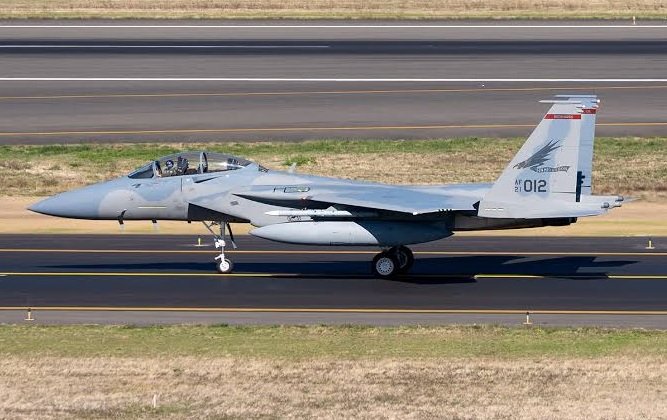 U.S. Air Force Awards Boeing $2.38 Billion Contract for 22 F-15EX Fighter Jets
-
 U.S. Army Awards Heaviside Industries $99 Million Contract for MOTH RF Spectrum Analyzers
Top Trending in 4 Days
-
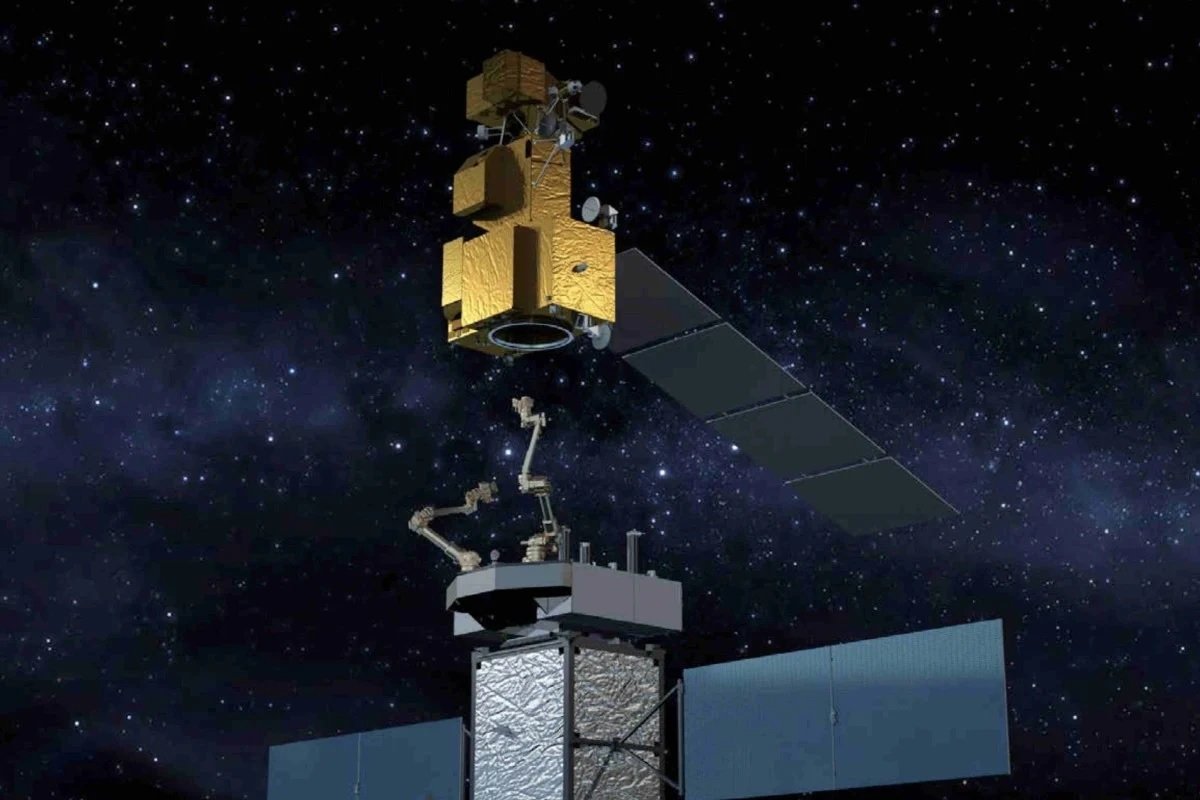 China Reports First High-Orbit Refueling of BeiDou Satellite, but Tracking Data Raise Questions
-
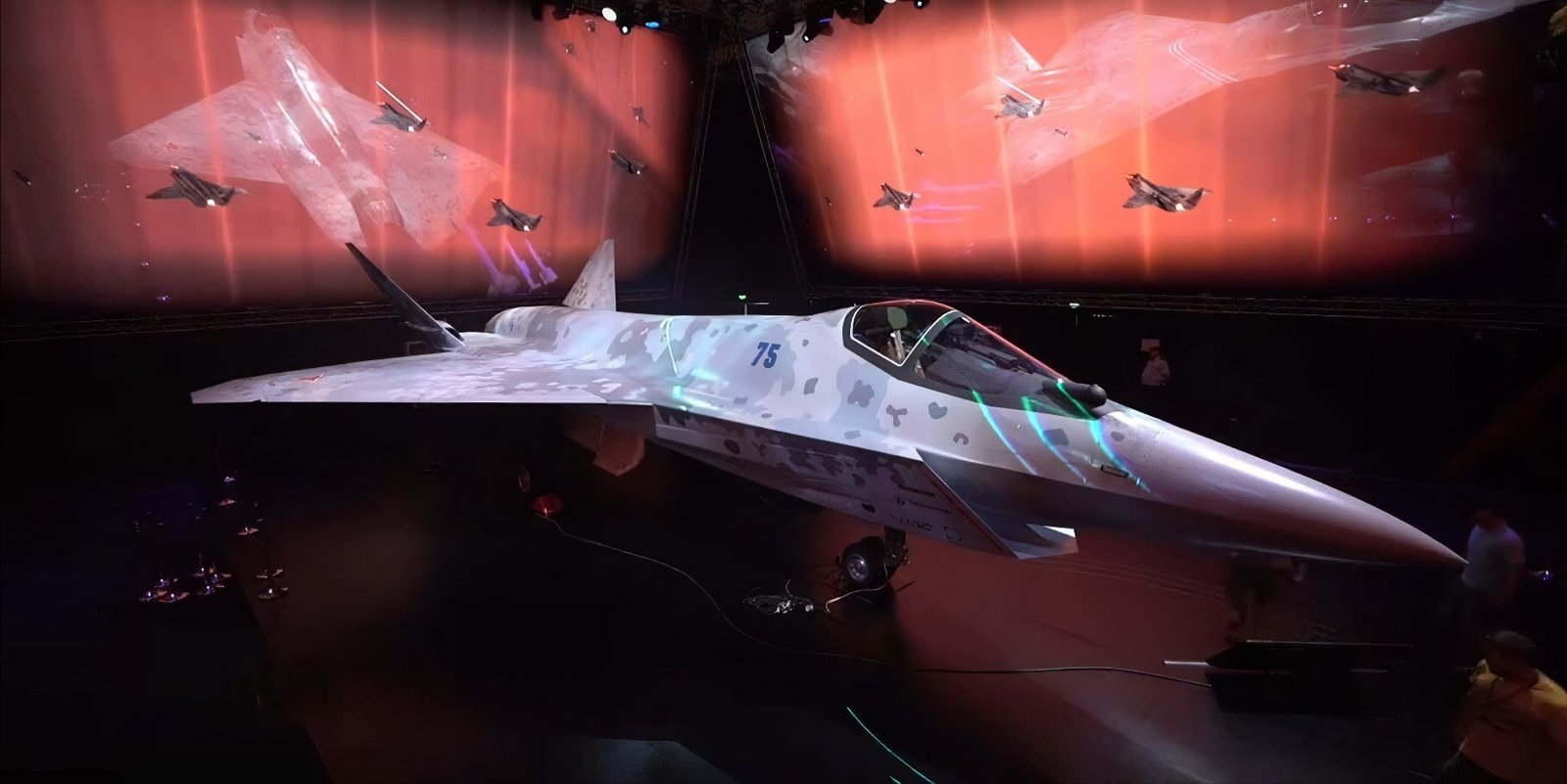 Russia Says Su-75 Checkmate Could Cost Just $25–30 Million, Flight-Hour Costs 6 Times Lower Than F-35
-
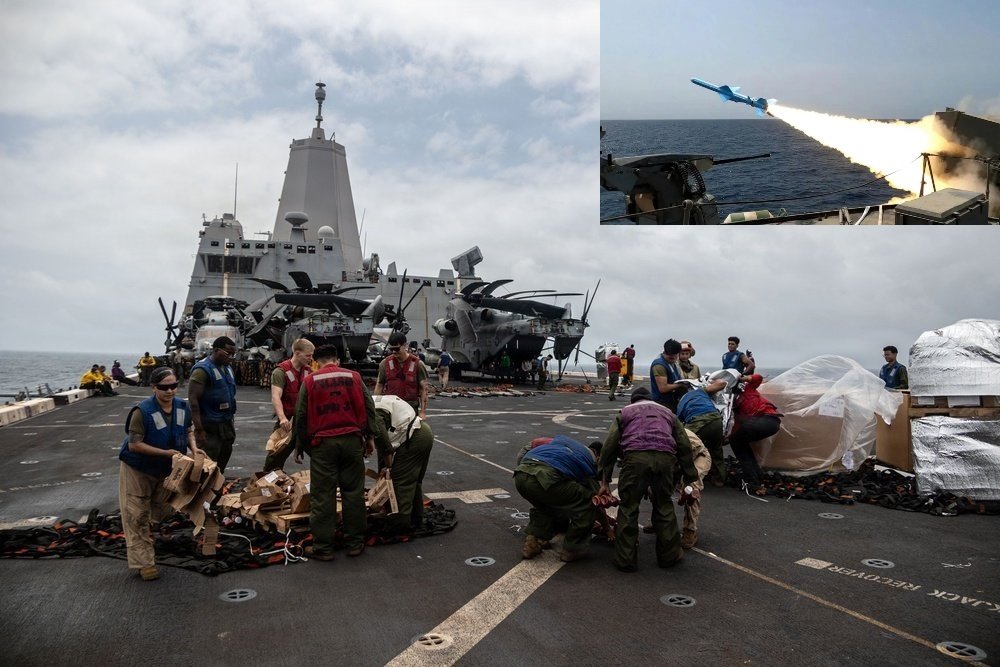 Eight U.S. Marines Injured in Iranian Missile Strike on U.S Vessel in Strait of Hormuz
-
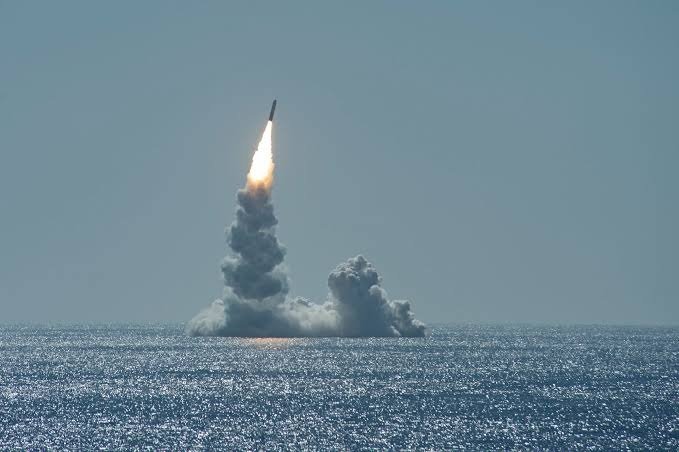 UK Offers Nuclear Deterrence for Its Northern European Defence Partners
-
 U.S. and Russia Remove Human-Review Rules From Draft UN AI Weapons Framework
-
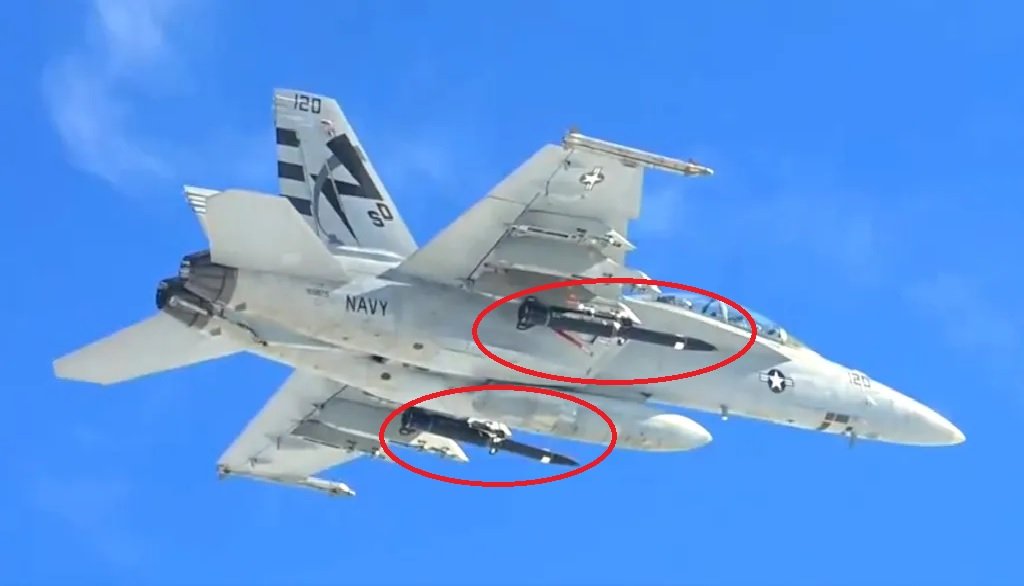 U.S. Navy Begins Flight Testing Blackbeard Hypersonic Missile on F/A-18 Super Hornet
-
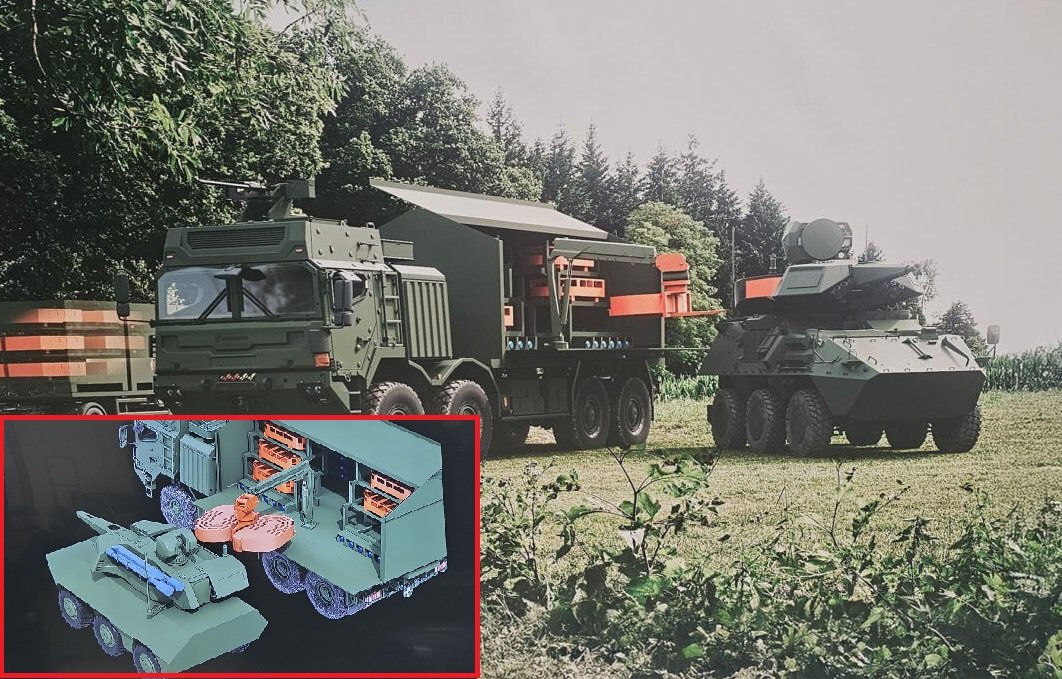 Rheinmetall Develops Automated Reloader for Austrian Skyranger Air Defense System
-
 HII Expands Massachusetts Unmanned Systems Facility by 25 Percent to Support U.S. Navy Lionfish Production
