World
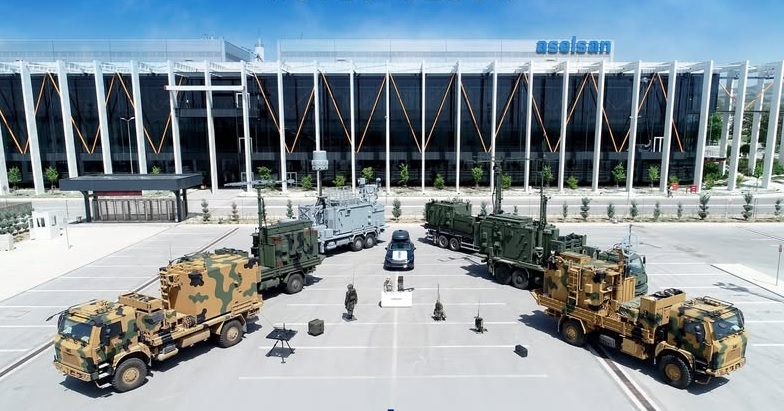
ASELSAN, Türkiye’s leading defense technology giant, has set a new benchmark in 2024 by securing over $1 billion in export contracts, marking the highest overseas sales in its history. The company’s rapid expansion, innovative product lineup, and increasing international demand have strengthened its status as a key global defense player. With new deals across land, naval, and air defense domains, ASELSAN has reinforced its leadership in high-tech military solutions while expanding its presence to new markets. Unprecedented Export Growth and Key Deals This year, ASELSAN’s direct export revenues surged to $217 million, double the previous year, while indirect exports through military platforms—such as armored vehicles, naval ships, and aerial systems—amounted to $291 million. In total, ASELSAN’s export volume reached $508 million, a clear sign of its steady global expansion. At SAHA EXPO 2024, the company finalized major contracts worth $95.1 million with Türkiye’s drone manufacturer Baykar, covering friend-or-foe recognition systems, satellite communication units, airborne radios, guided munition kits, and electro-optical payloads. These deals are intended for various customers across Asia and Africa, highlighting ASELSAN’s increasing foothold in emerging markets. New Markets and Cutting-Edge Military Technologies In a bold expansion move, ASELSAN signed contracts with seven new countries, bringing the total number of nations using its technology to 92. This year also saw the export of 31 cutting-edge products for the first time, including: ASELFLIR-500: A next-gen electro-optical surveillance system widely integrated into UAVs, exported to 16 countries in its debut year. GÖZDE & KGK Guidance Kits: Advanced precision-guided munition kits enhancing air-to-ground strike capabilities. CENK Naval Radars: High-performance maritime surveillance systems. FERSAH Anti-Submarine Sonar: Designed for underwater threat detection and engagement. To address evolving battlefield threats, ASELSAN also introduced a new wave of anti-drone and jamming systems, such as: KORKUT 25 mm Remote-Controlled Weapon System for short-range air defense. BUKALEMUN GNSS Spoofing System to disrupt enemy navigation. KANGAL-FPV Jamming System to neutralize swarming drone attacks. SEDA 100-cUAV Acoustic Detection System for enhanced battlefield awareness. Strengthening Global Presence & Space Technology Contributions With a growing global demand for advanced defense systems, ASELSAN expanded its physical footprint by opening new offices in six additional countries, bringing its international network to 20 locations. This strategic move aims to enhance after-sales support and strengthen defense collaborations. Beyond military applications, ASELSAN also contributed to Türkiye’s first indigenous communication satellite, TÜRKSAT-6A, by supplying Ku-Band and X-Band LOCUS payloads. This milestone positions ASELSAN as a major player in satellite and space-based communication technologies, a field crucial for both defense and commercial use. CEO’s Vision and Future Strategy ASELSAN President & CEO Ahmet Akyol called 2024 a transformational year for the company, citing record-breaking orders and deliveries. He noted ASELSAN’s rise in the Defense News Top 100 rankings, where it climbed five positions, making it one of the world’s fastest-growing defense firms. As ASELSAN approaches its 50th anniversary in 2025, it remains committed to advancing next-generation military technology under its aselsaneXt2030 strategy. The company aims to maintain technological leadership by investing in AI-driven defense systems, smart munitions, and advanced electronic warfare solutions. ASELSAN’s $1 billion export success in 2024 underscores its growing dominance in the global defense market. By expanding into new regions, delivering state-of-the-art weaponry, and playing a critical role in Türkiye’s defense and space sectors, the company is well-positioned for continued international success in the years ahead.
Read More → Posted on 2025-02-03 14:04:26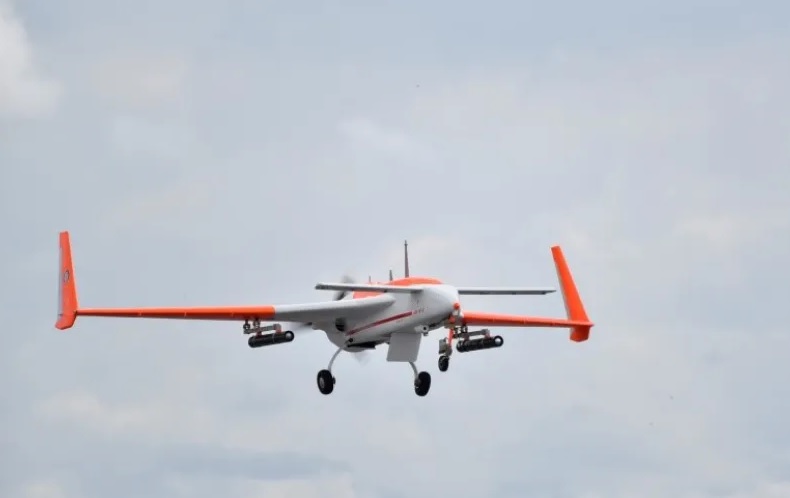
India
India is making significant strides in unmanned warfare, with the Aeronautical Development Establishment (ADE), a key laboratory under the Defence Research and Development Organisation (DRDO), working to enhance the Archer Short-Range Unmanned Aerial Vehicle (SRUAV). The latest upgrade? Equipping it with the Smart Anti-Airfield Weapon (SAAW), a domestically developed precision-guided munition designed to destroy enemy airfield infrastructure from long distances. This move is set to transform the Archer into a lethal strike platform, significantly expanding its battlefield role. The Archer UAV, based on the Rustom-1, has already proven its ability to carry out armed missions. It can fly at altitudes of up to 22,000 feet, has an endurance of 12 hours, and is powered by a 16-horsepower piston engine. Designed primarily for surveillance and reconnaissance, it has been undergoing extensive modifications to support weaponized operations. With a payload capacity of 200 kg, the Archer can carry a mix of precision-guided bombs, anti-tank missiles, and now, the SAAW. The SAAW is a lightweight, high-precision, long-range air-to-ground weapon designed to take out airstrips, bunkers, and radar installations without putting manned aircraft in harm’s way. Weighing approximately 125 kg, it can strike targets from a distance of 100 km, allowing the Archer UAV to engage enemy assets from a safe distance. This makes it a perfect fit for drone warfare, where the ability to hit hard without direct engagement is crucial. With this new integration, the Archer UAV is being modified to carry at least two SAAWs, effectively doubling its offensive capability in a single sortie. This requires significant upgrades to its avionics, flight control systems, and payload integration mechanisms. The ability to launch precision strikes from an unmanned platform provides a massive tactical advantage to the Indian Armed Forces, reducing risks for pilots while maintaining high lethality. This development solidifies India's progress in indigenous drone warfare capabilities, placing it alongside nations that have successfully armed UAVs for strategic and tactical missions. The move could also boost India’s defense exports, as countries seeking cost-effective unmanned combat solutions may express interest in the Archer-SAAW combination. India's commitment to self-reliance in defense technology is evident in these advancements, and the ADE-DRDO partnership is ensuring that the Archer UAV evolves into a battle-ready platform capable of conducting precision strikes deep inside enemy territory. With growing geopolitical tensions, the need for stealthy, high-precision, and cost-effective airstrike solutions has never been greater—and India is now firmly on that path.
Read More → Posted on 2025-02-03 13:59:59
World
Spain has achieved a significant milestone in its space and defense capabilities with the successful launch of the SpainSat NG I, hailed as Europe's most advanced communications satellite. This state-of-the-art satellite is set to revolutionize secure communications for the Spanish Armed Forces and allied nations. Launch Details On January 29, 2025, the SpainSat NG I was launched aboard a SpaceX Falcon 9 rocket from Cape Canaveral, Florida. The satellite, developed by Airbus Defence and Space in collaboration with Thales Alenia Space, represents a major leap in Spain's space industry. Satellite Specifications The SpainSat NG I boasts impressive dimensions, standing at 6.7 meters tall and weighing over six tons. It operates across three frequency bands: X-band: Primarily used for military communications. Military Ka-band: Offers high-capacity data transmission. UHF (Ultra High Frequency): Ideal for secure, long-range communications. These capabilities ensure robust and secure communication channels for various military operations. Advanced Features Equipped with cutting-edge technology, the SpainSat NG I features: Active Antenna System: Allows for real-time reconfiguration, enhancing flexibility in operations. Interference Detection and Mitigation: Capable of detecting, geolocating, and neutralizing potential signal interferences with high precision. Radiation Hardening: Designed to withstand high levels of radiation, ensuring functionality even in the event of a nuclear incident. Operational Scope Once operational by mid-2025, the SpainSat NG I will provide coverage to approximately two-thirds of the Earth's surface. Its primary mission is to ensure effective command and control for the Spanish Armed Forces, especially in regions lacking secure communication infrastructure. The satellite will also support NATO and other international allies, reinforcing Spain's commitment to global security. Future Endeavors Building on this success, Spain is preparing to launch the SpainSat NG II, a twin satellite designed to further enhance coverage and capabilities. The SpainSat NG II is scheduled for launch in late 2025, complementing its predecessor and ensuring comprehensive secure communication services well into the future. Strategic Significance The deployment of the SpainSat NG I marks a pivotal moment for Spain's defense and space sectors. It not only elevates the nation's technological prowess but also solidifies its position as a key player in secure military communications on the global stage.
Read More → Posted on 2025-02-03 13:53:38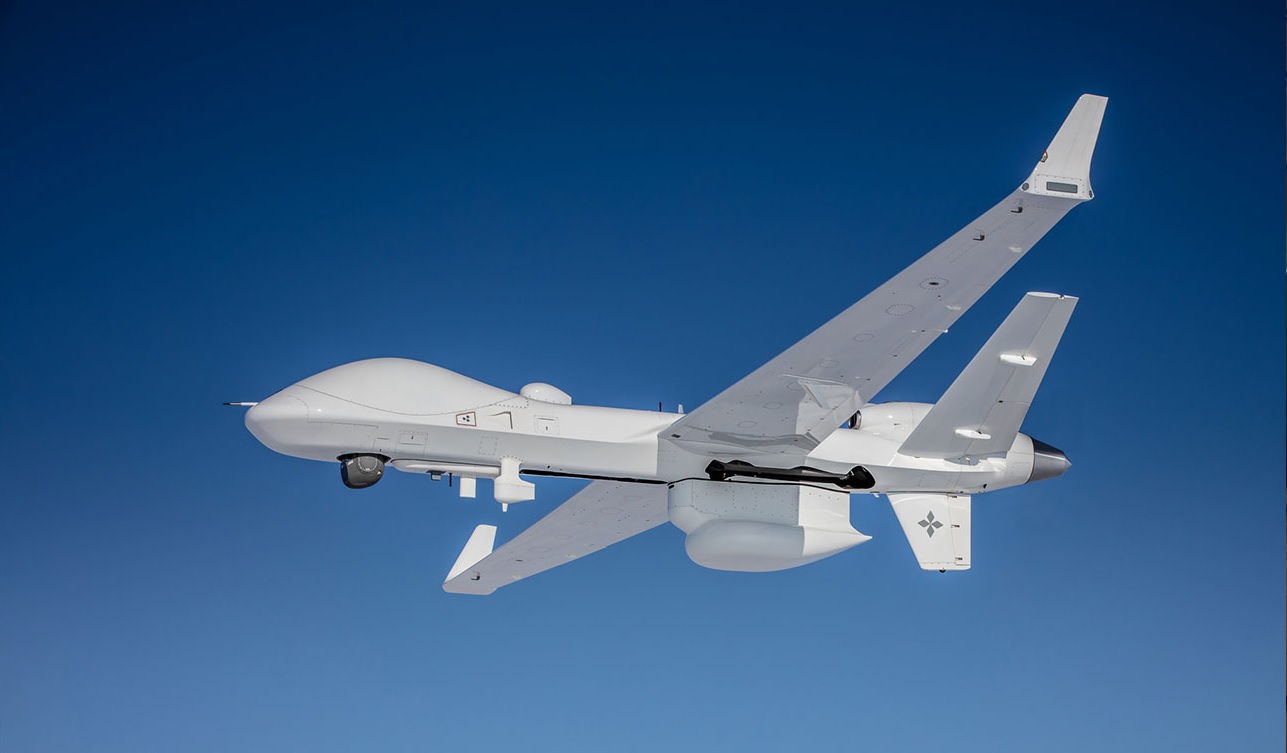
India
In a significant move to maintain and strengthen its maritime surveillance, the Indian Navy has received a replacement MQ-9B SeaGuardian drone from the U.S.-based company General Atomics. This development comes after one of the Navy's leased drones experienced a technical failure and was lost during a routine mission over the Bay of Bengal in September 2024. Background of the Incident The Indian Navy had been operating two MQ-9B SeaGuardian drones under a lease agreement with General Atomics since 2020. These high-altitude, long-endurance drones have been pivotal in conducting intelligence, surveillance, and reconnaissance (ISR) operations across the Indian Ocean Region. In mid-September 2024, one of these drones encountered a technical snag, leading to a controlled ditching in the Bay of Bengal. Following this incident, General Atomics promptly provided a replacement unit, ensuring that the Navy's ISR capabilities remained uncompromised. Lease Agreement Details The partnership between the Indian Navy and General Atomics operates under a lease model, wherein the drones are owned and operated by the contractor. The agreement stipulates that the drones must log a specified number of flight hours each month to meet the Navy's operational requirements. The replacement of the crashed drone underscores General Atomics' commitment to fulfilling its contractual obligations and supporting India's maritime security objectives. Strategic Importance of MQ-9B SeaGuardian Drones The MQ-9B SeaGuardian is an advanced variant of the Predator B drone, designed for maritime operations. It boasts capabilities such as: Extended Endurance: The drone can operate for up to 40 hours, making it ideal for prolonged surveillance missions. High-Altitude Operations: It can fly at altitudes exceeding 40,000 feet, providing a broad surveillance range. Advanced Sensors: Equipped with sophisticated radar and electro-optical/infrared sensors, it can monitor vast oceanic expanses and track maritime activities effectively. These features have been instrumental in the Indian Navy's efforts to monitor and respond to various maritime challenges, including the increasing presence of foreign naval assets in the region. Future Acquisitions and Enhancements Building on the success of the leased drones, India has taken significant steps to bolster its unmanned aerial capabilities. In October 2024, India finalized a $3.5 billion deal with the United States to procure 31 MQ-9B drones. This acquisition includes: 15 SeaGuardian Variants: Allocated to the Indian Navy to enhance maritime surveillance. 16 SkyGuardian Variants: Distributed between the Indian Army and Air Force for land-based operations. The integration of these drones is anticipated to commence in 2029, marking a substantial enhancement in India's ISR and combat capabilities across multiple domains. The timely replacement of the crashed MQ-9B SeaGuardian drone by General Atomics highlights the robust defense collaboration between India and the United States. As regional security dynamics evolve, such partnerships and technological advancements play a crucial role in ensuring that the Indian armed forces remain equipped to address emerging challenges effectively.
Read More → Posted on 2025-02-03 13:49:01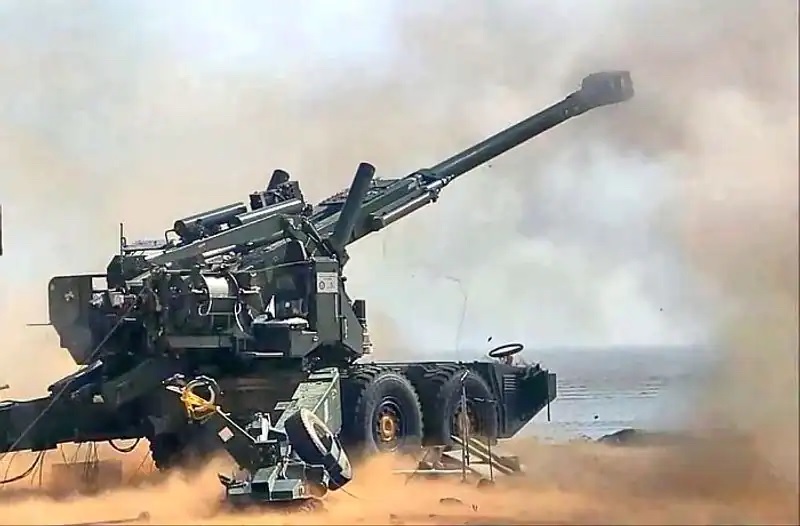
World
India's defense manufacturing sector is witnessing a surge in international interest, particularly in its indigenous Advanced Towed Artillery Gun System (ATAGS) 155x52 howitzer. Following a notable order from Armenia, Saudi Arabia has now expressed interest in this state-of-the-art artillery system, underscoring the growing global recognition of India's defense capabilities. ATAGS: A Technological Marvel Developed collaboratively by the Defence Research and Development Organisation (DRDO) and key industry players like Bharat Forge and Tata Advanced Systems, the ATAGS represents a significant leap in artillery technology. This 155mm, 52-caliber howitzer boasts several standout features: Extended Range: The ATAGS can achieve a firing range exceeding 48 kilometers, surpassing many NATO-standard artillery systems. High Rate of Fire: Equipped with an automated ammunition handling system, it can fire five rounds per minute in burst mode. Enhanced Mobility: Towed by a 6×6 vehicle, it offers excellent mobility across diverse terrains. All-Electric Drive: This system ensures higher reliability and reduces wear and tear compared to traditional hydraulic systems. These features make the ATAGS a formidable addition to any modern military arsenal. Saudi Arabia's Renewed Interest Saudi Arabia's interest in the ATAGS is not without precedent. The Kingdom previously evaluated the Bharat-52, another 155mm, 52-caliber towed howitzer developed by Bharat Forge. The Bharat-52 is a derivative of the GC-45 howitzer, originally designed by Canadian artillery expert Gerald Bull. The GC-45 has been in service with the Saudi Army, which might explain their interest in Bharat Forge’s artillery solutions, which maintain a lineage with systems they are already familiar with. While a deal did not materialize then, the familiarity with such systems likely contributes to the renewed interest in the ATAGS. Armenia's Endorsement and Domestic Adoption The ATAGS program received a significant boost with a recent order from Armenia, marking a milestone for India's defense export ambitions. Additionally, the Indian Army is set to induct 307 ATAGS units, aiming to replace its aging artillery. This domestic procurement, backed by rigorous field tests and trials, further validates the system's capabilities and reliability. Strategic Implications A potential deal with Saudi Arabia would not only enhance India's defense exports but also strengthen strategic ties with a key player in the Middle East. Bharat Forge, through its Kalyani Strategic Systems division, has been at the forefront of developing advanced defense systems, with the ATAGS being a flagship product. Success in international markets underscores the growing confidence in Indian defense products and highlights the country's commitment to self-reliance in defense technology. In conclusion, the increasing global interest in the ATAGS 155x52 howitzer reflects India's rising prominence in the defense sector. As more countries recognize the value and capabilities of Indian-developed systems, India's position as a key player in global defense manufacturing is set to strengthen further.
Read More → Posted on 2025-02-03 13:44:15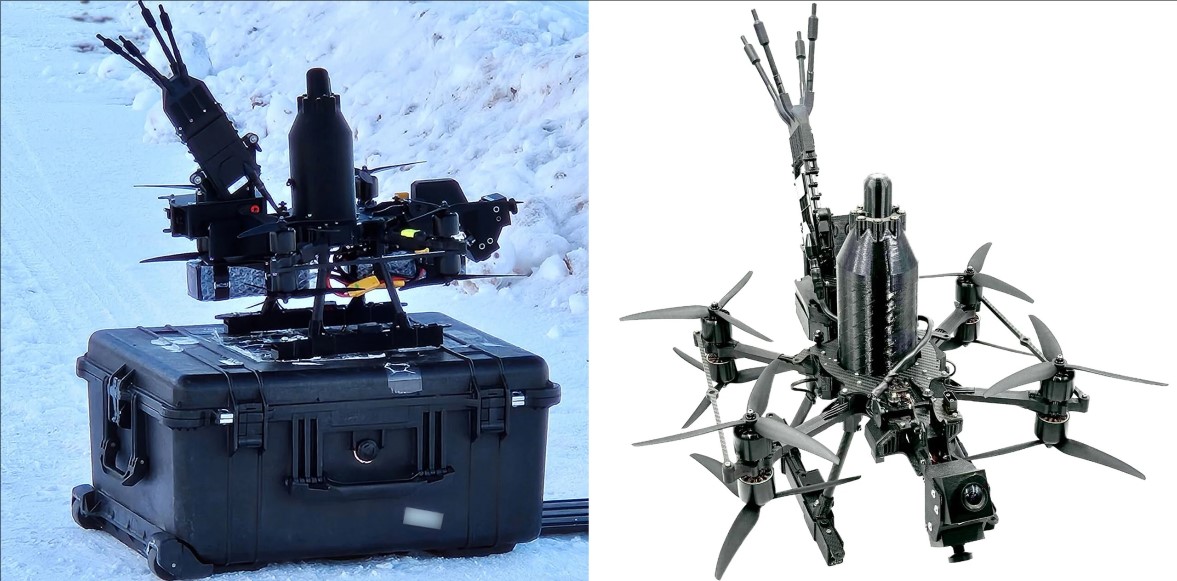
World
In a significant advancement for military technology, Cyberlux Corporation has unveiled its latest rotary wing unmanned aerial system (UAS) during the US Special Operations Command's (SOCOM) TE 25-1 Arctic Warrior Experiment in Rena, Norway. This event is pivotal in assessing and demonstrating innovative technologies tailored for U.S. and NATO Special Operations Forces (SOF) operating in challenging Arctic conditions. Innovative Features for Challenging Environments The newly introduced UAS is meticulously designed to function effectively in environments where GPS and radio frequency communications are compromised. This capability is crucial for Arctic and electronic warfare scenarios. Developed in collaboration with OKSI, Inc., the drone integrates the proprietary "Omniscience" Artificial Intelligence model, offering several key enhancements: Visual Inertial Odometry (VIO): This feature ensures precise navigation and positioning without relying on GPS, a critical advantage in GPS-denied environments. Automated Target Recognition (ATR): Advanced machine learning algorithms enable rapid identification and classification of targets, enhancing operational efficiency. Machine Learning Integration: The UAS is equipped for adaptive decision-making and autonomous operations, allowing it to navigate and perform tasks in dynamic, high-threat environments. Arctic Warrior Experiment: A Collaborative Endeavor The Arctic Warrior Experiment serves as a collaborative platform, bringing together multiple NATO SOF teams to evaluate next-generation solutions suitable for Arctic deployment. This initiative allows participating forces to engage directly with industry leaders like Cyberlux, fostering partnerships that accelerate the development and adoption of mission-critical technologies. Commitment to Operational Superiority Mark Schmidt, CEO of Cyberlux Corporation, emphasized the significance of this development, stating, "The Arctic Warrior Experiment offers an unparalleled opportunity for SOF teams to engage directly with emerging technologies that address the unique challenges of Arctic warfare. Our rotary wing UAS, enhanced with OKSI’s cutting-edge AI capabilities, exemplifies the innovation required to maintain operational superiority even in the most contested and complex environments." About Cyberlux Corporation Cyberlux Corporation is a leading provider of advanced unmanned aircraft systems, tactical lighting solutions, and innovative technologies designed to meet the needs of military, government, and commercial clients. With a focus on agility and innovation, Cyberlux delivers mission-critical solutions that enable operational success in complex environments. This development marks a significant step forward in enhancing the capabilities of special operations forces, ensuring they are equipped with the most advanced tools to navigate and succeed in some of the world's most challenging environments.
Read More → Posted on 2025-02-03 13:39:24
World
The United States Air Force has awarded a firm-fixed-price contract valued at $16.8 million to Plexsys Interface Products Inc., a company based in Camas, Washington. This contract is dedicated to the support and advancement of the E-3G Airborne Warning and Control System (AWACS), a pivotal component of the nation's aerial defense infrastructure. Scope of the Contract Under this agreement, Plexsys is tasked with a comprehensive range of responsibilities to ensure the E-3G AWACS remains at the forefront of airborne surveillance technology. The contract encompasses: Operation and Maintenance: Ensuring the E-3G AWACS operates seamlessly through regular upkeep and addressing any technical issues promptly. Active Diminishing Manufacturing Sources Management: Proactively managing and mitigating risks associated with parts or components that may become obsolete, ensuring the system's longevity and reliability. Hardware and Software Updates: Implementing necessary upgrades to both hardware and software to maintain optimal performance and address emerging threats. Distributed Mission Operations Network Mission Package Updates: Enhancing the system's networking capabilities to ensure effective integration and communication during joint operations. Support to the 558th Software Engineering Squadron: Providing specialized hardware and software assistance to this squadron, which plays a crucial role in the system's software development and maintenance. The work associated with this contract will be carried out in Camas, Washington, with an expected completion date of January 31, 2029. The acquisition was made on a sole-source basis, and funds from the fiscal year 2025 operations and maintenance budget are being allocated at the time of the award. About the E-3G AWACS The E-3G AWACS is an integral asset of the U.S. Air Force, renowned for its advanced airborne surveillance and command capabilities. Equipped with a sophisticated radar system, this aircraft delivers real-time situational awareness, airspace management, and early threat detection for both aerial and ground-based operations. Its versatility allows it to support a wide array of missions, including air superiority campaigns and homeland defense initiatives. Plexsys Interface Products Inc.: A Trusted Partner Plexsys Interface Products Inc. has a longstanding relationship with the U.S. Air Force, particularly in supporting the E-3G AWACS program. The company has previously been awarded contracts to provide operations, maintenance, and sustainment support for the E-3G Block 40 AWACS Mission Crew Training Set (MCTS) enterprise. This includes training systems located at various Air Force bases, underscoring Plexsys's expertise and reliability in delivering critical support services. Strategic Importance of the Contract This contract signifies a strategic initiative to bolster the Air Force's operational readiness and maintenance capabilities. By ensuring the E-3G AWACS remains updated and fully operational, the Air Force can continue to rely on this system to meet mission requirements in a dynamic and evolving defense landscape. In summary, the $16.8 million contract awarded to Plexsys Interface Products Inc. underscores the U.S. Air Force's commitment to maintaining and enhancing its airborne surveillance and command systems, ensuring they remain effective and reliable components of national defense.
Read More → Posted on 2025-02-02 14:02:22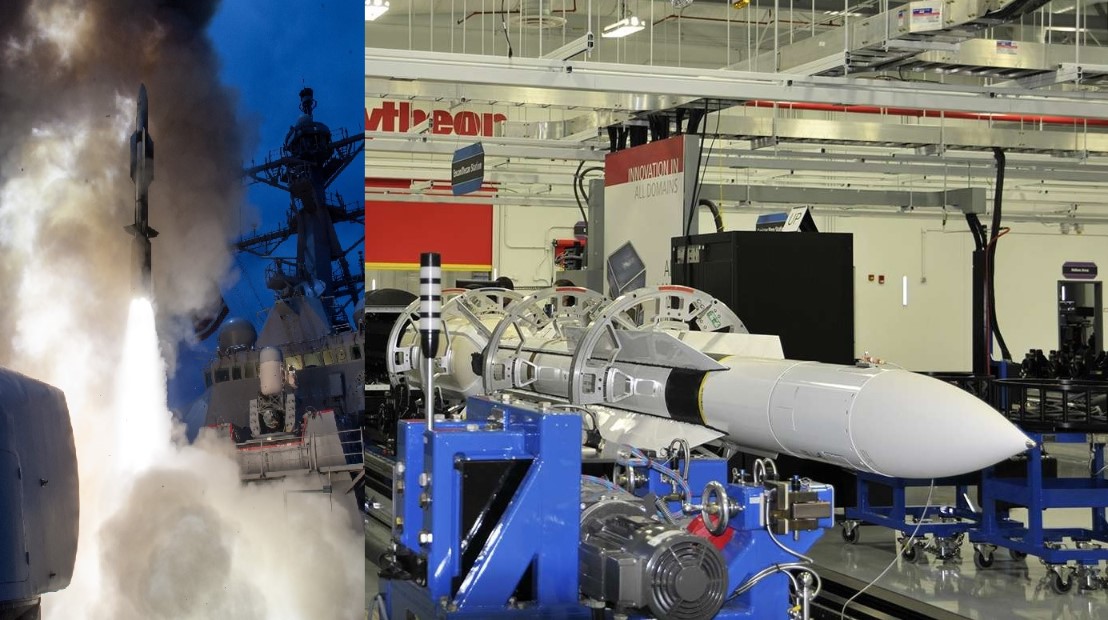
World
In a significant move to bolster Japan's defense capabilities, the U.S. government has approved a potential Foreign Military Sale to Japan, encompassing up to 150 Standard Missile 6 (SM-6) Block I missiles and associated equipment, with an estimated total value of $900 million. Enhancing Japan's Maritime Defense The SM-6 Block I missiles are slated for integration into the Japan Maritime Self-Defense Force's (JMSDF) AEGIS-equipped surface combatants. This integration aims to enhance Japan's ability to counter current and emerging threats, providing a robust defense against various aerial and missile threats. Comprehensive Package Details Beyond the missiles themselves, the sale package includes: MK 21 Mod 3 Vertical Launch System (VLS) canisters Essential component parts and support equipment Continued Engineering, Integration, and Test (EI&T) materials and support for SM-6 Block I missile production Specialized test and handling equipment Comprehensive training programs and related equipment Technical publications and data Engineering and technical assistance from U.S. government and contractors, including related studies and analysis support Additional elements of logistics and program support Strategic Significance in the Indo-Pacific This proposed sale aligns with U.S. foreign policy and national security objectives by strengthening the defense capabilities of a key ally in the Indo-Pacific region. By equipping the JMSDF with advanced SM-6 missiles, Japan's capacity to protect its territory and allied forces is significantly enhanced, contributing to integrated air and missile defense efforts in the region. Seamless Integration Anticipated Japan is expected to integrate these new capabilities smoothly into its armed forces, given its existing defense infrastructure and experience with similar systems. The principal contractor for this sale is RTX Corporation, based in Camden, Arkansas. Currently, there are no known offset agreements, and any future agreements will be determined through negotiations between Japan and the contractor. No Impact on U.S. Defense Readiness The implementation of this sale does not require the deployment of additional U.S. government or contractor personnel to Japan. Moreover, it is not anticipated to adversely affect U.S. defense readiness, ensuring that the U.S. military maintains its operational capabilities while supporting allied defense enhancements. The Standard Missile 6 (SM-6) is a versatile, multi-mission missile developed by Raytheon Technologies. It is designed to provide extended-range protection against various threats, including fixed and rotary-wing aircraft, unmanned aerial vehicles, and anti-ship cruise missiles. The SM-6 is also capable of terminal ballistic missile defense and can be employed in offensive anti-surface warfare missions. Its active radar homing seeker, derived from the AIM-120C AMRAAM, enhances its effectiveness against agile targets and those beyond the range of ship-based radars. This approval underscores the ongoing commitment of the United States to support its allies in the Indo-Pacific region. By enhancing Japan's maritime defense capabilities with the advanced SM-6 missile system, both nations aim to promote regional stability and security amidst evolving global threats.
Read More → Posted on 2025-02-02 13:56:56
World
In a groundbreaking step towards modern warfare, Germany has delivered its first batch of AI-powered autonomous Gereon RCS ground drones to Ukraine, marking a significant evolution in battlefield logistics and soldier safety. ARX Robotics, a leading German defense technology firm, has launched series production of its advanced Gereon RCS drones. With an initial shipment of 30 units expected to be deployed by early February, these state-of-the-art machines are set to revolutionize military operations on the front lines. A New Era in Military Logistics Unlike traditional supply methods, the Gereon RCS drones operate autonomously, navigating rugged terrain and high-risk combat zones without human intervention. Their primary function is to transport essential supplies—ammunition, medical kits, and rations—directly to frontline troops, ensuring continuous support in the heat of battle. Beyond logistics, these AI-driven machines serve a critical role in casualty evacuation. In warzones where human extraction teams face extreme dangers, the Gereon RCS drones can retrieve injured soldiers and transport them to safety, significantly reducing the risk to personnel. Minimizing Risk, Maximizing Efficiency “The primary objective is to provide essential logistical support while safeguarding soldiers’ lives,” said ARX Robotics CEO Roberta Randerath. “By automating high-risk operations, we allow troops to focus on securing defensive positions rather than exposing themselves to unnecessary danger.” Germany’s continued military aid to Ukraine has included tanks, air defense systems, and artillery, but this latest deployment marks a shift toward integrating cutting-edge AI technology into Ukraine’s defense framework. These ground drones complement Ukraine’s existing reliance on aerial drones, which have already proven decisive in its ongoing conflict. The Future of Autonomous Warfare The introduction of the Gereon RCS is part of a larger movement toward AI-powered military solutions designed to enhance operational efficiency and survivability. While aerial drones have been instrumental in Ukraine’s defense strategy, these ground-based systems are poised to fill a crucial gap, streamlining battlefield logistics and providing life-saving evacuation capabilities. With production in full swing at ARX Robotics, further shipments are expected in the coming months, solidifying Ukraine’s ability to sustain prolonged operations with reduced troop exposure to hostile environments. As AI-driven warfare continues to evolve, Germany’s commitment to supplying Ukraine with cutting-edge technology underscores a broader shift in modern combat tactics—where automation, intelligence, and strategy combine to redefine the battlefield.
Read More → Posted on 2025-02-02 13:46:02
World
In a significant move to bolster Iceland's air defense capabilities, the NATO Communications and Information Agency (NCIA) has successfully upgraded two pivotal software components within the Iceland Air Defence System (IADS). This initiative is a testament to NATO's commitment to ensuring seamless integration between military and civilian air operations. Key Software Upgrades The recent enhancements focus on two primary software products: AirC2 Sensor Integration Module (ASIM): ASIM serves as a bridge between military and civilian air traffic systems. By translating and integrating data from various sensors, it ensures that both military and civilian entities have a unified and accurate picture of the airspace. Application Layer Firewall for Sensors and Flight Plans (ALF-SFP): This firewall is designed to securely manage and filter data exchange between sensors and flight planning systems. It ensures that only authorized and relevant information is shared, maintaining the integrity and security of the air command and control infrastructure. Both ASIM and ALF-SFP operate on the NATO Integrated Secure Platform (NISP), a robust operating system that facilitates secure data exchange between military sensors and civilian air navigation services. Expert Insights John Booth, Chief of NCIA’s Air Command and Control Centre, highlighted the importance of these upgrades: "Civilian and military systems often operate in different 'languages.' Through ASIM, we bring these two worlds together, ensuring interoperability not only between military and civilian operations but also among different AirC2 systems. ALF-SFP further enhances this by securely integrating civilian flight and sensor data into advanced military systems." Iceland's Strategic Role Despite not having its own standing military forces, Iceland plays a crucial role in NATO's air defense strategy. The country's Coast Guard Defence Division operates the IADS on behalf of the Ministry of Foreign Affairs. This includes managing four NATO radar and communication sites and overseeing the NATO Control and Reporting Centre (CRC) at Keflavik Air Base. These assets contribute to the Recognised Air Picture (RAP), which is integral to the NATO Integrated Air and Missile Defence System (NATINAMDS). Path to Modernization The journey towards this upgrade began in the summer of 2024 when Iceland requested the latest software versions. By early 2025, Iceland had joined the AirC2 Communications and Information Partnership (AirC2 C&IP), a collaborative framework aimed at enhancing AirC2 capabilities among member nations. This partnership facilitated a swift upgrade process, with NCIA specialists deploying to Keflavik Air Base and implementing the new software within days. Broader Implications The AirC2 C&IP fosters multinational cooperation and standardization of processes, ensuring consistency across NATO’s air command operations. Currently, seven allied nations—Poland, the United Kingdom, Italy, Iceland, Denmark, Greece, and Norway—are part of this strategic partnership. By implementing these latest technological advancements, NCIA reaffirms its commitment to strengthening NATO’s air defense capabilities. The seamless integration of military and civilian air traffic data contributes to a more secure and efficient European airspace. The successful upgrade of Iceland's Air Command and Control System underscores the importance of adaptability and collaboration in modern defense strategies. As airspace becomes increasingly congested, the ability to integrate and manage data from diverse sources is paramount. NCIA's efforts ensure that Iceland, and by extension NATO, remains at the forefront of air defense technology, ready to address current and emerging challenges.
Read More → Posted on 2025-02-02 13:37:37
India
In a significant development, Karnataka has been declared free of Naxalite presence following the surrender of Kotehonda Ravindra, a prominent Naxalite operative. Ravindra, 44, a resident of Kotehonda in Hulagaru Bail near Kigga, Sringeri Taluk, had been active in Naxal activities across Karnataka, Kerala, and Tamil Nadu since 2007. On February 1, 2025, Ravindra surrendered to Chikkamagaluru Superintendent of Police (SP) Vikram Amathe. Following his surrender, he was presented before Deputy Commissioner Meena Nagaraj to complete the formalities. SP Amathe stated, "With this surrender, Karnataka is now Naxal-free." Ravindra is classified as an 'A' category Naxal under the state's Surrender Policy, which came into effect on March 14, 2024. As part of the rehabilitation package, he will receive ₹7.5 lakh from the government. Additionally, if he opts for skill development, he will be provided with training and a monthly stipend of ₹5,000. There are 27 cases registered against Ravindra, with 13 in Chikkamagaluru district alone. His surrender marks the 21st by a Naxalite in Karnataka, underscoring the state's efforts to address insurgent activities. The surrender and rehabilitation process was overseen by officials including Zilla Panchayat Chief Executive Officer H.S. Keerthana and Naxal Surrender and Rehabilitation Committee member K.P. Shripal. This event signifies a pivotal moment in Karnataka's history, as the state moves forward from decades of Naxalite influence, aiming for sustained peace and development.
Read More → Posted on 2025-02-02 13:32:08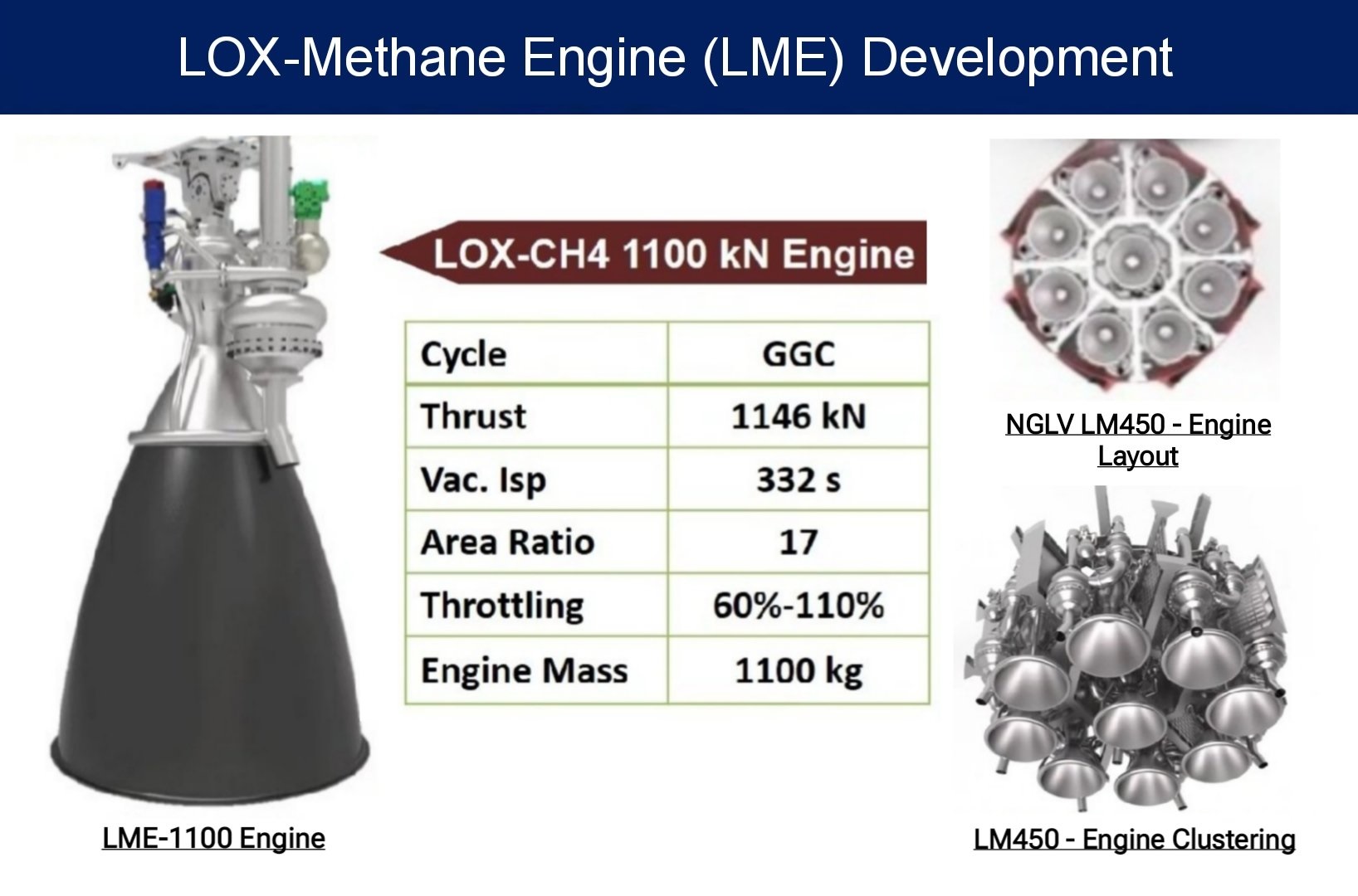
Space & Technology
The Indian Space Research Organisation (ISRO) is making significant strides in developing the LME-1100 methalox engine, a cornerstone of its Next Generation Launch Vehicle (NGLV) program. Dr. M. Mohan, Director of the Liquid Propulsion Systems Centre (LPSC), recently announced that the preliminary design of the LME-1100 has been completed, with detailed engineering currently underway. The engine is poised for hot testing later this year, marking a pivotal step toward its qualification. The LME-1100 is engineered to operate in a vacuum, delivering a thrust of 1,146 kilonewtons (kN) and achieving a specific impulse (Isp) of 332 seconds through a gas generator cycle. A notable feature of this engine is its throttling capability, ranging from 60% to 110% of maximum thrust, offering flexibility for various mission profiles and potential reusability. The NGLV, envisioned as India's next heavy-lift launch vehicle, will be powered by clusters of LME-1100 engines. Designed to enhance payload capacity threefold compared to the current LVM3, the NGLV aims to support a range of missions, including satellite deployment and human spaceflight. The vehicle is expected to be operational by around 2030, aligning with India's broader space ambitions. A key aspect of the NGLV's design is its reusable first stage, which is anticipated to reduce launch costs and increase mission efficiency. The adoption of methane and liquid oxygen (methalox) as propellants offers environmental benefits, higher performance, and potential for in-situ resource utilization on future planetary missions. The development of the LME-1100 and the NGLV signifies ISRO's strategic move toward self-reliance in rocket propulsion technology, reducing dependence on foreign technology, and enhancing payload capacity for both national and commercial missions. This initiative aligns with India's plans to establish a human-capable space station by 2035, with the NGLV playing a crucial role in launching the necessary modules. In summary, ISRO's progress on the LME-1100 engine and the NGLV program underscores India's commitment to advancing its space capabilities, paving the way for more ambitious missions in the future.
Read More → Posted on 2025-02-02 13:26:55
Space & Technology
The Indian Institute of Science (IISc) in Bangalore is at the forefront of advancing quantum technology, striving to make it more achievable and practical for real-world applications. Their multidisciplinary approach encompasses cutting-edge research, educational initiatives, and industry collaborations, all aimed at harnessing the principles of quantum mechanics to revolutionize computing, communication, and sensing technologies. Innovations in Nanoscale Light Control A significant breakthrough by IISc researchers involves the manipulation of light at the nanoscale. By integrating colloidal quantum wells (CQWs)—specially engineered nanomaterials capable of emitting light—with dielectric metasurfaces, they have achieved unprecedented control over light emission. This integration has led to light that is 12 times brighter and exhibits a 97% reduction in spectral width, resulting in purer and more precise light emission. Such advancements are crucial for the development of quantum computing and secure communication systems, where the precise control of light is essential. Establishment of the Quantum Technology Initiative (IQTI) In September 2020, IISc launched the Quantum Technology Initiative (IQTI) to lay a solid foundation for quantum technologies. This initiative aims to foster collaborations among physicists, material scientists, computer scientists, and engineers, creating a multidisciplinary framework to tackle the complex challenges in the field. IQTI focuses on core areas such as quantum computation, communication, sensing, and the development of quantum materials and devices. Educational Programs and Skill Development Recognizing the importance of education in this emerging field, IISc introduced an M.Tech program in Quantum Technology in August 2021, the first of its kind in India. This program is designed to train students in the principles and applications of quantum mechanics, preparing them for careers in both research and industry. Additionally, IISc organizes workshops, internships, and events like the Quantum Conclave to engage with the broader scientific community and industry stakeholders, facilitating discussions on advancements and practical applications of quantum technologies. Industry Collaborations and Infrastructure Development IISc has initiated collaborations with various industries to create a vibrant ecosystem for quantum technology. Notably, a partnership with the INOX Group aims to develop India's first Quantum Materials Lab, focusing on topological semiconductors essential for fault-tolerant quantum computing. Such collaborations are instrumental in translating fundamental research into practical solutions with significant economic and social impacts. Through these comprehensive efforts, IISc is not only advancing fundamental research in quantum technology but also ensuring that these innovations are translated into practical applications. By fostering education, industry collaboration, and multidisciplinary research, IISc is paving the way for a future where quantum technologies are integral to various sectors, including computing, communication, and sensing.
Read More → Posted on 2025-02-02 13:21:58
World
Russia has sharply criticized former U.S. President Donald Trump’s latest push to develop a space-based missile defense system, warning that it risks turning space into a battleground. The plan, dubbed an “Iron Dome for America,” revives aspects of the controversial 1980s “Star Wars” program initiated by President Ronald Reagan. In an executive order signed on Monday, Trump directed the Pentagon to enhance America’s missile defense capabilities against modern threats, including ballistic and hypersonic missiles. The move signals Washington’s growing concerns over Russia and China’s advancements in missile technology, particularly Moscow’s hypersonic “Oreshnik” missile, which reportedly travels at speeds 10 times the speed of sound. However, the Kremlin views the initiative as a direct provocation. Russian Foreign Ministry spokeswoman Maria Zakharova accused the U.S. of escalating tensions by attempting to weaponize space. “We see this as yet another confirmation of Washington’s intent to turn space into an arena of armed confrontation,” she said. “To put it mildly, these approaches will not contribute to reducing tensions.” Zakharova went on to argue that the U.S. missile shield is primarily designed to undermine the nuclear deterrents of Russia and China, pushing global security into dangerous new territory. She compared the plan’s scale to Reagan’s original “Star Wars” program, calling it “odious” and warning of its destabilizing impact. The concept of an “Iron Dome for America” takes inspiration from Israel’s highly effective Iron Dome defense system, which intercepts short-range rockets. However, experts point out that the threats facing the U.S. are vastly different, as American adversaries possess advanced intercontinental ballistic missiles (ICBMs) and hypersonic glide vehicles. Developing a nationwide missile shield capable of neutralizing such threats remains an enormous technical and financial challenge. Moscow and Washington have long accused each other of militarizing space, with tensions rising after the U.S. alleged that Russia deployed a “space weapon” near an American satellite in 2023. The expiration of the New START treaty in 2026, which limits both nations’ nuclear arsenals, further complicates the situation. Without a replacement agreement, the arms race could accelerate, making future diplomatic negotiations even more challenging. Russia has called for renewed discussions on arms control and space security, emphasizing the need for international agreements to prevent an unchecked military buildup in space. But with U.S.-Russia relations already at historic lows, the likelihood of meaningful cooperation remains uncertain. As Washington moves forward with its missile defense ambitions, the world watches closely. Will this plan bolster U.S. security, or will it trigger a new, unpredictable era of global military competition? The answer may shape the future of international security for years to come.
Read More → Posted on 2025-02-02 13:19:32
World
In a significant escalation of conflict, Pakistan's southwestern province of Balochistan witnessed intense confrontations resulting in the deaths of at least 18 security personnel and 23 militants over a 24-hour period. The Pakistani military reported that these fatalities occurred during operations in various troubled areas of the province. Details of the Clashes On a recent Saturday in Harnai district, national troops engaged militants, successfully neutralizing 11 insurgents and dismantling multiple terrorist hideouts. The previous night, security forces thwarted an attempt by militants to establish roadblocks in the Mangocher area of Kalat, resulting in the deaths of 12 terrorists. The military emphasized that these operations are part of a broader strategy to eliminate terrorism from Balochistan and the entire nation. They affirmed that sanitization efforts will persist until all perpetrators and facilitators of these heinous acts are brought to justice. Background of the Conflict Balochistan, Pakistan's largest yet least developed province, has long been a hotspot for violence. The region is rich in resources but has been plagued by insurgencies from Baloch separatist groups who regularly target security forces and individuals from other provinces. These groups have been fighting for greater autonomy and a larger share of the province's resources. The insurgency is driven by feelings of marginalization and exploitation by the central government. Despite its wealth in natural resources, including gas and minerals, Balochistan remains underdeveloped, fueling resentment among its inhabitants. Recent Surge in Violence The recent clashes are part of a broader surge in militant activities in Pakistan, particularly since the Taliban's return to power in Afghanistan in 2021. The bordering provinces of Khyber Pakhtunkhwa and Balochistan have seen a significant increase in violent attacks. The banned militant group Tehreek-e-Taliban Pakistan (TTP) has intensified its activities after breaking a fragile ceasefire agreement with the government. In 2024, Pakistan experienced a 40% rise in militant attacks compared to the previous year, making it the deadliest year for the country's security forces in a decade. At least 685 members of security forces lost their lives amid a total of 444 terror attacks. International Implications The instability in Balochistan has broader regional implications. The province is a key component of the China-Pakistan Economic Corridor (CPEC), a multi-billion-dollar infrastructure project aimed at enhancing connectivity between the two countries. However, the ongoing violence has raised concerns about the safety of foreign workers, particularly Chinese nationals involved in development projects in the region. The deadly clashes in Balochistan underscore the escalating conflict in the province and the significant challenges faced by Pakistan's security forces. The government's commitment to eradicating terrorism will require sustained efforts and a comprehensive strategy addressing the root causes of the insurgency, including political marginalization and economic underdevelopment.
Read More → Posted on 2025-02-02 13:11:53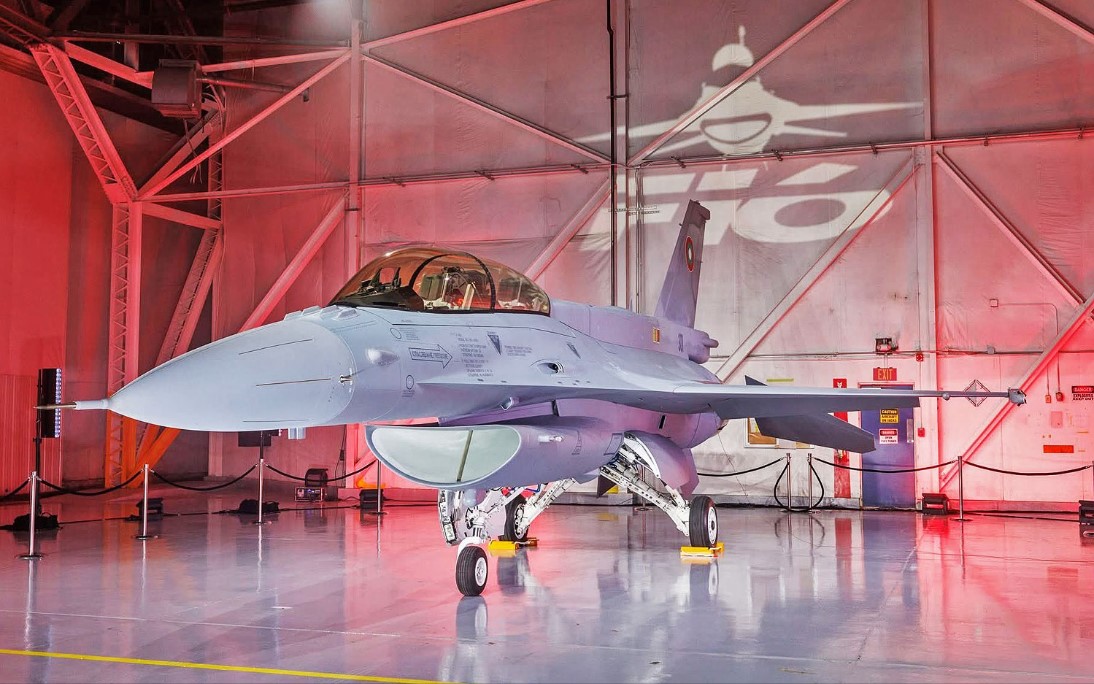
World
On January 31, 2025, Lockheed Martin held a grand ceremony at its Greenville, South Carolina facility to mark the official handover of the first F-16 Fighting Falcon Block 70 aircraft to Bulgaria. This milestone represents a major step forward in Bulgaria’s military modernization efforts, reinforcing its defense capabilities and strengthening its role within NATO. A Game-Changer for the Bulgarian Air Force The event was attended by top Bulgarian and U.S. officials, including Bulgaria’s Defense Minister Atanas Zapryanov, senior members of the U.S. Congress, and representatives from the U.S. Department of Defense and Air Force. Minister Zapryanov hailed the arrival of the advanced fighter as a "historic moment" for Bulgaria’s air force, emphasizing that the F-16 Block 70 would significantly enhance national security and ensure full operational compatibility with NATO and EU allies. The Cutting-Edge F-16 Block 70 The F-16 Block 70 is the most advanced version of the legendary Fighting Falcon, featuring cutting-edge avionics, an APG-83 Active Electronically Scanned Array (AESA) radar, enhanced mission systems, and a modernized cockpit designed for greater pilot situational awareness. The aircraft is built for multirole missions, excelling in both air-to-air and air-to-ground operations. With its advanced weapon systems, increased fuel efficiency, and superior durability, the F-16 Block 70 gives Bulgaria a next-generation fighter capable of tackling regional and global threats. Bulgaria’s Order: A Step Toward a Fully Modernized Fleet Bulgaria has committed to acquiring 16 F-16 Block 70 fighter jets, divided into two separate contracts. The first batch of eight aircraft, signed in 2019, is expected to be delivered by the end of 2024. The second contract, signed in 2022, secures another eight jets, scheduled for delivery between 2026 and 2027. With this acquisition, Bulgaria is replacing its aging Soviet-era MiG-29 fighters, positioning itself as one of the most modern air forces in the Balkans. Two of the newly built F-16s will arrive in Bulgaria by late March or early April, while one aircraft will remain in the U.S. for training Bulgarian engineers and technicians. The remaining five jets from the first batch are already on the production line and will be delivered before the end of the year. Training and Infrastructure Upgrades To integrate the new aircraft seamlessly, Bulgaria has launched an extensive pilot and maintenance crew training program. Currently, five Bulgarian pilots are being trained in the U.S., with a total of 32 pilots expected to complete training under both contracts. This program, valued at over $150 million, includes flight simulation, weapons training, and combat munitions to ensure full operational capability. Additionally, Bulgaria is making significant infrastructure upgrades at the Third Air Base, where the F-16 fleet will be stationed. A total of 49 projects are underway, including the construction of 16 protective aircraft shelters, two mobile hangars, and new maintenance and operational facilities. These upgrades are expected to be completed before the full fleet arrives, ensuring that the new fighters are stored, maintained, and deployed efficiently. Strengthening Bulgaria’s Strategic Role in NATO Bulgaria’s acquisition of the F-16 Block 70 is not just about upgrading its fleet—it is about solidifying its role as a key NATO member in the region. During the handover ceremony, Lockheed Martin’s Vice President and General Manager of Integrated Fighter Group, Mike Shoemaker, emphasized the importance of these aircraft in strengthening Bulgaria’s defense posture. “The F-16 Block 70 will enable the Bulgarian Air Force to maintain regional air superiority and play a pivotal role in NATO’s collective security mission,” he stated. Minister Zapryanov echoed this sentiment, highlighting the deepening strategic partnership between Bulgaria and the United States. He acknowledged Lockheed Martin’s efforts in accelerating production and training programs, ensuring that Bulgaria is equipped to handle modern security challenges. A New Chapter in Bulgarian Air Power As Bulgaria prepares to induct its first F-16 Block 70 fighter jets, it embarks on a transformative journey to strengthen its air defense. With superior technology, comprehensive pilot training, and modernized infrastructure, the Bulgarian Air Force is positioning itself as a formidable force in the region. This acquisition marks a decisive step toward a more advanced, NATO-integrated, and combat-ready Bulgaria—one that is ready to meet future security challenges head-on.
Read More → Posted on 2025-02-02 13:08:00
World
In a significant demonstration of its expanding military capabilities, Iran's Islamic Revolutionary Guard Corps (IRGC) has unveiled a new underground missile facility along the nation's southern coastline. This development comes shortly after the recent revelation of an underground naval base, underscoring Iran's strategic emphasis on fortified subterranean military infrastructures. Strategic Significance of the Underground Facility The newly disclosed facility houses an extensive arsenal of cruise missiles, strategically positioned hundreds of meters beneath the earth's surface. This underground placement not only shields these assets from potential aerial assaults but also ensures their rapid deployment when necessary. The IRGC has emphasized that these missiles are equipped to counteract electronic warfare tactics employed by adversarial destroyers, thereby enhancing Iran's defensive and offensive maritime operations. Introduction of the Ghadr-380 Cruise Missile A highlight of this unveiling is the introduction of the Ghadr-380, a state-of-the-art cruise missile boasting a range exceeding 1,000 kilometers (approximately 620 miles). Rear Admiral Alireza Tangsiri, commander of the IRGC's naval forces, highlighted the missile's advanced anti-jamming capabilities, which are designed to maintain operational integrity in contested electronic environments. He asserted that the Ghadr-380 has the potential to "create hell for enemy vessels," indicating its formidable role in Iran's naval strategy. Context of Recent Military Developments This revelation follows the IRGC's recent showcase of an underground naval base designed for assault boats operating in Iran's southern waters, including the strategically vital Strait of Hormuz. These developments are part of a broader series of military exercises, collectively termed "Eqtedar" (Farsi for "Might"), initiated in early January and scheduled to continue until mid-March. These drills encompass a range of activities, from naval maneuvers featuring advanced reconnaissance ships to simulations aimed at protecting Iran's nuclear facilities from potential attacks. Implications Amidst Geopolitical Tensions The timing of these military advancements is noteworthy, coinciding with heightened tensions as Iran anticipates the policies of U.S. President Donald Trump's second term. During his initial tenure, President Trump adopted a "maximum pressure" approach toward Iran, withdrawing the United States from the 2015 nuclear agreement and reinstating stringent sanctions. The current military enhancements, including the unveiling of fortified underground facilities and advanced missile systems, appear to be strategic measures by Iran to bolster its defense and deterrence capabilities in response to evolving geopolitical dynamics. In summary, Iran's recent unveiling of an underground missile facility and the introduction of the Ghadr-380 cruise missile signify a substantial escalation in its naval warfare capabilities. These developments reflect Iran's commitment to strengthening its military infrastructure and readiness amidst ongoing regional and international tensions.
Read More → Posted on 2025-02-02 13:04:33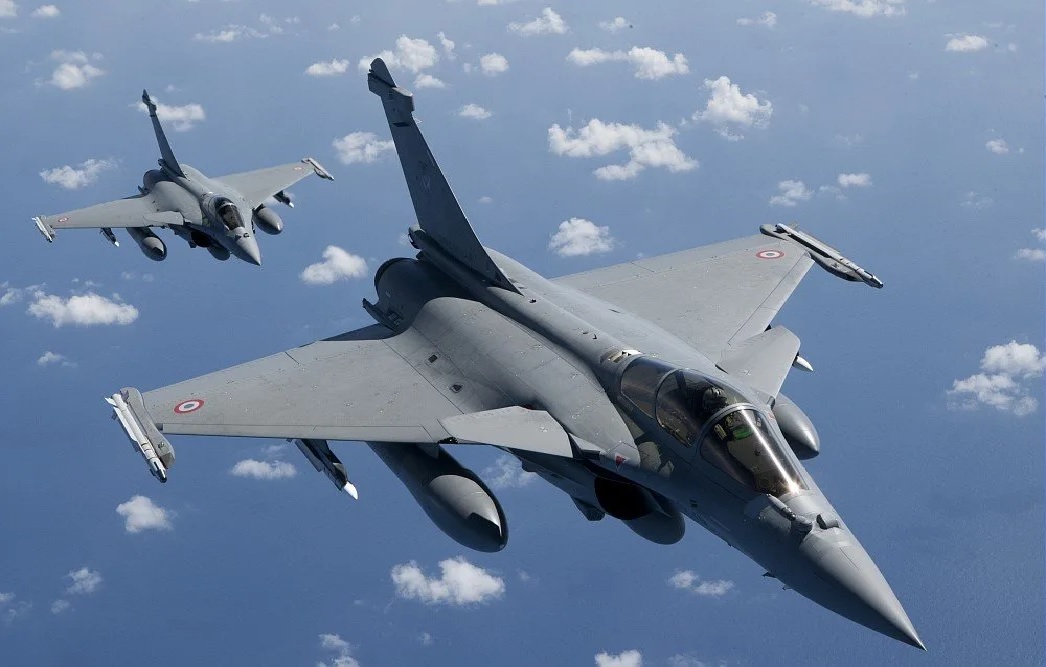
India
A recent analysis by the French Institute of International Relations (Ifri) has cast a spotlight on the Dassault Rafale's challenges in countering advanced stealth fighters. This revelation has significant implications for nations operating the Rafale, notably India, which has inducted 36 of these jets into its air force. Rafale's Design and Stealth Capabilities The Rafale, developed by Dassault Aviation, is celebrated for its versatility and combat performance. However, it is categorized as a 4.5-generation fighter, lacking the full stealth features inherent to fifth-generation aircraft like the American F-35 or the Chinese J-20. While the Rafale incorporates certain stealth elements to reduce its radar cross-section, it does not achieve the low observability that defines true stealth fighters. Challenges in Modern Aerial Combat The Ifri report underscores the Rafale's difficulties in engaging stealth-equipped adversaries. In simulated combat scenarios, Rafale pilots have encountered significant obstacles when facing fifth-generation stealth fighters. The report concludes that, with the current sensor technology, missions against such stealth opponents are "impossible to win." Implications for the Indian Air Force For the Indian Air Force (IAF), which has integrated the Rafale into its fleet, this assessment is particularly concerning. Neighboring countries, notably China with its J-20 and Pakistan's potential acquisition of the J-35A, are advancing their fifth-generation fighter capabilities. This evolving dynamic could erode India's aerial superiority in the region. Accelerating the AMCA Program In response to these challenges, India is expediting the development of its indigenous fifth-generation fighter, the Advanced Medium Combat Aircraft (AMCA). This ambitious project, led by the Defence Research and Development Organisation (DRDO) and Hindustan Aeronautics Limited (HAL), aims to produce a stealth aircraft equipped with advanced avionics, supercruise capabilities, and artificial intelligence-driven systems. The AMCA program has made notable progress: Design and Development: The project entered the detailed design phase in February 2019, with the first prototype rollout anticipated by 2026. First Flight: The inaugural flight is targeted for 2028, with the aircraft expected to enter service by 2035. Engine Collaboration: India is in discussions with international partners, including Safran and Rolls-Royce, to co-develop a new engine for the AMCA, with a decision expected by mid-2025. Enhancing Rafale's Capabilities Concurrently, the IAF is exploring upgrades to the existing Rafale fleet to bolster its effectiveness against stealth threats. Potential enhancements include advanced radar systems, electronic warfare suites, and integration of new weaponry. Collaborations with France and other defense partners are being considered to implement these upgrades. Strategic Outlook The insights from the Ifri report highlight the rapidly evolving landscape of aerial warfare, emphasizing the critical importance of stealth technology. India's proactive measures, encompassing the acceleration of the AMCA program and the modernization of its current fleet, reflect a strategic commitment to maintaining air dominance and addressing emerging security challenges in the region.
Read More → Posted on 2025-02-02 13:01:20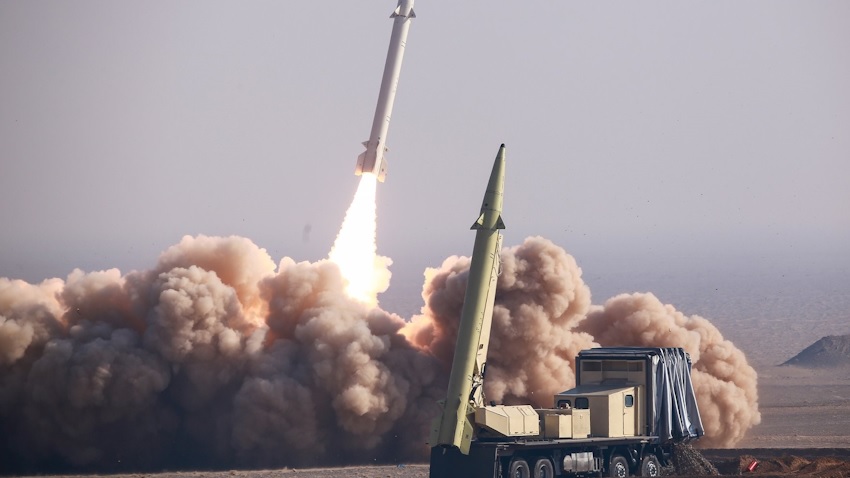
World
In a significant display of military advancement, Iran has introduced its latest ballistic missile, named 'Etemad'—meaning "trust" in Persian. The unveiling ceremony, held in Tehran, was graced by President Masoud Pezeshkian. State television showcased the missile, highlighting its impressive range of 1,700 kilometers (1,056 miles), positioning it as the newest addition to the nation's defense arsenal. Strategic Implications The 'Etemad' missile's range brings several key regions within its reach, notably Israel, a nation with which Iran has had longstanding tensions. This development has heightened concerns among Western countries, who view Iran's expanding ballistic missile program as a potential destabilizing factor in the Middle East. The missile's capabilities underscore Iran's intent to bolster its defense posture, especially in light of recent regional conflicts. Official Statements During the ceremony, President Pezeshkian emphasized the defensive nature of this advancement. He stated, "The development of defense capabilities and space technologies aims to ensure that no country dares to attack Iranian territory." This assertion aligns with Iran's broader strategy of deterrence, aiming to protect its sovereignty against potential aggressors. Historical Context The unveiling coincides with Iran's national aerospace day and precedes the 46th anniversary of the Islamic Republic's establishment on February 10, 1979. Over the past decades, particularly since the 1979 Islamic Revolution, Iran has faced numerous challenges, including sanctions and arms embargoes. These constraints have compelled the nation to develop indigenous military technologies, leading to a substantial arsenal of domestically produced weapons, including missiles, air defense systems, and drones. Recent Military Developments In addition to the 'Etemad' missile, Iran has been actively enhancing its military capabilities. Notably, the country test-fired an anti-warship cruise missile with a range exceeding 1,000 kilometers (600 miles). This missile, launched from central Iran towards the Sea of Oman, is designed to target naval vessels, including those of the U.S. Navy operating in the region. The missile boasts anti-interference features and was launched from an underground facility, highlighting Iran's strategic focus on protecting its military assets. International Reactions The advancements in Iran's missile technology have elicited varied international responses. Western nations have expressed apprehension, viewing these developments as potential threats to regional stability. The unveiling of the 'Etemad' missile, capable of reaching significant distances, has particularly intensified these concerns. The international community continues to monitor Iran's military activities closely, especially in the context of its nuclear program and regional influence. Iran's introduction of the 'Etemad' ballistic missile marks a notable milestone in its defense capabilities. As the nation commemorates significant historical events, this development underscores its commitment to self-reliance in military technology. While Iran positions these advancements as defensive measures, the international community remains vigilant, assessing the broader implications for regional and global security.
Read More → Posted on 2025-02-02 12:58:32
World
India has marked a significant achievement in its defence sector with the successful testing of the Very Short-Range Air Defence System (VSHORADS) missile. Conducted by the Defence Research and Development Organisation (DRDO) at the Integrated Test Range in Chandipur, Odisha, these trials underscore India's advancing capabilities in indigenous missile technology. Key Features of VSHORADS: Man-Portable Design: VSHORADS is a fourth-generation man-portable air defence system (MANPADS), designed for rapid deployment and ease of use by individual soldiers. Advanced Targeting: Equipped with a dual-band infrared imaging seeker, the missile ensures precise targeting by effectively distinguishing between actual threats and decoys. Enhanced Propulsion: The system utilizes a dual-thrust solid rocket motor, providing the necessary speed and agility to counter low-altitude aerial threats. Development and Collaboration: The VSHORADS missile system is the result of a collaborative effort led by DRDO's Research Centre Imarat (RCI) in Hyderabad, in partnership with other DRDO laboratories and industry partners. This collective endeavor aims to bolster India's self-reliance in defence technology. Strategic Importance: The successful tests of VSHORADS are pivotal for India's defence strategy, especially in countering modern aerial threats such as unmanned aerial vehicles (UAVs) and low-flying aircraft. The system's portability and advanced targeting capabilities make it a valuable asset for the Indian Armed Forces, enhancing their operational flexibility and response effectiveness. In conclusion, the development and successful testing of the VSHORADS missile system signify a major advancement in India's indigenous defence capabilities, reinforcing the nation's commitment to self-reliance and technological excellence in safeguarding its airspace.
Read More → Posted on 2025-02-02 12:53:05Search
Top Trending in 24 Hours
-
 U.S. Secures Permanent Military Rights in Greenland in Historic Security Pact with Denmark
-
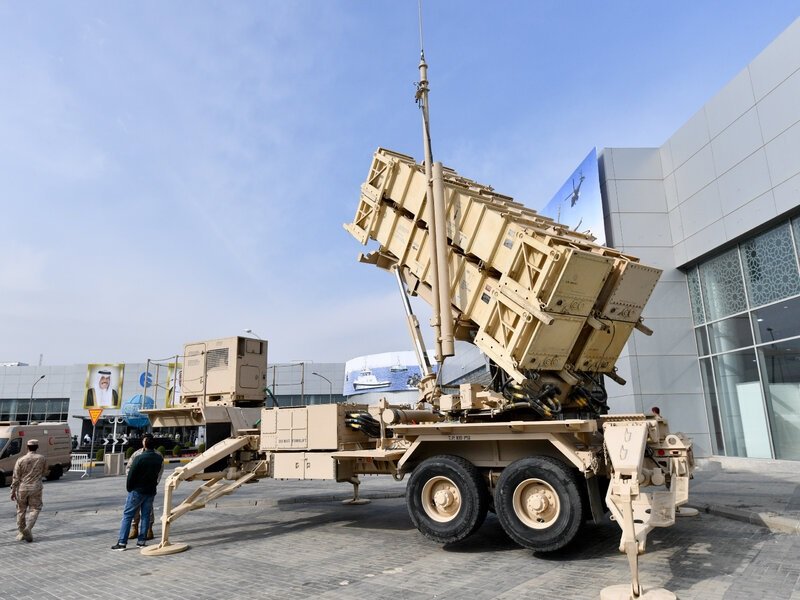 U.S. Iran War Cost Hits $43.6 Billion as Missile Interceptor Stocks Come Under Pressure
-
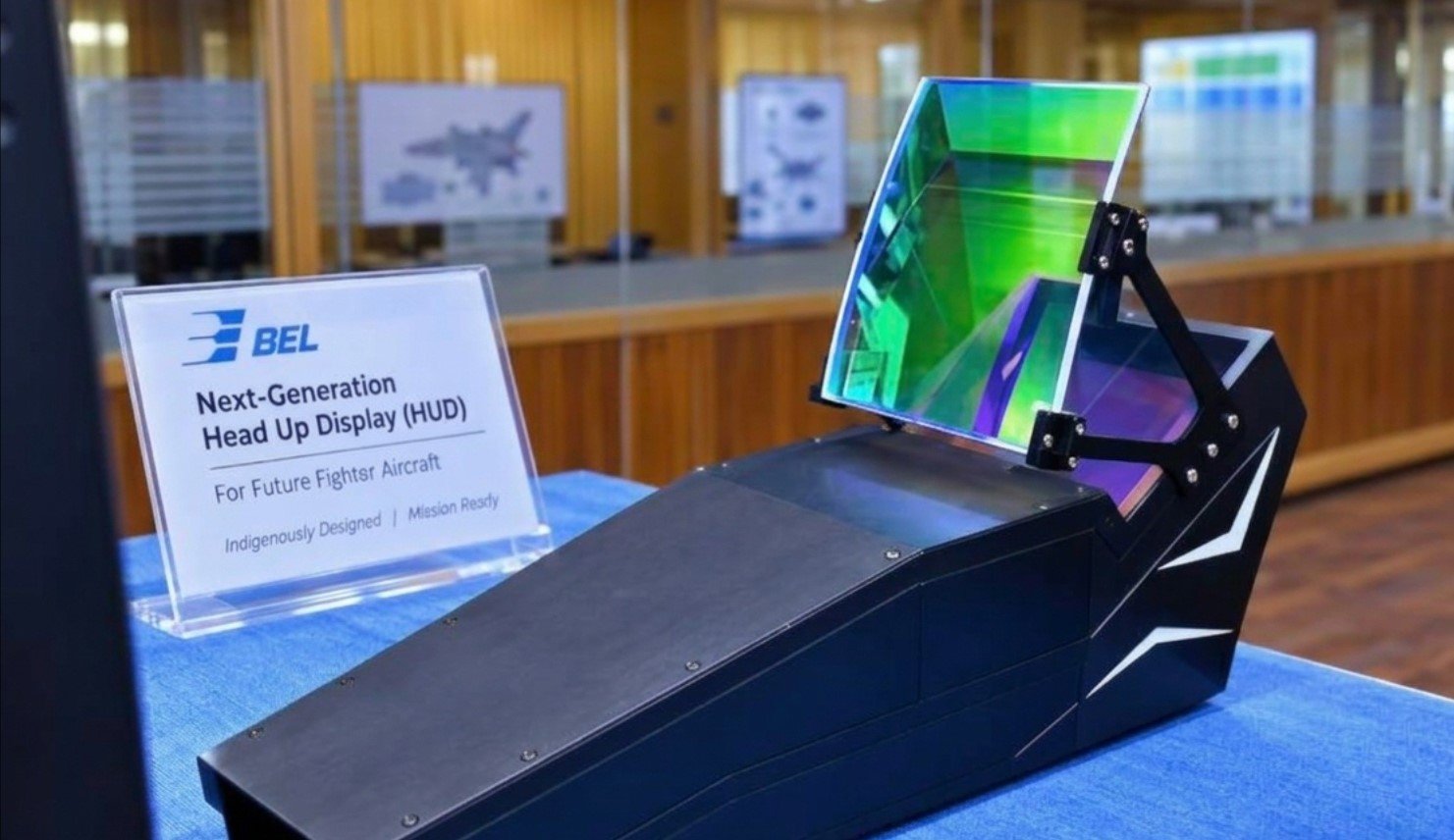 BEL Showcases New-Generation Head-Up Display, Potentially Linked to Tejas Mk2
-
 U.S. Government Seizes Almasirah.net, Houthi-Linked News Website
-
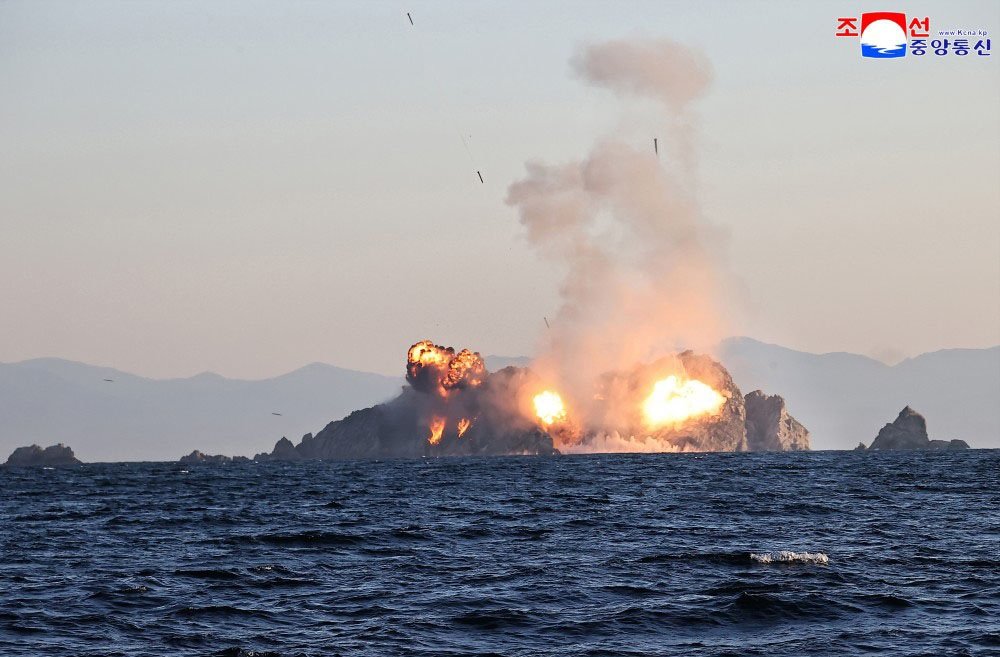 North Korea Fires Short-Range Ballistic Missile Toward Sea of Japan After Freedom Edge 26
-
 India’s xTerra Robotics Launches Indigenous DHAV-Hy Wheeled-Legged Quadruped for Industrial Inspection
Top Trending in 4 Days
-
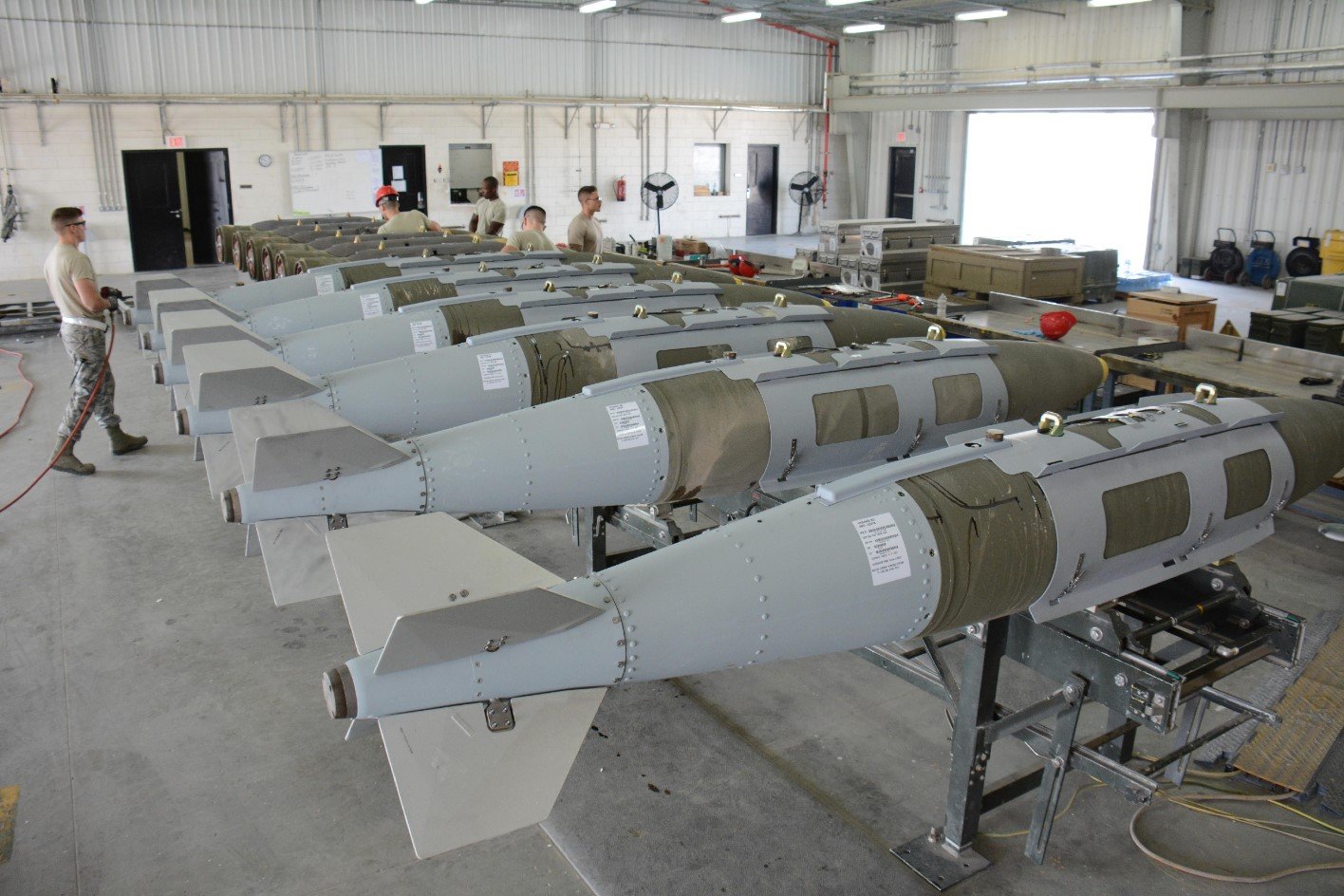 U.S. Plans $2.8 Billion Sale of 40,000 Heavy Bombs and 20,000 I-2000 Penetrator Warheads to Israel
-
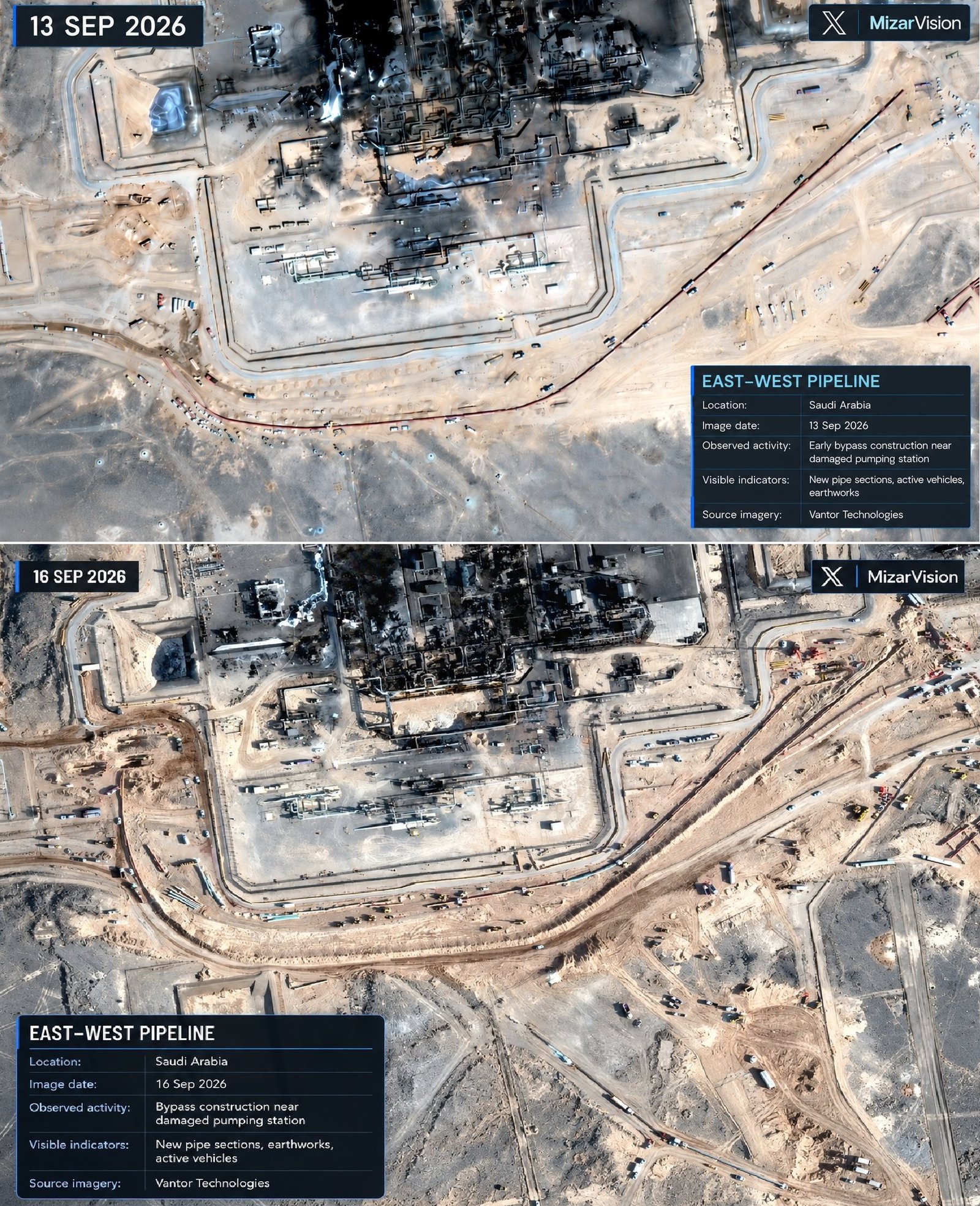 Satellite Images Show Saudi Arabia Building Emergency Bypass Around Damaged East-West Oil Pipeline Station
-
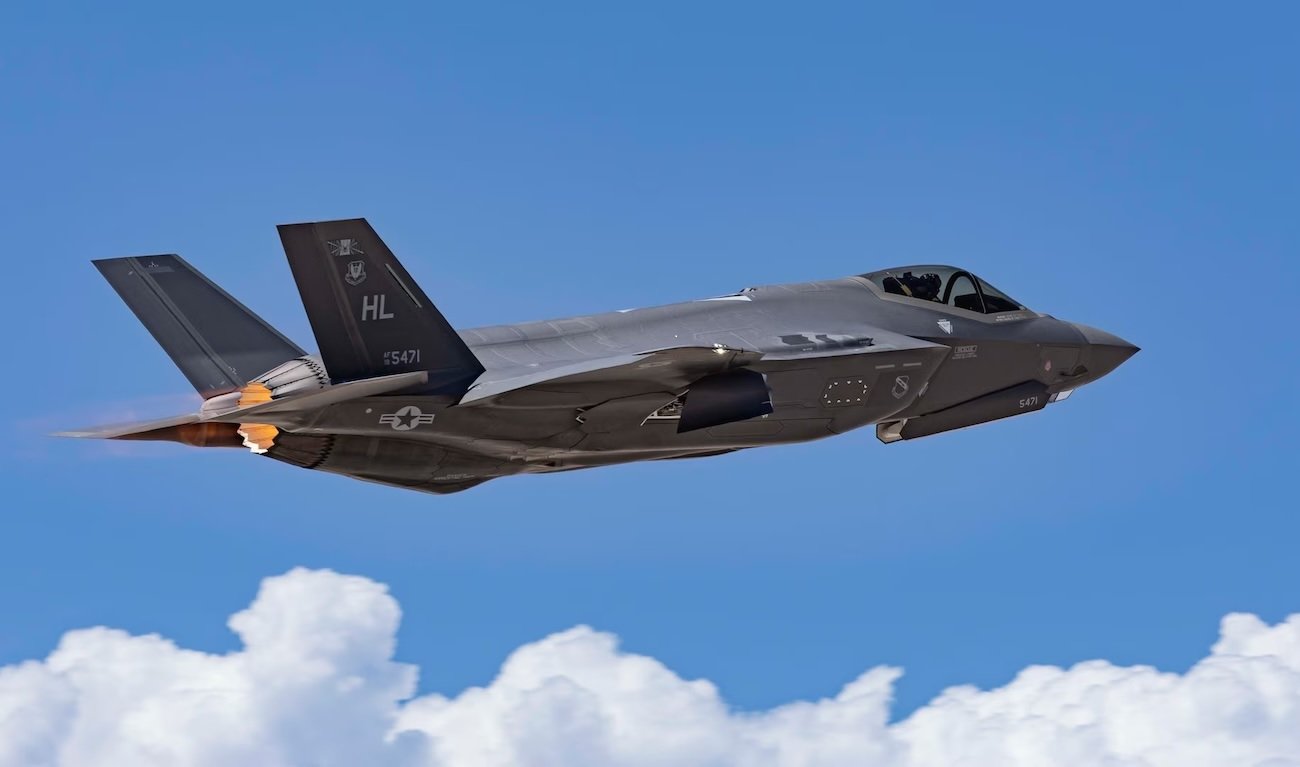 Sensitive F-35 Components Diverted to Hong Kong, Some Parts Missing
-
 Houthis Claim Downing of Saudi F-15 and Wing Loong II Drone Over Marib
-
 Photos Reveal Damaged E-3 Sentry, Buildings and Vehicles at U.S. Bases in Saudi Arabia and Kuwait After Iranian Strikes
-
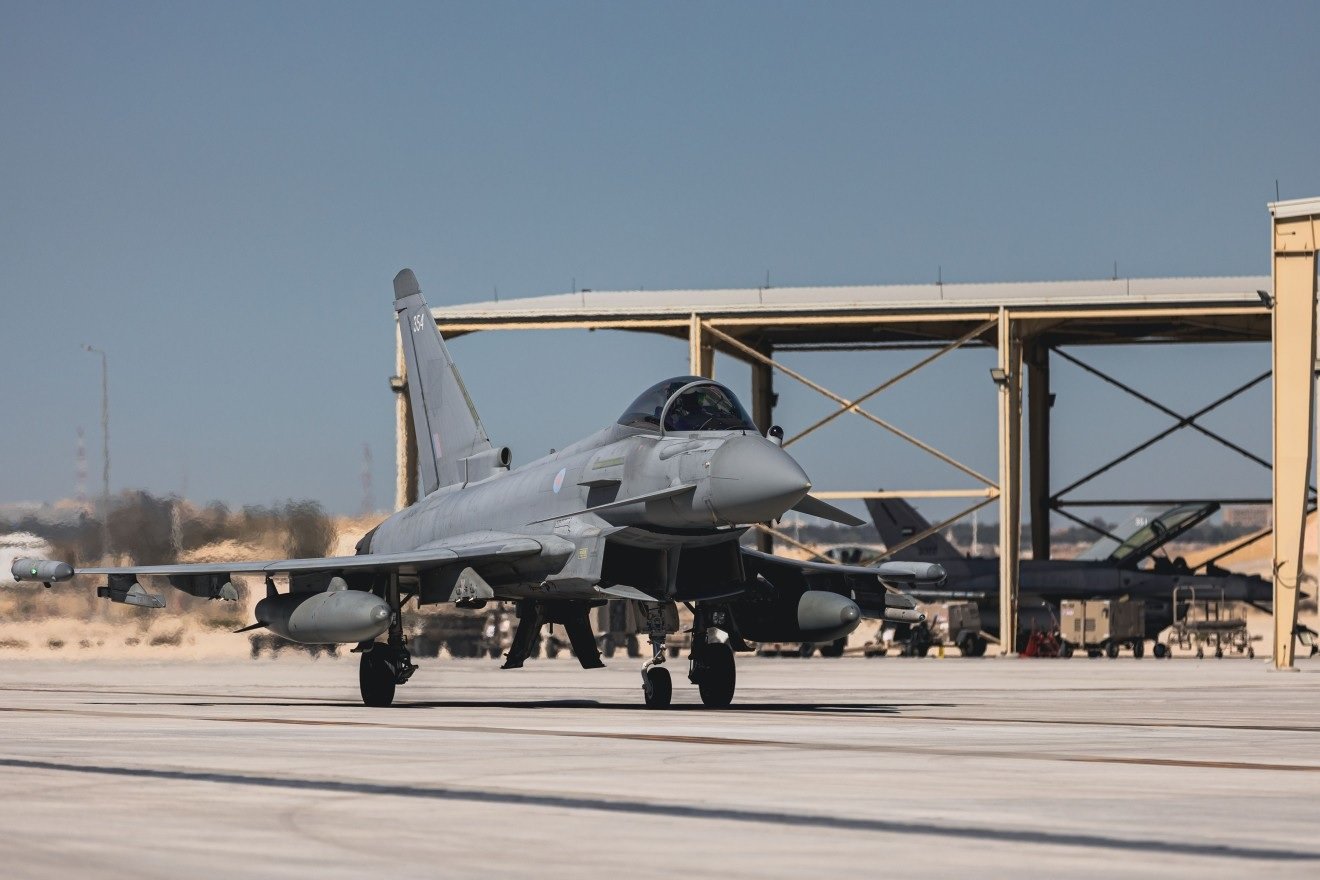 Italian Eurofighter Damaged in Houthi Attack on Saudi Arabia’s King Fahd Air Base
-
 Bharat Forge, Pratt & Whitney Canada to Evaluate Turboprop Engines for DRDO’s Indigenous HALE UAV
-
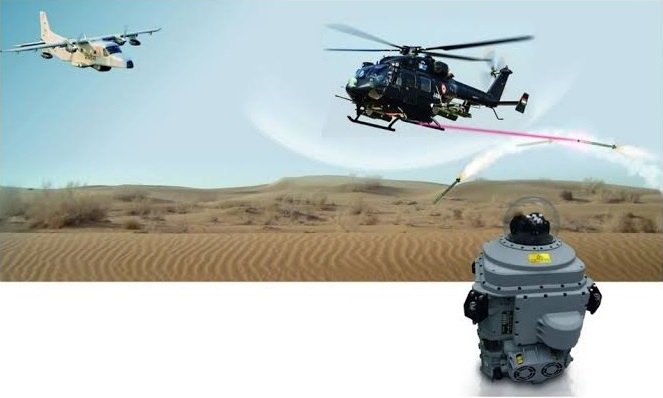 BEL Signs Export Deal with Elbit Systems for Directed Infrared Countermeasure Sub-Assemblies, Secures ₹648 Crore in Additional Orders
