WASHINGTON — The U.S. military’s involvement in the conflict with Iran has cost approximately $43.6 billion through September 3, 2026, according to a new estimate from U.S. Central Command (CENTCOM) provided to congressional national security committees.
The conflict began on February 28, when the United States and Israel launched airstrikes against Iran. The latest CENTCOM estimate is higher than the $38 billion cost estimated by the Congressional Budget Office (CBO) through August 1.
Munitions Account for Most of the Cost
CENTCOM estimates that $28.1 billion of the total has been spent replacing bombs, missiles and other munitions used during the conflict.
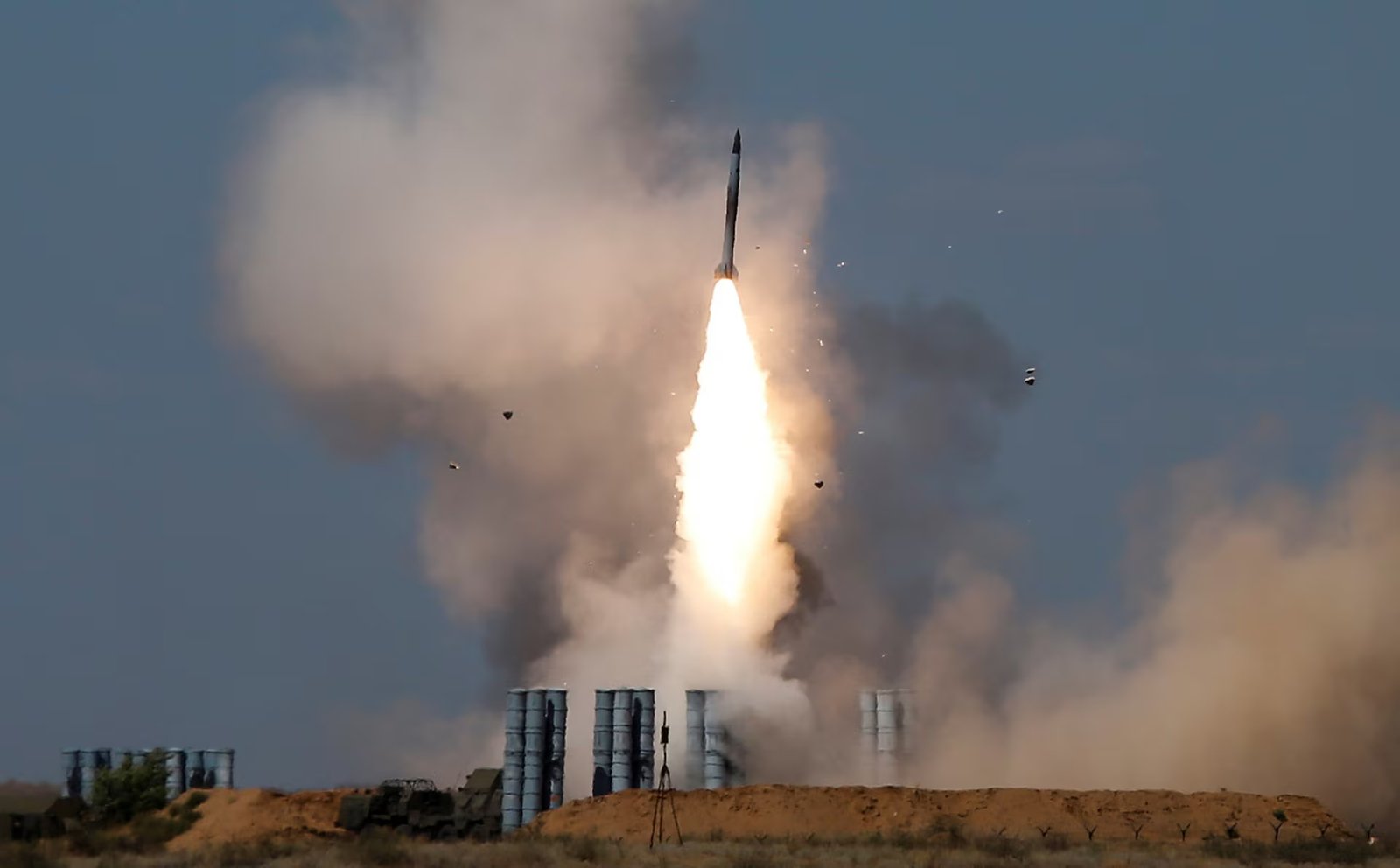
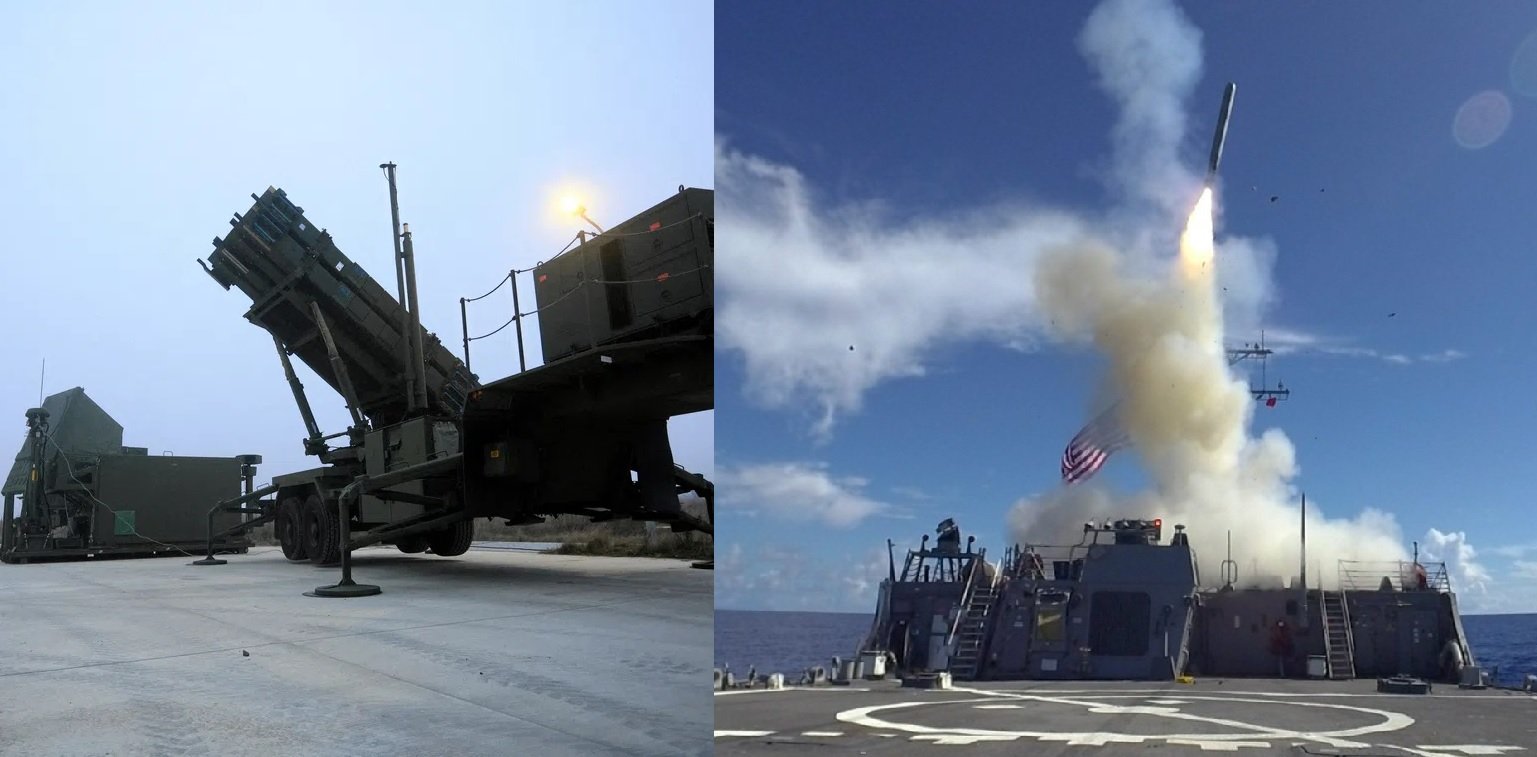
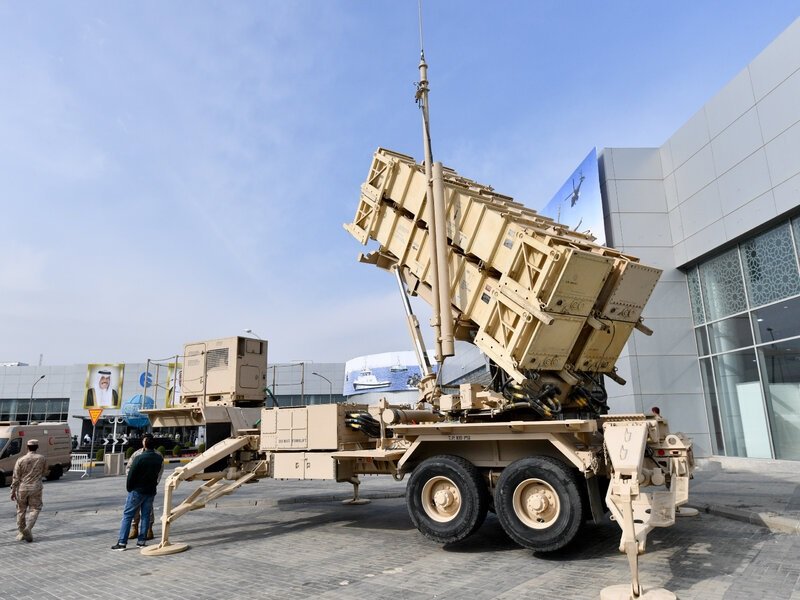
A significant portion has gone toward air-defense interceptors fired by the Army’s Patriot and Terminal High Altitude Area Defense (THAAD) systems. The munitions bill increased by more than $6 billion in roughly one month from the CBO’s earlier estimate of $21.7 billion through August 1.
The heavy use of interceptors has put pressure on U.S. and allied stockpiles. U.S. and NATO officials have reported severe shortages in Europe, while Saudi Arabia has also been facing reduced interceptor inventories.
Operational and Equipment Costs
The CENTCOM estimate includes about $11.2 billion in incremental operational costs and $4.3 billion to replace damaged or destroyed equipment, including combat aircraft and other military equipment.
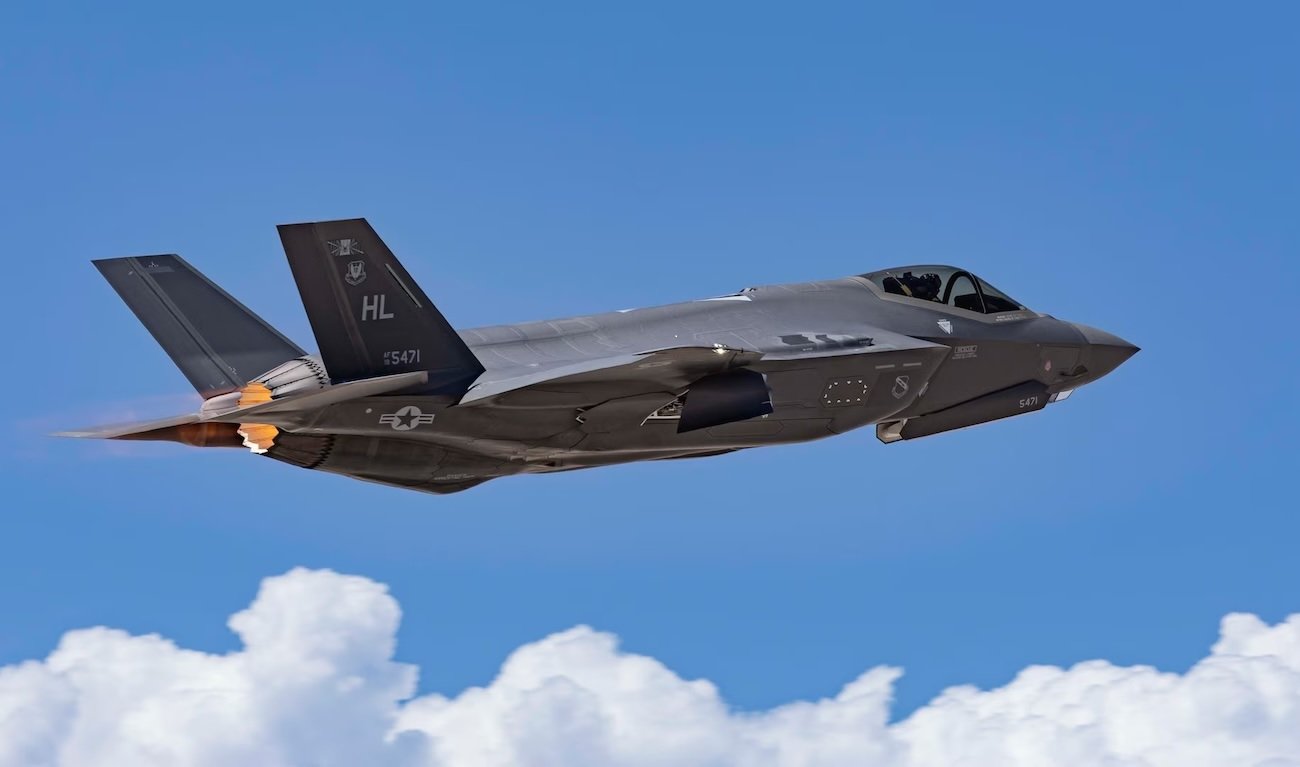
By service, the Air Force has incurred about $6.6 billion, mainly for fighter and bomber operations, airlift, transportation and base support. The Navy has spent about $2.2 billion on operations involving aircraft carriers and more than 20 warships. The Army has incurred about $1.6 billion for operational readiness and deployed personnel.
More than 50,000 U.S. troops have been assigned to the mission in the region, according to CENTCOM.
Base Damage Not Included
The $43.6 billion figure does not include the cost of repairing or rebuilding U.S. military facilities damaged or destroyed by Iranian missile and drone attacks.
Facilities in Bahrain, Kuwait, Qatar, the United Arab Emirates, Saudi Arabia, Iraq, Oman and Jordan have been affected. When additional logistical expenses such as fuel are included, some updated Defense Department estimates put the overall financial burden at approximately $45.1 billion.
CBO Projects Further Costs
The CBO previously estimated that the conflict would cost about $2 billion to $3 billion per month, depending on the intensity of fighting. It also said rebuilding depleted U.S. munitions stockpiles could take at least five years.
Earlier estimates were lower. Defense Secretary Pete Hegseth told Congress in July that the cost was about $37.5 billion, while a Pentagon inspector general assessment covering an earlier period put the figure at $33.4 billion, excluding base-repair costs.
Independent analyses earlier in the year had estimated the total cost at roughly $34 billion to $42 billion, depending on which additional expenses were included.
U.S. Casualties and Stockpile Pressure
The financial cost has been accompanied by military casualties. Public Defense Casualty Analysis System figures list 18 U.S. service members killed and more than 830 wounded since the conflict began.
The fighting has also drawn munitions from U.S. stockpiles intended for other regions, including Europe and the Indo-Pacific, adding to the need for replenishment.
The latest CENTCOM estimate was provided to Congress amid discussions over additional funding for military operations and the replacement of weapons used during the conflict.
——— End of Article ———