
World
The United States Marine Corps has marked a significant milestone by deploying its first F-35B Lightning II squadron from the continental U.S. to Japan, signaling a strategic enhancement of aviation capabilities in the Indo-Pacific region. On March 8, 2025, Marine Fighter Attack Squadron 214 (VMFA-214), known as the "Black Sheep," arrived at Marine Corps Air Station Iwakuni, Japan, as part of the Marine Corps' Unit Deployment Program (UDP). VMFA-214, based at Marine Corps Air Station Yuma, Arizona, is under Marine Aircraft Group 13 of the 3rd Marine Aircraft Wing. This deployment temporarily supports Marine Aircraft Group 12 (MAG-12) of the 1st Marine Aircraft Wing, thereby reinforcing operations in the Indo-Pacific. The squadron transitioned to the F-35B platform in March 2022, becoming the first to integrate this advanced aircraft into the rotational deployment program. Lieutenant Colonel Robert F. Guyette, VMFA-214's commanding officer, outlined the deployment's objectives: seamless integration with Marine and joint forces, enhancing combined warfighting readiness, refining operations from austere locations, and aligning with key Marine Corps concepts like Expeditionary Advanced Base Operations to maximize survivability and airpower projection. Colonel Kyle B. Shoop, commander of MAG-12, emphasized the strategic importance of the deployment, noting that the addition of a U.S.-based F-35B squadron enhances Marine aviation's contribution to joint and allied operations. He stated that this deployment increases Marine aviation's ability to operate from both established and minimally developed locations, supporting distributed operations in the Indo-Pacific. This deployment is part of the Marine Corps' broader transition from legacy aircraft like the F/A-18 Hornet and AV-8B Harrier to the fifth-generation F-35 platform. The 2025 Marine Aviation Plan highlighted this shift's importance, aiming to strengthen the service's operational capabilities in the region's challenging environments. Major General Marcus B. Annibale, commanding general of the 1st Marine Aircraft Wing, highlighted the long-term implications of the deployment. He noted that as the Marine Corps advances its aviation plan, more F-35 squadrons will be established, munitions with greater capabilities will become available, support systems will strengthen, and the F-35's technology suite will continue to evolve. F-35B Lightning II Specifications: Role: Multirole strike fighter Manufacturer: Lockheed Martin Variants: F-35A (CTOL), F-35B (STOVL), F-35C (CV) Powerplant: Single Pratt & Whitney F135-PW-600 turbofan engine Maximum Speed: Approximately Mach 1.6 (1,200 mph or 1,930 km/h) Combat Radius: Over 450 nautical miles (833 km) Armament Capacity: Up to 5,700 pounds (2,590 kg) of internal payload; additional external capacity available when stealth is not a priority Stealth Features: Reduced radar cross-section for enhanced survivability Avionics: Advanced sensor fusion, electronic warfare capabilities, and network-centric warfare systems The F-35B's short takeoff and vertical landing capabilities allow it to operate from various platforms and austere environments, making it a versatile asset for expeditionary operations. This deployment underscores the Marine Corps' commitment to modernizing its aviation assets and enhancing operational readiness in strategically vital regions.
Read More → Posted on 2025-03-09 15:58:27
World
In a significant development, Ukraine has lost access to satellite imagery provided by Maxar Technologies, a leading American aerospace company specializing in geospatial intelligence and satellite products. This suspension aligns with the U.S. government's recent decision to temporarily halt intelligence sharing with Ukraine, aiming to encourage diplomatic negotiations with Russia. Maxar Technologies and Its Role Maxar Technologies, headquartered in Westminster, Colorado, is renowned for its high-resolution Earth observation satellites and geospatial data services. The company has been instrumental in supplying critical satellite imagery to various U.S. government agencies, allied nations, and partners, supporting operational planning, emergency response, and situational awareness. Global Enhanced GEOINT Delivery (G-EGD) Program Central to this situation is the Global Enhanced GEOINT Delivery (G-EGD) program, an initiative by the U.S. National Geospatial-Intelligence Agency (NGA). The G-EGD program provides authorized U.S. government users with on-demand, unclassified, high-resolution satellite imagery, facilitating informed decision-making across various missions. This imagery is sourced from Maxar and other commercial providers, ensuring comprehensive geospatial intelligence support. Implications of the Suspension The suspension of Ukraine's access to Maxar's satellite imagery has significant implications: Military Operations: Ukrainian forces heavily relied on Maxar's imagery to monitor Russian troop movements, plan strategic operations, and assess battlefield conditions. The loss of this resource hampers their situational awareness and operational effectiveness. Defense Capabilities: The absence of real-time satellite data diminishes Ukraine's ability to anticipate and respond to missile attacks, potentially compromising air defense systems and overall military preparedness. Diplomatic Dynamics: The U.S. administration's decision to suspend intelligence sharing, including satellite imagery, is intended to pressure Ukraine into peace negotiations with Russia. This move reflects a strategic shift in U.S. foreign policy and affects Ukraine's leverage in ongoing diplomatic efforts. The cessation of Maxar's satellite imagery services to Ukraine underscores the intricate relationship between commercial satellite providers and governmental directives. As geopolitical landscapes evolve, access to geospatial intelligence remains a pivotal factor influencing military strategies and diplomatic negotiations. The current suspension not only affects Ukraine's defense capabilities but also highlights the broader implications of intelligence sharing in international relations.
Read More → Posted on 2025-03-09 15:55:44
World
The United States Marine Corps (USMC) has taken a significant step in enhancing its maritime combat capabilities by establishing the 12th Littoral Combat Team (12th LCT) at Camp Hansen, Okinawa, Japan. This activation marks the completion of the 12th Marine Littoral Regiment's (12th MLR) subordinate units, aligning with the USMC's Force Design 2030 vision to bolster naval expeditionary warfare. Formation and Leadership On March 3, 2025, the 12th LCT was officially activated, with Lt. Col. Jacob Godby assuming command. This unit is the final component of the 12th MLR, which also includes the 12th Littoral Anti-Air Battalion and the 12th Littoral Logistics Battalion. The establishment of the 12th LCT signifies a strategic shift towards littoral (coastal) operations, enhancing the USMC's ability to conduct missions in maritime environments. Integration of NMESIS A pivotal aspect of the 12th LCT's capabilities is the planned integration of the Navy/Marine Corps Expeditionary Ship Interdiction System (NMESIS). This advanced system features unmanned ground vehicles equipped with RGM-184A Naval Strike Missiles, designed to target and neutralize enemy ships from land-based positions. Each NMESIS unit is built on the Remotely Operated Ground Unit for Expeditionary (ROGUE) Fires chassis, capable of launching two Naval Strike Missiles per vehicle. The 12th LCT is slated to receive 18 such unmanned vehicles, organized into two platoons, thereby significantly enhancing the USMC's sea-denial capabilities within the First Island Chain. Strategic Importance The activation of the 12th LCT and its forthcoming NMESIS integration underscore the USMC's commitment to adapting to modern maritime threats. By positioning these advanced capabilities in Okinawa, the USMC enhances its readiness to respond to potential conflicts in the Indo-Pacific region. This move also strengthens the alliance with Japan's Self-Defense Forces, promoting regional stability and a free and open Indo-Pacific. Future Outlook While the 12th LCT awaits the delivery of its NMESIS launchers, its structure mirrors that of the 3rd Littoral Combat Team based in Hawaii, which received its launchers in late 2024. The anticipated deployment of NMESIS within the 12th LCT will mark a significant milestone in the USMC's modernization efforts, providing a robust deterrent against maritime threats and enhancing the United States' strategic posture in the region. In summary, the establishment of the 12th Littoral Combat Team in Okinawa represents a critical advancement in the USMC's operational capabilities, aligning with contemporary defense strategies and reinforcing commitments to allies in the Asia-Pacific theater.
Read More → Posted on 2025-03-09 15:52:36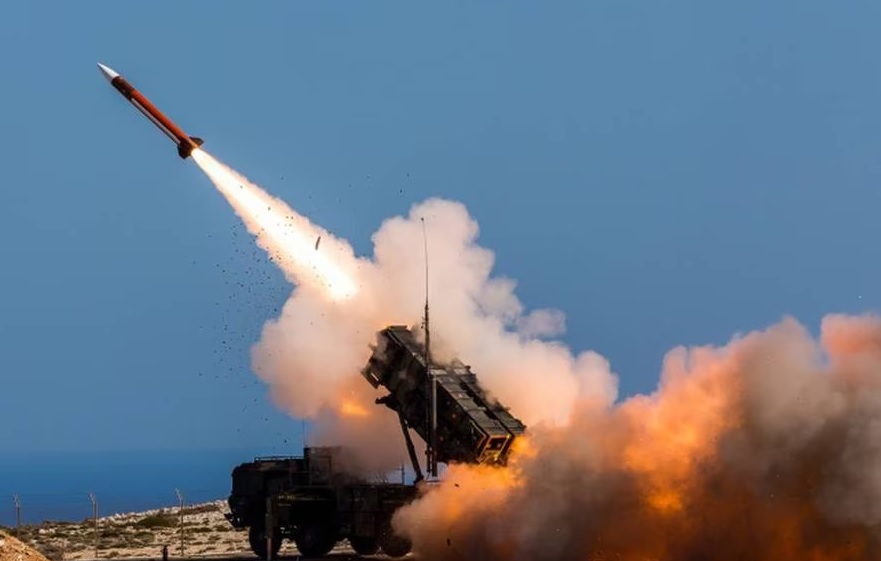
World
In an era of evolving security challenges, military leaders and air defence experts from over 15 NATO countries and partner nations convened in southern Germany from February 19-21 for the European Integrated Air and Missile Defence (EIAMD) Symposium. Hosted by the 10th Army Air and Missile Defence Command (10th AAMDC), the event focused on bolstering Europe’s defence against modern aerial threats, including drones, cruise missiles, and hypersonic weapons. Brig. Gen. Curtis W. King, commanding general of the 10th AAMDC, stressed the urgency of strengthening multinational cooperation. “As we face increasingly complex security challenges, the need for collaboration and innovation in our defence strategies has never been more critical,” he said. The symposium was more than just a series of discussions—it was a platform for military experts to refine strategies for integrated air and missile defence (IAMD). Representatives from U.S. Air Forces in Europe-Air Forces Africa (USAFE), U.S. Army Europe and Africa (USAREUR-AF), Allied Land Command (LANDCOM), and Allied Air Command (AIRCOM) participated, sharing insights on data integration, command structures, and real-time response mechanisms. Enhancing NATO’s Air Defence Capabilities Over the three-day event, leaders addressed operational challenges, capability gaps, and future initiatives to improve NATO’s air defence framework. A key focus was the need for real-time data sharing among allies to create a seamless, layered defence network. As hypersonic weapons and drone swarms become more prevalent, experts emphasized the necessity of fast decision-making and automated response systems. Sgt. Maj. John O’Connor of the 10th AAMDC highlighted NATO’s need for enhanced synchronization, stating, “We cannot afford to operate in silos. Our adversaries are adapting and changing, and so should we.” A significant portion of the discussions revolved around lessons learned from the Ukraine war, where adversaries are using mass drone attacks and new missile tactics to challenge air defence systems. Solutions such as acoustic sensors, artificial intelligence-driven threat detection, and mobile fire teams were explored as potential countermeasures. Stronger Collaboration for a Unified Defence Beyond technical improvements, the symposium reinforced the importance of coordinated NATO partnerships. “We need to know each other before we need each other,” said U.S. Army Col. Ro Clemente, stressing the importance of personal and professional relationships in strengthening defence cooperation. The 10th AAMDC remains at the forefront of Europe’s air and missile defence, working with NATO allies to refine both technical interoperability and strategic readiness. With a rising spectrum of threats in the region, continuous collaboration, innovation, and investment in IAMD remain vital to ensuring Europe’s security. As NATO enhances its deterrence posture, the U.S. Army and its allies are committed to building a resilient air and missile defence network, ready to counter any emerging threats.
Read More → Posted on 2025-03-09 15:49:24
World
At the 2025 Air & Space Force Association (AFA) conference, Lockheed Martin introduced the Common Multi-Mission Truck (CMMT), a new cruise missile concept designed for affordability and mass production. Developed over two years by Lockheed's Skunk Works division, the CMMT aims to meet the U.S. Air Force's Franklin program requirements, targeting long-range cruise missiles priced under $150,000 per unit. Key Specifications: Cost: Approximately $150,000 per unit. Range: Exceeds 500 miles (800 kilometers). Design: Subsonic and modular, allowing for various configurations to suit different missions, including longer-range and maritime strike variants. Deployment: Compatible with palletized systems for transport aircraft, enabling a single pallet to carry up to 25 CMMTs. Additionally, it can be integrated into the internal weapons bay of the F-35 stealth fighter. The CMMT is designed to bridge the gap between lower-cost standoff glide weapons and more expensive cruise missiles, offering a cost-effective solution for various mission requirements. If approved by the Pentagon, Lockheed Martin plans to produce up to 2,500 units annually, aligning with the U.S. strategy of "affordable mass" to deter potential adversaries. This development reflects a shift towards building extensive and easily manufacturable arsenals, enhancing military readiness and operational flexibility.
Read More → Posted on 2025-03-09 15:44:44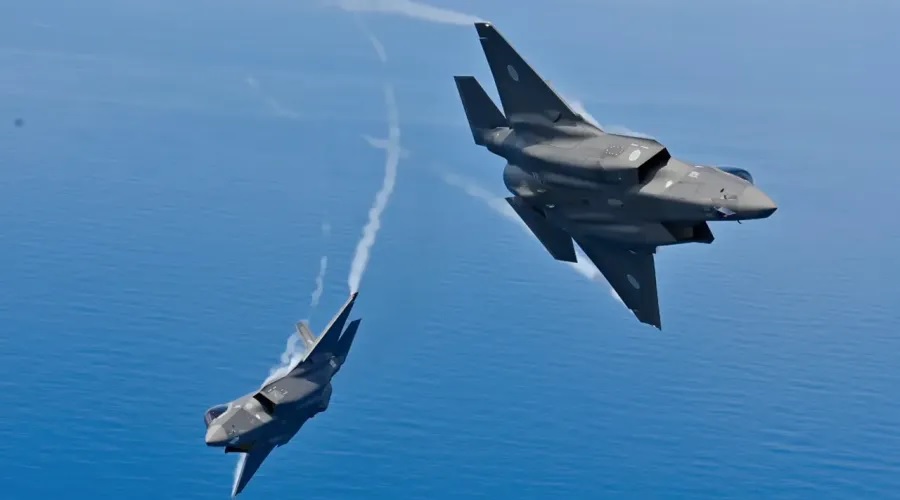
World
A recent assertion by retired Pakistani Brigadier Masood Ahmed Khan regarding the J-35A fighter jet has sparked widespread debate, with defense experts and analysts quickly dismissing his claim. Khan had stated that Pakistan’s acquisition of China’s J-35A would make it the world’s fourth nation to operate fifth-generation fighter jets, placing it alongside the United States, Russia, and China. However, this statement is factually incorrect, as multiple countries already possess and operate the American-built F-35 Lightning II. F-35’s Global Presence Disproves the Claim Khan’s claim ignores the widespread deployment of the F-35, a fifth-generation stealth fighter that is currently in service with several countries. Besides the U.S., nations such as Australia, the United Kingdom, Italy, Japan, Norway, Israel, and South Korea actively operate the F-35. Additionally, Belgium, Denmark, Finland, Poland, and Singapore have also joined the list, making it clear that Pakistan is far from being the "fourth" nation with such advanced aircraft. Pakistan’s J-35A Acquisition and Its Capabilities Pakistan has reportedly approved the purchase of 40 J-35A fighter jets from China, with deliveries expected within the next two years. The J-35A, developed by Shenyang Aircraft Corporation, is a twin-engine stealth fighter that features advanced avionics, stealth coating, and a reported operational range of approximately 1,200 km, which can be extended with aerial refueling. While the J-35A boasts modern stealth capabilities, experts remain skeptical about its real-world effectiveness, as the aircraft remains untested in combat. Unlike the F-35, which has undergone extensive testing and deployment, the J-35A’s performance remains theoretical at best. Doubts Over Pakistan’s Technological Edge Khan claimed that the J-35A would give Pakistan a significant advantage over the Indian Air Force (IAF), even stating that it would "force the IAF to sit out of any possible conflict on Kashmir." However, such statements have been met with strong criticism, given India’s ongoing air force modernization. The IAF currently operates 36 Rafale jets—considered 4.5-generation fighters—and is in the process of upgrading its Su-30MKI fleet with advanced Virupaksha AESA radars and Astra MkIII beyond-visual-range missiles, with an estimated range of 300-350 km. Additionally, India is actively developing its own fifth-generation fighter, the Advanced Medium Combat Aircraft (AMCA), with prototypes expected in the coming decade. Moreover, Pakistan’s reliance on Chinese military exports raises concerns regarding technology restrictions. China has historically downgraded the capabilities of exported systems, as seen in the J-10CE’s AESA radar and the export version of the PL-15 missile, which has a reduced range (145 km) compared to the domestic version’s 200 km+. Similar limitations could apply to the J-35A, making it less competitive than its Chinese counterpart or other global fifth-generation fighters. Pakistan’s Position in the Fifth-Gen Race Khan’s assertion that Pakistan would become the "fourth nation" with fifth-generation jets does not hold up against facts. With over a dozen countries already operating or acquiring the F-35, Pakistan’s entry into the fifth-generation fighter club—while a notable development—places it much further down the list. Additionally, the J-35A remains an unproven platform, whereas competitors like the F-35 and even Russia’s Su-57 have seen real-world deployments. Ultimately, while Pakistan’s acquisition of the J-35A signals its ambitions, it does not revolutionize the regional air power balance as Khan suggests. With India strengthening its air force and developing its own stealth capabilities, Pakistan’s reliance on an untested Chinese aircraft may not provide the overwhelming advantage that Khan claims.
Read More → Posted on 2025-03-09 15:40:45
World
In a recent tactical maneuver, Russian special forces exploited a gas pipeline to launch a surprise attack on Ukrainian units in the Kursk region. This strategy underscores the evolving and unconventional methods employed in the ongoing conflict between Russia and Ukraine. In August 2024, Ukraine initiated a bold cross-border operation into Russia's Kursk Oblast, marking the most significant incursion into Russian territory since World War II. Ukrainian forces rapidly advanced, seizing approximately 1,000 square kilometers of territory, including the strategic border town of Sudzha, and capturing numerous Russian soldiers. The primary objectives of this offensive were to secure leverage in potential peace negotiations and to compel Russia to reallocate its military resources from eastern Ukraine to defend its own borders. Current Situation: Months into the operation, Ukrainian troops in the Kursk region are facing sustained assaults from a formidable Russian force estimated at over 50,000 soldiers, which reportedly includes contingents from North Korea. The intensity of these attacks has placed Ukrainian units at risk of encirclement, as indicated by open-source battlefield maps. Pipeline Infiltration Tactic: In a bid to outflank Ukrainian defenses, Russian special forces reportedly traversed approximately 15 kilometers within a gas pipeline previously used to transport gas to Europe. This infiltration allowed them to emerge behind Ukrainian lines near Sudzha, aiming to catch the defenders off-guard. Some operatives allegedly spent several days inside the pipeline before executing the assault. Visual evidence circulating on Russian Telegram channels depicts special forces personnel equipped with gas masks navigating the interior of a large pipeline, purportedly during this operation. Ukrainian Response: The Ukrainian General Staff acknowledged the infiltration attempt, stating that Russian "sabotage and assault groups" utilized the pipeline to gain a foothold near Sudzha. However, Ukrainian forces detected the incursion promptly and responded with coordinated rocket and artillery strikes. The General Staff reported that Russian special forces are currently being "detected, blocked, and destroyed," and emphasized that enemy losses in Sudzha are substantial. International Developments: In a related development, French Defense Minister Sébastien Lecornu announced that France will allocate an additional €195 million (approximately $211 million) in military aid to Ukraine. This package, funded through profits from frozen Russian assets, includes 155-mm artillery shells and glide bombs compatible with Mirage 2000 fighter jets previously supplied to Ukraine. The situation in the Kursk region remains dynamic, with both sides adapting their strategies amidst ongoing hostilities. The use of unconventional tactics, such as pipeline infiltrations, highlights the evolving nature of warfare in this conflict.
Read More → Posted on 2025-03-09 15:31:12
India
In a significant advancement in defense technology, researchers at the Indian Institute of Technology Madras (IIT-Madras) have developed a pioneering framework aimed at bolstering the protection of critical infrastructure against ballistic missile threats. Understanding the Vulnerability of Reinforced Concrete Structures Reinforced concrete (RC) structures, commonly used in defense bunkers, nuclear power plants, bridges, and airstrips, are susceptible to localized damage when struck by high-velocity projectiles. Such impacts can lead to penetration, perforation, scabbing, spalling, and crushing, potentially resulting in catastrophic structural failures. Innovative Framework for Enhanced Ballistic Resistance To address these vulnerabilities, the IIT-Madras research team employed computational simulations to analyze missile impacts on RC panels. This analysis led to the creation of a performance-based design framework focusing on two key parameters: Depth of Penetration (DOP): Measures how deeply a projectile can penetrate into the concrete structure. Crater Damage Area: Assesses the surface area affected by the impact, indicating the extent of damage. Additionally, the researchers proposed a probabilistic formula to estimate crater diameters in RC panels. This approach enhances the accuracy of ballistic design by accounting for uncertainties often overlooked in traditional deterministic models. Implications for Future Military Installations The implementation of this framework is poised to significantly influence the construction and resilience of future military installations: Enhanced Structural Resilience: By designing RC panels with improved ballistic resistance, critical infrastructures can better withstand missile impacts, reducing the risk of structural failure during attacks. Cost-Effective Solutions: Utilizing computational simulations allows for optimized RC panel designs, potentially lowering material costs while maintaining or enhancing protective capabilities. Integration with Emerging Technologies: Incorporating advanced materials and technologies, such as 3D-printed lightweight composites, can further augment the ballistic resistance of RC panels, offering additional protection layers. Adaptability and Flexibility: The performance-based design approach provides flexibility to adapt to various threats and environmental conditions, crucial for military installations in diverse locations. Influence on Strategic Planning: With improved structural resilience, military planners may consider more strategic placement of critical infrastructure in high-risk areas, knowing they are better protected against ballistic threats. Synergy with Other Military Technologies: Integrating this framework with emerging military technologies, such as advanced sensors and AI-driven systems, can enhance overall military operations' effectiveness. For instance, real-time data from sensors could inform the design and deployment of more resilient infrastructure. Comparison with Existing Protection Frameworks The IIT-Madras framework offers a specialized solution for physical infrastructure protection against ballistic threats. While frameworks like the NIST Cybersecurity Framework (CSF) 2.0 and the Infrastructure Resilience Planning Framework (IRPF) provide broader approaches to managing risks across different domains, the IIT-Madras framework specifically addresses the physical resilience of RC structures against missile impacts. Each framework serves distinct needs but can complement each other in comprehensive infrastructure protection strategies. In summary, the innovative framework developed by IIT-Madras represents a significant step forward in safeguarding critical infrastructure from ballistic missile threats, enhancing national security and resilience.
Read More → Posted on 2025-03-09 15:26:06
World
In a decisive move reflecting deepening concerns over European security, Norway has announced a substantial increase in its aid to Ukraine. Prime Minister Jonas Gahr Støre declared that the annual assistance will more than double, reaching 85 billion Norwegian kroner ($7.8 billion) in 2025. This decision underscores Norway's commitment to supporting Ukraine amidst escalating tensions with Russia. Details of the Aid Package The augmented aid package includes an additional 50 billion kroner ($4.5 billion), elevating Norway's total contribution to Ukraine to 85 billion kroner for the year 2025. This increase has been agreed upon by political parties in the Norwegian parliament, reflecting a unified stance on the issue. Furthermore, the government has outlined plans to extend aid up to 2030, bringing the cumulative support to approximately 205 billion kroner ($18 billion). Norway's Strategic Position and Economic Considerations As a major oil and gas producer, Norway has experienced increased revenues due to heightened energy demands in Europe, partly resulting from the geopolitical situation. This economic upturn has enabled the country to allocate more resources toward international aid, particularly in support of Ukraine. The decision to bolster aid also aligns with domestic and international calls for Norway to leverage its financial strength, including its $1.8 trillion sovereign wealth fund, to support global stability and humanitarian efforts. European Union's Defense Initiatives Norway's announcement coincides with broader European efforts to enhance defense capabilities. European Union leaders have agreed on a significant increase in defense spending, aiming to mobilize approximately €800 billion for military enhancements. This collective move underscores a shared recognition of the need to bolster defense mechanisms in response to evolving security challenges in the region. Norway's Military Contributions Beyond financial aid, Norway has actively contributed to strengthening Ukraine's defense capabilities. In collaboration with the United States, Norway has donated National Advanced Surface-to-Air Missile Systems (NASAMS) to Ukraine, enhancing its air defense against missile threats. This military support is part of Norway's broader strategy to assist Ukraine in safeguarding its sovereignty and territorial integrity. Implications for Regional Security Prime Minister Støre emphasized that Russia's ongoing military actions and significant armament efforts pose serious security concerns for Europe. By increasing aid to Ukraine, Norway aims to support not only the country's defense but also broader peace initiatives being developed by European nations. This substantial contribution is viewed as a critical element in promoting peace and stability in both Ukraine and the wider European region. In summary, Norway's decision to significantly boost aid to Ukraine reflects a proactive approach to addressing escalating security challenges in Europe. Through financial assistance and military support, Norway demonstrates its commitment to upholding regional stability and supporting nations facing external aggression.
Read More → Posted on 2025-03-09 15:21:37
India
In a major counter-terrorism breakthrough, Hizbul Mujahideen terrorist Ulfat Hussain was arrested from Poonch district, Jammu and Kashmir, in a joint operation by the Uttar Pradesh Anti-Terrorism Squad (ATS) Saharanpur and Kathgarh Police. His arrest comes after 17 years of evading law enforcement, despite multiple warrants and a reward on his head. A Fugitive's Long Escape Ends Hussain had a long history of involvement in terrorist activities. In 2002, he was arrested along with four others when police recovered a huge cache of detonators, explosives, and pistols from him. However, he was released on remand in 2008 but failed to appear in court despite repeated summons and warrants. As a result, authorities issued a permanent warrant valid for 50 years, and a reward of ₹25,000 was placed on him. The Arrest and Legal Proceedings After years of surveillance and intelligence gathering, the ATS and police successfully tracked down Hussain in Poonch. Superintendent of Police (SP) Ranvijay Singh confirmed the arrest, stating that the fugitive had been presented in court immediately after being taken into custody. Further investigations are now underway to uncover his recent activities and possible connections with active terror networks. Wider Crackdown on Hizbul Mujahideen The arrest of Ulfat Hussain comes at a time when Indian security agencies have intensified their crackdown on Hizbul Mujahideen. Earlier in 2024, the National Investigation Agency (NIA) had attached the property of the banned group in connection with the targeted killing of Adoora-Kulgam Sarpanch. In this case, Nasir Rashid Bhat—a known member of the group—was involved in the assassination of a village Sarpanch on March 11, 2022, to spread fear in the region. Under Section 33(1) of the Unlawful Activities (Prevention) Act, 1947, the NIA confiscated Bhat's residential house in Tengpora village, Shopian, Jammu and Kashmir. This move marked another significant step in the effort to dismantle the terror group's infrastructure and financial backing. Ongoing Investigation and Security Measures With Hussain now in custody, authorities are expected to question him about his role in past and present terror activities. His arrest underscores India's relentless efforts in curbing terrorism and ensuring that fugitives involved in anti-national activities face justice, no matter how long they evade the law.
Read More → Posted on 2025-03-09 15:17:00
Space & Technology
The Indian Space Research Organisation (ISRO) has achieved a crucial breakthrough in its space propulsion technology by successfully testing its semi-cryogenic engine, SE2000. This milestone marks a significant advancement in ISRO’s efforts to develop powerful and efficient engines for future heavy-lift launch vehicles, including the Next Generation Launch Vehicle (NGLV) and the upgraded Launch Vehicle MK-III (LVM3). A Critical Test for Advanced Propulsion The recent test, known as the Power Head Test Article (PHTA), was conducted to validate the integrated performance of key engine subsystems such as the gas generator, turbo pumps, pre-burner, and control components. This test involved a brief hot-firing lasting no more than 4.5 seconds, conducted without the thrust chamber. The primary objective was to assess the ignition of the pre-burner and confirm the performance of vital engine elements. The SE2000 engine is designed to generate a thrust of 2,000 kiloNewtons (kN) and uses liquid oxygen (LOX) and refined kerosene (RP-1) as propellants. This configuration provides several advantages over traditional cryogenic engines, which rely on LOX and liquid hydrogen (LH2). The semi-cryogenic system offers higher density impulse, better efficiency, reduced costs, and easier storage since kerosene remains stable at ambient temperatures, unlike liquid hydrogen, which requires ultra-cold storage at -253°C. Comparison: Cryogenic vs. Semi-Cryogenic Engines Feature Cryogenic Engine (LOX + LH2) Semi-Cryogenic Engine (LOX + Kerosene) Storage Temperature LH2 requires -253°C storage Kerosene can be stored at normal temperatures Thrust Efficiency Higher specific impulse, less dense Higher density impulse, more thrust per volume Complexity More complex to handle and store Easier to handle and store Reusability Lower due to complexity Higher due to simpler components Strengthening India's Heavy-Lift Capabilities ISRO's semi-cryogenic engine project is a key component of India's strategy to increase the payload capacity of its launch vehicles. The successful PHTA test is a critical step towards finalizing the semi-cryogenic stage that will power the booster segments of future rockets, significantly enhancing their efficiency and thrust. The Next Generation Launch Vehicle (NGLV), for which this engine is being developed, is designed for future human-rated missions such as the Gaganyaan program. The NGLV will feature reusable first-stage technology and LOX-based propulsion, targeting a 30-ton payload capacity in Low Earth Orbit (LEO). Overcoming Challenges, Pushing Forward Before achieving this successful test, ISRO had encountered technical challenges, including a test abortion in July 2023 at its Mahendragiri facility due to system malfunctions. However, ISRO engineers have made continuous refinements, leading to the successful execution of the PHTA, a major step forward in India's space propulsion advancements. With this success, ISRO is steadily moving toward a future of more powerful, efficient, and reusable launch vehicles, bringing India closer to deep-space missions, human spaceflight, and interplanetary exploration.
Read More → Posted on 2025-03-09 15:11:23
India
The Indian Ministry of Defence has finalized a $248 million agreement with Russia’s state-owned arms exporter, Rosoboronexport, to procure advanced engines for its fleet of T-72 tanks. This deal aims to enhance the operational capability of the Indian Army by replacing the existing 780-horsepower engines with more powerful 1,000-horsepower engines. The contract includes the supply of engines in various forms—fully assembled, semi-knocked down (SKD), and completely knocked down (CKD). This approach ensures immediate operational deployment while also facilitating local assembly and future domestic production. A key aspect of the deal is the transfer of technology (ToT) to Armoured Vehicles Nigam Limited (AVNL) in Avadi, Chennai. This will allow AVNL to manufacture and integrate these engines under license, supporting India's "Make in India" initiative and reducing long-term reliance on foreign suppliers. Upgrading the T-72 fleet with more powerful engines is expected to improve the tanks' mobility, acceleration, and battlefield endurance. The T-72, a crucial part of India's armored force since the 1980s, has already undergone multiple modernizations, including the addition of Explosive Reactive Armour (ERA) for better protection, improved fire control systems, and GPS-based navigation. The ongoing conflict in Ukraine has caused global supply chain disruptions, prompting India to secure critical defence procurements while simultaneously expanding its indigenous defence manufacturing capabilities. Alongside this upgrade, India continues to develop its Arjun MK-1A tank program to diversify its armored vehicle fleet. This latest agreement underscores India's commitment to modernizing its military while maintaining strong strategic ties with Russia, a long-standing defence partner.
Read More → Posted on 2025-03-08 16:55:12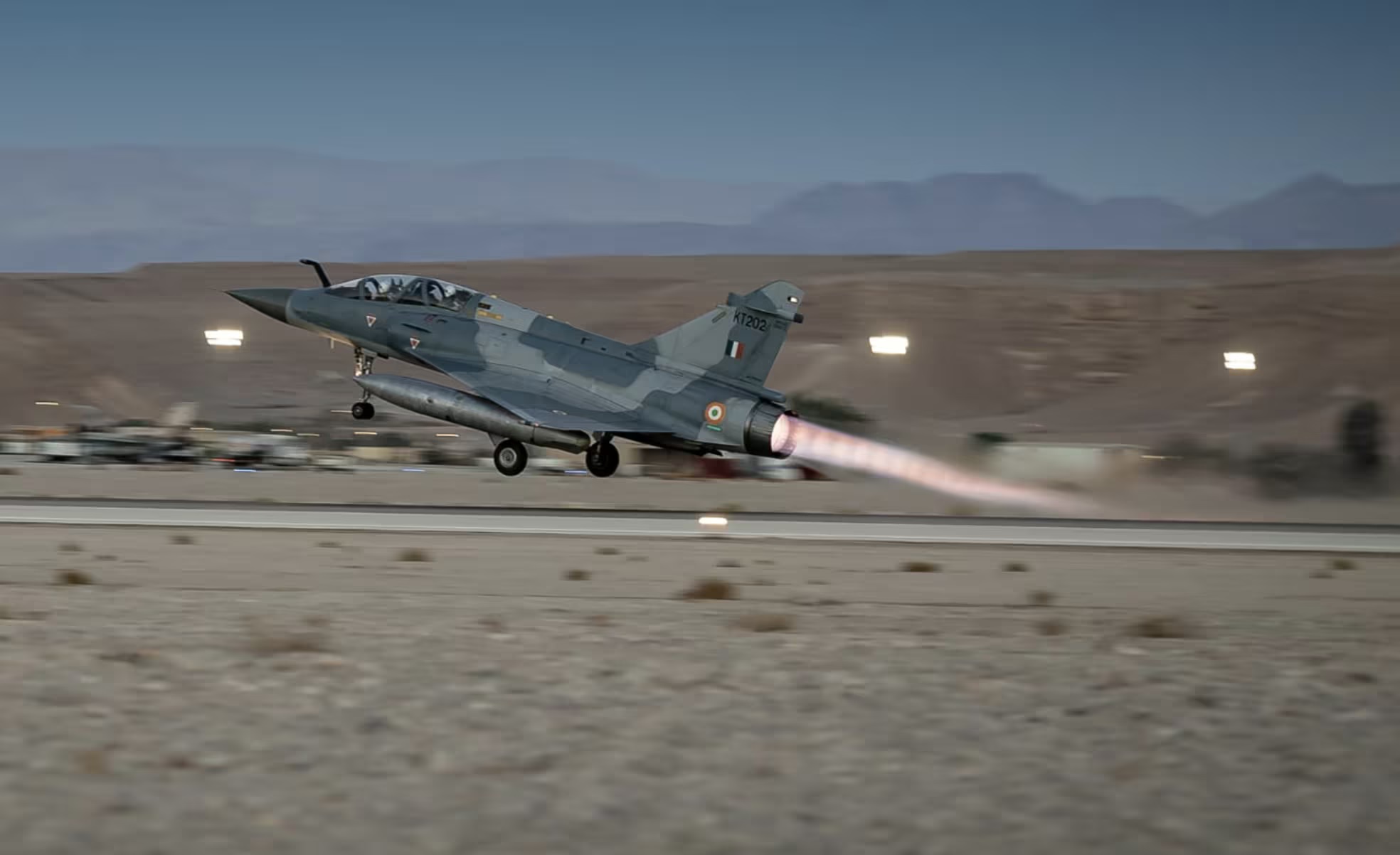
World
Ukraine has officially deployed its newly acquired French Mirage 2000-5 fighter jets in combat for the first time, marking a significant enhancement in its air defense capabilities. The aircraft played a crucial role in intercepting Russian cruise missiles during a large-scale overnight assault, President Volodymyr Zelenskyy confirmed on March 7, 2025. During the attack, Russia launched nearly 70 missiles, including cruise and ballistic variants, along with approximately 200 attack drones. The strikes targeted critical energy infrastructure in multiple regions, including Odesa, Poltava, Chernihiv, and Ternopil, while also causing casualties in Kharkiv. Ukrainian air defenses, reinforced by Mirage 2000-5 and F-16 fighters, successfully intercepted several incoming threats, preventing further destruction. The Mirage 2000-5 jets were part of a military aid package announced by French President Emmanuel Macron in June 2024. France’s Ministry of Armed Forces confirmed that the first batch of aircraft arrived in early 2025, with Ukrainian pilots, trained for months in France, now actively operating them. Although the exact number of jets delivered remains undisclosed, reports suggest an initial batch of three was expected by the end of the first quarter of 2025. French Defense Minister Sébastien Lecornu stated that the aircraft had been customized to meet Ukraine’s specific operational needs. Originally designed as a multi-role fighter for air superiority missions, the Mirage 2000-5 underwent extensive upgrades before delivery. The aircraft were modified at France’s Cazaux Air Base, equipping them with air-to-ground capabilities, advanced electronic warfare systems to counter Russian jamming, and compatibility with SCALP-EG/Storm Shadow cruise missiles. Additionally, the Mirages were outfitted with MICA air-to-air missiles and AASM Hammer precision-guided bombs, enhancing their versatility for both defensive and offensive operations. The deployment of the Mirage 2000-5 marks a significant boost to Ukraine’s air defense network. As the war intensifies, these French-built jets, alongside Western-supplied F-16s, provide Ukraine with an improved capability to intercept aerial threats and conduct precision strikes, further strengthening its resilience against Russian aggression.
Read More → Posted on 2025-03-08 16:51:46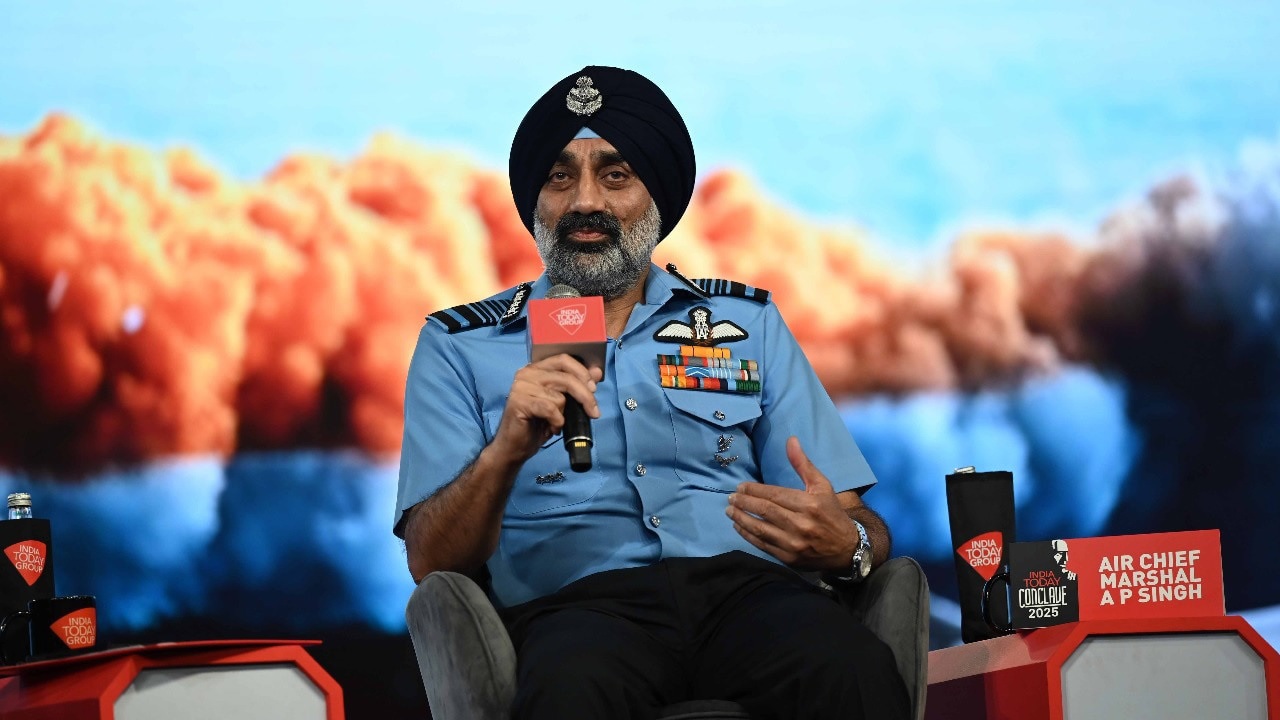
India
Weeks after former US President Donald Trump pitched the sale of F-35 stealth fighter jets to India, Air Chief Marshal AP Singh made it clear that the Indian Air Force (IAF) has not received any formal offer. Speaking at the India Today Conclave 2025, Singh dismissed speculation about the advanced fighter jet’s induction, emphasizing that military procurements aren’t as simple as buying household appliances. “We need to analyze it carefully—what the requirements are and what comes along with it. The cost is also a part of it. It’s not like a washing machine or refrigerator for home that we can buy just by the looks of it. We have not given it a thought. No offer has been made till now,” Singh stated. At an estimated $80 million per unit, the F-35 remains one of the most expensive fighter jets in the world. Adding to the skepticism, a recent US report highlighted concerns over its operational performance, igniting debate over whether India should even consider it. Trump’s proposal is widely seen as part of Washington’s strategic push to shift India away from its traditional reliance on Russian defense systems. But is the F-35 truly a game-changer for India, or would it become an unnecessary financial and logistical burden? The F-35: Technological Marvel or Logistical Nightmare? On paper, the F-35 is a technological masterpiece. As a fifth-generation stealth fighter, it boasts cutting-edge sensors, artificial intelligence-driven combat capabilities, and seamless data-sharing features. It is widely regarded as one of the most advanced jets in the world. However, integrating it into the IAF would be a logistical and strategic challenge of unprecedented scale. According to defense expert Ashley J. Tellis of the Carnegie Endowment for International Peace, Trump’s offer may be more symbolic than practical. “It is unlikely that the F-35 will be offered for co-production to India—any acquisition will likely be a straightforward sale. This is unlikely to sit well with Modi’s emphasis on ‘Make in India,’ and the significant end-user monitoring in the event of an F-35 sale will likely not be welcomed by India either,” Tellis explained. There are also operational concerns. Security analyst Stephen Bryen noted that the F-35 has an availability rate of just 51% in the US Air Force, meaning nearly half of the fleet remains grounded at any given time due to maintenance and software issues. “The question is whether India is willing to invest billions of rupees in the F-35, knowing it could do better buying a Russian jet or investing in its indigenous fighter program,” Bryen observed. India’s Fighter Jet Dilemma: Ageing Fleet, Shrinking Squadrons India’s fighter fleet is rapidly ageing, and replacements are not arriving fast enough. Over the past decade, China has added 435 new fighter and ground-attack aircraft, while India’s fleet has shrunk by 151. Political scientist Christopher Clary noted that the IAF’s fleet depletion is a major concern, given the rising regional security threats. India has plans to acquire over 500 jets in the coming years, with an emphasis on indigenous production. The Tejas Mark 1A, an agile homegrown multirole fighter, is already on order, with 83 confirmed units and 97 more expected. The more advanced Tejas Mark 2 is under development, while the Advanced Medium Combat Aircraft (AMCA)—India’s indigenous fifth-generation fighter—is at least a decade away from service. Meanwhile, the $20 billion Multi-Role Fighter Aircraft (MRFA) program, aimed at acquiring foreign-built jets under a transfer-of-technology deal, has been stalled since 2019 due to funding shortfalls, bureaucratic delays, and dependence on foreign manufacturers. Pakistan’s F-16 Lifeline: A Geopolitical Balancing Act? In a move that has raised eyebrows in New Delhi, the US recently approved $397 million in funding for the maintenance of Pakistan’s F-16 fighter fleet. This reverses Trump’s own 2018 decision to cut all security aid to Pakistan over concerns about terrorism. While Washington has imposed restrictions to ensure these jets are used only for counterterrorism operations, the move does little to reassure India. The memory of the 2019 aerial skirmish—when a Pakistani F-16 was allegedly used against an Indian MiG-21 after the Balakot airstrike—remains fresh. India had raised concerns over Pakistan’s use of US-supplied jets in offensive operations, and Washington had reprimanded Islamabad at the time. The latest funding decision is being seen as a sign of America hedging its bets in South Asia. IAF’s Modernization Woes: Bureaucratic Delays vs. Urgent Needs The IAF’s modernization strategy faces a fundamental dilemma: the government’s long-term vision for indigenous fighter development does not align with the Air Force’s urgent operational needs. Rahul Bhatia, an analyst at Eurasia Group, pointed out that India’s indigenous fighter programs have been slow to materialize. “The Tejas Mark 1 faced early skepticism, and the decades-long development cycles frustrate the armed forces. Their requirements keep evolving with new technologies, which in turn contributes to further delays,” Bhatia said. Even Air Chief Marshal AP Singh has voiced his concerns. “I can take a vow that I will not buy anything from outside or I will wait for whatever is developed in India, but it may not be possible if it does not come at that pace,” he remarked. The slow delivery of Tejas Mark 1A jets, initially scheduled for February 2024, has compounded these challenges. Singh acknowledged that the IAF is facing a serious shortfall in fighter squadrons, stating, “At the moment, we all know that we are very badly off when it comes to numbers [of fighters]. And the numbers which were promised are also coming a little slow. So, there will be a requirement to go and look for something which can quickly fill up these voids.” India’s Fifth-Generation Fighter Race: A Crucial Decade Ahead As China accelerates its testing of sixth-generation combat aircraft and the US reaffirms its support for Pakistan’s F-16 fleet, India is racing against time to develop its own fifth-generation jet, the AMCA. However, the program is unlikely to deliver an operational fighter before 2035. “We may have to go in for off-the-shelf purchases with indigenous content until AMCA gets developed. Or develop AMCA at a faster pace,” Singh admitted. Currently, India operates just 30 fighter squadrons—well below the sanctioned strength of 42. With the slow pace of indigenous fighter production and increasing security threats, the IAF is faced with a difficult decision: stick to its long-term vision or make urgent stopgap purchases. The Verdict: Will India Buy the F-35? India has already invested over $1 billion into its indigenous stealth fighter program, making it unlikely to opt for either the F-35 or the Russian Su-57. Most defense analysts believe that India will instead focus on short-term emergency acquisitions while maintaining its long-term commitment to homegrown fighter production. “For India, the future of airpower isn’t just about buying jets—it’s about building them,” Bhatia remarked. If India can overcome bureaucratic delays and accelerate its indigenous fighter projects, it may never need the F-35. But if regional threats escalate faster than expected, the government may be forced to consider off-the-shelf purchases. For now, Trump’s offer remains just that—an offer. And India, known for its cautious approach to defense acquisitions, is unlikely to rush into a decision that could shape its airpower capabilities for decades.
Read More → Posted on 2025-03-08 16:48:34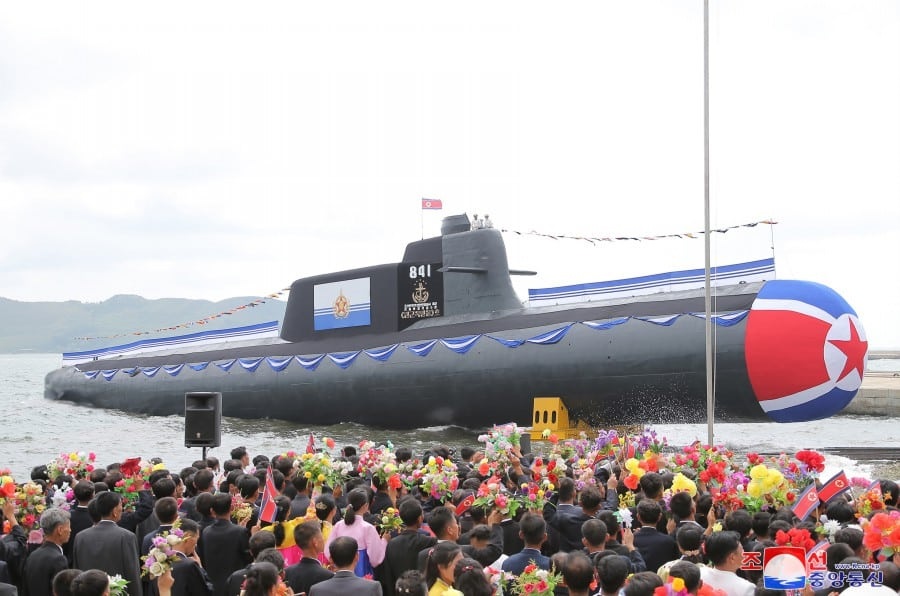
World
North Korea has recently revealed the construction of its first nuclear-powered submarine, marking a significant advancement in its naval capabilities and raising security concerns for both South Korea and the United States. State media released images showcasing what is described as "a nuclear-powered strategic guided missile submarine," coinciding with leader Kim Jong Un's inspections of prominent shipyards responsible for warship production. Submarine Specifications and Capabilities While specific details remain undisclosed by North Korean authorities, analyses suggest that the submarine is a modification of the existing Romeo-class vessels, originally designed for diesel-electric propulsion. The modified submarine, named Hero Kim Kun Ok, measures approximately 86 meters in length and has been adapted to enhance its missile-carrying capacity. Notably, the submarine features ten vertical launch tubes arranged in two rows of five. The forward four tubes are larger, potentially accommodating submarine-launched ballistic missiles (SLBMs) such as the Pukguksong-3, which are capable of striking regional targets including Japan and South Korea. The remaining six smaller tubes are designed for submarine-launched cruise missiles, like the Hwasal-2. This configuration suggests a versatile arsenal, enhancing North Korea's strategic deterrence. Strategic Implications The development of a nuclear-powered submarine equipped with nuclear-capable missiles represents a substantial escalation in North Korea's military posture. Such a platform offers extended operational range and stealth, making it more challenging for adversaries to detect and counter potential missile launches. This advancement aligns with North Korea's broader strategy to modernize its military forces and bolster its nuclear deterrent against perceived external threats. International Concerns The unveiling of this submarine has elicited apprehension from the international community. Experts question how North Korea, under stringent international sanctions and facing economic challenges, has acquired the necessary technology and resources for such an ambitious project. Speculations include potential foreign assistance, although concrete evidence remains limited. Furthermore, the deployment of a nuclear-powered submarine with ballistic missile capabilities could destabilize regional security dynamics, prompting neighboring countries to reassess their defense strategies and potentially leading to an arms race in the region. North Korea's introduction of a nuclear-powered submarine signifies a pivotal enhancement of its naval and strategic capabilities. This development not only underscores the nation's commitment to advancing its military technology but also poses new challenges for regional and global security. Continuous monitoring and diplomatic engagement will be crucial in addressing the implications of this emerging threat.
Read More → Posted on 2025-03-08 16:44:04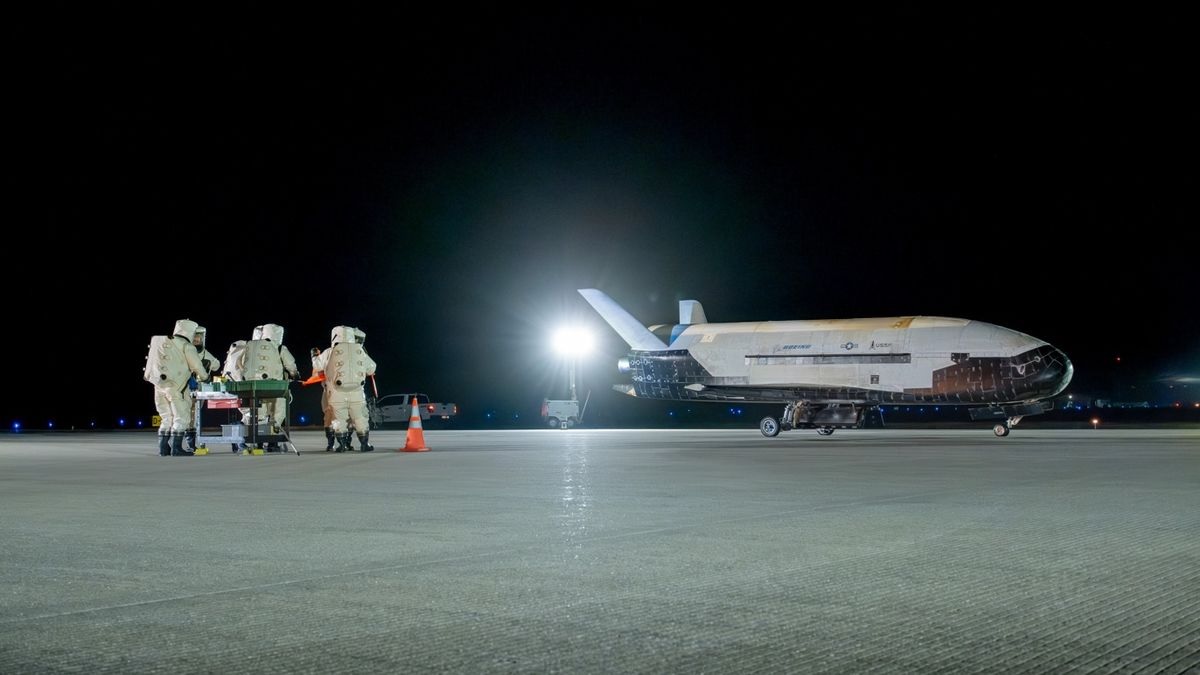
Space & Technology
The United States Space Force’s X-37B Orbital Test Vehicle has successfully completed its seventh and most ambitious mission yet, returning to Earth on March 7, 2025, at Vandenberg Space Force Base, California. After spending over 434 days in orbit, the unmanned spaceplane achieved multiple technological breakthroughs that could redefine future space operations. This mission was unique as it marked the first time the X-37B was launched aboard a SpaceX Falcon Heavy rocket, propelling it into a highly elliptical orbit. Such an orbit allowed for more dynamic testing of new technologies, particularly in space domain awareness—an essential aspect of modern space security. These experiments aimed to improve the ability to monitor and navigate the increasingly crowded and contested space environment. A major highlight of the mission was the successful execution of an aerobraking maneuver. This advanced technique utilizes atmospheric drag to modify a spacecraft’s orbit while consuming minimal fuel, showcasing the X-37B’s unparalleled maneuverability. The ability to perform such complex operations enhances its role as a highly flexible asset for space-based reconnaissance, technology testing, and operational advancements. General Chance Saltzman, Chief of Space Operations, underscored the mission’s importance, stating that it demonstrated the U.S. Space Force’s capability to conduct intricate and sustained space missions safely and efficiently. Meanwhile, Lieutenant Colonel Blaine Stewart, X-37B Program Director, hailed the mission as a major step forward, proving the vehicle’s ability to operate in new orbital regimes and execute novel experiments with precision. As the X-37B program continues to evolve, its success reinforces the strategic significance of reusable space technology. The latest mission’s accomplishments will undoubtedly play a crucial role in shaping future space operations, ensuring the U.S. remains at the forefront of space innovation and defense capabilities.
Read More → Posted on 2025-03-08 16:41:40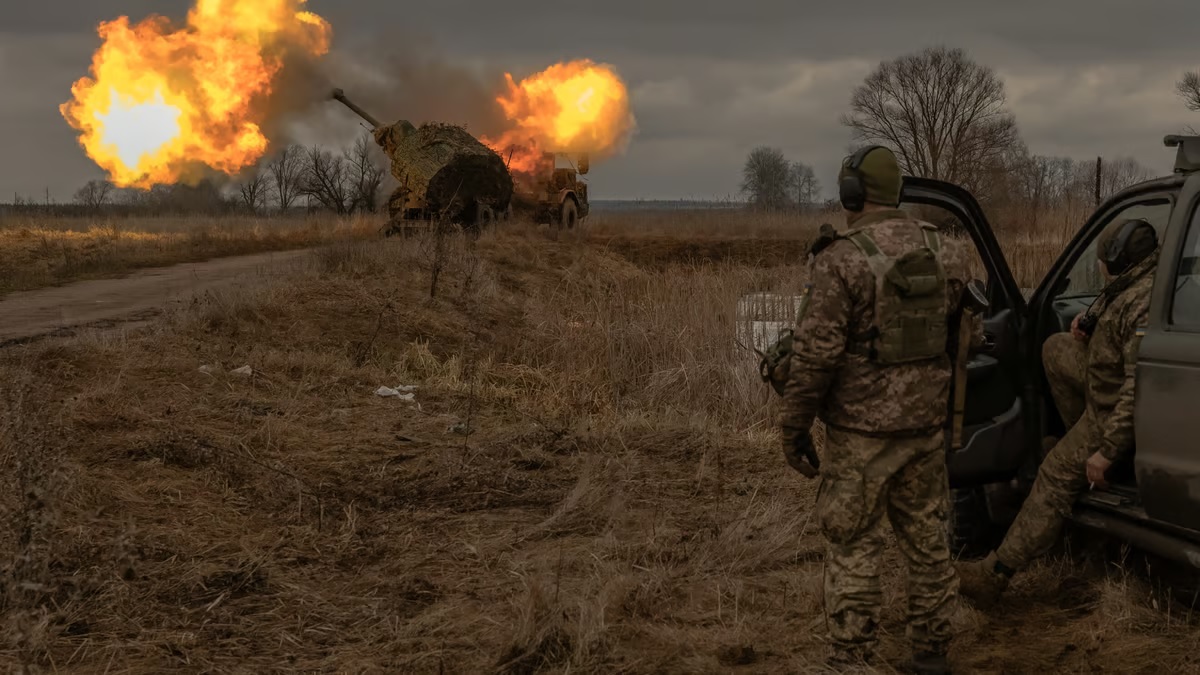
World
Ukraine's hold on the Kursk region has weakened significantly as Russian forces have made critical territorial gains, pushing back Kyiv's troops in an area they had controlled since last August. The situation has intensified in recent days, with reports indicating that Moscow has breached Ukrainian defenses and forced a retreat from key strategic positions. According to battlefield trackers, Russian forces broke through Ukrainian lines south of the town of Sudzha on March 6. The latest maps suggest that Ukraine has lost at least partial control of a major road leading towards Sudzha, while its forces have pulled back from positions west of the village of Sverdlikovo. Ukrainian sources acknowledge that Russia is actively working to sever supply routes, making it increasingly difficult for Kyiv to sustain its defensive positions. Analysts warn that the situation is deteriorating rapidly. Military expert Yan Matveyev noted that Ukrainian troops are now squeezed from both the east and west, leaving only a narrow escape corridor of approximately 12-13 kilometers. He emphasized that Kyiv faces a tough choice—either withdraw and preserve its forces or risk a complete loss of troops and resources in the region. Sergiy Sternenko, a well-known Ukrainian activist, described the logistics situation in the Kursk region as "rapidly deteriorating and already critical." Reports suggest that Russian artillery has placed key supply routes under heavy fire, making resupply efforts nearly impossible. Some Russian military observers believe that Ukraine has already lost the ability to withdraw its troops without suffering heavy casualties, as Moscow tightens its grip on the battlefield. With Ukraine facing mounting pressure in multiple frontline areas, this latest setback could have significant strategic implications. The battle for control in the Kursk region is far from over, but for now, Russia appears to have the upper hand.
Read More → Posted on 2025-03-08 16:39:48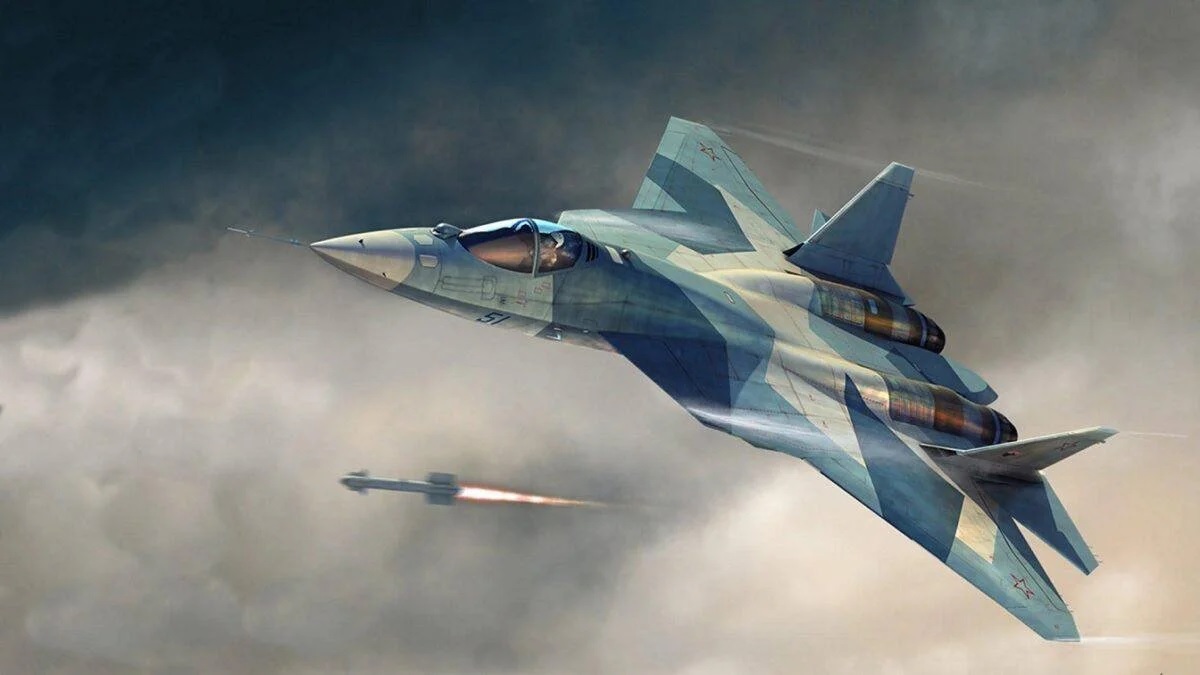
India
India's ambition to modernize its air force has received a significant boost with Russia's proposal to domestically produce the advanced Su-57 stealth fighter jets. Rosoboronexport, Russia's state arms exporter, has suggested that India's current production lines, which have successfully assembled over 220 Sukhoi Su-30MKI aircraft in collaboration with Hindustan Aeronautics Limited (HAL), can be swiftly adapted to manufacture the Su-57E, the export variant of Russia's fifth-generation fighter. This proposal aligns with India's goal to enhance its air defense capabilities, especially as the Indian Air Force (IAF) aims to increase its active fighter squadrons from 31 to 42 by 2035. The integration of fifth-generation jets like the Su-57E would mark a significant advancement, considering neighboring China's possession of similar capabilities. One of the notable advantages of this collaboration is the potential insulation from Western sanctions. By producing the Su-57E domestically, India could mitigate risks associated with geopolitical tensions, ensuring a steady and autonomous defense supply chain. The Su-57E boasts advanced features such as stealth technology, supercruise capability, and integrated avionics, positioning it as a formidable asset in modern aerial warfare. Its design emphasizes reduced radar visibility and enhanced maneuverability, addressing the evolving demands of contemporary combat scenarios. However, Russia is not the sole contender in this arena. During a recent visit by Indian Prime Minister Narendra Modi to Washington, U.S. President Donald Trump proposed the American-made F-35 as an alternative. The F-35, known for its advanced stealth and combat systems, is typically reserved for the United States' closest allies. This development underscores the strategic importance both nations place on strengthening defense ties with India. At the Aero India event held last month in Bengaluru, both the Su-57 and F-35 were prominently showcased, symbolizing the competitive landscape of fifth-generation fighter jets. Rosoboronexport reiterated its offer to partner with India in further developing the Su-57E and localizing its production, emphasizing the potential for technology transfer and joint development. India's decision in this regard will significantly influence its defense posture in the coming decades. The choice between the Su-57E and alternatives like the F-35 involves considerations of cost, technology transfer, geopolitical alliances, and operational requirements. Adapting existing Su-30MKI production lines for the Su-57E could offer a cost-effective and expedient pathway to bolstering the IAF's capabilities. In conclusion, leveraging existing infrastructure to produce the Su-57E domestically presents a strategic opportunity for India to enhance its air force capabilities rapidly. This approach aligns with the nation's broader objectives of self-reliance and modernization in defense, ensuring readiness to meet evolving security challenges.
Read More → Posted on 2025-03-08 16:35:23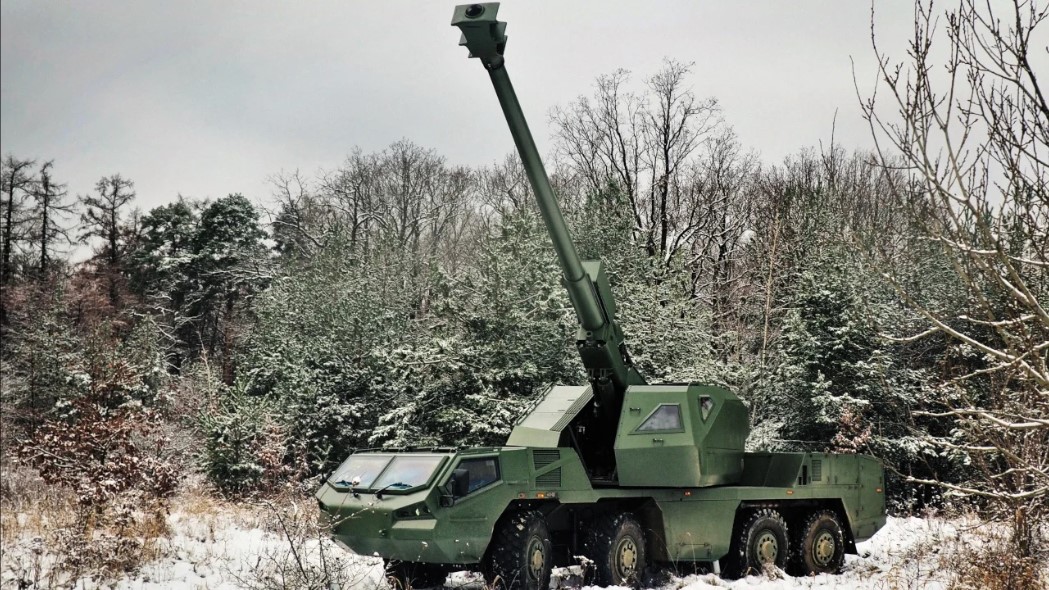
World
The Canadian government has initiated a major artillery modernisation programme, aiming to enhance the firepower and mobility of its land forces. As part of the Indirect Fires Modernisation (IFM) initiative, the country plans to acquire between 80 and 98 new self-propelled 155mm howitzers, marking a significant shift from its current reliance on towed artillery. This move will see the gradual replacement of the 33 towed M777 howitzers currently in service. However, Canada's 121 towed 105mm howitzers—comprising the C3 and LG1 Mk II models—will remain operational in reserve units. The transition to self-propelled howitzers is expected to provide the Canadian Armed Forces with greater mobility, faster deployment, and improved survivability on the battlefield. In addition to the new artillery pieces, the programme also includes plans to enhance Canada's mortar capabilities. The government is considering the procurement of up to 99 120mm mortars, which would be integrated with LAV 6.0 ACSV wheeled armoured vehicles. Additionally, up to 85 81mm mortars may be mounted on an unspecified light tactical vehicle. An alternative strategy under review is to focus solely on 81mm mortars, potentially leading to the acquisition of up to 133 units. This approach would contrast with the current inventory of 218 L16 81mm mortars, streamlining and modernising the force structure. Beyond the artillery and mortar acquisitions, the modernisation effort encompasses a wide range of support equipment. The procurement plan includes fire control systems, communication systems, training simulators, and logistics support. Additionally, Canada may opt to purchase new support vehicles, such as ammunition carriers, command vehicles, and reconnaissance platforms, under separate future contracts. To accommodate the new systems, infrastructure upgrades are also being planned. These improvements will ensure that the Canadian Army can effectively integrate and operate its modernised artillery, reinforcing its ability to respond to evolving security challenges. The IFM programme signals Canada’s commitment to strengthening its land forces, ensuring they remain well-equipped for future operations.
Read More → Posted on 2025-03-08 16:26:15
World
IDEX 2025 marked a significant milestone for AeroVironment as the company publicly showcased its Jump 20-X UAV for the first time. Designed to meet the stringent requirements of the U.S. Navy and Marine Corps, this marinized variant of the Jump 20 UAV is tailored for operations in harsh maritime conditions. Meanwhile, the P550, a compact Group 2 UAV, made its first international debut, bringing with it a new level of modularity and adaptability for tactical missions. Jump 20-X: A Naval-Ready Evolution When it comes to deploying UAVs on naval platforms, a simple adaptation of existing airframes is not enough. The Jump 20-X is a result of meticulous reengineering to ensure it can withstand the demanding conditions of sea operations. The most crucial change is its propulsion system—shifting from a gasoline engine to a 230 cc multi-fuel engine compatible with JP-8, J-5, and Jet A fuels commonly available on ships. This modification enhances safety and operational efficiency while extending endurance. In addition to corrosion-resistant materials and structural enhancements for maritime use, the Jump 20-X is equipped with improved electronic warfare protection. With better resistance to jamming and spoofing, the UAV ensures reliable navigation even in contested environments. Structurally, the Jump 20-X retains the core design of the original Jump 20. The high straight-wing configuration, with a 5.7-meter wingspan, integrates winglets for stability. Vertical take-off and landing (VTOL) functionality is powered by electric motors housed in wing-mounted pods, enabling automatic take-off and precision landing. It boasts an endurance of over 13 hours and a maximum payload capacity of 13.6 kg, allowing for a variety of mission-specific configurations. Its modular payload bay supports a range of sensor packages, including electro-optical/infrared (EO/IR) gimbals, radar systems, and signals intelligence (SIGINT) suites. Notably, it can also be armed with Northrop Grumman’s Hatchet miniature precision strike munitions or Corvid Technologies/L3Harris Shryke loitering munitions, making it a versatile asset for both reconnaissance and strike missions. Communications are supported by a standard line-of-sight data link, with optional satellite communication (SATCOM) for beyond-line-of-sight operations. AeroVironment is currently awaiting contracts from the U.S. Navy and Marine Corps, but its presence at IDEX 2025 signals an aggressive push into the international market for naval UAVs. P550: A Compact and Agile Tactical UAV Making its international debut at IDEX 2025, the P550 is a smaller, all-electric Group 2 UAV designed for quick deployment and multi-role adaptability. Weighing just 24.9 kg with a 6.8 kg payload capacity, the P550 is a lightweight but powerful asset for reconnaissance, surveillance, and electronic warfare. One of the standout features of the P550 is its modular payload system, which allows operators to swap payloads in under three minutes, ensuring mission flexibility. The UAV features a central fuselage with a rear boom supporting the tail assembly, while its slightly tapered mid-wing houses the front and rear rotors for VTOL operations. Horizontal flight is powered by two electric motors, each driving a two-blade pulling propeller. With a maximum endurance of five hours and a communication range of up to 60 km (depending on the data link configuration), the P550 is built for extended missions. Its advanced Visual Navigation System (VNS), comprising an infrared sensor, an optical camera, LiDAR, and an onboard computing module, allows it to operate in GPS-denied environments, a crucial capability in modern electronic warfare scenarios. Performance-wise, the P550 has a flight speed range of 30-52 knots and a service ceiling of 14,000 feet. It can be launched from altitudes up to 3,000 meters, offering excellent versatility across various operational theaters. Both the Jump 20-X and P550 are integrated with AeroVironment’s SPOTR-Edge automatic target recognition system and Avacore AI-powered edge computing suite. These enhancements reduce operator workload by autonomously detecting and classifying targets in land and maritime environments. The UAVs also feature AeroVironment’s precision launch and landing system, capable of automatically landing on a moving ship at speeds of 27 knots with an accuracy margin of just ±10 cm. With these two UAVs, AeroVironment is positioning itself as a leader in naval and tactical drone solutions. IDEX 2025 served as the perfect platform to showcase the technological advancements and operational capabilities of these next-generation unmanned systems, drawing interest from international defense forces seeking cutting-edge solutions for modern warfare.
Read More → Posted on 2025-03-07 14:16:40Search
Top Trending in 24 Hours
-
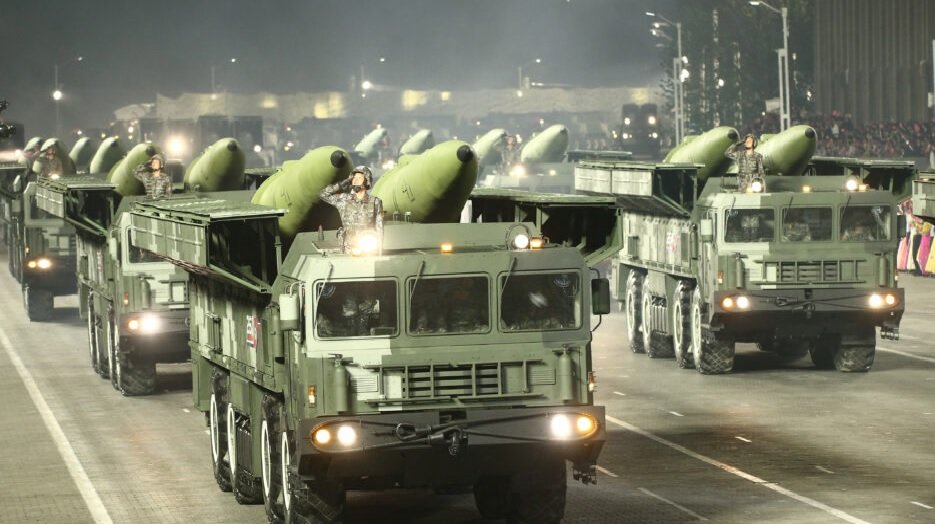 Russia Receives North Korean KN-30 Ballistic Missiles as Moscow Expands Its Missile Arsenal
-
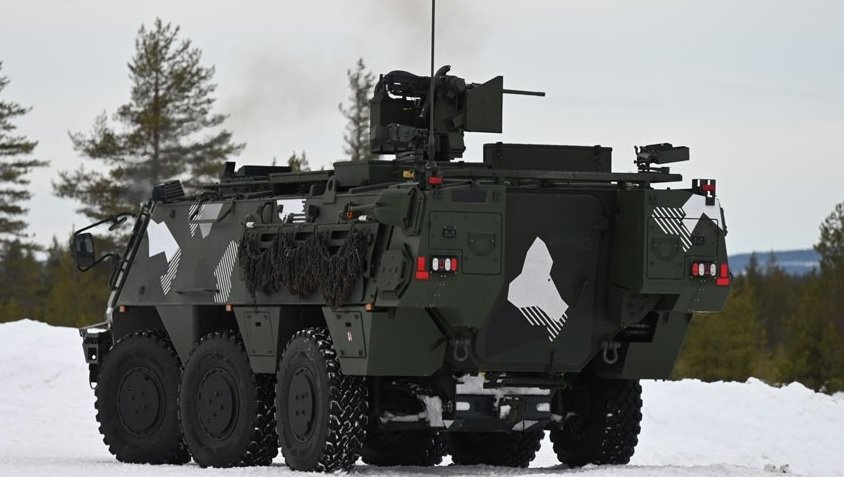 Kongsberg Wins $120 Million Contract for More Protector RS4 Systems for Canadian Army
-
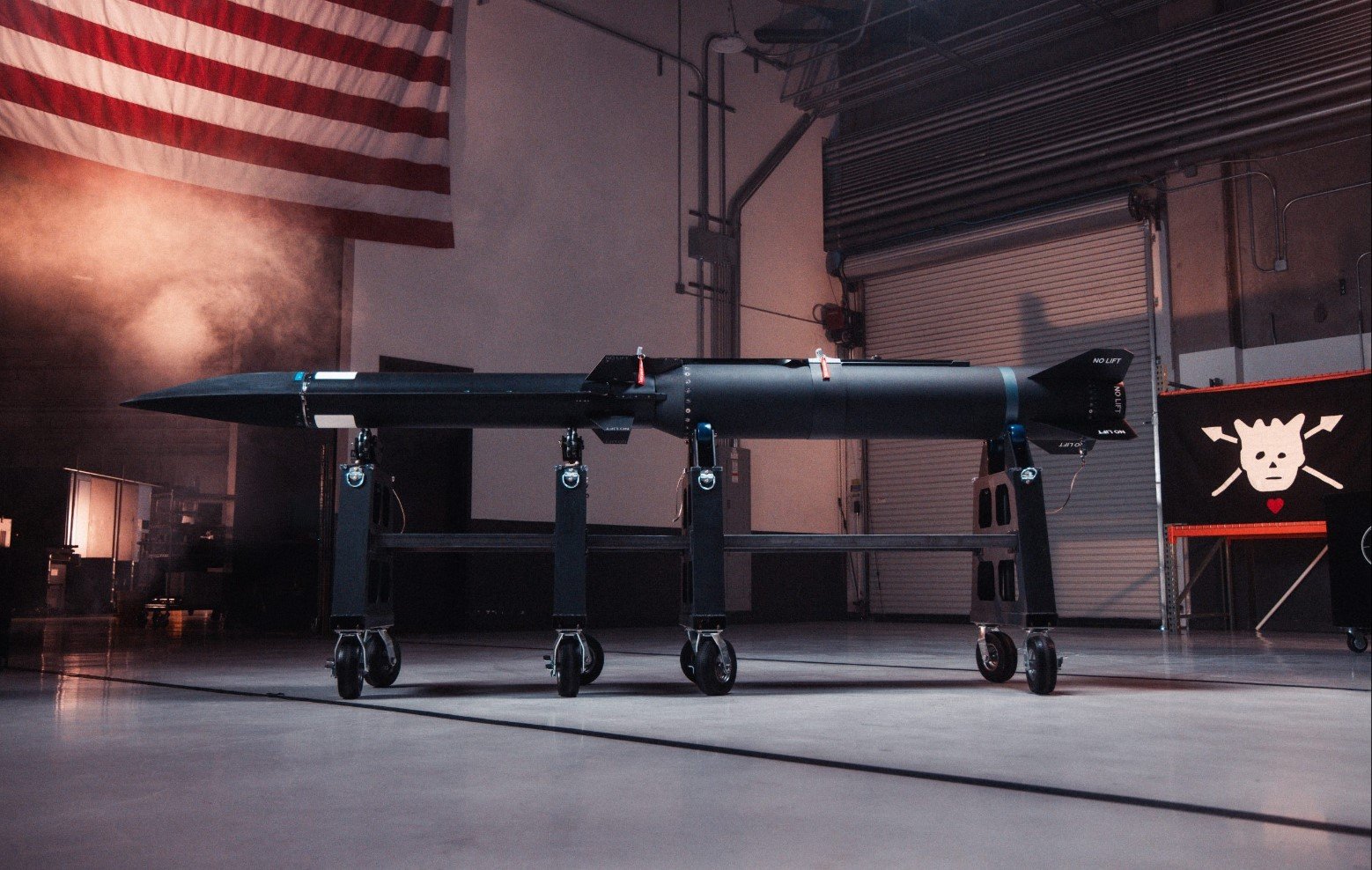 Castelion Secures $1 Billion Funding to Scale Production of Blackbeard Hypersonic Missile
-
 Lockheed Martin Demonstrates AI-Powered Sonar System With U.S. Navy at RIMPAC 2026
-
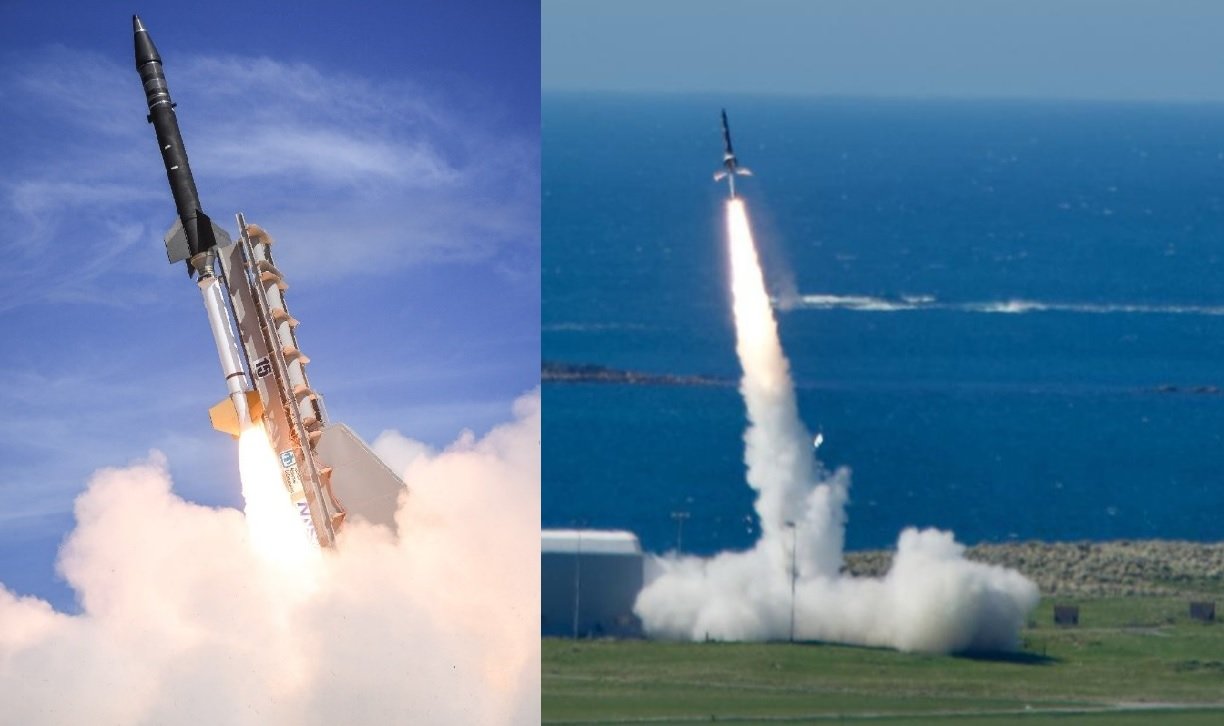 US Navy Launches ARAV-6 Missile Target During Multinational Pacific Dragon 2026 Exercise
-
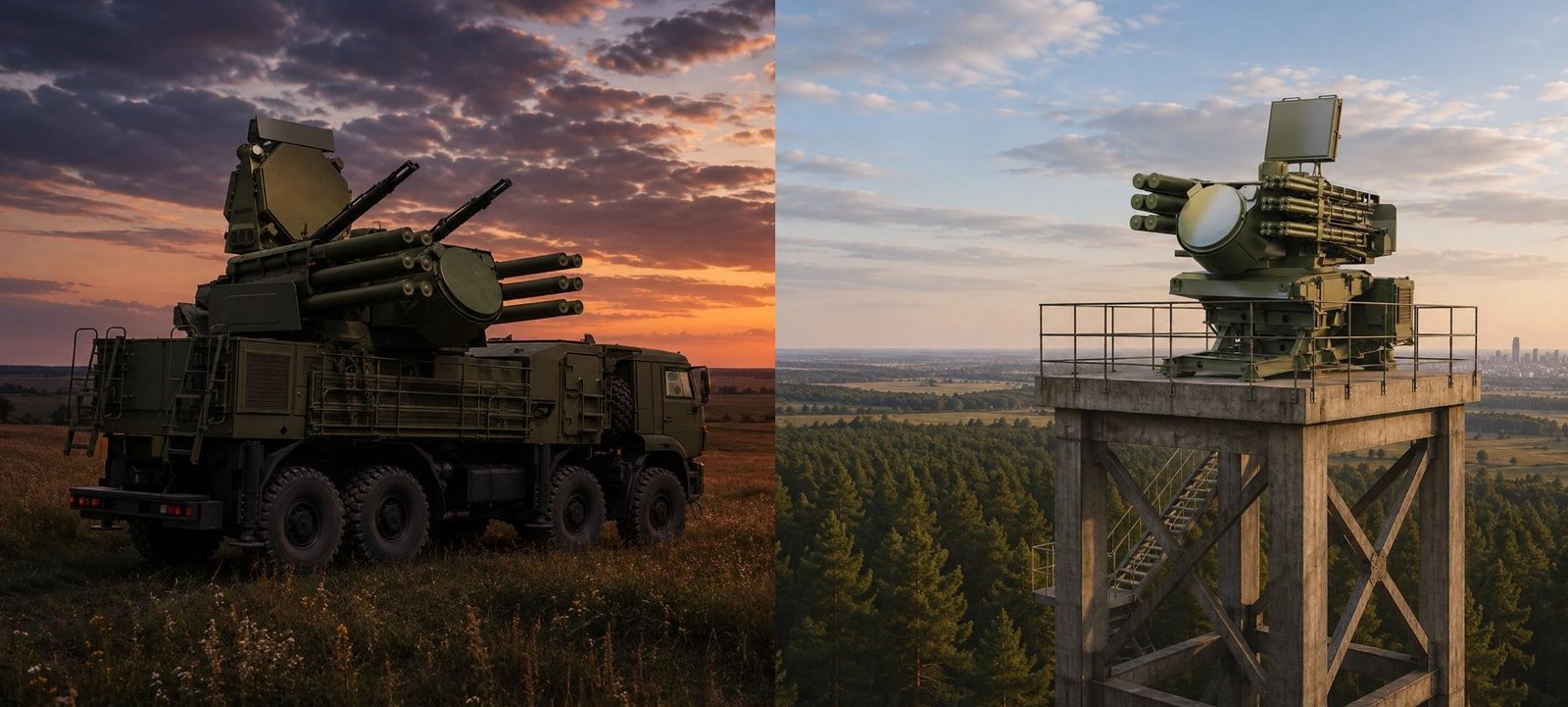 Russia Receives New Batch of Pantsir-S and Pantsir-SMD Air Defense Systems
-
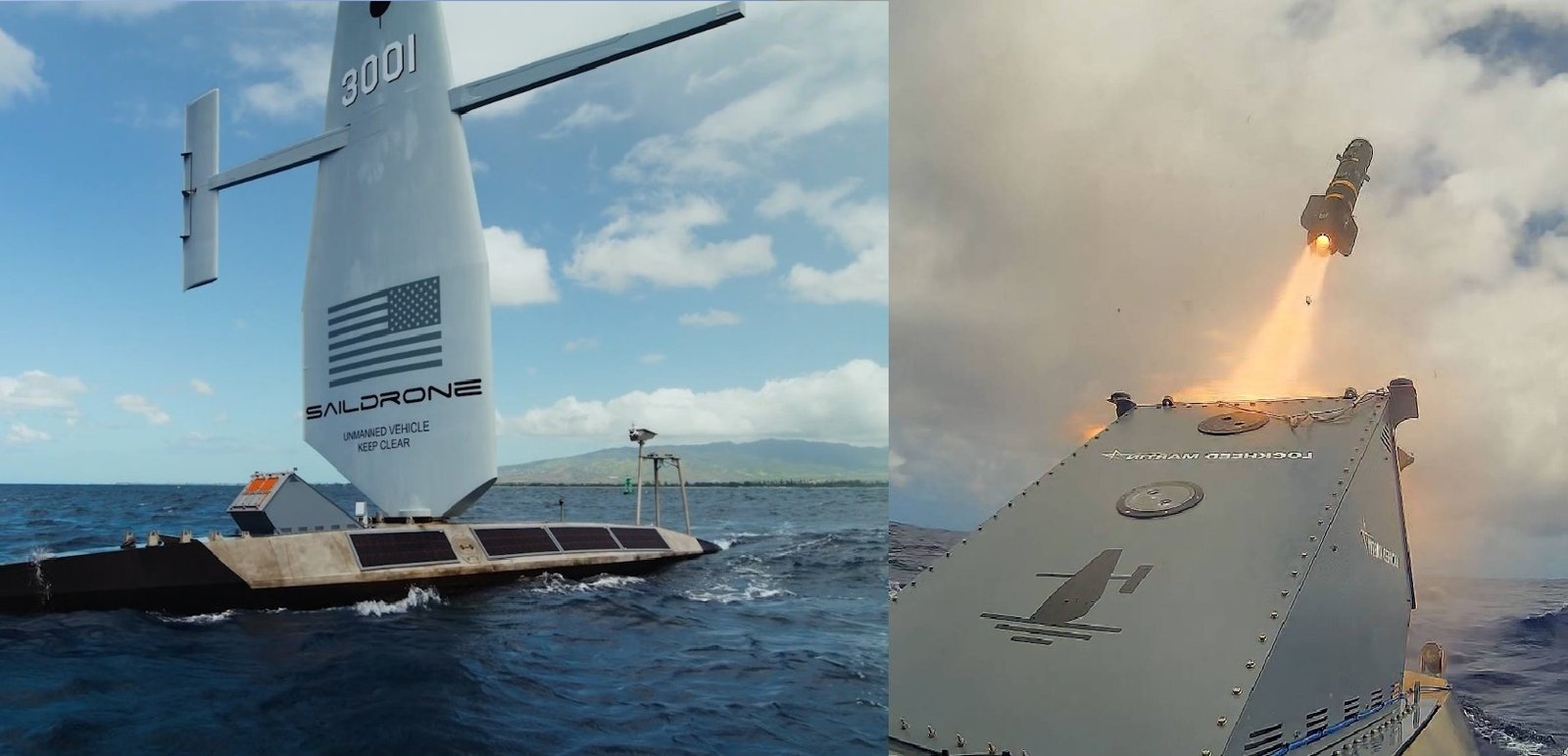 Saildrone and Lockheed Martin Successfully Fire Two JAGM Missiles in First Live-Fire Test from Unmanned Vessel at RIMPAC 2026
-
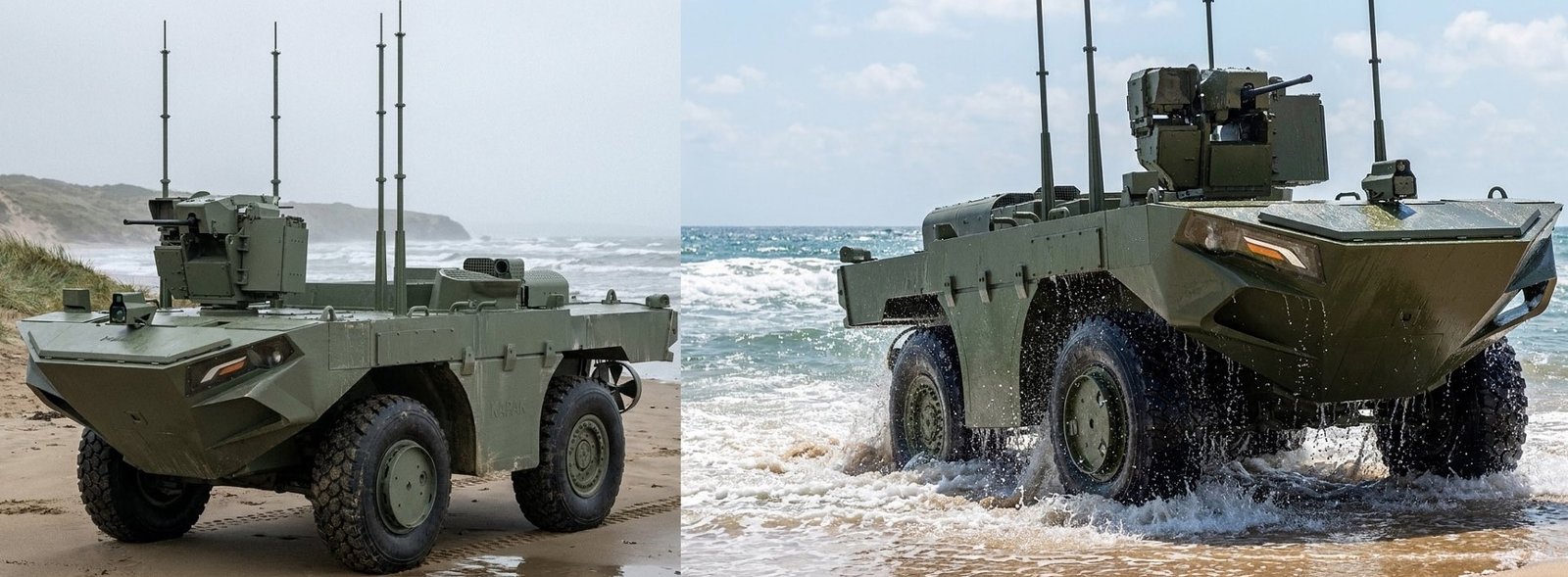 Turkey's FNSS Unveils U-MAV Unmanned Amphibious Assault Vehicle at TEKNOFEST Blue Homeland
Top Trending in 4 Days
-
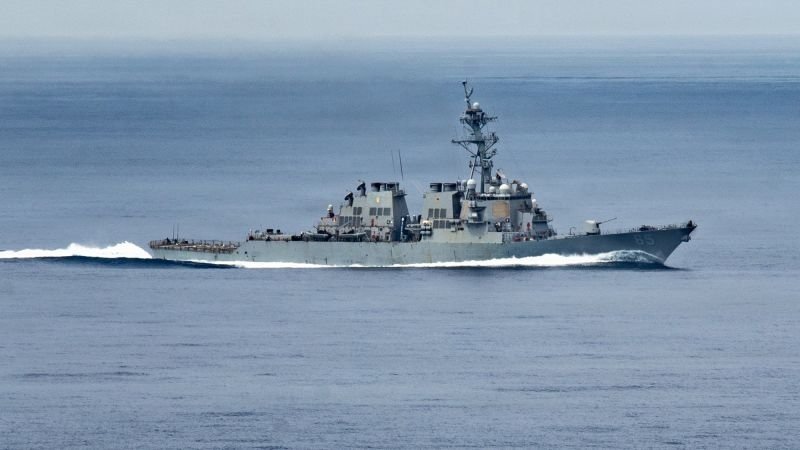 U.S. Navy Destroyer USS Benfold Spent Four Days Without Power in South China Sea After Generator Failure
-
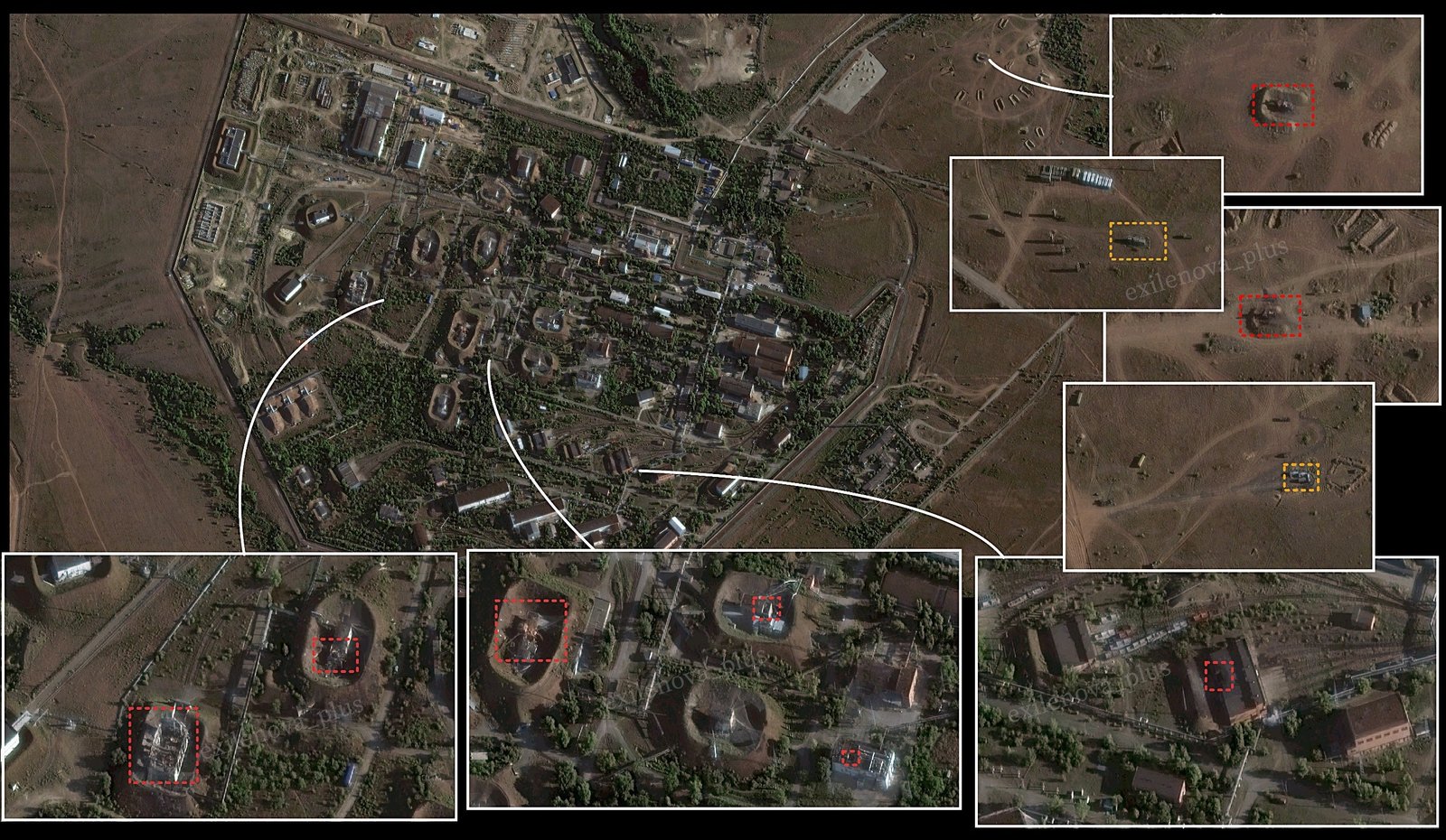 Satellite Images Show Ukrainian Drone Strike Hits Russian Rocket Fuel Plant and Air Defense Systems in Rostov Region
-
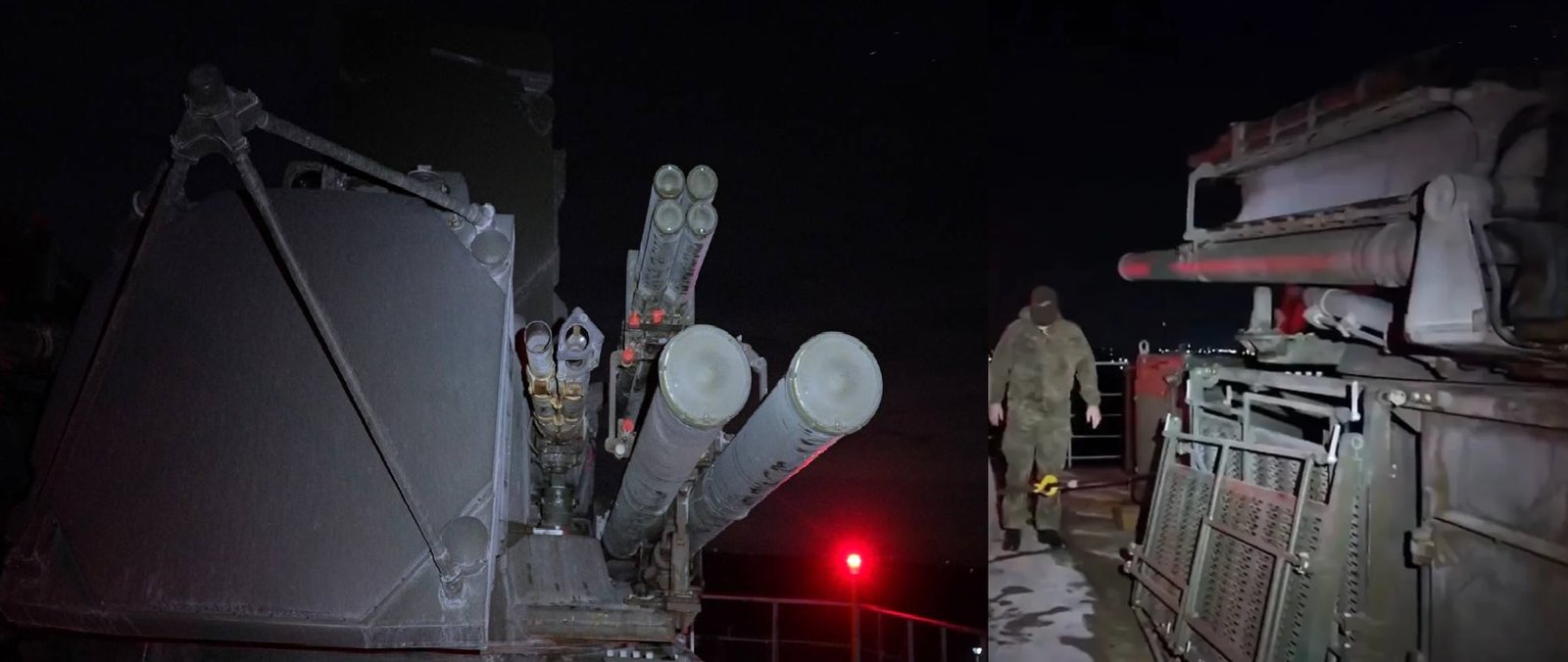 Russia Expands Moscow’s Anti-Drone Defense Network With Specialized 35-Meter Towers for Pantsir Systems
-
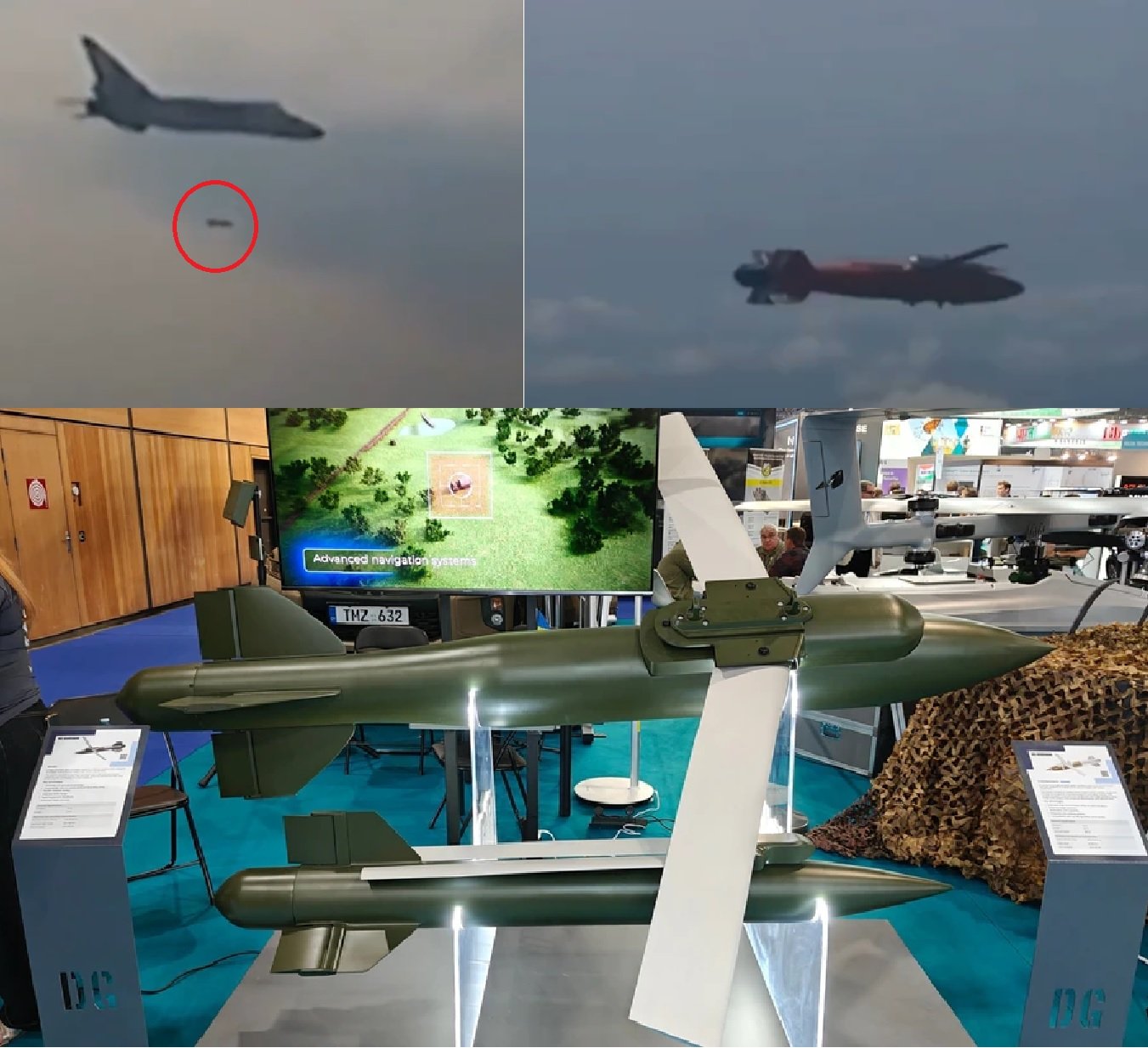 Ukraine Begins Procurement of Vyrivniuvach Guided Aerial Bomb
-
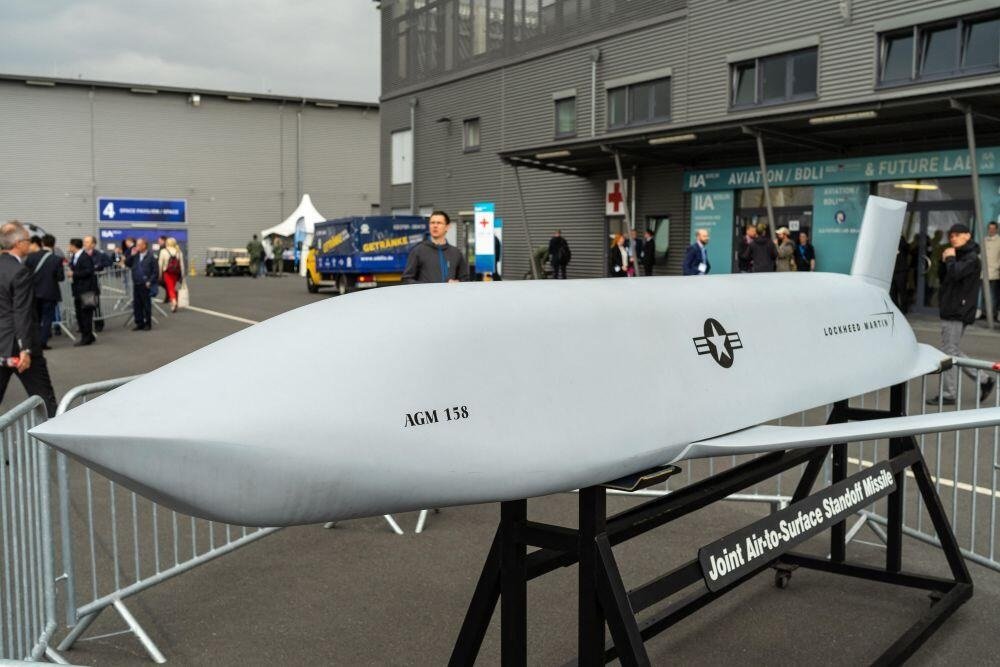 U.S. Air Force Selects GE-Kratos F143 Engine as Second Engine Source for JASSM Missile
-
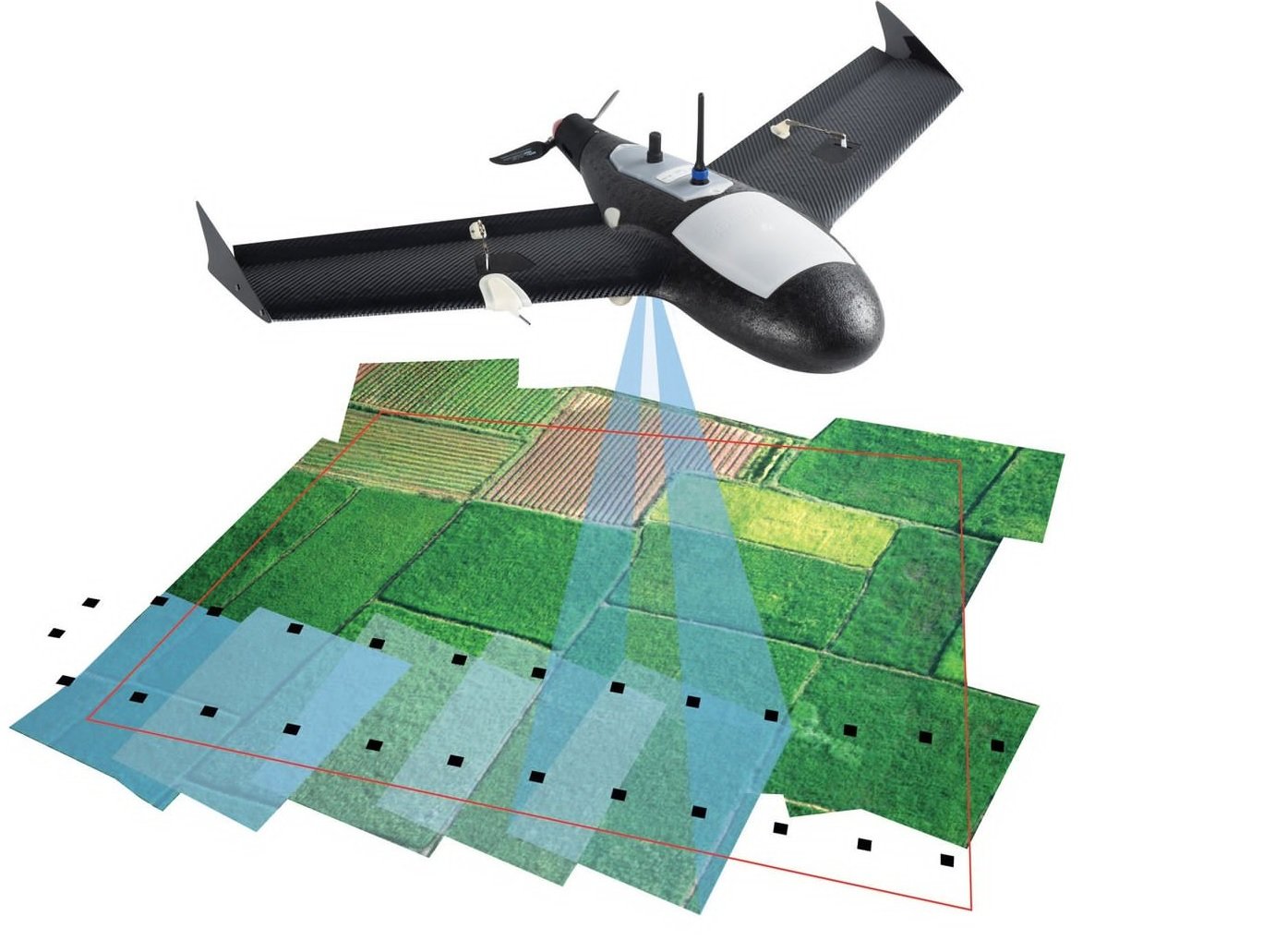 Russia Develops 'Martian' Camera-Based Navigation Independent of GPS and Radio Signals for Drones
-
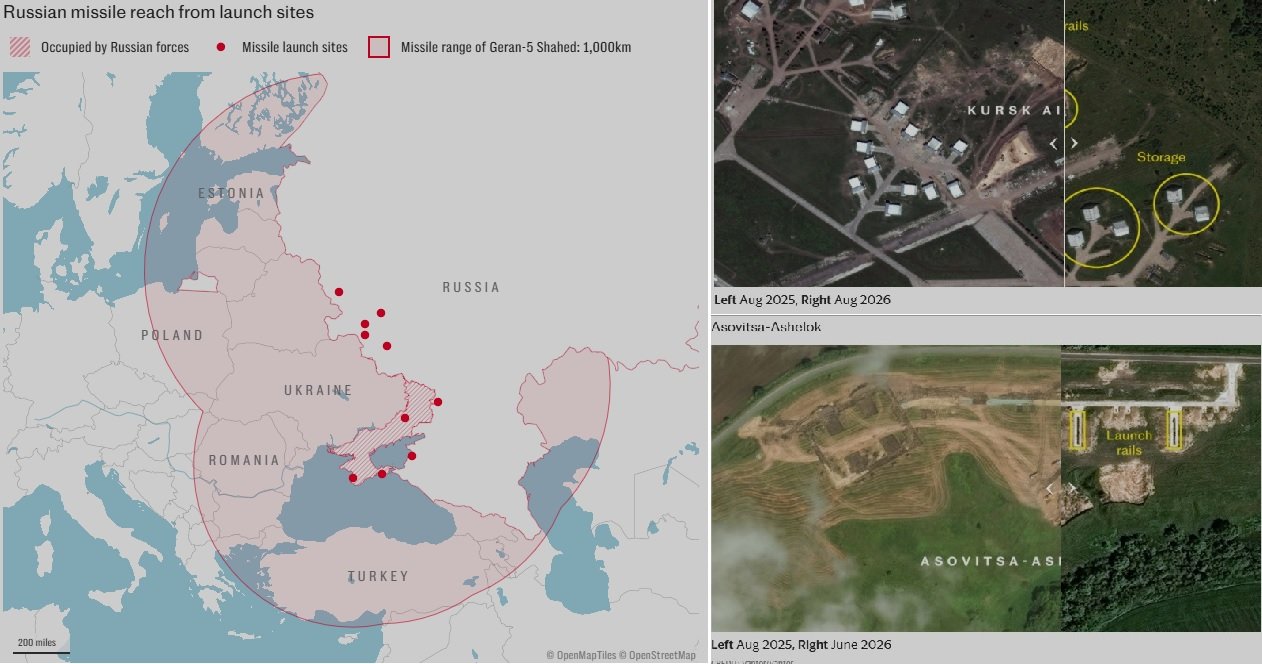 Russia Expands Drone Launch Network Near Ukraine and Belarus Borders, Putting NATO Territory Within Range
-
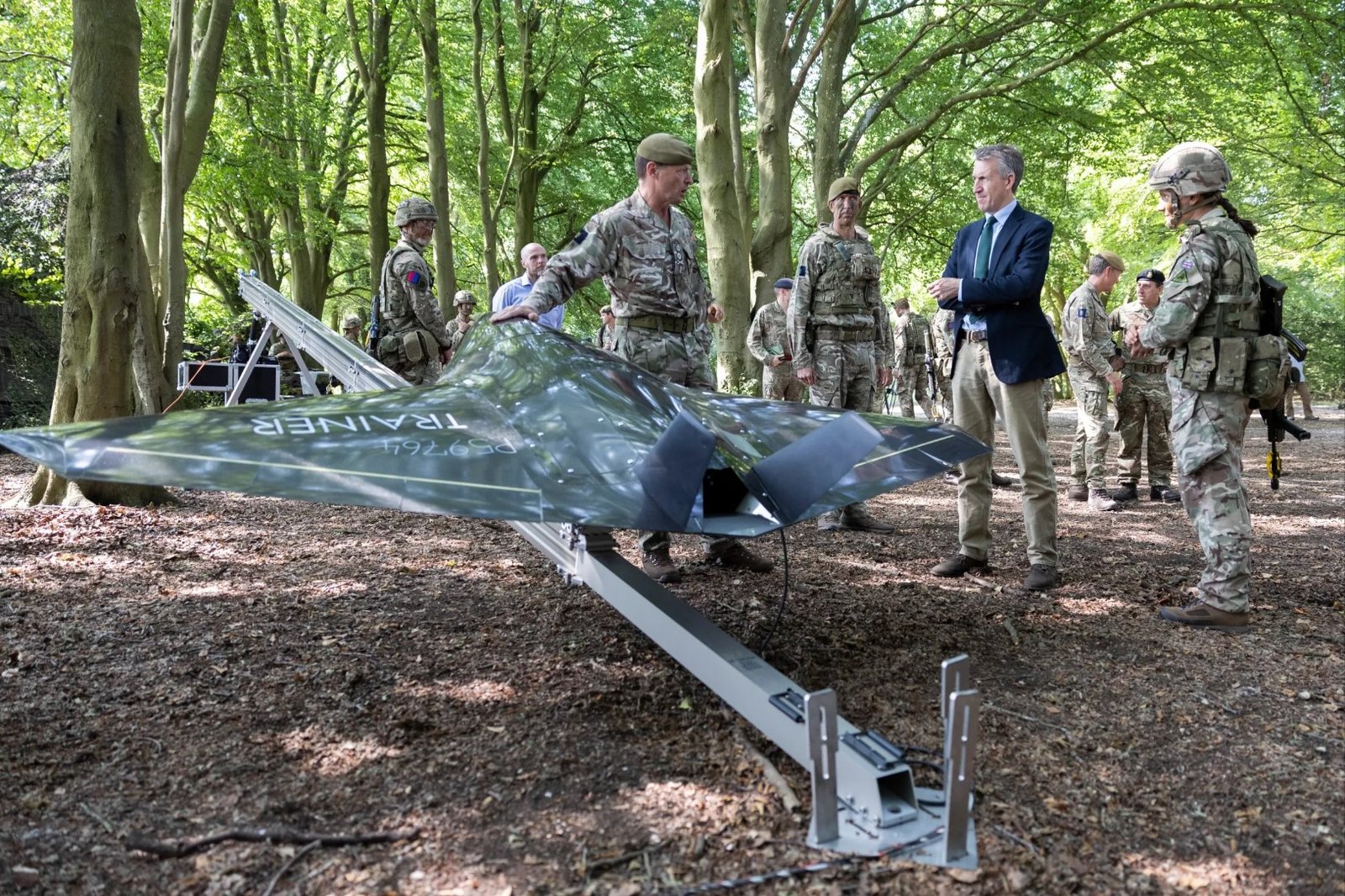 Russia Warns UK of ‘Consequences’ Over British Drones Used by Ukraine in Strikes on Russian Territory
