
India
China has announced a 7.2% increase in its annual defence budget, raising its official military expenditure to over $245 billion. This figure underscores Beijing's continued efforts to bolster its military might amid rising geopolitical tensions. Despite maintaining the same percentage increase as last year, experts suggest that China's actual spending is significantly higher. Some analysts estimate that China's real defence budget is at least 40-50% more than what it declares, as funds are allocated under different categories to mask the total military expenditure. Even with the declared figures, China's defence budget remains over three times that of India's $79 billion and is second only to the United States, which has allocated more than $900 billion this year. Meanwhile, India's total budget for 2025-2026 is estimated at $580 billion (₹50.65 trillion), encompassing all expenditures. The total revenue is estimated to be $400 billion (₹34.96 trillion). However, India's defence spending remains at 1.9% of GDP, well below the 2.5% recommended by experts for credible deterrence against China and Pakistan. Modernising the PLA for Global Dominance China's massive defence expenditure is primarily directed towards modernising the 2-million-strong People's Liberation Army (PLA). The goal is clear: challenge US military dominance, prevent foreign intervention in Taiwan, and assert control in territorial disputes with neighbours, particularly in the South and East China Seas and along the 3,488-km Line of Actual Control (LAC) with India. Tensions along the LAC remain unresolved. While both countries disengaged from two remaining standoff sites in eastern Ladakh in October last year, PLA troops continue to be stationed in the region, with no signs of de-escalation. China is also rapidly advancing its capabilities in space and cyber warfare, nuclear deterrence, and high-tech weaponry. It has based its advanced J-20 fifth-generation stealth fighters at airbases near India and is already developing sixth-generation prototypes. Furthermore, China is expected to supply at least 40 J-35A fifth-generation jets to Pakistan, further complicating India's security concerns. India's Defence Budget Struggles to Keep Pace India, meanwhile, spends just 1.9% of its GDP on defence, far below the 2.5% experts recommend for credible deterrence. A senior military officer noted that India should increase its defence budget to at least 2.5% of its GDP to address operational voids in military capabilities that need urgent attention. The financial burden of maintaining a 1.4-million-strong military leaves India with limited resources for modernisation. Nearly 75% of the budget is consumed by salaries, pensions, and operational costs, leaving only a quarter for upgrading critical assets. As a result, India faces significant shortfalls in fighter jets, submarines, helicopters, advanced air defence systems, and anti-tank guided missiles. Indian Air Force in Dire Need of Upgrades The situation is particularly concerning for the Indian Air Force (IAF). It currently operates just 30 fighter squadrons—each comprising 16-18 jets—against the sanctioned strength of 42.5. India's reliance on ageing aircraft, coupled with delays in the production of indigenous Tejas fighters, has left a major gap in aerial combat capabilities. Meanwhile, China continues to expand its air superiority, not just in numbers but in technological advancements. With its stealth fighters already in operation and sixth-generation aircraft in the pipeline, the gap between India and China's air forces is widening rapidly. China Expands Naval Power and Nuclear Arsenal China now possesses the world's largest navy, with over 370 warships and submarines. Although not as technologically advanced as the US Navy, its rapid expansion is a cause for concern in the Indo-Pacific region. Beijing is also assisting Pakistan in strengthening its naval capabilities. The two nations conduct regular 'Sea Guardian' bilateral exercises, reinforcing their strategic partnership. As China continues to push its influence into the Indian Ocean, India's ability to counterbalance this maritime expansion remains a key challenge. China's nuclear ambitions are also accelerating. The country now has over 600 operational nuclear warheads, a number expected to surpass 1,000 by 2035. In comparison, India and Pakistan each maintain around 160-170 nuclear warheads. This widening nuclear disparity adds another layer of complexity to regional security dynamics. A Growing Security Challenge for India China's aggressive military build-up and deepening ties with Pakistan present an escalating challenge for India. While India has made strides in defence manufacturing and self-reliance, the pace of modernisation remains slow. Without a substantial increase in budget allocation, India risks falling further behind in an increasingly volatile security environment. With China strengthening its position on land, sea, and air, as well as expanding its nuclear and cyber warfare capabilities, India faces mounting pressure to accelerate its defence preparedness. The question remains—can India bridge this growing gap before it's too late?
Read More → Posted on 2025-03-06 14:33:07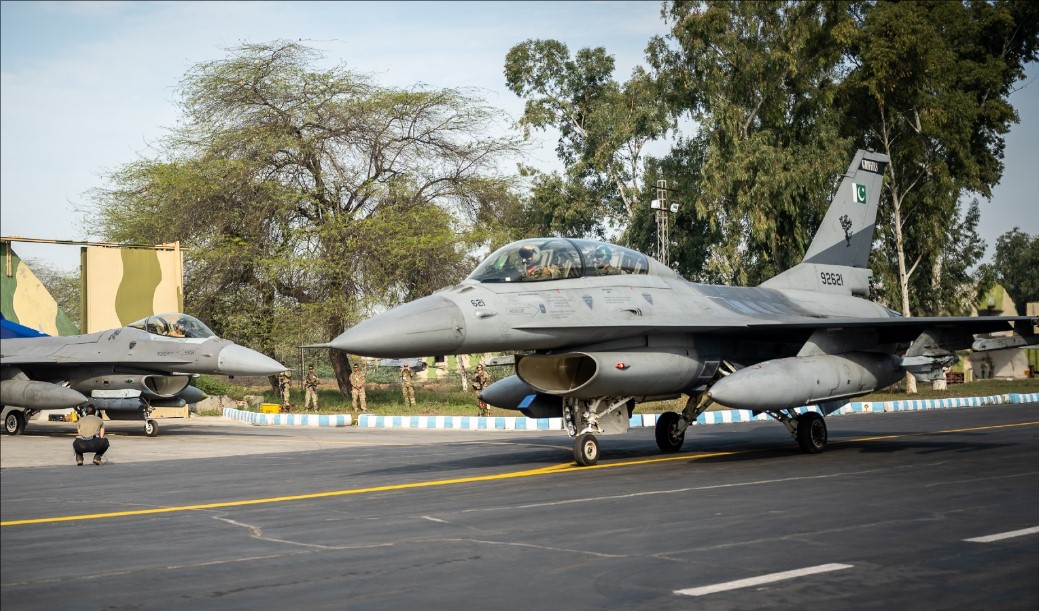
World
The United States is reinforcing its grip on Pakistan’s fleet of F-16 fighter jets through a newly approved $397 million agreement, a move aimed at ensuring the aircraft are used strictly for counterterrorism operations and not against any other nation, particularly India. This decision, finalized in February 2025, underscores Washington’s strategic intent to maintain tight control over the advanced American-built jets in Pakistan’s arsenal. The Pakistan Air Force (PAF) has long relied on F-16s as a key component of its air defense, but their operation has always been subject to stringent US-imposed restrictions. These include limitations on where the aircraft can be based, how they are maintained, and, most critically, how they are deployed. The latest deal enhances these measures, reinforcing the US presence at key airbases and tightening security protocols. Pakistan’s F-16s are primarily stationed at two major bases: Shahbaz Airbase in Jacobabad and Mushaf Airbase in Sargodha, chosen to facilitate strict US monitoring. A small number of older models are also housed at Bholari Airbase, but they remain separate from Pakistan’s Chinese-origin JF-17 Thunder fighters. This segregation is an intentional safeguard to prevent American technology from being accessed by China, a growing concern for US defense officials. A crucial aspect of the agreement is the continued presence of Technical Security Teams (TSTs), composed of US Air Force personnel and defense contractors. These teams, stationed at the designated airbases, work round the clock to ensure that F-16s are operated only for their intended purpose—counterterrorism. The teams are estimated to number between 30 and 60 personnel per base, providing direct surveillance over aircraft movements and missile storage. To prevent unauthorized use, the Advanced Medium-Range Air-to-Air Missiles (AMRAAMs) that equip Pakistan’s F-16s are stored under high security at Mushaf Airbase. Strict protocols, including inventory checks and a "two-man rule" for accessing restricted areas, are in place to ensure compliance. Additionally, the end-use agreements governing the F-16s require prior US approval for any flights outside Pakistani airspace or joint military exercises with other nations. Even routine maintenance is closely monitored. Upgrades to older F-16 models have historically been conducted in Turkey, a NATO ally, rather than in Pakistan, to prevent potential technology leaks. Pakistan also remains dependent on the US Foreign Military Sales (FMS) program for essential spare parts and technical assistance. This new $397 million deal builds on previous US oversight measures, including a $450 million sustainment package in 2022 and a $125 million monitoring initiative in 2019. The latest agreement extends the TST program for another five years, ensuring real-time oversight and reinforcing the monitoring framework. The need for tighter controls gained urgency following the 2019 Balakot airstrike and the aerial dogfight that followed. In response to India’s strike on a terrorist camp inside Pakistan, PAF F-16s were deployed against Indian jets. India claimed to have downed an F-16 and presented AMRAAM missile fragments as proof, raising concerns that Pakistan had violated its agreement with the US by using the jets for conventional warfare rather than counterterrorism. Although Pakistan denied losing an F-16 and insisted it relied on JF-17s in the engagement, reports suggested otherwise. Leaked US diplomatic communications from 2019 revealed that Washington had privately warned Pakistan about any unauthorized use of its F-16s, emphasizing the risk of exposing sensitive US military technology. This latest $397 million package appears to be a direct response to these concerns, introducing additional measures to prevent another breach of terms. Notably, the agreement prohibits F-16s from being stationed at bases where JF-17s are present and imposes tighter controls over missile deployments. These restrictions reflect the US's unease over Pakistan’s deepening military ties with China. The issue remains a contentious one for India. Indian officials have long argued that Pakistan’s F-16s have been used beyond their officially stated counterterrorism role, pointing to incidents like the 2019 aerial confrontation as evidence. Although the Indian Air Force (IAF) demonstrated its ability to counter F-16s, their continued presence near India’s borders remains a strategic concern. Meanwhile, Pakistan’s financial struggles may impact the operational readiness of its F-16 fleet. With increasing economic pressure, Islamabad may be forced to rely more on the JF-17 program, which is jointly developed with China and lacks the advanced capabilities of the F-16. For now, the US remains determined to ensure that the F-16s it supplies to Pakistan do not compromise regional security, particularly in the Indo-Pacific theater. With the latest deal, Washington has reinforced its oversight, leaving little room for misuse—at least on paper.
Read More → Posted on 2025-03-06 14:26:34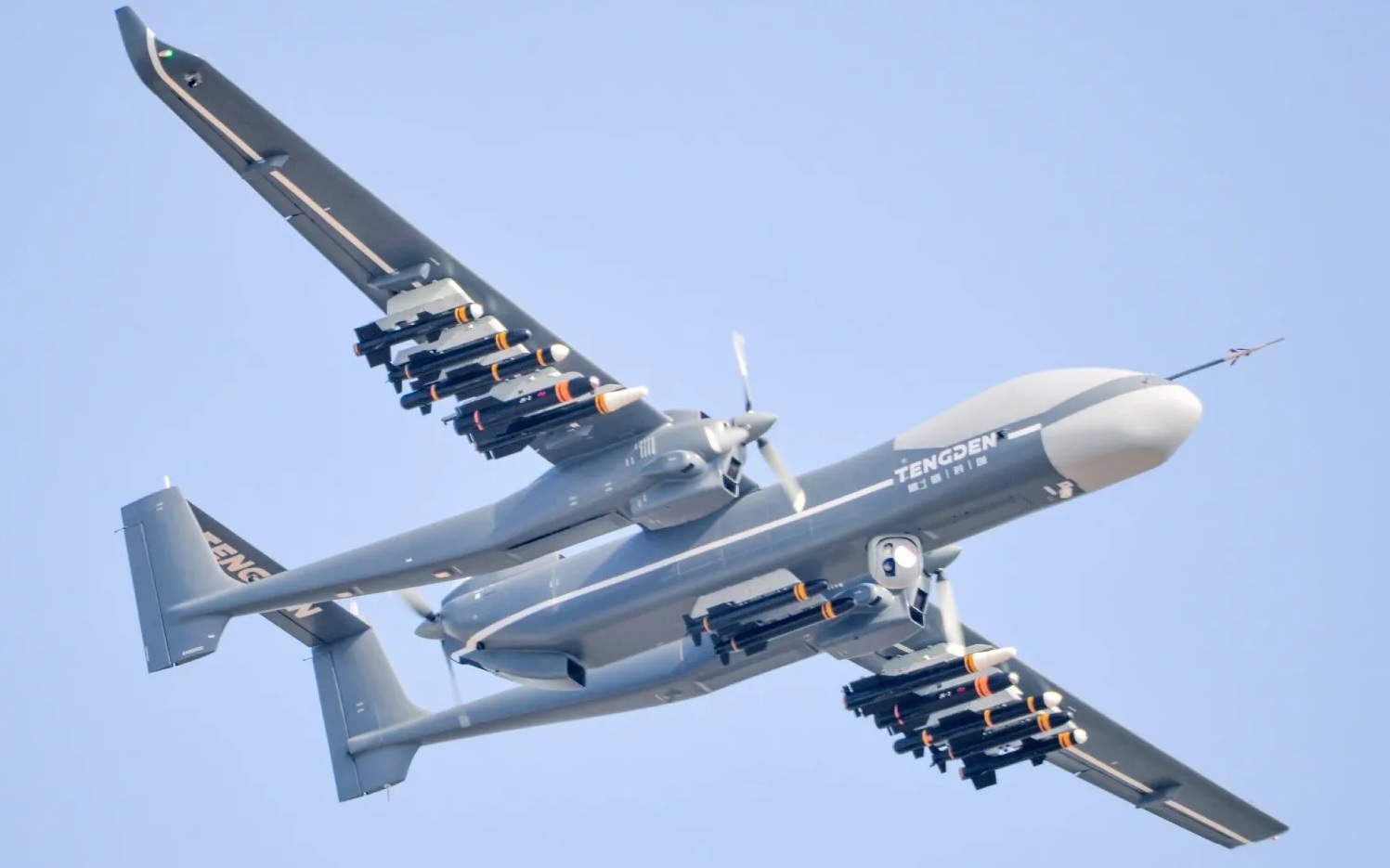
World
Morocco has recently bolstered its military strength by acquiring the Chinese-made TB-001K "Scorpion" unmanned aerial vehicles (UAVs). This move aligns with the nation's ongoing efforts to modernize its defense systems and diversify its military partnerships. Advanced Features of the TB-001K 'Scorpion' Drone Developed by Sichuan Tengden Sci-Tech Innovation Co., the TB-001K, also known as the "Twin-Tailed Scorpion," is a reconnaissance and combat UAV distinguished by its twin-boom design and dual-engine configuration. These features enhance its maneuverability and operational efficiency. The drone boasts a maximum takeoff weight of approximately 2,800 kilograms and can carry payloads of up to 1,200 kilograms, including light missiles and bombs, making it versatile for various combat missions. In terms of performance, the TB-001K has an operational range exceeding 6,000 kilometers and can remain airborne for up to 35 hours, providing extended surveillance and strike capabilities. Its design includes a twin-tail structure, a notable feature among Chinese UAVs, contributing to its stability and control during flight. Strategic Implications for Morocco The integration of the TB-001K drones is expected to significantly enhance Morocco's aerial reconnaissance and strike capabilities, addressing evolving regional security challenges. This acquisition reflects Morocco's strategy to diversify its defense suppliers and incorporate advanced technologies into its military operations. Diversification of Defense Partnerships Beyond its collaboration with China, Morocco has engaged with various international defense partners. The Royal Moroccan Army has previously procured the Wing Loong II UAVs from China, utilized primarily for aerial surveillance and reconnaissance. Additionally, the Royal Moroccan Navy has acquired the HJ-9A anti-tank missile system, also known as Red Arrow 9A, to enhance its capabilities against armored threats. In recent developments, Morocco received Bayraktar Akinci drones from Turkey, following an acquisition agreement signed in 2023. The nation also procured 150 vertical takeoff and landing drones from Israel in 2022, in a deal reportedly valued at "tens of millions of dollars." These diversified acquisitions underscore Morocco's commitment to strengthening its defense apparatus through strategic international partnerships. By integrating the TB-001K "Scorpion" drones into its arsenal, Morocco continues to advance its military modernization efforts, ensuring preparedness to address contemporary security challenges effectively.
Read More → Posted on 2025-03-06 14:21:55
India
The Defence Research and Development Organisation (DRDO) has officially revealed the latest and most advanced version of its Pinaka multi-barrel rocket launcher (MBRL) system. The new Pinaka III, which was showcased at a recent defence exhibition in Hyderabad, boasts a remarkable 120-kilometer range, significantly extending the Indian Army’s artillery strike capability. The Pinaka III features a 300mm caliber rocket, a major upgrade from the previous 214mm versions, such as the Pinaka Mk-I (40 km range), Mk-II (60-90 km), and Guided Pinaka (75-90 km). The increased diameter allows for greater propellant capacity and more advanced guidance systems, enabling precision strikes at longer distances. The current limitation of 214mm rockets, even with guidance, has been approximately 90 km, making the new 300mm version a game-changer in battlefield artillery. The Indian Army's demand for longer-range firepower comes in response to evolving regional security challenges. China has deployed 300mm PHL-03 launchers along the Line of Actual Control (LAC), with a range of 70-130 km, while Pakistan operates over 450 A-100 systems, capable of striking up to 120 km. With the Pinaka III, India not only matches but potentially outperforms these rival systems, securing a stronger strategic position. India has relied on Russian-made Smerch MBRLs (90 km range) for long-range artillery, but the indigenous Pinaka III surpasses this range, offering a cost-effective and self-reliant alternative. The Army approved new Pinaka variants in 2021, emphasizing the need for extended-range artillery systems. Beyond the Pinaka III, DRDO is reportedly working on an even longer-range variant with a potential range of 200-300 km, placing it in the league of short-range ballistic missiles like China’s PHL-16. If successful, this would transform the Pinaka system from a conventional MBRL into a powerful deep-strike weapon. The Pinaka III is expected to carry a larger warhead, estimated at 250 kg, compared to the 100 kg warhead of the Mk-I. This increase in payload, coupled with modern guidance and propulsion systems, makes it suitable for both wide-area saturation attacks and precision strikes on high-value targets. The Pinaka system has been in service since the late 1990s, with its rapid-fire capabilities providing crucial firepower on the battlefield. The latest iteration—Pinaka III—reinforces India’s commitment to developing advanced, indigenous defence technology and reducing dependence on foreign weapon systems.
Read More → Posted on 2025-03-06 14:18:02
World
Lockheed Martin has unveiled its ambitious plan to bolster America's homeland security with an advanced missile defense system, referred to as the "Golden Dome for America." This initiative aims to provide an impenetrable shield against evolving aerial and missile threats, including hypersonic missiles and drone swarms. Jim Taiclet, Chairman, President, and CEO of Lockheed Martin, emphasized the company's deep expertise in air and missile defense, stating that they are prepared to deliver critical components for this large-scale project. These include satellite-based missile detection systems, battle-tested interceptors, cutting-edge laser weapons, and sophisticated command-and-control networks. The "Golden Dome" is envisioned as a transformative national security effort, akin to the historic Manhattan Project. Lockheed Martin plans to work closely with both defense and commercial sectors, ensuring an open-architecture framework that promotes technological innovation and economic opportunities. Having already played a vital role in the U.S. Missile Defense System’s command and control network, the company has successfully demonstrated its layered defense approach in regions such as Guam and the Pacific. This proven capability strengthens its position to deliver a rapid and highly effective missile defense solution for the U.S. homeland. A key feature of the proposed system is the integration of artificial intelligence and real-time data analysis to detect, track, and neutralize threats with unmatched speed and precision. By leveraging these advanced technologies, the Golden Dome would provide comprehensive protection against modern aerial warfare threats. With increasing calls for a stronger homeland defense strategy, including support from former President Donald Trump, Lockheed Martin is positioning itself as the go-to defense contractor to make this vision a reality. The company’s proven expertise in missile defense underscores its ability to develop an advanced, American-made shield that will safeguard the nation from future threats.
Read More → Posted on 2025-03-06 14:12:41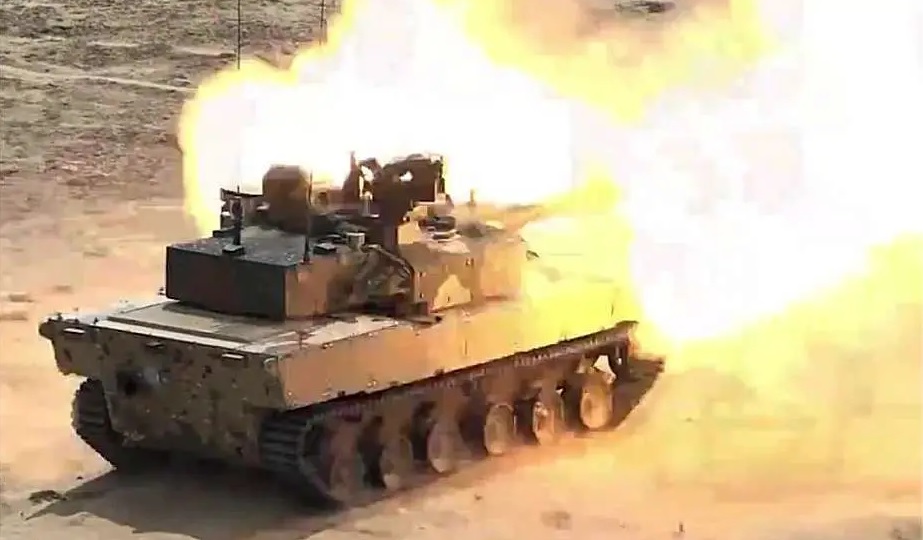
India
The Zorawar, an advanced light tank developed by India’s Defence Research and Development Organisation (DRDO) in collaboration with Larsen & Toubro (L&T), is now in the final stages of its trials. Designed specifically for high-altitude warfare, this state-of-the-art 25-ton tank is equipped with a 105mm gun capable of firing anti-tank guided missiles and features a remote-controlled weapon station from John Cockerill Defence of Belgium. A Game-Changer for Mountain Warfare The Zorawar is built for agility and firepower in challenging terrains like Ladakh, where India faces strategic challenges along its northern borders. With its Cummins engine, the tank boasts a high power-to-weight ratio, allowing it to move swiftly in mountainous and desert regions. It is also amphibious, enhancing its adaptability across different combat environments. The tank is outfitted with composite armour and an active protection system, significantly increasing its survivability against enemy fire. Additionally, AI-based surveillance, drone-launching capabilities, and loitering munitions integration make the Zorawar a modern battlefield asset. Trials in Final Stage – Ladakh Tests Underway The Zorawar’s automotive trials have already proved its efficiency in desert conditions, demonstrating its mobility and firing accuracy. Currently, the tank is undergoing high-altitude testing in Ladakh, where it is being assessed for performance at elevations over 4,200 meters. The trials have been largely successful, reinforcing confidence in the tank’s ability to operate in extreme environments. With the Indian Army aiming to deploy this tank in high-altitude regions, the Zorawar is expected to be inducted by 2027, marking a significant step toward India’s defence self-reliance. Zorawar’s World-Class Turret: A Breakthrough in Tank Technology One of the standout features of the Zorawar is its turret, which is considered among the best in the world due to its cutting-edge design and technology. Developed as a joint effort between India and Belgium, the turret is being manufactured by John Cockerill Defence (JCD) in collaboration with Electro Pneumatics and Hydraulics (EPH) in India. Key features of the turret include: 105mm gun with the ability to fire anti-tank guided missiles for maximum firepower. Seamless integration with AI, surveillance drones, and loitering munitions. Advanced optics and targeting systems for precision strikes in diverse environments. This India-Belgium partnership ensures that the turret is not only used by the Indian Army but also holds potential for global exports, showcasing India’s growing defence manufacturing capabilities. Zorawar: A Force Multiplier for India's Defence The Zorawar’s combination of firepower, mobility, and advanced technology positions it as a game-changer in modern warfare. Its ability to operate across mountainous, desert, and amphibious terrains makes it a versatile combat asset. As trials near completion, the Zorawar is set to strengthen India’s military capabilities, particularly in high-altitude regions where conventional tanks struggle. The tank’s induction into the Indian Army will mark a new era of indigenous armoured warfare, reinforcing India’s strategic defence posture along its borders.
Read More → Posted on 2025-03-06 14:09:34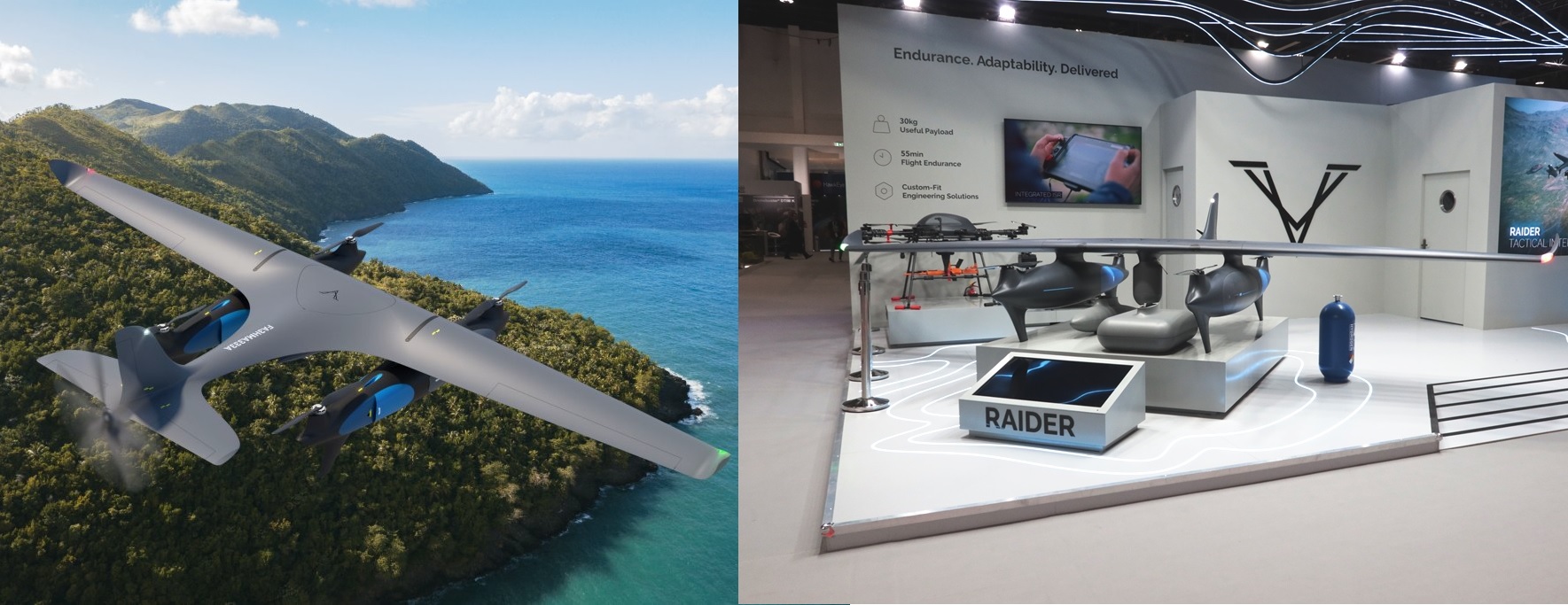
World
At IDEX 2025 in Abu Dhabi, Heven Drones introduced the Raider, a hydrogen-powered unmanned aerial vehicle (UAV) designed for long-range, silent, and versatile operations. The Miami-based company, with its research and development hub in Afula, Israel, is known for its advanced hydrogen-fueled propulsion technology, and the Raider is its latest step forward in military drone capabilities. With an endurance of over 12 hours, vertical take-off and landing (VTOL) ability, and a 23 kg payload capacity, this UAV is built to revolutionize battlefield logistics, reconnaissance, and tactical resupply missions. A Modular UAV for Diverse Missions The Raider stands out for its modular design, allowing it to be easily assembled and deployed. The 7-meter wingspan aircraft can be disassembled for transport and made flight-ready in under 15 minutes. Additionally, for operations in confined spaces, Heven Drones offers a 5.5-meter wingspan variant, which is optimized for take-offs and landings from smaller areas, such as naval vessels or remote outposts. Built using carbon fiber composites, the Raider's airframe is lightweight yet robust, maximizing efficiency and durability while reducing overall mass. Its dual-fuselage design plays a critical role in balancing weight and aerodynamics, ensuring stable flight performance across various operational scenarios. Innovative Hydrogen-Based Propulsion System A key differentiator of the Raider is its hydrogen fuel cell propulsion system, which powers both its VTOL and cruise flight capabilities. The drone features: Two fuselage nacelles under the wings, each containing fuel cells, avionics, and hydrogen tanks. Four electric motors (two in each nacelle) that control the front and rear rotors, enabling VTOL operations. A main rear-mounted pushing propeller driven by an electric motor, ensuring long-range forward flight. The Raider is fueled by a 1 kg hydrogen tank, enabling its 12+ hours of continuous flight. Unlike conventional combustion engines, its hydrogen-based system produces no emissions, minimal noise, and almost zero thermal signature, making it ideal for stealth operations. However, finding liquid hydrogen in remote or battlefield locations can be challenging. To address this, Heven Drones provides a portable hydrogen refueling station, capable of producing 2 kg of hydrogen per day—enough to sustain 24/7 operational readiness. Speed, Range, and Endurance Maximum Takeoff Weight: 119 kg Maximum Speed: 72 km/h (20 m/s) Flight Endurance: 12+ hours Maximum Range: 350 km (depending on the installed datalink) The UAV’s long endurance and significant range allow it to support tactical resupply missions, ISR (Intelligence, Surveillance, and Reconnaissance) operations, and rapid-response deliveries. Payload Capabilities and Mission Adaptability The Raider's payload bay is designed for maximum versatility, located centrally between its twin fuselages. This bay measures approximately 1 meter wide and can accommodate various cargo containers tailored for different missions. These containers can be easily swapped without tools, allowing for rapid mission reconfiguration. The UAV is capable of delivering payloads in two ways: Landing near troops for direct cargo offloading Airdropping supplies via parachute while in flight This dual-delivery system ensures efficient resupply in both static and dynamic combat environments. The Raider’s advanced flight control system also compensates for sudden weight shifts when deploying payloads mid-air, maintaining flight stability and balance throughout the mission. Performance in Extreme Environments One of the Raider’s standout features is its all-weather operability. To ensure functionality in extreme conditions, Heven Drones has designed its dual-fuselage compartments to be internally heated, enabling operations in temperatures as low as -20°C. This makes it highly reliable for missions in arctic, mountainous, or high-altitude environments, where traditional UAVs might struggle. Tactical and Strategic Applications The Raider is being actively considered for military logistics, ISR, and precision resupply missions. It can deliver: Ammunition and explosives for frontline troops Medical supplies and humanitarian aid to disaster zones Fuel, food, and water to remote or isolated units Reconnaissance equipment for surveillance operations Heven Drones is collaborating with the U.S. Department of Defense, particularly the Marine Corps, which has shown strong interest in integrating the Raider into its operational fleet. Future Roadmap and Deployment Plans Currently in its final development phase, the Raider will undergo comprehensive flight testing throughout 2025. Once these tests are completed, full-scale production and deliveries are expected to begin in 2026. Bentzion Levinson, the CEO of Heven Drones, highlights the UAV’s cutting-edge automation, stability controls, and mission adaptability, positioning the Raider as a "flying robotic solution" rather than just another drone. With silent operation, extended endurance, and modular payload capabilities, the Raider is set to redefine unmanned aerial logistics and tactical support missions in military and defense sectors worldwide.
Read More → Posted on 2025-03-05 15:02:33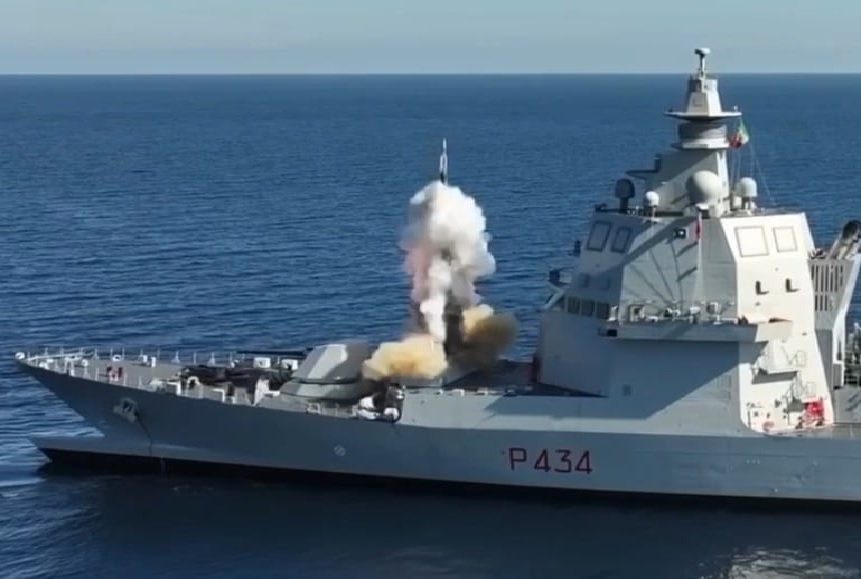
World
The Italian Navy has achieved a significant milestone with the successful qualification of the MBDA Italia SAAM-ESD PPA (Surface Anti-Air Missile – Extended Self Defence) system. The multi-purpose combat ship Giovanni delle Bande Nere (P 434), a Thaon di Revel-class PPA (Pattugliatore Polivalente d’Altura) in its "Full configuration," carried out the crucial Aster 30 missile firing on February 18 as part of a comprehensive qualification process. This successful test marks a key advancement in the ship’s air defense capabilities, integrating the SAAM-ESD system with the vessel’s Command Management System (CMS). The missile test, conducted at the Italian Joint Armed Forces Firing Range (PISQ) in Eastern Sardinia, demonstrated the vessel’s ability to engage and intercept threats effectively. The Aster 30 missile, fitted with a telemetric head, successfully passed at an effective distance from a simulated anti-ship missile target (Leonardo Mirach 100/5), confirming its operational efficiency. According to the ship’s commander, Claudia de Cesare, the launch was executed flawlessly, meeting all planned objectives. The collaboration between the Italian Navy, MBDA Italia, Leonardo, Fincantieri, and the OCCAR-EA PPA Programme Division played a crucial role in the success of this milestone. The SAAM-ESD PPA system is a state-of-the-art air defense solution designed to enhance self-defense and provide protection to other naval units in a task force scenario. The system integrates the Naval Group A50 vertical launching system, supporting Aster 15, Aster 30, and the advanced Aster 30 Block 1NT missiles. The launchers are linked to the Leonardo Dual Band Radar (DBR), which includes the C-band Kronos Quad and the X-band Kronos StarFire AESA radars, ensuring highly accurate tracking and engagement of aerial threats. Following this qualification, Giovanni delle Bande Nere is now prepared to participate in Formidable Shield 2025, a NATO-led Integrated Air and Missile Defense (IAMD) exercise at the UK’s Hebrides range in Scotland. This event will position the vessel alongside allied naval forces, reinforcing Italy’s role in international missile defense operations. The success of the Aster 30 missile test not only cements the capabilities of the Thaon di Revel-class PPA ships but also highlights the Italian Navy’s commitment to advancing its air defense systems. With this qualification, Italy's naval fleet gains a cutting-edge defense capability, ensuring enhanced protection against modern aerial threats in an increasingly complex maritime security environment.
Read More → Posted on 2025-03-05 14:55:05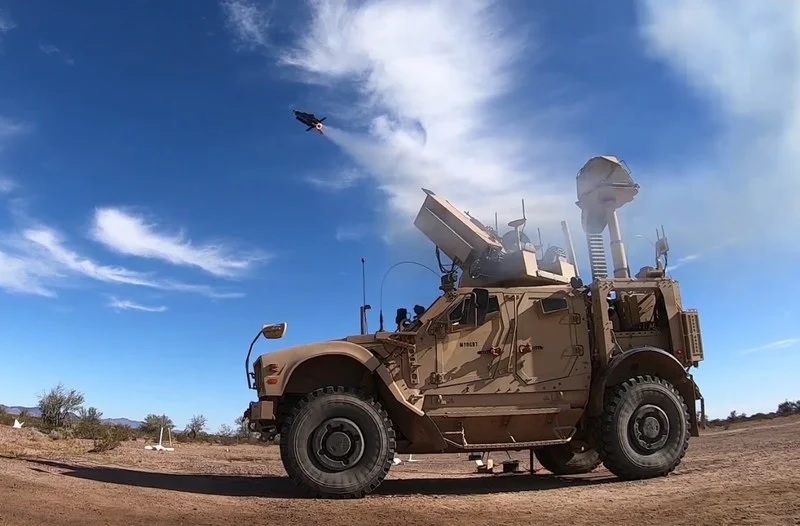
World
As drone warfare continues to evolve, the U.S. Army is ramping up its counter-drone training programs to better equip soldiers for modern battlefields. With unmanned aerial systems (UAS) being used more frequently in global conflicts, the military is prioritizing hands-on training to counter this growing threat. At Fort Bliss, Texas, the 5th Armored Brigade has been leading a comprehensive counter-UAS (C-UAS) training initiative, focusing on real-world combat scenarios. The latest round of training was aimed at preparing the Illinois Army National Guard’s 2nd Battalion, 130th Infantry Regiment, for upcoming deployments to Iraq and Syria. The exercises included a mix of live-fire drills, battlefield simulations, and technical training on advanced drone defense systems. Col. Douglas F. Serie, commander of the 5th Armored Brigade, stressed the importance of this preparation, emphasizing that soldiers need to be well-versed in recognizing and neutralizing drone threats. “Our C-UAS training incorporates dynamic threat scenarios and multiple live-fire iterations to instill confidence in our troops,” he explained. “By ensuring soldiers are proficient in their equipment, tactics, and operational procedures, we enhance combat readiness.” One of the key systems featured in the training was the Mobile Low, Slow Unmanned Aircraft Integrated Defense System (M-LIDS). This advanced system consists of two vehicles equipped with radar, kinetic weapon systems, and electromagnetic warfare capabilities, allowing for rapid detection and engagement of hostile drones. During exercises, soldiers practiced coordinating drone detection, targeting, and engagement under realistic combat conditions. Brandon C. Haines, a training and operations expert with PM C-UAS (Astrion), highlighted the importance of hands-on learning. “The process begins with drone detection, followed by real-time coordination among the crew, and ultimately, engaging the target,” he said. “Our training follows a structured approach—starting with classroom instruction, followed by hands-on drills, and culminating in live-fire exercises. This ensures soldiers can effectively identify and neutralize drone threats before deployment.” To further enhance training, Observer Controller/Trainers (OC/Ts) from the 3rd Battalion, 362nd Infantry Regiment provided valuable insights based on lessons learned from past conflicts. Lt. Col. Jerome E. Hilliard, commander of the 3-362nd Infantry Regiment, emphasized the shift from traditional classroom learning to practical, real-world scenarios. “Soldiers need to experience firsthand how their roles fit into a larger counter-drone strategy,” he explained. “Using real equipment, including radars and drone swarms, helps them understand the urgency of threat identification and risk mitigation.” Before arriving at Fort Bliss, the 2-130th Infantry Regiment also underwent counter-drone instruction at Camp Atterbury, Indiana. Staff Sgt. Joseph Watkins, an infantry OC/T, noted the benefits of hands-on practice. “We’ve spent the past year learning about drone threats, but this training allows us to put that knowledge into action,” he said. “Seeing how drones operate in real time helps us understand the effectiveness of our defense systems.” The U.S. Army continues to integrate the latest counter-UAS technology into its training programs. Soldiers are now being trained on systems like the Forward Area Air Defense Command and Control (FAAD C2) and the Correlated Defense System of Systems Simulation, which allow for advanced threat recognition and engagement exercises. “We are constantly updating our training to reflect the latest battlefield threats,” Haines explained. “This ensures our soldiers are prepared for evolving drone warfare tactics.” The training has been met with positive feedback from soldiers who recognize the growing danger of drone attacks. Spc. Jack Gregory, an infantryman with Alpha Company, 2-130th Infantry Regiment, noted the significance of learning counter-drone tactics. “Drone warfare is one of the biggest concerns for soldiers today,” he said. “Understanding how M-LIDS integrates with base defense and learning how to neutralize drone threats in real-time scenarios boosts our confidence and readiness.” As drone threats continue to evolve, the U.S. Army remains committed to adapting its training programs. Col. Serie emphasized the importance of collaboration between National Guard, Reserve, and Active-Duty units in counter-UAS training. “Our National Guard and Reserve partners face different constraints than their Active-Duty counterparts, so joint training is essential,” he said. “Combat readiness and effectiveness come from realistic training and strong partnerships across all components.” With deployment approaching, the 2-130th Infantry Regiment’s leadership acknowledges the critical importance of counter-drone preparedness. “Recent drone attacks reinforce why this training is vital,” said Lt. Col. Edward Worman, the battalion’s commander. “By mastering these counter-drone techniques, we enhance force protection, reduce risks, and ensure mission success.” As warfare continues to evolve, the U.S. Army’s focus on counter-drone tactics ensures its soldiers remain ready to confront the growing threat of unmanned aerial systems on the battlefield.
Read More → Posted on 2025-03-05 14:50:27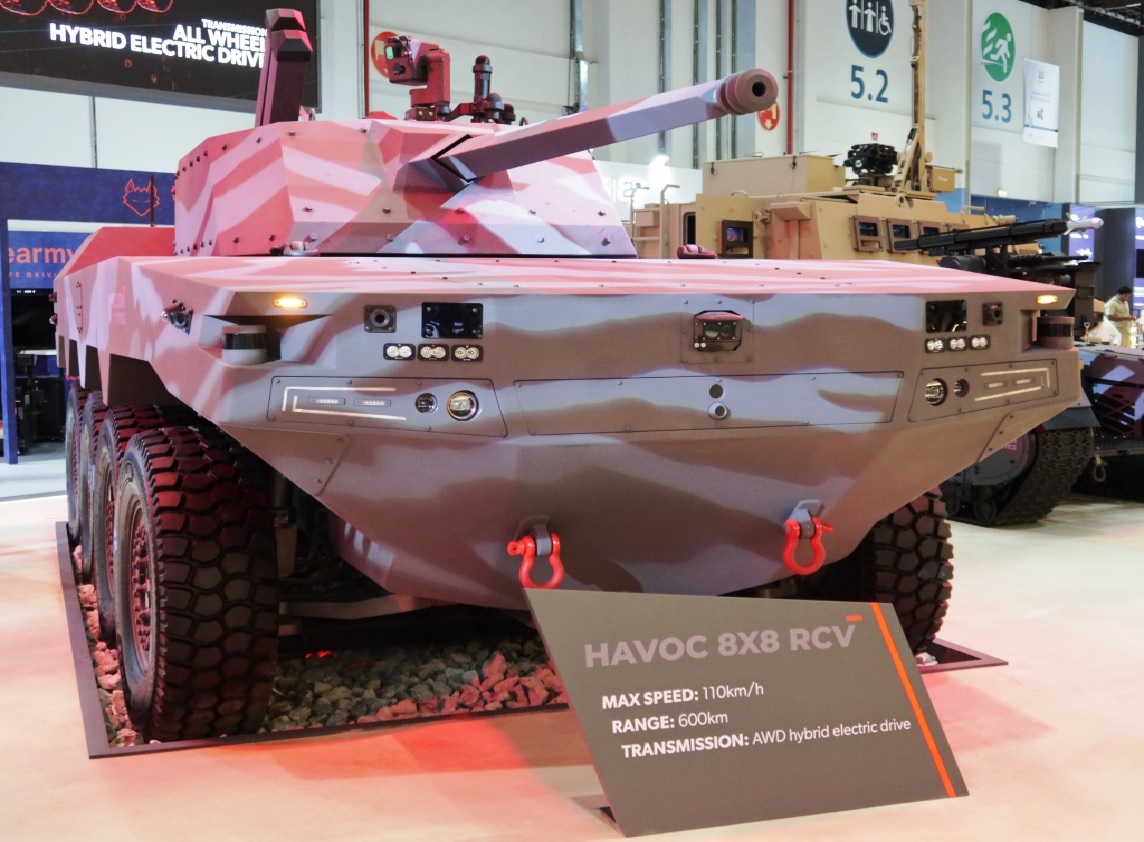
World
At the International Defence Exhibition (IDEX) 2025 in Abu Dhabi, Milrem Robotics, an Estonian leader in robotics and autonomous systems, introduced the HAVOC 8×8 Robotic Combat Vehicle (RCV). This unveiling marks a significant advancement in unmanned ground vehicle technology, reflecting the company's commitment to innovative military solutions. Design and Mobility The HAVOC 8×8 RCV is designed to support mechanized units, acting as a force multiplier alongside infantry fighting vehicles and battle tanks. Measuring 6.5 meters in length and 2.8 meters in width, the vehicle boasts a hybrid-electric powertrain that enables near-silent operation, enhancing stealth capabilities. It achieves a top speed of 110 kilometers per hour on roads and 50 kilometers per hour off-road, with an operational range of 600 kilometers. The vehicle's eight-wheel configuration and independent double wishbone suspensions ensure optimal performance across diverse terrains, including deserts and rugged landscapes. Armament and Versatility The HAVOC's modular design allows for various weapon integrations. At IDEX 2025, it was showcased with a turret-mounted 30 mm cannon and a three-tube launcher for Frankenburg Technologies' Mk1 surface-to-air mini missiles. These missiles, equipped with 400-gram warheads, have a range exceeding 2 kilometers and can engage aerial targets up to 1,500 meters in altitude. The vehicle also features advanced systems such as the Pilar V gunshot detector and the Vegvisir mixed reality-based 360° situational awareness system, enhancing its operational effectiveness. Protection and Survivability Despite being unmanned, the HAVOC is built with robust protection measures. It offers ballistic protection up to Level 3, safeguarding against 7.62×51 mm armor-piercing rounds from 30 meters and 155 mm high-explosive artillery shells detonating at 60 meters. Some sources suggest it may achieve Level 4 protection, defending against 14.5×114 mm rounds from 200 meters and 155 mm shells at 30 meters. Additionally, it provides Level 1 protection against mines and blasts, with a ground clearance of 440 mm, ensuring resilience in hostile environments. Future Developments Milrem Robotics plans to complete the HAVOC's development by late 2025, with prototype testing scheduled for 2026-2027. The first operational units are expected to be delivered to the United Arab Emirates by 2028. Furthermore, a tracked variant of the HAVOC, named Vector, is under development. This version will weigh 14.5 tonnes without payload, support a 3-tonne payload, and share the hybrid-electric propulsion system, offering a maximum road speed of 80 kilometers per hour. The introduction of the HAVOC 8×8 RCV signifies a pivotal step in modernizing ground combat operations, providing armed forces with a versatile and resilient platform capable of adapting to various combat scenarios.
Read More → Posted on 2025-03-05 14:47:43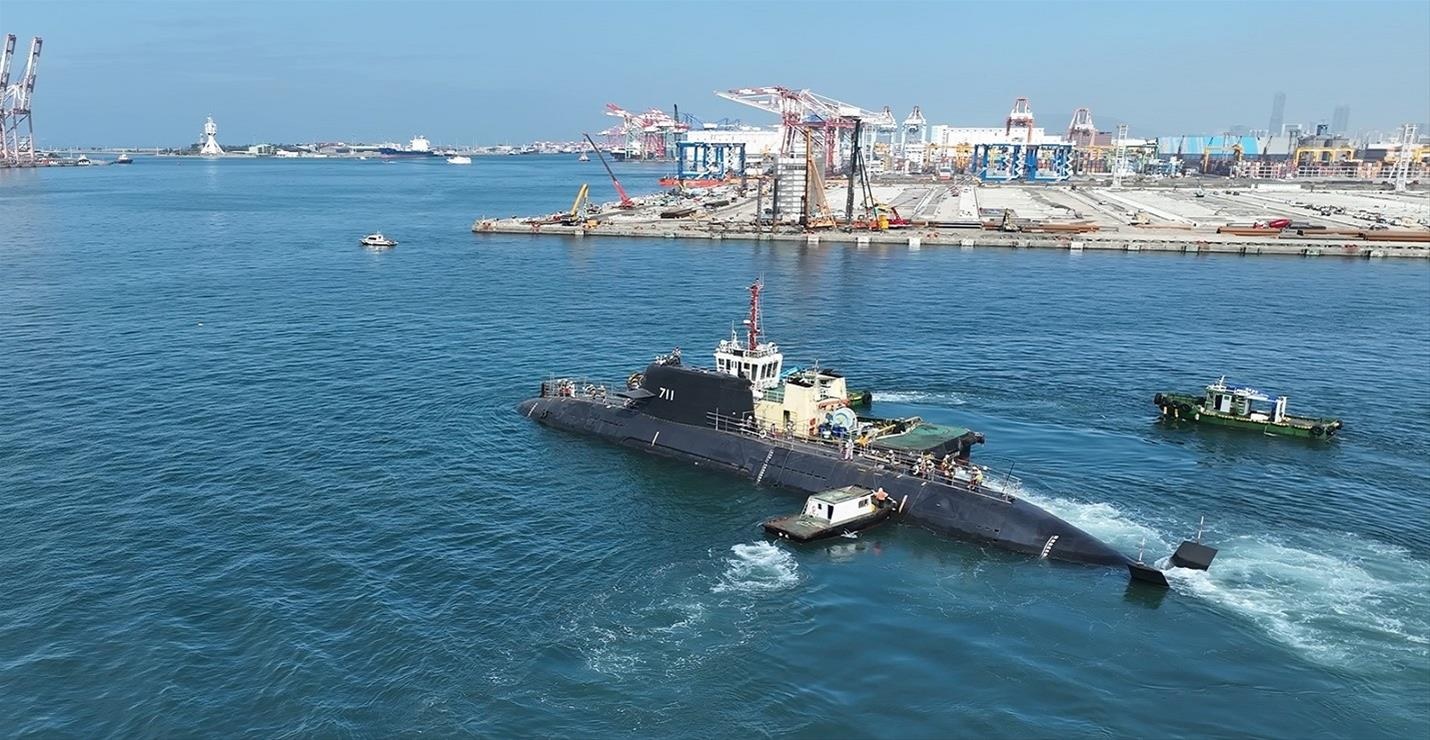
World
Taiwan's first domestically built submarine, the Hai Kun, is on track to commence its Sea Acceptance Tests (SAT) in April 2025, as per the original schedule. This development comes despite earlier reports suggesting potential delays due to power supply issues encountered during Harbor Acceptance Tests (HAT). Addressing Power Supply Concerns In late February 2025, concerns arose regarding unstable voltage from ground facilities affecting the submarine's components during HAT. However, Taiwan's navy promptly refuted these claims, stating that the facilities are equipped with voltage stabilizers, ensuring stable power supply. Both the navy and the Ministry of National Defense confirmed that the SAT would proceed as planned in April. Progress in Testing Phases The Hai Kun has successfully completed critical pre-submergence and incline tests. Recently, it was moved to Dock No. 91 at the Port of Kaohsiung to facilitate tuning of its diesel-electric power plant and to conduct further harbor acceptance trials. This progression signifies readiness for the upcoming sea trials. Specifications of the Hai Kun The Hai Kun is a diesel-electric attack submarine, approximately 70 to 80 meters in length, with a displacement ranging between 2,500 and 3,000 tons. It features six torpedo tubes capable of launching Mk-48 Mod 6 torpedoes and UGM-84 Harpoon anti-ship missiles. The submarine is equipped with a combat management system developed by Lockheed Martin. The design incorporates a hybrid double-single hull structure with X-form rudders, similar to Japan's Soryu-class submarines. Notably, it does not feature air-independent propulsion (AIP) and is believed to lack anechoic coating. Taiwan's Submarine Fleet Modernization The Hai Kun is the first of eight planned submarines under Taiwan's Indigenous Defense Submarine (IDS) program, aiming to modernize the nation's aging submarine fleet. The program represents a significant step in enhancing Taiwan's naval defense capabilities amid regional security challenges. The successful progression of the Hai Kun's testing phases underscores Taiwan's commitment to bolstering its maritime defense through indigenous technological advancements.
Read More → Posted on 2025-03-05 14:44:13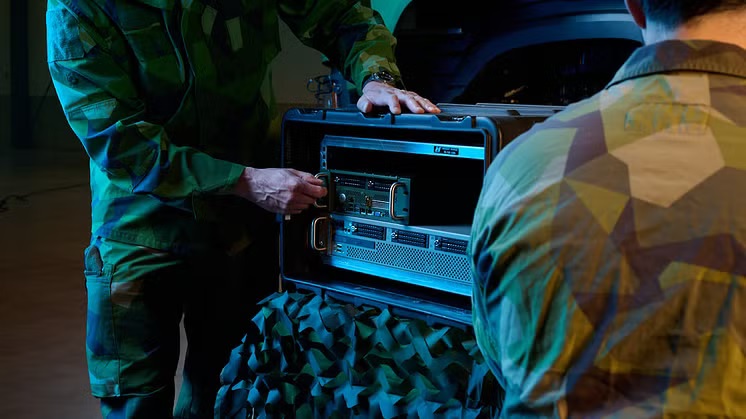
World
Expando, a leading Nordic provider of rugged computing and high-reliability (Hi-Rel) electronics, has secured new contracts worth over SEK 25 million. These orders, placed by defence system manufacturers in NATO countries, highlight the increasing demand for durable and high-performance military technology. The company will deliver a range of rugged electronics, including Hi-Rel components, specifically designed for advanced missile systems. These critical systems must operate under extreme conditions, meeting strict military standards for land, sea, and air defence applications. With deliveries scheduled for 2025, the contracts reflect a strategic shift in defence procurement. NATO countries are moving away from the traditional ‘just-in-time’ supply approach to a more secure ‘just-in-case’ model, ensuring stockpiles of essential military equipment remain available. Otto Johnson, CEO of Expando, emphasized the significance of these contracts in enhancing NATO’s defence readiness. “We are proud to supply leading manufacturers with military-grade electronics for advanced technologies that defend NATO countries,” he stated. With 25 years of expertise in military and aerospace electronics, Expando has built a strong reputation in the defence sector. The company specializes in rugged servers, defence electronics, and modified commercial-off-the-shelf (COTS) hardware, ensuring reliable performance in the most demanding environments. These latest orders reinforce Expando’s standing as a trusted supplier of durable electronics for critical defence applications. As military forces continue modernizing their systems, Expando remains committed to delivering high-quality, mission-ready solutions.
Read More → Posted on 2025-03-05 14:40:33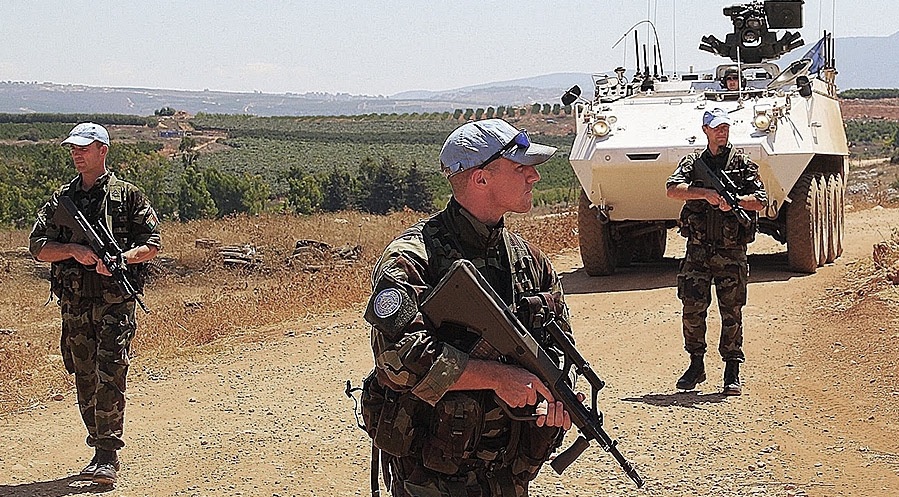
World
Ireland is poised to amend its longstanding "triple lock" system, which currently requires approval from the United Nations (UN), the Irish government, and the Dáil (parliament) before deploying more than 12 military personnel overseas. This move aims to enhance Ireland's autonomy in international peacekeeping operations. Understanding the Triple Lock Mechanism The triple lock mechanism has been a cornerstone of Ireland's defense policy, ensuring that any significant troop deployment receives: Government Approval: Consent from the Irish government. Parliamentary Approval: Endorsement by the Dáil. UN Mandate: Authorization from the UN Security Council. This framework was designed to uphold Ireland's commitment to military neutrality and ensure legitimacy in its peacekeeping missions. Proposed Changes and Their Implications The Irish government, led by Deputy Prime Minister and Defense Minister Simon Harris, has approved a draft proposal to remove the UN mandate requirement from the triple lock system. This change would allow Ireland to deploy up to 50 troops abroad with just governmental and parliamentary approvals, eliminating the need for UN Security Council authorization. Prime Minister Micheál Martin emphasized that this amendment would prevent any of the five permanent members of the UN Security Council—China, France, Russia, the United Kingdom, and the United States—from having veto power over Irish troop deployments. He stated that removing the UN requirement would affirm Irish sovereignty and enable more agile responses to international crises. Debate Over Neutrality and Sovereignty The proposal has sparked a robust debate within Ireland: Supporters' Perspective: Proponents argue that the current system can hinder Ireland's ability to respond promptly to international emergencies, especially when UN Security Council members exercise their veto power for geopolitical reasons unrelated to the mission at hand. They believe that the amendment would allow Ireland to participate more effectively in peacekeeping operations without external constraints. Opponents' Concerns: Critics, including opposition parties like Sinn Féin, contend that removing the UN mandate undermines Ireland's military neutrality. They argue that the UN's endorsement provides international legitimacy and ensures that troop deployments are genuinely peacekeeping rather than aligning with specific geopolitical interests. Some have called for a national referendum on the issue, emphasizing the need for public consent before making such a significant policy shift. As the draft legislation progresses through the legislative process, Ireland faces a pivotal moment in redefining its role in global peacekeeping and its stance on military neutrality. The outcome will not only impact Ireland's defense policy but also its international relationships and commitments.
Read More → Posted on 2025-03-05 14:35:02
World
BlackSky Technology Inc. has achieved a significant milestone in the field of Earth observation by delivering very high-resolution images from its latest Gen-3 satellite just five days after its launch on February 18, 2025. This rapid deployment sets a new standard in the commercial satellite imaging industry, showcasing BlackSky's commitment to providing timely and high-quality geospatial intelligence. According to BlackSky CEO Brian O’Toole, the Gen-3 satellite has demonstrated exceptional clarity at its initial insertion altitude, with further enhancements anticipated as calibration processes continue. The company expects that once the satellite reaches its designated operational altitude, the image quality will improve even further, aligning with customer expectations. Following successful initial testing and image capture, the Gen-3 satellite has transitioned into automated operations. This phase allows for additional system validation and streamlines the final commissioning process before full-scale commercial deployment. BlackSky plans to share sample imagery with customers within the next 30 days, ahead of the planned timeline. The integration of very high-resolution imaging into its constellation aims to provide customers with greater time-diverse coverage and high-quality images at competitive prices. Advancements from Gen-2 to Gen-3 Satellite Imaging The transition from Gen-2 to Gen-3 satellites marks a significant advancement in BlackSky's imaging capabilities. Key improvements include: Enhanced Image Resolution: Gen-3 satellites are designed to capture images with higher spatial resolution compared to their Gen-2 predecessors. This improvement allows for more detailed and precise observations of Earth's surface, benefiting applications such as urban planning, disaster response, and environmental monitoring. Faster Deployment and Operational Readiness: The Gen-3 satellite's ability to deliver high-quality images just five days after launch demonstrates a reduced timeline for calibration and commissioning. This rapid readiness ensures that clients receive up-to-date geospatial data more quickly, enhancing decision-making processes. Improved System Automation: With advancements in automated operations, Gen-3 satellites can transition more swiftly from initial testing to full operational status. This automation enhances the efficiency of satellite management and data processing, leading to more reliable and timely data delivery to customers. BlackSky remains on schedule for the launch of its next Gen-3 satellite in the second quarter of this year. The company plans to maintain a steady cadence of satellite launches throughout the year, further strengthening its global monitoring capabilities and solidifying its position as a leader in rapid, high-resolution Earth imaging.
Read More → Posted on 2025-03-05 14:30:53
World
Former U.S. President Donald Trump has once again turned the spotlight on Pakistan, this time in a surprisingly positive tone. On Wednesday, while addressing a joint session of Congress, Trump announced the arrest of a key terrorist behind the deadly 2021 Kabul airport bombing. The attack, carried out by a Daesh-linked suicide bomber, killed 13 U.S. service members and nearly 170 Afghan civilians amid the chaotic American withdrawal from Afghanistan. Trump, who had previously taken a tough stance on Pakistan, took a moment to acknowledge Islamabad’s role in the operation. "I want to thank, especially, the Pakistani government for helping arrest this monster," he said. He called it a "huge day" for the families of the American soldiers who lost their lives in the attack, adding that he had personally gotten to know some of them. This appreciation of Pakistan comes at a time when the U.S. has approved a $397 million package to help maintain Islamabad’s F-16 fighter jets. The funding is part of a U.S.-monitored program meant to support counter-terrorism efforts. However, given Trump's past criticisms of Pakistan, the decision to extend military support has raised eyebrows. During his first term, Trump had cut off military aid to Pakistan, accusing it of harboring terrorists. However, his stance softened when the Biden administration later restored security assistance, approving $450 million in 2022 for the same F-16 fleet. Now, Trump’s latest remarks and the fresh military support package indicate another shift in the U.S. approach toward Pakistan. Whether this signals a deeper U.S.-Pakistan security partnership or a short-term diplomatic gesture remains to be seen. However, the arrest of a high-profile terrorist with Pakistan’s help has clearly earned Trump’s approval, at least for now.
Read More → Posted on 2025-03-05 14:26:06
World
For the first time in its history, the US Air Force (USAF) has officially designated its Collaborative Combat Aircraft (CCA) prototypes as fighter drones. This groundbreaking move underscores the service’s commitment to integrating unmanned systems into modern warfare, paving the way for a new era of manned-unmanned teaming. The prototypes, developed under the CCA program, have been designated as the YFQ-42A and YFQ-44A. These designations follow the US military’s Mission Design Series, where "Y" represents prototype status, "F" signifies a fighter role, and "Q" indicates the aircraft is unmanned. The numbering system distinguishes each unique design, with "A" marking the first version of the series. Air Force Chief of Staff Gen. David W. Allvin emphasized the significance of these designations, stating, "For the first time in our history, we have a fighter designation in the YFQ-42A and YFQ-44A. It may be just symbolic, but we are telling the world we are leaning into a new chapter of aerial warfare." The CCA initiative is a key component of the Air Force’s Next-Generation Air Dominance (NGAD) program, which seeks to integrate advanced technologies to counter emerging threats. The core concept revolves around "loyal wingmen"—large, jet-powered drones capable of flying alongside piloted fighter jets, providing support in combat, intelligence gathering, and surveillance operations. These drones are designed to operate autonomously using artificial intelligence and can function independently or in coordinated formations. Five major defense firms initially competed for the CCA contracts, but General Atomics Aeronautical Systems, Inc. (GA-ASI) and Anduril emerged as the selected contractors. GA-ASI’s prototype is derived from the XQ-67A, focusing on endurance and persistent surveillance, while Anduril’s "Fury" is a high-performance multi-mission platform. Both companies completed critical design reviews in late 2024, with further testing and evaluation now underway. As the US Air Force moves closer to fielding these next-generation combat drones, the introduction of fighter designations signals a significant shift in military aviation. It marks a decisive step toward blending human pilots with artificial intelligence-driven wingmen, redefining air combat strategy for the future.
Read More → Posted on 2025-03-05 14:21:59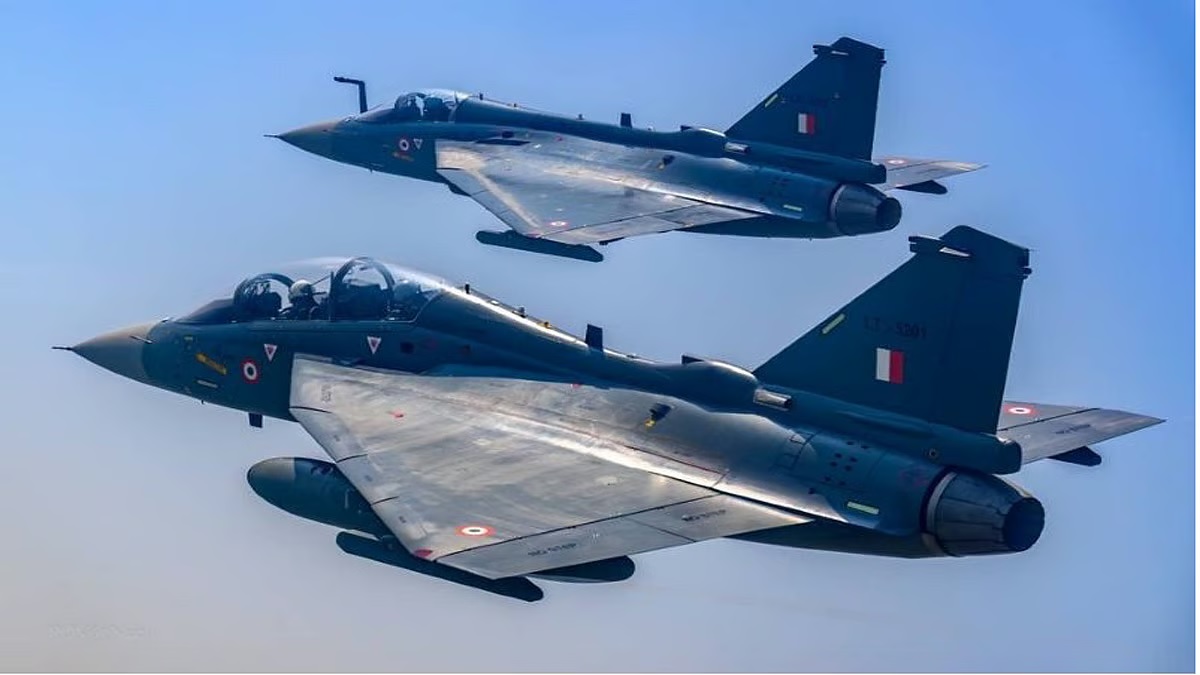
India
The Defence Research and Development Organisation (DRDO) has achieved a significant milestone by successfully conducting high-altitude trials of an indigenous life support system for pilots onboard the Tejas Light Combat Aircraft (LCA). This cutting-edge system is designed to generate and regulate breathable oxygen during flight, eliminating the need for traditional cylinder-based oxygen supplies. The trials were conducted on March 4, with the system undergoing rigorous testing aboard the LCA-prototype vehicle-3 aircraft developed by Hindustan Aeronautics Limited (HAL). It was assessed under various flight conditions, including altitudes of up to 50,000 feet above mean sea level and high-G maneuvers. Following clearance from the Centre for Military Airworthiness & Certification (CEMILAC), the system successfully met all performance parameters. Developed by DRDO’s Defence Bio-Engineering & Electro Medical Laboratory (DEBEL) in Bengaluru, the Integrated Life Support System (ILSS) is based on the Indigenous On-Board Oxygen Generating System (OBOGS). This advanced technology ensures continuous oxygen supply to pilots, enhancing safety and endurance during long-duration and high-altitude missions. With necessary modifications, the system can also be adapted for aircraft such as the MiG-29K, expanding its operational utility beyond the Tejas. Defence Minister Rajnath Singh congratulated DRDO, the Indian Air Force, public sector undertakings, and industry partners on this "remarkable achievement," stating that the innovation strengthens India's commitment to cutting-edge defence technology and aligns with the vision of 'Viksit Bharat 2047.' The system, developed with 90% indigenous content, highlights India's progress toward self-reliance in aerospace technology. Larsen & Toubro (L&T), a key defence industry partner, has played a crucial role in its manufacturing, demonstrating successful collaboration between DRDO and private industry. Samir V. Kamat, Chairman of DRDO, commended the entire team, the IAF, and industry partners for their contributions to the successful high-altitude trials, marking a significant step forward in India's aerospace capabilities.
Read More → Posted on 2025-03-05 14:15:07
World
Chinese scientists have taken a monumental step forward in the race for quantum supremacy with the unveiling of Zuchongzhi-3, a groundbreaking superconducting quantum computer prototype. This cutting-edge machine is redefining the limits of computational power, outpacing the world's most advanced supercomputers by an astonishing margin. At the heart of this breakthrough is Zuchongzhi-3’s ability to handle quantum random circuit sampling (RCS) tasks at speeds that are quadrillion times faster than the most powerful classical supercomputers and a million times faster than Google's Sycamore processor. This achievement places China at the forefront of quantum computing research, pushing the boundaries of what was previously thought possible. RCS is a crucial benchmark in quantum computing, designed to test how well quantum processors can generate complex circuit outputs—tasks that classical computers struggle to simulate. The Zuchongzhi-3 has shattered existing records, surpassing Google's latest results by six orders of magnitude. Such an advance is a significant indicator of China's growing dominance in the quantum field. This remarkable progress is attributed to major optimizations in processor fabrication and wiring configurations, allowing the Zuchongzhi-3 to demonstrate unparalleled performance. Scientists behind the project believe that this development is not just an incremental step but a revolutionary stride toward fault-tolerant, general-purpose quantum computing. The long-term vision includes drastically reducing error rates to unlock the full potential of quantum processors, which could revolutionize fields such as national security, artificial intelligence, biological research, and pharmaceutical development. To put this achievement into perspective, Google’s Sycamore processor made history in 2019 when it completed an RCS task in just 200 seconds—something that would have taken a classical supercomputer roughly 10,000 years. Now, Zuchongzhi-3 has pushed the boundaries even further, widening the performance gap between quantum and traditional computing. The race to develop the world's most powerful quantum computer is intensifying, with China's latest success solidifying its position as a global leader in the field. As quantum computing continues to evolve, the implications for science, technology, and industry are bound to be transformative, ushering in a new era of computational capabilities beyond imagination.
Read More → Posted on 2025-03-05 14:12:13
World
Pratt & Whitney, a division of RTX, has successfully completed a series of tests on its cutting-edge rotating detonation engine (RDE), marking a significant advancement in propulsion technology. Conducted in collaboration with the RTX Technology Research Center, these tests confirmed the engine’s potential, prompting further internal investment as the company moves towards full-scale integration. Unlike conventional jet engines, rotating detonation engines operate on a fundamentally different thermodynamic cycle, eliminating the need for moving parts like compressors and turbines. This breakthrough design offers higher thermal efficiency, reduced fuel consumption, and a more compact structure, making it an attractive option for future defense applications. The increased efficiency also creates additional space within military aircraft and vehicles, allowing for expanded fuel capacity, enhanced sensor suites, or additional payloads, all of which improve mission effectiveness. Chris Hugill, Senior Director of GATORWORKS at Pratt & Whitney, highlighted that the tests simulated extreme conditions to evaluate the engine’s durability and performance. The results not only validated the company’s design strategy but also laid a solid foundation for continued development in collaboration with the U.S. Department of Defense. With the successful demonstration of its capabilities, the rotating detonation engine is now one step closer to real-world deployment. Pratt & Whitney's ongoing partnership with the U.S. military is expected to accelerate the transition from testing to full-scale ground integration, potentially shaping the future of high-performance propulsion systems.
Read More → Posted on 2025-03-05 14:07:40
World
Ukrainian President Volodymyr Zelensky has expressed a strong desire to mend relations with U.S. President Donald Trump after a recent suspension of U.S. military aid to Ukraine. In his first public statement since the aid halt, Zelensky emphasized his readiness to work under President Trump's leadership to achieve lasting peace in Ukraine. The suspension of aid followed a contentious meeting between the two leaders at the White House, during which disagreements over Ukraine's approach to the ongoing conflict with Russia came to the forefront. President Trump accused Zelensky of prolonging the war, leading to a public dispute that resulted in the abrupt end of their meeting. In an effort to de-escalate tensions, Zelensky proposed immediate measures such as a "truce in the sky," which would involve a mutual ban on missiles, long-range drones, and attacks on civilian infrastructure, as well as a "truce in the sea," contingent upon Russia's agreement. He also reiterated Ukraine's willingness to grant the U.S. preferential access to its natural resources and minerals, a deal that was initially set to be signed during the ill-fated Washington meeting. Despite the recent discord, Zelensky underscored the importance of constructive future cooperation between Ukraine and the United States, expressing hope that under President Trump's leadership, a durable peace could be established in the region. The international community is closely monitoring these developments, as the suspension of U.S. military aid and the strained relations between Kyiv and Washington could have significant implications for the ongoing conflict in Eastern Europe.
Read More → Posted on 2025-03-05 14:04:06Search
Top Trending in 24 Hours
-
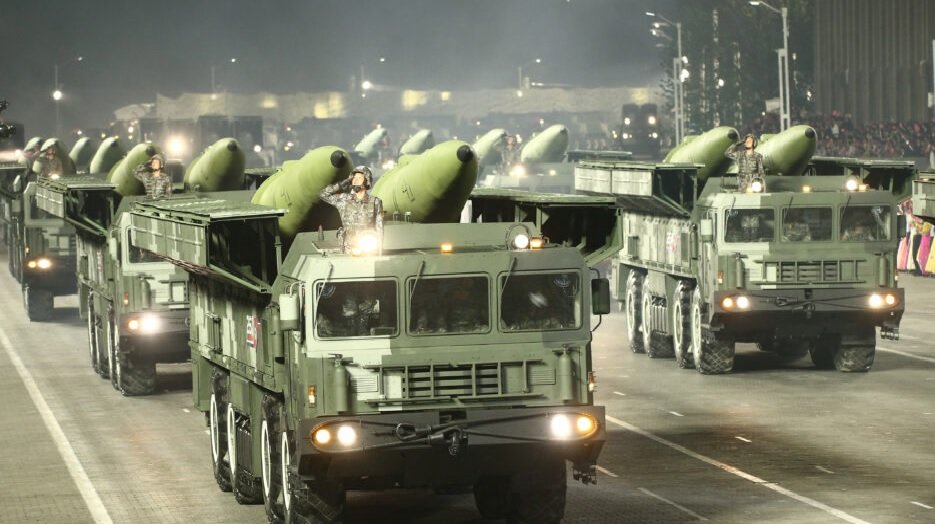 Russia Receives North Korean KN-30 Ballistic Missiles as Moscow Expands Its Missile Arsenal
-
 Kongsberg Wins $120 Million Contract for More Protector RS4 Systems for Canadian Army
-
 Castelion Secures $1 Billion Funding to Scale Production of Blackbeard Hypersonic Missile
-
 Lockheed Martin Demonstrates AI-Powered Sonar System With U.S. Navy at RIMPAC 2026
-
 US Navy Launches ARAV-6 Missile Target During Multinational Pacific Dragon 2026 Exercise
-
 Saildrone and Lockheed Martin Successfully Fire Two JAGM Missiles in First Live-Fire Test from Unmanned Vessel at RIMPAC 2026
-
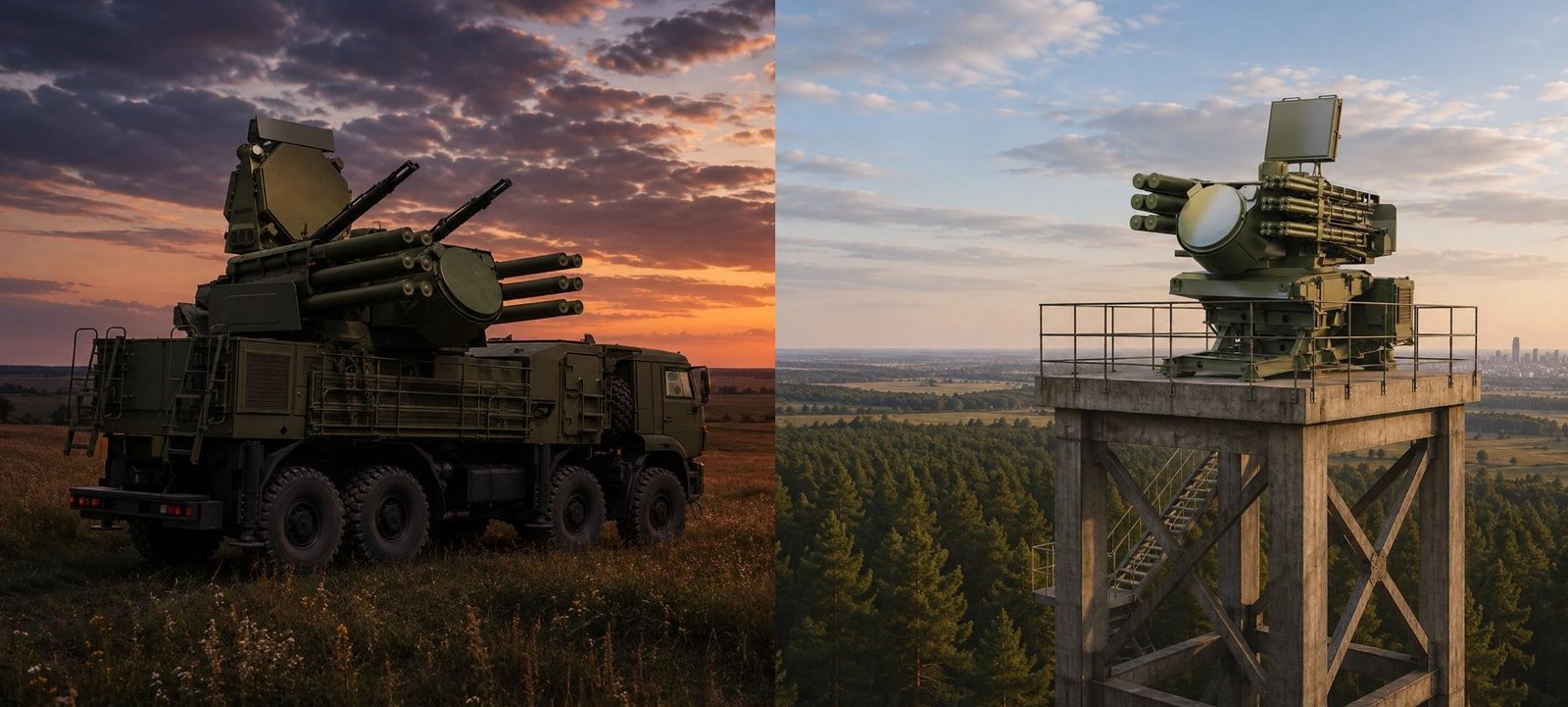 Russia Receives New Batch of Pantsir-S and Pantsir-SMD Air Defense Systems
-
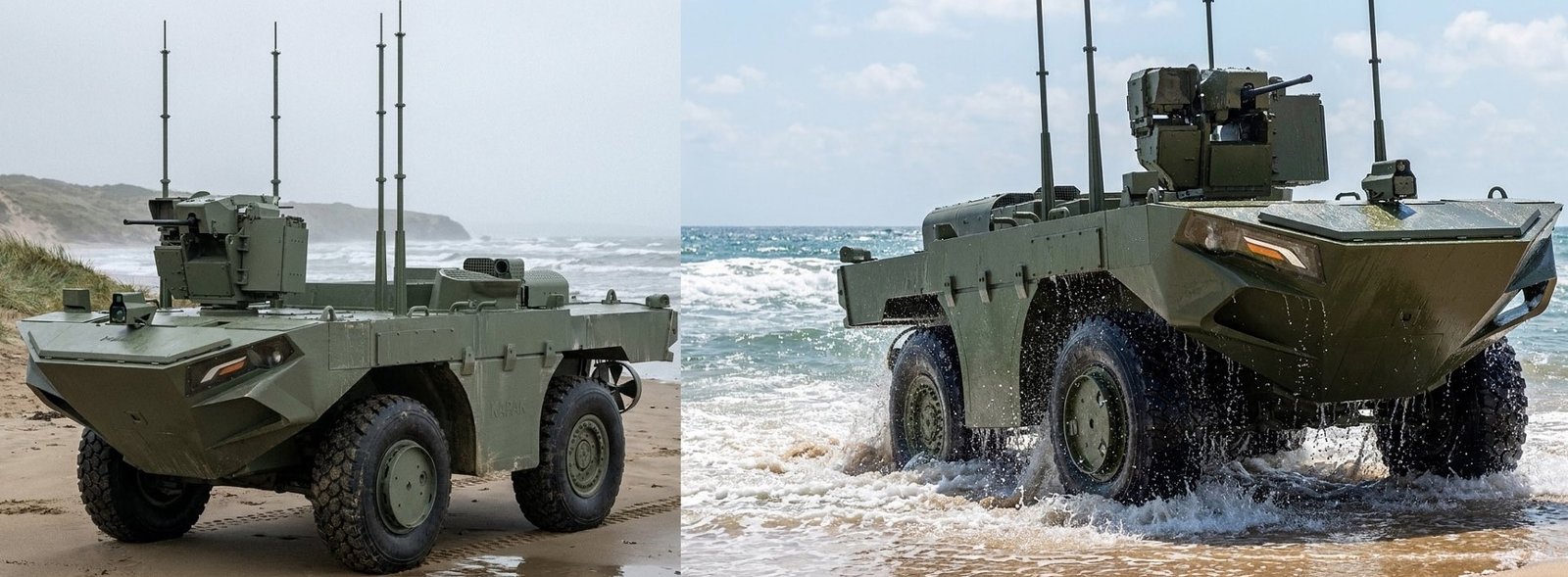 Turkey's FNSS Unveils U-MAV Unmanned Amphibious Assault Vehicle at TEKNOFEST Blue Homeland
Top Trending in 4 Days
-
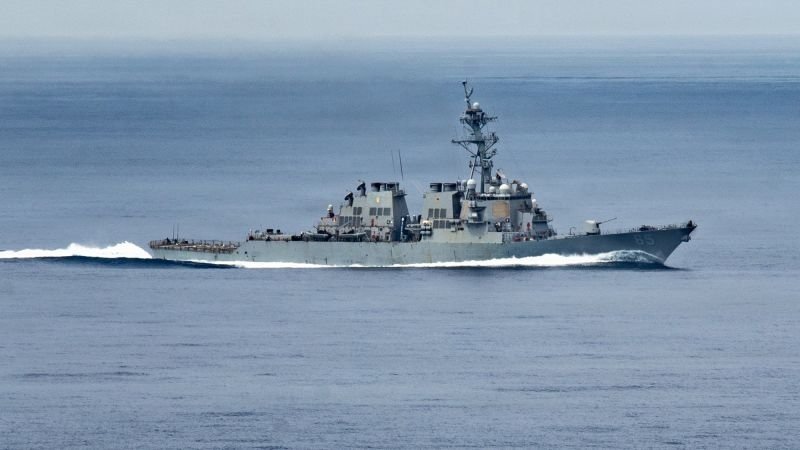 U.S. Navy Destroyer USS Benfold Spent Four Days Without Power in South China Sea After Generator Failure
-
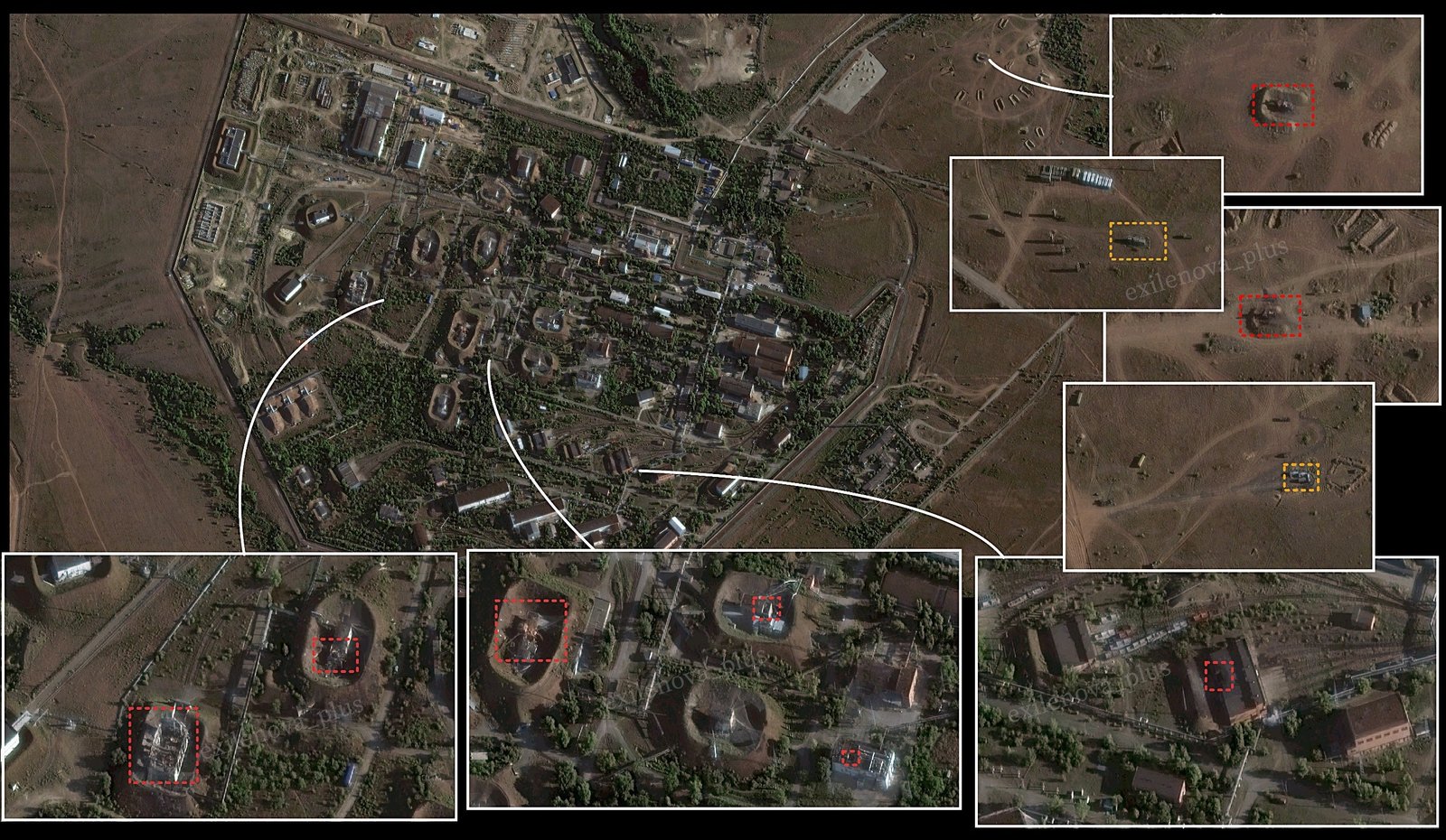 Satellite Images Show Ukrainian Drone Strike Hits Russian Rocket Fuel Plant and Air Defense Systems in Rostov Region
-
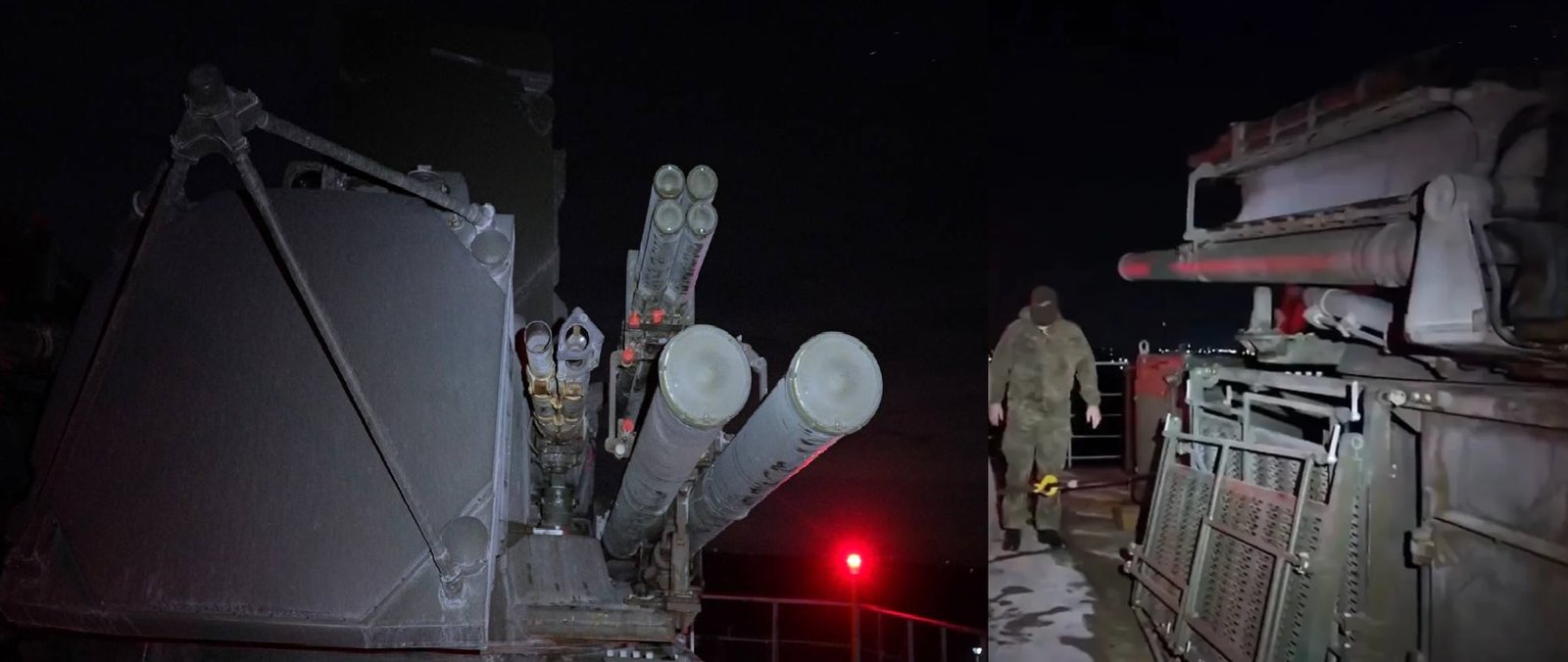 Russia Expands Moscow’s Anti-Drone Defense Network With Specialized 35-Meter Towers for Pantsir Systems
-
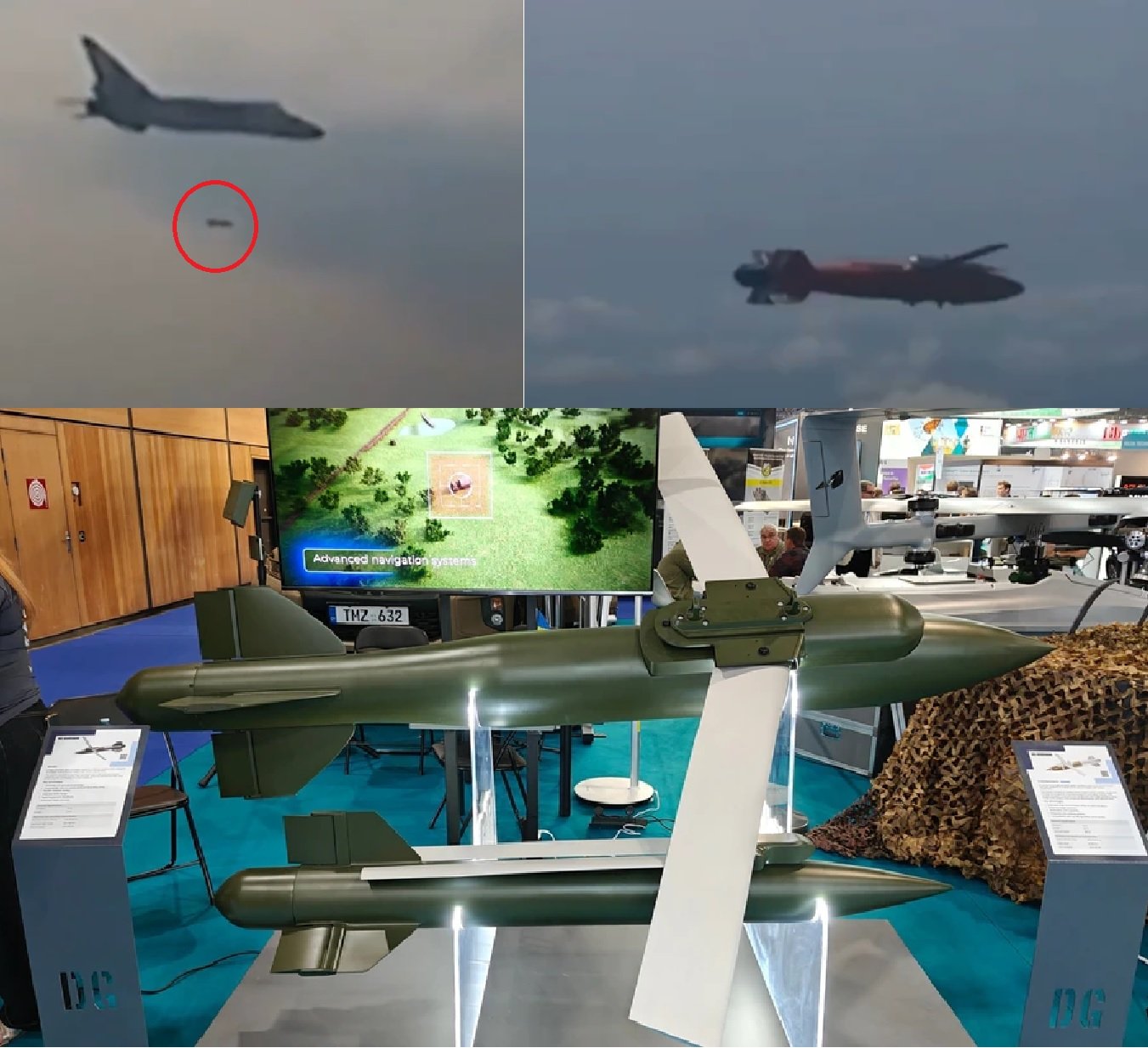 Ukraine Begins Procurement of Vyrivniuvach Guided Aerial Bomb
-
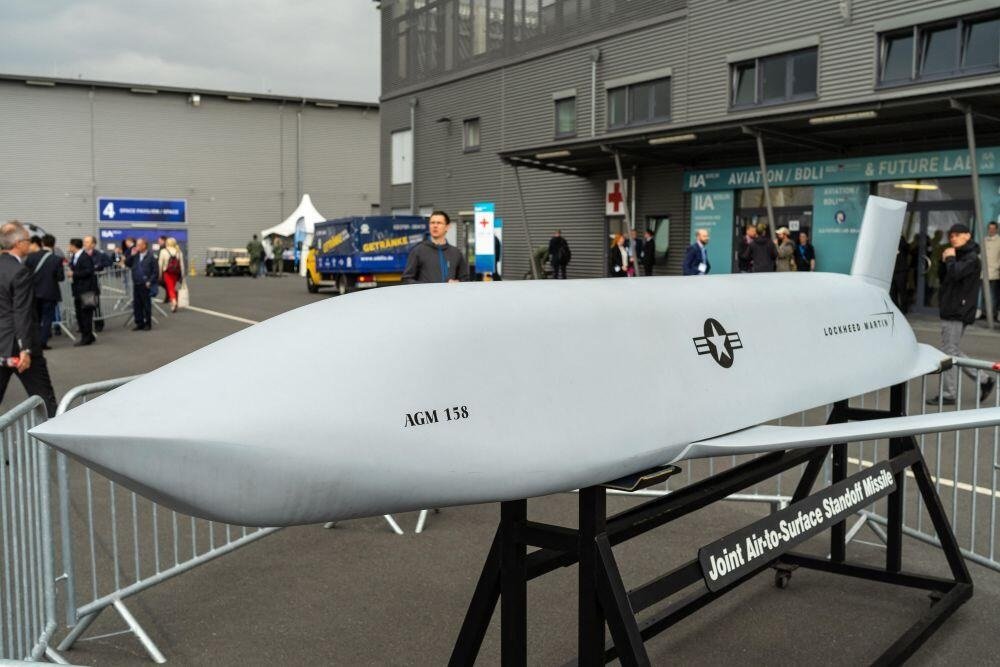 U.S. Air Force Selects GE-Kratos F143 Engine as Second Engine Source for JASSM Missile
-
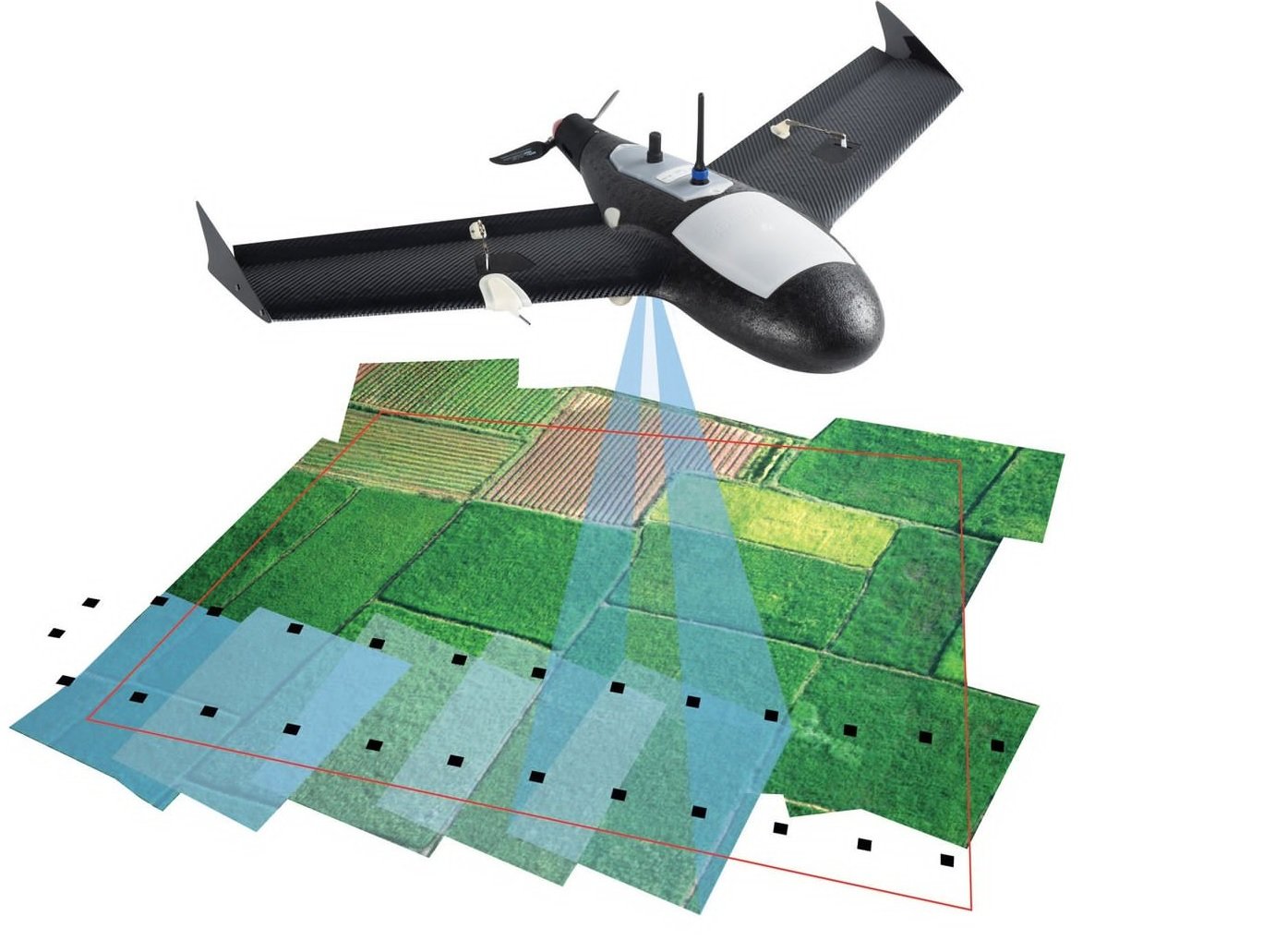 Russia Develops 'Martian' Camera-Based Navigation Independent of GPS and Radio Signals for Drones
-
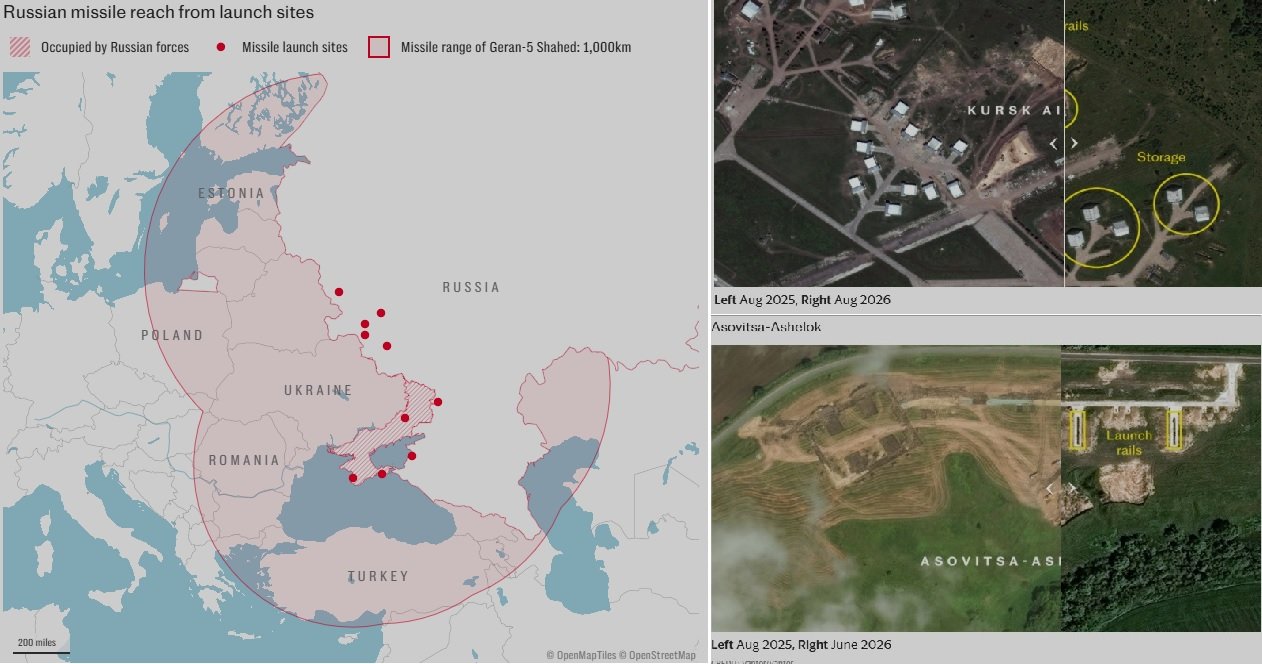 Russia Expands Drone Launch Network Near Ukraine and Belarus Borders, Putting NATO Territory Within Range
-
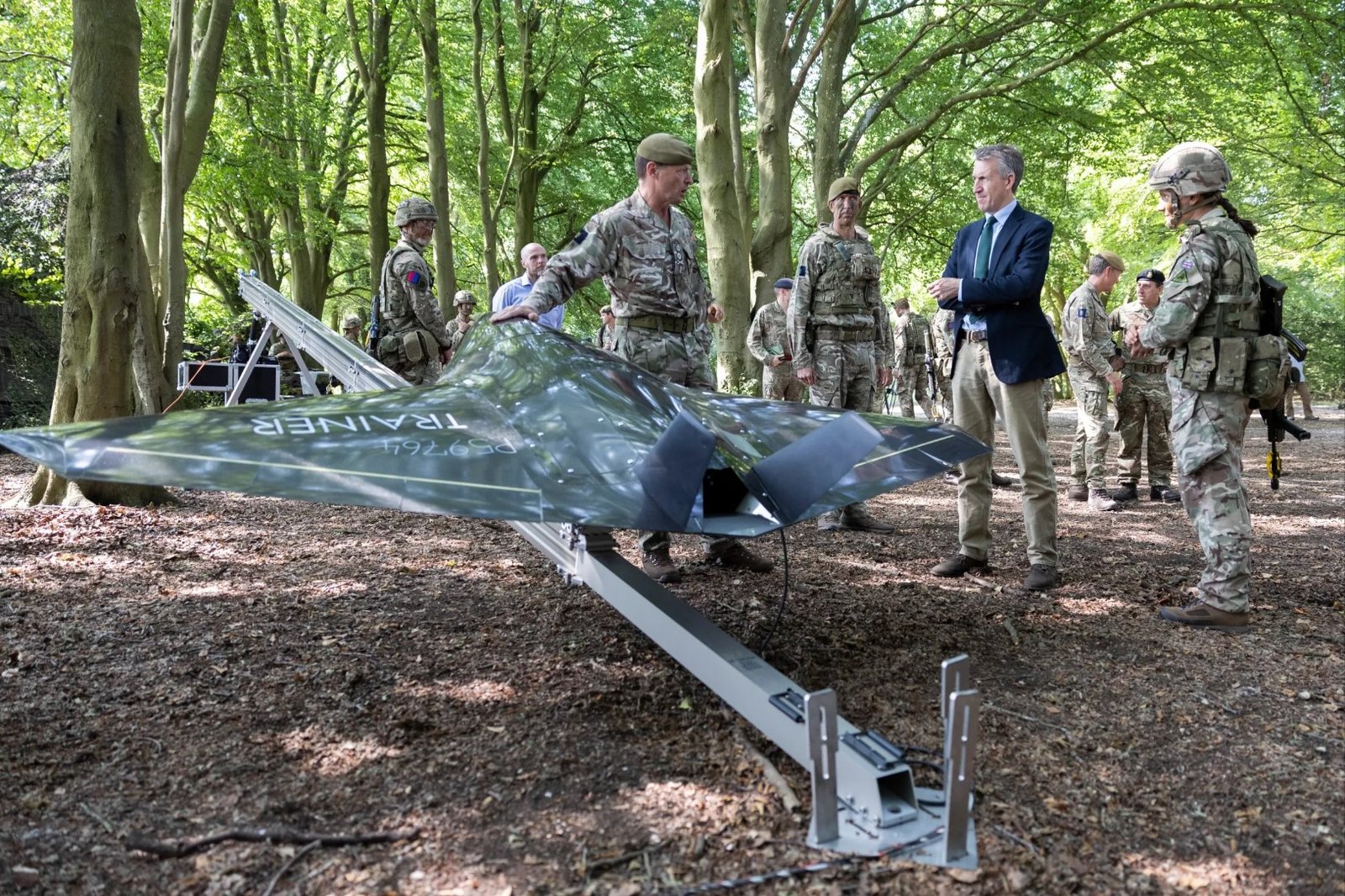 Russia Warns UK of ‘Consequences’ Over British Drones Used by Ukraine in Strikes on Russian Territory
