World
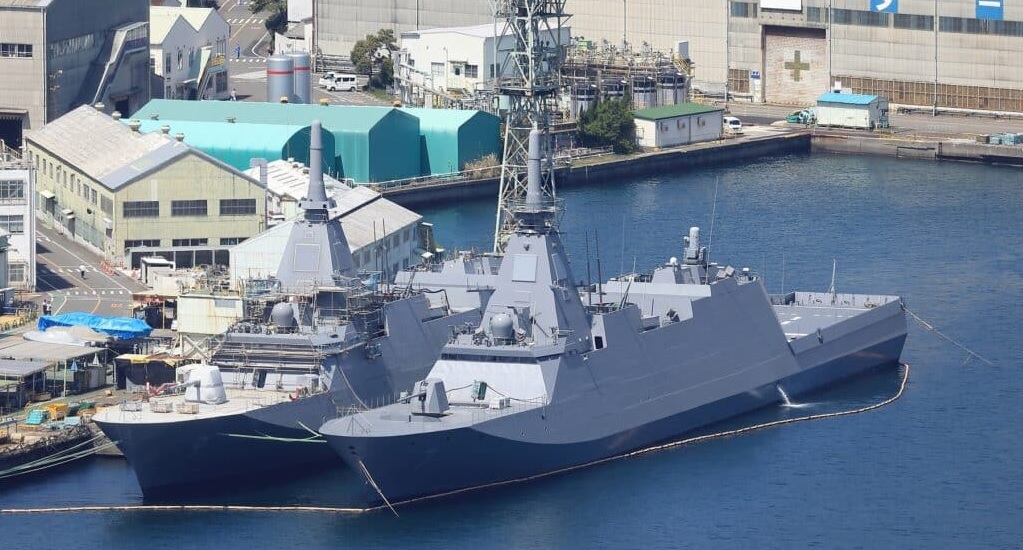
Japan has reached a significant milestone in strengthening its naval defense capabilities by equipping the first Mogami-class multirole frigate with the American-made Mk 41 Vertical Launching System (VLS). This new development represents a key evolution in the Japan Maritime Self-Defense Force’s (JMSDF) vision of fielding advanced, compact, stealthy warships in the face of growing maritime threats. The first ship to receive the VLS is JS Niyodo (FFM-7), the seventh vessel in the 12-ship Mogami-class program. The 16-cell Mk 41 launcher has been installed at Mitsubishi Heavy Industries’ (MHI) Nagasaki Shipyard, positioned right in front of the ship’s bridge as originally intended in the design plans. Mk 41 VLS: A New Offensive Backbone The Mk 41 VLS is a modular, multi-purpose launching system capable of firing a range of missiles for anti-air, anti-ship, and anti-submarine operations. By integrating this system, the Niyodo can now deploy guided missiles that significantly boost its combat effectiveness and broaden its mission capabilities. These include intercepting enemy missiles, targeting warships, and launching anti-submarine weapons. The Japanese Ministry of Defense had allocated 8.4 billion yen (around $57 million) in its FY2021 supplementary budget for acquiring the first two VLS units for JS Niyodo and its sister ship, JS Yubetsu (FFM-8). With both systems now delivered, all Mogami-class ships from the seventh vessel onward will be inducted with VLS pre-installed, reflecting a more integrated and combat-ready approach. The Mogami-Class Frigates: Japan’s Future Workhorse Designed by MHI, the Mogami-class FFMs are compact, stealthy, and highly capable vessels suited for diverse missions, from patrolling contested waters to conducting anti-mine operations. These ships mark a shift from Japan’s earlier model of large, single-role warships to a new generation of multi-mission frigates optimized for high readiness and versatility. Key Specifications: Standard Displacement: 3,900 tons Full Load Displacement: 5,500 tons Length: Approximately 130 meters Speed: Over 30 knots Helicopter Capacity: 1 onboard helicopter Unmanned Systems: UUV (Unmanned Underwater Vehicle) and USV (Unmanned Surface Vehicle) capable Weapons: 16-cell Mk 41 VLS, 127mm naval gun, anti-ship missiles, and CIWS (Close-In Weapon System) What makes the Mogami-class unique is its hybrid approach to manned and unmanned operations. Each frigate is capable of deploying an unmanned surface or underwater vehicle, marking the first time such systems are being integrated directly into Japanese frigates. Changing Defense Priorities Originally, Japan planned to build 22 Mogami-class ships, but the plan was revised to just 12, with the remaining fleet slots being reserved for an upgraded class known as the "New FFM." Starting from FY2024, Tokyo will begin acquiring this new generation of frigates, which will be larger, more powerful, and still based on the Mogami design. The first of these is scheduled for commissioning in fiscal year 2028. This change aligns with Japan's evolving defense strategy, especially with growing maritime tensions in the East China Sea and Nansei island chain. As China expands its naval footprint and Russia strengthens its presence through joint exercises, Japan aims to field faster, smarter, and better-armed vessels to monitor and secure its maritime borders. A Global Player in Frigate Exports? In a notable international development, MHI has also been shortlisted by the Australian government to provide a future general-purpose frigate under the SEA 3000 program. MHI is pitching its "New FFM" design, showcasing Japan’s ambition not just to defend its own waters but also to become a competitive exporter in the global naval market.
Read More → Posted on 2025-04-11 15:29:58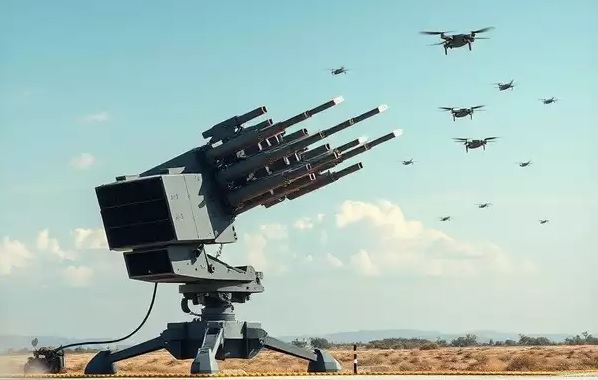
World
In a bold move that could reshape future warfare, China has unveiled what it claims is the world’s first anti-drone barrage weapon system—an advanced air defence platform specifically engineered to counter drone swarms, low-flying missiles, rockets, helicopters, and other fast-moving aerial threats. This new weapon, introduced by China’s defense industry in April 2025, doesn't just rely on conventional targeting. Instead, it utilizes a revolutionary "barrage" approach to blanket the skies with intense firepower. A New Era in Air Defense Unlike traditional anti-aircraft systems that aim to hit targets with precise point-to-point interception, China’s new system embraces a radical change: "plane-to-point" interception. At the heart of this innovation lies a 16-barrel gun, capable of unleashing a wall of firepower rather than a single focused shot. This creates a wide net of destruction, dramatically increasing the chances of intercepting agile, unpredictable threats like drone swarms or incoming missiles. As Yu Bin, the system's chief designer, explains: “This barrage can cover incoming positions of all targets, achieving effective interception with the concept of ‘plane to point’.” Key Specifications and Features Barrel Configuration: 16 closely aligned barrels Fire Mode: Barrage firing (high-density projectile curtain) Reload Capability: Fast reloading for sustained defense Coverage: Wide-area suppression, suitable for multiple aerial targets simultaneously Platform Compatibility: Modular—can be mounted on trucks, armored vehicles, ships Ammunition: Uses specially developed munitions for broad aerial saturation Operational Use: Capable of neutralizing drone swarms, missiles, mortars, and even artillery shells in field trials This system’s adaptability is particularly important. Its modular design allows it to be deployed across multiple environments—from land-based operations to naval defense—making it a versatile tool for the modern battlefield. Designed for Real-World Combat Conditions In live trials, the barrage system demonstrated its potency. One single volley was enough to eliminate entire formations of small drones, while also effectively intercepting high-speed rockets and mortar shells. Such performance makes it particularly relevant in the face of modern saturation attacks, where dozens or even hundreds of drones can be launched simultaneously to overwhelm traditional defenses. Current air defense systems struggle to deal with such threats due to their reliance on costly interceptors and slower response times. China’s new barrage weapon offers a cost-effective, high-efficiency solution to this pressing problem. Responding to Strategic Challenges The system’s unveiling comes amid rising tensions in the Asia-Pacific region, especially around Taiwan. Taiwan, backed by the United States, has been actively expanding its drone capabilities, including long-range surveillance drones like the MQ-4C Triton and MQ-9B Reaper, as well as thousands of domestically produced UAVs for tactical use. These drones are central to Taiwan’s asymmetric warfare strategy—meant to slow or deter a larger invading force by using advanced technology and hit-and-run tactics. China’s new anti-drone barrage system seems to be a direct answer to this evolving strategy, designed to destroy such drones before they can gather intelligence or strike. Eye on Global Demand Chinese defense experts believe the system also has strong potential for international exports. As drone warfare becomes a global concern, especially in low-cost, high-threat battle scenarios like in the Middle East, Africa, and Eastern Europe, countries are seeking affordable yet powerful air defense alternatives. This new barrage weapon may well find interest among countries facing frequent drone incursions or attacks from small aerial platforms. The Future of Drone Warfare The unveiling of this weapon underscores a broader shift in modern combat thinking: it’s no longer just about precision strikes and stealth fighters. The real challenge now lies in countering low-cost, mass-produced drones that can overwhelm defenses by sheer numbers. China’s new system reflects this transformation—introducing a brute-force but highly sophisticated approach that floods the air with projectiles instead of relying on expensive missile interceptors. As nations around the world continue to invest in drone technology, the race to build effective countermeasures is heating up. With its latest innovation, China appears to be setting the pace—proving that in tomorrow’s wars, it might take a storm of firepower to stop a swarm of machines.
Read More → Posted on 2025-04-11 15:25:51
India
India is stepping up efforts to acquire a new generation of airborne surveillance platforms dedicated to signals intelligence (SIGINT) and communications jamming (COMJAM), marking a crucial step in modernising its electronic warfare capabilities. This initiative, jointly spearheaded by the Defence Research and Development Organisation (DRDO) and the Indian Air Force (IAF), is part of a broader strategy to counter growing threats along its borders—particularly from an increasingly assertive China. As of March 2025, the competition to supply these critical platforms is heating up, with three major contenders: the US defence giant L3Harris Technologies, France’s Thales Group, and India’s own Bharat Electronics Limited (BEL). Each of these players offers a distinct approach—balancing proven foreign technology with local manufacturing ambitions. The Mission: Three Advanced Spy Planes for Electronic Dominance India plans to convert three Airbus A319 aircraft into cutting-edge SIGINT/COMJAM platforms capable of deep electronic reconnaissance. These aircraft will have the ability to detect and intercept enemy radar, communication signals, and electronic emissions, while also jamming and disrupting enemy communications and control systems during times of conflict. This requirement stems from the need to keep pace with China, whose People’s Liberation Army Air Force (PLAAF) regularly operates advanced ISR platforms like the KJ-500 and Y-9. With PLA bases like Hotan and Ngari Gunsa located dangerously close to India’s northern frontiers, New Delhi is keen to enhance its own airborne electronic surveillance assets. L3Harris: Backed by Combat-Proven Tech L3Harris enters the competition with a strong portfolio of US-tested systems. Known for providing the US Army with ARTEMIS and ARES platforms—based on Bombardier business jets—the company brings proven expertise in SIGINT, electronic warfare (EW), and rapid data processing technologies. Their proposal for India would likely include high-end electronic intelligence sensors, onboard data analysis tools, and robust jamming suites capable of intercepting enemy transmissions and degrading hostile radar capabilities in real time. From a purely technical perspective, L3Harris offers a mature, combat-tested solution—attractive to those seeking immediate capability with minimal development risk. However, reliance on American systems could come with strategic constraints, such as export controls, limited customization, and less room for domestic industry involvement—areas where India's policymakers are increasingly cautious. Thales: Riding the ‘Make in India’ Wave In contrast, France’s Thales is highlighting its long-standing collaboration with India’s defence sector. The company already plays a role in India's Rafale fighter jet program and has partnered with BEL to form BEL-Thales Systems. Thales also has experience developing France’s CUGE (Capacité Universelle de Guerre Électronique) aircraft—an electronic warfare platform similar in scope to India’s current requirements. For New Delhi, Thales’s bid holds particular appeal because of its emphasis on local industrial participation, aligning with the government’s 'Make in India' push. This approach not only promises greater technology transfer and domestic job creation but also helps in reducing long-term dependency on foreign suppliers. Thales is expected to offer modular ISR systems tailored to India’s strategic environment, with the potential to co-develop or locally manufacture key components—a diplomatic and industrial win-win. BEL: Indigenous Ambitions Face Capability Test Meanwhile, Bharat Electronics Limited, the homegrown contender, brings with it nationalistic appeal and cost advantages. BEL has already contributed to India’s AEW&C programs, particularly the DRDO-developed Netra system that operates onboard Brazilian Embraer jets. However, SIGINT and COMJAM capabilities represent a more sophisticated technological frontier. While BEL is trusted for radars and basic EW systems, questions remain about whether it can independently deliver a comprehensive solution matching the precision, miniaturisation, and real-time responsiveness offered by its foreign rivals. Still, if selected, BEL's involvement would significantly boost indigenous defence manufacturing, encourage further R&D, and offer India full ownership of the technology—crucial from a strategic autonomy perspective. A Strategic Tug of War At its core, the contest represents a classic trade-off between performance and sovereignty. L3Harris’s proposal may offer unmatched capabilities, but Thales and BEL appeal to India’s strategic and industrial independence goals. The choice India makes will reflect how it balances urgent defence readiness with long-term self-reliance. Given the escalating regional tensions, especially with China’s electronic and cyber warfare assets increasingly encroaching on India’s neighbourhood, time is of the essence. The new SIGINT/COMJAM aircraft will play a pivotal role in decoding enemy intentions, disrupting wartime communications, and protecting India’s airspace with an invisible shield of electronic dominance. The decision will not just define the future of India’s airborne intelligence fleet—it may also shape the path of India’s broader defence procurement philosophy in the years to come.
Read More → Posted on 2025-04-11 15:23:16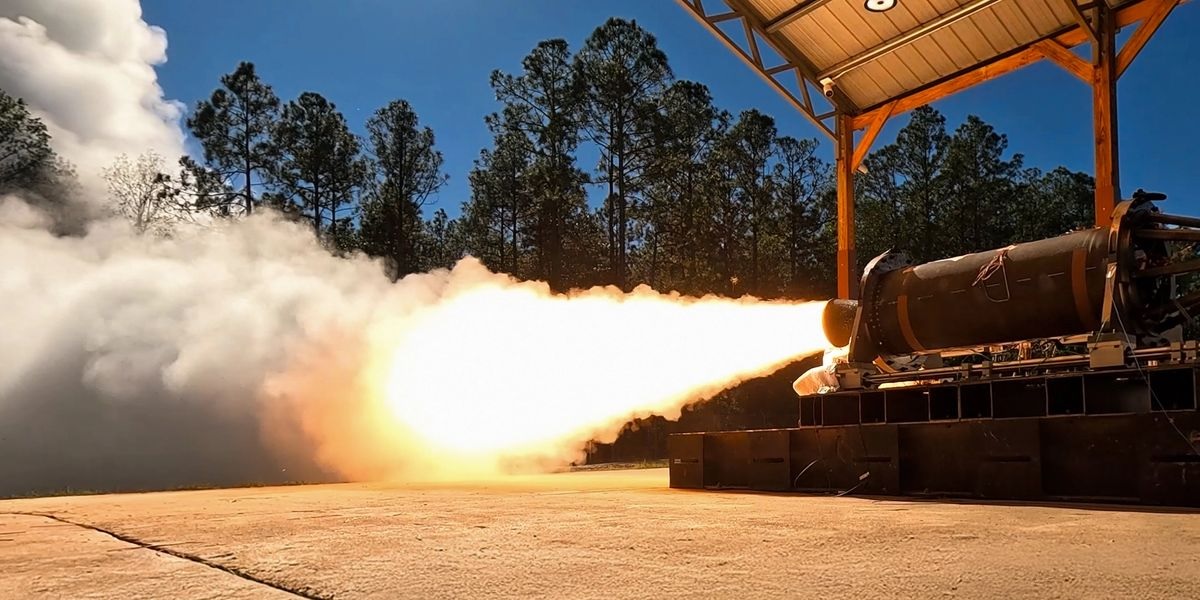
World
Anduril Industries has achieved a significant milestone by successfully testing its new hypersonic solid rocket motor (SRM), a key step in advancing U.S. missile capabilities. Alongside the successful test, the American defense firm is rapidly expanding its production infrastructure to meet future demand from the U.S. Navy’s STANDARD Missile Program. To support this, Anduril has invested over $75 million in upgrading its SRM manufacturing facility in Mississippi. This upgraded facility is expected to be fully operational by July and features a cutting-edge production model known as "single-piece flow." Unlike traditional batch manufacturing, this method ensures each rocket motor is built individually and moves seamlessly through every phase of assembly without delays. The combination of automation and advanced data analytics further enhances efficiency, reducing idle time, cutting production costs, and ensuring consistent quality at scale. The latest 21-inch (53-centimeter) solid rocket motors, built using this next-gen process, have already undergone two live-fire tests in collaboration with the U.S. Navy — both of which were successful. Although Anduril has not released detailed specifications such as the range, speed, or thrust output of the new SRM, the positive test results suggest the motors are performing as expected under demanding hypersonic conditions. These advancements follow a $19 million contract awarded to Anduril by the U.S. Navy in June 2024. The contract is aimed at developing a high-performance solid rocket motor to power the Standard Missile-6 (SM-6) — a versatile missile system capable of engaging enemy aircraft, ballistic missiles, and surface ships. The SM-6 is a cornerstone of the Navy’s layered defense strategy, and improved propulsion systems will only enhance its multi-role effectiveness. While specific test details remain classified, Anduril emphasized that the trial marks a turning point in both innovation and manufacturing agility. “This successful test firing demonstrates that innovation and efficiency can go hand in hand, simultaneously expanding the industrial base and increasing agility in production,” the company stated. With this dual focus on performance and scalable production, Anduril positions itself as a key contributor to the modernization of America’s missile defense architecture — signaling a new era where cutting-edge engineering meets industrial speed and precision.
Read More → Posted on 2025-04-11 15:20:48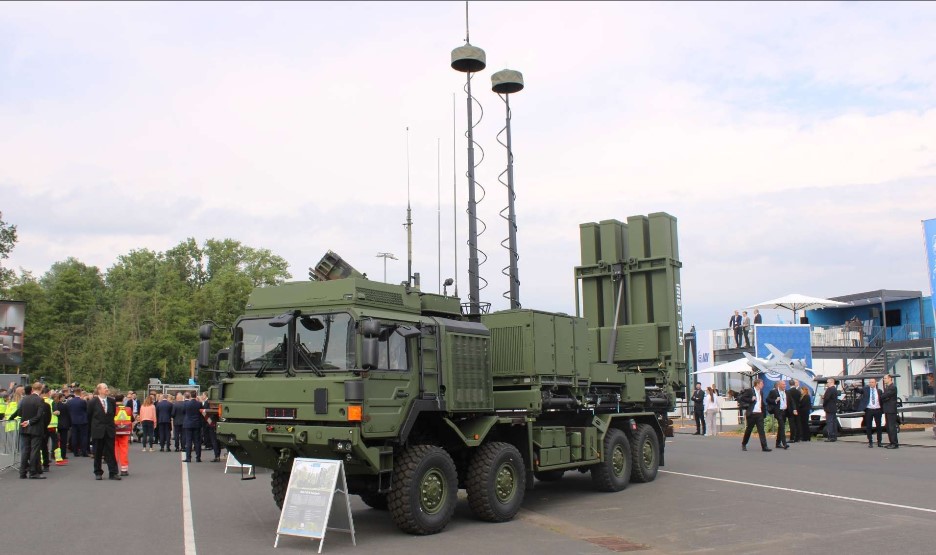
World
Germany has announced a major new military aid package for Ukraine, signaling its deepening commitment to support Kyiv both during and beyond the ongoing war with Russia. The announcement came during the Ukraine Defence Contact Group meeting in Brussels, where German Defence Minister Boris Pistorius outlined the key components of the new assistance package. At the heart of this package are four more IRIS-T air defence systems, accompanied by 300 guided missiles. These highly capable systems are designed to protect Ukrainian cities and critical infrastructure from missile and drone attacks, which continue to be a major threat from Russian forces. Pistorius described this as “the best news of the day,” emphasizing how vital modern air defence remains in Ukraine’s defensive strategy. Germany is also adding 15 Leopard 1A5 tanks to Ukraine’s ground combat strength. Though not the newest in the Leopard tank series, the 1A5 variant is a robust and reliable machine, and its deployment can significantly enhance Ukraine’s armoured operations. Along with this, 25 more Marder infantry fighting vehicles will further reinforce Ukraine’s mechanized units. The aid package doesn’t stop there. Germany will also send 120 man-portable air defence systems (MANPADS), which provide soldiers on the ground the ability to shoot down low-flying aircraft and drones. In addition, 300 reconnaissance drones, 100 ground surveillance radars, and 100,000 artillery shells are included—crucial tools for both defense and battlefield intelligence. Another notable contribution is the 14 artillery systems being sent to help Ukraine maintain its firepower along front lines. These systems, when paired with the large number of shells provided, ensure sustained combat effectiveness in countering Russian positions. A key element of Germany's recent aid effort is its focus on electronic warfare. Pistorius announced the formation of a ninth international coalition, led by Germany, which now includes ten partner countries. This coalition will work on enhancing Ukraine’s capabilities in communications security, intelligence gathering, and the disruption of enemy systems, especially in the increasingly critical domain of drone defence. The German Defence Minister also confirmed the delivery of 30 additional guided Patriot missiles from Germany’s own stockpiles, aimed at supporting the Patriot systems already operating in Ukraine. These high-precision missiles are vital in intercepting ballistic and cruise missiles, bolstering Ukraine's layered air defence network. This comprehensive package reflects a well-rounded approach—strengthening Ukraine's air defence, armoured and artillery capabilities, and modernizing its battlefield technology through drones and electronic warfare. More than just a delivery of weapons, it represents Germany’s long-term vision for Ukraine's defence sustainability. Pistorius underlined that Germany’s support extends beyond the immediate needs of war. “Our reliable support continues,” he stated, affirming that Germany is also preparing Ukraine for the post-war challenges—particularly in the realm of defence modernization and technological resilience. In conclusion, Germany’s latest aid to Ukraine marks a significant step in reinforcing not only military strength on the ground but also enhancing Ukraine’s strategic position in modern warfare. With the added focus on electronic warfare and long-range defence systems, this move could prove vital in shaping the future balance of power in the region.
Read More → Posted on 2025-04-11 15:18:49
India
In a major breakthrough for affordable and accessible artificial intelligence, Indian startup Ziroh Labs has joined hands with the Indian Institute of Technology Madras (IIT Madras) to launch Kompact AI — a new AI framework that can run powerful AI models using standard CPUs, without the need for expensive and scarce GPUs. Artificial intelligence systems typically rely on high-end graphics processing units (GPUs) like those produced by Nvidia to function at scale. These GPUs are not only extremely costly but are also in limited supply, making it hard for smaller companies, researchers, and developing nations to keep pace with the AI revolution. Kompact AI aims to break that barrier. What makes this development significant is that Kompact AI allows large AI models to operate on central processing units (CPUs) — the kind of chips found in everyday laptops and desktops. This not only drastically reduces the hardware cost for running AI but also makes AI deployment possible in places where access to GPUs is limited or non-existent. The system mainly focuses on AI inference — the stage where trained AI models are used for tasks such as answering questions, generating text, or identifying images. In a live demonstration, Ziroh Labs showed Kompact AI running Meta’s Llama 2 and Alibaba’s Qwen2.5 models on a regular laptop powered by an off-the-shelf Intel Xeon processor. The results were not only efficient but also of high quality. This move is in line with a growing trend among AI developers globally who are trying to reduce their reliance on expensive GPU clusters. After China’s DeepSeek showed it could train and run advanced AI models at a fraction of the cost, efficiency-focused AI solutions are gaining momentum. Ziroh Labs is now at the forefront of this wave in India. Kompact AI has already attracted attention from global chip giants like Intel and AMD, who have tested the framework themselves. The startup believes this innovation could have a major impact in the coming years, making AI development more democratic and accessible. According to V. Kamakoti, Director of IIT Madras, the current AI landscape favors only those with deep pockets and top-tier hardware. “We’re demonstrating that you don’t need a revolver to kill a mosquito,” he said, emphasizing how even regular CPUs can now handle AI tasks efficiently. Industry veteran William Raduchel, former Chief Strategy Officer at Sun Microsystems and now a tech adviser to Ziroh Labs, also called this innovation a potential game-changer. He noted that such CPU-friendly AI platforms could shift the balance in global AI development. In a country like India, where access to high-end GPUs is often limited due to cost and availability, Kompact AI could bridge the “AI divide” by opening doors for students, startups, and institutions to work with advanced AI without heavy investments. From healthcare to education and local industry, the possibilities for real-world application are immense. With this development, Ziroh Labs and IIT Madras are not just solving a technical problem — they’re pushing the AI movement towards a more inclusive and cost-effective future.
Read More → Posted on 2025-04-11 15:16:37
World
The Czech Republic has officially completed the transfer of its remaining T-72M1 main battle tanks to Ukraine, fulfilling a key commitment made in response to Russia’s invasion. With this final shipment, Prague has handed over a total of 86 tanks—many of which were Cold War-era assets—providing crucial support to Kyiv’s forces during a critical time in the ongoing conflict. The last batch, consisting of 20 tanks, came from the Czech Army’s 73rd Tank Battalion. With this delivery, the battalion now holds no operational tanks, marking a major shift in Czechia’s ground warfare capabilities. The first delivery under this initiative took place in April 2022, just two months after Russia launched its full-scale assault on Ukraine. Czechia was the first NATO member to respond with heavy armored support, setting a precedent that encouraged broader military assistance from the alliance. Some of the 86 tanks transferred were upgraded versions known as the T-72M4, featuring enhanced fire control systems and better protection. However, most were standard T-72M1s, a reliable Soviet-designed tank that has long served Eastern European armies. The T-72M1 is known for its simple design, durability, and ease of maintenance—qualities that suit Ukraine’s needs on the battlefield, especially amid the wear-and-tear of protracted war. The T-72M1 is operated by a three-man crew and measures around 10 meters long. It is armed with a 125 mm main gun, a coaxial 7.62 mm machine gun, and a 12.7 mm heavy machine gun for anti-aircraft defense. Weighing approximately 39 tons, the tank is powered by a 780-horsepower diesel engine and can reach speeds up to 60 km/h, with an operational range of about 500 km. Its layered armor—comprising steel, composite, and reactive materials—offers respectable protection on modern battlefields, though it lacks some of the advanced defensive tech found in newer Western tanks. While Czechia has effectively emptied its tank inventory to help Ukraine, it isn’t leaving its forces unprotected. The country has launched a modernization plan that includes acquiring Leopard 2A4 tanks from Germany by 2026. These will soon be joined by more than 60 Leopard 2A8 tanks, part of a broader military upgrade strategy approved in 2024. In total, over 100 Leopard 2 tanks will eventually replace the outgoing T-72 fleet, significantly boosting the Czech Army’s capabilities. Looking ahead, Czechia is also considering the establishment of a domestic Leopard tank production facility. This would not only streamline maintenance and manufacturing but also allow the country to become a key supplier of heavy armored vehicles within Europe. Such a move could benefit NATO logistics and reduce dependence on external supply chains during future conflicts or crises. The Czech Republic’s decision to donate all of its legacy T-72 tanks demonstrates a clear strategic shift—from Soviet-era hardware to NATO-standard equipment—and a firm commitment to supporting Ukraine. At the same time, the move underlines the country’s confidence in its modernization roadmap and long-term defense planning. With Leopard tanks on the horizon and strong cooperation with Germany, Czechia is paving the way for a new chapter in its military doctrine—one that reflects both its commitment to allied security and its growing role in European defense production.
Read More → Posted on 2025-04-11 15:13:38
World
At SOFINS 2025, a remarkable piece of next-generation weaponry made waves — the IGB 50 stealth glide bomb, developed by the French-German Research Institute of Saint-Louis (ISL). This precision-guided munition is a game-changer in the domain of low-cost, long-range, high-accuracy strikes. Designed for UAV deployment, the IGB 50 delivers deadly accuracy up to 50 kilometers away, all while carrying a 50 kg warhead — hence its name. Precision at Range Without Breaking the Bank Traditionally, guided rockets or advanced 155 mm artillery shells are used for long-range strikes. But they’re costly and often struggle to engage moving targets. The IGB 50 fills this tactical gap perfectly. Thanks to its aerodynamic design and glide ratio exceeding 5:1, it can be released from UAVs flying at moderate altitudes and cruise steadily toward its target, all while maintaining stealth and speed. With a circular error probable (CEP) of less than 1 meter, the IGB 50 delivers pinpoint accuracy — comparable to high-end artillery shells but at a fraction of the cost. Its developers aimed to match the cost of rocket-assisted artillery shells with correction fuzes, making it a budget-friendly option for widespread deployment. Smart Design for Stealth and Maneuverability The IGB 50 is made from lightweight composite materials. It features unfolding swept wings and a cruciform tail, ensuring stability and long-distance gliding. But it’s not just about flight dynamics — the bomb’s shape also minimizes its radar cross-section, especially from the front and bottom, making it harder to detect and intercept. When launched, it can reach speeds of up to Mach 0.5, striking quickly and efficiently. The weapon’s onboard systems can adjust its trajectory mid-flight to avoid obstacles or engage the target from a chosen angle — even a top-down attack — offering tactical flexibility. Advanced Guidance with AI and Anti-Jamming Tech Guidance is where the IGB 50 truly shines. It receives target coordinates via a top-mounted connector from its carrier UAV, which could easily be one with a 50–60 kg payload capacity. Initial guidance is GNSS-based, but ISL took it a step further by integrating a specialized Controlled Radiation Pattern Antenna (CRPA). This smart antenna counters jamming and spoofing attempts by dynamically nullifying interference. If GPS signals are jammed, the IGB 50 switches seamlessly to its inertial navigation system. And for the final stage of the strike, it relies on onboard artificial intelligence. A front-mounted optical sensor, powered by image-based AI algorithms, enables the bomb to recognize and track its target — even if the target moves or performs evasive maneuvers. A Glimpse Into the Future The IGB 50 isn’t just a standalone solution. ISL is already working with European partners to miniaturize the design, making an even smaller version for future UAV operations. The roadmap also includes more futuristic features like timed strikes and swarm attack coordination, paving the way for complex, multi-bomb missions controlled by a single drone platform. Key Specifications of IGB 50 Glide Bomb: Type: Precision-guided stealth glide bomb Developer: French-German Research Institute of Saint-Louis (ISL) Weight: 50 kg (warhead and structure) Range: Up to 50 km Speed: Up to Mach 0.5 Accuracy: CEP under 1 meter Guidance: GNSS with CRPA, Inertial Navigation, and AI-based terminal image recognition Stealth Features: Reduced radar cross-section via shape and materials Deployment: From tactical UAVs with 50–60 kg payload capacity Capabilities: Directional attack angles, anti-jamming, moving target tracking, potential for swarm attacks With the IGB 50, ISL has successfully introduced a smart, efficient, and cost-effective weapon designed for the modern battlefield — where precision, speed, and flexibility are paramount. As warfare continues to evolve with drones and AI at the forefront, weapons like the IGB 50 will play a vital role in redefining tactical engagements.
Read More → Posted on 2025-04-10 16:23:14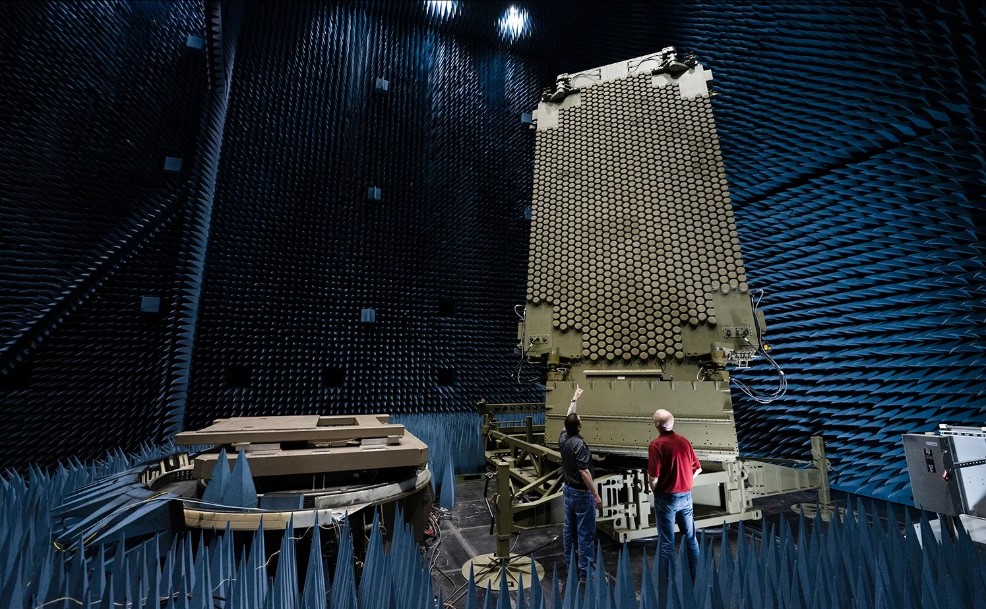
World
Lockheed Martin has officially delivered the first AN/TPY-4 radar system to the United States Air Force under the long-anticipated Three-Dimensional Expeditionary Long-Range Radar (3DELRR) program. This milestone marks a major step in modernizing the Air Force’s radar fleet and significantly improving its ability to detect and track modern aerial threats. According to Lockheed Martin, the delivery came after the successful completion of early-phase testing, demonstrating the radar’s readiness for operational deployment. Rick Cordaro, Vice President of Radar and Sensor Systems at Lockheed Martin, highlighted the importance of the achievement, stating that the system represents a high-performance solution built to meet the Air Force’s evolving needs. The AN/TPY-4 radar is set to replace the decades-old AN/TPS-75 system, which, while still in limited use, lacks the sophistication needed to counter advanced threats on today’s rapidly changing battlefield. Unlike its predecessor, the TPY-4 is a state-of-the-art, fully digital radar that can detect stealthy, next-generation targets and provide real-time air surveillance in highly contested environments. Key Features and Specifications of the AN/TPY-4 Radar: Fully Digital System: Built on a software-defined architecture, allowing for easier upgrades and adaptability to emerging threats. Advanced Threat Detection: Capable of detecting low-observable, fast-moving, and hard-to-track aerial targets, including cruise missiles and drones. Electronic Warfare Resilience: Maintains performance even in environments affected by electronic jamming or signal disruption. GaN Technology: Utilizes gallium nitride (GaN) components for higher reliability, lower maintenance costs, and improved energy efficiency over older gallium arsenide (GaAs) systems. Modular and Transportable Design: Available in fixed-site and mobile configurations. It can be rapidly deployed using aircraft such as the C-130 or C-17, trucks, rail, or even helicopters. Long-Range Coverage: Designed to provide early warning capabilities over vast distances, enhancing national and allied missile defense strategies. The AN/TPY-4 is part of a larger initiative to deploy 35 such radar systems under the U.S. Air Force’s 3DELRR program. This effort aims to bolster U.S. and allied air and missile defense capabilities, especially in expeditionary and forward-operating scenarios where traditional radar systems may be vulnerable or inadequate. With the delivery of this first unit, Lockheed Martin has set the stage for a new generation of radar capabilities—smarter, faster, and more resilient. The TPY-4 stands as a vital asset in preparing the U.S. military for the challenges of tomorrow’s airspace, from emerging hypersonic threats to advanced stealth platforms.
Read More → Posted on 2025-04-10 16:20:02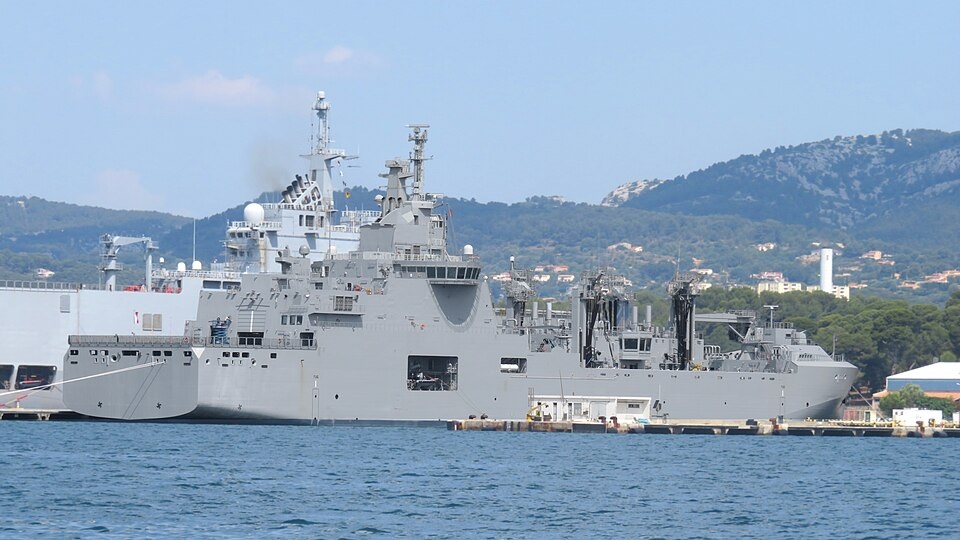
World
The French Navy’s second new-generation fleet replenishment vessel, Jacques Stosskopf, has officially begun its sea trials campaign, marking a major step forward in enhancing France’s maritime logistics capabilities. The announcement was made on 9 April 2025 by OCCAR (Organisation for Joint Armament Co-operation), which oversees the multinational project. A New Chapter in Naval Logistics Jacques Stosskopf is the second ship of the Jacques Chevallier-class, also known by the acronym BRF (Bâtiment Ravitailleur de Forces). These advanced logistic support ships are designed to provide fuel, munitions, spare parts, and supplies to naval combat vessels during operations at sea, allowing them to stay deployed longer without needing to return to port. The vessel will undergo several test sessions in both the Atlantic Ocean and the Mediterranean Sea. These tests are crucial for evaluating the ship's systems and ensuring they meet the operational standards of the French Navy. Specialists from OCCAR, the French Defense Procurement Agency (DGA), and the Navy itself will closely monitor and assess the ship's performance before its final delivery in Toulon later this year. The Jacques Chevallier-Class: Backbone of Future Naval Operations The BRF ships are being built under the FLOTLOG program, a Franco-Italian initiative led by OCCAR on behalf of the French and Italian defense ministries. Naval Group serves as the prime contractor, with Chantiers de l’Atlantique handling the construction. The BRF design is derived from Italy’s Vulcano-class support ship, reflecting the strong defense collaboration between France and Italy. The class includes four ships to be delivered progressively until 2029: Jacques Chevallier – Delivered in 2023, now operational with the French carrier strike group. Jacques Stosskopf – Currently undergoing sea trials. Émile Bertin – Under construction, delivery expected in 2027. Fourth ship – Scheduled for delivery by 2029. Enhanced Capabilities and Advanced Technologies These state-of-the-art ships are among the most capable replenishment vessels in Europe. Designed for multi-role support operations, they come equipped with modern systems and technologies: Key Specifications of BRF Vessels: Displacement (Full Load): 31,000 tonnes Length: 194 meters Width: 27.60 meters Gross Tonnage: 28,700 GRT Deadweight: 14,870 tonnes Freight Volume: 13,000 m³ Installed Power: 24 MW Crew Capacity: 190 (130 crew + 60 additional personnel) Combat and Support Systems: Main Armament: Two 40 mm RAPIDFire guns per ship (developed by Thales and Nexter) Air Defense: Two Simbad-RC Very Short Range Air Defense (VSHORAD) systems by MBDA Combat Management: Polaris® Combat Management System Electronics: PASEO XLR long-range naval optronic system by Safran Boat Handling: Davit systems by Vestdavit Propulsion: GE MV7000 electric propulsion drives Unique Features of Jacques Stosskopf While similar to its predecessor, Jacques Stosskopf incorporates subtle improvements. Notably, its Simbad-RC systems have been repositioned onto extended bridge wings, offering better air defense coverage and improved protection against aerial threats. The sea trials of Jacques Stosskopf bring the French Navy closer to fielding a full fleet of advanced supply vessels under the FLOTLOG program. Once operational, this ship will significantly enhance the endurance and flexibility of French naval operations, supporting global missions and reinforcing France’s maritime power for decades to come.
Read More → Posted on 2025-04-10 16:16:16
World
Lockheed Martin has achieved a significant milestone in its F-35 production program with the delivery of the 1,000th Center Wing Assembly (CWA) from its Marietta, Georgia facility. This core section forms approximately 25% of the jet’s fuselage and plays a crucial role in supporting the entire aircraft structure. It is where the wings are eventually attached during the final assembly process, which takes place in Fort Worth, Texas. This delivery marks a moment of pride for the approximately 1,200 highly skilled workers at the Marietta site. Their work on the CWA reflects a long-standing legacy of advanced aircraft manufacturing, as the facility previously contributed to iconic platforms such as the F-22 Raptor. The CWA is a complex, high-precision component that integrates critical structural and systems elements of the stealth fighter. It must withstand extreme conditions while ensuring flight stability and survivability in combat. The Marietta team’s dedication and expertise continue to be essential in meeting growing global demand for the F-35. Lockheed Martin also benefits from the support of 29 partner suppliers across Georgia, generating a sizable annual economic impact of approximately $671 million in the state. According to Chauncey McIntosh, Vice President and General Manager of the F-35 program, “We are proud of our Marietta team for their unwavering commitment to delivering high-quality F-35 Center Wing components. The work this team does is critical in delivering the F-35 and supporting the warfighter in their important missions.” The F-35 remains one of the most advanced and combat-capable fighter aircraft in the world. It is now in service with 12 allied nations and continues to set new benchmarks in stealth, sensor fusion, and electronic warfare. With over one million flight hours and more than 600,000 sorties completed, the jet is proving its value across multiple theaters and mission types. This 1,000th CWA delivery symbolizes not only production excellence but also the strategic importance of the F-35 program. As global security environments grow more complex, demand for fifth-generation capabilities continues to rise. Lockheed Martin’s ability to meet this demand—through reliable, high-volume, and high-quality manufacturing—is helping shape the future of air combat and international defense partnerships.
Read More → Posted on 2025-04-10 16:11:28
India
In a bold move reflecting growing strategic caution, the Indian government has decided to revoke the transshipment facility that allowed Bangladesh to route its exports to the Middle East, Europe, and other regions via Indian ports and airports. Assam Chief Minister Himanta Biswa Sarma hailed the move as a clear signal that the security and interests of the Northeast region are now front and center in New Delhi’s policymaking. This decision comes shortly after a controversial remark made by Muhammad Yunus, the head of Bangladesh’s interim government, during his visit to China. Yunus had referred to India’s northeastern states as “landlocked” and claimed that Bangladesh served as their only gateway to the Indian Ocean. The comment, seen by many in India as an overstep, triggered strong reactions from Indian leadership, especially in the Northeast. Himanta Biswa Sarma didn’t hold back. He called Yunus’s statement “offensive and strongly condemnable” and emphasized the urgent need to explore alternative routes for the Northeast that would bypass the narrow Siliguri Corridor, also known as the ‘Chicken’s Neck’. This slender strip of land in northern West Bengal is India’s only direct land link to its northeastern states and is considered strategically vulnerable. It's just about 20 kilometers wide and surrounded closely by Nepal, Bangladesh, Bhutan, and China — making it one of the most geopolitically sensitive areas in South Asia. The removal of the transshipment privilege to Bangladesh isn’t just about reacting to one statement. It sends a broader signal. India is re-evaluating the extent to which its neighbors can influence the country’s critical logistical and security frameworks, particularly in sensitive border regions. It also reflects Prime Minister Narendra Modi’s push to rebalance foreign policy with firm national security goals, especially concerning the Northeast. According to CM Sarma, the Centre’s decision marks a strong commitment to protecting India’s “strategic and economic priorities.” He underscored that the Northeast can no longer remain dependent on foreign territories for vital trade and transit routes. Instead, the government is expected to focus on building resilient and self-reliant connectivity solutions that strengthen internal links and reduce regional vulnerabilities. The move may also lead to a renewed push for projects like multimodal corridors, riverine transport, and enhanced rail and road networks that connect the Northeast directly with the rest of India through Indian territory. In short, India’s withdrawal of the transshipment facility is more than a diplomatic signal — it’s a strategic reset. By limiting Bangladesh’s logistical leverage, New Delhi is quietly reshaping the regional dynamics to ensure that the security and development of the Northeast are never left to chance.
Read More → Posted on 2025-04-10 16:08:23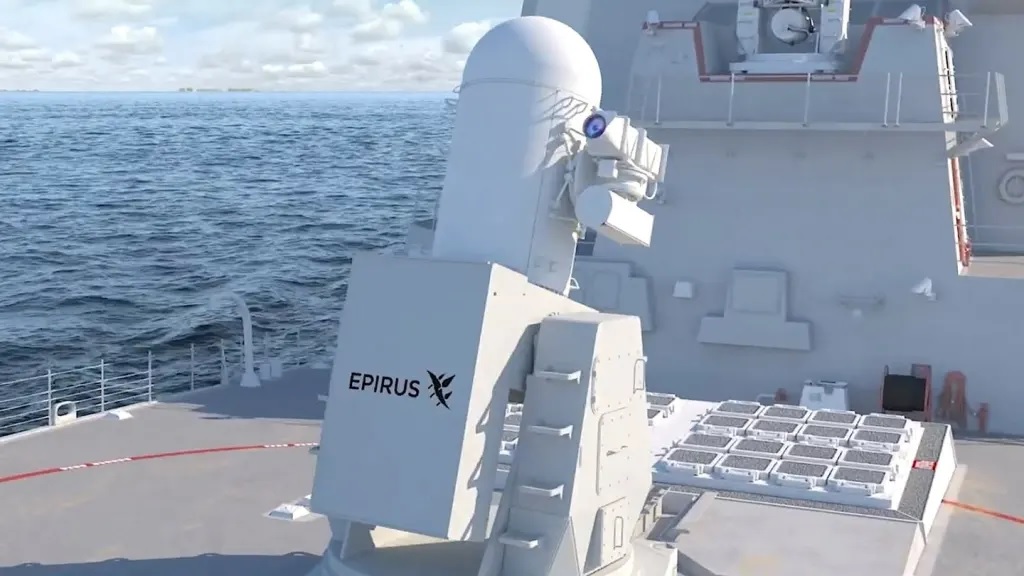
World
In a major step toward transforming naval defense, US defense company Epirus has revealed a powerful new weapon that doesn’t fire bullets or missiles—but instead uses focused energy to disable threats at sea. Named Leonidas H2O, this high-power microwave (HPM) system is designed to neutralize small, fast-moving sea drones and even manned boats without causing explosions or physical destruction. A Silent Defense Against a Growing Threat The rise of unmanned surface vessels (USVs)—popularly known as sea drones—has added a new challenge for naval forces around the world. These small, low-cost boats can be packed with explosives and sent on dangerous missions, often too small or fast to be intercepted by traditional weapons. Leonidas H2O targets exactly this problem. Rather than using force to sink or explode the vessel, it emits high-energy microwaves that fry the internal electronics, effectively shutting down engines, sensors, or communications—rendering the boat useless without harming people or causing collateral damage. This makes Leonidas H2O especially ideal for crowded coastal zones or busy ports, where kinetic weapons like missiles or guns could pose risks to civilians, infrastructure, or cargo. Field-Proven in Naval Trials Earlier this year, the weapon was tested during the US Navy’s Advanced Naval Technology Exercise – Coastal Trident (ANTX-CT), a technology showcase focused on defending against emerging maritime threats. During the event, Leonidas H2O successfully disabled four different vessel engines, ranging from 40 to 90 horsepower, using only half its full power. Even more impressive, the system was scaled down to one-third of its normal size during the test, and still managed to neutralize its targets from about 100 meters away. According to Epirus CEO Andy Lowery, this test proved that Leonidas H2O is not just a concept—but a combat-ready tool that can address a pressing capability gap in naval security. Smart Tech with Real-World Impact What makes Leonidas H2O stand out isn’t just its stopping power, but its software-defined and solid-state technology. This means the system can be updated through software, adapted to different missions, and scaled to fit on various platforms—from fixed coastal stations to mobile sea or land vehicles. It also uses non-ionizing radiation, which is safe around fuel, ammunition, and personnel—adding to its appeal in sensitive operational environments. The broader Leonidas family of microwave weapons has already seen development for land and air use. Variants have been mounted on Stryker armored vehicles and even drones. This sea-based version marks the latest expansion of a flexible and scalable platform, designed for the growing threats posed by drone swarms and electronic warfare. Why It Matters Now With conflicts like the Russia-Ukraine war and Red Sea tensions showcasing how unmanned boats are being used to damage warships and merchant vessels, interest in non-kinetic countermeasures like Leonidas H2O is rapidly growing. These systems offer a way to stop threats instantly, safely, and repeatedly, without running out of ammunition. As the U.S. Navy and its allies face more drone-related challenges, Epirus’ microwave weapon could play a key role in protecting harbors, coastlines, and even ships at sea—while minimizing the risk of unintended damage. In short, Leonidas H2O isn’t just another military gadget. It’s a sign that the battlefield—especially at sea—is changing, and energy weapons are stepping into the spotlight.
Read More → Posted on 2025-04-10 16:05:10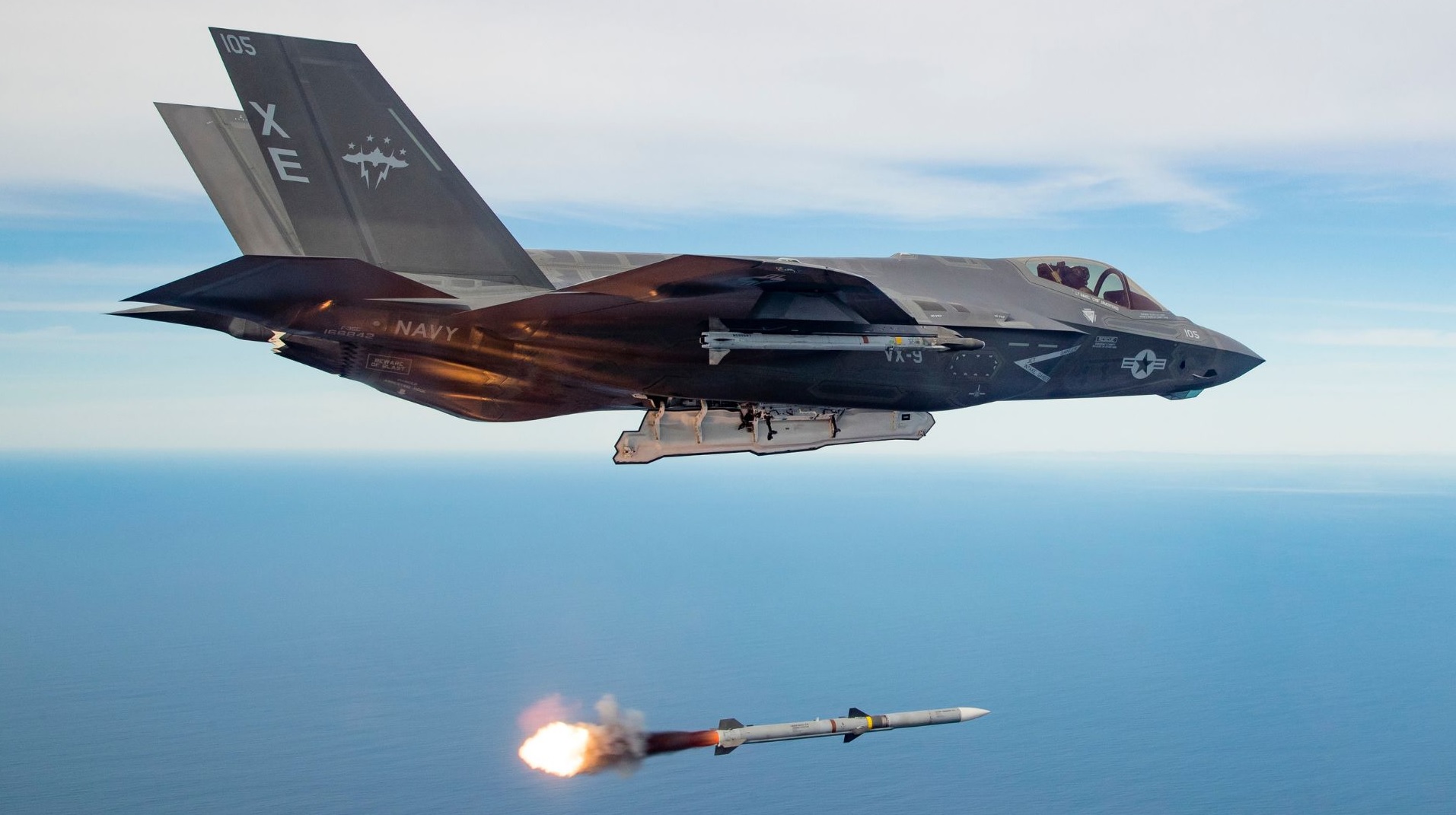
World
In a significant boost to regional security and allied cooperation, the United States has approved the sale of up to 400 cutting-edge AIM-120 air-to-air missiles to Australia, in a deal worth approximately USD 1.04 billion. The proposed foreign military sale, which was greenlit by the U.S. Department of State and formally notified to Congress on April 9, marks a new milestone in U.S.-Australia defence ties. Under this major arms package, Australia aims to procure 200 AIM-120C-8 and 200 AIM-120D-3 Advanced Medium Range Air-to-Air Missiles (AMRAAMs), alongside containers, spare parts, diagnostics, training, and support services. These missiles are manufactured by RTX Corporation—one of the leading American defense contractors—and will be deployed by the Royal Australian Air Force (RAAF). The missiles will be integrated into Australia’s most capable fighter jets, including the F-35A Lightning II, F/A-18F Super Hornet, and E/A-18G Growler. These jets form the backbone of Australia’s air combat fleet, and equipping them with the most advanced variants of AMRAAMs will significantly boost their effectiveness against modern threats, especially in the increasingly contested Indo-Pacific region. But the utility of these missiles isn't limited to fighter aircraft. The AMRAAMs are also key components in Australia's NASAMS (National Advanced Surface-to-Air Missile System), which provides layered ground-based air defence. The addition of the C-8 and D-3 variants, particularly the AIM-120D-3—the latest in the AMRAAM family—will enhance both air-to-air and ground-based defence capabilities. The AIM-120D-3 boasts improved range, advanced targeting precision, and greater resistance to jamming and electronic warfare, making it one of the most sophisticated missiles in the U.S. arsenal. Australia is set to become one of the first international operators of the D-3 variant, ahead of other countries still in negotiations for the system. This sale does not require the deployment of U.S. personnel or contractors in Australia and won’t affect the readiness of American forces. According to the U.S. Defense Security Cooperation Agency, “Australia will have no difficulty absorbing this equipment and services into its armed forces,” highlighting the RAAF’s high level of operational sophistication. Strategically, this missile sale underscores growing U.S. efforts to strengthen regional allies amid rising tensions in the Indo-Pacific. It also reinforces Australia’s evolving defence doctrine, which increasingly emphasizes deterrence through advanced technology, readiness, and alliance-based security. While no offset arrangements have been finalized yet, these may be negotiated directly between RTX and the Australian government in the coming months. As security dynamics shift and great-power competition intensifies in the region, this sale reflects the shared commitment between the U.S. and Australia to maintain peace, deter threats, and ensure that allied forces are equipped with the best available tools for modern warfare.
Read More → Posted on 2025-04-10 15:58:16
World
In a bold announcement, Yemen’s Houthi movement claimed on Wednesday that it had shot down its 18th US MQ-9 Reaper drone since October 2023. The latest drone was reportedly brought down over Al-Jawf province by a locally developed surface-to-air missile, according to Houthi spokesperson Yahya Sarea in a televised speech aired on the group’s al-Masirah TV channel. This growing tally of downed US drones has come amid heightened regional tensions, particularly after the outbreak of the Israel-Gaza war in October. The Houthis, a powerful armed faction that controls much of northern Yemen, have openly declared their military campaign against both Israel and the United States as a show of support for Palestinians in Gaza. Their involvement has widened the war’s reach far beyond its original borders. The MQ-9 Reaper, an advanced high-altitude drone used for intelligence, surveillance, and precision strikes, has become a familiar sight to many Yemenis. Since October, these drones have frequently patrolled skies over northern Yemen, including Al-Jawf, Hodeidah, and Sanaa, as part of US-led efforts to monitor and respond to Houthi operations. The most recent reported downing over Hodeidah came just a few days before this latest claim, highlighting the pace at which the group is targeting US aerial assets. According to Sarea, the drone takedowns are part of a larger strategy. “We will continue to support the Palestinian people until the aggression on Gaza stops and the siege is lifted,” he said, also vowing more attacks on US naval forces operating in the Red Sea. In response, the United States has stepped up its own military actions in Yemen. Just hours before the latest Houthi statement, American forces launched around 50 airstrikes across several Yemeni provinces including Sanaa, Hodeidah, Marib, Dhamar, and Ibb. These strikes are part of Washington’s broader effort to deter the Houthis from launching further missile and drone attacks, especially those that target Israel or international shipping routes in the Red Sea. Tragically, the latest wave of US airstrikes in Hodeidah led to civilian casualties. Local health authorities reported six deaths, including a pregnant woman, and at least 16 others wounded—many of them children. These developments mark a dangerous deepening of the regional conflict. What started as a war between Israel and Hamas has now escalated into a wider confrontation involving powerful non-state actors like the Houthis. By successfully shooting down high-value US drones and resisting airstrikes, the Houthis are asserting both military capability and political resolve. Analysts note that this cycle of escalation—missile launches, drone shootdowns, and retaliatory airstrikes—is not only destabilizing the region but also complicating Washington’s efforts to contain the conflict. While the MQ-9 Reaper remains a key tool in the US military’s surveillance and strike arsenal, its vulnerability to increasingly sophisticated air defense systems—even from non-state actors—raises new questions about the evolving dynamics of modern warfare. For now, the skies over Yemen remain a battleground in a larger geopolitical chess match, with far-reaching implications for peace and stability in the Middle East.
Read More → Posted on 2025-04-10 15:55:08
Europe’s First CH-47F Chinook Helicopter Simulator Launched in Spain to Revolutionize Pilot Training
World
Spain has taken a major leap forward in military aviation training with the launch of Europe’s first full mission simulator (FMS) for the CH-47F Chinook helicopter, developed by Spanish defence technology company Indra. The state-of-the-art simulator was inaugurated at the Army Aviation Academy’s Helicopter Simulation Centre (CESIHEL) in Colmenar Viejo, marking a new chapter in how pilots are prepared for complex missions using high-fidelity virtual environments. Spanish Minister of Defence Margarita Robles, along with top defence officials and Indra executives, inspected the newly installed simulator while also witnessing the formal delivery of the final CH-47F helicopter to the Spanish Armed Forces. This milestone completes a broader effort to modernize Spain’s helicopter fleet and the training ecosystem that supports it. The CH-47F Chinook is a highly capable heavy-lift helicopter, able to carry up to 10 tonnes of cargo or dozens of troops. It plays a vital role in logistics support, rescue missions, and military deployments, making pilot preparedness and operational readiness crucial. To address this, the new Chinook simulator brings in advanced training capabilities. It mimics the real helicopter in nearly every way, from its avionics to cockpit layout. This ensures pilots train in an environment that closely resembles real-life flying conditions, both visually and operationally. The simulator is part of a larger integrated training system, which includes a flight training device (FTD) and a computer-based trainer (CBT), ensuring pilots of Transport Helicopter Battalion V (BHELTRA V) are mission-ready. What makes this simulator particularly significant is its ability to cut down on actual flight hours by up to 40%. That means less wear and tear on helicopters, reduced fuel use, lower maintenance costs, and more environmentally friendly training. But beyond savings, it’s also a huge boost to flight safety, as pilots can experience and rehearse emergency scenarios and mission complexities in a controlled environment. One standout feature is its networked training capability. Pilots can coordinate virtual missions with crews operating other aircraft like the Tiger attack helicopter, the NH90, Cougar, or EC135, even if they’re stationed in different parts of the country. This allows for synchronized, joint tactical training—mirroring the real-world scenarios where different platforms work together in tight coordination. The simulator also supports night-vision goggle (NVG) training and includes ultra-realistic graphics of diverse terrains, including urban landscapes. This immersion helps pilots become familiar with operational zones before they ever take off. As helicopters grow more sophisticated and mission profiles more demanding, simulation has become the backbone of military pilot training. Spain’s investment in such advanced systems reflects a broader shift in modern armed forces worldwide—balancing operational readiness with cost-effective, high-quality training solutions. With Chinook helicopters expected to serve well beyond 2040, this new simulator ensures that Spanish pilots will not only keep up with the platform’s evolution but will also stay ahead in combat readiness and operational excellence.
Read More → Posted on 2025-04-09 15:56:39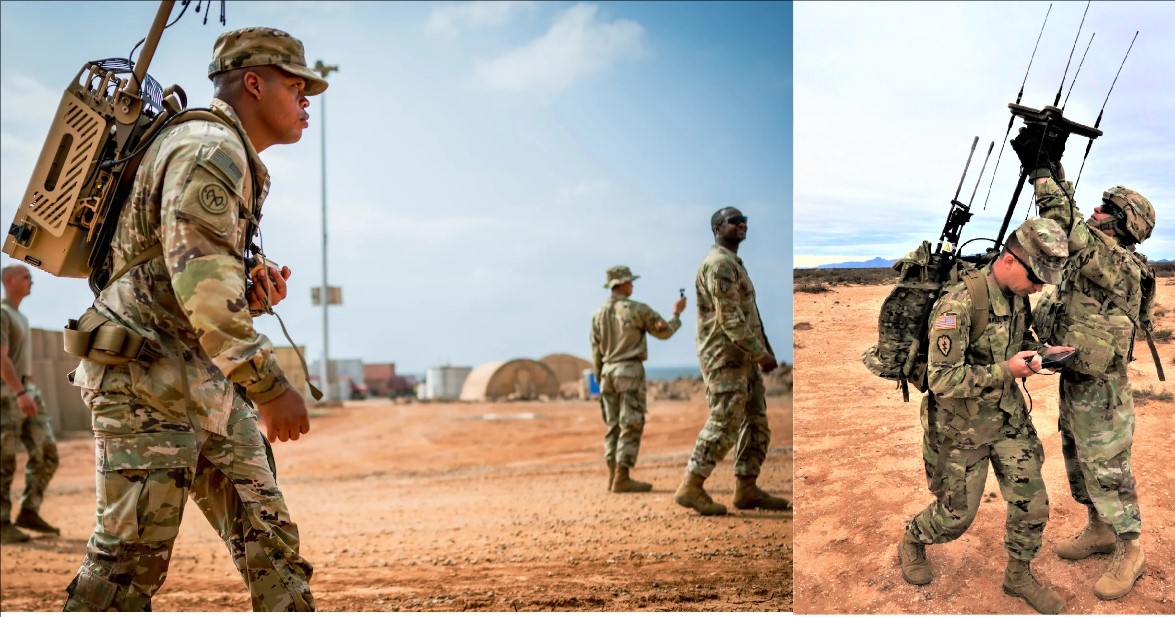
World
The US Army has entered into a $6.1 million agreement with 3dB Labs to develop a next-generation electromagnetic spectrum situational awareness system, known as the Spectrum Situational Awareness System (S2AS). This cutting-edge system is designed to give combat units a clearer understanding and real-time control over their use of the electromagnetic spectrum — a vital domain in today’s digital and information-heavy warfare. What is the Spectrum Situational Awareness System? The S2AS is an advanced monitoring and reporting system that allows army commanders to detect, analyze, and manage electromagnetic emissions generated by friendly forces, such as those from communication equipment, command posts, and operational vehicles. By having real-time insights into these emissions, the system helps minimize the chances of detection by enemy forces, thereby improving the survivability of soldiers on the battlefield. Why is Electromagnetic Awareness Important? Modern warfare doesn’t just take place on land, sea, and air — it also takes place in the invisible but powerful electromagnetic spectrum. Many military operations rely on radios, sensors, GPS systems, and wireless communications. However, these tools also emit signals that can be tracked by adversaries using signals intelligence (SIGINT) equipment. By gaining better situational awareness of these emissions, US Army units can reduce their electromagnetic signatures, making it harder for enemies to locate or target them. Key Features of the S2AS Real-Time Emission Detection: The system detects friendly force emissions in real time, enabling quick decisions and emission control. Dual Configuration: It is being developed in two versions — a lightweight, handheld unit for foot soldiers and a vehicular-mounted configuration for use on command vehicles and platforms. Self-Protection & Local Monitoring: The system helps protect individual units and provides broader spectrum insights for mission planning and tactical movement. Adaptable to Adversary Threats: The S2AS is designed with modern threats in mind, particularly focusing on countering enemy SIGINT capabilities. User-Driven Development: Continuous feedback is being gathered from soldiers and spectrum managers in operational units to make sure the final product meets real battlefield requirements. Project Timeline and Development The development of the S2AS is part of a 14-month phased prototyping and risk reduction process under the Consortium for Command, Control, and Communications in Cyberspace. The project is structured to move quickly from prototype to demonstration, with an operational test planned for fiscal year 2026. According to Ken Strayer, Project Manager for Electronic Warfare and Cyber, “S2AS directly enhances the survivability and effectiveness of our soldiers on the battlefield.” The project’s approach ensures that the system evolves in sync with real-world demands and the ever-changing nature of electronic threats. The Bigger Picture As the battlefield grows increasingly digital, control over the electromagnetic spectrum has become a critical factor in mission success. The US Army’s focus on spectrum awareness aligns with its broader modernization goals, ensuring soldiers remain protected, connected, and a step ahead in electronic warfare. The Spectrum Situational Awareness System marks a significant step forward in how military units interact with — and dominate — the invisible warfighting domain of the electromagnetic spectrum.
Read More → Posted on 2025-04-09 15:53:06
India
In a determined effort to restore peace and order in violence-hit Manipur, security forces have dismantled a total of 167 bunkers used by armed miscreants across multiple districts in the state. This significant step follows a call by Governor Ajay Bhalla in late February, urging for a peaceful resolution to the prolonged ethnic unrest. The bunkers were located and destroyed in several sensitive regions, including Churachandpur, Imphal West, Imphal East, Jiribam, Senapati, Kangpokpi, and Tamenglong. The operations intensified after Union Home Minister Amit Shah issued a March 8 deadline to reopen roads that had remained blocked—either partially or completely—since the outbreak of ethnic violence nearly two years ago. These bunkers, often hidden in forested or hilly terrains, were not just defensive structures but active nodes used for ambushes, illegal arms storage, and territorial control. Their destruction is being seen as a critical milestone in breaking the stronghold of armed groups, some of whom operated along routes connecting to Mizoram and Myanmar—borders known for porous and unregulated crossings. Crackdown on Arms and Explosives Alongside bunker demolition, security forces have also launched an aggressive arms recovery drive. According to the Central Reserve Police Force (CRPF), a total of 1,240 looted firearms have been recovered since the Governor’s appeal for surrendering illegal weapons. The numbers also include: 12,677 rounds of ammunition 405 grenades 316 crude bombs 19 improvised explosive devices (IEDs) This large cache indicates the scale of militarization in civilian areas during the conflict and raises concerns over how deeply entrenched these parallel armed networks had become. Ethnic Tensions and the Need for Mobility A key component of the current effort has been the reopening of roads and restoring free movement between communities. For example, Churachandpur, one of the worst-hit districts, had become almost cut off from Imphal due to Meitei-Kuki hostilities. Many from the Kuki community had resorted to traveling to Mizoram or through Myanmar instead of risking passage through Imphal-controlled areas. An official noted that there are several kachha (unpaved) roads connecting Churachandpur with both Mizoram and Myanmar—routes that were being exploited for tactical movement and possibly even arms smuggling during the peak of the clashes. Analysis: An Ongoing but Vital Effort The dismantling of bunkers and recovery of weapons mark a clear message from the central government: armed militias and self-styled protection groups will no longer be tolerated. While these actions are commendable, the real challenge lies ahead—healing the deep ethnic fault lines between the Meitei and Kuki communities, and ensuring displaced people feel secure enough to return home. Without a long-term reconciliation plan, security operations alone may only provide temporary relief. Nevertheless, the current crackdown shows that the state is finally pushing back, asserting control, and trying to reclaim spaces that had effectively turned into lawless zones. For Manipur, this could be the beginning of a long road back to peace.
Read More → Posted on 2025-04-09 15:49:38
World
The U.S. Navy has reached a major milestone in its journey toward autonomous warfare at sea. In a recent test, eight small Unmanned Surface Vehicles (sUSVs) operated together like a swarm, requiring very little human input. This test was led by the Navy’s Program Executive Office for Unmanned and Small Combatants (PEO USC) and showcased the growing potential of drone boat fleets in future naval missions. At the heart of this successful demonstration is the Leviathan Software Package, a powerful system that controls multiple drone vessels under one advanced framework. Developed by the Navy’s Unmanned Maritime Systems (PMS 406) and Littoral Combat Ship Mission Modules (PMS 420), Leviathan allows these unmanned boats to work together intelligently, identify threats, and navigate the seas—all with minimal human oversight. What Makes Leviathan So Powerful? The Leviathan system includes: Autonomy Baseline Library (ABL): This is the Navy’s first fully open-architecture software for autonomous maritime operations. It means the software is flexible, can be used by different platforms, and is future-ready. ABL also meets the Navy’s latest autonomy standards, known as UMAA 6.0. Common Control System (CCS): A unified control hub that allows one operator to command several unmanned boats from shore or a ship. Automatic Target Recognition (ATR): Advanced image-processing tools that help drone boats detect and recognize targets in real time. Perception Tools: These tools help the vessels "see" and understand their surroundings, enabling them to navigate complex environments without crashing or getting lost. Together, these technologies create a highly autonomous and responsive swarm of drone boats—capable of carrying out missions such as surveillance, patrolling, and even combat support, all without needing a large human crew. Why This Matters According to Navy officials, deploying Leviathan through the Rapid Autonomy Integration Lab (RAIL) has several key advantages: One operator can control multiple boats, which saves manpower. The open architecture allows faster updates, avoiding reliance on a single vendor. It lowers long-term maintenance costs. It supports both land-based and ship-based operations, making the system versatile for different missions. Future of Naval Warfare The Navy’s success in this test is a strong sign that unmanned surface vessels will play a major role in future sea battles, especially in areas like the Indo-Pacific, where fast, flexible, and stealthy platforms are needed. Using a drone boat swarm provides many strategic advantages: distributed control, increased survivability, and the ability to overwhelm enemy defenses with speed and coordination. These unmanned vessels are expected to support larger fleets, conduct reconnaissance, and even perform electronic warfare tasks without risking sailors' lives. Specifications Snapshot of sUSVs Used While the exact model of the small Unmanned Surface Vehicles was not disclosed, these drone boats typically have the following specifications: Length: 3 to 12 meters Speed: Up to 35 knots Range: Hundreds of nautical miles depending on size and fuel type Sensors: Cameras, radar, sonar, and electronic warfare payloads Control: Autonomous via Leviathan or remotely by an operator Roles: Surveillance, reconnaissance, electronic warfare, anti-submarine patrols, and mine detection With this breakthrough, the U.S. Navy moves closer to a future where human-machine teaming becomes the norm, and unmanned vessels play a central role in defending the seas.
Read More → Posted on 2025-04-09 15:47:09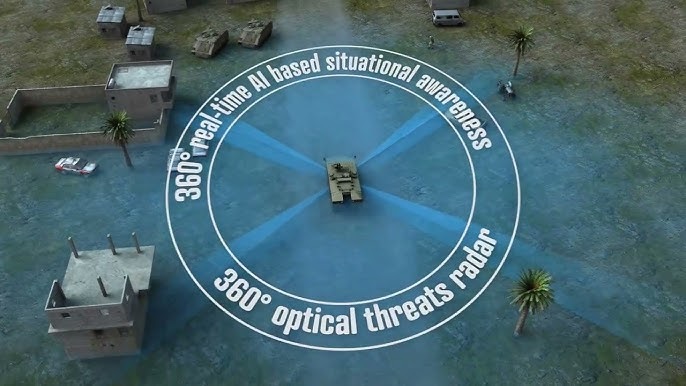
World
In a significant step toward modernizing European armoured vehicle fleets, Israeli defence tech company Axon Vision has partnered with the Czech Republic’s Czechoslovak Group (CSG) to integrate advanced artificial intelligence into battlefield systems. The first project under this new alliance focuses on installing Axon Vision’s EdgeSA AI-powered situational awareness system into the Czech Army’s PANDUR 8×8 EVO vehicles. This system upgrade isn’t just about adding new tech—it’s about transforming how armoured vehicles operate in complex combat scenarios. The EdgeSA platform uses real-time data fusion from multiple sensors to help crews detect threats earlier, make faster decisions, and stay aware of their surroundings, even in closed-hatch conditions. For soldiers inside, this translates into better survivability, reduced stress, and quicker reaction times. After a competitive evaluation process, the EdgeSA system was chosen for its top performance across critical metrics like threat detection, reliability, and adaptability. Its modular and platform-agnostic design means it can be fitted not just into PANDUR vehicles, but also into future land, air, or sea platforms—whether manned or unmanned. The project is being led by Retia, a subsidiary of CSG, which has developed a dedicated product line called SAAV (Situational Awareness for Armored Vehicles) to support integration and customisation for different vehicle types. Retia’s CEO, Jan Mikulecký, emphasized that selecting Axon Vision was based on their proven excellence in AI battlefield technologies. The collaboration also fits well with the long-term vision of Tatra Defence Vehicle (TDV), the Czech manufacturer behind both the PANDUR 8×8 EVO and the new TADEAS 6×6 platforms. Future plans include the possible integration of the EdgeSA system into TADEAS vehicles, expanding the reach of AI-enhanced capabilities across NATO markets. TDV’s CEO, Tomáš Mohapl, highlighted the importance of partnering with Israeli defence firms to ensure their armoured vehicles are equipped with top-tier software and electronic systems, particularly as competition intensifies in global defence markets. From Axon Vision’s side, CEO Roy Riftin called the collaboration a milestone that reinforces their growing role in European defence. He noted that EdgeSA’s AI is redefining armoured vehicle operations by delivering live, actionable intelligence to crews on the move. This deal is more than just a technological upgrade—it reflects a broader trend in global defence: AI is rapidly becoming central to modern warfare, especially in the realm of situational awareness and decision-making. With battlefields becoming faster and more unpredictable, having real-time intelligence inside a vehicle can make the difference between mission success and failure. For Europe, especially NATO countries, this partnership signals a move toward greater autonomy, resilience, and operational efficiency in land combat operations. It also shows how alliances between high-tech Israeli firms and European defence manufacturers are becoming strategic tools to boost competitiveness against rising military technologies from other parts of the world. As EdgeSA rolls out on Czech vehicles, it sets a precedent that may soon ripple across allied nations, accelerating the global shift to AI-driven warfare.
Read More → Posted on 2025-04-09 15:44:13Search
Top Trending in 24 Hours
-
 Kongsberg Wins $120 Million Contract for More Protector RS4 Systems for Canadian Army
-
 Russia Receives North Korean KN-30 Ballistic Missiles as Moscow Expands Its Missile Arsenal
-
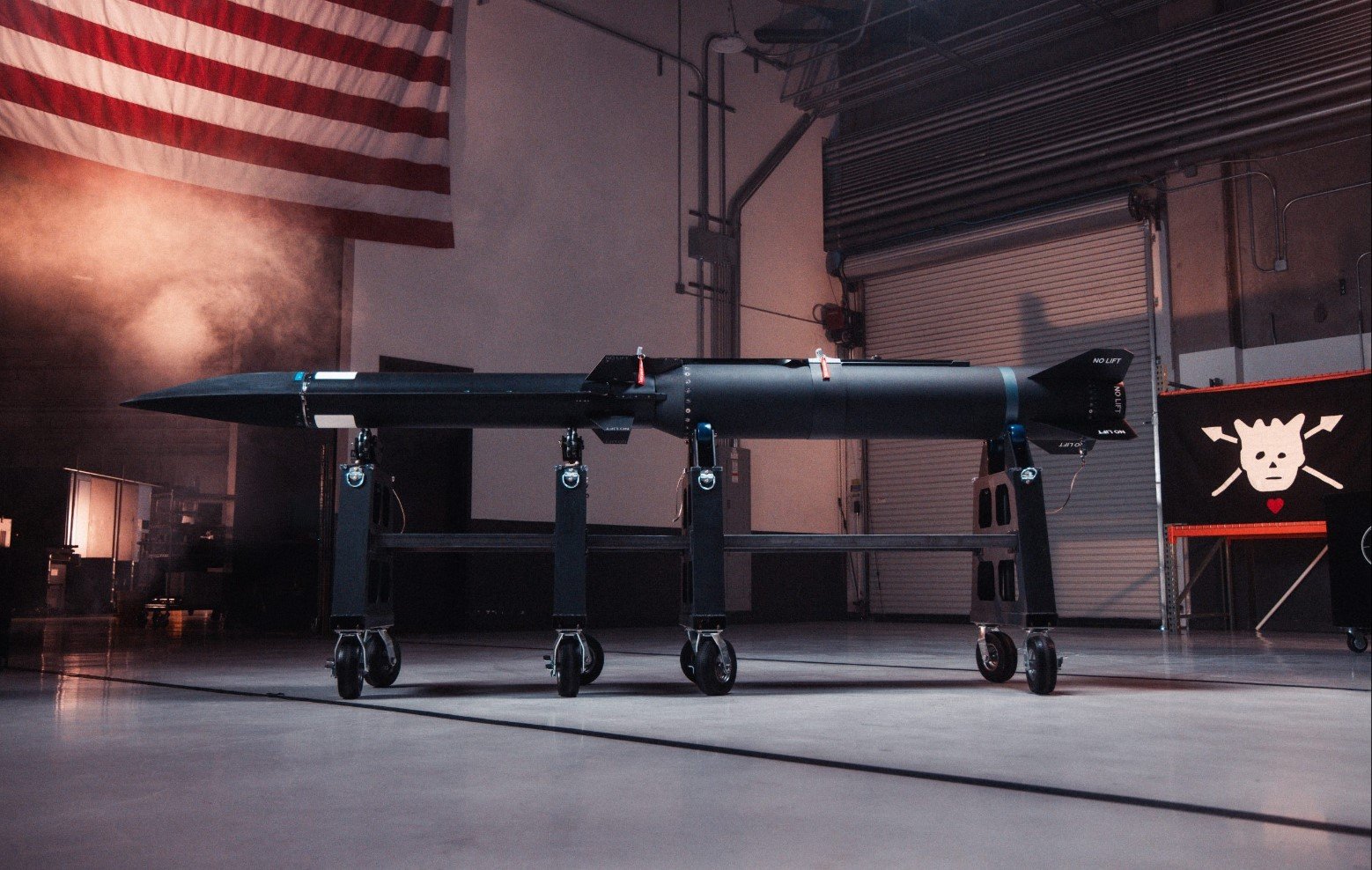 Castelion Secures $1 Billion Funding to Scale Production of Blackbeard Hypersonic Missile
-
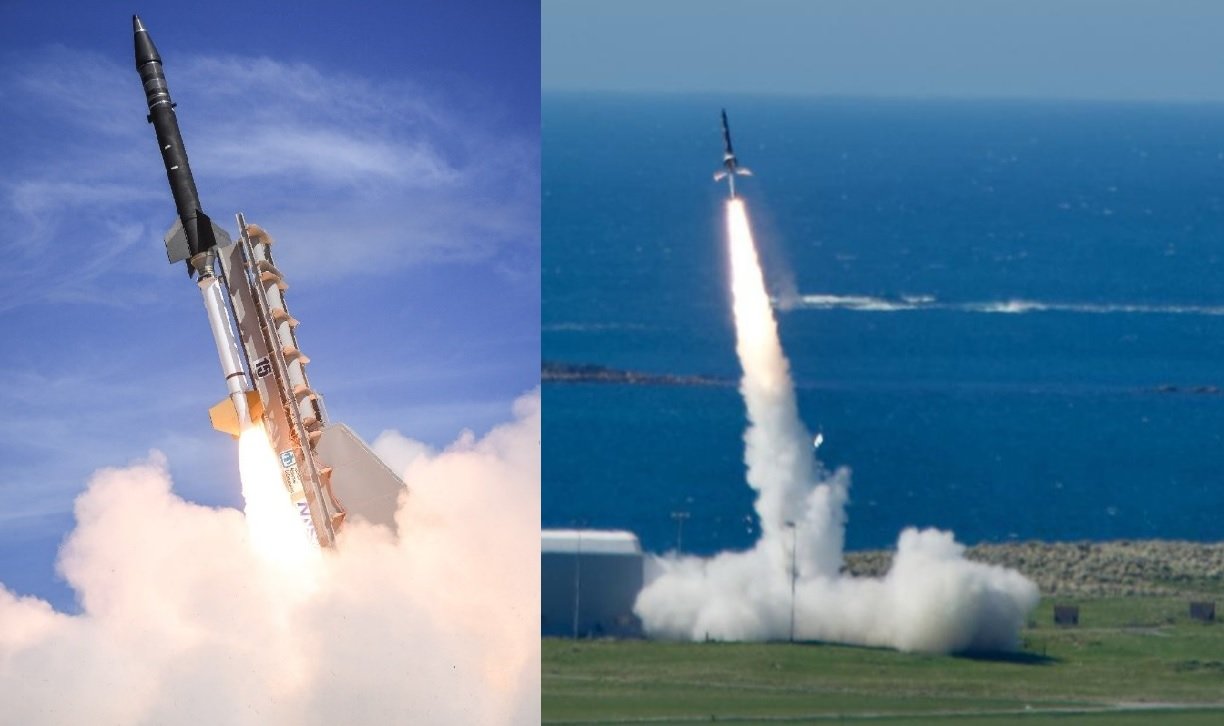 US Navy Launches ARAV-6 Missile Target During Multinational Pacific Dragon 2026 Exercise
-
 Lockheed Martin Demonstrates AI-Powered Sonar System With U.S. Navy at RIMPAC 2026
-
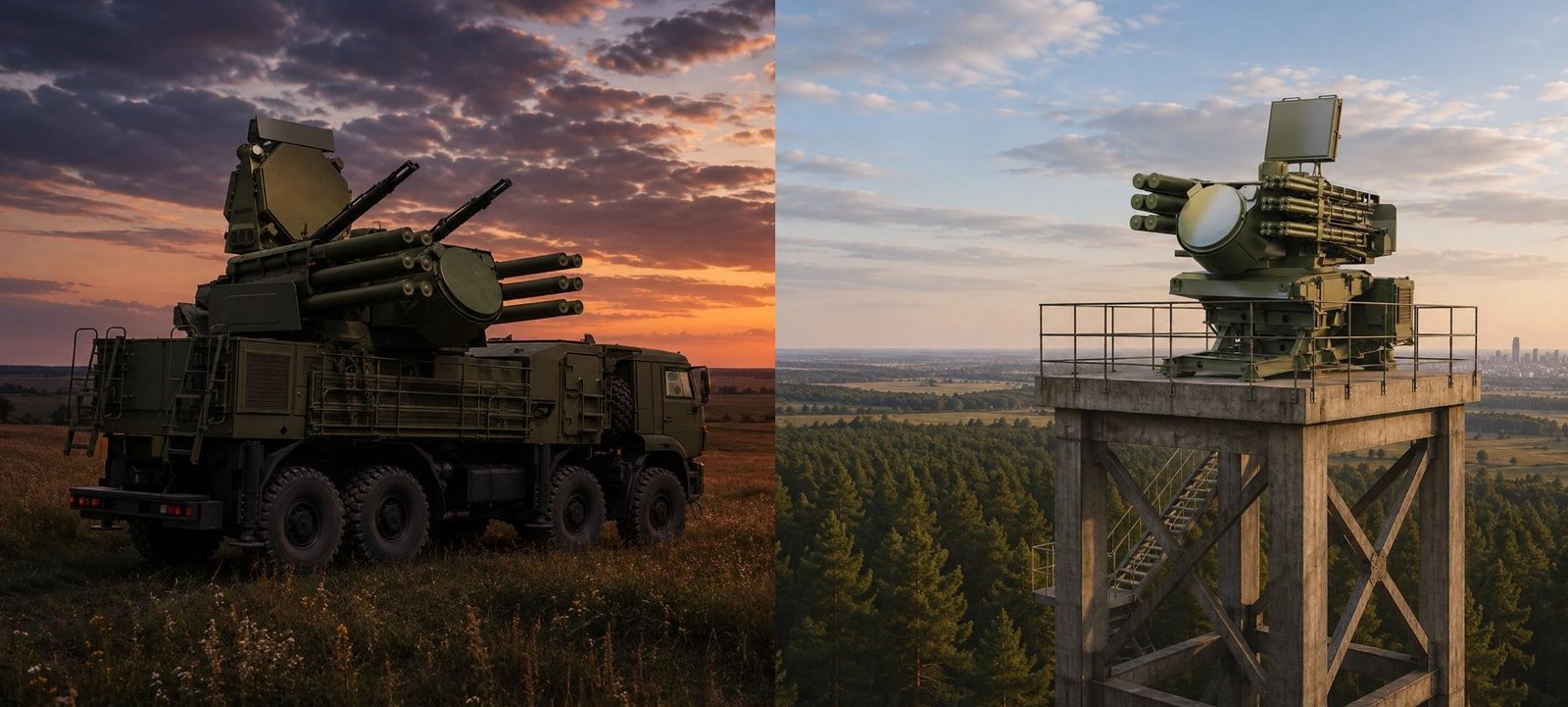 Russia Receives New Batch of Pantsir-S and Pantsir-SMD Air Defense Systems
-
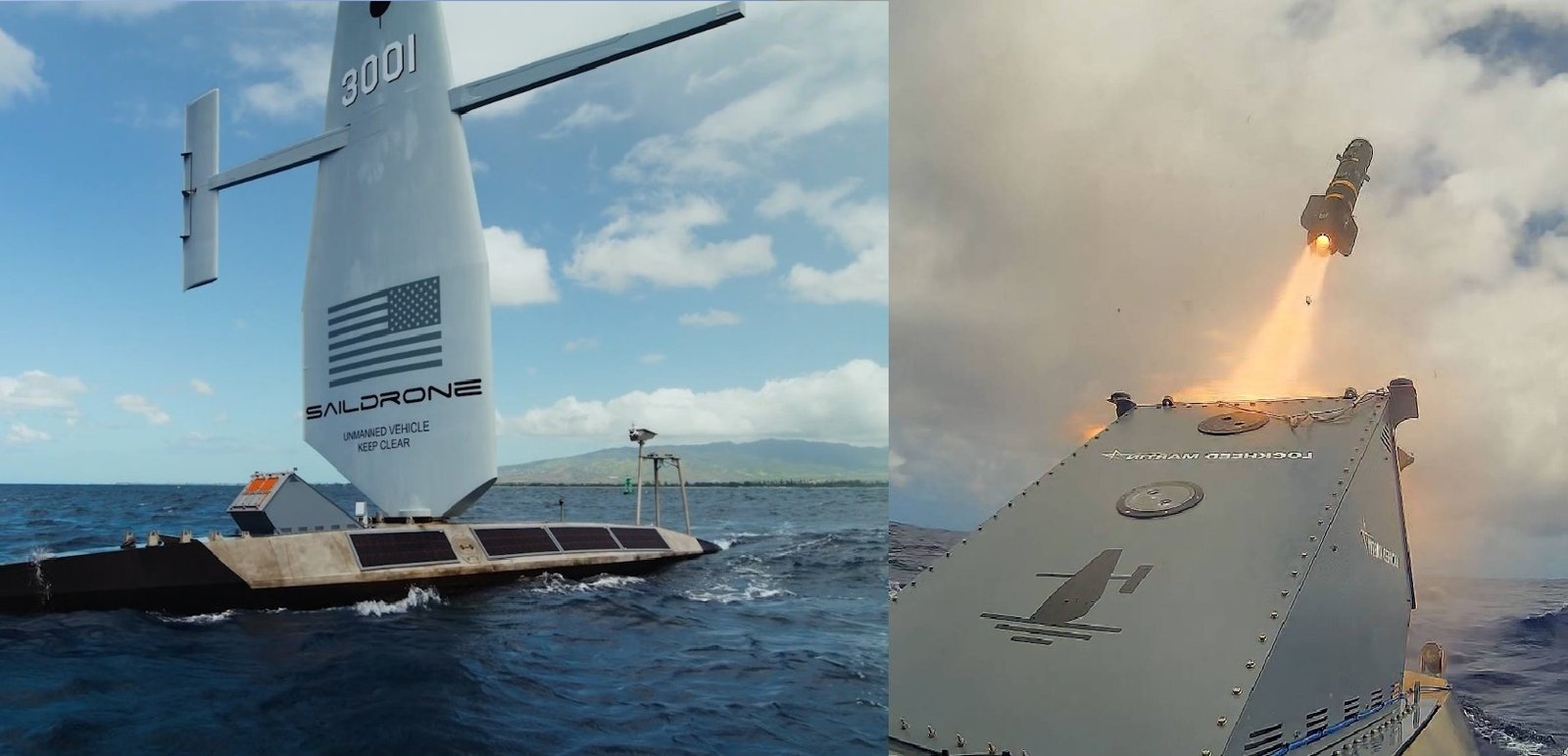 Saildrone and Lockheed Martin Successfully Fire Two JAGM Missiles in First Live-Fire Test from Unmanned Vessel at RIMPAC 2026
-
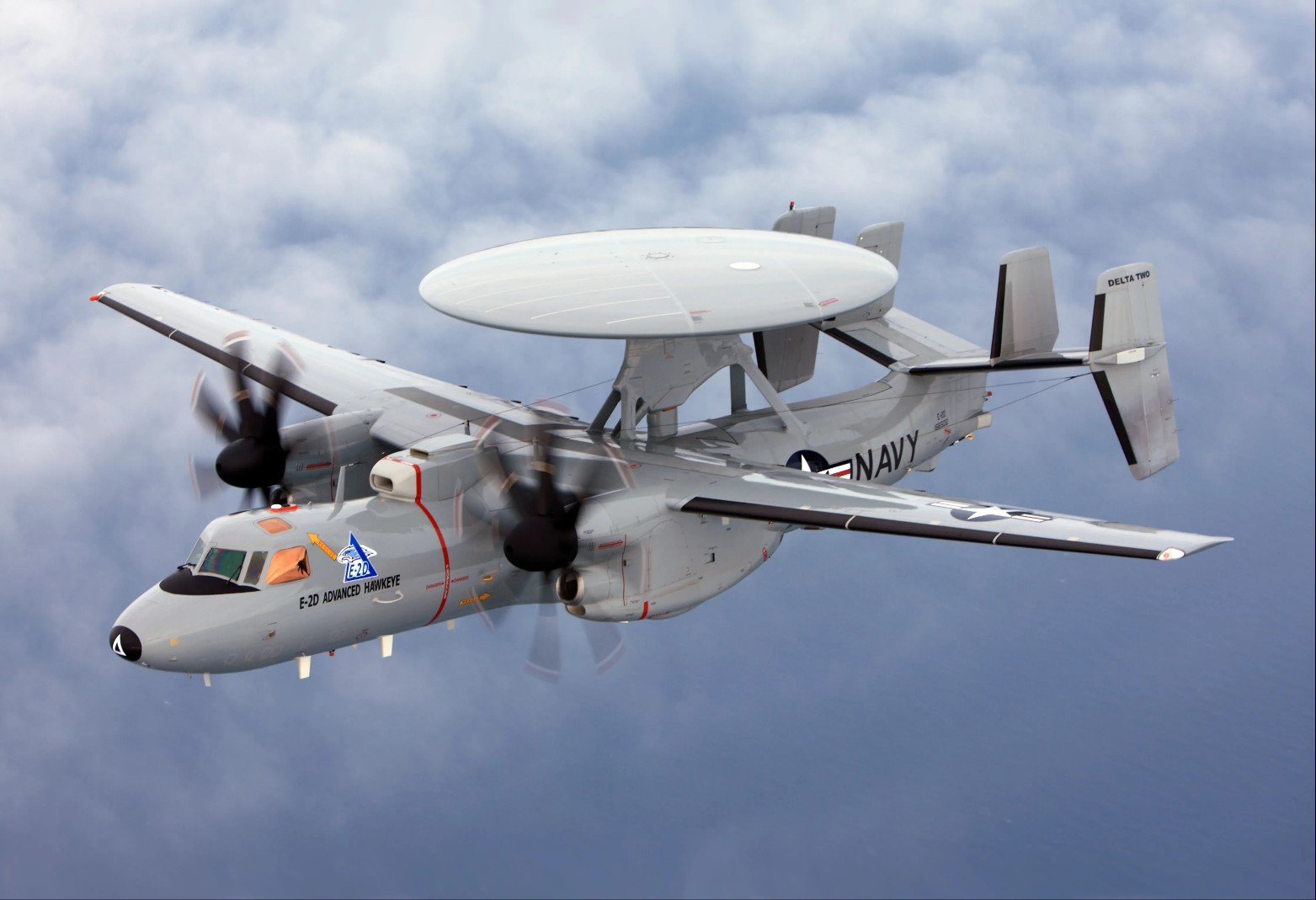 Northrop Grumman Clears Critical Design Review for E-2D Hawkeye Block II Upgrade
Top Trending in 4 Days
-
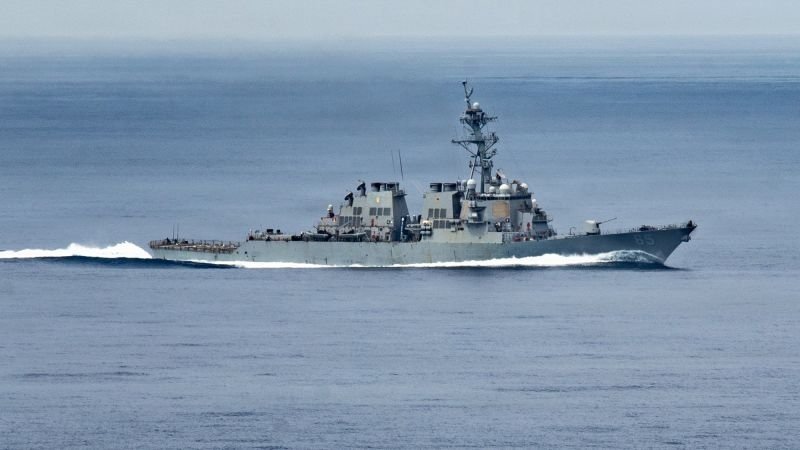 U.S. Navy Destroyer USS Benfold Spent Four Days Without Power in South China Sea After Generator Failure
-
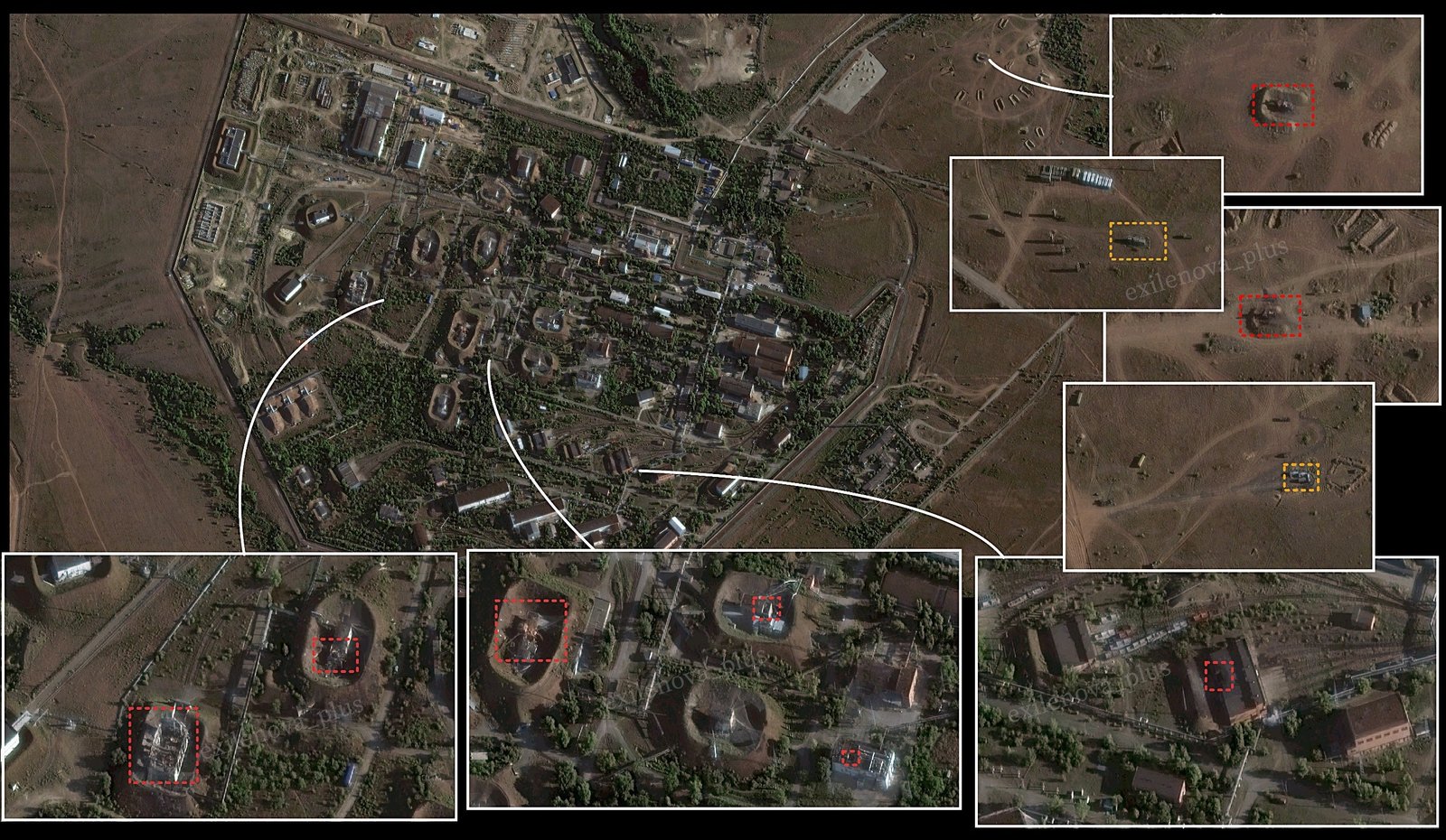 Satellite Images Show Ukrainian Drone Strike Hits Russian Rocket Fuel Plant and Air Defense Systems in Rostov Region
-
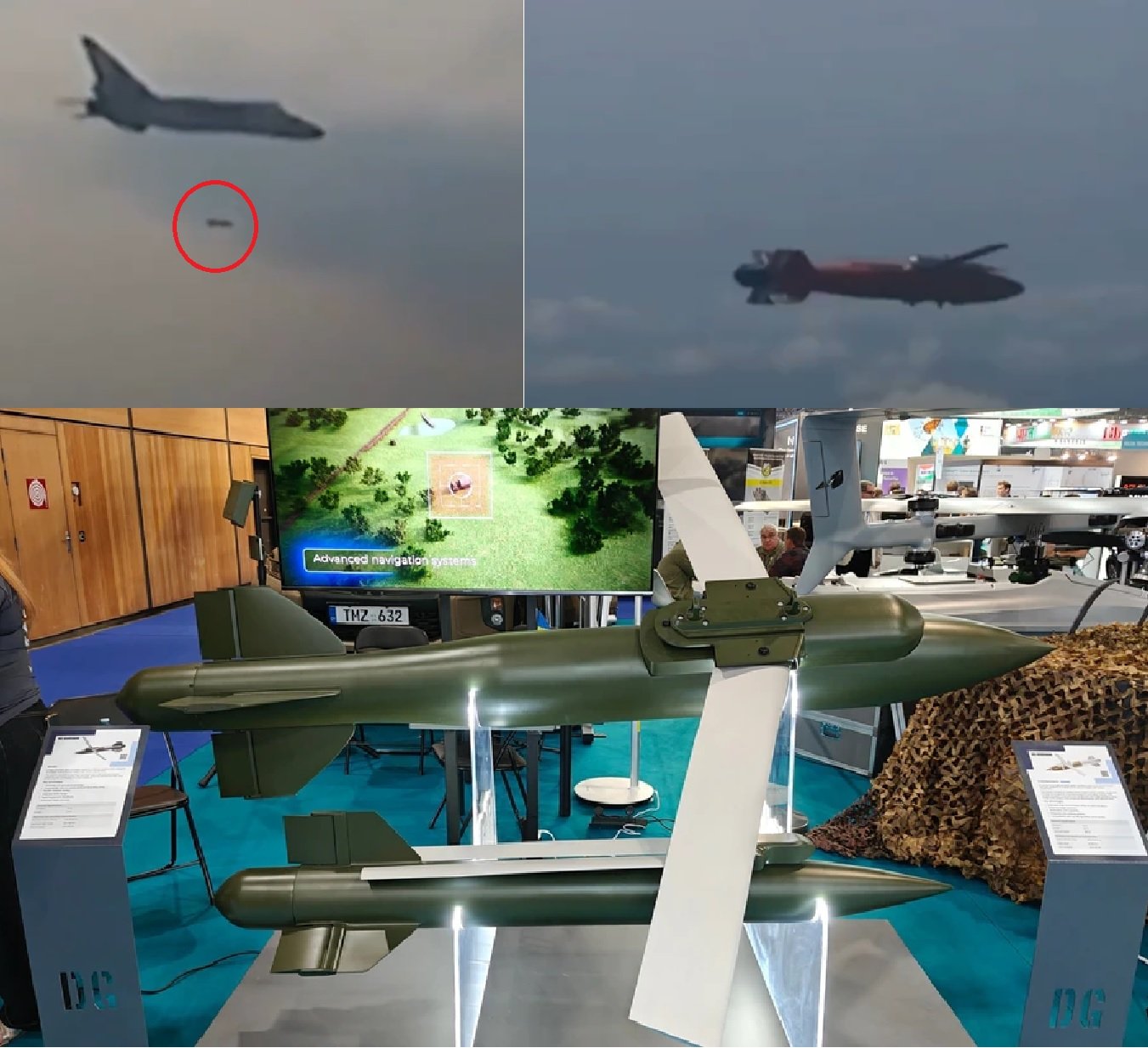 Ukraine Begins Procurement of Vyrivniuvach Guided Aerial Bomb
-
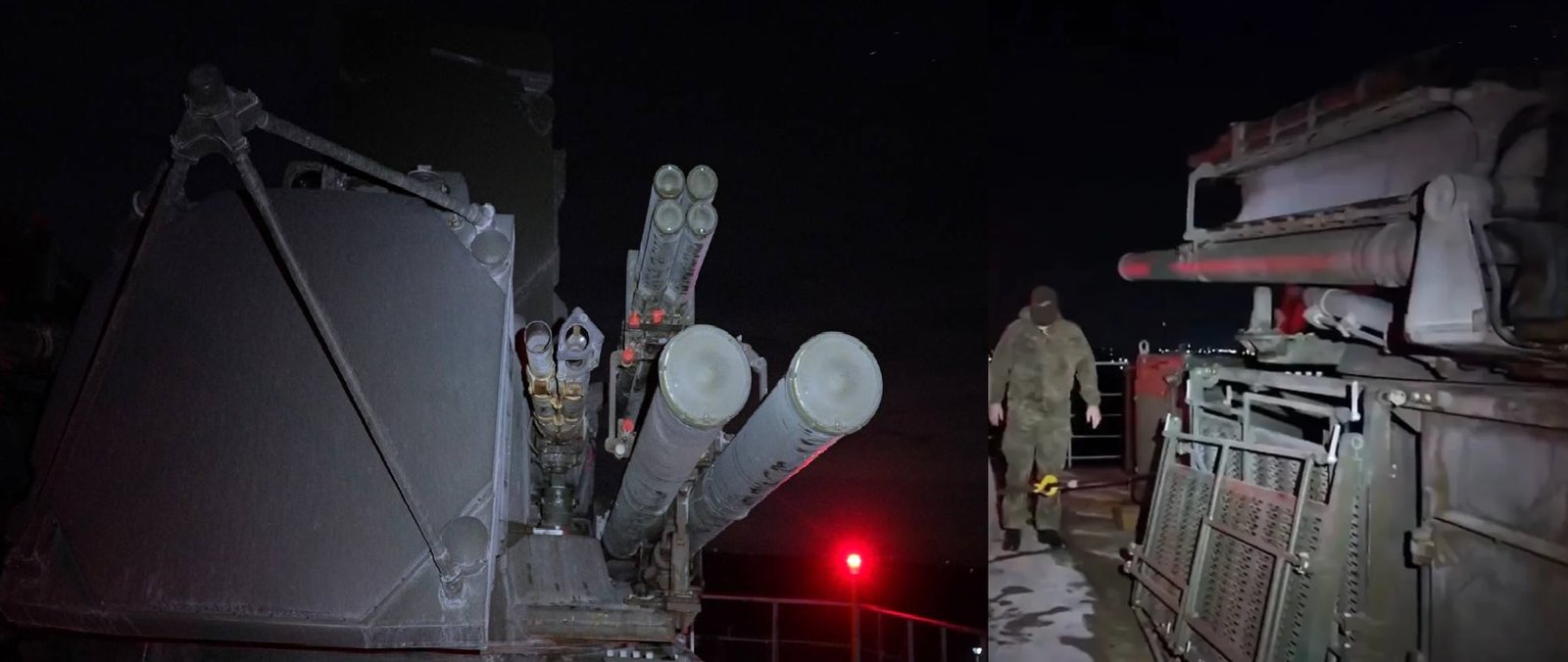 Russia Expands Moscow’s Anti-Drone Defense Network With Specialized 35-Meter Towers for Pantsir Systems
-
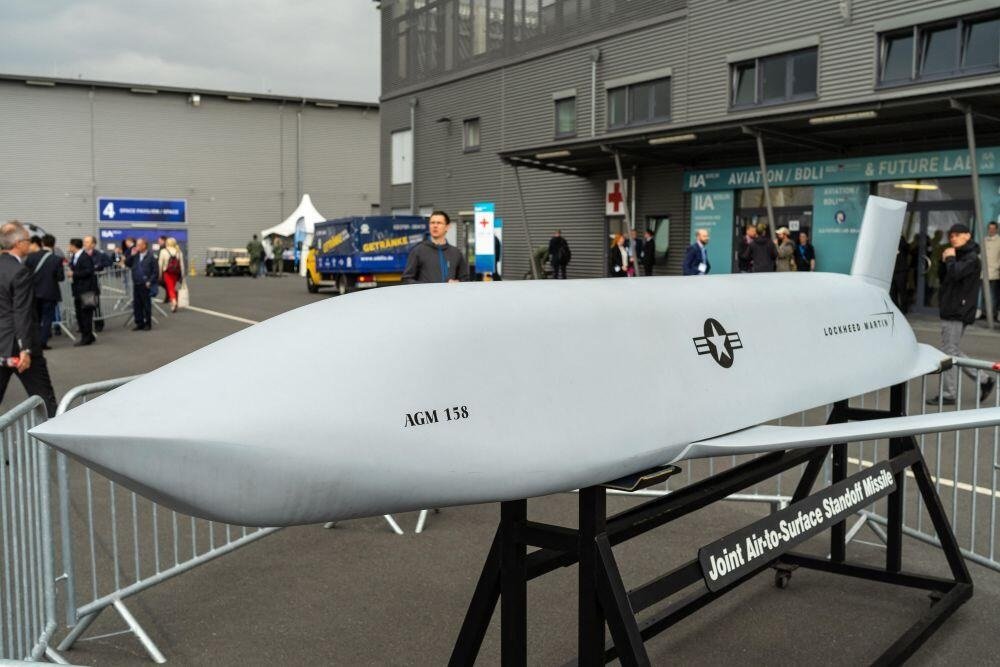 U.S. Air Force Selects GE-Kratos F143 Engine as Second Engine Source for JASSM Missile
-
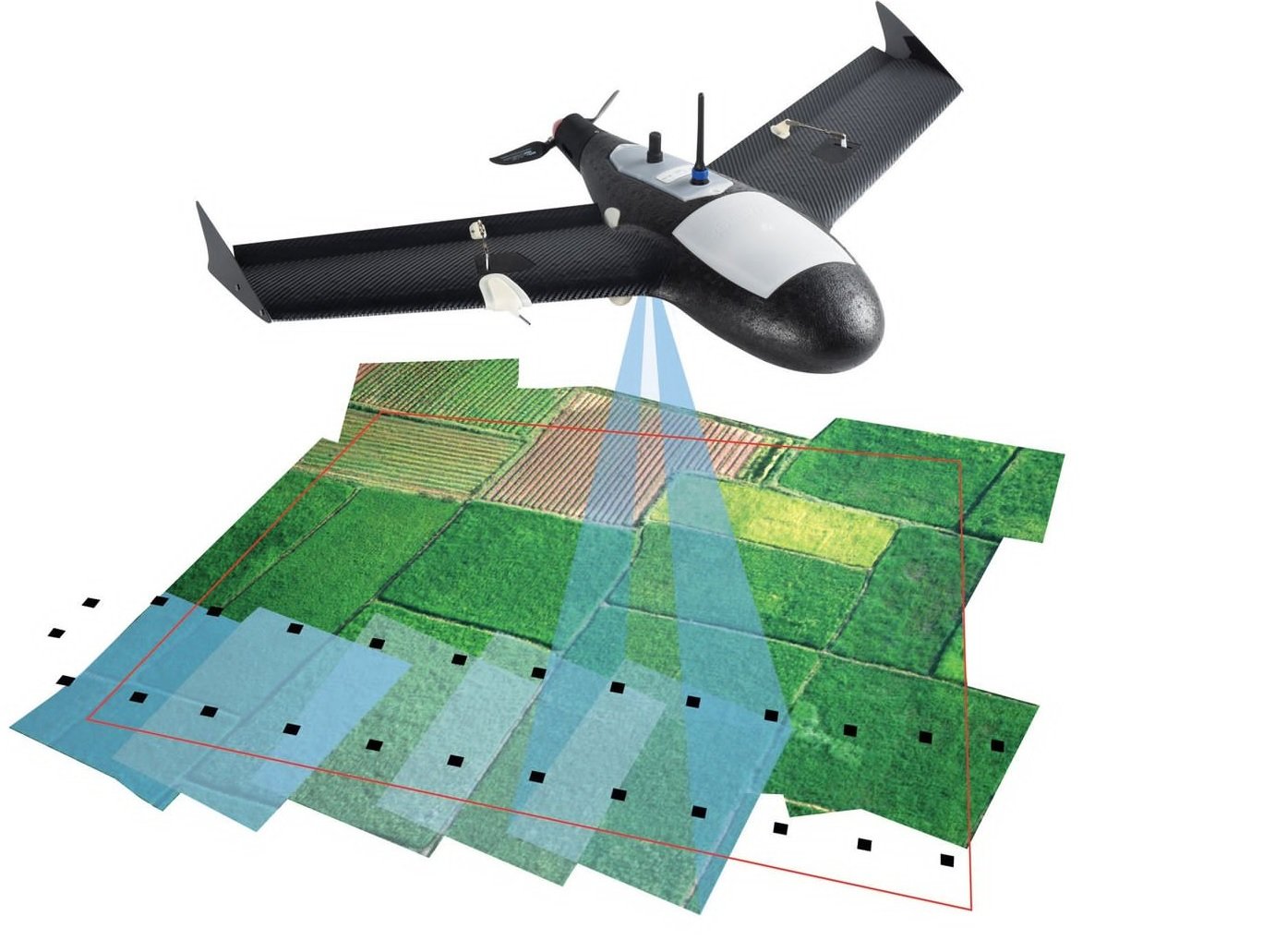 Russia Develops 'Martian' Camera-Based Navigation Independent of GPS and Radio Signals for Drones
-
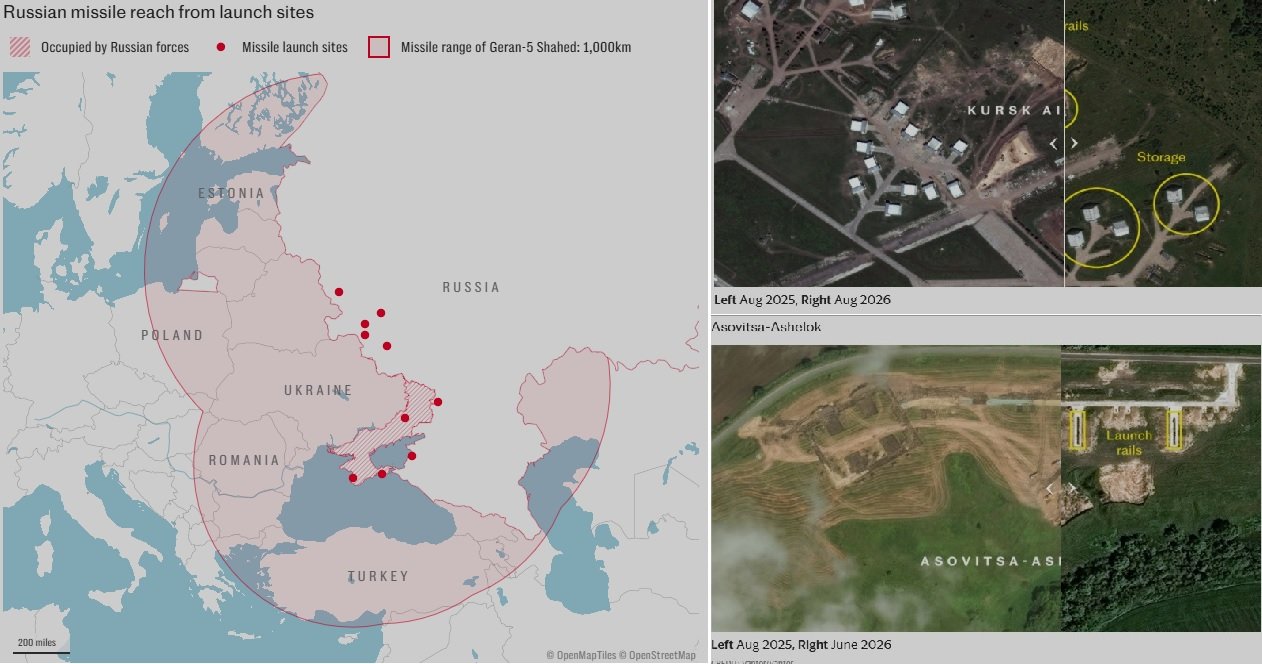 Russia Expands Drone Launch Network Near Ukraine and Belarus Borders, Putting NATO Territory Within Range
-
 Russia Warns UK of ‘Consequences’ Over British Drones Used by Ukraine in Strikes on Russian Territory
