Moscow — Russia has imposed a three-month export ban on benzene, toluene, xylenes, and phenol to secure raw materials for domestic industries. Prime Minister Mikhail Mishustin signed the decree.
The restriction covers coal-derived and petroleum-derived benzene, toluene, ortho-xylene, para-xylene, and phenol shipped outside the Eurasian Economic Union (EAEU). The bloc includes Russia, Belarus, Kazakhstan, Armenia, and Kyrgyzstan.
International transit shipments, humanitarian aid, and supplies for Russian operations on the Arctic archipelago of Svalbard are exempt. The government has not disclosed the scale of domestic supply shortages.
Industrial and Military Applications
The chemicals are essential feedstocks for the chemical industry. They are used in paints and coatings for the automotive, aviation, shipbuilding, and railway sectors. Other applications include food packaging, flooring, cable insulation, and pharmaceutical products.
Toluene is also a key raw material for TNT, an explosive used in bombs and artillery shells.
Ukrainian Strikes on Russian Chemical Facilities
The ban comes amid repeated Ukrainian drone and missile strikes on Russian chemical, refining, and propellant facilities. Ukraine’s General Staff has linked several targeted sites to rocket and missile production.
In the past two weeks, Ukraine reported strikes on the Tolyattikauchuk synthetic rubber plant in the Samara region for the third time this year. The Voronezhsintezkauchuk plant was also targeted. Kyiv says both produce rubber used in solid rocket propellant for tactical and ballistic missiles.
On October 31, Ukrainian drones and Neptune missiles struck the Kamensky Combine in the Rostov region. The facility produces solid propellant for Uragan, Smerch, and Tornado-S rocket systems. President Volodymyr Zelensky confirmed the strike the following day.
Earlier in October, Ukraine reported strikes on the AVISMA plant in the Perm region and a chemical facility in the Tver region linked to fuel components for Kh-55 and Kh-101 cruise missiles.
Moscow has not officially linked the export ban to these attacks or the ongoing conflict.
Pressure on Domestic Supplies
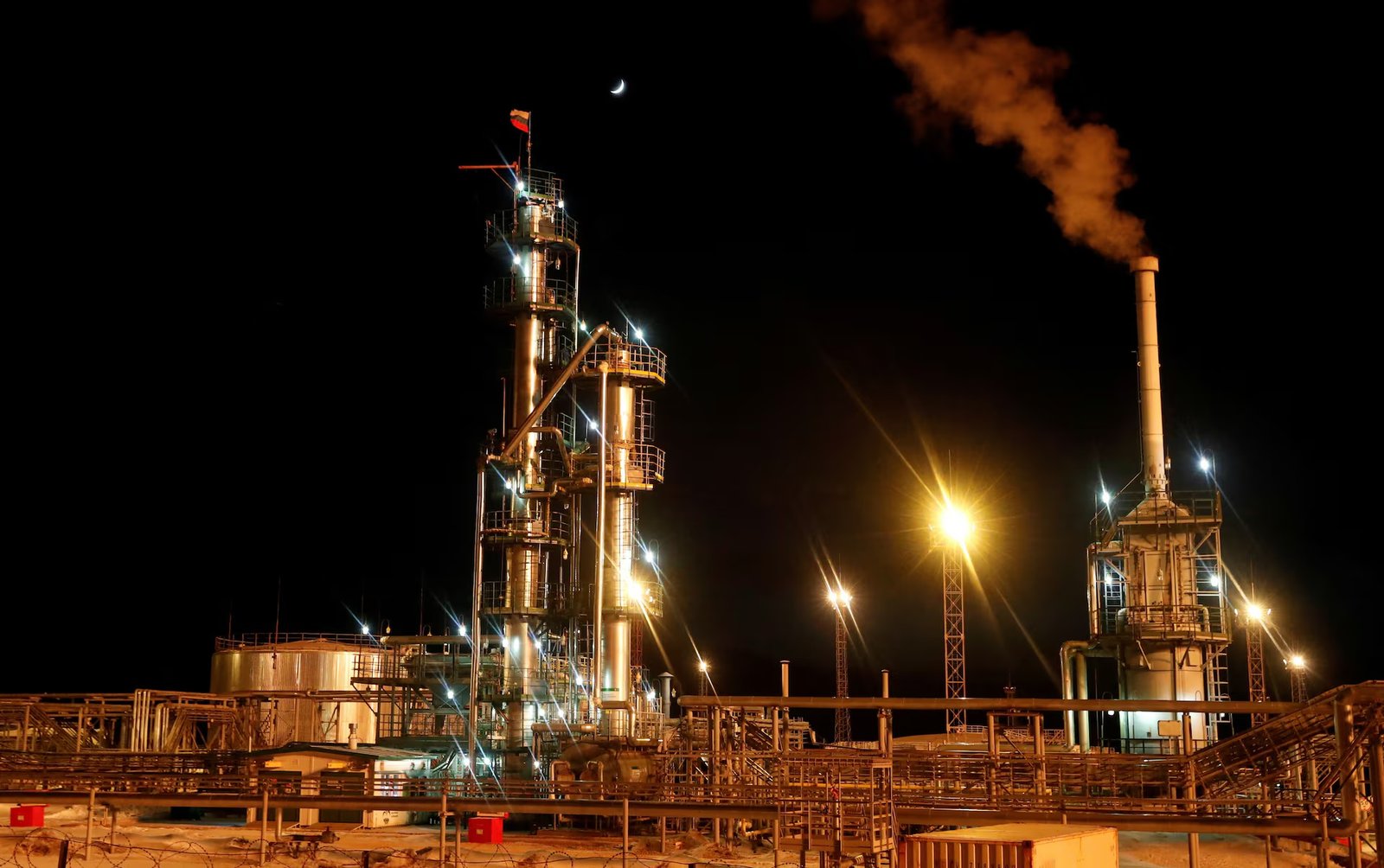
Russia’s major producers of petroleum-derived benzene, toluene, and xylene include Rosneft’s Ryazan refinery, the Moscow refinery, Slavneft-YANOS in Yaroslavl, Sibur’s ZapSibNeftekhim in Tobolsk, and Uralorgsintez in the Perm region.
These facilities have faced repeated strikes this year, putting pressure on domestic supplies.
Russia has also restricted fuel exports. The gasoline export ban, introduced in the spring, has been extended through January 31, 2027. Limits on diesel exports have also been maintained.
The latest chemical export restriction is scheduled to remain in force for three months, into early February 2027, unless modified. The government says the measure will help maintain supplies of essential raw materials for Russian industry.
——— End of Article ———