
World
Cambodia officially opened its newly renovated Ream Naval Base on Saturday, a project supported by China that has drawn international attention, especially from the United States. At a ceremony attended by military representatives from multiple countries, Cambodian Prime Minister Hun Manet declared the base open for international cooperation, stating firmly, “We have nothing to hide.” Located on Cambodia’s southern coast, Ream Naval Base sits along the Gulf of Thailand, not far from the highly contested South China Sea. The base’s renovation, primarily backed by China, has triggered strategic concerns in the West, particularly in Washington, which fears it could serve as a new foothold for China’s military expansion in the region. Despite repeated U.S. concerns that the facility may become a hub for the Chinese navy, Cambodian leaders have consistently denied that the base will be reserved for any one country. Hun Manet used the inauguration ceremony to reinforce this message, emphasizing that Ream will be open to all partners for joint exercises and operations. “From today, Cambodia will welcome all friends to hold joint exercises in the Ream base,” Hun Manet said. Chinese and Cambodian flags flew side-by-side at the event, which featured a formal military welcome for a delegation from China’s People’s Liberation Army. Cao Qingfeng, a senior Chinese military official present at the ceremony, called the base a symbol of the “iron-clad friendship” between China and Cambodia. He noted that it would play a role in regional security cooperation, including hosting the upcoming annual Golden Dragon military drills in May. The upgraded naval facility includes a 363-meter-long pier and improved port infrastructure capable of hosting larger military vessels. Chinese warships have already docked at the base as of late 2023, and Cambodia is expected to receive two warships from China in the near future to bolster its maritime capabilities. A Strategic Shift in Southeast Asia The Ream Naval Base, once partially funded by the United States, is now emblematic of Cambodia's deepening alignment with China. Over the last decade, China has poured billions into Cambodian infrastructure and development projects, solidifying its role as Phnom Penh’s most important economic and political partner. The close relationship between the two nations dates back to the era of Hun Sen, Cambodia’s former prime minister and father of current leader Hun Manet. Under Hun Sen, Chinese influence expanded significantly, especially as Phnom Penh’s relationship with the U.S. soured due to concerns over governance, human rights, and democracy. Western suspicion over the base isn’t new. In 2019, reports emerged about a potential secret deal that might allow China to maintain a long-term military presence at Ream. The Cambodian government rejected the claims, and no such agreement has ever been confirmed publicly. However, the steady flow of Chinese military support, coupled with increased Chinese naval activity in the region, has not gone unnoticed by regional powers. The U.S. and Japan have recently stepped up engagement. In December, an American warship docked at nearby Sihanoukville, marking the first such visit in eight years. This was followed by a high-level visit from a senior U.S. Army commander in February. Cambodia also announced that a Japanese warship would become the first foreign vessel to dock at the Ream base following its reopening. The Bigger Picture Cambodia's decision to open the base to joint exercises appears to be a calculated attempt to balance rising international concerns while maintaining its deep ties with Beijing. By publicly inviting vessels from all nations, Cambodia is signaling that the base’s purpose is not exclusive, but collaborative. Prime Minister Hun Manet also confirmed that Chinese President Xi Jinping is scheduled to visit Cambodia this month, which is expected to further cement bilateral relations and possibly lead to new defense or economic agreements. While Cambodia insists that its sovereignty is intact and that it has no intention of letting a foreign military dominate its territory, the optics and timing of the Ream Naval Base inauguration underscore a significant realignment in Southeast Asian geopolitics. As China expands its influence and the U.S. seeks to re-engage with nations in the region, Cambodia finds itself navigating the complex waters between strategic autonomy and great power rivalry. For now, Cambodia presents Ream as a neutral, open-access facility—one that symbolizes both a modern military step forward and the evolving nature of alliances in the Indo-Pacific.
Read More → Posted on 2025-04-05 14:42:46
Space & Technology
In a significant stride towards sustainable space missions, the Indian Space Research Organisation (ISRO) announced the successful re-entry of the PSLV Orbital Experimental Module (POEM-4) into Earth’s atmosphere on April 4, 2025, at 02:33 UTC (08:03 IST). The module safely disintegrated over the Indian Ocean, marking a critical achievement in India’s ongoing efforts to tackle the growing issue of space debris. What is POEM-4? POEM-4 was the repurposed fourth stage of the PSLV-C60 rocket, which was launched on December 30, 2024. Unlike traditional upper stages that are often left in orbit as space junk, ISRO converted POEM-4 into a fully operational orbital platform for conducting in-space experiments. During its mission, it carried 24 payloads—14 developed by ISRO and 10 from other Indian and international institutions—making it a compact yet versatile lab in orbit. Among the major payloads were SPADEX (Space Docking Experiment) twin satellites, designed to demonstrate autonomous docking capabilities, a key future requirement for space stations and satellite servicing. Technical Specifications of POEM-4 Platform: PSLV-C60 fourth stage (PS4) converted to POEM Launch Date: December 30, 2024 Initial Orbit: 475 km circular orbit Payloads: 24 total (14 ISRO, 10 others) Re-entry Date & Time: April 4, 2025 | 02:33 UTC / 08:03 IST Re-entry Orbit before Impact: 174 km x 165 km Impact Zone: Indian Ocean De-Orbiting Method: Controlled engine restart to 350 km followed by natural orbital decay Commitment to Clean Space The successful de-orbiting and controlled re-entry of POEM-4 is part of ISRO’s broader Debris Free Space Mission (DFSM). This initiative reflects India’s alignment with international best practices for space sustainability, including passivation—a critical step where leftover fuel is vented to prevent accidental explosions or breakups in orbit. POEM-4's descent was precisely tracked and monitored by ISRO's System for Safe and Sustainable Space Operations Management (IS4OM) along with support from the United States Space Command, ensuring that the module’s path and impact location posed no threat to human life or active satellites. A Step Towards the Future ISRO’s POEM initiative not only serves as an eco-friendly approach to space operations but also provides a low-cost platform for research and development in microgravity conditions. By giving a second life to rocket stages, ISRO is opening new avenues for scientific innovation without adding to space congestion. The success of POEM-4 sets the stage for future POEM missions and underlines India's growing expertise in responsible space management. As ISRO prepares for more ambitious missions—ranging from Gaganyaan to planetary explorations—initiatives like POEM show that India’s space program is not just advancing technology, but also leading the way in ethical and sustainable space exploration.
Read More → Posted on 2025-04-05 14:39:38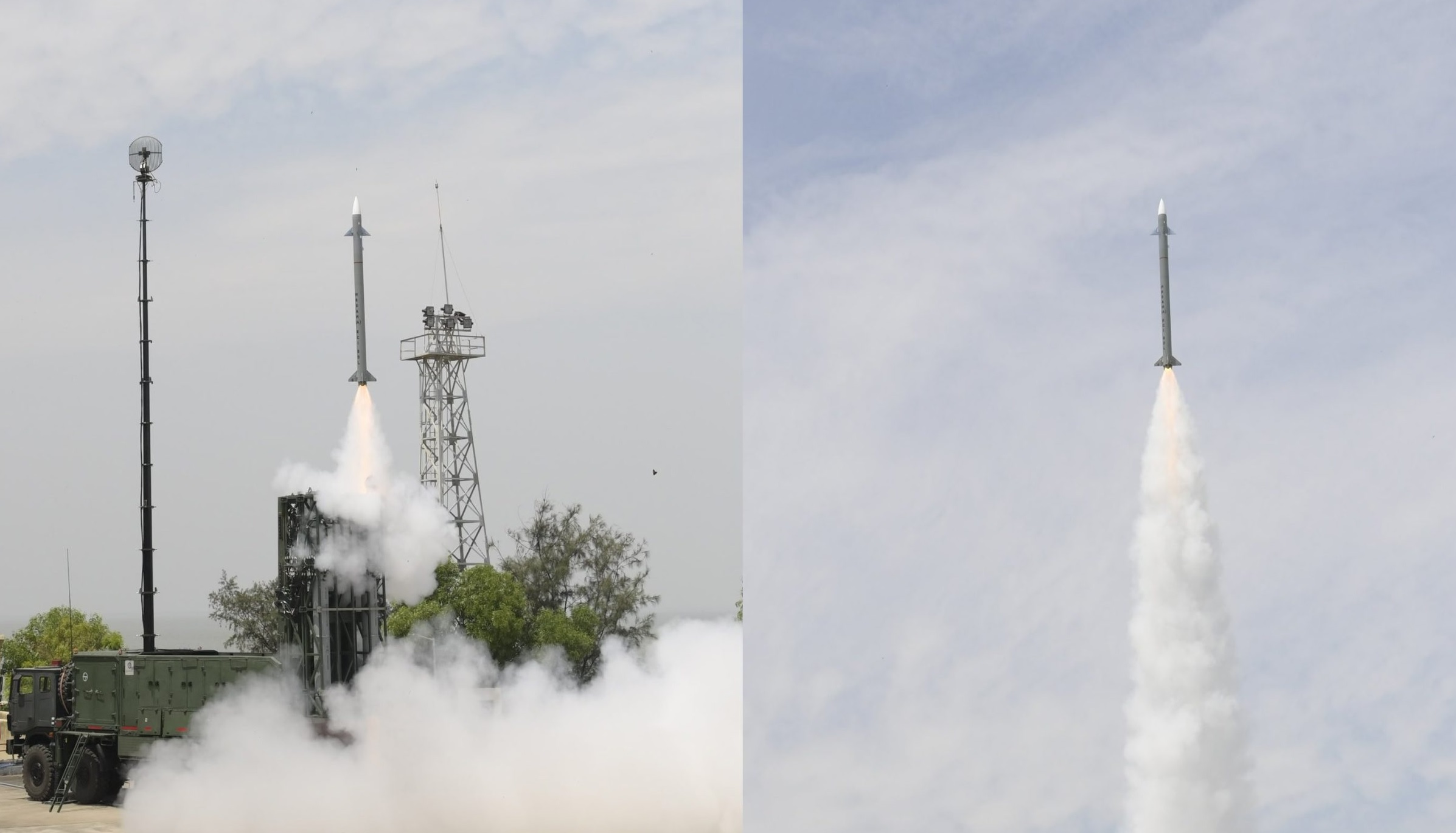
India
In a significant stride towards strengthening India’s air defence capabilities, the Defence Research and Development Organisation (DRDO) and the Indian Army conducted four highly successful flight-tests of the Army version of the Medium-Range Surface-to-Air Missile (MRSAM) system. The tests were held on April 3 and 4, 2025, at Dr APJ Abdul Kalam Island off the coast of Odisha. The trials were conducted under realistic operational scenarios, targeting high-speed aerial threats at different altitudes and ranges. All four missiles successfully intercepted and destroyed their targets with precision, registering direct hits — a strong validation of the MRSAM’s accuracy and readiness. These tests weren’t just ordinary evaluations. They were conducted with the complete weapon system in fully operational configuration, mimicking actual battlefield conditions. Targets were engaged at long-range, short-range, high altitude, and low altitude, covering the full spectrum of possible aerial threats. Performance data was collected through a network of radars and electro-optical tracking systems stationed at the Integrated Test Range in Chandipur. The Indian Army, under the guidance of DRDO, executed these tests through its Eastern and Southern Commands. This also marked a significant achievement for the Army’s operational preparedness, as these successful trials cleared the path for deploying the MRSAM weapon system in two regiments. The MRSAM system is a joint development by DRDO and Israel Aerospace Industries (IAI), tailored specifically for the Indian Army. It consists of a mobile launcher, multi-function radar, command and control systems, and a network of support vehicles — enabling it to detect, track, and neutralize multiple aerial targets in a matter of seconds. These flight-tests reaffirm the effectiveness of India’s indigenous defence technology. Raksha Mantri Rajnath Singh congratulated DRDO, the Indian Army, and Indian industry partners for the successful demonstrations. He emphasized that the four back-to-back successes demonstrate the robustness of India’s defence ecosystem and its growing self-reliance. DRDO Chairman and Secretary of the Department of Defence R&D, Dr. Samir V. Kamat, also praised the teams involved, calling the trials a major milestone in building India’s integrated air defence network. He underlined that these tests reflect the growing synergy between science, technology, and defence operations. A Quick Look at What Makes MRSAM Special: Range: Capable of intercepting aerial targets at a range of up to 70 km. Multi-target Handling: Can track and engage multiple threats simultaneously. All-weather Capability: Operates efficiently under all environmental conditions. Quick Reaction Time: Rapid response against incoming threats. Mobile and Flexible: Easily deployable in different terrains and locations. The successful testing of the MRSAM Army variant is more than just a technical achievement. It is a signal of India's maturing defence capabilities, the confidence of its armed forces in indigenous systems, and a step closer to becoming self-reliant in critical defence technologies. With these successful trials, the MRSAM system is now closer to being fully operationalised and integrated into India's defence forces.
Read More → Posted on 2025-04-05 14:36:01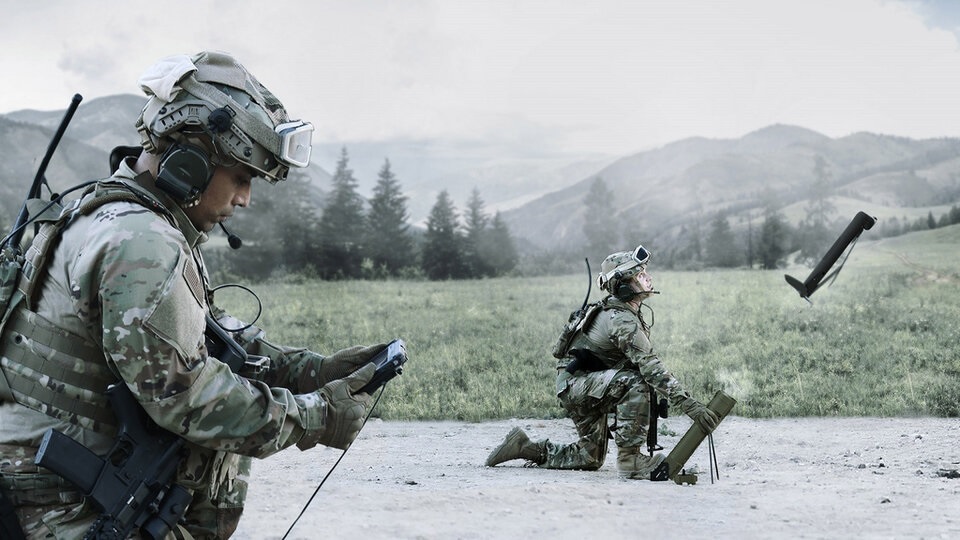
World
Germany is set to arm its military with loitering munitions for the first time, marking a major shift in its defense strategy amid growing geopolitical tensions. According to reports, the German Defense Ministry is close to finalizing contracts with two companies to acquire an initial batch of these explosive drones, which will be tested across the army, navy, and air force in the coming months. While Germany has previously hesitated to adopt such weaponry due to ethical concerns and its traditionally restrained defense posture, recent developments—particularly lessons learned from the ongoing Russia-Ukraine war—have driven a reassessment of its capabilities. Loitering munitions, often referred to as "suicide drones," can hover over a battlefield before precisely striking enemy targets. Their effectiveness has been widely demonstrated in Ukraine, where both sides have used them to disable armored vehicles, air defense systems, and high-value command centers. German military officials have acknowledged the growing importance of drones in modern warfare. One defense source stated, “The use of drones and the defense against them is crucial for the survival of our troops. That’s a lesson we’ve learned from Ukraine.” Given this, Berlin is also emphasizing drone training for its soldiers, ensuring that all personnel are equipped with the necessary skills to operate or counter these systems. While the initial contract is expected to focus on a limited number of drones for training purposes, Germany is reportedly preparing for larger acquisitions in the near future. A long-term procurement plan for a substantial stockpile of loitering munitions is expected to be signed by the end of the year, signaling a deeper commitment to enhancing its drone warfare capabilities. This move aligns with Germany's broader military modernization efforts, which have accelerated since Russia’s invasion of Ukraine. With NATO allies increasingly relying on drones for intelligence gathering and combat operations, Germany’s entry into the loitering munitions domain reflects a significant strategic pivot. As Berlin continues to recalibrate its defense policies, the integration of these advanced weapon systems could reshape its military doctrine for years to come.
Read More → Posted on 2025-04-04 15:38:47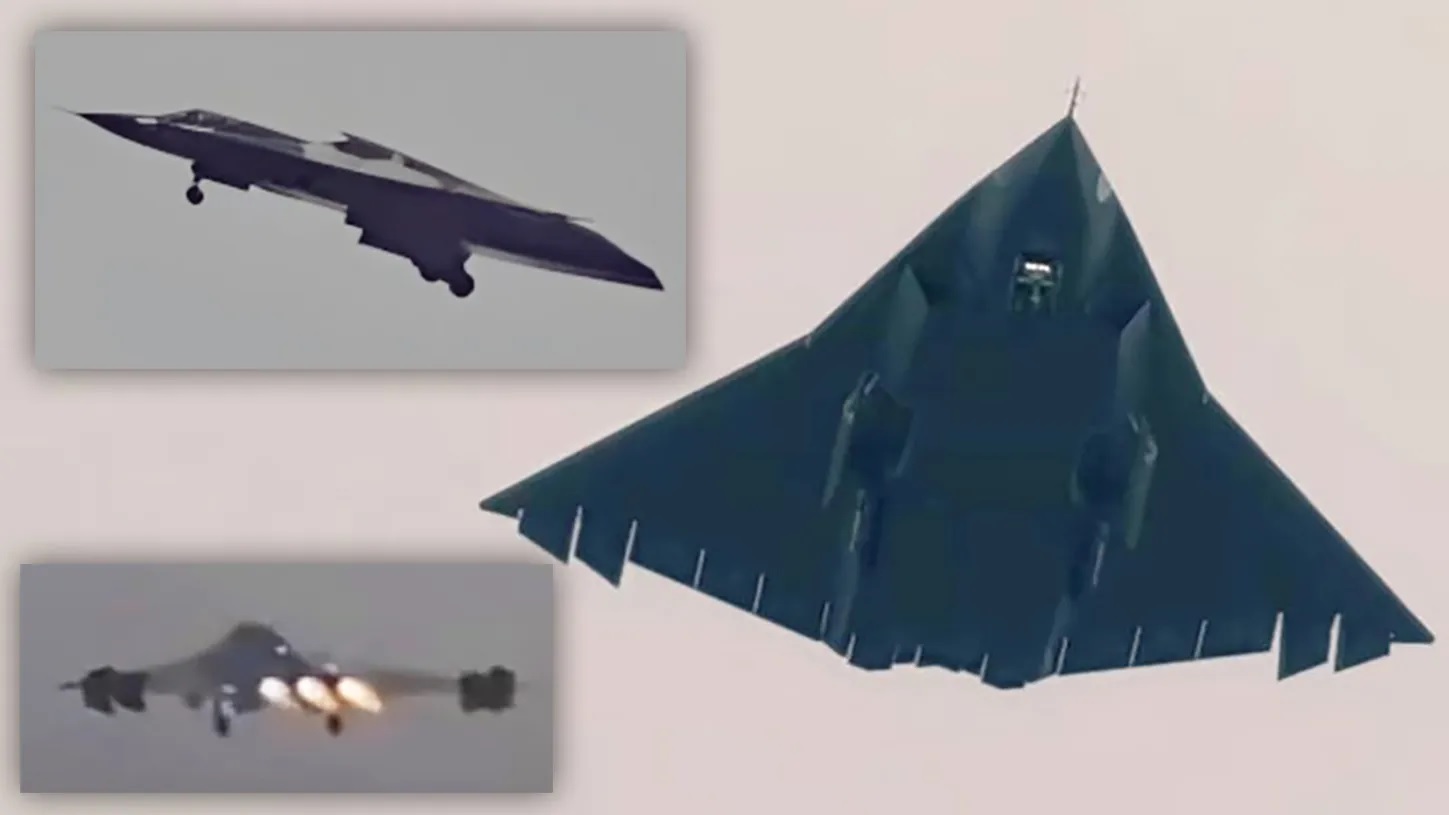
World
A new chapter in China’s stealth aircraft development seems to be unfolding as photos of a mysterious new fighter jet, unofficially called the J-50, have surfaced online. The aircraft was first spotted flying over Shenyang, Liaoning Province, in December 2024, and clearer images released in early 2025 reveal a cutting-edge design unlike any seen before in China’s military aviation history. A New Design for a New Era What sets the J-50 apart from earlier Chinese fighters is its completely original layout. Unlike the J-20, which drew inspiration from American designs, this new prototype appears to be a fully indigenous creation developed by the Shenyang Aircraft Corporation. Observers suggest this signals a major leap in China’s defense aerospace capabilities—from copying foreign designs to building homegrown solutions tailored for China’s own operational requirements. Unique Features and Flight Characteristics The J-50 features a highly futuristic shape: Sharply swept lambda-shaped wings with downward-angled tips, possibly to reduce radar signature. Twin under-fuselage air inlets that use Diverterless Supersonic Intake (DSI) technology for improved stealth and simpler design. Movable wingtips, believed to act as additional control surfaces, allowing better stability and maneuverability at high speeds or altitudes. Twin-engine configuration, suitable for long-range, high-endurance missions. The prototype clearly focuses on stealth and survivability, not traditional close-range dogfighting. Its sleek shape and structural elements suggest it’s meant for long-range patrols, deep strike missions, and operations in contested environments—perhaps to challenge U.S. and allied forces in the Indo-Pacific region. Fifth or Sixth Generation? Although Chinese sources hint at it being a sixth-generation aircraft, international analysts believe it fits more closely within the fifth-generation category, similar to the U.S. F-22 Raptor or F-35 Lightning II. It may lack some speculative sixth-gen technologies like artificial intelligence-assisted decision-making, directed energy weapons, or swarming drone control, but it's clearly an evolution beyond the current J-20. What This Means for China's Air Power Whether it’s eventually called the J-50 or something else, this new stealth jet symbolizes a strategic shift. China is no longer content with catching up—it wants to lead. This new design shows an increasing focus on: Air dominance in denied environments Independent innovation Next-generation combat platforms suited for the future battlefield As flight testing continues, the world will be watching closely to see how this aircraft evolves—and how soon it might enter full-scale production. One thing is certain: China is taking bold steps to redefine its role in the skies.
Read More → Posted on 2025-04-04 15:29:51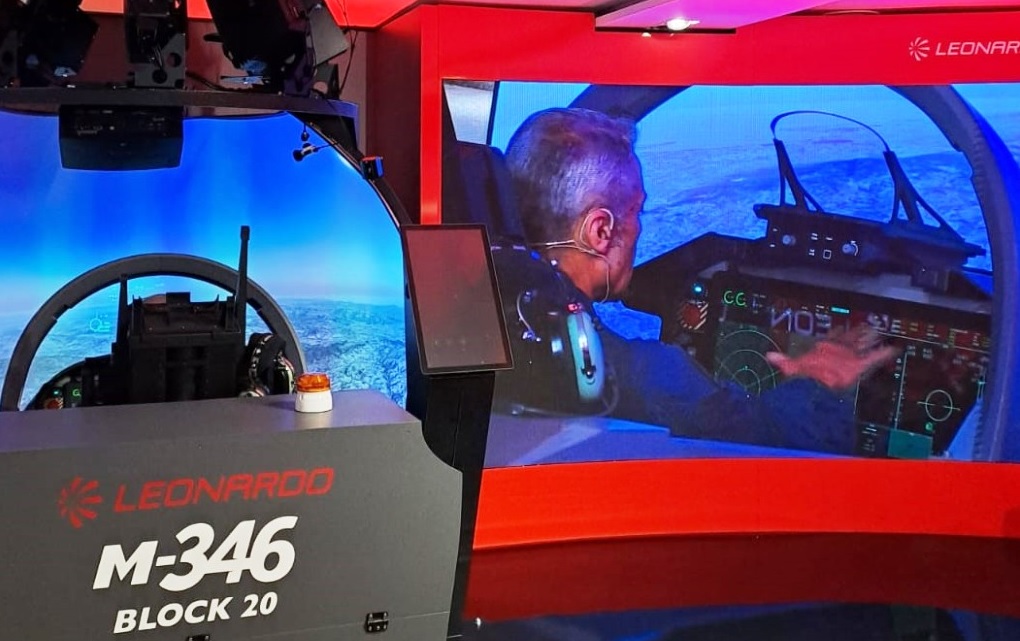
World
Aerospace and defence giant Leonardo has officially revealed its next-generation cockpit for the M-346 Block 20 aircraft. The unveiling, which took place at the Military Flight Training 2025 event in Italy, showcases a significant leap in cockpit technology designed to enhance both pilot training and light combat capabilities. A High-Tech Leap in Cockpit Design The centerpiece of the Block 20 upgrade is a high-resolution 20×8 inch full-touch display, replacing the previous six-screen configuration. This large area display, which is compatible with night vision goggles, will be installed in both cockpit seats, significantly improving the pilot’s situational awareness and reducing workload. Additionally, the integration of an augmented reality helmet-mounted display and a low-profile head-up display ensures that critical flight and mission data is seamlessly accessible to pilots. Bridging the Gap Between Training and Combat The upgraded cockpit closely mirrors the advanced human-machine interface found in modern combat aircraft, enabling a smoother transition for trainee pilots moving to frontline fighters. This alignment is critical as air forces increasingly demand training solutions that replicate real-world combat environments. The Block 20 upgrade also includes a digital video recorder, enhancing debriefing and mission analysis capabilities. Advanced Combat Features and System Upgrades Beyond cockpit enhancements, the M-346 Block 20 introduces significant avionics and mission system improvements. The aircraft will feature a modern flight and weapon management system, improved navigation, and an upgraded Identification Friend or Foe (IFF) transponder. For users looking to expand into combat roles, the M-346F variant will include an AESA radar with fire control capabilities, enhanced sensor integration, and expanded weapons compatibility. Future Deployment Timeline Leonardo plans to install the new cockpit into a prototype aircraft by mid-2027, with production-ready models expected to roll out by the end of 2028. The programme’s formal launch at the Farnborough Air Show in 2024 underscores its strategic importance to Leonardo’s broader vision of advanced pilot training and affordable multirole combat solutions. Digitalization and AI-Powered Training Solutions The Block 20 upgrade is not just about hardware enhancements—it also introduces next-generation digital training solutions. Leonardo is set to integrate artificial intelligence and virtual reality into the Ground-Based Training System, allowing for immersive classroom training, advanced virtual maintenance simulations, and real-time fleet connectivity through data analytics. Strengthening Leonardo’s Position in Military Aviation With over 130,000 flight hours logged across 19 international operators, the M-346 platform has proven its reliability and adaptability. Its role at the International Flight Training School, in partnership with the Italian Air Force, further highlights its success in shaping the next generation of fighter pilots. The Block 20 enhancements solidify Leonardo’s leadership in aerospace innovation, ensuring that the M-346 remains a cutting-edge solution for both training and light combat missions. As defence forces continue to seek cost-effective, high-performance solutions for pilot training and combat readiness, Leonardo’s M-346 Block 20 upgrade emerges as a crucial advancement in the future of military aviation.
Read More → Posted on 2025-04-04 15:24:01
World
Since the onset of its full-scale invasion of Ukraine in February 2022, Russia has experienced significant military equipment losses, particularly in its armored divisions. Recent reports indicate that Moscow has lost over 4,000 main battle tanks during the conflict. Extent of Tank Losses The magnitude of these losses is substantial. For context, the United States Army operates approximately 4,000 tanks, highlighting the scale of Russia's depletion. These figures suggest that Russia's tank losses are comparable to the entire tank inventory of major military powers. Factors Contributing to High Tank Losses Several factors have contributed to these significant losses: Tactical Missteps: In the initial stages of the invasion, Russian forces reportedly advanced in long, vulnerable columns without adequate infantry support, making them susceptible to Ukrainian ambushes. Ukrainian Defense Strategies: Ukrainian forces effectively utilized anti-tank weaponry, including Western-supplied systems, to target and destroy Russian tanks. The defenders' familiarity with the terrain further enhanced their defensive operations. Logistical Challenges: Russia faced difficulties in recovering and repairing damaged tanks from the battlefield, leading to many being abandoned and subsequently destroyed or captured. Impact on Russian Military Operations The loss of such a significant number of tanks has several implications for Russian military operations: Operational Capability: The depletion of armored units hampers Russia's ability to conduct large-scale offensive operations and limits maneuverability on the battlefield. Dependence on Older Equipment: To compensate for losses, Russia has reportedly resorted to deploying older tank models from storage, which may be less effective and more vulnerable to modern anti-tank weapons. Morale and Perception: High equipment losses can affect troop morale and may alter both domestic and international perceptions of Russia's military effectiveness. Replenishment Efforts Despite these losses, reports indicate that Russia is actively working to replenish its tank inventory. The country is producing approximately 1,500 tanks annually, aiming to restore its armored capabilities. Russia's loss of over 4,000 tanks in Ukraine underscores the intensity and challenges of the ongoing conflict. While these losses have impacted Russian military operations, efforts to rebuild and modernize its armored forces continue. The situation remains dynamic, with both strategic and tactical developments influencing the course of the conflict.
Read More → Posted on 2025-04-04 15:16:47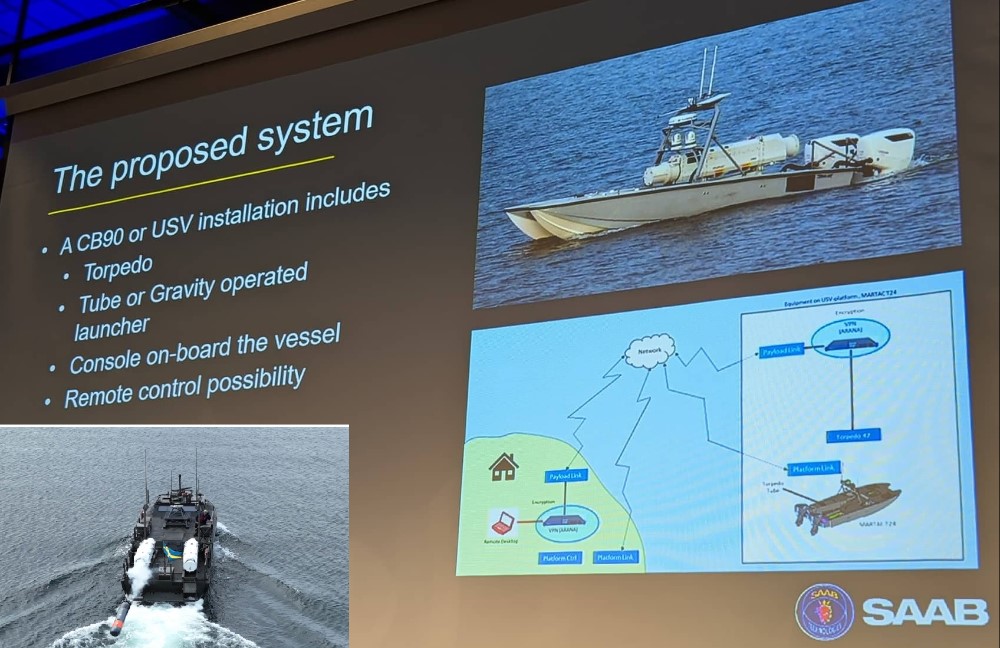
World
In a major step toward enhancing the versatility of small naval platforms, Swedish defense company Saab, in partnership with the Swedish Defence Materiel Agency (FMV) and the Swedish Armed Forces, has successfully conducted test firings of its Lightweight Torpedo (Torpedo 47 or SLWT) from both a CB 90 fast assault craft and an Unmanned Surface Vehicle (USV). These trials mark a significant achievement in adapting advanced anti-submarine warfare (ASW) weapons to smaller and more agile platforms. The main aim of the trials was to explore the feasibility of integrating the Torpedo 47 into smaller vessels than those it was originally designed for. Saab confirmed the torpedo was mounted temporarily, indicating this is still an experimental capability—but one with promising operational potential. CB 90: From Assault Craft to ASW Platform The CB 90, widely used by the Swedish Navy for rapid troop transport and coastal patrol, has traditionally employed depth charges for underwater threats like divers or midget submarines. These earlier ASW tactics relied heavily on external sensors to locate targets. However, in the recent trials, the CB 90 was fitted with two single-tube launchers on its stern to fire the SLWT. The test firings showed that the CB 90 and SLWT work “very well” together, hinting at future integration of this ASW capability. While not yet part of a formal operational program, these successful tests could lead to the CB 90 being used as a torpedo-launching vessel in the future. Torpedo 47 (SLWT) – Key Specifications Type: Lightweight Anti-Submarine Torpedo Length: Approximately 2.85 meters Weight: Around 340 kg Warhead: High explosive, approximately 50 kg Guidance System: Wire-guided with active/passive sonar homing Range: Estimated 20+ kilometers Speed: 40+ knots Target: Submarines and underwater threats in coastal and littoral waters Designed for flexibility, the SLWT can be deployed from submarines, helicopters, surface ships, and now—demonstrably—from small boats and unmanned vessels. USV Launch with MARTAC’s T24 Devil Ray In addition to the CB 90 trials, Saab also conducted test firings of the SLWT from a T24 Devil Ray USV, developed by American firm MARTAC. This unmanned vessel was equipped with a single torpedo launcher, making it a lightweight and unmanned solution for future ASW missions. The inclusion of the USV in these tests reflects a broader trend in modern naval warfare: integrating autonomous and remote-controlled systems to reduce risk to human crews while maintaining or even enhancing combat effectiveness. Swedish Marines and the Amfbat 2030 Programme The tests align with Sweden’s ongoing Amfbat 2030 modernisation programme, which aims to improve the Swedish Marines’ ability to engage threats directly from small boats, rather than relying solely on land-based operations. Adding torpedoes to the CB 90’s mission set could significantly boost the marines’ ability to operate in the shallow, island-filled waters of the Swedish archipelago. What’s Next? Though not yet confirmed for deployment, the successful tests have opened the door to expanding the Swedish Navy’s ASW capabilities through smaller and more flexible platforms. The Armed Forces and FMV are now analyzing the results to determine how best to move forward. As Saab owns both the CB 90 design (after acquiring the Dockstavarvet shipyard in 2017) and the Torpedo 47, the company is uniquely positioned to develop a fully integrated, export-friendly ASW package for navies looking for compact and networked anti-submarine solutions. Whether onboard crewed boats like the CB 90 or future fleets of autonomous USVs, Saab’s lightweight torpedo system is showing that big firepower can now come from small platforms—a major evolution in coastal and littoral naval defense.
Read More → Posted on 2025-04-04 15:08:31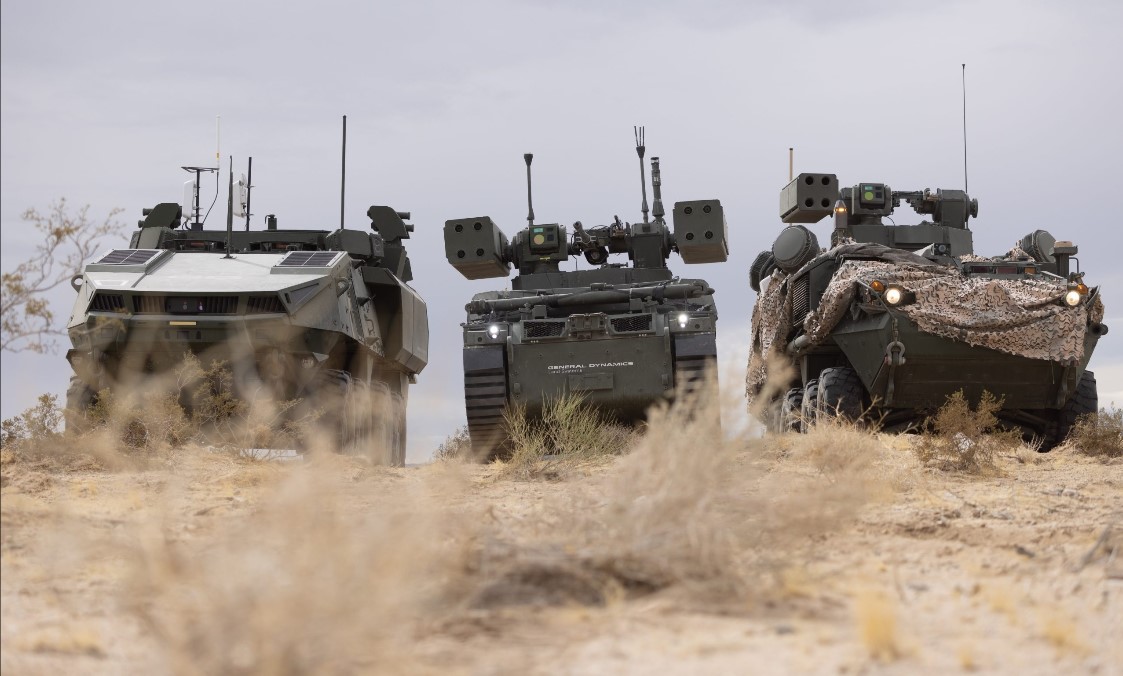
World
In March 2025, the U.S. Army conducted Project Convergence Capstone 5 (PC-C5) at the National Training Center in Fort Irwin, California. This large-scale modernization experiment brought together over 6,000 soldiers, defense partners, and multinational forces, including participants from Britain, France, New Zealand, Australia, and Canada. The primary objective was to test and refine new military concepts and technologies aimed at enhancing integrated operations at the corps level and below. Key Focus Areas and Objectives PC-C5 built upon lessons from previous Project Convergence events, emphasizing: Data-Driven Decision Making: Evaluating advanced data analytics and artificial intelligence to provide real-time situational awareness for rapid, informed decisions. Expanded Maneuver: Experimenting with new concepts and technologies to enhance maneuverability and engagement across land, air, sea, space, and cyberspace. Seamless Joint and Multinational Interoperability: Refining the ability of allied forces to operate together seamlessly across all domains. Brigadier General Zachary Miller, PC-C5 Deputy Experiment Director, highlighted the comprehensive nature of the exercise: "What Project Convergence does is bring every single war-fighting system we have together in one place." Four Central Warfighting Concepts Tested The experiment focused on four primary warfighting concepts: Expanded Maneuver: Exploring how the Joint force considers time and space across all domains. Cross-Domain Fires: Developing methods to create effects across all warfare domains. Formation-Based Layered Protection: Enhancing unit protection in domains such as the electromagnetic spectrum and countering unmanned aerial systems. Command and Control (C2) and Counter-C2 Operations: Improving command capabilities while disrupting adversaries' command structures. Integration of Legacy Systems and Emerging Technologies Participants employed both legacy equipment and new technologies, including drones, robotics, and concealment tools, in realistic combat scenarios. Lieutenant Colonel Tad Coleman of the 1st Armored Division emphasized the importance of rapid data utilization: "What we’re trying to do is take these emerging technologies where we can get this data better and faster to execute." Three Main Vignettes Demonstrated The exercise featured three main vignettes: Joint Forcible Entry Operation: The 82nd Airborne Division, alongside British and Australian forces, aimed to suppress enemy defenses and establish airspace dominance. Combined Arms Breach: The 1st Armored Division and multinational partners utilized command and control systems, fires, and human-machine integration formations with robotic and autonomous technologies to enhance survivability and lethality. Defensive Operations: The 1st Armored Division defended seized objectives, retaining key terrain for the Joint Force and generating combat power to neutralize enemy capabilities. Leadership Observations and Future Implications Senior leaders, including the newly appointed Secretary of the Army, Dr. Daniel Driscoll, and Army Chief of Staff, General Randy George, observed the exercises. Driscoll emphasized the need for readiness in evolving environments: "The world is changing rapidly, and we must ensure the Army is prepared to operate in new, complex, and contested environments." General George highlighted the value of real-time experimentation, noting the flexibility of the "Transforming in Contact" approach. Expansion to the Indo-Pacific Theater Following the conclusion of Scenario A at the National Training Center, some participants transitioned to Scenario B in the U.S. Indo-Pacific Command. This phase aimed to experiment with all service components at the combatant command level, integrating learning into new theaters and emphasizing the Army's commitment to continuous transformation and modernization. Project Convergence serves as a critical component of the Army’s campaign of learning, striving to integrate its role within the Joint and Multinational Force. By converging effects across all operational domains, the Army seeks to maintain a decisive advantage over future adversaries.
Read More → Posted on 2025-04-04 14:56:14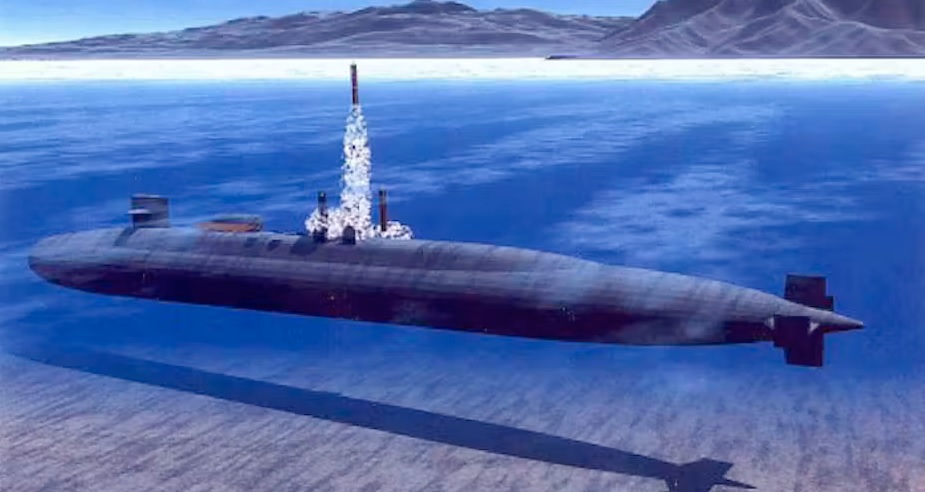
India
India’s Defence Research and Development Organisation (DRDO) is steadily advancing a groundbreaking project—a new submarine-launched Long Range Land Attack Cruise Missile (LACM) with a formidable range of 1500 kilometers. This next-generation weapon aims to empower the Indian Navy with a highly capable and universally compatible underwater strike option, enhancing India's maritime dominance in the Indo-Pacific. This long-range LACM draws its roots from the Indigenous Technology Cruise Missile (ITCM) programme and is being engineered to fire from standard 533 mm torpedo tubes. This makes it suitable for deployment from India’s existing Kilo-class (Sindhughosh) and Kalvari-class (Scorpène) submarines, as well as the upcoming Project-75I, Project-76, and nuclear-powered attack submarines (SSNs) planned post-2030. Unlike vertically launched cruise missiles which require specialized launch systems, this missile can be fired through torpedo tubes, offering wide operational flexibility without major vessel upgrades. This universal launch capability ensures strategic readiness across multiple platforms, including legacy and future submarines. Key Features and Capabilities: Range: 1500 kmThis allows submarines to engage distant targets while staying in safe, undisclosed locations deep underwater. Launch Mode: Torpedo Tube-LaunchedDesigned to be launched from 533 mm standard torpedo tubes—making it compatible with most Indian submarines. Platform Compatibility: Existing Kilo-class submarines Kalvari-class (Scorpène) submarines Future Project-75I submarines (likely German U-214NG) Indigenous Project-76 submarines Upcoming SSNs approved in 2024 Engine: Small Turbo Fan Engine (STFE)Developed by GTRE, this engine enables long-range subsonic cruise at speeds around Mach 0.7. Length and Diameter: Approximately 5.6 to 6 meters in length, 505–520 mm in diameter, ensuring a snug fit into torpedo tubes. Navigation and Guidance:Utilizes a mix of: Inertial Navigation System (INS) GPS (Global Positioning System) Radio Frequency (RF) seeker DSMAC (Digital Scene Matching Area Correlation)This hybrid navigation system ensures precise targeting, even in GPS-denied environments. Warhead: 300 kg conventional warheadOffers significant strike capability with potential for future payload variants depending on mission needs. Strategic Importance: This missile system is more than just an offensive tool—it’s a strategic game-changer. By giving the Indian Navy the ability to strike deep inland from hidden underwater positions, the LACM enhances both survivability and lethality. Submarine-launched cruise missiles are considered vital for second-strike capabilities and power projection. With increasing maritime activity and tension in the Indo-Pacific, especially around contested waters, such a system significantly boosts India's deterrence posture. The missile also complements the Navy's Vertical Launch variant of the Long Range Land Attack Cruise Missile (LRLACM), which is meant for surface warships. Together, they provide a multi-platform, multi-launch strategy for high-precision land attack missions. Project Timeline: DRDO aims to complete development and testing of this submarine-launched LACM by 2028, with underwater firing trials expected in the coming years. Once inducted, this missile will give India a significant edge in underwater warfare by seamlessly integrating across the Navy's evolving submarine fleet.
Read More → Posted on 2025-04-04 14:51:22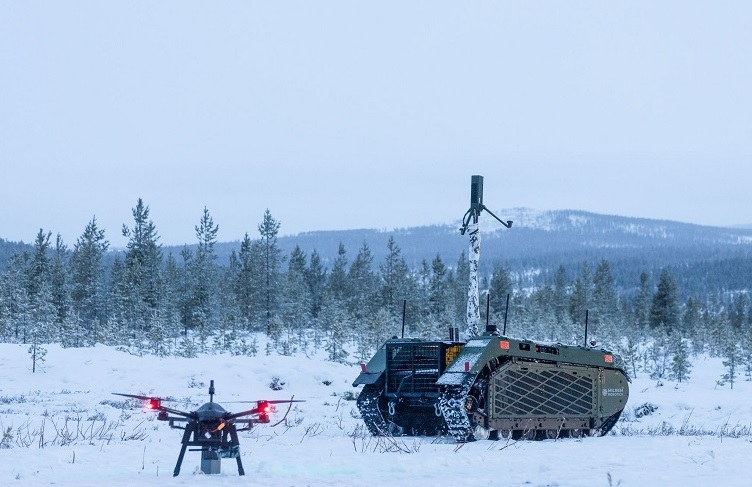
World
Estonian defence technology firm Milrem Robotics has successfully demonstrated its THeMIS Unmanned Ground Vehicle (UGV) at Arctic Strike 2025 (AS25), a major military exercise testing autonomous systems in extreme Arctic conditions. The exercise, conducted in collaboration with Sweden’s Defence Materiel Administration (FMV) and defence giant Saab AB, showcased the THeMIS platform's ability to operate in harsh environments while integrating advanced electronic warfare capabilities. Equipped with Saab’s Sirius Compact electronic warfare (EW) sensor and multiple AT4 anti-tank weapons, the THeMIS UGV played a crucial role in target acquisition and battlefield intelligence. By working in coordination with other Saab Sirius Compact sensors, it provided enhanced situational awareness and supported multi-domain operations. A key strength of the THeMIS platform is its modularity and scalability, allowing it to integrate various active and passive sensor systems. Designed to navigate challenging terrains with ease, the vehicle ensures extended operational endurance, making it an ideal choice for autonomous missions in extreme conditions. Milrem Robotics emphasized the importance of such exercises in refining autonomous military technology. The company stated that Arctic Strike 2025 serves as a critical testing ground for integrating robotic systems into modern warfare, pushing the boundaries of autonomous intelligence and resilience in harsh environments. With military forces worldwide increasingly relying on unmanned systems, the success of THeMIS in Arctic conditions highlights its growing relevance in future defence operations.
Read More → Posted on 2025-04-04 14:45:11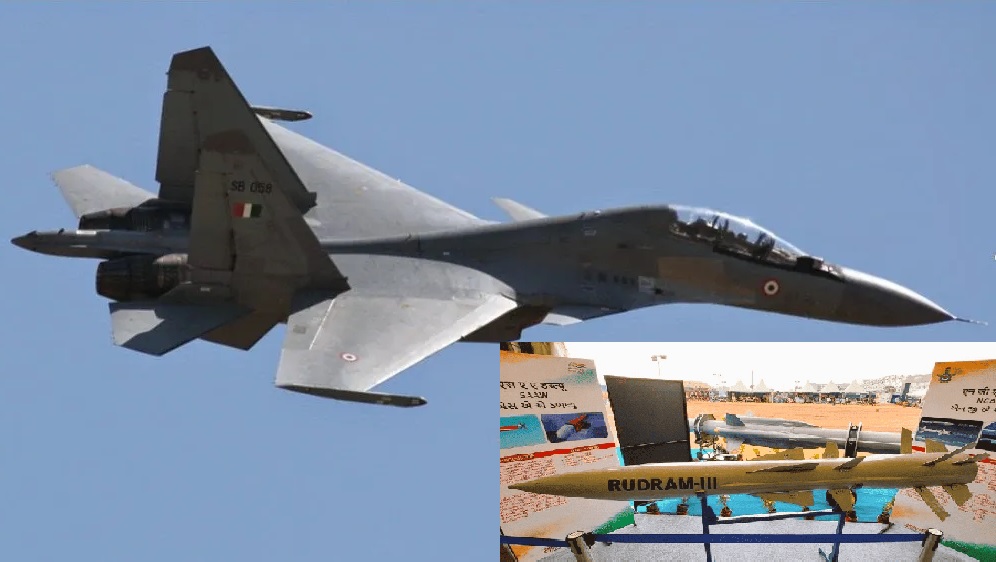
India
India's Defence Research and Development Organisation (DRDO) is working on a game-changing enhancement for the Indian Air Force’s (IAF) Su-30MKI fighter jets. A recently showcased concept envisions the aircraft configured in a 'Heavy Strike Mode', armed with four RudraM-III air-launched hypersonic missiles. This loadout significantly amplifies the Su-30MKI’s ability to conduct deep penetration strikes and Suppression of Enemy Air Defences (SEAD) missions. RudraM-III: A Hypersonic Game-Changer The RudraM-III, developed by DRDO's Defence Research and Development Laboratory (DRDL), is an air-to-surface missile designed to take down heavily fortified enemy installations. These include radar sites, command bunkers, aircraft shelters, and other critical infrastructure deep inside hostile territory. Belonging to the indigenous Rudram missile family, the RudraM-III builds upon the foundation laid by its predecessors. The RudraM-I, designed for anti-radiation missions, has a range of 200 km, while the upcoming RudraM-II is expected to extend that reach to 300 km. In contrast, the RudraM-III is projected to cover a striking 550-600 km range, carrying a 200 kg warhead for maximum impact. Advanced Capabilities for Precision and Penetration To ensure precision targeting, the RudraM-III is likely to be equipped with a combination of an Inertial Navigation System (INS), GPS updates, and possibly an Imaging Infrared (IIR) seeker for terminal guidance. The missile features 16 control fins, providing superior maneuverability, making it harder for enemy defences to intercept. Its propulsion system—a dual-pulsed solid rocket motor—enables hypersonic speeds exceeding Mach 5. It follows a semi-ballistic trajectory, which reduces its vulnerability to interception by conventional surface-to-air missiles. The RudraM-III will come in two key variants: Anti-Radiation Variant: Designed to home in on enemy radar emissions and disable air defence networks. Penetration-Cum-Blast (PCB) Variant: Equipped to penetrate hardened structures before detonating, maximizing damage to underground bunkers and strategic targets. Su-30MKI as a Deep Strike Powerhouse Equipping the Su-30MKI with four RudraM-III missiles transforms it into a formidable long-range strike platform. The aircraft itself boasts a combat radius exceeding 1,500 km, which can be extended further with aerial refueling. Coupled with the RudraM-III’s range of up to 600 km, this allows IAF pilots to launch attacks from well outside the engagement envelope of most modern enemy air defence systems. This loadout also opens the door for saturation strikes—launching multiple missiles simultaneously at different enemy assets—making it much harder for adversaries to defend against. By employing this approach, the IAF could neutralize critical enemy infrastructure while minimizing risks to its own assets. Strategic Implications A Su-30MKI configured for 'Heavy Strike Mode' with RudraM-III missiles signals India’s growing emphasis on deep penetration strike capabilities and electronic warfare superiority. With China and Pakistan continuously upgrading their air defence networks, the ability to conduct pre-emptive SEAD operations ensures that the IAF can maintain air superiority in any future conflict. Furthermore, the RudraM-III’s long-range and high-speed profile complement India’s evolving stand-off strike doctrine, allowing for decisive first-strike capability without exposing pilots to high-risk zones. If this concept is fully realized, the Su-30MKI will not just be an air superiority fighter—it will evolve into a next-generation deep strike asset, capable of crippling enemy infrastructure in the opening stages of any conflict.
Read More → Posted on 2025-04-04 14:40:56
World
Airbus has officially unveiled the prototype of the NH90 Caïman Standard 2, a state-of-the-art multirole helicopter designed for the French Army’s special operations forces. The reveal took place at an international special operations exhibit in Martignas-sur-Jalle, showcasing Paris’ commitment to modernizing its rapid deployment capabilities with advanced air assets. The NH90 Caïman Standard 2 is a significant upgrade over its predecessor, the Standard 1, which entered service in February. Designed specifically for covert missions, the new variant integrates an infrared camera with a laser pointer and designator, an advanced radio communications suite, and enhanced weapon systems tailored for high-risk operations. These features will enhance the French Army’s ability to conduct extraction missions, fire support, and rapid infiltration with minimal visibility on the battlefield. Strengthening French Special Operations Airbus has been contracted to manufacture 18 NH90 Caïman Standard 2 helicopters, which will be delivered to the 4th Special Forces Helicopter Regiment in Pau. Assembly is underway at Airbus’ facility in Marignane, with deliveries scheduled between 2026 and 2029. The new fleet will replace aging H215M Cougar and H225M Caracal helicopters, both of which have served the French military for decades. The transition to the NH90 Caïman Standard 2 will enhance the operational reach and effectiveness of French special forces, ensuring they remain agile in complex combat environments. NH90 Caïman: A Formidable Multirole Helicopter The NH90 Caïman is built for versatility, capable of supporting multiple mission profiles. It is armed with door-mounted machine guns, multi-domain guided missiles, rocket pods, and support cannons. Measuring 20 meters in length with a rotor diameter of 16 meters, the helicopter can carry up to 20 troops or be configured for medical evacuation with 10 stretchers. Powered by twin turboshaft engines generating 2,400 horsepower each, the Caïman boasts a top speed of 300 km/h and a range of 1,600 kilometers. It can operate at altitudes up to 3,500 meters, giving it the flexibility to function effectively in diverse combat zones. Its external slung load capacity of 4,200 kilograms allows it to transport heavy equipment, making it an indispensable asset for logistics and battlefield mobility. A Strategic Leap for French Aviation The unveiling of the NH90 Caïman Standard 2 marks a significant step in France’s long-term defense strategy. With an emphasis on low visibility, enhanced communication, and expanded firepower, the new helicopter aligns with the evolving demands of modern warfare. It ensures that the French special forces can operate with greater precision and survivability, particularly in high-stakes missions requiring stealth and rapid response. By upgrading its rotary-wing fleet, France is not only enhancing its immediate operational readiness but also positioning itself as a key player in next-generation military aviation. With the NH90 Caïman Standard 2, the French Army is set to reinforce its dominance in special operations for years to come.
Read More → Posted on 2025-04-04 14:36:37
World
Ukraine has identified a new type of Russian one-way attack drone following a series of strikes on the city of Sumy, a region near the front lines. The discovery was made through images of wreckage published by Serhiy Beskrestnov, a Ukrainian radio technology expert known as Serhiy Flash. He confirmed that the drone represents a previously undocumented design in Russia’s growing arsenal of unmanned aerial vehicles (UAVs). A New Addition to Russia’s Drone Arsenal “This is a new type of strike UAV made in the Russian Federation. It has already attacked Sumy several times,” Beskrestnov stated. “It is serially produced, technologically advanced, and well-built.” Photographs of the wreckage reveal a drone featuring a pusher-type propulsion system, where the propeller is mounted at the rear. The airframe is constructed using lightweight composite materials, likely reinforced with carbon fiber elements. This aligns with recent trends in Russia’s loitering munitions, which are designed for short-range, high-damage precision strikes. Key Specifications and Features Configuration: Pusher-type drone with a rear-mounted propeller. Material Composition: Composite plastics with carbon reinforcement for lightweight durability. Size: Compact for single-use kamikaze missions. Payload: Likely equipped with an onboard explosive warhead for targeted strikes. Markings: Visible production code “VZU 1.1538” suggests prototype or limited-run manufacturing. Purpose: Designed for one-way attack missions targeting enemy infrastructure, military positions, and urban centers. Russia’s Expanding Use of Domestic Drones The emergence of this new drone highlights Russia’s growing reliance on domestically developed UAVs. In recent months, Russian forces have ramped up their use of low-cost, expendable drones to supplement imported models such as the Iranian-made Shahed-136. These drones are deployed to overwhelm Ukrainian air defenses and execute precision strikes on key locations near the battlefield. Although Ukrainian officials have yet to make an official statement on this UAV’s discovery, open-source intelligence analysts suggest it is part of a broader trend in Russia’s defense industry. Moscow is increasingly fielding high-frequency strike drones, leveraging its internal manufacturing capabilities to sustain continued offensive operations. The identification of this new kamikaze drone serves as another reminder of the evolving nature of modern warfare, where low-cost, high-impact drones are playing an ever-growing role on the battlefield.
Read More → Posted on 2025-04-03 15:54:20
World
In a major boost to Nordic defence collaboration, Finnish technology firm KNL has signed a landmark agreement with the Finnish Defence Forces and the Swedish Defence Materiel Administration. This agreement, established under the Nordic Defence Cooperation (NORDEFCO), paves the way for the procurement of KNL’s Cognitive Networked High Frequency (CNHF) communication systems in both Finland and Sweden, strengthening their military communication capabilities. This deal is particularly significant as it marks the first-ever tactical communications and command & control (C2) systems agreement signed under the NORDEFCO framework. Running initially from 2025 to 2035, the contract includes provisions for automatic one-year extensions, ensuring long-term technological advancements in defence communications. The Role of KNL’s CNHF System in Nordic Defence KNL’s CNHF system is a cutting-edge, autonomous high-frequency communication solution designed to function beyond line-of-sight. It provides secure and resilient connectivity over vast distances, a crucial requirement for modern military operations. By employing spectrum sensing technology, the system continuously adapts to fluctuating radio conditions in real time, ensuring uninterrupted and optimized communication even in complex and contested environments. “The agreement with KNL enables the procurement of cognitive High Frequency (HF) radios,” stated the Finnish Defence Forces. “These advanced communication devices autonomously analyze radio frequency conditions and adjust their operations accordingly, making them highly reliable in dynamic operational scenarios.” A Major Step in Nordic Military Cooperation Toni Lindén, CEO of KNL, described the deal as a milestone in Nordic defence collaboration. “We are honoured that the Finnish Defence Forces and Swedish Defence Materiel Administration have chosen KNL as their trusted partner in building unique long-range connectivity capabilities,” he said. Lindén emphasized that this agreement showcases the strength of Nordic military cooperation and opens doors for further regional integration. “This is the first command & control systems framework agreement signed under NORDEFCO, and we believe it’s just the beginning. Our technology addresses a critical need in modern defence, and the growing interest from NATO countries validates the unique value we bring to the field.” Future Expansion and Strategic Impact One of the most promising aspects of this agreement is the possibility of broader adoption across the NORDEFCO alliance. The deal includes provisions for other Nordic countries to join in the future, potentially expanding KNL’s secure communication technology across the entire region. This aligns with the broader goal of enhancing interoperability among Nordic armed forces, particularly in light of evolving security challenges in Northern Europe. KNL, based in Oulu, Finland, is known for its expertise in beyond-line-of-sight communication technologies. The company specializes in software-defined radios optimized for defence and security applications and is part of the Telenor Group, a major telecommunications provider in the Nordics and Asia. As Finland and Sweden deepen their defence ties, especially with both nations now part of NATO, this agreement signifies a step toward building a more resilient and integrated military communication infrastructure. With increasing threats in the region, robust and adaptable communication systems like KNL’s CNHF will be critical in ensuring secure and uninterrupted operations across Nordic defence forces.
Read More → Posted on 2025-04-03 15:48:41
World
BAE Systems has been awarded a $70 million contract by General Dynamics Electric Boat to produce Virginia Payload Module (VPM) missile tubes for the Block VI Virginia-class submarines. This contract underscores BAE Systems' pivotal role in enhancing the U.S. Navy's undersea warfare capabilities. Enhancing Submarine Firepower The VPM is a significant addition to the Virginia-class submarines, incorporating a mid-body section equipped with four large-diameter vertical launch tubes. Each tube can house up to seven Tomahawk missiles or future missile variants, thereby increasing the submarine's payload capacity by 28 missiles. This enhancement is crucial for maintaining the Navy's strike capabilities, especially with the impending retirement of the Ohio-class SSGN submarines, which currently provide substantial missile capacity. BAE Systems' Manufacturing Expertise BAE Systems will manufacture these complex missile tubes at its Louisville, Kentucky facility, known for its advanced manufacturing capabilities and experienced workforce. The Louisville site is also responsible for producing propulsors for the Virginia-class submarines and heavy propulsor structures for the Columbia-class submarines. This contract reflects BAE Systems' commitment to delivering high-quality, reliable submarine structures and systems in support of U.S. Navy shipbuilding requirements. Strategic Implications The integration of the VPM into the Virginia-class submarines represents a strategic move to bolster the U.S. Navy's offensive capabilities. By increasing the number of deployable missiles per submarine, the Navy enhances its deterrence and combat readiness. Furthermore, the VPM's design allows for future payloads, offering flexibility to adapt to evolving mission requirements. BAE Systems' $70 million contract for the production of VPM missile tubes is a testament to the company's expertise in manufacturing complex submarine components. This development plays a crucial role in maintaining and enhancing the U.S. Navy's undersea dominance and aligns with broader efforts to modernize and strengthen national defense capabilities.
Read More → Posted on 2025-04-03 15:41:36
World
Colombian President Gustavo Petro has officially announced that the country will acquire Saab Gripen multirole fighter jets from Sweden. This move aims to replace Colombia’s ageing fleet of Israeli-made IAI Kfir aircraft, which have been in service for over 30 years. “The fleet of aircraft to be purchased is completely new, the latest technology, already introduced in Brazil — it’s the Saab Gripen,” Petro confirmed on social media platform X. He also stated that a letter of intent has already been signed with Sweden regarding the procurement. Although the exact number and cost of the Gripen jets have not been officially disclosed, reports suggest that Sweden has offered Colombia a total of 12 aircraft. However, earlier defense discussions indicated that Colombia was considering purchasing around 16 fighter jets as part of a broader air force modernization plan. The country had previously allocated approximately USD 3.65 billion for this initiative in 2023. Why Colombia Chose the Gripen? Colombia had been evaluating multiple fighter jet options, including the American F-16 and the French Rafale, before finalizing the Gripen. Defence Minister Iván Velásquez emphasized that the decision was based on the aircraft’s capability to strengthen national defense and counter threats from armed insurgent groups. The Gripen was ultimately chosen due to its advanced technology, cost-effectiveness, and operational performance. Saab Gripen Specifications The Saab Gripen is a 4.5-generation multirole fighter aircraft known for its agility, advanced avionics, and affordability. Some key specifications include: Engine: Volvo RM12 (based on General Electric F404) for Gripen C/D, and General Electric F414G for Gripen E/F Speed: Mach 2 (2,400 km/h) Range: 3,200 km with external fuel tanks Combat Radius: Approx. 1,500 km Weapons: Meteor, AIM-120 AMRAAM, IRIS-T, and AIM-9 Sidewinder air-to-air missiles KEPD 350 cruise missiles and precision-guided bombs for ground attack 27mm Mauser BK-27 cannon Radar: AESA (Active Electronically Scanned Array) radar for superior targeting Electronic Warfare System: Advanced jamming and countermeasure capabilities The Gripen has already been adopted by multiple air forces, including those of Sweden, Brazil, and Hungary. Its ability to operate from short runways, carry a variety of weapons, and integrate with NATO systems makes it an ideal choice for Colombia’s evolving defense strategy. With this acquisition, Colombia aims to enhance its aerial capabilities, ensuring the protection of its airspace while modernizing its military to meet future challenges.
Read More → Posted on 2025-04-03 15:37:04
World
Polaris Government and Defense has introduced two advanced military snowmobiles designed to enhance operational capabilities in extreme Arctic conditions: the 2025 Military 650 TITAN 155 and the 2025 Military 850 PRO RMK 155. These vehicles are engineered to meet the rigorous demands of modern military missions in sub-zero environments. 2025 Military 650 TITAN 155: The Arctic Workhorse Built on the proven Matryx platform and powered by the quick-accelerating 650 Patriot engine, the 2025 Military 650 TITAN 155 is Polaris' most capable widetrack snowmobile to date. This two-person vehicle is designed for heavy-duty tasks, accommodating a passenger and up to 125 pounds of cargo. It features a hitch capable of towing an additional 1,200 pounds of mission-critical supplies, making it ideal for transporting equipment and personnel in challenging terrains. Key features include: Powerful Winch: Equipped with a 1,500-pound capacity winch for vehicle recovery and obstacle removal. Advanced Suspension: The all-new BackTrak20 rear suspension and high-clearance independent front suspension, combined with Trailbreaker skis, enable superior maneuverability over snow in both forward and reverse directions. Articulating Rail and Removable Snowflap: These features enhance mobility in reverse by allowing the track to hinge upwards and providing greater clearance. High/Low Gearing Transmission: Offers controlled power distribution and increased torque for handling heavy loads. Cooling System with Radiator: Ensures optimal engine temperature during slow-speed operations, heavy towing, and low-snow conditions, enhancing reliability. 2025 Military 850 PRO RMK 155: Agile Deep-Snow Navigator The 2025 Military 850 PRO RMK 155 is a lightweight, nimble snowmobile engineered for patrol and reconnaissance missions in deep snow and off-trail environments. Its design focuses on maneuverability and performance in challenging terrains. Notable features include: Extended Track and Tapered Tunnel: Enhance performance in deep snow by improving flotation and reducing drag. Full-Length Cooler: Provides better cooling and increased reliability in marginal snow conditions. High Elevation Clutch Calibration: Ensures optimal operation at increased altitudes. Velocity Shocks: Offer adjustability to accommodate varying rider and equipment weights, providing greater control and precise handling. Shared Military-Specific Enhancements Both models incorporate several modifications tailored to military operations: Blackout Mode: A single switch turns off all lights for discreet movement. Infrared (IR) Lighting: Provides visibility to operators while in blackout mode, enhancing stealth capabilities. White Body Panels: Offer additional camouflage in snowy environments. 12V Outlets with Power Boosting Regulator: Allow powering or charging of handheld electronics and other mission essentials, with the regulator ensuring maximum electrical power at idle and low RPMs. Handlebar with Mountain Hoop: Provides better operator ride angle and control, crucial for navigating challenging terrains. Analysis: Enhancing Arctic Operational Effectiveness The introduction of these advanced snowmobiles underscores Polaris' commitment to supporting military operations in extreme cold-weather environments. The 2025 Military 650 TITAN 155's robust design and substantial towing capacity make it a reliable asset for logistical support and equipment transport in Arctic conditions. Its powerful winch and advanced suspension system ensure that it can handle the demanding tasks of vehicle recovery and obstacle clearance, which are critical in unpredictable terrains. Conversely, the 2025 Military 850 PRO RMK 155's lightweight construction and agility cater to the needs of rapid-response units conducting patrol and reconnaissance missions. Its enhanced deep-snow performance and adaptability to high altitudes provide a tactical advantage in regions where traditional vehicles might falter. The shared military-specific enhancements, such as blackout mode and IR lighting, reflect a focus on operational security and stealth, essential for modern military engagements. Additionally, features like the power boosting regulator and ergonomic handlebar design demonstrate an understanding of the practical needs of soldiers operating in harsh environments. By integrating these advanced features into their latest snowmobile models, Polaris not only addresses the current demands of military operations in Arctic regions but also sets a new standard for over-snow vehicle performance and reliability in extreme conditions.
Read More → Posted on 2025-04-03 15:34:57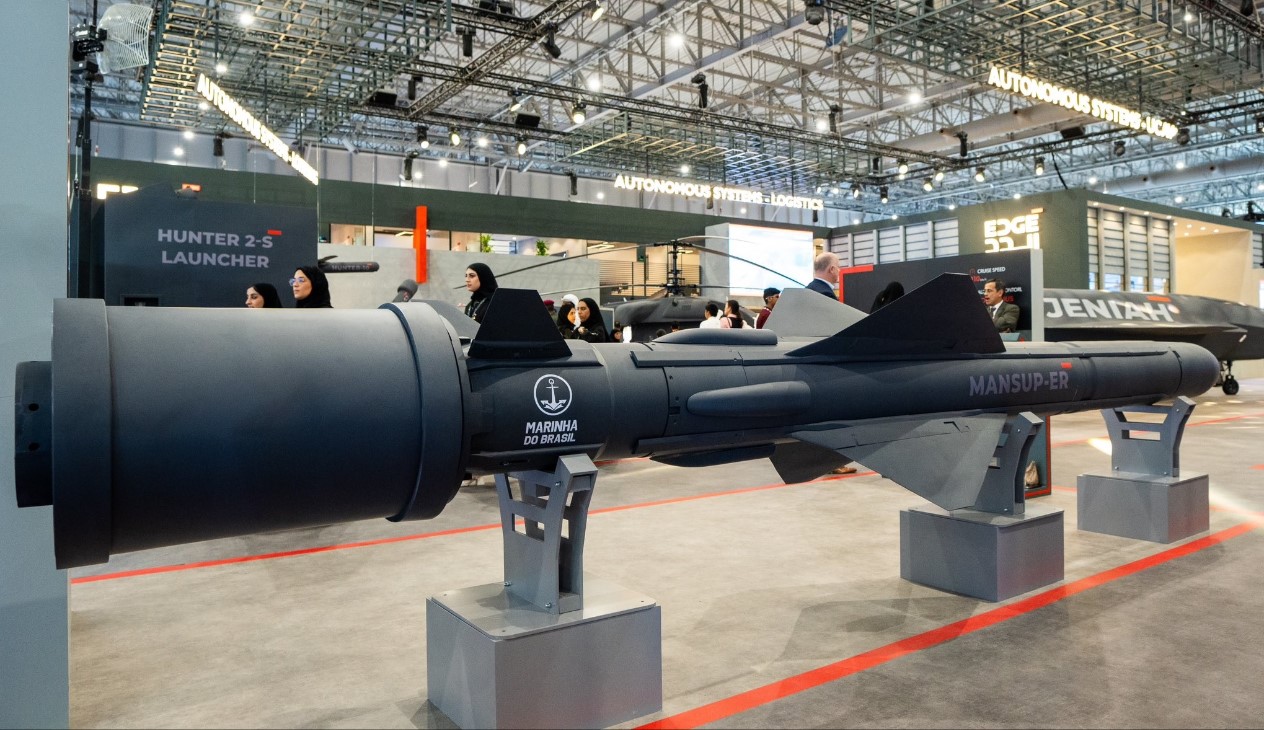
World
EDGE Group, a global leader in advanced defence technologies, has taken a major step forward in the development of Brazil’s indigenous anti-ship missile system. During LAAD 2025 at the Riocentro Exhibition & Convention Centre in Rio de Janeiro, EDGE signed a new licence agreement with its Brazilian subsidiary SIATT and the Brazilian Navy to transfer intellectual property rights for the MANSUP-ER missile. The agreement grants EDGE and SIATT ownership of the launch tube and combat head of the MANSUP missile, outlining terms for production, commercialisation, and royalties. This covers both the standard MANSUP and its extended-range variant, MANSUP-ER, reinforcing Brazil’s strategic capabilities in naval warfare. Strengthening Defence Collaboration Rodrigo Torres, Chief Financial Officer of EDGE Group, emphasized the significance of this milestone, stating: “EDGE is confident that this milestone strengthens our commitment to advancing defence capabilities. Partnering with the Brazilian Navy and leveraging cutting-edge technologies such as MANSUP-ER, we can redefine strategic and operational readiness, offering more precise, efficient, and secure solutions to meet the challenges of the modern world.” The agreement further deepens EDGE’s partnership with SIATT and the Brazilian Navy following EDGE’s acquisition of SIATT. Since then, EDGE has expanded manufacturing operations and secured two major contracts to supply MANSUP and MANSUP-ER missiles to both the Brazilian Navy and the UAE Ministry of Defence. MANSUP-ER Specifications and Capabilities The MANSUP-ER (Mísseil Antinavio Nacional de Superfície - Extended Range) is an advanced surface-to-surface missile designed to enhance Brazil’s maritime strike capabilities. Key features of the missile include: Range: 200 kilometres Guidance System: Inertial navigation with active radar homing Flight Profile: Advanced sea-skimming capability for evasion of enemy radar and countermeasures Deployment: Designed for integration with Brazil’s Tamandaré-class frigates, with deployment expected by the end of 2025 Expanding Global Market Interest In addition to its collaboration with Brazil, EDGE has signed a $300 million agreement with the UAE Armed Forces for MANSUP systems. The company is also engaged in discussions with prospective buyers across Africa, Asia, and Latin America, reflecting growing international interest in the missile’s capabilities. With the continued progress in trials and impending operational deployment, MANSUP-ER is set to bolster Brazil’s naval defence while also positioning itself as a competitive option for global markets. This latest development marks another crucial step in the evolution of Brazil’s defence industry and its growing role in advanced missile technology.
Read More → Posted on 2025-04-03 15:28:43
World
The Nigerian military has introduced Africa’s “first and largest” kamikaze attack drone, marking a significant step in the continent’s defense capabilities. Developed in partnership with Nigerian tech firm Briech UAS, the drone was recently showcased at the company’s headquarters in Abuja. A Game-Changer in Military Operations Though specific technical details remain undisclosed, Chief of Defence Staff General Christopher Musa emphasized that the new drone will act as a force multiplier, significantly boosting Nigeria’s operational efficiency. He described it as a groundbreaking achievement that showcases the nation’s growing technological capabilities. This indigenous kamikaze drone is designed to complement Nigeria’s existing reconnaissance and surveillance platforms, enhancing its counter-insurgency efforts against terrorist groups and other security threats. Understanding Kamikaze Drones Kamikaze drones, also known as loitering munitions, are explosive-laden unmanned aerial vehicles (UAVs) designed for one-way missions. Unlike conventional attack drones that return after a strike, kamikaze drones are built to crash into targets, ensuring maximum impact and destruction. They have been increasingly used in modern warfare for their precision, cost-effectiveness, and ability to strike high-value targets without risking human lives. Reducing Foreign Dependence Nigeria has traditionally relied on foreign-made drones, such as the Chinese Wing Loong II and the US Aerosonde, to support its defense operations. However, General Musa highlighted the strategic importance of domestic production, stating that dependence on foreign suppliers often results in bureaucratic delays that hinder rapid deployment. “We know what it means if you don’t produce what you need—you’ll be held whenever you need them, even with your money at hand,” Musa stressed. By manufacturing its own kamikaze drones, Nigeria aims to strengthen its defense capabilities, ensuring quicker deployment and a more autonomous approach to national security. This milestone represents a crucial step toward self-reliance in military technology, positioning Nigeria as a leader in indigenous UAV development on the African continent.
Read More → Posted on 2025-04-03 15:25:30Search
Top Trending in 24 Hours
-
 Russia Receives North Korean KN-30 Ballistic Missiles as Moscow Expands Its Missile Arsenal
-
 Kongsberg Wins $120 Million Contract for More Protector RS4 Systems for Canadian Army
-
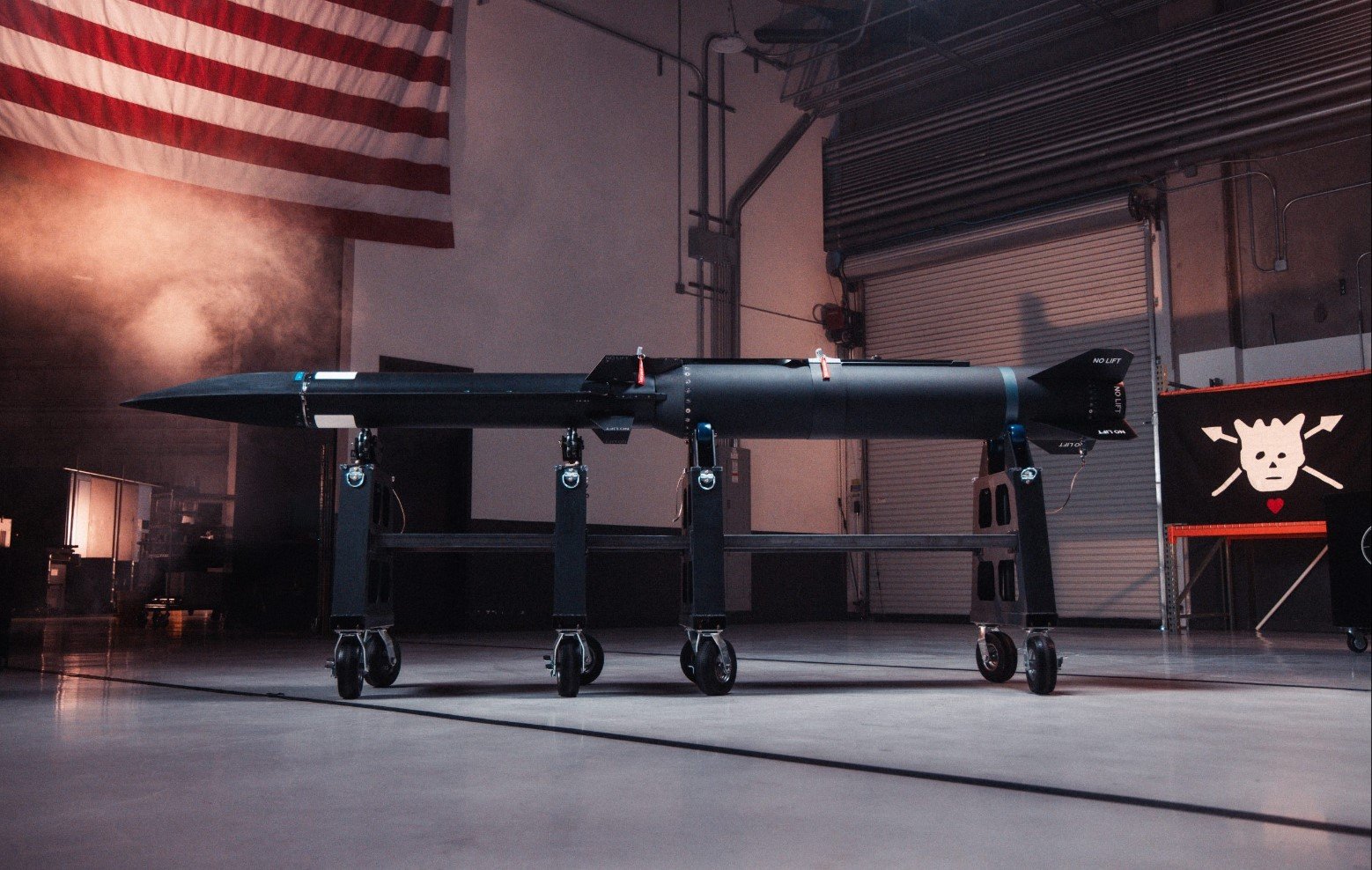 Castelion Secures $1 Billion Funding to Scale Production of Blackbeard Hypersonic Missile
-
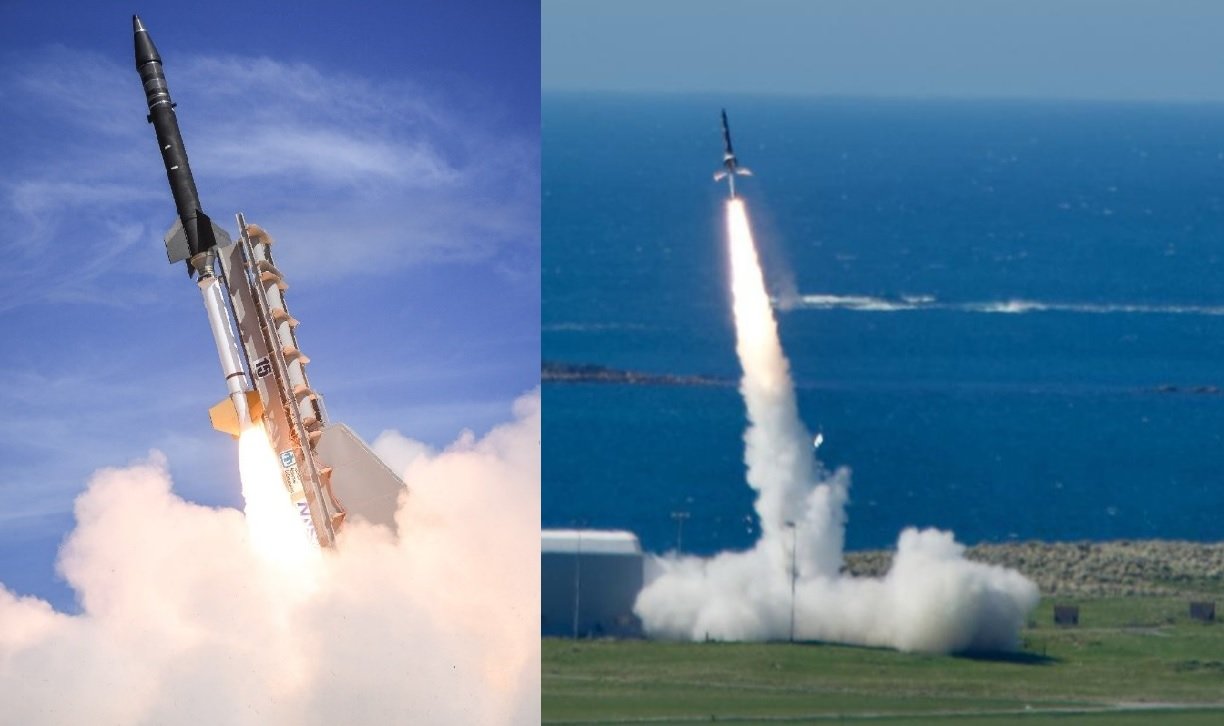 US Navy Launches ARAV-6 Missile Target During Multinational Pacific Dragon 2026 Exercise
-
 Lockheed Martin Demonstrates AI-Powered Sonar System With U.S. Navy at RIMPAC 2026
-
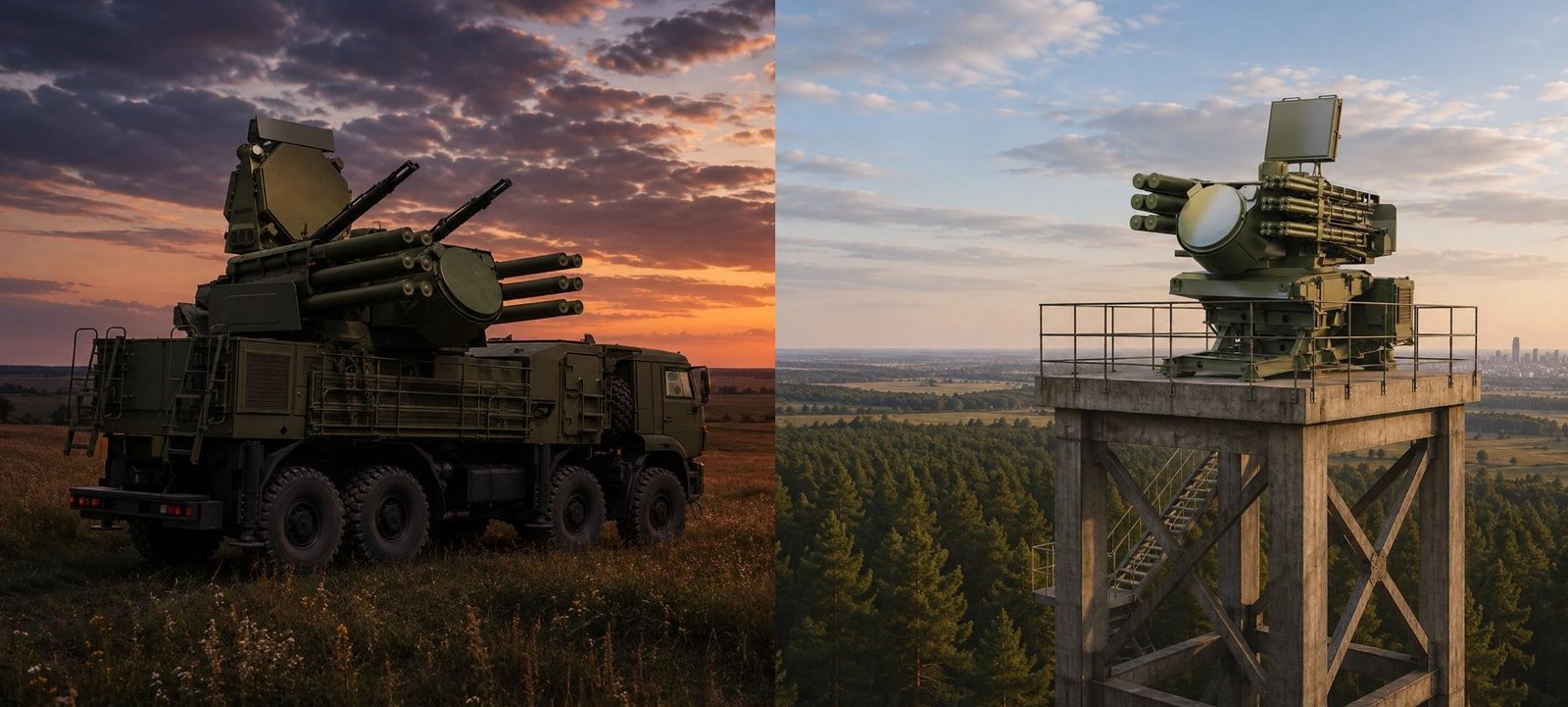 Russia Receives New Batch of Pantsir-S and Pantsir-SMD Air Defense Systems
-
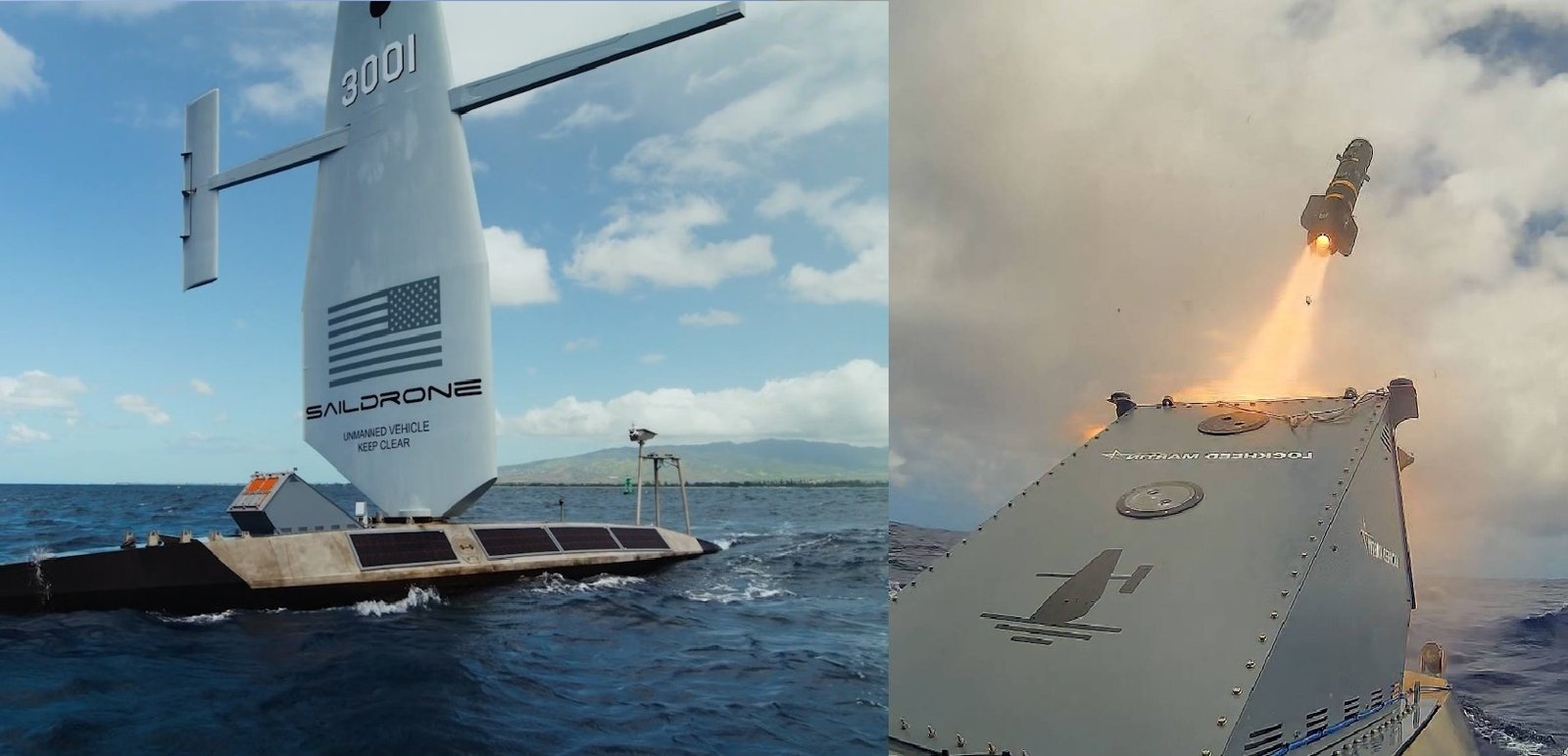 Saildrone and Lockheed Martin Successfully Fire Two JAGM Missiles in First Live-Fire Test from Unmanned Vessel at RIMPAC 2026
-
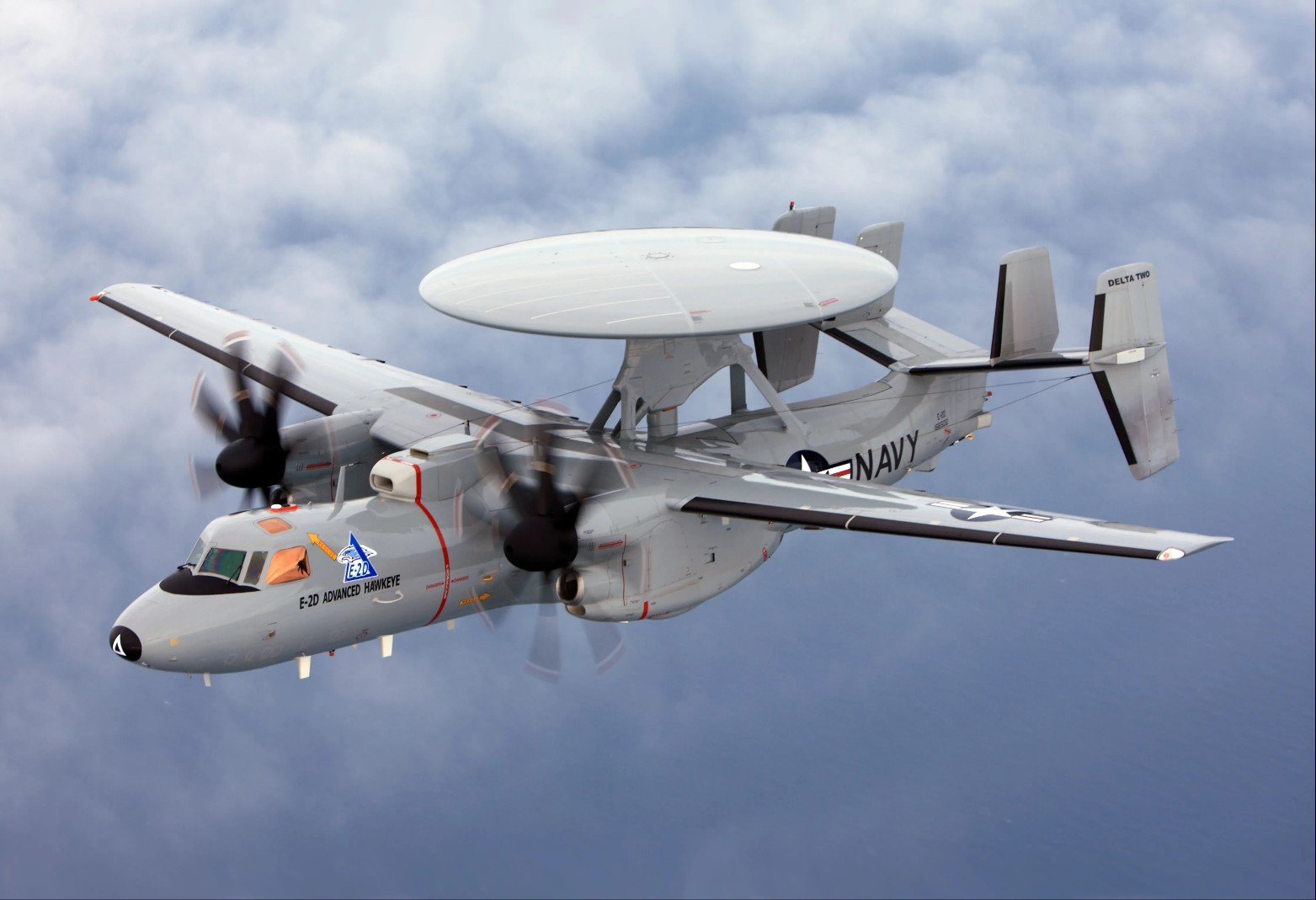 Northrop Grumman Clears Critical Design Review for E-2D Hawkeye Block II Upgrade
Top Trending in 4 Days
-
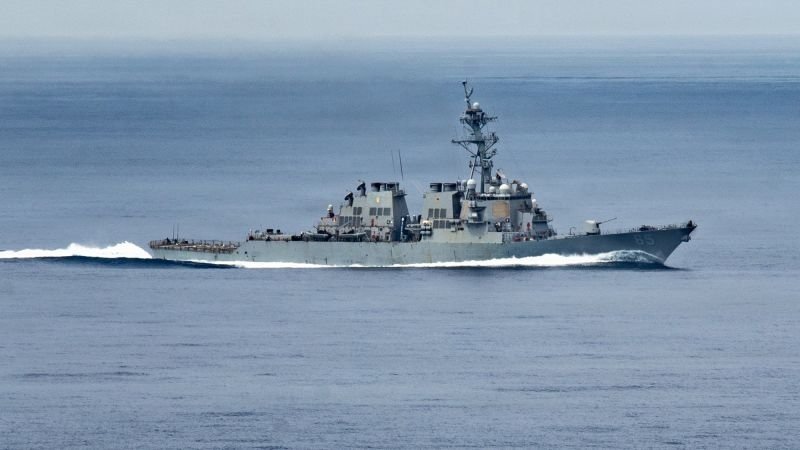 U.S. Navy Destroyer USS Benfold Spent Four Days Without Power in South China Sea After Generator Failure
-
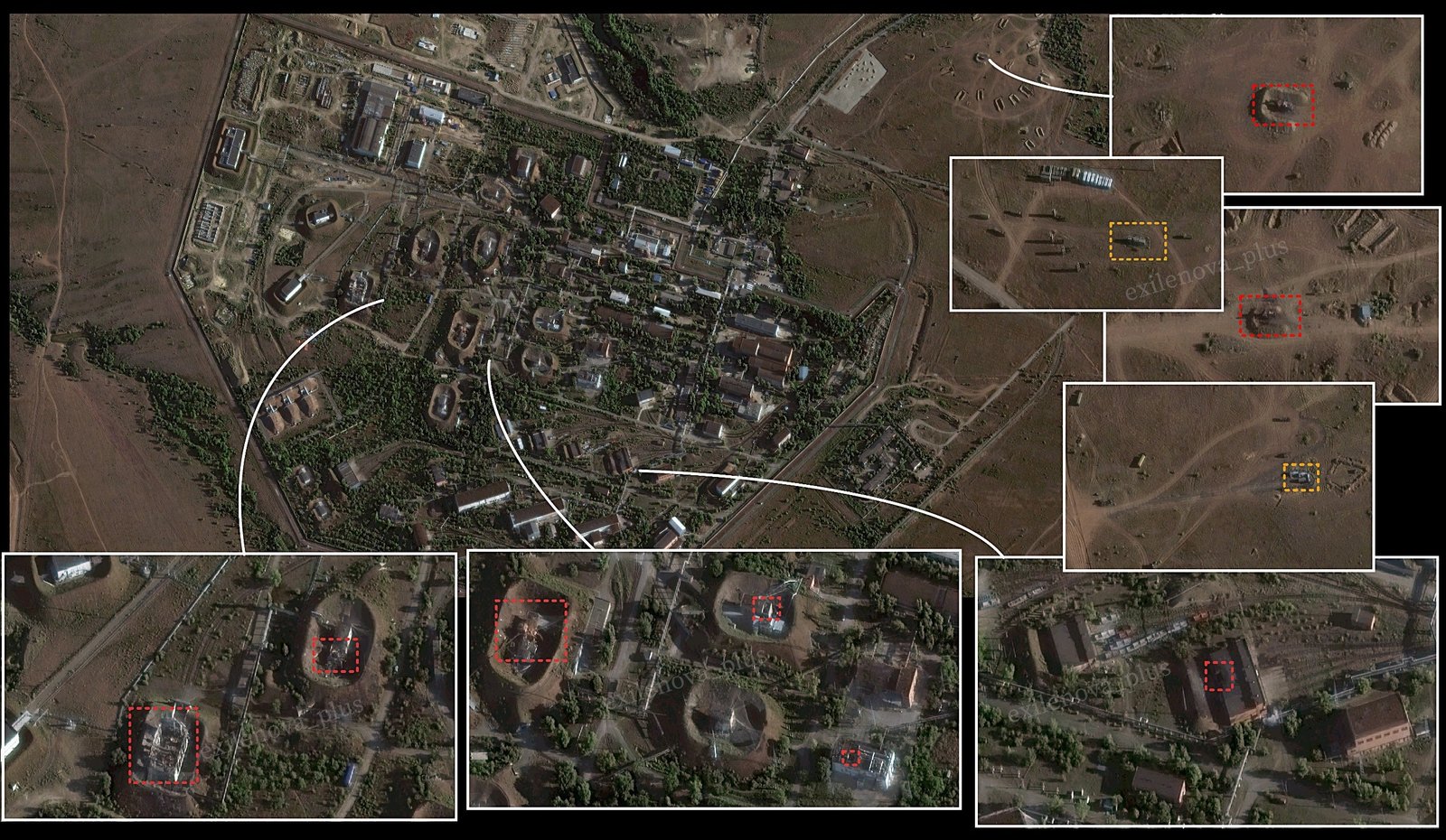 Satellite Images Show Ukrainian Drone Strike Hits Russian Rocket Fuel Plant and Air Defense Systems in Rostov Region
-
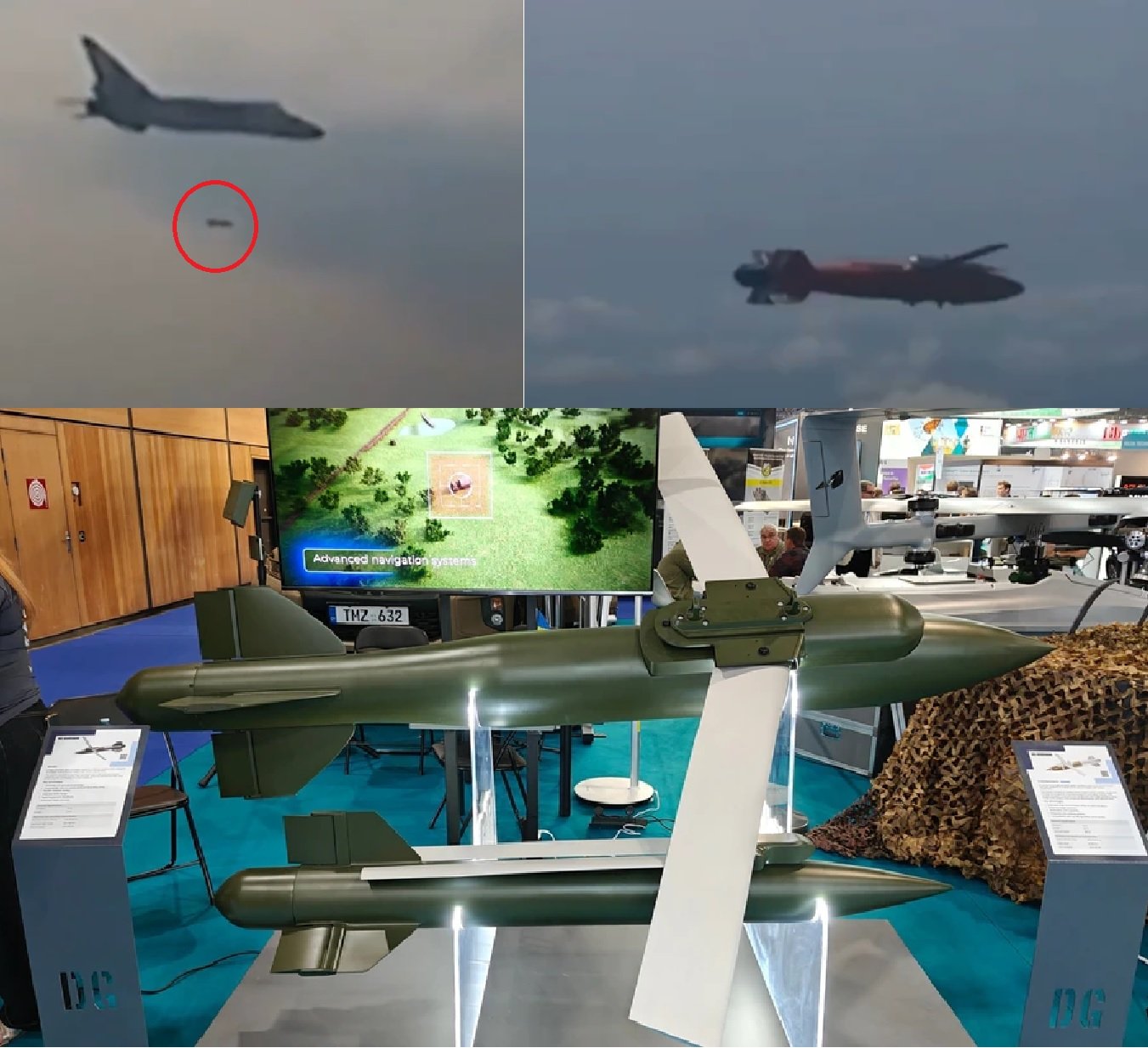 Ukraine Begins Procurement of Vyrivniuvach Guided Aerial Bomb
-
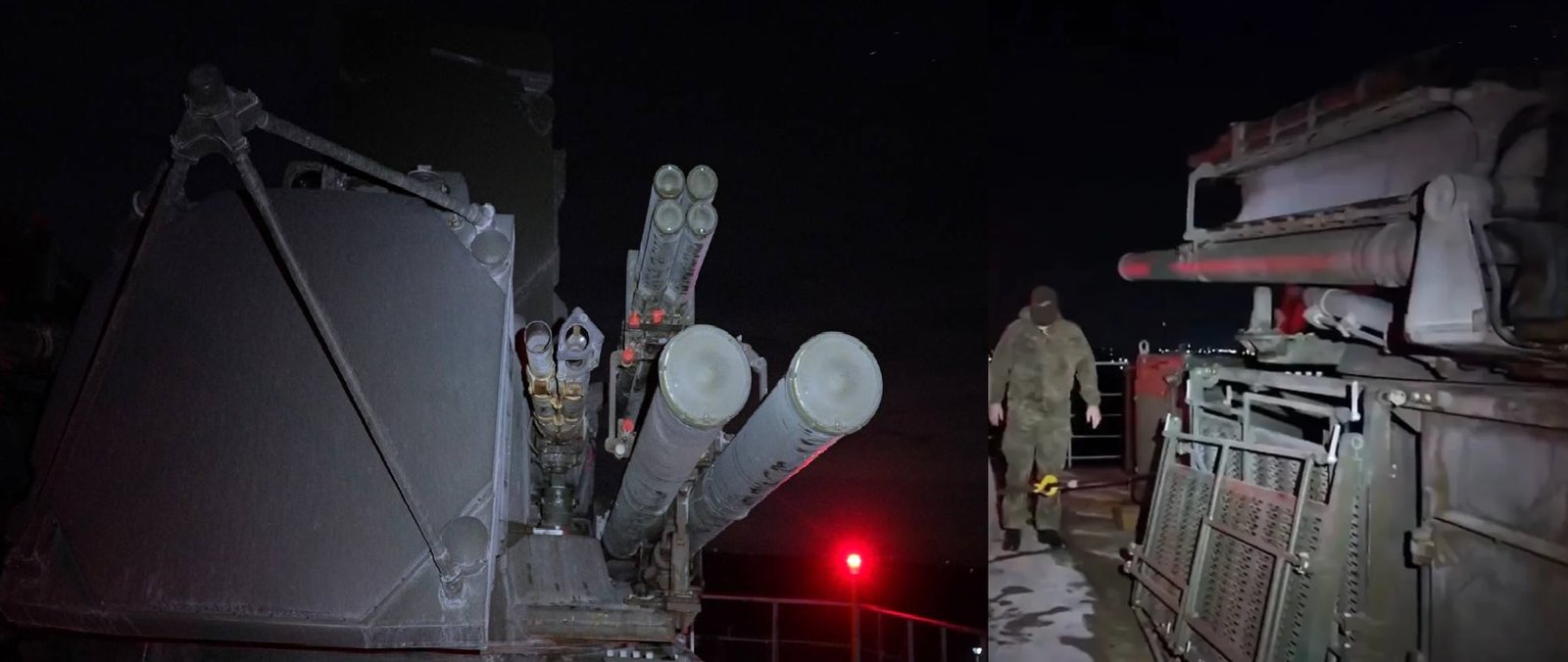 Russia Expands Moscow’s Anti-Drone Defense Network With Specialized 35-Meter Towers for Pantsir Systems
-
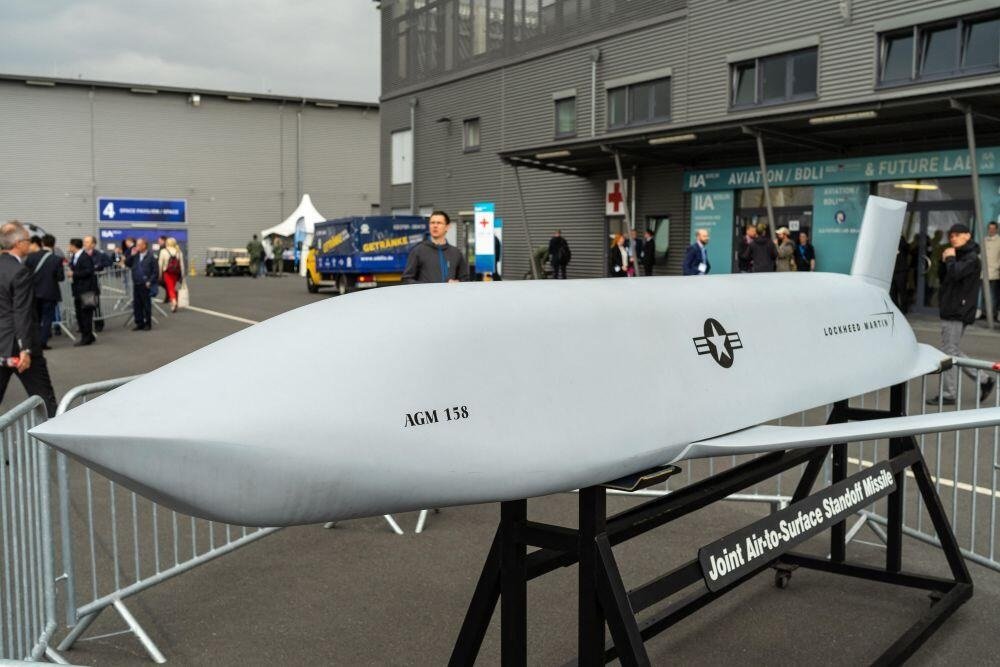 U.S. Air Force Selects GE-Kratos F143 Engine as Second Engine Source for JASSM Missile
-
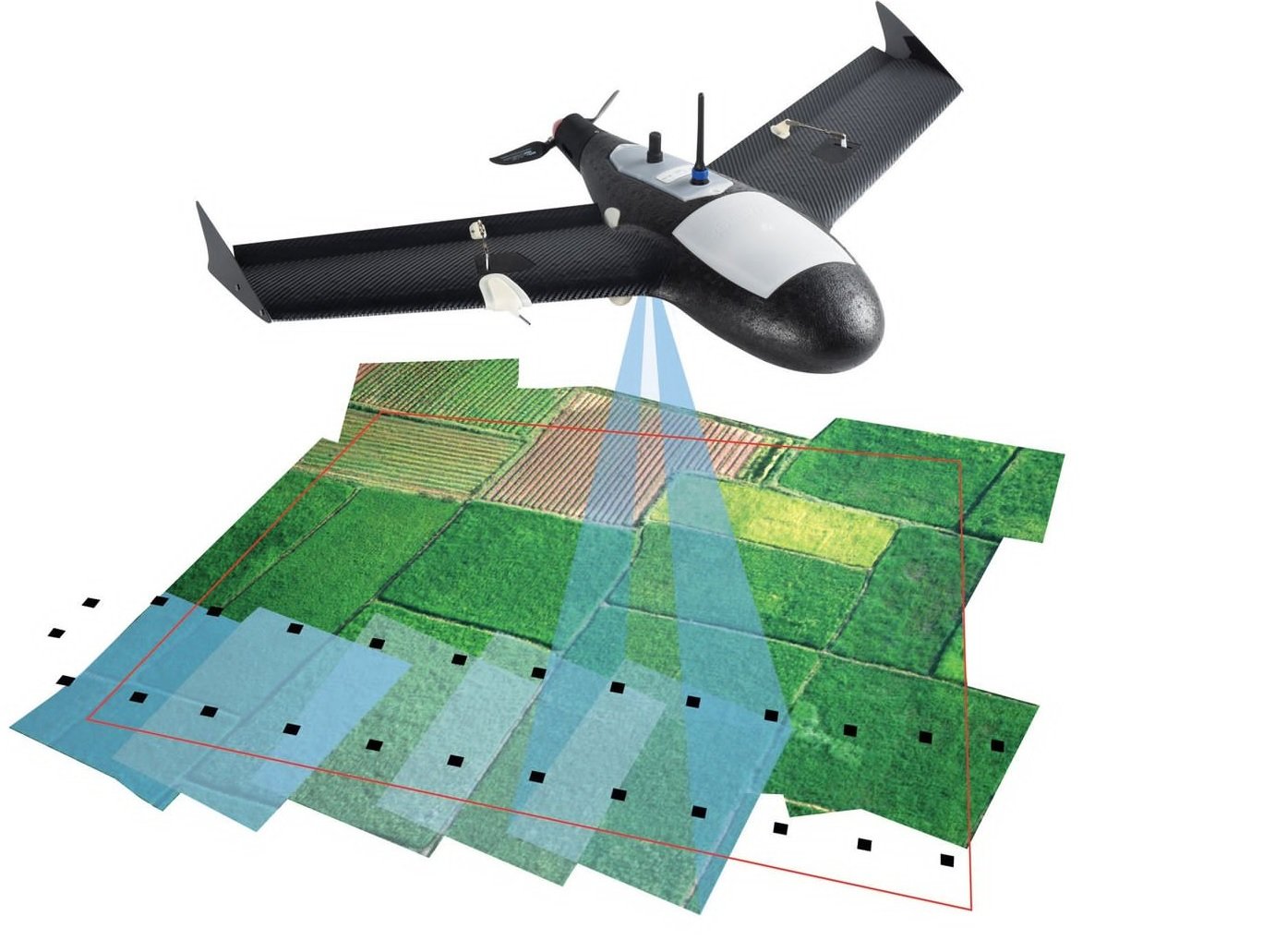 Russia Develops 'Martian' Camera-Based Navigation Independent of GPS and Radio Signals for Drones
-
 Russia Expands Drone Launch Network Near Ukraine and Belarus Borders, Putting NATO Territory Within Range
-
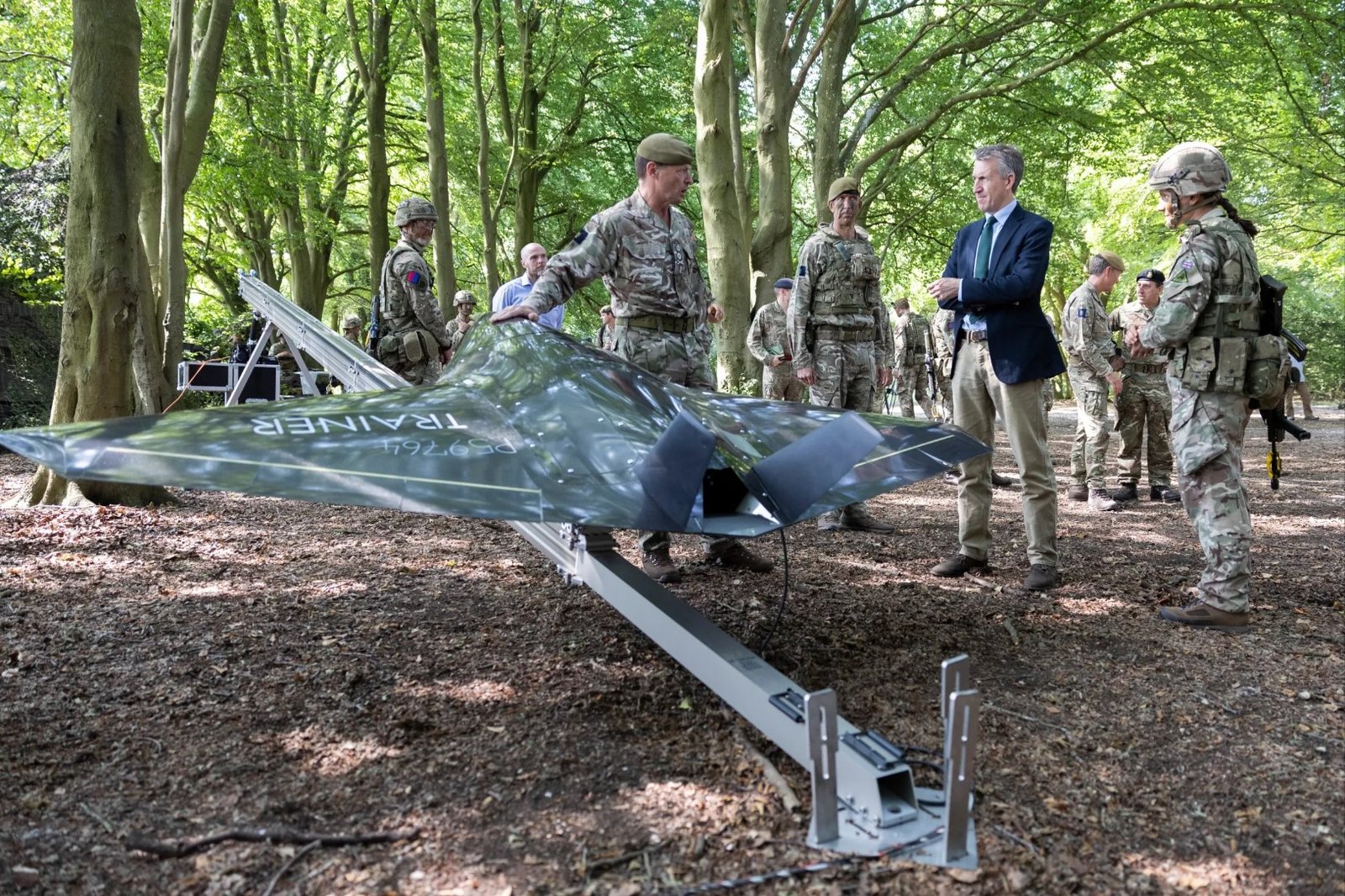 Russia Warns UK of ‘Consequences’ Over British Drones Used by Ukraine in Strikes on Russian Territory
