WASHINGTON, — March 2, 2026 : The United States Central Command (CENTCOM) confirmed that U.S. forces struck the Iranian drone carrier IRIS Shahid Bagheri in the Persian Gulf within hours of launching the military campaign designated Operation Epic Fury. According to the command, the vessel sustained critical damage and is reportedly sinking.
In an official statement, CENTCOM said the Shahid Bagheri was the only carrier struck during the initial phase of the operation. The command also rejected Iranian state media claims alleging that an American aircraft carrier had been sunk, stating that no U.S. carrier was hit and no U.S. naval losses were recorded.
Operation Epic Fury began on February 28, 2026, involving coordinated strikes by U.S. and partner forces against Iranian military infrastructure. The campaign targets include command centers, missile launch sites, air defense systems, and naval facilities associated with the Islamic Revolutionary Guard Corps (IRGC).
Vessel Identification and Role
The IRIS Shahid Bagheri (hull designation C110-4) was operated by the Islamic Revolutionary Guard Corps Navy (IRGCN). The ship was Iran’s first dedicated drone carrier and served as a mobile platform designed to launch and recover unmanned aerial vehicles (UAVs) at sea.
Originally built as a commercial container vessel under the name Perarin, the ship underwent conversion between 2022 and 2024 at the Iran Shipbuilding and Offshore Industries Complex (ISOICO) near Bandar Abbas. It was formally commissioned into IRGCN service on February 6, 2025.
The conversion transformed the vessel into a drone “mothership,” equipped with a flight deck and infrastructure to support UAV and rotary-wing operations. The ship featured an angled flight deck measuring approximately 180 meters, including a ski-jump ramp designed to assist drone launches.
Technical Specifications
The Shahid Bagheri measured approximately 240 meters in length and had a displacement exceeding 40,000 tons. It was powered by a MAN B&W Type 8 S70 MC-C diesel engine, providing a top speed of more than 20 knots.
The vessel was designed to deploy a mix of unmanned systems, including Shahed-series drones. Iranian sources indicated the ship could operate up to 60 drones. It was also configured to support rotary-wing aircraft, including the Bell 412 helicopter, enabling extended maritime surveillance and operational missions.
Defensive systems reportedly installed on the vessel included Noor anti-ship missiles and Kowsar surface-to-air missiles. These systems were intended to provide layered protection against maritime and aerial threats.
Location and Strike Details
Prior to the strike, tracking data and satellite imagery placed the Shahid Bagheri in the Persian Gulf, anchored approximately four nautical miles south of Iran’s principal naval harbor at Bandar Abbas.
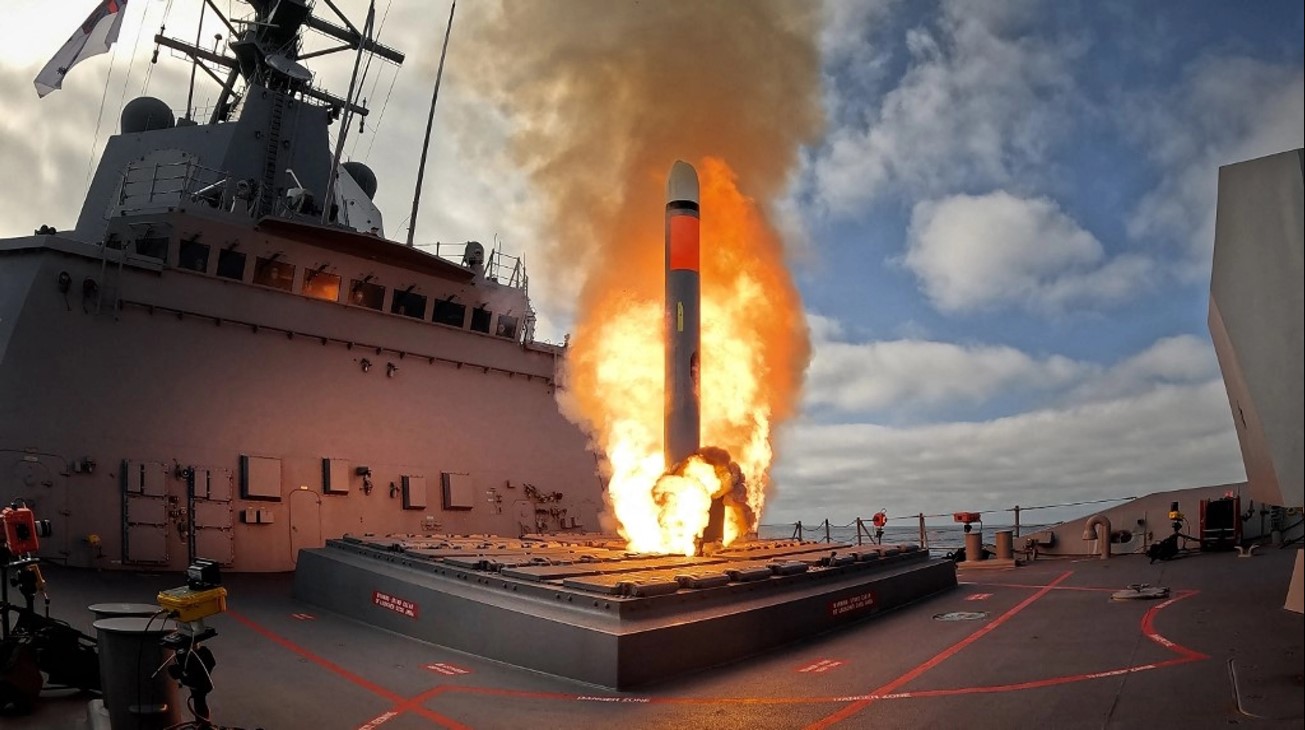
CENTCOM stated that U.S. forces struck the vessel shortly after the launch of Operation Epic Fury. The command did not disclose the method used in the strike or the precise coordinates of the engagement.
Breaking reports indicate that the vessel sustained damage leading to flooding and loss of stability. No additional Iranian carriers were reported hit during the initial phase of the operation.
Broader Operational Context
Operation Epic Fury represents a coordinated effort by U.S. and allied forces to degrade Iranian military capabilities used to conduct drone and missile operations in the region. In addition to the Shahid Bagheri, initial strikes targeted IRGC command infrastructure, missile systems, air-defense networks, and naval facilities located at Bandar Abbas and Chah Bahar.
CENTCOM reported no U.S. casualties or ship losses during the engagement. Officials have not provided further details regarding additional naval targets.
The loss of the Shahid Bagheri removes Iran’s primary sea-based drone operations platform. Prior to its commissioning, the IRGCN relied on smaller converted vessels to support similar unmanned operations at sea.
Operations under Operation Epic Fury remain ongoing.
——— End of Article ———