India's Defense Research and Development Organisation (DRDO) has achieved a groundbreaking milestone in missile propulsion technology. The successful completion of the final experimental test for the Solid Fuel Ducted Ramjet (SFDR) propulsion system marks a critical step toward the development of advanced air-to-air missile systems like the Astra Mk-III. This achievement underscores India's growing self-reliance in defense technology and places the nation closer to joining the elite club of countries mastering long-range missile technology.
A Game-Changing Propulsion System
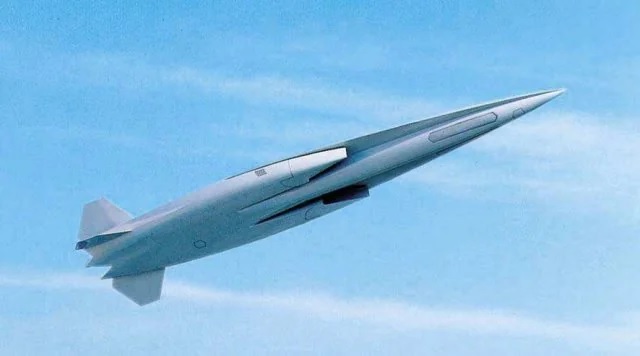
The SFDR propulsion system is a technological marvel that leverages the principles of a ramjet engine. Unlike conventional rocket motors, which carry both fuel and an oxidizer, the SFDR relies on atmospheric oxygen for combustion. This design reduces the missile's weight, allowing for a greater payload, enhanced range, and increased speed. The system also enables sustained thrust, making it particularly suited for long-range engagements.
The recently conducted ground-based final test showcased the SFDR's full potential. The trial validated critical parameters, including the propulsion system's performance, aerodynamic stability, and guidance mechanisms under simulated operational conditions. The flawless execution of this test signifies that the technology is now ready for integration into advanced missile platforms.
Toward Astra Mk-III and Beyond
The successful validation of the SFDR system has significant implications for the Astra Mk-III, India's next-generation air-to-air missile. While the Astra Mk-I and Mk-II already serve as reliable beyond-visual-range missiles, the incorporation of SFDR technology into the Mk-III variant will push its range and maneuverability to new heights. This will empower the Indian Air Force (IAF) with the capability to engage enemy aircraft at distances exceeding 300 kilometers, a crucial advantage in modern aerial combat.
The potential of SFDR technology isn't limited to the Astra series. It can be adapted for various missile types, including surface-to-air and air-launched cruise missiles, broadening its strategic applications.
Strategic Implications
The adoption of SFDR technology places India in an exclusive league of nations—such as the United States, Russia, and China—that have developed ramjet-powered missile systems. This capability is particularly significant given the evolving dynamics of modern warfare, where speed, range, and precision are critical.
The SFDR-based missiles will enhance India's ability to neutralize aerial threats, even those posed by advanced enemy fighters equipped with electronic warfare systems. With faster engagement times and extended reach, these missiles will provide the IAF with a formidable edge in protecting Indian airspace and asserting dominance in contested regions.
Next Steps
Although the SFDR propulsion system has been successfully tested, its journey is far from over. DRDO's immediate focus will be on integrating the technology into missile platforms like the Astra Mk-III, followed by rigorous field testing to ensure compatibility and performance in combat scenarios. Simultaneously, efforts will be made to fine-tune the system to meet specific operational requirements, potentially leading to the development of entirely new missile variants.
The successful deployment of SFDR-powered missiles will further solidify India's position as a global leader in indigenous defense technology. It also aligns with the government's vision of "Aatmanirbhar Bharat" (self-reliant India), reducing dependency on foreign defense systems and bolstering national security.
The Road Ahead
As India edges closer to operationalizing SFDR technology, the possibilities for its application seem boundless. From revolutionizing air-to-air combat to enhancing surface-to-air defenses, the SFDR propulsion system is set to redefine India's strategic capabilities. For the Indian defense ecosystem, this success is more than a technological achievement—it is a testament to the country's determination to innovate and lead in the realm of advanced military systems.
——— End of Article ———