
World
Israel's RAFAEL Advanced Defense Systems has taken a significant leap forward with its TROPHY Active Protection System (APS), now enhanced to counter both missile and unmanned aerial vehicle (UAV) threats. Known for its effectiveness in neutralizing anti-tank guided missiles (ATGMs) and rocket-propelled grenades (RPGs), TROPHY now stands ready to confront an even broader range of modern battlefield challenges. The new upgrade fortifies TROPHY’s position as a vital defense solution for armored vehicles, enhancing survivability against both conventional ground-based threats and the rapidly growing UAV threats emerging on today’s complex battlefields.Originally designed to protect armored vehicles from ground-launched threats, TROPHY uses sophisticated radar and sensors to detect and track incoming missiles or projectiles. Once a threat is identified, the system deploys countermeasures to destroy or deflect it before impact, often achieving success in fractions of a second. This proven defensive capacity has been repeatedly tested and confirmed in active combat zones, notably with Israel's Merkava 4 Main Battle Tank and various U.S. military platforms. With UAVs now a frequent sight on the battlefield, used for both reconnaissance and direct attacks, RAFAEL recognized the need to expand TROPHY’s capabilities. This enhancement means the system can now detect, track, and neutralize aerial threats, providing armored vehicles with a protective layer previously unheard of. The new capability integrates seamlessly into the existing TROPHY structure, leveraging the system’s advanced multi-spectral radar to locate incoming drones. Once detected, TROPHY deploys a specialized set of countermeasures optimized for intercepting UAVs, effectively extending the system’s defensive reach from ground-based threats to aerial incursions.TROPHY is widely regarded as one of the most effective active protection systems in the world, boasting a highly adaptable framework that is deployable across a wide array of platforms, including main battle tanks (MBTs), armored personnel carriers (APCs), and armored fighting vehicles (AFVs). This flexibility is one reason why TROPHY has been extensively adopted by militaries around the globe, including the United States, Germany, and Israel. The recent integration of UAV countermeasures highlights RAFAEL’s commitment to evolving its systems to meet new threats as they arise. While TROPHY’s legacy systems could only intercept ground-based projectiles, the new version actively engages with the modern threat spectrum, which includes increasingly affordable and widely accessible drones. Asymmetric warfare, where hostile groups often use drones in hit-and-run tactics or for reconnaissance, is one of the critical areas where this new capability will prove essential.From a technical standpoint, TROPHY's radar system is notable for its precision and quick response times. It operates by continuously scanning the environment, using four flat-panel radars that provide a 360-degree view around the vehicle. The radar's detection algorithms can identify multiple threats simultaneously, enabling TROPHY to prioritize and respond in real-time. When facing a missile or RPG, TROPHY’s automatic response involves launching an interceptor projectile that detonates near the incoming threat, neutralizing it before it can make contact with the vehicle. In the case of drones, TROPHY uses a distinct countermeasure approach designed to disrupt or destroy UAVs without relying on traditional interceptor projectiles, which may involve electronic warfare capabilities to jam UAV controls or disable them mid-flight.The updated TROPHY is also a prime example of RAFAEL’s dedication to enhancing military assets without imposing extensive upgrades on operators. Many of these new UAV-neutralizing capabilities are software-based, meaning that with minimal hardware modifications, existing TROPHY systems can be updated to include the UAV countermeasure suite. This approach not only saves time and resources but allows military operators to keep their armored units in the field without lengthy upgrade periods.The enhanced TROPHY APS offers a multidimensional defense capability that addresses the increasingly sophisticated and multifaceted nature of modern warfare. As the global defense landscape changes, with an increase in drone use by state and non-state actors alike, TROPHY’s ability to protect against both ground and air threats makes it an invaluable asset for modern armored platforms. The system's adaptive architecture, ability to respond to emerging threats, and proven effectiveness in the field solidify TROPHY’s position at the cutting edge of vehicle protection technology.By enhancing TROPHY to counter UAVs, RAFAEL demonstrates a proactive approach to next-generation defense, ensuring that its systems remain relevant, adaptable, and reliable in high-stakes combat environments. This advancement ensures that TROPHY-equipped vehicles retain their tactical advantage, even in the face of rapidly evolving technologies and complex threat landscapes.
Read More → Posted on 2024-10-26 15:42:19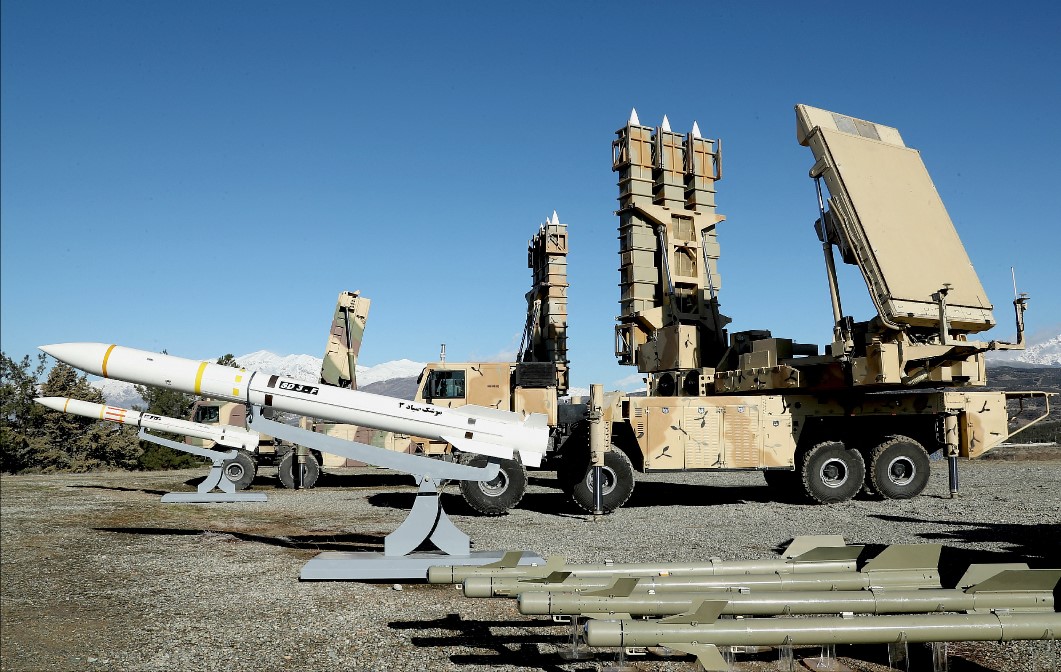
World
Iran has made significant strides in enhancing its air defense systems, with the introduction of the AD-120 surface-to-air missile system. This new development reflects the country’s ongoing efforts to bolster its military capabilities amid regional tensions and international sanctions. The AD-120 is designed to counter a wide array of aerial threats, including advanced fighter jets, unmanned aerial vehicles (UAVs), and helicopters, making it a crucial asset for Iran's defense strategy.The AD-120 missile system is characterized by its high-altitude and long-range interception capabilities. With a maximum operational range of 120 kilometers, the missile can engage threats from a considerable distance, providing a robust defense layer for Iranian airspace. Its operational versatility is further underscored by a minimum engagement range of just 7 kilometers, allowing it to respond effectively to threats that approach closely. Capable of reaching altitudes of up to 27 kilometers, the AD-120 excels in intercepting high-flying aerial vehicles, including reconnaissance and attack drones that pose significant risks.At the heart of the AD-120 system is an advanced suite of radar technologies. The AD-120 SR (Search Radar) is responsible for long-range target acquisition, detecting potential threats well before they reach Iranian airspace. This radar is complemented by the AD-120 TIR (Tracker and Illuminator Radar), which uses a sophisticated mono-pulse system to provide precise tracking and guidance for missiles during engagements. This combination ensures that the AD-120 can effectively respond to fast-moving and highly maneuverable targets, a critical requirement in modern aerial warfare.The missile itself is designed with a diameter of 400 mm and a total weight of 995 kg, featuring a 90 kg warhead capable of both impact and proximity detonation. This robust design ensures the missile can deliver significant firepower to neutralize various threats. The guidance system of the AD-120 incorporates advanced technologies, including inertial navigation complemented by data link updates and semi-active and active radar homing capabilities. Such sophisticated guidance ensures high precision in intercepting targets, even in challenging operational environments.Iran's push for advanced air defense capabilities, exemplified by the AD-120, has its roots in the country's historical context. Following the 1979 Islamic Revolution and the subsequent Iran-Iraq War, Iran faced severe international embargoes that severely limited its ability to acquire advanced military hardware from abroad. This isolation prompted a shift toward self-reliance, leading to the establishment of a domestic defense industry capable of designing and manufacturing various military systems. Over the years, Iranian engineers and scientists have focused on reverse-engineering existing technologies and developing new systems, a journey that has led to significant advancements in air defense.In earlier years, Iran relied heavily on Western air defense systems, particularly from the United States. However, after the revolution, the imposition of arms embargoes forced Iran to either repurpose existing systems or innovate new ones. For example, the reverse-engineered Mersad air defense system emerged as an improved version of the American HAWK missile system, showcasing Iran's capability to produce medium-range air defense solutions. The strategic focus on indigenous production gained momentum during the Iran-Iraq War, pushing Iran to establish military production facilities and research centers dedicated to developing homegrown defense technologies.The evolution of Iran's air defense capabilities is further illustrated by the development of advanced systems such as the Bavar-373, which was revealed in 2019 as a response to the Russian S-300 air defense system. The Bavar-373's ability to engage multiple targets simultaneously at long ranges indicates a significant leap in Iran's technological prowess in radar and missile guidance systems. Similarly, mobile air defense platforms like the Khordad-3 have demonstrated Iran's capacity to adapt and respond to modern aerial threats effectively.As Iran continues to enhance its air defense technologies, the integration of systems like the AD-120 represents a crucial step in securing its airspace against a variety of threats. The development of such sophisticated systems reflects Iran's growing expertise in missile technology and radar integration, positioning the country as a key player in the defense landscape of the Middle East. The AD-120's unveiling underscores Iran's commitment to advancing its military capabilities despite external pressures and showcases its strategic intent to maintain a robust defense posture.In conclusion, the AD-120 surface-to-air missile system marks a significant advancement in Iran's air defense capabilities. Its sophisticated technology, combined with Iran's historical drive for self-sufficiency in defense production, positions the country to meet contemporary aerial threats effectively. As regional dynamics evolve, the ongoing development of advanced systems like the AD-120 will play a pivotal role in Iran's ability to protect its sovereignty and influence in the region.
Read More → Posted on 2024-10-26 15:38:59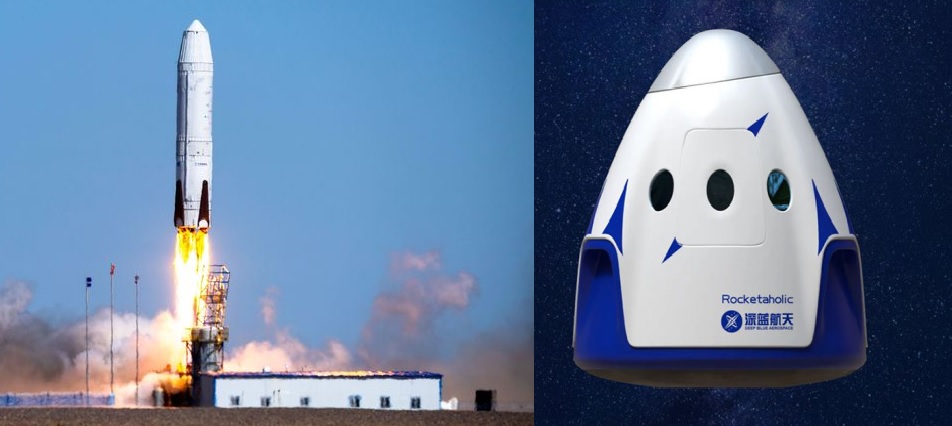
Space & Technology
China’s venture into the world of commercial space travel is taking a new leap forward as Deep Blue Aerospace, a prominent space technology start-up, launches its first commercial suborbital spaceflight tickets. The company recently offered two discounted seats, which sold out during a live-streamed session on the online marketplace Taobao, and has now put an additional 20 seats up for sale at 2 million yuan each (around $280,000 USD). This groundbreaking venture offers a unique opportunity for Chinese citizens to experience space firsthand, echoing the strides of Western companies like SpaceX and Blue Origin. Deep Blue Aerospace, founded in 2016, is among China’s first private space companies, working to develop a commercial space program aimed at ordinary people rather than astronauts. Its ambition to break the cost and access barriers aligns with the broader vision of making space more accessible. The Suborbital Journey to the Edge of SpaceThe suborbital journey offered by Deep Blue is designed to give passengers an experience of zero gravity and breathtaking views from space, albeit for a brief period. According to the company’s promotional details on Taobao, this space journey, slated for 2027, will reach a height of 150 kilometers above Earth, crossing the widely recognized Kármán line, which marks the boundary between Earth's atmosphere and outer space. This allows passengers a genuine “space experience,” if only for a few minutes.The trip lasts about 12 minutes, with a zero-gravity phase spanning at least five minutes, where passengers can float freely and look out over Earth through panoramic windows. This brief time in space offers a taste of the future in space tourism, as commercial space travel companies around the world work to make these extraordinary experiences accessible to those outside the traditional space agency sphere.The spacecraft, named Nebula-1, is designed to hold six passengers, each with access to a windowed view. Safety and comfort are paramount; the company plans extensive tests, including multiple recovery and reuse tests scheduled for 2025. The rocket will be returned to Earth using a durable parachute system capable of being reused more than 50 times.Ticketing and RequirementsDeep Blue Aerospace’s ticketing process on Taobao outlines several critical steps for aspiring space travelers. Prospective buyers must first pay a deposit of 100,000 yuan online and later visit Deep Blue’s research center in Beijing to complete the full payment and sign an official contract. The age range recommended for passengers is between 18 and 60, and the company also advises participants to undergo safety training a month before the scheduled launch to ensure readiness for the physical demands of space travel.Furthermore, Deep Blue suggests that passengers purchase private space travel insurance, underscoring the inherent risks involved in such journeys. Safety considerations are a top priority for Deep Blue, with the company citing a “deep understanding of the complexity and riskiness of rocket technology” as part of the reason for the three-year wait until launch in 2027.Deep Blue’s Vision and the Global Space Tourism SceneSpace tourism is not new globally, with companies like Blue Origin and SpaceX having already made headlines with their successful private crewed missions. Blue Origin’s New Shepard vehicle took Jeff Bezos and a few others to the edge of space in 2021, while SpaceX conducted the first all-private orbital space mission the same year. The United States spaceflight company even coordinated the first private spacewalk with American billionaire Jared Isaacman in early 2024.For China, Deep Blue’s endeavor represents a significant milestone, as it opens doors to space tourism for Chinese citizens while adding China to the growing list of nations with private-sector access to space. Deep Blue’s chief, Huo Liang, has outlined plans to continue advancing their technologies, with ongoing research and development aimed at ensuring that Nebula-1 meets the highest safety and reliability standards by 2027. Space Tourism on Taobao: A New Trend?Deep Blue is not the first to offer space-related services on Taobao. In 2020, a popular Chinese live-streamer named Huang Wei, also known as Viya, sold a rocket launch package for 40 million yuan, which included rights for the buyer to name the mission and even place advertisements on the rocket. However, Viya later faced public scrutiny and left the spotlight following a tax scandal.The sale of space travel tickets on such a popular platform highlights how e-commerce and digital media are creating new spaces for industries that were once highly exclusive. By listing tickets on Taobao, Deep Blue makes space tourism feel a little closer to home, while introducing Chinese citizens to a world that was, until recently, available only to astronauts and a few privileged private citizens.With the Nebula-1 flight, Deep Blue Aerospace takes a step towards making space a little more accessible, albeit at a steep price. For the lucky few able to afford this ticket, the 12-minute journey in space will offer an unforgettable glimpse of Earth from above—bringing the dream of space exploration closer to reality for more people.
Read More → Posted on 2024-10-26 15:33:48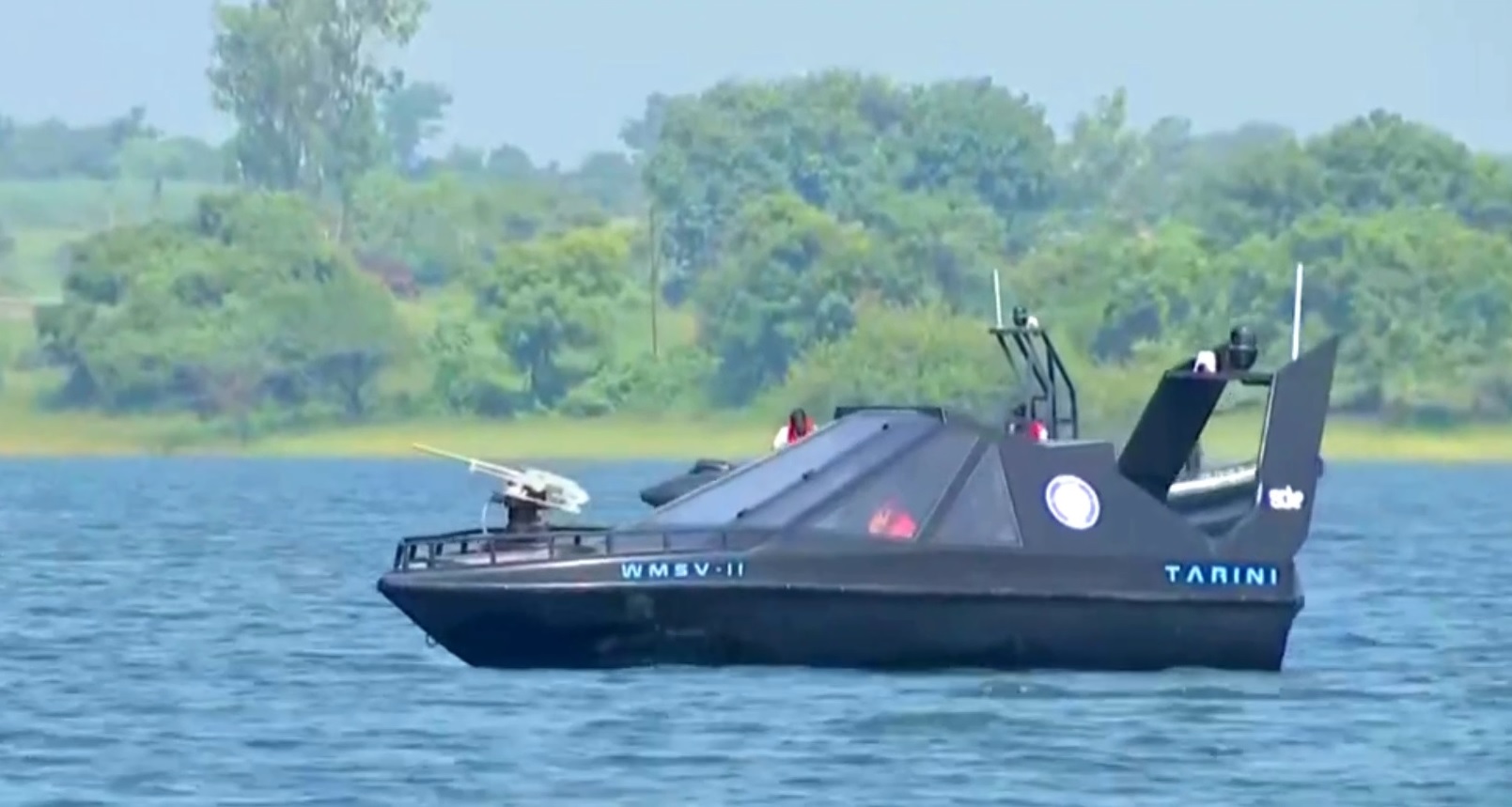
Indian Navy Ordered 12 Units of Sagar Defence's Autonomous Weaponized Boat Swarm, 2 for Pangong Lake
India
The Indian Navy has launched trials for a major innovation in naval defense: the Autonomous Weaponized Boat Swarm (AWBS) developed by Sagar Defence Engineering. These tests, held in the coastal waters of Mumbai, represent a powerful step forward for India's defense capabilities as the Navy explores the potential of unmanned technology to strengthen its maritime security. With plans to acquire 12 of these boats, the Indian Navy signals a commitment to cutting-edge, homegrown technology aimed at securing both oceanic and inland water regions. A Game-Changer in Naval DefenseThe AWBS is not just any defense vehicle; it's a fully autonomous system designed to tackle threats in real time. Each boat within the swarm is equipped with a 12.7 mm Stabilized Remote Controlled Gun (SRCG), a powerful weapon controlled remotely to engage and neutralize hostile targets effectively. Beyond firepower, each vessel in the AWBS is outfitted with dual high-resolution cameras and specialized radars that allow for 24/7 threat detection—day and night. This means that the boats can independently monitor their surroundings, flag potential dangers, and alert control operators at a remote command station. The system's autonomous capabilities are augmented by an onboard unmanned aerial vehicle (UAV), adding an aerial perspective to enhance situational awareness. This UAV can survey vast oceanic stretches from above, identify nearby boats or individuals, and even detect anomalies in real time, making the AWBS an invaluable asset in active combat or surveillance scenarios. To ensure it remains effective in challenging environments, the boats rely on GPS alongside India's NaVIC navigation system, which adds resilience in cases where GPS signals might be blocked or compromised. Swarm Control: Multiple Boats, One CommandOne of the standout features of Sagar Defence's AWBS is its ability to function in swarms controlled from a single monitoring station. This technology allows operators to direct and oversee multiple boats simultaneously, creating a synchronized fleet that can react as one to complex situations or independently if needed. By deploying in swarms, these boats are particularly well-suited for securing extended coastline areas or performing operations in narrow inland waterways like Pangong Lake. The ability to control multiple vessels from one point of command offers significant tactical flexibility for the Indian Navy, allowing it to respond dynamically to evolving threats.Expanding the Reach: Deployment at Pangong LakeWhile the primary allocation of these autonomous vessels is for naval operations, two units are earmarked for the Indian Army for deployment at Pangong Lake, a high-altitude, strategically sensitive lake in the Himalayas. The lake has long been a contested zone between India and China, and adding autonomous defense technology to the region represents a smart shift toward ensuring robust, real-time security. Unlike larger, crewed ships, these lightweight autonomous boats are agile and adaptable to shallow or constrained environments, making them ideal for lake or riverine missions.Sagar Defence Engineering: Pioneers in Indigenous Defense InnovationPune-based Sagar Defence Engineering has been instrumental in advancing this state-of-the-art technology, marking a critical success in India’s push for self-reliance in defense manufacturing. The AWBS exemplifies the government’s "Make in India" initiative, which aims to cultivate a self-sustaining defense industry. By deploying indigenously designed and manufactured vessels, the Indian Navy can maintain security while reducing dependency on foreign technology, paving the way for more advanced homegrown solutions.Securing India's Future with Autonomous CapabilitiesThe AWBS trials position India among a select group of countries employing such advanced autonomous technology for national defense. As India faces increasing maritime threats, from piracy to territorial conflicts, incorporating AWBS into its fleet promises to provide a versatile and robust layer of protection for the country’s expansive coastal borders and inland waters.With more testing and integration to come, Sagar Defence’s AWBS holds immense potential to redefine the Indian Navy’s approach to security. From safeguarding critical waterways to adapting to high-altitude regions like Pangong Lake, this autonomous boat swarm could soon be an indispensable part of India’s defense strategy.
Read More → Posted on 2024-10-26 15:27:54
World
In a significant escalation of Middle Eastern hostilities, Iran reported that two of its soldiers were killed on Saturday in Israeli airstrikes aimed at Iranian military sites across several provinces, including those near the capital, Tehran. These strikes come less than a month after Israel had vowed to retaliate against Iran for an October missile attack, in which Iran fired a barrage of missiles into Israeli territory, leading to heightened concerns of a broader regional conflict.Israel's latest airstrikes reportedly targeted key Iranian missile production facilities and missile installations. The Israeli military issued a stern warning to Iran, stating it would “pay a heavy price” if it dared to retaliate. Israeli Defense Forces (IDF) claim that their strikes, which involved precision hits on missile manufacturing sites, succeeded in "fulfilling the mission," with all Israeli aircraft returning safely.Iran has acknowledged the Israeli assault on military sites in Tehran and surrounding areas, noting that while the attacks caused "limited damage," they did lead to the deaths of two Iranian soldiers. The recent strikes were widely seen as part of Israel’s ongoing efforts to prevent Iran from expanding its missile capabilities, which it perceives as an existential threat. Over the past year, Iran has launched direct missile attacks on Israel, supplemented by actions from its regional allies, including Lebanon's Hezbollah, Gaza’s Hamas, and pro-Iranian factions in Iraq and Syria.Broader Context and Regional ImplicationsThis intensifying cycle of retaliation between Israel and Iran adds yet another layer to the already complex Middle Eastern geopolitical landscape. Since early October, Israel has been embroiled in multiple fronts: the ongoing war in Gaza against Hamas militants, who attacked Israel on October 7, and a fierce battle with Hezbollah along the northern border with Lebanon. The IDF has reported a marked escalation in attacks from Iranian-aligned groups across the region, sparking concerns over a potential wider conflict involving multiple states.The situation in Lebanon, in particular, has worsened. Israel has been conducting airstrikes and ground operations in southern Lebanon to contain Hezbollah’s influence and secure the area for civilians. Nearly 1,580 people have been killed in Lebanon since hostilities escalated in late September, underscoring the high human toll of this conflict.In Iraq, the Islamic Resistance, a network of pro-Iranian factions, claimed responsibility for a recent drone attack on an Israeli military target in northern Israel, further indicating how deeply embedded Iran’s influence is across the region. Meanwhile, the Syrian state media reported that Israeli forces had also conducted airstrikes on military positions in central and southern Syria around the same time as the strikes on Iran, showcasing a coordinated attempt by Israel to suppress Iranian-linked forces in the broader region.International Response and Humanitarian ConcernsThe ongoing violence has drawn sharp condemnation from multiple entities, including Hamas and Saudi Arabia, who warned against any further escalation. The United Nations has called the ongoing conflict in Gaza the “darkest moment” for the region, particularly as civilian casualties mount. The UN High Commissioner for Human Rights, Volker Turk, warned that Israel’s actions in northern Gaza might amount to "atrocity crimes," potentially extending to crimes against humanity.In Gaza, Israeli forces have intensified their strikes in an effort to dismantle Hamas' operations. Amid these strikes, Gaza’s civil defense agency reported that an Israeli drone attack near the Al-Shati refugee camp killed 12 civilians waiting for aid. While Israel has not directly commented on this incident, it has maintained that its strikes aim solely to eliminate militant threats. This military campaign has resulted in over 42,000 casualties, according to Gaza health authorities.The United States, in its response, defended Israel’s right to self-defense. Sean Savett, a spokesperson for the U.S. National Security Council, characterized Israel’s actions as necessary to protect its sovereignty, urging Iran to "cease its attacks on Israel." At the same time, the U.S. emphasized the need to "accelerate diplomacy" to prevent a further spiraling of violence.Iran’s History of RetaliationThis cycle of aggression traces back to multiple incidents over the past year. In April, Iran launched over 300 drones and missiles at Israeli targets, marking its first direct assault on Israel. This was allegedly in response to an Israeli strike that killed high-ranking members of Iran's Revolutionary Guard Corps in Damascus. In another response, Iran bombed Israeli territory with 200 missiles earlier this month, most of which Israel intercepted, though the barrage still claimed one life.With Iranian-backed groups, including Hezbollah, playing an active role in the conflict, the chances of further escalations remain high. Observers are closely watching how Iran might respond to the death of its soldiers, as both nations continue their deeply entrenched cycle of retaliation that risks drawing more countries into the fray.
Read More → Posted on 2024-10-26 15:21:32
World
In a significant move to bolster its air defense capabilities, Finland’s Ministry of Defence recently approved the acquisition of the AGM-88G Advanced Anti-Radiation Guided Missile-Extended Range (AARGM-ER) to equip its new fleet of Lockheed Martin F-35A Lightning II fighter jets. Finnish Defence Minister Antti Häkkänen greenlit the procurement, positioning Finland as one of the first nations outside the United States to bring this sophisticated missile system into service, which is a clear signal of the country’s commitment to modernizing its defense infrastructure amid evolving regional security concerns.This acquisition is seen as a critical upgrade for Finland’s F-35A fleet, comprising 64 aircraft set to replace the aging F/A-18 Hornet fighters. The AARGM-ER, a next-generation missile developed by Northrop Grumman, has advanced anti-radiation homing capabilities designed specifically to locate, track, and neutralize enemy radar systems. This functionality is essential for boosting the F-35A’s survivability in hostile airspace, particularly against modern ground-based air defense systems that rely on radar to target aircraft. The AARGM-ER not only extends the aircraft's operational range but also improves flexibility, allowing Finnish pilots to engage in a broader array of missions with greater effectiveness.Finland’s acquisition package goes beyond just the missiles. It also includes vital support components such as training services, spare parts, dimensional-mass mock-ups for simulation exercises, and detailed technical documentation. These components are essential for ensuring seamless integration of the AARGM-ER with the F-35A platform, as well as long-term operational sustainability for the Finnish Air Force. According to Colonel (ret.) Henrik Elo, who oversees Finland’s F-35 program, the acquisition will “significantly expand the mission profile of our Air Force,” enhancing Finland's ability to support ground and naval operations and fortifying national defense.The AARGM-ER’s specifications highlight its impressive technological advancements. It operates at supersonic speeds, a feature critical for the “shoot and scoot” tactics that modern pilots must employ to avoid counterattacks. With an extended range that surpasses previous AGM-88 models, the AARGM-ER can strike radar installations deep within adversarial territory without exposing the aircraft to direct threat. This capability makes it a powerful tool for suppressing enemy air defenses (SEAD), allowing the F-35A to fly safely through contested areas.By opting for the AARGM-ER, Finland is aligning itself with NATO’s broader defense strategy. The country’s recent NATO membership brings added importance to interoperability with allied forces, and the AARGM-ER is increasingly becoming a common choice among NATO countries for countering advanced radar systems. Poland and the Netherlands are also in the process of acquiring the AARGM-ER, with both nations recently receiving U.S. State Department approval for similar purchases. Poland’s approved acquisition includes 360 missiles in a deal valued at approximately $1.275 billion, while the Netherlands' package involves 265 missiles, amounting to around $700 million. Both nations, like Finland, will receive extensive logistical and training support for the AARGM-ER to ensure its effective deployment.As Finland begins receiving its F-35A fighters, scheduled for full operational capability by 2031, the AARGM-ER missiles will be delivered and integrated alongside the aircraft. This coordinated introduction means that the Finnish Air Force will be mission-ready with a fully upgraded defense capability, positioning it to deter and counter potential threats in the years to come.
Read More → Posted on 2024-10-26 15:17:09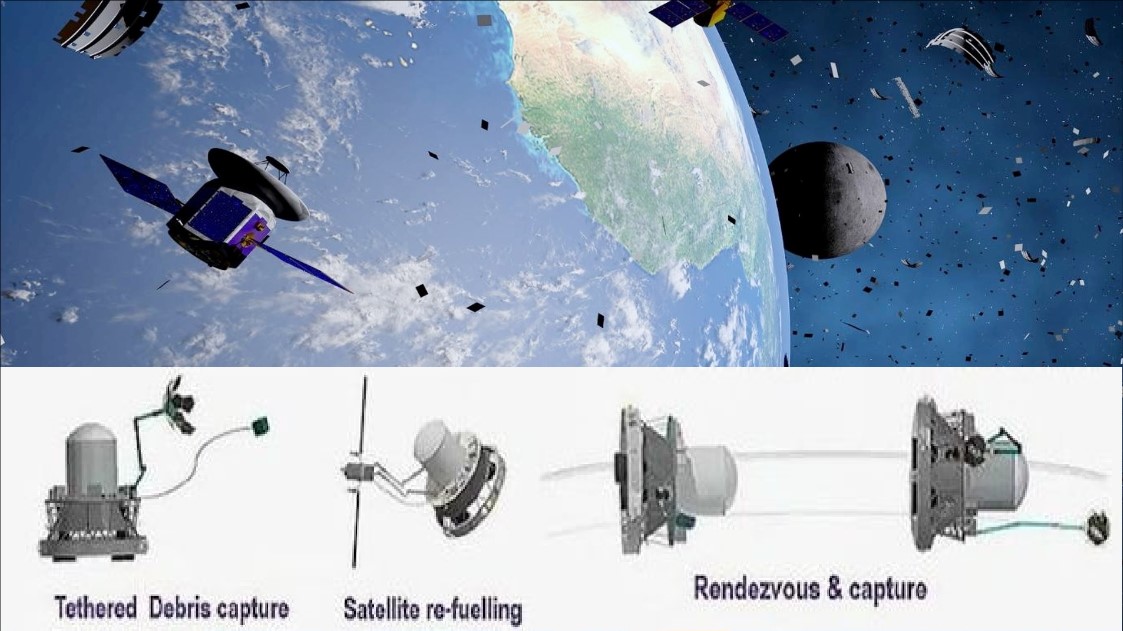
Space & Technology
India's space agency, the Indian Space Research Organisation (ISRO), is making a bold leap in satellite servicing and space debris management with its upcoming mission. This mission will test a suite of innovative technologies, the most notable being robotic arms designed to capture, maneuver, and even deorbit satellites and debris in space. This critical advancement aligns with India’s ambitious "zero debris" vision, targeting 2030 as the milestone for ensuring safer, sustainable space operations by minimizing the accumulation of space debris.New Frontiers in Satellite Servicing and Space Debris ManagementISRO's mission will center on testing what’s known as low-impact cooperative docking technology. This tech allows for secure communication and docking between two spacecraft, even when they’re in motion. In practice, it means that ISRO’s robotic arm will capture an orbiting satellite, demonstrating a level of precision required for future satellite repairs, relocations, and the deorbiting of non-functional satellites. The technology is also engineered to support satellite longevity by enabling on-orbit repairs—an essential feature for maintaining the value of India’s satellite assets.The mission will employ a tethered capture mechanism using a robotic arm. This arm, extending from a servicer satellite, will latch onto another satellite or a piece of space debris, effectively allowing ISRO to manage various orbital objects in a controlled manner. After capturing the satellite, a propulsive device will attach to it, facilitating safe deorbiting. The targeted object will descend into the Earth’s atmosphere, where it will burn up, thus preventing it from becoming a long-term collision risk for active satellites.The Complexity of Space Debris CaptureCapturing debris in orbit presents unique challenges due to the high speed and unpredictable trajectory of these objects. Even small pieces of debris can travel at velocities upwards of 28,000 kilometers per hour, making accurate tracking and capturing a feat of both engineering and timing. The tethered robotic arm must avoid any snags or vibrations, as they can destabilize the capture process and jeopardize the mission. Additionally, deploying and managing the tether requires precise adjustments to prevent it from causing unwanted oscillations that might complicate the docking procedure.The stakes are high because of the vast amount of debris currently orbiting Earth. By some estimates, there are over 40,500 pieces of space debris larger than 10 centimeters, adding to the congestion in low Earth orbit. ISRO’s robotic capture initiative aims to significantly reduce the risks associated with this overcrowding, which has grown more severe with recent satellite collisions and anti-satellite tests that generated thousands of new fragments.Understanding Tethered Capture for Debris RemovalOne cornerstone of ISRO’s approach to space debris management is tethered capture, a technology that involves a long, robust tether attached to a spacecraft. In this approach, the tether deploys to secure a piece of debris, allowing both objects—the spacecraft and the captured debris—to re-enter Earth's atmosphere. Former ISRO scientist Manish Purohit explains that tethered capture allows the combined mass of both objects to burn up upon reentry, thus preventing additional orbital pollution. ISRO’s Servicer Mission, for example, is planned to use this tethered approach for various operations on the PS4 Orbital Platform, demonstrating the feasibility of in-orbit servicing while attached to this stable platform.ISRO has recently shown a keen interest in expanding these capabilities. The agency recently published two patents detailing new mechanisms for on-orbit satellite capture. This innovation not only boosts the potential for debris removal but also opens the door to extending the lifespan of satellites through in-space repairs and maintenance.The Growing Threat of Space DebrisSpace debris is an escalating concern for all spacefaring nations. According to Harvard astrophysicist Jonathan McDowell, over 18,897 pieces of trackable space junk currently orbit Earth. Recent incidents, like a Chinese rocket colliding with existing debris, highlight the risks. Historical events have also worsened the situation: in 2007, China’s destruction of the Fengyun-1C satellite created thousands of new fragments, and the 2009 collision between U.S. and Russian satellites compounded the problem further.Additional anti-satellite tests by countries like the United States in 2008 and India in 2019 have contributed to this growing debris field. The debris from these events can stay in orbit for years, posing risks to active satellites, spacecraft, and the International Space Station.India’s Path to Zero-Debris Space by 2030ISRO’s zero-debris commitment marks a new phase in responsible space exploration. Under the Debris-Free Space Missions (DFSM) initiative, India aims for all missions—governmental and private—to adopt a zero-debris standard by 2025. Earlier this year, ISRO successfully re-entered a spent rocket from the XPoSat mission, which safely disintegrated in the Pacific Ocean. The agency also lowered the orbit of PSLV-37’s spent upper stage, ensuring it re-entered Earth’s atmosphere on October 6.By 2030, India aims to see all its missions adhere to this standard, making ISRO one of the frontrunners in sustainable space technology. This mission to test robotic capture and tethered deorbit technology is a major step toward achieving that goal. If successful, ISRO’s advancements could set a global precedent for debris management and on-orbit satellite servicing, securing a safer environment in low Earth orbit for future generations.
Read More → Posted on 2024-10-26 15:14:12
India
The Indian Air Force (IAF) is rapidly advancing the operational readiness of its Light Combat Aircraft (LCA) Tejas Mk1A with a series of enhancements aimed at maximizing its survivability and effectiveness in contested airspace. The latest addition to the Tejas Mk1A is the Israeli-made ELL-8212/ELL-8222 Self-Protection Jamming Pod, an advanced electronic countermeasure system developed by ELTA Systems to protect fighter jets from radar-guided missile threats. The move underscores the IAF's commitment to equipping its fleet with top-tier technology while indigenous solutions remain in development.Enhancing Combat Survivability with Israeli Jamming PodsThe integration of the ELL-8212/ELL-8222 jamming pods provides the Tejas Mk1A with a crucial line of defense against enemy radar systems. These compact, lightweight pods are engineered to disrupt radar frequencies used by hostile missile systems, effectively "jamming" enemy radars and concealing the jet from detection. The ELL-8212 is specifically optimized for self-defense in air combat, while the ELL-8222 variant offers expanded jamming capabilities, enhancing mission survivability in high-threat environments. The pods' design also ensures minimal drag, preserving the Tejas Mk1A's speed and maneuverability while allowing pilots to conduct missions with greater confidence against air-based and ground-based radar threats. Furthermore, the modular nature of the jamming system means the Tejas Mk1A can adapt its countermeasures to the specific mission profile, providing flexibility to the pilot.Indigenous ASPJ Pod in Development: A Step Toward Self-RelianceWhile the ELL jamming pods offer immediate operational benefits, the IAF is working closely with India’s Defence Research and Development Organisation (DRDO) to develop an indigenous electronic warfare (EW) solution known as the Advanced Self-Protection Jammer (ASPJ) Pod. Still in the testing phase, the ASPJ is being tailored to meet the unique needs of the IAF and is expected to eventually replace the Israeli pods as the primary self-protection system for the Tejas Mk1A fleet.Reports indicate that DRDO’s ASPJ is designed to not only match but potentially exceed the capabilities of the ELL system, specifically adapting to the operational demands of the Indian Air Force. The ASPJ, along with the indigenous Uttam Active Electronically Scanned Array (AESA) radar, is expected to be installed on Tejas Mk1A units from the 51st production unit onward. This phased integration plan allows the IAF to fulfill immediate defense requirements with the ELL pods while DRDO completes the rigorous testing and validation required for the ASPJ’s full operational deployment.Powering Offensive Capability with Astra MkI MissilesIn addition to defensive upgrades, the Tejas Mk1A is also being outfitted with Astra MkI Beyond Visual Range (BVR) missiles. These indigenously developed air-to-air missiles are capable of engaging targets at distances of up to 110 kilometers, providing the Tejas Mk1A with powerful offensive capabilities in long-range engagements. Astra MkI’s range and precision make it a formidable asset, giving pilots a crucial advantage in maintaining air superiority while keeping adversaries at a safe distance.Balancing Immediate Needs with Indigenous DevelopmentThe dual approach taken by the IAF—acquiring proven international technology for immediate requirements and simultaneously investing in homegrown solutions—demonstrates a strategic blend of operational readiness and self-reliance. The choice to integrate both the ELL jamming pod and Astra missiles into the Tejas Mk1A not only enhances the aircraft’s performance in the short term but also provides the IAF with invaluable experience in electronic warfare as it awaits the ASPJ’s operational rollout.By equipping the Tejas Mk1A with the Israeli ELL jamming pods while DRDO completes the ASPJ, India is ensuring that its pilots are prepared and protected in high-threat scenarios without delay. Once the ASPJ and Uttam radar systems are operationally ready, they will offer the IAF an entirely indigenous solution for its future fleet, reducing reliance on foreign technology while reinforcing India’s strategic defense capabilities.This approach aligns with India’s broader goals of defense self-sufficiency, ensuring that the Tejas Mk1A remains a modern and effective platform well into the future. With a blend of cutting-edge imported technology and promising indigenous solutions, the IAF is positioning the Tejas Mk1A as a versatile and formidable asset in India’s air defense strategy, prepared for both current operational demands and future challenges.
Read More → Posted on 2024-10-26 15:09:00
India
In a significant stride for India's naval capabilities, the Garden Reach Shipbuilders and Engineers (GRSE) Ltd. recently launched the seventh Anti-Submarine Warfare Shallow Water Craft (ASW SWC) named ‘Abhay’ for the Indian Navy. This launch marks an essential milestone in India’s defense manufacturing and naval expansion, as Abhay joins a class of eight ASW SWCs designed to tackle threats beneath the surface of India’s coastal waters. With the ongoing maritime security needs, the Navy's reliance on locally-built, advanced anti-submarine ships has become a top priority, and Abhay represents the cutting edge of this defense strategy.The launch ceremony, held with full naval tradition and maritime reverence, was inaugurated by Sandhya Pendharkar, the president of Navy Welfare and Wellness and spouse of Vice Admiral Rajesh Pendharkar, the Eastern Naval Command chief. According to naval custom, the ship’s sponsor or "mother" performs the launch, giving the ship her official name and "birth" before she embarks on decades of service. This unique maritime tradition, particularly in launching warships, is symbolic of giving life and purpose to a vessel destined to serve its nation.GRSE’s ASW SWCs, including the new INS Abhay, are built for agility and functionality in shallow waters, where submarines often operate with stealth. One of the standout features of these crafts is their compact design, measuring 77.6 meters in length and 10.5 meters wide, while requiring a minimal draught of just 2.7 meters. This design makes Abhay capable of maneuvering close to the shoreline, where it can conduct comprehensive sub-surface surveillance and counter low-intensity maritime threats. The ASW SWCs are designed with waterjet propulsion, allowing for speeds up to 25 knots (approximately 46 km/h). This speed is not only ideal for swift response to threats but also helps the craft evade potential attacks while it tracks and counters underwater targets. Abhay, like her sister ships, is equipped with a powerful suite of anti-submarine weaponry, including lightweight torpedoes, ASW rockets, and mines, making her a potent coastal defense asset. Additionally, Abhay's defense capabilities extend to above-water threats with a 30 mm Close-In Weapon System (CIWS) and 12.7 mm stabilized remote-controlled guns, both vital for safeguarding against aerial or surface-level hostilities. For underwater surveillance, the vessel boasts a sophisticated sonar system, with a Hull-Mounted Sonar and a Low-Frequency Variable Depth Sonar, ensuring enhanced detection and tracking of submarines. These systems enable the ship to engage effectively in coordinated anti-submarine warfare with support from naval aircraft, further reinforcing India’s maritime defense network.This latest vessel shares its name with an older ASW Corvette, INS Abhay, which has been in the Indian Navy’s service since 1989. Built in the Soviet Union, the original INS Abhay has faithfully served in anti-submarine operations for 35 years, becoming the only remaining vessel of the Abhay class. With the introduction of the new ASW SWC, the Navy prepares to retire this longstanding craft, replacing it with a modernized, more advanced counterpart capable of addressing contemporary sub-surface threats.During the launch, Vice Admiral Pendharkar expressed his appreciation for GRSE’s contributions, emphasizing the vital role these new ASW SWCs play in addressing potential submarine threats. “With enemy submarines potentially operating in Indian waters, these crafts fill a major gap left by the decommissioning of older corvettes. Importantly, over 80% of the equipment on these warships is sourced from Indian suppliers and OEMs,” he stated. Highlighting GRSE’s efficiency, he added that almost 40% of the work on INS Abhay was completed before the official launch, reflecting the shipyard’s commitment to timely, high-quality defense production.GRSE’s chairman, Cmde P R Hari, commended the team’s perseverance despite pandemic-related challenges and disruptions in supply chains. “We overcame all challenges to meet our commitments,” Cmde Hari noted, recalling the resilience displayed after GRSE signed the contract for the series of eight ASW SWCs. He also reaffirmed the shipbuilder's goal of achieving 100 warship deliveries in the coming decade, underscoring GRSE's reputation as a dependable partner for the Indian Navy.With the addition of INS Abhay, GRSE strengthens the Indian Navy’s coastal defense force, equipped with the necessary tools and technologies to safeguard the nation’s maritime borders. As the Navy looks toward future expansions, these domestically produced vessels signify India's journey toward self-reliance in defense, ready to face and neutralize maritime threats with state-of-the-art capability.
Read More → Posted on 2024-10-26 15:04:30
Israel Launches ‘Precise Strikes’ on Iranian Military Installations Following October Missile Attack
World
In a significant escalation of long-simmering tensions, Israel conducted “precise strikes” early Saturday morning targeting military installations within Iran. The Israel Defense Forces (IDF) described the attacks as a decisive response to ongoing and intensified assaults by Iran and its proxies, particularly after a ballistic missile attack on Israel on October 1, 2023. This development adds to an already volatile landscape, with Israel’s actions marking a clear statement on its intolerance for perceived threats and hostile maneuvers.Reports indicate that Iran’s air defenses were activated in response to the Israeli airstrikes, with sounds of explosions reverberating around Tehran and nearby regions. Although Iranian state media confirmed these explosions, the exact locations of the targeted sites remain undisclosed by both Israeli and Iranian sources. Military analysts speculate that Israeli forces likely aimed for strategically vital military assets near Tehran, which are thought to play roles in Iran’s ballistic missile capabilities and in supporting Iran-aligned forces in the region.The United States, although not directly involved in the operation, was informed of the impending strikes beforehand. A spokesperson for the U.S. National Security Council characterized Israel’s actions as an act of self-defense, given the ongoing threats posed by Iranian missile activities. The U.S. stance reflects the complex dynamics of its alliances, particularly with Israel, as well as its wary outlook on the aggressive capabilities displayed by Iran through its extensive missile and drone programs.The airstrikes come shortly after a brutal attack on southern Israel by Hamas on October 7, 2023, an incident that has led to intensified Israeli military actions against both Hamas and Hezbollah, groups that receive significant support from Iran. Israel’s strikes on Iranian installations may be seen as a message to Tehran, cautioning it against escalating its involvement through proxy forces and underscoring Israel’s capacity and willingness to directly confront perceived threats within Iran’s borders.As the situation evolves, the potential for a wider regional conflict looms. The implications of these strikes extend beyond Iran and Israel, affecting neighboring countries and raising concerns among global powers about the potential for a larger-scale confrontation in the Middle East.
Read More → Posted on 2024-10-26 15:01:19
World
On October 22, 2024, Yehor Chernev, a prominent member of Ukraine's parliament and head of the country’s NATO Parliamentary Assembly delegation, made an exciting announcement during a televised appearance. He indicated that significant results from Ukraine’s homegrown ballistic missile program—specifically the Hrim-2 missile—would soon be revealed. While Chernev noted that some tests had already taken place, he acknowledged ongoing challenges related to component availability. He confidently stated that the outcomes of these missile tests would soon be apparent, not just to Ukraine but to Russia as well.The development of the Hrim-2 missile has been a remarkable achievement for Ukraine, especially highlighted by President Volodymyr Zelensky during the "Ukraine 2024. Independence" forum. On August 27, 2024, Zelensky proudly announced the successful testing of what is believed to be Ukraine’s first locally manufactured ballistic missile, marking a pivotal moment in the nation's defense capabilities. Although many specifics of the missile remain classified, this milestone underscores Ukraine's determination to enhance its military self-sufficiency, reducing its reliance on foreign weaponry as the conflict with Russia continues to escalate.The Hrim-2 missile system, also referred to as Grim-2, Grom-2, Thunder, or OTRK Sapsan, has been designed as a direct competitor to Russia’s Iskander missile system. This short-range ballistic missile system is intended to replace the outdated Soviet-era Tochka-U missiles. One of the most impressive features of the Hrim-2 is its range, which has been reported to extend up to 700 kilometers for Ukrainian forces—significantly surpassing its previous operational range of 450 to 500 kilometers. In contrast, the export variant of the missile has a shorter range of between 50 and 280 kilometers. Another notable aspect of the Hrim-2 is its advanced evasive capabilities. The missile utilizes an aeroballistic flight path that allows it to bypass sophisticated air defense systems, including Russia’s S-300 and S-400. This versatility not only enhances its effectiveness in offensive operations but also equips Ukraine with the ability to deploy various missile types, thereby fortifying its military strategy. Given the ongoing conflict with Russia, Ukraine has been under increasing pressure to develop and deploy long-range weapons. President Zelensky has frequently urged Western allies to ease restrictions on long-range arms to bolster Ukraine’s defenses. The urgency is further underscored by recent Russian bombardments, which have intensified the need for stronger retaliatory capabilities. In a notable move earlier this year, Ukrainian forces executed an offensive operation in Russia's Kursk region to address the gap in long-range weaponry.The Hrim-2's development is crucial not only for its immediate military applications but also for Ukraine's broader defense strategy. While the missile's specific operational details remain largely under wraps, it is believed that its current range allows the Ukrainian Army to target deep into Russian-occupied territory. This capability is especially vital for striking critical military infrastructure, including assets located in Crimea. Ukrainian officials have linked the Hrim-2 to several successful strikes on Russian military targets, showcasing its potential effectiveness on the battlefield.Despite Russia's claims of intercepting these missiles and dismantling related production facilities, Ukrainian military leaders, including Brigadier General Serhiy Baranov, express optimism about the Hrim-2's future impact on the battlefield. He indicated that improvements to the missile are underway and that the repercussions will soon be felt by Russian forces. Furthermore, there are expectations that Ukraine's missile production capabilities could expand significantly, potentially reaching ranges of up to 1,000 kilometers, all funded by the national budget—a testament to Ukraine’s commitment to achieving military independence.The Hrim-2’s design also offers significant flexibility for deployment. The missile can be launched from mobile platforms and is capable of carrying various warheads, making it suitable for both offensive and defensive roles in the ongoing conflict. This adaptability enables Ukraine to target a wide range of critical Russian military assets, including supply routes and command centers. Military experts assert that a missile system like the Hrim-2 empowers Ukraine to conduct independent military operations without solely relying on Western-supplied long-range weaponry.In summary, the Hrim-2 missile represents a significant advancement in Ukraine's military capabilities, showcasing the nation’s resilience and determination to bolster its defenses against Russian aggression. As Ukraine continues to enhance its missile technology, the Hrim-2 could play a pivotal role in shaping the outcome of the ongoing conflict, marking a new chapter in Ukraine's fight for sovereignty.
Read More → Posted on 2024-10-25 15:32:26
India
The Indian defense landscape is witnessing significant advancements, particularly with the indigenous development of the Light Combat Aircraft (LCA) Naval trainer prototype, known as NP5. This aircraft, which successfully completed its maiden flight at Hindustan Aeronautics Limited (HAL) airport last year, is set to play a pivotal role in testing and refining the upcoming Twin-Engine Deck-Based Fighter (TEDBF). Designed specifically for naval operations, the NP5 is more than just a trainer; it is a sophisticated platform poised to enhance India's naval aviation capabilities.The NP5 will serve as a critical testbed for the TEDBF program, which aims to create a formidable fighter jet capable of operating from aircraft carriers. With an anticipated weight of around 26 tons, the TEDBF is designed to engage in complex maritime operations, and the data collected from the NP5 will be invaluable. The trainer will simulate various take-off and landing procedures specific to aircraft carriers, helping engineers understand the performance characteristics necessary for the TEDBF.One of the significant aspects of the NP5 is its ability to gather crucial data related to aircraft operations. This includes analyzing take-off and landing speeds, engine performance under various conditions, and structural integrity during different phases of flight. By focusing on these parameters, engineers can refine the design of the TEDBF, ensuring it meets the stringent requirements of naval aviation. The NP5’s specifications, including its aerodynamic design and advanced avionics, contribute to creating a reliable test environment for the systems that will ultimately be integrated into the TEDBF.While the TEDBF program is still awaiting clearance from the Cabinet Committee on Security (CCS) and the completion of its Conceptual Design Review (CDR), work on the NP5 is progressing steadily. This proactive approach allows engineers to address potential challenges early in the development process, thereby minimizing risks associated with the TEDBF's eventual rollout. The NP5 will not only provide a platform for testing but also foster innovation in technologies that will enhance the performance and safety of naval operations.As the TEDBF research program moves forward, the role of the NP5 will become increasingly crucial. Its ability to simulate real-world scenarios will enable the team to fine-tune the aircraft's systems, paving the way for a smoother transition from prototype to operational fighter. This meticulous preparation underscores India's commitment to developing a self-reliant defense industry capable of meeting its strategic needs.In conclusion, the NP5 LCA Naval trainer prototype stands as a testament to India's advancing capabilities in naval aviation. As it prepares to test critical aspects of the TEDBF program, it will undoubtedly play a vital role in shaping the future of India's maritime defense. This initiative not only enhances national security but also bolsters India's position as a rising power in the global defense arena, showcasing homegrown innovations that are set to make a significant impact on naval warfare.
Read More → Posted on 2024-10-25 15:23:03
World
North Korea, often characterized by its reclusive nature and aggressive military posturing, possesses one of the largest militaries in the world. Recent reports have intensified interest in its military capabilities and international partnerships, particularly in light of accusations that North Korea has dispatched thousands of troops to Russia for potential involvement in the Ukraine conflict. This move marks a significant potential overseas deployment for the North Korean military since the Vietnam War, raising questions about the country's military influence and its historical collaborations.The Scale of North Korea's MilitaryThe Korean People's Army (KPA) stands as a formidable force, boasting an estimated 1.3 million active personnel, making it one of the largest military organizations globally, second only to countries like China and the United States. In addition to active troops, North Korea has around 600,000 reservists and approximately 5.7 million in the Worker/Peasant Red Guards. This massive reserve gives the country a substantial manpower pool, reinforcing its military readiness.The KPA comprises various branches, including the army, air force, navy, and strategic forces equipped with ballistic missiles capable of carrying nuclear warheads. Conscription is mandatory for men aged 17 to 30, ensuring a continuous influx of personnel into the military ranks. The air force consists of about 110,000 personnel, while the navy includes around 60,000.North Korea's Military ArsenalNorth Korea's military strength is not only quantified by troop numbers but also by its arsenal. The country is recognized as one of the nine nations possessing nuclear weapons. Its missile development program has produced a variety of missiles, from short-range tactical options to intercontinental ballistic missiles (ICBMs) that can potentially reach the continental United States. Although much of North Korea's conventional military hardware is outdated, including over 6,900 tanks primarily derived from Soviet-era designs, the KPA continues to prioritize modernization and technological advancement.The air force is equipped with more than 400 fighter aircraft, but many of these are aging and may not be combat-ready. Similarly, the Korean People's Army Naval Force (KPANF) has around 470 surface vessels and 70 submarines, which include antiquated models. Recent efforts have been made to enhance naval capabilities, introducing new technologies such as an underwater drone and missile submarines, indicating a strategic pivot towards naval power.Military Partnerships: Historical ContextNorth Korea's military alliances have historically extended beyond its borders, establishing partnerships with various countries. Notably, during the Vietnam War, North Korea dispatched over 1,000 troops to assist North Vietnam, including pilots who engaged U.S. forces. The military cooperation aimed to bolster North Vietnam's efforts against the United States, which saw North Korea utilizing its air force effectively during the conflict.In Egypt, North Korea provided military advisers and personnel during the Yom Kippur War in 1973, reflecting a commitment to support allied nations against perceived threats. This partnership stemmed from a military assistance pact forged by Kim Il Sung and Egypt’s Hosni Mubarak.Similarly, in Libya, North Korea established a military alliance under Muammar Gaddafi, solidified by a ten-year treaty emphasizing mutual defense. The cooperation included training and military exchanges, with North Korea reportedly exploring ways to leverage Libya as a strategic location for its military interests.Syria has long been a close ally, with North Korea playing a crucial role in developing missile technology and chemical weapons. Reports have emerged indicating that North Korean military personnel were actively involved in Syria's civil conflict, although these claims were often met with denials from Pyongyang.The Current Landscape of AlliancesIn recent years, North Korea's partnerships have evolved, particularly with Iran, where both nations, under international sanctions, have engaged in nuclear and missile development collaboration. Reports of technical exchanges and shared resources underscore a growing military relationship that could have profound implications for regional stability.Africa has also seen North Korean involvement, particularly in nations like Zimbabwe and Uganda, where military training and arms sales have been prevalent since the Cold War. However, relations have soured in light of tightening U.N. sanctions, leading to reduced military cooperation in recent years.North Korea's military capabilities and its network of alliances paint a complex picture of a nation striving to assert its influence despite its isolation. The potential deployment of troops to Russia marks a pivotal moment in its military strategy, hinting at a willingness to project power beyond its borders. As the world watches closely, the evolving dynamics of North Korea's military partnerships and capabilities will undoubtedly remain a focal point in international relations and security discussions.This intricate web of military strength, historical collaborations, and current strategic moves underscores the critical role North Korea plays in the geopolitical landscape, raising important questions about the future of global security and stability.
Read More → Posted on 2024-10-25 15:20:46
World
On October 23, 2024, the British Army made significant strides in its mechanized capabilities by successfully testing the water-fording capabilities of the Boxer 8x8 armoured vehicle at Instow Beach in North Devon. This trial marked a pivotal moment for the 38.5-tonne vehicle, which showcased its stability and control while navigating through seawater. The test was overseen by the Amphibious Trials and Development Wing (ATDW), confirming that the Boxer is poised to become the primary mechanised infantry vehicle (MIV) for the British Army.The Boxer armoured vehicle is part of a broader effort by the British Army to enhance its operational flexibility and adaptability in various combat scenarios. The £2.8 billion contract secured in 2019 included the acquisition of 523 Boxer vehicles, with production shared between the UK and Germany. This investment is critical to the Mechanised Infantry Vehicle program, which aims to fortify the capabilities of the Army’s Strike Brigades, designed for rapid deployment across diverse terrains. The latest trial underscores the Boxer’s robust amphibious capabilities, allowing it to operate effectively in challenging coastal environments.The Boxer is being delivered in several configurations, such as troop carriers, command vehicles, ambulances, and specialist vehicles. This modularity is a key feature, allowing the Army to adapt the vehicle for various roles. In 2022, the UK government furthered its commitment by exercising an option to order an additional 100 Boxers, bringing the total to 623 units. Among the diverse configurations being produced are infantry carrier vehicles, engineer section vehicles, reconnaissance platforms, and mobile fire support variants, including the Boxer RCH 155, which will serve as a mobile fire platform.The British Army has conducted extensive testing of the Boxer since mid-2023, including mobility assessments over rough terrain and long-distance maneuvers to ensure rapid deployment capabilities. These trials also involve role-specific tests for different variants of the Boxer, such as the infantry carrier and command vehicle. A notable part of the assessment process was a live-fire trial, which aimed to evaluate how well the vehicle can integrate with various weapon systems, from heavy machine guns to anti-tank missiles.The recent fording tests hold critical importance for the Boxer’s operational capabilities. Being able to ford water up to 1.5 meters deep without special preparation enhances the vehicle's mobility, allowing it to traverse rivers and flooded areas effectively. This flexibility is essential in military operations, where encountering water obstacles is a common challenge. The Boxer’s design includes high ground clearance and a robust drive system, ensuring that it maintains traction and stability even in difficult, waterlogged conditions.Moreover, the ability to cross water obstacles without external support reduces vulnerability and speeds up operations in contested areas. It allows the British Army to operate with greater logistical reach, enabling forces to maintain momentum and avoid being bogged down by challenging terrains. The fording capability also ensures the protection of the crew and onboard systems from water ingress, maintaining functionality in critical areas such as the engine and weapon systems.As the British Army continues to integrate the Boxer into its Brigade Combat Teams alongside platforms like the Ajax infantry fighting vehicle and the Challenger 3 main battle tank, it is clear that the Boxer will play a vital role in modernizing the Army’s capabilities. While the Warrior infantry fighting vehicle will remain in service until new capabilities are fully operational, the Boxer is expected to assume an increasingly significant role in future operations.In summary, the successful testing of the Boxer 8x8 armoured vehicle’s water-fording capabilities not only highlights its operational versatility but also enhances the British Army’s readiness to deploy effectively in diverse combat environments. As the Boxer continues to undergo rigorous testing and evaluation, it reaffirms its position as a crucial asset in the British Army’s evolving mechanized force structure.
Read More → Posted on 2024-10-25 15:15:34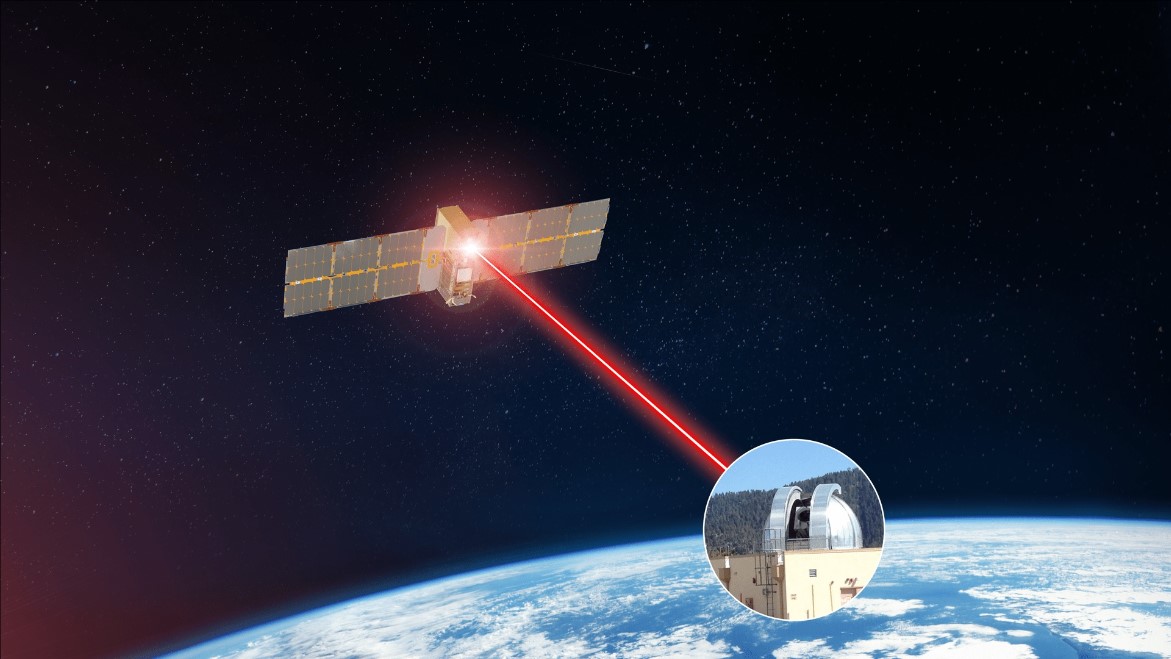
Space & Technology
In a significant leap for space communications, the French Defence Innovation Agency (AID) has announced the successful launch and operation of the Keraunos satellite, marking what is claimed to be the world's first stable Optical-Laser Infrared (OLI) communication link between a low-orbit nanosatellite and a ground station. This ambitious project was developed in collaboration with two pioneering French space companies, Cailabs and Unseenlabs, and falls under the umbrella of France's Military Programming Law for 2024-2030. The Keraunos satellite is part of a broader initiative, which also includes projects named Toutatis and Yoda, all aimed at enhancing the country's military communication capabilities.In September 2024, a joint announcement highlighted the successful test of this groundbreaking technology, which took place during the summer. The test demonstrated the potential of OLI communications for transferring data at unprecedented speeds, laying the groundwork for future military and commercial applications. While there have been other advancements in the field by NASA, China, and other nations, this test stands out as the first commercial endeavor to successfully implement such a high-speed communication link.To appreciate the implications of this technology, it's essential to understand how OLI communications differ from traditional radio frequency (RF) systems. Both methods are part of the electromagnetic (EM) spectrum, but they occupy distinct frequency ranges and bandwidths. RF systems, which utilize lower energy photons, typically operate within the range of 3 KHz to 300 GHz, while OLI communications, using infrared light, function at significantly higher frequencies (300 GHz to 400 THz). This fundamental difference allows OLI systems to transmit data at much higher speeds—up to 200 Gb/sec, which is a staggering 40 times faster than conventional RF systems. In practical terms, it means that complex data sets, like a full-resolution map of Mars, could be transmitted in nine days using OLI instead of nine weeks with RF.The military implications of OLI communications are profound. Not only does it offer speed, but it also enhances security, flexibility, and cost-effectiveness. The narrow beam width of OLI communications makes them more difficult for adversaries to detect and jam. This precision can provide a significant tactical advantage, particularly in military operations where secure and reliable communication channels are paramount. Furthermore, the components of OLI systems tend to be lighter and less voluminous, allowing for easier integration into existing infrastructures without the need for traditional, bulky antennas. This flexibility translates into lower setup costs and improved logistics for military operations.However, OLI systems are not without their limitations. The narrow focus of their communication beam means that any misalignment between the transmitter and receiver can lead to transmission loss. Additionally, environmental factors, such as rain and cloud cover, can disrupt communication links. Fortunately, the innovative technologies developed by Cailabs and Unseenlabs are designed to address these challenges, with adaptive ground receivers capable of mitigating some of the issues associated with atmospheric disturbances.The AID has expressed its commitment to integrating OLI communications into next-generation military satellites, targeting a range of platforms across land, sea, and air. This technology could significantly enhance communication capabilities for European land forces, ensuring resilience in a rapidly evolving battlefield landscape. The successful validation of OLI communications through the Keraunos test marks a pivotal moment in the evolution of space-to-ground communication, setting the stage for broader applications in both military and civilian sectors. As the world embraces this innovative technology, it is likely that OLI will become a cornerstone of future communication infrastructures, complementing existing RF systems without completely replacing them.
Read More → Posted on 2024-10-25 15:12:09
India
In a groundbreaking move towards sustainable energy, NTPC, one of India's largest power companies, has teamed up with the Indian Army to establish a Solar Hydrogen-based Microgrid in Chushul, Ladakh. This collaboration is not just about meeting immediate energy needs but represents a significant leap toward enhancing energy security while reducing reliance on fossil fuels.The initiative was formalized through a Memorandum of Understanding (MoU) signed by Mr. Mohit Bhargava, the CEO of NTPC Renewable Energy Ltd. (NTPC REL), and Lt. General Rajinder Dewan of the Indian Army. This partnership is particularly crucial as it aims to provide a reliable power supply of 200 kW, specifically designed to function under the harsh winter conditions of Ladakh, where temperatures can drop to extreme levels. The need for continuous power in such an environment is vital for military operations and local communities.The design and development of this innovative renewable energy project will fall under NTPC REL's expertise, focusing on solar and wind energy solutions that cater to the unique demands of the Indian Army. Utilizing a Build, Own and Operate (BOO) model, NTPC will take responsibility for the entire project lifecycle, from inception to operation. This approach not only ensures a seamless execution of the project but also aligns with NTPC's commitment to sustainable energy practices.This collaboration is a part of India's broader vision for decarbonization and energy independence. By shifting away from traditional diesel generators, which have long been the mainstay in remote and off-grid areas, this project highlights a pivotal transition toward cleaner energy sources. The microgrid system will leverage hydrogen as an energy storage medium, a step that showcases NTPC's commitment to advancing hydrogen technologies.NTPC has a history of engaging in hydrogen-related projects, including hydrogen blending with natural gas and exploring hydrogen-based mobility solutions. By integrating hydrogen technology in this microgrid project, NTPC is positioning itself at the forefront of the renewable energy revolution in India. This initiative not only strengthens military capabilities but also sets a precedent for similar projects in remote locations across the country.In conclusion, the partnership between NTPC and the Indian Army symbolizes a significant stride towards a sustainable future. By harnessing the power of green hydrogen and renewable energy, they are not only addressing immediate power needs but also paving the way for energy independence and resilience in the face of climate change. This innovative project in Ladakh serves as a model for future endeavors that prioritize sustainability while meeting the demands of critical infrastructure.
Read More → Posted on 2024-10-25 15:06:58
World
Germany’s Rheinmetall has delivered an additional 20 Marder infantry fighting vehicles (IFVs) to Ukraine as it continues its defense against Russian forces. This delivery, completed by the end of Q3 2024, adds to the steady flow of support from Germany and marks a significant milestone: nearly 200 Marder IFVs have now been supplied directly to Ukraine or via the “Ringtausch” (ring exchange) program. This exchange program, coordinated with Germany's allies, allows NATO countries to provide Ukraine with urgently needed resources while backfilling those sent from Bundeswehr reserves. The Marder vehicles sent are primarily the Marder 1A3 model, known for its effectiveness in high-intensity combat.Specifications and Enhancements of the Marder 1A3The Marder 1A3 is a heavily armored IFV designed to transport troops safely into combat zones while providing robust firepower support. Originally developed for the Bundeswehr in the 1970s, the Marder has been progressively modernized. The 1A3 variant features an upgraded armor system for enhanced protection against mines, IEDs, and ballistic threats, making it a reliable choice for both defense and offensive maneuvers. One of the standout features of the Marder 1A3 is its firepower. The vehicle is equipped with a 20mm Rheinmetall MK 20 Rh202 automatic cannon, effective against light armored vehicles, infantry, and low-flying aerial targets. The addition of a laser rangefinder in this model significantly boosts its target accuracy, allowing operators to engage targets efficiently over longer distances. Furthermore, the Marder 1A3’s firing system is stabilized, giving it a critical advantage for firing on the move—a vital feature for Ukraine’s mobile defense strategies.These IFVs also come equipped with a 7.62mm MG3 machine gun mounted as a coaxial weapon to supplement the main cannon. The Marder 1A3 can carry a squad of six soldiers, along with a crew of three (commander, gunner, and driver). Its 600-horsepower engine allows for top speeds of up to 65 km/h (40 mph), ensuring agility across diverse terrains.Supporting Ukraine’s Defense with Renewed VehiclesTo meet urgent battlefield needs, Rheinmetall has been refurbishing these Marders from older Bundeswehr stocks since the spring of 2022. Initially financed by the company, these refurbishments include comprehensive overhauls at Rheinmetall’s facilities in Unterlüß and Kassel, Germany. This process not only ensures that the vehicles are operational but also prepares them for the specific challenges of the Ukrainian front lines, which range from urban combat to open-field engagements.Germany’s funding of the recent batch of Marders, which carries a mid double-digit million euro price tag, underscores its commitment to supporting Ukraine with highly effective land combat vehicles. This delivery also adds to the ring exchange arrangement, where countries willing to provide more direct aid to Ukraine are compensated with German-made systems in return. This cooperative approach has helped NATO allies address logistical and operational gaps in supporting Ukraine.The Legacy of the Marder Amid Modern Combat VehiclesThe Marder has proven to be a versatile and durable IFV, but it is being gradually phased out within Germany’s own military. The Bundeswehr is replacing the Marder with the more advanced Puma IFV, a vehicle with enhanced mobility, firepower, and protection. However, with over 300 Marders still active in Germany, they remain a valuable asset within NATO’s arsenal. While newer systems like the Puma represent the future of German armored capabilities, the Marder continues to serve effectively in both Germany and Ukraine, highlighting its long-standing reputation as a reliable combat vehicle.As Ukraine continues its defensive and offensive operations, these additional Marder 1A3 IFVs will strengthen its armored vehicle fleet and bolster its defense lines. With enhanced combat features and extensive refurbishments tailored to Ukraine's needs, the Marders offer vital support to Ukraine's military at a critical time in the ongoing conflict.
Read More → Posted on 2024-10-25 15:03:08
India
In a notable stride for India’s defense sector, Chennai-based TridenTech Engineering Pvt Ltd, in collaboration with partners such as IIT Madras, Bharat Electronics Limited (BEL), Research and Analysis Laboratory (RAL), and BILVA Technologies, has successfully test-fired an indigenously developed 80mm unguided rocket. This achievement reflects India’s growing emphasis on self-reliance in defense technology, particularly through public-private partnerships that leverage expertise across various fields. The successful test of the 80mm rocket not only strengthens India's defense capabilities but also showcases the country’s potential to develop robust and cost-effective rocket systems in-house.The development of the rocket was a collaborative effort with each partner bringing specialized expertise. TridenTech Engineering Pvt Ltd led the project from initial concept and design to final testing, reflecting the central role that private-sector firms can play in defense innovation. Their work in developing the physical structure, propulsion systems, and stabilizing mechanisms of the rocket has been essential to its functionality.Academic and Industrial CollaborationIIT Madras, under the guidance of Professor Ramakrishna, offered a wealth of academic and research support. Their work focused on rocketry, propulsion systems, and material science, providing essential theoretical backing and simulation data that helped refine the rocket's initial designs. BEL, represented by Abhishek Hegde, added substantial expertise in electronic and defense systems, which proved critical to developing performance-assurance components essential for field reliability.RAL and BILVA Technologies also played key roles, particularly in materials research and control system development. These components ensure the rocket's structural integrity under high-stress launch conditions and its consistency in propulsion, making sure it performs as expected in a range of scenarios. The resulting 80mm unguided rocket offers the Indian military an effective tool for rapid, area-based fire support in battlefield conditions, especially useful in scenarios where quick saturation fire is required.Performance and Operational AdvantagesAlthough an unguided system, the 80mm rocket is designed for battlefield suppression, where its ability to deliver a large payload rapidly is valuable. The recent test fire evaluated basic stability and performance metrics, affirming the design's reliability. These rockets, despite lacking guidance systems, can still cover a defined area effectively, making them an asset for scenarios that do not require pinpoint accuracy. The system has a scalable design that can be adapted or upgraded to meet different combat requirements, which makes it both versatile and economical.The success of this test marks only the beginning, as further trials will continue to refine key performance metrics such as range, accuracy, and payload capacity. The potential to add guidance features in future variants could transform this rocket into a precision weapon, expanding its use cases. A guided version would provide a new level of accuracy and control, ideal for missions where precision targeting is essential.Future OutlookThe upcoming phases of testing will assess various deployment scenarios and may lead to adjustments in payload flexibility, accuracy, and speed of deployment. With a successful track record in testing, this indigenous rocket could eventually enter larger-scale production. Further refinements could even open up the possibility of export, positioning India as a producer of competitive defense technology. This successful demonstration underscores the ability of India’s private sector to meet stringent defense standards, providing the Indian military with options tailored to national defense needs and suited to rapid, cost-effective deployment. Through such indigenous advancements, India is positioning itself for a more self-reliant defense landscape, with private players like TridenTech Engineering setting the stage for innovation in the years to come.
Read More → Posted on 2024-10-25 14:58:51
World
German Defence Minister Boris Pistorius has set his sights on a significant upgrade for Germany’s missile capabilities. He plans to acquire 600 new Taurus Neo cruise missiles, an advanced variant of Germany’s existing Taurus missiles. This initiative comes as Ukraine intensifies its appeals for Germany to provide such long-range weapons, which could be instrumental in targeting Russia’s deep-seated military installations. Despite his ambitions, Pistorius faces significant financial hurdles, with no confirmed funding yet to launch the project.Currently, Germany possesses around 600 Taurus missiles in its inventory. These weapons, manufactured by MBDA, can reach over 500 km (311 miles), designed to penetrate high-value targets well behind enemy lines. From the air, these missiles can be deployed by aircraft like the Tornado and F-15, giving the German forces a robust counterstrike option. Each Taurus missile is specifically designed for precision attacks on critical infrastructure: command centers, ammunition depots, airstrips, bridges, and other strategically vital points. The effectiveness of the Taurus is partly due to its bunker-busting capability, which enables it to destroy hardened targets and reduce the adversary’s ability to coordinate or resupply.This capability becomes increasingly critical as Russia continues its missile campaign in Ukraine, often targeting civilian infrastructure. In contrast, Ukraine’s response capacity is limited by the lack of comparable long-range weapons. Pistorius’s interest in the Taurus Neo is thus timely but may take time to materialize. The new variant, Taurus Neo, promises enhanced capabilities and is expected to cost around €2.1 billion for 600 units. Pistorius aims to start securing funding by 2025, initially needing €350 million to get the project moving. If the budget allows, the bulk of the payments would be scheduled to flow starting in 2029, with the first deliveries anticipated that same year.While Germany’s inventory already holds hundreds of Taurus missiles, Ukraine’s persistent requests for long-range weapons have placed the German government in a difficult position. Chancellor Olaf Scholz has repeatedly declined to send Taurus missiles to Ukraine, citing the risk that their extended range might be used to strike within Russian borders, potentially escalating the conflict. The Kremlin has already expressed concern over the possibility of Germany or any Western allies providing Ukraine with such long-range capabilities, warning that such a move could lead to increased "spiraling tension" in the region.Other NATO allies, including Britain and France, have recently supplied Ukraine with Storm Shadow and Scalp missiles—long-range options that Kyiv’s forces have successfully adapted to Soviet-era aircraft. This demonstrates Ukraine's determination and adaptability in modernizing its military arsenal, even if only with limited assistance from the West. But Germany has thus far remained cautious, mindful of the potential consequences of directly arming Ukraine with weapons capable of deep strikes within Russian-held territory.The debate over providing long-range missiles to Ukraine continues to test Germany’s political stance, particularly as both domestic and international pressures grow. Pistorius's push for the Taurus Neo underscores Germany's commitment to bolstering its defense capabilities. However, the significant financial outlay and the complex political implications make this a challenging goal. Whether the project will secure the required budget in 2025 remains uncertain, but it clearly reflects Germany’s intent to keep its defenses well-prepared and modernized, even as geopolitical tensions rise.
Read More → Posted on 2024-10-25 14:54:58
India
In a major leap forward for India's defense capabilities, the Defence Research and Development Organisation (DRDO) has received approval from the Indian Air Force (IAF) to transform its experimental Stealth Wing Flying Testbed (SWiFT) into a fully operational unmanned combat aerial vehicle (UCAV). Originally designed as a technology demonstrator, SWiFT will now evolve into a 1-ton stealthy UCAV, uniquely tailored for precision mini-bomber roles as well as intelligence, surveillance, and reconnaissance (ISR) operations. This move marks India’s commitment to pushing the boundaries of stealth technology and expanding its aerial combat and surveillance capabilities.The Evolution of SWiFT from Demonstrator to UCAVThe SWiFT project initially aimed to test essential technologies that would eventually feed into larger UCAV programs. Key areas of focus included stealth, aerodynamics, and unmanned flight capabilities, particularly for operations where human involvement is high-risk. By proving these technologies in SWiFT, DRDO planned to pave the way for a new generation of stealthy unmanned systems, an approach now coming to fruition with this recent IAF nod.This progression to a full-scale UCAV not only reflects SWiFT’s technical maturity but also highlights the IAF’s growing emphasis on integrating stealthy unmanned platforms. With this green light, the SWiFT UCAV is expected to join the forefront of India's aerial combat strategy, where its operational flexibility and precision will provide substantial support in high-stakes scenarios.Advanced Features: Stealth, Payload, and Engine PowerThe newly approved SWiFT UCAV is designed to handle a wide array of missions, with advanced features engineered to meet the rigorous demands of modern combat. To maintain its stealth profile, SWiFT will feature an internal weapons bay, a sophisticated element typically reserved for advanced stealth aircraft. This internal bay minimizes radar signatures by housing weapons within the body, rather than external mounting, which would make the aircraft more detectable. This design enables SWiFT to carry precision-guided munitions while staying under radar detection thresholds, allowing it to carry out deep strikes undetected.Powering SWiFT is the Small Turbo Fan Engine (STFE), a compact yet powerful engine previously deployed in the Nirbhay cruise missile. Developed in India, the STFE is celebrated for its reliability and efficiency, which makes it an excellent fit for SWiFT’s stealthy, agile design. This engine provides the necessary thrust to support extended flight operations, facilitating missions that range from precision bombing to extended ISR (Intelligence, Surveillance, and Reconnaissance) without compromising stealth or endurance.Combat Versatility and ISR CapabilitiesThe SWiFT UCAV's 1-ton payload capacity further enhances its versatility on the battlefield. As a mini-bomber, it can engage high-value targets in contested territories where manned aircraft might be more vulnerable. This will allow the IAF to execute precise strikes while minimizing human risk. The UCAV’s ISR capabilities are equally impressive: equipped with advanced sensors, it is designed to conduct surveillance operations and provide real-time intelligence. This information is critical for ground commanders, allowing them to make informed decisions in fast-evolving combat scenarios.Stealth UCAVs like SWiFT bring significant strategic advantages, particularly in the Asia-Pacific region, where various military powers are advancing their air defense capabilities. For India, SWiFT represents not just a technological advancement, but also a shift in tactical options, allowing the military to gather vital intelligence or launch attacks even in heavily defended airspace.A Growing Global Trend in Unmanned CombatThe shift towards stealthy UCAVs aligns India with the global trend of incorporating unmanned systems capable of executing "dull, dirty, and dangerous" missions. With advancements in artificial intelligence and autonomous flight, UCAVs are now critical assets in modern warfare, especially in environments where human pilots may face intense hazards. Defense analysts predict that these unmanned systems will be invaluable in future conflicts, allowing militaries to maintain operational flexibility and maximize impact while minimizing personnel exposure to risk.DRDO’s ongoing work on SWiFT, coupled with its successful integration of the STFE engine, is evidence of India’s commitment to leading in unmanned combat systems. The project signifies a strong move towards operational self-reliance and innovation in defense technology, and it signals India's intent to be a key player in the realm of stealth and unmanned aerial capabilities. With SWiFT, India is not only advancing its defense technology but also shaping a new chapter in aerial warfare, where UCAVs will likely play a transformative role.
Read More → Posted on 2024-10-25 14:52:48Search
Top Trending in 24 Hours
-
 Western Intelligence Warns Russia Could Launch Nuclear-Armed Satellite as Early as December
-
 IG Defence Successfully Test-Fires JWALA MK-1 Counter-Drone Missile at Pokhran
-
 U.S. Awards Lockheed Martin $330.6 Million Contract for Long-Lead Materials Supporting 75 F-35 Lot 22 Aircraft
-
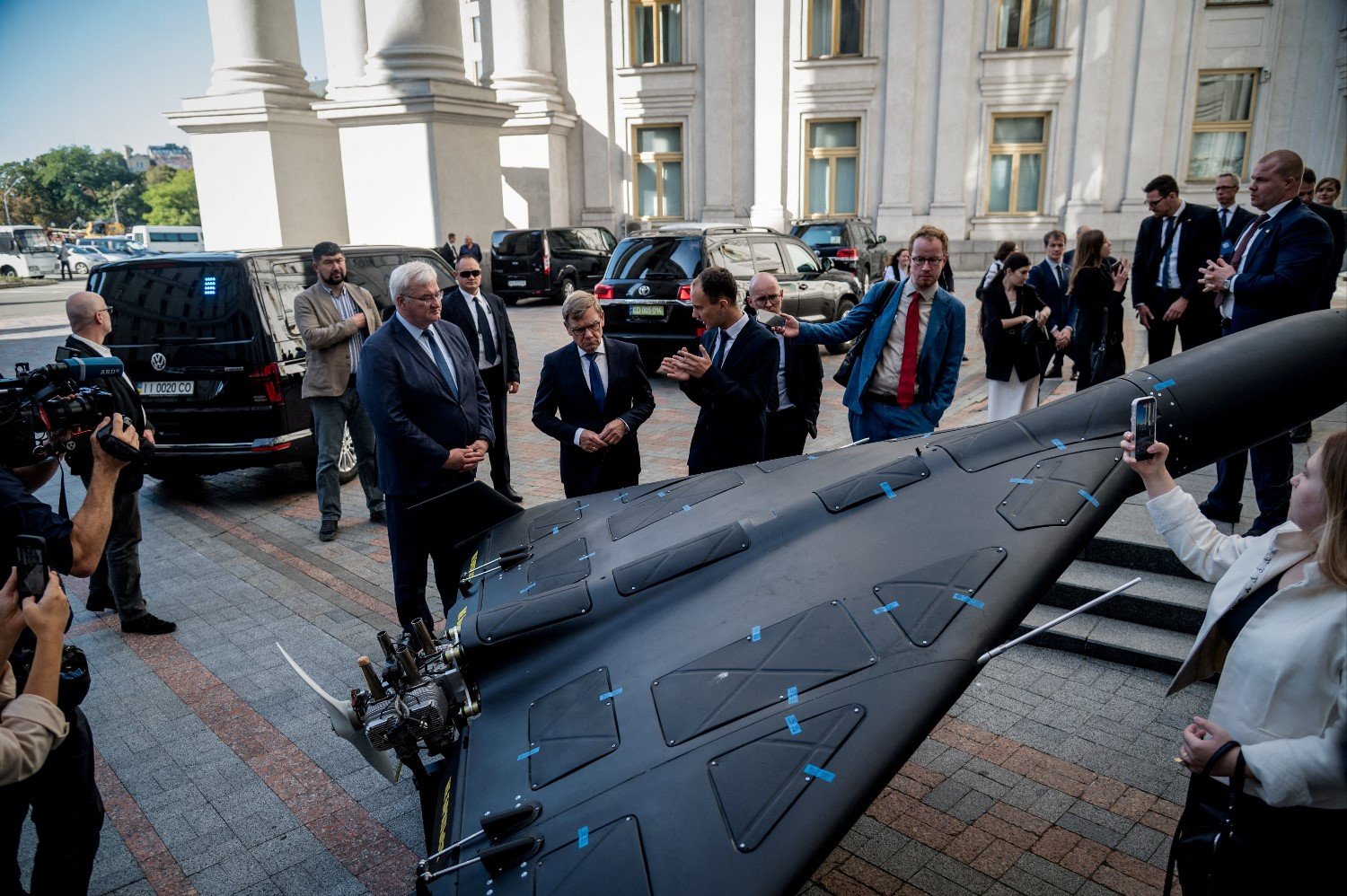 Germany Tests Kamikaze Drones and AI Targeting Systems in Lithuania Near Belarus Border
-
 Chinese Military Warns U.S. AI Could Threaten China’s Nuclear Missile Survivability
-
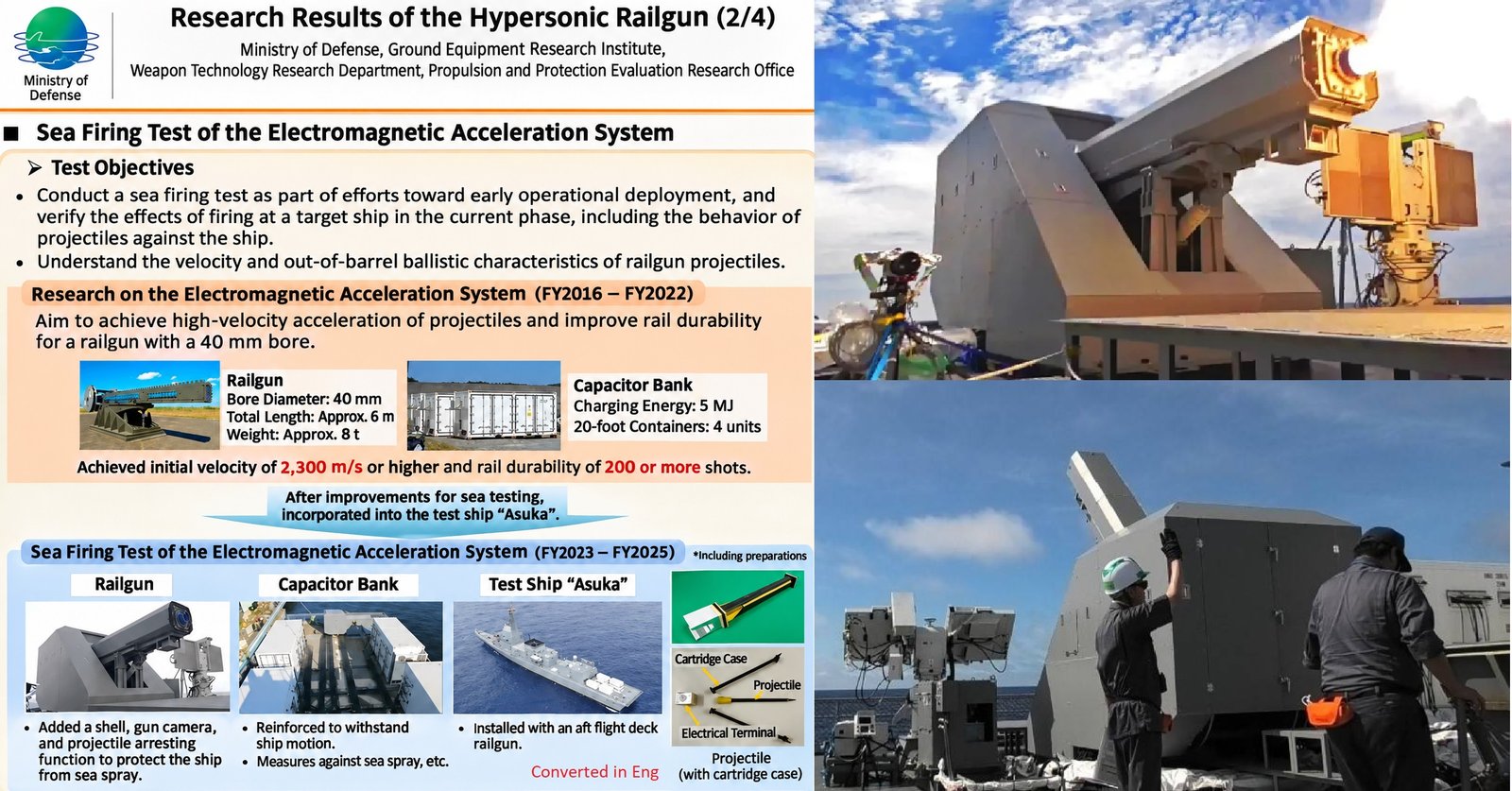 Japan Tests Battery-Powered Railgun in Ten-Shot Rapid-Fire Trial
-
 Ukraine Confirms Using Seven Naval Drones to Sink Russian Corvette Merkury Off Libya, Destroying Ka-27 Helicopter Aboard
-
 U.S. Army Places $60.3 Million Order With Saab for XM919 Shoulder-Fired Weapons
Top Trending in 4 Days
-
 Two Injured in Bahrain After Iranian Attacks; Iran Claims Strike on US Patriot Radars
-
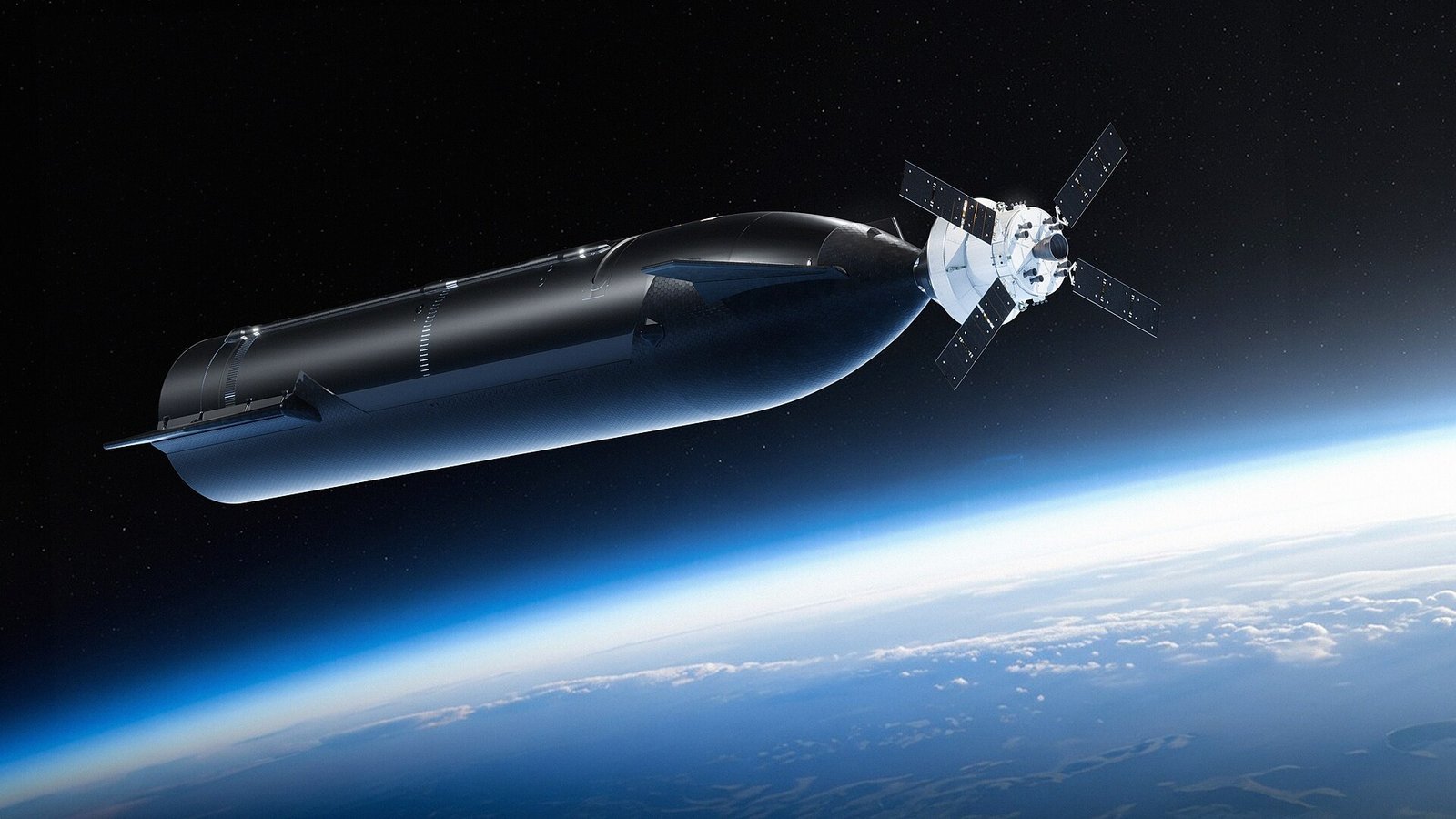 NASA's Orion Spacecraft Needs Major Modifications to Fly Backward with SpaceX Starship
-
 Iran Positions Oil Tankers at Kharg Island Amid Plans to Challenge US Naval Blockade
-
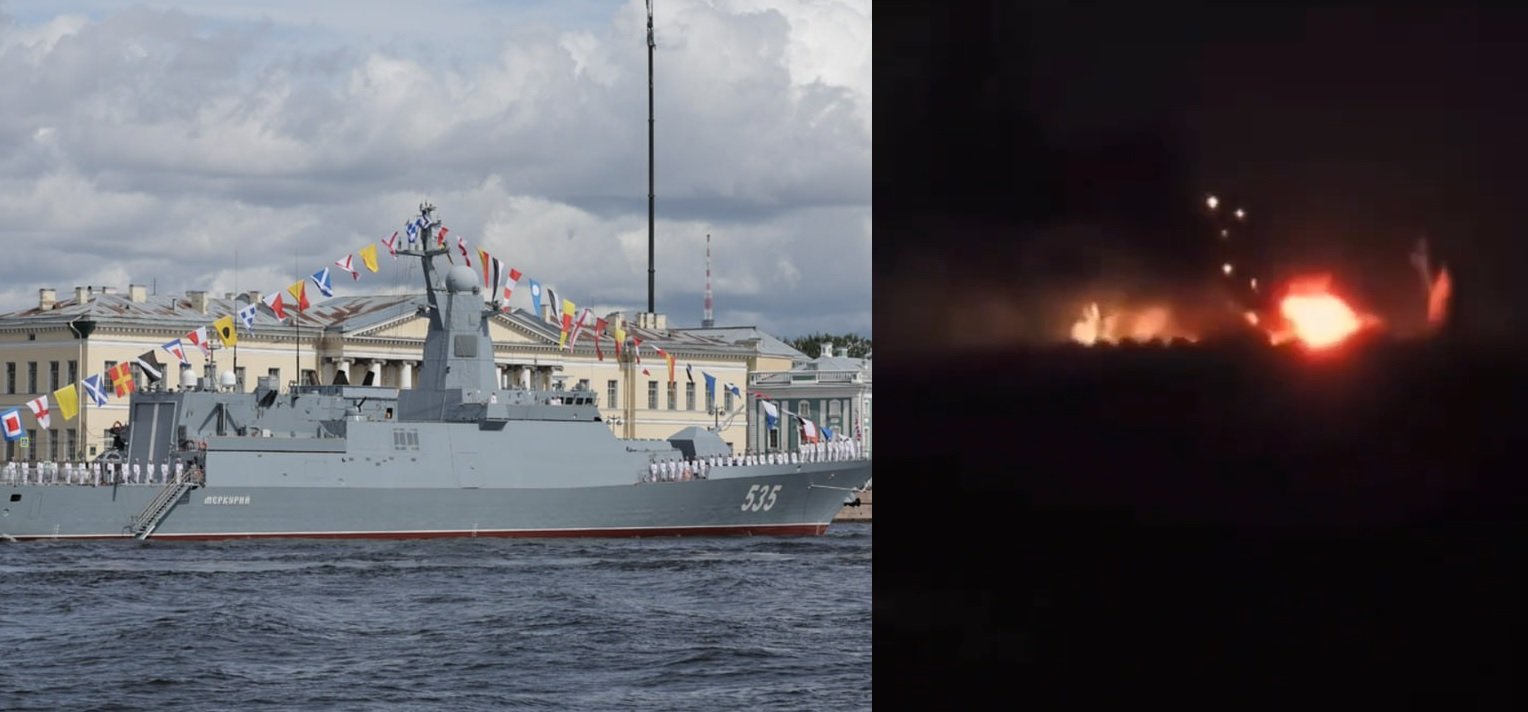 Russian Corvette Merkury Almost Certainly Destroyed in Benghazi Port Explosion
-
Western Intelligence Warns Russia Could Launch Nuclear-Armed Satellite as Early as December
-
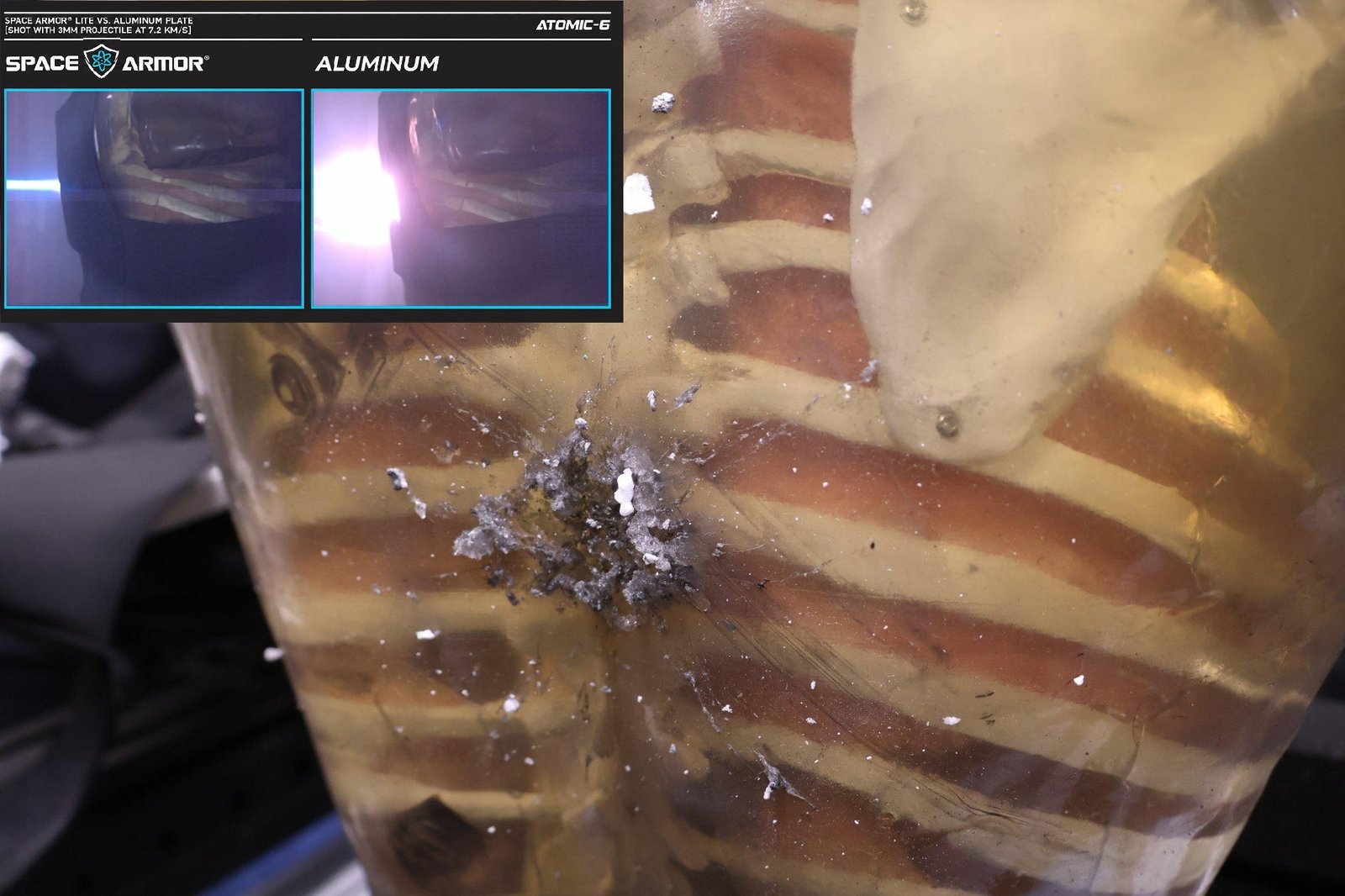 Atomic-6 Tests Composite Armor Against 16,100 MPH Space Debris for Astronaut Protection
-
 Denmark's Parliament Unanimously Approves US-Greenland Defence Deal with 109–0 Vote, Restricting Russian and Chinese Military Presence
-
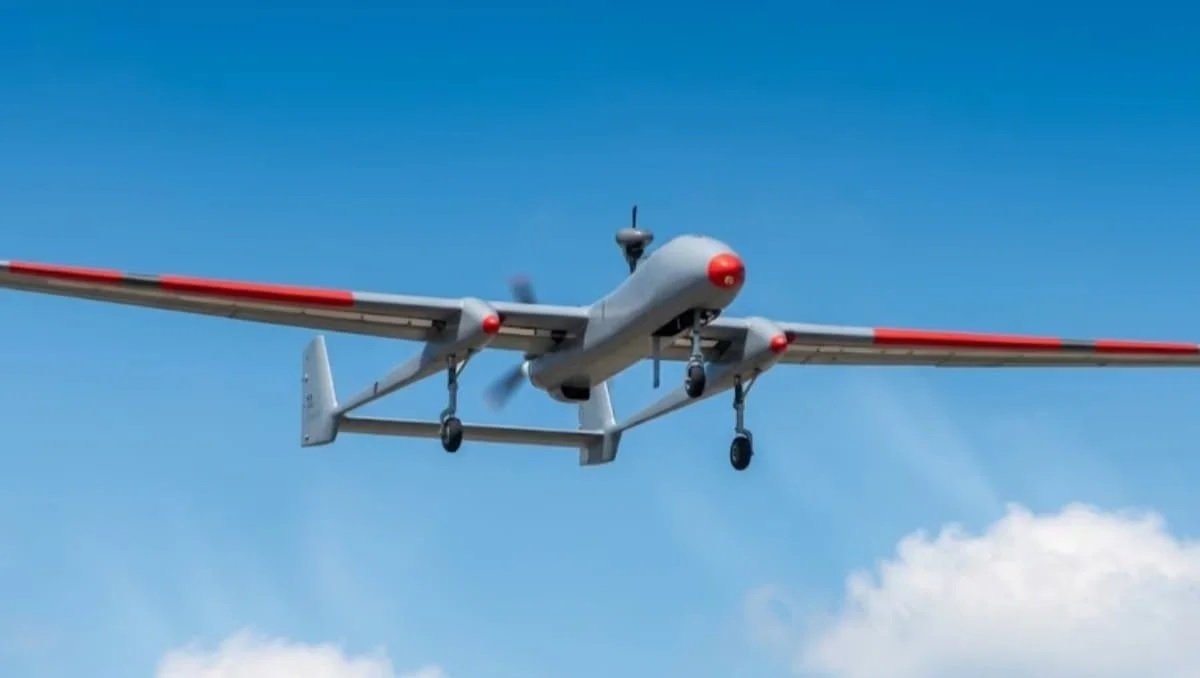 IAF Issues RFI for 500 Indigenous ISR Drones for Surveillance and Electronic Intelligence, with Six-Hour Endurance
