India
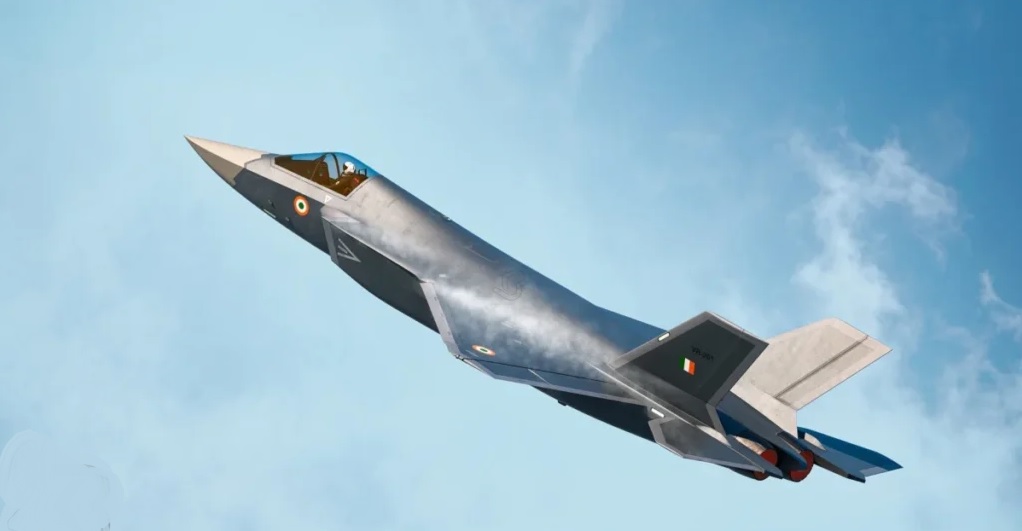
As China rapidly scales its fleet of 5th-generation fighters like the J-20 and develops advanced 6th-generation aircraft such as the J-36, India faces an escalating challenge in maintaining air superiority. With limited external procurement options for stealth fighters, India must prioritize indigenous solutions while simultaneously enhancing its radar and air defense capabilities to neutralize the stealth threat posed by China. Constraints on Acquiring 5th-Generation Fighters India’s reliance on foreign procurement to bridge its technological gaps is limited in this scenario due to several factors: American F-35 Restrictions: The U.S. is unlikely to offer the F-35 to India as long as New Delhi operates the Russian-origin S-400 air defense system, which raises concerns about technology leaks to Moscow. Russian Su-57 Challenges: While Russia's Su-57 is technically a 5th-generation fighter, its performance is hindered by incomplete stealth capabilities, primarily due to its AL-41F1 engines. Additionally, Russia’s production limitations mean it cannot supply India with large numbers of Su-57s in the short term, given that even its own fleet requirements remain unmet. European Options: Advanced European fighters such as the Tempest and FCAS are still under development and will not be operational for at least a decade, leaving no immediate solution for India. The AMCA Project: India’s Key to 5th-Generation Air Dominance India’s Advanced Medium Combat Aircraft (AMCA) program is the most viable long-term solution to counter the threat posed by China’s 5th- and 6th-generation fighters. The AMCA is being designed as a twin-engine, stealth fighter with advanced avionics, supercruise capability, and multi-role functionality. Fast-Tracking AMCA Development To accelerate the AMCA project and achieve operational readiness within the next 5–6 years, India could adopt a “war-mode” development strategy akin to the Arihant-class nuclear submarine program. Key steps include: Direct PMO Oversight: The Prime Minister’s Office (PMO) should take direct ownership of the AMCA project, ensuring streamlined decision-making, inter-agency coordination, and prioritized funding. Private Sector Integration: Indian private firms like Tata, Mahindra Aerospace, and L&T must be deeply integrated into the development process, leveraging their manufacturing and technological expertise. Phased Development and Deployment: India can adopt a phased approach, focusing on rapid development of AMCA Mk-1 with available technologies while working on Mk-2 to integrate more advanced stealth features and next-generation engines. AMCA Specifications and Features The AMCA will include: Stealth Design: A low radar cross-section (RCS) enabled by radar-absorbing materials and internal weapons bays. Supercruise Capability: The ability to fly at supersonic speeds without afterburners. Advanced Sensors: AESA radar and distributed aperture systems for superior situational awareness. AI Integration: Automated threat assessment and pilot assistance for improved decision-making in combat. Network-Centric Warfare: Seamless integration with India’s defense network, allowing the AMCA to act as a command-and-control hub for drones and other assets. Enhancing Radar Capabilities to Counter Stealth Threats Even with a robust stealth fleet, countering China’s massive numbers requires India to develop advanced anti-stealth radar systems to detect and neutralize enemy fighters. Gallium Nitride (GaN)-Based Radars India must prioritize equipping its existing fleet of Su-30MKIs, Tejas, and AMCA with GaN-based AESA radars. These radars offer: Higher Power Efficiency: GaN semiconductors enable higher output power, improving detection range and resolution. Improved Multi-Target Tracking: Enhanced capabilities to track multiple stealth targets simultaneously. UHF and VHF Band Radars To complement high-frequency AESA radars, India should ramp up the development of UHF and VHF band radars, which are more effective against stealth aircraft: Long-Wavelength Detection: UHF and VHF radars are less affected by stealth shaping techniques and can detect low-RCS aircraft at greater ranges. Networked Systems: Integrating these radars into a broader sensor network ensures overlapping coverage and reduces blind spots. Modernizing the Su-30MKI Fleet While awaiting the AMCA, India’s existing Su-30MKI fleet can serve as a critical counter to China’s stealth fighters if upgraded effectively: AESA Radar Integration: Replacing the Su-30MKI’s N011M Bars radar with GaN-based AESA radars for enhanced detection capabilities. Electronic Warfare Systems: Equipping the Su-30MKI with advanced EW pods to jam enemy radars and disrupt communication networks. Long-Range Weapons: Arming the Su-30MKI with long-range air-to-air missiles like the Astra Mk-2 and Meteor to engage stealth targets at a safe distance. Conclusion China’s numerical and technological edge in 5th- and 6th-generation fighters is a significant challenge for India, but it is not insurmountable. By fast-tracking the AMCA program, modernizing existing assets, and investing in cutting-edge radar and air defense technologies, India can effectively neutralize the threat posed by China’s stealth fleet. With decisive leadership, streamlined processes, and a focus on self-reliance, India can ensure its air force remains a formidable force in the region, capable of defending its interests against any adversary.
Read More → Posted on 2024-12-29 16:11:08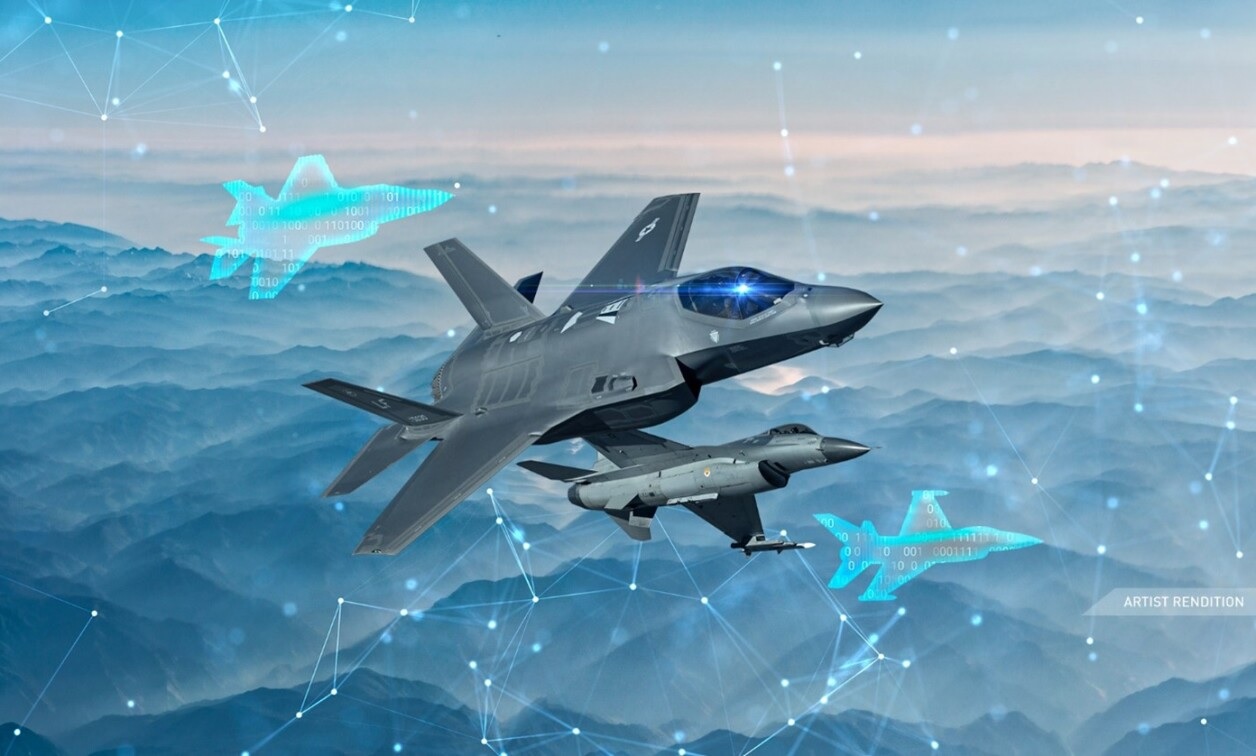
World
Pacific Defense, alongside its affiliate Perceptronics, has been awarded a significant follow-on contract by the U.S. Air Force Life Cycle Management Center (AFLCMC) to push the boundaries of Artificial Intelligence (AI)-driven Electronic Warfare (EW) systems. This 12-month contract, running until December 2025, builds upon prior advancements in EW mission system capabilities and takes a step further by incorporating cutting-edge AI and Machine Learning (ML) technologies to enhance the detection and processing of radio frequency (RF) emitters. The project is rooted in the development and testing of the U.S. Government’s EW software frameworks, which adhere to Sensor Open System Architecture (SOSA) and Open Mission System (OMS) standards. These frameworks enable seamless integration of EW capabilities with various Air Force platforms. This effort reflects the Air Force’s commitment to modernizing its defense technologies by embracing an open architecture approach, which allows for modular upgrades and interoperability. The ultimate aim is to deploy these AI-enhanced capabilities in operationally representative environments using open architecture pods. The Role of Perceptronics Perceptronics plays a critical role in this venture, leveraging its expertise in developing advanced AI/ML applications to tackle some of the most complex challenges in modern defense. Elan Freedy, General Manager of Perceptronics, emphasized the innovative nature of the work, stating, “Our core focus is on the innovative application of AI and ML techniques to enhance the operational effectiveness of mission solutions.” The integration of AI/ML technologies will allow the systems to process RF signals more efficiently, identify threats faster, and adapt to changing operational environments in real-time. Strategic Importance of the Project Frank Pietryka, Vice President of EW, SIGINT, and Autonomy at Pacific Defense, underlined the national importance of this initiative. “The integration of these solutions into the Electronic Warfare mission is a national priority, and we are proud to collaborate with Perceptronics to support the USAF in addressing this critical challenge,” Pietryka said. The contract work will primarily take place in three key locations: Nashua, New Hampshire; El Segundo, California; and Fairfax, Virginia. These hubs represent Pacific Defense’s commitment to innovation in C5ISR (Command, Control, Communications, Computers, Combat Systems, Intelligence, Surveillance, and Reconnaissance), Electronic Warfare, and Signals Intelligence (SIGINT) technologies. Embracing Modular Standards Central to the project is Pacific Defense’s adoption of the Modular Open Systems Approach (MOSA), a framework that promotes adaptability and scalability in defense technologies. By leveraging MOSA standards, the company ensures that its solutions are not only forward-compatible but also easier to integrate with existing systems. This aligns with the broader Department of Defense strategy to future-proof its technological investments. Expanding AI Capabilities in EW The use of AI and ML in Electronic Warfare systems represents a transformative leap. These technologies allow systems to autonomously recognize, learn, and respond to RF emitters, significantly enhancing their speed and accuracy. This capability is particularly crucial in high-stakes environments where rapid decision-making can be the difference between success and failure. Pacific Defense and Perceptronics’ collaborative efforts under this contract are expected to not only improve the USAF’s EW capabilities but also set new standards for AI-driven defense applications. As these advancements are tested and implemented, they promise to enhance the operational effectiveness of the U.S. Air Force, reinforcing its position as a global leader in electronic warfare.
Read More → Posted on 2024-12-29 15:39:10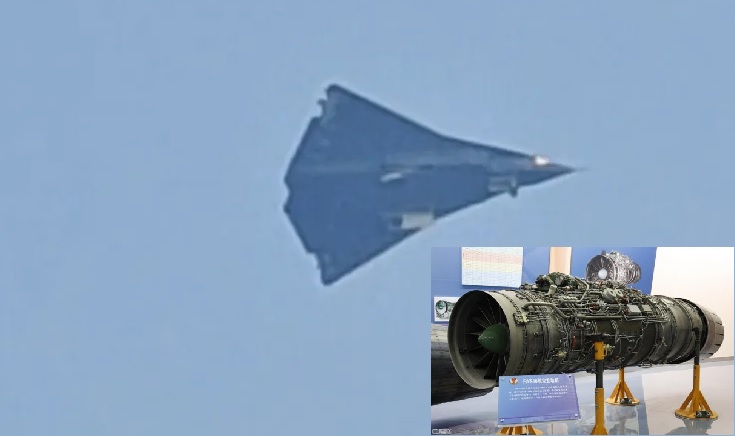
World
China’s aviation industry has long been striving to secure its place as a leader in advanced military aircraft technology. The J-36, touted as a sixth-generation fighter, is the latest addition to this ambitious pursuit. However, the platform's reliance on the WS-10C engines has raised critical questions about its capabilities, particularly in achieving true stealth and operational superiority. The J-36: Specifications and Design Features The J-36 incorporates many hallmarks of sixth-generation fighter technology, aimed at surpassing fifth-generation aircraft like the F-22 and Su-57. These features include: Advanced Avionics: Equipped with next-generation sensors and data fusion capabilities, the J-36 is designed to operate seamlessly in network-centric warfare. Stealth-Oriented Design: The aircraft features a sleek airframe with a focus on reduced radar cross-section (RCS). Its angular lines, internal weapon bays, and radar-absorbent materials aim to lower detectability. Three-Engine Configuration: The J-36 is powered by three WS-10C engines, intended to provide increased thrust and redundancy in combat scenarios. AI and Autonomous Systems: The aircraft reportedly integrates artificial intelligence for decision support and potentially autonomous combat operations. WS-10C Engines: A Double-Edged Sword The WS-10C engines, despite being an improved iteration of the WS-10 family, represent a critical bottleneck in the J-36’s performance and stealth capabilities. 1. Stealth Limitations True stealth depends heavily on controlling heat signatures and minimizing radar reflections. The WS-10C engines, which lack advanced thrust-vectoring nozzles and sufficient heat-dissipation technologies, present challenges: Higher Infrared Signature: The engines generate significant heat, making the aircraft more vulnerable to detection by infrared search and track (IRST) systems. Nozzle Design: The lack of serrated or stealth-optimized nozzles contributes to radar reflections, undermining the aircraft's RCS. Exhaust Management: Without advanced exhaust cooling, the J-36 struggles to achieve thermal stealth, a critical factor in modern aerial combat. 2. Thrust and Efficiency Issues The WS-10C engines are also limited in terms of thrust-to-weight ratio and fuel efficiency: Limited Supercruise: The engines fall short in delivering sustained supersonic flight without afterburners, a key sixth-generation requirement. Higher Fuel Consumption: Inefficient fuel burn reduces operational range and loiter time, constraining mission flexibility. Operational Implications The shortcomings of the WS-10C engines ripple through the J-36’s operational effectiveness: Compromised Survivability: Higher detectability reduces survivability in contested airspace, particularly against advanced adversaries with IRST and integrated air defense systems. Reduced Mission Scope: Limited range and endurance affect the J-36's ability to perform extended patrols or deep-penetration missions. Increased Dependence on Force Multipliers: The aircraft may rely heavily on aerial refueling and support systems to compensate for its deficiencies. Comparative Analysis When compared to other emerging sixth-generation platforms like the U.S. NGAD or the European FCAS, the J-36 shows promise in certain areas but lags in critical metrics: Stealth: The NGAD and FCAS incorporate advanced engine designs and thermal management systems, ensuring true stealth capabilities. Engine Performance: Competing platforms utilize next-generation engines with superior thrust-to-weight ratios and integrated features like variable cycle technology. China’s Path Forward The J-36 represents an important step in China’s military modernization efforts, but overcoming its engine-related limitations is essential. Efforts to develop the WS-15 engine, a more advanced powerplant with higher thrust and stealth optimization, may provide a solution. However, integrating such engines remains years away, leaving the J-36 as an interim platform with significant constraints. Conclusion China’s J-36 reflects its growing ambitions in aerospace technology but also highlights the challenges of achieving true sixth-generation capabilities. While the aircraft boasts advanced avionics and network-centric features, its reliance on the WS-10C engines exposes vulnerabilities that limit its effectiveness in stealth and high-performance operations. As China continues to address these challenges, the J-36 serves as a testament to the complexity of modern fighter development and the critical role of propulsion systems in defining aerial supremacy.
Read More → Posted on 2024-12-29 15:37:14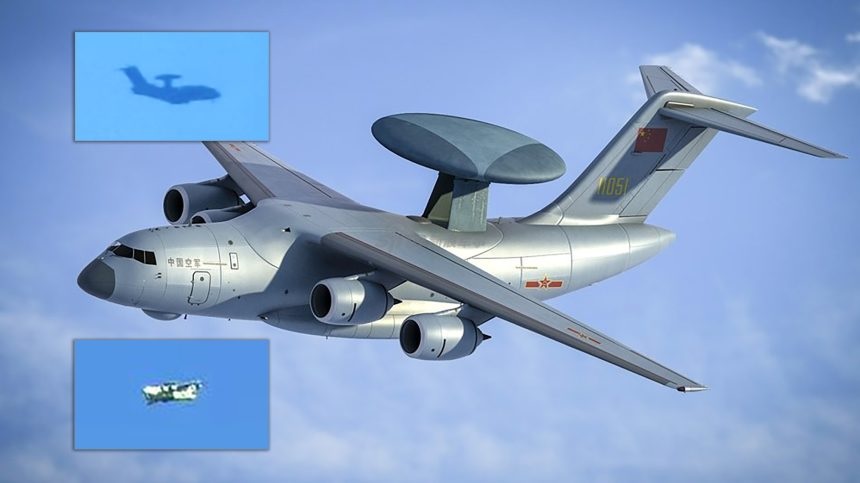
World
China has taken a bold step in modernizing its aerial defense capabilities with the deployment of the KJ-3000, a state-of-the-art airborne early warning and control (AEW&C) aircraft. This next-generation platform is tailored to neutralize the stealth advantages of advanced U.S. fighter jets, such as the F-22 Raptor and F-35 Lightning II, which have long posed a challenge to conventional radar systems. Built on a Modern Foundation: Y-20B Aircraft The KJ-3000 is built on the robust Y-20B transport aircraft, a domestically developed platform that significantly enhances operational flexibility. With a maximum payload of 66 tons—16 tons more than the earlier KJ-2000—the Y-20B serves as an ideal base for this advanced AEW&C system. Its size and efficiency enable extended operational ranges and prolonged on-station times, essential for comprehensive airspace surveillance. Advanced Radar Systems: A Game-Changer At the heart of the KJ-3000 lies its conformal antenna radar system, a technological marvel designed to revolutionize early warning capabilities. Unlike traditional rotodome radars, the conformal radar is seamlessly integrated into the aircraft’s fuselage, reducing aerodynamic drag and improving fuel efficiency. The system provides full 360-degree coverage and boasts an impressive detection range of over 360 kilometers for stealth aircraft. For conventional aerial targets, the radar can track objects at distances ranging from 600 to 1,000 kilometers. What sets this radar apart is its digital phased array technology, allowing the KJ-3000 to track up to 100 targets simultaneously. This multi-target tracking capability is critical for operations in contested environments where situational awareness can mean the difference between success and failure. Enhancing China's Air Defense Network The KJ-3000 isn’t just about early detection; it plays a vital role in integrating China’s broader air defense network. Operating in synergy with advanced fighter jets like the J-20, J-16, and J-10C, the KJ-3000 enhances coordination through cutting-edge C4ISR (Command, Control, Communications, Computers, Intelligence, Surveillance, and Reconnaissance) systems. This integration ensures real-time communication and streamlined decision-making across military branches, significantly boosting overall combat effectiveness. A New Dimension: Electronic Warfare Potential While official details are scarce, there are speculations that the KJ-3000 might incorporate electronic warfare capabilities. Such features would enable the aircraft to disrupt enemy communications, radar systems, and navigation tools from long distances, further complicating operations for adversaries relying heavily on stealth technology. Strategic Implications in Aerial Warfare The deployment of the KJ-3000 signals a clear shift in China’s military strategy, aiming to counteract the aerial dominance traditionally enjoyed by the United States. By leveraging cutting-edge detection technologies and fostering greater interoperability among its air assets, China is working to level the playing field in modern aerial combat. This aircraft represents a major leap forward in China’s efforts to close the gap with global military powers, providing a robust answer to the challenges posed by stealth-enabled adversaries. The KJ-3000 not only strengthens China’s defensive posture but also serves as a powerful deterrent in an increasingly contested airspace.
Read More → Posted on 2024-12-29 15:18:28
India
A Modern Crisis Rooted in Historical Complexities The recent political turmoil in Bangladesh, marked by a U.S.-backed coup installing Nobel laureate Mohammed Yunus as the leader, has opened old wounds between India and Bangladesh. With Prime Minister Sheikh Hasina Wajed fleeing to India and reports of widespread persecution against Awami League supporters and minorities like Hindus, Christians, and Buddhists, the situation has escalated. Adding fuel to the fire, anti-India rhetoric within Bangladesh has grown alarmingly bold, including threats to annex Indian territories such as Assam and West Bengal. India's response has ranged from formal protests to unofficial retaliatory measures like denying medical treatment to Bangladeshi patients in border states, a move criticized as counterproductive. The growing proximity between Bangladesh and China, with the latter supplying fighter jets, and the resumption of ties with Pakistan, including inviting its military for exercises, has further strained relations. This new geopolitical reality is a stark reminder of the deep historical and territorial disputes that have shaped this region. The 2001 Bangladesh-India Border Clashes The 2001 border clashes between India and Bangladesh were one of the most severe episodes in their recent history. These began on April 16, 2001, when approximately 1,000 Bangladeshi paramilitary soldiers attacked and temporarily captured Padua/Pyrdiwah, a disputed border village in Meghalaya. This village, primarily inhabited by Khasis, had been under Indian control since the 1971 Bangladesh Liberation War when it was used to train the Mukti Bahini. Bangladesh claimed the village as its territory, a lingering issue from the poorly demarcated borders created during the Partition of 1947. Following days of tense negotiations and military reinforcements by the Indian Border Security Force (BSF), Bangladesh withdrew its forces on April 19. However, India's retaliatory operation in Boraibari led to a disastrous ambush where 16 Indian soldiers were killed and their bodies returned in a mutilated state. The violence was halted on April 21 after both governments intervened. This conflict exposed the fragility of India-Bangladesh relations despite agreements like the 2015 Land Boundary Agreement, which resolved enclave issues and border demarcations. The incident also highlighted the dangers of unresolved territorial disputes, as Padua/Pyrdiwah and other enclaves remained flashpoints until formally exchanged in 2015. The 1947 Sylhet Referendum The Sylhet referendum of 1947 is another pivotal moment in the region's history. Sylhet, a Muslim-majority district in Assam, had long been a point of contention due to its cultural and economic ties to Bengal. During the Partition of India, a referendum was held to decide Sylhet's fate—whether it would remain in India or join Pakistan. The referendum, conducted under the supervision of British officials and Indian military forces, resulted in Sylhet joining Pakistan, except for the Karimganj subdivision, which remained part of Assam. This decision was not without controversy. Sylhet's integration into East Pakistan left a legacy of grievances among the local Hindu population and created new administrative challenges for Assam. Sylhet's history is deeply intertwined with the Partition's broader narrative of displacement and identity. The district's shifting loyalties and its eventual separation from Assam reflected the communal and political pressures of the time, leaving scars that continue to influence the region's dynamics. The 1971 Bangladesh Liberation War The Liberation War of 1971 remains the cornerstone of Bangladesh's identity and its relationship with India. Sparked by the denial of electoral rights to the Awami League, led by Sheikh Mujibur Rahman, and the brutal military crackdown by Pakistan, the war saw widespread atrocities, including the targeting of Hindus and political dissidents. India played a critical role in the conflict, providing refuge to over 10 million Bangladeshi refugees and supporting the Mukti Bahini militarily and diplomatically. The war culminated in the decisive Indian military intervention in December 1971, leading to Pakistan's surrender and the birth of Bangladesh as an independent nation. However, the war also sowed seeds of mistrust. The influx of refugees and the war's economic toll left many Indians resentful. In Bangladesh, the assassination of Mujibur Rahman in 1975 marked a shift towards political instability, with subsequent regimes oscillating between pro-India and anti-India policies. Present-Day Implications The historical backdrop of the 1947 Partition, the Sylhet referendum, the 1971 war, and the 2001 clashes continues to shape India-Bangladesh relations. While the two nations have made strides in resolving disputes, such as the 2015 Land Boundary Agreement, unresolved issues like cross-border migration, river water sharing, and cultural mistrust remain. The recent coup in Bangladesh and its geopolitical shifts towards China and Pakistan have exacerbated these tensions. For India, which shares a 4,000 km border with Bangladesh, the stakes are high. Bangladesh's internal turmoil and its external alignments could destabilize India's northeastern states, reignite old disputes, and alter the region's power dynamics. Conclusion The current tensions between India and Bangladesh are not just a product of recent events but the cumulative outcome of decades of historical grievances, territorial disputes, and shifting alliances. While both nations have shown resilience in addressing challenges, the road ahead requires a deeper understanding of their shared history and a commitment to peaceful coexistence. The lessons from 2001, 1947, and 1971 are a stark reminder of what is at stake if diplomacy and mutual respect are sidelined.
Read More → Posted on 2024-12-29 14:43:07
India
In a groundbreaking achievement, the Indian Institute of Technology Kharagpur (IIT-KGP), in partnership with the Defence Research and Development Organisation (DRDO) and the Council of Scientific and Industrial Research (CSIR), has developed an indigenously built motor-based Unmanned Ground Vehicle (UGV). This innovation marks a significant milestone in India's journey towards self-reliance in advanced defense technologies and autonomous systems. Pioneering Indigenous Design The UGV is designed to perform complex tasks in varied environments, showcasing India's capability to create cutting-edge autonomous vehicles. Equipped with advanced navigation systems, rugged wheels, and a high-efficiency motor, the vehicle is built to handle challenging terrains, making it ideal for defense, disaster response, and industrial applications. The development underscores the growing synergy between India’s academic institutions and national defense organizations, fostering innovation to meet the nation's strategic needs. Technical Specifications and Capabilities The UGV integrates state-of-the-art technologies, including: Autonomous Navigation: Leveraging AI and machine learning, the vehicle can plan routes, avoid obstacles, and adapt to dynamic environments without human intervention. High-Performance Motor: The motor, indigenously designed and manufactured, ensures energy efficiency while delivering robust performance for prolonged operations. Sensor Array: The UGV features a suite of sensors, including LiDAR, thermal imaging, and GPS, enabling real-time data analysis and situational awareness. Payload Capacity: Designed for versatile applications, the UGV can carry payloads ranging from reconnaissance equipment to emergency supplies. Applications in National Security and Beyond The UGV is expected to serve critical roles in defense, including: Surveillance and reconnaissance in border areas. Explosive ordnance disposal in conflict zones. Logistic support for troops in remote locations. Beyond military applications, the UGV’s adaptability makes it suitable for civilian use, such as disaster relief operations, industrial inspections, and agricultural automation. Its ability to function in extreme conditions adds to its versatility and relevance across sectors. Collaborative Innovation The collaboration between IIT-KGP, DRDO, and CSIR exemplifies a holistic approach to innovation. IIT-KGP provided expertise in robotics and AI, DRDO contributed to defense-grade systems integration, and CSIR ensured high standards in materials and motor design. The partnership also aligns with the Indian government’s "Atmanirbhar Bharat" initiative, emphasizing the importance of indigenous technology in strengthening national security and boosting the economy. Future Prospects This UGV is a stepping stone towards a more extensive portfolio of autonomous systems being developed in India. Efforts are underway to integrate more advanced features, such as swarm intelligence and enhanced endurance capabilities, ensuring that India remains at the forefront of autonomous vehicle technology. The successful development of this UGV demonstrates India's potential to innovate and produce world-class technologies domestically. With ongoing investments in research and development and continued collaboration between academia and government agencies, the nation is poised to make significant strides in the global autonomous systems market.
Read More → Posted on 2024-12-29 14:33:59
India
India’s ambitions to establish a cutting-edge fighter jet fleet capable of countering China’s fast-evolving air power are hitting a major roadblock: an over-reliance on Hindustan Aeronautics Limited (HAL). HAL, the country’s premier aerospace and defence manufacturer, has been at the forefront of India’s indigenous aircraft production, delivering flagship projects like the Tejas Light Combat Aircraft (LCA). Despite its critical role, defence analysts believe that HAL alone cannot meet the challenges of competing with China’s rapidly modernizing air fleet. Overburdened HAL and the Need for Expansion HAL is currently tasked with multiple high-stakes projects, including the Advanced Medium Combat Aircraft (AMCA), the Twin Engine Deck Based Fighter (TEDBF), and various helicopter programs. While its expertise is undisputed, HAL’s limited manpower and resources have led to delays and stretched development timelines. Modern fighter jet programs, with their steep technological and engineering demands, require much faster execution cycles to remain competitive in the global arms race. Defence experts argue that India needs at least two or three additional aerospace giants to share the burden. Creating a diversified ecosystem would not only distribute workload but also encourage competition and innovation in the defence sector. The Chinese Challenge China’s aviation industry, led by companies like Chengdu Aircraft Corporation and Shenyang Aircraft Corporation, has produced advanced fighter jets like the J-20 stealth fighter and is already working on sixth-generation aircraft. These developments underscore the urgent need for India to accelerate its own projects. India’s Tejas Mk1, though a significant achievement, has faced criticism for its delayed production and initial operational issues. With programs like the AMCA and TEDBF in the pipeline, the stakes are higher than ever. Analysts emphasize that depending solely on HAL to deliver these ambitious projects could leave India trailing far behind its strategic rival. Benefits of a Multi-Company Approach A diversified aerospace industry could allow specialized companies to focus on critical technologies. For instance: Stealth and Radar-Evasion Technology: One entity could concentrate on designing next-generation stealth capabilities for aircraft like the AMCA. Avionics and Sensor Systems: Another could develop advanced avionics, radar systems, and electronic warfare equipment. Propulsion Systems: A third could work exclusively on developing indigenous jet engines, a domain where India currently relies heavily on foreign suppliers like GE. This distributed approach would not only mitigate risks associated with delays in a single company but also enable faster innovation through competition. Collaboration among these entities on shared platforms would further streamline development processes. The Role of the Indian Air Force The Indian Air Force (IAF) plays a crucial role in the success of indigenous fighter jet programs. Analysts highlight the importance of firm commitments from the IAF for new aircraft. Hesitation in placing large orders, as witnessed during the early stages of the Tejas Mk1 program, hampers progress and undermines confidence in domestic manufacturing capabilities. A robust procurement strategy for AMCA and TEDBF would provide much-needed impetus to the aerospace industry. Challenges and Solutions Building new aerospace companies will require substantial government investment and policy support. Training a skilled workforce of engineers, technicians, and scientists is another critical challenge. Additionally, clear collaboration frameworks must be established to prevent resource duplication and inefficiency. Despite these hurdles, defence experts agree that the long-term benefits outweigh the risks. A diversified aerospace base would strengthen India’s self-reliance, enhance its strategic capabilities, and position the country as a formidable player in global military aviation. Conclusion India’s quest to build a modern and competitive fighter jet fleet demands more than the efforts of HAL alone. By fostering a network of specialized aerospace companies, India can address the challenges of over-reliance, accelerate innovation, and ensure its air force remains a dominant force in the region. Expanding the defence industrial base is not just a strategic necessity but also a pathway to achieving true self-reliance in military aviation.
Read More → Posted on 2024-12-29 14:27:17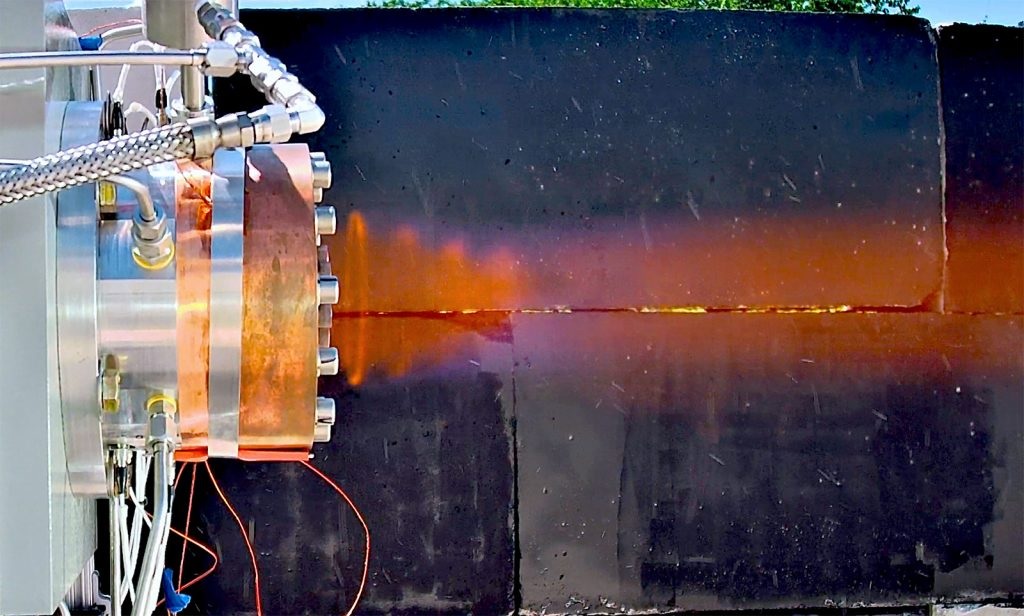
World
Venus Aerospace, an ambitious American startup revolutionizing hypersonic flight technology, has achieved a groundbreaking milestone with the successful ignition of its VDR2 engine. This innovative propulsion system represents the next leap in aerospace engineering, setting the stage for Mach 6 flight capabilities and redefining the boundaries of high-speed aviation. The Game-Changing VDR2 Engine The VDR2 engine is the first-of-its-kind Rocket-Based Combined Cycle (RBCC) engine that seamlessly transitions from Mach 0 to Mach 6. What sets this engine apart is its ability to integrate two cutting-edge technologies: the Rotating Detonation Rocket Engine (RDRE) and a Ramjet. Traditionally, Ramjets require speeds of Mach 3.5 or higher to ignite. However, Venus Aerospace’s VDR2 engine has overcome this limitation, enabling Ramjet functionality at takeoff speeds—an unprecedented feat in the field of hypersonic propulsion. Unveiled at the prestigious UP.Summit in October, the engine showcases its ability to operate without moving parts, making it not only efficient but also highly reliable. The VDR2 Block 0 flight engine is designed to power a range of hypersonic vehicles, including Venus Aerospace’s hypersonic test drone, which is slated for its first flight in 2025. Specifications and Technological Highlights Mach Capabilities: Operates seamlessly from takeoff (Mach 0) to Mach 4+ for the Block 0 variant, with future designs targeting Mach 6 and beyond. Rotating Detonation Rocket Engine (RDRE): Utilizes supersonic combustion to increase pressure during the combustion process, enhancing thrust and efficiency. Ramjet Integration: Achieves ignition at unprecedented speeds, bypassing the traditional requirement for Mach 3.5 entry conditions. Thrust: Early versions of the RDRE have achieved a thrust capacity of 2,000 lbf. Reusability: The engine’s simplified architecture and lack of moving parts promise extended operational life and cost-effective reuse. Venus Aerospace’s focus on advancing RDRE technology has been a key driver of this achievement. Since its founding in 2020, the company has developed its propulsion systems from conceptual models to demonstrable flight engines, demonstrating its rapid innovation pace. Recent Milestones and Future Plans Earlier in February 2024, Venus Aerospace successfully flew a supersonic-capable drone, further validating its propulsion technologies. The upcoming RDRE-powered hypersonic drone test in 2025 will serve as a critical proof of concept for scaling the VDR2 engine to operational platforms. Venus Aerospace is positioning itself as a leader in reusable hypersonic technologies, targeting applications in both commercial aviation and defense sectors. With $70 million in venture funding, the company is well-poised to bring its ambitious vision to reality. Implications for the Aerospace Industry The successful demonstration of the VDR2 engine signals a paradigm shift in hypersonic propulsion. By enabling reliable and efficient flight at speeds up to Mach 6, Venus Aerospace’s technology could significantly reduce travel times, enhance defense capabilities, and open up new frontiers for space exploration. Its ability to deliver reusable solutions also aligns with the industry’s push toward sustainable and cost-efficient aviation systems. As Venus Aerospace continues to push the boundaries of what’s possible, its VDR2 engine stands as a testament to the transformative potential of cutting-edge aerospace engineering. With its hypersonic drone test on the horizon and a clear roadmap for further advancements, the company is well on its way to shaping the future of high-speed travel.
Read More → Posted on 2024-12-29 14:19:50
ISRO Gears Up for Historic Space Docking Experiment: Mastering Orbital Dynamics at Hypersonic Speeds
Space & Technology
India’s space exploration journey is set to reach new heights with the Indian Space Research Organisation (ISRO) preparing to conduct its groundbreaking Space Docking Experiment (SpaDEx). Scheduled for December 30, 2024, this mission aims to demonstrate India’s capability in autonomous spacecraft docking—a critical technology for future space missions. The launch will utilize the Polar Satellite Launch Vehicle (PSLV-C60), lifting off from Sriharikota at 9:58 PM IST. What Is SpaDEx? SpaDEx involves two identical satellites, aptly named the Chaser (SDX01) and Target (SDX02), each weighing around 220 kilograms. These satellites will orbit Earth at an altitude of 470 kilometers with an inclination of 55 degrees. The mission's primary goal is to showcase precise orbital alignment and docking techniques—a process requiring satellites to synchronize their motion while flying at speeds of nearly 7.8 kilometers per second, more than ten times the speed of a bullet. Key Objectives of SpaDEx Autonomous Docking Technology: The mission aims to prove India’s capability in autonomous spacecraft docking, a technology crucial for assembling structures in space, refueling satellites, and other future endeavors. Electrical Power Transfer: Once docked, the satellites will test the transfer of electrical power between them, laying the groundwork for in-space servicing capabilities. Post-Docking Payload Operations: After undocking, both satellites will operate independent payloads, with their mission life expected to extend up to two years. Innovative Technologies Driving SpaDEx Advanced Docking Mechanism The docking system used in SpaDEx incorporates state-of-the-art design features: Low-Impact Docking: The chaser satellite will approach the target at a gentle speed of 10 millimeters per second, minimizing collision risk. Androgynous Design: Both satellites are equipped with identical docking systems, allowing for seamless interaction. Peripheral Docking System: Inspired by the International Docking System Standard (IDSS), this ensures compatibility with global docking protocols. High-Precision Sensor Suite The mission relies on cutting-edge sensors for accurate rendezvous and docking: Laser Range Finder (LRF): Measures distances between 6,000 meters and 200 meters while also assessing relative velocity. Rendezvous Sensors (RS): Provides position data at closer ranges, from 250 meters to 10 meters. Proximity and Docking Sensors (PDS): Handles the critical final approach phase with a range of 30 meters to 0.4 meters. Sophisticated Guidance Algorithms To achieve precise docking, SpaDEx employs advanced algorithms: V-bar Strategy: Utilizes multiple propulsion pulses to guide the chaser satellite on an accurate trajectory towards the target. Guidance Algorithms: Maintains a fixed inter-satellite distance during approach, ensuring optimal alignment and docking precision. Strategic Significance of SpaDEx The success of SpaDEx will mark a major leap in India’s space technology capabilities. Orbital docking is a foundational skill for various advanced missions, including in-orbit satellite assembly, space station construction, and even human space exploration. By mastering these techniques, ISRO is positioning itself as a global leader in space innovation, capable of supporting ambitious projects like lunar bases and deep-space exploration. Moreover, SpaDEx opens doors to satellite servicing, an emerging industry that could prolong the life of satellites, reduce space debris, and lower the cost of space operations. India’s investment in these technologies underscores its commitment to maintaining a competitive edge in the global space race. Looking Ahead As ISRO edges closer to this monumental mission, the potential benefits extend far beyond demonstrating technological prowess. SpaDEx sets the stage for international collaborations, advances India’s human spaceflight program, and enhances its ability to tackle complex challenges in space. If successful, this mission will reaffirm India’s position as a formidable player in space exploration, paving the way for revolutionary advancements in the years to come.
Read More → Posted on 2024-12-29 14:17:10
World
North Korea has announced its most aggressive strategy yet to counter the United States, with leader Kim Jong Un outlining the framework during a five-day year-end Workers’ Party meeting. The announcement, carried by the state-controlled Korean Central News Agency (KCNA), highlighted escalating tensions between Pyongyang and Washington, alongside deepening military collaborations with Russia. Kim's Bold Declaration In his speech to top officials, Kim Jong Un emphasized the need for an assertive and uncompromising approach to counter the US, labeling it “the most reactionary state” and accusing it of perpetuating anti-communism as a core policy. While specific measures were not disclosed, KCNA underscored the urgency of the strategy in light of growing trilateral cooperation among South Korea, the US, and Japan, which it described as evolving into “a nuclear military bloc for aggression.” The North also criticized South Korea for its alliance with Washington, referring to it as “an out-and-out anti-communist outpost of the US.” These sentiments appear to signal Pyongyang’s intent to escalate its rhetoric and actions against perceived threats in the region. Military Ties with Russia: A Strategic Pivot The meeting comes against the backdrop of North Korea’s increasingly visible role in the Russia-Ukraine conflict. Reports from South Korean intelligence allege that over 1,000 North Korean soldiers have participated in combat in Ukraine, suggesting an active military partnership between Pyongyang and Moscow. This cooperation has grown significantly since Russia's invasion of Ukraine in early 2022. In June 2023, North Korea and Russia signed a landmark defense pact, described by Russian President Vladimir Putin as a “breakthrough document.” The agreement formally came into effect this month, solidifying military and strategic ties between the two nations. Putin recently reinforced the significance of this relationship in a New Year’s message to Kim, where he praised the elevation of bilateral ties following their discussions in June. Broader Implications Kim's speech also underscored plans to deepen relations with “friendly” nations, likely referencing allies such as China and Russia, while responding to internal challenges, including widespread flooding earlier in 2023. These measures align with North Korea’s longstanding focus on bolstering resilience against sanctions and external pressures. Meanwhile, Ukraine’s Western allies have warned that Pyongyang’s increasing involvement in Russia’s war could exacerbate global instability. North Korea’s reported military contributions to Russia are viewed as a significant escalation in the ongoing conflict. Pyongyang's Messaging Party meetings like these often serve as platforms for Kim Jong Un to unveil major policy shifts. While details remain scarce, analysts speculate that the “toughest” strategy could involve heightened military provocations, cyber warfare activities, or further nuclear tests, aimed at pressuring Washington and its allies. With North Korea’s foreign policy becoming more assertive and aligned with Russia, the region is bracing for potential repercussions that could reshape the balance of power in East Asia. As the situation evolves, the world watches closely for further developments from Pyongyang.
Read More → Posted on 2024-12-29 14:06:36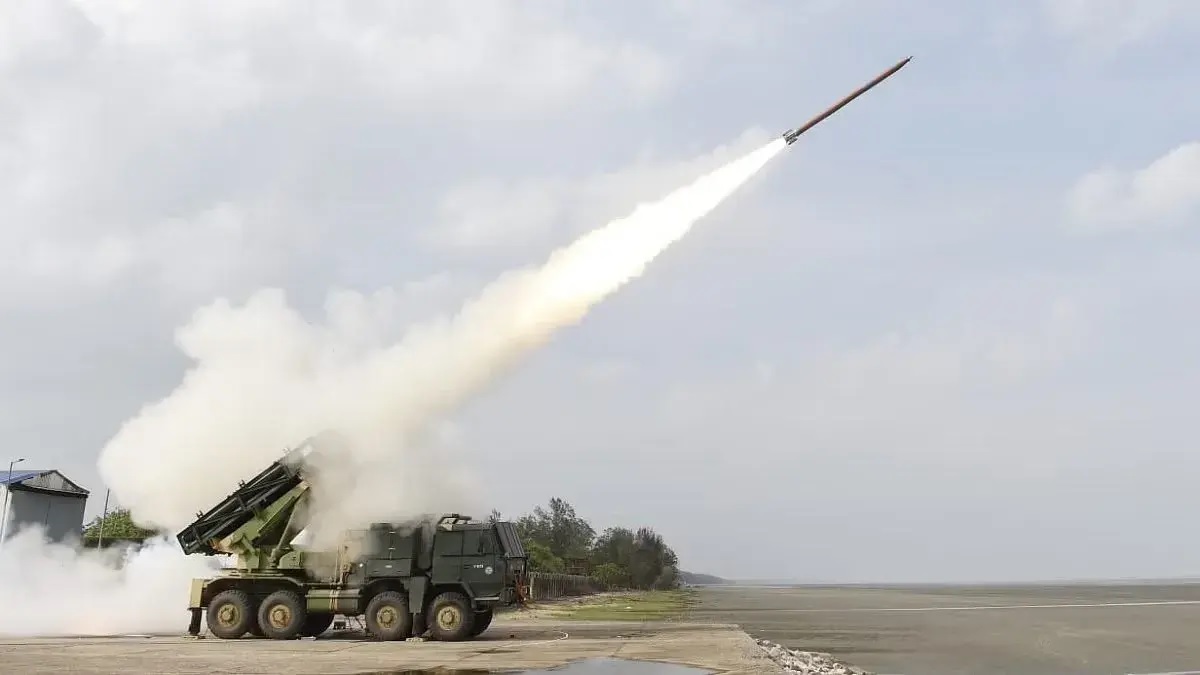
India
India’s defense sector has achieved another milestone as Solar Explosives, a leading name in the munitions industry, announces a groundbreaking improvement in the production efficiency of Pinaka MkII rockets. The company has successfully reduced the manufacturing cycle of these rockets from an extensive 50-55 days to an impressive 14-15 days, marking a significant leap in operational agility and efficiency. A Key Upgrade: From Pinaka MkI to MkII The Pinaka MkII, an enhanced version of the widely used Pinaka MkI, stands as a testament to India’s pursuit of cutting-edge military technology. Developed indigenously, the Pinaka MkII multi-barrel rocket launcher system is designed to deliver precision strikes over extended ranges of up to 75 kilometers—an upgrade from the MkI’s 40-kilometer range. The MkII rockets boast advanced guidance systems, improved warhead capabilities, and better accuracy, ensuring high-impact results in diverse combat scenarios. Solar Explosives’ Role in Streamlining Production Solar Explosives has introduced advanced manufacturing techniques and streamlined workflows to achieve the drastic reduction in production time. This improvement is particularly important given the Indian Army’s increasing demand for rapid deployment of artillery systems. Faster production not only accelerates the induction of these systems into active service but also translates into cost savings and better scalability. The Promise of the Guided Pinaka Further cementing India’s artillery modernization is the Guided Pinaka, a state-of-the-art variant developed by the Defence Research and Development Organisation (DRDO). Recently cleared for production, this variant integrates advanced inertial navigation and GPS-based guidance systems, providing pinpoint accuracy with a Circular Error Probable (CEP) of under 30 meters. The Guided Pinaka can neutralize strategic targets with minimal collateral damage, aligning with the evolving nature of modern warfare. Solar Explosives has expressed optimism about securing production contracts for the Guided Pinaka. This variant’s advanced capabilities, combined with the company’s newfound production efficiency, position India as a strong contender in the global defense manufacturing landscape. Enhancing India’s Defense Readiness The enhanced production of Pinaka MkII rockets supports India’s strategic goals of self-reliance in defense manufacturing under the "Aatmanirbhar Bharat" initiative. It also ensures that the armed forces have access to a robust supply of modern artillery systems capable of addressing evolving security challenges. With the reduction in production timelines, Solar Explosives is well-poised to meet the Indian Army's growing demand for the Pinaka MkII and its guided variants. This development underscores the synergy between industry innovation and military requirements, reflecting the broader vision of a technologically advanced and secure India.
Read More → Posted on 2024-12-28 15:20:27
India
Hafiz Abdul Rehman Makki, a top leader of the Lashkar-e-Taiba (LeT) terrorist organization and a key conspirator behind the 2008 Mumbai terror attacks, died on December 27, 2024, in Lahore, Pakistan. The 70-year-old suffered a fatal heart attack while undergoing treatment for diabetes-related complications at a private hospital. His death marks the end of a notorious chapter in the history of terrorism in South Asia. Makki’s Early Life and Rise in Terrorism Born on December 10, 1954, in Punjab, Pakistan, Makki was the brother-in-law of Hafiz Saeed, the founder of Lashkar-e-Taiba. Known for his intelligence and ability to organize, Makki rose to prominence within LeT as the head of its foreign relations department and a member of its supreme decision-making body, the Shura. Over the years, he became an influential ideologue and fundraiser, facilitating the group's operations across South Asia. Role in Notorious Attacks Makki played a critical role in planning and orchestrating several high-profile terror attacks, including the 2000 Red Fort assault in India and the infamous 26/11 Mumbai attacks in 2008. The Mumbai attacks, carried out by ten heavily armed LeT operatives, claimed the lives of 166 people, including foreign nationals, and left over 300 injured. These attacks targeted iconic locations such as the Taj Mahal Palace Hotel, the Oberoi Trident, and the CST railway station, causing global outrage. International Designation as a Terrorist In January 2023, the United Nations designated Makki as a global terrorist under UNSC Resolution 1267. This action resulted in the freezing of his assets, a travel ban, and an arms embargo, marking a major blow to his activities. The designation came after consistent lobbying by India and its allies, who highlighted his role in facilitating terrorism financing and recruitment for LeT. Conviction and Continued Influence Despite being convicted of terrorism financing in Pakistan in 2020, Makki retained considerable influence within LeT. His primary responsibilities included raising funds for operations, recruiting members, and maintaining the group’s propaganda efforts. He also acted as a mentor to younger militants, ensuring continuity within LeT’s ranks. Death and Implications Makki's death is a significant setback for LeT, which relied on his ideological leadership and extensive fundraising network. As a strategist and organizer, he was instrumental in coordinating LeT's operations, often evading international scrutiny by using covert channels. His passing may lead to internal power struggles within the group and could disrupt its operational capabilities temporarily. Legacy of Violence Makki’s legacy is one of violence, destruction, and ideological extremism. He was a symbol of the LeT’s ruthless campaigns against India and a key figure in the global fight against terrorism. However, his death does not mark the end of the challenges posed by LeT, which continues to be active under different guises and names. While his demise is a relief for many victims and families affected by his actions, it also serves as a reminder of the enduring threat posed by extremist organizations in the region. Authorities worldwide must remain vigilant to counter the legacy of terrorism Makki helped establish.
Read More → Posted on 2024-12-28 15:17:34
World
The simmering tensions between Afghanistan and Pakistan escalated further as Afghan Taliban forces carried out strikes on what they described as "several points" across the disputed Durand Line. This action came just days after Pakistan conducted airstrikes in Afghanistan, which Kabul claims resulted in civilian casualties. The Afghan Defense Ministry released a statement explaining the strikes were aimed at areas "serving as centers and hideouts for malicious elements and their supporters" who allegedly orchestrated attacks in Afghanistan. Although the ministry did not explicitly name Pakistan, it referred to operations conducted "beyond the hypothetical line," a term used to describe the contested border. Ministry spokesperson Enayatullah Khowarazmi stated, “We do not recognize it as Pakistani territory, and thus, we cannot confirm the location, but it was on the other side of the hypothetical line.” This reflects Afghanistan’s long-standing refusal to accept the Durand Line as an official boundary, a colonial-era demarcation imposed by the British in the 19th century. The line divides the tribal belt between the two nations, an area that remains a hotspot for militant activity and cross-border conflicts. The retaliatory strikes reportedly caused casualties, though specifics remain unclear. Some reports from pro-Taliban sources suggest that several Pakistani soldiers were killed in the operation. Celebrations erupted in parts of southeastern Afghanistan, where large crowds voiced support for the military's actions and condemned Pakistan. The Pakistani military has yet to officially comment on the retaliatory strikes. Historically, Pakistan has accused Afghanistan of harboring militants responsible for attacks within its borders, a claim the Afghan Taliban routinely denies. The latest Pakistani airstrikes were allegedly aimed at dismantling hideouts of Islamist militants near the border but resulted in significant civilian losses, further straining ties between the two neighbors. The Durand Line remains at the heart of the tensions. Afghanistan has never recognized it as an international border, and Pakistan's attempts to solidify the boundary, including constructing a border fence, have met resistance. This unresolved dispute has fueled cross-border attacks and deepened mistrust. The ongoing hostility highlights the challenges of stabilizing relations between the two nations. With both sides blaming each other for harboring militants and attacking civilians, the prospects for peace seem distant. Analysts warn that unless diplomatic channels are effectively utilized, the region may see further escalations, exacerbating the humanitarian and security crises on both sides. This episode underscores the fragile and volatile dynamics of the region, with broader implications for security and stability in South Asia.
Read More → Posted on 2024-12-28 15:13:52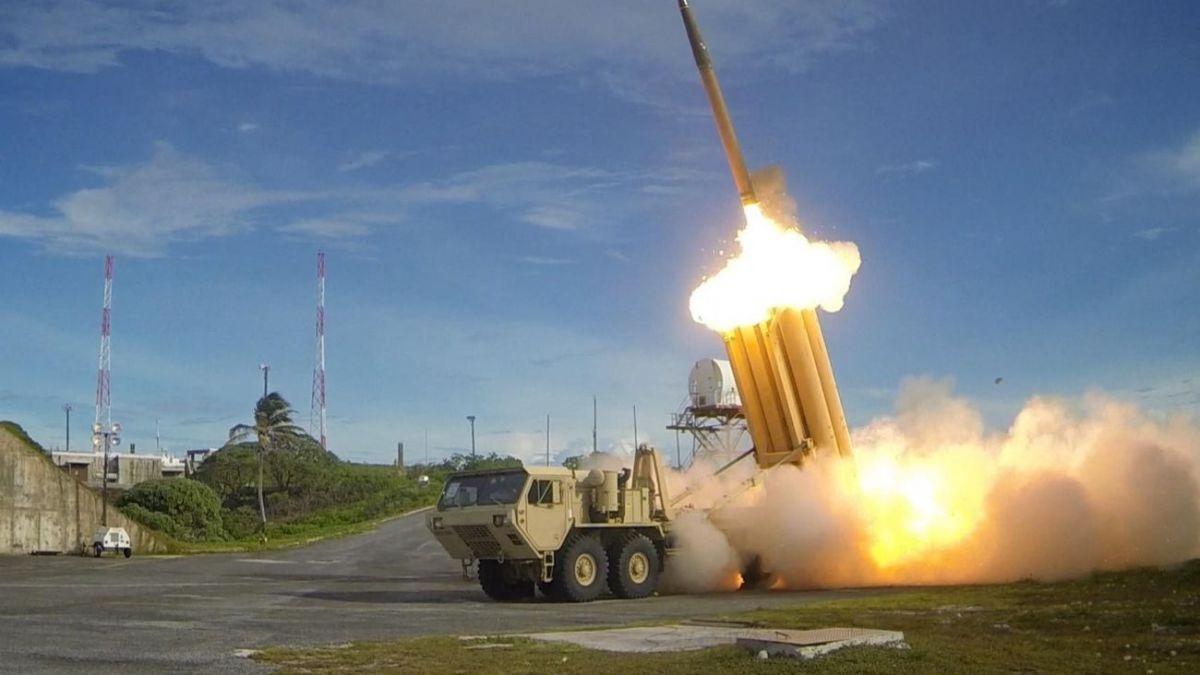
World
The Terminal High-Altitude Area Defense (THAAD) system has achieved its first operational success in Israel, intercepting a Houthi ballistic missile launched from Yemen. Supported by the Israeli Arrow system, this milestone demonstrates the growing synergy between American and Israeli air defense capabilities amidst escalating regional tensions. THAAD's Advanced Interception Capabilities Developed by Lockheed Martin, the THAAD system is designed to counter short- to intermediate-range ballistic missile threats. What sets it apart is its ability to neutralize missiles both inside the Earth's atmosphere and in outer space, covering altitudes between 30 and 150 kilometers. This dual capability allows it to address various threats, offering a layer of defense that complements Israel's existing systems: Arrow 2: Operates within the atmosphere to intercept medium-range missiles. Arrow 3: Focuses on exo-atmospheric threats, such as intercontinental ballistic missiles (ICBMs). THAAD’s flexible design enables it to intercept missiles at higher altitudes than the Arrow 2 while targeting missiles lower than the Arrow 3, filling a critical gap in Israel’s air defense network. Deployment and Strategic Role in Israel The THAAD system was deployed to Israel on October 13, 2024, following an order from US President Joe Biden. Its arrival came at a crucial time, bolstering Israel's defense posture in the face of intensifying threats from Iran and its regional proxies. Iran, which has directly launched ballistic missiles at Israel twice this year, represents the most significant challenge. The October 1 missile attack involving 200 ballistic missiles showcased the scale of potential threats, testing the resilience of Israel's air defense systems. Houthi missile launches, although less intense, are frequent and often employ advanced weapons such as hypersonic missiles, which have occasionally penetrated Israel's defenses. THAAD’s successful interception of a Houthi missile highlights its effectiveness and adaptability to regional defense protocols. A History of Combat Success This isn’t the first time THAAD has proven its operational effectiveness. In 2022, it intercepted a Houthi missile targeting the United Arab Emirates (UAE), marking its first combat success. Since then, THAAD systems have been adopted by the UAE and Saudi Arabia to counter growing missile threats from Iran. With seven operational THAAD batteries globally and plans to expand to eight, the system continues to be a cornerstone of US and allied defense strategies. Enhanced Defense Integration in Israel The deployment of THAAD in Israel introduces advanced interception protocols that enhance existing capabilities. For instance: Early Detection: THAAD’s integration allows alerts to trigger before missiles re-enter the atmosphere, significantly improving response times. Operational Synergy: THAAD and Arrow systems work in tandem to ensure layered defense, minimizing the risk of partial penetrations. While these advancements bolster civilian safety, they have also increased the frequency of alarms, reflecting the ever-present vigilance required to maintain regional security. The Broader Implications The use of THAAD in Israel signifies more than just a tactical success; it underscores the deepening military collaboration between the US and Israel. Furthermore, it highlights THAAD’s strategic value in addressing threats beyond the Middle East. Discussions about deploying THAAD batteries in Europe to counter potential Russian missile threats further emphasize its global relevance. As one American soldier stationed in Israel remarked, “I’ve waited 18 years for this.” His words reflect the readiness and dedication of US forces and the shared commitment to innovation and regional stability. The success of THAAD in Israel represents a pivotal moment in the evolution of missile defense systems, showcasing the importance of international cooperation in tackling complex security challenges.
Read More → Posted on 2024-12-28 15:09:36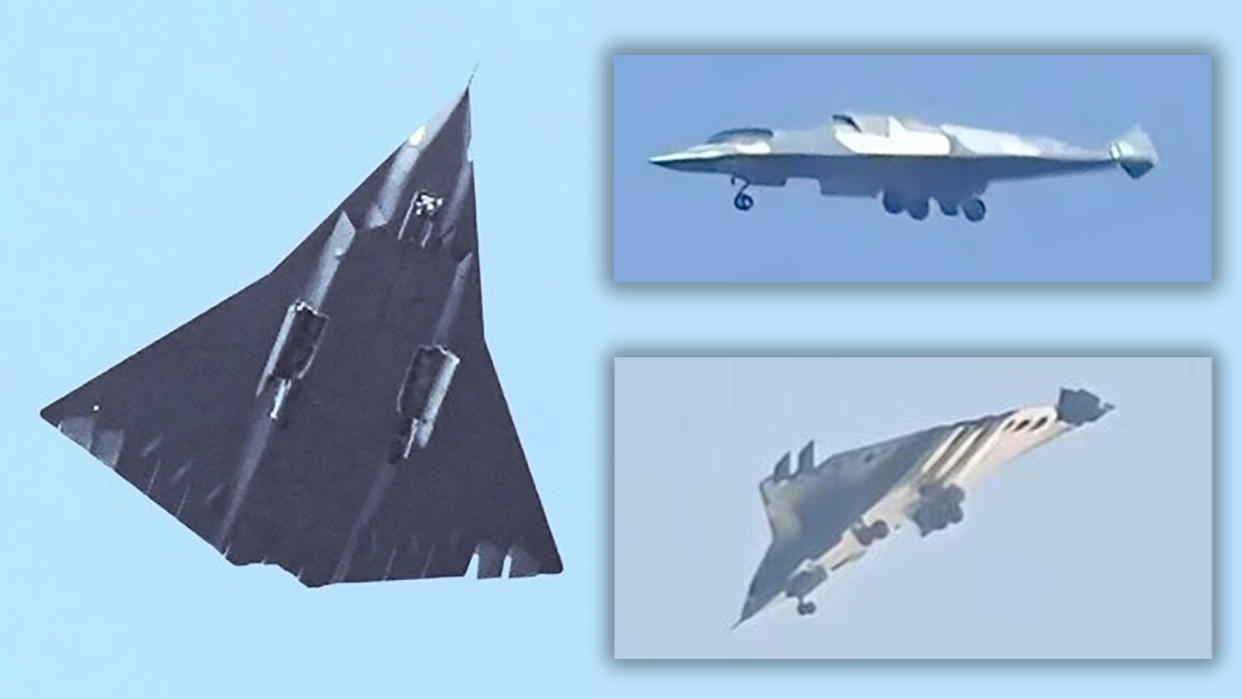
World
As Elon Musk continues to question the relevance of traditional manned fighter jets, China has made headlines with its groundbreaking advancements in stealth aircraft. The country has begun testing a fleet of next-generation fighter jets, signaling a significant leap in its aviation technology and strategic ambitions. Next-Generation Chinese Stealth Fighters Take Flight China’s recent tests reportedly include multiple prototypes, each tailored for specific roles in modern combat scenarios. Among the tested models are: Heavy Fighter-Bomber Configuration: Unique three-engine design. Capabilities: Multi-role functionality, including deep-strike bombing and air-to-air superiority. Design: Diamond-shaped wing structure optimized for reduced radar cross-section and enhanced payload capacity. Performance: Engine power and aerodynamics enable extended range and superior combat load. Light Stealth Fighter Focus: High maneuverability and agility for close-range dogfights. Unique Attributes: Compact stealth profile with advanced thrust vectoring for unparalleled control during aerial combat. Operational Role: Tactical air support and reconnaissance. These aircraft incorporate state-of-the-art stealth coatings, advanced avionics, and cutting-edge radar-evading technology, reflecting China’s commitment to challenging U.S. and allied dominance in the Indo-Pacific region. A Bold Step in Air Superiority Military analysts are impressed by the rapid evolution of China’s aviation industry, noting the strategic implications. The heavy fighter-bomber is designed to project power across vast distances, while the light stealth fighter is optimized for versatility and close-combat scenarios. Together, they form a comprehensive air dominance strategy. “This marks a significant evolution in modern warfare,” said a military analyst. “China is not only closing the gap with Western powers but is potentially outpacing traditional designs in certain aspects.” Elon Musk: A Vocal Critic of Manned Fighters Elon Musk, a long-standing critic of the U.S. F-35 fighter program, has reignited the debate about the future of air combat. Musk recently emphasized the advantages of unmanned systems, highlighting China’s progress in drone swarms as an example of the technological shift. “Some idiots are still building manned fighter jets like the F-35,” Musk stated, underscoring his belief that drones represent the future of warfare due to their flexibility, cost efficiency, and reduced pilot risk. Musk has consistently advocated for the development of unmanned aerial vehicles (UAVs) as a counter to traditional fighter jets, a perspective that aligns with broader trends in military innovation. The Geopolitical Impact The emergence of China’s next-generation stealth fleet could reshape the balance of power in the Indo-Pacific. These advancements challenge the dominance of U.S.-led air forces and emphasize the growing complexity of modern air superiority. While the U.S. continues to invest heavily in programs like the F-35, the rise of China’s stealth technology raises questions about the future of traditional air combat strategies. As the global arms race shifts toward unmanned and hybrid systems, maintaining aerial dominance will require adapting to these evolving threats. The Broader Debate: Manned vs. Unmanned Systems Musk’s criticism of the F-35 program aligns with a broader discussion about the role of manned aircraft in the future of warfare. Drones and autonomous systems are increasingly seen as the next frontier, offering operational advantages that traditional fighters may struggle to match. China’s advancements underscore this shift, with its drone capabilities and new fighter jets representing a dual-pronged strategy to dominate the skies. As Musk suggests, the question is not just about technological capability but about adaptability to the changing nature of warfare. China’s successful tests serve as a stark reminder: the race for air superiority is entering a new era, where the boundaries of innovation and strategy are constantly being redefined.
Read More → Posted on 2024-12-28 15:06:52
World
On December 18, 2024, Russia reached a pivotal milestone in modern air defence by officially forming its first military regiment equipped with the state-of-the-art S-500 'Prometheus' missile system. General Valery Gerasimov, Chief of the General Staff of the Russian Armed Forces, announced this significant development during a high-profile briefing for military attachés from various nations. This step marks a new era in Russia's defence strategy, aimed at countering advanced aerial threats and asserting technological superiority on the global stage. What Sets the S-500 Apart? The S-500 'Prometheus' air defence missile system is an evolutionary leap in Russia's missile defence capabilities. It is uniquely designed to address a wide spectrum of contemporary threats, including hypersonic missiles, intercontinental ballistic missiles (ICBMs), and even low-orbit satellites. Key Specifications and Capabilities: Extended Range: The S-500 can engage targets up to 600 kilometers away, significantly surpassing the range of its predecessors, the S-400 system (400 km). Multi-Layered Defence: The system can simultaneously track and intercept up to 10 ballistic missiles traveling at speeds of up to 7 kilometers per second. Satellite Targeting: With its ability to target satellites in low Earth orbit, the S-500 reinforces Russia's strategic capabilities in space warfare. Advanced Radar Technology: The system employs cutting-edge radar capable of detecting stealth aircraft, drones, and hypersonic objects, ensuring no adversary escapes its reach. Dual Configuration: The S-500 operates in two distinct configurations: one tailored for long-range air defence and another dedicated to missile interception, offering versatile battlefield applications. Integration With Russia’s Defence Network The S-500 is not a standalone solution but a critical piece in Russia's comprehensive air defence architecture. Designed to complement older systems like the S-300 and S-400, it strengthens the country's layered defence strategy. The integration ensures seamless communication and coordination across multiple defence tiers, creating an impenetrable shield against a wide array of threats. Strategic Importance Amid Geopolitical Tensions The creation of the first S-500 regiment comes at a time of heightened military activity near Russia's borders, particularly involving NATO forces. General Gerasimov underscored the system's role in addressing these strategic challenges. Its deployment enhances Russia's ability to counter sophisticated missile threats, including those posed by NATO's expanding arsenal of hypersonic weapons. This deployment also signals Russia's readiness to confront emerging threats in the evolving landscape of global warfare. By incorporating advanced capabilities like multi-target engagement and satellite interception, the S-500 not only fortifies national defence but also extends Russia's influence in regional and international security dynamics. A Glimpse Into the Future The operationalization of the S-500 regiment is a testament to Russia's relentless pursuit of technological innovation in defence. As production scales up, more units are expected to be deployed across strategic locations, further bolstering the country’s defensive and offensive capabilities. This move also underscores Russia's ambition to set global benchmarks in air defence technology. With the S-500 now in play, military analysts anticipate a ripple effect on defence strategies worldwide, pushing other nations to accelerate their own missile defence advancements. In conclusion, the S-500 'Prometheus' represents not just a technological marvel but also a strategic statement of Russia's evolving military doctrine. Its ability to neutralize advanced threats and enhance national security positions it as a game-changer in modern warfare.
Read More → Posted on 2024-12-28 14:57:44
World
Turkish drone manufacturer Baykar Technologies has finalized the acquisition of Italian aviation giant Piaggio Aerospace, a move approved by the Italian Ministry of Enterprises and Made in Italy. This landmark deal not only strengthens Baykar’s position in the global aerospace market but also ensures the preservation and future expansion of Piaggio’s renowned aviation legacy. Piaggio Aerospace: A Legacy of Excellence Founded in 1884, Piaggio Aerospace is celebrated for its iconic P.180 Avanti, a twin-engine turboprop aircraft known as the "Ferrari of the skies." The P.180’s sleek, futuristic design, coupled with exceptional performance and efficiency, has made it a standout in the business aviation sector. Its specifications include: Maximum Cruise Speed: 402 knots (745 km/h) Range: Approximately 1,364 nautical miles (2,526 km) Capacity: 7–9 passengers Maximum Takeoff Weight: 5,488 kg (12,100 lbs) Beyond its commercial aircraft, Piaggio has been a key contributor to Italy's defense sector, providing advanced aerospace solutions and sustaining an enduring reputation for innovation. Baykar’s Strategic Vision Baykar Technologies, renowned for its dominance in the unmanned aerial vehicle (UAV) market, views the acquisition as a pivotal step toward diversification. Having established a global footprint with combat-proven drones like the Bayraktar TB2, Baykar now enters the realm of manned aviation through this acquisition. The company plans to leverage Piaggio’s workforce, technological expertise, and production facilities to integrate traditional aviation capabilities into its expanding portfolio. Baykar’s CEO, Haluk Bayraktar, highlighted the synergy between the two companies, stating that this collaboration will enhance their collective production capabilities while preserving Piaggio’s iconic heritage. Preserving Jobs and Strengthening Italian Industry One of the key highlights of the acquisition is Baykar’s commitment to maintaining jobs and production facilities in Italy. The Italian government has praised the deal for ensuring Piaggio Aerospace’s operational continuity and its potential to rejuvenate the company under Baykar’s leadership. Adolfo Urso, Italy’s Minister of Enterprises, described the acquisition as a turning point for Piaggio, guaranteeing its future while fostering an industrial revival. Baykar’s investment is expected to inject fresh energy into the company’s operations, further reinforcing Italy’s aviation sector. Diplomatic and Economic Implications The acquisition also serves as a milestone in Turkey-Italy relations, reflecting the strengthening of economic and diplomatic ties between the two nations. Turkish Industry and Technology Minister Mehmet Fatih Kacır hailed the deal as a testament to Baykar’s global leadership and its contribution to advancing Turkish aerospace ambitions. A New Era for Aviation With Baykar reporting over $1.8 billion in exports in 2023 and consistently leading in UAV innovation, the acquisition of Piaggio Aerospace represents a bold step in consolidating its influence across diverse segments of the aerospace industry. The integration of Piaggio’s legacy with Baykar’s cutting-edge approach signals a new chapter, where innovation meets tradition to shape the future of aviation. This acquisition not only safeguards Piaggio’s historic identity but also underscores Baykar’s vision of expanding its technological reach, making it a transformative moment for both companies and the broader aerospace industry.
Read More → Posted on 2024-12-28 14:54:10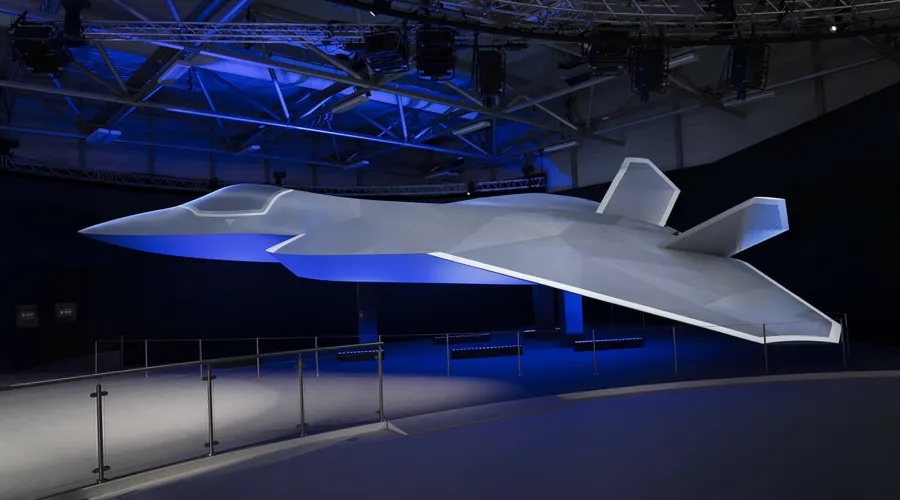
India
China's unveiling of two ambitious 6th generation fighter jet programs has intensified the global race for air superiority, compelling nations like India to reassess their military aviation strategies. This evolving landscape raises an important question: Should India join the Global Combat Air Programme (GCAP) as an observer to accelerate its own 6th generation fighter capabilities? The Strategic Value of GCAP Participation The GCAP, a collaborative initiative spearheaded by Italy, Japan, and the UK, aims to develop cutting-edge 6th generation fighter jets by 2035. These aircraft promise groundbreaking advancements, including enhanced stealth technologies, AI-driven systems, hypersonic capabilities, autonomous swarming drones, and directed energy weapons. For India, gaining first-hand exposure to these innovations could provide crucial insights for its Advanced Medium Combat Aircraft (AMCA) project, which is currently under development. By joining as an observer, India could leverage this opportunity to study the program’s design philosophies, manufacturing techniques, and systems integration. For instance, GCAP’s focus on network-centric warfare and sensor fusion aligns with AMCA’s ambitions to incorporate advanced avionics and a robust electronic warfare suite. The learnings could potentially shorten development timelines and bolster AMCA’s competitiveness against global counterparts. Advantages Beyond Technology Engaging with GCAP goes beyond technical gains. It could deepen India's defence partnerships with Western allies, fostering stronger ties with NATO countries and expanding avenues for co-development and technology transfer. Such collaborations could also strengthen India's position in the Indo-Pacific, countering China's growing assertiveness in the region. Financially, developing a 6th generation fighter jet independently is a monumental challenge, with estimated costs running into tens of billions of dollars. As an observer, India could share development risks in the long term while avoiding immediate financial burdens. Moreover, this strategic collaboration could open the door to dual-use technologies, benefiting both civilian and military sectors. Challenges and Limitations However, participation as an observer comes with potential drawbacks. Access to core intellectual property and decision-making authority could be limited, which may restrict India’s ability to adapt the technologies to its unique needs. Additionally, GCAP’s design priorities might not align perfectly with India's operational requirements, such as high-altitude performance critical for Himalayan deployments. Furthermore, India's own defence ecosystem must be ready to absorb and integrate these advanced technologies. A well-defined roadmap for transitioning from observer status to active participant or beneficiary will be essential to maximize returns. Why Now? China’s aggressive strides in 6th generation aviation technology, reportedly featuring advanced quantum radar systems and directed energy weapons, serve as a wake-up call. These developments pose a significant challenge to India’s regional security and technological parity. Joining GCAP could serve as a countermeasure, allowing India to keep pace with global advancements while simultaneously enhancing its indigenous capabilities. The timing is particularly critical as AMCA progresses toward its first flight by 2028. Exposure to GCAP could enable India to incorporate some 6th generation features into AMCA’s later variants, bridging the gap between 5th and 6th generation capabilities. A Balanced Approach India must carefully evaluate the strategic, technical, and financial implications of joining GCAP as an observer. While the potential benefits are immense, ensuring access to actionable knowledge and a pathway to deeper engagement will be key to making the partnership fruitful. In a rapidly evolving geopolitical landscape, India’s proactive involvement in global defence initiatives like GCAP could be the catalyst for maintaining its edge in military aviation. By positioning itself alongside leading innovators in defence technology, India can ensure its readiness for future conflicts while fortifying its strategic standing in an increasingly competitive Indo-Pacific theatre.
Read More → Posted on 2024-12-28 14:51:03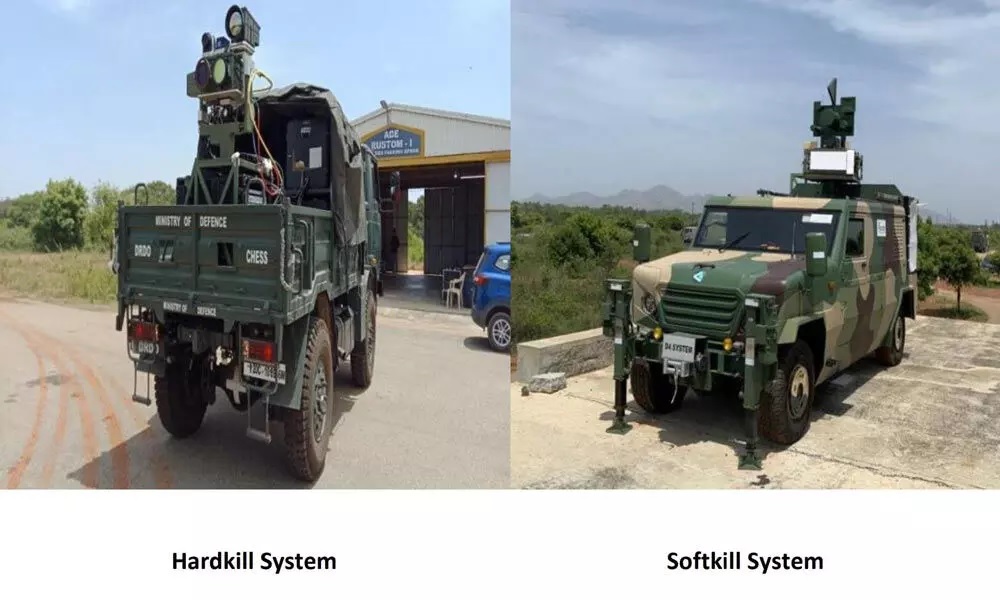
India
In a significant move to deepen defense ties with Vietnam, India has offered its cutting-edge counter-drone systems to the Vietnam People's Air Force (VPAF). This initiative addresses the growing challenge of swarm drone attacks on military facilities, a threat that is becoming increasingly prevalent worldwide. The systems India proposes combine both 'hard kill' and 'soft kill' technologies, providing an effective and comprehensive solution to neutralize hostile drones. Hard Kill Systems: Neutralizing Threats Physically Hard kill systems aim to destroy incoming drones physically. Among India's offerings, the D-4 counter-drone system, developed by the Defence Research and Development Organisation (DRDO), stands out. This system uses advanced laser technology to target and eliminate drones at various ranges. Its laser capability can effectively engage threats within distances ranging from 150 meters to over 1 kilometer, depending on the laser's power. In addition to lasers, missile-based interceptors form another layer of the hard kill approach. These interceptors are designed to swiftly engage drones before they breach critical airspace, ensuring maximum protection for airbase infrastructure. Soft Kill Systems: Disabling Drones Without Destruction Soft kill methods, on the other hand, focus on disrupting or disabling drones without causing physical damage. India's counter-drone solutions include sophisticated systems that employ RF jamming and GPS spoofing technologies. These systems can disable a drone's communication link or manipulate its navigation system, forcing it to land or return to its origin point. The D-4 system, for example, includes capabilities to jam micro-drones at distances up to 3 kilometers, effectively neutralizing threats without causing collateral damage. This makes it particularly suitable for scenarios where avoiding debris is critical. Integrated Multi-Layer Defense India’s counter-drone solutions provide a multi-layered defense strategy. The D-4 system integrates advanced radar, RF detectors, and electro-optical/infrared (EO/IR) sensors for comprehensive threat detection and neutralization. Its radar can detect drones within a 4-kilometer radius, while EO/IR sensors allow for precise visual identification up to 2 kilometers. Such integration ensures that even highly coordinated swarm attacks can be effectively countered. Operational Experience and Proven Effectiveness The reliability of India’s counter-drone systems has been demonstrated in several high-profile deployments, including securing critical national events like Republic Day and Independence Day celebrations. Their successful operational use highlights their effectiveness in real-world scenarios, making them a credible option for enhancing Vietnam’s airbase security. Strengthening Vietnam's Defense Capabilities By equipping the VPAF with these advanced systems, India aims to significantly bolster Vietnam's ability to protect its airbases. These systems are not only tailored to meet current challenges but are also designed to adapt to the evolving tactics of drone warfare. For Vietnam, adopting such cutting-edge technology would enhance its preparedness against modern threats while deepening its strategic defense partnership with India. As drone technology advances, investing in robust counter-drone systems like these becomes imperative for nations to safeguard their critical infrastructure and maintain airspace security.
Read More → Posted on 2024-12-28 14:49:14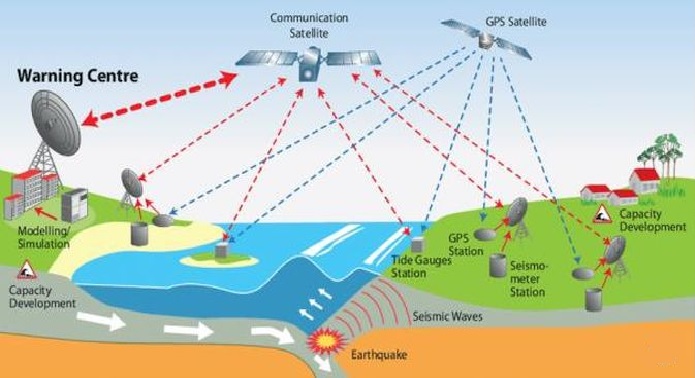
India
India has emerged as a global leader in disaster warning systems, showcasing remarkable advancements in technology and strategic preparedness. Central to this achievement is the Indian Tsunami Early Warning System (TEWS), developed in response to the devastating Indian Ocean tsunami of December 26, 2004. The disaster claimed over 230,000 lives across 14 countries, emphasizing the urgent need for a robust early warning mechanism. The Indian Tsunami Early Warning Centre (ITEWC) Operational since 2007, the Indian Tsunami Early Warning Centre (ITEWC) in Hyderabad serves as the backbone of India's disaster preparedness framework. Managed by the Indian National Centre for Ocean Information Services (INCOIS), the center has become a symbol of India's commitment to reducing disaster risks. ITEWC's operations rely on an advanced network of instruments and data systems, including: Seismic Sensors: These continuously monitor tectonic activity to detect undersea earthquakes. Deep-Ocean Pressure Recorders (DART Buoys): These instruments detect sudden changes in ocean pressure, indicating potential tsunami waves. Wave Rider Buoys and Tide Gauges: These measure sea surface movements and water levels. Satellite Communication Systems: Ensure real-time data transmission and rapid dissemination of alerts. The Four-Step Early Warning Approach India’s TEWS employs a systematic four-step methodology: Continuous Monitoring: Real-time data from seismic stations and ocean sensors is analyzed to detect earthquake activity. Simulation Models: Advanced computer models simulate tsunami propagation and estimate potential impacts. Data Collection: Instruments track tsunami trajectories and validate wave data in real time. Rapid Alert Dissemination: Alerts are communicated via SMS, email, TV, radio, and social media, ensuring timely warnings reach coastal communities. Regional and Global Impact India’s TEWS is recognized not only for its national significance but also for its regional contributions. As a Regional Tsunami Service Provider under UNESCO's Intergovernmental Oceanographic Commission, India provides advisory services to 25 countries in the Indian Ocean Rim. The system's effectiveness was demonstrated during multiple seismic events, where timely warnings facilitated evacuations and mitigated disaster impacts. Additionally, the recognition of 24 Indian communities under UNESCO's Tsunami Ready Initiative highlights India's emphasis on local-level disaster preparedness and resilience-building. Future Goals: A Multi-Hazard Warning System India is now working on integrating tsunami alerts with warnings for other ocean-related hazards, such as storm surges, high waves, and coastal erosion. This multi-hazard early warning system aligns with India's vision of achieving "Viksit Bharat" (Developed India) and advancing disaster resilience. The expansion of the TEWS capabilities is also a part of India’s broader push into ocean exploration, particularly under the Samudrayaan Mission, aimed at leveraging marine resources and understanding underwater geodynamics. Global Recognition and Benchmark India's disaster warning systems, characterized by technological innovation and community engagement, have set a global benchmark. The blend of real-time data analysis, cutting-edge technology, and community-focused preparedness offers a model that other nations can replicate. Conclusion India’s advancements in disaster warning systems showcase the nation’s resolve to mitigate the impacts of natural calamities. From protecting its own citizens to aiding neighboring countries, India has positioned itself as a pioneer in global disaster management, demonstrating how technology and strategic foresight can save lives and build resilience.
Read More → Posted on 2024-12-28 14:44:11Search
Top Trending in 24 Hours
-
 Western Intelligence Warns Russia Could Launch Nuclear-Armed Satellite as Early as December
-
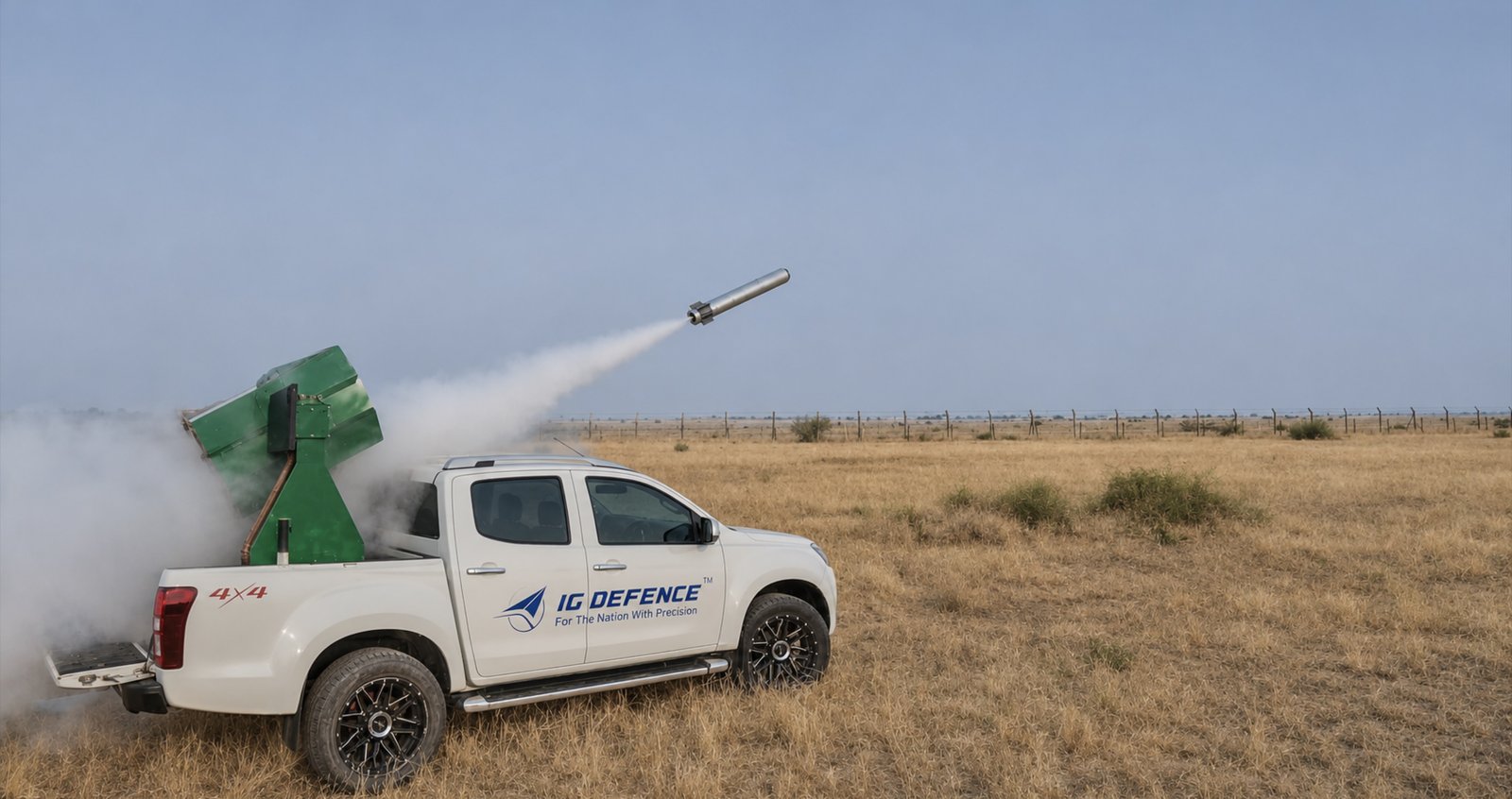 IG Defence Successfully Test-Fires JWALA MK-1 Counter-Drone Missile at Pokhran
-
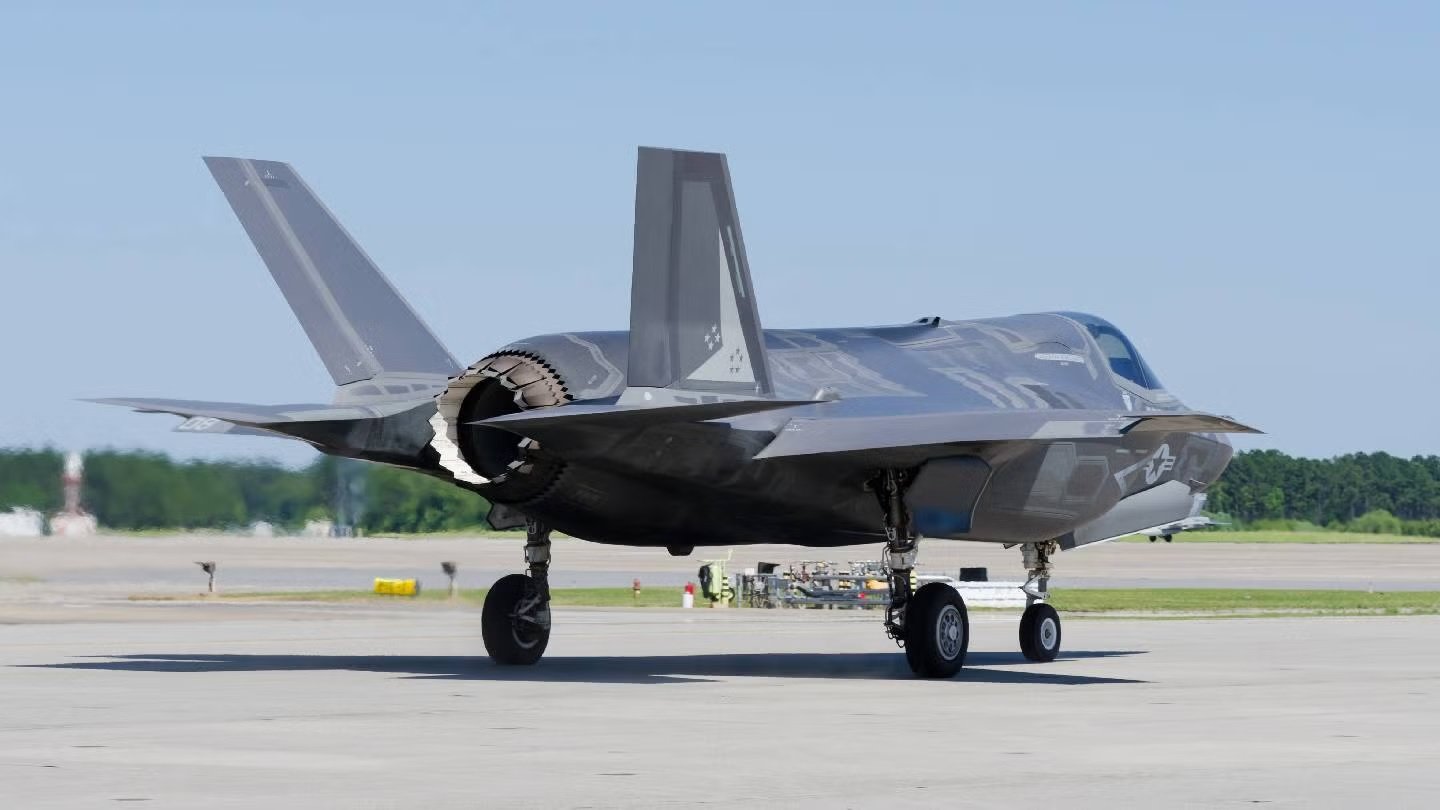 U.S. Awards Lockheed Martin $330.6 Million Contract for Long-Lead Materials Supporting 75 F-35 Lot 22 Aircraft
-
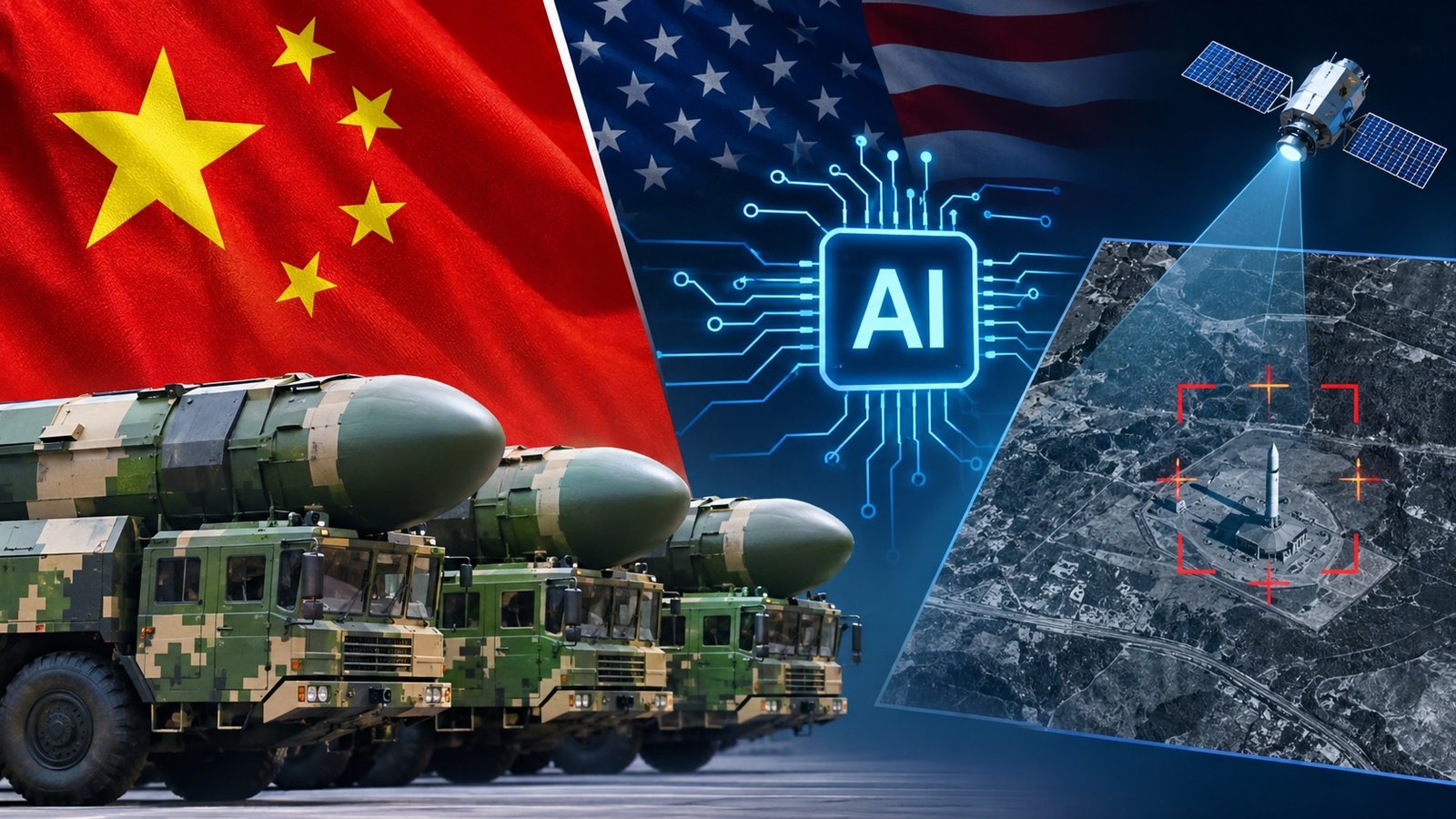 Chinese Military Warns U.S. AI Could Threaten China’s Nuclear Missile Survivability
-
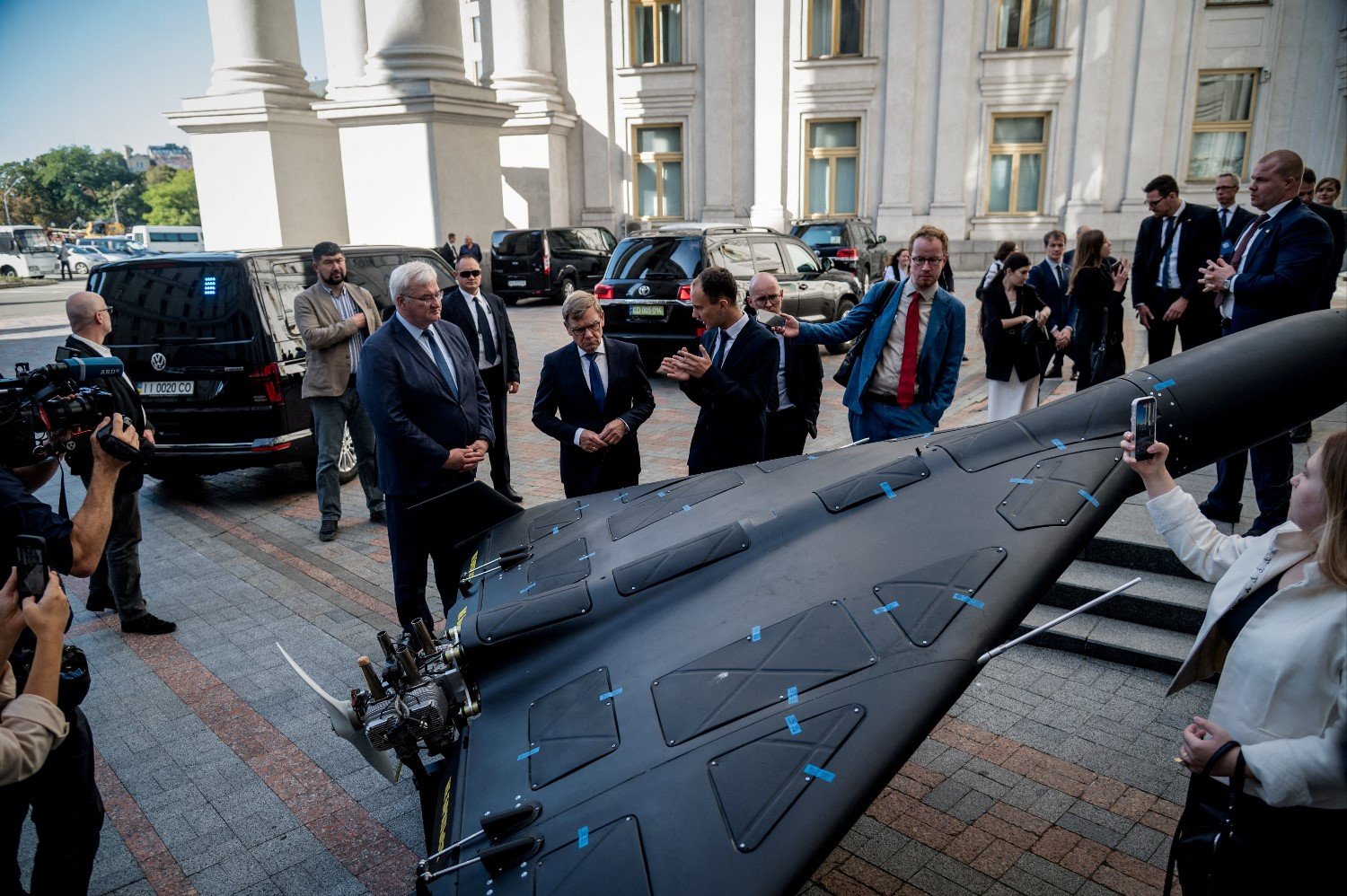 Germany Tests Kamikaze Drones and AI Targeting Systems in Lithuania Near Belarus Border
-
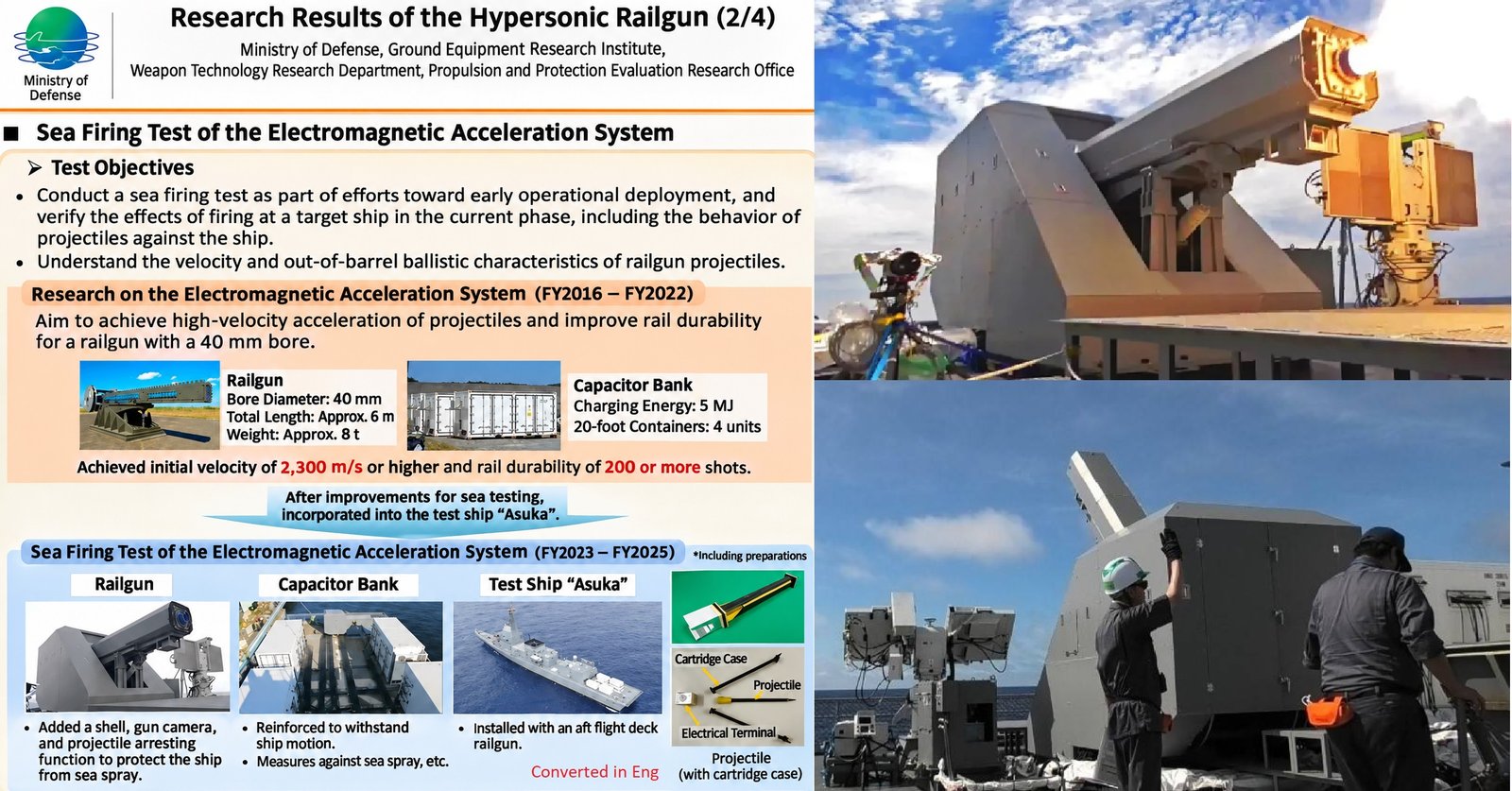 Japan Tests Battery-Powered Railgun in Ten-Shot Rapid-Fire Trial
-
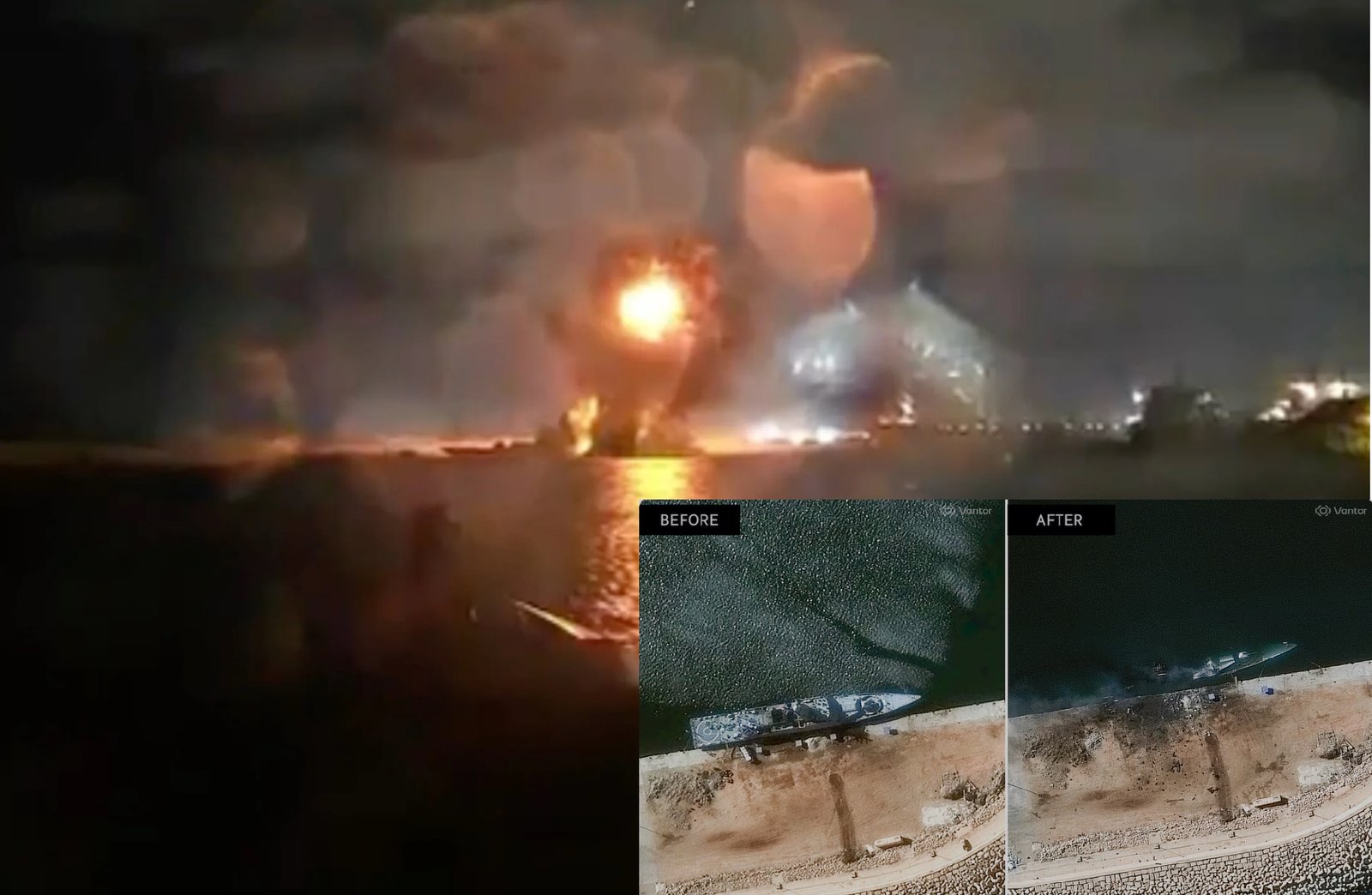 Ukraine Confirms Using Seven Naval Drones to Sink Russian Corvette Merkury Off Libya, Destroying Ka-27 Helicopter Aboard
-
 U.S. Army Places $60.3 Million Order With Saab for XM919 Shoulder-Fired Weapons
Top Trending in 4 Days
-
 Two Injured in Bahrain After Iranian Attacks; Iran Claims Strike on US Patriot Radars
-
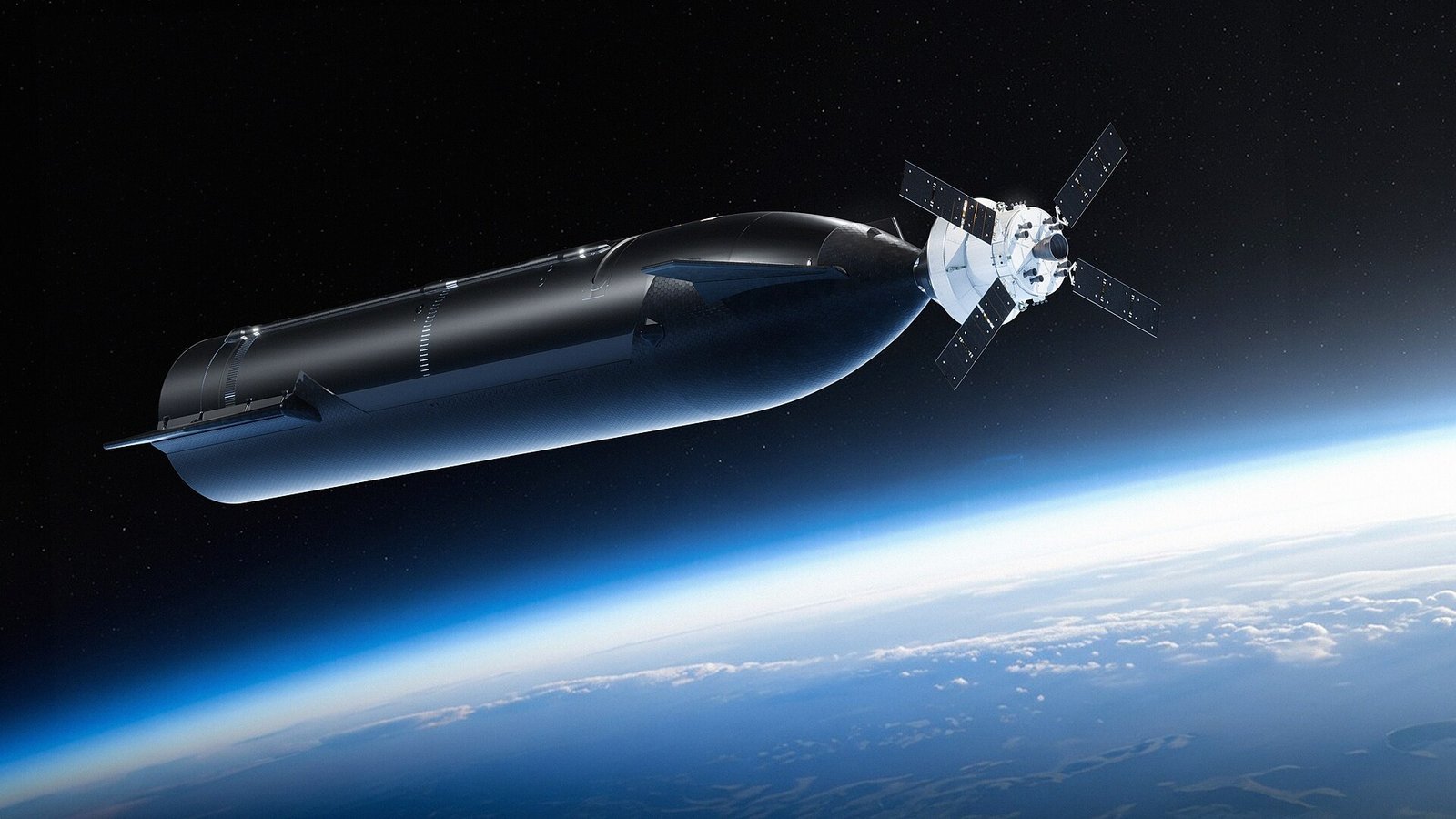 NASA's Orion Spacecraft Needs Major Modifications to Fly Backward with SpaceX Starship
-
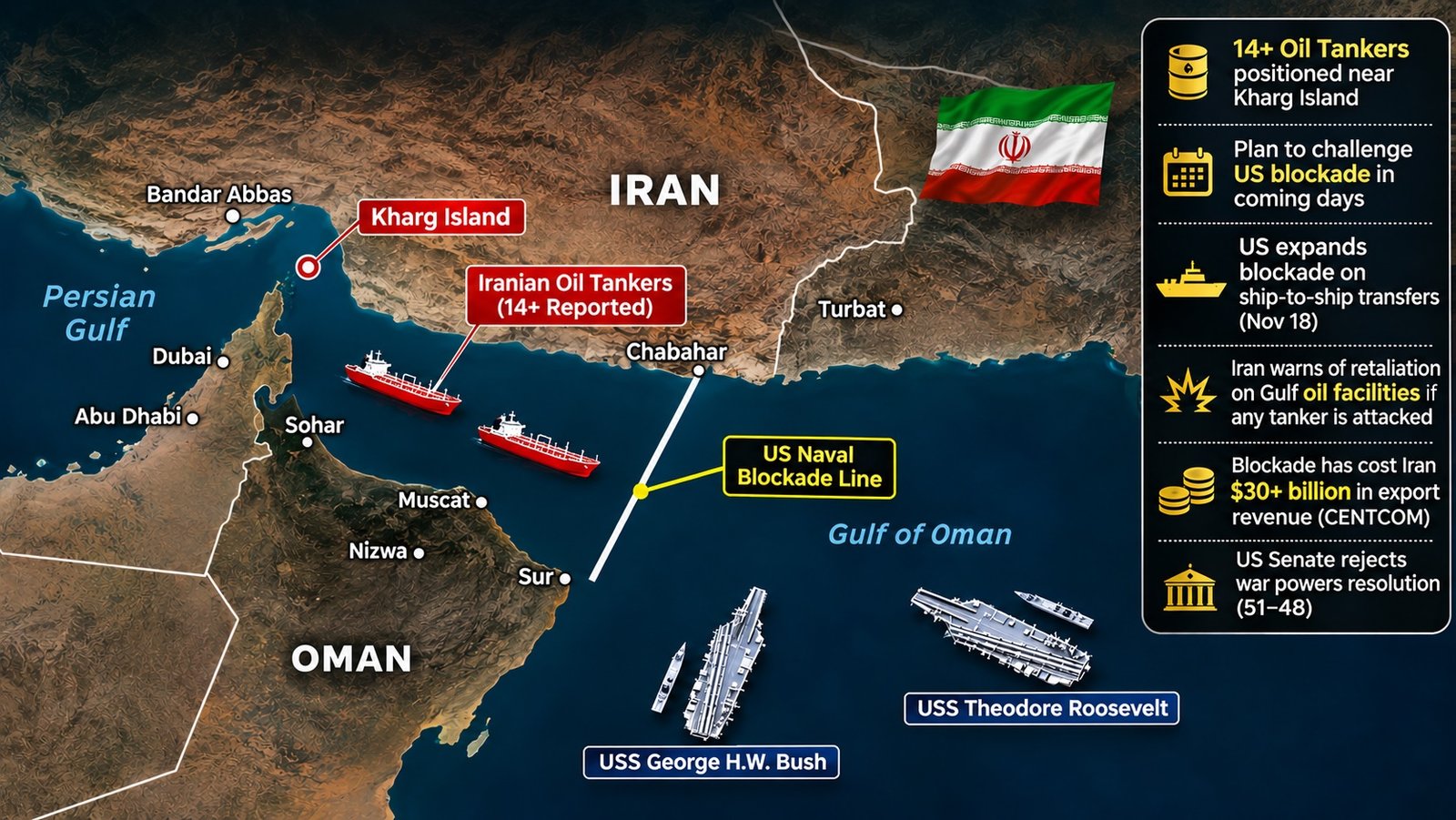 Iran Positions Oil Tankers at Kharg Island Amid Plans to Challenge US Naval Blockade
-
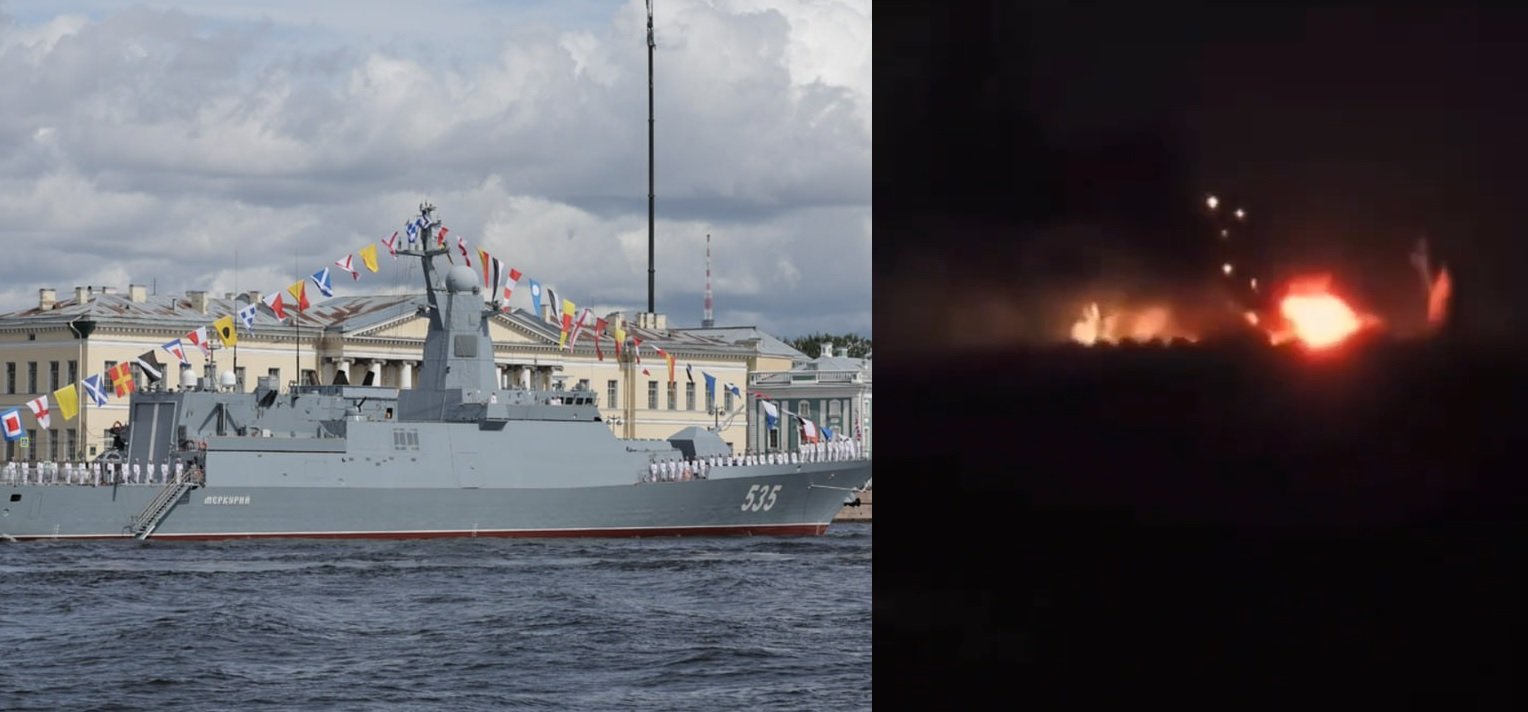 Russian Corvette Merkury Almost Certainly Destroyed in Benghazi Port Explosion
-
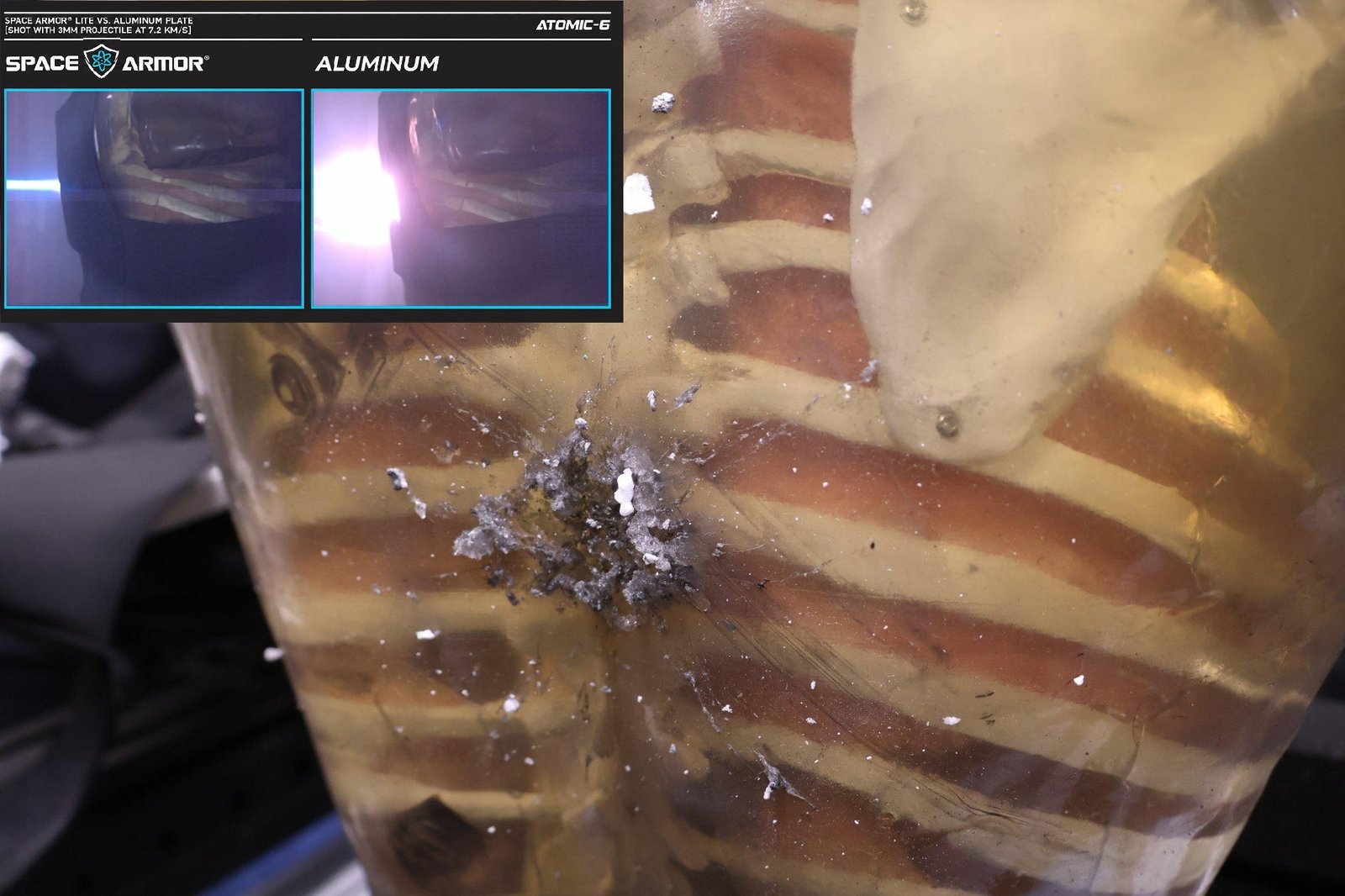 Atomic-6 Tests Composite Armor Against 16,100 MPH Space Debris for Astronaut Protection
-
Western Intelligence Warns Russia Could Launch Nuclear-Armed Satellite as Early as December
-
 Denmark's Parliament Unanimously Approves US-Greenland Defence Deal with 109–0 Vote, Restricting Russian and Chinese Military Presence
-
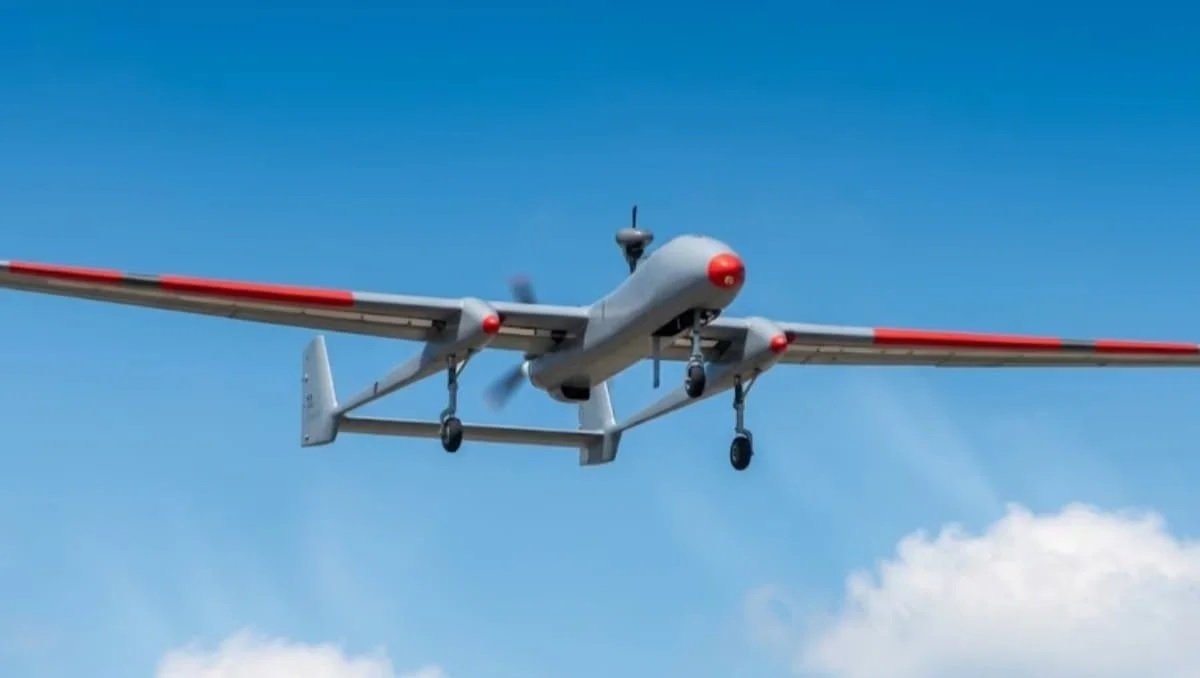 IAF Issues RFI for 500 Indigenous ISR Drones for Surveillance and Electronic Intelligence, with Six-Hour Endurance
