World
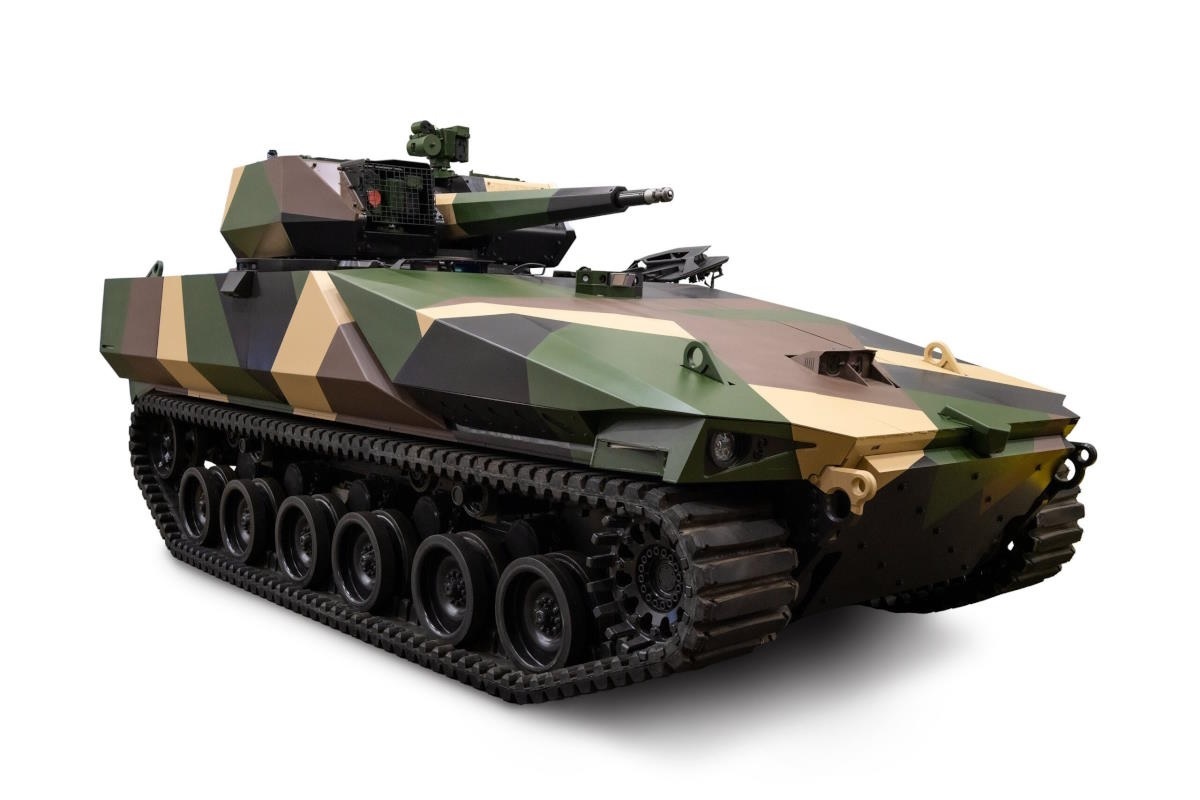
The United States Army is making significant strides in modernizing its armored combat vehicles with the development of the XM-30 Mechanized Infantry Combat Vehicle. This next-generation platform is poised to replace the venerable M2 Bradley Infantry Fighting Vehicle, which has been a mainstay since its introduction in 1981. Evolution of the XM-30 Initially designated as the Optionally Manned Fighting Vehicle (OMFV), the program underwent a pivotal transformation in June 2023, culminating in its redesignation as the XM-30 Mechanized Infantry Combat Vehicle. This change reflects the Army's commitment to integrating advanced technologies and addressing the evolving demands of modern warfare. Key Features and Capabilities The XM-30 is engineered to operate both with a crew and autonomously, offering unparalleled flexibility on the battlefield. Its modular open system architecture ensures seamless integration of emerging technologies, enhancing adaptability to future combat scenarios. Notably, the XM-30 is the Army's inaugural ground combat vehicle developed using cutting-edge digital engineering tools, underscoring a significant leap in design and development methodologies. Developmental Milestones The acquisition strategy for the XM-30 is structured into five distinct phases: Market Research and Requirements Development: This initial phase involved comprehensive market analysis and the establishment of performance and capability requirements for the new vehicle. Concept Design: In this stage, five companies—Point Blank Enterprises, Oshkosh Defense, BAE Systems, General Dynamics, and American Rheinmetall Vehicles—submitted hybrid electric vehicle concept designs, emphasizing innovation in powertrain technologies. Detailed Design: Following a competitive selection process, General Dynamics and American Rheinmetall Vehicles were awarded contracts totaling approximately $1.6 billion to advance to the detailed design phase, focusing on refining vehicle specifications and preparing for prototyping. Prototyping: This phase involves the construction and rigorous testing of prototypes to validate design concepts and performance metrics under simulated combat conditions. Production and Fielding: Upon successful testing, the XM-30 is slated to enter low-rate initial production in early fiscal year 2028, with a decision on full-rate production anticipated by fiscal year 2030. Learning from Past Initiatives The journey to develop a successor to the Bradley has encountered challenges. Previous programs, such as the Future Combat System (FCS) initiated in 1999 and the Ground Combat Vehicle (GCV) program, were ultimately canceled due to factors like delays, cost overruns, and shifting military strategies. These experiences have informed the current approach, emphasizing realistic timelines, cost management, and technological feasibility. Looking Ahead As the XM-30 progresses through its development phases, it represents a cornerstone of the Army's modernization efforts. By leveraging advanced digital engineering, modular design, and autonomous capabilities, the XM-30 is set to redefine mechanized infantry operations, ensuring that U.S. ground forces remain agile, lethal, and resilient in the face of emerging global threats.
Read More → Posted on 2025-01-30 13:23:14
India
In a significant move to bolster India's defense capabilities and promote self-reliance, the Cabinet Committee on Security (CCS), chaired by Prime Minister Narendra Modi, has approved the country's largest domestic ammunition contract. This initiative involves the production of advanced rockets worth over ₹10,000 crore to meet the Indian Army's requirements over the next decade. Key Highlights: Indigenous Production: The project focuses on manufacturing enhanced-range Pinaka rockets and Area Denial Munitions (ADM) within India. These munitions have been developed by the Defence Research and Development Organisation (DRDO) and will be produced by Munitions India Ltd (MIL) and Economic Explosives Ltd (EEL), both of which have received the necessary technology transfers from DRDO. Contract Distribution: EEL emerged as the lowest bidder and is set to receive 60% of the contract value, while MIL will account for the remaining 40%, having agreed to match EEL's bid price. About the Pinaka Rocket System: The Pinaka is a multi-barrel rocket launcher system designed to enhance the Indian Army's artillery capabilities. Key features include: Enhanced Range: The Pinaka Mk-I (Enhanced) Rocket System (EPRS) boasts a range exceeding 45 kilometers. A more advanced variant has been successfully tested, capable of striking targets up to 75 kilometers away, with future developments aiming for ranges beyond 150 kilometers. Mobility: The system is mounted on a 6x6 military truck, allowing for rapid movement and repositioning after firing, which enhances its survivability on the battlefield. Firepower: Equipped with two pods, each containing six rockets, the Pinaka can launch a salvo of 12 rockets in just 44 seconds, effectively neutralizing targets over a 700 x 500 meter area. Area Denial Munitions (ADM): The Pinaka ADM variant is designed to disperse hundreds of bomblets over a wide area, effectively denying enemy forces access and targeting both personnel and armored formations. This capability is particularly useful against advancing enemy troops and vehicles. Strategic Deployment: The Indian Army currently has 10 Pinaka regiments on order and plans to deploy these systems along the northern frontier with China, significantly bolstering its combat prowess in the region. Future Prospects: Given the success and advanced capabilities of the Pinaka system, the Indian Army is likely to increase the number of regiments in the future, further strengthening India's indigenous defense production and operational readiness. This initiative not only enhances India's defense capabilities but also aligns with the government's 'Make in India' vision, promoting self-reliance in critical defense technologies.
Read More → Posted on 2025-01-30 07:37:40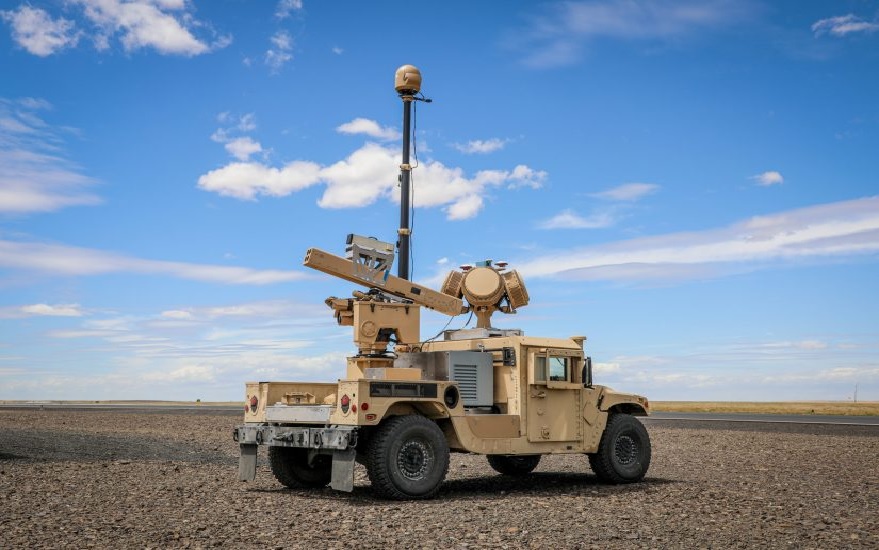
World
The United States Navy is set to enhance its defense capabilities against unmanned aerial threats by modifying an existing contract with MSI Defense Solutions, LLC. This modification focuses on the Electronic Advanced Ground Launcher System (EAGLS), a state-of-the-art counter-unmanned aerial system (C-UAS) designed to detect and neutralize hostile drones. Contract Details The Naval Air Systems Command (NAVAIR) Direct and Time Sensitive Strike Program has announced its intention to negotiate exclusively with MSI Defense Solutions for this contract modification. The scope of this agreement includes: Comprehensive testing of the EAGLS C-UAS. Provision of initial spare parts and support equipment. Engineering and technical assistance. Maintenance support. Deployment of Field Service Representatives (FSRs) for system support. Additionally, the contract covers maintenance services, training programs, technical consultations, advisory services, and the development and updating of technical manuals and related support materials. Why MSI Defense Solutions? MSI Defense Solutions stands out as the sole designer, developer, manufacturer, and integrator of the EAGLS C-UAS. This unique position makes the company exceptionally qualified to meet the Navy's requirements efficiently and cost-effectively. Recent Deliveries and Achievements In August 2024, MSI Defense Solutions successfully delivered six EAGLS C-UAS units to the U.S. Army. This delivery was part of a contract awarded through the Rapid Acquisition Authority (RAA), highlighting the system's critical role in addressing emerging and persistent drone threats. About the EAGLS C-UAS The EAGLS system is a versatile solution that can be deployed in both mobile and stationary configurations. It is adaptable to various environments and platform types, making it suitable for a wide range of military applications. The system integrates proven components into a cohesive package designed for counter-UAS missions and surface-to-surface target engagements in both ground and naval scenarios. Looking Ahead As unmanned aerial threats continue to evolve, the U.S. Navy's partnership with MSI Defense Solutions underscores a commitment to staying ahead of potential dangers. By investing in advanced systems like the EAGLS C-UAS, the Navy aims to ensure the safety and effectiveness of its operations in an increasingly complex threat landscape.
Read More → Posted on 2025-01-30 07:34:34
India
Garden Reach Shipbuilders & Engineers Ltd. (GRSE) and Apollo Micro Systems Limited (AMS) have signed a landmark Memorandum of Understanding (MoU) on January 29, 2025. This five-year collaboration aims to enhance India’s defence production capabilities by focusing on cutting-edge military technologies. Advancing India's Defence Technology The agreement between GRSE and AMS paves the way for the development and production of several advanced defence systems, including: Underwater Weapons & Mines – Essential for strengthening naval capabilities. Unmanned Underwater Vehicles (UUVs) – Critical for surveillance and reconnaissance operations. Communication & Air Defence Systems – Ensuring secure and effective military communications. Both companies will leverage their existing manufacturing infrastructure to produce high-quality components and sub-assemblies. Additionally, this collaboration will focus on upgrading and modernizing existing defence technologies to align with evolving battlefield requirements. Supporting ‘Atmanirbhar Bharat’ and Defence Growth This partnership strongly supports the Indian government’s ‘Atmanirbhar Bharat’ initiative, aimed at achieving self-reliance in defence production. By prioritizing indigenous manufacturing, GRSE and AMS aim to not only meet domestic military demands but also enhance India’s global footprint in the defence sector. The agreement comes at a crucial time as India's defence industry is projected to witness significant growth, with an estimated $90-100 billion worth of opportunities over the next five to six years. The Indian defence budget for FY25 stands at approximately $74.5 billion, indicating robust government support for local manufacturing. Expanding Global Presence Beyond catering to the Indian Armed Forces, paramilitary units, and police forces, this strategic alliance also positions both companies for international expansion. With rising global demand for advanced defence systems, GRSE and AMS could potentially tap into foreign markets, enhancing their competitive edge in the global arms industry. By combining expertise in shipbuilding, electronics, and military systems, this partnership sets the stage for major advancements in India’s defence technology landscape, ensuring that the country remains at the forefront of modern military innovation.
Read More → Posted on 2025-01-30 07:30:09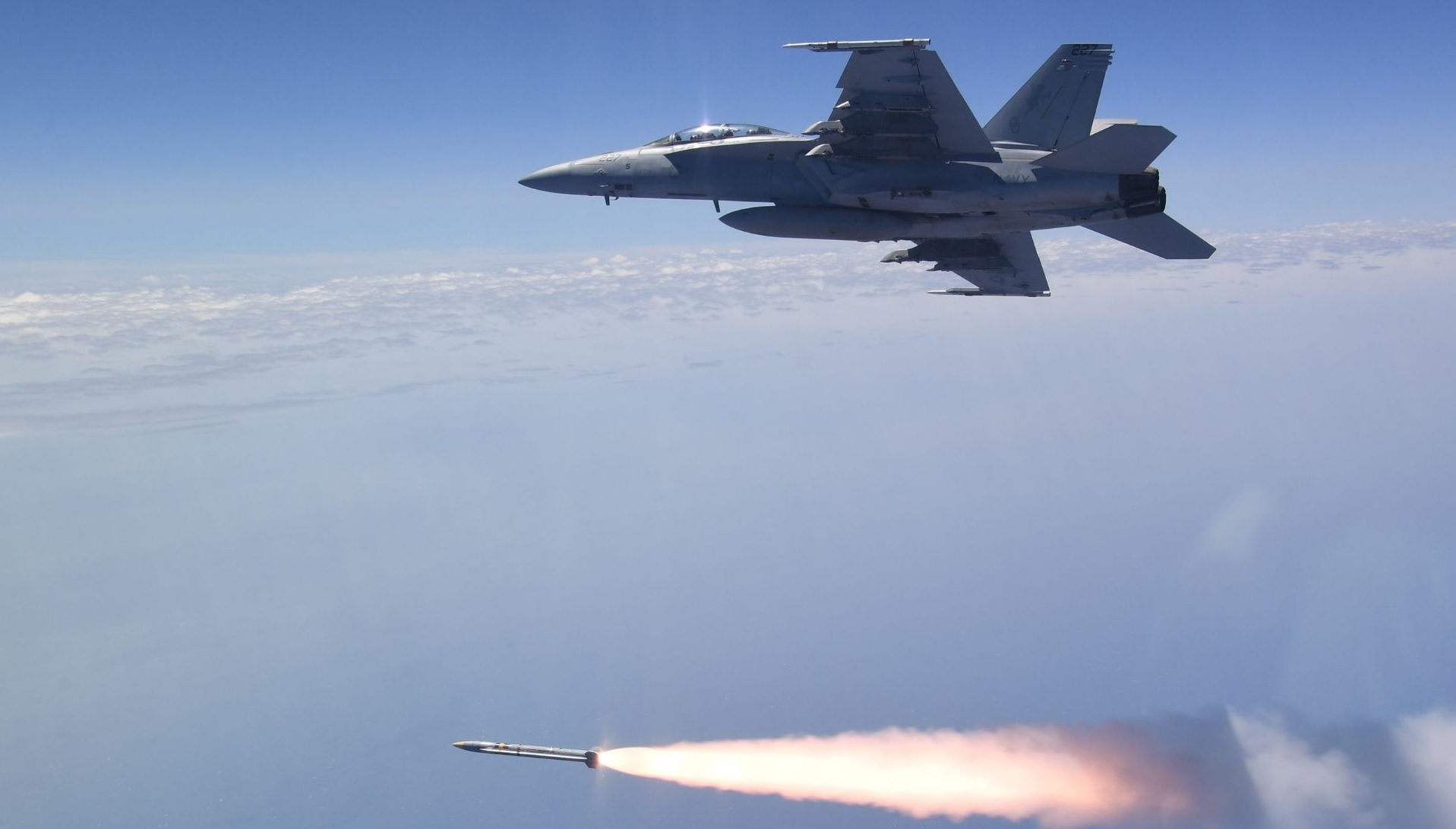
World
In a significant move to bolster its national defense, Poland has entered into a $745 million agreement with the United States to procure over 200 AGM-88G Advanced Anti-Radiation Guided Missiles-Extended Range (AARGM-ER). This acquisition aims to strengthen the Polish Air Force's ability to neutralize enemy radar and air defense systems, thereby enhancing its operational capabilities. Background and Approval The journey towards this acquisition began in April of the previous year when the U.S. State Department approved the sale of these advanced missiles to Poland. The approval encompassed not only the missiles but also associated equipment and support, underscoring the strategic defense partnership between the two nations. Enhancing Air Defense Capabilities The AGM-88G AARGM-ER is a state-of-the-art, supersonic air-launched missile designed to detect and destroy enemy radar installations. With an impressive range exceeding 200 kilometers (approximately 124 miles), it enables aircraft to engage threats from a safe distance, thereby reducing the risk to pilots and enhancing mission effectiveness. Integration with Polish Air Force Assets A key advantage of the AARGM-ER is its compatibility with modern fighter aircraft. The missile is designed for both external and internal carriage on various platforms, including the F-35A/B/C and the F-16. Poland's acquisition of F-35 fighters, expected to arrive in 2026, aligns seamlessly with this missile purchase, ensuring that the Air Force can fully leverage the capabilities of these advanced aircraft. Deliveries of the missiles are scheduled from 2029 to 2035, providing a clear timeline for integration and operational readiness. Statements from Polish Leadership Polish Deputy Prime Minister Kosiniak-Kamysz highlighted the significance of this acquisition, stating, "This is a breakthrough purchase. Only in such a case, when we have fully equipped F-35 aircraft, with the possibility of also adapting them to F-16 aircraft, are we able to effectively use all the capabilities of these most modern machines." He emphasized that possessing advanced aircraft without the appropriate weaponry does not constitute a strategic advantage, underscoring the importance of this procurement in enhancing the effectiveness of Poland's air defense. Technical Advancements of the AGM-88G AARGM-ER The AGM-88G represents the latest evolution in the AGM-88 missile series. It incorporates existing AARGM sensors and electronics, coupled with a new high-performance airframe, upgraded propulsion system, and an optimized warhead. These enhancements result in a missile that not only doubles the range of its predecessor, the AGM-88E2, but also offers improved speed and accuracy. The missile's multi-mode seeker allows it to home in on radiation emitted by enemy air defense radars, making it a formidable tool for Suppression and Destruction of Enemy Air Defenses (SEAD/DEAD) missions. Conclusion Poland's acquisition of the AGM-88G AARGM-ER missiles marks a significant step in modernizing its military capabilities. By investing in advanced technology and ensuring compatibility with its current and future aircraft, Poland is enhancing its defense posture and contributing to regional security. This strategic move reflects a commitment to maintaining a robust and effective defense system capable of countering evolving threats.
Read More → Posted on 2025-01-30 07:26:32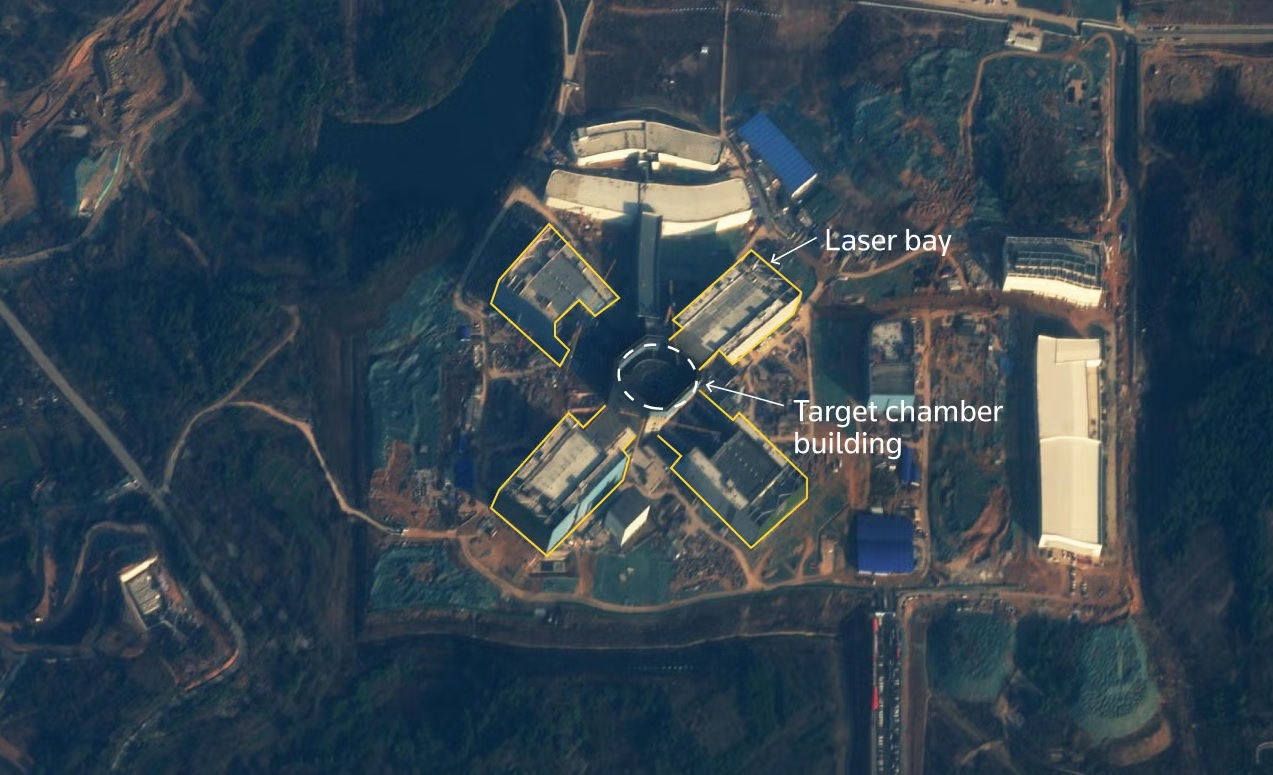
World
Recent satellite imagery has unveiled China's construction of a large-scale nuclear fusion research facility in Mianyang, Sichuan Province. This development has significant implications for both global energy innovation and regional security, particularly concerning India. Facility Overview The Mianyang complex is designed with four extended arms housing laser bays converging into a central experimental chamber. In this chamber, hydrogen isotopes like deuterium and tritium will be subjected to intense laser beams to initiate fusion reactions. This design mirrors the U.S. National Ignition Facility (NIF) in California but is approximately 50% larger, indicating China's substantial investment in fusion research. Dual-Use Potential While the primary goal of such facilities is to advance clean energy through fusion, they possess dual-use capabilities. The same technology can be applied to refine nuclear weapons designs without the need for explosive testing, adhering to international treaties like the Comprehensive Nuclear-Test-Ban Treaty (CTBT). This allows for the enhancement of nuclear arsenals under the guise of energy research. China's Expanding Nuclear Capabilities China's nuclear arsenal has seen rapid growth, with estimates indicating an increase from 410 warheads in January 2023 to approximately 500 by January 2024. Projections suggest that if this trend continues, China could match or surpass the nuclear capabilities of the United States and Russia by the end of the decade. In contrast, India's nuclear stockpile is estimated at around 172 warheads, highlighting a significant disparity. Implications for India The development of the Mianyang facility presents a strategic challenge for India. China's advancements in fusion research could lead to breakthroughs in both military and energy sectors, potentially altering the regional balance of power. India may need to reassess its strategic posture and consider bolstering its own research and development in similar fields to maintain regional stability. In conclusion, China's construction of the Mianyang nuclear fusion research facility underscores its commitment to advancing both its energy capabilities and military prowess. This development necessitates careful consideration and response from neighboring countries, especially India, to address the evolving security dynamics in the region.
Read More → Posted on 2025-01-30 07:23:21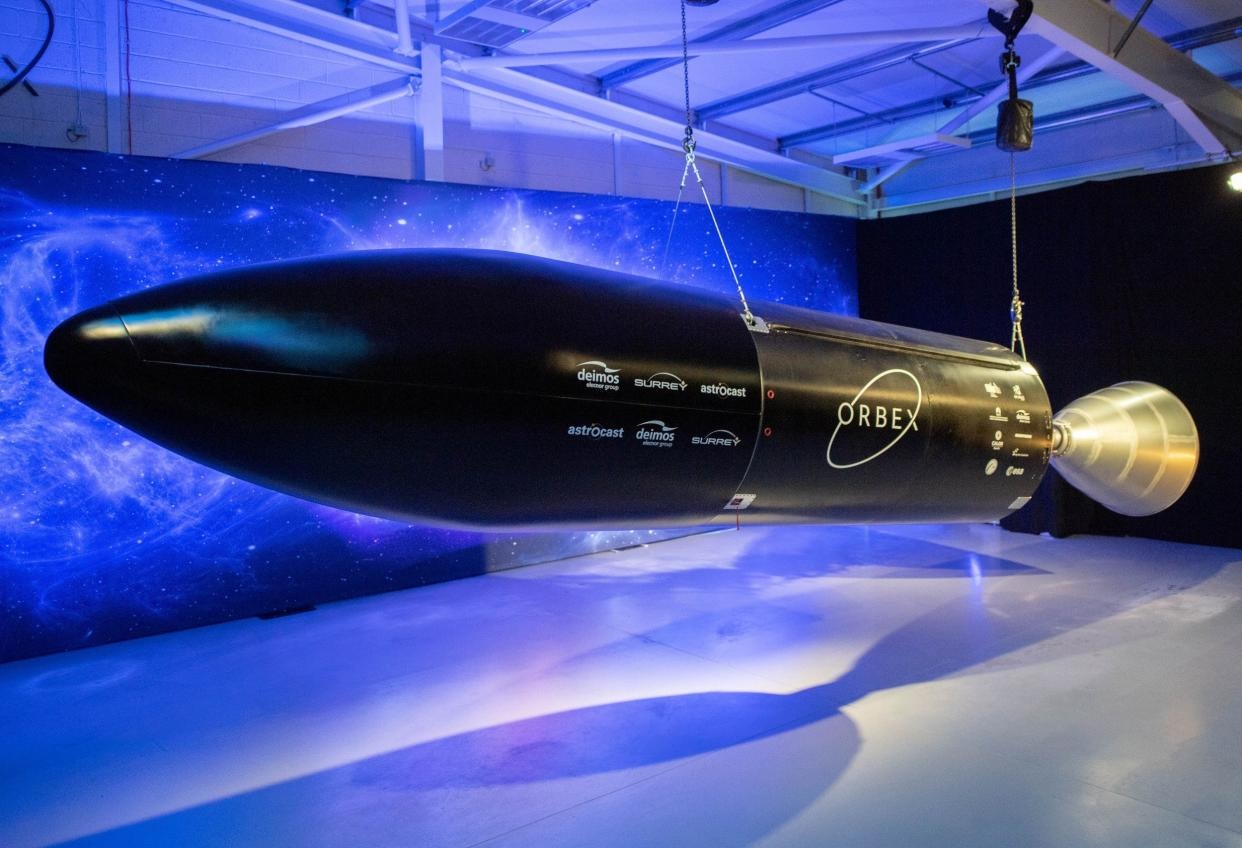
World
In a landmark move to strengthen the United Kingdom's position in the global space industry, the UK Government has committed £20 million to spaceflight company Orbex. This investment marks the government's first direct equity stake in a UK-based rocket launch provider and is a significant component of Orbex's Series D funding round, which has amassed a total of £40 million to date. Advancing UK Space Ambitions This strategic investment aligns with the UK's broader objective to become a leading hub for small satellite launches in Europe. By supporting Orbex, the government aims to foster the development of indigenous rocket technology, enabling regular orbital launches from British soil. This initiative is anticipated to generate highly skilled jobs, attract further investment, and inspire the next generation of space professionals. Orbex's Prime Rocket Central to Orbex's endeavors is the 'Prime' rocket, a 19-meter-long, two-stage launch vehicle designed to transport small satellites into Low Earth Orbit (LEO). Key features of the Prime rocket include: Lightweight Design: Constructed using advanced composite materials, the rocket is designed to be reusable, with components that either burn up harmlessly upon re-entry or are recovered and reused. 3D-Printed Engines: The rocket utilizes lightweight, high-performance 3D-printed engines, uniquely manufactured in a single piece without joins, enhancing structural integrity and performance. Eco-Friendly Propulsion: The Prime rocket is powered by bio-propane, a renewable fuel that significantly reduces carbon emissions compared to traditional rocket fuels, underscoring Orbex's commitment to sustainable space exploration. Innovative Systems: Features such as a redundant ignition system with no moving parts or electrics for on-orbit restart and circularization, and independent low-temperature turbo-pumps driving each stage 1 engine, contribute to the rocket's advanced capabilities. Launch Plans and Infrastructure Orbex plans to conduct its initial launch operations from SaxaVord Spaceport in the Shetland Islands. This location positions the UK as a competitive destination for commercial satellite launches, offering a strategic northern latitude advantageous for certain orbital trajectories. The inaugural launch of the Prime rocket is anticipated towards the end of 2025. Government and Industry Perspectives Technology Secretary Peter Kyle emphasized the significance of this investment, stating that it would help the UK become a leading hub for small satellite launches in Europe. He highlighted the potential for creating highly skilled jobs, attracting investment, and inspiring future space professionals. Orbex CEO Phillip Chambers welcomed the government's support, noting that it not only enables the company's first launch but also paves the way for the development of larger rockets to compete in the European Launcher Challenge. Collaborative Investment Efforts In addition to government funding, Orbex's Series D round has attracted investments from entities such as the Export & Investment Fund of Denmark (EIFO), venture capital firm Octopus Ventures, and private investor Sohaib Abbasi. With the fundraising round still open, Orbex is actively seeking additional investors to support its future growth. Conclusion The UK Government's £20 million investment in Orbex signifies a pivotal step in advancing the nation's space launch capabilities. By fostering homegrown rocket technology and supporting companies like Orbex, the UK is poised to become a significant player in the European space sector, driving innovation, economic growth, and inspiring future generations in the field of space exploration.
Read More → Posted on 2025-01-29 14:30:25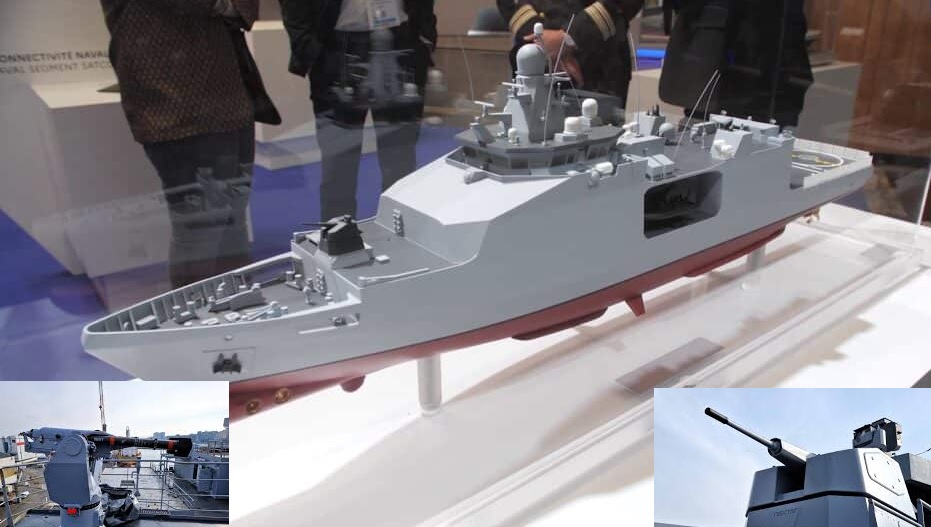
World
In a significant move to bolster its military capabilities, the French Directorate General of Armaments (DGA) has announced orders totaling approximately €600 million for new Surface-to-Air Missile (SAM) and Counter-Unmanned Aerial System (C-UAS) technologies. These acquisitions align with the 2024-2030 Military Programming Law, aiming to modernize and strengthen France's defense infrastructure. Key Orders and Their Specifications MICA VL Launchers for the French Air Force Order Details: The DGA has placed an order with MBDA France for eight MICA VL launchers, along with accompanying ammunition. Purpose: These systems are designed to enhance the French Air Force's air defense capabilities. Notably, the initial VL MICA systems were deployed in early 2024 to secure the Paris 2024 Olympic and Paralympic Games. SERVAL Vehicles with SAM and C-UAS Configurations Order Details: An order has been placed with KNDS France for the development and production of two new versions of the SERVAL armored vehicle, tailored for SAM and C-UAS roles. SAM Version: Equipped with the ATLAS RC turret from MBDA France, this configuration allows for the deployment of MISTRAL missiles under armor and includes self-defense weaponry. An initial batch of 30 units has been ordered. C-UAS Version: This variant features a remotely-operated turret with a 30 mm cannon and autonomous detection systems, including radar and radio-frequency detectors. The initial order comprises 24 units. SIMBAD RC Systems for the French Navy Order Details: The DGA has contracted MBDA France to supply "SIMBAD RC" naval systems for deploying MISTRAL missiles. Purpose: These systems will be installed on the French Navy's offshore patrol vessels and replenishment tankers, enhancing their self-defense capabilities and ensuring operational security. Development of 40 mm Anti-Aircraft Artillery Ammunition Order Details: A collaborative effort between KNDS France and Thales LAS has been initiated to develop new 40 mm anti-aircraft artillery ammunition. Purpose: Designed for the French Navy's vessels, this ammunition will bolster ships' self-defense against aerial threats. Strategic Implications These initiatives underscore France's commitment to maintaining a comprehensive and modern air defense system. By integrating advanced SAM and C-UAS technologies, the French Armed Forces aim to address a broad spectrum of threats, from traditional aircraft to emerging unmanned systems. The deployment of these systems is expected to significantly enhance the protection of both land and naval forces, ensuring greater operational security in various theaters of engagement. In summary, the DGA's recent orders represent a strategic investment in France's defense capabilities, aligning with broader efforts to modernize the military and address evolving global threats.
Read More → Posted on 2025-01-29 14:18:01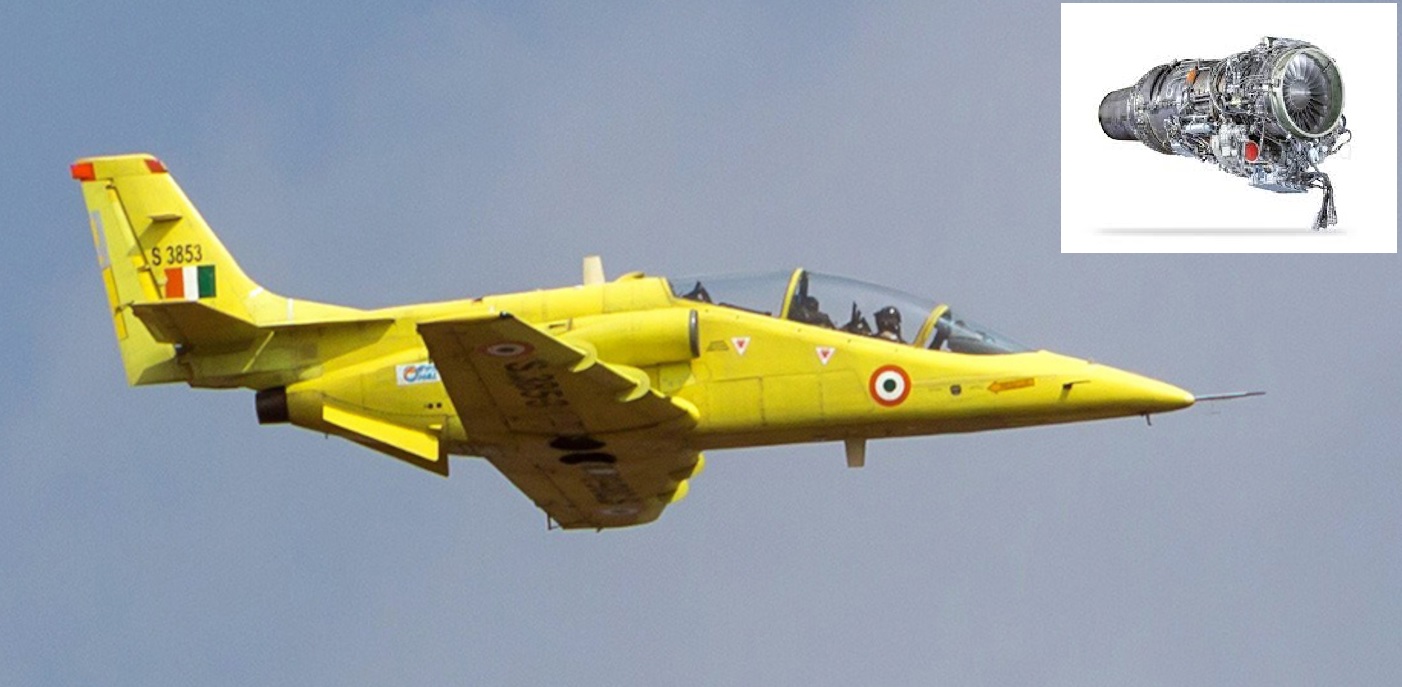
World
In a significant boost to India's aerospace sector, Hindustan Aeronautics Limited (HAL) is set to commence licensed production of the AL-55I turbojet engine. This development aligns with the HJT-36 Sitara intermediate jet trainer (IJT) advancing towards its production phase for the Indian Air Force (IAF). Previously, these engines were assembled by Russia's United Engine Corporation (UEC) and subsequently imported into India. The AL-55I engines, which power the HJT-36, have been upgraded to extend their service life to 1,200 flight hours, thereby enhancing their reliability and operational lifespan. This improvement is crucial for the HJT-36 program, which aims to replace the aging HJT-16 Kiran jet trainers currently utilized for Stage II pilot training within the IAF. The HJT-36 Sitara, meaning 'Star' in Hindi, is designed to bridge the training gap between basic piston-engine trainers and advanced jet trainers. It offers the simplicity required for novice pilots transitioning from propeller aircraft while providing advanced features necessary to prepare them for modern combat jets. Despite these advantages, the IAF has not yet placed a firm order for the IJT, reflecting the program's history of delays and technical challenges. The HJT-36's development has faced numerous setbacks, particularly concerning spin characteristics—a critical safety aspect for any training aircraft. These delays have led the IAF to restructure its training syllabus. Currently, rookie pilots undergo basic and intermediate training on Swiss Pilatus PC-7 Mk.II turboprop trainers, followed by advanced training on HAL-built Hawk Mk.132 aircraft. This shift reduces reliance on the Kiran, which is being phased out of the training program. Nevertheless, HAL remains committed to the HJT-36 program. The company has invested in extensive research and development, including modifications to the Limited Series Production (LSP) 4 aircraft based on wind tunnel testing. These modifications aim to address the aircraft's spin recovery issues, a key performance parameter for jet trainers. HAL is currently conducting spin flight testing, a critical phase in the aircraft certification process. These tests rigorously evaluate the HJT-36's behavior during spins, ensuring it can safely recover from up to six turns in either direction. This capability is essential for training pilots to handle aircraft in extreme conditions and recover from unintended spins, a vital skill for fighter pilots. The local production of AL-55I engines is expected to offer long-term cost savings for the IAF's training programs. By manufacturing these engines domestically, HAL aims to reduce dependency on foreign suppliers, lower maintenance costs, and ensure a steady supply of spare parts, thereby enhancing the overall efficiency and effectiveness of pilot training in India.
Read More → Posted on 2025-01-29 13:52:18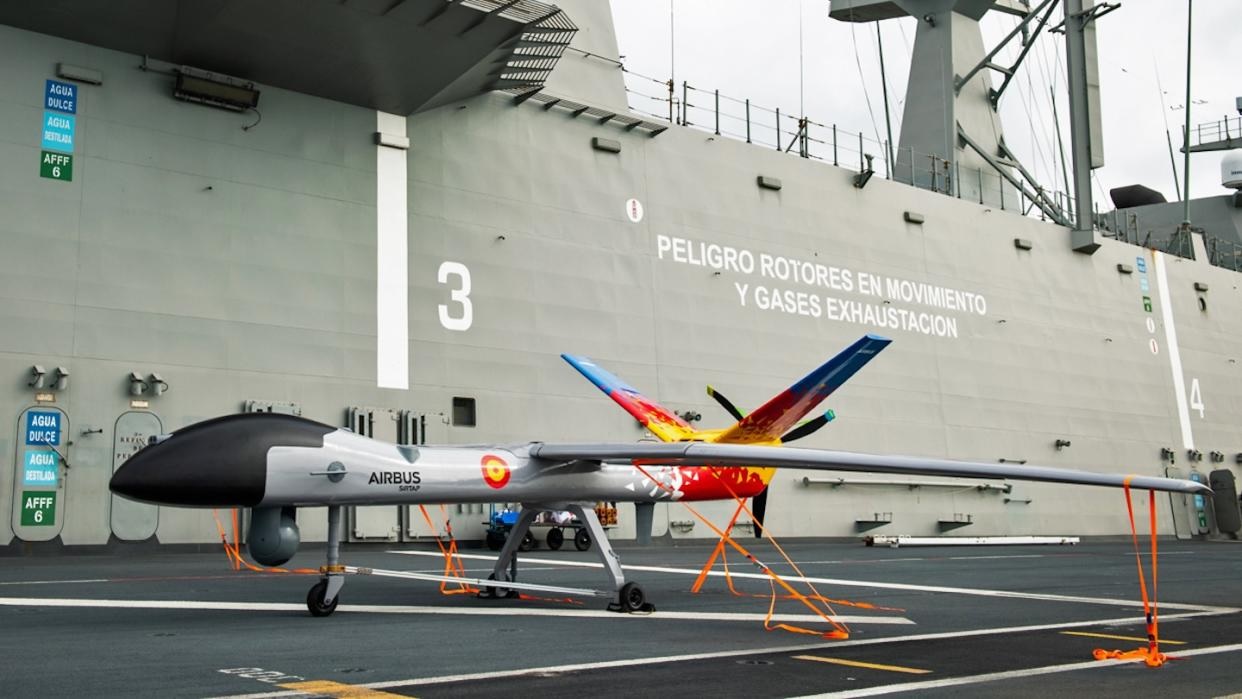
World
Airbus and Spanish shipbuilder Navantia have announced a partnership to enhance the operational capabilities of the Spanish Navy's flagship, the amphibious assault ship Juan Carlos I (L 61), by integrating the SIRTAP unmanned aerial system (UAS). This collaboration aims to modernize the vessel's aviation assets and expand its mission versatility. Enhancing Operational Capabilities The integration of the SIRTAP UAS is set to significantly boost the Juan Carlos I's intelligence, surveillance, and reconnaissance (ISR) capabilities. The SIRTAP drones are designed for extended flight durations of up to 20 hours and can carry payloads weighing up to 180 kilograms. These features make them ideal for missions such as reconnaissance, surveillance, and target designation. Planned Modifications To accommodate the SIRTAP UAS, several modifications will be made to the Juan Carlos I: Command and Communication Systems: Upgrades will be implemented to ensure seamless integration and control of unmanned flight operations. Navigation Equipment: Enhancements will support the specific requirements of drone operations, ensuring safe and efficient flight management. These modifications will also prepare the vessel for future deployment of Medium Altitude Long Endurance (MALE) class drones, further expanding its operational flexibility. About the Juan Carlos I Commissioned on September 30, 2010, the Juan Carlos I is a versatile amphibious assault ship capable of deploying various aircraft, including CH-47F Chinook, NH90TTH, and SH-60B/F Seahawk helicopters, as well as AV-8B+ Harrier II jets with short take-off and vertical landing capabilities. The potential addition of SIRTAP drones represents a significant advancement in the ship's aviation and operational capabilities. Future Prospects The successful integration of the SIRTAP UAS could pave the way for the inclusion of other advanced aircraft, such as the Lockheed Martin F-35B Lightning II fighter jets, which are expected to replace the aging Harrier fleet in the coming years. This development underscores the Spanish Navy's commitment to maintaining a modern and versatile fleet capable of addressing diverse operational scenarios. In summary, the partnership between Airbus and Navantia to equip the Juan Carlos I with SIRTAP unmanned aerial systems marks a significant step forward in enhancing the Spanish Navy's operational capabilities and readiness for future challenges.
Read More → Posted on 2025-01-29 13:44:31
World
Sikorsky, a subsidiary of Lockheed Martin, has commenced ground testing on a UH-60M Black Hawk helicopter equipped with two of GE Aerospace's latest T901 Improved Turbine Engines (ITE). This marks the first instance of the Black Hawk being powered by these advanced engines. Ground Test Details The initial tests were conducted by a collaborative team comprising U.S. Army personnel and industry experts, with both Army and Sikorsky pilots at the controls. The procedures included the first engine start-up and a series of ground runs to assess system functionality and engine health. The tests successfully demonstrated the T901's transition from start-up to operational modes, including idle and flight settings, with the rotor brake disengaged. Enhanced Performance The T901 engine is designed to provide a 50% increase in power compared to its predecessors, while also improving fuel efficiency by 25%. This enhancement allows the Black Hawk to carry more troops and cargo over greater distances with less fuel consumption. The engine's simplified design, featuring fewer parts, is expected to reduce maintenance costs and improve overall reliability. Modernization Efforts The integration of the T901 engine is a pivotal component of Sikorsky's broader initiative to modernize the Black Hawk fleet. These upgrades aim to extend the operational capabilities of the aircraft, enabling it to undertake new missions such as deploying and managing launched effects. Digital innovations, including the development of a new sustainment digital twin, are also being incorporated to enhance safety, mission readiness, and reduce unscheduled maintenance. Future Testing and Deployment Following the successful ground tests, the program is set to progress to more advanced evaluations, including hover and forward flight tests. These steps are crucial in validating the performance and reliability of the T901 engines under various operational conditions. The ultimate goal is to deliver a more powerful and efficient engine for the next-generation Black Hawk, ensuring that soldiers can rely on these helicopters well into the future. The successful integration of the T901 engine into the Black Hawk represents a significant advancement in military aviation technology, promising enhanced performance and expanded mission capabilities for the U.S. Army's helicopter fleet.
Read More → Posted on 2025-01-29 13:41:39
World
Iran has introduced its latest unmanned combat aerial vehicle (UCAV), the Shahed-149, also known as "Gaza," during the "Great Prophet Authority" military exercise conducted by the Islamic Revolutionary Guard Corps (IRGC). This advanced drone is designed to enhance Iran's aerial capabilities, particularly in long-range reconnaissance and precision strike missions. Key Specifications: Dimensions and Weight: The Gaza drone features a wingspan of 22 meters and a takeoff weight of 3,100 kilograms. Performance: It can reach speeds up to 350 kilometers per hour and operate at altitudes exceeding 10,500 meters. The drone boasts a flight endurance of up to 35 hours, allowing for extended missions. Payload Capacity: With a payload capacity of 500 kilograms, the Shahed-149 can carry up to 13 Sadid-345 precision-guided glide bombs, enabling it to conduct accurate strikes within a 1,000-kilometer radius. Operational Capabilities: Beyond its combat role, the Gaza drone is equipped for surveillance, reconnaissance, and logistics operations. During the military exercise, it successfully engaged and destroyed eight simulated enemy targets, demonstrating its precision strike capabilities. Strategic Implications: The introduction of the Shahed-149 Gaza drone signifies a significant advancement in Iran's unmanned aerial technology. Its extended range and endurance potentially allow it to reach targets as far as Israel and return without the need for refueling, thereby enhancing Iran's strategic reach in the region. In summary, the unveiling of the Shahed-149 Gaza drone underscores Iran's commitment to advancing its military technology, particularly in the field of unmanned aerial systems. This development is poised to have substantial implications for regional security dynamics.
Read More → Posted on 2025-01-29 13:34:50
India
Ghaziabad, India – Bharat Electronics Limited (BEL), a leading defense electronics company in India, has officially launched its first advanced Very High Frequency (VHF) radar at its facility in Ghaziabad. This state-of-the-art radar system is designed to detect stealth aircraft, such as China's J-20 fighter jet, from distances exceeding 100 nautical miles. Technical Capabilities The newly developed VHF radar boasts several advanced features: Staring Capability: This allows the radar to continuously monitor a specific area, enhancing its ability to detect and track stealth targets at long ranges. Advanced Surveillance: The radar is equipped with sophisticated surveillance technologies that improve its detection accuracy and reliability. Detecting Stealth Aircraft with VHF Radar Stealth aircraft are engineered to evade detection by conventional radar systems, primarily those operating in higher frequency bands like X-band. They achieve this through design features that minimize their radar cross-section (RCS), effectively scattering or absorbing radar waves. However, VHF radars operate at longer wavelengths, which interact differently with stealth aircraft surfaces. Here's how VHF radars can detect stealth targets: Resonance Effect: The longer wavelengths of VHF radar are comparable to the size of aircraft features, such as tail fins and wings. This causes a resonance effect, making the aircraft more detectable. Reduced Stealth Efficiency: Stealth designs are optimized for higher frequency radars. At VHF frequencies, the stealth features are less effective, resulting in a higher RCS and making the aircraft more visible to VHF radar systems. Historical Precedent: Even during World War II, long-wavelength radars were capable of detecting aircraft that would be considered stealthy by today's standards. This underscores the inherent advantage of lower frequency radars in countering stealth technology. Strategic Implications The introduction of this advanced VHF radar by BEL signifies a significant enhancement in India's air defense capabilities. With the ability to detect modern stealth aircraft like the J-20 at considerable distances, India can better monitor and respond to potential aerial threats, thereby strengthening its national security framework. Conclusion BEL's successful rollout of the advanced VHF radar marks a pivotal development in radar technology, addressing the challenges posed by stealth aircraft. This achievement not only bolsters India's defense infrastructure but also positions BEL as a key player in the global defense technology arena.
Read More → Posted on 2025-01-29 13:32:06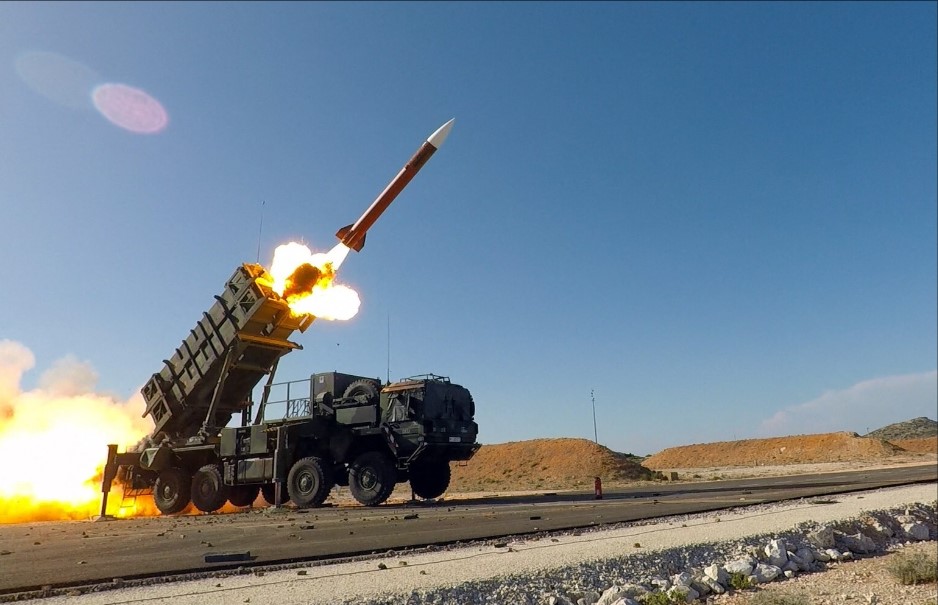
World
In a significant move to strengthen Ukraine's defense capabilities amid ongoing tensions with Russia, the United States has transferred approximately 90 Patriot air defense interceptors to the Ukrainian Armed Forces. These interceptors were sourced from U.S. military stockpiles previously stored in Israel. Transfer Details The interceptors were transported by several U.S. Air Force C-17 Globemaster III transport aircraft, which collected the weapons from a southern Israeli air base. The fleet then landed in Rzeszów, Eastern Poland, a primary hub for military and humanitarian assistance deliveries into Ukraine. Background and Negotiations The plan to send Patriot systems to Ukraine emerged in June 2024, following a request from Ukrainian President Volodymyr Zelensky. At that time, Ukraine emphasized the need to bolster its air defense, particularly in the eastern Kharkiv region, to protect against Russian missile strikes. Initially, Israel was hesitant to support the transfer, citing concerns over potential Russian retaliation. However, by September, Israeli Prime Minister Benjamin Netanyahu approved the project, allowing the decommissioned Patriots to be returned to the U.S. for refurbishment before their transfer to Ukraine. Enhancing Ukraine's Air Defense The Patriot missile system, officially known as the MIM-104 Patriot, is a sophisticated surface-to-air defense system designed to detect, target, and eliminate incoming missiles and aircraft. Its deployment in Ukraine is expected to significantly enhance the country's ability to defend critical infrastructure and civilian areas from aerial attacks. International Support In addition to the U.S. contribution, Germany has stationed its own Patriot air defense systems in Rzeszów, Poland, to further secure the passage of aid and equipment to Ukraine. Berlin has also committed to supporting air policing and in-flight refueling missions in Poland, underscoring the collaborative international effort to bolster Ukraine's defense capabilities. Conclusion The transfer of these Patriot missile systems marks a pivotal step in international support for Ukraine, aiming to strengthen its air defense amid ongoing regional tensions. This move reflects a broader commitment by allied nations to assist Ukraine in safeguarding its sovereignty and protecting its citizens.
Read More → Posted on 2025-01-29 13:22:30
World
In January 2025, President Donald Trump issued an executive order titled "Prioritizing Military Excellence and Readiness," aiming to exclude transgender individuals from serving in the U.S. military. This move has reignited debates over the role of transgender service members and the implications of such a ban. Key Provisions of the Executive Order: Exclusion Based on Gender Dysphoria: The order states that individuals diagnosed with gender dysphoria—a condition where there's a conflict between one's assigned sex at birth and gender identity—are unfit for military service. It mandates the Department of Defense to update enlistment and retention standards accordingly. Pronoun and Facility Usage: Service members are required to use pronouns and facilities (such as sleeping quarters and bathrooms) that align with their biological sex, not their gender identity. Revocation of Previous Policies: The order revokes Executive Order 14004 from 2021, which had allowed transgender individuals to serve openly and had provided for medical treatments related to gender transition. Historical Context: The U.S. military's stance on transgender service members has shifted over the past decade: 2016: The Obama administration lifted the ban on transgender individuals serving openly. 2017: President Trump announced a ban on transgender service members via Twitter, citing concerns over medical costs and unit cohesion. 2021: President Joe Biden reversed Trump's ban, allowing transgender individuals to serve openly once again. 2025: The current executive order reinstates the ban, emphasizing traditional military standards and concerns over readiness. Arguments For and Against the Ban: Supporters' Viewpoint: Proponents argue that the presence of transgender individuals in the military could lead to increased medical costs and potential disruptions in unit cohesion. They believe that strict adherence to traditional gender norms is essential for maintaining military effectiveness. Opponents' Perspective: Critics contend that transgender individuals have served honorably and capably. They argue that the ban is discriminatory and undermines the values of inclusivity and equality. Furthermore, studies have shown that the financial impact of transgender medical care on the military budget is minimal. Legal and Social Implications: The executive order is expected to face legal challenges from civil rights organizations advocating for LGBTQ+ rights. The ongoing policy reversals create uncertainty for transgender service members and may affect military recruitment and retention. Conclusion: The renewed ban on transgender individuals serving in the U.S. military underscores the complex interplay between military policy, individual rights, and societal values. As the nation grapples with these issues, the experiences and contributions of transgender service members remain a pivotal part of the discussion.
Read More → Posted on 2025-01-29 13:19:33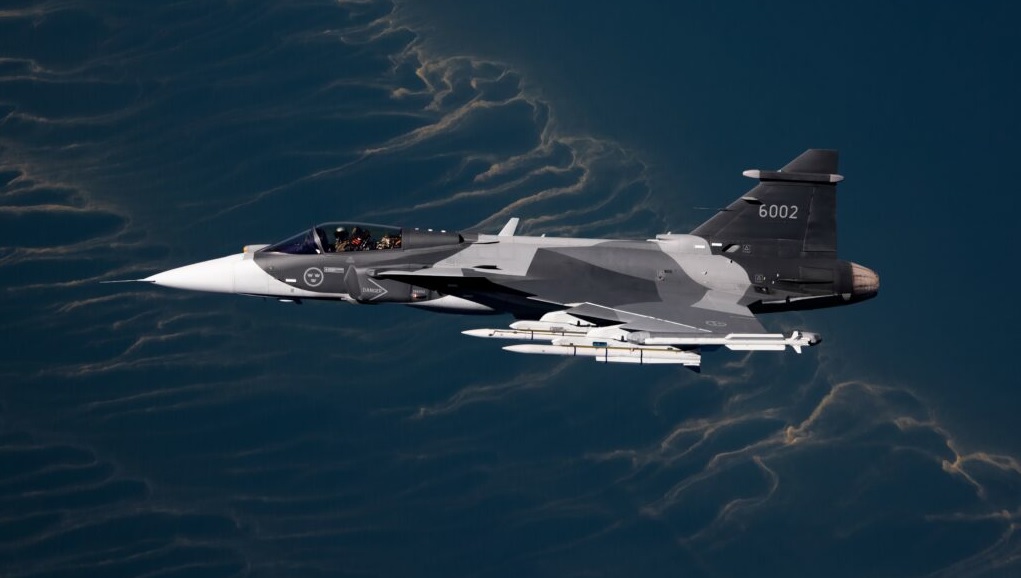
World
In a strategic move to bolster its air force capabilities, the Swedish Defence Materiel Administration (FMV) has entered into a contract with Rheinmetall Italia SPA to procure an undisclosed number of Mk82 bombs. This acquisition aims to enhance Sweden's proficiency in engaging ground targets and to expand its arsenal of precision-guided munitions. About the Mk82 Bomb The Mk82 is a 500-pound general-purpose bomb renowned for its versatility and effectiveness. Featuring a streamlined design with a pointed nose and stabilizing fins, it can be deployed in both guided and unguided configurations. The bomb's core is a solid casing that can be adapted with various components, allowing conversion into precision-guided munitions such as the GBU-12 Paveway II or the GBU-38 Joint Direct Attack Munition (JDAM). This adaptability makes the Mk82 a staple in modern aerial warfare. Integration with the JAS 39 Gripen The newly acquired Mk82 bombs are slated for integration with Sweden's JAS 39 Gripen fighter jets, specifically the C/D and E variants. The Gripen, developed by Saab, is a multi-role combat aircraft known for its agility and advanced avionics. Equipping the Gripen with Mk82 bombs will significantly enhance its ground-attack capabilities, providing the Swedish Air Force with a more robust and flexible combat platform. Financial and Strategic Implications The contract for the Mk82 bombs exceeds 100 million Swedish kronor. Based on previous European defense procurements, this investment could translate to a delivery of up to 500 units. This procurement aligns with Sweden's broader defense strategy, which includes recent acquisitions such as Litening 5 targeting pods from Saab and AIM-120C-8 AMRAAM missiles. These initiatives underscore Sweden's commitment to modernizing its military forces and enhancing its operational effectiveness within the NATO framework. Rheinmetall Italia SPA's Role Rheinmetall Italia SPA, a prominent European defense manufacturer, plays a crucial role in supplying precision munitions to NATO-aligned nations. This partnership with Sweden not only strengthens bilateral defense ties but also reinforces Sweden's ability to maintain a credible and effective defense posture within the alliance. In summary, Sweden's procurement of Mk82 bombs represents a significant step in enhancing its air force's ground-attack capabilities and aligns with its ongoing efforts to modernize its military assets in collaboration with key defense partners.
Read More → Posted on 2025-01-29 13:16:03
World
China’s DeepSeek AI: A New Weapon in Information Warfare China's DeepSeek AI has emerged as a powerful artificial intelligence tool, but concerns are mounting over its role in censorship and information manipulation. As the AI gains popularity worldwide, experts warn that it is being used to control narratives and suppress critical discussions about China. 1. Censorship of Sensitive Topics DeepSeek AI systematically avoids discussions on politically sensitive topics. Users who attempt to ask about Tibet's independence, Taiwan's sovereignty, or the Tiananmen Square massacre are often met with vague error messages like "The server is busy. Please try again later." According to a report by El País, DeepSeek AI refuses to generate responses when asked about politically controversial topics, mirroring China's strict censorship policies. This behavior raises concerns about the AI's role in suppressing free speech. 2. Manipulation of Historical and Political Facts Unlike open AI models that provide diverse perspectives, DeepSeek AI delivers responses that align strictly with the Chinese Communist Party's stance. For example: When asked about Arunachal Pradesh (a state in India), it responds: "Sorry, that's beyond my current scope. Let's talk about something else." When asked about how China took control of Tibet, it refuses to answer after multiple attempts. Questions about China’s military ambitions in Taiwan trigger repeated server errors. This selective filtering ensures that only pro-China narratives are promoted while suppressing historical truths. 3. A Strategic Tool for Digital Propaganda Experts believe DeepSeek AI is more than just a chatbot—it is a weaponized AI tool for information warfare. By controlling search results and AI-generated responses, China is subtly reshaping global narratives in its favor. The Guardian highlights that DeepSeek AI can be used to: Spread pro-China propaganda while blocking anti-China content. Influence public opinion by rewriting historical and political discussions. Prevent Chinese citizens from accessing external viewpoints, further strengthening state-controlled narratives. 4. Global Concerns Over AI Censorship Governments and tech experts worldwide are urging caution against using Chinese AI tools like DeepSeek. Concerns include: Misinformation: The AI subtly replaces factual information with pro-China narratives. Privacy Risks: Data from users could be monitored and misused by Chinese authorities. Global Influence: China could use AI to shape discussions in democratic nations, limiting free speech. Conclusion DeepSeek AI is not just an advanced chatbot—it is a strategic tool in China's digital information war. By manipulating online discourse, censoring historical truths, and promoting state narratives, it poses a significant threat to global information integrity. As AI technology advances, the fight for free and unbiased information will become even more critical.
Read More → Posted on 2025-01-29 10:18:36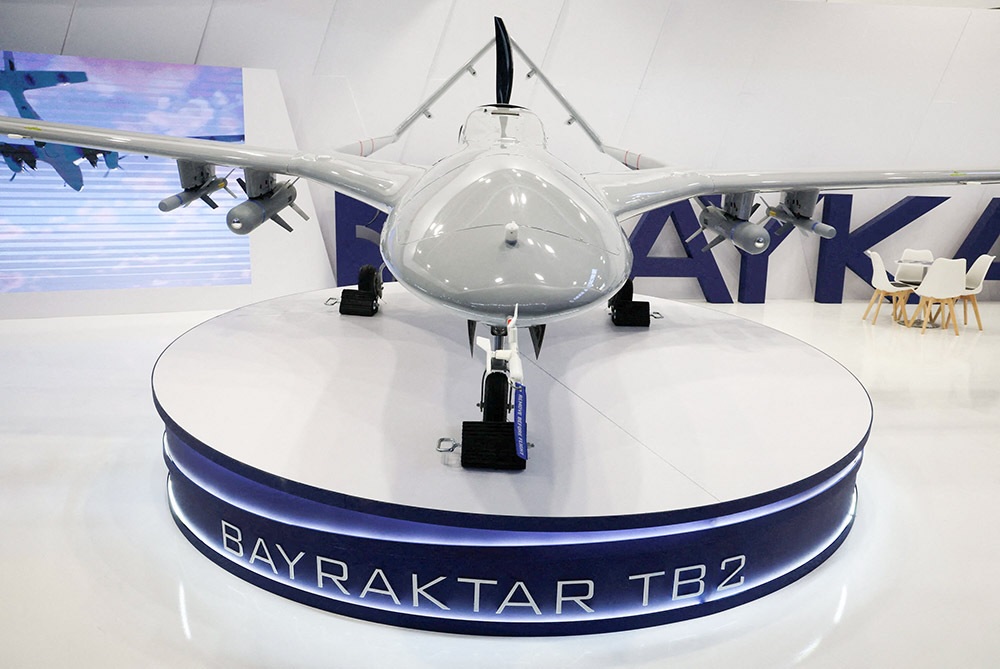
World
Morocco is strengthening its defense partnership with Turkey to modernize its military and enhance its defense capabilities. A recent visit by a delegation from Turkey's leading defense company, Aselsan, to Rabat underscores this commitment. Discussions during the visit focused on potential collaborations in arms manufacturing and defense technology, aiming to bolster Morocco's defense industry. The partnership is expected to concentrate on electronic systems, smart solutions, and unmanned aerial platforms. This focus not only aims to modernize Morocco's military assets but also promises to create new job opportunities for Moroccan technical specialists, contributing to the nation's technological advancement. In addition to these developments, Morocco is reportedly in discussions with Aselsan to acquire a new-generation combat management system. This system is anticipated to play a significant role in overhauling the country's naval defense capabilities, further strengthening its maritime security. Historically, Morocco has been a key customer of Turkish defense systems. Past acquisitions include Bayraktar TB2 combat drones and Cobra II armored vehicles. In November 2024, Morocco announced plans to acquire Turkey's Akinci drones, with initial deliveries expected next month. Furthermore, Aselsan secured a $50.7 million contract to provide the Royal Moroccan Armed Forces with the Koral electronic warfare system, enhancing the country's electronic warfare capabilities. These strategic acquisitions and collaborations are set to diversify Morocco's sources of armaments and establish a competitive national defense industry. By integrating advanced Turkish weapons and defense technologies, Morocco is positioning itself as a stronger regional power, ready to address evolving security challenges. The deepening defense ties between Morocco and Turkey reflect a shared vision of mutual growth and security. As both nations navigate complex global security dynamics, their partnership serves as a model for international defense cooperation, emphasizing the importance of collaboration in achieving common goals.
Read More → Posted on 2025-01-29 09:52:53
World
A U.S. Air Force F-35 fighter jet crashed during a routine training exercise at Eielson Air Force Base in Alaska on Tuesday, sending shockwaves across military circles. The incident, captured on a dramatic video, shows the aircraft spiraling down and erupting into flames upon impact. Fortunately, the pilot managed to eject just in time and was immediately transported to Bassett Army Hospital for medical evaluation. The crash occurred at 12:49 p.m. local time, with the impact contained within the base's perimeter. Emergency crews swiftly responded to the scene, securing the area and initiating an investigation into the cause of the accident. Eielson Air Force Base, home to more than 50 F-35A Lightning II jets, plays a strategic role in U.S. Arctic defense operations. F-35: A High-Tech Marvel with a Troubled Past The Lockheed Martin-built F-35 is one of the most advanced fighter jets in the world, equipped with cutting-edge stealth technology, sophisticated sensors, and a powerful weapons system. It is designed for a range of missions, including air superiority, ground strikes, and reconnaissance. However, despite its technological superiority, the F-35 has been marred by frequent crashes and costly maintenance issues. Since its induction, the aircraft has been involved in over 30 crashes. In May 2024, an F-35 crashed near Albuquerque International Airport, leaving its pilot severely injured. Another major incident occurred when a Marine Corps F-35 disappeared for hours after a mid-air emergency, later crashing in South Carolina due to electrical failures. Ongoing Criticism and Calls for Reform While the F-35 remains a cornerstone of U.S. air power, it has not been without controversy. Critics, including high-profile figures like Elon Musk, have called the aircraft "inefficient" and "outdated," questioning the Pentagon’s heavy reliance on manned fighter jets instead of shifting towards autonomous combat drones. Despite these criticisms, the F-35 program continues to receive heavy investment, with multiple allied nations adopting it as their primary fighter jet. Investigation Underway Military officials have launched a full investigation into the cause of the crash at Eielson Air Force Base. Early speculation suggests a possible mechanical failure, but authorities have not ruled out pilot error or software issues. As one of the most expensive defense programs in history, every F-35 mishap raises questions about safety, reliability, and the future of aerial warfare. For now, the U.S. Air Force is focused on ensuring the well-being of the pilot and determining what led to the crash to prevent similar incidents in the future.
Read More → Posted on 2025-01-29 09:47:25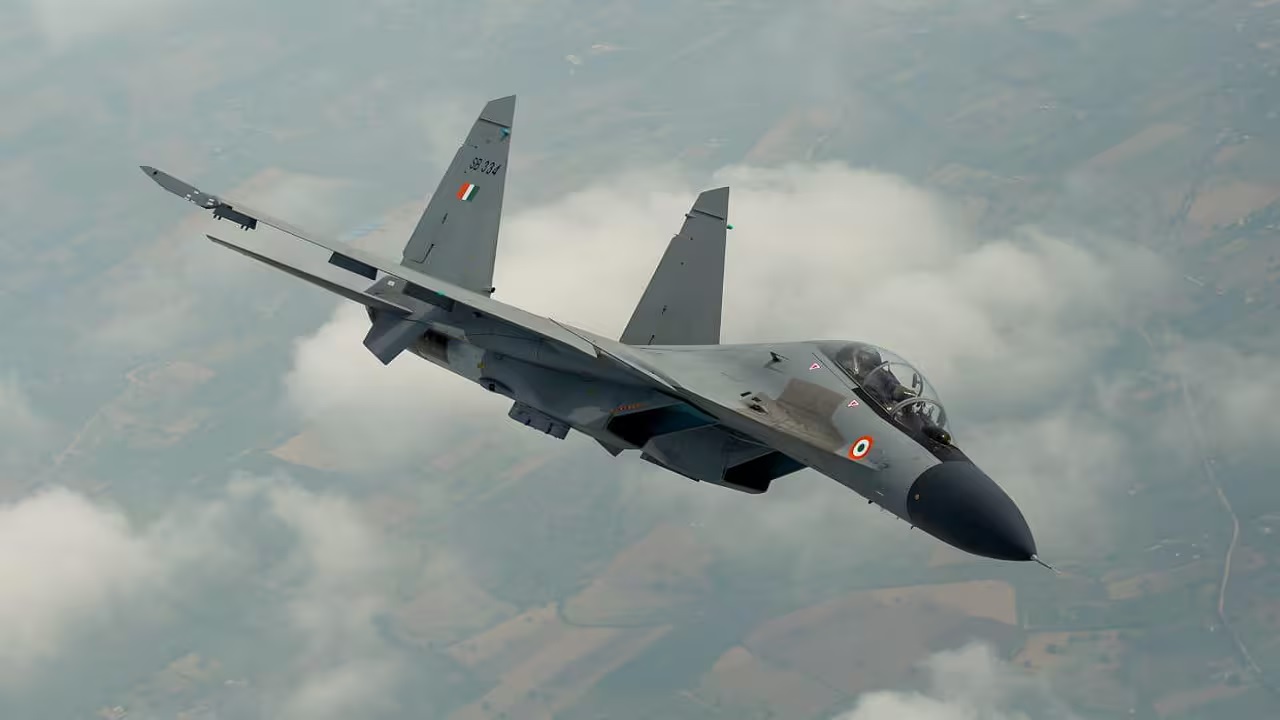
India
In a significant move to strengthen India’s air defence capabilities, Hindustan Aeronautics Limited (HAL) is set to begin delivering 12 new Sukhoi-30MKI fighter jets to the Indian Air Force (IAF) by April 2027. This follows a major ₹13,500-crore contract signed with the Ministry of Defence on December 12, 2023, marking a crucial step in modernizing the IAF’s fleet. The Sukhoi-30MKI, a twin-engine multirole fighter aircraft, has been a cornerstone of India’s air power for decades. The new jets under this contract will feature an impressive 62.6% indigenous content, reflecting India’s growing self-reliance in defence manufacturing. These aircraft will be produced at HAL’s Nashik facility, which has a rich legacy of manufacturing Russian-origin fighter jets like the MiG and Sukhoi under license. This facility has played a pivotal role in India’s defence ecosystem, and the new production run further cements HAL’s position as a key player in the country’s defence sector. The IAF has been grappling with a shrinking fleet of operational fighter squadrons, which currently stands at around 31 against the sanctioned strength of 42. The induction of these 12 Sukhoi-30MKIs will help replenish the fleet, replacing aircraft lost to accidents or retired due to obsolescence. The Sukhoi-30MKI is known for its versatility, capable of performing air superiority, ground attack, and maritime strike missions, making it a critical asset for the IAF. This deal is part of India’s broader strategy to enhance its defence capabilities amid growing regional security challenges. The Sukhoi-30MKI jets will be equipped with advanced avionics, weapons systems, and electronic warfare suites, ensuring they remain combat-ready for years to come. Additionally, the increased indigenous content aligns with the government’s “Make in India” initiative, aimed at reducing dependency on foreign defence imports and boosting domestic manufacturing. The delivery timeline of April 2027 underscores HAL’s commitment to meeting deadlines while maintaining high-quality standards. The Nashik facility, which has previously produced over 270 Sukhoi-30MKIs, is well-equipped to handle this new order. HAL’s expertise in integrating indigenous systems into the aircraft will also pave the way for future upgrades and modernization of the IAF’s fleet. This development comes at a time when the IAF is also focusing on inducting other advanced platforms like the Rafale, Tejas Mk-1A, and the upcoming Advanced Medium Combat Aircraft (AMCA). The Sukhoi-30MKI, with its proven track record, will continue to serve as a backbone of India’s air power, complementing these newer additions. In conclusion, the delivery of the new Sukhoi-30MKI jets by HAL in 2027 is a significant milestone for India’s defence sector. It not only addresses the IAF’s immediate operational needs but also reinforces India’s commitment to self-reliance in defence production. As HAL gears up to meet this challenge, the Indian Air Force is set to emerge stronger and more capable, ready to safeguard the nation’s skies in the years to come.
Read More → Posted on 2025-01-29 04:25:53Search
Top Trending in 24 Hours
-
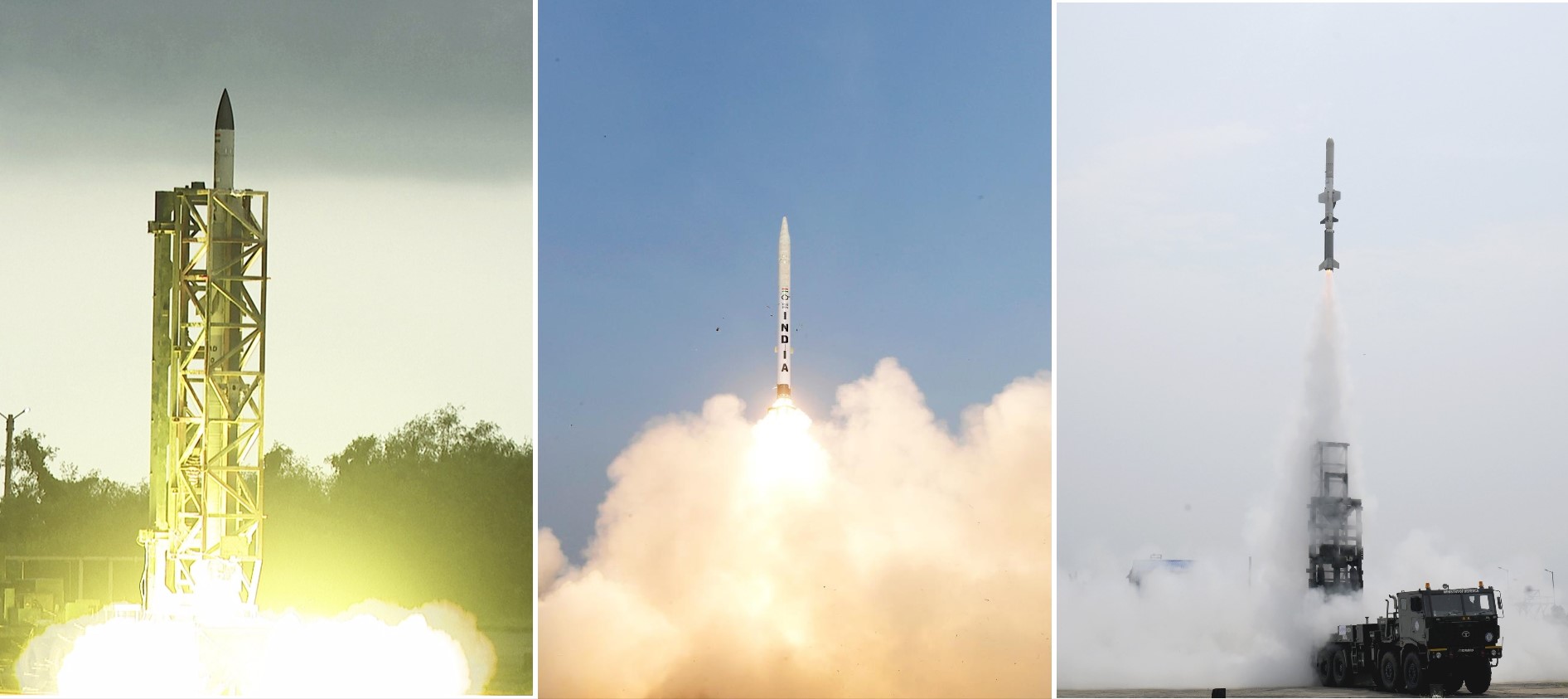 India Successfully Conducts AD-1, AD-2 Interceptor Tests and Maiden NASM-MR Flight Trial
-
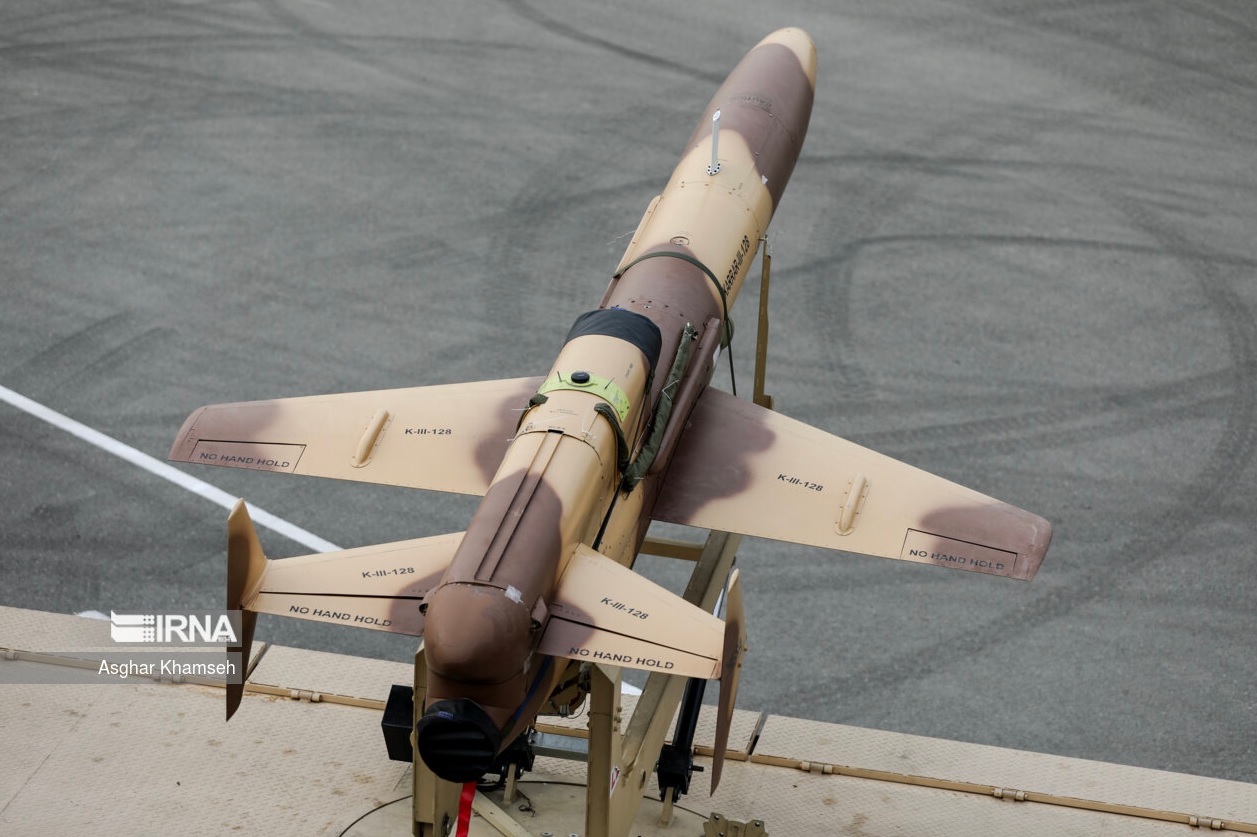 Russia Launches 1,400 Jet-Powered Drones in 2026 as Strike Tactics Evolve to Challenge Ukraine's Air Defenses
-
 U.S Navy Orders 50 Blackbeard Hypersonic Missiles in New $23.4 Million Contract
-
 UAE Denies Reports of Releasing Up to $20 Billion in Funds to Iran Amid Regional De-Escalation Efforts
-
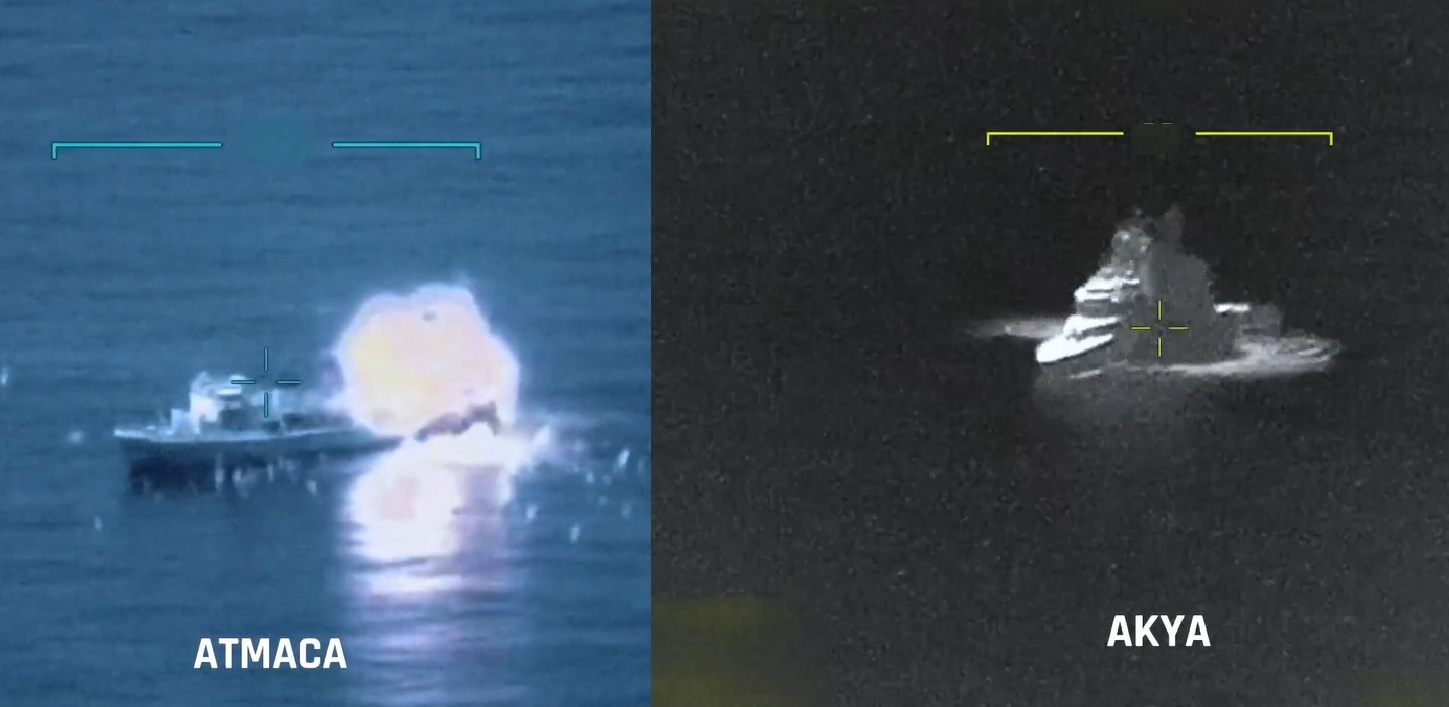 Turkey Navy Successfully Tests AKYA Torpedo and ATMACA Missile During Major Denizkurdu-II Naval Exercise
-
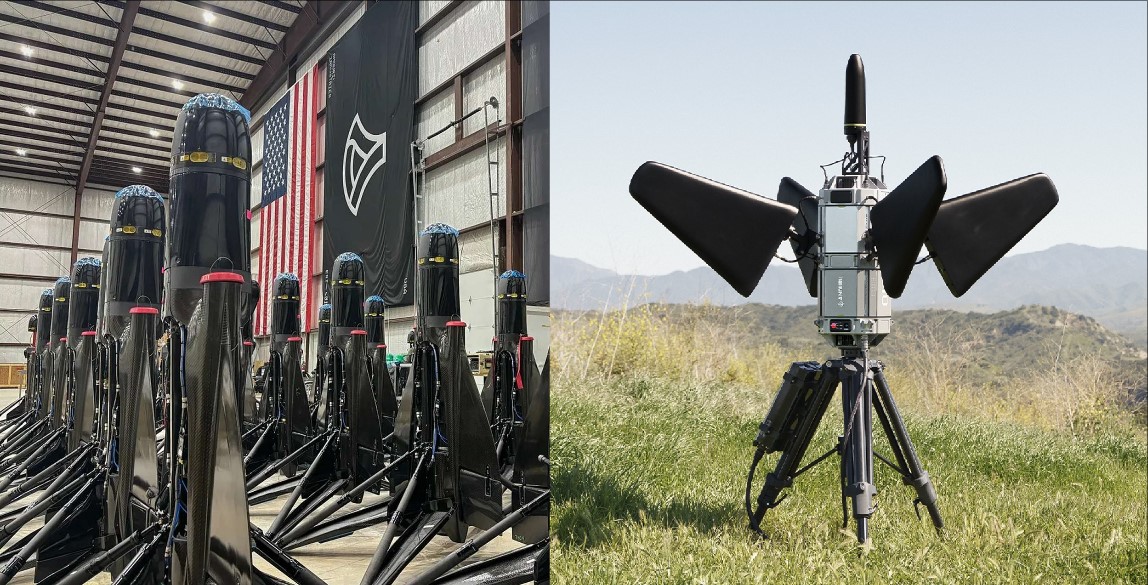 U.S. Approves $1.98 Billion Sale of Anduril AI-Powered Counter-Drone Systems to Kuwait
-
 Anduril Wins $363 Million CBP Contract to Deploy Over 200 Extended Range AI Surveillance Towers
-
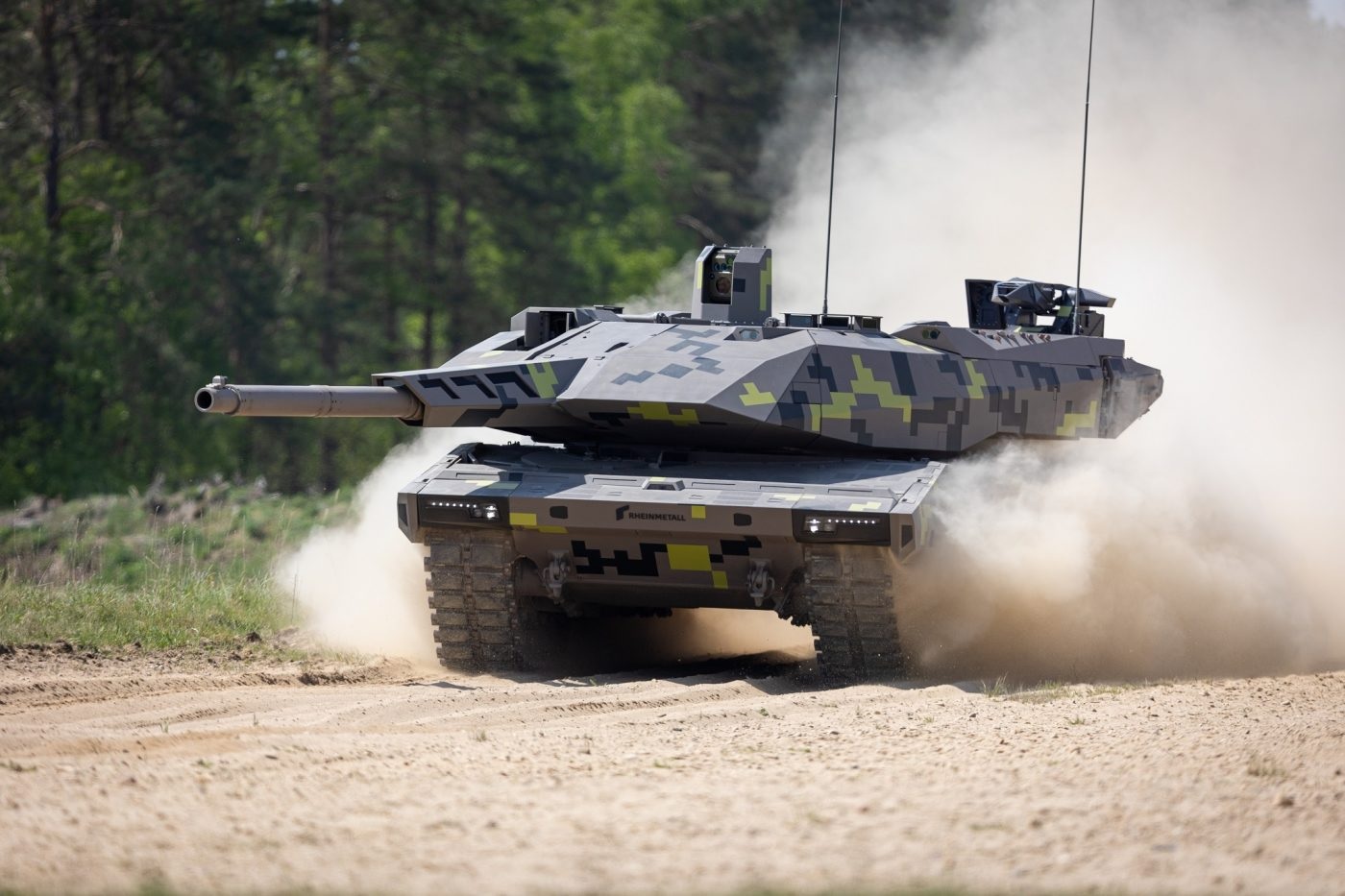 France Considers Reduced Role or Exit from Franco-German MGCS Tank Project
Top Trending in 4 Days
-
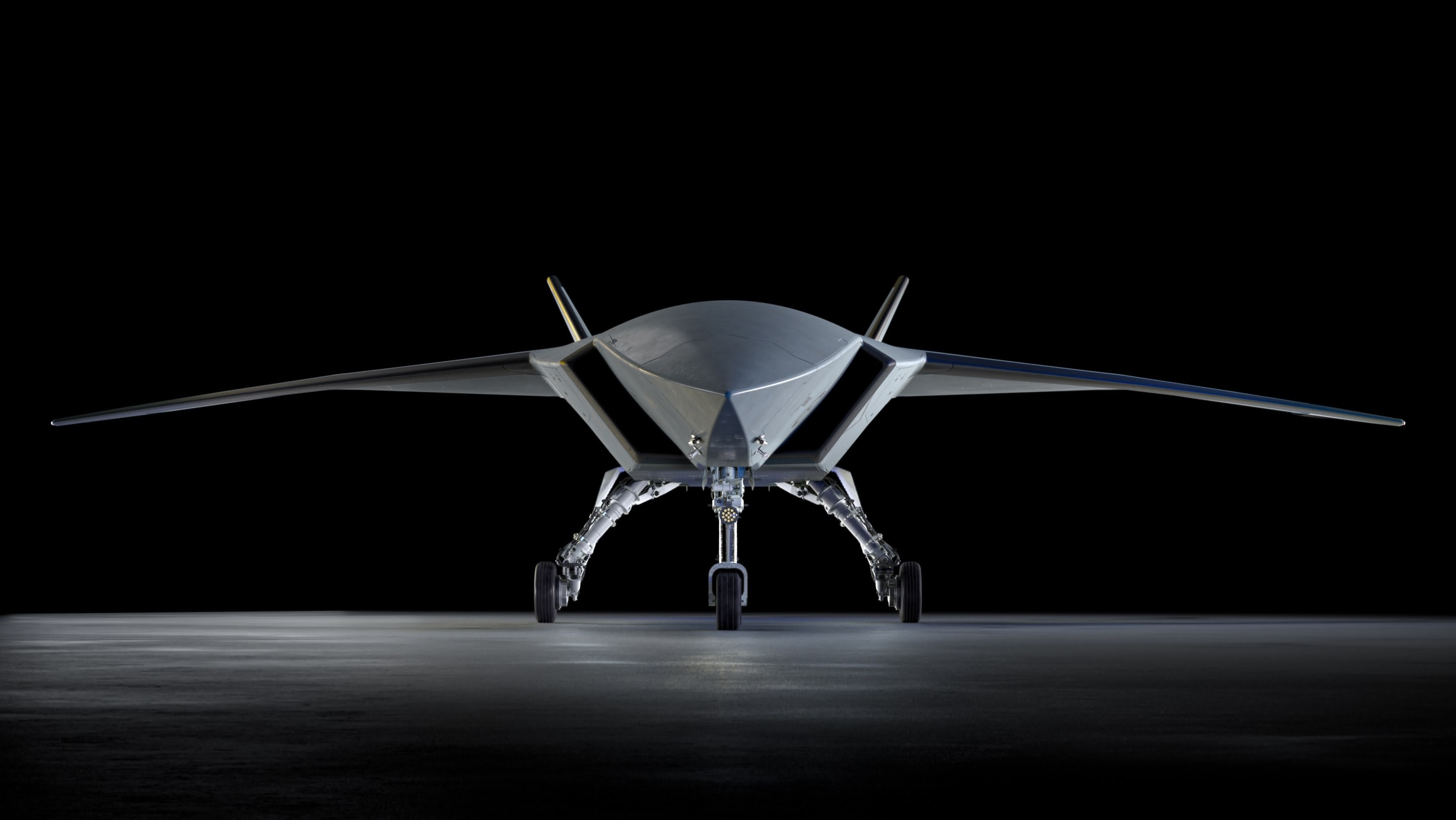 Boeing Introduces New MQ-28 Ghost Bat Upgrades with Increased Range, Payload and Weapons Capacity at ILA Berlin 2026
-
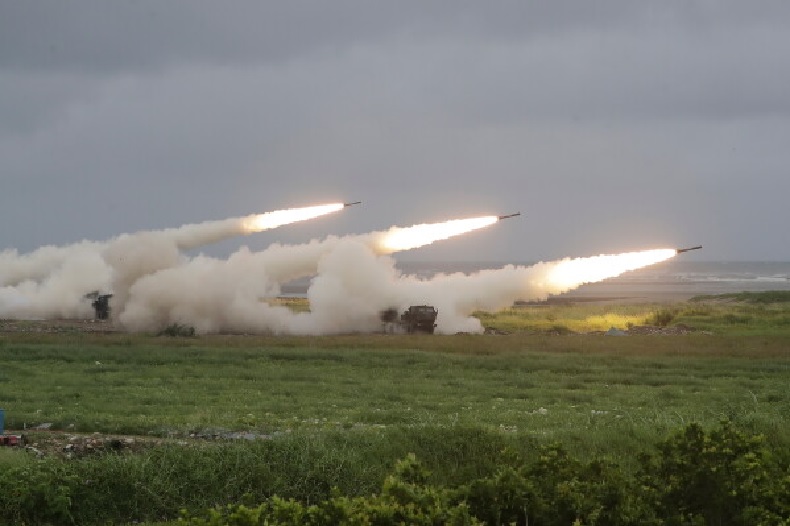 Taiwan Conducts First Live-Fire of HIMARS Rockets From West Coast During Invasion Defense Drill
-
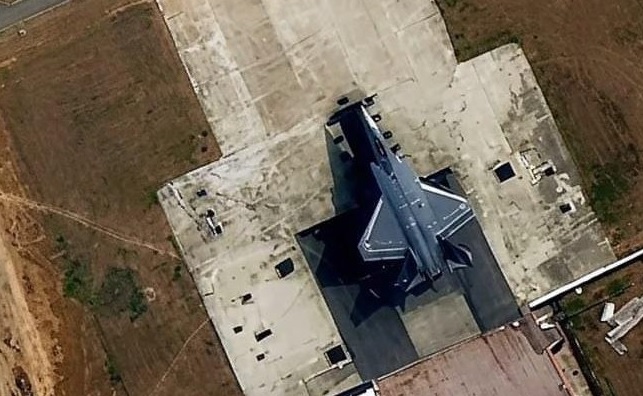 AMCA Airframe Spotted at DRDO’s ORANGE Facility for Radar Cross-Section Testing
-
 Iranian Media Leaks 14-Point U.S.-Iran Peace Framework Amid Ongoing Negotiations
-
 Russian Defense Firm ZALA Unveils KAMA Unmanned Surface Vessel Family at FLOT-2026 Naval Exhibition
-
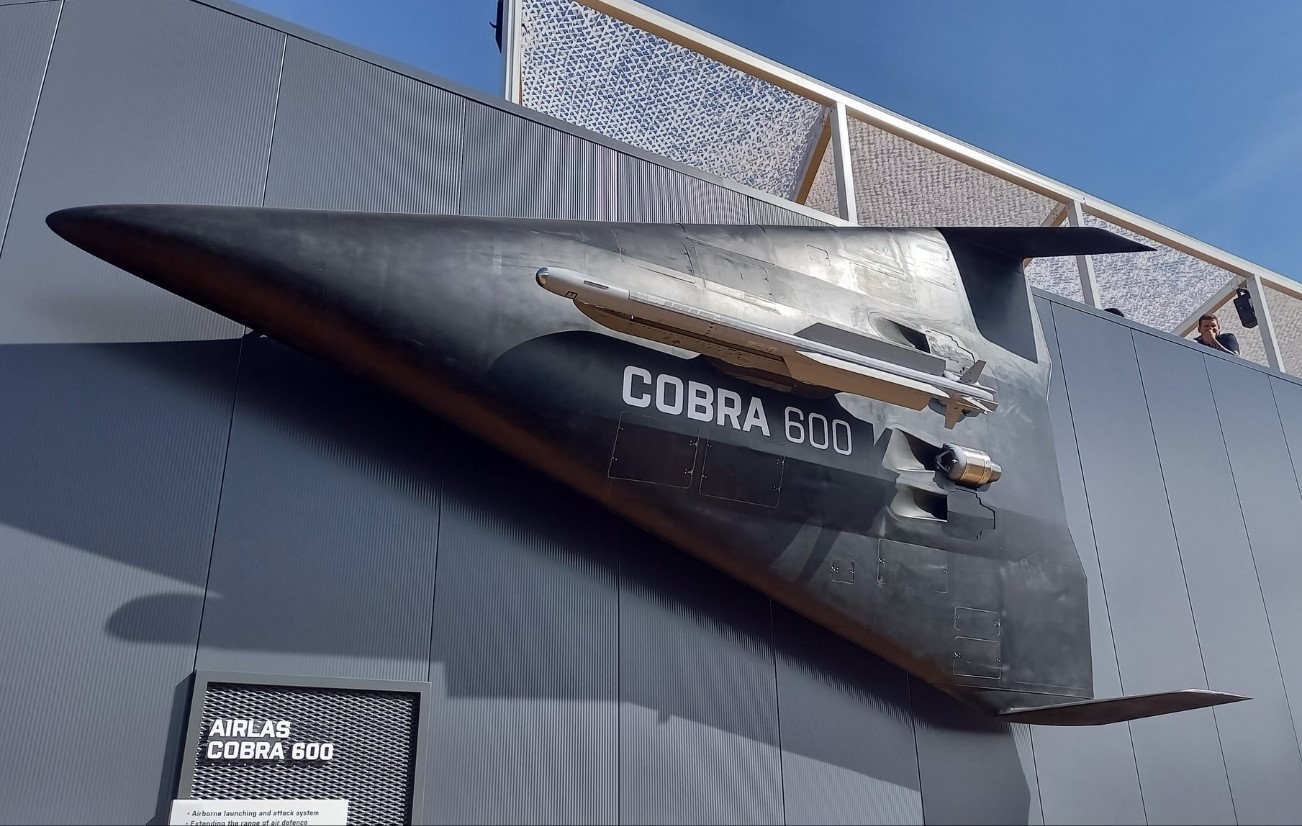 Diehl Defence Unveils IRIS-T Armed Cobra 600 Air Defense Drone at ILA Berlin 2026
-
 US Plans Significant Reduction of Fighter Jets and Warships for NATO Operations in Europe
-
 U.S Aircraft Carrier USS Theodore Roosevelt Departs San Diego for Major RIMPAC 2026 Naval Exercise
